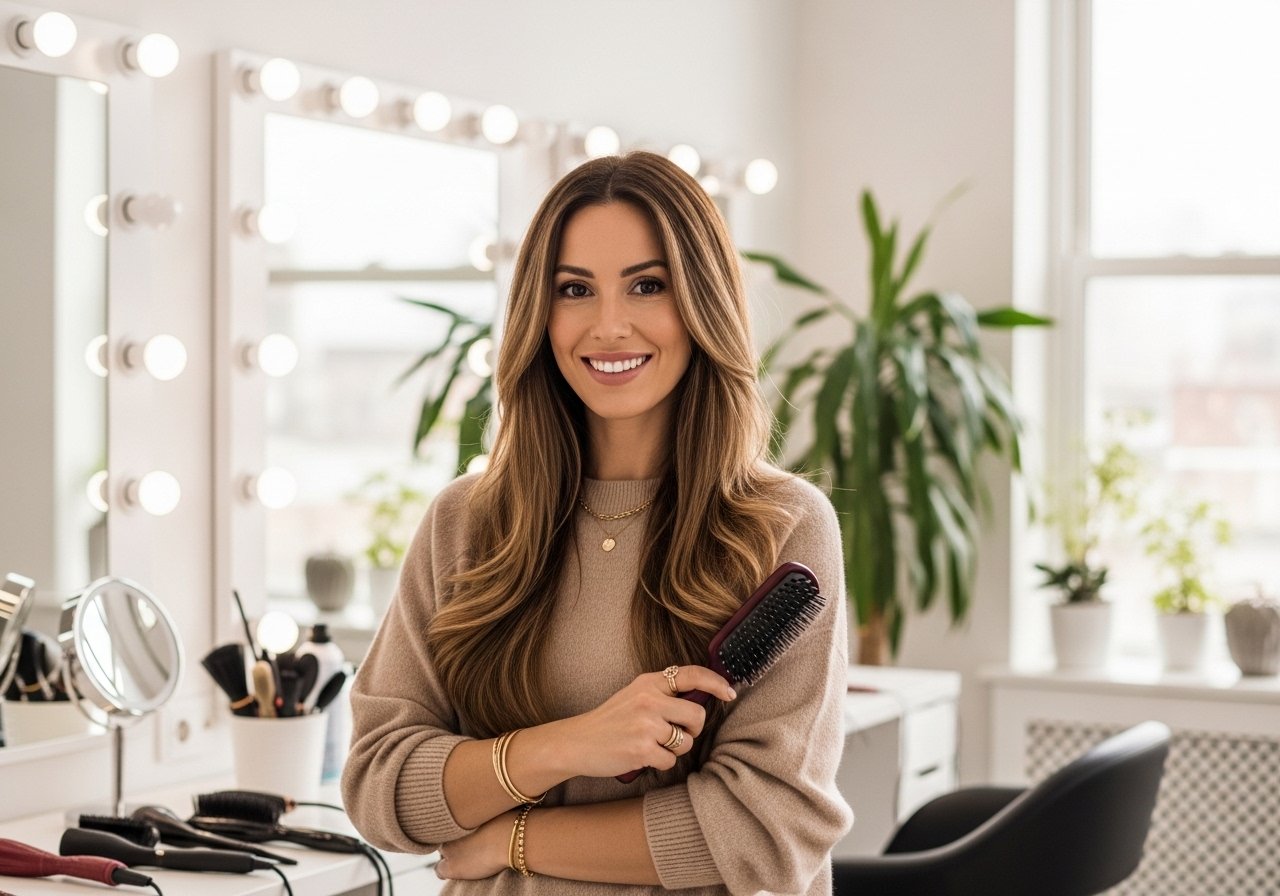
I asked for caramel because my brown hair looked flat in every mirror and I did not want full-on blonde. The first time the color warmed up after a gloss I actually smiled. Here are 13 warm caramel balayage ideas that work in real life, not just in pictures, with the exact upkeep and styling details that stop that salon-day-to-week-two fade.
These picks are aimed at fine to medium density 1A through 3A hair, shoulder length to long, and natural brunettes or previously lightened brunettes who want warm, dimensional color. Most styles are a salon service followed by at-home maintenance, expect a 90- to 180-minute color visit and monthly to six-week tone refreshes. Budget ranges from a modest at-home product spend to a mid-tier salon appointment.
Classic Warm Caramel Balayage on Brunette Hair
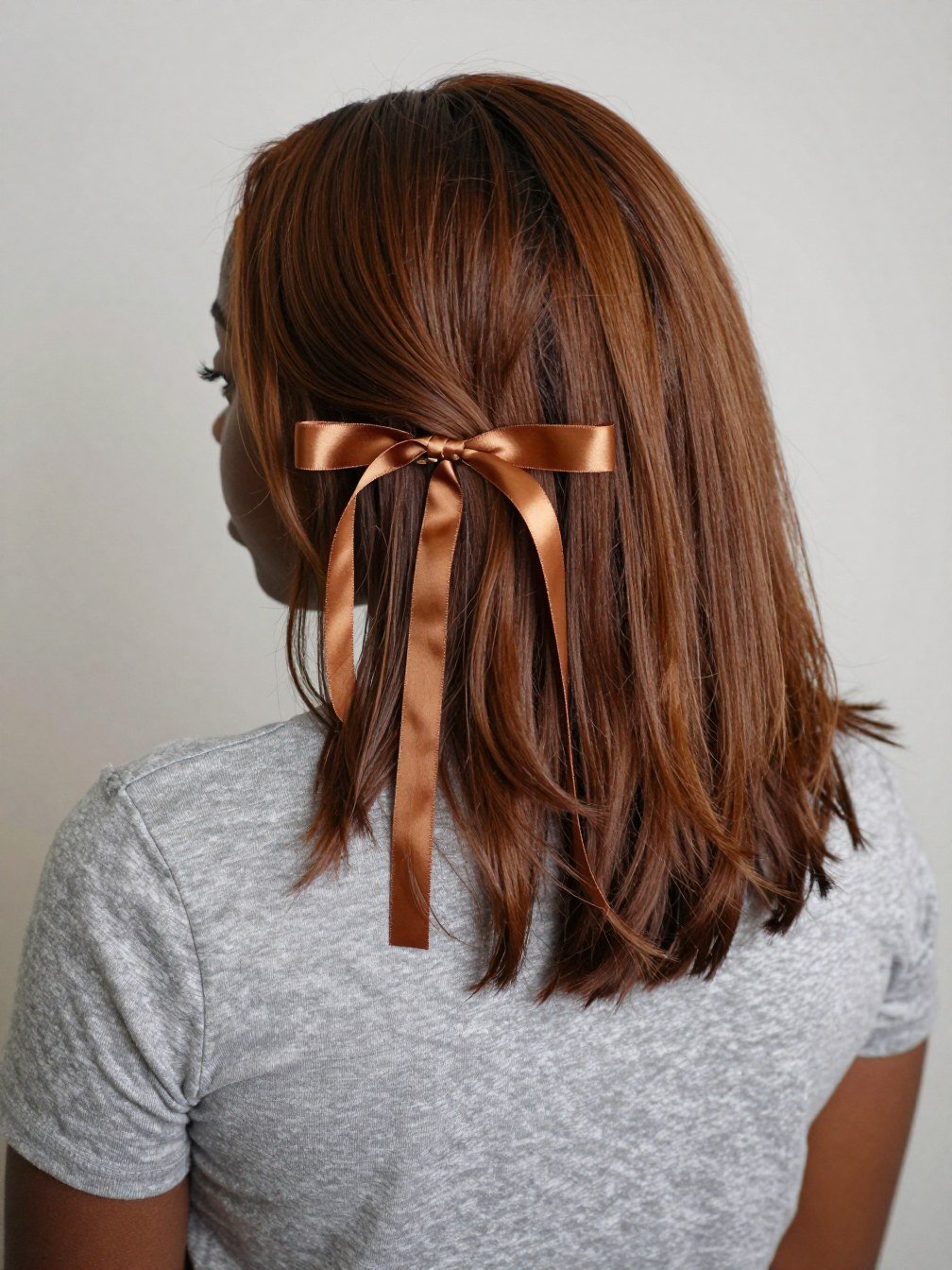
If your base is medium to dark brown, this is the one that ages best. The colorist lifts pieces 2 to 3 shades brighter than your base and leaves the root deeper, which is the soft-root trick that keeps grow-out clean. For my fine-to-medium hair I ask for fewer, wider sections in the crown so the ribbons do not look stripey. After the salon I use two pumps of a lightweight hair oil on damp ends and a warm gloss every 4 to 6 weeks. A common mistake is over-foiling too close to the root, which kills the lived-in look and speeds up visible regrowth. If your hair has previous color, skip at-home bleach and get a salon consult.
Honey Caramel Blend for Dimensional Brunettes

This is about tone, not brightness. Honey caramel sits warmer and more golden than basic caramel which makes brunettes read dimensional in natural light. It works great on 1B to 2C hair with medium density and a lob or longer. Ask for narrower pieces near the face and wider, softer pieces through the back so reflections move as you turn your head. Between salon visits I refresh tone with a color-depositing conditioner once every one to two weeks to keep the honey in check. The mistake I see is treating it like a one-and-done color, then wondering why it goes flat after two washes. The whole point of caramel balayage is that it grows out softer than a full highlight job.
Butterscotch Caramel on Dark Brown Hair

If you want more contrast without going blonde, butterscotch gives buttery warmth while keeping the base dark and rich. It fits fine to medium density straight or wavy hair and looks particularly good on blunt cuts or long bobs. My colorist painted the mids and ends freehand with a balayage board to avoid hard lines. At home I spray a shine mist before using my round brush on low heat at 300 degrees so I do not cook the highlights. A trap is overloading fine hair with oil which kills lift. If your ends are dry, do a bond-repair treatment once a week and trim before increasing lift.
Caramel Melt with Deep Roots

Deep roots plus a caramel melt through the mids and ends equals low upkeep and rich depth. This works for 2A to 3B textures and mid-lengths where you want warmth but not constant touchups. Salon timing matters here, expect two hours for color plus a warm gloss. I ask my colorist to do a root smudge at the same session so the root blends into the painted sections. For maintenance, a warm-toned gloss every 4 to 6 weeks stops the caramel from going brassy. A common mistake is skipping the root shadow which turns a melt into stripy highlights as it grows. If your hair is porous, mention that so the stylist uses a lower developer.
Face-Framing Money Piece Caramel

The brightest pieces around the face do the most visible work, especially in selfies and mirror light. This suits 1C to 3A hair with medium density and medium to long lengths. Tell the colorist you want a few thinner, face-framing pieces painted lighter but not all the way to pale blonde. I touch those with a warm gloss more often than the rest of my head because they show brass first. Heat protectant on these front sections is non-negotiable since the front gets more daily hot-tool time. A mistake is making them too bright which highlights breakage, so ask for feathered ends and plan regular trims.
Curtain Bangs with Caramel Highlights
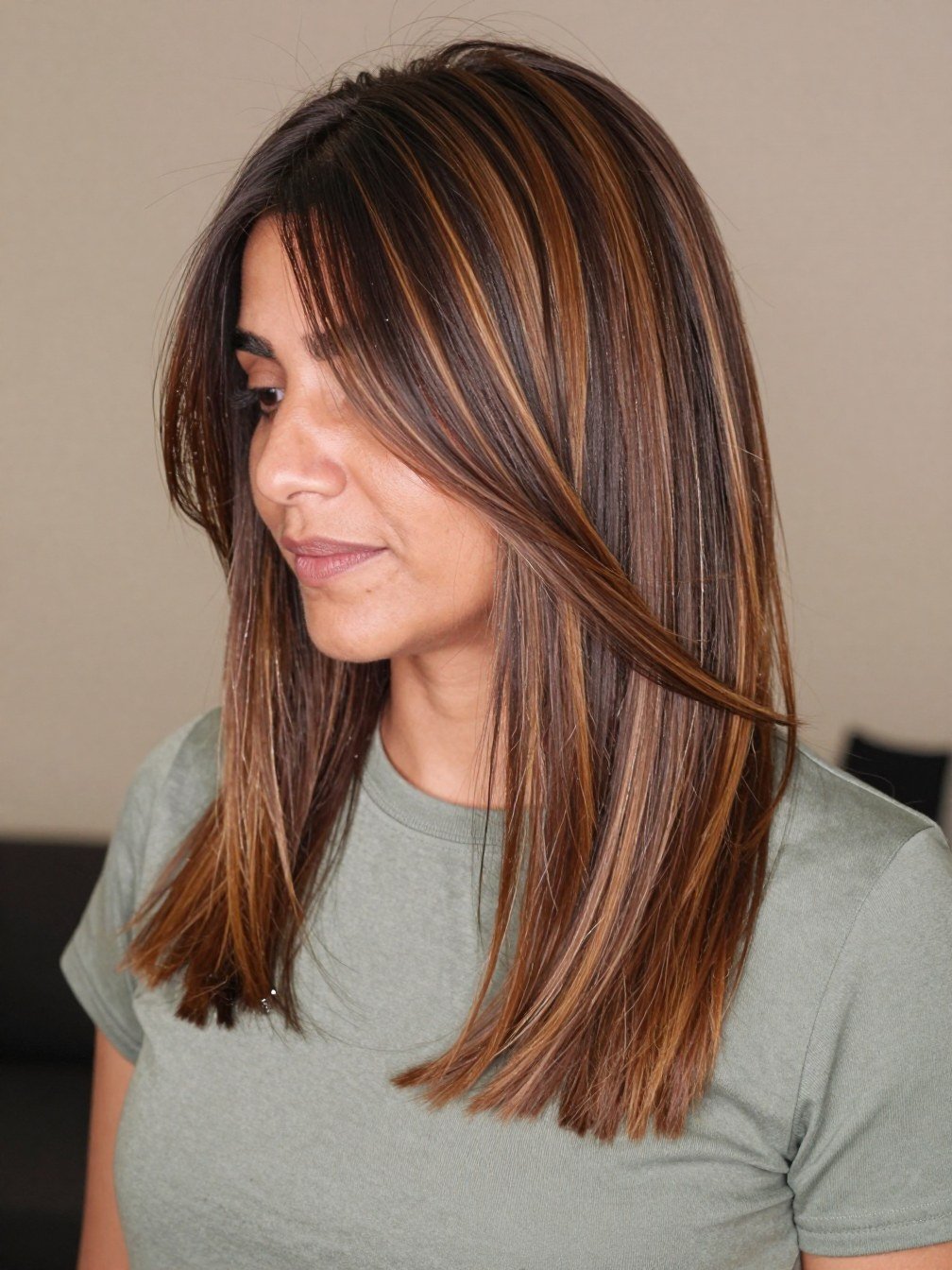
Curtain bangs soften the whole balayage and stop the look from feeling dated. This option works on 1A to 2C hair with fine to medium density and a lob to long hair. I get my bangs cut into a soft curtain and ask for the colorist to paint thinner pieces through the fringe so the movement shows rather than a block of lighter color. A styling note is to blow-dry bangs with a round brush on medium heat at 300 degrees and two spritzes of light mousse for hold. The mistake is over-layering the front which can make the bangs look wispy and frail. Keep them trimmed every 6 to 8 weeks.
Caramel Gloss Refresh for Faded Balayage
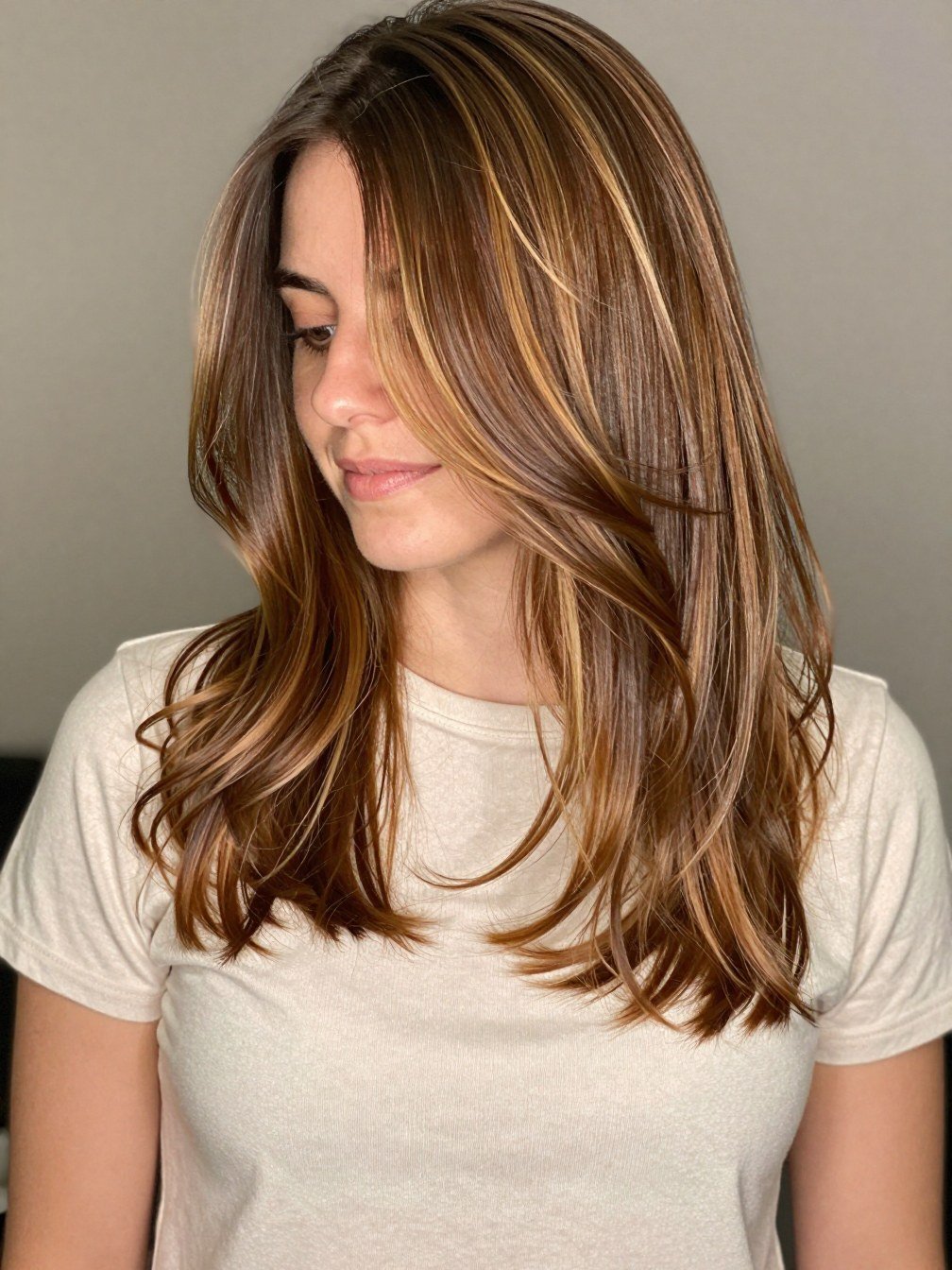
If your salon caramel looks dead after a week, a gloss refresh brings it back without re-lightening. A caramel gloss once every 4 to 6 weeks restores warmth and shine, and you can DIY if the hair is already light enough. I use a warm-tone gloss treatment at home sparingly and follow with a color-depositing conditioner once a week. A common mistake is piling warm deposit products on hair that already reads orange. The casual stat I keep telling friends is this. A caramel balayage usually needs a tone refresh about every month or so if you want it to stay warm instead of brassy. If you have scalp sensitivity, do an allergy patch test before any at-home gloss.
What I Actually Keep in My Caramel Color Kit
Wella Color Touch 8/73 is what my colorist reaches for to warm up faded pieces, but for at-home maintenance these are the essentials I actually use and recommend buying on Amazon or grabbing at Ulta if you prefer in-person pickup
- Honestly the best $30 I spend yearly, Olaplex No. 3 used once a week rescued my frayed ends after an at-home lift. Buy from the official seller on Amazon or get it at Sephora to avoid counterfeits
- For overnight drying and less frizz, microfiber-hair-towel under $15 cuts dry time
- A color-depositing conditioner for warmth, search color-depositing-conditioner-caramel to find small 8 oz tubs
- Lightweight shine spray like argan-oil-shine-spray two to three spritzes after styling
- A boar bristle paddle brush for distributing oil, boar-bristle-paddle-brush $15 to $25
- A heat protectant for blow drying and irons, heat-protectant-spray choose a product rated to 450 degrees
- A lightweight hair oil for ends, lightweight-argan-oil in a 1 oz pump bottle
- If you want a tool splurge, the Dyson is an option. Check dyson-airwrap and buy from an authorized seller or the brand site to avoid fakes
- For root smudges or touch-ups, a color-safe dry shampoo like color-safe-dry-shampoo extends time between washes
- A silk pillowcase for less breakage, silk-pillowcase-queen under $30
Caramel Balayage on Long Layers
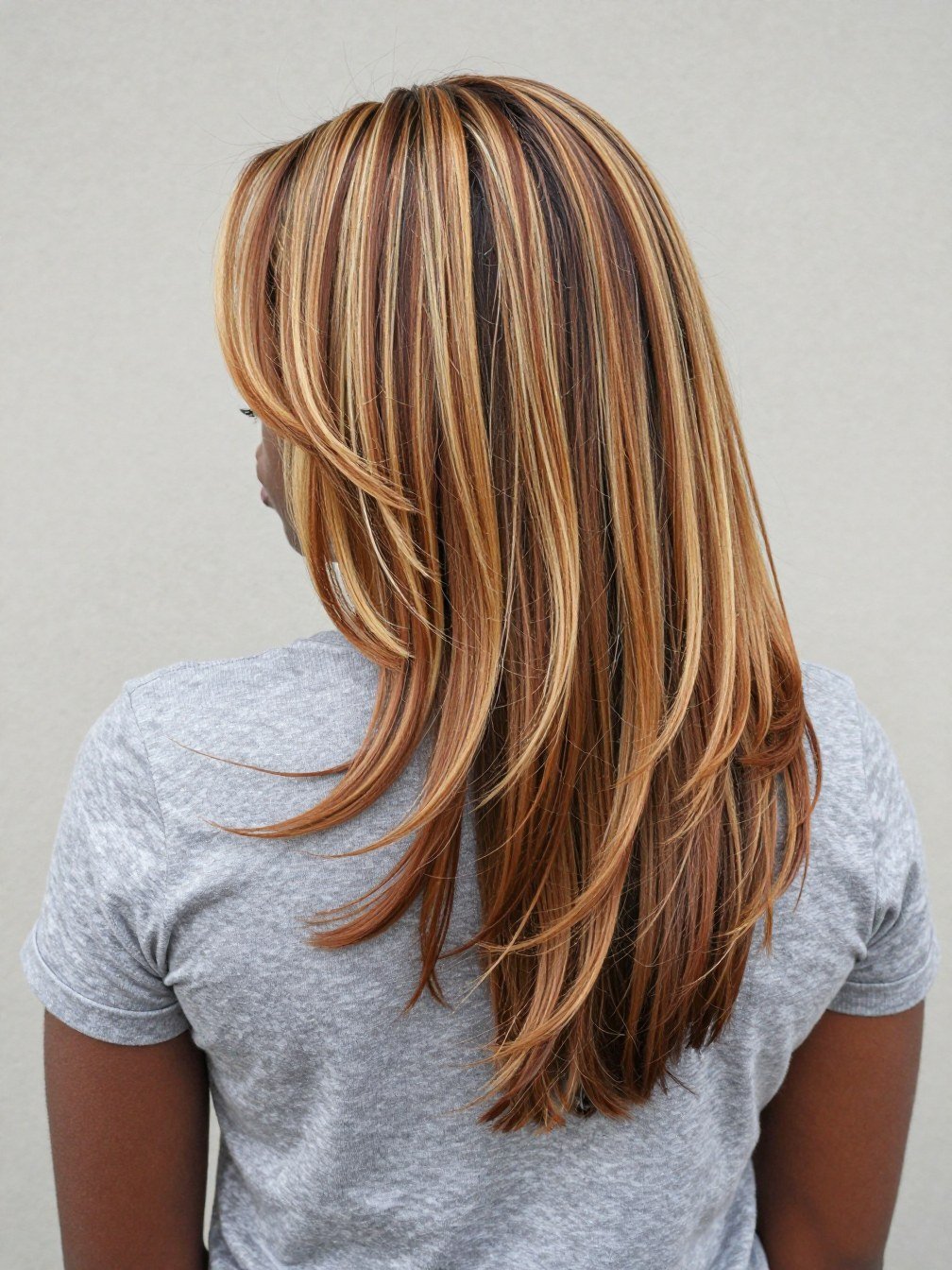
Layers are the best way to show different caramel tones in motion. For long layered hair with medium to thick density you can add more ribbons through the layers than on a blunt cut without losing definition. I ask for warmer, thinner pieces toward the face and thicker pieces through long layers so the color reads natural. Styling wise I use a flexible mousse on damp hair and rough-dry on low heat to keep the layers from separating into frizz. A detail most people skip is asking the colorist to place the brightest ribbons where the layers end, which maximizes shine when you move.
Warm Caramel for Warm or Neutral Undertones

If your skin runs warm or neutral, carved amber and toffee tones will flatter without clashing. I tell stylists to avoid cool ash clears and to lean into honey or amber caramel mixtures. This works for straight to wavy textures, 1A to 3A, fine to medium density. A salon gloss every 4 to 6 weeks keeps the tones from muddying, and at home I use a sulfate-free color-safe shampoo and a once-weekly color-depositing conditioner to keep the warmth alive. The mistake is asking for generic "caramel" without specifying honey, toffee, or amber. Pick a name and bring a photo that shows the exact warmth you want.
Root Smudge to Extend Grow-Out

Root smudges are the lazy-person's maintenance hack that actually pays off. The technique keeps the roots deep and lets the balayage ribbons sit lower, which means you can stretch salon visits to six weeks or longer without looking like you have stripes. It is ideal for 1A to 3B hair and anyone who prefers low maintenance. Ask for the root color to be blended with a feathered brush stroke into the painted mid-lengths. Salon pros usually do this in the same appointment as balayage. A mistake is trying a DIY root smudge without knowing how far to feather, which can create an obvious line.
Cinnamon Caramel for Rich Warmth

Cinnamon caramel brings a red-brown richness that reads sophisticated in dimmer light. It is a good fit for 2A to 3C textures and medium to thick density because the extra warmth needs texture to show. This tone fades faster with frequent washing, so plan to wash two to three times a week and use a color-depositing conditioner for maintenance. If you love warm reds but hate the upkeep of full copper, cinnamon caramel gives the vibe without constant roots. The common error is overusing purple shampoo to "fix brass," which will clash with the intended reddish warmth.
Mocha Caramel for Low Contrast

Mocha caramel is the option if you want warmth with subtlety. The deepest parts of the hair stay dark but have thin, warm ribbons that catch light. Best for 1B to 3A hair and those who prefer old-money, low-contrast looks. I ask for finer sections and a glaze at the end to tame porosity. Styling with a lightweight dry texture powder at the roots keeps body without hiding reflection. The mistake is asking for full saturation which creates too much contrast for this style. If your hair is fine, keep placement higher up so the ribbons are visible.
Golden Caramel Waves for Summer

Loose waves make warm caramel ribbons pop. For lob to long hair with 1C to 2B texture use a two-to-four inch barrel and wrap hair away from the face in alternating directions then brush out with fingers. Spray a salt-free texturizer and finish with two light pumps of oil on the ends. I find this look lasts better if you wash less and use a dry shampoo at the roots on day two. The casual stat I tell friends is this. The whole point of caramel balayage is that it grows out softer than a full highlight job. Overdoing heavy pomades will kill the shine so stick to light finishes.
Frequently Asked Questions
Q: How often should I actually get a gloss to keep warm caramel from going brassy?
A: Plan for a gloss every 4 to 6 weeks if you want the tone to stay true. If you wash often or swim in chlorinated pools, you may need it closer to four weeks. Between glosses use a color-depositing conditioner once a week and avoid clarifying shampoos more than once a month.
Q: Can I bleach my hair at home to get caramel ribbons if I am already dyed darker at the roots?
A: Lifting bleach over previous color is a salon job and not a kitchen experiment. It is the single most common reason hair breaks off in the shower. If you want lighter ribbons, book a color consult and accept it may take multiple sessions with bond-building treatments.
Q: Will caramel balayage look good on thick or very curly hair?
A: It can, but placement and width of painted pieces change. Thicker or curlier hair needs bolder, wider ribbons so they do not get lost in the texture. Tell your colorist your curl pattern and ask them to paint with your curl clumps in mind.
Q: Is Olaplex No. 3 worth using on colored hair that is not visibly damaged?
A: Yes, used once a week it helps reduce breakage and smoothes ends. It will not undo historical damage but it does strengthen hair before chemical services. Buy from the official store on Amazon or grab it at Sephora to avoid counterfeits.
Q: How often can I safely use a color-depositing conditioner without staining my hair too warm?
A: Once a week is plenty for maintaining warmth. If you start seeing too much orange, cut back to every other wash and switch to a shade with less red.
Q: My salon hair looked perfect, then looked flat at home. What did I miss?
A: Most people forget the finishing gloss and the styling finish. A warm gloss brings depth while a shine spray or light oil on the ends and correct heat settings on a blow dryer keep the color from going flat. The trick with caramel balayage is not making it lighter, it is keeping the roots deep enough that the color still looks expensive two months later.