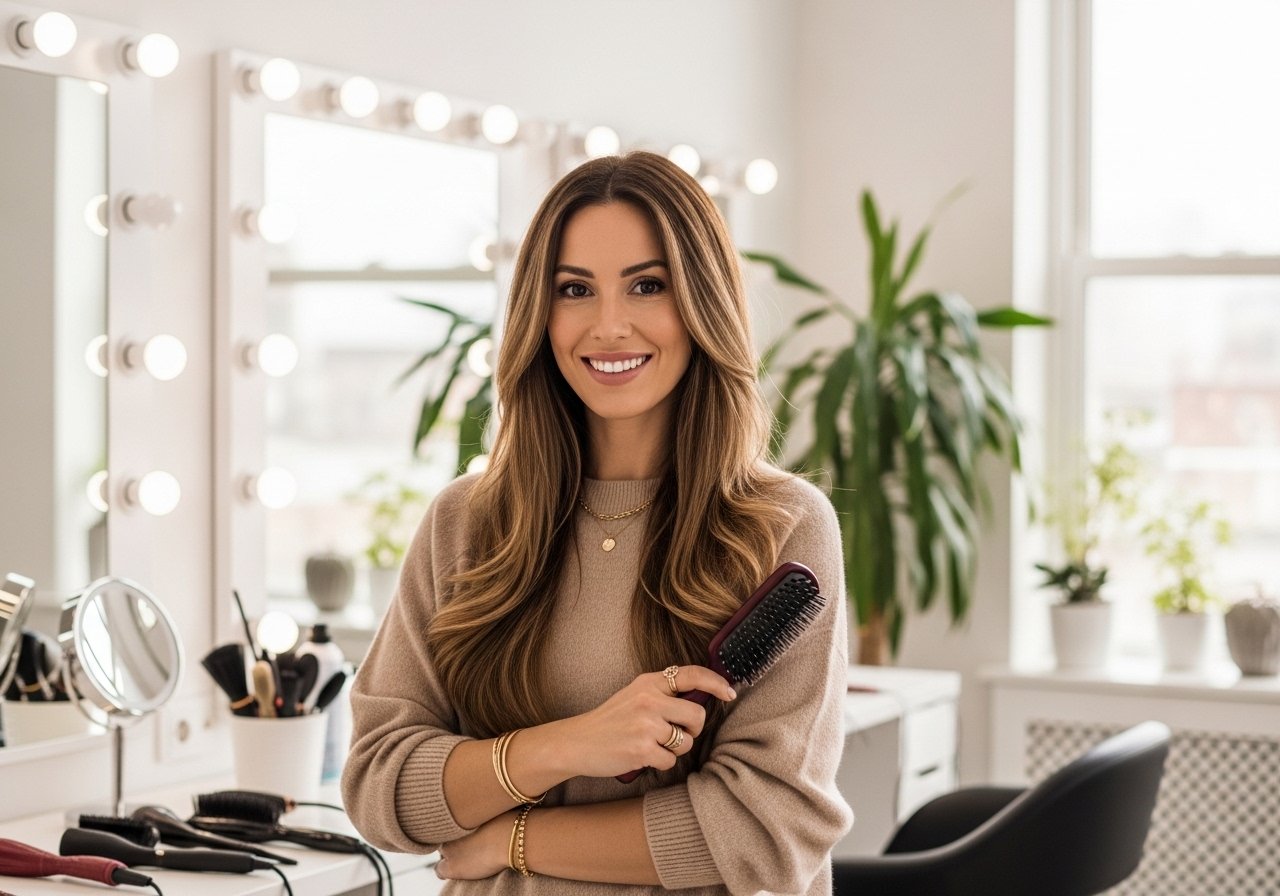
I tried going platinum in a kitchen sink once, and my roots looked like a school project for three months. After the repair appointments and buying things that did not work, I learned how to keep vanilla blonde subtle, soft, and wearable without living in a salon chair. Below are the techniques and real fixes that made my color look intentional, not fried.
These ideas are aimed at fine to medium 1A through 3B hair, and a few notes for coarser textures are included. Most takes are doable at home in 10 to 45 minutes, with occasional salon visits for toner or heavy lift. Budget ranges from under $15 for maintenance products to one splurge around $120 for a professional gloss.
Face-Framing Vanilla Balayage For Soft Dimension

Balayage placed around the hairline gives vanilla blonde that subtle glow without full-head bleaching, and it works especially well on 1A to 2C textures. The trick is painting thinner slices, about 1/8 inch, and leaving 1 to 1.5 inches of natural root for a lived-in effect. If you want to DIY, mix a 1 to 2 ratio of 10 volume developer to color for a demi lift and test a strand first. A common mistake is over-saturating the mid-lengths, which makes the pieces read stark in photos. Salon note, this is worth booking if your base is dark, because lifting over dark dye often needs staged sessions to avoid breakage. If you do it at home, warm the foils with a hair dryer for 5 minutes to speed processing, and always do a strand test.
At-Home Toner Refresh For A Subtle Beige Finish
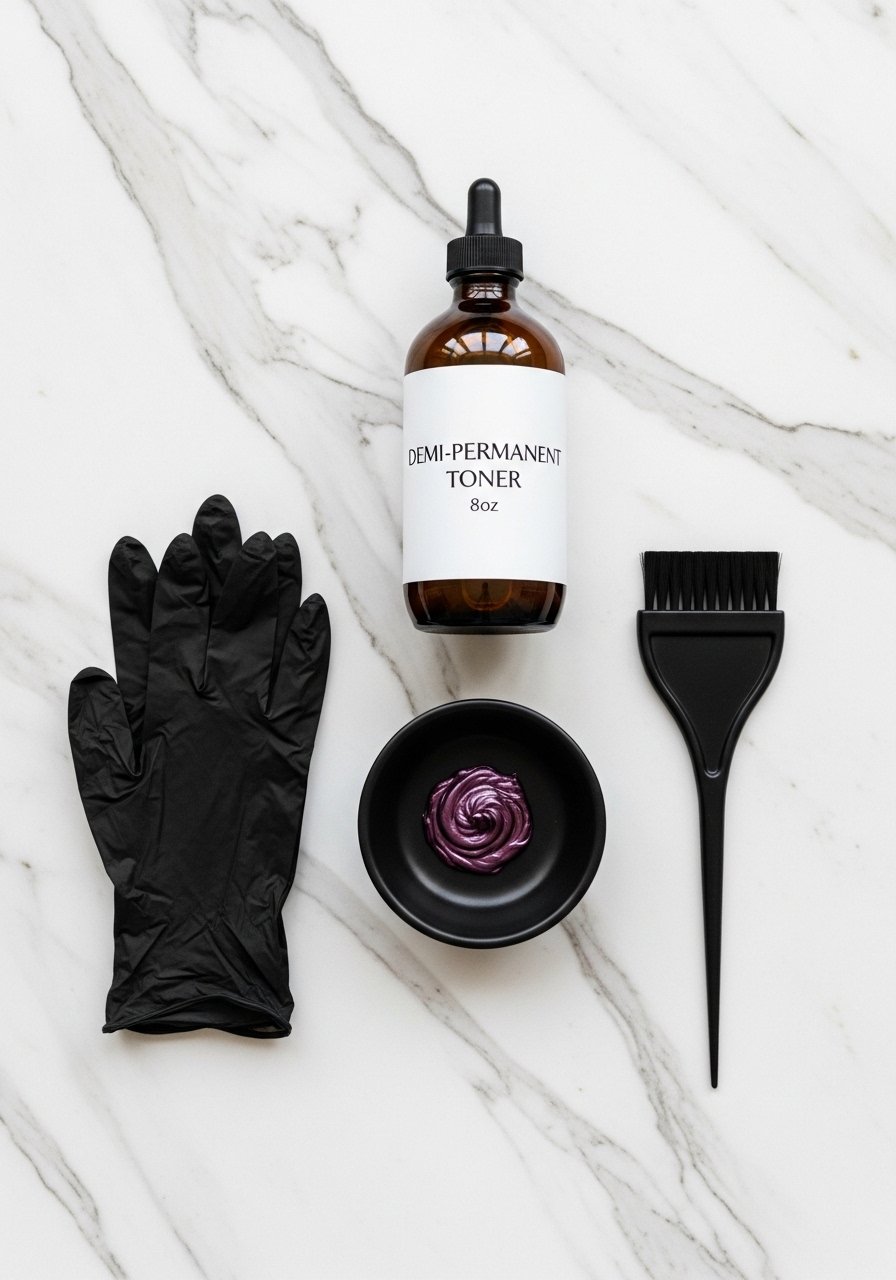
If your vanilla turns too yellow, a demi-permanent toner rinsed for 3 to 7 minutes usually knocks brassy tones back without stripping brightness. I dilute 1 part toner with 2 parts water when my hair is porous to avoid over-toning. Fine and medium hair should be monitored at minute three, thicker hair can go closer to seven. A mistake I see is leaving toner on like a mask, which can deposit more than you expect. This method is inexpensive and quick at home, but if you have a previous permanent dye underlayers, book a salon toner to avoid unpredictable results. Always patch test for scalp sensitivity first.
Clear Gloss Between Appointments For Shine And Tone
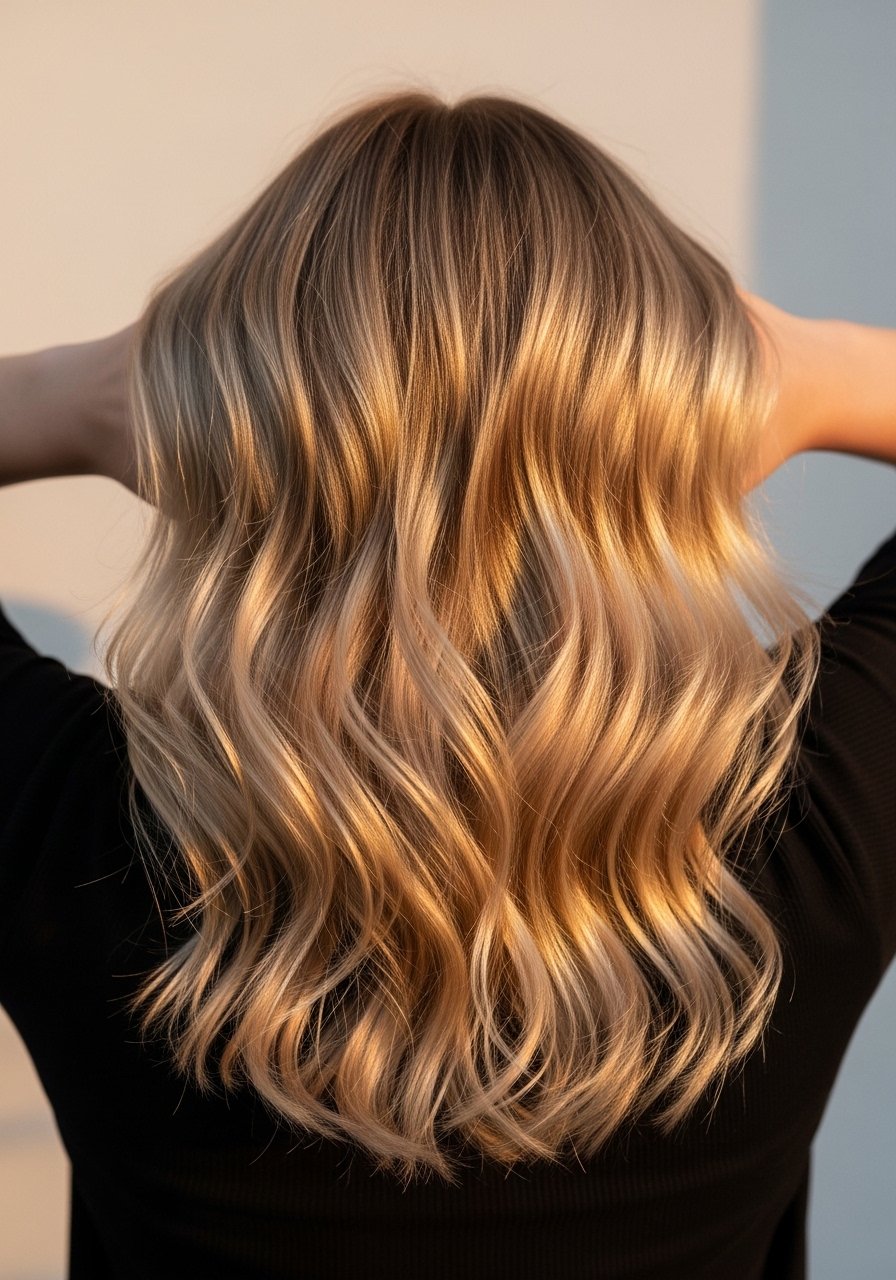
A clear or slightly beige gloss gives that soft glow without altering the base too much. I do a salon gloss every six to eight weeks, or use a professional at-home gloss once a month for maintenance. The practical detail most articles skip is rinsing with cool water for the final 30 seconds only. That seals the cuticle and keeps the gloss from washing out in two shampoos. If your hair is fragile from lifting, choose a bond-building gloss or skip heat for 48 hours after the service. You can get salon-like results at home for about $20 to $35 per application, but buy from the brand's store on Amazon or from Ulta to avoid counterfeits.
Root Smudge For Low-Maintenance Vanilla Roots
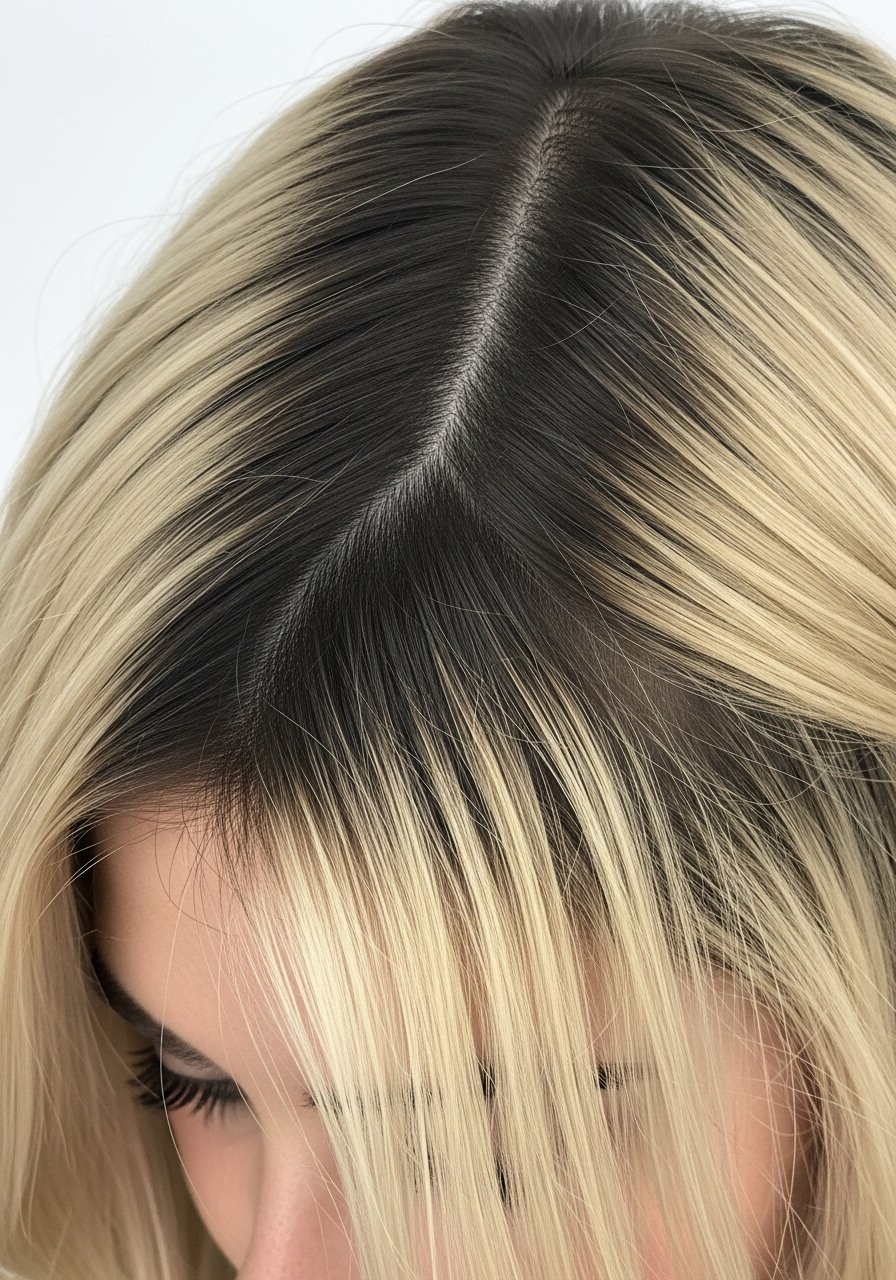
Root smudging blends your natural regrowth into the lighter lengths so touch-ups can wait. It is a top technique for curly or textured hair that dislikes frequent lightening, particularly types 3B to 4A. The stylist usually applies a demi color with the brush stroked down for 10 to 20 seconds per section, then blots the migration line for a soft edge. Doing this at home is doable with a demi box color, but apply sparingly and avoid overlapping lift on already-bleached hair to reduce breakage. The safety note is never lift over recently permed or chemically treated hair without consulting a pro.
Robe-Tie Heatless Waves That Show Off Tone
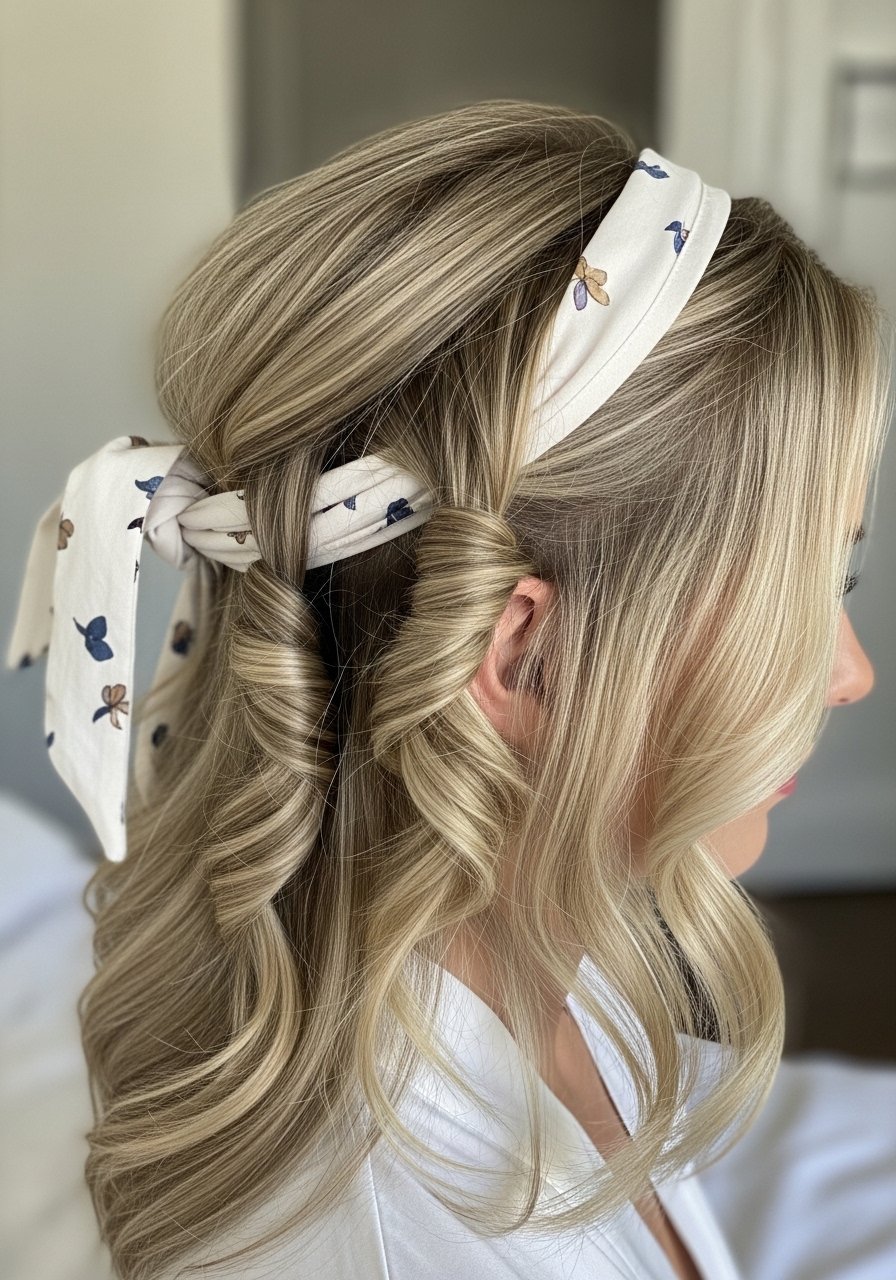
Heatless waves keep bleach-damaged hair from getting more trauma while giving color movement. For 1A to 2C hair, split hair into six sections and wrap each around a robe sash across the head, then sleep on it. In the morning, gently release and separate using fingertips, not a brush. A frequent mistake is wrapping too tight, which makes kinks instead of soft waves. This takes 10 minutes to set and gives a day of shape without heat. Pair with a tiny spritz of a salt-free texture spray to avoid drying the hair.
LOC Layering For Vanilla Blonde That Stays Soft
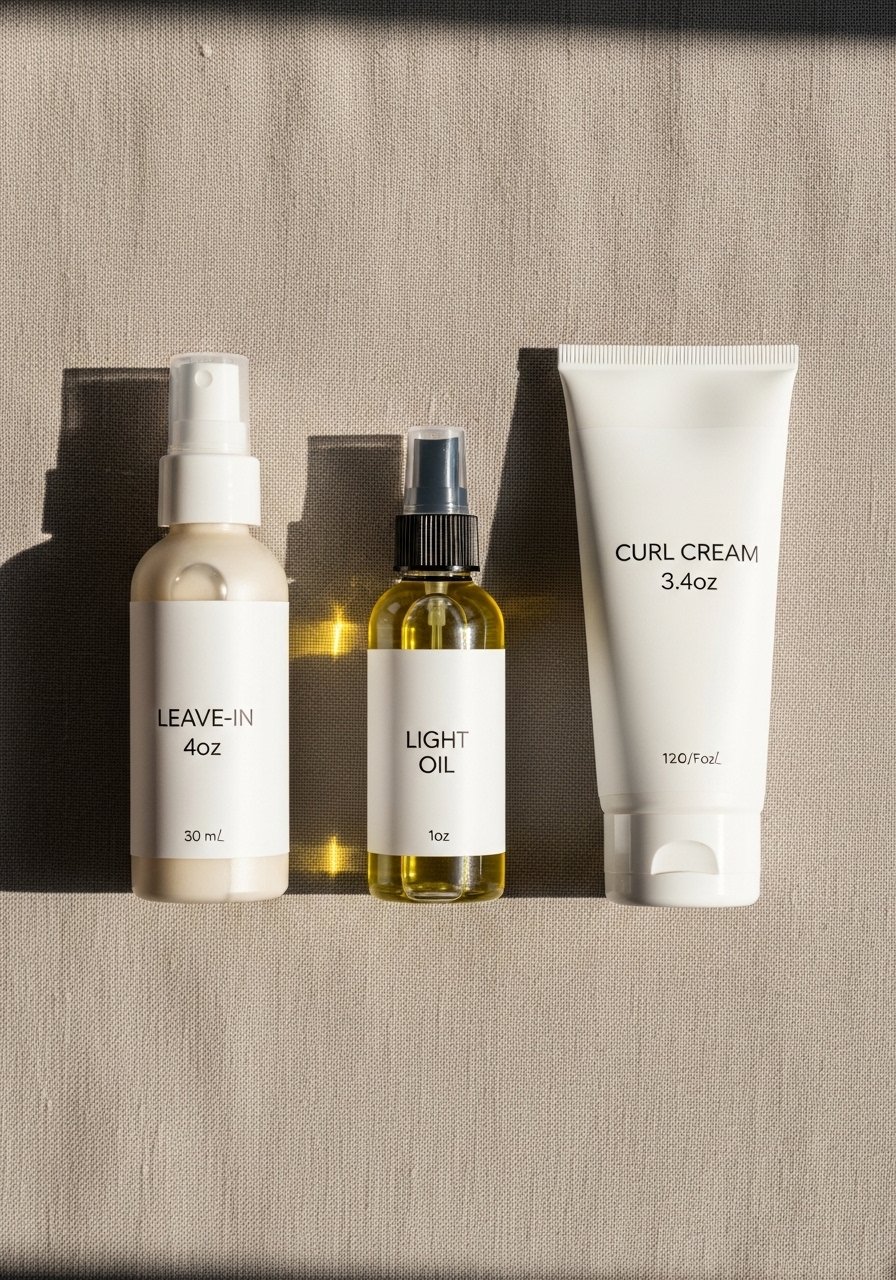
For color-treated fine to medium hair, layering keeps strands moisturized without weighing them down. I use the LOC method on damp hair, but I reverse it on low-porosity hair. The specifics help: two pea-sized pumps of leave-in, one pump of cream for mid-lengths, and one fingertip of oil on ends. Overdoing oil is the mistake that makes vanilla look greasy. If your hair is low porosity, warm it for five minutes with a towel after applying the leave-in so products absorb. A light UV spray after styling protects color outdoors.
Subtle Micro-Highlights For Natural Glow Around The Face

Tiny highlights, spaced 1 inch apart and painted on vertical slices, give vanilla blonde that sun-kissed look without an obvious stripe. This is great for straight and wavy hair, especially 1B through 2C. The detail many miss is using a 10 volume developer for face-framing slices to avoid overprocessing, and monitoring every two to three minutes. If you try this at home, apply the lightener to dry hair so you can control saturation. Salon touch-ups every three months keep the pieces soft, while DIY maintenance with a gloss can stretch appointments.
Shelf Essentials For Subtle Vanilla Blonde Maintenance
- Honestly the thing I keep buying again and again, Olaplex No. 3 Hair Perfector 100ml. Use once a week for damaged ends. Buy from the official Olaplex store on Amazon or at Sephora to avoid counterfeits.
- For toning in between, Demi-Permanent Toner 8oz diluted 1 to 2 with water is the cheapest, quickest fix.
- A lightweight leave-in for fine hair, Leave-In Conditioner 4oz, two pea-sized pumps on damp strands.
- A gentle purple shampoo, Purple Shampoo 8oz. Use once a week, not every wash.
- A small satin pillowcase, Silk Pillowcase Queen, under $20. Cuts morning frizz and helps length retention.
- For styling without frizz, Anti-Humidity Spray 6oz applied before blow drying.
- A wide-tooth detangling comb, Wide-Tooth Comb for wet hair to avoid breakage.
- For quick glosses, At-Home Gloss Kit 2-pack. Use monthly to refresh tone.
- A low-heat ceramic flat iron with temperature control, Ceramic Flat Iron 1-inch. Keep under 300F for fine hair.
- A soft microfiber towel, Microfiber Hair Towel, to shorten dry time and protect the cuticle.
The Weekly Bond Builder Routine That Actually Helps
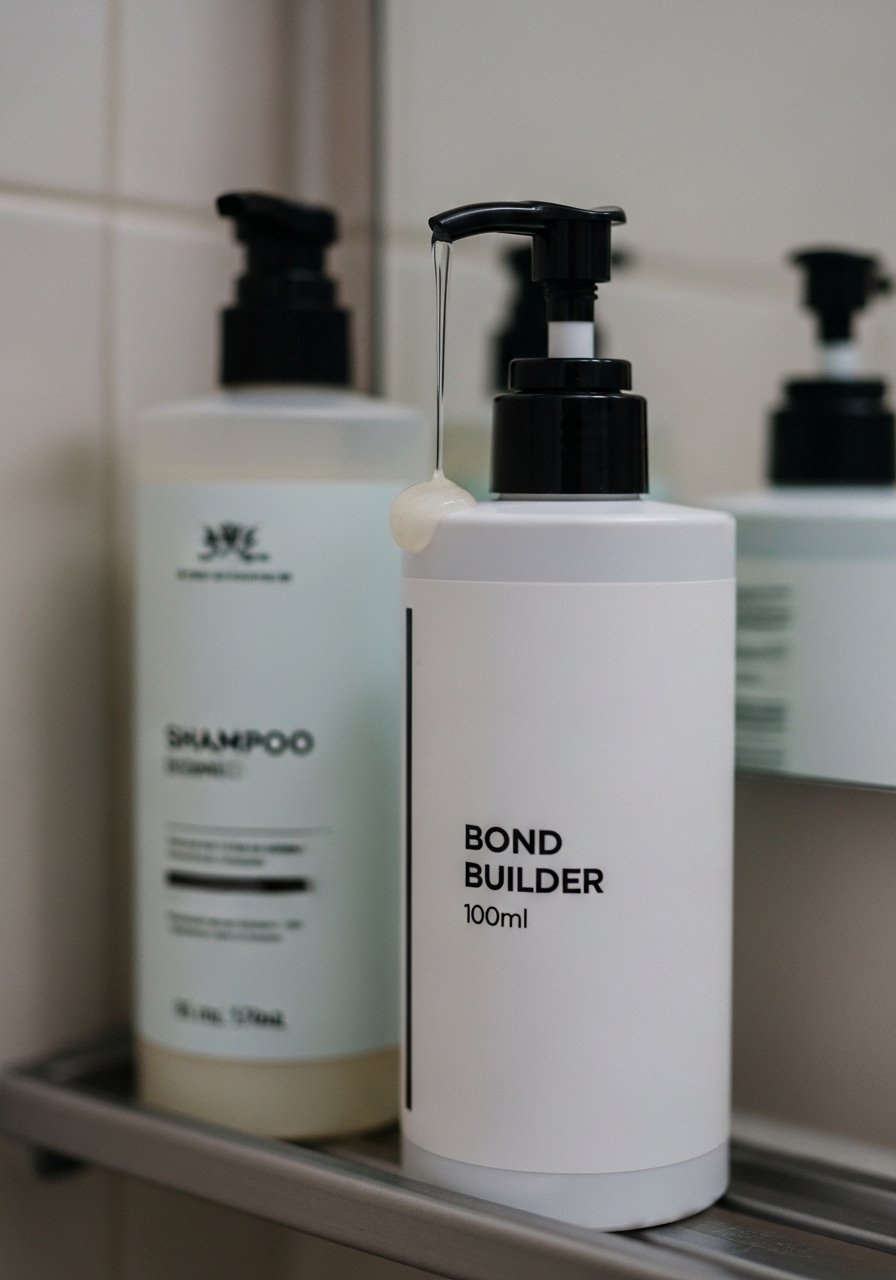
If you have gone lighter over the last year, adding a bond builder once a week is the thing that kept my ends from looking like straw. My routine is shampoo, towel dry, apply a 10ml dose of a bond builder like the branded ones for 10 minutes, then rinse and condition. Expect visible smoothing after two or three uses. A common mistake is applying it with conditioner at the same time, which dilutes its action. If your hair is porous from previous bleach, use the bond builder before any toner or gloss. Salon versions are stronger, but an at-home product does most of the day-to-day work for about $30.
Low-Porosity Application Hack For Even Lift
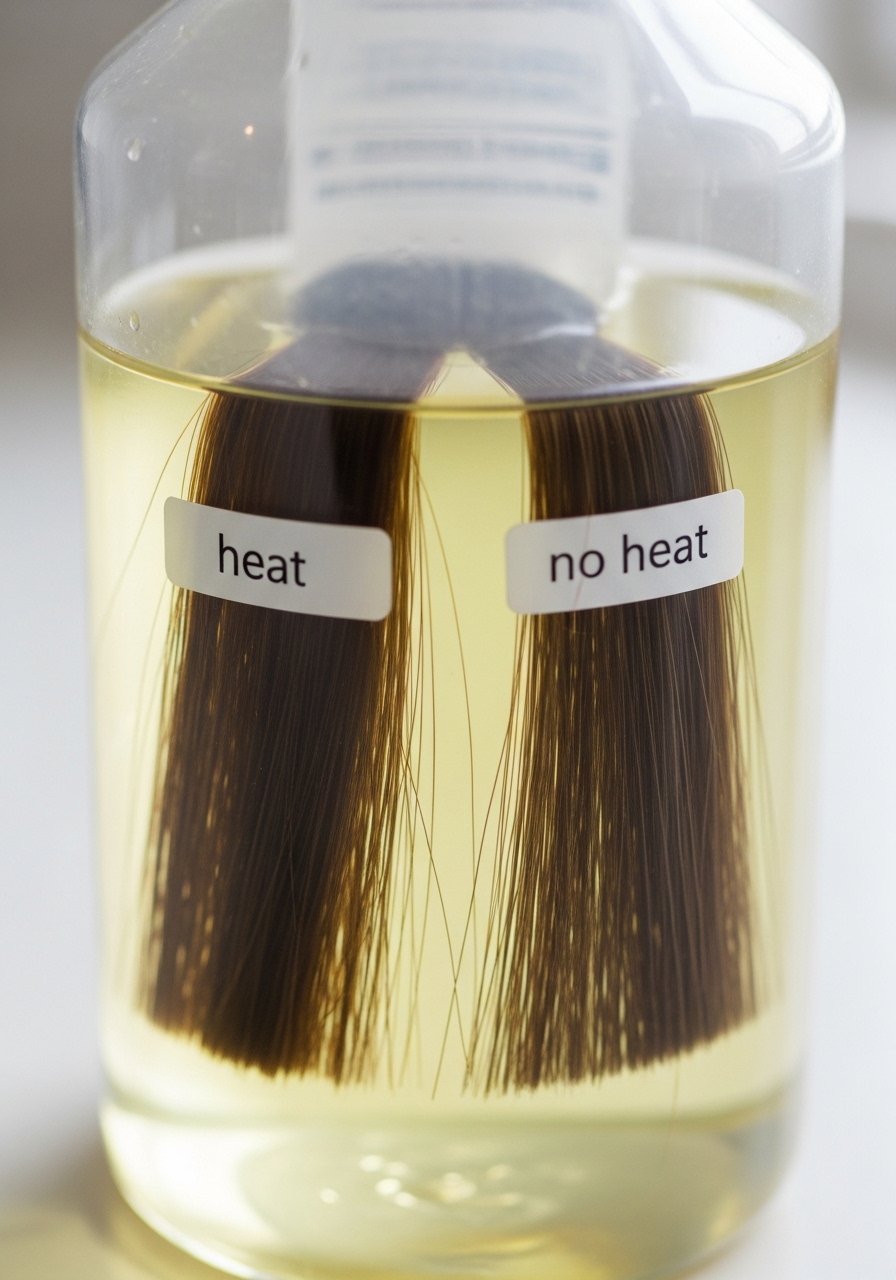
Low-porosity hair resists lift because the cuticle stays closed. For vanilla blonde on low-porosity strands, apply lightener to dry hair and add gentle heat, like a hooded dryer for five to eight minutes, to help the chemistry. The specific trick I use is wrapping processed sections in cling film and tucking a warm towel around it. If you skip the heat, you will get patchy lift. If your hair is high porosity, skip extra heat to avoid over-processing. Always do a strand test and watch the hair every two minutes after the first ten.
Diluted Purple Shampoo Strategy That Avoids Dryness
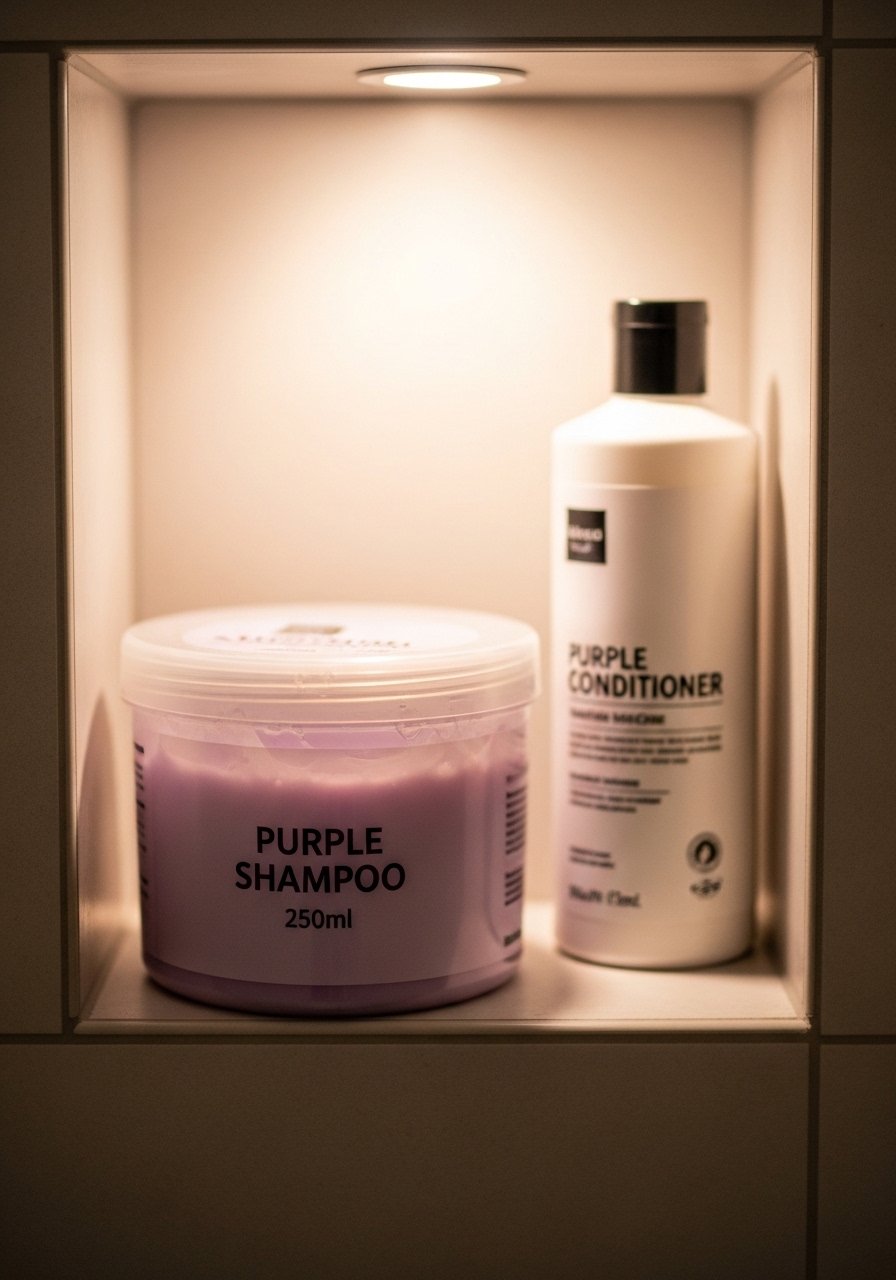
Purple shampoo is useful, but overuse dries vanilla blonde quickly. My routine is one diluted purple wash every seven to ten days. Mix one pump of purple shampoo with two pumps of regular sulfate-free shampoo in your hand, lather for 60 seconds on the mid-lengths and ends, rinse, then follow with a rich conditioner on the lengths only. The mistake most people make is leaving purple shampoo at the roots, which can dull the natural depth and stain the scalp. If your hair is fine, shorten the exposure to 30 seconds.
Silk Sleep Setup To Keep Color Looking Fresh
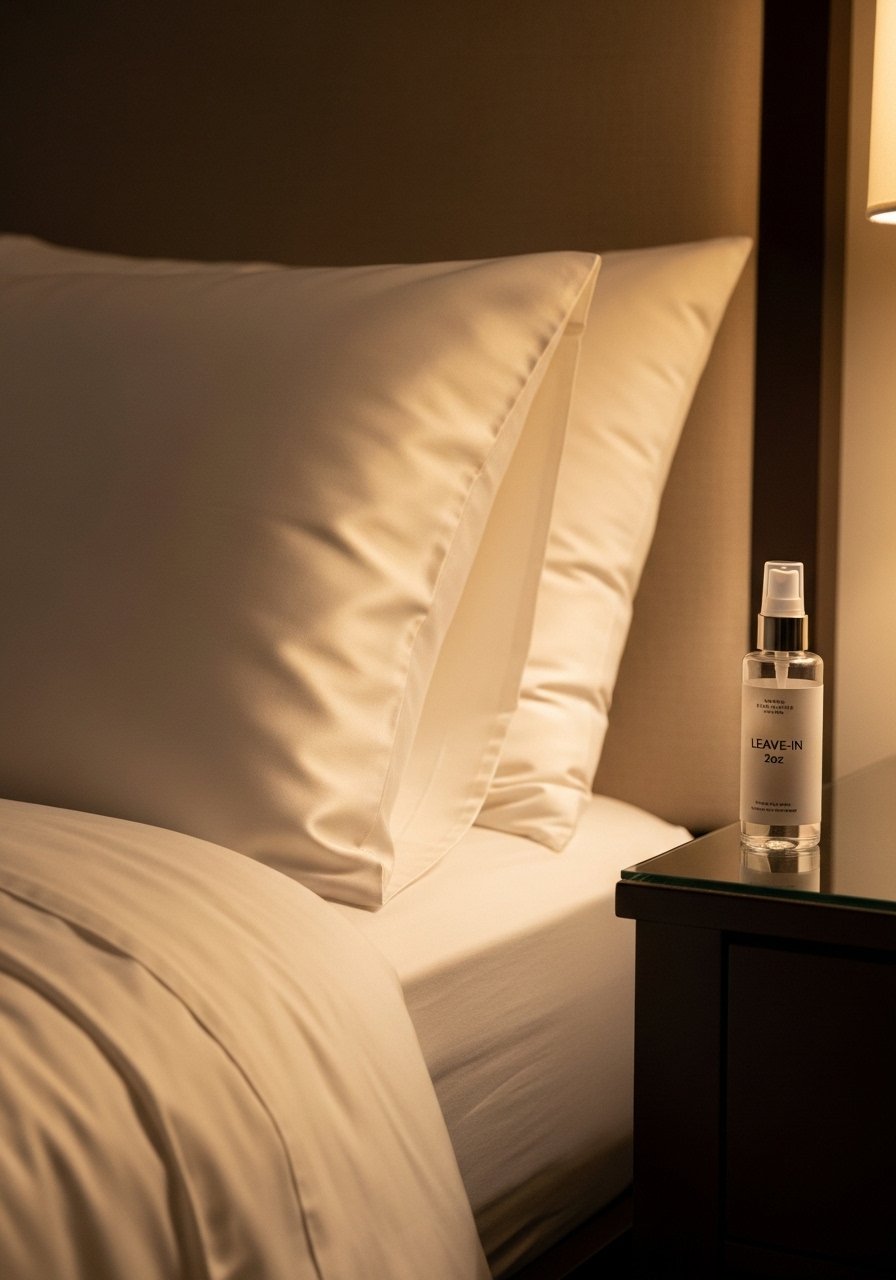
Sleeping on silk cuts morning friction and helps color-treated ends avoid breakage. I use a silk pillowcase and a loose pineapple for my waves. For straight vanillas, a silk wrap keeps ends flat and shiny. The small detail that helps is twisting the ends into a loose knot rather than a tight elastic. Cotton pillowcases wick oil and speed fade, so this one small swap makes second-day style easier and stretches how long a gloss lasts.
Root Melting For A Cool Beige Finish
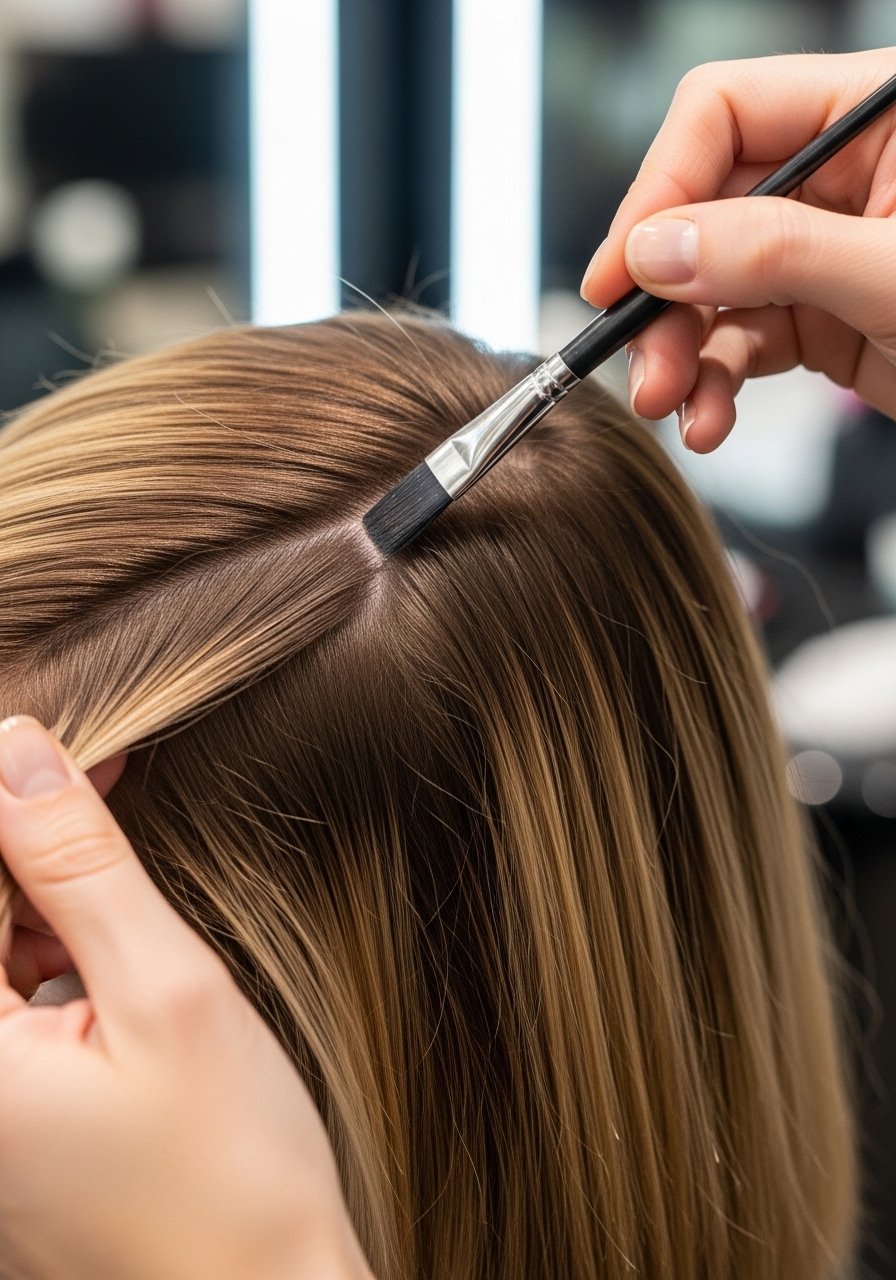
A root melt blends darker roots into vanilla lengths to avoid a harsh line of demarcation. For fine to medium hair, the stylist usually uses a demi color on a damp brush and blends down with feathered strokes for 15 to 30 seconds per section. DIY kits exist but the common error is using too much product and dragging color into the ends. If your base was previously colored, a root melt is a safer salon option than a full relift. Avoid processing over fragile mid-lengths without a deep bond treatment first.
Color-Depositing Conditioner For Slow Tone Tweaks
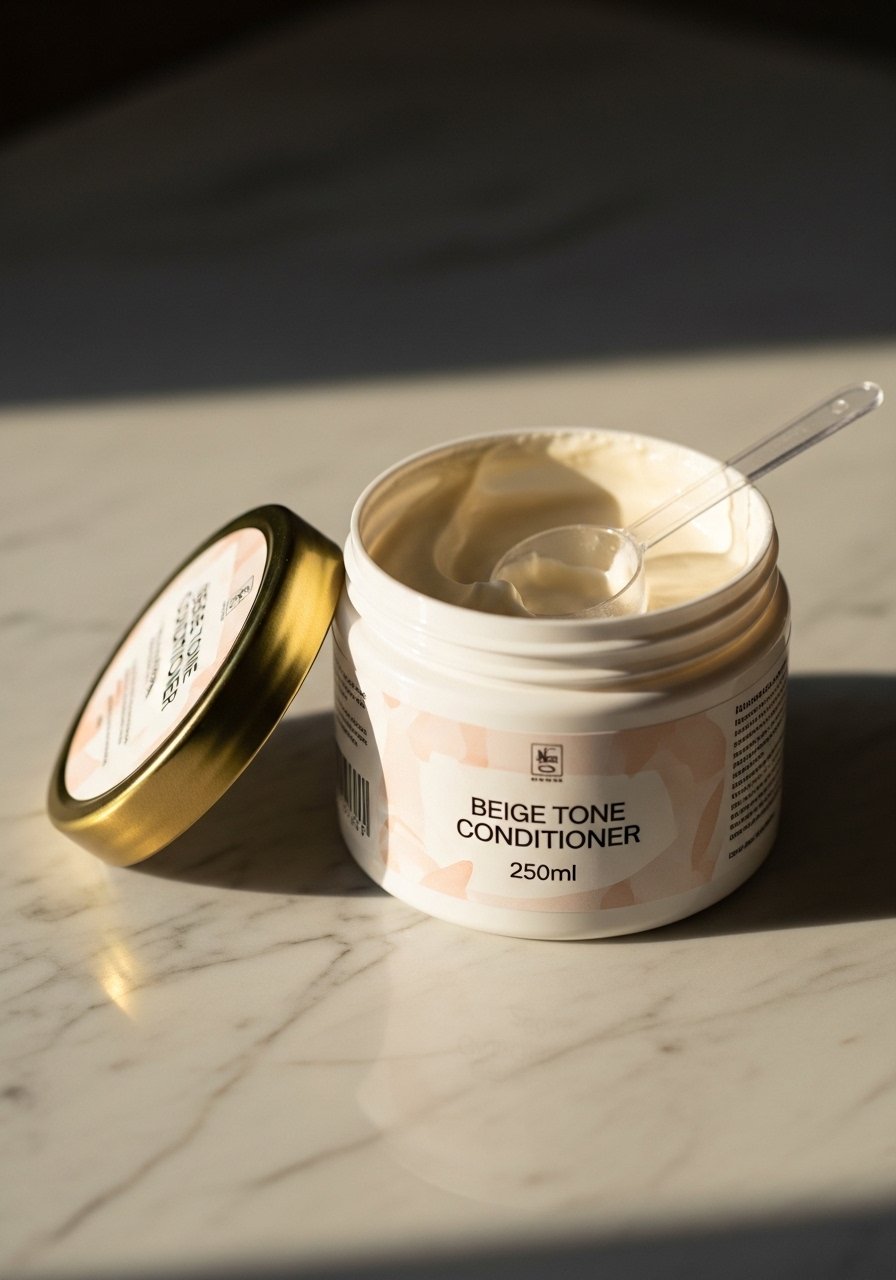
When your vanilla needs a slight beige or ash nudge, a color-depositing conditioner is less committal than a toner. I use a quarter-sized amount mixed with regular conditioner once every two weeks to keep warmth at bay. The detail people miss is leaving it on for five minutes under a warm towel for even deposit. If your hair is porous, halve the time to prevent uneven color. This is a budget-friendly way to stretch salon appointments and is gentle enough for most textures with an allergy patch test.
Demi-Permanent Front Piece Touch-Up For Subtle Brightness
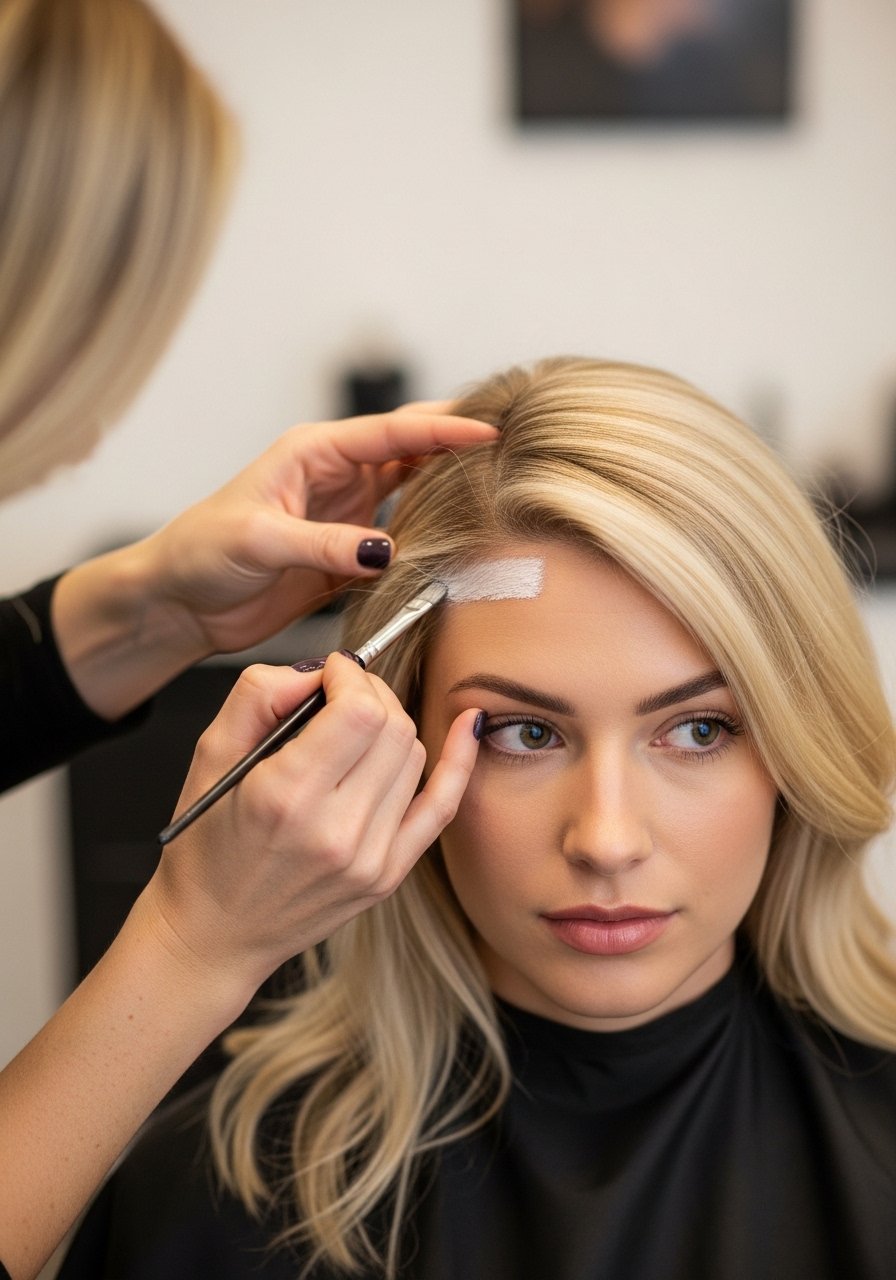
If you want that soft vanilla frame but not a full-head lighten, a demi-permanent on the front sections keeps things fresh. Apply the demi to 1-inch sections along the face and process for three to five minutes. The specific hack I use is to tone the pieces slightly cooler than the rest to keep them from oxidizing too warm over time. DIY is possible for maintenance, but a pro is safer the first time if you have previously colored hair. Watch for scalp sensitivity and do a patch test.
Textured Lob Cut To Show Vanilla Dimension
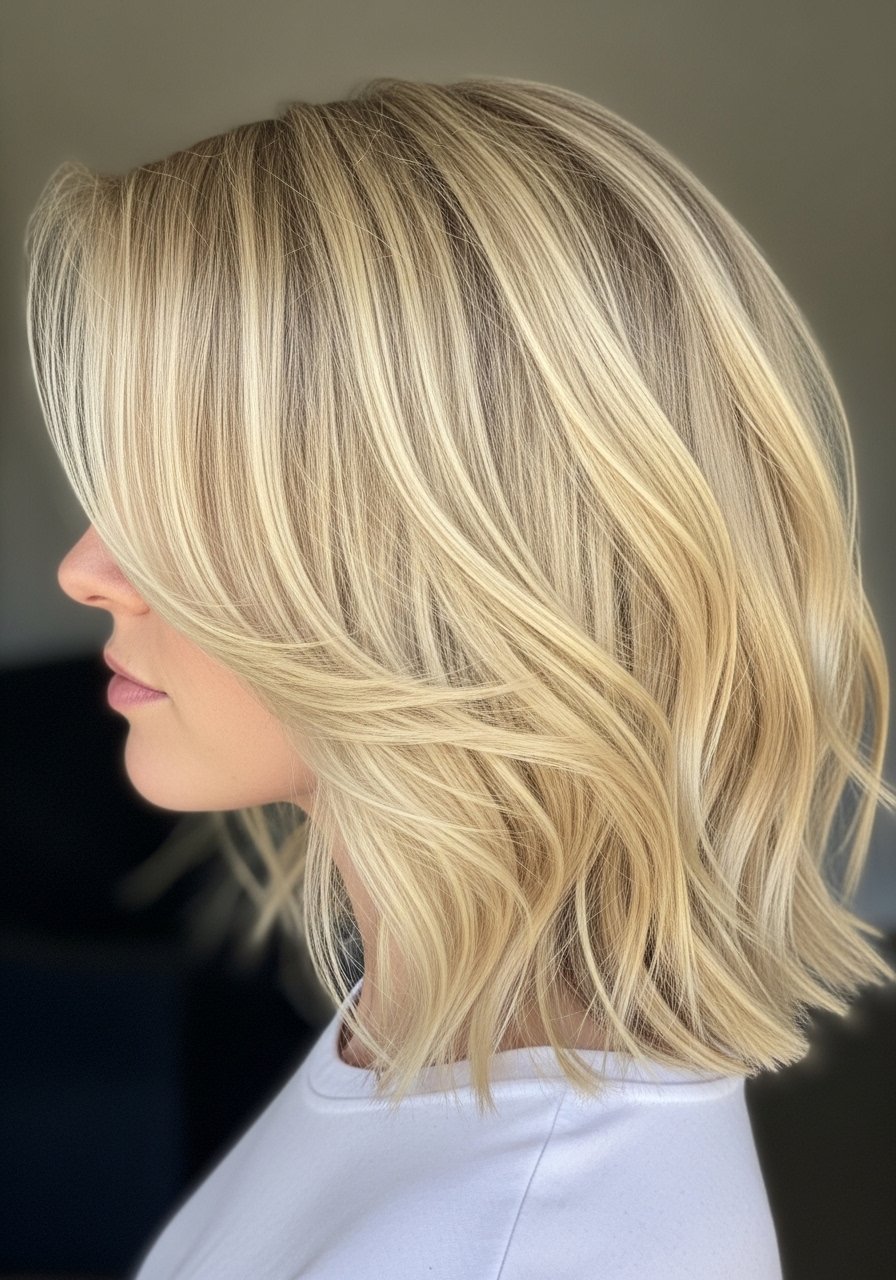
A lob with subtle interior layering gives vanilla blonde visible depth in motion, which is crucial for fine or limp hair. Ask your stylist for long layers that start two to three inches from the ends, and for point cutting to avoid bluntness. The detail that makes it look modern is a 1.5-inch face-framing graduation. DIY trimming is a risky route for layers. If you must trim at home, only take 1/4 inch at a time and cut dry so you see the actual shape.
Small Habits That Keep Vanilla Blonde From Looking Flat
- Heat protectant goes on damp hair, not dry. The cuticle is more open and the product absorbs better. Light Heat Protectant Spray 4oz is my go-to before any iron above 300F.
- Grab a microfiber hair towel for $12. It cuts blow dry time and reduces frizz so your vanilla tone reads cleaner.
- Hair grows about half an inch a month at most. The thing that helps length retention is reducing breakage with a silk pillowcase and weekly bond treatments like Olaplex No. 3.
- Swap daily heavy oils for a tiny amount of light oil on the ends only. A pea to fingertip amount is enough for medium-density hair. Too much oil makes color look flat and greasy.
- If you get salon glazes, ask for the cooling shade slightly beige to keep the vanilla from going yellow between washes.
Frequently Asked Questions
Q: How often should I use purple shampoo on vanilla blonde hair?
A: Once a week is a good starting point for most vanillas. If your hair is fine or dry, dilute the purple shampoo with regular shampoo and keep the lather on for 30 to 60 seconds, then rinse. Overuse dries the hair and can make tone flat.
Q: Can I use Olaplex No. 3 if my hair is not severely damaged?
A: Yes, using it once a week as a preventive step helps strengthen bonds and smooth ends. It does not change your color. Buy from the official Olaplex store on Amazon or from Ulta to avoid counterfeits.
Q: Is it safe to bleach at home to get a vanilla blonde if my hair has been dyed darker?
A: Lifting over previous permanent color is risky and often causes breakage. This is one of the most common reasons hair breaks in the shower. Book a color correction or staged salon sessions instead of trying heavy lift at home.
Q: Will a gloss make my vanilla blonde darker?
A: Clear glosses usually add shine and seal the cuticle without darkening. Tinted glosses can slightly shift tone, so ask for a beige or neutral gloss if you want to keep brightness. Cool water for the final rinse helps the gloss last longer.
Q: How do I avoid patchy lift on low-porosity hair when lightening to vanilla?
A: Apply lightener to dry hair, use gentle heat like a hooded dryer for five to eight minutes, and check frequently. Wrapping sections in cling film and a warm towel helps even lift. Always do a strand test and do not overlap on previously lifted areas.
Q: Can I tone my hair at home without turning it too ashy?
A: Yes, if you dilute toner and monitor in two to three minute intervals. Fine hair needs shorter processing, while thicker hair can tolerate a few extra minutes. Stop early and rinse cool to avoid over-toning.