My hair looked stripey every time I left the salon until I learned to ask for painted mid-lengths and a root smudge. I bleached my own hair once and spent months fixing the damage. These 21 ideas show how to get soft blonde balayage on dark hair without the chunkiness, what to ask your colorist, and which at-home steps actually keep the color looking lived-in.
These looks work best on fine to medium straight and wavy hair, roughly 1A through 2C, shoulder length to long. Expect most color sessions to take two to four hours and run salon price to mid-range. A few techniques are safe for at-home styling only. Skip stats in the article unless separate verified research is done.
Soft Caramel Blonde Balayage For Dark Brown Hair
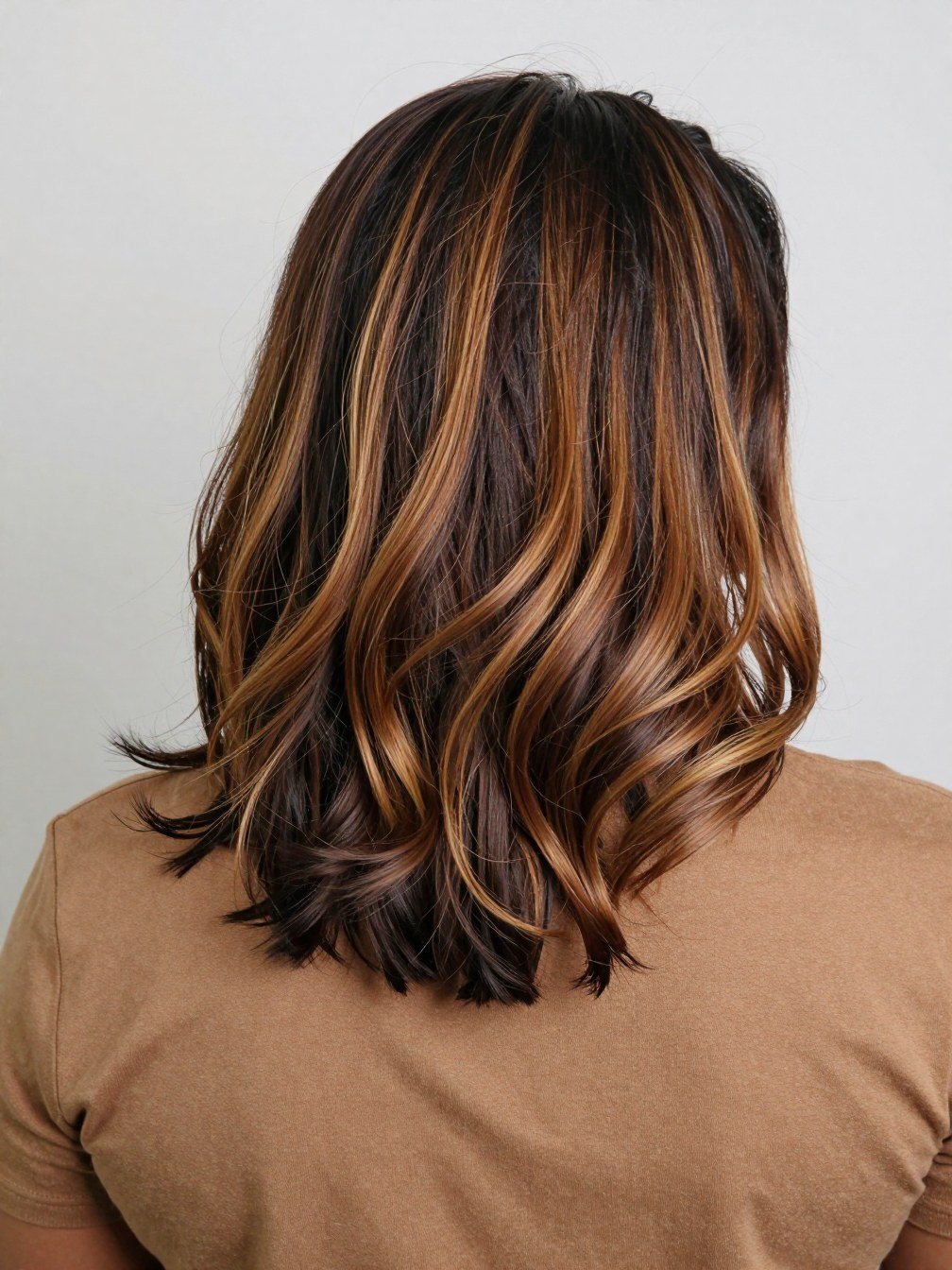
Caramel is the easiest way to get a believable blonde on a dark brown base, because the warm golden ribbons hide contrast. This fits 1A to 2B hair, medium density, shoulder length to long. Expect a two-to-three hour salon visit for partial lift and a toner. Between visits, two washes a week with a color-safe sulfate-free shampoo helps. If your ends feel dry after lightening, try Olaplex No. 3 hair perfector once weekly, two full pumps worked through mid-lengths and ends for ten minutes before rinsing. Common mistake is asking for full-face brightness and ending up with chunky highlights. This is a salon request, not a box-dye job.
Toffee Blonde With A Root Smudge Finish

Toffee tones read softer than bright blonde, and a root smudge or root melt keeps grow-out invisible. This is ideal for 1B to 2B hair and anyone who hates frequent touch-ups. Tell your colorist you want hand-painted mid-lengths and a smudged root at the scalp line. A gloss at the end prevents brassiness. At home, use a purple shampoo once every 7–10 days only, not every wash, or your color will dry out. If you try the root smudge at home you risk patchy results, so book the salon for this one.
Honey Blonde With A Subtle Money Piece
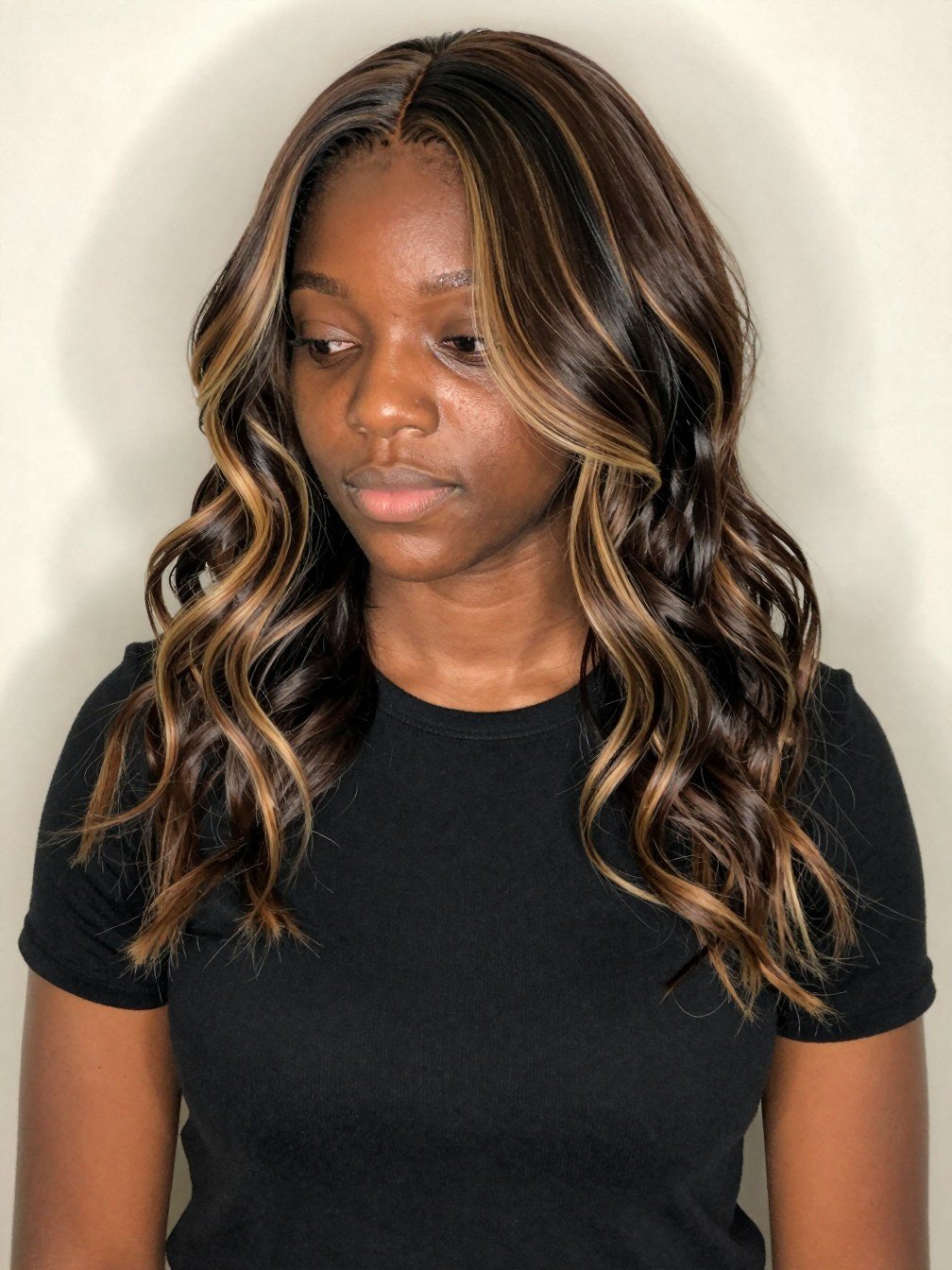
A warm honey money piece brightens the face without lightening the whole head. Works for 1A to 2C hair and fine to medium density, especially on bobs and lobs. Ask for a narrow face-frame painted lighter and toned to match the honey shade. When styling, two light spritzes of a salt spray through damp hair and a 300°F curling wand on 1-inch sections gives that soft ribboning. A common mistake is over-bleaching the money piece so it looks yellow by day two. Tone it in the salon and use a tiny amount of shine oil at the ends only.
Beige Blonde Balayage For Straight Medium Hair
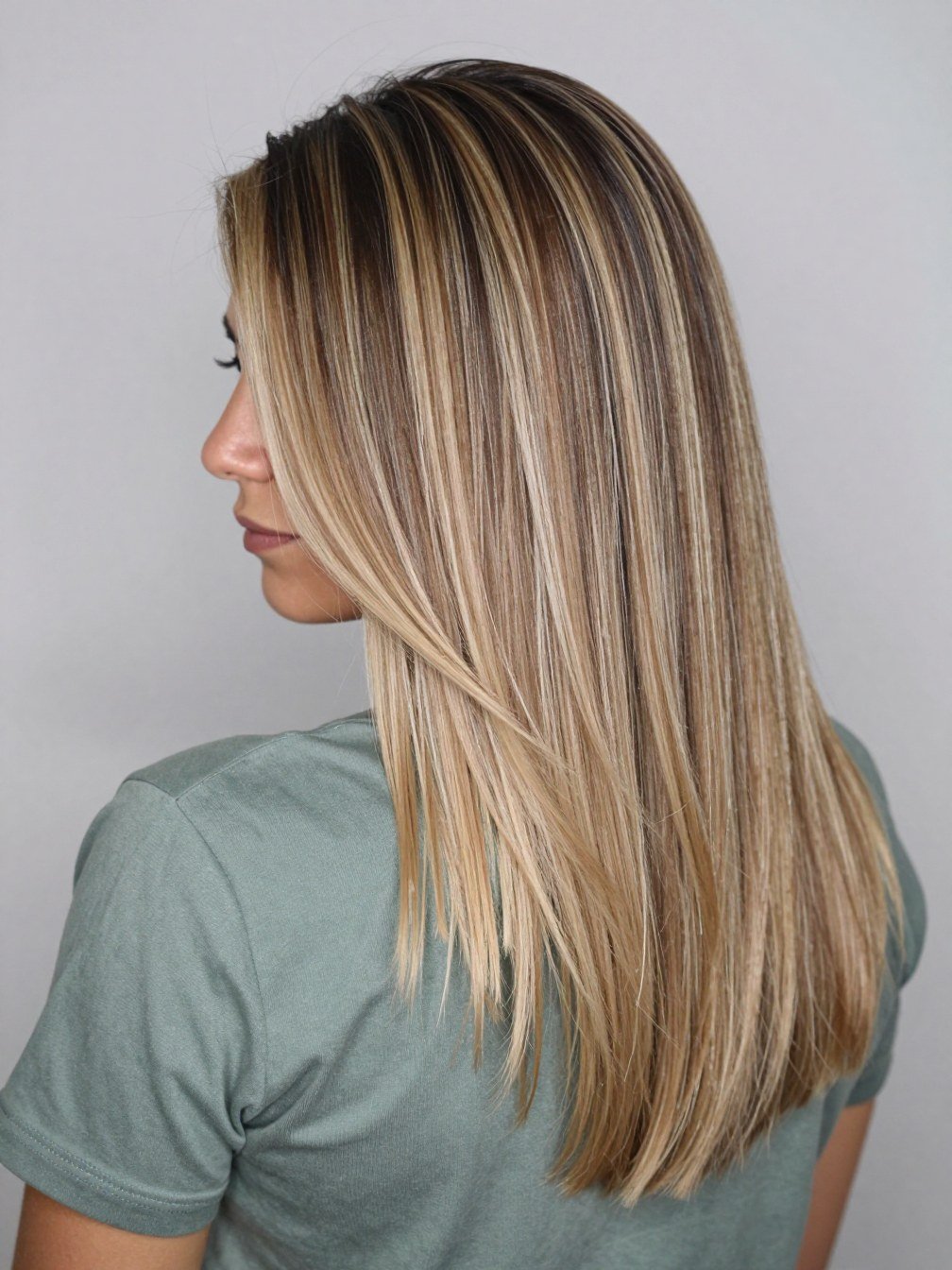
Beige blonde reads modern on straight hair because it avoids too much warmth that can look brassy. This suits 1A to 1C fine to medium hair. Ask for painting that starts mid-length and a thin root shadow to extend time between visits. For styling, low heat blowout and a flat brush at 350°F keeps ends sleek without frying them. Use an 8oz sulfate-free moisturizing shampoo and condition mid-lengths only if your ends feel heavy. A mistake I see is dumping purple shampoo on beige hair and creating a greenish cast. Tone at the salon instead.
Smoky Blonde Balayage For Cooler Complexions
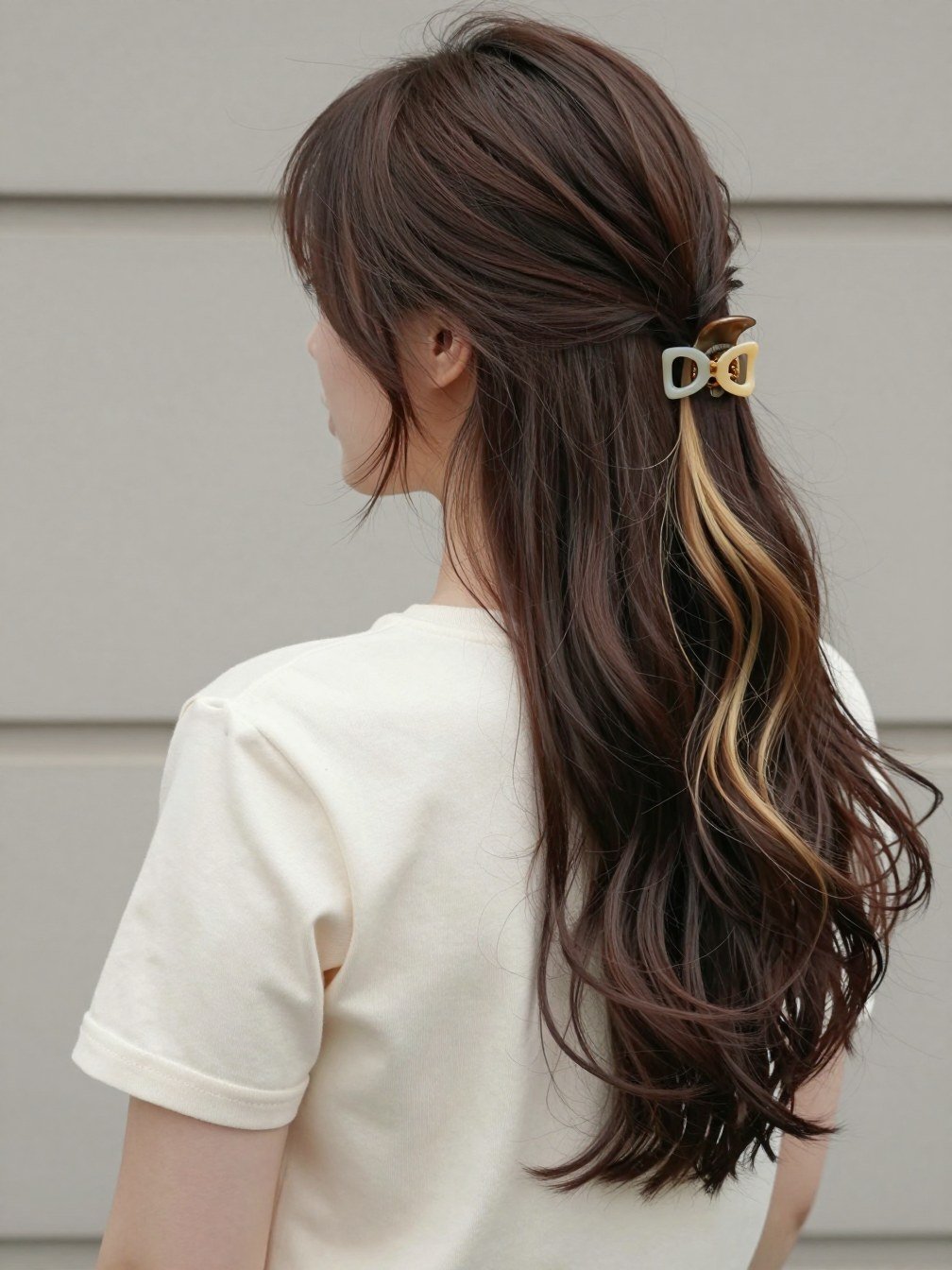
Smoky blonde adds cool dimension to a dark base without going icy. Best for 1B to 2C medium to thick hair and people who prefer neutral tones. This usually needs a low-lift technique plus a violet or ash toner finish. Cooler blondes ask for maintenance with a toning gloss every 8 to 12 weeks. If you use heat, set your iron to 360°F for medium hair to shape waves without burning bleached mid-lengths. Watch for over-toning at home because desiccated hair holds cool pigments unevenly.
Reverse Balayage To Rebalance Over-Lightened Hair

Reverse balayage is the fix I recommend when someone has gone too light and the hair reads flat. This technique paints darker tones back through the lengths for depth and better shine. It is a salon-only move because placement and processing time are key. Works on color-treated hair of any curl pattern, but think 1A to 2C for the best blended result. A common mistake is trying a one-step dark toner at home which can deposit too much pigment. Book a professional correction and expect multiple sessions if your hair is fragile.
Foilayage Blend For Longer Appointments
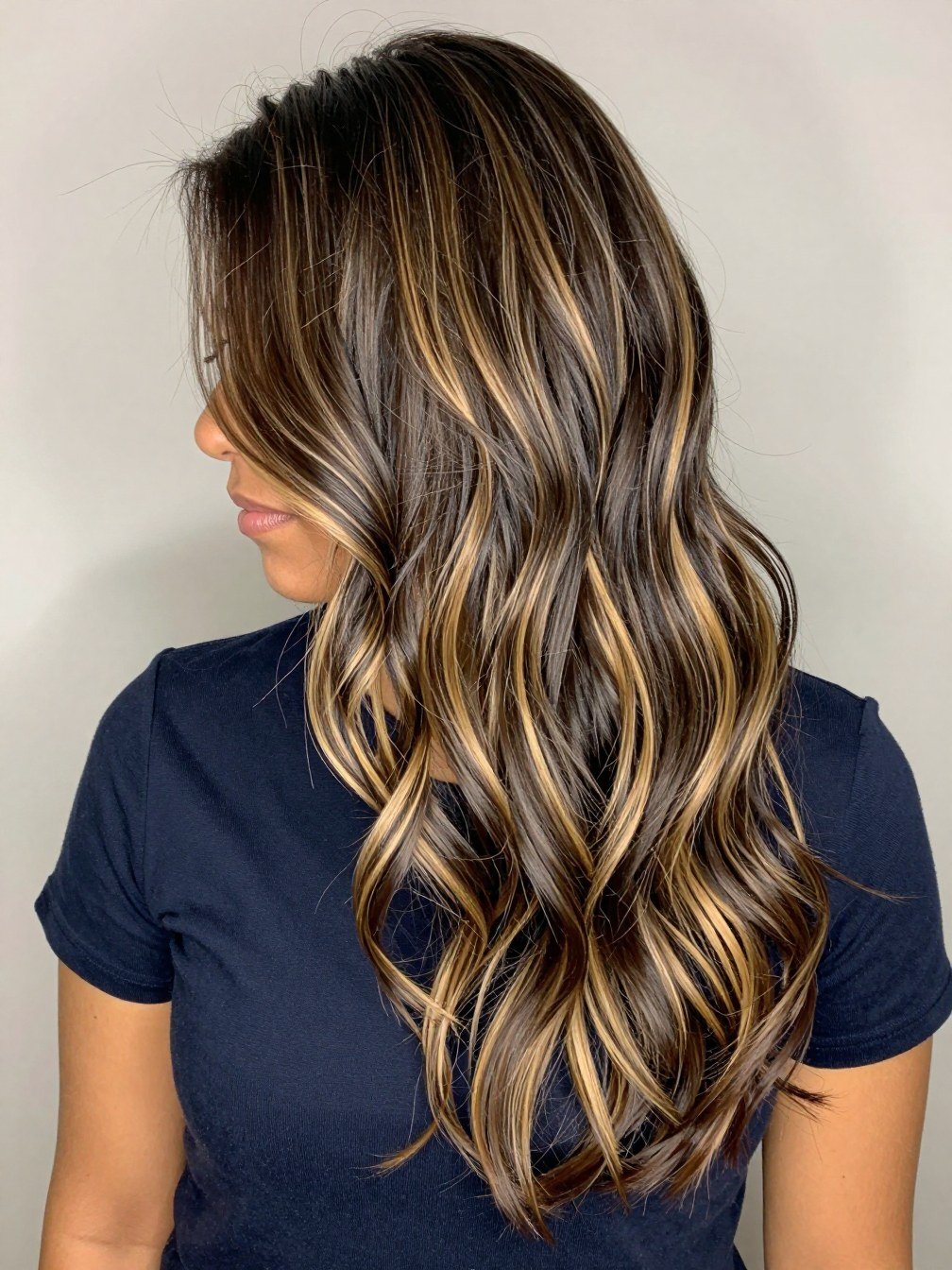
Foilayage mixes hand-painting and foils to control lift and create a softer grow-out than traditional highlights. It is great for 1B to 2C hair with medium to thick density who want structured brightness without visible lines. The salon will alternate painted panels and toned panels, then finish with a gloss. Plan for a three-hour session depending on how many foils are placed. The biggest DIY mistake is leaving the bleach on too long. Bleach over previously colored hair can break the strand, so this is best left to a pro.
What I Actually Buy To Keep Soft Blonde Balayage Lasting
- For weekly at-home repair, Olaplex No. 3 hair perfector, 3.3oz. Buy from the official seller on Amazon or grab it at Sephora to avoid fakes
- For toner maintenance, purple shampoo 8oz, use once a week only
- For heat protection, color-safe heat protectant spray 6oz
- For daily texture, lightweight sea salt spray under $20
- For detangling and wet work, wide-tooth comb inexpensive
- For smoothing during blowouts, boar bristle paddle brush
- For sleeping, silk pillowcase queen under $25
- For a quick gloss at home, clear color gloss treatment 4oz
- For shaping waves, 1-inch curling wand with heat dial
- For diffusing texture, universal hair dryer diffuser
- For trimming split-seeming ends between salons, hair-cutting shears set
- For smoothing frizz after styling, lightweight argan oil one to two drops only
Loose Waves To Soften Blonde Ribbons
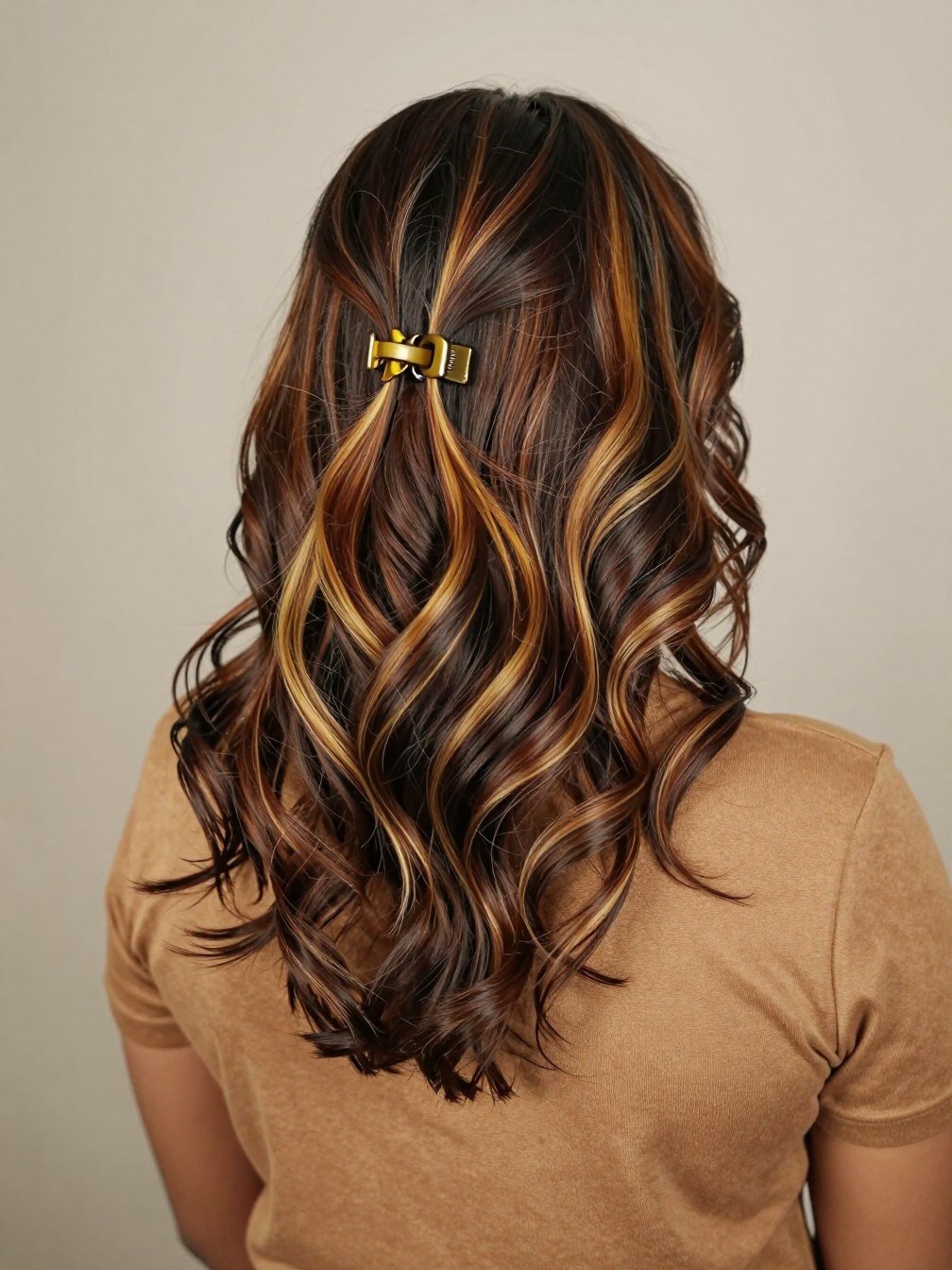
Loose waves are the styling secret that makes painted blonde feel expensive. Works for 1A to 2C hair, medium lengths. Section hair into three horizontal layers and curl away from the face in alternating directions on 1-inch sections at 300–340°F to keep the ends glossy. Two spritzes of a light sea salt spray before diffusing helps hold the shape without crunchy residue. Mistakes include piling too much styling cream which collapses fine hair. This is DIY friendly and quick once you learn the sectioning rhythm.
Soft Blonde On Shoulder-Length Straight Hair

On straight shoulder-length hair the balayage should start lower than on long hair to avoid looking streaky. Ideal for 1A straight and fine to medium density. Ask for painted slices starting at mid-length and a thin root shadow to soften the scalp line. Blow-dry with a medium round brush at 280–320°F and finish with one light pass of a flat iron at 330°F on the ends only. Overdoing heat is the fastest way to make blonde ends feel fried, so use a heat protectant every time.
Wavy Hair Balayage That Plays With Texture

Natural waviness breaks up color placement, making balayage look less done and more lived-in. This is great for 2A to 2C hair and medium density. For application, tell your colorist to paint the balayage on diagonal panels that follow your wave pattern. At home, use a curl-enhancing cream and diffuse on low heat. One real-life trick I learned is to scrunch once with product and then let hair air-dry 50 percent before diffusing to keep shape and reduce frizz.
Very Subtle First-Time Blonde Balayage

If you are nervous about blonde, ask for just a few painted ribbons that start low and blend into a root melt. This works well on virgin dark hair that is fine to medium. Expect a shorter salon visit and a lower bill than full balayage. The real-life benefit is grow-out looks fine for months. The mistake is asking for "lots of brightness" on the first go. Let the color build over two visits if your hair is fragile.
Warm Golden Blonde For Sunlit Warmth

Golden tones make dark hair look glossy and healthy when placed with restraint. Best for 2A to 2C medium density hair, medium to long length. Ask for warm honey and caramel mix, not pure yellow. A salon gloss after the lift seals the cuticle and adds shine. At home, avoid heavy oils on fine hair. Use one small pump of lightweight argan oil on the ends after styling. Warm blondes need toning less often than cool blondes, but you still need maintenance every 10 to 14 weeks.
Gloss Treatment To Boost Shine Between Appointments
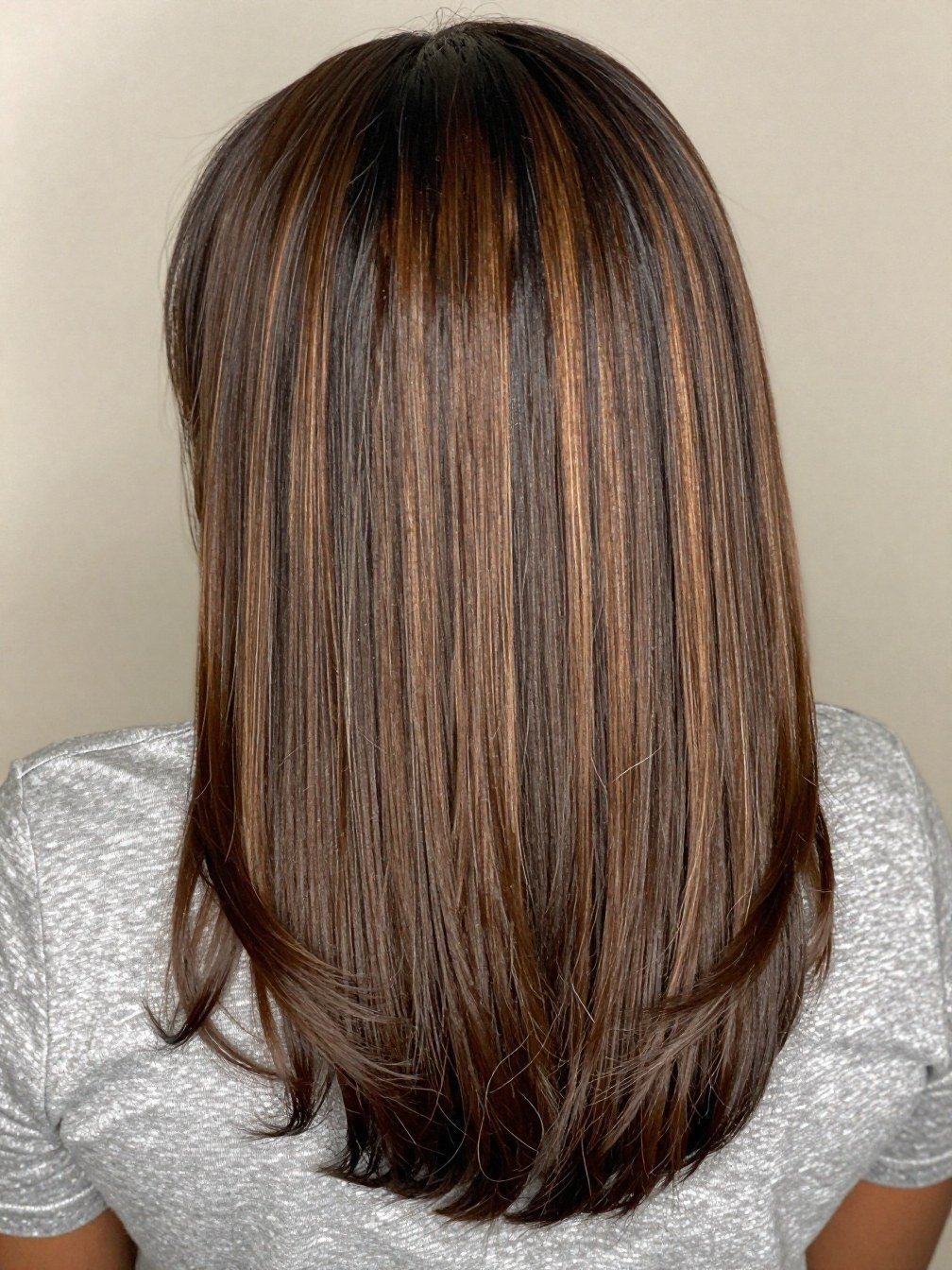
A clear gloss or demi-permanent toner refreshes tone and returns shine without lifting more hair. This is worth booking if your balayage looks flat after a few washes. A salon gloss can last four to six weeks. You can also try an at-home gloss treatment labeled for color-treated hair, applied for 10 to 20 minutes. Avoid leaving gloss on longer than directed. If your hair is porous, a gloss can over-deposit pigment and look muddy, so ask your stylist for a diluted application.
Low-Contrast Balayage For Minimal Touch-Ups

Low-contrast balayage is the move if you want to go lighter but skip salon trips. Paint thinner pieces and ask for a root smudge. This suits fine to medium hair and people who wash frequently. Expect to see subtle brightness in direct light rather than full-on blonde. One common error is asking for too much lift in one session. If your hair is damaged, the stylist may recommend multiple sessions to protect the integrity of the strands.
Face-Framing Blonde Pieces Without The Drama

Lightening a few narrow pieces around the face brightens skin without committing to full-head color. Best for 1A to 2C and short to medium lengths. Keep these pieces small and toned to avoid yellowing. If you touch up at home, use a very diluted at-home toner or book a quick gloss. The frequent mistake is going too bright around the face which ages the hair when it yellows. Ask for a consult about placement and how many foils are actually necessary.
Beadroot Shadow To Stretch Time Between Visits
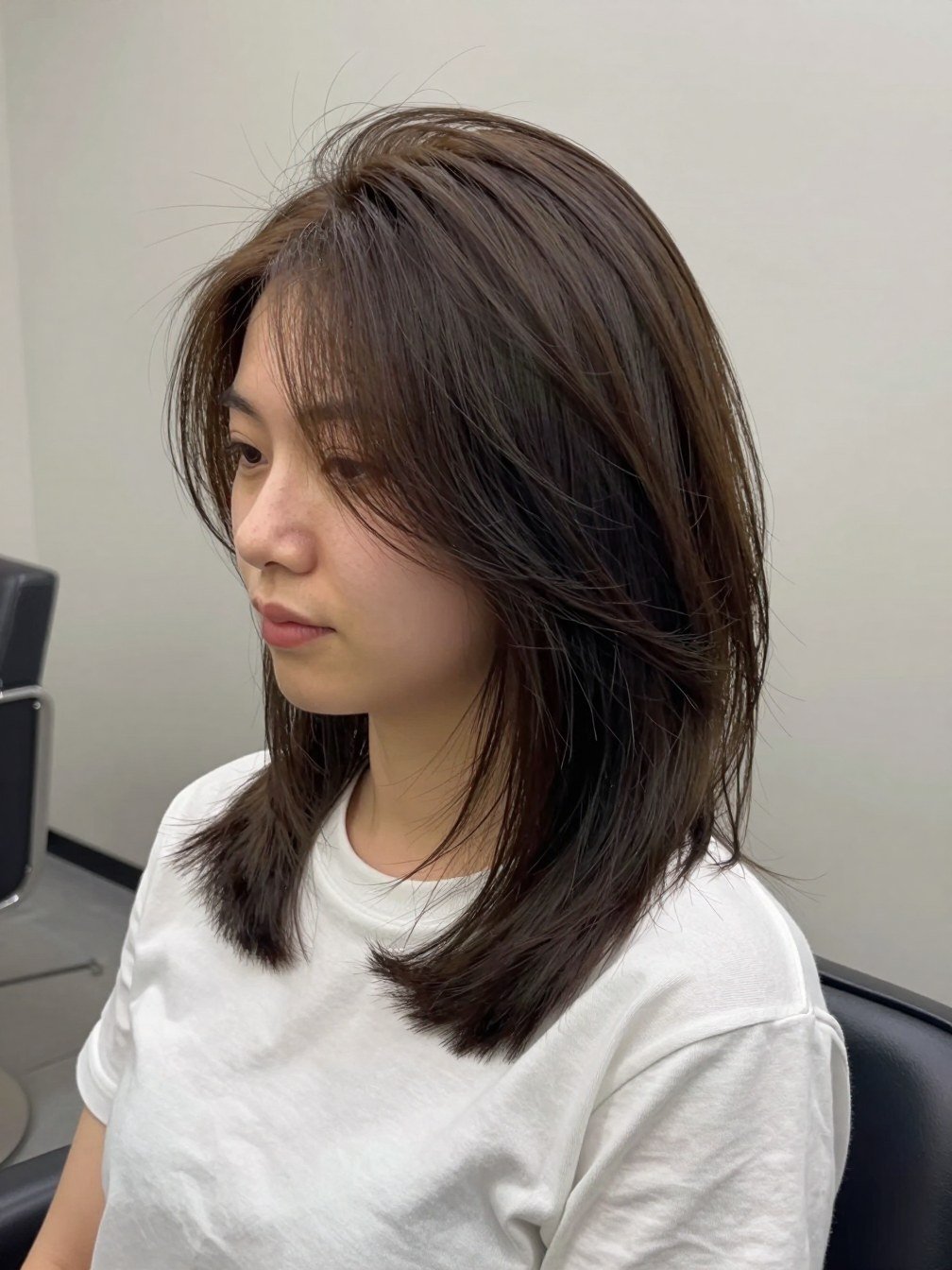
Beadroot or root shadowing adds darker pigment at the root line so grow-out is much less obvious. Great for people who hate monthly salon trips. Works on fine to medium hair and all lengths. The stylist will paint a darker glaze at the root and feather it into the lightened mid-lengths. Do not try to recreate this at home with box dyes. If you place darker toner too close to the scalp yourself you risk a patchy result and scalp staining.
Money Piece Brightening For Shorter Cuts

Shorter cuts like bobs take a money piece well because a narrow face frame lifts the whole style. Ideal for 1A to 2B hair and people who want a quick visual update. Bleach the face frames carefully and tone immediately to avoid yellow spots. If you have sensitive scalp, request a patch test and a slower developer strength. At home, use a tiny amount of leave-in conditioner on those lighter pieces to prevent dryness.
Smoky Beige Blonde For Neutral Tone Lovers

Smoky beige mixes ash and beige for a neutral finish that suits cooler skin tones. This works for 1B to 2C hair, medium to thick density. The salon will lift and then use a cool-toned gloss to neutralize warmth. If your hair is porous, a smoky beige can absorb too much pigment and look flat, so ask for a diluted gloss. At home, wash with a moisturizing, pH-balancing shampoo and avoid once-every-wash purple shampoo unless your stylist suggests it.
Root Melt Touch To Avoid Stripey Lines

A root melt blends the scalp colour into the balayage so there is no visible line. It is a must if your dark base contrasts strongly with the new blonde. Works on all straight and wavy hair types but is especially useful for fine hair that shows lines easily. Ask the stylist to feather pigment down in thin strokes. Trying this yourself can create a halo effect, so get the first melt in the salon.
Bond Building Routine Before A Lightening Session

If your hair has previous color or feels fragile, prepping with a bond builder for 2–4 weeks before a lift saves a lot of breakage. Do a weekly application of a bond-repairing mask for three to four washes. I used to skip this and paid in split ends and extra trims. If you plan multiple lifting sessions, book bond-building treatments in between appointments. Bond builders do not undo years of damage but they make future sessions safer.
Heat Styling Routine To Keep Blonde Ends Smooth

If you style with heat, a strict routine keeps bleached ends from looking fried. Damp hair, two sprays of a heat protectant, low-medium heat blow-dry, then one quick 300–340°F pass with a wand or iron on each section. For fine hair lower the heat to 300°F. Hair grows about half an inch a month at most, regardless of what biotin gummies promise you. Frequent trims and bond treatments are the realistic maintenance plan, not daily high heat.
What I Wish Someone Had Told Me Before I Went Blonde
- Use a root shadow or melt to extend the time between salon visits
- Avoid purple shampoo every wash, use it once a week if needed
- Buy Olaplex from the official store on Amazon or at Sephora to avoid counterfeits
- One professional gloss refresh every 8 to 12 weeks keeps tones even
- If your hair has been colored dark before, do not lift it at home
Frequently Asked Questions
Q: How often should I actually use purple shampoo to fix brassy tones without making my hair dry?
A: Use purple shampoo once every 7 to 10 days as a starting point, not every wash. If your hair feels dry after using it, stretch the frequency and follow with a rich conditioner on the lengths only.
Q: Can I use Olaplex No. 3 if my hair is not damaged, or will it make it worse?
A: It will not make healthy hair worse. Hair that is not visibly damaged can still benefit from a weekly application, but you can reduce frequency to every other week. Buy from the official seller on Amazon or at Sephora to avoid fakes.
Q: What is the difference between balayage, foilayage, and a root melt?
A: Balayage is hand-painted brightness, foilayage mixes painting and selective foils for more lift, and a root melt is a darker glaze at the root that blurs the line between scalp and lightened mid-lengths.
Q: How long does a salon gloss usually last on balayage?
A: Expect a gloss to last four to six weeks before tone starts to shift. If your hair is porous it may fade faster. Gloss does not lighten hair, it only refreshes tone and shine.
Q: Can I bleach my hair at home if I have previously dyed it darker?
A: Lifting bleach over existing color risks breakage and uneven results. Book a salon correction or accept multiple gentle sessions spaced weeks apart. This is the fastest way to avoid the "chunky" or patchy outcome.
Q: How do I choose between honey, caramel, beige, and smoky blonde?
A: Match the tone to your skin and how high-contrast you want the look. Honey and caramel are warmer and hide contrast. Beige is modern and neutral. Smoky blonde is cooler. Ask your colorist to show swatches against your base.
Q: How often should I get a bond-building treatment if I plan to go lighter over several visits?
A: Do a weekly at-home bond treatment and a salon bond treatment between lifting sessions. Bond builders help but they do not reverse past damage. If in doubt, space sessions farther apart and trim dead ends.