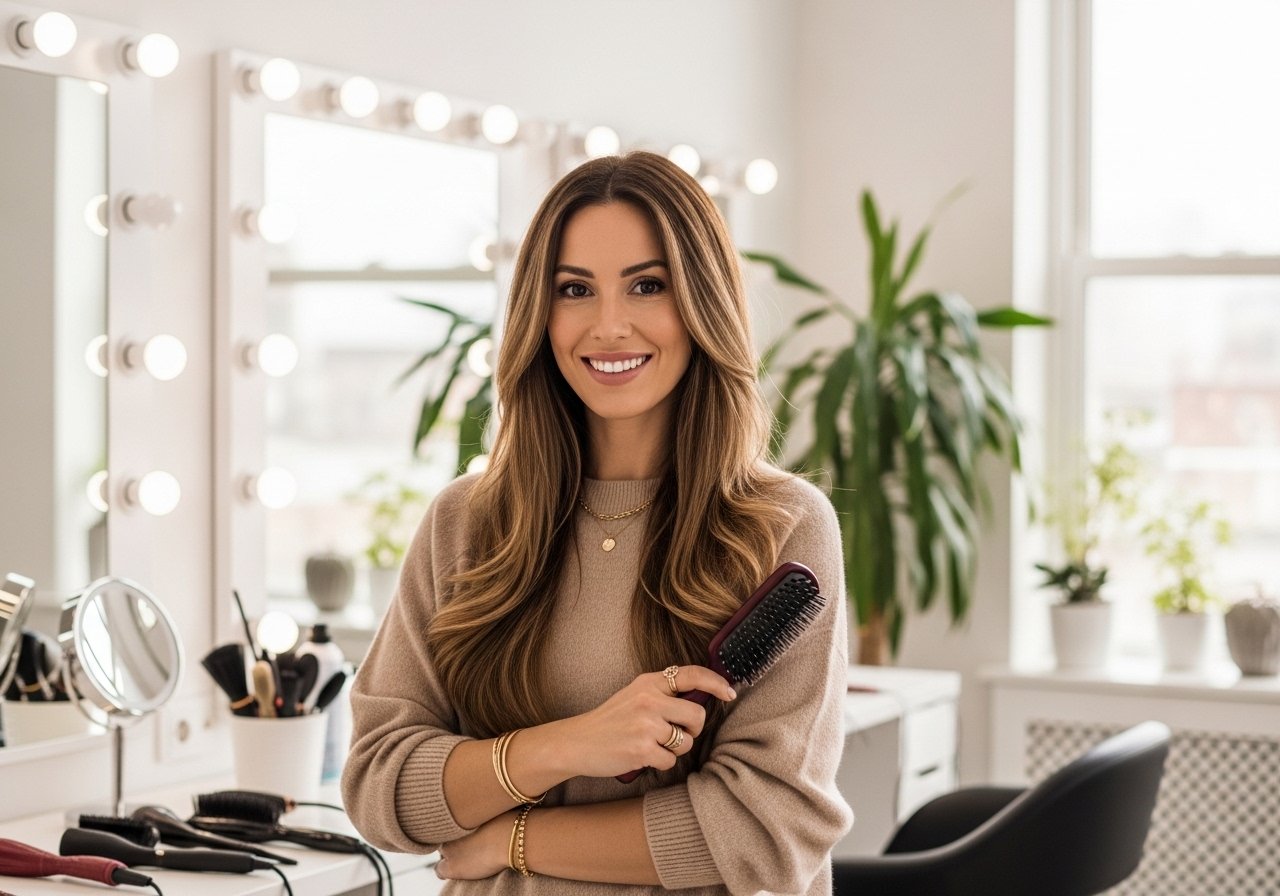
If your side bangs either plaster to your forehead or puff out like a helmet by noon, I get it. I cut mine to hide a scar and learned the hard way that density, angle, and styling routine matter more than the cut alone. Below are looks and real-life tips that kept my bangs wearable without daily salon trims, plus the small products and tricks that actually work.
These ideas mostly serve straight hair, specifically Type 1A to 1B, cropped to chin length up to a short lob. Most are beginner-friendly and take five to twenty minutes to style. Budget ranges from under $15 for a dry shampoo to one tool splurge around $120. Nearly everything can be DIY, except for major color shifts or a corrective cut.
Sleek Blunt Bob With Face-Framing Side Bangs
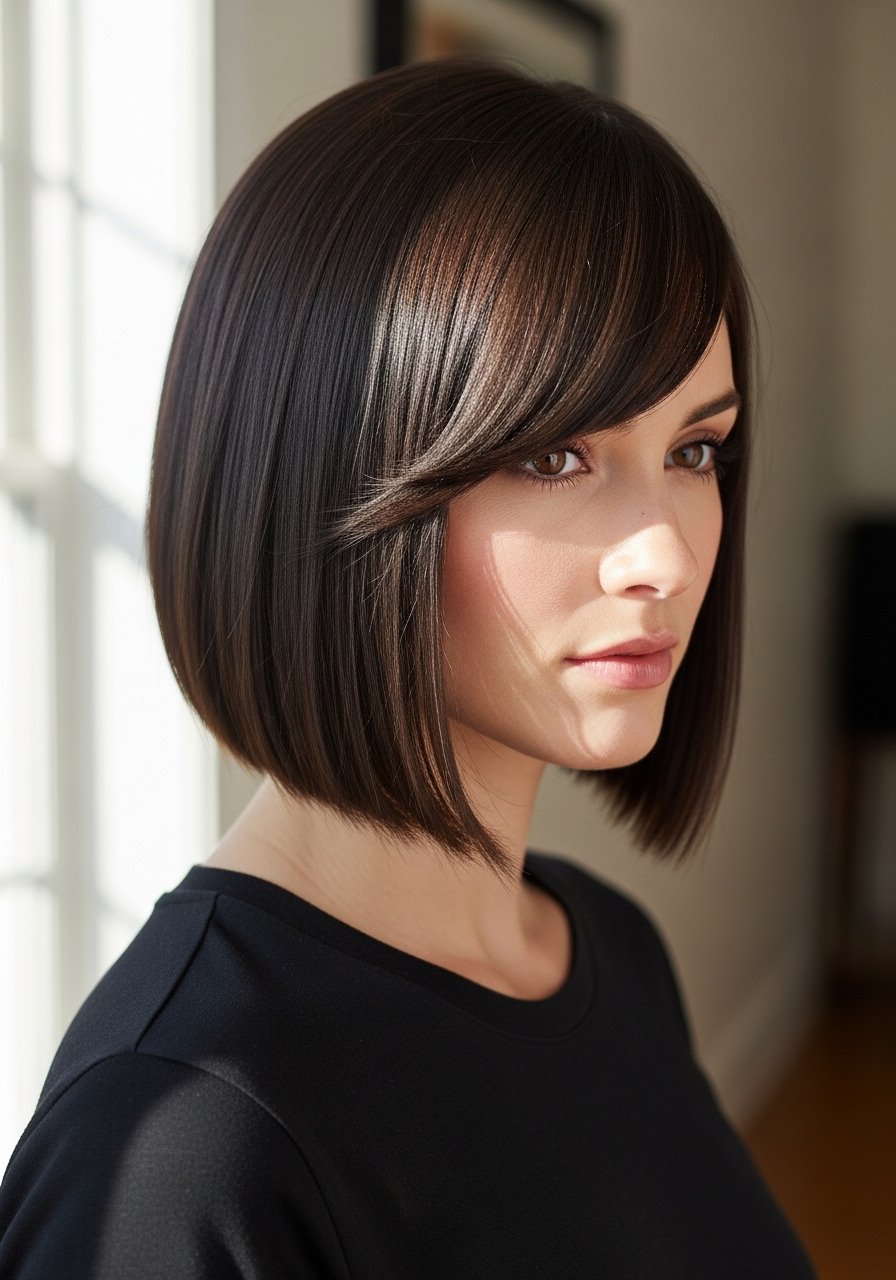
A blunt bob keeps the weight controlled so side bangs sit flush but not heavy. On fine straight hair, ask for a one-length perimeter and have the stylist point-cut a few millimeters into the bangs to avoid a solid curtain. For home styling, two passes with a 1-inch flat iron at 320F on dry hair smooths the cuticle without frying it. Use a heat protectant and let it dry fully first. If the bangs feel heavy between cuts, two spritzes of a clarifying dry shampoo at the roots wakes them without grit. Salon note, avoid over-thinning bangs or they will separate oddly on straight textures.
Textured Pixie With Long Side Bangs
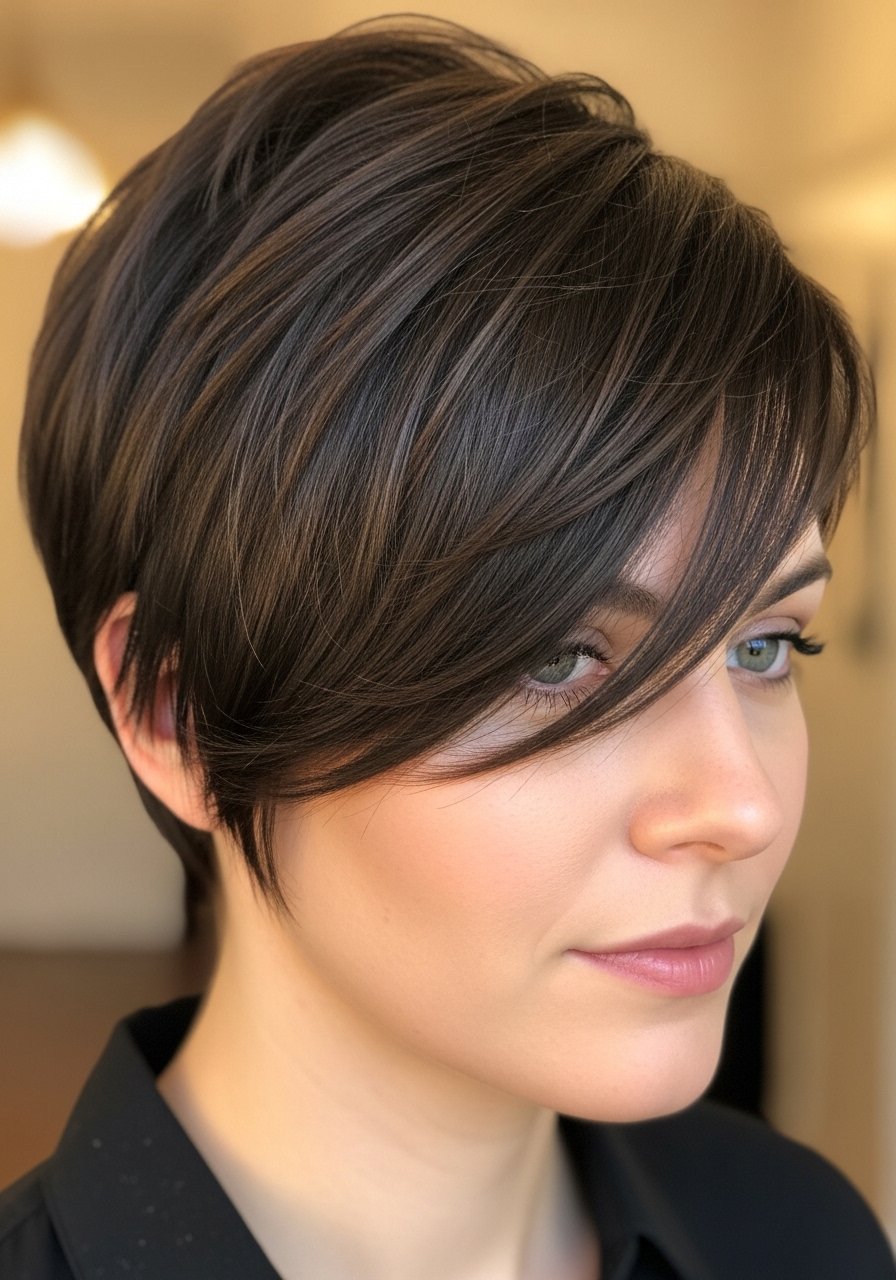
If you want short and playful but still need bangs to cover a wide forehead, a textured pixie with long side bangs is forgiving. Ask the stylist to leave length toward the face and to razor-texture the crown rather than the fringe. For styling, pea-size of a lightweight cream worked through damp hair before air drying adds separation without crunch. For texture without stiffness, a tiny dab of matte paste at the ends and one mist of a light texturizing spray finishes it. Keep in mind, shaving or extreme tapering at the nape can make regrowth awkward, so consider a gradual maintenance plan.
Soft Razor-Cut Ends For Movement
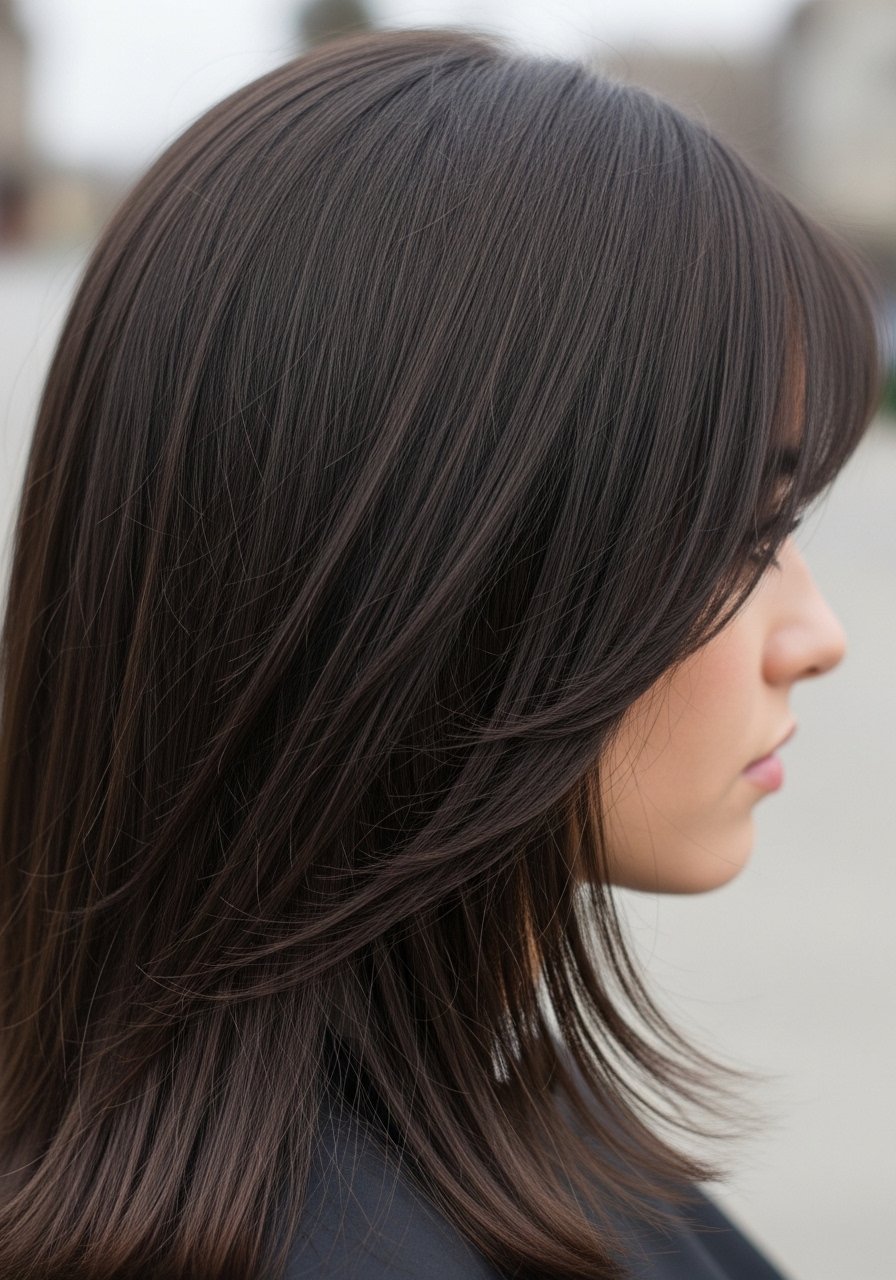
Razor point-cutting at the ends removes bulk so straight bangs and short cuts don’t look blocky. I had a stylist do this after a blunt grow-out and my bangs stopped flipping out. It works best on medium density 1A to 1B hair. The trick at home is to dry the bangs slightly and trim vertically with hair scissors in one to two small snips only. Too many snips equals choppy stair-steps. For smoothing, run the flat iron once at 300F across the mid-lengths of the bangs, not the roots. If you see exposed scalp when you part, ask for less weight removal next time.
Feathered Lob To Keep Bangs Light

A lob with feathered layers around the face blends side bangs so they read softer and need fewer trims. This suits medium to thicker straight hair that wants movement without losing shape. Have the stylist angle the layers to meet the bangs at cheek level so they sweep open. For styling, blow-dry the bangs with a small round brush, rolling outward for one to two seconds at 300F, then cool-shot to set. Air-dry lovers can use a tiny amount of lightweight cream on damp hair to avoid stiff edges. Weekly glosses at salons add shine if you color, otherwise a silicone-based serum lightly rubbed through the ends keeps them calm.
Hidden Nape Undercut For Instant Volume
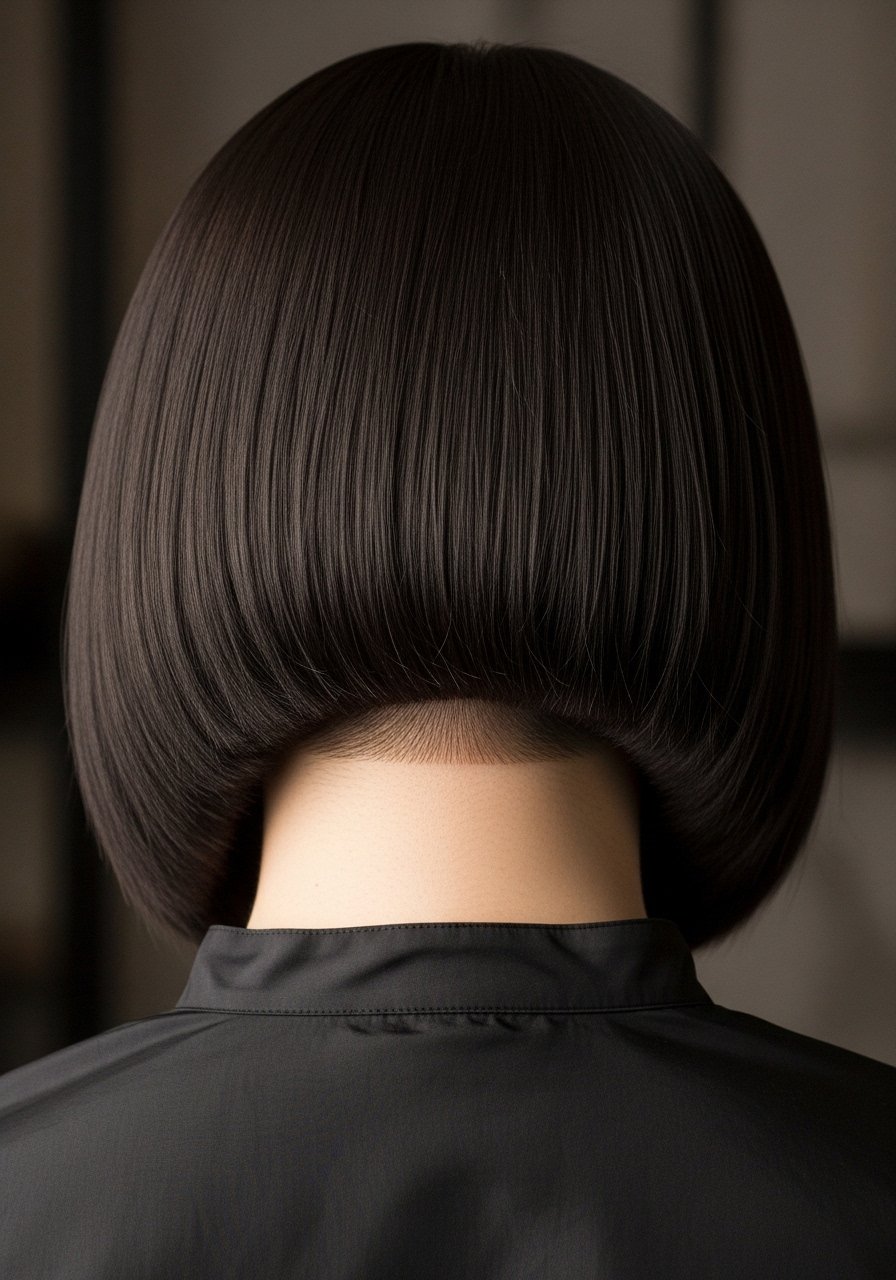
If your short straight hair feels flat at the crown, a hidden undercut at the nape strips weight and lets the top lift naturally. It is subtle on straight hair and makes side bangs lie flatter because the perimeter has less drag. This is a salon job and requires a maintenance trim every six to eight weeks to keep the contrast tidy. At home, use a volumizing powder at the roots and massage with fingertips to avoid stiffness. Warning, if you like to pin hair up, remember the undercut shows when the hair is lifted. For safety, do not try to clip away large sections yourself when replicating this look.
Short Shag With Piecey Side Bangs

Shag cuts are not just for waves. On straight hair, a short shag with strategically thinned pieces around the face creates natural movement so side bangs never look glued. For fine to medium straight hair, ask the stylist for short, staggered layers blended into the bangs. At home, two fingers of a salt-infused spray on towel-damped hair, scrunched and dried with low heat, gives separation without stiffness. A tiny pea of pomade applied only to the bangs’ ends prevents edge flip. Avoid applying heavy oils near the roots, they will make bangs cling and require more washes.
Side Sweep For Greasy Bangs Between Washes
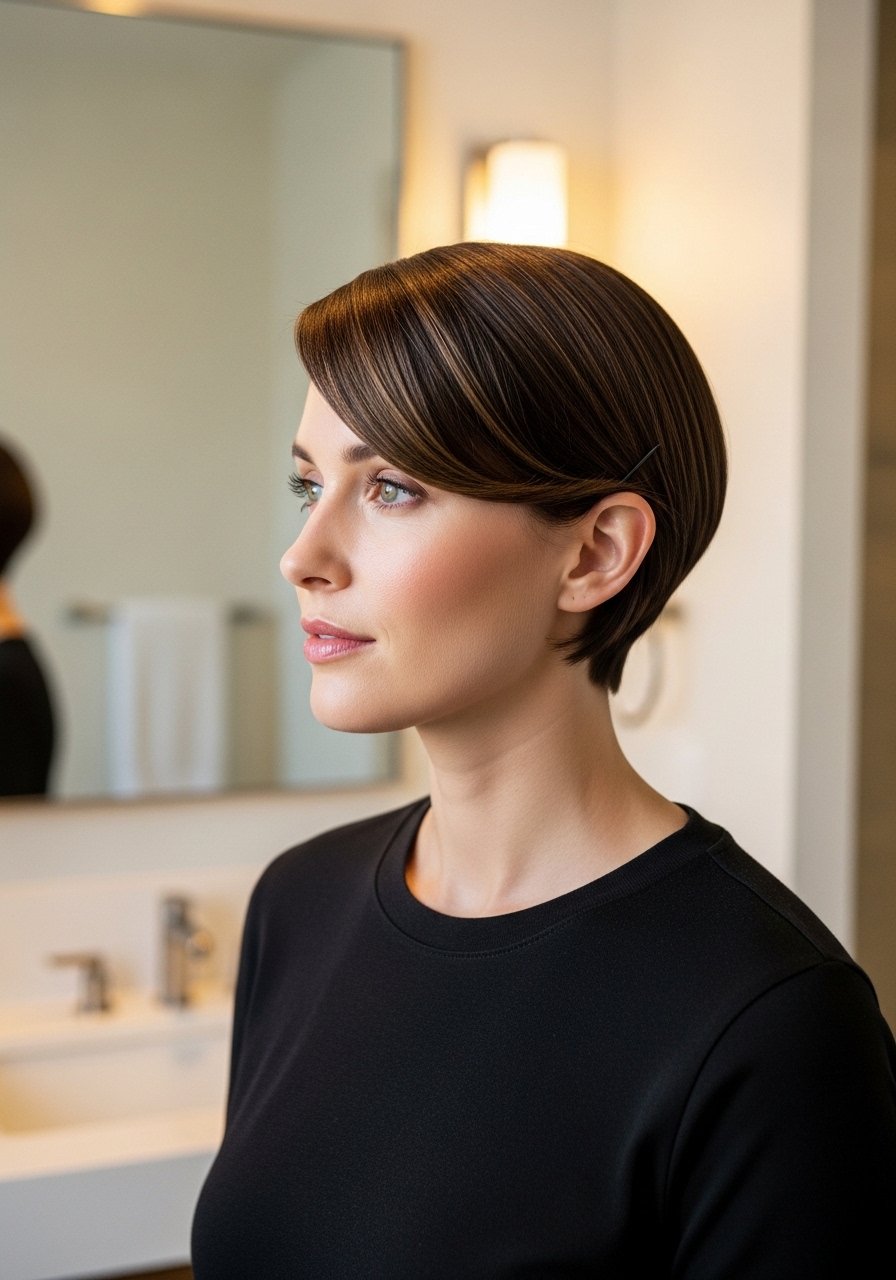
I learned to live with oily bangs by mastering the side sweep. On mornings when the bangs look greasy, a gentle backcomb at the root with a fine-tooth comb, a quick mist of a spray dry shampoo at the part, and pinning the heavier side behind the ear stretches the look by a day. For very oily scalps, a micro-dose of dry shampoo at the hairline rather than the full shaft avoids buildup. This method is a quick at-home fix. If your scalp feels irritated after product buildup, do a clarifying wash once a week.
The Tiny Two-Minute Heat Routine For Busy Mornings

Most heat protectants you spray on dry hair before flat ironing barely work. They need to absorb into damp or just-dried hair to actually shield the cuticle. My two-minute routine is towel-dry, spritz a small amount of heat protectant through the bangs and crown, blow-dry with a 1-inch brush for 30 to 40 seconds, then smooth the bangs with a single pass of a 1-inch flat iron at 320F. For straight types, this keeps them set all day without extra product. Use a compact 1-inch flat iron and a thermal brush for best speed. Remember, always use a protectant before any iron over 300F.
Low-Maintenance Color Ideas That Flat Less
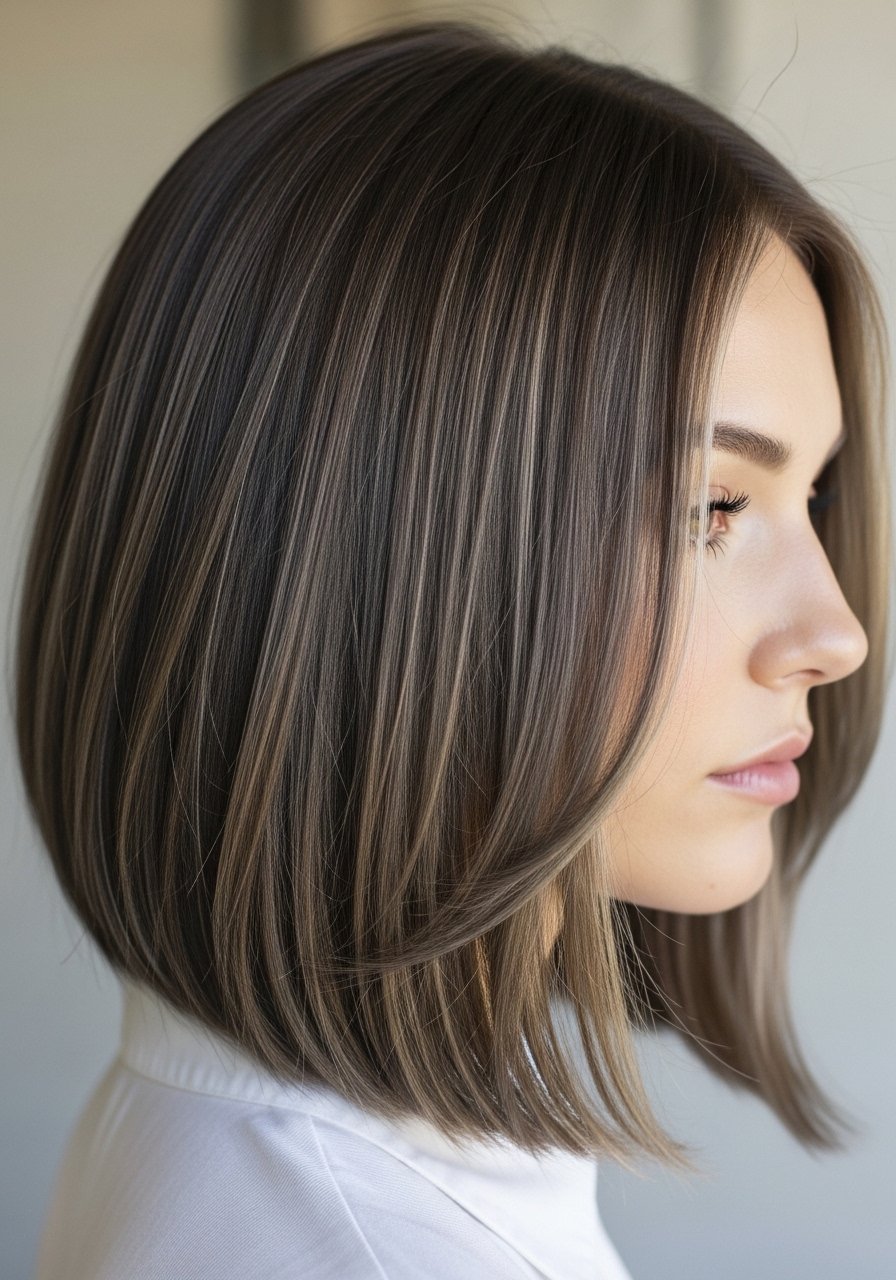
Solid block colors make short straight hair read heavy and flat. Instead, ask for subtle face-framing softer highlights or a shadow root so the bangs blend and the part reads softer in natural light. On color-treated hair, use a gentle sulfate-free shampoo and a once-weekly bond treatment. For example, once-weekly Olaplex No. 3 hair perfector helped rescue my over-processed ends after a DIY dye. If you plan to lift, do not bleach over previous dark color at home. Color corrections belong in the salon because lifting over pigment breaks hair if done too aggressively.
Clip-In Bangs For Trying Lengths
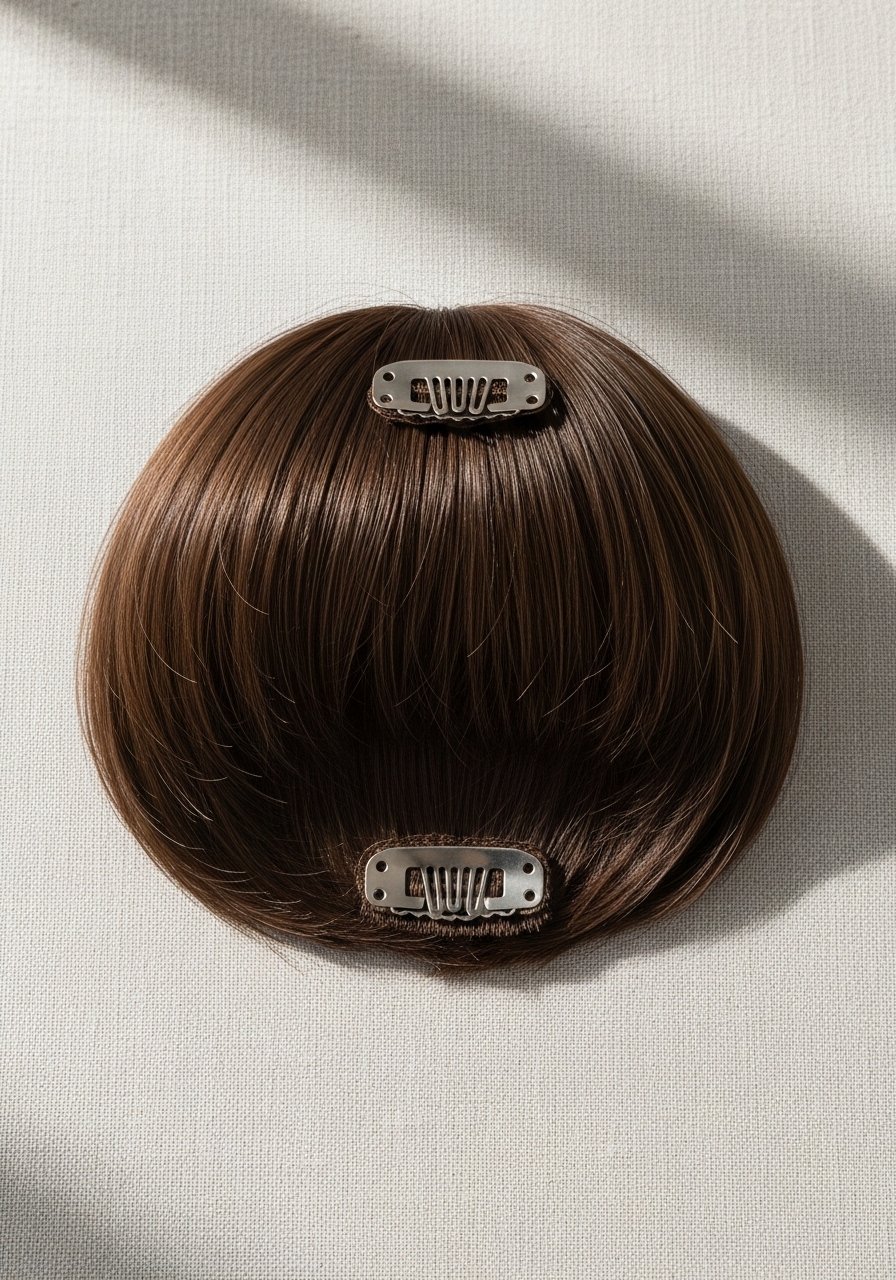
Want to test a side bang without a cut? Clip-ins saved me from a regrettable chop once. Match the color and slightly trim the piece vertically into your face for blending. Clip them three fingers from your part and hide the clips under your existing hair. For straight hair, lightweight synthetic or human-hair clip-ins behave similarly, but human hair tolerates heat for shaping. If you heat-styling clip-ins, keep it under 320F and use a protectant on the piece. Sleep with them off and store them flat so they keep their edge.
Night Routine To Keep Bangs From Matting

A silk pillowcase changes how side bangs feel in the morning. I started sleeping on silk and my bangs stopped kinking or matting at the hairline. If you do not want to buy a silk case, wrap the bangs loosely with a soft scarf for two minutes before bed to reset their direction. For oily scalps, avoid heavy creams on the bangs at night. Also, hair grows slowly, remember Hair grows about half an inch a month at most, regardless of what biotin gummies promise you, so trims should be every four to eight weeks based on how fast your hair shows weight.
DIY Bang Trim Tricks That Save A Salon Visit
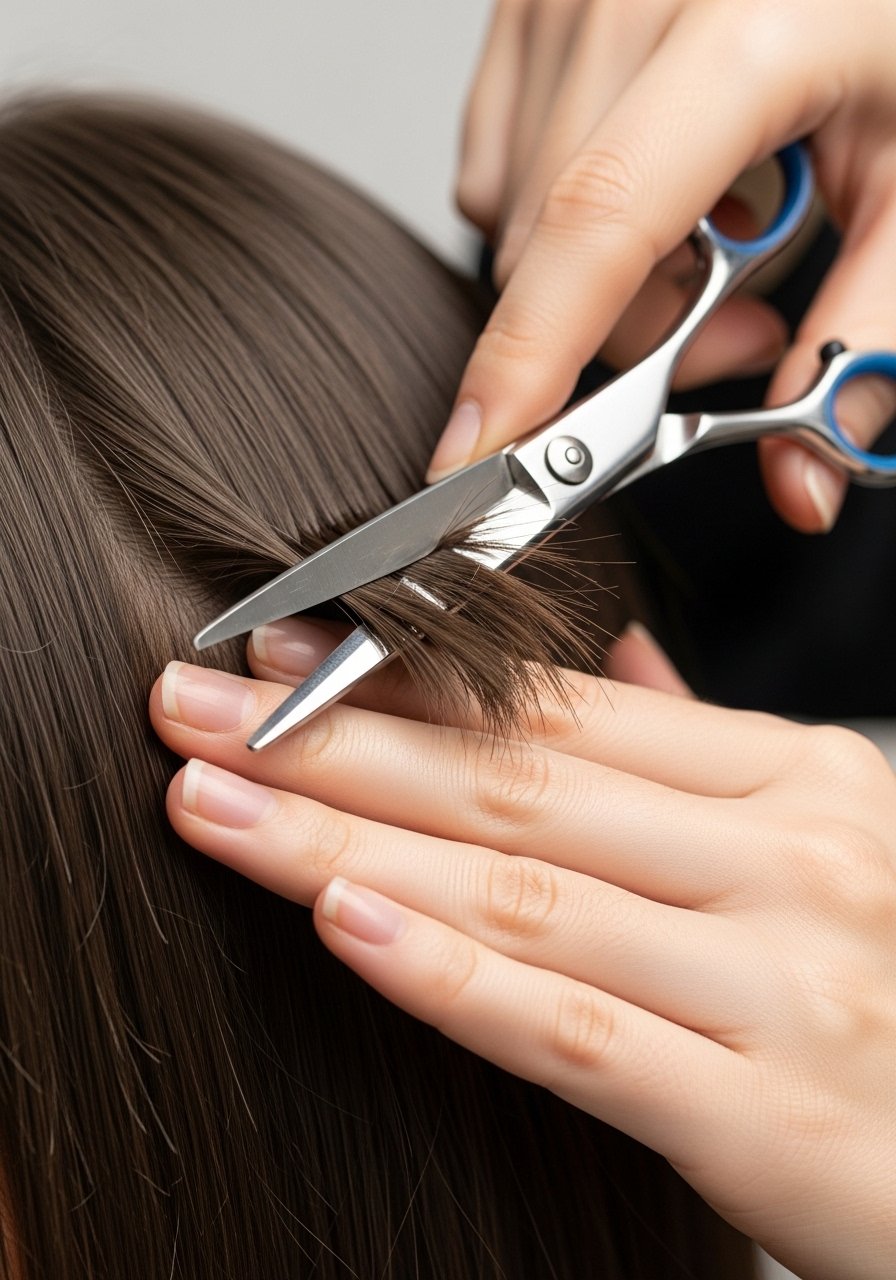
If you must touch up your side bangs at home, do it dry and in good light. Comb the bangs into their natural sweep, hold a small vertical snip at the ends rather than cutting straight across, and remove no more than 3 to 5 millimeters per session. For safety, use proper hair scissors and never cut large sections at once. If you have uneven density or are planning a big shape change, book the salon. A common mistake is over-trimming because bangs appear longer when wet. Dry trimming prevents that surprise.
Quick Root Lift For Flat Short Straight Hair
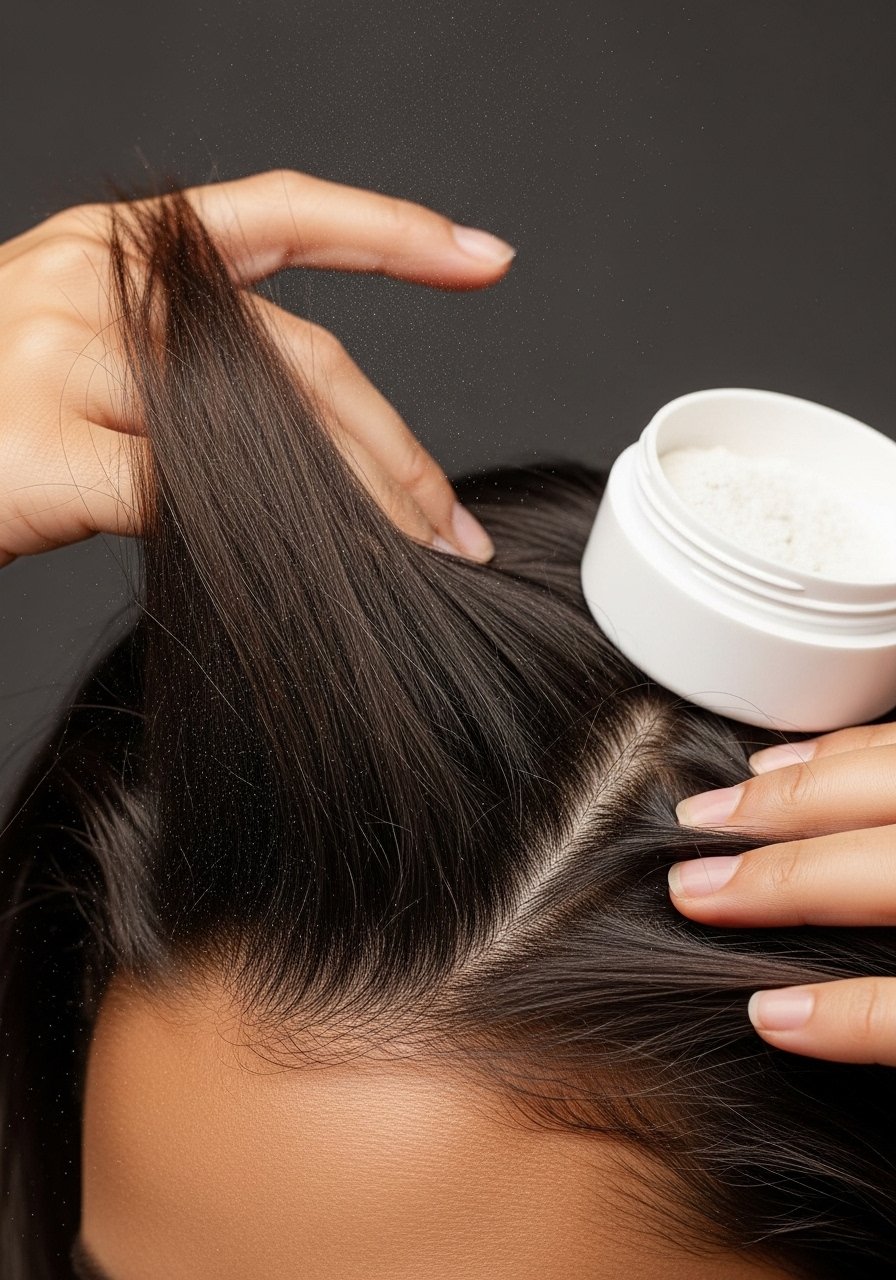
When short straight hair lies flat, a little root lift goes a long way. Two quick taps of a volumizing powder at the roots, then smooth the top layer over with a boar-bristle brush, creates natural lift without stiffness. On fine hair, focus the powder only at the crown and tousle with fingertips for twenty seconds. Avoid applying to the bangs themselves or they will look dirty. For tools, a volumizing powder and a boar-bristle brush are the smallest shelf investments that repay daily.
What I Actually Keep In My Short-Bang Kit
- Honestly the handful of things I reach for for side bangs. Olaplex No. 3 hair perfector 3.3oz for weekly bond support, buy from the official seller on Amazon or Sephora to avoid fakes.
- For mornings: 1-inch flat iron compact model, under $70.
- For in-between washes: spray dry shampoo in travel size, about $8.
- For texture: lightweight texturizing spray (~$12).
- For sleep: silk pillowcase queen under $25.
- For trims: good hair scissors set and a fine-tooth comb, both under $30 total.
- Styling extras: volumizing root powder and a boar-bristle brush for smoothing.
- Clip-in option: short bangs in your shade, labeled "short clip-in bangs" on Amazon, keep them untampered and heat-protect them if you style.
Short-Side Bangs Things I Wish I Knew Sooner
- Most heat protectants you spray on dry hair before flat ironing barely work. They need to absorb into damp or just-dried hair to actually shield the cuticle. Use them on damp hair whenever possible.
- Trims every four to eight weeks actually cost less than hobbyist over-trimming at home. Save pictures of the angle and show them to your stylist so you get the same sweep every time.
- Swap heavy hairspray for a light texturizer when you want movement. Hairspray makes bangs crunchy and highlights every follicle.
- If you color, use a weekly bond treatment and buy from verified Amazon stores or Sephora. Counterfeits exist for premium formulas.
- When in doubt, pin the bangs to the side for one day and book a consult before a dramatic change.
Frequently Asked Questions
Q: How often should I trim side bangs to keep the sweep right?
A: Every four to eight weeks depending on growth and how quickly they lose shape. Fine hair may need closer to four weeks, thicker hair can stretch to eight. If you see the bangs crowding the eye line or the part separating oddly, it is time.
Q: Can I use Olaplex No. 3 if my hair is only colored and not broken?
A: Yes, it is safe for colored hair and helps with tensile strength, but it does not reverse past breakage. Use once a week for maintenance. Buy from an authorized seller on Amazon or pick it up at Sephora to avoid counterfeit product.
Q: My bangs get greasy fast. Is washing them daily the only option?
A: No. Use a micro-mist of dry shampoo at the roots or a light powder and avoid applying heavy creams to the fringe. Sweeping the bangs to the side and pinning for a day stretches both washes and style.
Q: Can I cut side bangs at home if I have straight hair?
A: You can do small dry trims if you are conservative about how much you remove. Cut vertically in tiny snips and never more than a few millimeters. For reshaping or major length changes, go to a stylist.
Q: Will thinning my bangs stop them from looking heavy?
A: Thinning can help but over-thinning makes bangs wispy and prone to flipping. Ask for point cutting or soft texturizing at the face to remove bulk while preserving the sweep.