I once hacked a pair of side bangs with kitchen scissors and spent a month hiding in hats while they grew out. If your short hair shows more wrong angles in the back than the mirror admits, these nine ideas are the cheats and real fixes I actually use, not just pretty photos. Most are doable at home with one tool and a $20 product, a couple are worth a salon visit if you want the clean taper.
These ideas are aimed at pixie to chin-length cuts, mostly fine to medium straight and wavy hair, with notes for thicker textures. Expect 5 to 20 minutes of daily styling for most looks. Budget runs from under $15 for styling basics to a $120 splurge for a quality clipper or ceramic iron. Some tricks are salon-level, most are at-home friendly.
Clean Blunt Nape With Longer Side Bangs
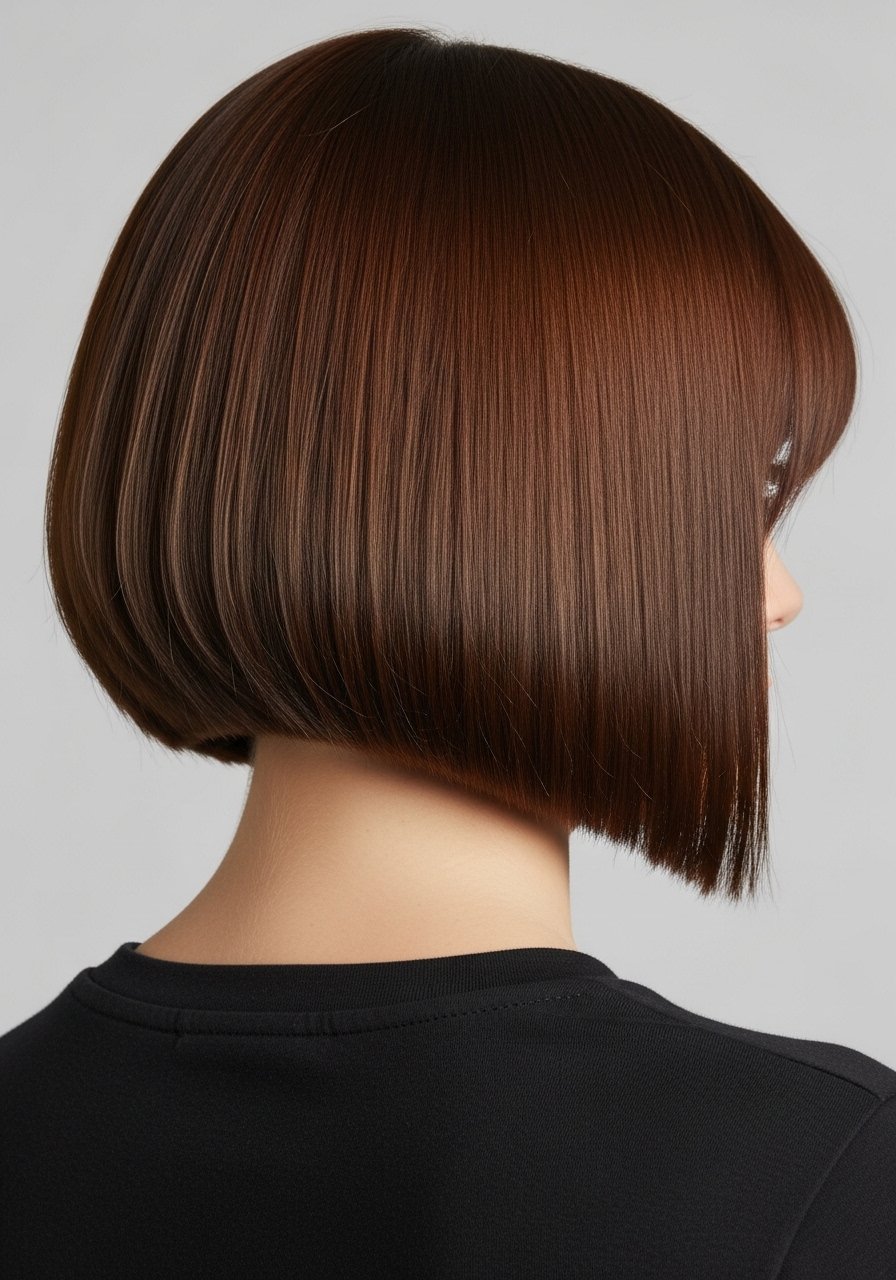
The visual trick here is a sharp horizontal line at the nape that makes short backs look intentional, not unfinished. This suits straight to slightly wavy hair, fine to medium density. To get the line at home, section the lower nape into three 1-inch horizontal slices and trim each slice with hair held taut and clean scissors, one small snip at a time. If you are nervous, ask your stylist for a razor-finished horizontal guide on the first cut and maintain it at home. A lightweight smoothing cream, two pea-size amounts rubbed into ends, keeps side bangs from puffing. Avoid over-thinning the crown, it removes the weight that makes the nape read blunt. If you bleach or color, do an allergy patch test and book lifts with a pro, not over previous dark dye.
Textured Pixie Back With Side-Swept Fringe
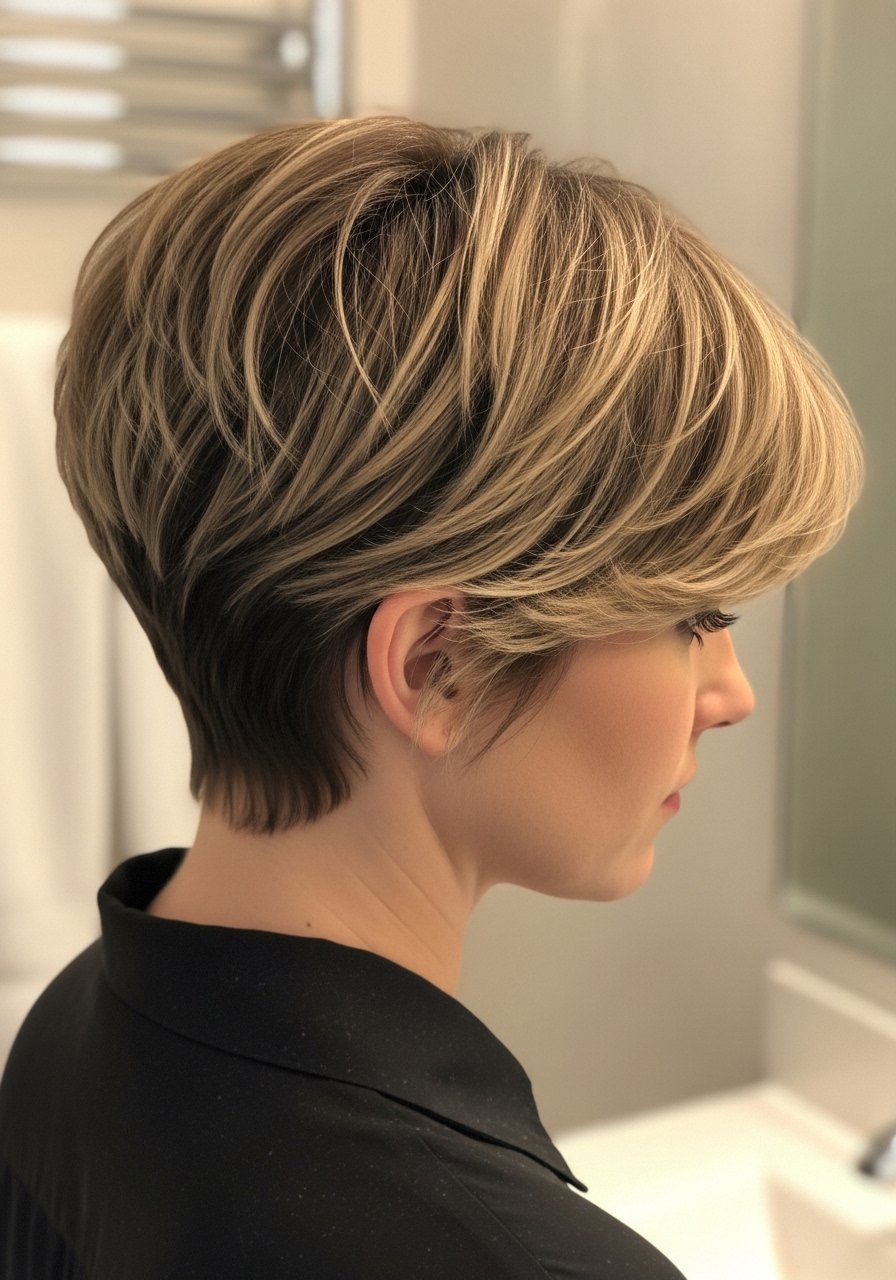
Short pixies with side bangs age better when there is texture at the crown to break the silhouette. For fine 2A to 2B hair I work in 1 to 2 pumps of a sea salt spray into towel-damped hair, rough dry on low with a vent brush, then finish with a pea-size of styling paste at the back to separate layers. Most people apply strong paste to the fringe and end up with a weighted swoop that looks greasy. Use paste at the roots of the back only, a light dab across the bangs keeps them mobile. If you use heat, keep your iron under 300F and always spray a protectant on damp or just-dried hair because most heat protectants you spray on dry hair before flat ironing barely work. They need to absorb into damp or just-dried hair to actually shield the cuticle.
Graduated Bob Back That Minimizes a Wide Neck
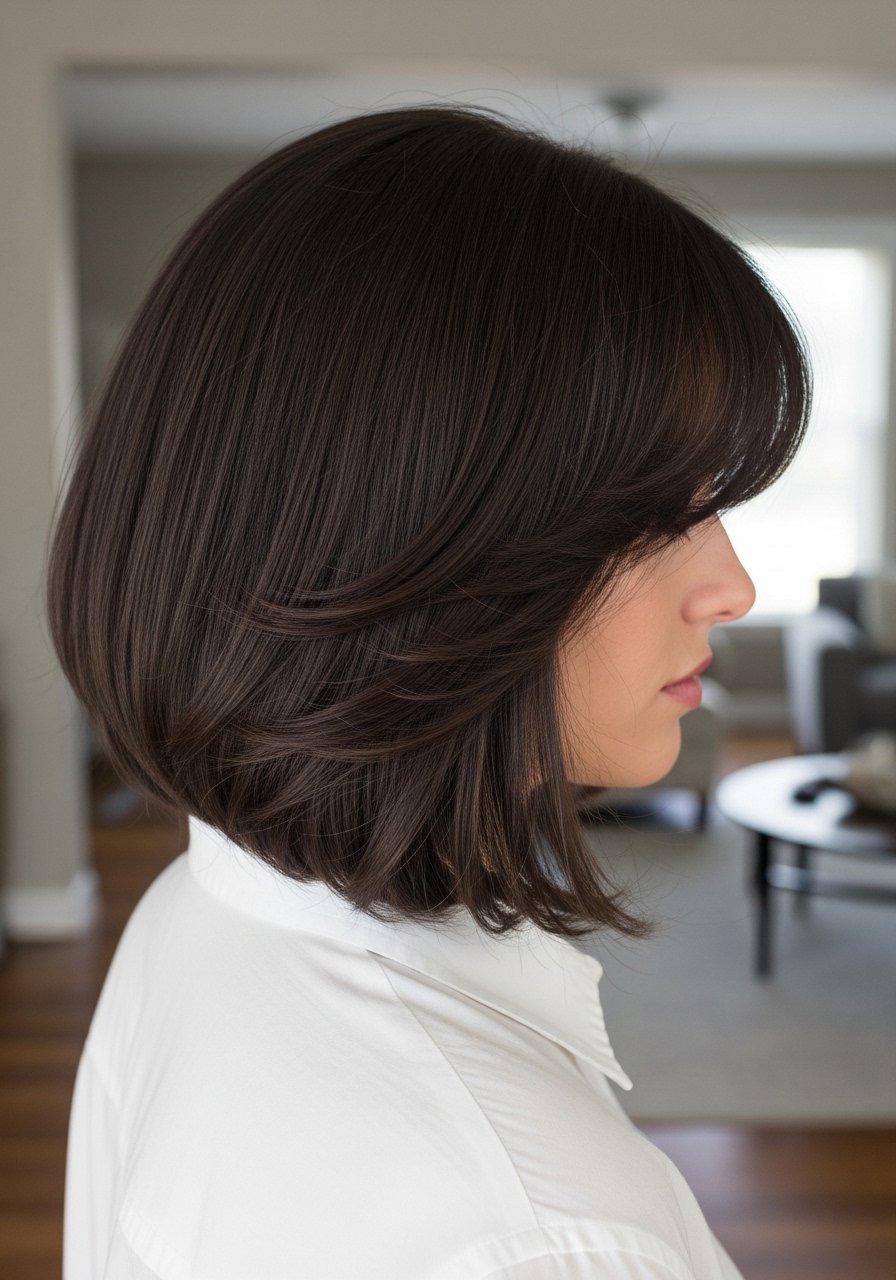
If your neck looks wide from the back in a straight bob, stacking a graduated bob gives the illusion of a slimmer silhouette. This cut suits straight to wavy 1B through 2B hair and medium density. The trick is short graduation in the central nape, gradually longer toward the sides so the side bangs and front layers blend without a forehead gap. When styling, a 1-inch ceramic round brush at 260F and a quick roll away from the face on the bangs creates movement without flattening the roots. A common mistake is over-drying the roots which lifts the bob into a boxy shape. Timewise this takes eight to twelve minutes with a blow-dry. Salon note, getting the initial graduation right is worth booking, maintenance trims are every six to ten weeks.
Soft Layered Bob With Face-Framing Side Bangs for Waves
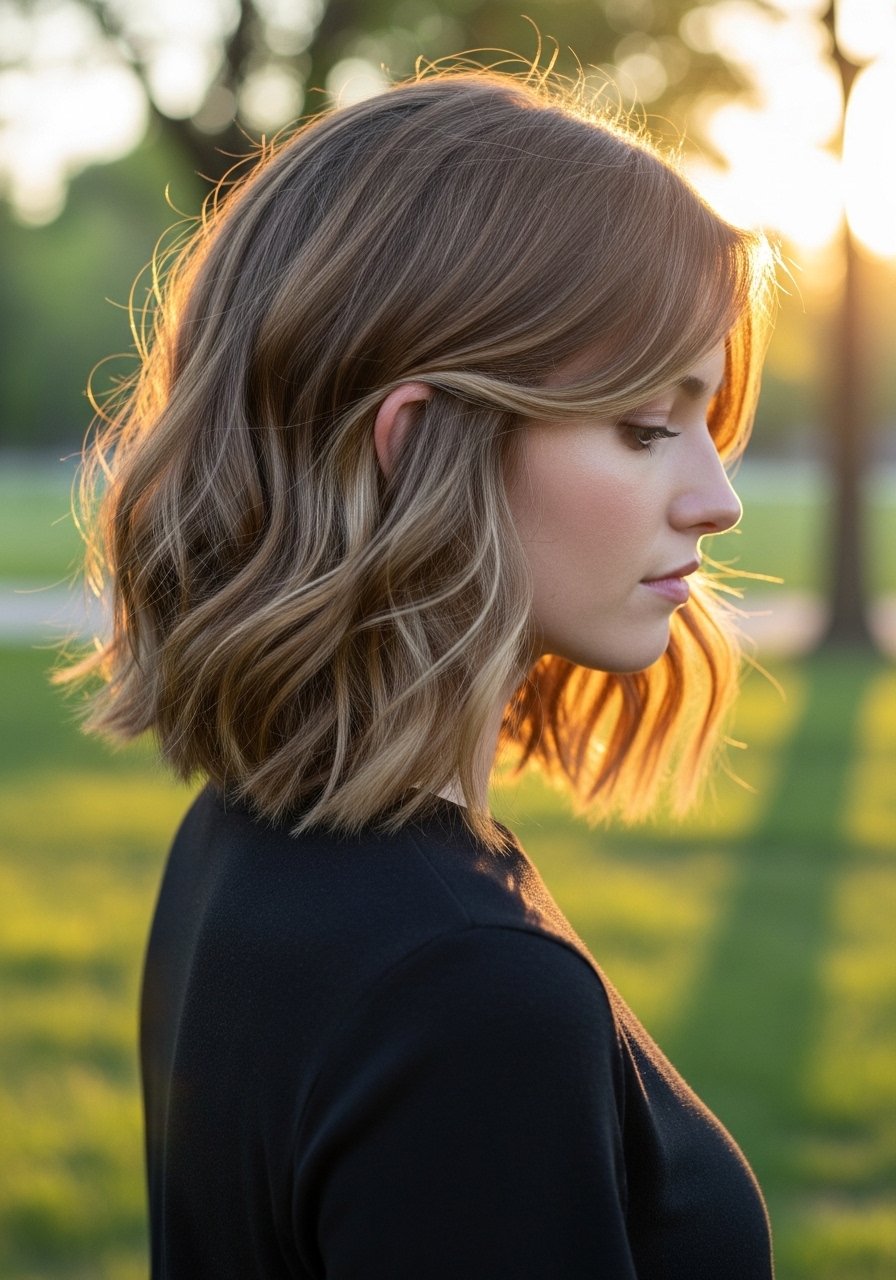
My waves used to flatten into a helmet until I added soft layers and face-framing side bangs, then second-day texture looked better than fresh styling. My curls looked great on TikTok and like wet noodles by 11am. Finally I stopped doing gel-only routines and started layering a lightweight cream under a small pea of gel, applied to soaking wet hair in four sections. For these wavy 2B to 3A patterns, clip the side bangs up while drying to keep them slightly looser than the rest. Use a diffuser on low heat for about eight minutes, then air-dry the rest. The result is bouncy sides that tuck neatly behind the ear if you want that look. If color is involved, warn your stylist about porosity so they do not over-process the ends.
Undercut Nape With Longer Side Bangs for Thick Hair
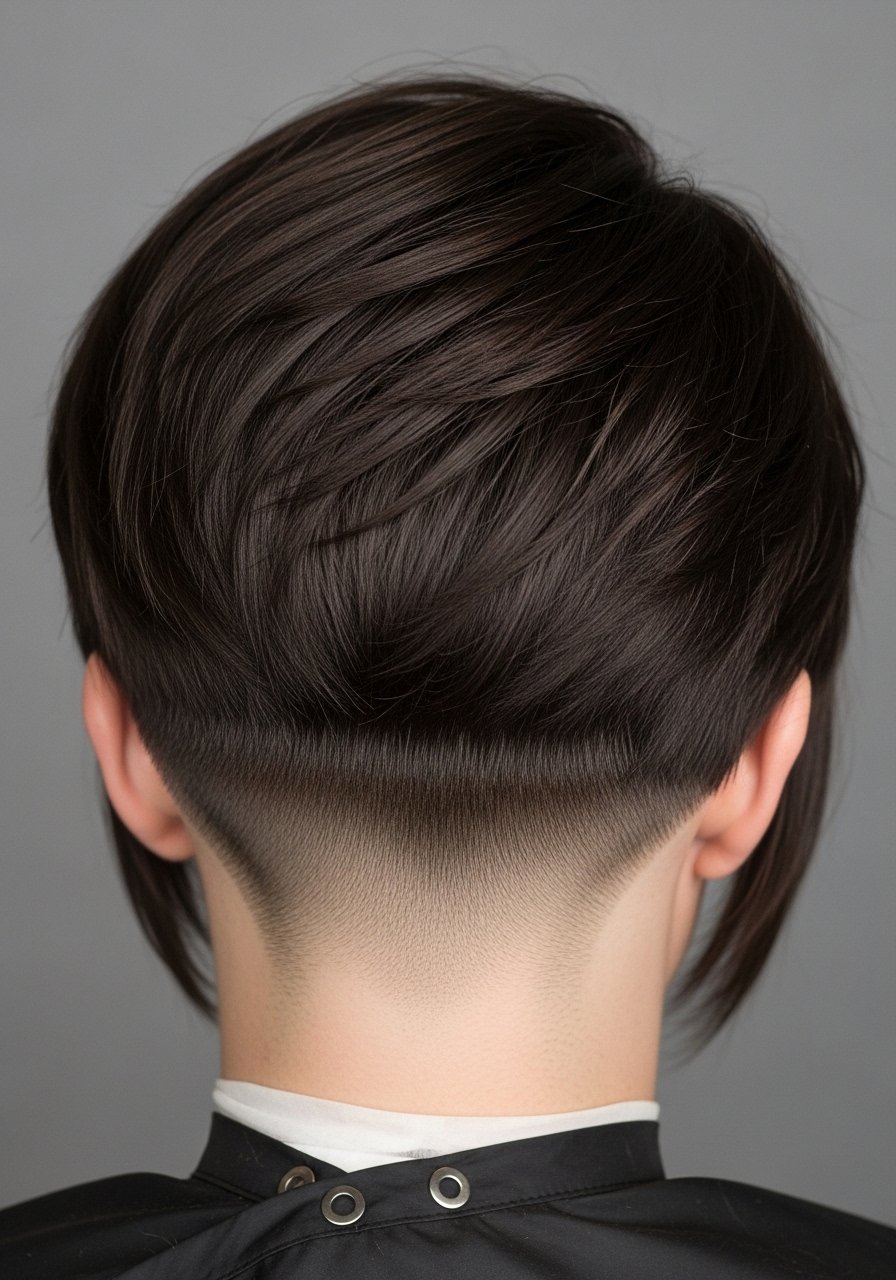
Thick hair can look bulky at the back unless you remove weight strategically. An undercut at the nape paired with long side bangs keeps shape without losing volume. This is best for medium to thick textures and people comfortable with a barber-style cut. I tell friends to ask for a hidden undercut about one to two inches high and to leave top layers long enough to blend, so the side bangs sweep and cover the shaved area when desired. DIY note, clippers with a 3mm or 6mm guard and a steady hand can work, but unevenness is easy to create. Salon pros can fade the undercut smoothly. If you plan to switch it up often, keep growth trims every four to six weeks.
Heatless Rollout Flip for Short Backs and Bangs
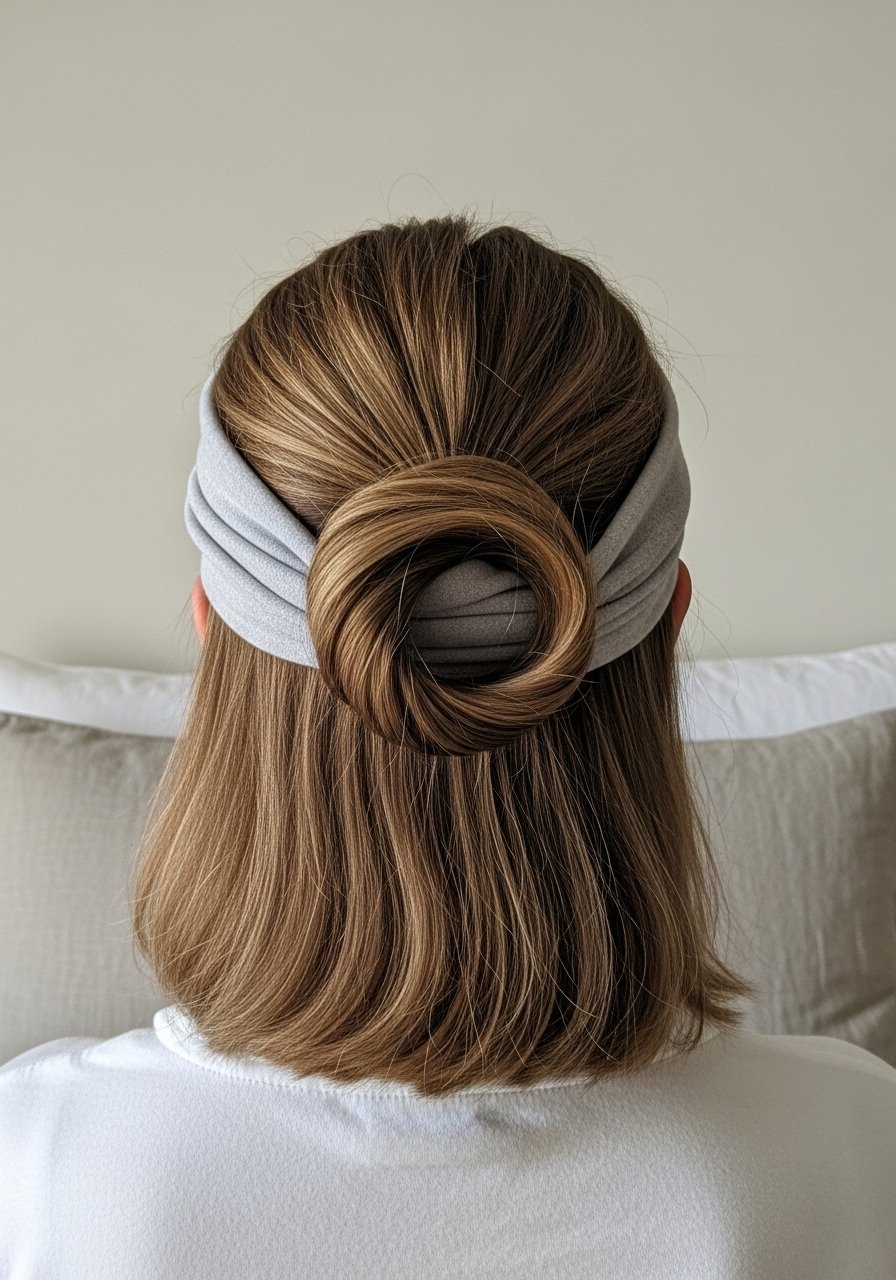
When I want a flip without heat, I wrap sections around a robe sash across the crown and sleep on it. For short hair from pixie length to chin-length, section into four pieces and roll each around the sash, pin with small bobby pins. In the morning, unroll, finger separate, and set with a light mist of flexible hairspray. This works on straight and wavy hair, fine or medium. The common mistake is rolling too tight which makes the bangs kink instead of soft flopping. Give each roll 6 to 8 hours for the memory to hold, and avoid heavy creams the night before so the hair does not clump. This is a salon-free method that takes longer but saves heat damage.
Quick Fix for Greasy Side Bangs Without Washing
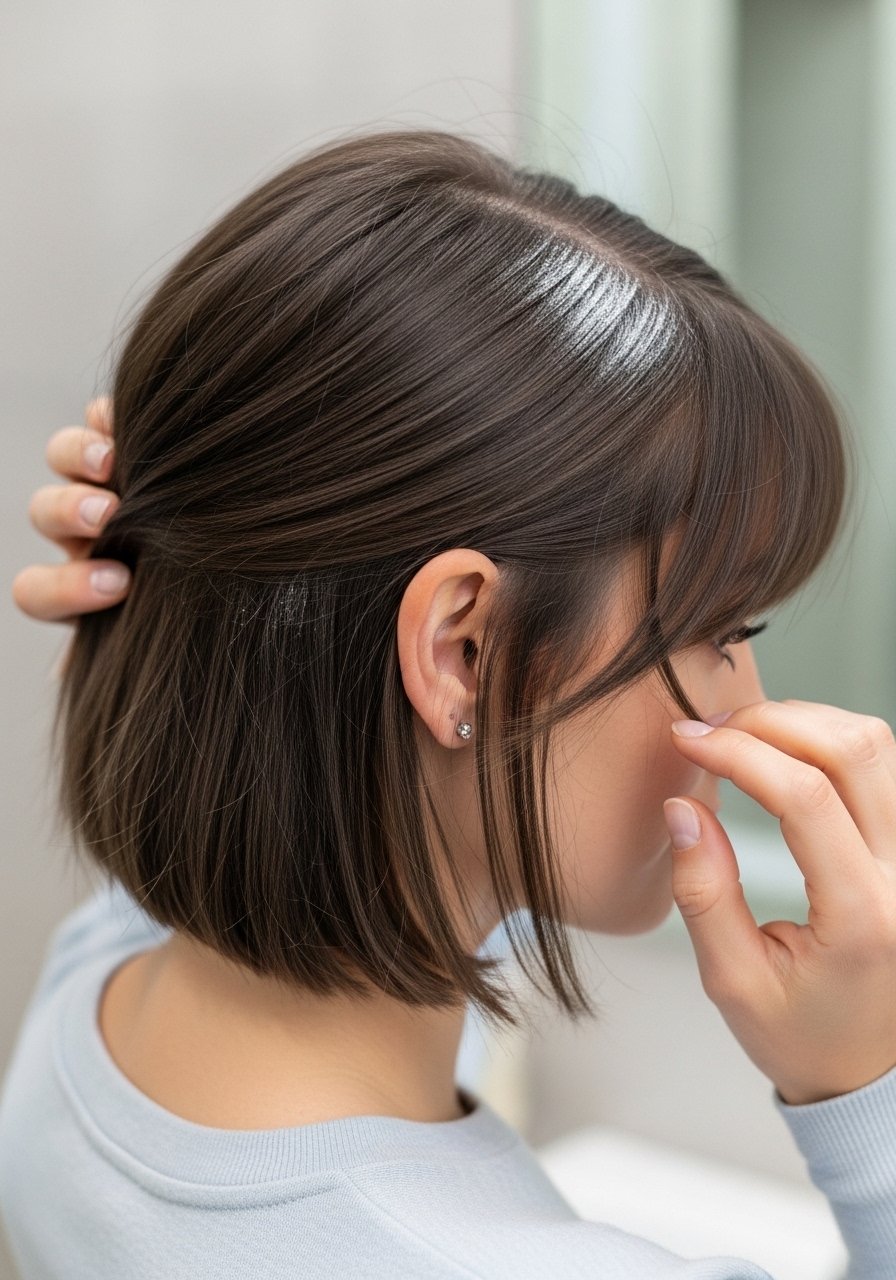
Greasy side bangs ruin an otherwise neat back view. My shortcut is a targeted root refresh rather than a full wash. Tease the root at the temple lightly with a fine-tooth comb, then apply a small spray of dry shampoo about 4 to 5 inches away using a two-spray method, wait 30 seconds, and massage the root with fingertips. If powder shows, brush through lightly. The mistake is overspraying which creates a white cast, especially on darker hair. For quick texture, two fingers of matte styling clay rubbed between palms and smoothed on the underside of the bangs works well. This takes two to five minutes and buys an extra day. If greasiness is constant, check scalp oiliness and maybe move to shampooing every other day rather than daily.
Which Products and Tools I Actually Buy for Short Backs and Side Bangs
- Honestly the things I keep on the shelf for this set of looks. Olaplex No. 3 Hair Perfector 3.3 oz. I use this once a week on chemically stressed short hair. Buy from the official store on Amazon or grab it at Sephora to avoid counterfeits
- For styling at the nape, a 1-inch ceramic round brush is the $20 tool I reach for when creating a clean flip
- For bangs and roots, a lightweight dry shampoo spray for dark hair cuts morning oil without the white cast
- If you want clippers for an undercut, a trusted cordless clipper kit with multiple guards is worth the splurge for control
- For keeping short backs smooth, a small flat iron with 1/2-inch plates under $60 works fine, always use heat protectant first
- Sleep protection: a silk pillowcase queen size under $25 reduced my morning frizz for side bangs
Bond Builder Finish for Short Cuts That Break at the Nape
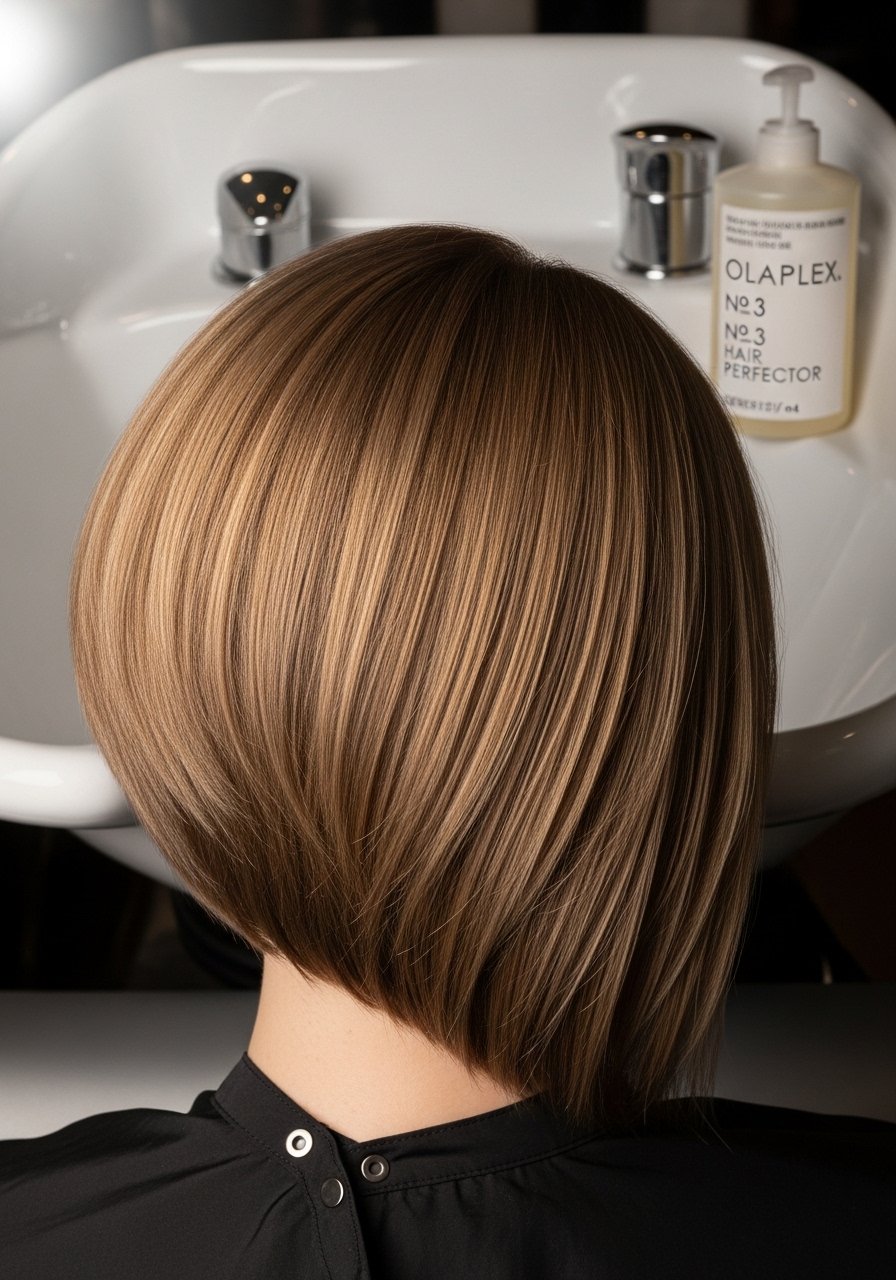
When the nape is where hair breaks, a weekly bond-builder makes the ends hold up between trims. Hair grows about half an inch a month at most, regardless of what biotin gummies promise you. For short hair, apply a quarter-size of a bond builder like Olaplex No. 3 over damp mid-lengths to ends, leave on 10 to 20 minutes, then rinse. Overusing it can lead to limpness, so once a week is enough for most damaged cuts. This is not a miracle for split ends, a trim is still the fix, but it temporarily smooths the appearance and reduces breakage during styling. If your hair is color-treated, buy from an authorized seller to avoid counterfeits.
French Barbering Tip for a Clean Back Taper and Side Bang Blend
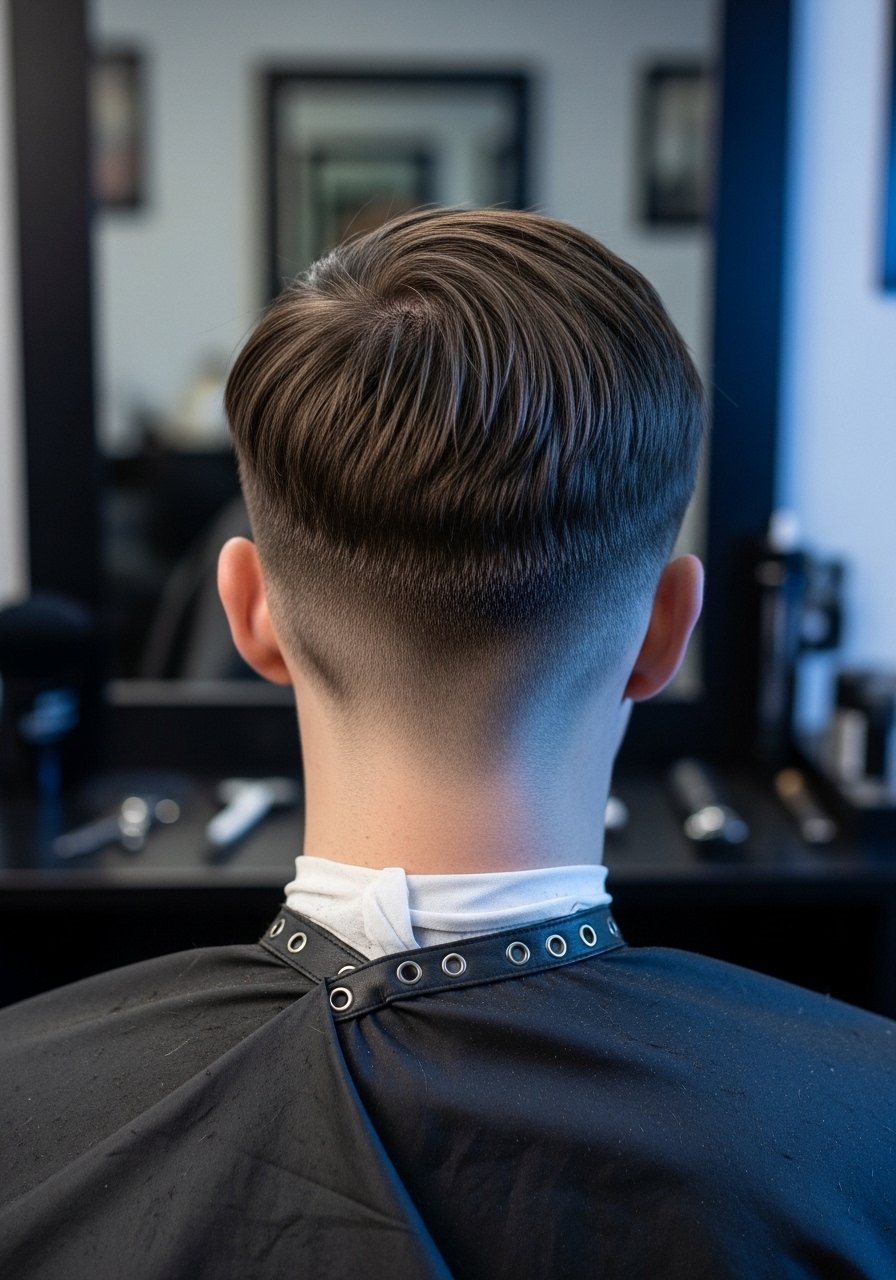
Barbers fade fast and clean, and a short taper in the back paired with side bangs reads polished. If you want to try a precise DIY clean-up between salon visits, use a clipper with a comb attachment and work up in 1mm increments from the nape, blending with scissors over comb at the transition. The specific detail that saves time is using a 45-degree comb angle and cutting in three small passes rather than one aggressive pass. Mistaking a single long pass for a subtle fade is the beginner error that creates a hard line. Health note, do not attempt aggressive color lifts at home on recently dyed hair. Clippers are easy to buy, harder to master, so consider a barber for the first taper and maintain lightly yourself.
What I Wish Someone Had Told Me About Short Backs and Side Bangs
- Heat protectant goes on damp hair, not dry. The cuticle is more open and the product actually absorbs. A lightweight heat protectant spray keeps short bangs from frying when you flat iron them
- Grab a narrow vent brush for $12. It cuts my styling time and helps shape the nape without creating a crease. This is Format B style, leading with the link
- Hair grows about half an inch a month at most, regardless of what biotin gummies promise you. Cutting trims on schedule keeps bangs from stealing your face and is cheaper than a correction later. A good pair of small hair scissors makes tiny trims less scary
- Drugstore shampoo is fine. Where you actually need to spend money is the conditioner and bond builder. A reparative conditioner in an 8 oz bottle reduces breakage more than a flashy shampoo. This is Format D, a contrast that points out where to invest
- Sleep on your side or use a silk pillowcase for side bangs so they do not crease overnight. A silk pillowcase queen is the low-effort change that actually helps
Frequently Asked Questions
Q: How often should I trim side bangs to keep the shape with a short back?
A: Every four to six weeks for very short side bangs, six to eight weeks for longer fringe. Short hair grows into a new shape fast, and small trims keep the nape tidy and the bangs at the right length. If you DIY, cut tiny amounts, one quarter inch at a time.
Q: Can I undercut the nape myself with clippers?
A: You can, but start with a long guard and work up in tiny steps. The three-pass method I described with 1mm increments prevents hard lines. If you are unsure, book one barber visit first to get the fade guide and maintain it lightly at home.
Q: Will bond builders fix split ends after frequent coloring?
A: Bond builders smooth the appearance and reduce breakage between cuts. They do not permanently repair split ends. A trim is the only true fix for splits. Use bond builders once a week at most to avoid limp hair.
Q: Best way to keep side bangs from going greasy faster than the rest of my hair?
A: Targeted root refresh with a light dry shampoo and a tiny tease at the root works in minutes. Also check if you are over-conditioning the bangs. If you sleep on product-heavy hair, the forehead will collect oil faster.
Q: Can I cut side bangs to suit a round face without making the back look flat?
A: Yes. Longer, swept side bangs that taper into front layers keep a round face balanced while the back needs a little graduation or texture to avoid a flat look. Ask your stylist for face-framing length that blends into a short stacked or textured back.