
If your short haircut balloons out or looks like a helmet by midday, this is for you. I have thick hair and have paid to fix too-many blunt cuts that never lay right. These 13 short shag ideas show what actually works, how to cut density without losing shape, and which products keep texture without weight. Most of these are doable at home with one decent pair of thinning shears and a $25 texturizer spray. Book a stylist for big color lifts or drastic thinning.
Textured Short Shag With Face-Framing Layers
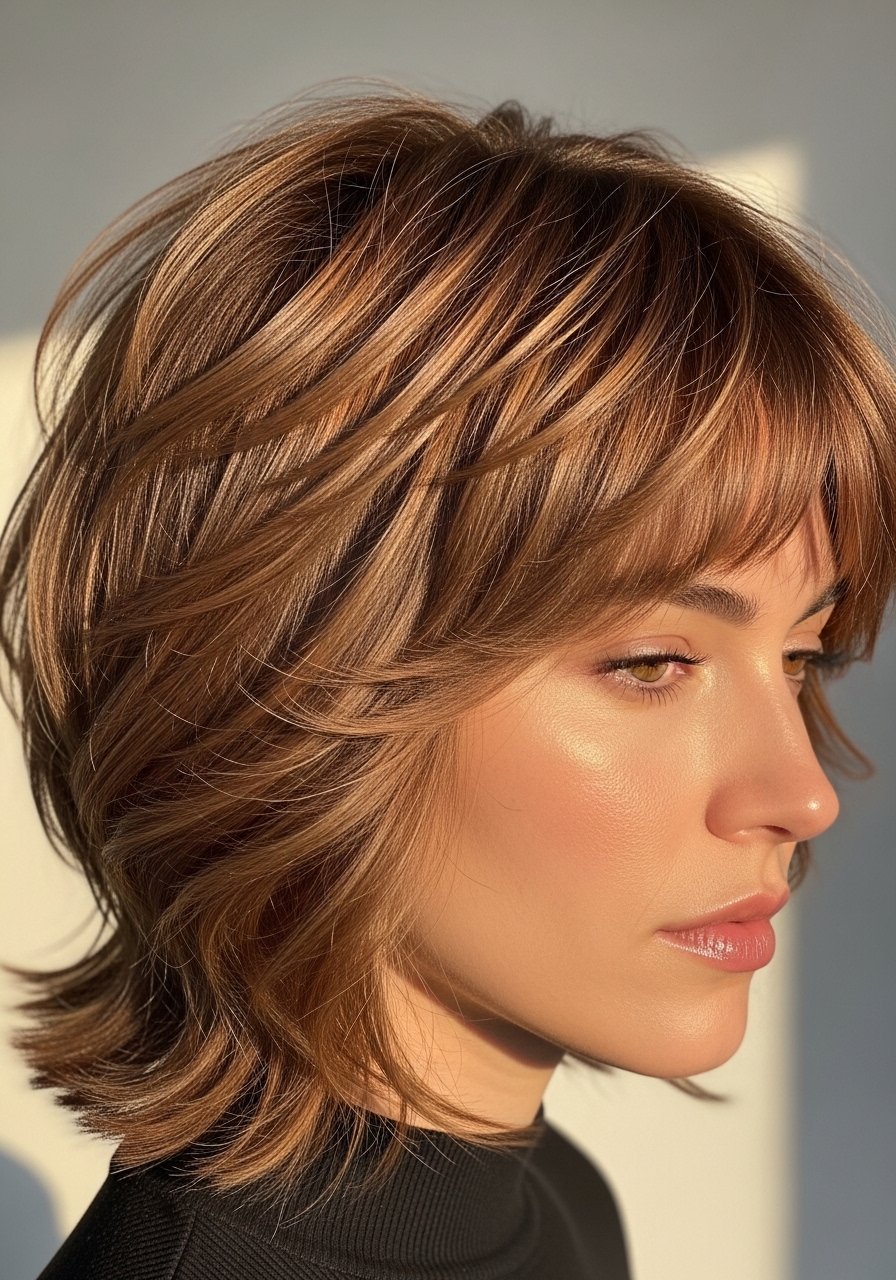
What makes this work is targeted layering through the front thirds, not chopping everywhere. For thick 2A to 3A hair, ask for 1 to 1.5 inch pieces feathered around the face, and for the stylist to remove bulk from the mid-lengths with 6 to 8 vertical point cuts, not a razor across the ends. Two spritzes of Bumble and bumble Surf Spray through damp hair, then diffuse on low, gives the lived-in texture. A common mistake is over-thinning the crown, which makes the cut lose shape. Salon vs DIY: you can do a tidy trim at home, but the initial layering is worth a pro.
Blunt Bob With Shaggy Ends for Thick Hair
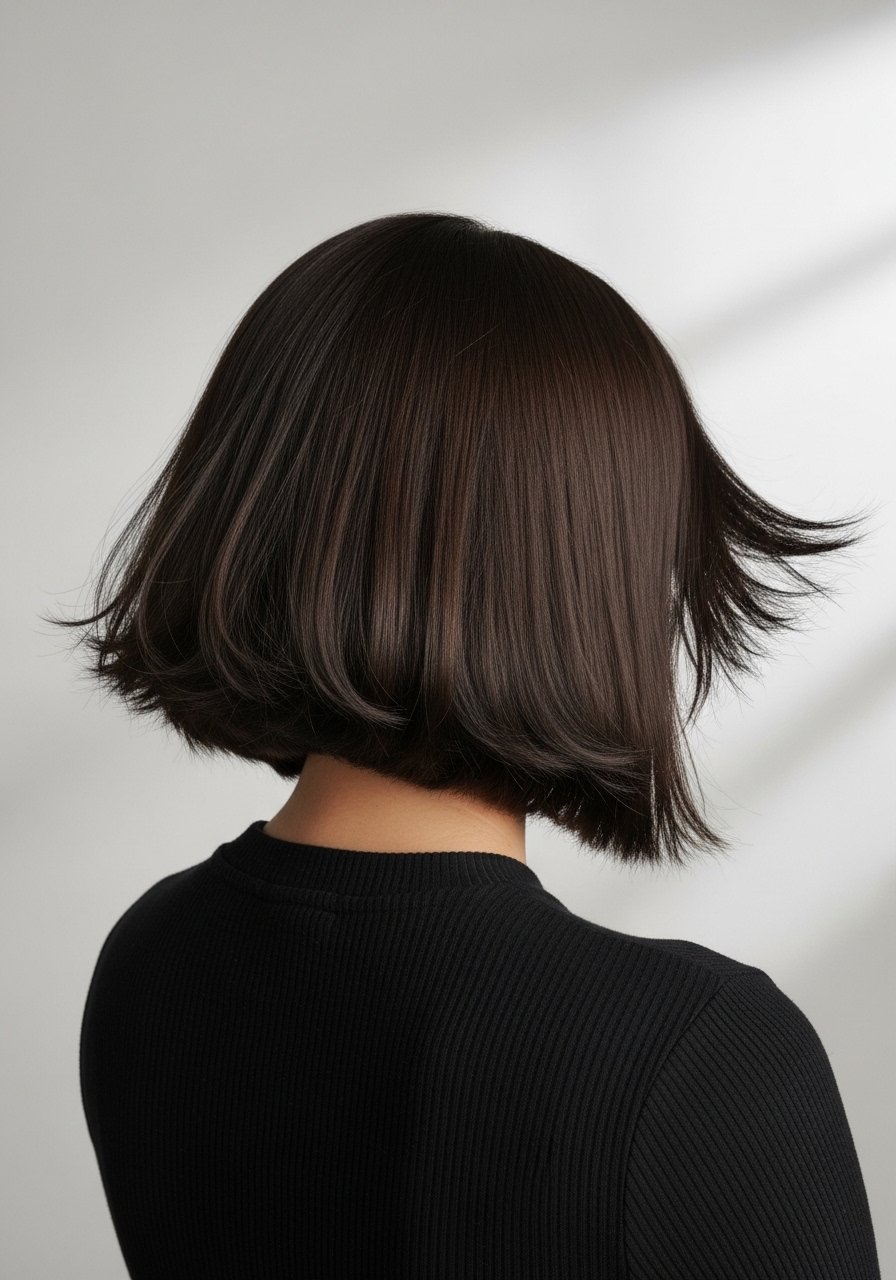
If your thick hair resists movement, a blunt bob with softened, texturized ends gives body but avoids bulk. The secret is a single length at the nape, with the stylist slicing the ends with a razor or dry point cutting to remove weight, leaving about 0.5 inch of feathering. It works best on straight to slightly wavy thick hair and takes 10 to 20 minutes to style each morning with a round brush and a blow dryer. Use a pea to dime size of Moroccanoil Treatment Light on the ends before styling to add slip. Don’t overapply oil at the roots or the cut will flatten.
Pixie Shag With Long Bangs
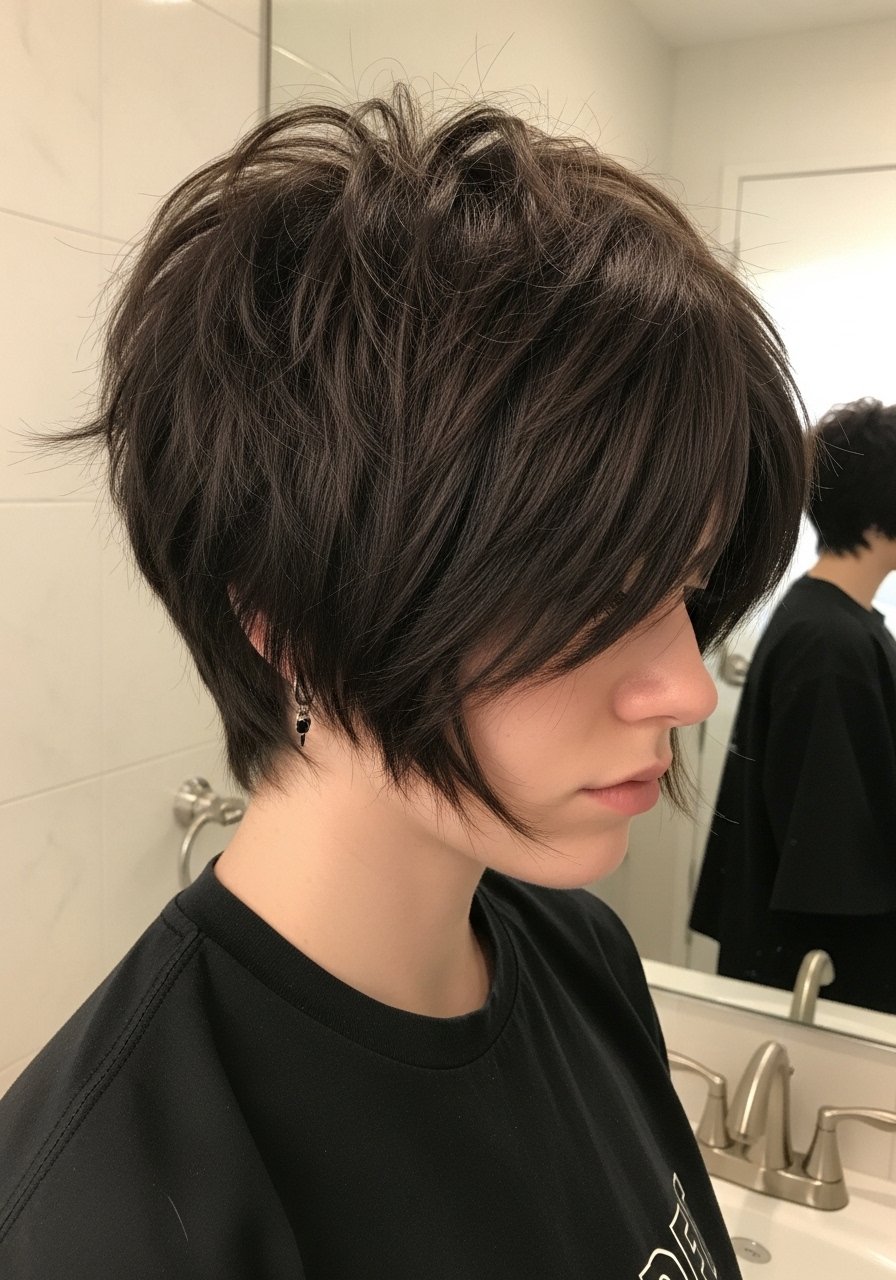
I tried a super-short pixie with no layering and it looked like a helmet. The pixie shag uses short cropped layers at the back and longer, choppy bangs that you can sweep or tuck. For very thick hair, ask for the crown to be cut in 1/4 inch layers and the sides thinned with a comb and 6 to 8 short slide cuts. Styling takes five minutes. A quick rub of a small pea-size of matte paste like American Crew Fiber gives separation without weight. Avoid applying paste to wet hair or it will clump.
Graduated Short Shag That Softens Round Faces
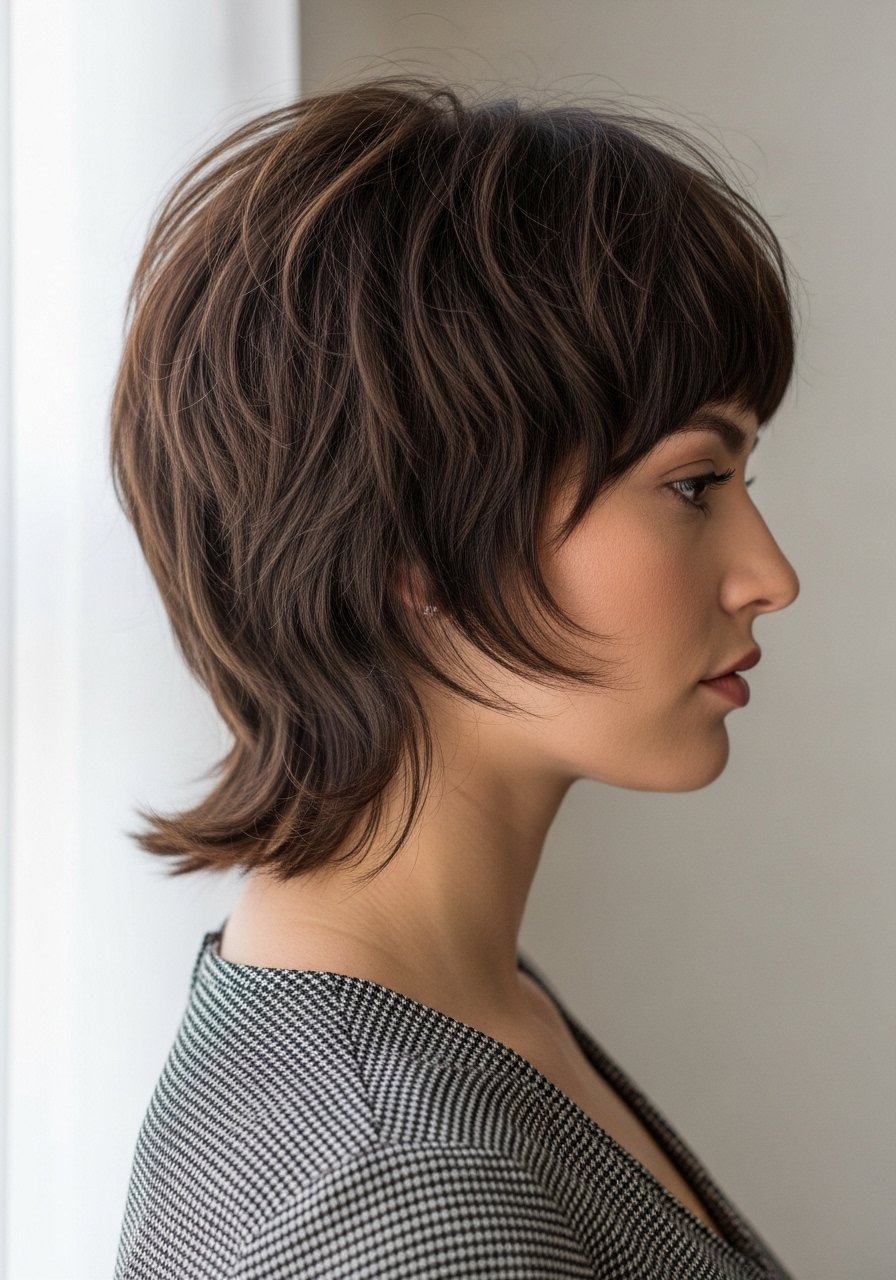
If your face reads round, a graduated short shag with slightly longer front pieces creates vertical lines and softens width. Request 1.5 to 2 inches longer pieces around the front, and a shorter nape cut to take weight off the jawline. For styling, blow-dry with a medium round brush at 320F on the dryer nozzle and finish with light salt spray. I like one mist of Ouai Wave and Shine Spray and a 2 to 3 second blast from a flat iron at 300F to define a wave. Always use a heat protectant before any iron over 300F.
Curly Shag With Short Back for Volume Control

Thick curly hair can pyramid if length is all one length. A curly short shag with a shorter back frees the curls up so they stack without turning into a helmet. Cut in dry, curl-by-curl, trimming each ringlet by 1/2 inch until the shape sits well. For wash day, follow the LOC method, starting with a leave-in, then oil, then cream if you need hold. Switching from a gel-only routine to layering a leave-in cream under gel made my second-day curls actually wearable. Try SheaMoisture Curl Enhancing Smoothie sparingly, about a walnut size for shoulder-length curls.
Shaggy Lob With Added Layers for Thick Wavy Hair

A lob that keeps weight but adds internal layers solves the "too heavy at mid-length" problem. Have your stylist add soft internal layers spaced every 1.5 to 2 inches vertically through the center, leaving around 2 to 3 inches at the ends to keep weight. Styling takes under 10 minutes with a 1.25 inch barrel wand at 340F, wrapping 2 to 3 sections away from the face. Finish with a light mist of Oribe Dry Texturizing Spray. If you color this, ask about a gloss to keep the ends from drying out.
Razored Short Shag for Heavy Density
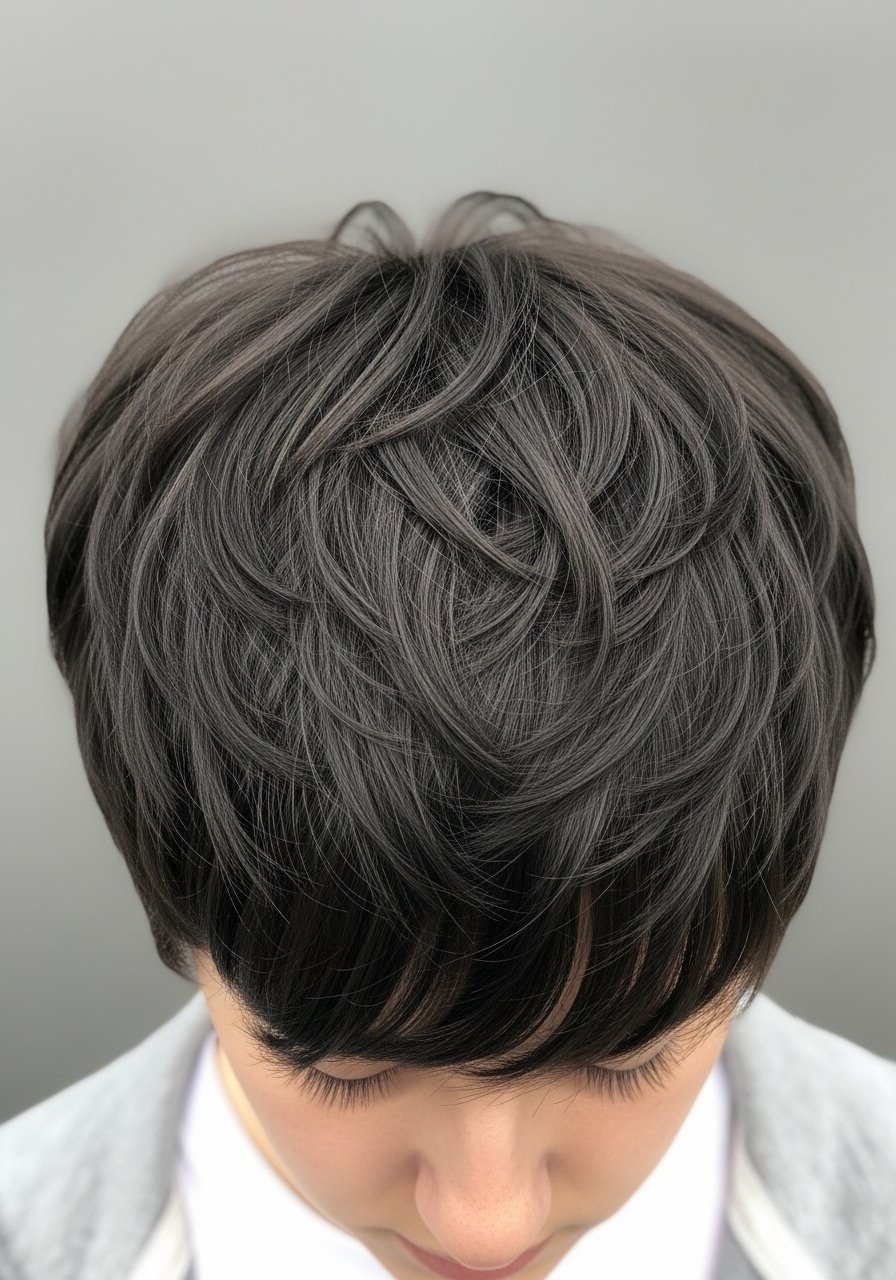
When your hair is dense, point cutting with shears leaves too much bulk. A careful razor cut, done on dry hair to avoid over-slicing, removes internal weight and creates a feathered finish. Ask for the razor to be used in diagonal strokes, with the stylist checking shape at 30 to 45 degree angles. This method is salon-only unless you are comfortable with razors. In daily styling, keep product placement 80/20, with 80 percent distributed to mid-lengths and ends and 20 percent near roots. A dime-size of Olaplex No. 3 Hair Perfector once a week helps keep the sliced ends looking smooth. Buy Olaplex from the official Amazon store to avoid fakes.
What I Actually Keep in My Short Shag Toolbox
[Bare essentials that make these short shags behave, no fluff]
- Honestly the thing I use most, Olaplex No. 3 Hair Perfector 3.3 oz. Weekly, it smooths splitty ends enough to style them without panicking
- For texture, Bumble and bumble Surf Spray 4 oz is the $20 fix I reach for
- For heat protection, Color Wow Dream Coat Heat & Humidity Spray pre-blow dry keeps frizz down for days
- A compact ceramic 1-inch curling wand for shaping front pieces, set around 320F for thick hair
- A good pair of hair thinning shears under $30 for small maintenance trims
- A silk pillowcase queen size that cut morning frizz noticeably
- A wide tooth detangling comb for wet hair, takes breakage out of the routine
- Oribe Dry Texturizing Spray 6.7 oz is a splurge, also at Ulta
- A microfiber hair towel because regular towels mess with texture
Two-Tone Money Piece Shag For Dimension

For thick hair, single-color can read heavy and flat. Adding a money piece lightens the front framing sections by one to two levels to create lift. If you go lighter, do an on-scalp foil or face-framing balayage, not a full bleach. If you have previous color, remember lifting over color can cause damage, so book a salon session and expect multiple visits. After color, use a color-safe conditioner like Olaplex No. 5 Bond Maintenance Conditioner and skip daily shampooing if you can. A common mistake is over-processing the front for a stronger contrast than your hair can handle.
Curtain Bangs on a Short Shag Without the Forehead Gap

Curtain bangs add movement but can create a forehead gap if cut too short or too blunt. For thick hair, cut bangs longer, around 3 to 4 inches when dry, and thin them with vertical snips to avoid a heavy brow line. Styling trick: blow the bangs with a round brush while directing airflow down and then back over the bangs for 6 to 8 seconds. A fingertip of Aveda Control Paste helps piece them out. Avoid over-washing bangs or they will puff at the root. Salon vs DIY: trimming bangs is doable at home if you go slowly.
Textured Crop For Thick Straight Hair

A textured crop is low maintenance and keeps the hair from feeling heavy. The technique is to cut short vertical layers on top about 1 to 1.5 inches long and use point cutting at the ends to add texture. For morning styling, towel-dry, then apply a nickel-size of sea salt spray like Not Your Mother Beach Babe Texturizing Sea Salt Spray and rough-dry for 60 to 90 seconds. Avoid piling product into the crown. If you have cowlicks, a slight undercut can help, but be careful if you want to grow the crop out later.
Short Shag With Soft Undercut To Remove Weight
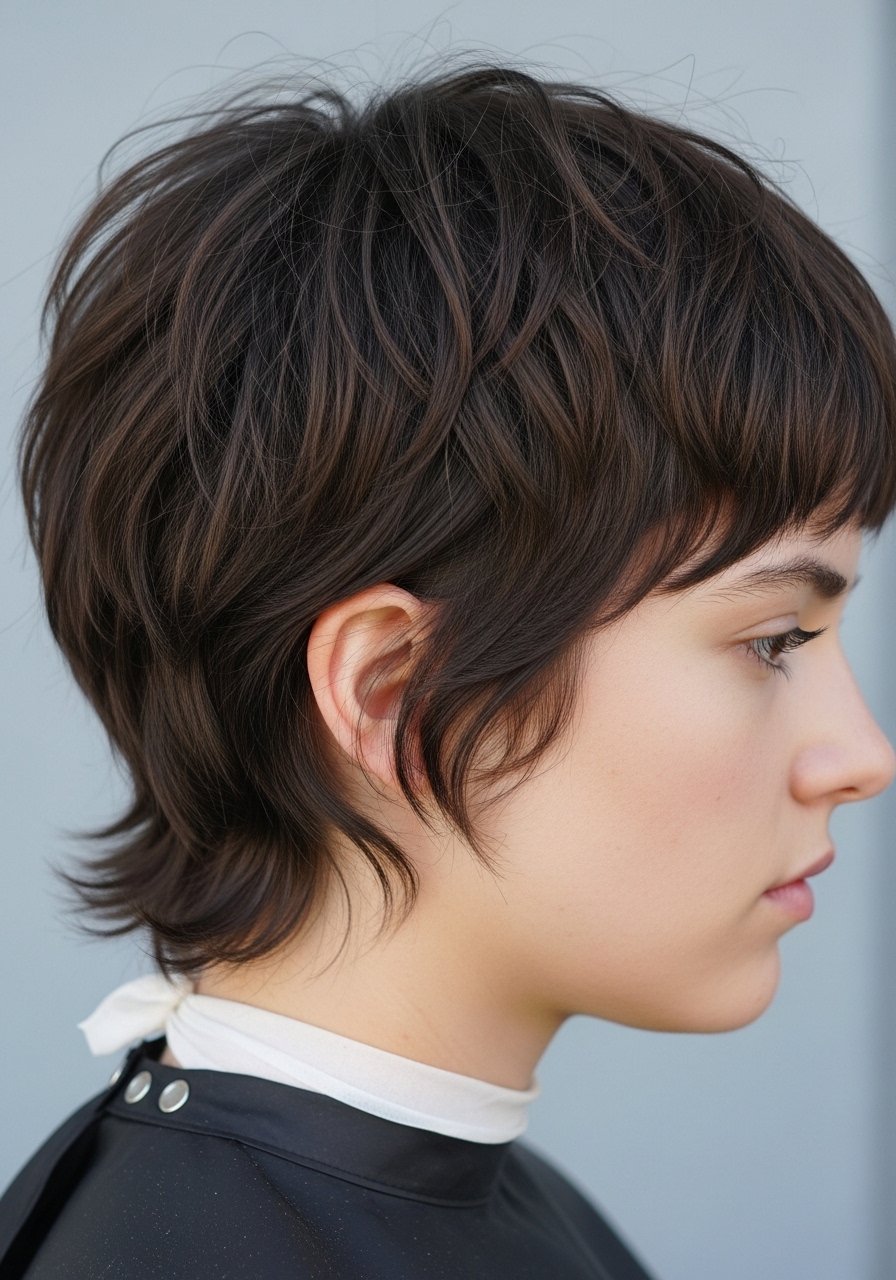
A soft undercut removes bulk from the nape without exposing skin if you prefer coverage. Ask for a 1/4 to 1/2 inch undercut that blends up into the layers, not a dramatic shave. This is salon-only unless you are experienced with clippers. It cuts drying time by almost half for thick hair and makes the shape sit lighter. When styling, keep heavier creams off the undercut area to avoid buildup. If you have scalp sensitivity, avoid chemical exfoliants on the shaved area. A lightweight texturizer like Verb Sea Texture Spray finishes the look.
Beachy Salt Spray Shag For Lazy Styling

If you hate spending time styling, a beachy salt spray shag is your friend. The trick is to apply salt spray to damp hair, scrunch in sections of about 1.5 inches each, then diffuse on low for 6 to 8 minutes focusing on the mid-lengths. Too much salt spray dries hair out, so alternate with a leave-in conditioner week to week. I like alternating Not Your Mother Beach Babe Sea Salt Spray with a lightweight leave-in. Common mistake is spraying at the roots which creates grit near the scalp. For thick hair, section into four to six pieces for even product distribution.
Heatless Twist-Out Shag For Coily Thick Textures
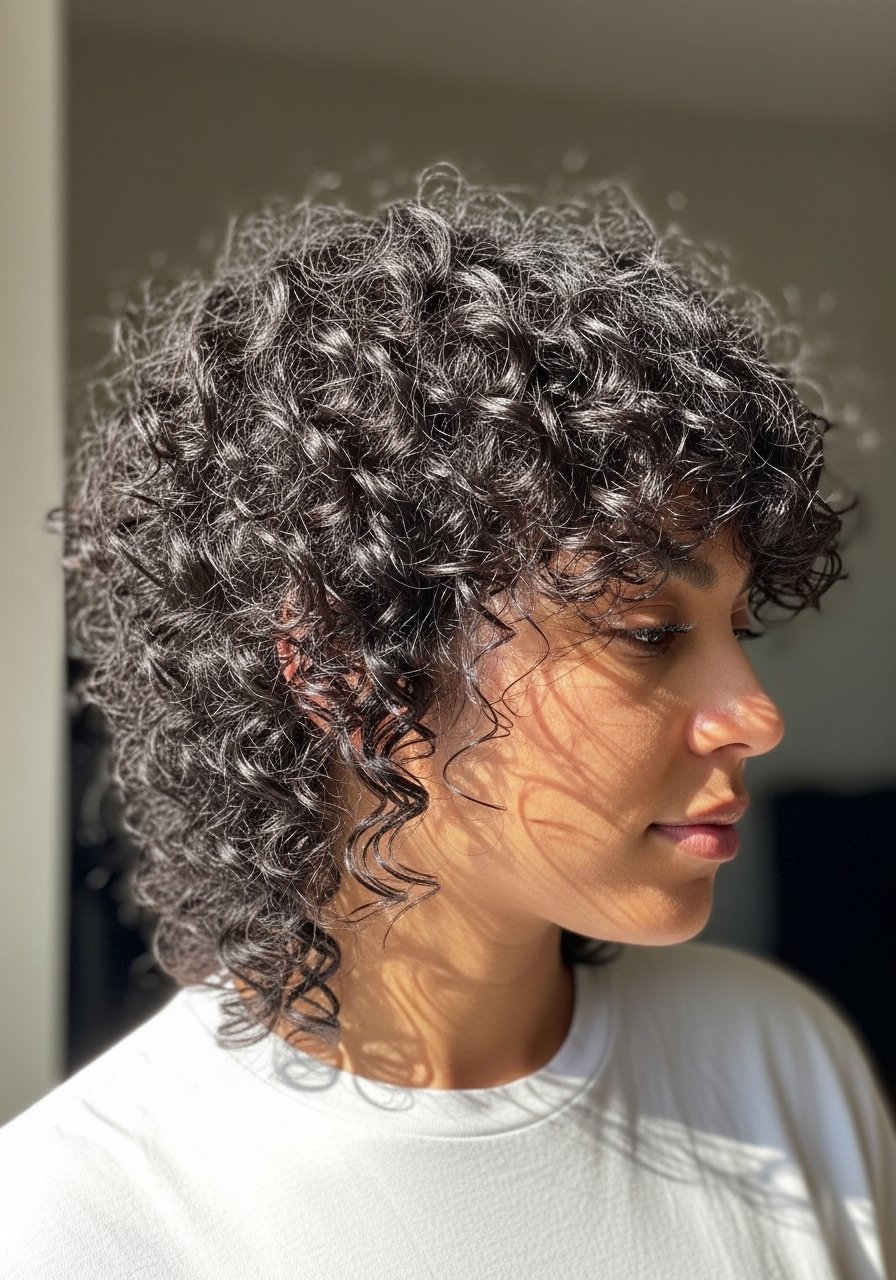
For coily thick hair, heatless styling preserves definition and shape. Do 6 to 8 small flat twists on damp hair with a nickel-size of cream per twist, sleep in a satin bonnet, and unravel in the morning for a layered short shag that has definition without heat damage. The detail most people skip is using a warm towel for five minutes before applying products to help penetration if your hair is low porosity. If you have color, avoid strong acids in products. Keep weekly protein balance in mind, and if you have clinical shedding talk to a dermatologist.
What I Wish I Knew Before Getting a Short Shag
- Heat protectant goes on damp or just-dried hair, not bone dry. The cuticle needs to be slightly open. Color Wow Heat Protectant is worth trying
- Learn 80/20 product placement. Put 80 percent of product on mid-lengths and ends, 20 percent near roots. It keeps the shape without weighing down the crown
- If you bleach or lift over previous color, do it in a salon. Lifting over color is the fastest way to break hair
- A lightweight bond builder used weekly smooths ends visually, it does not undo damage history. Buy bond builders from the official store on Amazon or from Sephora to avoid counterfeits
- Thinning the crown too aggressively makes the cut collapse. Ask your stylist to check the shape from every angle before finishing
Frequently Asked Questions
Q: Can a shag work if my hair is extremely thick and straight?
A: Yes, a shag can work very well. The key is internal thinning rather than taking length off all around. Ask for layered point cutting and consider a soft undercut at the nape to remove bulk. Use a lightweight texturizer and avoid heavy oils at the roots.
Q: How often should I trim a short shag to keep the shape?
A: Every six to eight weeks usually keeps a short shag tidy. Thinner top layers might need trimming every five to six weeks, while longer face-framing pieces can wait eight weeks. If you DIY, only trim a quarter inch at a time.
Q: Is razoring safe on thick hair, or will it make ends look worse?
A: Razoring can be great for removing weight in dense hair, but it must be done dry and conservatively. Over-razoring creates splitty ends. This is a salon technique. If your ends are already damaged, start with weekly bond treatments and trims before trying a razor.
Q: How often should I use bond-building treatments like Olaplex No. 3?
A: Once a week is a reasonable place to start for most damaged or color-treated hair. If your hair is healthy, every two weeks is fine. These products improve look and manageability. Buy from the brand store on Amazon or from Ulta to be safe.
Q: My curtain bangs puff up at the sides. Any quick fixes?
A: Try trimming bangs slightly longer and using vertical snips to thin. When styling, blow them with a round brush and direct airflow down then back over the bangs for about 6 seconds. A pea-size of a light paste applied by fingertips to the ends helps keep them in place without stiffness.