I tried mixing box dyes for my first purple blue blend and ended up with a muddy green stripe at the nape. After paying for one emergency fix and learning how to section, tone, and protect, I have a handful of looks that actually hold up in real life. Below are ideas that work on different textures, the time and money each takes, and the exact slip-ups to avoid so you do not end up with banding or brittle ends.
These looks are aimed at medium to thick 2A through 3C hair and a few ideas for tighter Type 4 textures with notes. Most styles are doable at home if you are willing to bleach in stages, otherwise budget for salon color correction. Time ranges from a 20 minute pop of temporary dye to a five hour color melt. Expect upkeep costs, especially for bright blues.
Pastel Lavender Balayage On Shoulder Length Waves

This is the look I get when I want color that reads delicate in daylight but photographs blue in studio light. It works best on hair that starts at a level 9 or lighter. I pre-lighten the ends to a pale yellow, then apply a 10-15 minute dilute toner, checking every five minutes. For DIY, use a 1:2 dye to conditioner ratio to avoid patchy saturation. The job takes about 90 minutes at home. A common mistake is over-processing with 30 volume developer in one go. Bleach over bleach warning, book a salon correction if you already had color down to the same lengths. Two spritzes of a color-depositing conditioner after towel dry keeps pastels from washing out.
Vivid Blue Money Piece For Straight Lobs

If you have a blunt lob and want an instant face-lift, a blue money piece is low upkeep and high payoff. Section two 1-inch front panels and lift only those to the level needed for the blue to show. For most brunettes that means at least a single bleach session on each 1-inch section, about 12 to 20 minutes depending on your natural level. The result takes 30 to 45 minutes in a salon and under two hours at home if you are comfortable with sectioning. Avoid the mistake of overlapping previous bleach runs. Keep a purple shampoo session to once a week, not every wash, otherwise the blue dulls and hair dries out.
Midnight Blue Underlights For Thick Hair

Underlights are great if you love color but need conservative coverage for work. I separate four to six lower panels depending on density, bleach them to the level required, then paint a deep blue. For thick hair plan on 60 to 90 minutes of processing. A lot of people try to do one large panel and regret uneven fade. Section into 1.5-inch panels and saturate fully. Salon note, this is safer to book if your hair has previous lifts. For maintenance, use a sulfate-free 8oz clarifying shampoo when you need to reset before recoloring, and a color-safe conditioner after each wash.
Iridescent Oil Slick On Short Textured Cuts

If your hair is short, you can get multi-dimensional color without massive bleaching. I like painting tiny slices of cobalt and violet at the crown and near the part so every head tilt shifts the color. Keep slices about 1/4 inch wide and let the dye sit 10 to 20 minutes depending on pigment. This look needs less bleach, so it is a better DIY for fine hair. A frequent mistake is going too dark with the base which makes the highlights vanish. For styling, use a pea-sized amount of texture cream and finish on low heat. Heat protectant before any iron over 300F is mandatory.
Mermaid Ombre For Wavy Mid Back Hair

Mermaid ombre reads best on natural waves because the texture shows the color gradient. I apply the darker blue at the mid-shaft and feather out the teal toward the ends, using horizontal panels around 2 inches wide. Real detail most guides skip is the towel-wrapped wait for 10 minutes after application to let the pigments settle, then a gentle rinse. Expect four to six hours in a salon with full lift. DIY is possible but plan for multiple sessions if your hair is dark. For upkeep, a weekly color-depositing mask keeps teal from going green.
Purple And Blue Color Melt For Curly Hair
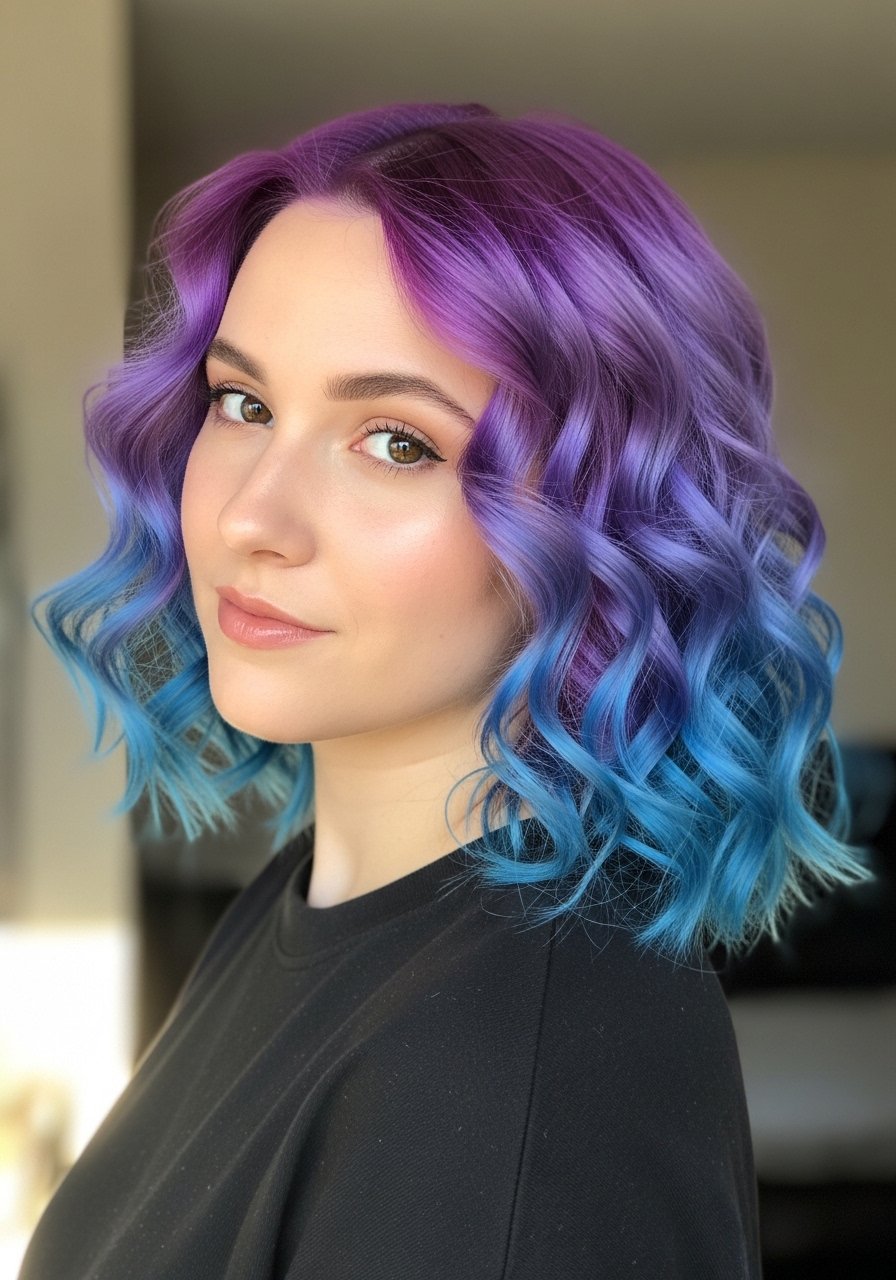
Curly hair hides transitions well which is why I love a color melt on 3A to 3C textures. Work in small vertical panels so the dye follows curl clumps, about 12 sections for shoulder length. Apply purple on top strands and blue underneath, then use a wide-tooth comb once to blend the line. A common error is over-rinsing, which blurs the melt. Pat dry with a microfiber towel and use the LOC method for styling to lock in curl definition and color friendly hydration. If you have tight coils, ask the colorist to space colors wider to avoid muddying as the hair shrinks.
Peekaboo Blue Tips For Grown Out Roots
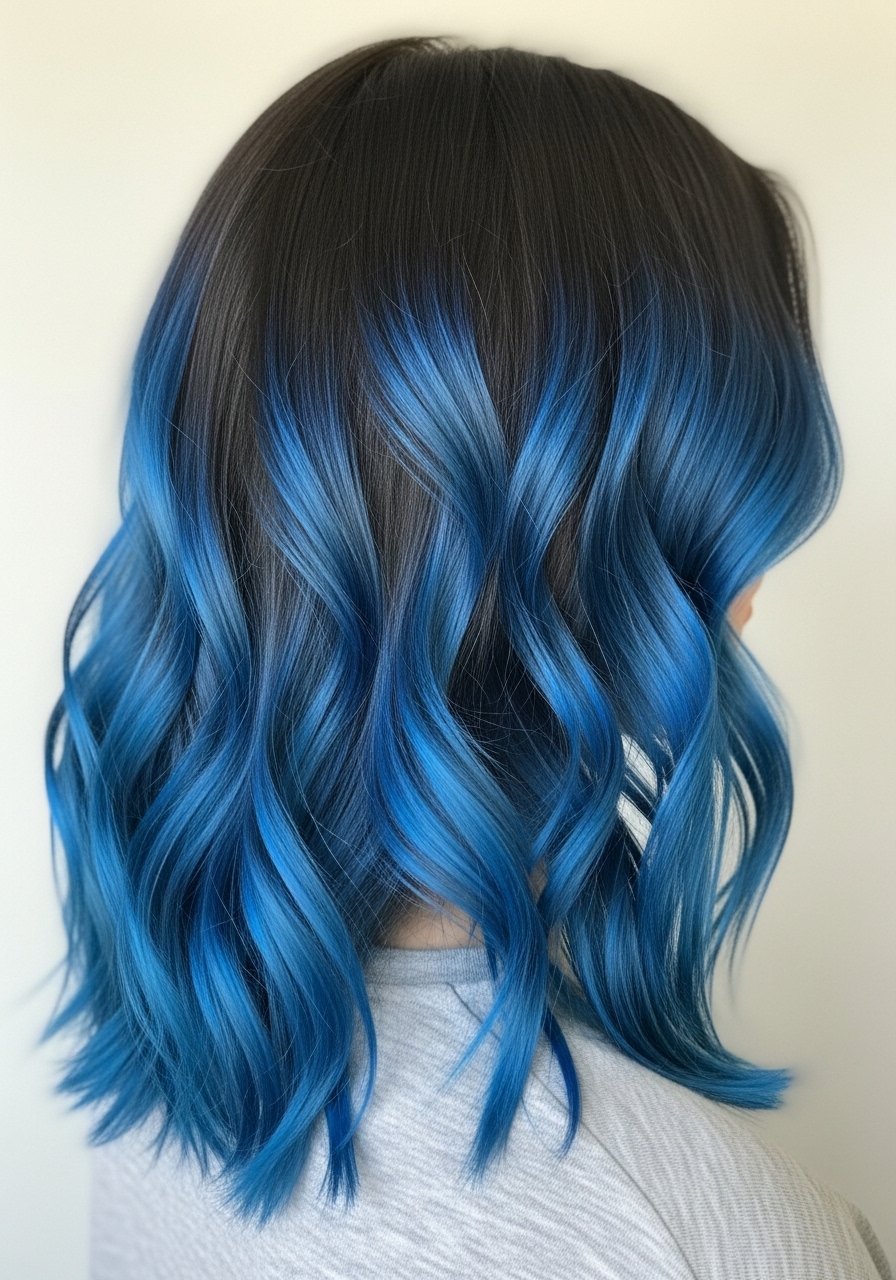
When roots are long and you want low maintenance, blue tips are the cheat that still reads intentional. Lighten only the final two inches. I usually do a 1:1 dye to developer touch on the ends for 7 to 15 minutes so you get deposit but not full lift. The advantage is a two to three month visual shelf life with occasional toning. A mistake I see is trying to match the exact shade of a washed-out color, which results in patchy vibrance. If your hair is fragile, skip the developer and use a semi-permanent blue for a conditional-friendly option.
What I Pack For Purple And Blue Color At Home
- Honestly the smallest kit that keeps me from panicking mid-process. Olaplex No. 3 Hair Perfector 3.3 oz, use once a week after any lift for strength. Buy from the official seller on Amazon or grab it at Sephora to avoid counterfeits
- 8oz Sulfate-Free Clarifying Shampoo for pre-bleach resets
- Color-Depositing Conditioner Blue in 8oz tubes for weekly refreshes
- 20 Volume Developer and nitrile gloves for safe mixing
- Mixing Bowl And Tint Brush Set
- Microfiber Hair Towel to reduce frizz after washing
- Silk Pillowcase Queen Size because it actually cuts morning color transfer
- Diffuser Attachment For Your Blow Dryer to help set curls without spreading color everywhere
- Color-Safe Heat Protectant Spray for any styling over 300F
- Shower Cap Reusable for warm conditioning sessions
Smoky Violet Root Melt For Fine Hair

Fine hair shows regrowth quickly so a smoky root melt buys you time. The technique is to paint a shadow root using a diluted violet applied in one 1-inch band along the part and hairline, feathered with a brush. Keep the dye lighter at the root for 5 to 10 minutes to avoid banding. If you over-process the base it looks harsh. This is a salon-friendly option but doable at home if you are precise. For styling, a tiny dab of serum on damp lengths after blow dry keeps the color readable. Remember allergy patch test for direct dyes.
Electric Blue Dip Dye For Long Hair

Dip dye is the quickest statement and the cheapest upkeep since you only touch the ends. Section the bottom 3 to 4 inches in a horseshoe shape, clip the rest up, and apply blue. For long hair plan on three sections across the width for even coverage. A common mistake is dyeing over split ends. Trim before you color for even saturation. Expect the process to take 45 minutes at home. Use a color depositing mask once a week to push back fades.
Blue Black Shadow Root For Low Maintenance Color
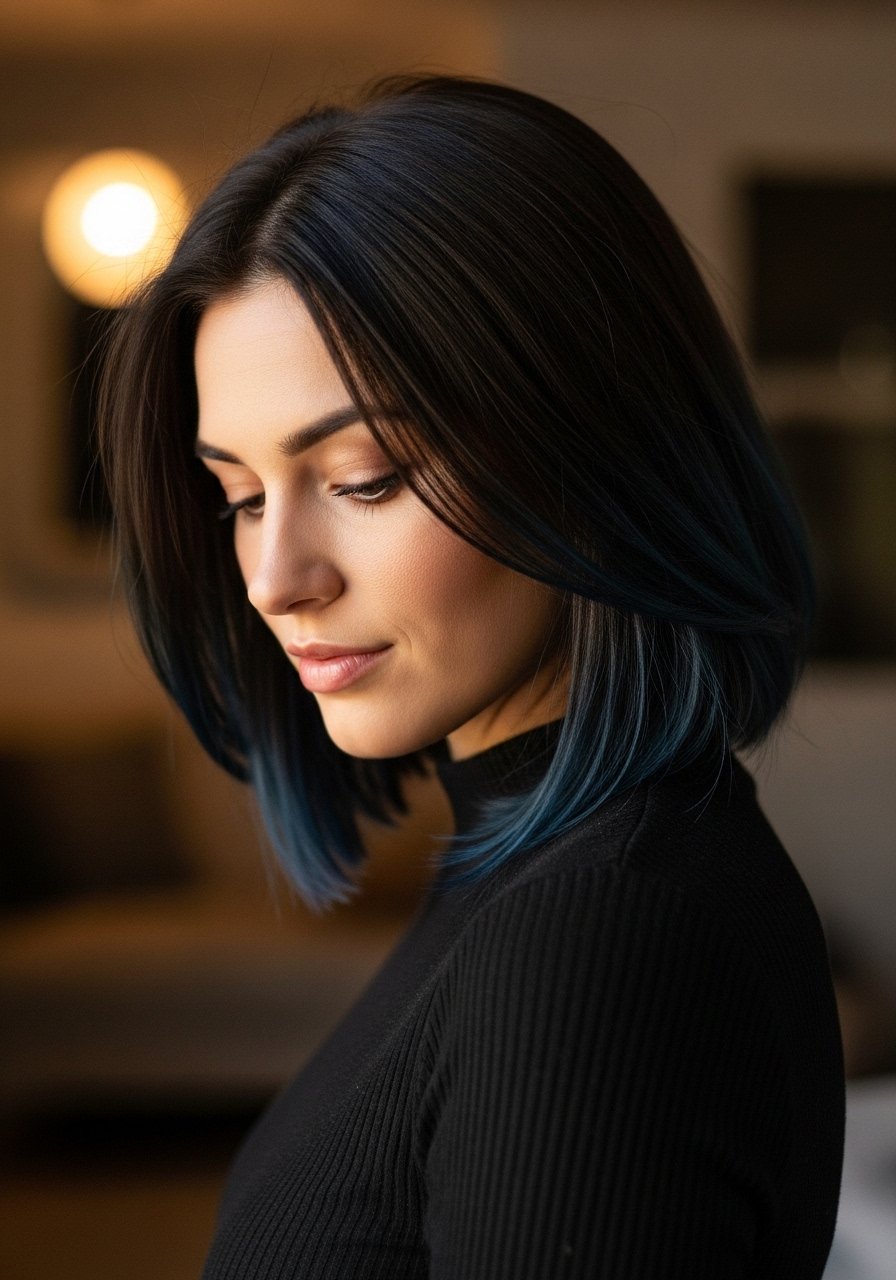
If you want a hint of blue without constant upkeep, a blue-black shadow root is ideal. Apply a semi-permanent blue-black gloss to the mid-shaft and ends and leave the root alone, or melt a tiny 1-inch root band using a 1:3 dye to conditioner ratio. The effect lasts longer because the root is not lifted. Most clients ask for a touch of blue and then get frustrated when they go too bright up top. This avoids that. For styling, avoid high heat and use a color-safe heat protectant whenever you flat iron.
Frosted Lavender Babylights For Short Pixies
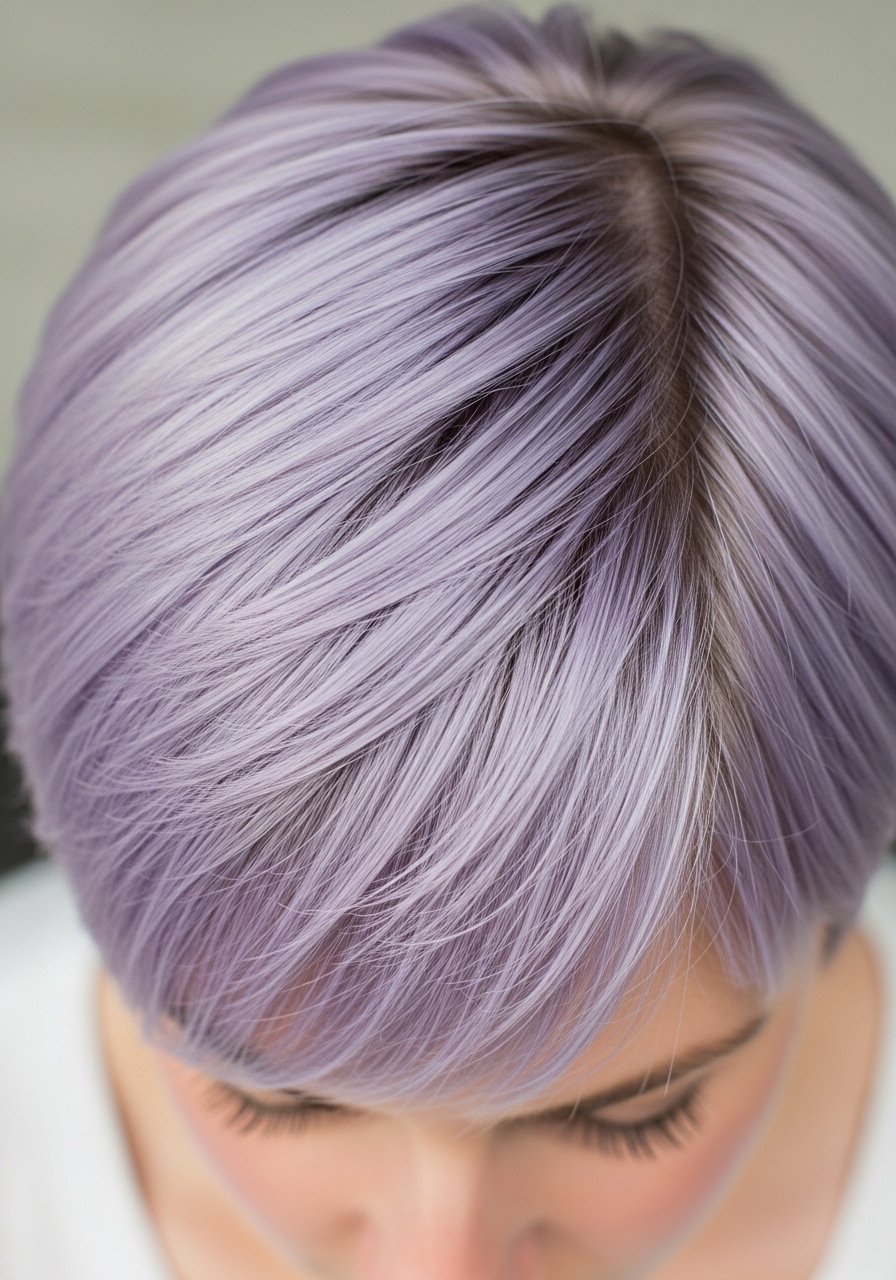
Babylights on a pixie are tiny but impactful. I do 12 to 18 foil slices, each about 1/8 inch wide. Leave the lightener for the minimum viable lift, check at five minute intervals. Fine hair can take pigment fast so pay attention. People often try heavy foil work on a pixie and end up with strips. Keep slices thin and spaced. This is a high-skill salon job for most people, but if you attempt it at home keep Olaplex on hand and avoid overlapping bleach on previous lights.
Indigo Face Frame For Oval Faces

Indigo face frames draw attention to the eyes and are great for oval faces. Paint two 1.5 to 2-inch face-framing panels, lift as needed and deposit indigo. I recommend doing both sides in one session to avoid mismatch. A frequent mistake is making the pieces too thin which reads accidental. For styling use a round brush at 300F on low to get a slight bend. Heat protectant before any iron over 300F is a must.
Temporary Tie Dye For Festivals Using Washable Dyes
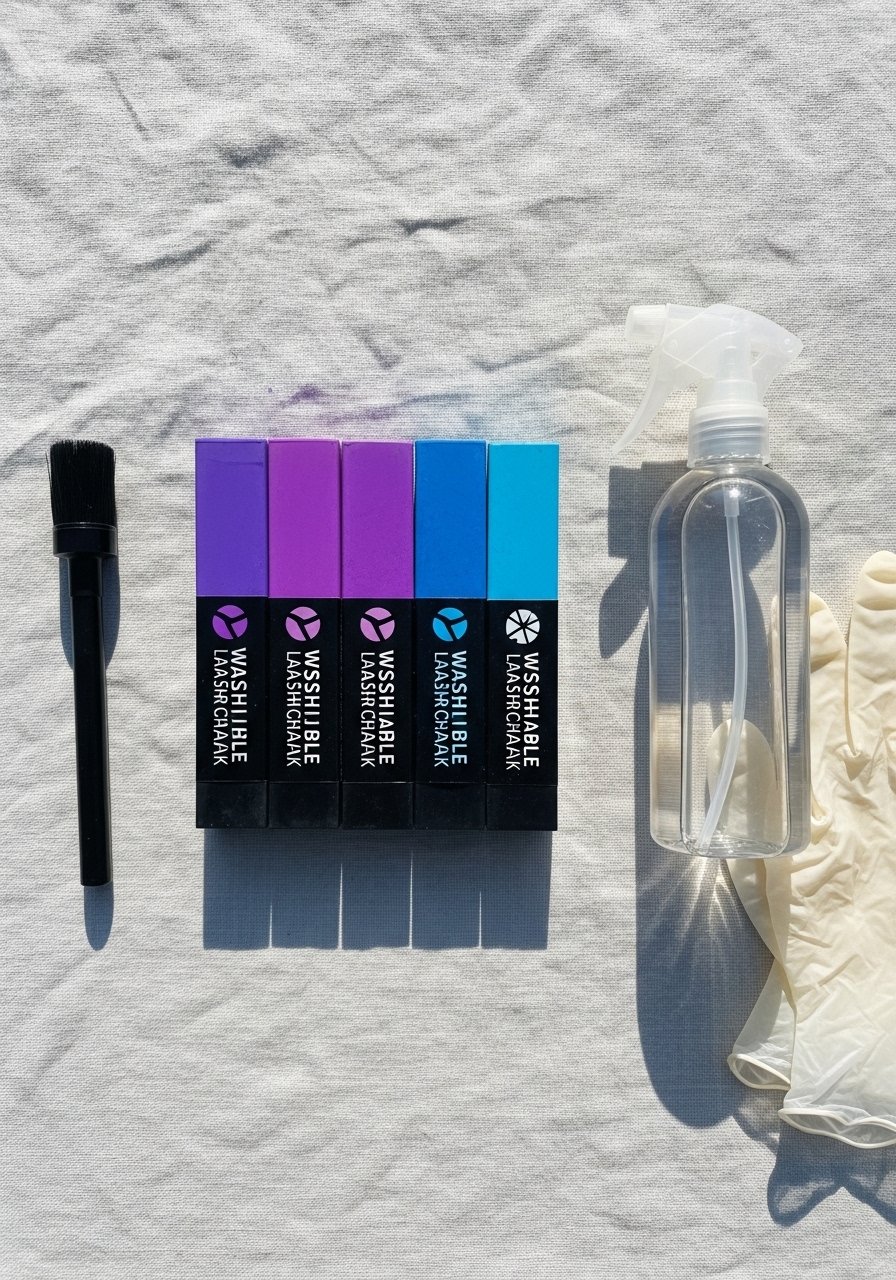
If you only need color for a weekend, temporary dyes are forgiving. I part hair into four large sections and use comb-through application for even streaks. The trick most people miss is to spritz hair with a 1:1 water and leave-in mix before applying chalk to lower fallout. Temporary dyes come out in one to two washes, so they are perfect for events. Stain warning, sleep on an old pillowcase and wear a silk scarf if you want to limit transfer overnight.
Gloss Refresh Routine To Keep Purple And Blue Vibrant
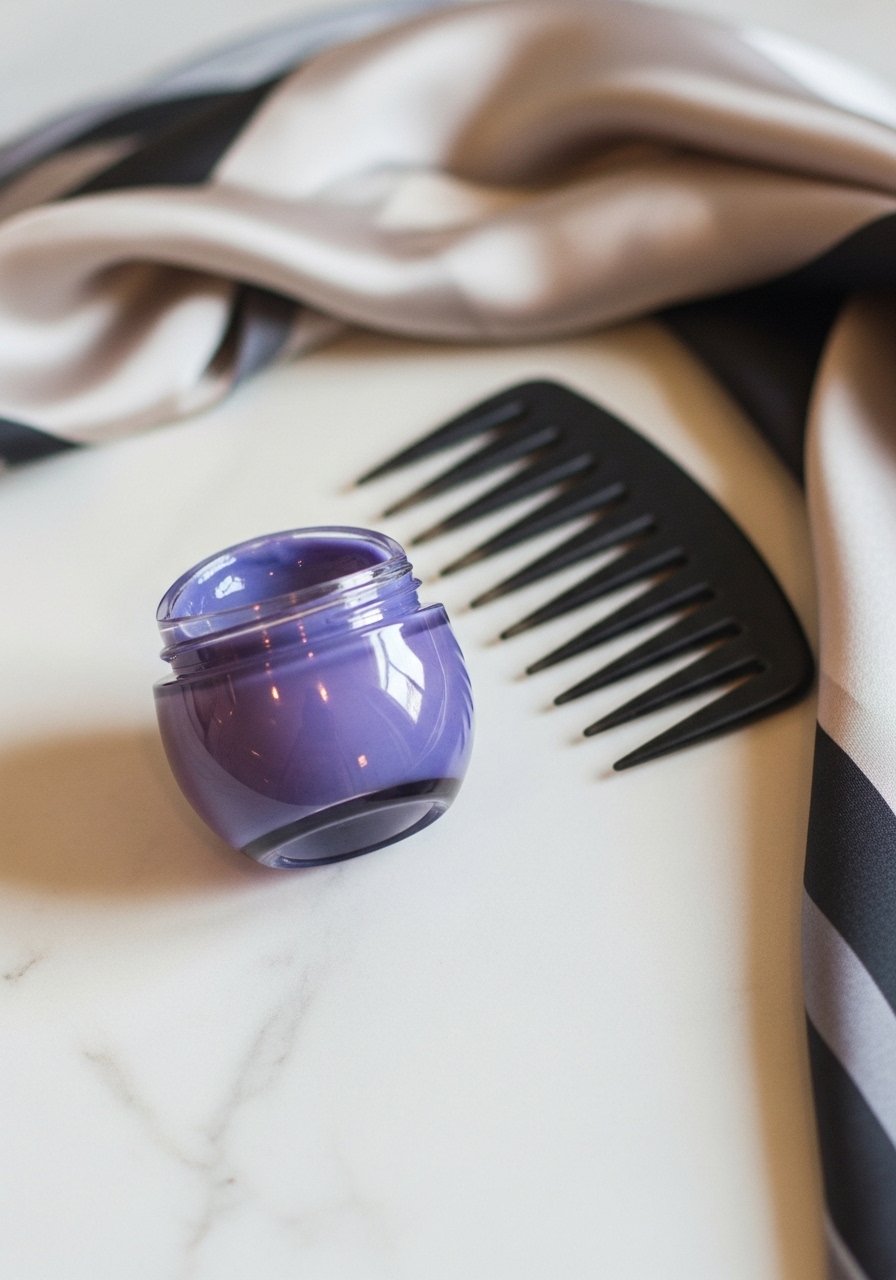
Color fades. That is the reality. Hair grows about half an inch a month at most, regardless of what biotin gummies promise you. My maintenance routine is a 10 to 15 minute gloss of a color-depositing treatment every two weeks, followed by cold rinse. Most people over-wash bright colors. Stretch washes to every 3 to 5 days and add a weekly color mask. If your gloss is from a premium brand, buy from the official store on Amazon or Sephora to avoid counterfeits. A tiny amount applied only to mid-lengths and ends prevents staining the roots.
Shaded Teal Curtain Pieces For Round Faces

Curtain pieces in teal slim a round face because they create vertical lines. I take two 1.25-inch panels and feather the color into the adjacent hair so it is not a block. A common mistake is going too harsh on placement which reads costume. For at-home attempts, section with clips and apply dye with a small brush for precision. These pieces pair well with the smoky violet root melt earlier if you want multi-dimensional color.
Heatless Purple And Blue Braids For Curly Sleep Styling

For curl preservation and color longevity, heatless styles are your friend. I braid in four loose sections before bed and sleep on a silk pillowcase, which reduces friction and color transfer. Most people use gel only and find curls go flat by midday. Swap gel-only for a layer of leave-in cream under a light gel. The LOC method works here, apply leave-in, then oil, then cream to set. The bonus is less heat damage and longer lasting pigment.
How I Keep These Purple And Blue Looks From Fading Fast
- Heat protectant goes on damp hair, not dry. The cuticle is more open and the product actually absorbs. Color-safe heat protectant spray is worth using before any hot styling
- Grab a microfiber hair towel for $12. It cuts your blow dry time by a third and stops the frizz before it starts
- Hair grows about half an inch a month at most, regardless of what biotin gummies promise you. Schedule touch-ups for the face frame and money piece every 6 to 10 weeks depending on contrast
- If you color at home, use a 1:1 dye to conditioner dilution for first-timers. It deposits softer and reduces the risk of muddying
- Drugstore shampoo is fine. Where you actually need to spend money is the conditioner and bond builder. Olaplex No. 5 Bond Maintenance Conditioner helps with breakage from lifting
- Most heat protectants you spray on dry hair before flat ironing barely work. They need to absorb into damp or just-dried hair to actually shield the cuticle
Frequently Asked Questions
Q: How often should I use purple shampoo on purple or blue hair?
A: Use purple shampoo once a week if you want to neutralize brass without drying the hair. Overuse will strip moisture and can mute vibrant blues. If your hair is porous, do a patch test on a hidden strand first.
Q: Can I mix purple and blue dyes at home to create a custom shade?
A: You can, but mixing pigments is a real art. Start with small test swatches on hair that has been pre-lightened and keep a 1:2 dye to conditioner ratio for safer dilution. If you are trying to go lighter than your base, do not lift over previous bleach in one session.
Q: Is Olaplex No. 3 safe to use if my hair is not visibly damaged?
A: Yes, using it once every 7 to 10 days is fine. It does not create permanent structural change but it makes hair feel stronger between salon visits. Buy from the brand store on Amazon or Sephora to avoid counterfeits.
Q: How do I avoid green banding when blending blue and teal shades?
A: The number one cause is overlapping pigments with different undertones. Space your sections, rinse gently, and use a clarifying shampoo before the next color. If you already see green, a quick violet toner session usually neutralizes it.
Q: Can I flat iron my purple or blue hair?
A: Yes, but always use a color-safe heat protectant and stay below 350F for color longevity. Heat does fade dye faster so keep styling to a minimum and use low heat settings.
Q: My curls lose their definition after applying color. What should I change?
A: Most people apply leave-in to towel-dried hair, then wonder why it does nothing. Apply leave-in on damp hair, use the LOC method, and avoid over-manipulation while diffusing. A small amount of gel over cream keeps shape without crunch.