I bleached my own hair in a cheap bathroom light last winter and paid a salon to fix the banding three months later. I kept the purple and blue look anyway, because color that actually reads vibrant in selfies and looks cute in real life needs more than bright dye. These are the styles I lived with, the things that held up between appointments, and the mistakes I learned the hard way.
These looks are best for medium porosity, fine to medium 2A through 3B hair with notes for thicker textures. Most styles take 30 to 90 minutes in the chair, with a few doable at home in under an hour. Budget ranges from under $25 for a semi-permanent top-up to a $200 salon session for a full lift and tone. If your hair is darker than a level 6, expect multiple sessions when lifting to pastels.
Pastel Lavender Lob With Soft Roots
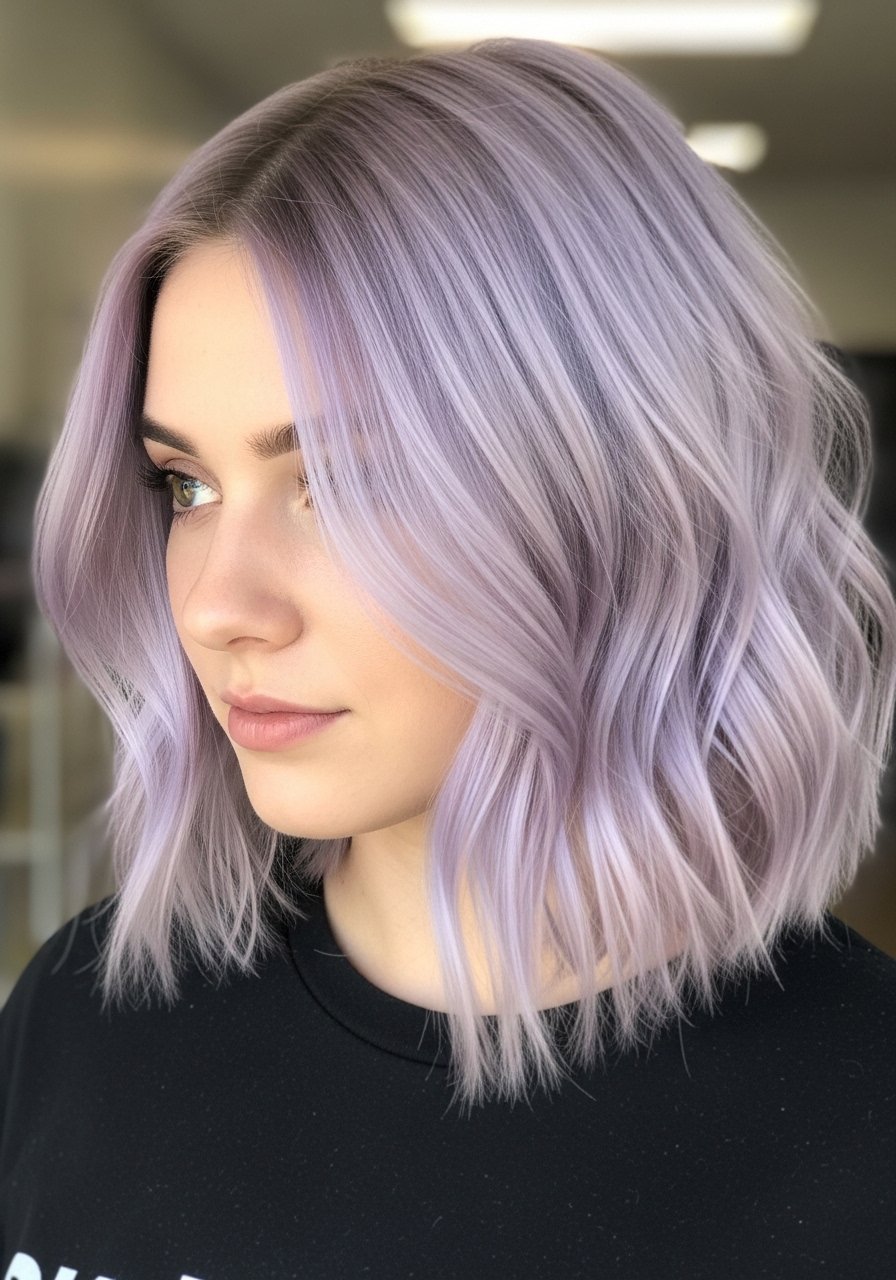
I loved this lob because the soft root hides regrowth for three to four weeks. For fine hair I lifted with 20 volume developer only two sections at a time to avoid overprocessing, then toned with 1:1 Wella Color Charm toner in 6V to dilute brass. If you try this at home, use a 1/4 teaspoon of violet toner per 2 tablespoons of conditioner for a quick gloss. A common mistake is toning every wash. I washed with color-safe sulfate-free shampoo twice a week and used a color-depositing conditioner once every 7 to 10 days. If you try a hot tool, apply heat protectant before any iron over 300F.
Indigo Money Piece On Shoulder-Length Waves
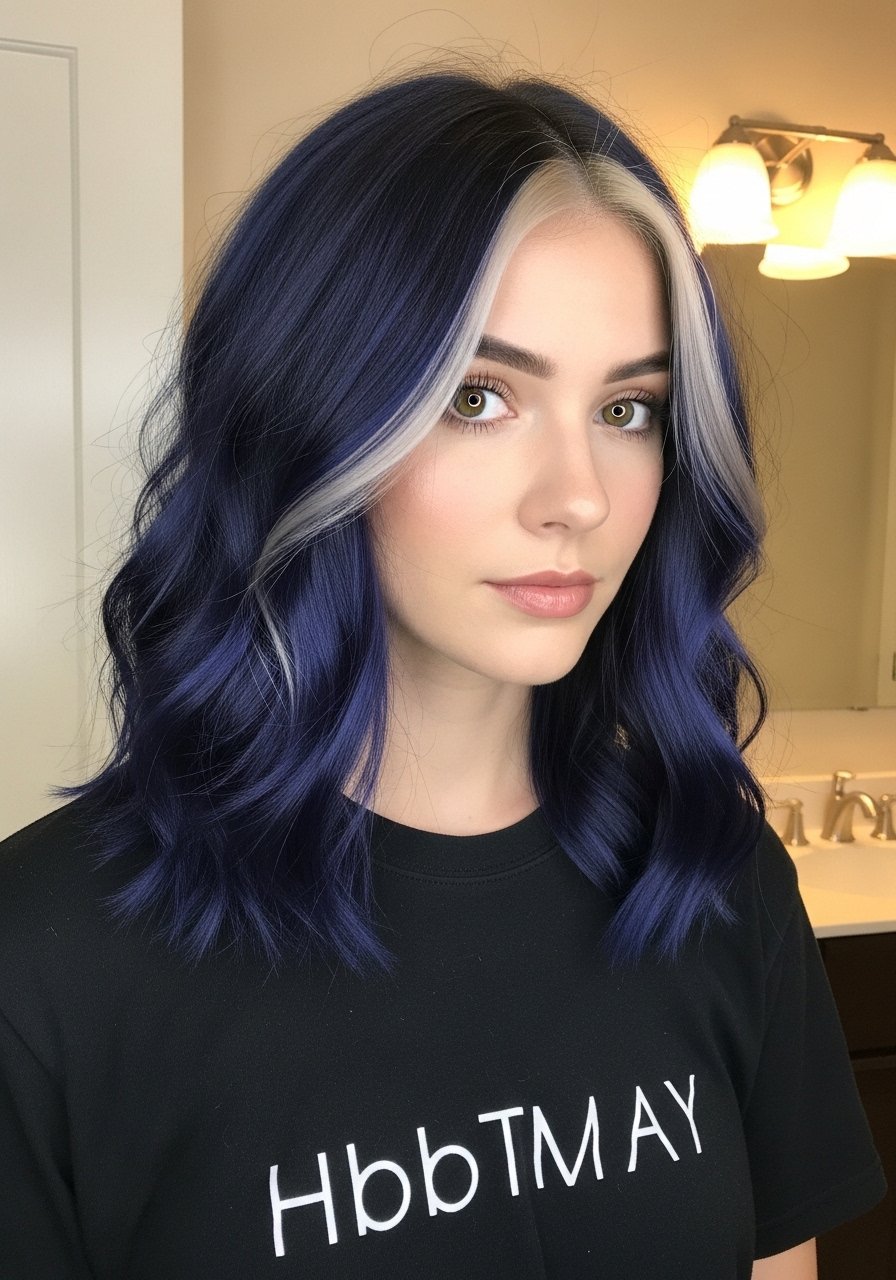
The money piece reads dramatic in photos and cute in person when you pick the right contrast. For medium density hair I take six to eight 1/2-inch face-framing slices and paint indigo with a semi-permanent color after lifting to a pale yellow. One mistake is going too bright on dark base hair in a single session. If your natural hair is darker than a level 5, book at least two sessions or expect brass that needs extra toner. I top up the indigo with two to three tablespoons of diluted semi-permanent color mixed into conditioner for a quick at-home refresh.
Blue-Purple Sombre For Thick Curly Hair
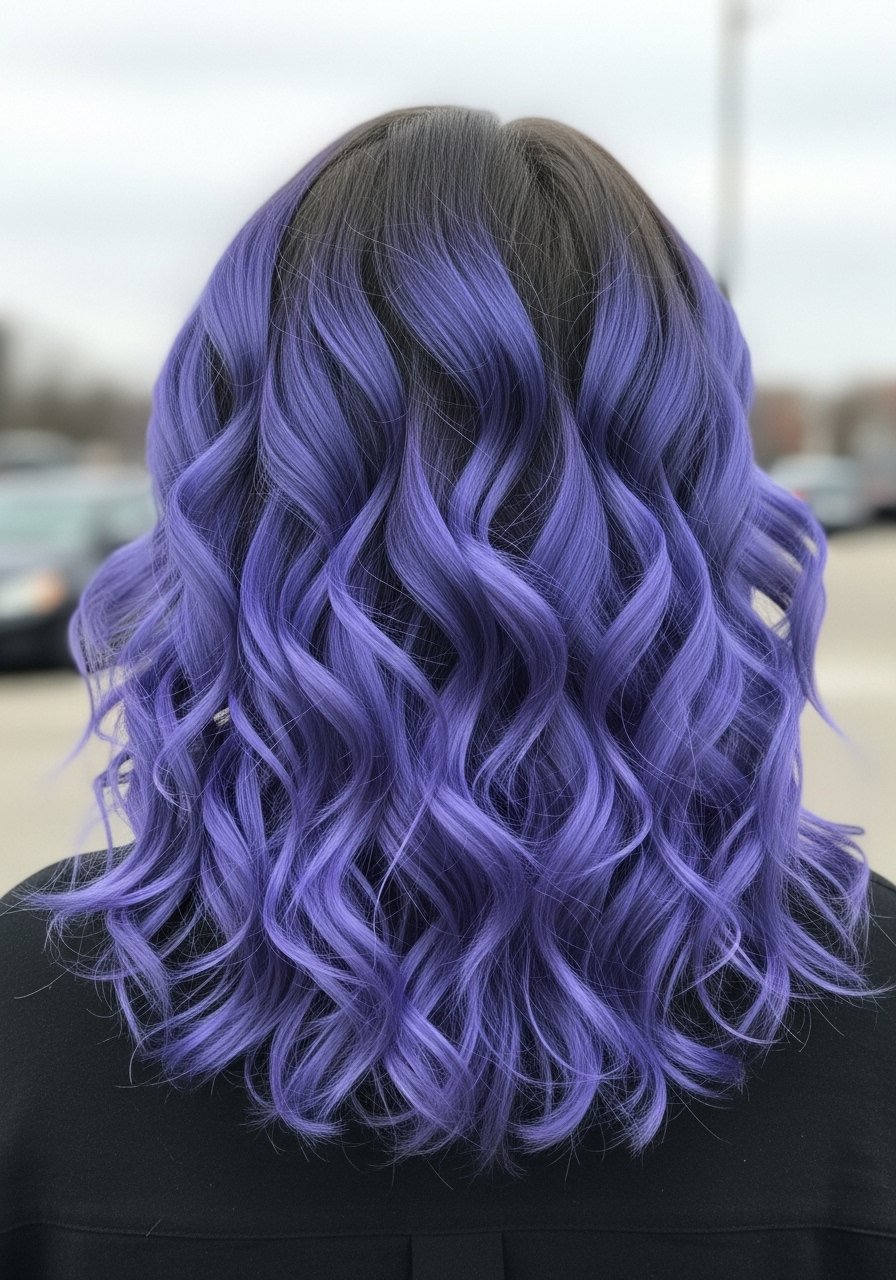
Curly hair hides transition lines beautifully, which makes sombre ideal for 3B to 4A densities. I asked my colorist for a painted half-inch root with soft feathering and a three-quarter inch blend between tones. A real detail many stylists skip is sectioning curls by curl clumps, not thin foils, to avoid over-bleaching the pattern. I added a weekly leave-in cream under a light gel using the LOC method to keep definition and prevent drying from direct dyes. Damage note, lift in small sections and do a patch test for allergic reactions to direct dyes.
Peacock Peekaboo Panels For Pixies And Bobs
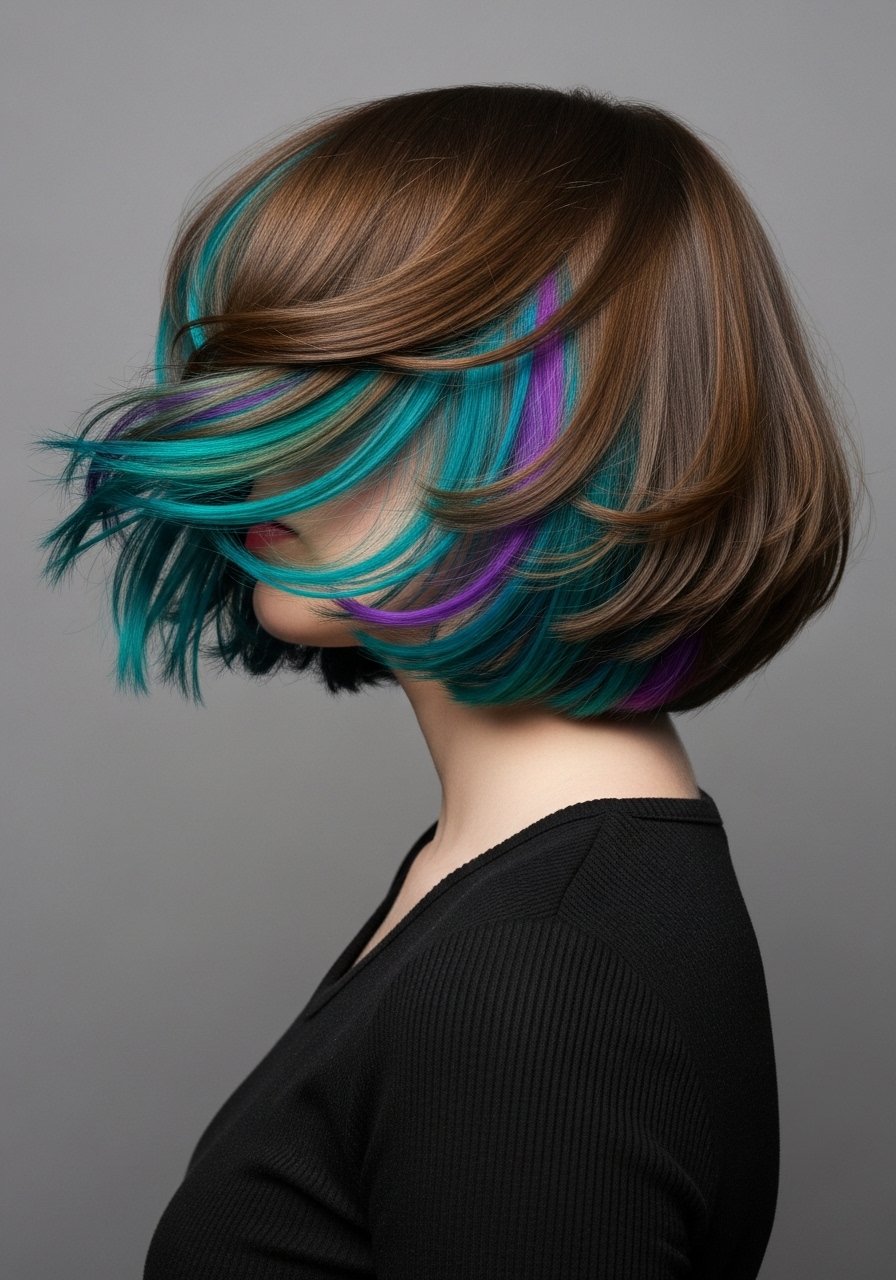
Peekaboo panels are the easiest way to wear bold color with low daily upkeep. For short cuts like pixies and bobs, I take four to six panels under the crown, one inch wide each, and saturate with direct dye for two to 30 minutes depending on brand instructions. People often paint the top layer too thick and then complain the color shows all the time. This is meant to be subtle until you flip your hair. If you DIY, protect your scalp and use barrier cream, and remember to buy from the official store on Amazon to avoid counterfeits for premium dyes.
Smoky Slate Blue Ombre On Brown Bases
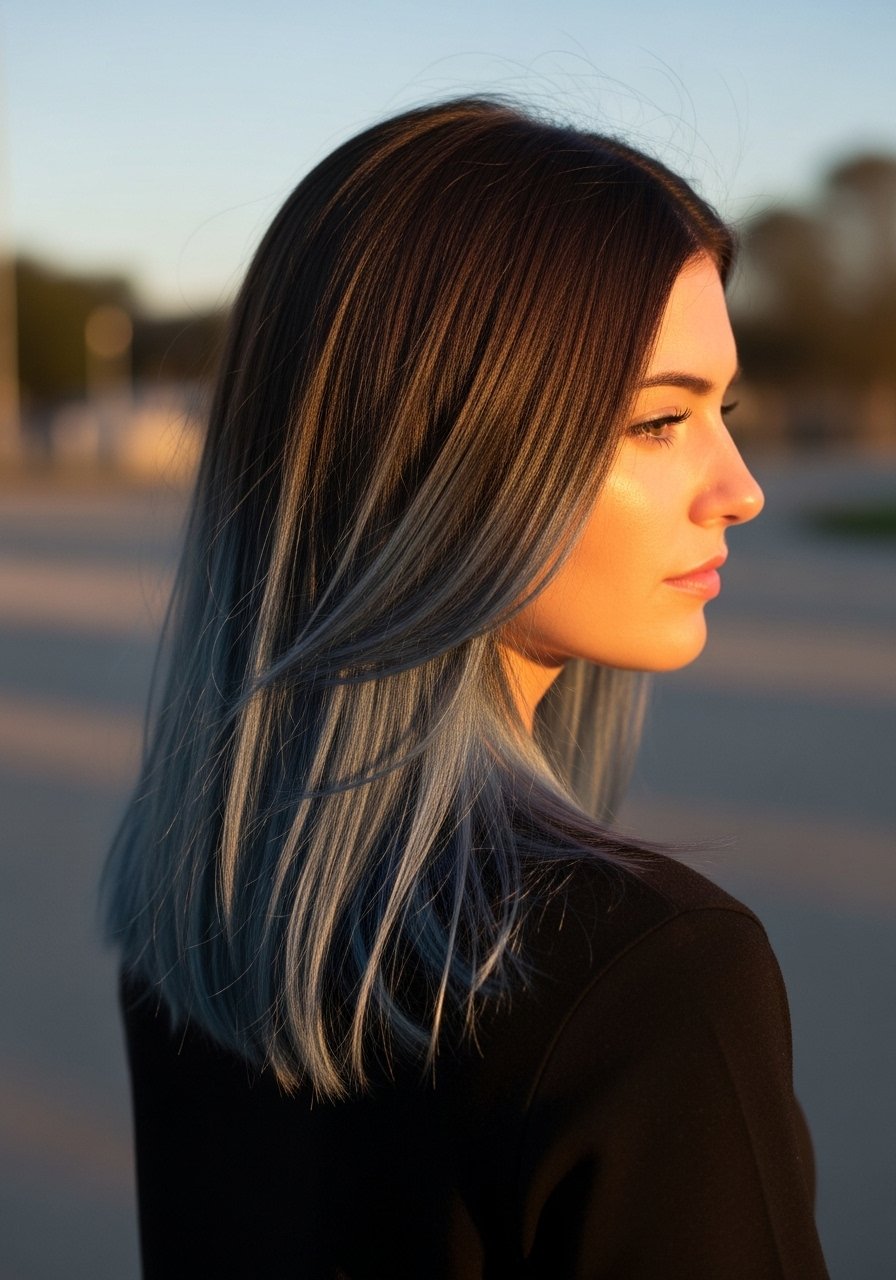
If you start with brown hair, the smoky slate ombre needs lift to a pale yellow before depositing the cool blue. I watched a salon correct a DIY orange band because someone tried lifting to platinum in one go. The safe route is two sessions, thirty to sixty days apart, using 20 volume on the first pass, then 10 volume on the second for controlled lift. For color longevity, I rinse with cool water and use a 8oz color-safe sulfate-free shampoo only twice a week. Salon vs DIY note, the blending is worth a pro if you want no harsh line.
Pastel Mix Melt With a Toner Gloss
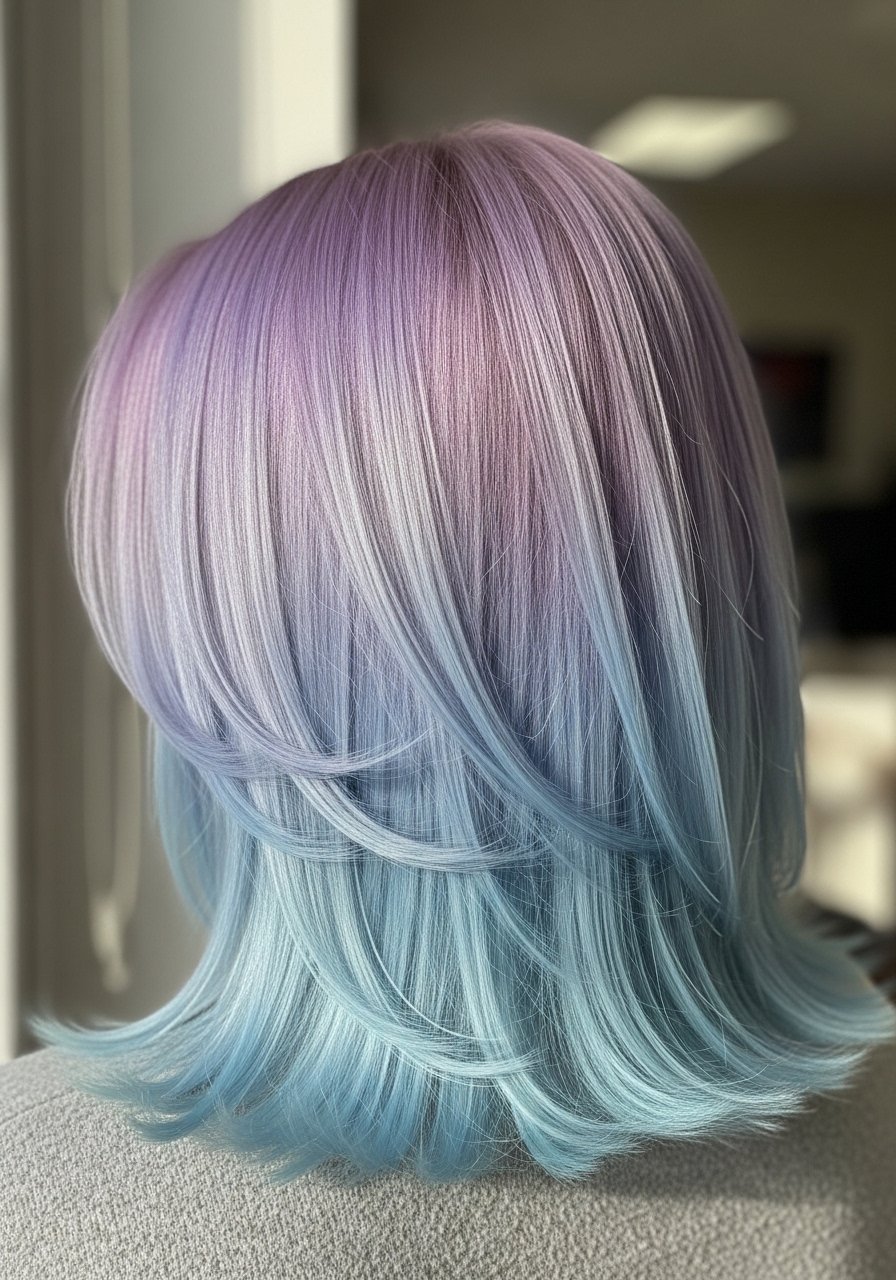
A pastel melt looks wearable when the toner gloss is right. I ask for a demi-permanent gloss for 10 minutes after color, mixed 1:2 with conditioner when doing a quick at-home refresh. One specific trick is to apply gloss with a wide tooth comb through small 1-inch subsections to avoid streaks. A mistake I made was leaving gloss on for 30 minutes once and ending up too ashy. Keep it shorter and trial on a hidden strand. If you use a heat tool after gloss, let hair fully air-dry first or the heat will accelerate fading.
Electric Violet Roots Into Denim Ends
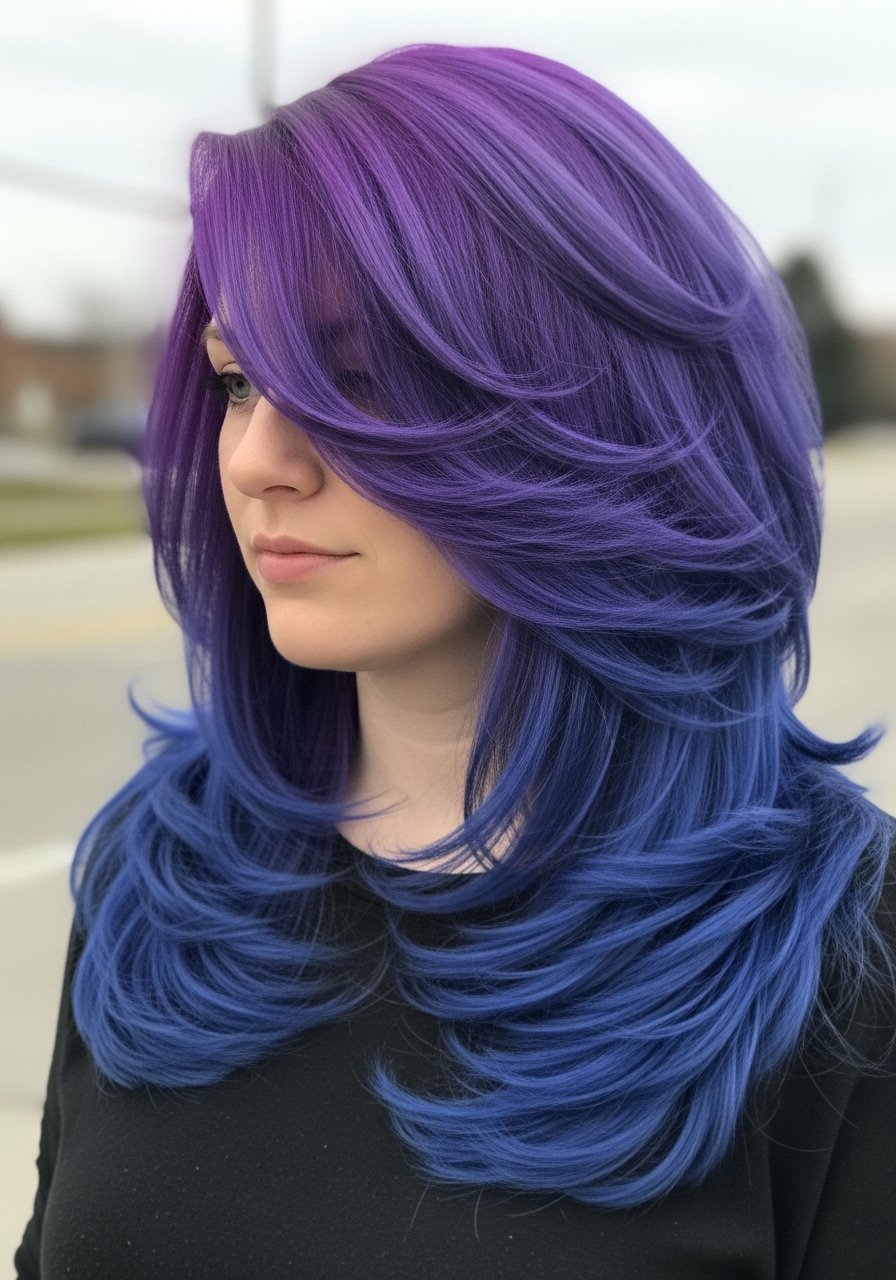
The contrast of vivid roots and denim ends keeps the look bold but cute because roots hide regrowth. I apply vivid color on dry pre-lightened hair and sit the violet roots for 20 minutes, denim ends for 10. A real detail most guides skip is blotting excess dye with a microfiber towel between root and end processing to avoid cross-staining. For maintenance, use a color-depositing shampoo once every two weeks and a gentle sulfate-free shampoo otherwise. Warning, keep direct dyes off the scalp if you have sensitivity and do a patch test.
The Kit I Keep For Purple And Blue Hair At Home
Olaplex No. 3 hair perfector 3.3oz. Honest, the weekly bond treatment saved my ends after a messy DIY lift. Buy from the official Olaplex store on Amazon or grab it at Sephora to avoid counterfeits.
Color-depositing conditioner for purple and blue shades (8oz). I mix a tablespoon into my regular conditioner for slow refreshes.
Wella Color Charm toner 3.4oz for quick salon-style toning and root blends.
Microfiber hair towel wrap. Cuts drying time and stops rubbing away pigments.
Boar bristle paddle brush. Spreads oils without breaking colored ends.
Purple shampoo 8oz. Use once a week max unless you want lavender hair permanently.
Wide tooth comb for detangling wet color-treated hair gently.
Heat protectant spray 6oz. Always apply before any iron over 300F.
Salon-grade mixing bowl and brush set if you plan to DIY small panels and touch-ups.
Silk pillowcase queen size. Keeps dyed hair from rubbing off onto cotton and reduces friction overnight.
Mermaid Babylights With Teal Face Frames
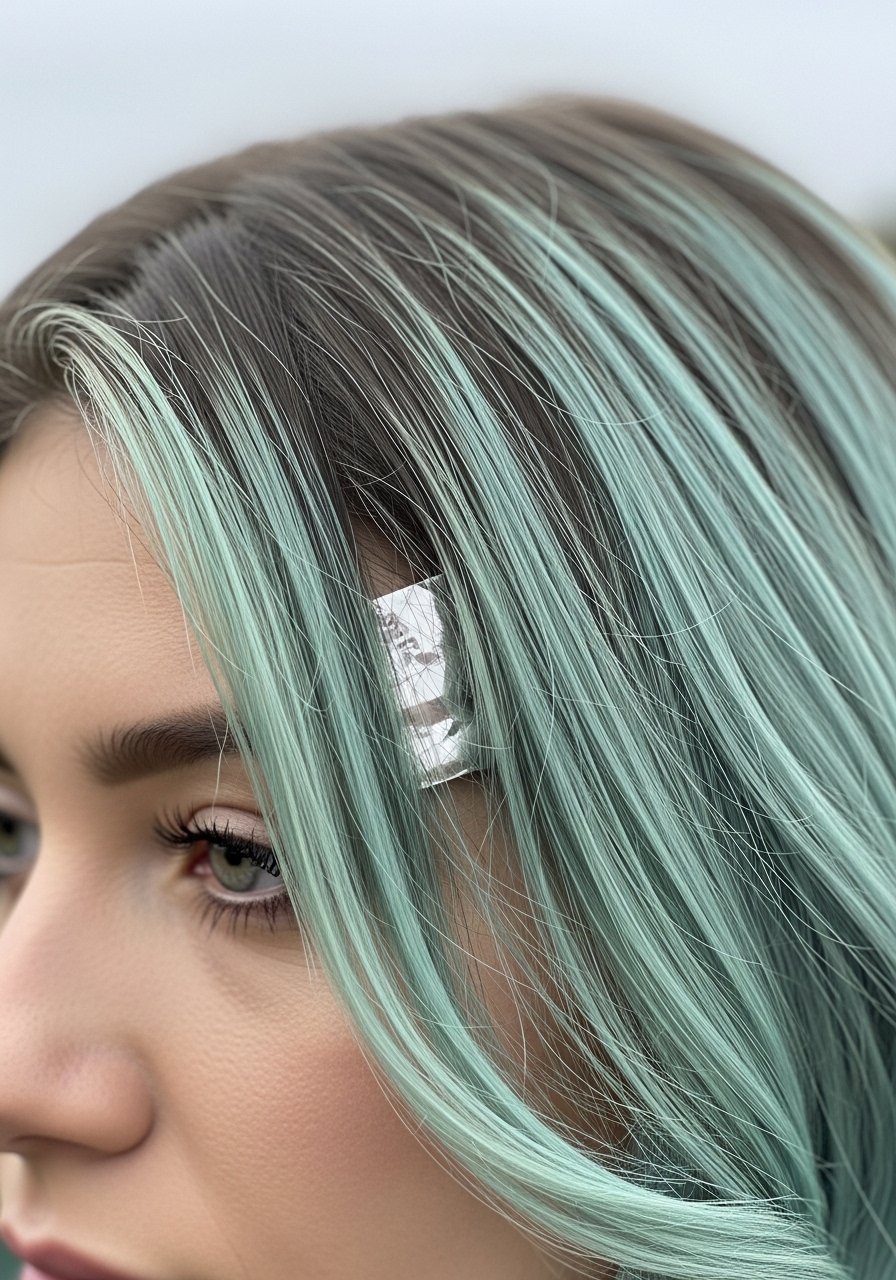
Babylights are the secret for a mermaid feel without full-head processing. I do foils no wider than 1/8 inch for five to six foils framing the face and one to two around the crown for movement. Small detail, I set the heat cap for 12 to 18 minutes on foil depending on base level and check every three minutes after minute eight. People overprocess because they leave foils in too long. If you have curly texture, skip foils near the root to avoid disrupting curl clumping. Glossing afterward keeps the teals looking freshly applied.
Two-Tone Split Dye For Bold Short Cuts
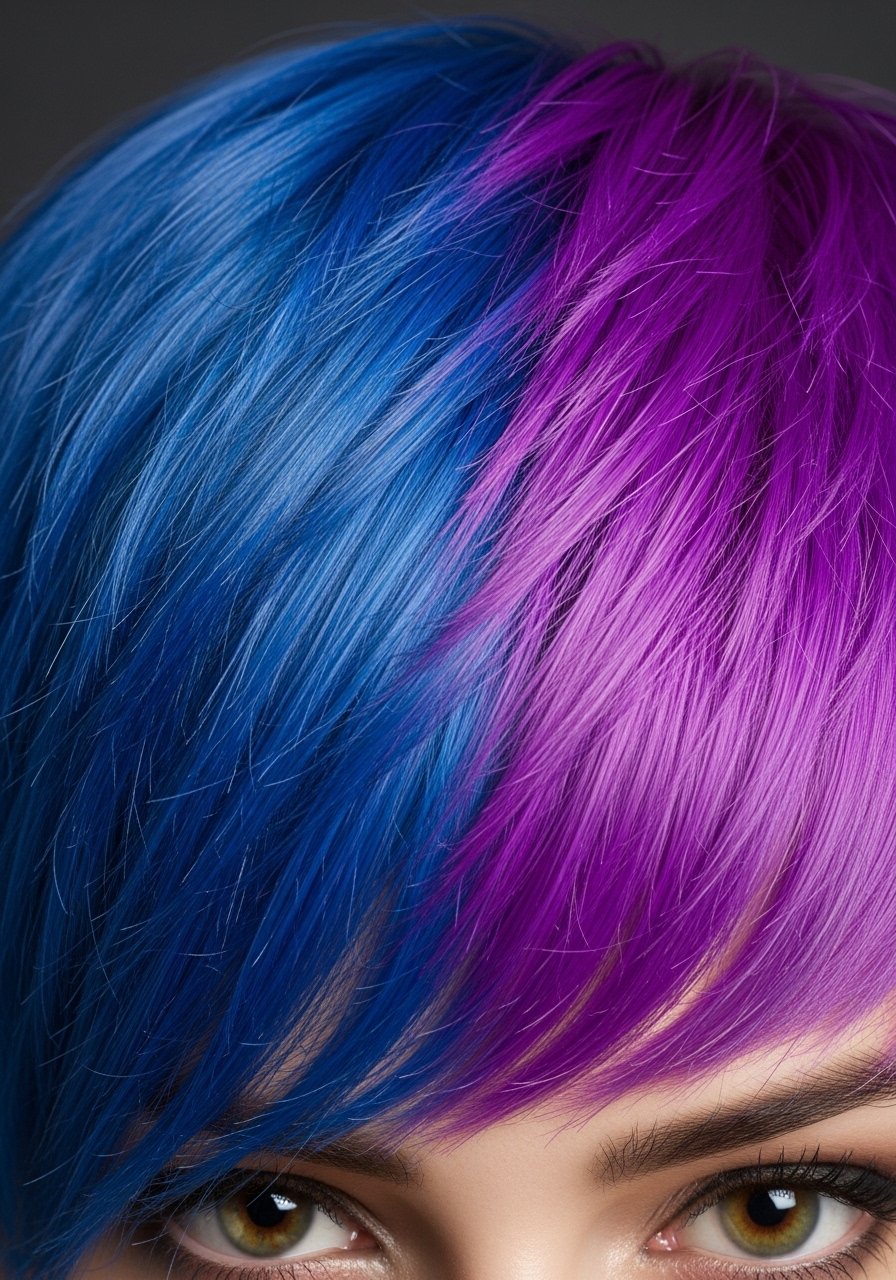
Split dyes read instantly cute on short cuts because the line is part of the shape. I section down the center cleanly, clip each side away, and work with saturated direct dyes. A real-life tip, tape the center part with plastic wrap during processing to avoid bleed. Maintenance is daily at-home swipes with a diluted color-depositing conditioner and weekly cold rinse only. If you switch partings often, expect bleeding for the first two washes. Dye over porous pre-lightened hair can shift tones fast, so use a weekly bond treatment and avoid washing for 48 hours after application.
Shadow Root Periwinkle For Low-Maintenance Color
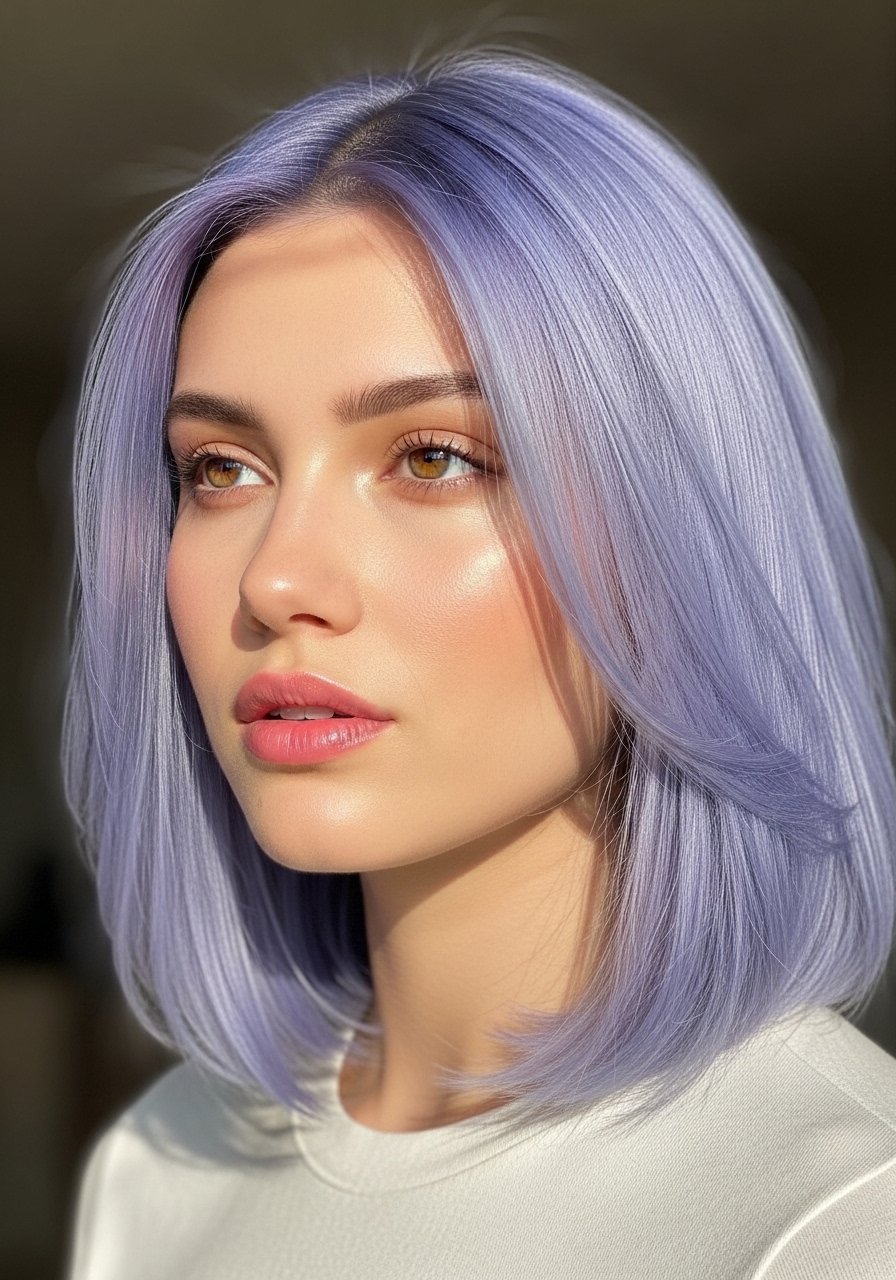
Shadow roots make periwinkle last longer between touch-ups. Instead of high-contrast regrowth, ask for a 1/2 to 1-inch natural root left unlifted and blend with a feathered application. One pro detail many stylists miss is the 80/20 placement rule, where 80 percent of pigment goes mid-length to ends and 20 percent is used on root blends to prevent the root from reading flat. If you bleach roots, warn your colorist about scalp sensitivity and use a lower developer near the hairline.
Iridescent Balayage For Long Straight Hair
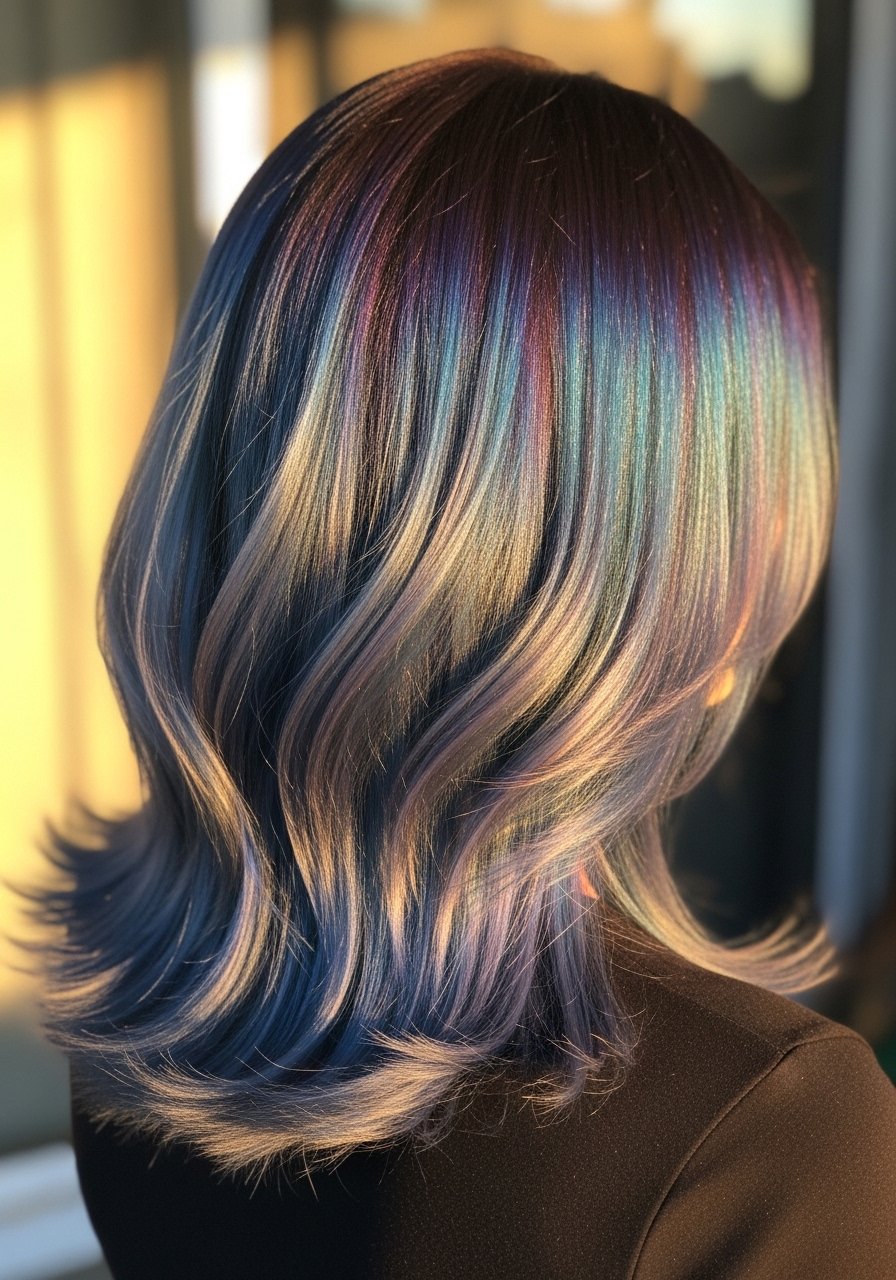
Balayage lets you customize where the color lives for long straight hair. I like soft painted strokes around the face and staggered pieces along the mid-lengths, about six to eight sections total on long hair. A detail most DIYers miss is feathering the paintbrush at the tail end of each stroke to avoid a harsh line. If you use a flat iron, set between 300F and 350F depending on density and always spray heat protectant on damp hair before drying. Salon jobs pay off here if you want seamless blends.
Curly Peekaboo Panels For Type 3B To 4A Hair
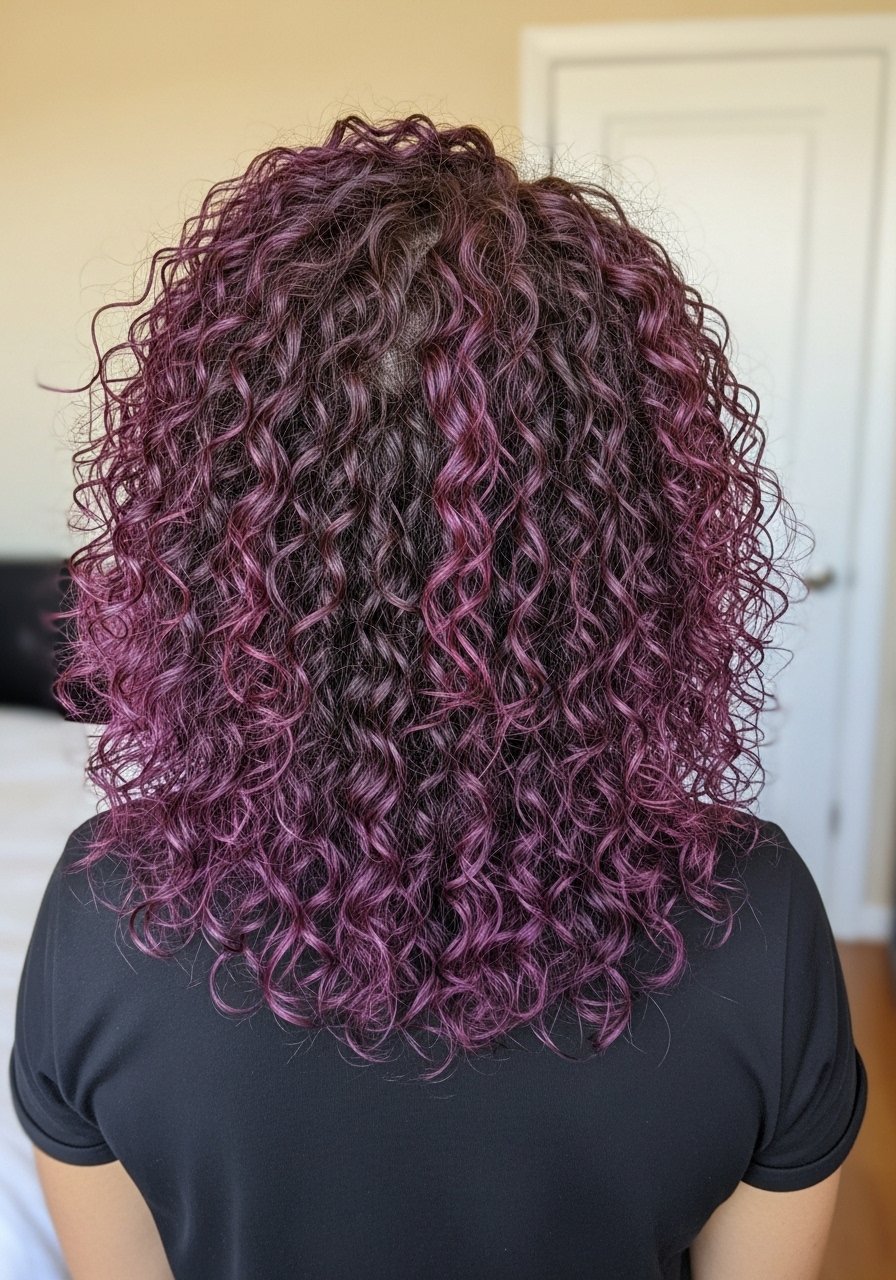
Curly hair makes peekaboo panels pop when you stretch or pin hair up. I do wider panels, two to four inches, on 3B to 4A textures to avoid banding when curls spring back. For application, saturate each panel with semi-permanent dye for 20 to 30 minutes, and then rinse with cool water. A common error is using high-foaming shampoos that strip the color on the first wash. Swap to a sulfate-free cleanser and use a leave-in every wash day. If you sleep with pineappling, secure loosely so the panels do not rub too much.
Gloss Refresh And Color-Depositing Conditioner Routine
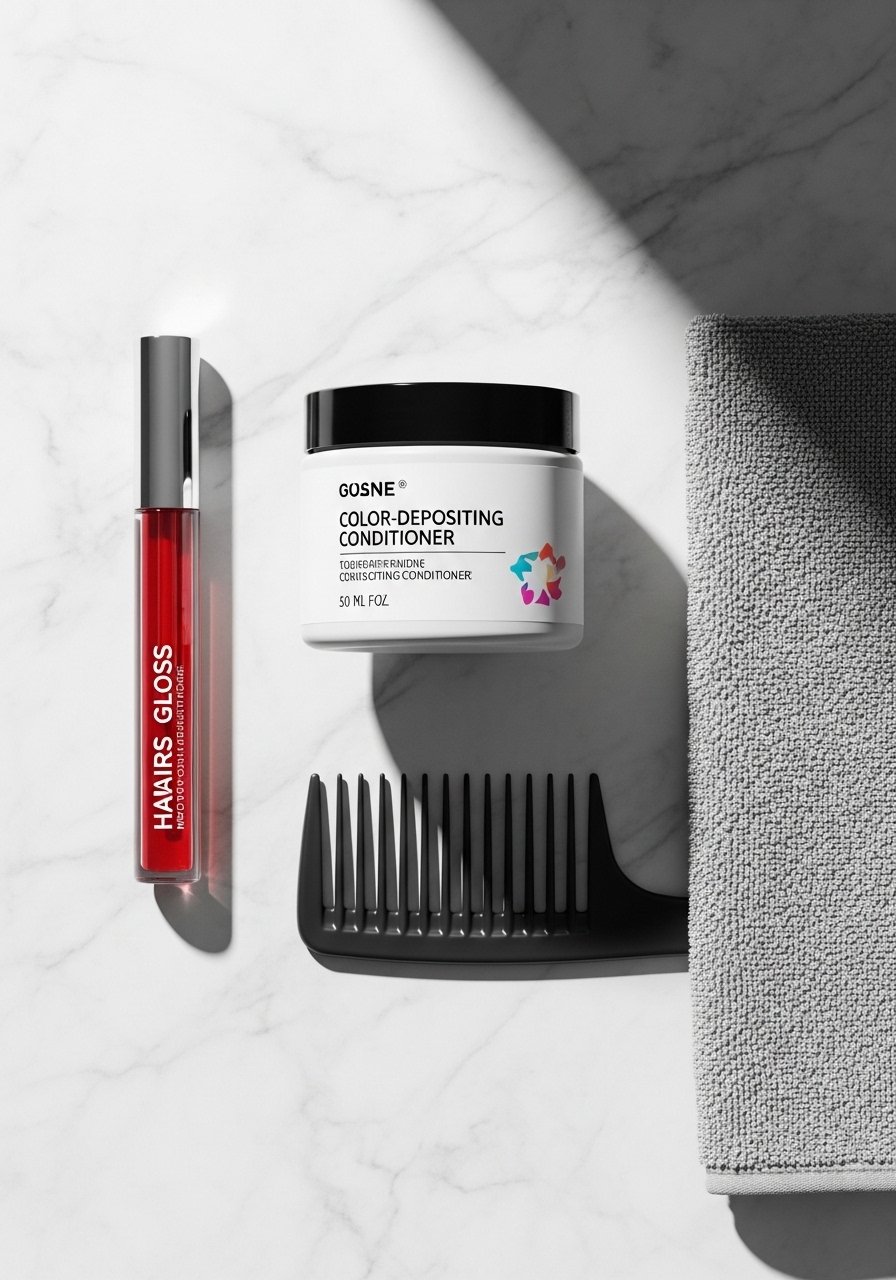
If you want the colors to stay cute between salon visits, a 15-minute gloss once every four to six weeks keeps tones alive. I mix one tablespoon of color-depositing conditioner into a quarter cup of my regular conditioner and apply to damp hair for 10 minutes. Specific detail most articles skip, I section hair into four parts for even distribution and comb through twice to avoid streaks. For weekly upkeep, replace one wash with diluted depositing conditioner to keep vibrancy without daily dyeing. Damage note, if your hair is porous the deposit will be stronger and faster to fade, so test on a hidden strand.
How I Keep Purple And Blue Hair Cute Between Appointments
Heat protectant goes on damp hair, not dry. The cuticle is more open and the product actually absorbs. Heat-protectant spray 6oz is worth a quick spritz before blow drying.
Grab a microfiber hair towel for $12. It cuts blow dry time and stops the friction that steals color.
Hair grows about half an inch a month at most, regardless of supplements. To keep color looking intentional, schedule touch-ups for front pieces or money pieces every 6 to 8 weeks and refresh glosses every 4 to 6 weeks.
Save money on shampoo, spend on conditioner and a weekly bond treatment. Olaplex No. 3 hair perfector once a week fixed my split, or what passed for split ends, after a botched lift.
If you use direct dyes, rinse with cold water only for the first two washes. Cold water helps close the cuticle and keeps pigments from leaching out.
Frequently Asked Questions
Q: How often should I actually use purple shampoo to keep blues and purples looking right without drying my hair?
A: Once a week for most people. A friend used it every wash for six months and her hair felt like straw. Swap to a purple-depositing conditioner on alternate weeks if you need more tone without the drying effect.
Q: Can I bleach my hair at home if I already dyed it darker last month?
A: Lifting over fresh color is risky. If the darker dye is less than six weeks old, book a salon correction. Lifting over previous color often causes banding. Multiple careful sessions spaced out are safer than one aggressive lift.
Q: Will a gloss remove direct dye or make my color muddy?
A: A clear gloss smooths color and can refresh tone without stripping direct dyes. A toner with violet base can shift brassy undertones, but always test a hidden strand. Glosses are temporary and usually last four to six weeks.
Q: Can I use Olaplex No. 3 if my hair is not damaged, or will it make hair heavy?
A: You can use Olaplex No. 3 weekly as a preventive step. It does not weigh hair down in small amounts, and it helps reduce breakage from repeated lightening. Buy from the official seller on Amazon or Sephora to avoid fakes.
Q: How do I prevent banding when lifting long hair for pastel ends?
A: Section hair into at least six horizontal slices on long lengths and lift each slice to the same pale level, checking every three to five minutes after initial lift. Stagger lightening sessions rather than trying to reach pale levels in one pass.
Q: Is a shadow root better for someone who hates frequent salon visits?
A: Yes. Shadow roots give you more time between appointments because the darker root disguises regrowth, especially with pastels or periwinkle mid-lengths. Combine with a gloss and a color-depositing conditioner to stretch salon time.