I dyed my own hair navy in a kitchen sink once and learned the hard way why a strand test matters. If you want blue that reads vivid in photos but still looks wearable in real life, these nine looks show the range, from subtle peekaboo streaks to full-head color that does not scream maintenance. I keep it real about fading, bleaching, and what actually lasts past week two.
These ideas are for shoulder-length to long hair, and for textures from straight 1B through springy 3C curls. A couple work on tighter coils with technique notes. Skill level varies from quick at-home swaps to salon-only corrections. Budget runs from under $30 for a semi-permanent top-up to $200 plus for a salon correction. Where bleach is involved I say salon unless you have experience lifting over previous dye.
Navy Blue All-Over Short Hair With Matte Finish
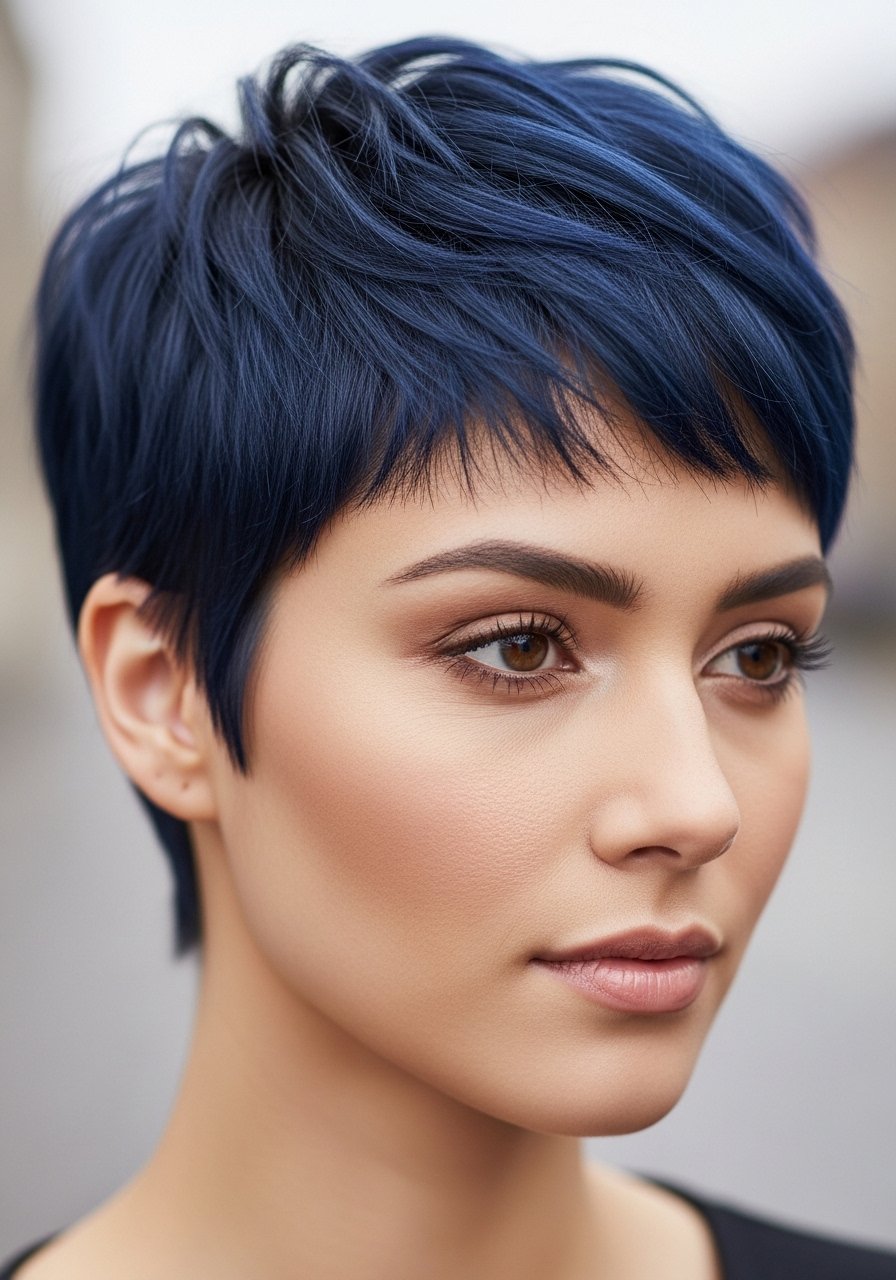
If you have short hair and want bold, an all-over navy is the easiest shape to maintain. Short hair needs less color per application so touch-ups are quick, about 30 minutes every four to six weeks for root tidies. Expect salon work if you start darker than a level 5, because lifting over dark dye is the main way hair breaks. If you do this at home, do a strand test and use a low-volume developer and 20 minutes max on porous ends. Two things that help day-to-day: a rinse with cool water and a pea-sized amount of a color-depositing conditioner after washes. I keep a jar of navy semi-permanent dye for quick refreshes between salon visits.
Subtle Navy Peekaboo Underlights For Low Commitment
Peekaboo underlights solve the "I love blue but my job is conservative" problem. You bleach only the underside, usually two to three 1-inch sections per side, then tone with a navy semi-permanent. It takes under two hours in a good salon and about 90 minutes DIY if you are comfortable with foil sections. The result reads natural when hair is down and electric when you flip it. Common mistake is over-bleaching the visible top layers; keep lifts to a level 8 at most for navy to sit on without pulling bright green. If you need a dye to boost between washes, a color-depositing conditioner once a week helps, like navy color-depositing conditioner.
Navy Money Piece Face Frame For Instant Contrast
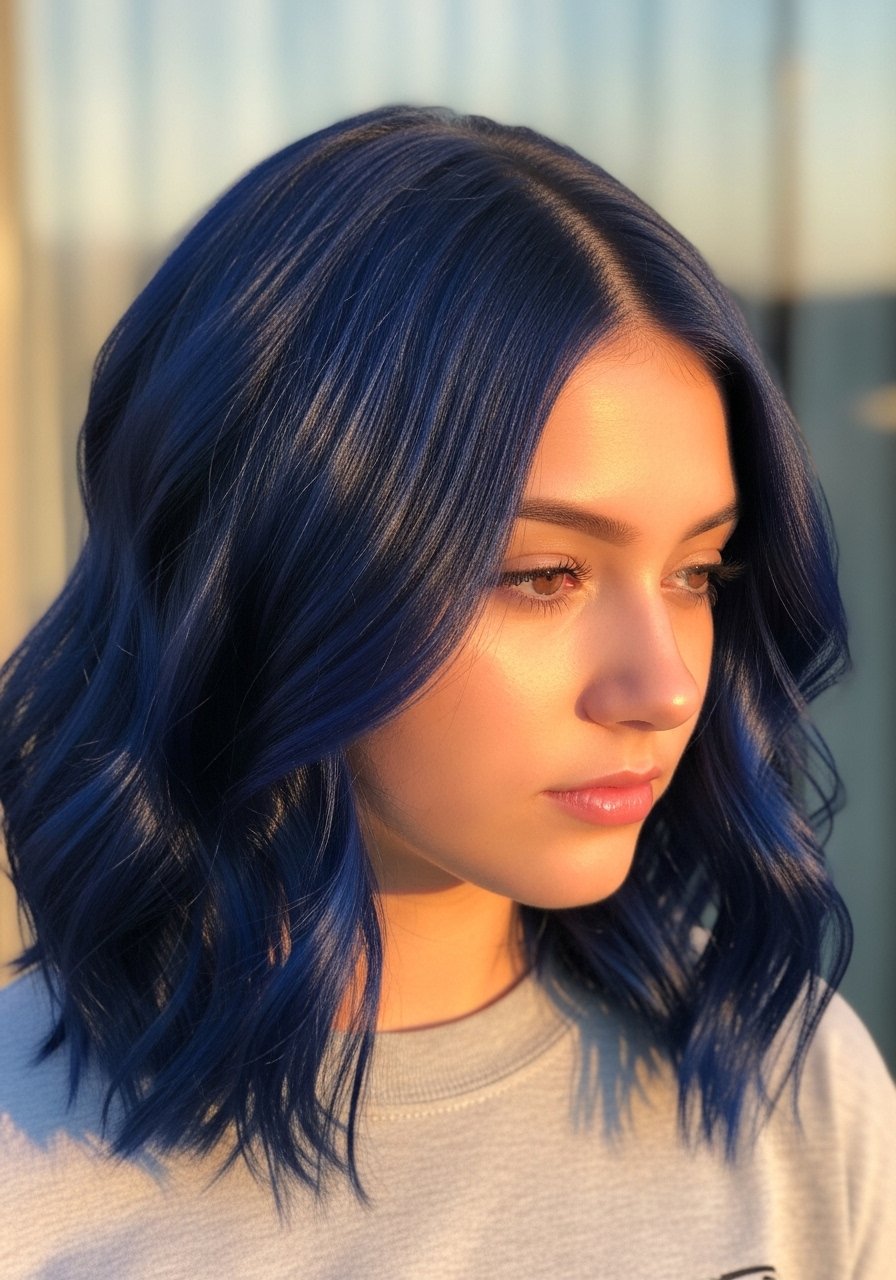
A front navy money piece punches up any style without a full-color commitment. Hair type fit ranges from fine 1B to curly 3C as long as those front pieces are at least 1.5 inches wide. I ask my colorist for two 1-inch sections, lifted to level 8 then cooled with navy pigment. The visible parting and face shape change the effect, so ask for placement that frames your eyes. Common mistake is using too much toner and washing out the depth. At home a dab of color-safe shampoo and cold rinse keeps the contrast crisp for weeks.
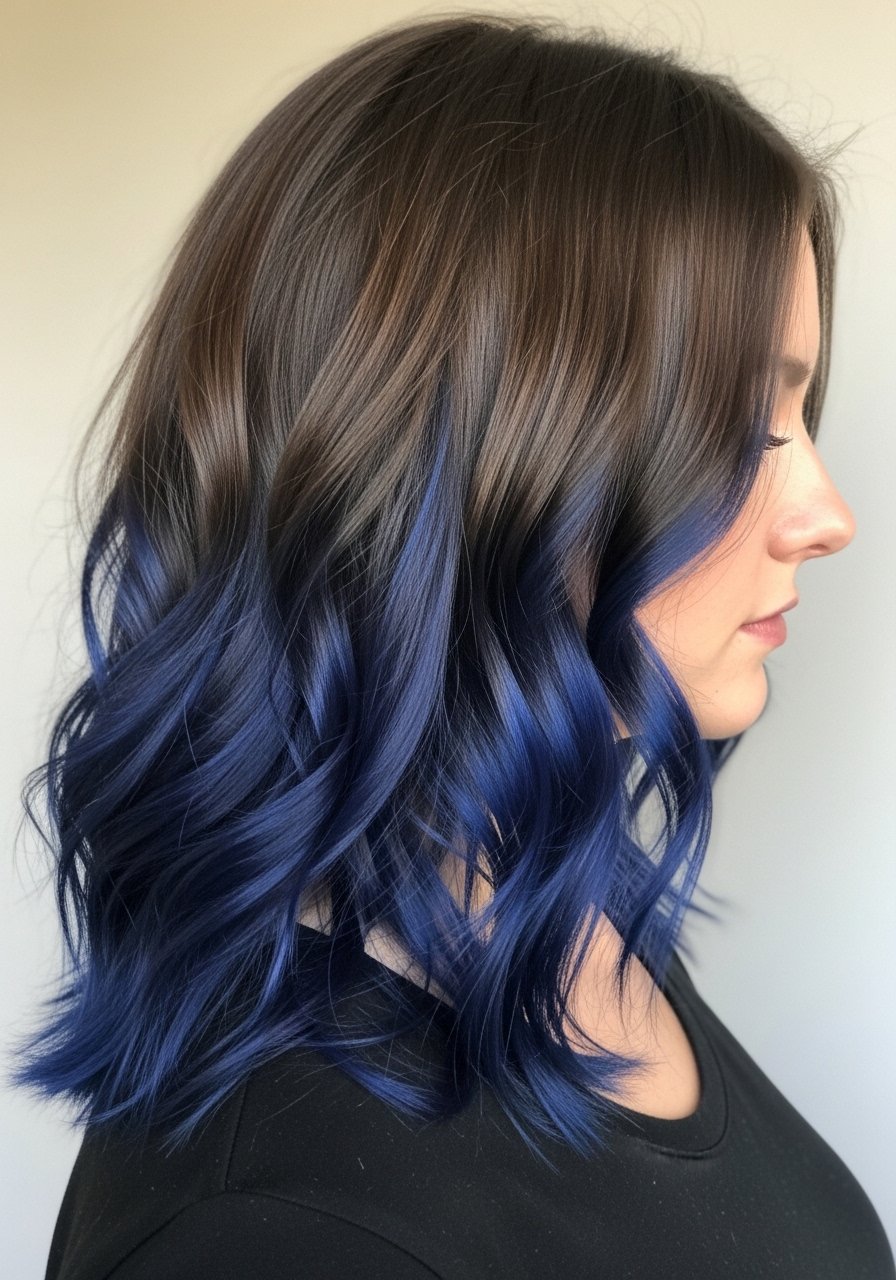
Navy Blue Balayage Melt That Grows Out Softly
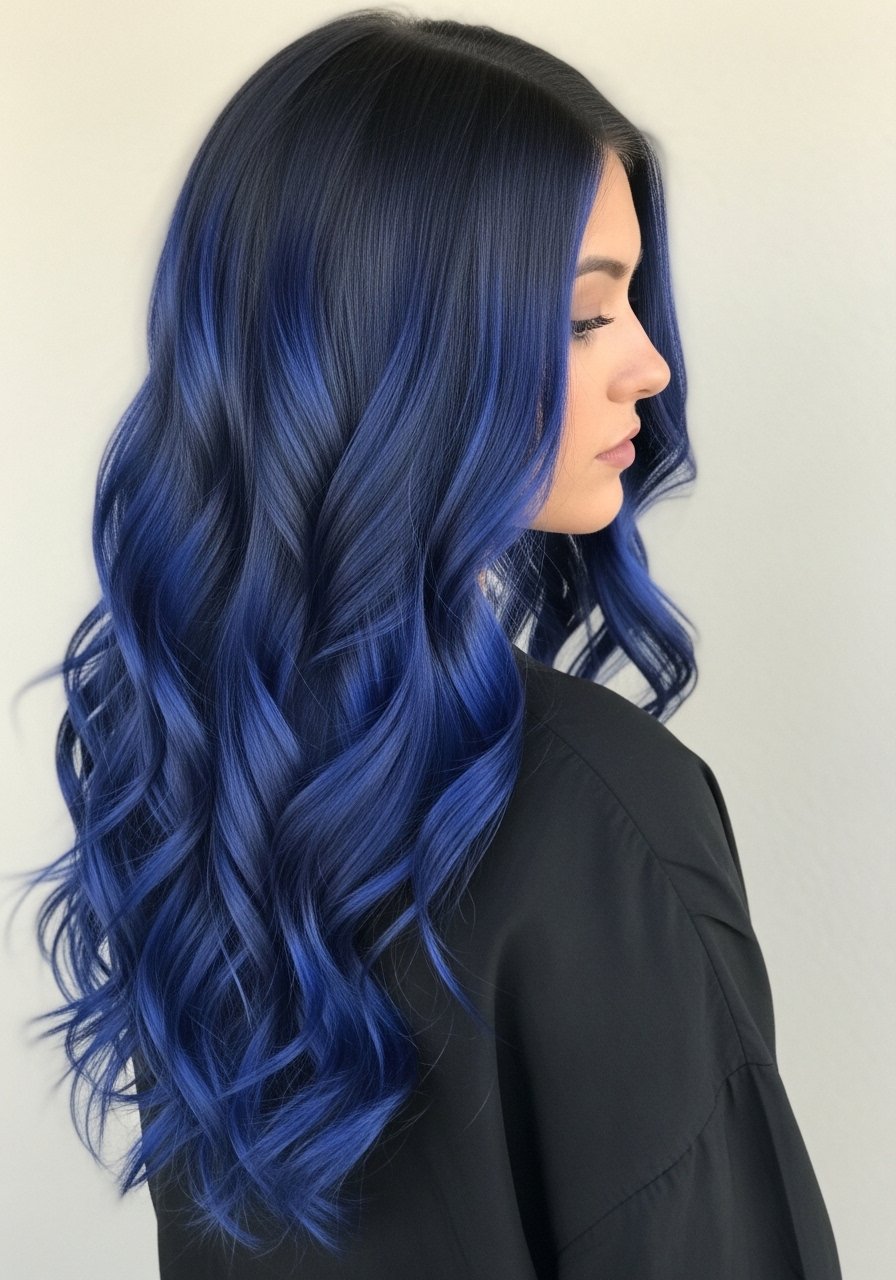
Balayage navy is the friendliest option if you want color that fades without harsh lines. A proper navy melt uses a shadow root and hand-painted mid shafts so when it fades at week four it reads smoky instead of patchy. Expect a two-step salon session if you need lift first. For at-home maintenance, mix one pump of a color-depositing mask with two pumps of a regular mask, apply mid-lengths to ends for five minutes every third wash. I learned the hard way that washing every day eats the color. Try to limit washes to two to three times a week and use a sulfate-free cleanser like 8oz sulfate-free clarifying shampoo when needed.
Navy Ombre With A Soft Fade For Busy Schedules
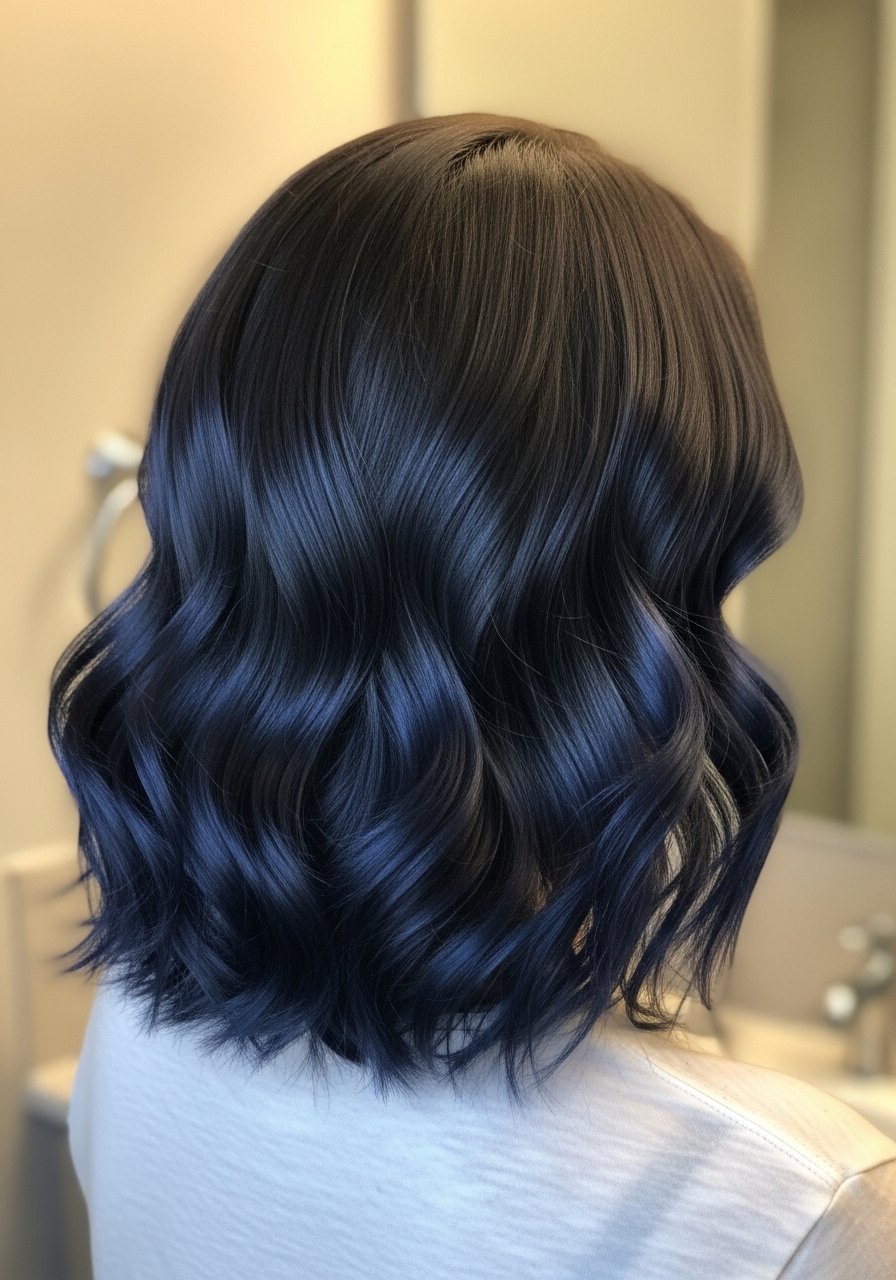
If roots annoy you, an ombre that starts mid-length means longer stretches between appointments. The key is a soft feathered blend at the start point, done with vertical painting and a roughly 12-15 minute processing window on lifted hair to avoid banding. One salon session can last two hours depending on starting color. The practical win is you can retouch just the ends at home with a color-depositing leave-in spray when you see brass. Avoid purple shampoo more than once a week if your hair feels dry. A quick at-home top-up I keep on hand is blue color-depositing leave-in spray for weekend touch-ups.
Navy Blue Gloss Over Brunette For Shine And Tone
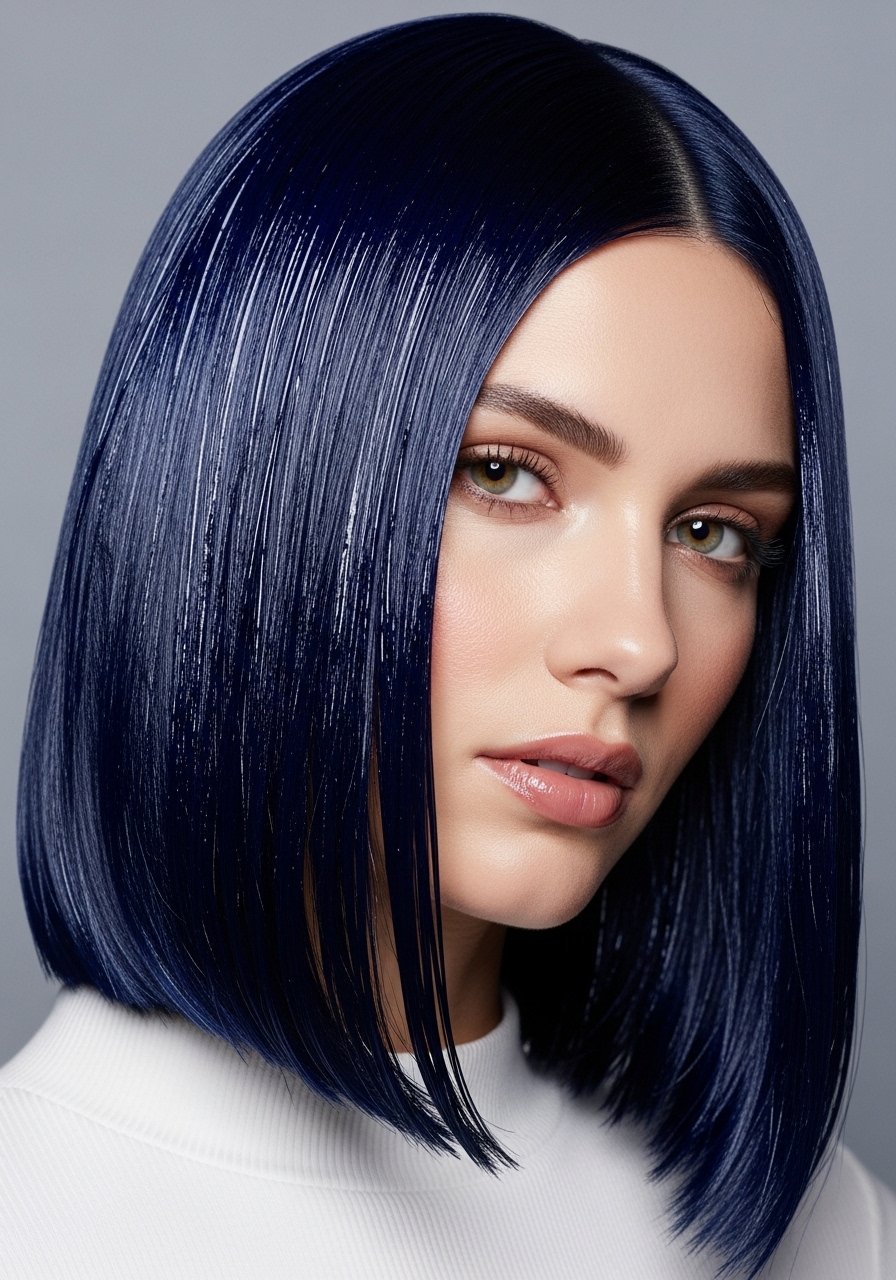
You do not always need a full bleach to get navy depth. A gloss over a level 4 to 6 brunette adds a navy tint and serious shine, and it fades evenly. Glosses last four to six weeks in my experience and cost less than a full color service. If your hair is previously colored, tell your stylist so they can strand test, because lifting over darker dyes risks uneven color. Salon glosses are safer for predictability, but a home gloss can work if you follow the packet timing and rinse with cool water. I sometimes use color-depositing gloss in between salon glosses to keep the tone from going green.
Navy Shadow Root For Longer Appointments Between Visits
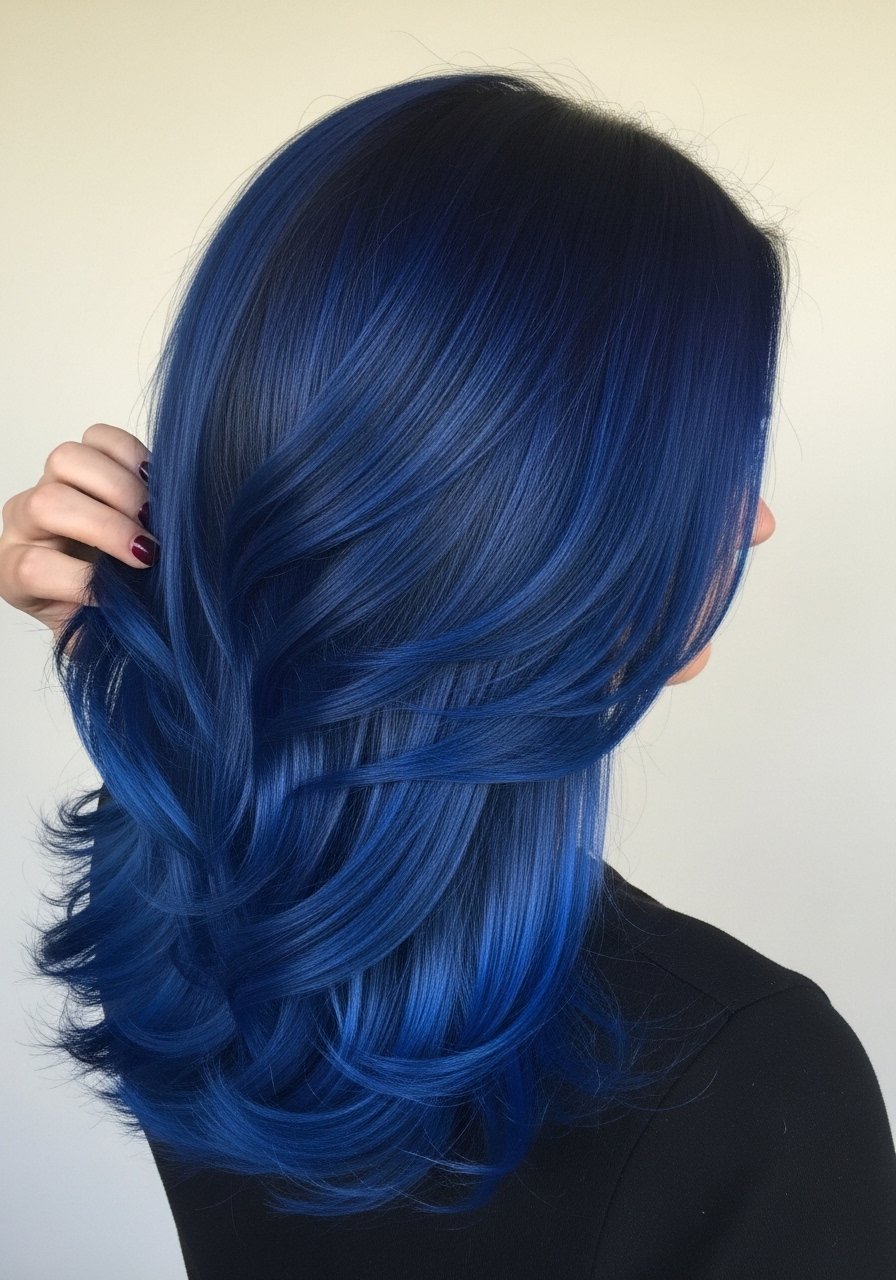
A navy shadow root is the practical choice if you hate frequent appointments. The darker root is painted about 1 inch from the scalp, so regrowth is less obvious. Most stylists recommend this for medium to thick hair, and it is particularly forgiving on shoulder-length and longer cuts. If you DIY, avoid trying to lift the root over previously dyed hair. Bleach over color is the number one cause of breakage and should be salon-handled. For daily care, use a cool-water rinse and a heat protectant before styling with irons. Remember, heat protectant must be applied before any iron over 300F to work properly. I keep a travel size of heat protectant spray in my bag.
What I Actually Buy For Navy Blue Color Work
- Honestly the one-shelf must-have, Olaplex No. 3 hair perfector used weekly keeps porous ends from frizzing out after color. Buy from the official Olaplex store on Amazon to avoid fakes
- For quick tone refreshes between apps, navy color-depositing conditioner 8oz is under $25 and saves salon trips
- A decent at-home gloss kit like color-depositing-gloss-kit keeps brunettes rich for weeks
- For lifts done safely, I keep 20-volume developer 32oz for small DIY fixes, but I do not attempt big corrections at home
- Sleep protection matters, so a silk pillowcase queen size cut morning frizz and helps color last
- For styling, heat-protectant-spray-4oz goes on damp hair before any iron over 300F
- For curls with navy peekaboo sections I keep a color-safe curl cream 8oz to prevent fade with every wash
Navy Peekaboo Streaks On Curls For Playful Movement
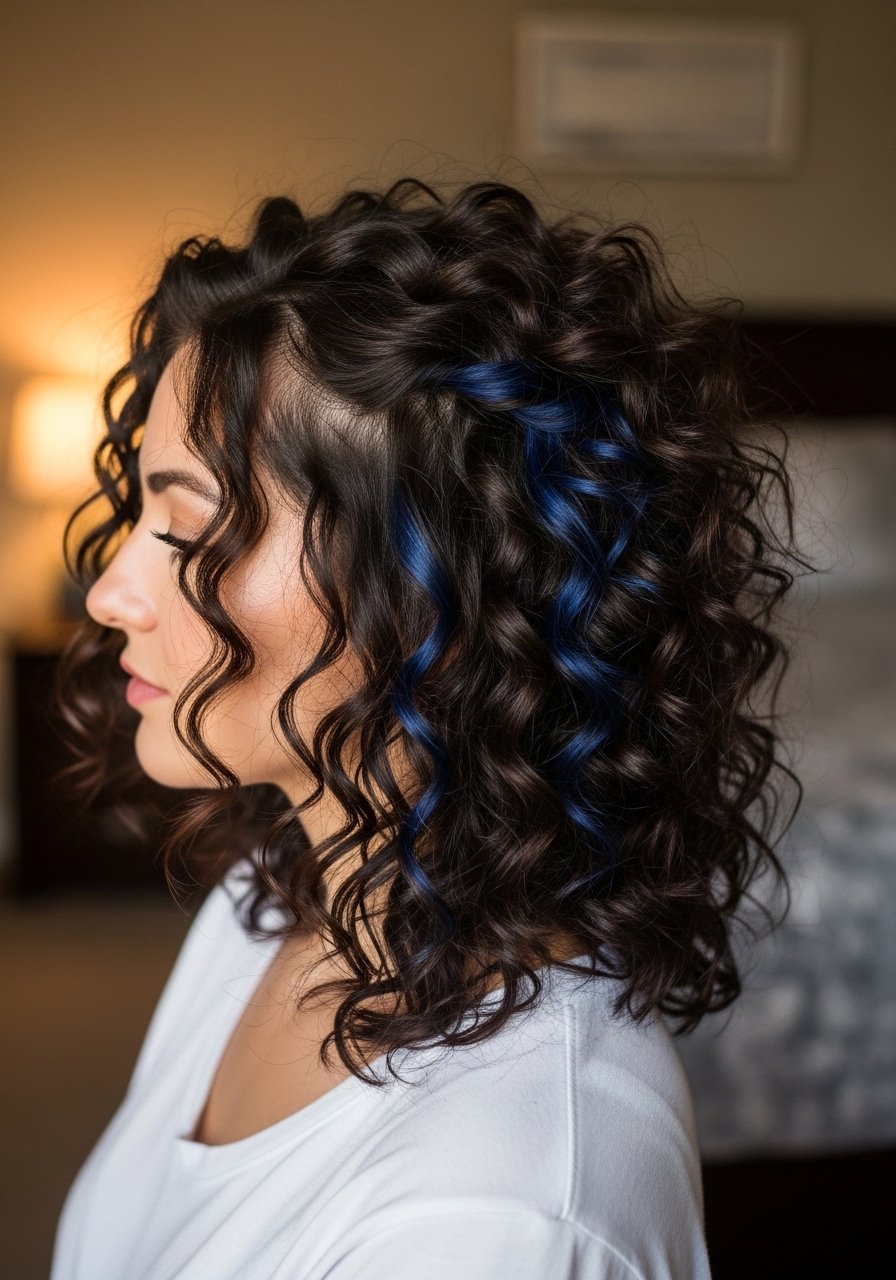
Curly hair reads navy differently because the curl pattern catches and hides pigment. I place multiple thin 1/4-inch streaks around the crown rather than one big block so the color pops when you move. Bleach timing on curls needs care because curls are more fragile. I ask for shorter processing windows and a protein-rich pre-treatment. A common mistake is using purple shampoo daily to chase brass, which dries curls out. Remember, "My curls looked great on TikTok and like wet noodles by 11am." Layer a leave-in cream under a light gel and you will keep shape and color longer. A small jar of color-safe curl cream is a game changer for second-day texture.
Navy Root Smudge To Soften Harsh Lines And Extend Life
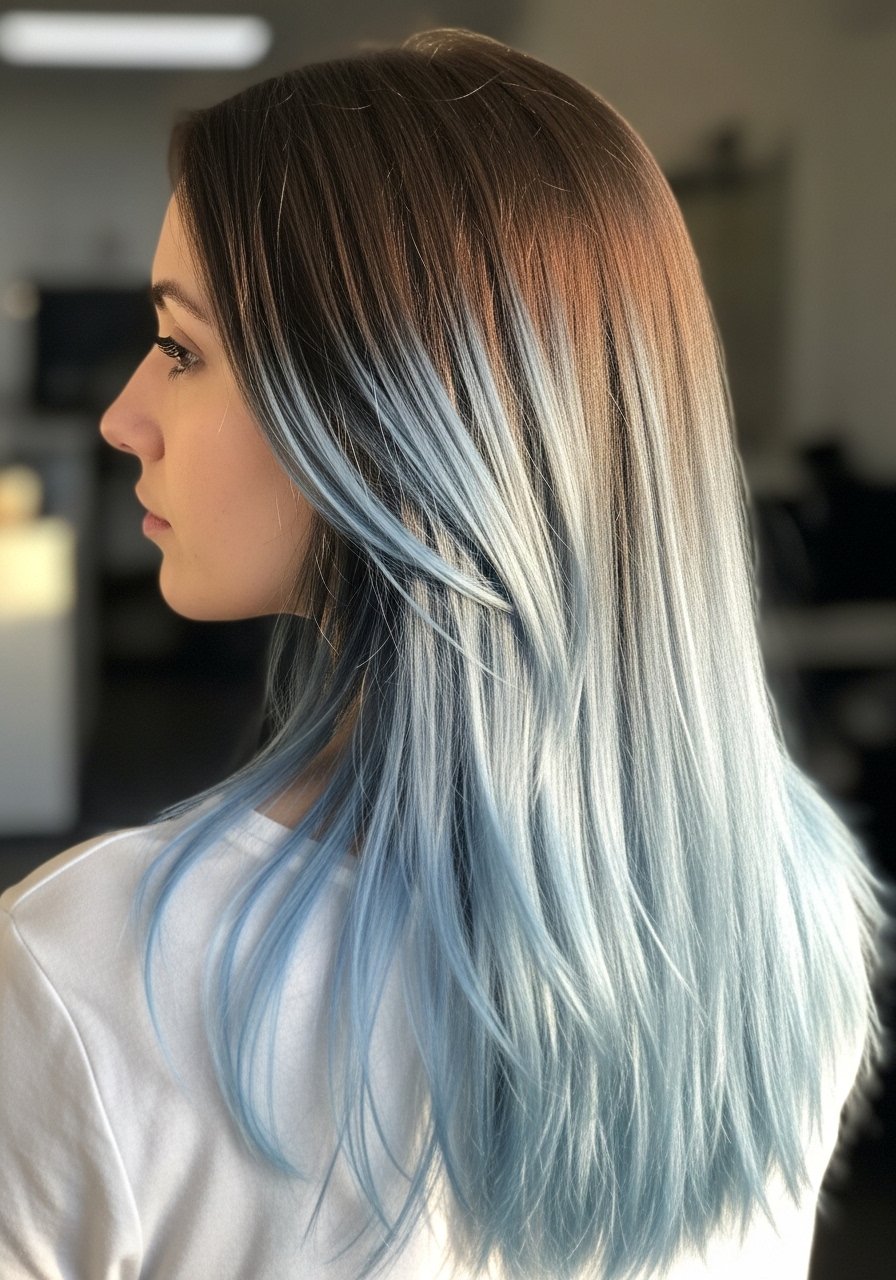
Root smudging is the secret to making navy look intentional as it fades. The technique uses a thin brush to drag darker pigment into the lift line so you never get a stark line of demarcation. It adds about 20 minutes to a salon color but saves two appointments over the year. DIY smudging is possible with a tiny amount of demi-permanent dye and a soft toothbrush for blending. A common mistake is over-applying product at the root which can look muddy. If you do this at home, use one to two grams of dye and blend lightly. I also mention one casual reality: "Hair grows about half an inch a month at most, regardless of what biotin gummies promise you." That helps set expectations for touch-up timing.
Never Waste Your Color Money Again
- Heat protectant goes on damp hair, not dry. The cuticle is more open and the product actually absorbs. A popular heat protectant spray 4oz is worth keeping in your styling kit
- Grab a microfiber hair towel for $12. It cuts your blow dry time by a third and stops the frizz before it starts
- Hair grows about half an inch a month at most, regardless of what biotin gummies promise you. The thing that helps length retention is reducing breakage with a silk pillowcase queen size and weekly bond treatments
- Drugstore shampoo is fine. Where you actually need to spend is the conditioner and bond builder. Olaplex No. 5 conditioner 8.5oz does more for damaged, color-treated hair than a fancy shampoo
Frequently Asked Questions
Q: How often should I refresh navy blue color to keep it from going green or muddy?
A: Navy fades to a muted blue or sometimes a greeny tone depending on base. In my experience a color-refresh every four to six weeks keeps it crisp. Use a color-depositing conditioner weekly to bridge salon visits and avoid over-bleaching between sessions.
Q: Can I bleach over a previous dark dye at home to get navy?
A: Lifting bleach over previous dark dye is the single most common reason hair breaks off in the shower. Color correction is safer in a salon where the stylist can assess porosity and plan staged lifts. If you try anything at home, do a strand test first and accept it may take multiple sessions.
Q: Will navy blue stain my skin and clothes?
A: It can stain pillowcases and towels for the first few washes. Use dark towels and a silk pillowcase to limit transfer. If you get dye on skin, an oil-based cleanser usually removes it. For clothes, let the dyed hair fully air dry before contact and wash new garments separately the first time.
Q: How often should I actually use purple shampoo to fix brassy tones without drying my hair out?
A: Once a week is usually enough. Using purple shampoo every wash for months is a fast track to dry, straw-like hair. If your color feels dry, swap to a color-depositing conditioner instead of more purple shampoo.
Q: Can I get navy on tight coils and how does maintenance differ?
A: Yes, but tight coils need gentler lifting and shorter processing times to avoid breakage. Placement is everything. I recommend peekaboo streaks or a gloss rather than full-head bleach on 4A and tighter textures unless your stylist has experience. For at-home care, stick to leave-in creams and minimal heat.