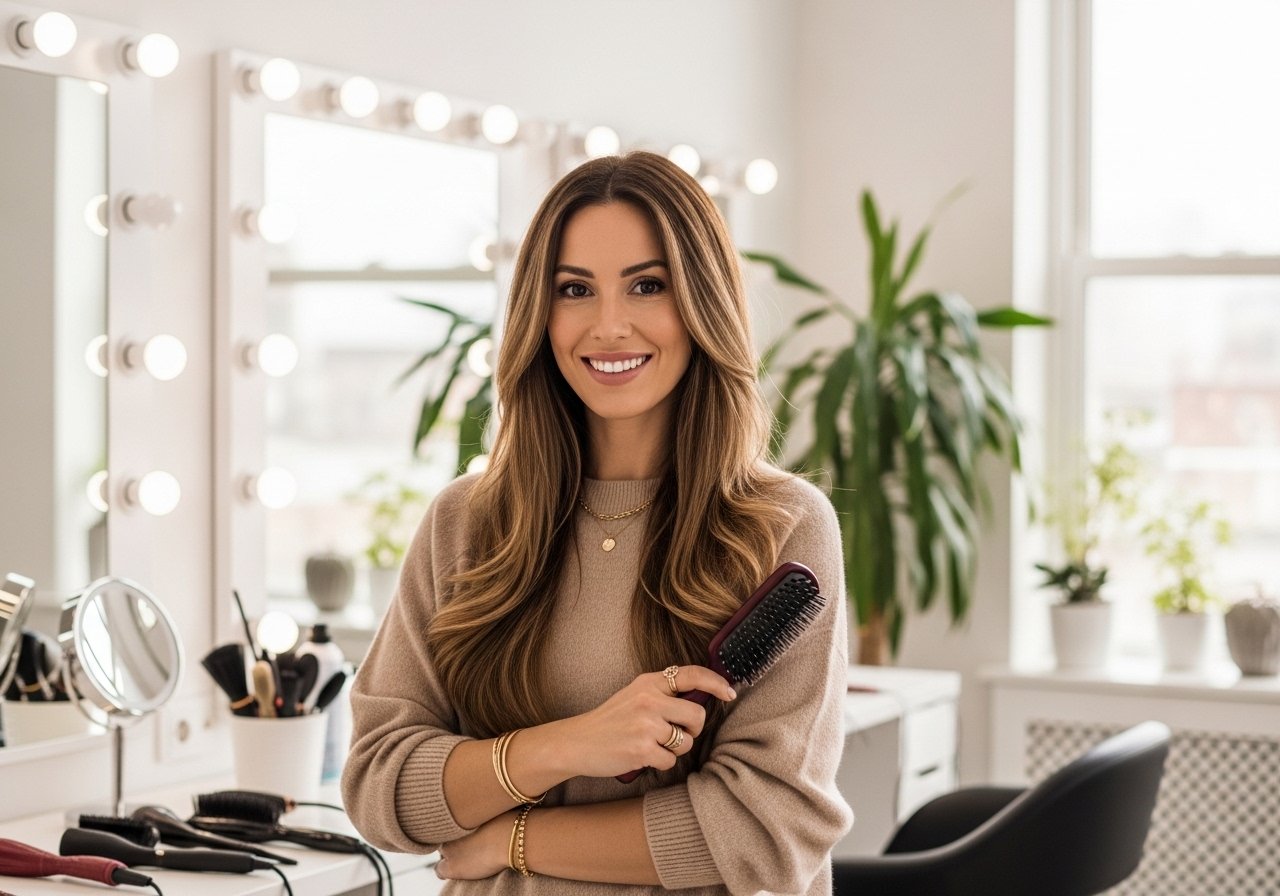
I bleached my own hair in my kitchen last January and watched a chunk break off in the shower three days later. Here are nine real-world natural hair color with highlights options I have tried or fixed on friends, with the exact products, timings, and hacks that actually keep color looking like hair, not a filter.
These picks target medium to thick 2A through 3C textures mostly, with a few notes for tighter coils. Expect at-home mixes to take 30 to 90 minutes depending on sectioning. Budgets run from under $30 for a gloss to $200 plus for a full salon balayage. A couple of these are salon-only treatments worth the ticket.
Soft Caramel Balayage on Fine Brown Hair
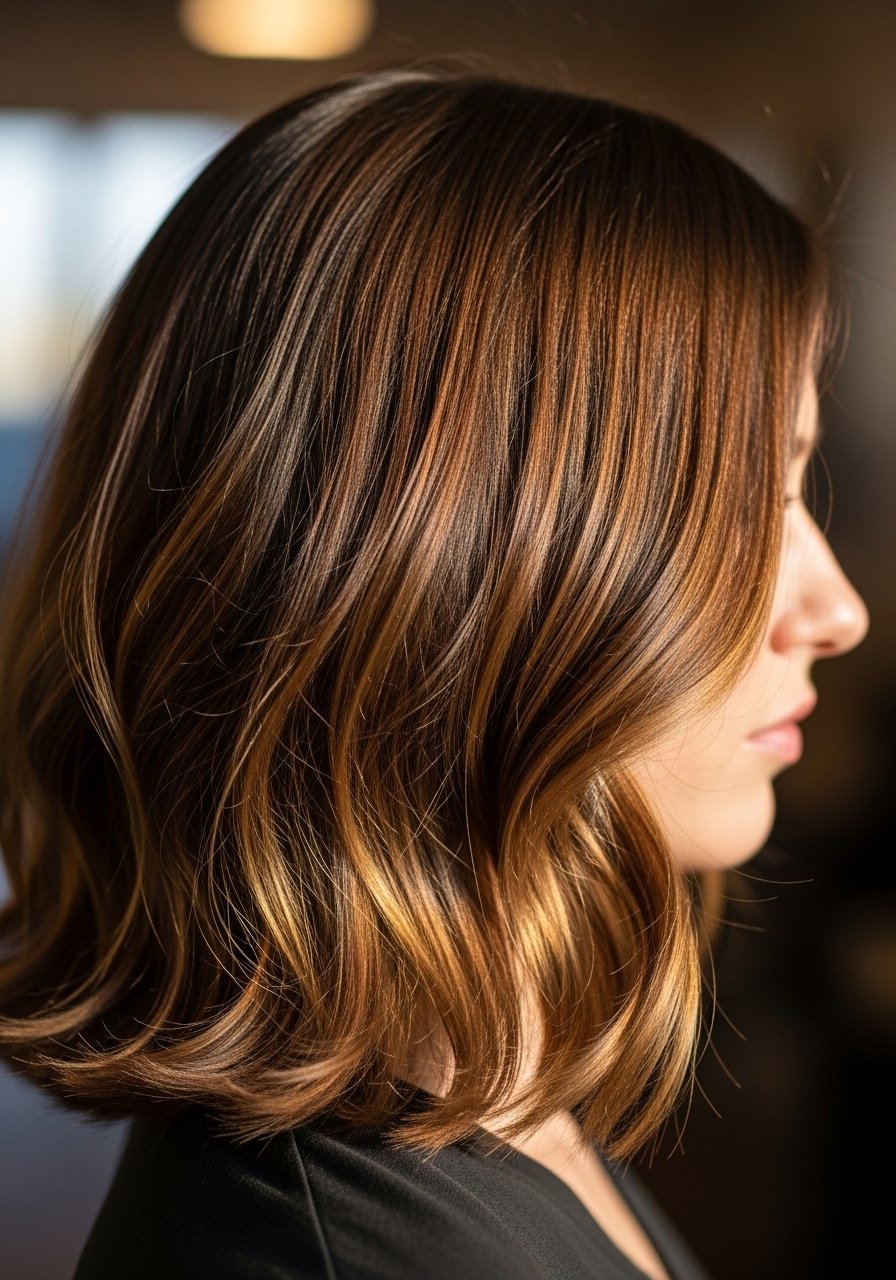
The easiest way to add dimension without daily upkeep is a painted-on caramel balayage, placed mid-length to ends so the regrowth looks intentional. For fine hair I section into 6 to 8 thin slices, paint a 60/40 bleach-to-developer ratio only on the ends for 20 minutes monitoring every 5 minutes, then rinse and tone with a 5-minute gloss. Two spritzes of a lightweight salt spray while damp keeps the pieces from collapsing. If you try this at home, do an allergy patch test and watch for overlapping bleach on previously lightened hair. Salon pros can feather the money piece at the front if you want face framing, but DIY with a single box bleach is risky for overlapping color.
Money Piece Face-Framing Blonde for Waves
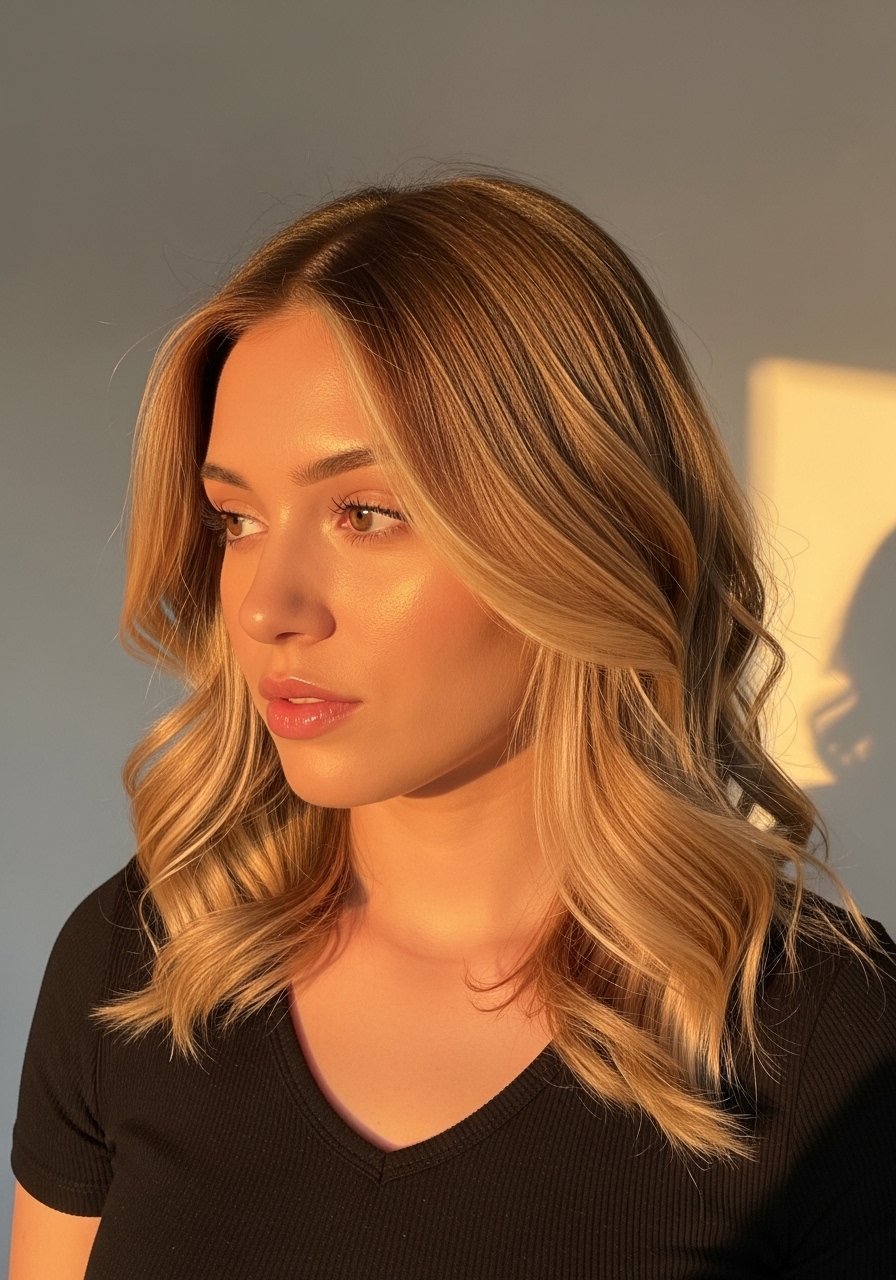
If you want brightness around the face without full-on blonde, the money piece is the trick. I usually do two 1-inch vertical sections on each side, bleach with a low-volume developer for 12 to 20 minutes depending on starting level, then tone the slices with a neutral toner for two to three minutes. The payoff is huge for people with 2A to 3B waves because the lighter frame catches movement. Common mistake is taking the front panels too wide, which can age the look. This is one you can do at home carefully if your base is within two levels of target, otherwise book a colorist. Finish with a gloss to smooth porosity and a lightweight UV spray.
Chestnut Base with Copper Penny Peekaboo Highlights
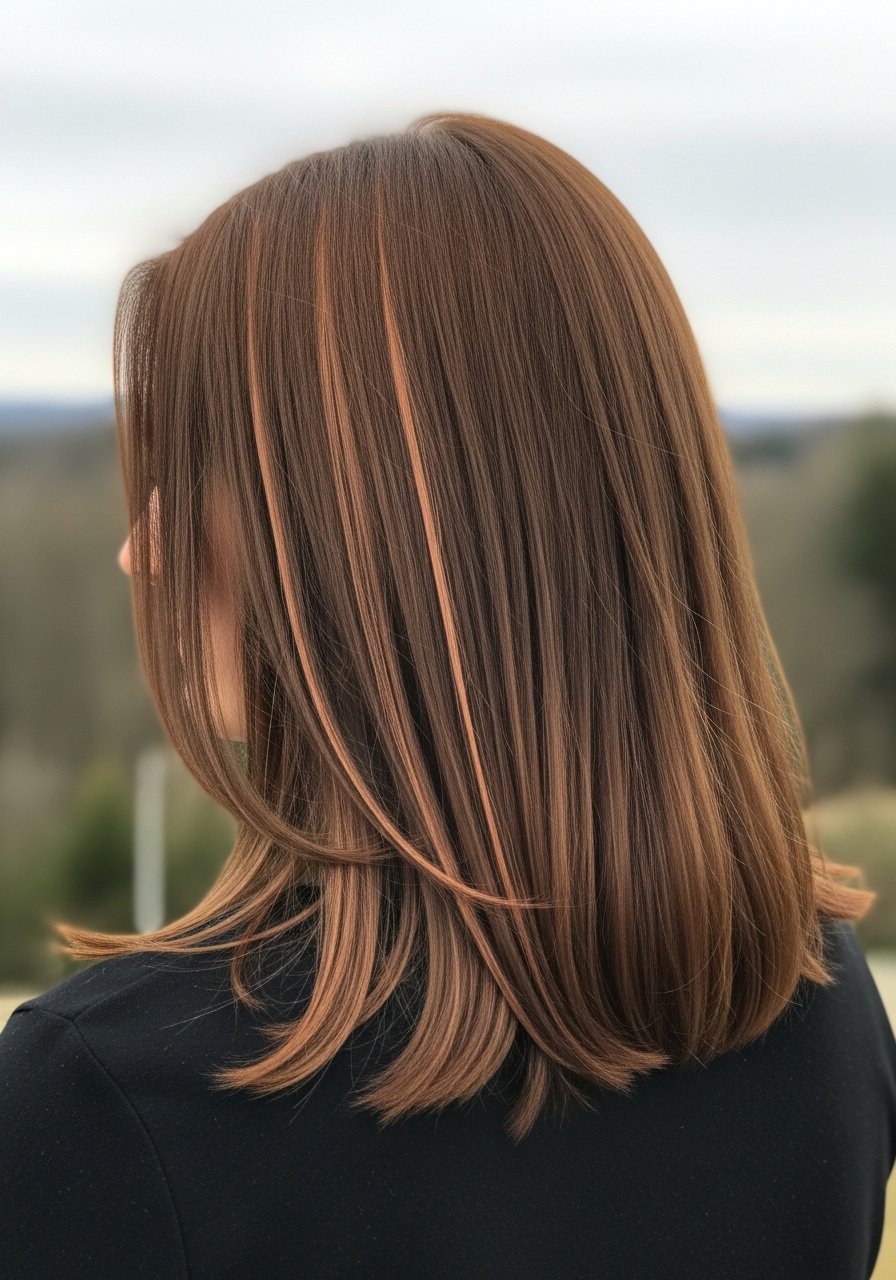
I love this when you want warmth without a full red commitment. Place thin 1/8 inch foils horizontally under the top layer, lift to the desired depth with a 10 to 20 minute on-scalp bleach depending on darkness, then deposit a copper glaze diluted 1:2 with conditioner for five minutes. The result shows when you part or tuck hair behind your ear. This works for straight and wavy hair and is low fuss for medium density. Watch for brassiness on previously lightened hair. If your hair is coarse or very curly, ask the colorist to place fewer sections so the highlights read softer.
Rose Gold Baby Lights on a Short Lob
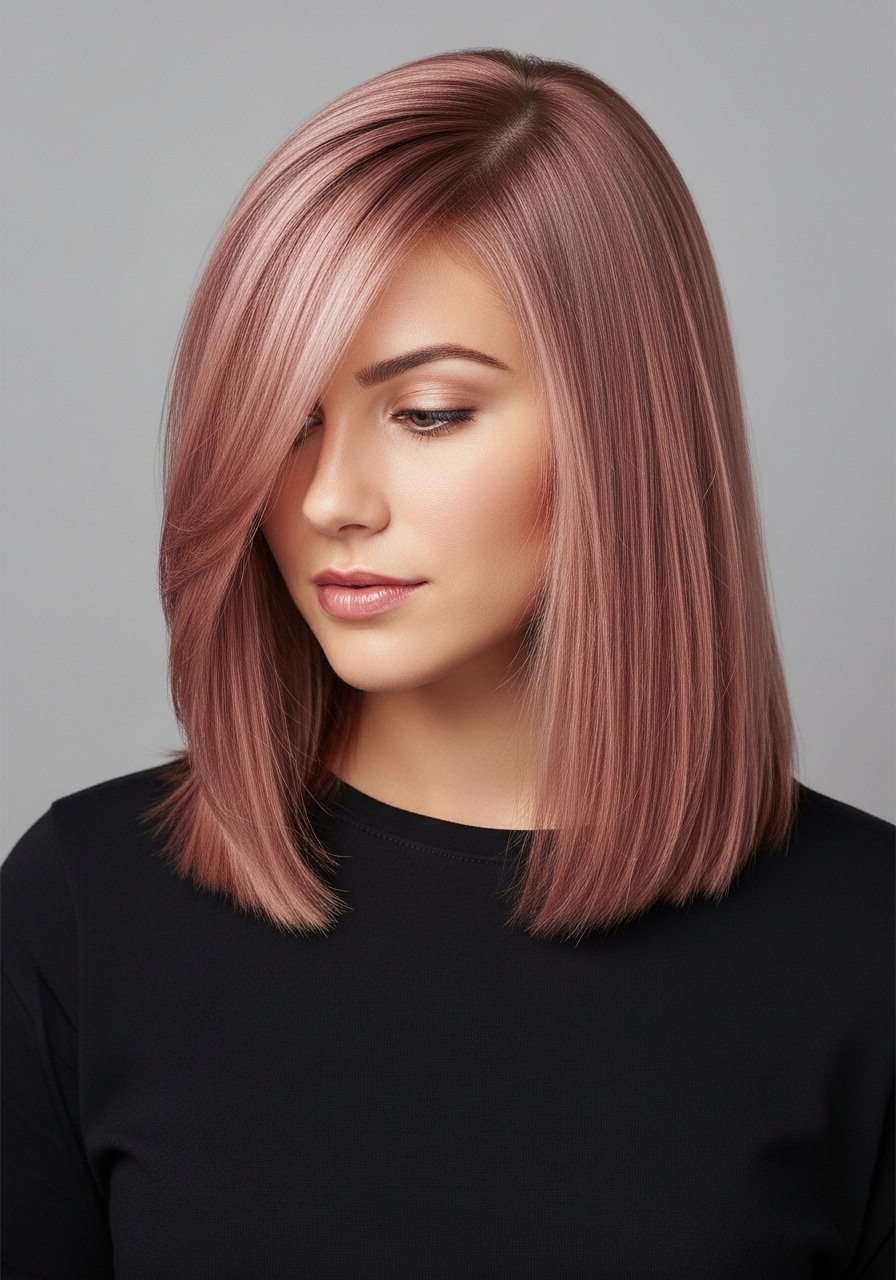
Babylights are tiny painted highlights that make short hair look dimensional, not stripy. On a lob I do 20 to 30 fine slices, process with a gentle lift for 10 to 15 minutes, and tone using a diluted rose gold toner for three minutes to avoid overpink. It is higher maintenance than a shadow root but worth it if you want a gentle pastel cast. A common mistake is using a heavy conditioner after the toner which can mute the shade. For maintenance, use a color-safe sulfate-free clarifying shampoo once every two weeks and a weekly bond builder if you heat style often.
Honey Blonde Melt for Thick Curls
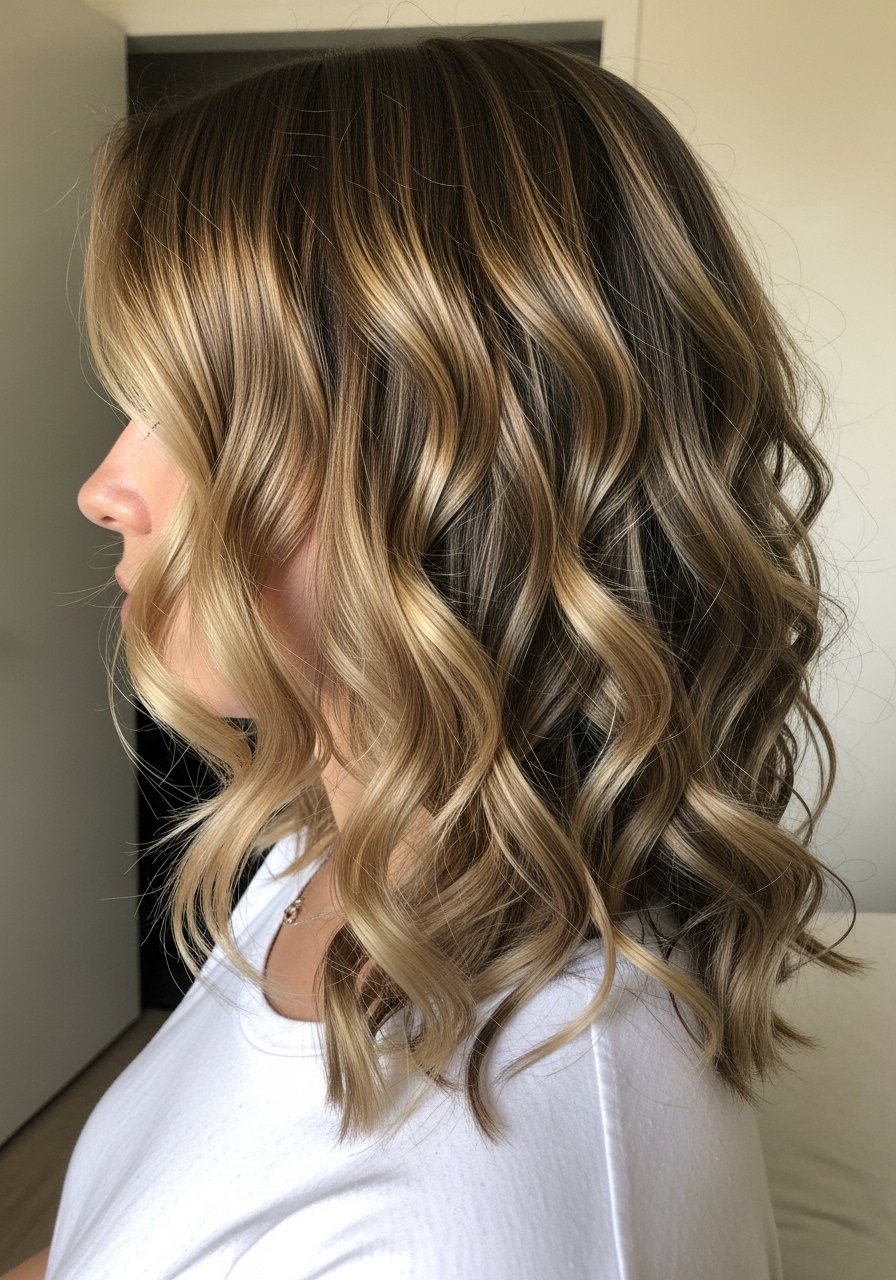
Curly hair reads color differently because the highlights peek out in clusters. For thick curls I recommend a root-smudge technique, 6 to 8 vertical sections, and a balayage paint that avoids the crown to prevent brass at the roots. Process on low heat under a plastic cap for 20 minutes and rinse with cool water to close the cuticle. I found that layering a leave-in cream under a styling gel dramatically improved second-day hold. My curls looked great on TikTok and like wet noodles by 11am. The hack that fixed it was switching to a richer leave-in under the gel and refreshing with a two-spray water and leave-in mix.
Espresso Melt for Low-Maintenance Natural Brown
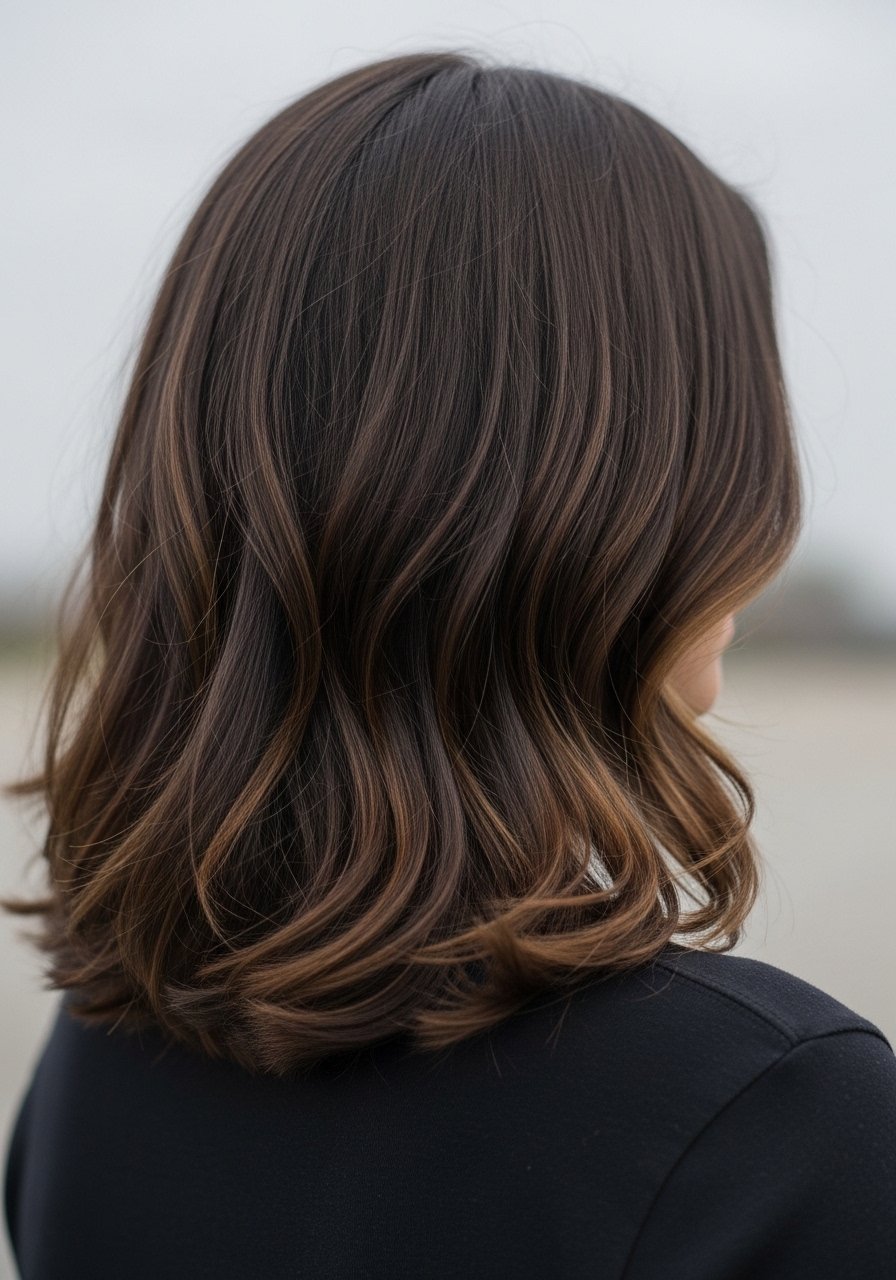
If you want depth without anyone noticing a regrowth line, an espresso melt keeps everything cohesive. The colorist blends two shades within two levels of your base and melts them with a soft brush. At home you can use a demi-permanent gloss on the mid-lengths every six to eight weeks to refresh. Damage note, avoid lifting too many levels with repeated bleach. Most people overuse purple shampoos and end up with dry ends. Instead, use purple shampoo once a week for a quick tone check and follow with a strengthening conditioner like a weekly bond builder.
Strawberry Blonde Glaze Over Natural Light Brown
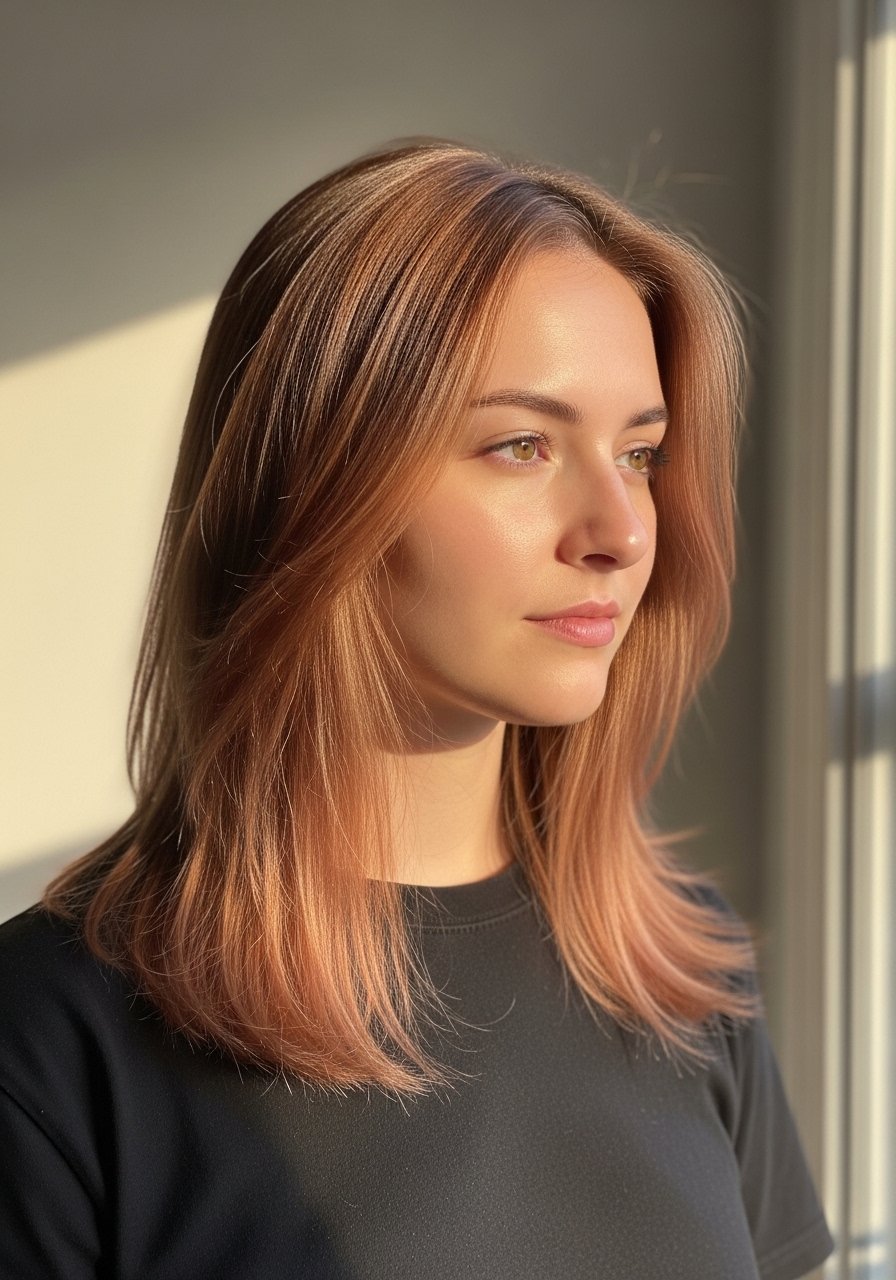
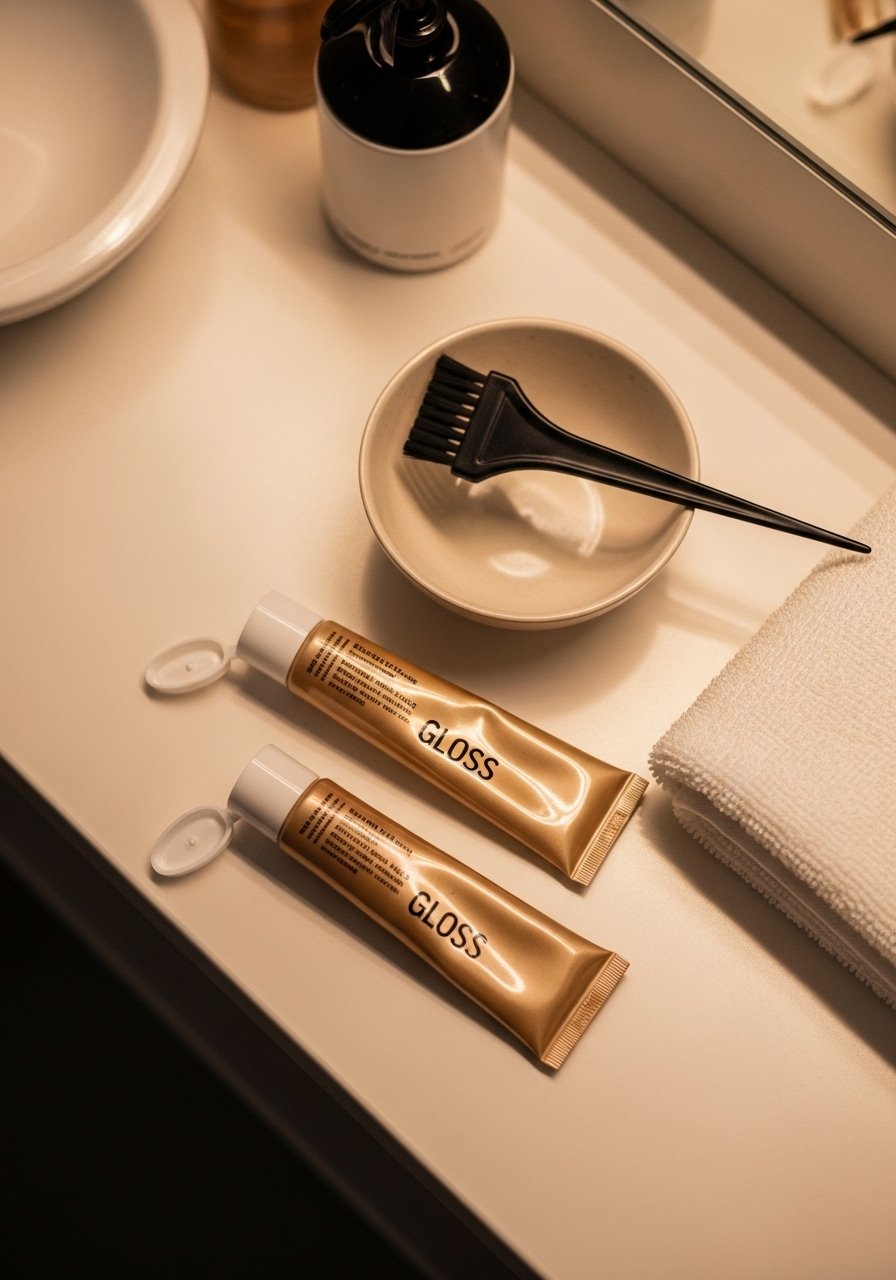
A gloss glaze in a strawberry blonde shade is the most forgiving way to add warmth for fair skin. The process is one step, 10 to 20 minutes, and you can do it at home with a demi-permanent dye that deposits tone without lift. I tell friends to expect four to six weeks of visible color before a refresh. An important detail is to apply the glaze to towel-dried hair so the color adheres evenly. If your hair is porous, dilute the dye with conditioner 1:1 to avoid patchy deposit. Avoid heat for 48 hours after a glaze to lock color.
Ashy Mushroom Brown with Soft Face Framing
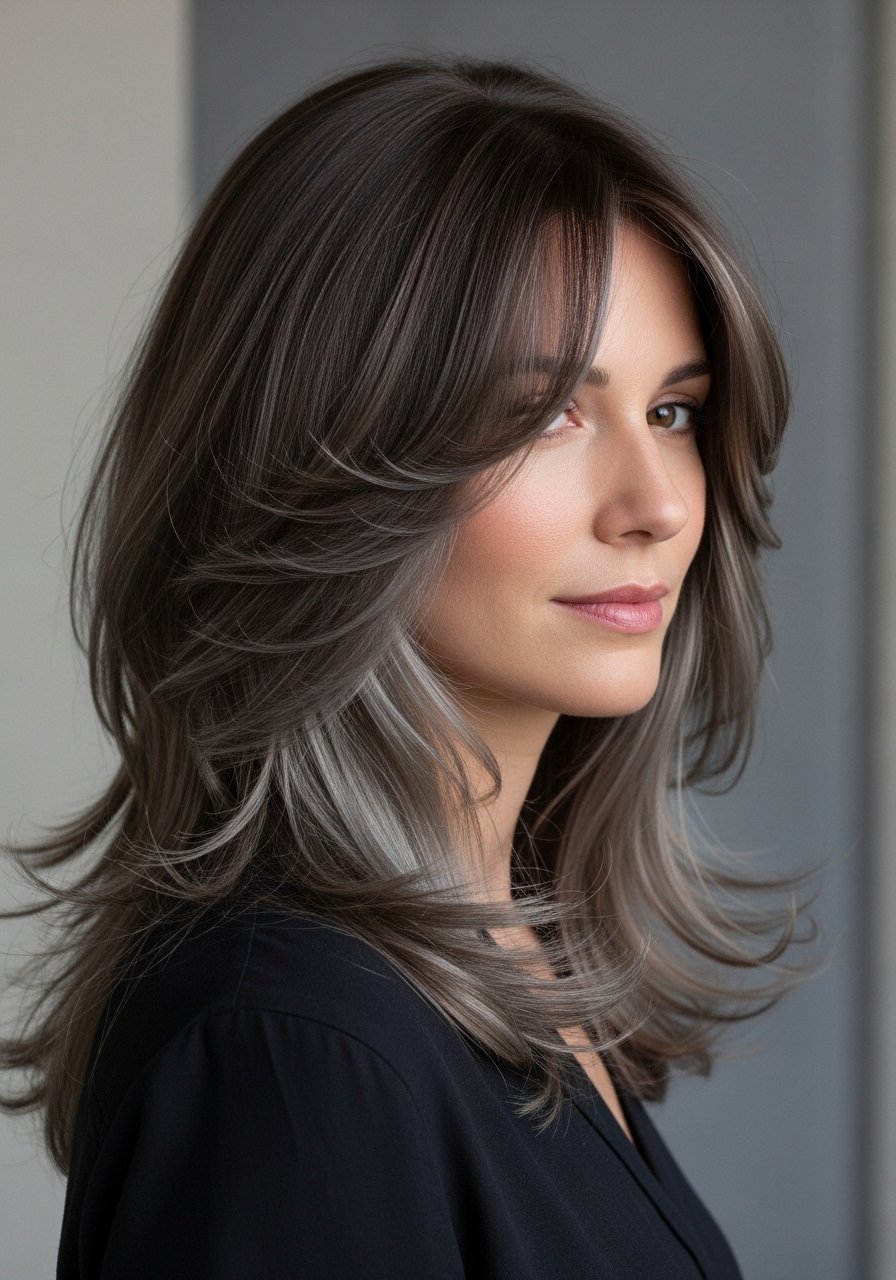
Mushroom brown is a cool, muted brown that hides brass and grows out gracefully. I slice the hair into 4 horizontal sections and add fine lowlights and babylights in a 2:1 ratio of lowlight to highlight to keep depth. Toner is key, use a neutral ash toner for two to three minutes and check often. Damage and safety note, never overlap bleach onto previously lightened hair. If you have low porosity hair, warm the toner with a hot towel for five minutes to improve absorption. This is a salon service for best results but small face-framing ash pieces can be colored at home if you are careful with sectioning.
Caramel Peekaboo for Coily or Textured Hair
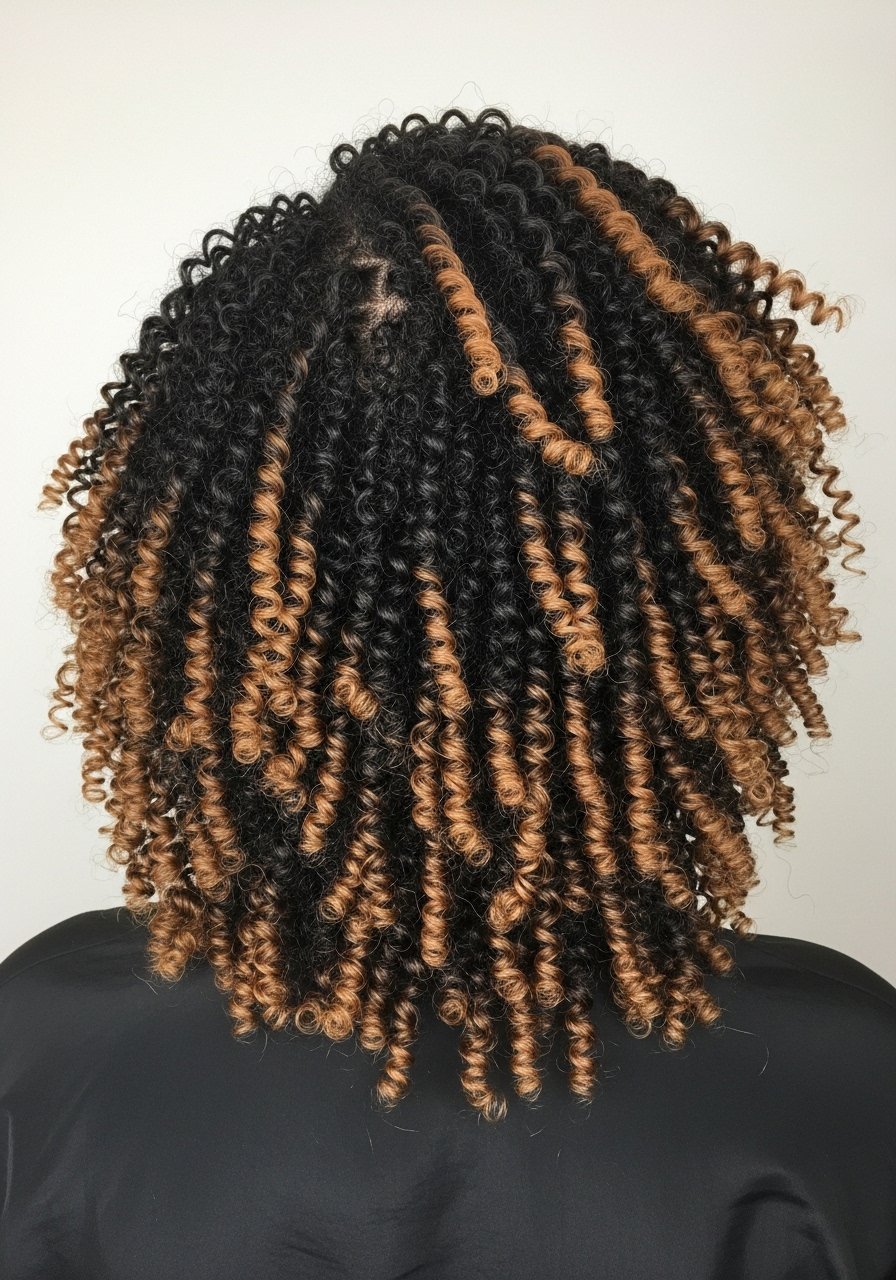
Textured hair benefits from highlights placed where they move, not across the root. For coils I do larger sections, about 1/4 inch, and use a softer lightening cream for 10 minutes to avoid over-drying. Follow with a conditioning glaze and rinse in cool water. The practical gain is warmth without daily upkeep, because the top layer conceals regrowth. A common mistake is bleaching tight coils too many times; preserve elasticity by spacing sessions at least six to eight weeks apart. If you are unsure, book a connector session with a stylist who works with textured hair.
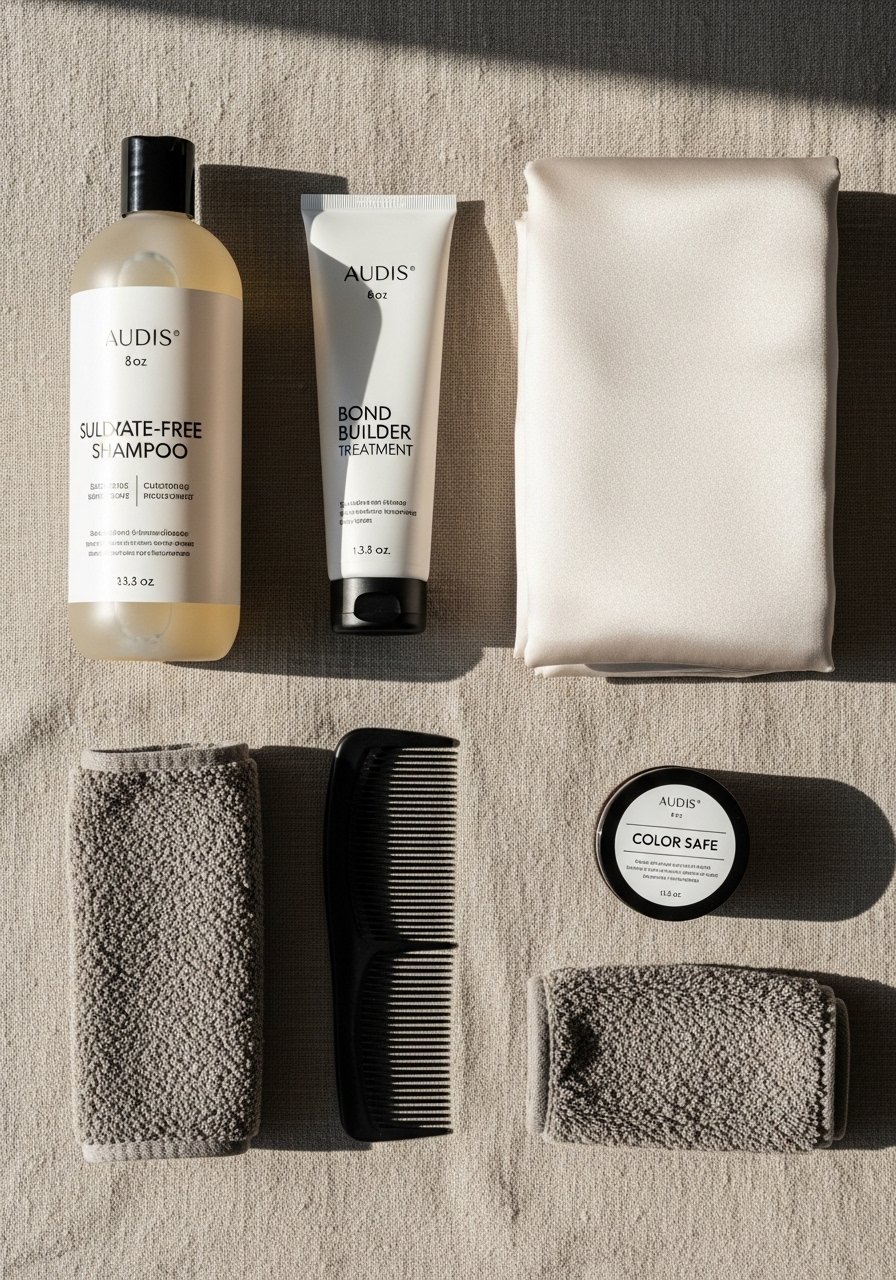
What I Keep in My Natural Color With Highlights Kit
- Honestly the best $30 I spend in any year. Olaplex No. 3 hair perfector used once a week fixed the dry brittle ends after my botched DIY bleach. Buy from the official Olaplex store on Amazon or Sephora to avoid counterfeits.
- For toning between salon visits, a purple shampoo 8oz once a week keeps brass under control without drying hair.
- A silk pillowcase queen under $30 cut my morning frizz in half on highlighted hair.
- A microfiber hair towel for quick blotting, no rubbing.
- A boar bristle paddle brush to distribute oils once a week after a light conditioner.
- A 3.3oz bond builder treatment like K18, used cautiously and from the brand store to avoid fakes.
How to Stretch Highlights Without Fading by Week Three
Heat protectant goes on damp hair, not dry. Most heat protectants you spray on dry hair before flat ironing barely work. They need to absorb into damp or just-dried hair to actually shield the cuticle. If you blow dry after color, two sprays of a heat protectant and using an iron under 300F protects the tone better. Also, shampoo less often. Hair grows about half an inch a month at most, regardless of what biotin gummies promise you. The real way to keep color looking fresh is reducing wash frequency, using a cool rinse, and refreshing with a glaze or a diluted demi-permanent dye every 4 to 6 weeks.
Frequently Asked Questions
Q: Can I use Olaplex No. 3 if my hair is not damaged, or will it make it worse?
A: You can use it as a preventive weekly treatment. It will not make undamaged hair worse. If you buy on Amazon, get it from the brand store or Sephora to avoid counterfeits. Use a 10 to 15 minute leave time the first few weeks, then shift to once weekly maintenance.
Q: How often should I actually use purple shampoo to fix brassy tones without drying my hair?
A: Once a week is usually enough for highlighted hair. For very porous or over-processed hair, start with every other wash and monitor dryness. Overuse can make hair feel dry and slightly purple.
Q: Is it safe to bleach highlights over previously colored hair at home?
A: Lifting over existing color is the single most common cause of breakage. Do not attempt overlapping bleach at home. If you must, patch test and accept it may take multiple sessions spaced six to eight weeks apart. See a colorist for a safer plan.
Q: How do I keep money piece highlights from going brassy too quickly?
A: Keep the front sections protected from sun and heat. Use a color-safe heat protectant on damp hair and a weekly purple or blue rinse if your money piece is blonde. If you picked a warmer money piece, a clear gloss every 4 to 6 weeks keeps the tone.
Q: What is the difference between a glaze and a demi-permanent color, and which should I use?
A: A glaze deposits tone and shine with minimal lift and lasts 4 to 6 weeks. A demi-permanent color deposits more pigment and lasts a bit longer. Use a glaze for tone correction and a demi if you want more noticeable color without bleach.
Q: Can I do face-framing highlights like a money piece at home if I have dark hair?
A: Only if your base is within two levels of the target and you are confident with thin sectioning. Use foil or a freehand slice no wider than 1 inch, watch processing in 5 minute checks, and tone right after. If you are more than two levels darker, book a salon appointment.