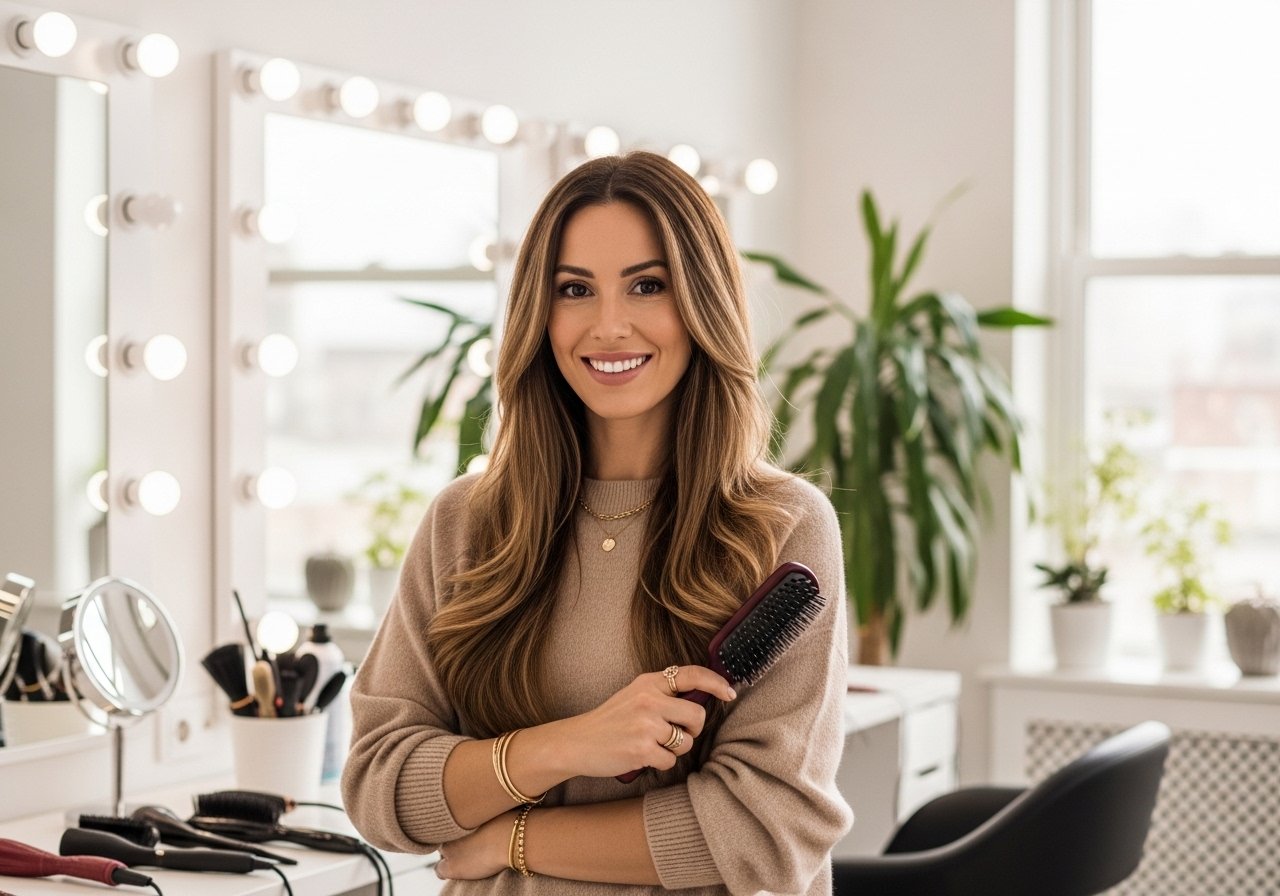
It is 7 a.m., your roots are dark again, and you are weighing booking a full highlight appointment or just adding warmth without wrecking your ends. These honey highlights on black hair are all about painted placement, realistic expectations, and maintenance that does not require a loan. Hair types covered here run from straight 1A to curly 3B, fine to thick density. Most of these looks need one to three salon visits or careful DIY sections, and budgets span from budget kits to a salon gloss splurge.
Honey Balayage for Soft Dimension

Balayage is the safest way to get warm honey on a very dark base because you lift only where you want dimension. On 1B to 3B hair I map four sections, feather the paint upward about two inches from the root, and keep the brightest lift on the mid-lengths and ends. In salon this takes 2 to 4 hours and often two sessions for true honey depth. If you try at home, work in sections and follow the kit timing: leave lightener no longer than 40 to 50 minutes and check every 10. I refresh with a demi-gloss after rinsing and use Olaplex No. 3 hair perfector once a week to help keep the ends together. Avoid full-head lift on already fragile lengths.
Honey Caramel With Soft Root Shadow
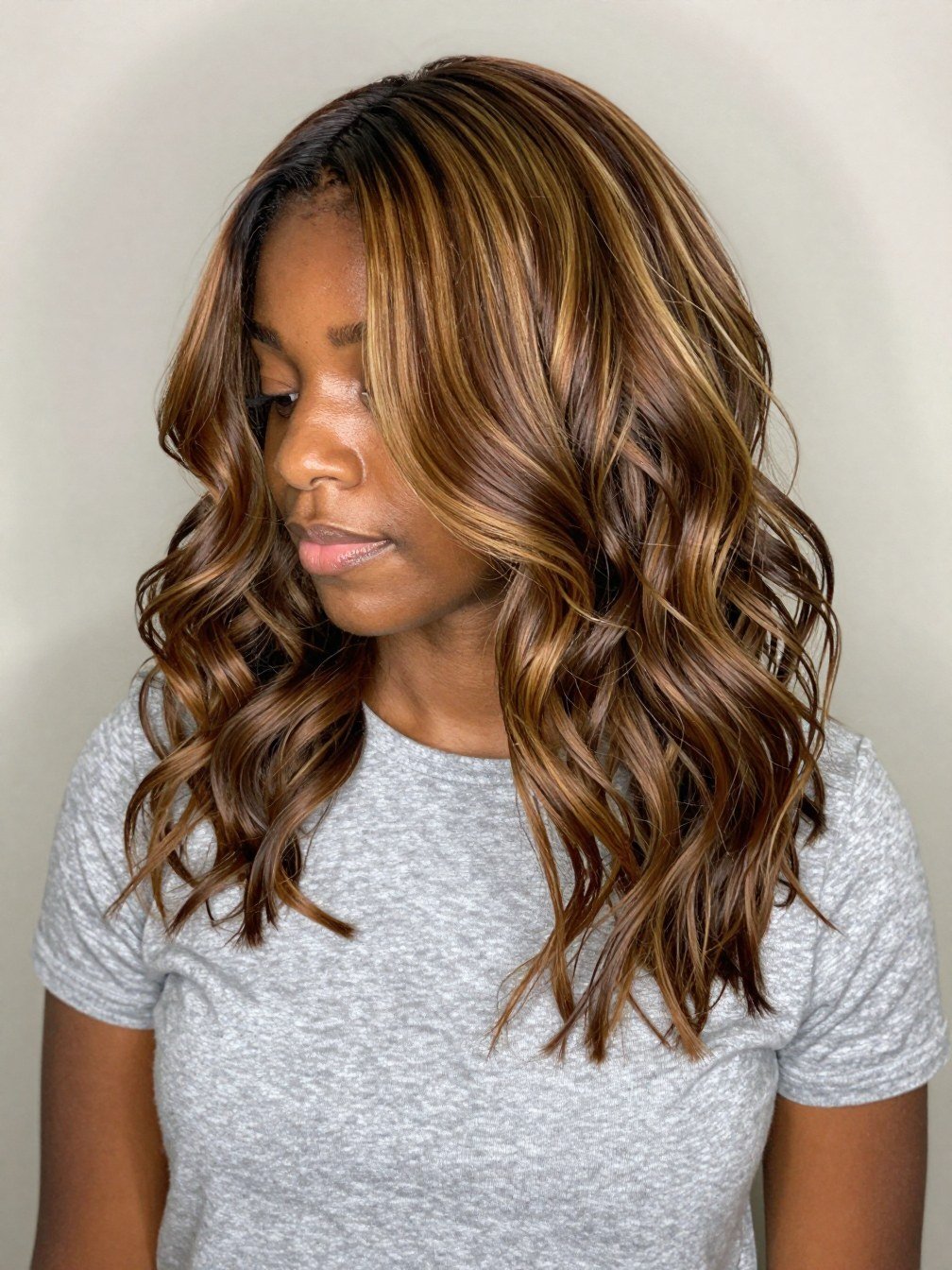
If you want warmth but not monthly touch-ups, ask for a soft root shadow that keeps the regrowth forgiving. This approach works on fine to medium 1A to 2C hair because the shadow at the root reduces the look of stripey grow-out. Salon time is 3 to 4 hours, and a gentle gloss keeps the honey-caramel from fading. A common mistake is dragging lightener too high near the scalp, which makes harsh lines. Between visits, I use a color-safe sulfate-free conditioner and have found a few spritzes of Color Wow Dream Coat anti-humidity spray before blow-drying makes the finish read more polished.
Baby Honey Babylights for Subtle Warmth

Babylights are tiny, high-density highlights that read expensive instead of chunky on fine hair. For fine 1A to 2B textures, expect 3 to 5 hours in salon and a skilled colorist using fine foils. The highlight pieces lift into caramel or amber first, so plan for a toner or demi-gloss after lifting. People try kits for babylights and end up with patchy warmth because sectioning is everything. If your goal is subtle money without obvious roots, pair babylights with a root-smudge and use a 20-volume or salon alternative for controlled lift. Between salon visits, a demi-gloss refresh prolongs the honey tone.
Honey Money Piece for Front-Frame Impact
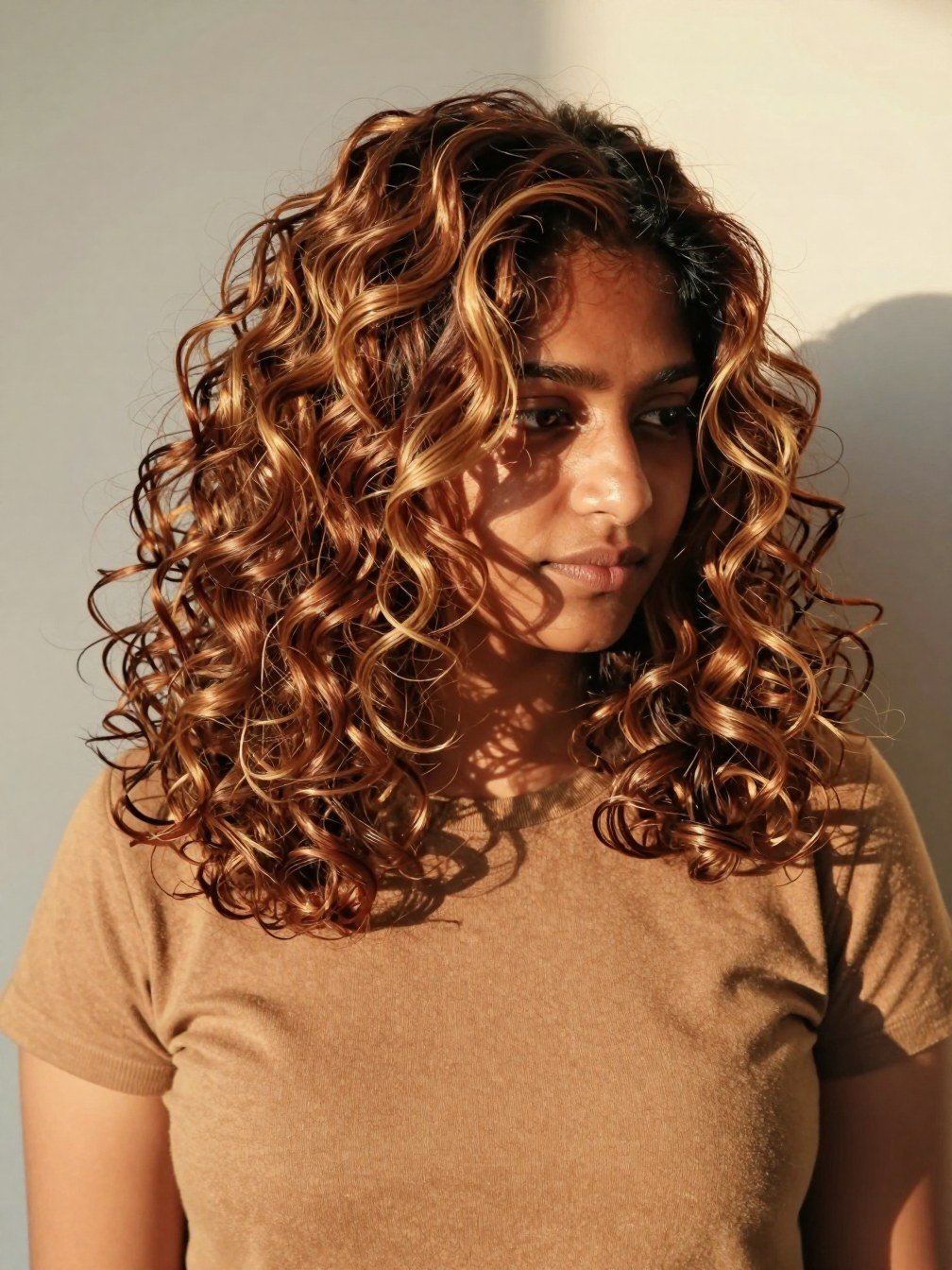
Face-framing honey pieces give the most bang for the buck, especially if you want to test color without a full commitment. For 2C to 3A curls the lighter front strands make the curl pattern pop and reduce the need for repeat full-head appointments. Salon time is usually an extra 20 to 45 minutes and salon placement matters more than brightness. A common error is over-bleaching those face pieces to match Instagram examples. Keep them one to two levels lighter than the mid-lengths and use a gloss to avoid brass. If you style with heat, protect freshly lightened pieces with a heat shield like Olaplex No. 7 bonding oil used sparingly.
Honey Caramel Ends for Low Maintenance

Keeping the lift concentrated on ends is kinder to already-dry hair and gives a lived-in look. This is a good choice for medium to thick 1B to 3C hair and for anyone whose ends are on the drier side. Salon balayage with a bond builder and mid-length blending creates a soft melt from dark roots to warm ends. I trim the lightened ends sooner, about every 8 to 10 weeks, to stop the hair from looking ragged. Between cuts, I use a weekly bond treatment and a leave-in like Briogeo Don’t Despair, Repair mask as an intensive once-a-week rescue.
Honey Balayage for Curly Hair That Keeps Shape
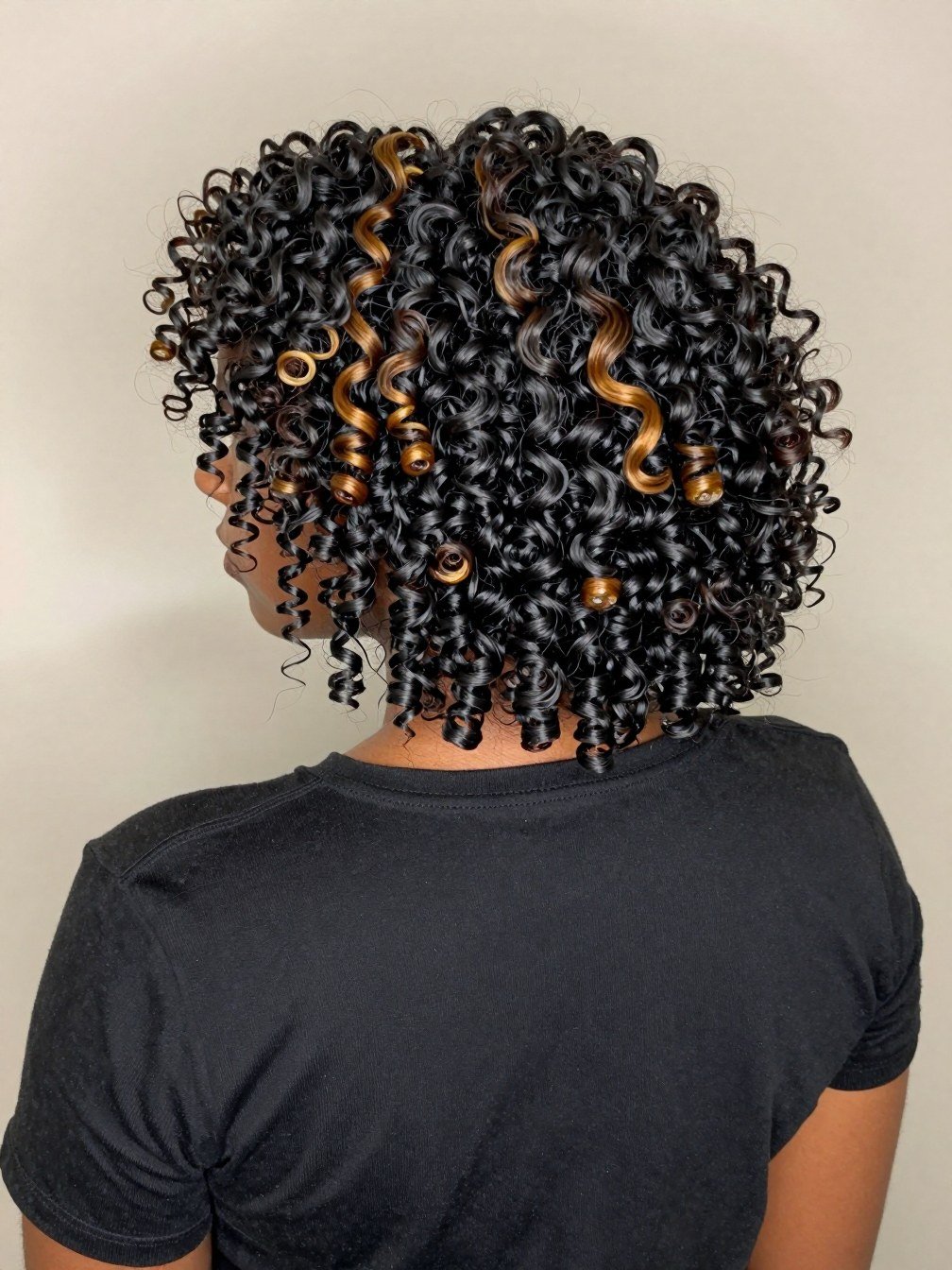
Curls need moisture after any lightening because pattern loosens where the hair was lifted. For 2C to 3B curls, place honey pieces on the outer curls and keep the underlayer darker to preserve bounce. I ask my colorist to avoid saturating the entire strand with bleach and to use a bond treatment in the bowl. After coloring, I apply a cream leave-in and diffuse on low heat. A mistake I see is gel-only routines after a bleach; add a moisturizing cream under styling gel. If you plan a silk press later, wait at least two weeks and use a strong heat protectant.
At-Home Highlight Kit for Controlled Warmth
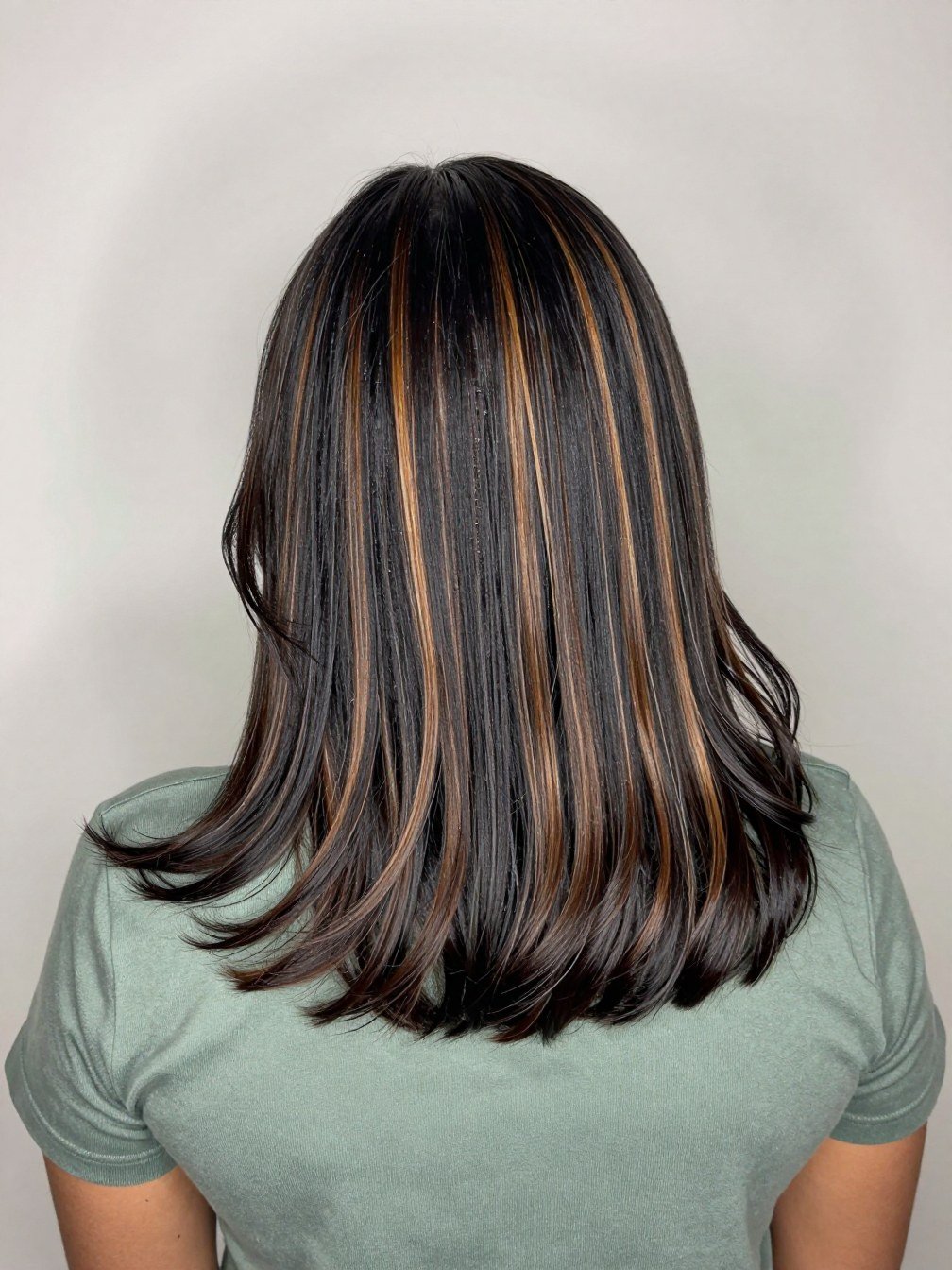
At-home highlight kits can work for subtle honey tones on fine to medium 1A to 2B hair if you respect timing and placement. The single biggest fail is leaving formulas on too long. Many kits recommend a 30 to 50 minute processing window. Start checking at 20 minutes and never leave it past 50. Section into four quadrants, paint thin ribbons and feather upward to avoid hard lines. I keep a bottle of a neutralizing conditioner ready and follow with a demi-gloss. For a bond helper at home, add a weekly treatment like Olaplex No. 3 hair perfector. If your hair was previously colored darker, pause and consult a salon.
What I Keep in My Honey Highlight Kit
Honestly this article is long and some of you will want to shop now. Below are the essentials I actually use for honey highlights and caring for them between salon visits
- Olaplex No. 3 hair perfector 3.3oz. Buy from the official seller on Amazon or grab it at Ulta to avoid counterfeits
- Color Wow Dream Coat anti-humidity spray 3.4oz for heat styling finishes
- Briogeo Don’t Despair, Repair mask 8oz for weekly deep conditioning
- A 20-volume professional developer for controlled lift if you know what you are doing
- A boar bristle paddle brush for smoothing before blow-dry
- An affordable silk pillowcase under $20 to cut morning frizz
- A microfiber hair towel for gentle drying
- A demi-permanent gloss to refresh warmth between salon visits
- A wide-tooth comb for detangling wet highlighted hair
- Heat protectant spray for any hot tools
- Root-smudge brush set if you plan DIY touch-ups
- A fine foil pack for neat at-home foils
Honey Brown Highlights for Natural Contrast
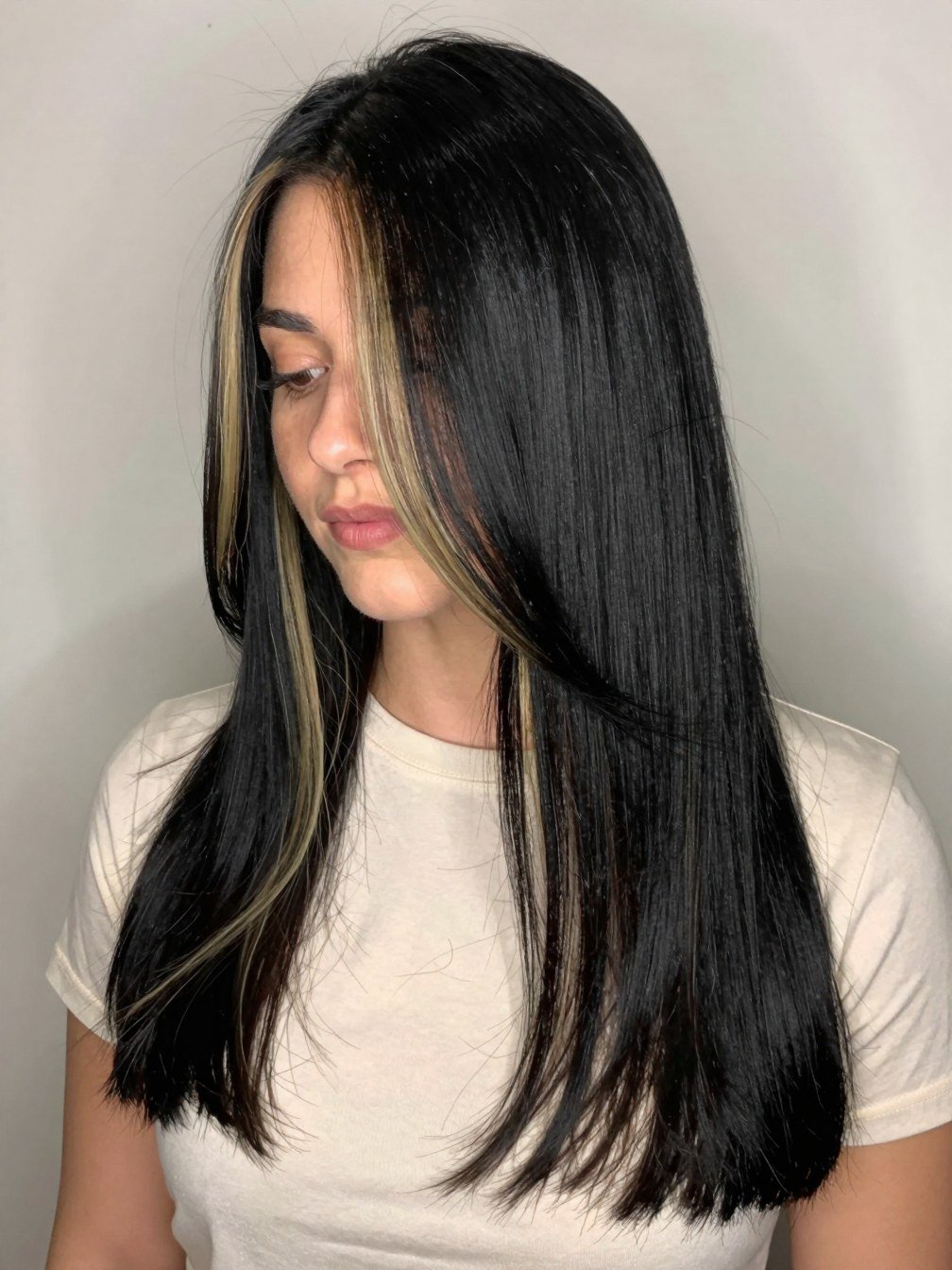
If you or your colorist want a look that reads warm but still natural, honey brown is a safer target on dark bases than pale blonde. For 1B to 3C hair this often takes one salon session if you keep the lift to two or three levels. The result reads like a softer brunette with warmth, and it grows out gracefully if the root is left a bit softer. A common mistake is over-toning into ash to neutralize orange, which can leave the finish muddy. I use a warm demi-gloss to bring out honey notes and a clarifying wash no more than once a month to avoid stripping.
Amber Honey for Deep Black Bases
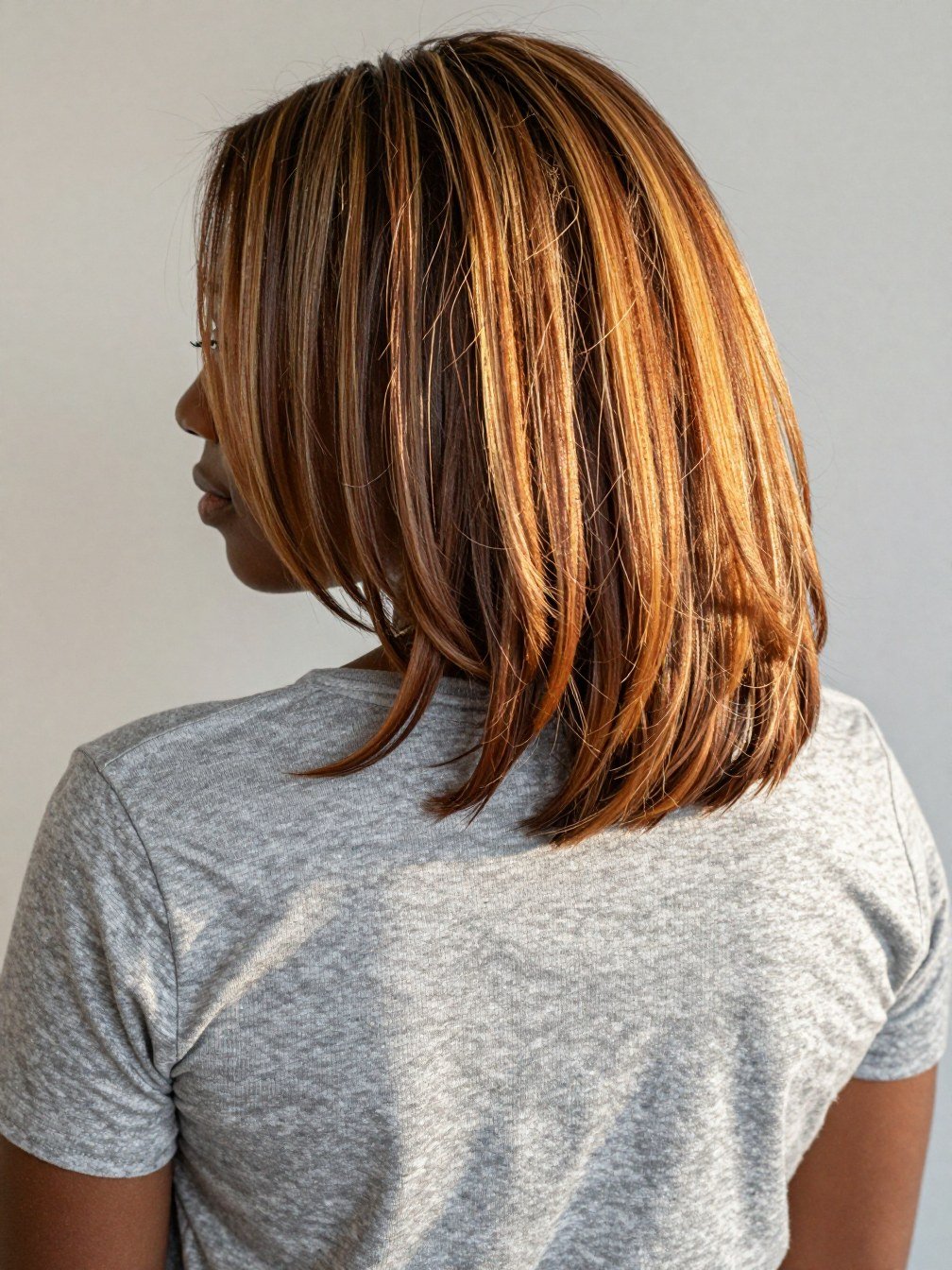
On very dark hair, amber-honey is often the most flattering finish because the warm undertone complements the base without trying to be pale blonde. This is the safer route for 1C to 4A textures and for anyone wary of multiple sessions. Amber comes from controlled lift into warm tones and a gloss to balance shine. Do not chase pale blonde in a single session, especially over previously colored hair. After salon color, I add a weekly at-home treatment and avoid high heat for at least two weeks. If your highlights look too orange, a brief purple rinse once a week can cool them without drying.
Money Piece Face Frames With Curly Bounce

I bring this up again because money pieces are the quickest way to test honey on textured hair. For tight to loose curls, the placement matters more than brightness. Ask to keep the brightest pieces two to three strands wide and not saturated with bleach from root to tip. It keeps curl integrity and reduces the need for trims. Styling wise, a curl cream layered under a gel helps second-day definition. If you want to press them, wait at least 10 days and use a high-quality protectant like Olaplex No. 7 bonding oil applied to mid-lengths only.
Hidden Underlayer With Honey Peek-Through
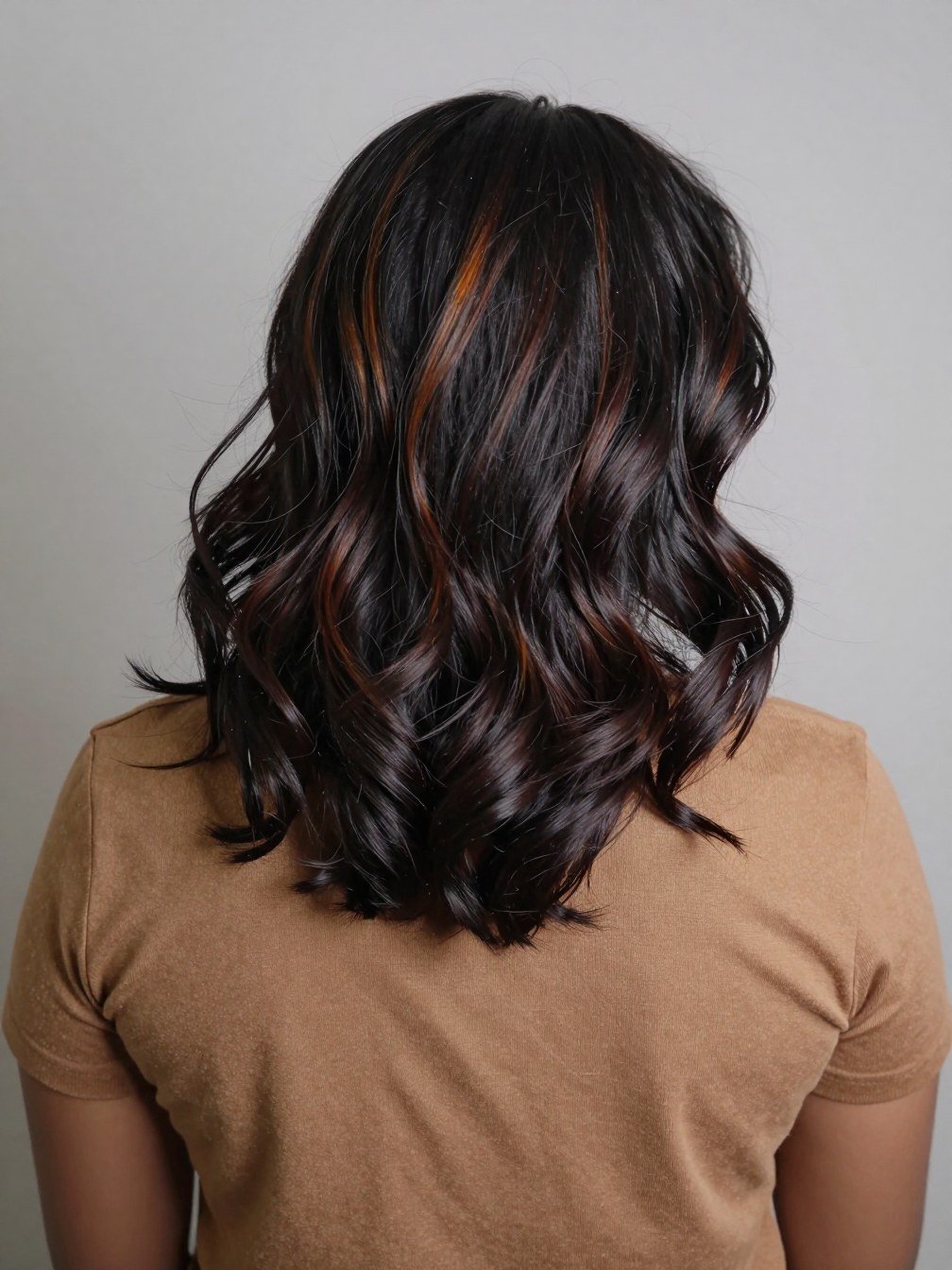
A darker underlayer keeps the overall hair looking full and reduces the visual damage of heavy lifting. This suits medium density 1B to 3B hair and looks especially good on layered cuts where movement reveals the honey pieces over time. The technique uses face-framing and mid-length panels painted lighter, while the underlayer is left closer to natural. It makes trims less obvious and gives a softer grow-out. If you DIY, section carefully and avoid overlapping previously lightened hair. Bond builders in the color bowl help, and I rinse with cool water to close the cuticle.
Honey Gloss Finish Between Visits
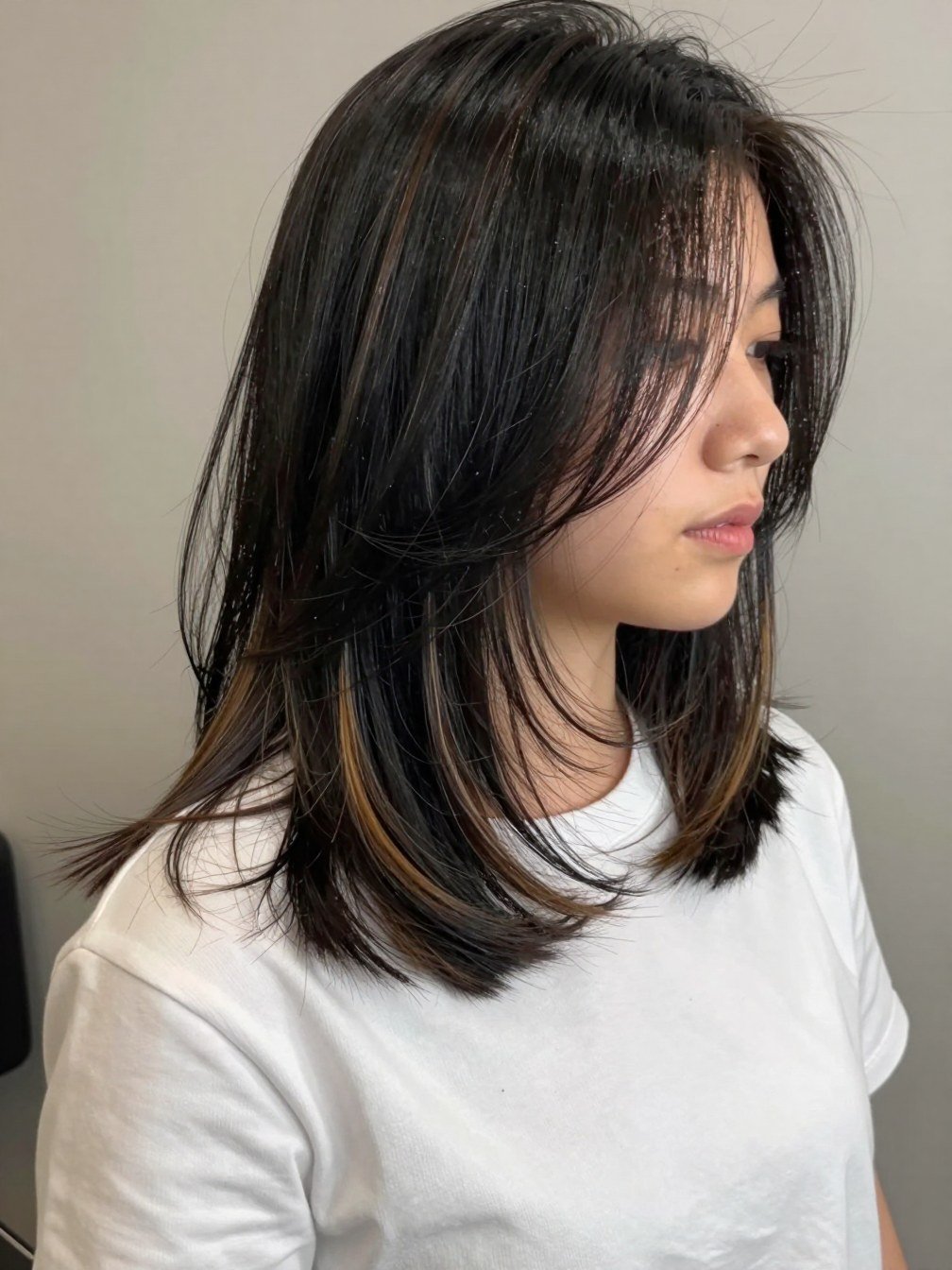
A gloss is the easiest way to refresh honey tones between highlight appointments. It takes 20 to 40 minutes and can revive warmth and reduce brass. For color-treated 1B to 3B hair, I add a warm demi-gloss after every salon highlight or buy an at-home demi for touch-ups. The mistake is thinking it replaces lift. It does not. It layers on tone and shine and should be done every 6 to 8 weeks depending on wash frequency. If you have premium brands like Olaplex, buy from the official store on Amazon or at Sephora to avoid counterfeits.
Honey Caramel Face Frame for Shorter Cuts
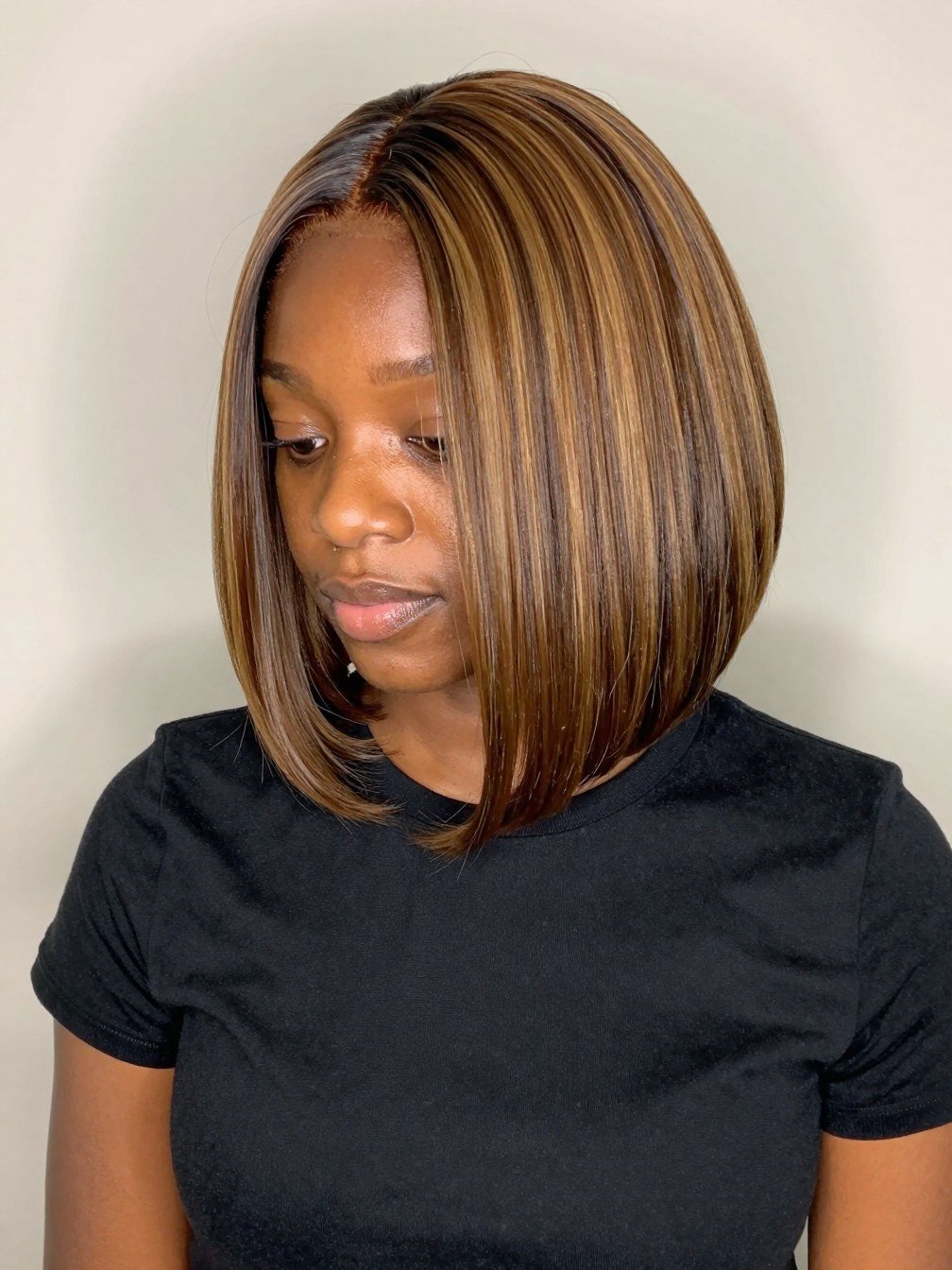
Shorter cuts can still wear honey thanks to strategic face-framing pieces that add depth and warmth. On 1A to 2B bobs I use narrow painted sections at the front and small slices around the crown to avoid overpowering length. This takes under two hours in salon and the grow-out reads natural because less scalp is exposed to bright pieces. A common error is trying to highlight too many small faces pieces, which can look scattered. A single gloss after coloring makes the front pieces read richer and avoids a plastic tone.
Honey Highlights With Silk Press Styling
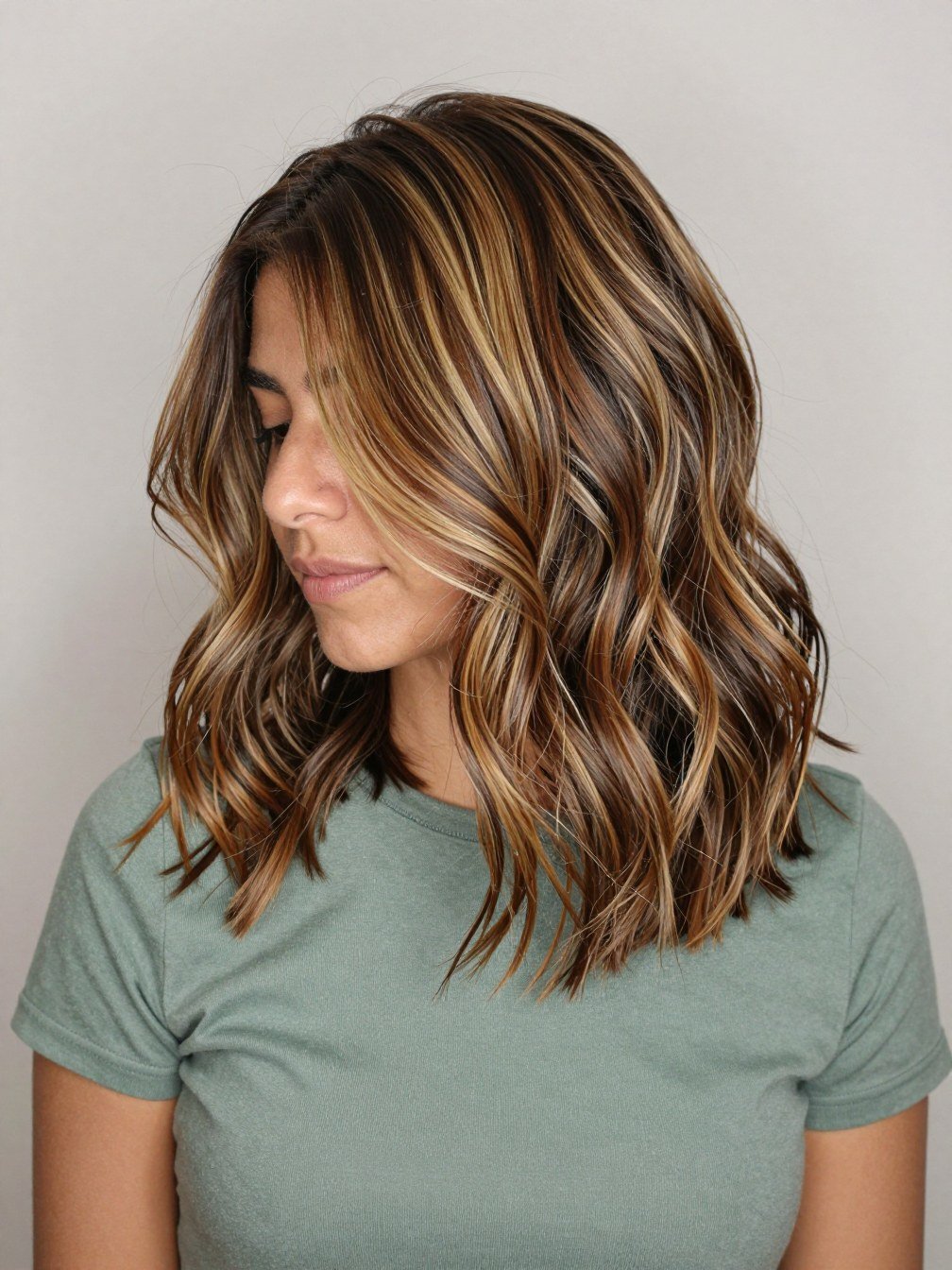
A silk press shows off color bands cleanly but do not stack heat on top of fresh lift. For 3A to 4A textures, wait at least two weeks after lightening before a full press. Use a heat protectant sprayed onto slightly damp hair and a flat iron set under 375°F for best results. I do two thin passes rather than one heavy pass to reduce stress. If you heat style often, incorporate weekly bond-building treatments and cut back at-home chemical services. A shine serum on the ends tames any frizz from the lifted pieces.
Honey Banding for Face-Framing Layers
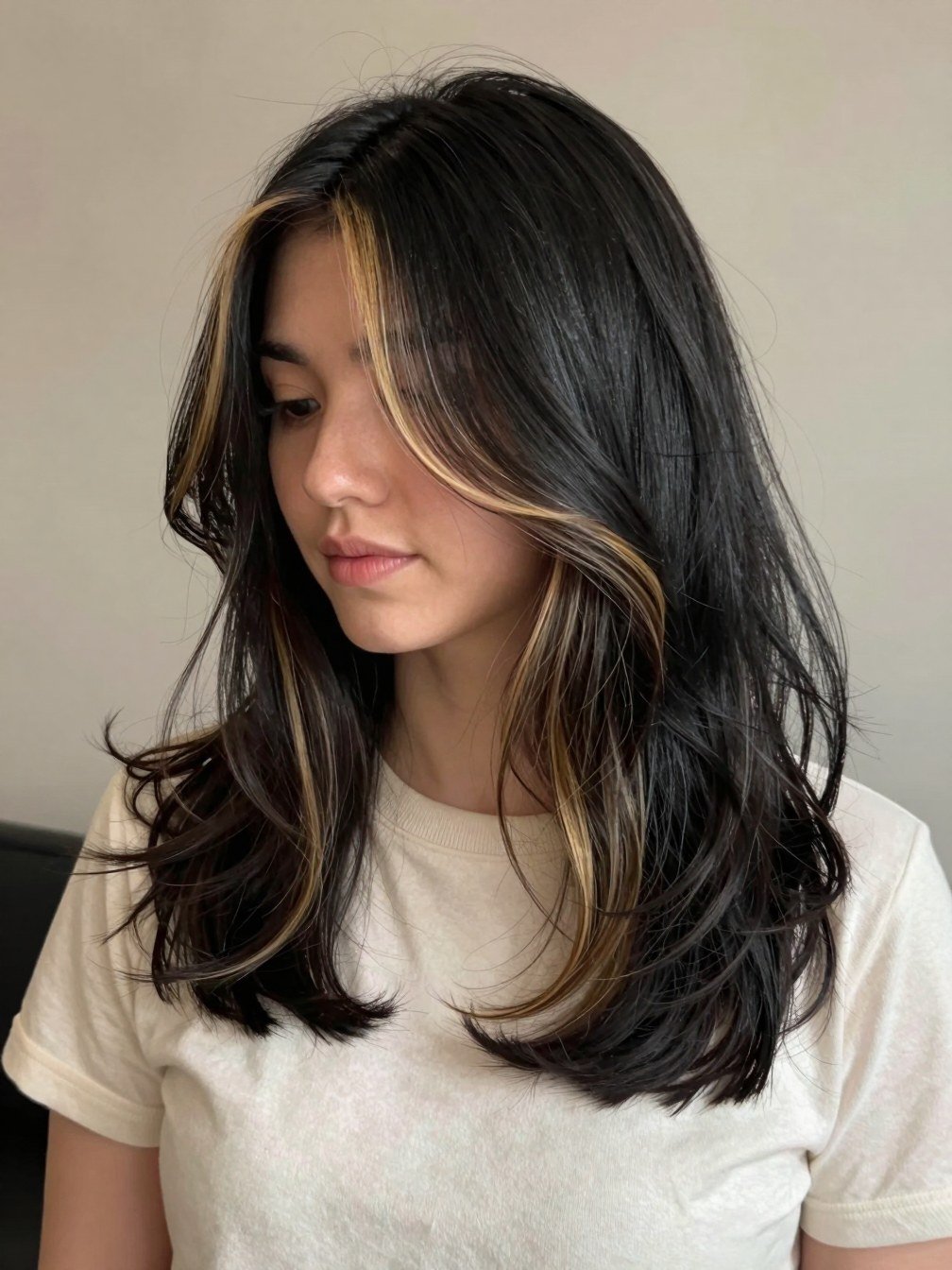
Banding places lighter slices horizontally around the head, giving layered cuts instant movement. It works on 1B to 3C hair that has layers because the bands catch light as the hair moves. The trick is to feather the top and avoid solid stripes, which happens when foils are placed too close together. If you see orange, the band may have been left too long during processing. A quick fix is a warm-toned gloss rather than more bleach. When doing at home, use thin ribbons and check lift every 10 minutes after the first 20.
Honey Face Frame for Curly Bangs
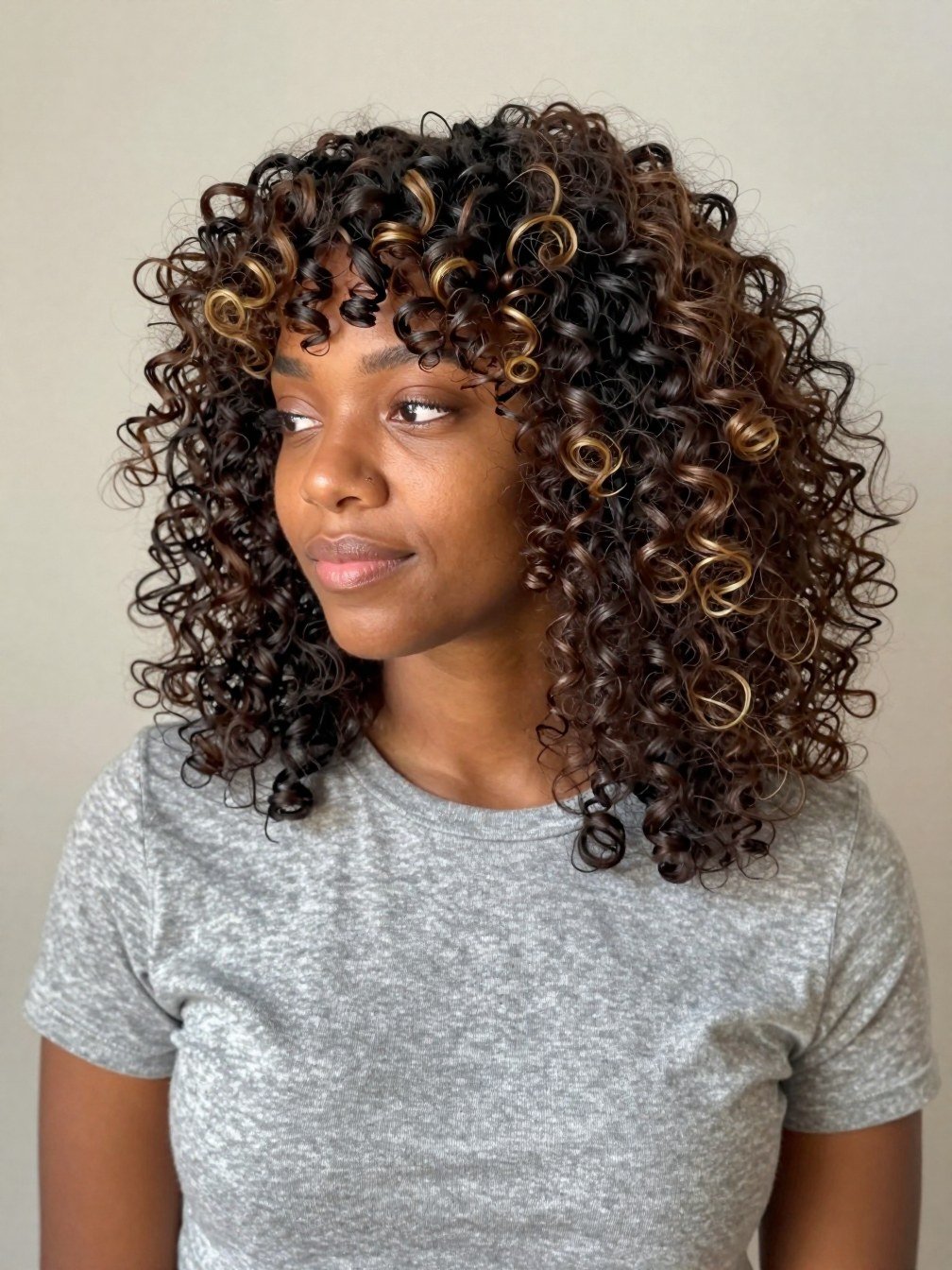
Curly bangs with a honey face frame brighten the face without heavy commitment. For shoulder-length curly hair I recommend just a few thin slices around the fringe to keep curls tight and springy. People over-bleach their bangs trying to match mid-lengths, which relaxes the curl. If the fringe loses shape, deep-condition weekly and avoid heavy protein treatments that stiffen curl. Salon placement and a gloss are key. Use a curl cream underneath your gel to maintain definition on second and third days.
Root Shadow With Honey Peek

Root shadows soften regrowth and make honey highlights wear longer between appointments. This technique is great for anyone who hates a harsh regrowth line and suits 1A to 3B density ranges. The salon applies a slightly darker glaze at the root and paints lighter sections below. The result is less monthly maintenance and a more lived-in finish. A typical mistake is placing the shadow too high, which creates a visible band. Keep the shadow subtle and refresh with a demi-gloss every 6 to 8 weeks.
Honey Highlights for Fine Hair That Avoid Bulk

On fine hair, the goal is movement not weight. Fine 1A to 2A strands look best with thin babylights and a gloss finish. A common at-home error is overloading the ends with bleach, which makes hair look thinner. Keep foils small, space them out, and use a strengthening conditioner after every wash. I find that a lightweight leave-in detangler and one to two spritzes of a texturizer help the highlights read intentional without losing volume.
Honey Ombre That Keeps Your Ends Intact

Ombre keeps the roots dark and focuses lift on the bottom third, which is great for long hair that is already dry at the ends. This is a low-maintenance option for 1B to 3B textures and can be done in one careful session. The biggest error is pulling the lightener up too high, which ruins the grow-out. Section into four quadrants, paint with a soft V shape, and check lift at 30 minutes. Finish with a gloss and weekly bond treatment to keep ends resilient.
Honey Highlight Troubleshooting: Orange Fixes

If highlights go orange, the immediate move is not more bleach. Try a demi-gloss with an ash-cool neutralizer to counter warmth, or a purple mask once a week for stubborn brass. Overcorrection with ash can make color look muddy. For 1B to 3B hair that lifted too warm, a short corrective gloss appointment is usually all you need. If hair feels brittle, stop any further lightening and do a bond-building treatment weekly for at least a month.
Honey Highlights With Darker Undercut Peek
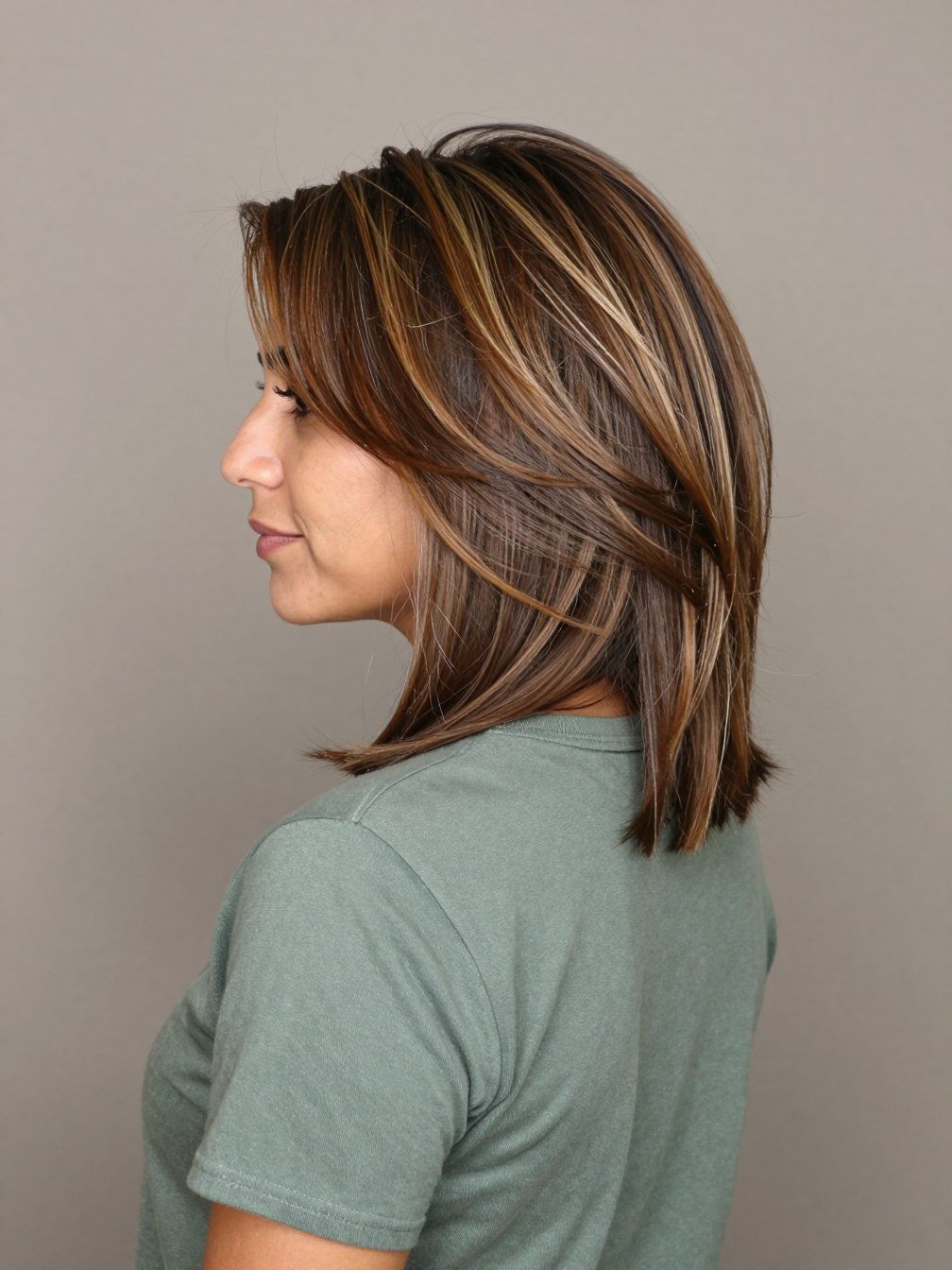
An undercut with honey on top layers gives contrast without constant upkeep. This suits anyone with layered cuts who wants edge without commitment. Keep the underlayer at least one shade darker than the top to preserve depth. The trade-off is regrowth pattern on the shaved area if you decide to grow it out. If you want to DIY this look, do not attempt the undercut yourself. For coloring, place the honey pieces on longer top layers so the undercut remains a feature rather than a maintenance headache.
Honey Highlights With Bond Builder Routine

If you plan to lift dark hair, plan bond-building into the color process and at-home routine. Using a bond builder in the bowl and following up with weekly treatments can make multi-session lifts survivable. I use the in-salon bond step during color and add a weekly at-home treatment. People skip the in-between upkeep and then complain their ends feel like straw. Bond builders do not undo damage history but they do strengthen hair so you can safely go lighter over multiple appointments.
Hidden Face-Framing Money Piece for Shy Testers

If you want to try color but are worried about commitment, consider small hidden money pieces behind the ears. They peek out only when styled and are easy to touch up. This approach suits 1B to 3A hair and is ideal for those who want the honey look without a full transformation. The common mistake is making the pieces too wide, which negates the low-commitment benefit. Keep them narrow and refresh with a gloss when the pieces dull.
Honey With a Darker Root and Lived-In Grow-Out

This is the modern approach to contrast on black hair. It reads intentional and ages well because the darker root hides regrowth. It suits most textures from 1A to 3C and costs less long term. The styling trick is to add a gloss after the lift and to avoid constant clarifying washes that strip tone. People assume lighter roots look fresher, but on black hair the softer root shadow lets the honey pieces breathe and keeps salon visits spaced farther apart.
Honey Highlight Quick Fixes for Damaged Ends

If your ends are already damaged, do not blast them with bleach. Instead, consider a gloss on the mid-lengths and a trim to remove the worst damage. For 1B to 3B hair, smoothing the look with a demi-gloss and a weekly bond treatment is a humane first step. People often attempt to salvage thin ends with more chemicals and end up losing length. A short-term plan of trims, bond-building, and conditioning will get you to a point where you can safely introduce lighter pieces.
How to Stretch Honey Color Between Visits
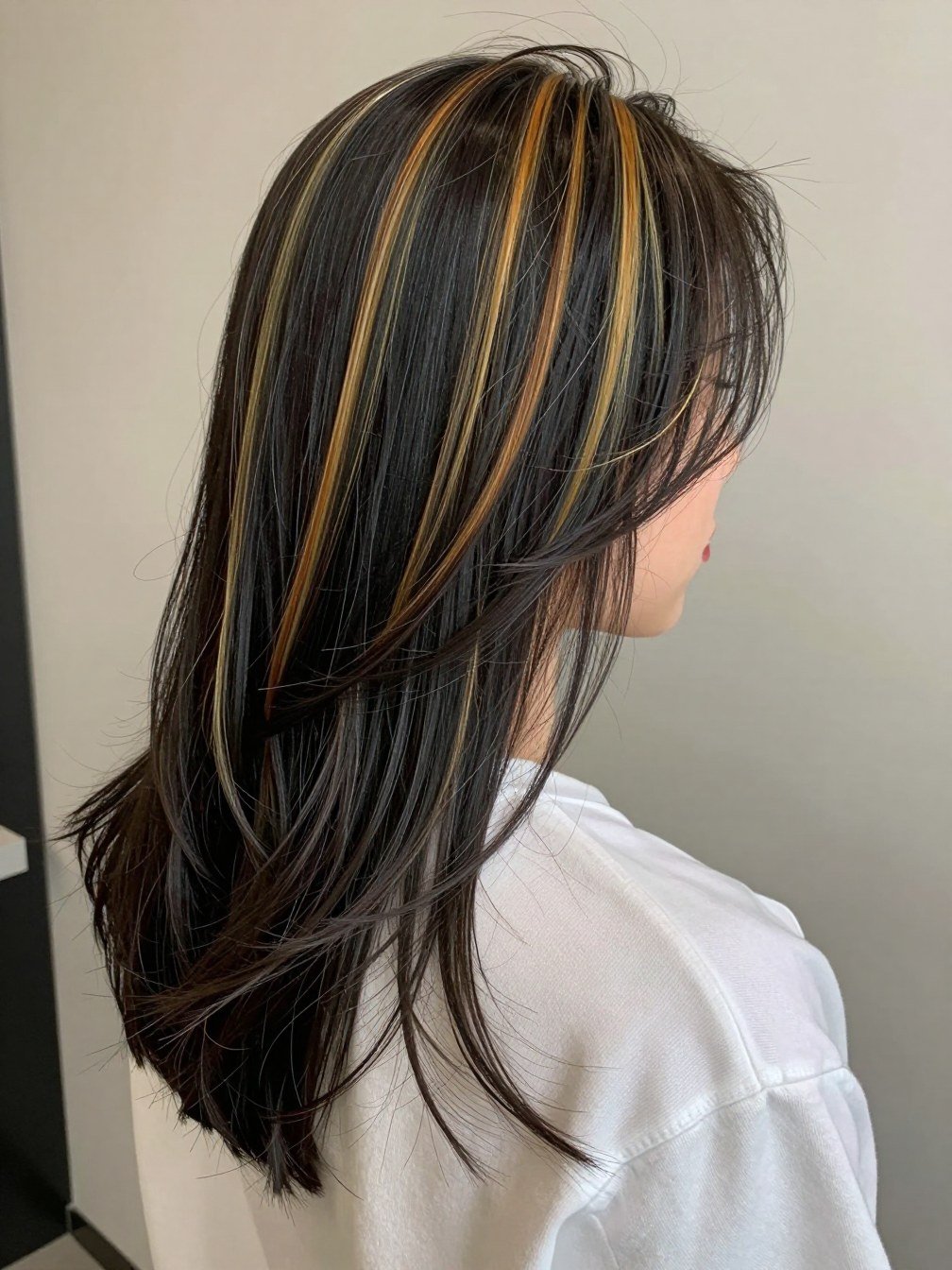
Once hair is lightened, protecting the ends stops being optional. Use a sulfate-free color-safe shampoo and condition with a product that lists color protection. A weekly gloss helps and trimming every 8 to 12 weeks keeps the ends from looking dry. Hair color is one of those things people keep paying to maintain, not just do once and forget about. People keep choosing color that grows out soft instead of anything that screams for a touch-up every month.
What I Wish Someone Told Me Before Going Honey

If you are eyeing honey on black hair, expect a plan that may take two to three sessions. Chasing a blonde result in one sitting is where most damage happens. Work with a colorist who uses painted placement, keep the brightest pieces off the root, and accept that glossy refreshes are part of the upkeep. A realistic budget and patience let you build the look without burning through the ends.
What I Wish I Had Known About Bond Care

Bond builders are helpful but not magical. They strengthen newly lightened hair and reduce breakage during the process, but they will not rebuild long-missing material permanently. Use a bond treatment in the color bowl and follow with a weekly at-home option. If hair feels fragile, stop any extra chemical services until strength returns. Most stylists will say bond care is a necessary step on any multi-session lift plan.
Frequently Asked Questions
Q: Can my natural black hair ever go true blonde honey in one visit?
A: No. On very dark bases you usually need two to three sessions to reach a true blonde honey safely. Trying to force it in one session is the fastest way to end up with breakage or orange tones.
Q: How often should I gloss highlighted hair to keep honey tones warm?
A: Every 6 to 8 weeks is common, depending on wash frequency. A quick demi-gloss refresh in the salon or at home can revive warmth without lifting the hair again.
Q: Is balayage better than full highlights on black hair?
A: Balayage gives painted placement that looks more natural and grows out softer. It is often the safer choice for textured hair, and it reduces the need for frequent root touch-ups.
Q: What should I do if my highlights go orange?
A: Do not bleach again. Try a demi-gloss with a cool tone or a purple mask once a week for brass control. If the hair feels damaged, pause lightening and do bond-building treatments.
Q: Can I bleach over previously dyed darker hair at home?
A: Lifting over darker dye is risky at home. This is the most common reason hair breaks. Book a salon correction or accept a multi-appointment plan rather than experimenting in the kitchen.
Q: How many sections should I use for at-home placement?
A: A four-section base map is a good standard because it keeps placement neat and reduces accidental overlap. Work thin ribbons per quadrant and check timing every 10 minutes after the first 20.
Q: Will honey highlights loosen my curls?
A: Lightening can soften curl pattern where cuticle integrity changes. Keep lifted pieces away from the base, prioritize moisture, and use bond builders. Wait to use high heat styling for at least two weeks after lifting.
Q: Can Olaplex No. 3 make damaged hair look normal again?
A: It helps strengthen and reduce breakage with weekly use, but it will not permanently undo past damage. Buy Olaplex No. 3 from the official Amazon store or a trusted retailer to avoid counterfeits.
Q: How often can I use purple shampoo without drying my hair?
A: Once a week is usually enough to manage brass without overdrying. If you have fine hair, dilute it with your regular shampoo and watch how your hair feels over the next two washes.
Q: What heat setting should I use for pressing highlighted textured hair?
A: Keep flat iron settings under 375°F on recently lightened hair and do two thin passes instead of one heavy pass. Always apply a heat protectant to damp or just-dried hair before any hot tool.