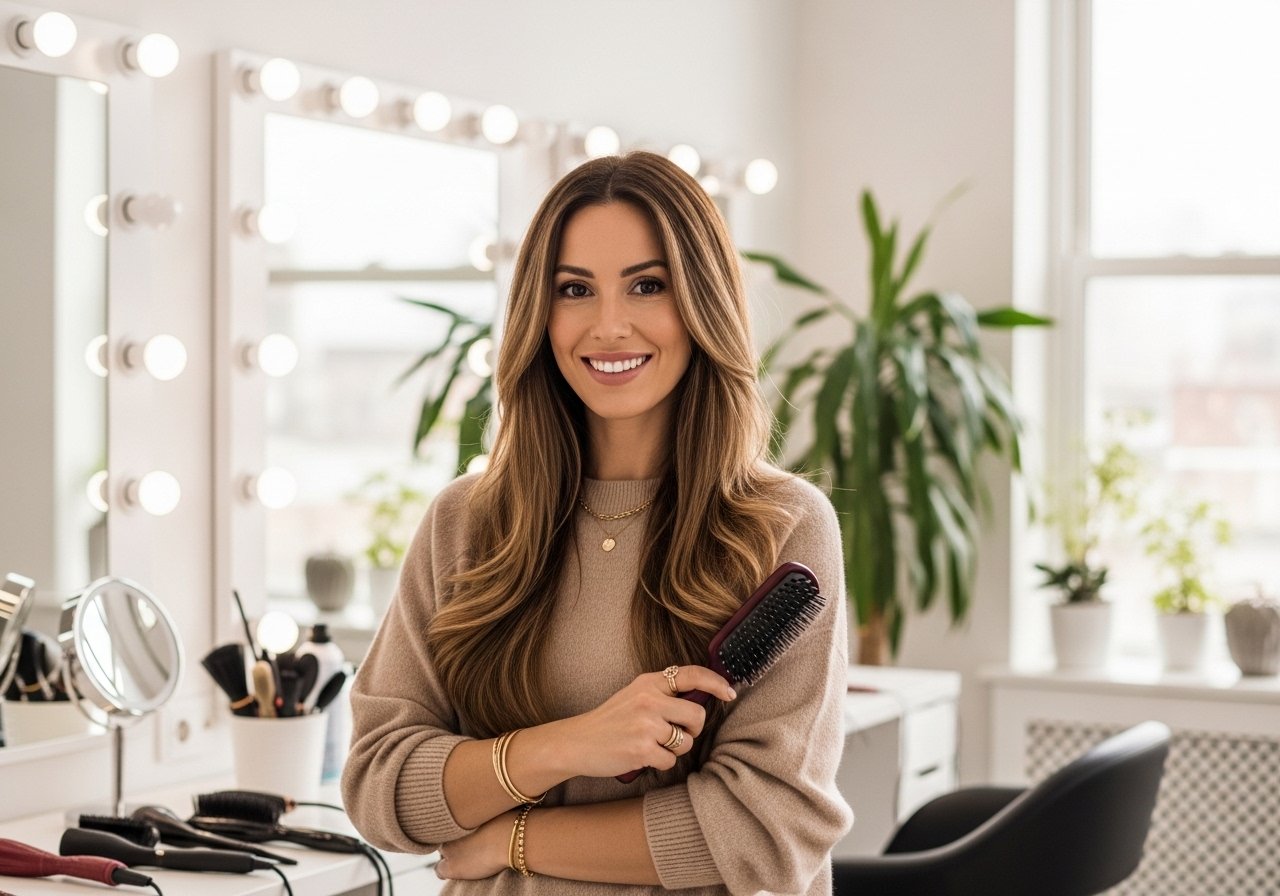
If your honey blonde looked warm in the salon but brassy by the third wash, you are not alone. I have paid for salon fixes and learned the hard way that placement and upkeep matter more than blasting brightness. Raw data point: No reputable 2024 to 2026 stat surfaced clearly in the search results for this exact topic. Skip a hard stat in the intro and lean on the color examples instead.
Babylight Honey Blonde With a Warm Gloss
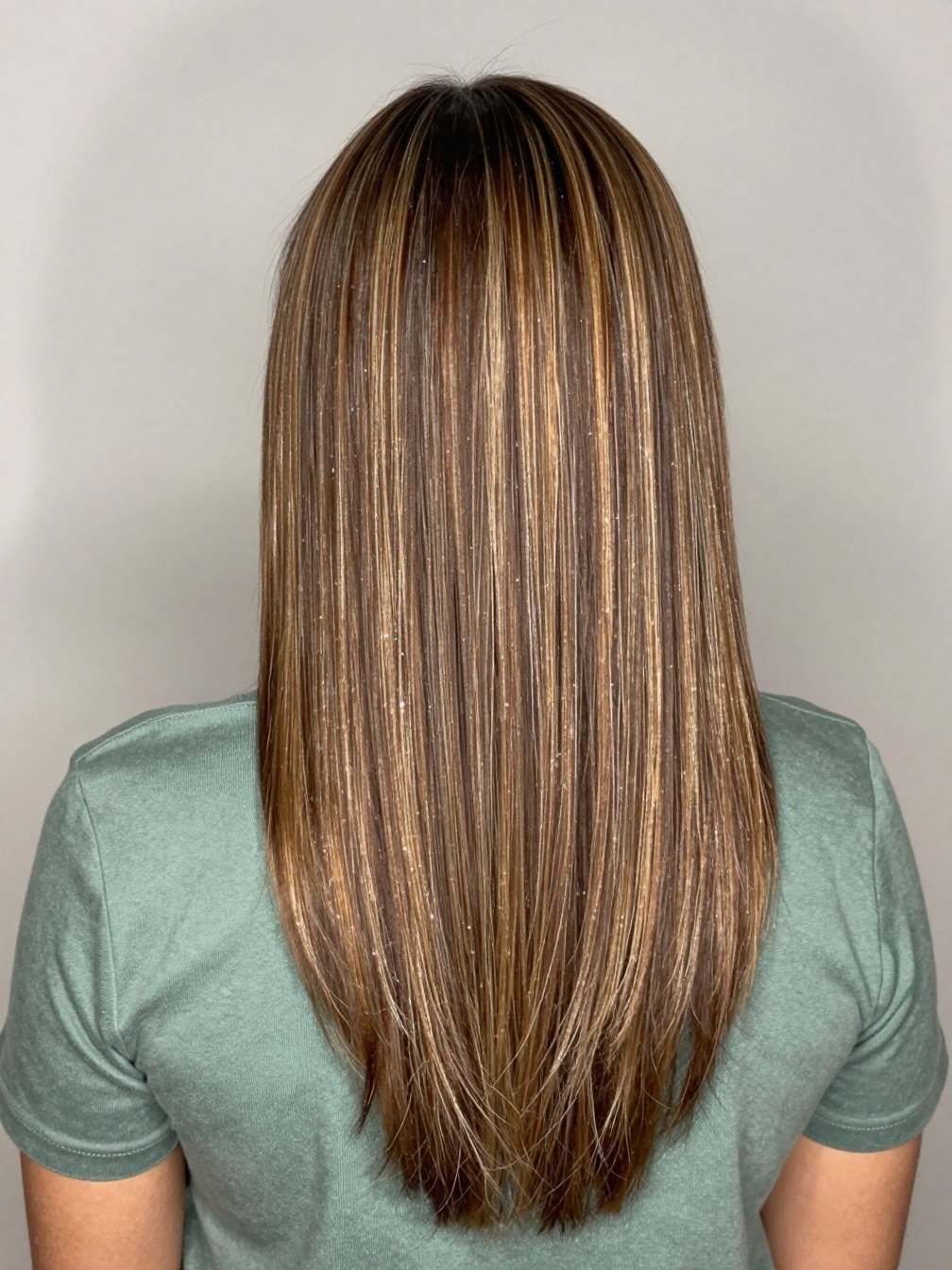
Tiny, tightly spaced babylights sell the "I was born with this" look, and a warm honey gloss afterward ties everything together. This works best on fine to medium density 1A to 2B hair that already lifts to a level 8 without aggressive bleach. Expect a salon visit that takes two to three hours and a gloss touch every four to six weeks to prevent brassy tones. At home I refresh warmth with two tablespoons of a color-depositing honey mask once every other wash, and weekly Olaplex No.3 treatments help bleached strands hold up. Common mistake is asking for chunky highlights instead of the micro-weave you actually need. If your hair is heavily processed, do the gloss only in salon and add bond care before any lift.
Money Piece Honey Blonde Framing The Face
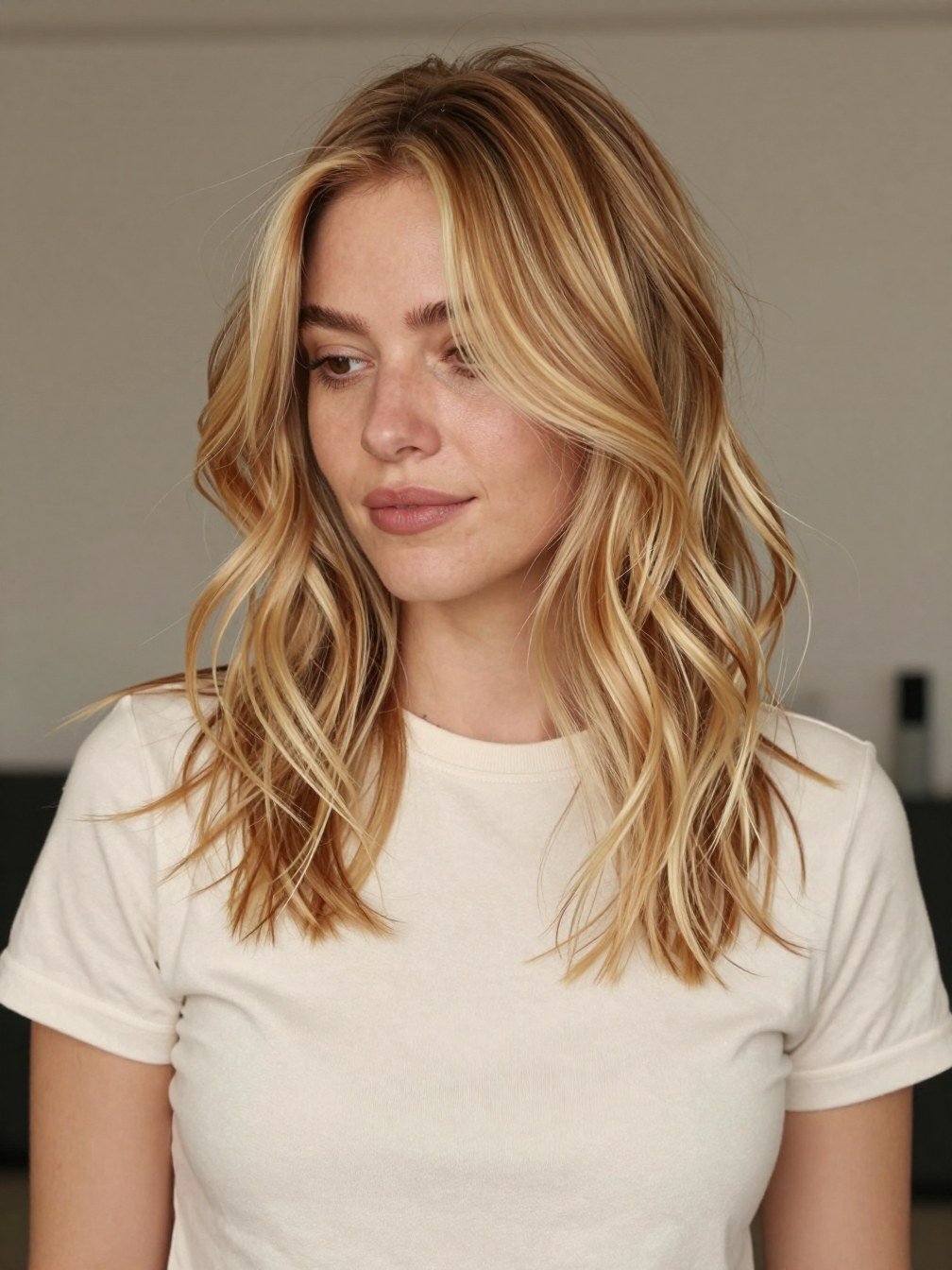
A single bright money piece at the front can make the whole color read more expensive without full head processing. It flatters 1B to 3A waves and lob lengths because the light pieces catch movement. Get this done in a 45 to 90 minute salon session and ask the colorist to keep the face-framing sections thin so they lift in one pass. At home, always use a UV and heat protectant when styling those lightened pieces or they can burn and brass faster. The mistake I see is asking for a heavy chunk of front-bleach, which reads dated. If your hair is fragile, opt for a glossed brightening instead of straight bleach on the front.
Balayage Honey Blonde With A Shadow Root

Balayage plus a shadow root is how you get honey blonde that still looks rich three weeks later. This placement is ideal for 1A to 2C hair from shoulder length to mid-back and suits medium to thick density. Ask for the hair to be lifted to a level 9 to 10 in placed pieces while the root stays around your natural level, roughly level 6 to 7. A salon appointment runs two to three hours and you should budget for a gloss every 4 to 6 weeks. At home, use a bond-repair product once weekly and a color-safe shampoo. The common mistake is asking for full-head foil lift, which makes grow-out stark and requires constant touch-ups.
Honey Blonde With Lowlights For Richness
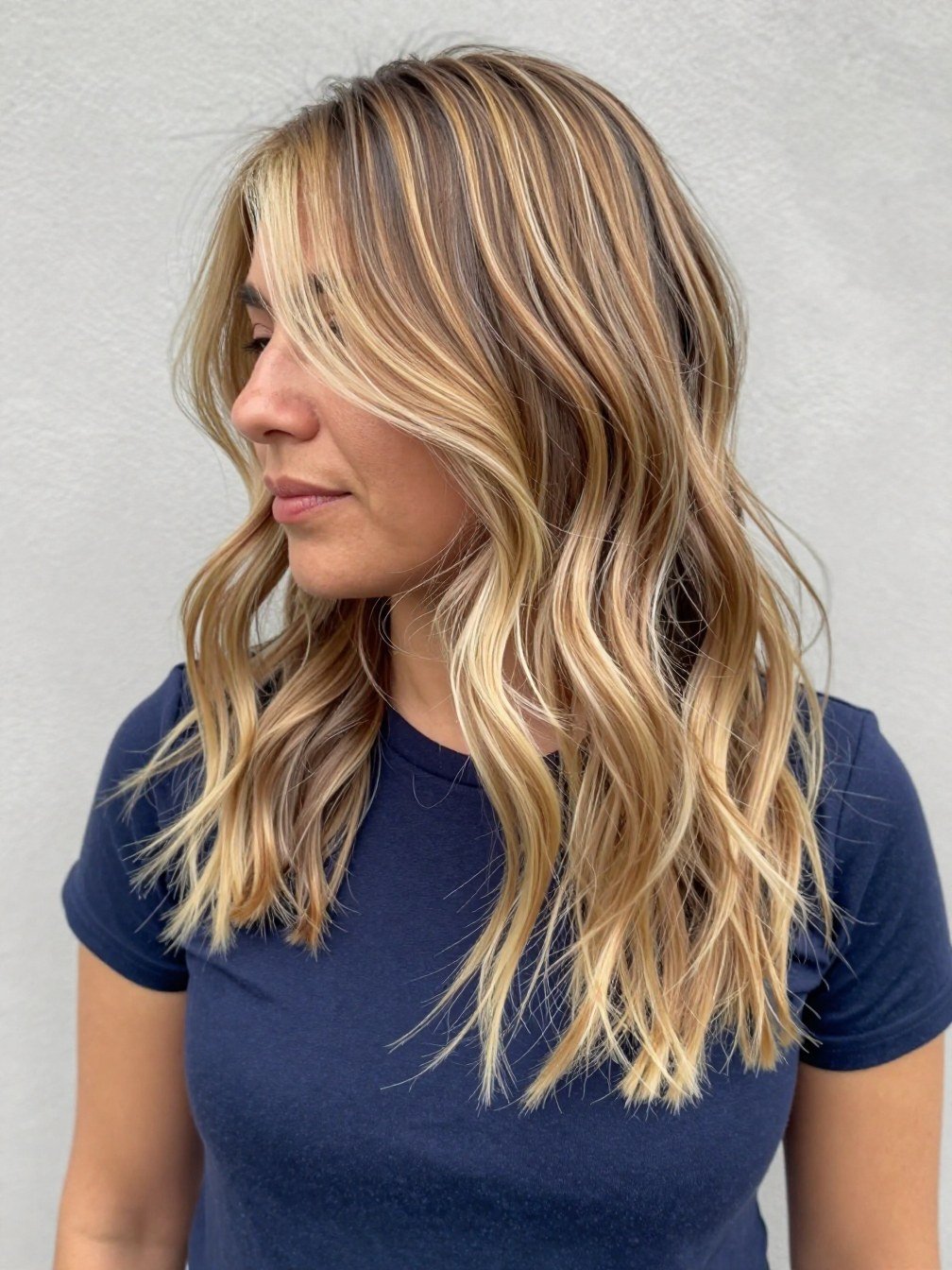
Pairing honey pieces with deeper lowlights keeps the whole color from reading flat or yellow. This approach fits 2A to 3B textures and longer layers. The lowlights can be placed near the interior layers and at the roots of mid-length sections to give depth. Budget a two-hour salon session and plan to tone every six weeks if you want the warmth steady. Using a color-depositing treatment that contains both warm pigments and mauve tones once a month keeps brass in check. People often skip lowlights and then wonder why their blonde looks single-toned and cheap.
Ribbon Highlights For Curly Hair Dimension

On curls, wider foils flatten the pattern. Ribbon highlights mean placing thin, vertical slices around individual curl clusters so the pattern still reads three-dimensional. This is best for 3A to 4A medium to thick curls and adds shine without destroying curl shape. A curly-savvy colorist will lift in small sections and follow with heavy moisture. At home, use a curl cream under a diffuser and a coconut-oil based styling smoothie to define the highlighted pieces. The safety note is to plan intense moisture if you lift curls; bleach plus curls equals breakage unless you commit to bond care.
Honey Blonde Ends Only For Subtle Brightness
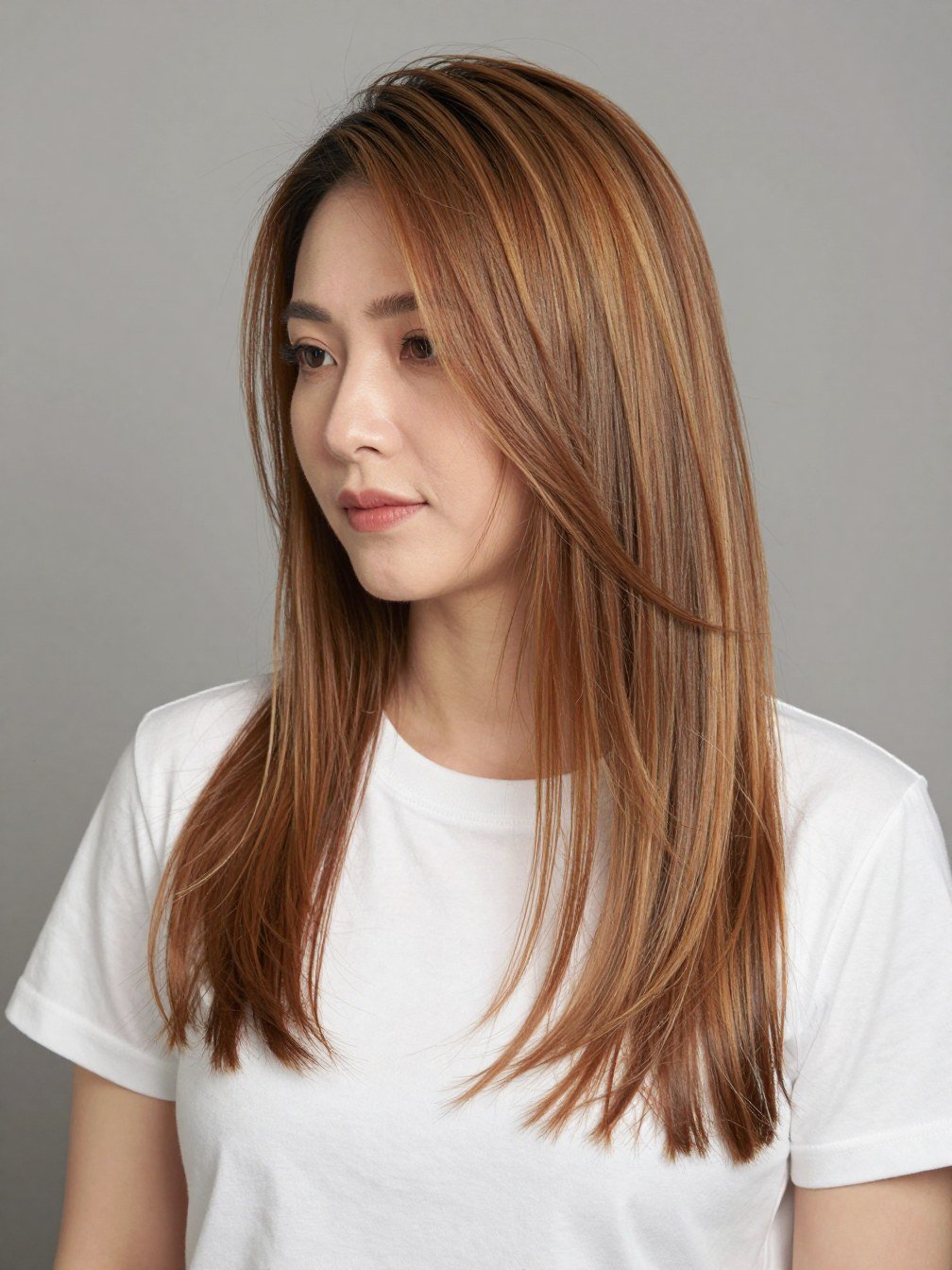
If full-head lightening feels like too much, bring honey to the ends only. This ombre-style placement gives brightness and it limits processing closer to the scalp, which preserves strength. It works for 1A to 2B fine hair and shoulder to long lengths. Expect a one-hour salon visit and use a heat protectant when styling the lighter ends. I do Olaplex No.3 once a week on ends and a color-depositing mask every third wash to keep the honey warm. The mistake is thinking less processing means no maintenance. Lighter ends can still brass, so plan for occasional toning.
Honey Blonde With Platinum Sparkle Accents

Dropping in a handful of platinum strands among honey pieces creates luxe contrast and depth. This is for 1B to 2B straight or wavy hair that tolerates higher lift. The process is more aggressive and takes two to four hours depending on how many pieces you want. Use a purple-tint shampoo sparingly, about once every 10 days, to control yellow. If you try this, add weekly bond-repair treatments because the platinum bits are the most fragile. A regular mistake is over-saturating platinum around the hairline which can look harsh and age the color.
Face-Framing Honey Pieces For Shorter Cuts

Shorter styles get the same lift benefit from targeted face-framing pieces. On 1B to 2B short bobs, thin highlights at the temples and along the hairline brighten the face and feel less risky than full-head color. A 30 to 60 minute salon appointment is common and you can refresh with a gloss at home between visits. When styling, use a small flat brush at 300 degrees or less on the lighter pieces and always use heat protectant first. People often over-process small sections because they assume short hair will hide damage. It will not.
Subtle Honey On Dark Blonde For Everyday Warmth

If you are dark blonde and want warmth without obvious lift, subtle honey highlights threaded into the top layers give you sunlit sheen. This is a low-risk option for 1A to 2A hair and is usually a budget-friendly salon session. Maintain with a honey-toned conditioning mask every other week and avoid daily clarifying shampoos that strip the color. Mistake to avoid is asking for overall lift which will make the highlights look unnatural. Shadow roots and satin finishes sell this as pricey without the pricetag.
Honey Mid-Length Balayage For Low Maintenance

Putting honey on the mids and ends rather than the whole head saves you money and time. This is ideal for 1B to 3A hair with medium density and gives softer grow-out. Salon time is about two hours and you will want a gloss four to six weeks later. At home, K18 or weekly bond treatments help the lightened sections keep elasticity. The real-life trick I use is to ask for a softer lift at the crown so pieces fall naturally when you part your hair. Hard grow-out lines are the quickest way color looks cheap.
Warm Honey Highlights On A Brown Base

Honey highlights on a brown base read rich because the contrast is warmer than pale blonde. It suits 2A to 3B textures and medium to thick density. Expect a two-hour salon session for placement and ask for lowlights between honey pieces to prevent flatness. At home, run a glossing treatment once a month and use a sulfate-free color-safe shampoo. A mistake I see is lifting too many face pieces which can flatten the brown underneath. Keep depth and the color will look more expensive.
Feathered Root Area To Soften Grow-Out

Feathering the root area gives a lived-in look that makes appointments less frequent. This technique works for fine to medium 1A to 2C hair and is a great option if you want honey without weekly touch-ups. The colorist will tease and paint small sections to create a soft transition. In my experience a root-smudge or shadow buys you four to six extra weeks between salon visits. Mistake to avoid is asking for a harsh line correction at the next appointment which defeats the blended effect.
Textured Waves And A Salt Spray For Dimension

Texture is the secret to showing off dimension in honey highlights. For 2A to 2C hair, two quick spritzes of a surf spray on damp hair and a light scrunch with a diffuser makes the color read richer. I prefer a fine salt spray so it does not dry the hair out. Use a heat protectant if you rough-dry at medium heat. The common mistake is over-oiling textured hair which flattens the pieces and hides the highlights. Pair this with a weekly bond treatment if you have lifted ends.
Copper-Warm Undertones For Extra Glow

Adding a copper-warm undertone to honey pieces warms the complexion without turning orange. This is great for 1B to 3A who are light brown to dark blonde naturally. Ask the colorist for a honey-copper glaze rather than full copper foils. At home I top up with a color-depositing mask once every two weeks and avoid hot water washes which pull warmth out. Mistake is piling on red pigment in one session which looks too intense and brassy. Build warmth gradually.
Ribbon Placement On Layered Cuts

On layered cuts, highlight ribbons should follow the layer lines so movement reveals color as you turn your head. This is best for 2A to 3B hair with medium to thick density. Tell your stylist to paint pieces horizontally across each layer rather than straight vertical slices. A practical detail I use is asking for about four to six ribbons through the top layers for subtlety. Over-highlighting every layer is a common mistake that creates a crunchy, stripey effect.
Honey Blonde Face Brighteners For Pale Skin

If you want honey to brighten your face, ask for pieces at the temple, cheekbone, and front hairline. On 1A to 2C hair this placement reads very natural and takes less lift than full-head lightening. The effect is immediate with a 30 to 60 minute service. At home, a tinted gloss keeps the pieces from fading too warm. Mistake to avoid is plastering highlights all over the face area which can wash out certain skin tones. A few well-placed pieces do more work.
Honey Blonde On Thick Hair With Strategic Thinning

Thick hair needs fewer but stronger highlight placements so the color shows through without getting lost. For 2A thick density, ask for wider balayage strokes near the top layers and thinner ribbons deeper in. This reduces salon time and prevents the color from reading muddy. I tell my stylist to lift pieces to a level 9 in the top layer and keep the rest at an 8 for balance. The big mistake is foiling every strand which becomes expensive and heavy on the hair.
Honey Blonde With A Cool Ash Neutralizer
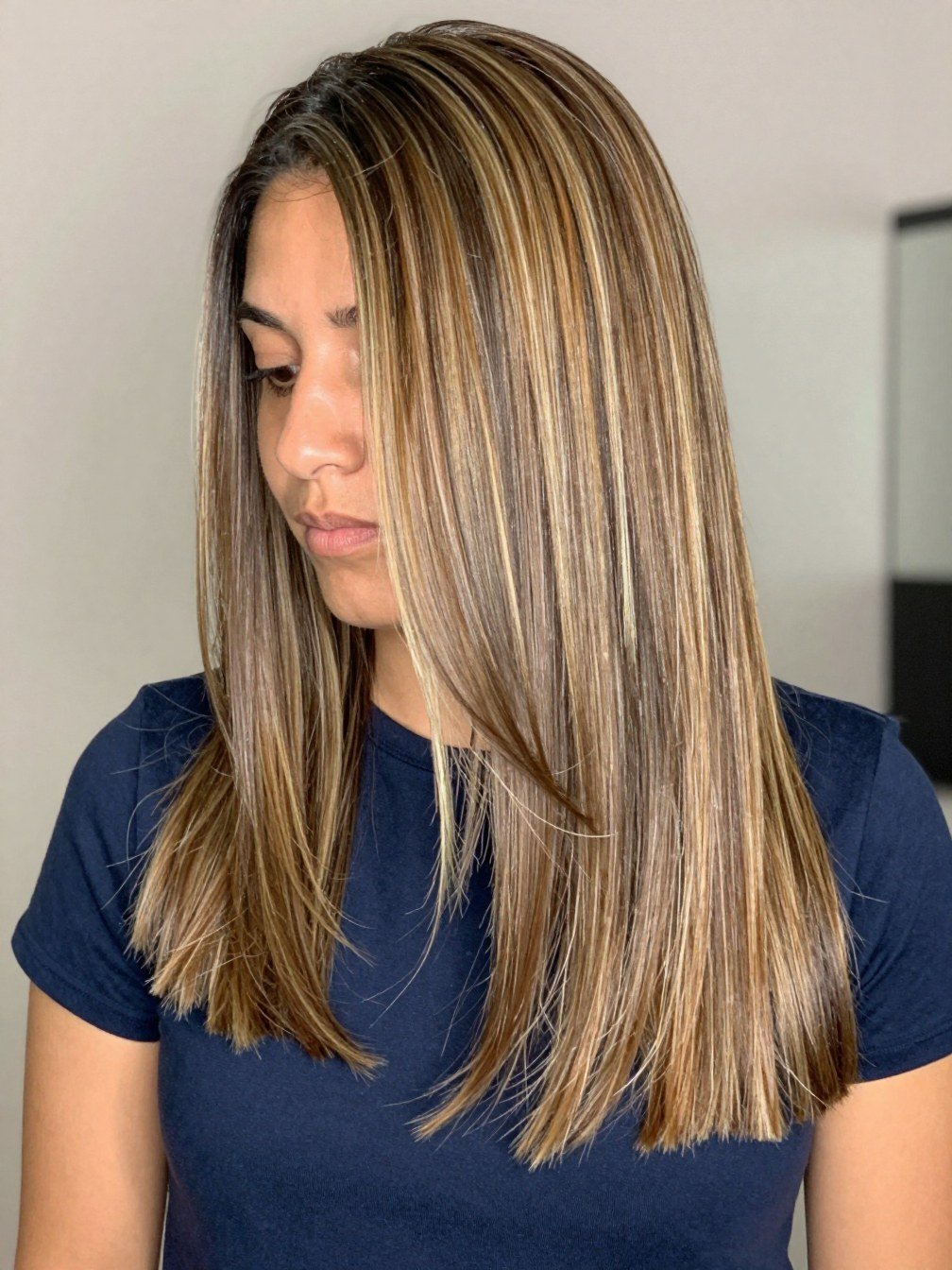
When honey shifts yellow, a small cool toner or ash gloss can rebalance it. Use a low-dose ash gloss every four to six weeks rather than a heavy purple shampoo that dries the hair. This approach suits 1B to 2B straight hair that lifts to the mid-blonde range. At home, alternate a color-depositing mask for warmth with one cool gloss month to month. Mistake is overusing purple shampoo, which can leave a lifeless matte finish.
Money Piece Touch-Up Guide You Can Do At Home

If you have already had a money piece and need a small brightening between appointments, you can touch up thin front pieces at home only if they are light enough. Use a single developer and a small applicator brush and process under a lamp, watching closely every minute. This is for confident DIYers with short face pieces only. The safety note is do a strand test and patch test for allergy. If you see breakage or uneven lift, stop and book a salon correction.
Honey Blonde On Curly Short Bobs

Short curly bobs get the best results when highlights are placed on the outer curl shell, not embedded deep inside the coil. For 3A curls, two to four ribbons near the face and crown add brightness while preserving density. Swap heavy silicone styling for a moisture-rich cream so the highlighted curls remain springy. The mistake is over-bleaching inner curls that get heat later and break. Always plan deep conditioning for a week after coloring.
Honey Blonde With Heavy Lowlights For Cooler Skin Tones
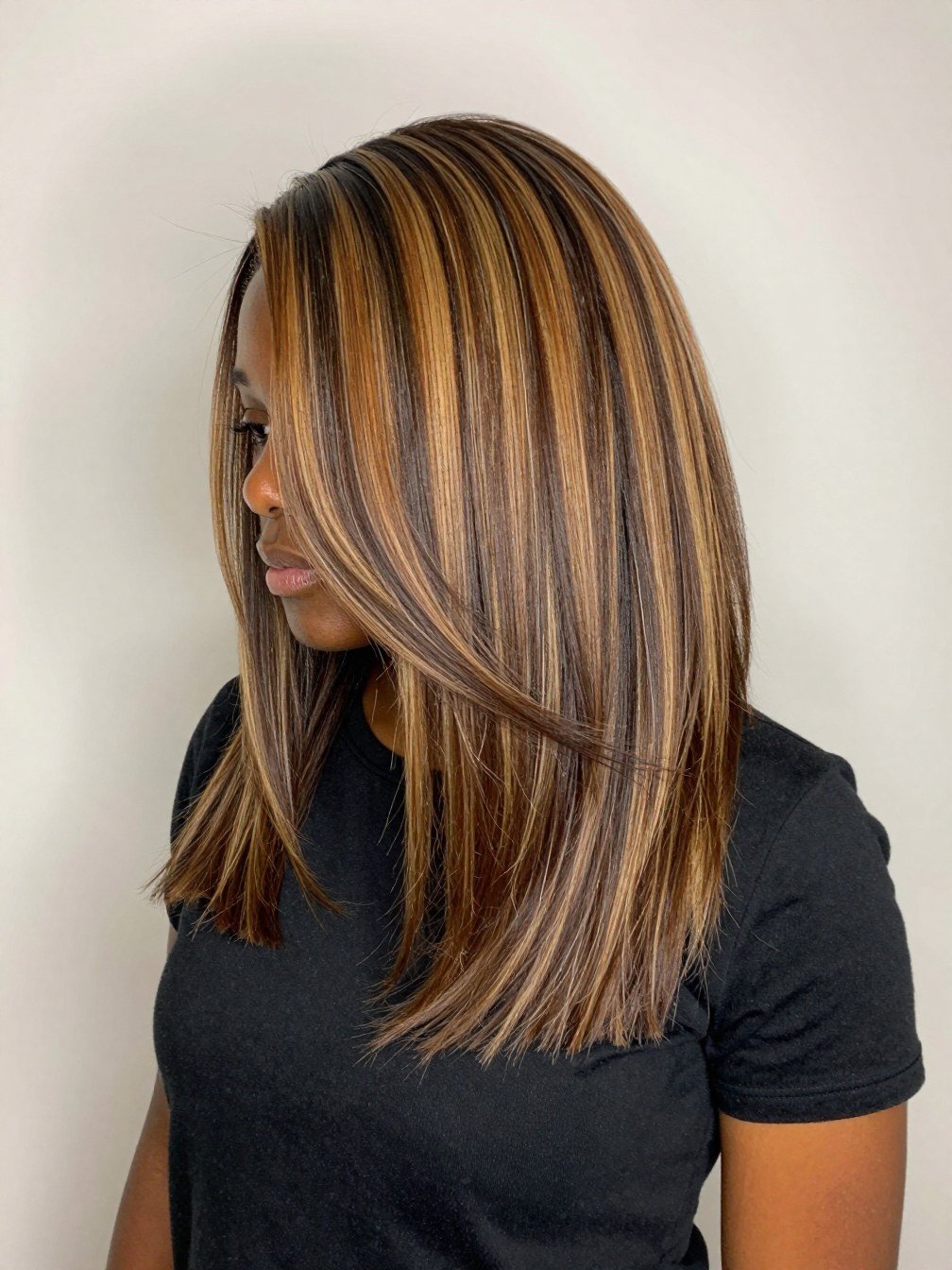
If you have a cool skin tone but want honey, mix lowlights close to your natural shade into the formula so the honey reads sophisticated. This suits 1B to 2C hair and gives a dimensional, "rich" appearance. Salon time is about two hours and you may alternate between gloss and lowlight touch-ups. The common error is going full warm honey which clashes with undertones. Balance is the key to looking expensive.
Honey Blonde With A Deep Nape For Edge

A deeper nape beneath honey highlights adds visual richness and hides regrowth. This placement is great for medium to thick 2A hair and looks intentional as it grows. Ask the colorist to keep the nape a shade or two darker and paint honey above it. Home care is minimal but plan for a gloss at six weeks if you want consistent shine. Mistake to avoid is making the nape too stark which reads like an afterthought.
Honey Blonde On Long Straight Hair With Face Layers

Long, straight hair benefits when honey is concentrated on face layers and top pieces so movement reveals sun-kissed depth. On 1B straight hair, ask for thin babylights near the face and a few wider pieces through the crown. Weekly bond care prevents split ends from becoming obvious on long lengths. People often try full-head lift which stresses the hair and makes maintenance constant. Layer-focused placement keeps color vibrant and lower effort.
Honey Blonde With A Gloss-Only Refresh Plan

If your hair cannot tolerate bleach again, a honey-toned gloss over your current base can warm and amplify highlights without lightening further. This is ideal for color-treated or slightly damaged hair. Glosses last about four to six weeks and can be done in a half-hour salon visit. At home, use a color-depositing mask in between glosses. The mistake is thinking gloss will lift color; it only shifts tone and adds shine.
Honey Ribbon Accents Around The Face For Thin Hair
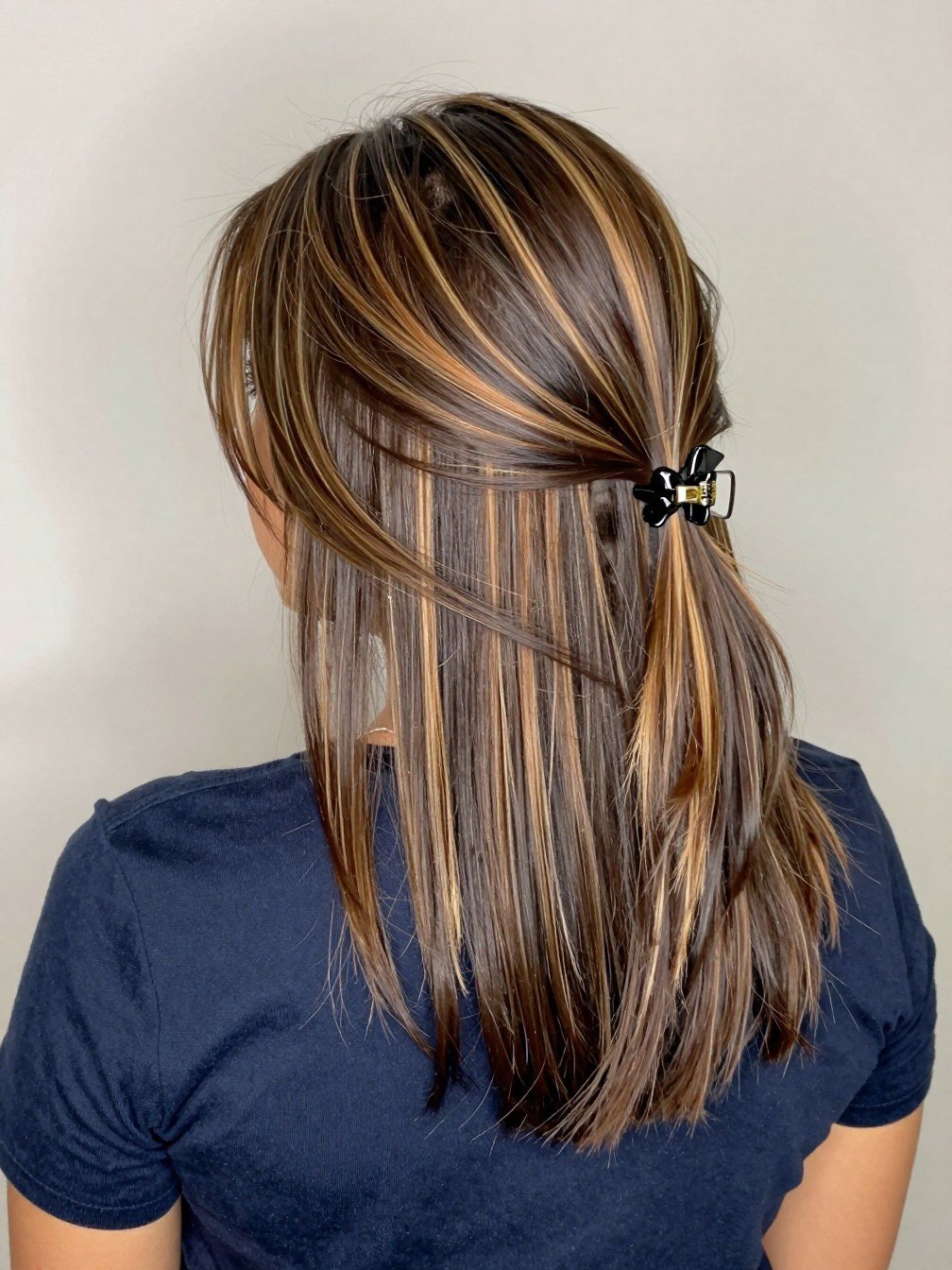
Thin hair gets a quick volume boost from strategically placed honey ribbons near the face and crown. For 1A fine hair, place three to five very thin pieces to avoid obvious striping. A short salon appointment or a light balayage session works. At home, volumizing mousse at the root keeps the placement visible. The common mistake is over-highlighting which makes fine hair look sparse and processed.
Subtle Honey Blonde For Natural Brunettes

Natural brunettes can go honey without screaming blonde by putting honey into the top layers and ends only. This approach suits 2A to 3B textures and gives a sunlit effect. Expect a one to two hour service and minimal at-home maintenance other than a color-safe shampoo. If you want a richer read, add a lowlight between honey pieces. The big mistake is trying to match an Instagram photo without considering your natural base color.
Honey Blonde With A Money Piece For Bangs

If you have bangs, a small money piece blended into the curtain or side bangs brightens the face. On 1B to 2C hair with bangs, ask the stylist to feather the highlight into the bangs so the light reads natural. At home, use a gentle leave-in conditioner to avoid stiffness on the lightened fringe. A common mistake is over-bleaching bangs which are fragile and visible. Take it slow and book a strand test.
Honey Blonde Ombre For Easy Grow-Out

Ombre keeps roots natural and places honey where sunlight hits most, from mid-shaft to ends. It is a lower maintenance option for 1B to 3A hair and often simpler to justify than full highlights. Salon time is usually an hour and you will want a conditioning plan for the lighter lengths. The real-life trade-off is less face brightness than money pieces, but much easier upkeep.
What I Keep In My Honey Blonde Kit
Olaplex No.3 Hair Perfector in 3.3oz for weekly bond care, and yes buy from the official store on Amazon or Sephora to avoid fakes
Redken Color Extend Blondage Honey Beige Mask 8oz for tone maintenance when I need a warmer wash
K18 Peptide Mask single-use pack for emergency elastic recovery, also available at salons
Microfiber Hair Towel because rough toweling ruins texture
Silk Pillowcase Queen to cut morning frizz and protect highlights
Color Wow Dream Coat travel size to fight humidity before a night out
Maui Moisture Curl Quench Coconut Oil Curl Smoothie 11.2oz for curls with highlights
Boar Bristle Paddle Brush to distribute scalp oils on lighter ends
Micro Tooth Comb for precise sectioning during touch-ups
Heat Protectant Spray with UV filter for daily styling
Purple Toning Shampoo Travel Size to use once every 10 days if platinum is present
Wide Tooth Sectioning Clips because messy clips mean sloppy highlights
Satin Scrunchies Pack for sleep styles that keep pieces intact
The Bond And Tone Tricks I Actually Use
Olaplex No.5 Bond Maintenance Conditioner, used in rotation with a stronger mask when ends feel fragile
Grab a microfiber hair towel for $12. It cuts blow dry time and reduces frizz on highlighted hair
Heat protectant goes on damp hair, not dry. Color Wow heat protectant is what I spray before blow drying to keep honey pieces glossy
Drugstore shampoo is fine. Where you need to spend is conditioner and the bond builder. K18 peptide mask for heavy repair nights
If your hair is porous, use warm water during conditioning to help products penetrate, and finish with a cool rinse to close the cuticle
Frequently Asked Questions
Q: How often should I gloss honey blonde highlights?
A: Every four to six weeks for warm honey tones. Glosses refresh pigment and seal the cuticle, which keeps honey from going brassy too fast.
Q: Can I use Olaplex No.3 if my hair is not damaged, or will it make it worse?
A: You can use Olaplex No.3 on healthy hair weekly without harm. It helps reduce breakage when heat or color is involved. Buy from the official store on Amazon or Sephora to avoid counterfeits.
Q: How often should I use purple shampoo to avoid brass without drying my hair?
A: Use purple shampoo about once every 7 to 10 washes if you have platinum bits. For honey tones, prefer a cool gloss instead of frequent purple shampoo which can dry the hair.
Q: Is balayage or babylights better for fine hair?
A: Babylights are usually better for fine hair because they add subtle pieces that look natural. Balayage can work too if placement is strategic and not all-over.
Q: Can I touch up a money piece at home safely?
A: You can touch up a very thin, previously lightened front piece if you are experienced and do a strand test first. If you are unsure, book a short salon visit. Do not lift over darker dye at home.
Q: How do I stop honey from washing out on day two after styling?
A: Use a silicone-free leave-in and a light hairspray on the ends. Also avoid daily clarifying shampoos and sleep on a silk pillowcase to reduce friction.
Q: My curls lost shape after highlights, what did I do wrong?
A: Most likely the highlights were placed through the inner curl shafts or too much lift was used. Curls need moisture and targeted placement on outer curl shells to keep shape.
Q: Can I bleach my hair at home if it was dyed darker previously?
A: Lifting over previous dye is a salon job. Attempting it at home is the most common cause of breakage. Book a color correction or accept staged lifts over months if you want safety.