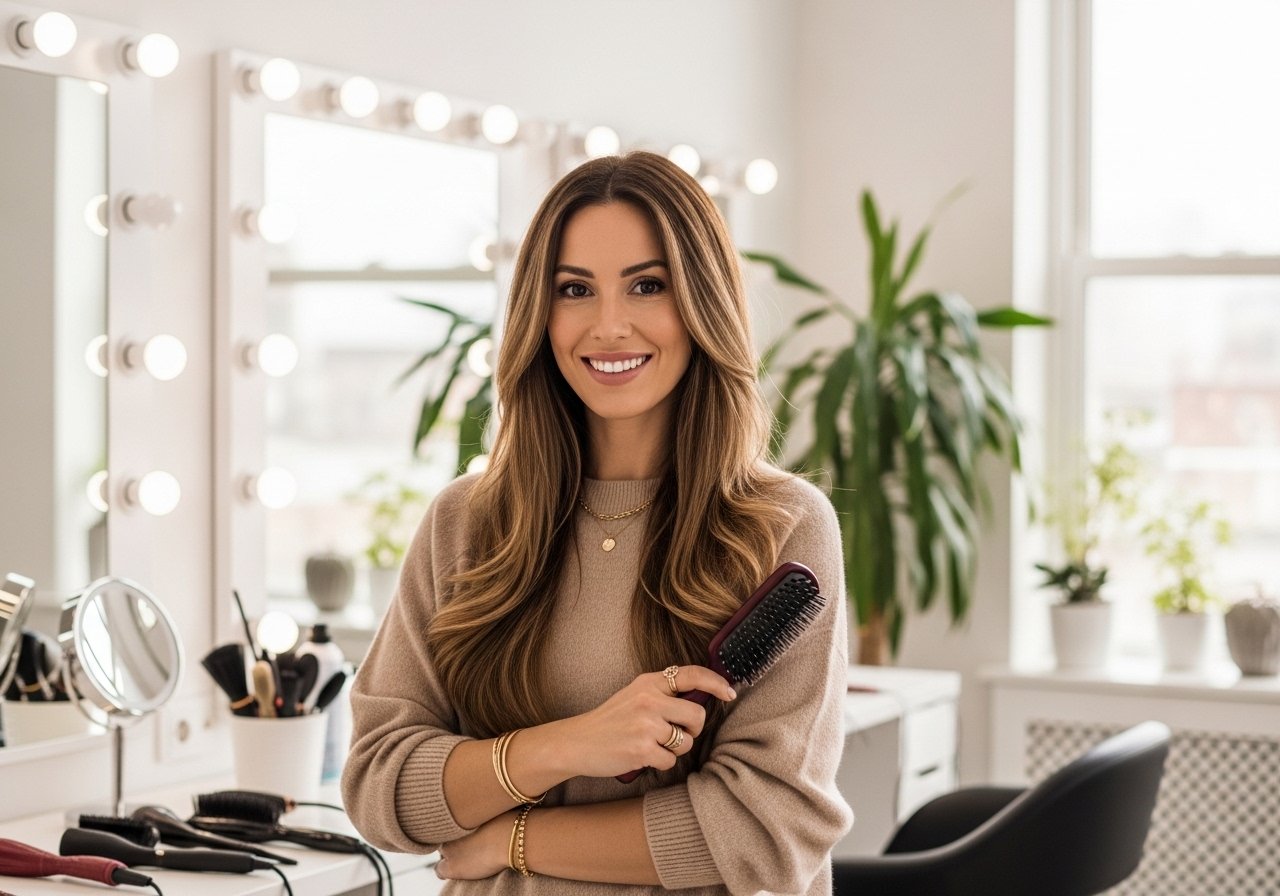
I tried bright blonde highlights on my own once and had to pay a salon to fix the brass and breakage. These nine ideas are the ones I actually used or helped friends with, the ones that give dimension on dark hair without looking like streaks. They fit from short bobs to long coils, most take one appointment or one evening at home, and budgets run from under $30 for a gloss to a salon session for full balayage.
Subtle Caramel Babylights for Soft Dimension
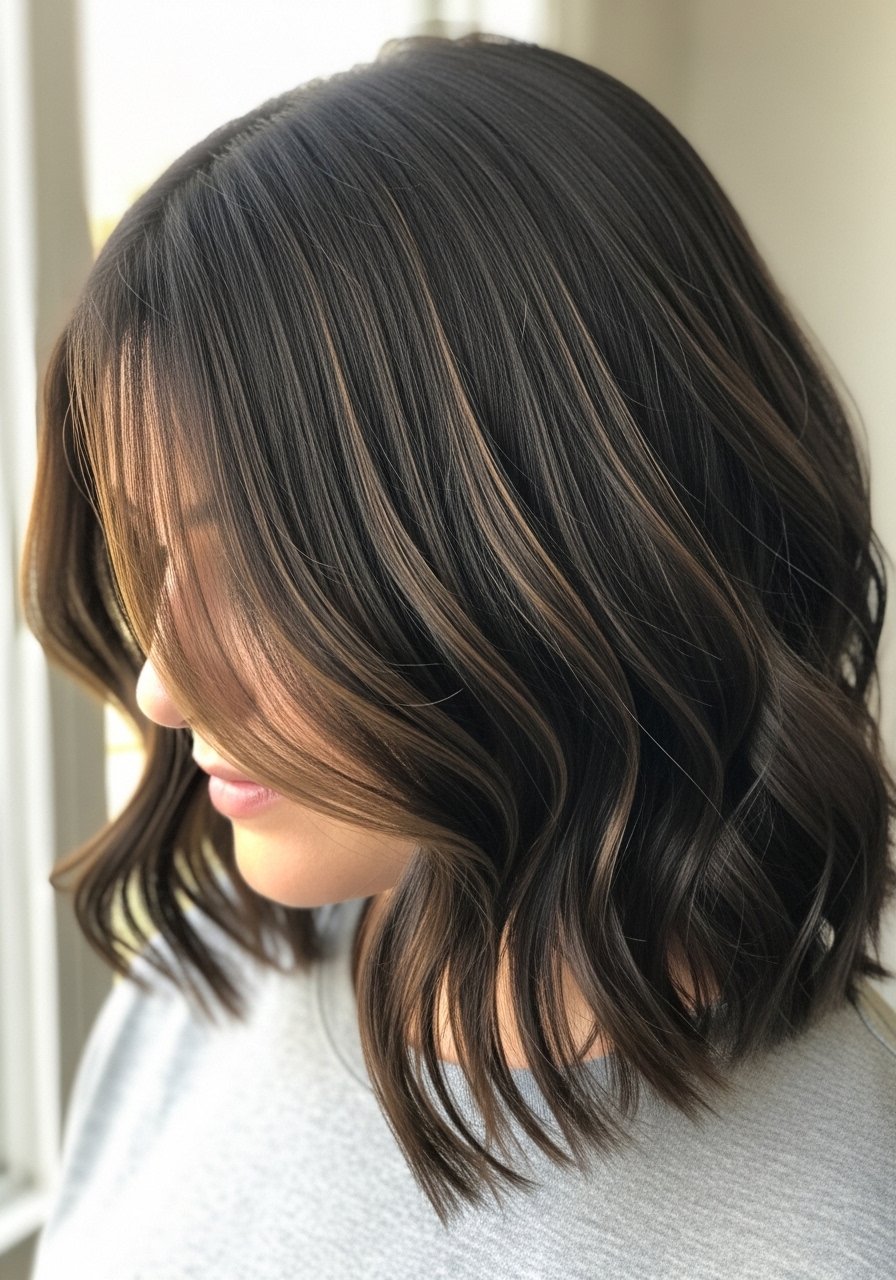
Thin babylights are how I first learned highlights can look natural on black hair. The stylist on my second try took 1/8 inch slices and foiled them across the face and crown only, about 20 to 30 percent of the top layer, which gave the hair depth without a full lift. It took about 25 minutes under a heat lamp to reach a warm caramel on natural level 3 hair using 20 volume developer. On tighter curls you may want fewer foils and longer processing time with careful checks every 5 minutes. If your hair has been colored dark before, lifting is riskier and worth a salon appointment. For at-home blending between appointments, a pigmented glaze keeps tone warm. Always patch test dye and expect a trim if ends feel dry after lightening.
Face-Framing Money Pieces in Warm Bronze
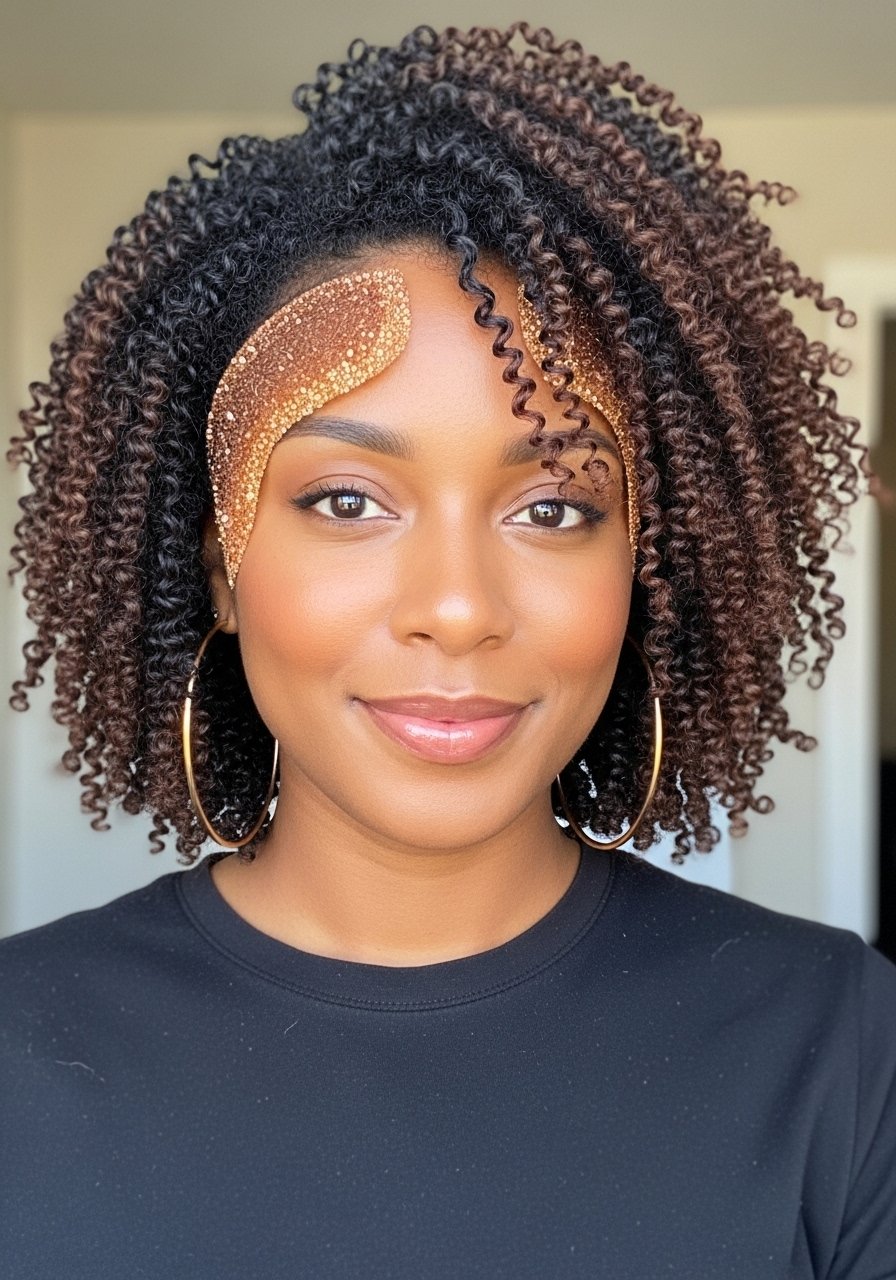
If you want an instant glow-up, ask for a money piece, the lighter front sections that frame the face. I had a friend with dense 4A hair do hers in the salon and it made her features pop without needing a full head of highlights. The trick is keeping the slices wider than babylights so they read as brightness up front, but keeping the color one to two levels lighter than your base so the contrast looks soft. It costs less than full highlights because the work is concentrated. Expect a touch-up every 10 to 12 weeks depending on how fast your hair grows and how warm the tone gets. Use a weekly gloss at home to neutralize brass and a deep conditioner if the front sections feel porous.
Bronze Balayage Blended From Root to Mid-Length
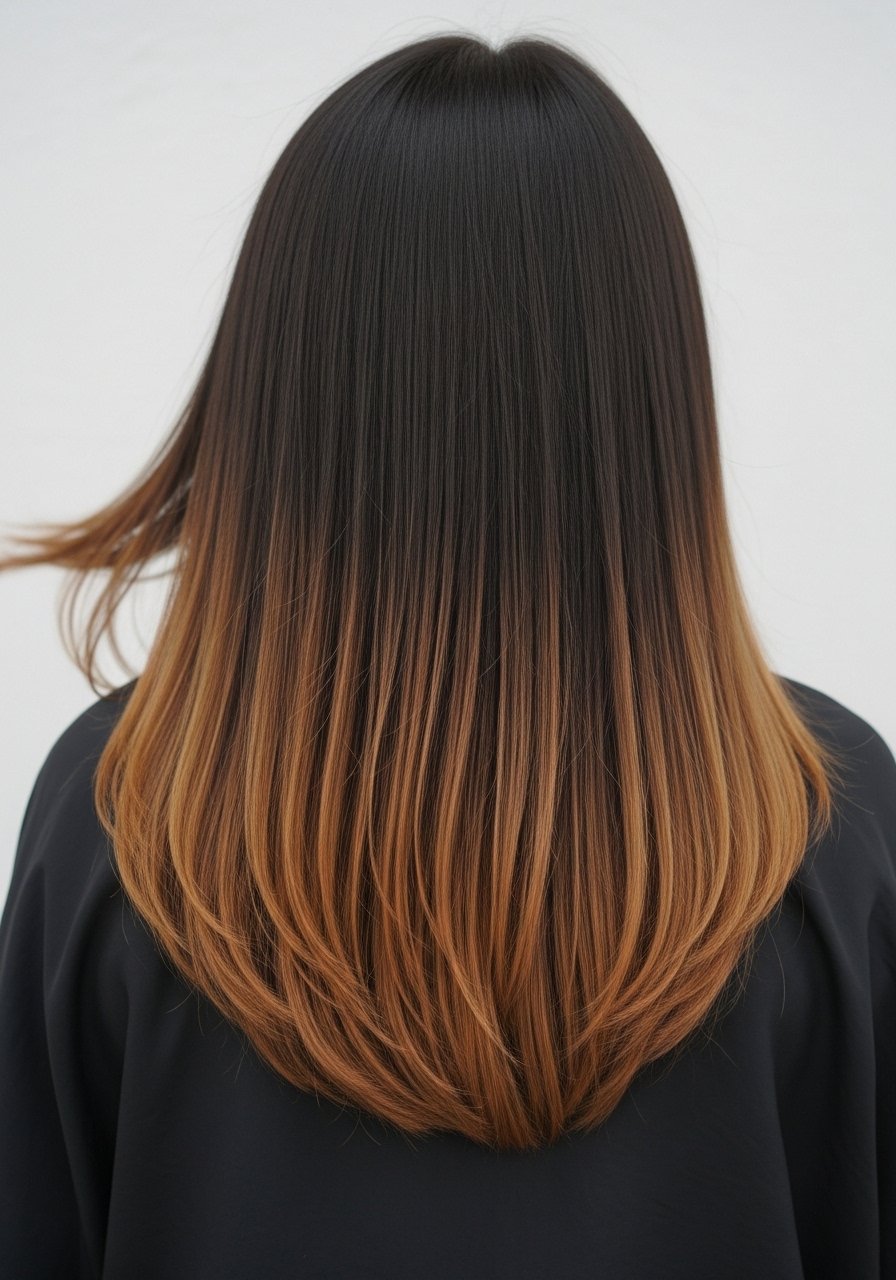
Balayage is the go-to when you want low-maintenance glow on dark hair. My balayage sessions have been two-hour appointments because stylists freehand paint sections, feathering color so the regrowth is soft. On very dark hair, expect a gradual lift over two sessions if you want cool or light blonde tones. For a bronze look, a single session with a lower lift powder and a 20 to 30 volume developer will usually give you warm bronze without harsh banding. The upside is you can hide regrowth for months. A common mistake is asking for all-over panels. Ask the stylist to stay lighter on the lengths and ends, and leave a shadow root to keep contrast natural.
Cherry Cola Face Lights for Rich Red Depth
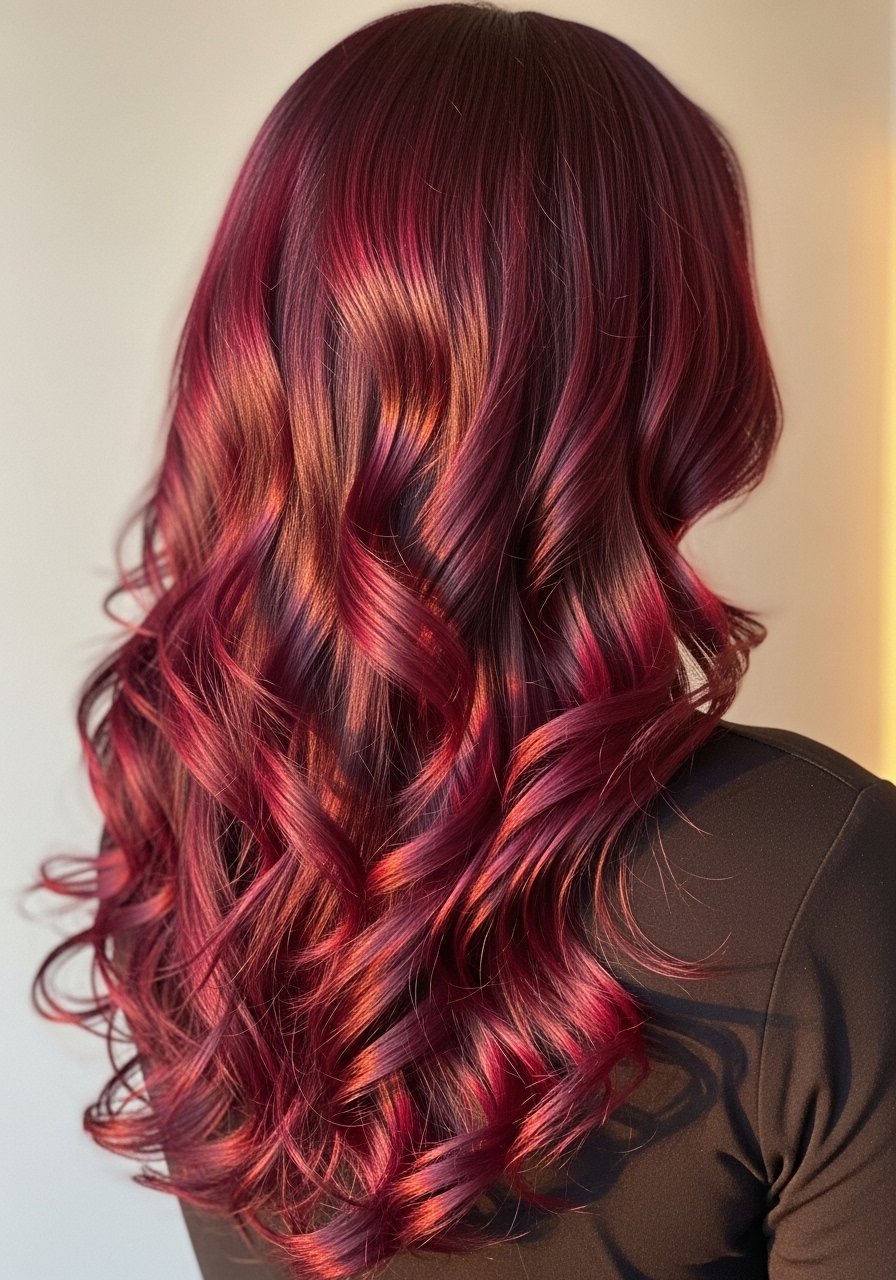
If you want warm color without blowout maintenance, cherry cola highlights give deep red-burgundy depth that reads rich rather than bright. I went this route when I wanted a seasonal change and my stylist did thin woven highlights, then glazed with a color deposit to land the cherry tone. The result fades more gracefully than copper because the base is still dark. Keep in mind red fades faster, so plan for a glaze every 6 to 8 weeks or use a color-depositing conditioner at home. Red on coarse or curly hair needs more hydrating treatments to avoid the dry halo some people get after lightening.
Face-Focused Foilayage for Short Cuts
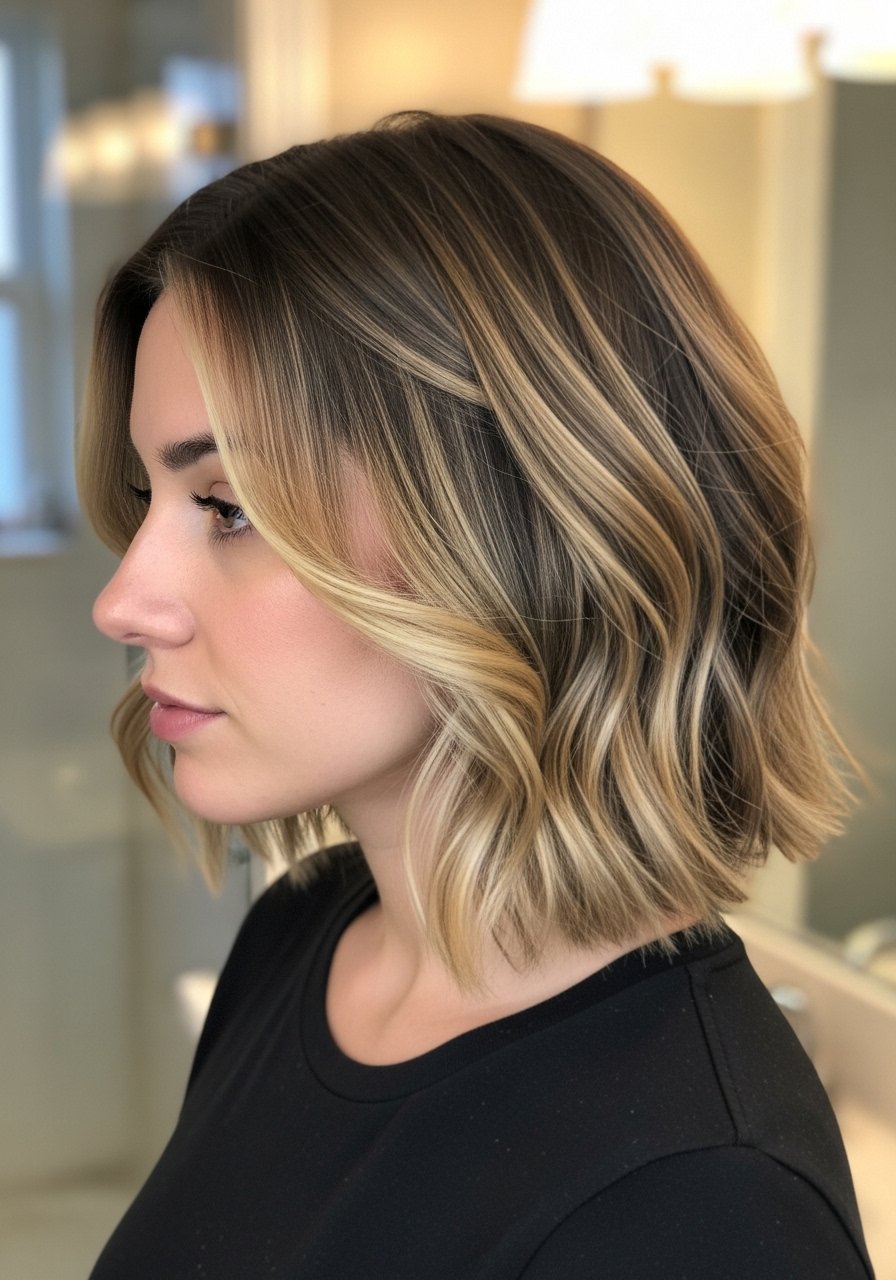
Short hair can still glow. Foilayage is my shorthand for a hybrid: painted strokes with a few foils to target brightness exactly where you want it. I helped a friend with a blunt bob go lighter only on the top layer and around the face and she got a salon look without leaving the length visually thinned. This costs less than full balayage and takes about 60 to 90 minutes. For short, fine hair use less processing time and stop one level higher than you think because overcorrecting leaves the color too stark. A gloss after coloring smooths the edges and boosts shine.
Lived-In Bronze Highlights for Coily Hair
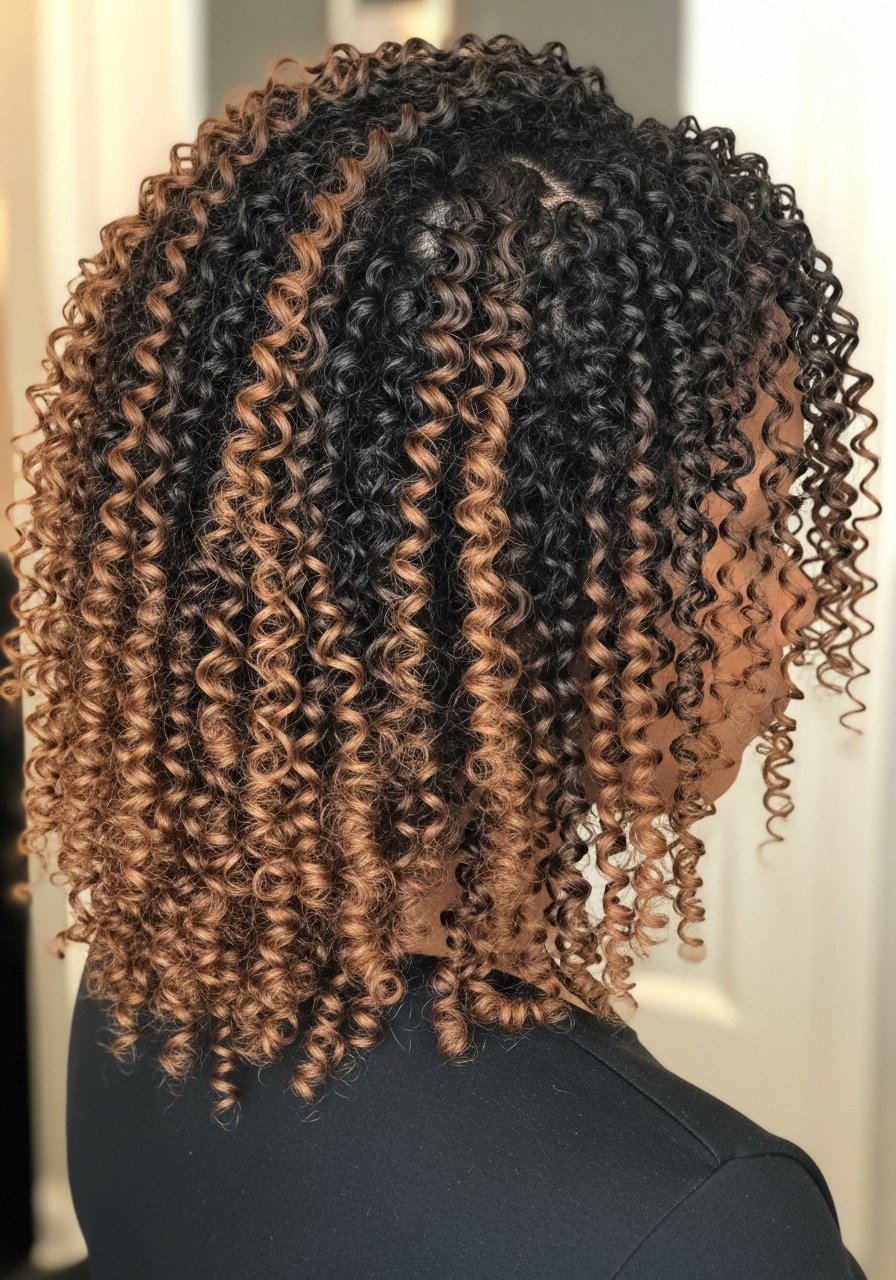
A lot of highlight guides forget coils. For 4B and 4C hair, I recommend painting highlights on the outermost curls and mid-lengths only, not the underlayers. That way the color reads when hair is styled out but protects the most fragile inner strands. Stylists often use a lower developer and longer process or a bond builder mixed into the lightener. Expect to stretch the appointment to two hours if you want noticeable lift. Avoid lightening right at the scalp which can create dryness. Bond-building products used during and after the service help, but they are not a free pass for overprocessing. Trim fragile ends and do a protein-masked week before lightening if your hair has a history of chemical services.
Gloss Toning to Keep Highlights From Going Brassy

One thing every person with dark hair learns fast is that highlights can go brassy between color appointments. A clear or tinted gloss session in the salon or a take-home gloss can neutralize warmth and add shine in 20 minutes. I do a quick gloss between major touch-ups when my ends look dull. If you are using a gloss at home pick a formula with low ammonia and follow the processing time on the bottle. Glosses do not lighten hair further, they deposit tone and seal cuticles temporarily. For safety, avoid overlapping gloss over recent bleach without a stylist check.
Root Smudge and Shadow Root Blending
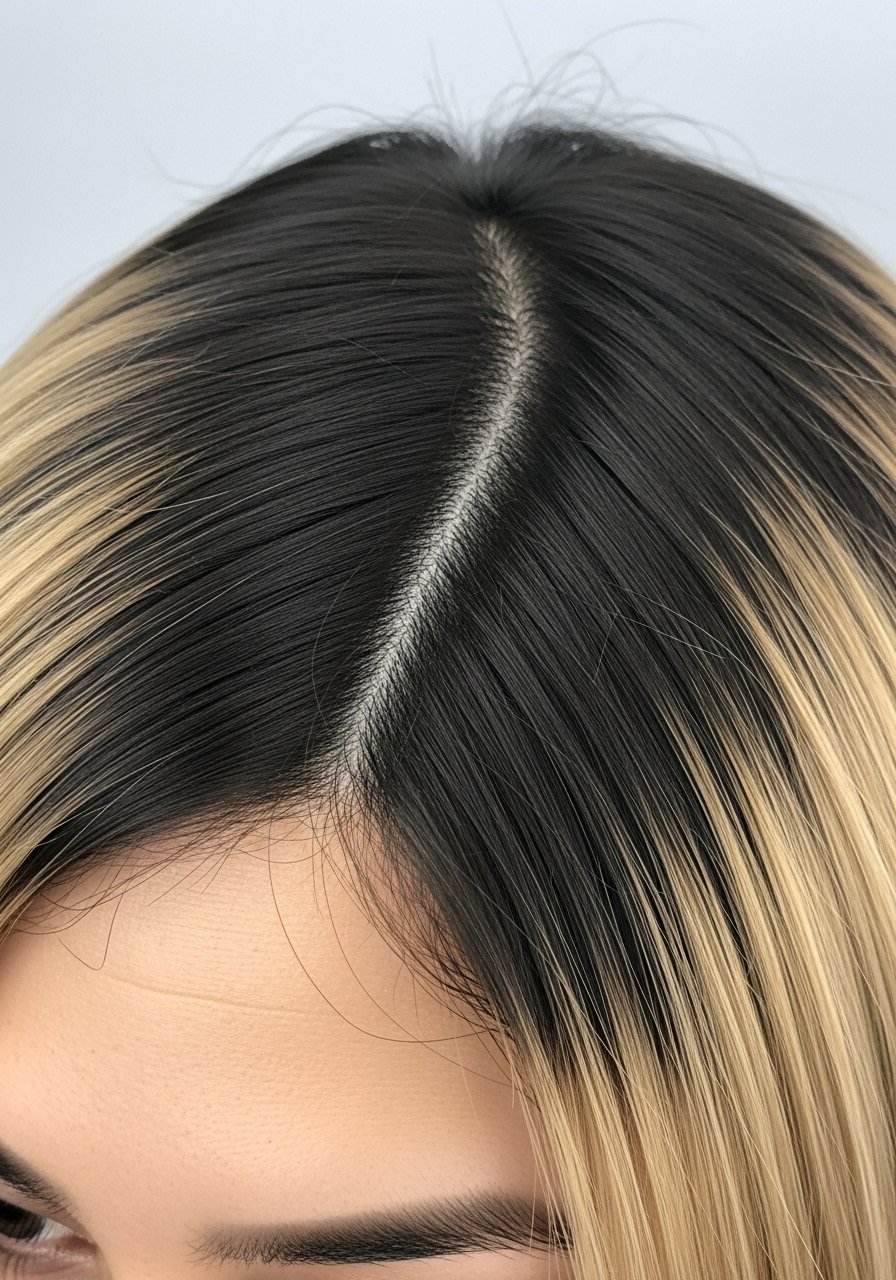
If you hate the line of regrowth, get a root smudge or shadow root at the end of your highlight appointment. My stylist shades the root area with a low-volume color, then blends it with a paddle brush at about 175 degrees Fahrenheit flat iron to press the color in and soften the band. This costs less than a full re-highlight and extends the time between appointments by several weeks. A common mistake is scrubbing the shadow out with clarifying shampoo too often. Use a sulfate-free cleanser and a weekly deep conditioner to preserve the blend.
What I Actually Keep in My Dark-Hair Highlight Kit
- Honestly the most used salon support at home, Olaplex No. 3 Hair Perfector 3.3oz. Use once a week on porous highlighted hair. Buy from the brand store on Amazon or Sephora to avoid counterfeits
- For at-home tone maintenance, a color-depositing conditioner in warm bronze 8oz, one or two pumps after washing keeps the tone from fading
- Quick gloss at home, clear demi-permanent gloss 4oz, follow processing time exactly for color deposit only
- For heat finishing, a lightweight heat protectant spray ~4oz. Most heat protectants you spray on dry hair before flat ironing barely work. They need to absorb into damp or just-dried hair to actually shield the cuticle
- For red tones, a sulfate-free color-safe shampoo 12oz to slow fading, or grab at Ulta/Target if you prefer to shop in person
- Tools: a high-quality sectioning clip set to keep foils tidy when trying DIY blends
- Sleep protection: a silk pillowcase. Hair grows about half an inch a month at most, regardless of what biotin gummies promise you. The silk pillowcase helps keep color-treated ends intact by reducing friction
- A salon gloss voucher. It is worth booking one gloss between full color sessions if you want tone maintenance without a full touch-up
Espresso Melt Lowlights for Softer Contrast
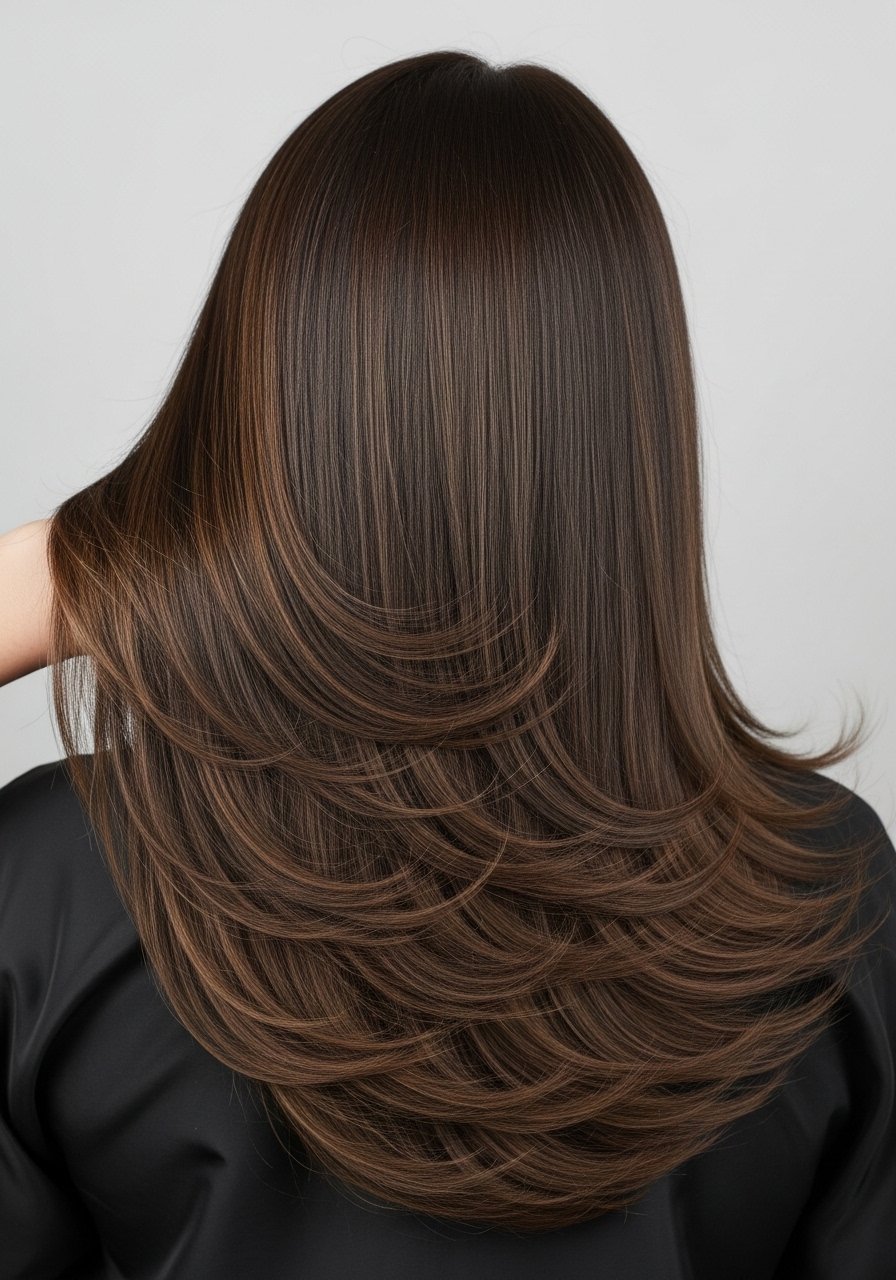
When highlights read too bright on black hair, adding lowlights can calm the whole look. An espresso melt is basically depositing a darker shade into select pieces so the overall contrast reads warmer and more natural. It saved one of my clients who had gone too light in a previous salon and wanted softer color without rebleaching. Lowlights are cheaper than a full correction and usually take about 45 minutes. You do not need to bleach for lowlights, so they are less damaging. The safety note is to ask your colorist to use a formula close to your natural base so the lowlights do not create muddy patches.
The Mistakes I Made So You Do Not Repeat Them
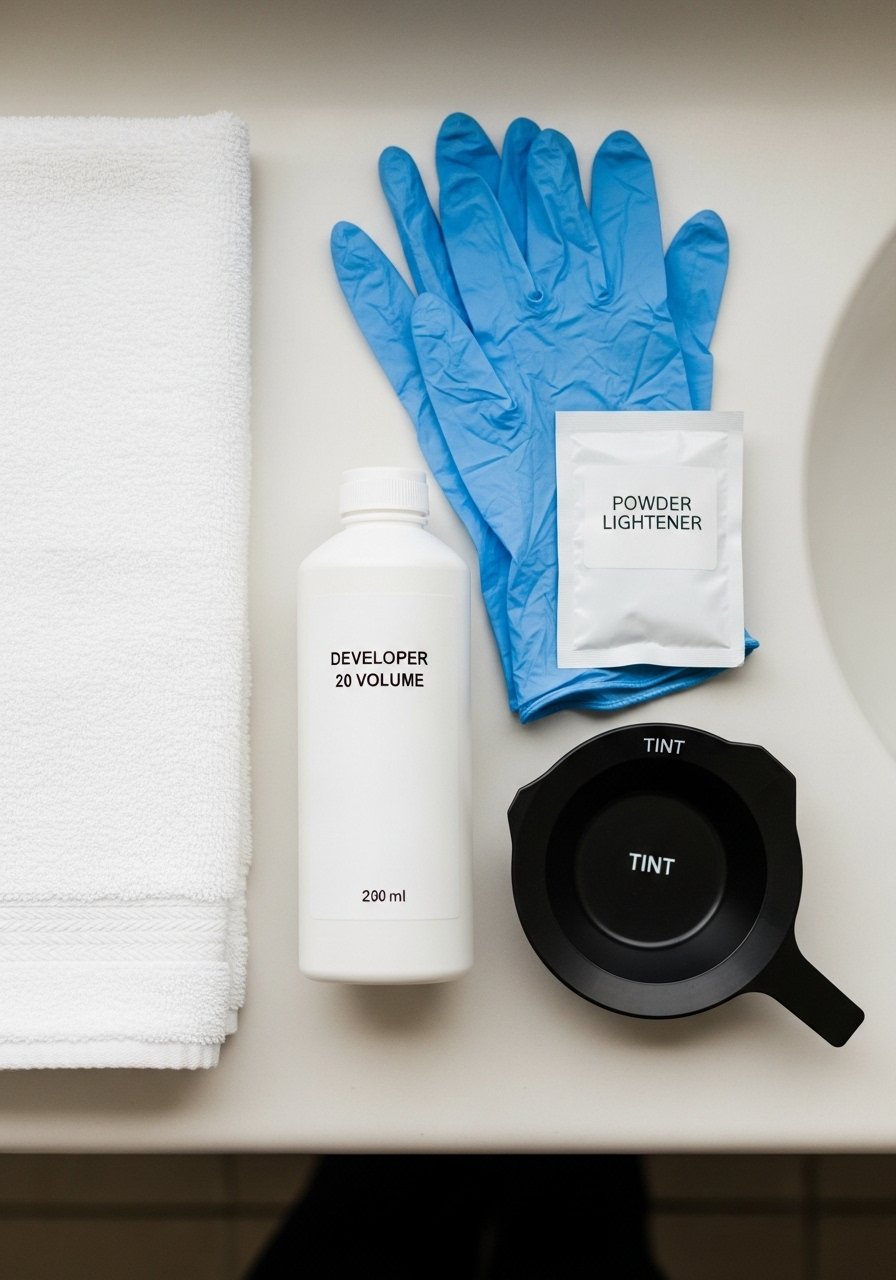
- Heat protectant goes on damp hair, not dry. The cuticle is more open and the product actually absorbs. A lightweight heat protectant spray is worth the habit
- If you have previous dark dye, do not try a full lift at home. Lifting bleach over previous color is a salon job, not a kitchen experiment
- Use bond-building treatments during and after lightening. Olaplex No. 0 followed by No. 3 is overused in ads, but when I did a weekly cycle it made a visible difference to my ends
- For curly and coily textures, paint highlights on the outer layers only, not the underneath. That keeps internal strands stronger and reduces breakage
- Plan for trims. Lightening old dry ends looks better if you remove the worst 1/2 to 1 inch first
Frequently Asked Questions
Q: How soon after highlights can I use heat styling?
A: Wait 24 to 48 hours when possible. That lets the cuticle settle and the tone finish oxidizing. If you need heat, always use a protectant that was applied to damp hair and blow dry on medium before any iron over 300F.
Q: Can I do highlights on natural black hair at home without damage?
A: You can do subtle face-framing or a single-session gloss at home safely. Anything that lifts more than two levels or overlaps previous color is risky. If you want a dramatic lift or multiple tones, book a salon appointment to avoid breakage.
Q: How often should I tone highlights on dark hair to prevent brass?
A: Every 6 to 8 weeks is a good rhythm for most warm tones. For red shades do a glaze every 4 to 6 weeks if you love the richness. At home, a pigmented conditioner used once a week stretches the salon visit.
Q: Will highlights make my 4C hair dry and brittle?
A: Lightening does increase porosity. The safe approach is selective placement, lower developer, and adding bond builder treatments. If you notice extreme dryness, stop chemical services and do a protein and moisturizing cycle, and consult a stylist.
Q: Is a gloss the same as a toner and when do I choose one?
A: They overlap but differ. Glosses add shine and deposit tone with little lift. Toners correct unwanted warmth after a lift and often follow a bleaching session. If you only want to adjust tone and boost sheen, a gloss in 20 minutes usually does the job.
Q: Can I get highlights on a short pixie cut?
A: Yes, but technique changes. Stylists use micro-painting or small foils to place brightness where the hair turns. The goal is subtlety so the color reads natural. Expect the cost to be lower than full-head highlights, and plan for touch-ups every 8 to 12 weeks depending on growth.