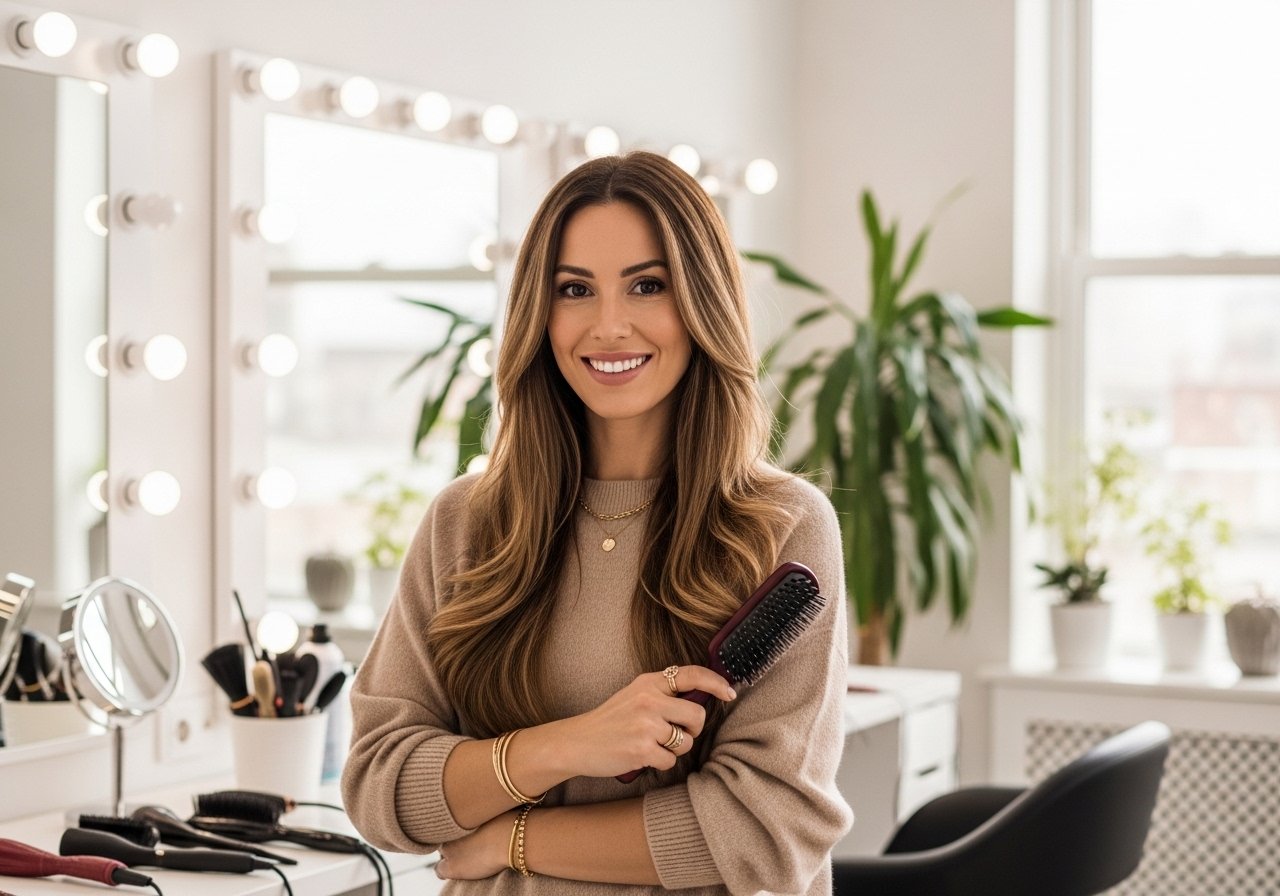
If your curls puff into a triangle by noon and your layered haircut just looks like a helmet, I get it. My curls behaved on Instagram and like wet noodles by 11am in real life. The fixes were less about chopping and more about how the layers sit, where I put products, and one tiny change to my wash day. Below are 13 layered curly looks I actually cut, styled, or sent a friend to the salon for, with the exact tricks that keep them working outside perfect lighting.
These ideas are mostly for 2A through 4A curls, from shoulder length to mid-back. Expect most styles to be doable at home with a simple trim or by asking for specific layering at the salon. Budget runs from under $20 for a diffuser attachment to a splurge if you want professional color. Time commitment varies from a five-minute second-day refresh to a full wash, apply, and diffuse session.
Shoulder-Length Layered Bob That Stops the Triangle
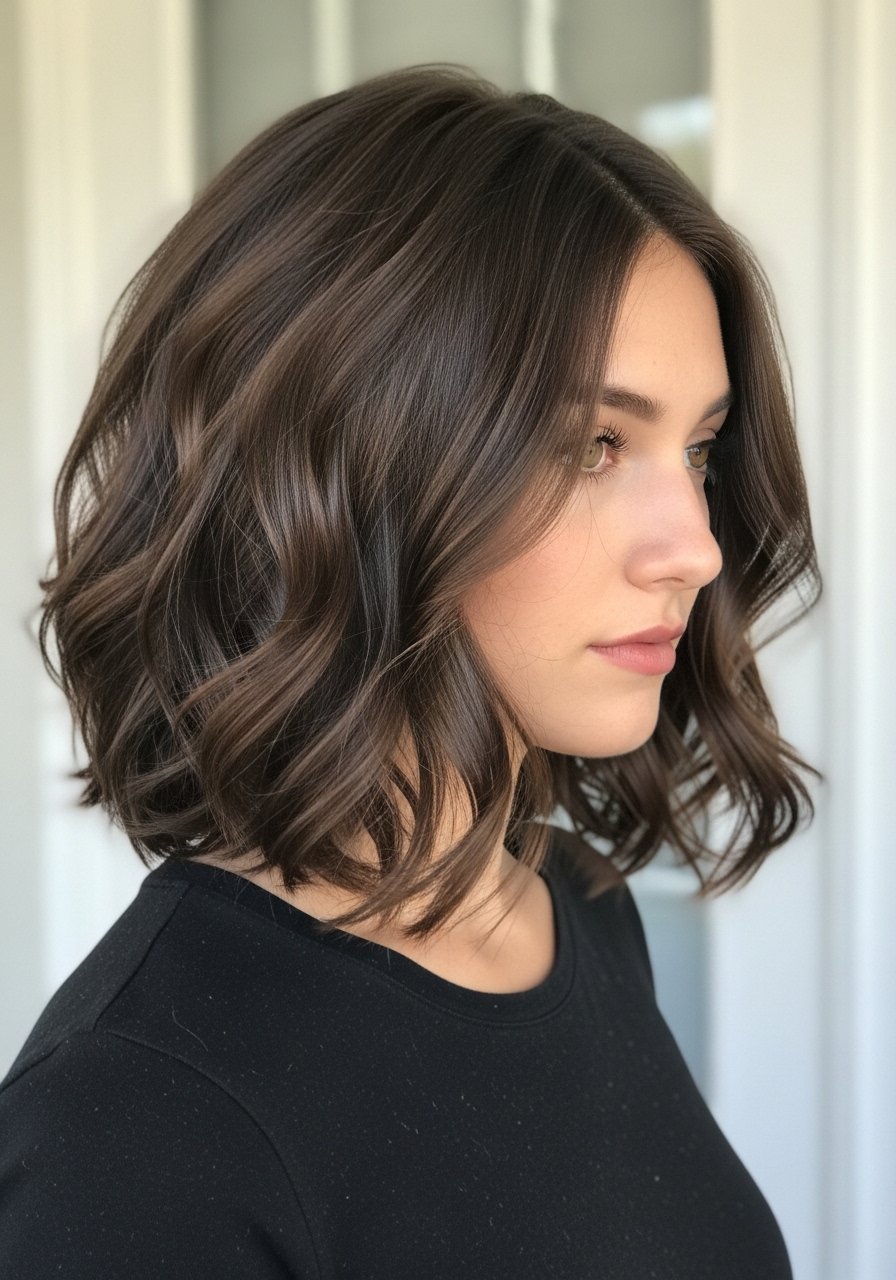
The layered bob is the haircut I ask for when my roots get heavy and my hair wants to spread sideways. Ask your stylist for shorter layers in the nape to lift, and two longer face-framing pieces that fall past the chin so the shape reads vertical instead of triangular. This is best for 2A to 3B textures. At home, I apply product mostly to mid-lengths and ends, following the 80/20 product placement rule, then rake through three or four vertical sections before diffusing on low. A salon cut is worth it for the graduation, DIY trims usually thin the ends too much.
Long Layers That Let 3B Curls Fall Without Looking Heavy
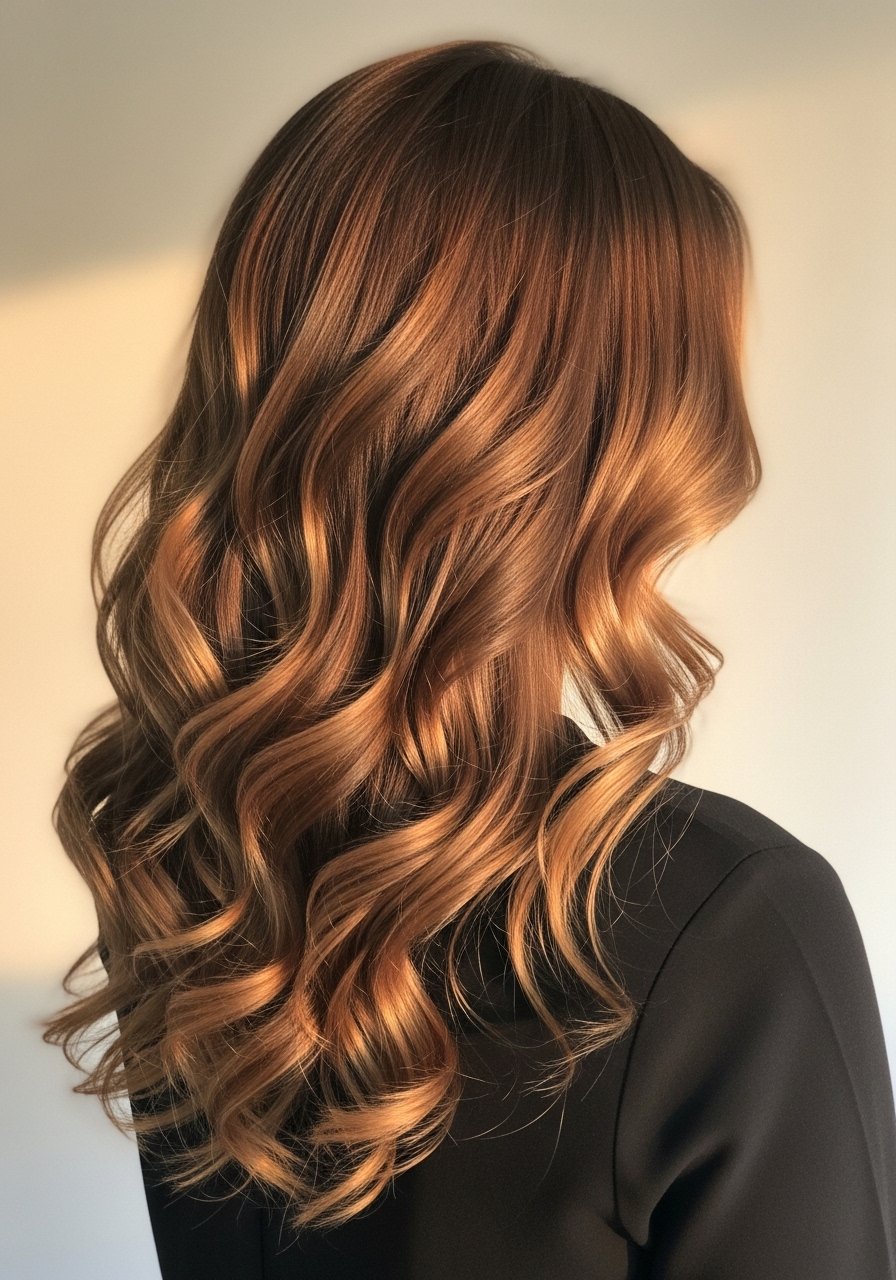
Long layers are about removing bulk while keeping length. For 3B curls I ask for layers cut blunt at the end of each curl cluster so the layer sits naturally. When styling, I use the LOC method but tweak it: apply leave-in to damp hair, then a light oil to seal, then a medium-hold gel only where clumps form. Two coin-sized dollops of leave-in per palm spread over four sections is usually enough. If you diffuse, use a diffuser on medium heat and never put any iron over 300F on damp curls without a heat protectant.
Layered Shag With Curtain Bangs for Soft Face Framing
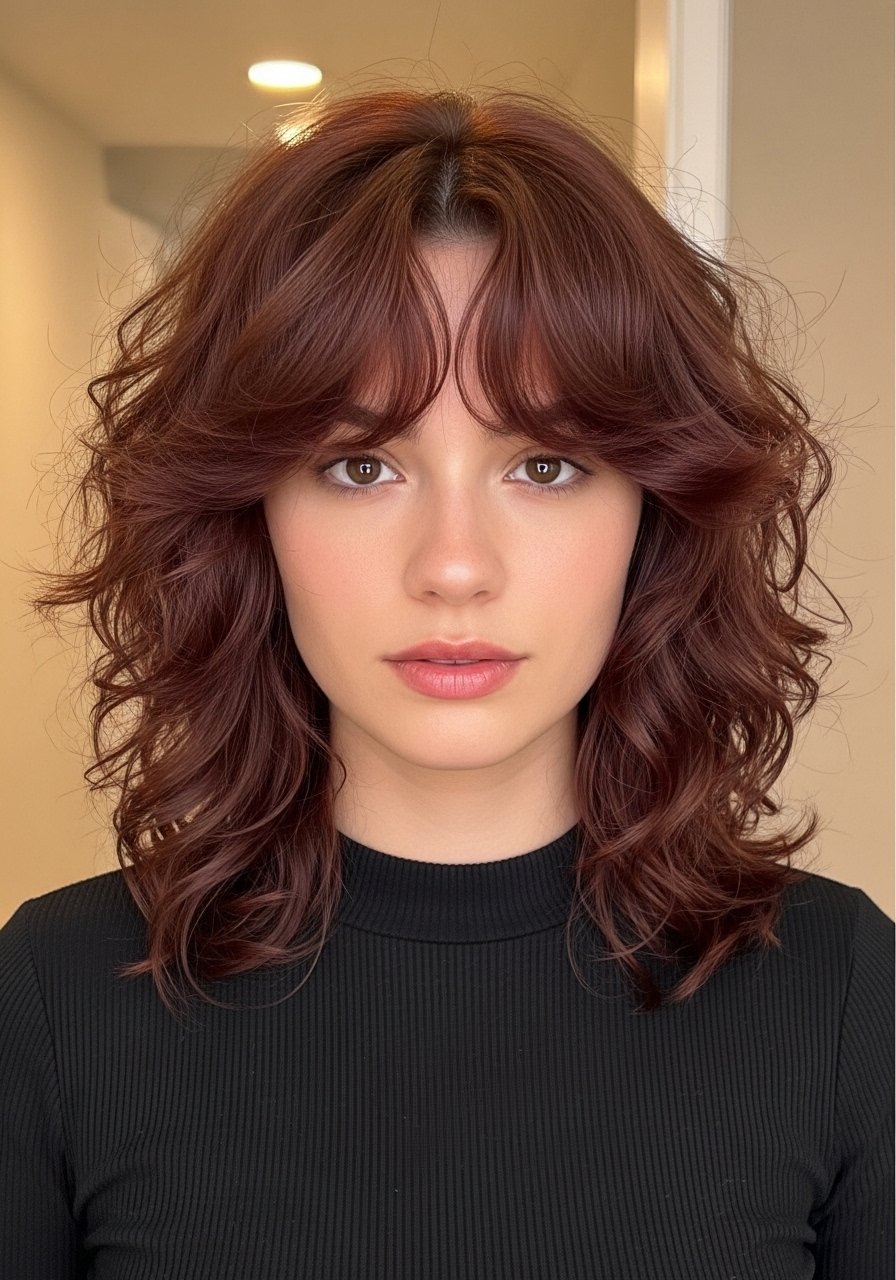
The shag works when you want movement without losing volume. For 2C to 3A hair I ask for lots of short, choppy layers around the crown and wispy curtain bangs that are cut dry so they fall where my hair does. The trick in styling is two things. First, section the hair into six vertical sections while applying product so you do not over-saturate the crown. Second, avoid gel-only routines. My curls looked great on TikTok and like wet noodles by 11am until I started layering a cream under my gel. Salon cuts are best for bangs, DIY dry trims are risky.
Short Layered Pixie That Keeps Tight Curls Springy
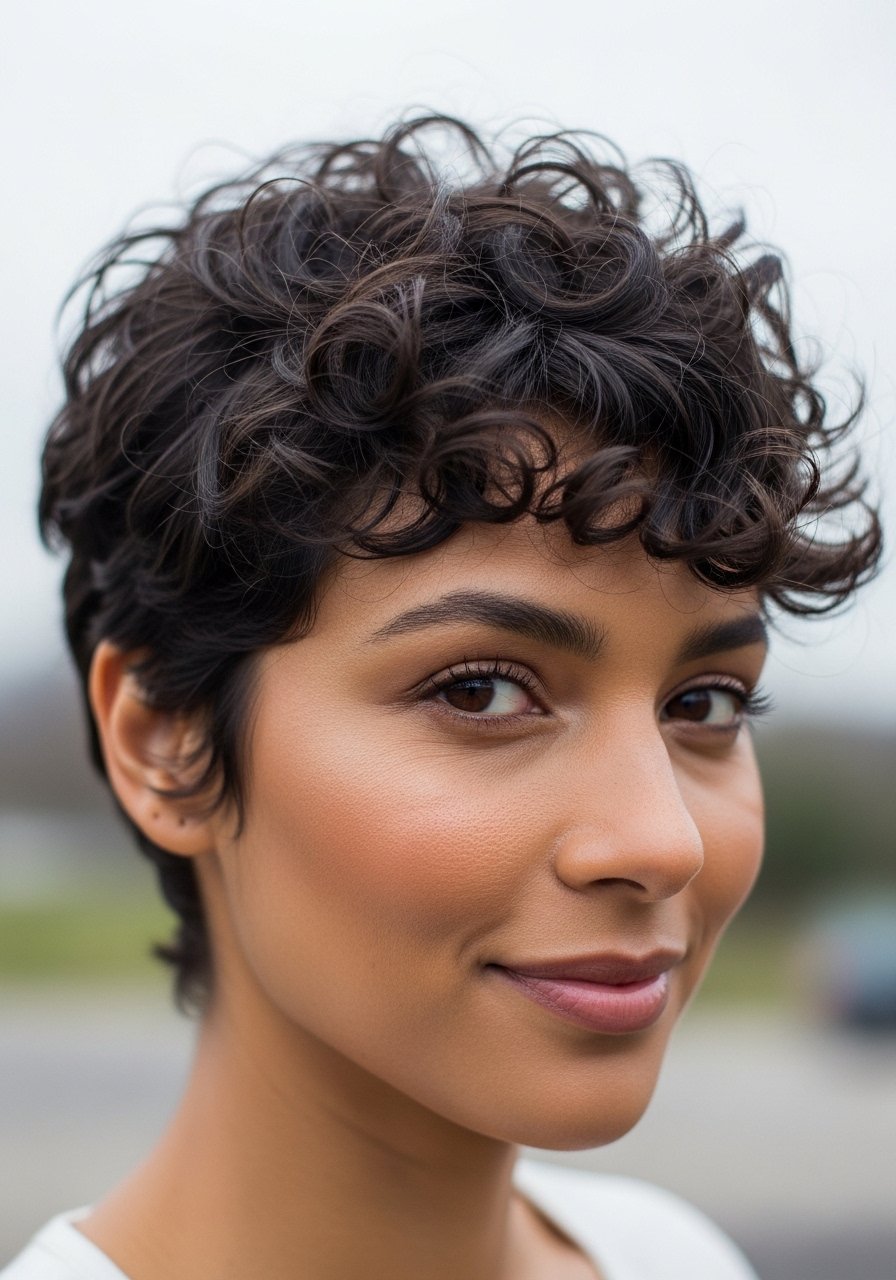
If your curls are tight and shrink a lot, a pixie with short top layers and slightly longer sides stops the mushroom effect while keeping texture. This is a great option for 3B to 4A curls. Stylist tip I learned the hard way, ask for the top layers to be point-cut rather than razored to avoid frizz. For styling, I use a pea-size amount of cream per section for six small sections, then a tiny dot of oil to the ends only. If you use heat to shape, always apply heat protectant first and keep iron temps under 300F when possible. Short cuts are very salon-dependent, so book a pro for the first cut.
Lob With A Money Piece That Brightens Curly Faces
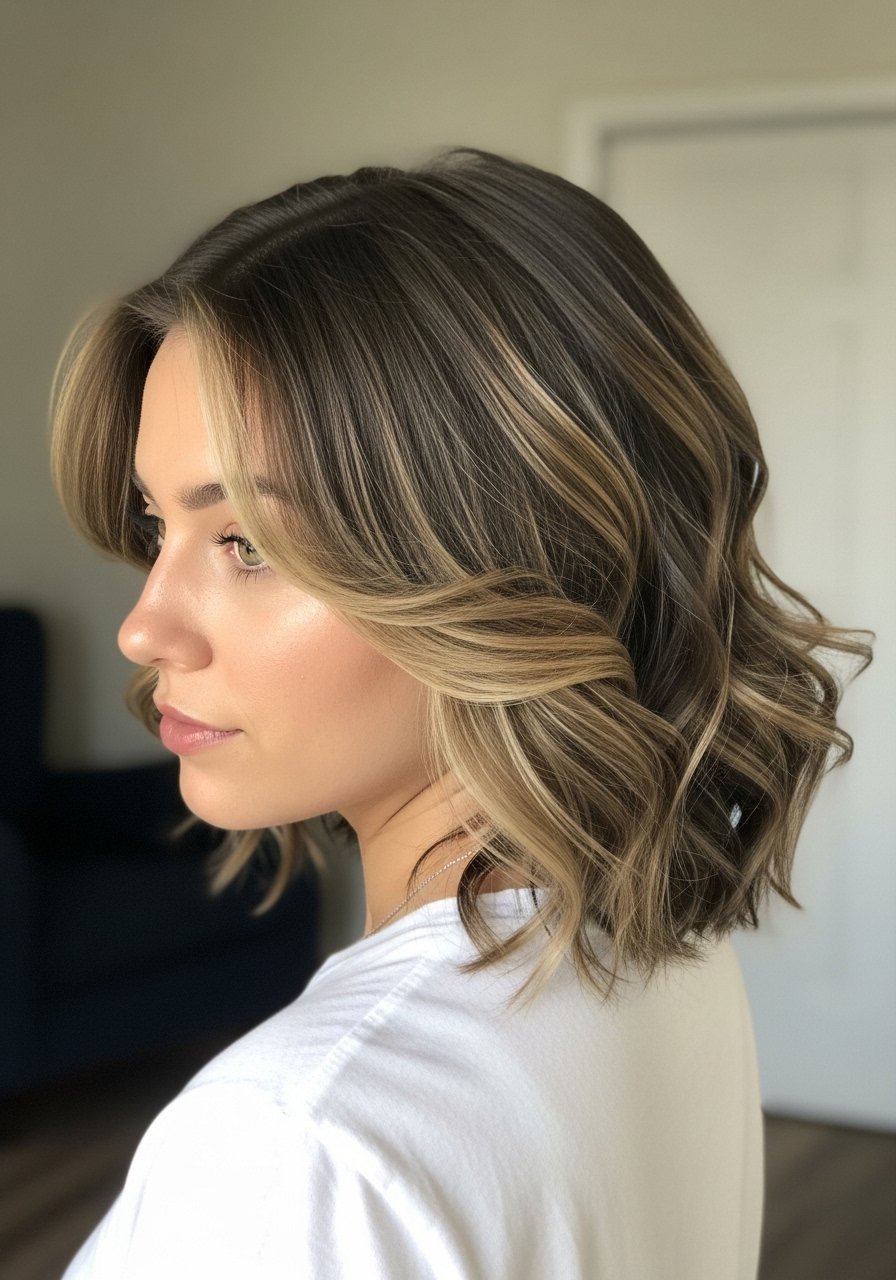
A lob with a money piece draws attention to the face without a full-color commitment. This suits 3A to 3C curls and looks best with low-maintenance demi-permanent color. If you touch this up at home, do an allergy patch test and go slow, one-quarter inch sections for the front and a toner gloss at the end to avoid brass. I usually ask my colorist for a softer blend so the highlight grows out less obviously. Note, colored hair benefits from a weekly bond treatment and buy from the official store on Amazon or grab it from Sephora to avoid counterfeits.
Layered Shape For Type 4C That Keeps Definition Without Weight
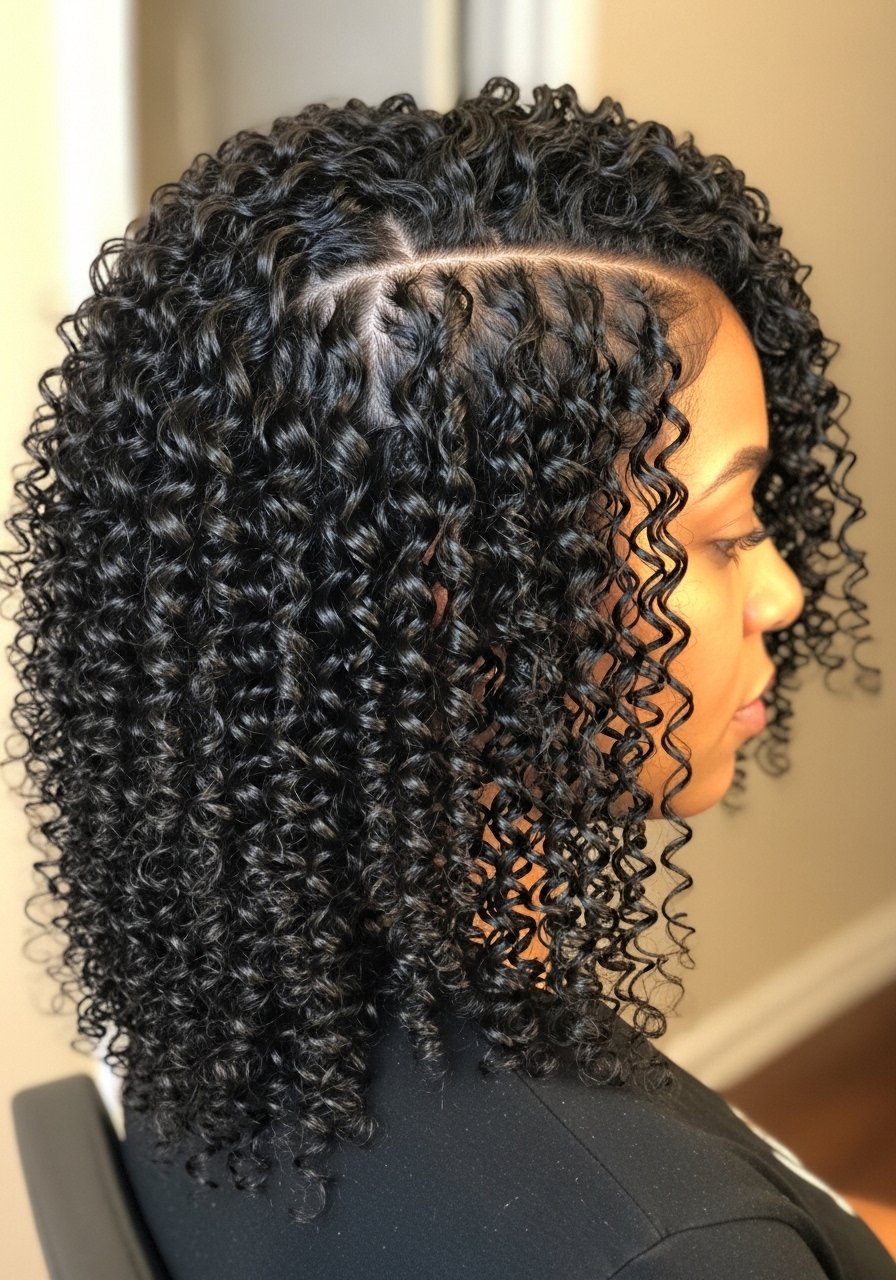
For 4C hair layers are about shape, not removing density. I ask for short crown layers that create a rounded silhouette and longer under-layers so the shrinkage reads intentional. At home the banding method while air-drying or a low-heat hood dryer for 30 to 40 minutes helps stretch without heat damage. Use the LOC method with a generous leave-in and cream, but apply oil sparingly to avoid weighing down. If you heat-style, always protect and keep the temp lower. This cut is salon-preferred for precise layering and to avoid accidental over-thinning.
Layered Mullet Cut That Gives Loose Curls Movement
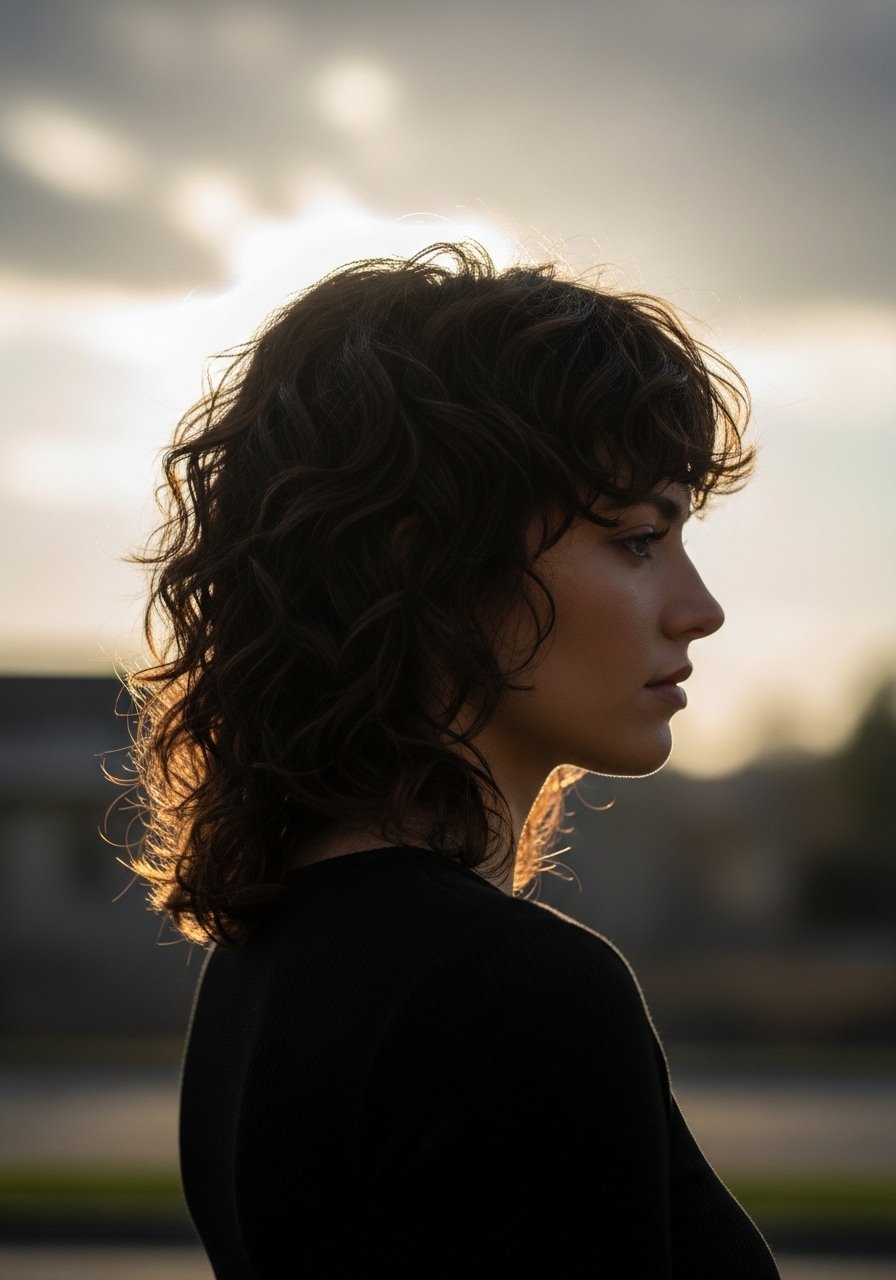
The mullet is back but gentler for curls. For looser textures it adds a lived-in shape that separates rather than flattening. Ask for face-framing front layers that sit above the jaw and longer layers in the back to keep bounce. I use a sea salt spray lightly while hair is damp, scraping product through four vertical sections to preserve separation. A common mistake is over-texturizing at the ends, which creates frizz. This is a style you can cut into yourself if you are experienced, but most people do better with a stylist the first time.
What I Actually Keep On My Shelf For Layered Curls
- Honestly the best $30 I spend in any year. Olaplex No. 3 hair perfector used once a week saved my ends after I tried to bleach in the kitchen. Watch for counterfeits, buy from the official store on Amazon or grab it at Sephora
- For the wash day routine, this matters more than the shampoo. A microfiber hair towel (~$12) cuts dry time and stops the frizz before it starts
- Found this while looking for something else. A silk pillowcase queen size cut my morning frizz in half before I touched a single product
- Wide-tooth comb for detangling in conditioner, counts as a $6 win
- Briogeo Don't Despair Repair hair mask 8oz for weekly deep conditioning, also available at Ulta
- Diffuser attachment for blow dryer under $20, essential if you diffuse
- SheaMoisture curl smoothie for layering under gel on second day hair
- Heat protectant spray because any iron over 300F needs protection
- Color-depositing conditioner or purple shampoo for highlight maintenance, use once a week max to avoid dryness
- Silicone-free styling gel for hold without crunchy residue
Face-Framing Layers That Soften A Square Jaw
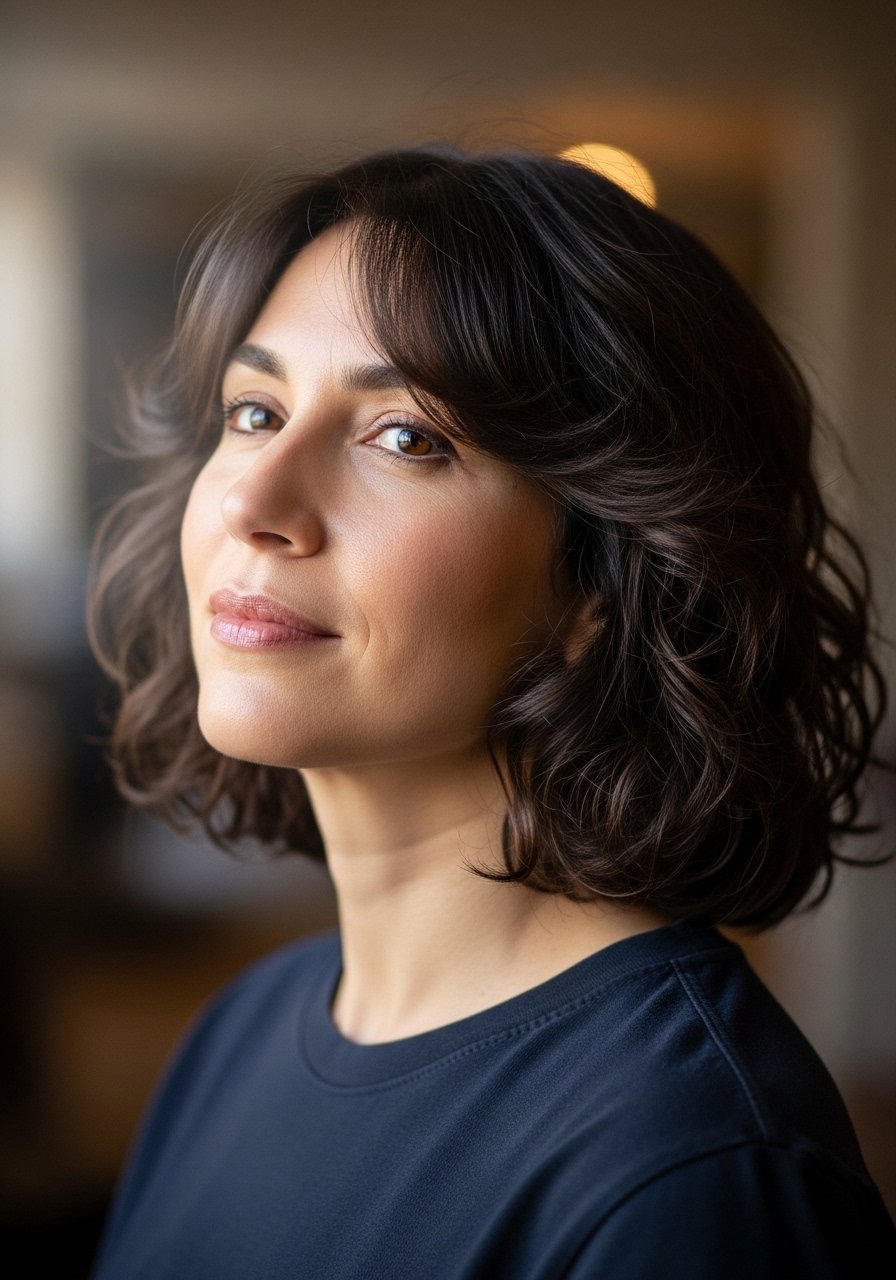
If you want your curls to contour the face, ask for layers that start below the cheekbones and sweep forward. This works well for 3A to 3C hair. In practice, I apply a light oil only to the ends, then a leave-in on damp hair and shape each side into three twist sections to encourage the face-framing pieces to clump. The specific detail most guides skip is the section count. Doing just two big sections makes the layer sit wrong. Trim frequency is about every 10 to 12 weeks to keep the frame precise.
Layered Wash-and-Go That Cuts Dry Time in Half
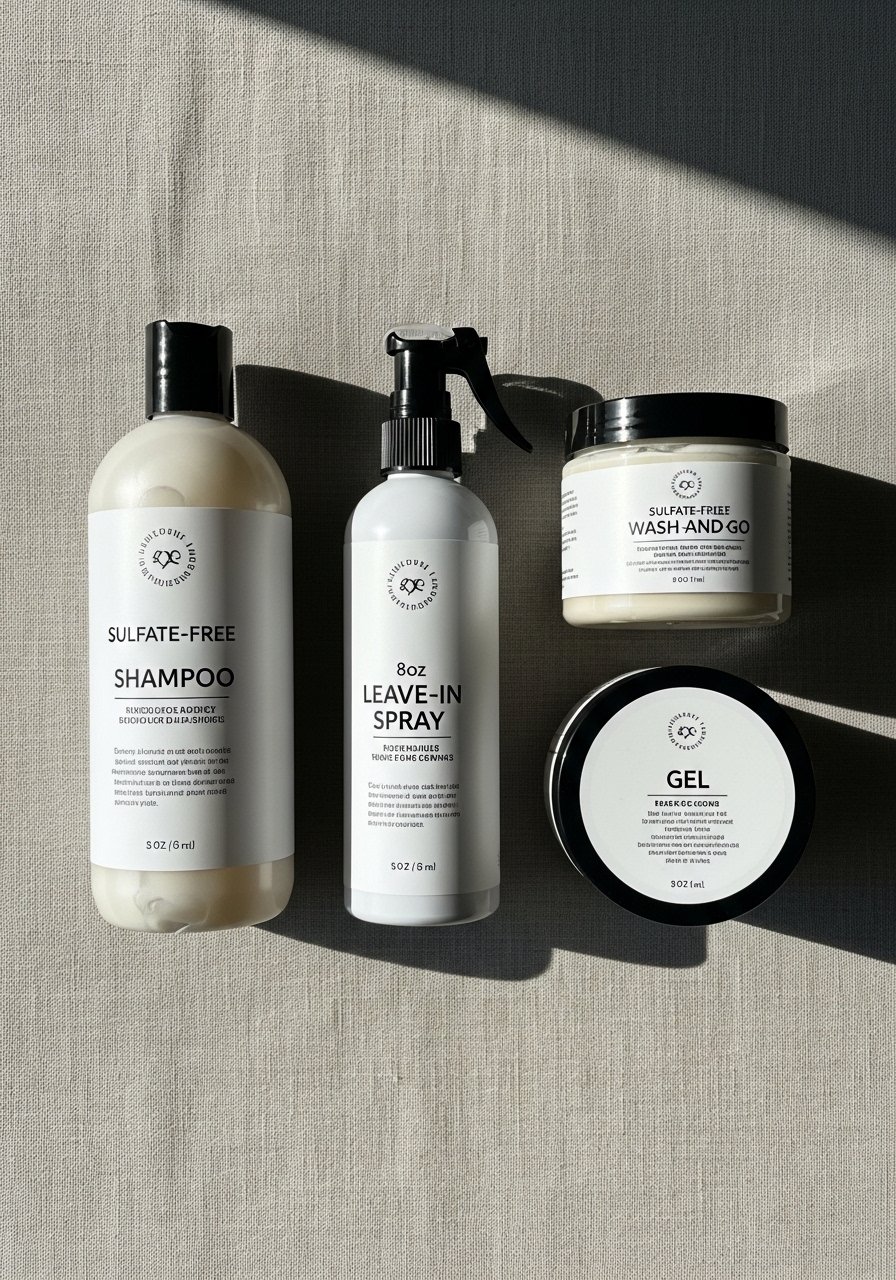
A layered cut becomes useful only if styling time is reasonable. For a real wash-and-go on 3A to 3C curls I section hair into four and apply leave-in, then cream, then gel, using the rake-and-scrunch method. A microfiber towel plop for 20 minutes will cut dry time. Diffuse on low heat if you need faster results. One specific tweak that matters is product quantity: two pumps of cream per quadrant and a nickel-sized amount of gel in each quadrant. Overloading the crown makes the shape heavy and flat.
Layer-Friendly Updo That Survives Pineapple Sleep
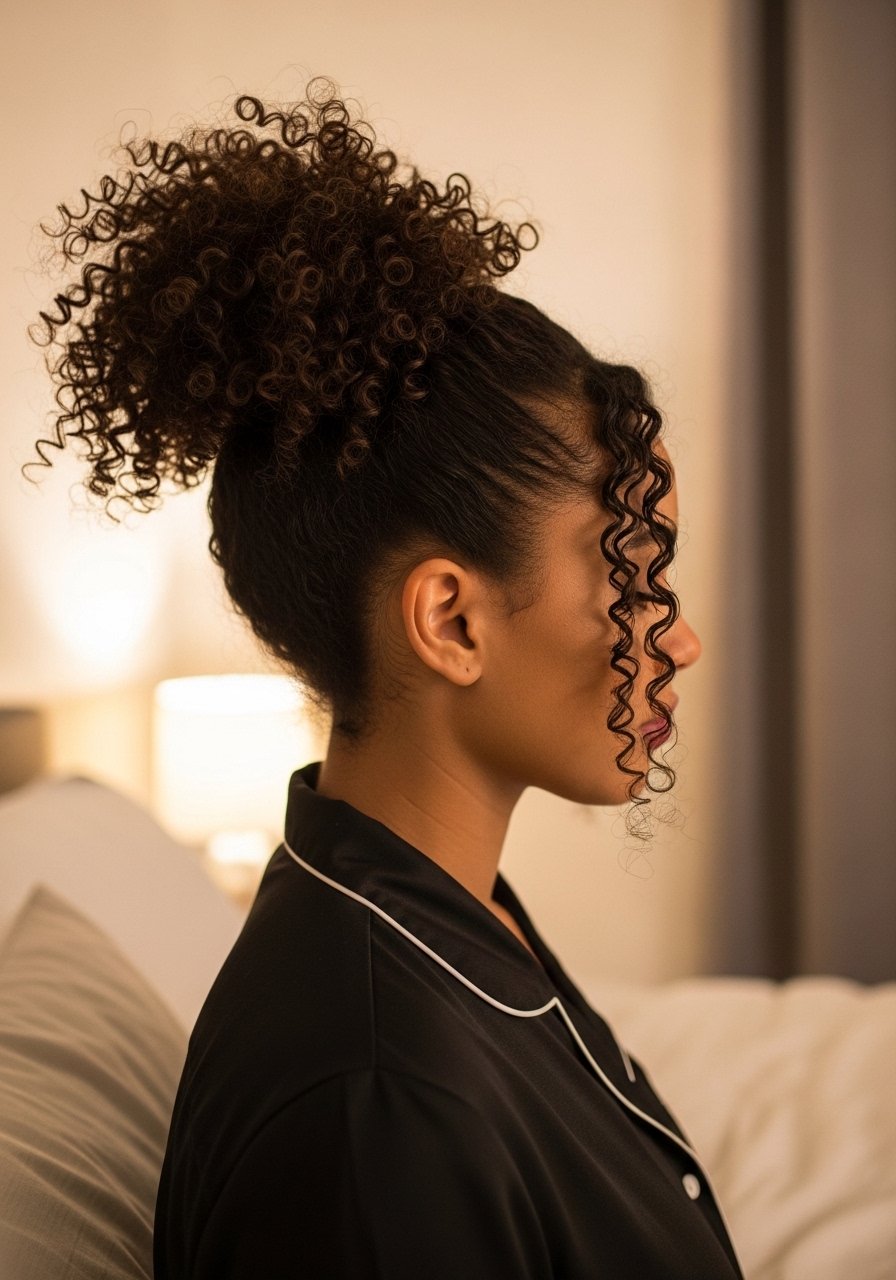
If you want to keep layers but still sleep without crushing your shape, the pineapple method is clutch. Gather hair loosely at the crown with a silk scrunchie so the layers fall forward instead of flattening at the nape. For finer curls, tuck shorter front layers into a loose headband to stop them escaping overnight. Use a silk pillowcase under the pineapple to reduce friction. This is an easy at-home habit and beats redoing your entire style each morning.
Layered Curls With Soft Highlights That Hide Early Greys
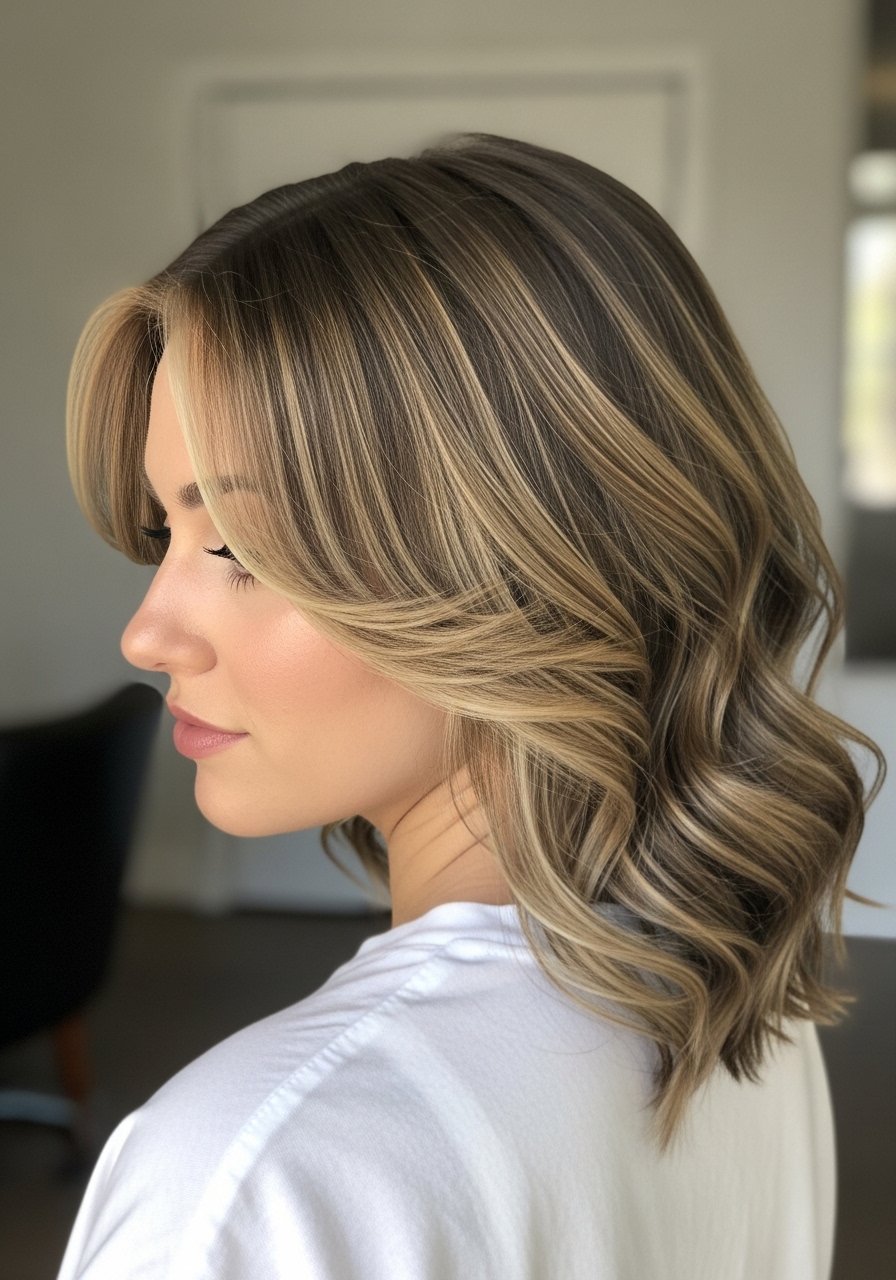
Soft, face-near highlights on layered curls hide regrowth without full-coverage color. Demi-permanent lowlights work well because they fade gently and are less damaging. If you do at-home glosses, always do a patch test and follow the box timings exactly. A common mistake is using developer too high for curl textures, which causes frizz and porosity. Salon glosses last longer, but a gentle color-depositing conditioner can extend the look between visits.
Layers For Fine Curls That Add Volume Without Frizz
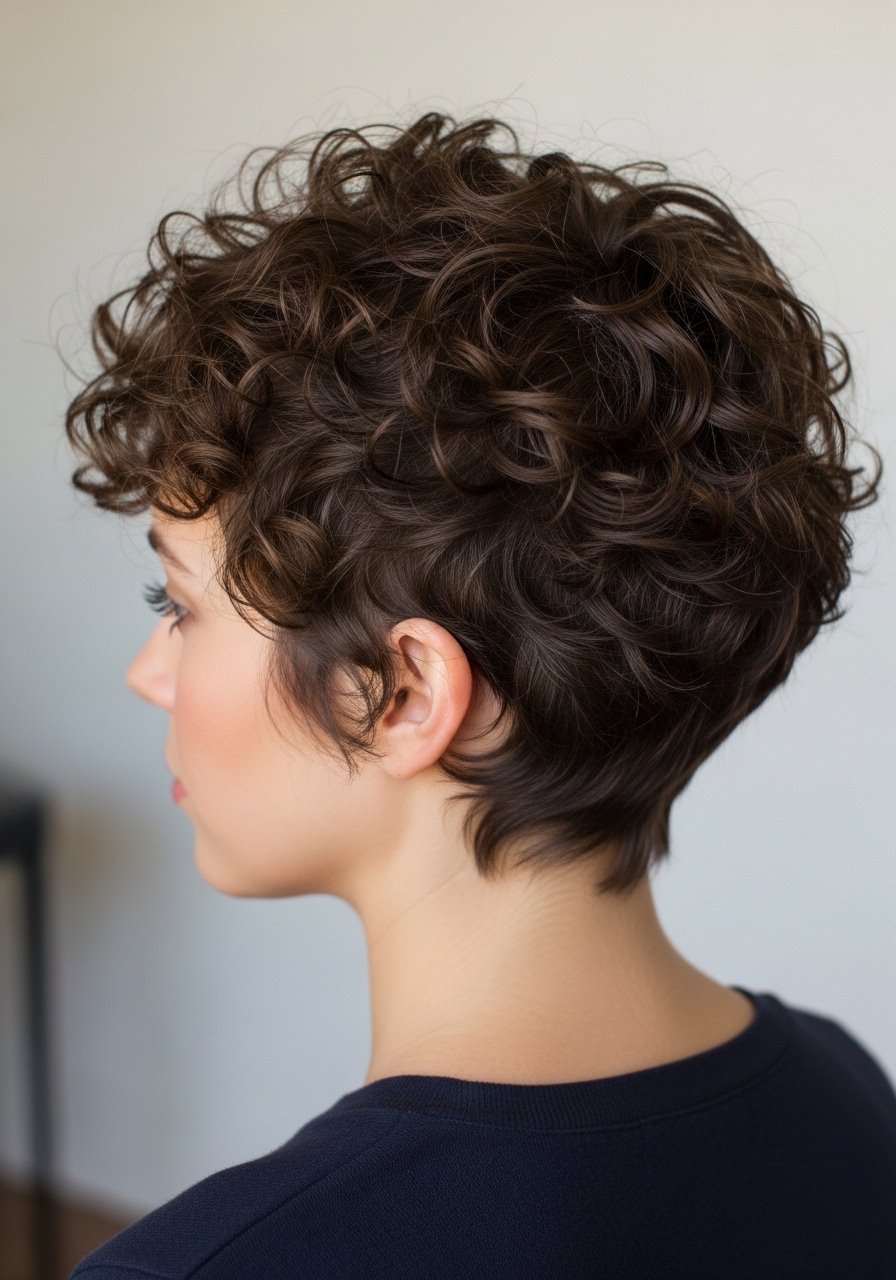
Fine curls need shorter layers at the crown to fake density and longer layers below to keep weight. I ask for crown layers that are point-cut and not razored. For styling, I use a whipped mousse, two pumps in my palms, applied through five small vertical sections, then diffuse upside down for 4 to 6 minutes on low to get lift. Avoid heavy oils at the roots. If you want more hold without crunch, layer a lightweight cream under a small amount of gel.
Wet-Look Layered Style For Events That Actually Holds
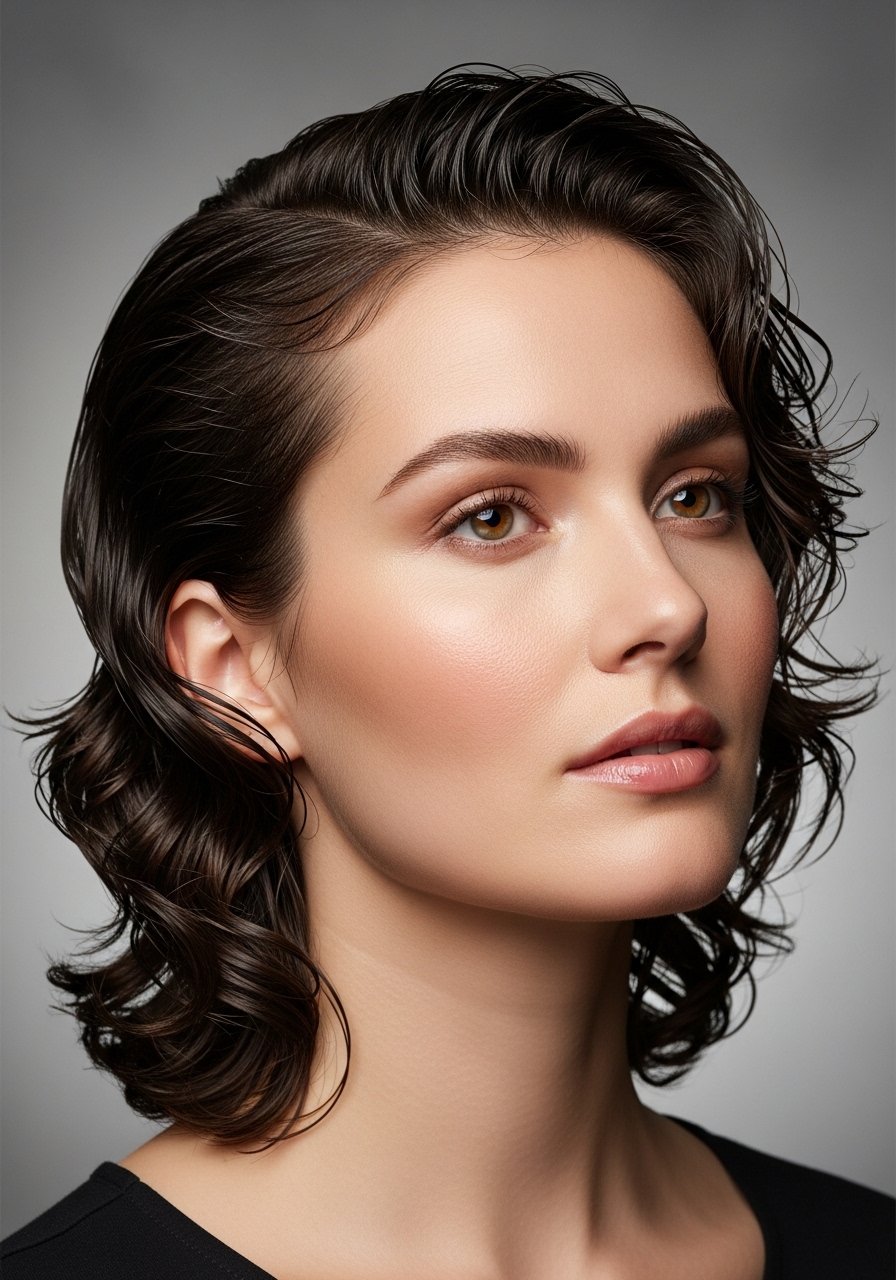
For a wet-look that keeps layers defined, sequence is everything. On soaked hair, apply a small spritz of leave-in, then a pea-size of curl cream per section, then smooth gel only on the top layer where you want hold. The trick is to stretch 6 to 8 sections as you smooth to avoid one heavy central bundle. A common mistake is gel-only on dry hair which flakes. For this finish, allow hair to air-dry 60 percent then diffuse to set. If you plan to use heat at any point, heat protectant must go on first.
Little Rules That Keep Layered Curly Cuts Working
- Heat protectant goes on damp hair, not dry. The cuticle is more open and the product actually absorbs. A heat protectant spray is worth the habit if you touch a flat iron or wand
- Grab a microfiber hair towel for $12. It cuts your blow dry time by a third and stops the frizz before it starts
- Hair grows about half an inch a month at most, regardless of what biotin gummies promise you. The thing that helps length retention is reducing breakage with a silk pillowcase queen size and weekly bond treatments
- Drugstore shampoo is fine. Where you actually need to spend money is the conditioner and bond builder. Olaplex No. 5 conditioner does more for damaged hair than a pricier shampoo
- When asking for layers, show photos and point to where you want weight kept. Most stylists prefer to cut curly hair dry, and that detail matters
Frequently Asked Questions
Q: Can I use Olaplex No. 3 if my hair is not damaged, or will it make it worse?
A: You can use it on undamaged hair, it will not make healthy hair worse. Use a quarter size for short to medium hair once a week, more if you color often. If you prefer salon alternatives, look for official sellers on Amazon or buy at Sephora to avoid counterfeits.
Q: How often should I actually use purple shampoo to fix brassy tones without making my hair dry?
A: Once a week for most highlighted curly hair is enough. If your hair is porous try a diluted application or use a color-depositing conditioner instead to avoid drying out the cuticle.
Q: Is a layered cut for Type 4C different from one for 3C?
A: Yes. 4C layering is about shaping and managing shrinkage, not removing density. Stylists usually taper and add short crown layers for shape and keep longer under-layers to prevent the silhouette from going triangular. Book a stylist who cuts curly hair dry if possible.
Q: Can I cut my own layers at home between salon visits?
A: Small trims around the face are doable if you know your pattern, but major layering is risky. Cutting curls wet changes where the hair will sit once dry. If you attempt a DIY trim, cut very small amounts and go dry.
Q: What heat setting is safe for curls?
A: Use the lowest effective heat. Keep flat irons under 300F when possible and always apply a heat protectant to damp or just-dried hair. If you must use higher temps for styling thicker hair, reduce frequency and use a bond-building treatment weekly.
Q: How often should I trim layered curls to keep the shape?
A: About every 10 to 12 weeks for most curl patterns. If your texture is faster to knot or you color often, 8 to 10 weeks may be better. Trims keep layers readable and prevent split ends from undermining the shape.