Most heat protectants you spray on dry hair before flat ironing barely work. They need to absorb into damp or just-dried hair to actually shield the cuticle. I learned that the hard way after a blowout that looked great and disintegrated by night. Below are dark color ideas that actually behave in real life, plus the little techniques that keep them looking intentional instead of like a faded one-note brown.
These picks work best on medium to thick natural dark brown or black bases, and on textured hair that wants dimension without high-maintenance upkeep. Skill level ranges from easy at-home glosses to salon-only multi-step lifts. Budget runs from under $25 for a glaze to salon splurges around $200 for a custom gloss and toner session.
Deep Chocolate Balayage for Low-Maintenance Shine

If you want depth without looking flat, paint very thin balayage slices starting two inches from the root. For dark brown bases I keep foils to about 6 to 8 small slices per side, 10 minutes on 20 volume developer for a soft lift, then glaze with a demi-permanent to blend. On wavy 2A to curly 3B hair this keeps movement and prevents stripy regrowth. Use a weekly color-safe sulfate-free shampoo and once-a-month Olaplex No.3 hair perfector as a bond builder, bought from the official store to avoid counterfeits Olaplex No.3 hair perfector. Common mistake is foiling too heavily, which reads brassy on dark hair. Salon for first application, touch-ups you can stretch to every 12 to 16 weeks.
Money Piece Caramel on Dark Brown for a Framing Pop
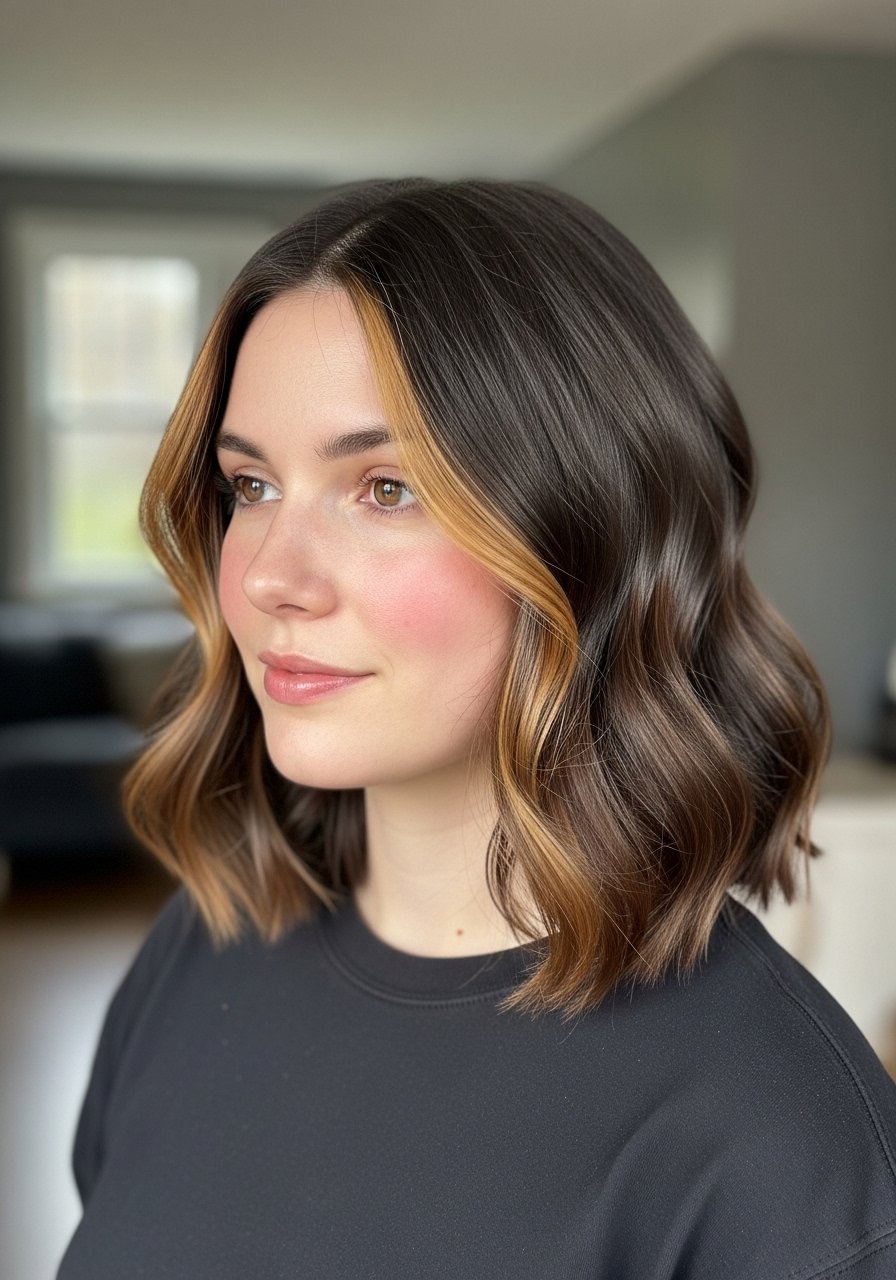
A money piece is all about contrast at the face. On dark hair I paint a narrow slice, one to two inches wide, and use 10 to 20 volume depending on how much lift you need. For most dark brown bases, two to three foil passes with a gentle bleach and immediate toner gives a warm honey edge without going bright. If your hair is fine, keep the slice thinner so weight does not pull it flat. Swap the usual gel-only top coat for a lightweight cream on towel-dried hair before smoothing. Patch test before any lightener and never bleach over a dark box dye at home, that often causes breakage.
Espresso All-Over with Soft Shadow Root
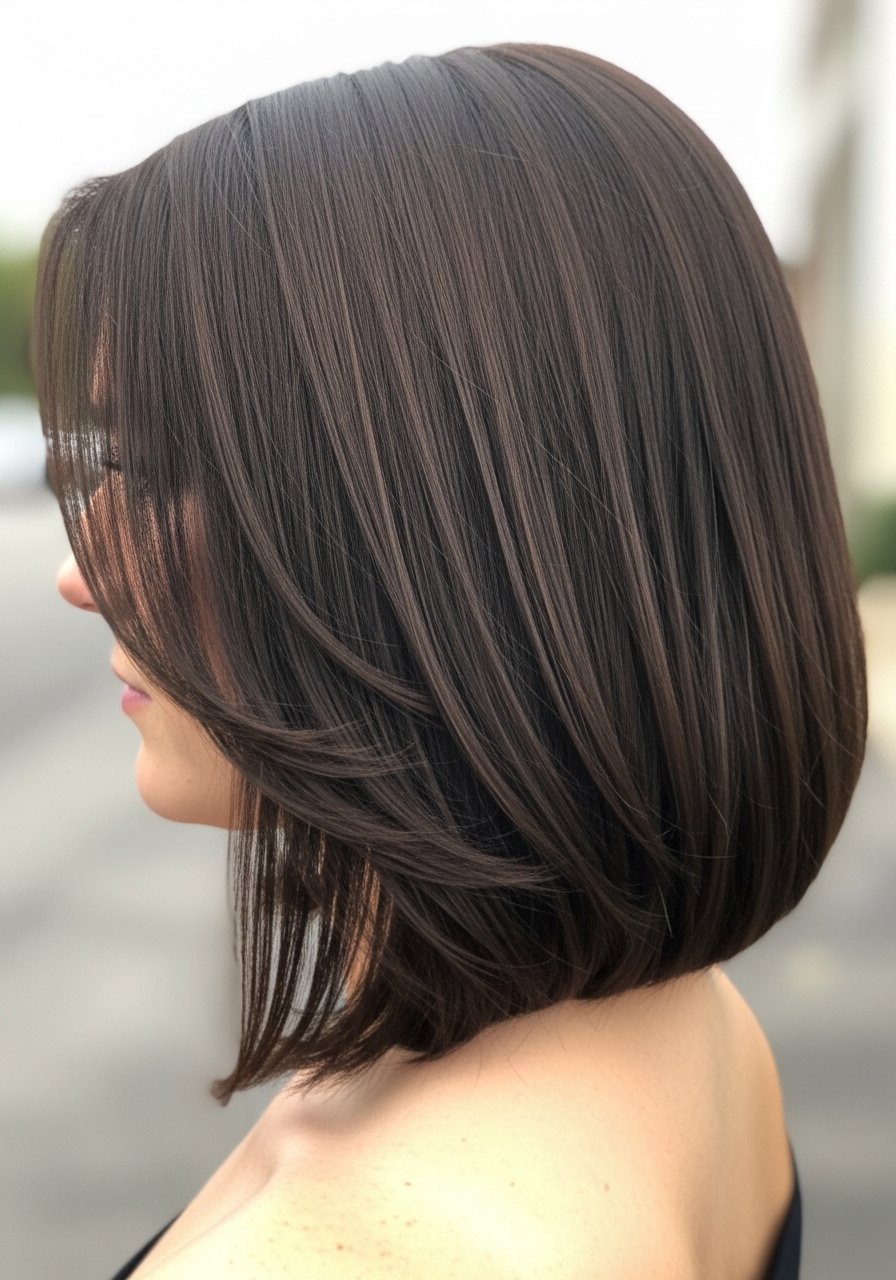
For people who want close-to-natural dark color but richer tone, a single-process espresso gloss with a one-level darker shadow root makes hair look denser and less flat between washes. Use a demi-permanent gloss and 5 to 10 minutes processing for deposit only. This is ideal for thin to medium straight hair because it adds visual fullness. If you heat style, remember heat protectant goes on damp hair, not dry. A common mistake is washing immediately with clarifying shampoo after a gloss. Wait 48 hours to let the cuticle settle so the color lasts longer.
Chestnut Bronze Babylights for Warm Dimension

Tiny babylights are lifesavers when you want light-catching movement but no obvious regrowth line. For dark hair I work with 20 to 30 micro foils around the face and crown, lift for 6 to 8 minutes on 20 volume, then tone to a warm chestnut bronze. Curls 3A to 3C hold the contrast well because the highlights fall randomly through the spiral. The trade-off is time in the chair, but upkeep is just a glaze every 10 to 12 weeks. Don’t overuse purple shampoos on warm tones, it can mute the bronze. Use once a week at most.
Cherry Cola Gloss for Cool-Red Shine
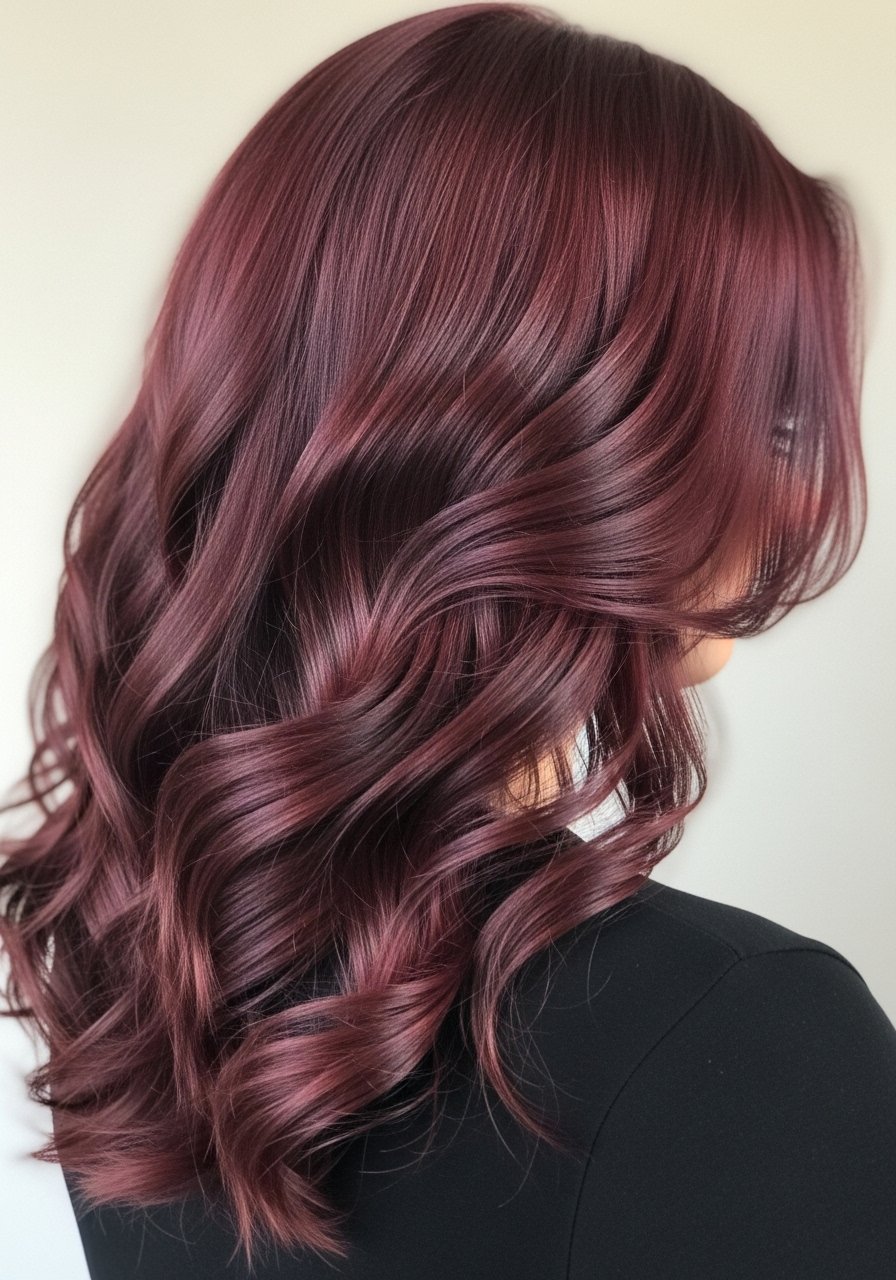
Cherry cola is a deep burgundy that looks glossy on dark bases without screaming red. I book a salon gloss or use a demi-permanent color at home if you have experience with toners. For the DIY route, mix one application of a low-volume developer demi with the pigment and leave for 10 minutes, rinse with cool water. For people prone to quick fading, a clear gloss every three weeks stretches the vibrancy. Reader frustration solved here is fast fade. Safety note, always patch test for dye allergies and expect red to shed faster than brown tones.
Espresso Melt with Sliced Lowlights for Texture
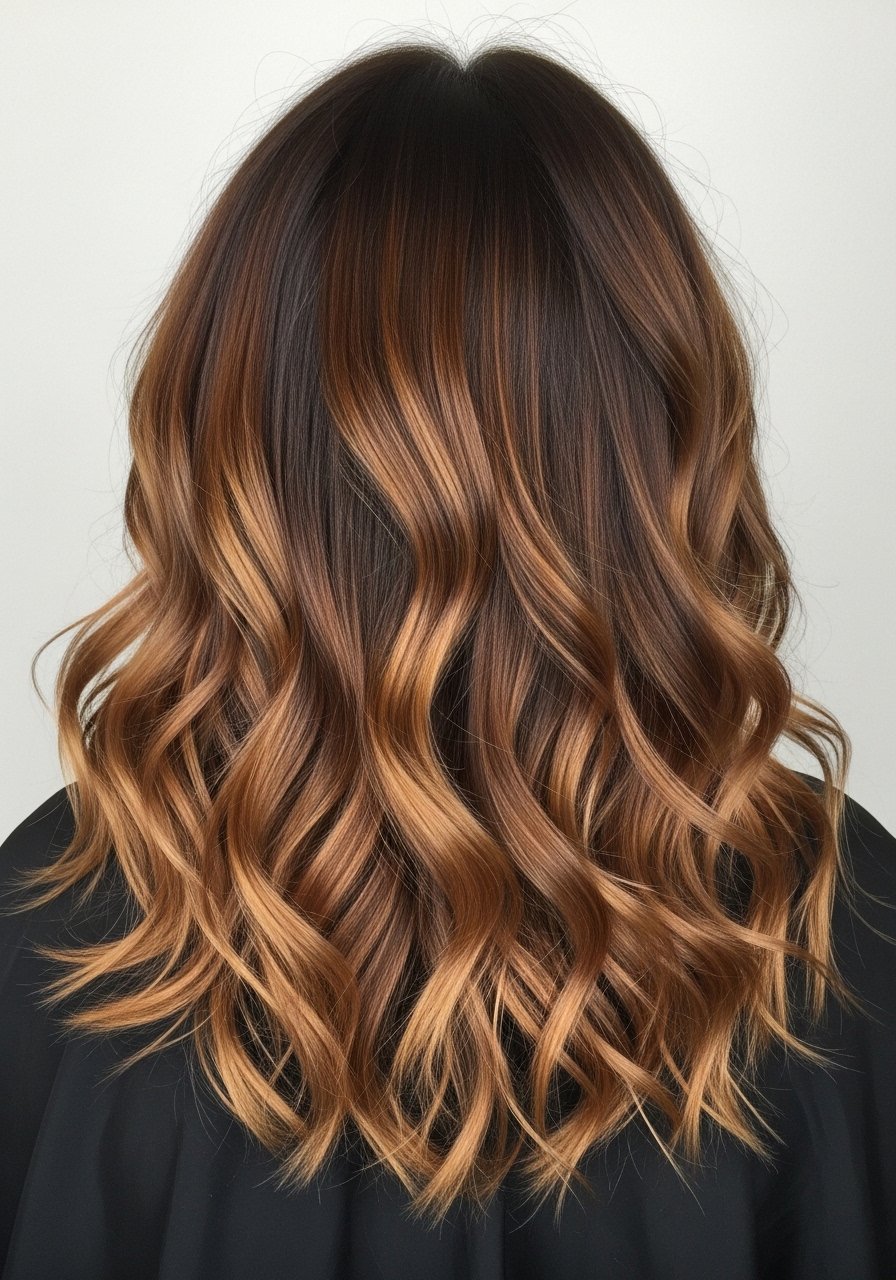
An espresso melt places darker lowlights under warm mid-lengths to give depth without heavy contrast at the root. For thick hair this reduces the need for frequent touch-ups because the root is intentionally darker. I do four to six vertical slices under the top layer and feather the color down with a brush for a seamless gradient. A mistake I see is putting lowlights too close to the face, which can look heavy. This is a salon service for first pass. Maintain with a weekly at-home gloss and a gentle color-safe conditioner.
Cool Ash Brown with Blue-Black Tones for Undertone Control
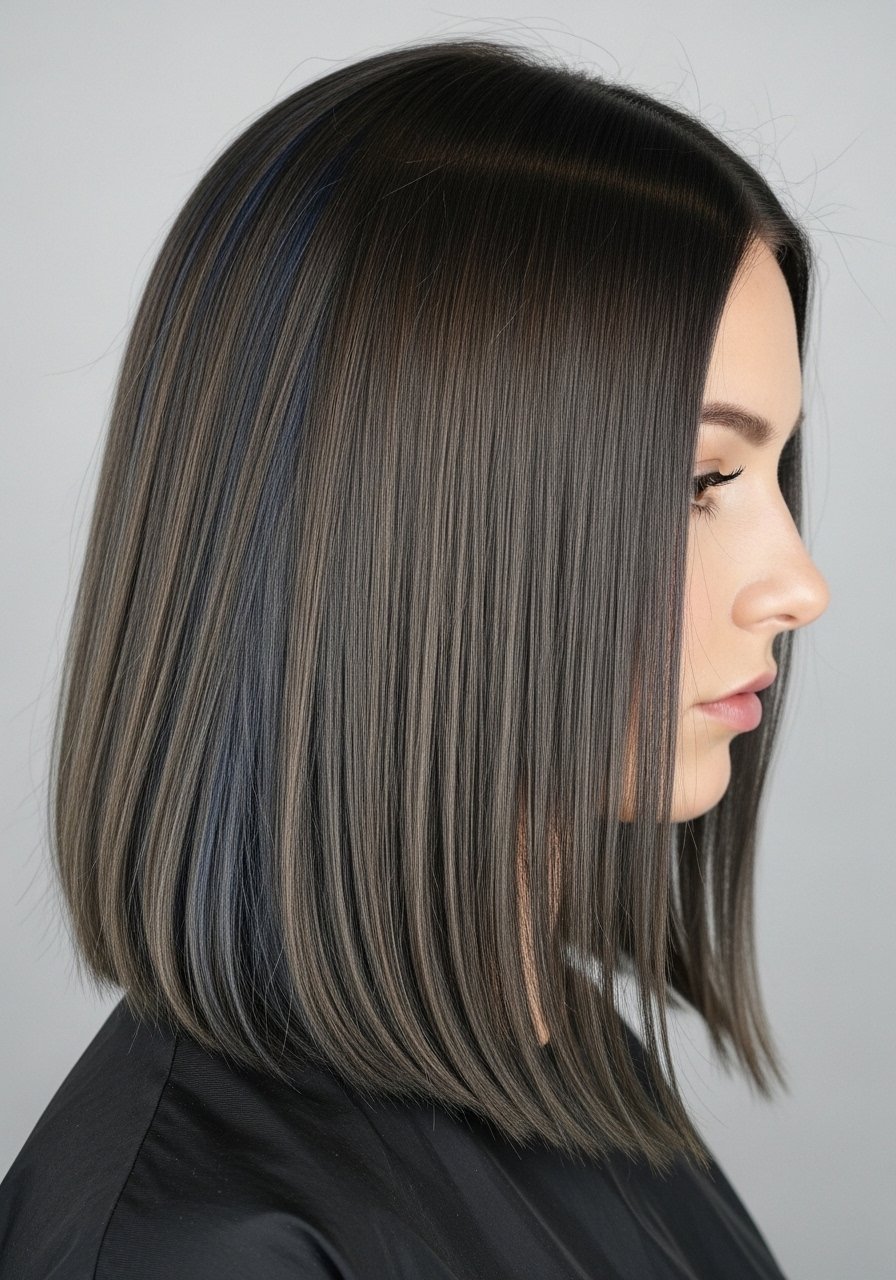
If brass is your enemy, cool ash brown with a blue-black base neutralizes warm undertones and keeps color looking crisp for longer. This works best on medium to thick straight hair. Use a demi-permanent ash toner after any lift or during a single-process deposit. One practical note, ash pigments can look flat in low light. Combine this with a shine spray post-blowdry and a gloss every six to eight weeks. If you use irons over 300F, apply a heat protectant that absorbed into damp hair first to actually protect.
What I Actually Keep in My Dark Color Kit
- Honestly the best $30 I spend in any year. Olaplex No.3 hair perfector 3.3oz used once a week rescued my ends after a bad salon fix. Buy from the official store on Amazon to avoid counterfeits or pick it up at Sephora
- For taming frizz and humidity, Color Wow Dream Coat anti-humidity spray 3.4oz. One light mist before blow drying and you actually get days of control
- A silk pillowcase queen size under $25. Hair slides rather than rubs, and color looks less frizzy in the morning
- Microfiber hair towel wrap for $12. Cuts dry time and stops that frizz halo
- Boar bristle paddle brush for gentle smoothing when blow drying sections
- Color-safe sulfate-free clarifying shampoo 8oz for once-a-month reset on product buildup
- Heat protectant spray for damp hair that actually absorbs, not film-forming
- Salon-grade demi-permanent gloss for weekly at-home refreshes between salon visits
- Wide-tooth detangling comb for wet hair, stops breakage
Mahogany Gloss for Cool Skin Tones
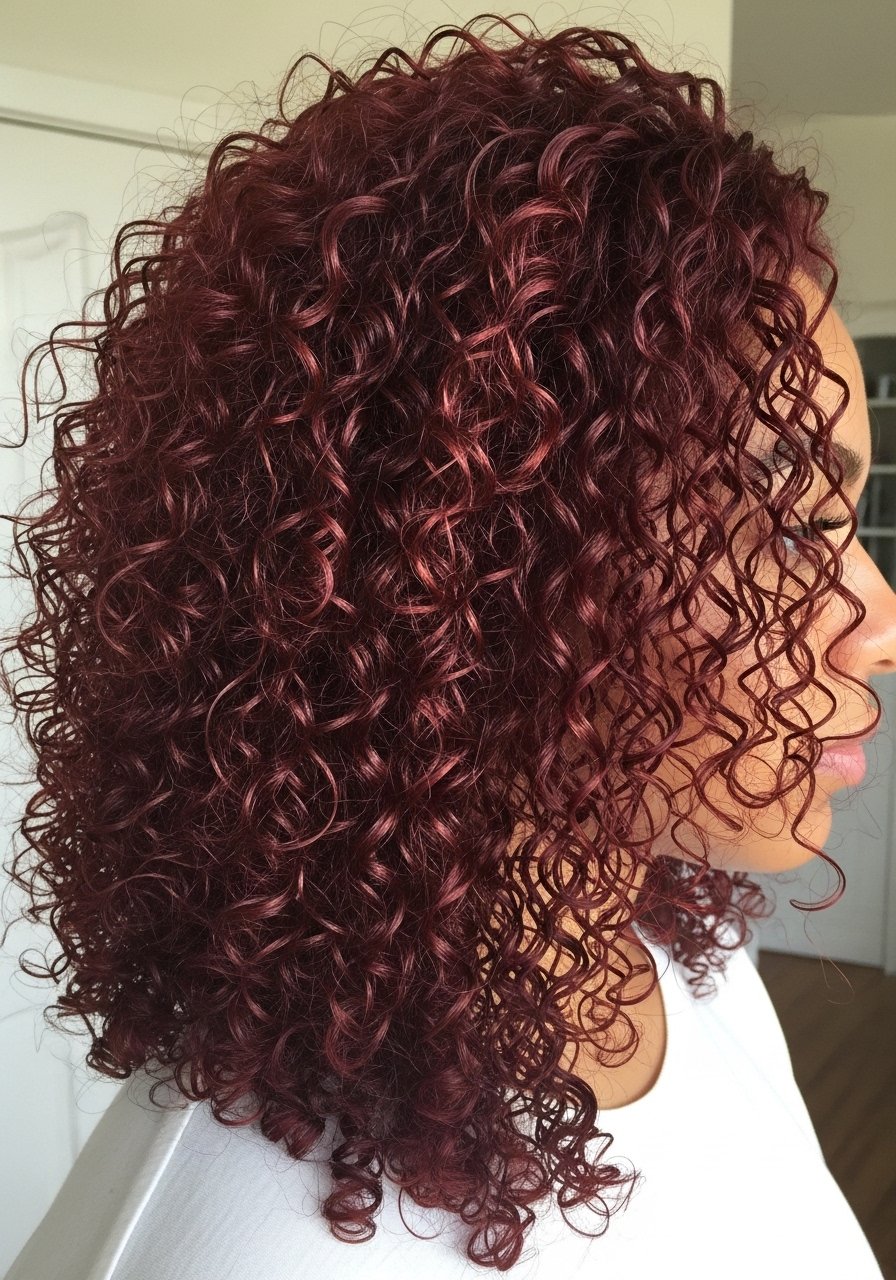
Mahogany reads rich and jewel-toned on cooler skin tones while staying rooted in natural darkness. I rinse in cool water to lock pigment and use a once-per-week color-depositing conditioner to maintain warmth. If you are worried about red fading, dilute the conditioner with a half teaspoon of the pigment and use every third wash. A common mistake is over-washing. Cut shampoo frequency to two to three times a week for longer vibrancy. If you have sensitive scalp, do a patch test before adding direct dyes.
Smoked Burgundy for Subtle Edge

Smoked burgundy adds a hint of color without shouting red. It is great for people who sit in professional environments but want personality. Apply as a demi-gloss after a gentle clarifying wash, keep it on for 8 to 12 minutes depending on pigment strength. If your hair is porous from previous lightening, expect faster fade and do a weekly bond builder to reduce feathering. This shade pairs well with the cool ash brown idea if you want to keep the root neutral.
Soft Black With Warm Caramel Peekaboo

Hidden peekaboo panels are the easiest way to try two tones without commitment. Place one to three panels under the top layer and keep them narrow so they peek only when you move or put hair up. This is a low-risk DIY if you follow developer volume recommendations and protect the rest of the hair. If you go too light on the panels they will look brassy against a black base. For thick hair this provides visible contrast with little upkeep.
At-Home Coffee Gloss That Actually Works
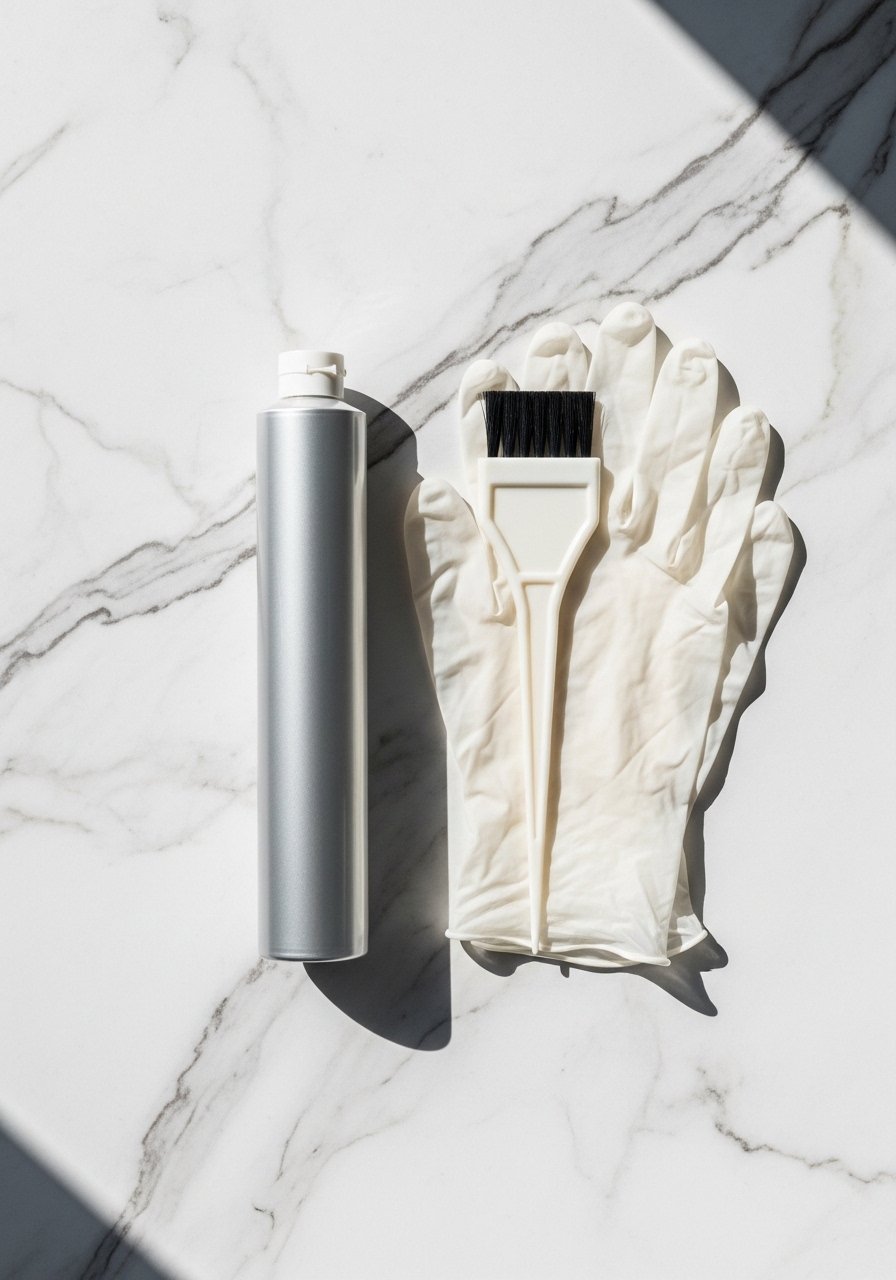
For a quick at-home refresh, a coffee gloss in a demi-permanent formula deposits tone without the lift. Use on damp, towel-dried hair and process for the brand recommended time, usually 10 to 20 minutes. I do this every three to four weeks between salon glosses to keep depth and sheen. A mistake is leaving it on too long to "get darker." That just saturates the cuticle unevenly. If you spot scaliness or burning, rinse immediately and consult your stylist.
Latte Babylights for Sun-Kissed Depth on Dark Bases
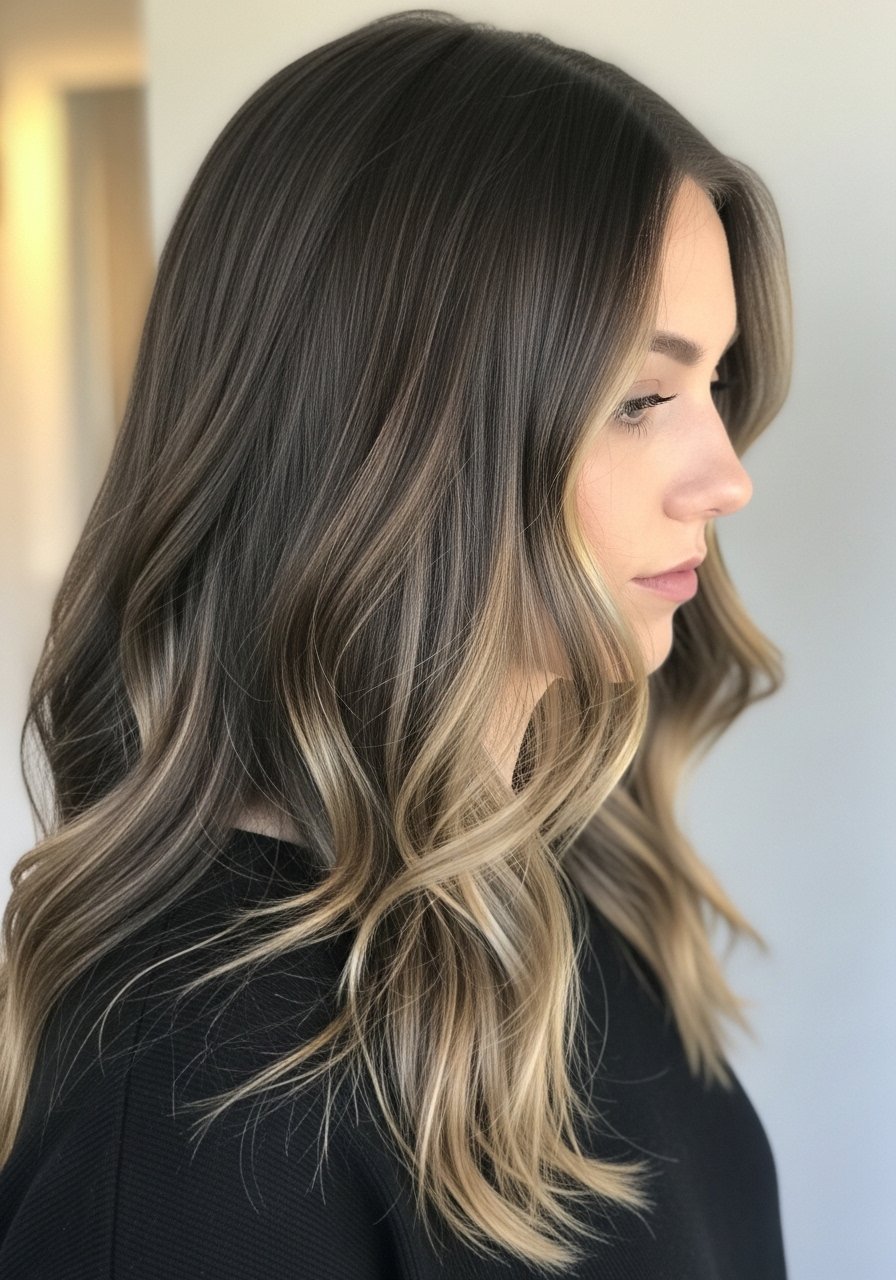
Latte babylights balance warm caramel and cool beige tones to create a soft glow on dark bases. For low porosity hair, add gentle heat with a warm towel or steamer during processing so the lightener penetrates evenly. Keep slices fine and space them out more around the face for a soft contour. This fills the gap competitors miss, which is how porosity changes the lift. Salon application is safer for consistent results, but maintenance is just a cool gloss every 8 weeks.
How to Keep Dark Color From Looking Flat After Week Two
- Heat protectant goes on damp hair, not dry. The cuticle is more open and the product actually absorbs. Color Wow heat protectant spray is light enough for my thicker hair
- Grab a silk pillowcase queen size for under $25. It cuts morning frizz and stops pigment rubbing off on cotton
- Hair grows about half an inch a month at most, regardless of what biotin gummies promise you. If you want longer color lines, plan appointments around quarter-inch touch-ups or root blurring
- Drugstore shampoo is fine. Where you actually need to spend money is the conditioner and bond builder. Olaplex No.5 conditioner does more for damaged, colored hair than a $40 shampoo
- Use a microfiber towel for damp drying to reduce friction and breakage. Microfiber hair towel wrap cuts dry time and stops frizz
Frequently Asked Questions
Q: How often should I use a gloss on dark hair?
A: Every 6 to 12 weeks depending on how fast your color fades and how glossy you want it to look. If you wash hair more than three times a week, aim for the lower end. A short weekly deposit with a color-depositing conditioner can stretch time between salon glosses.
Q: Can I bleach little slices on my dark hair at home safely?
A: Small slices can be done at home if you follow developer volume, timing, and apply a toner immediately after. Do not attempt heavy all-over lifts or to bleach over old box dye. If you are unsure, book a consultation. Lifting over previous color is the most common reason hair breaks while trying DIY.
Q: Is the K18 mask worth it for color-treated dark hair?
A: K18 helps reduce breakage and smooths the cuticle, which makes color look fresher. Use it after clarifying and before styling, per instructions. For truly damaged hair you still need trims and spacing between chemical services.
Q: How often should I use purple shampoo on dark hair with warm highlights?
A: Once a week is usually enough. Overuse turns warm tones muddy and dries the hair. If you have only subtle warmth, a purple conditioner left for a minute is a gentler option.
Q: Can Olaplex No.3 be used if my hair is not severely damaged?
A: Yes. Olaplex No.3 is a preventive and maintenance step. Using it once a week adds strength and reduces breakage. Buy from the official store on Amazon or Sephora to avoid counterfeits Olaplex No.3 hair perfector.
Q: My color looks flat after a blowout. What did I do wrong?
A: Likely you skipped a shine or lightweight cream that seals the cuticle after drying. Also applying heat protectant to dry hair before irons makes it ineffective. Apply protectant to damp hair, finish with a small mist of an anti-humidity spray, and consider a gloss to add reflection.
Q: How do I choose between going salon-only and DIY for these looks?
A: Complex lifts, porosity issues, and color corrections are salon jobs. For glazes, subtle babylights, and hidden peekaboos, DIY is doable if you follow developer and timing notes and patch test. When in doubt, consult a stylist and plan for gradual changes rather than dramatic overnight shifts.