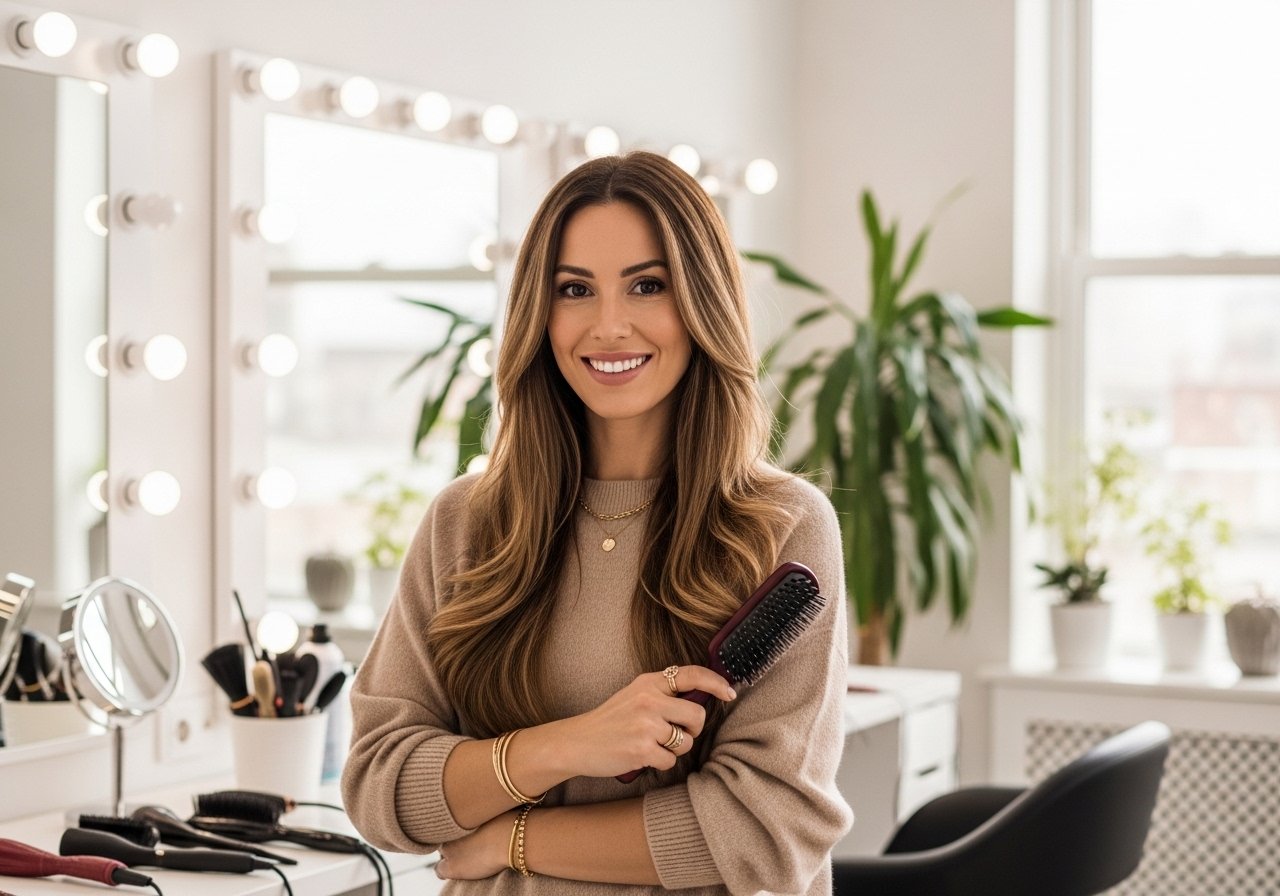
I wanted a small change that still read like me, not a whole new person. The week after I added two pieces of lighter color around my face I got compliments for days and did not need a touch-up for ages. These ideas are built for shoulder length to mid-back hair that ranges from dark blonde to deep brown, and for straight through 3B wavy textures. Most are doable at home under $40, four are worth a salon visit, and I call out when bleach-over-color is a hard no.
Soft Money Piece Face Frame That Keeps Grow-Out Easy
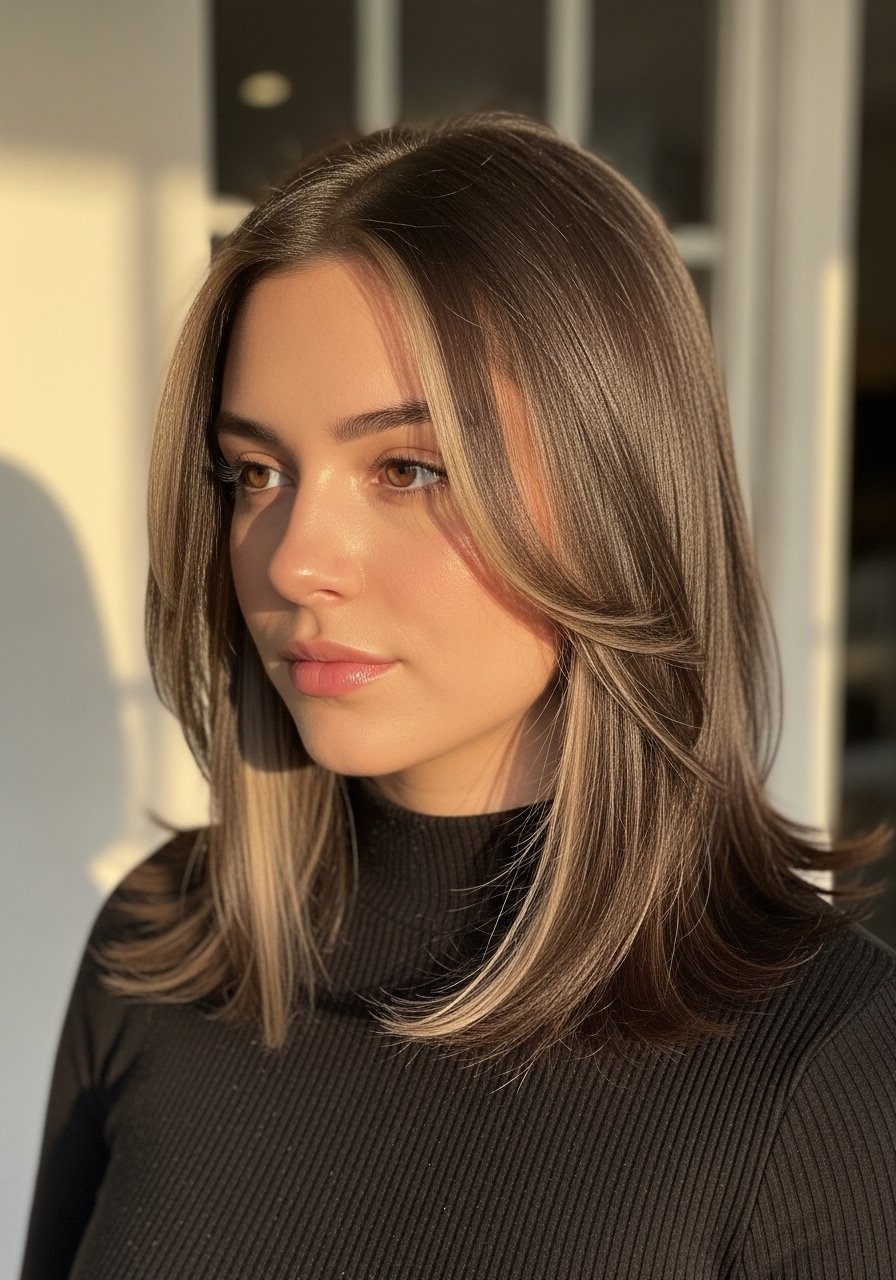
I added a thin money piece to my natural brown hair and it brightened my face without a full dye. The trick is tiny sections, about 1/4 inch wide, painted with a low-volume bleach or a single-process lightener for two to ten minutes depending on your base. It works best on straight to wavy hair shoulder length and longer, and it is low cost and low time, about 20 to 40 minutes at home. People often over-foil the piece and end up with a stark line. Keep the lightener off the scalp and do a strand test. For a gentle at-home gloss after processing, I use Olaplex No. 3 hair perfector once a week to stop the ends from feeling rough. If you have previous dark dye, consider a salon consult to avoid uneven lift.
Root Smudge to Blur Regrowth and Extend Appointments
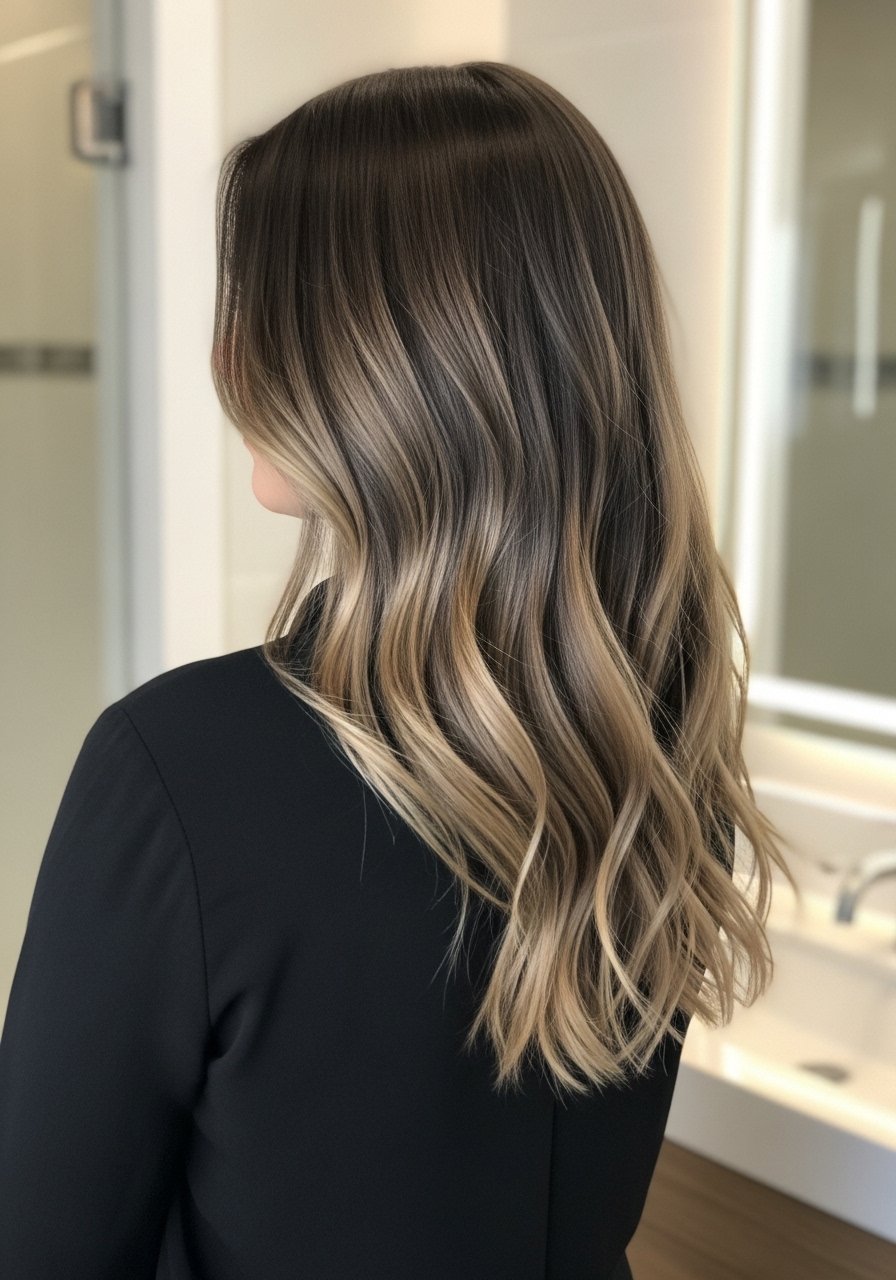
This is the lazy person color that still looks intentional. Root smudging uses a demi-permanent color one to two shades darker than mid-lengths applied with a toothbrush or tint brush in thin strokes at the root line. It is great for fine to medium straight or wavy hair and takes 20 to 30 minutes at home, which stretches salon trips by several weeks. A common mistake is overlapping permanent dye over previous bleach, which can cause breakage. Heat is not needed, but if you use 300F irons afterward, apply heat protectant first. For an easy at-home smudge, dab a demi-permanent color brand on Amazon and watch the processing time closely.
Baby Lights for a Soft Sun-Kissed Finish
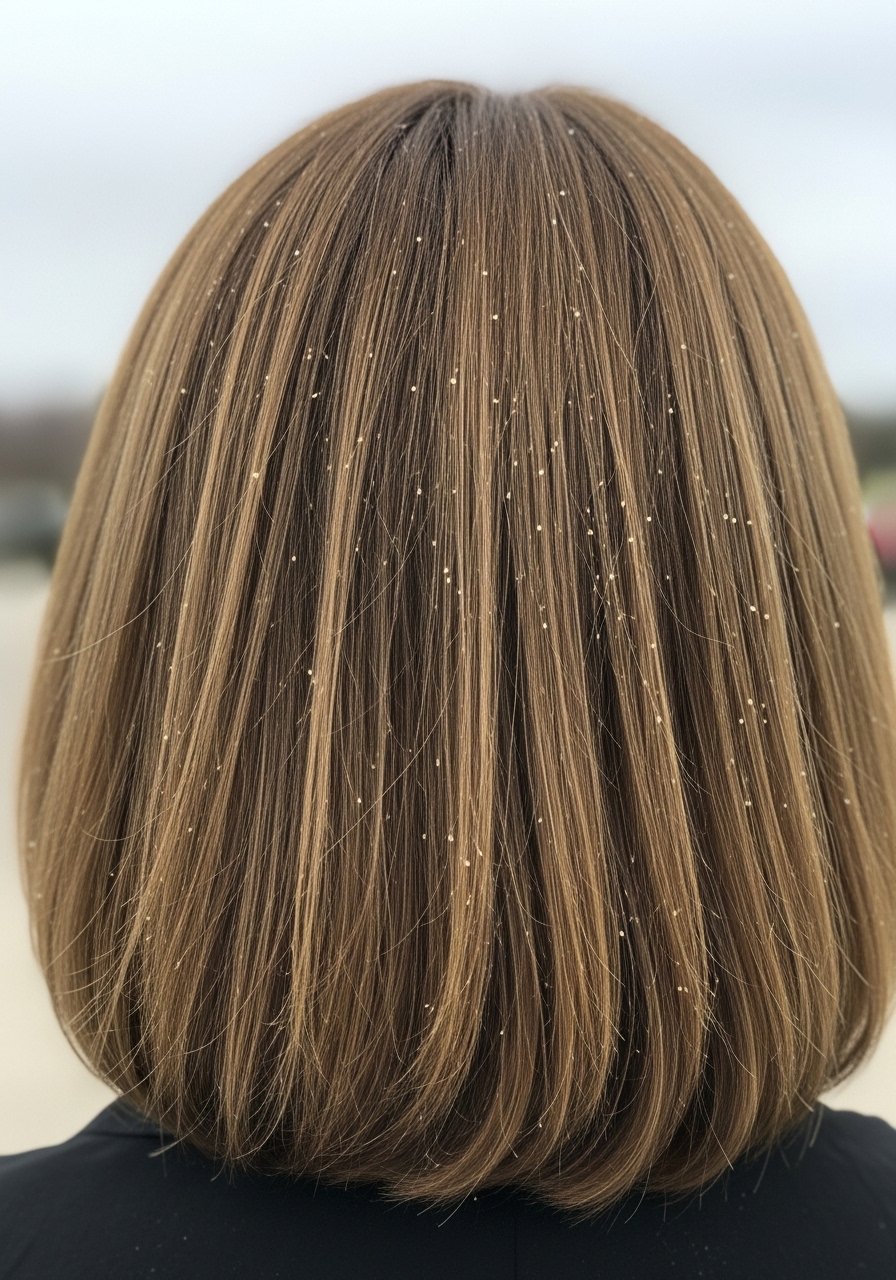
Baby lights are tiny, thin highlights that add light without obvious streaks. I section hair into 10 to 12 narrow vertical slices and take foils or wraps roughly 1/8 to 1/4 inch wide. This works especially well on medium density straight or wavy hair and takes patience but not heavy lift. A real detail some stylists skip is the number of foils: more foils equals softer graduation, not harsher contrast. At-home kits can do it if you are experienced with precision. Use a bond builder during processing and follow with a gloss glaze. If you want a product to tame brass after washing, try purple shampoo for brunettes and blondes once a week, not every wash.
Gloss Glaze to Refresh Color and Tone Down Brass
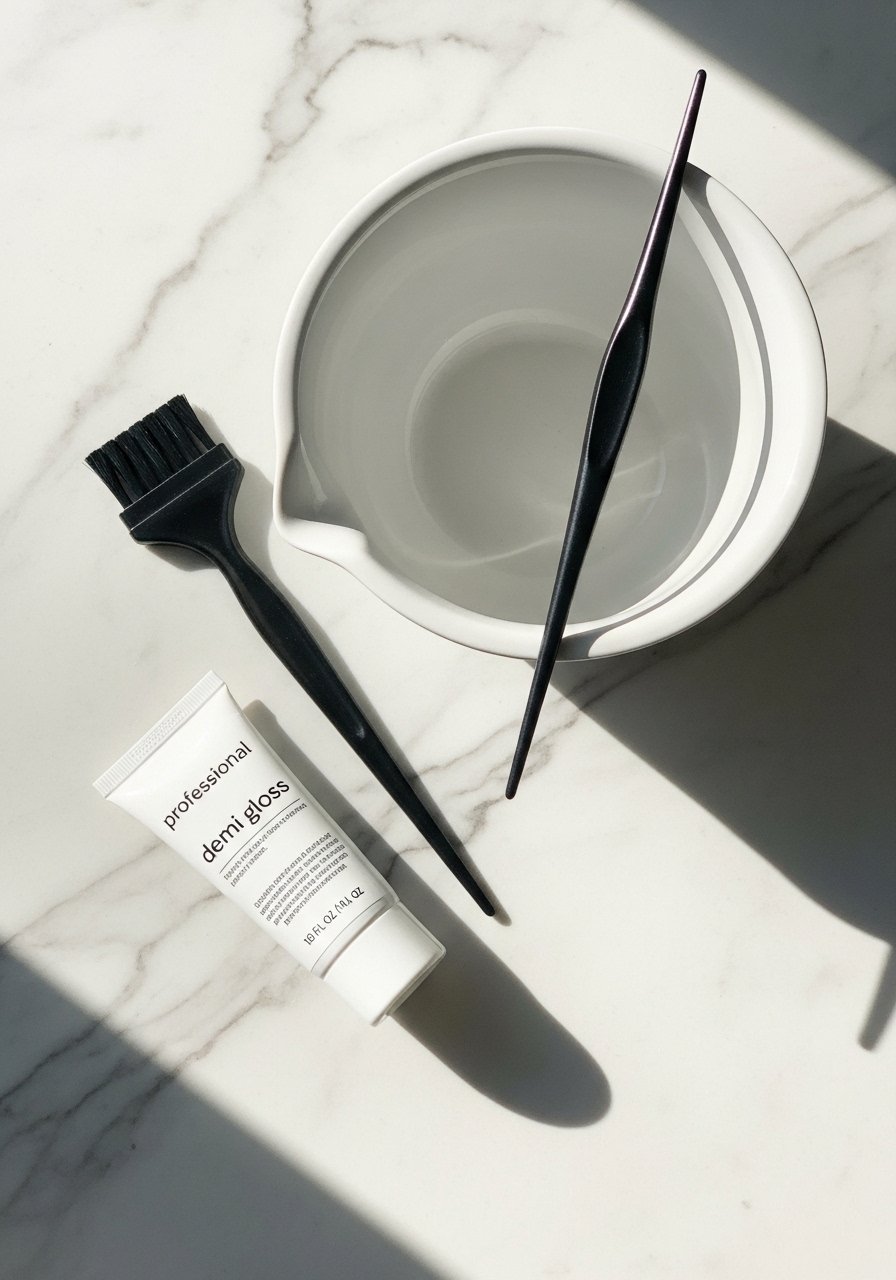
When my color felt faded but my roots were fine, a demi-permanent glaze saved me from a full dye. A 15 to 20 minute gloss evens tone, adds shine, and seals porosity. It works on chemically treated and natural hair alike, and costs under $30 at home with a quality product. The mistake I made once was leaving a too-warm toner on for extra minutes to "get it darker" and it pulled muddy. Also watch for scalp sensitivity with mid- to high-acid toners and do a patch test. For an at-home refresh, a neutral demi-gloss applied after a clarifying wash and rinsed at 15 minutes usually fixes unwanted brass.
Subtle Balayage for Dimension Without Stripes
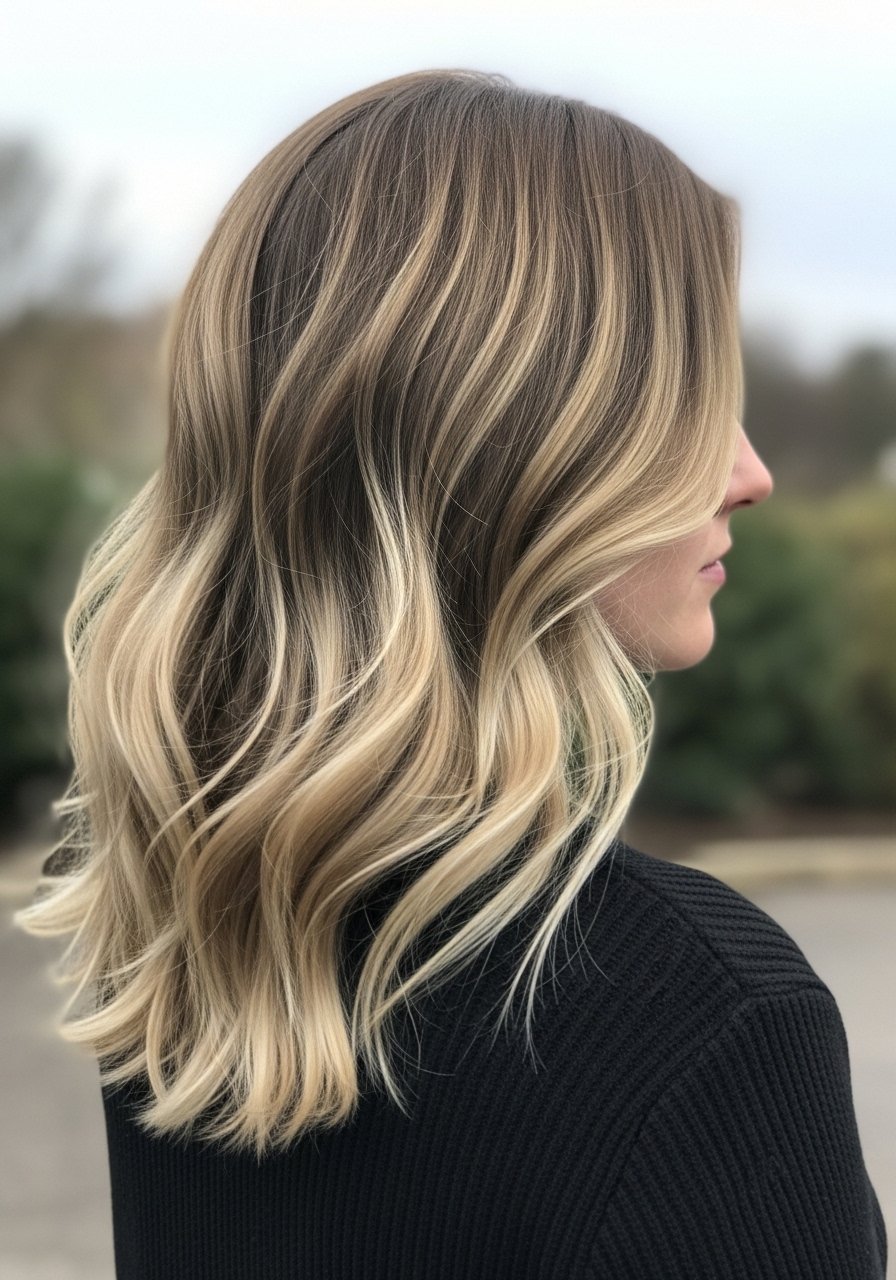
Balayage looks expensive but you can ask your stylist for a low-contrast version that is less maintenance. The painterly technique places lighter pieces where hair naturally catches light, so it is great on medium to thick straight, wavy, and curly hair. Salon time is longer, but DIY root-touch kits avoid the obvious line. One detail I learned the hard way is to ask for shorter processing at the root transition, and longer processing toward the ends, to avoid banding. Use a moisturizing bond builder after any lift and schedule trims to manage dry ends. If you want to try a lighter hand at home, use a controlled developer strength and small angled brush for feathered strokes.
Espresso Melt for Richer Depth Without Harsh Contrast
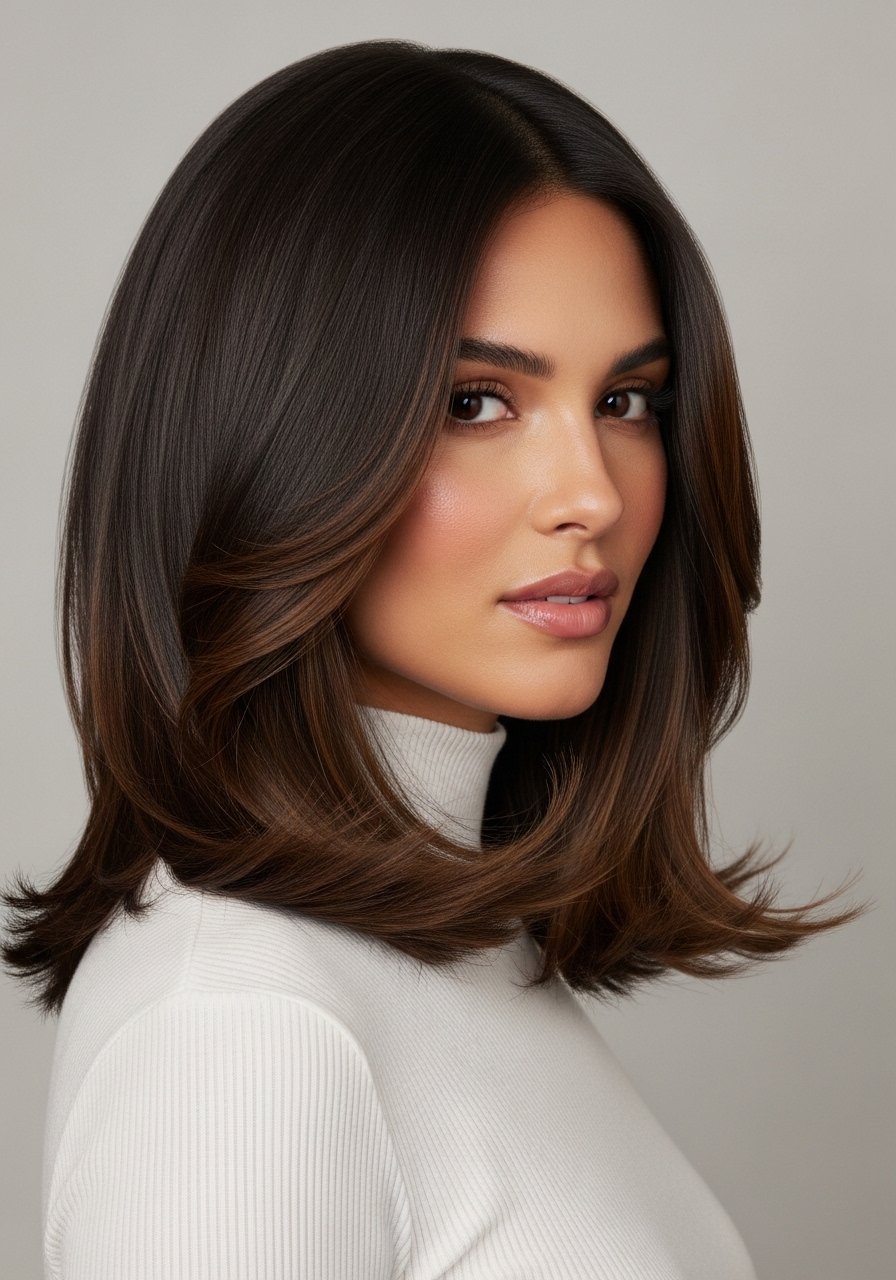
An espresso melt is a way to deepen your base and add soft warmth through the lengths without creating a new palette. It suits fine to medium straight or wavy hair and takes 30 to 45 minutes in a salon, less with a demi product at home. The technique blends a darker tone at the root into slightly lighter lengths with a soft brush stroke. People often forget to match the gloss level, so ask for a demi-permanent finish or use a gloss rinse for two weeks after. If you color over previous high-lift blonde, be cautious and consult a pro to avoid uneven color or breakage.
Bronze Tint To Warm Up Dull Brown Hair
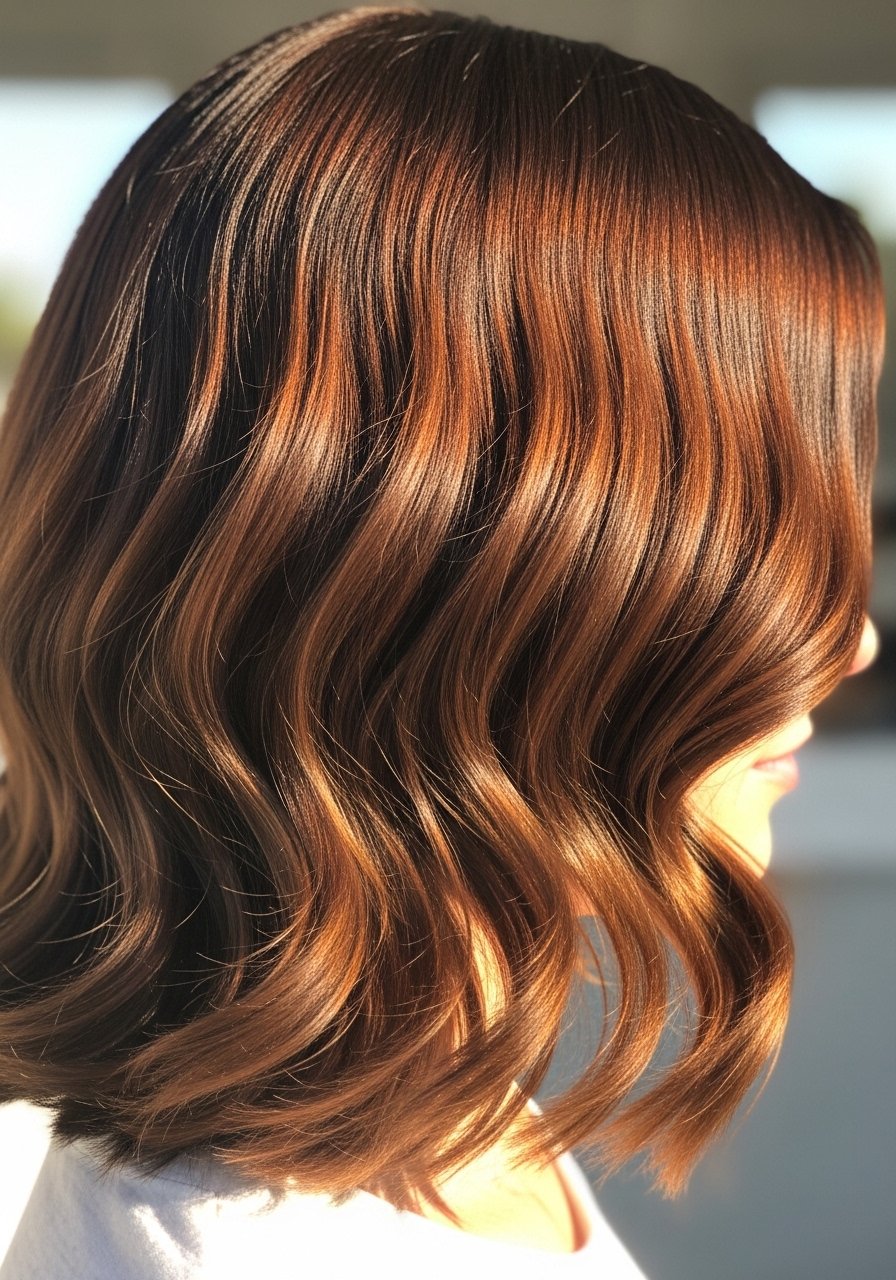
If your brown has gone flat and ashy, a warm bronze tint adds life without a dramatic dye. I mix a low-volume developer with a warm demi-permanent shade and apply mid-length to ends for 10 to 20 minutes. Best for medium density straight to wavy hair, it is a cheap refresh that lasts four to six weeks. The common mistake is using too-bright copper on already brassy hair, which looks like fried ends. To avoid that, do a strand test and dilute warm shades with a neutral base. A tinted conditioner used between washes keeps the tone balanced.
Champagne Beige Face-Framing Lights That Stay Soft
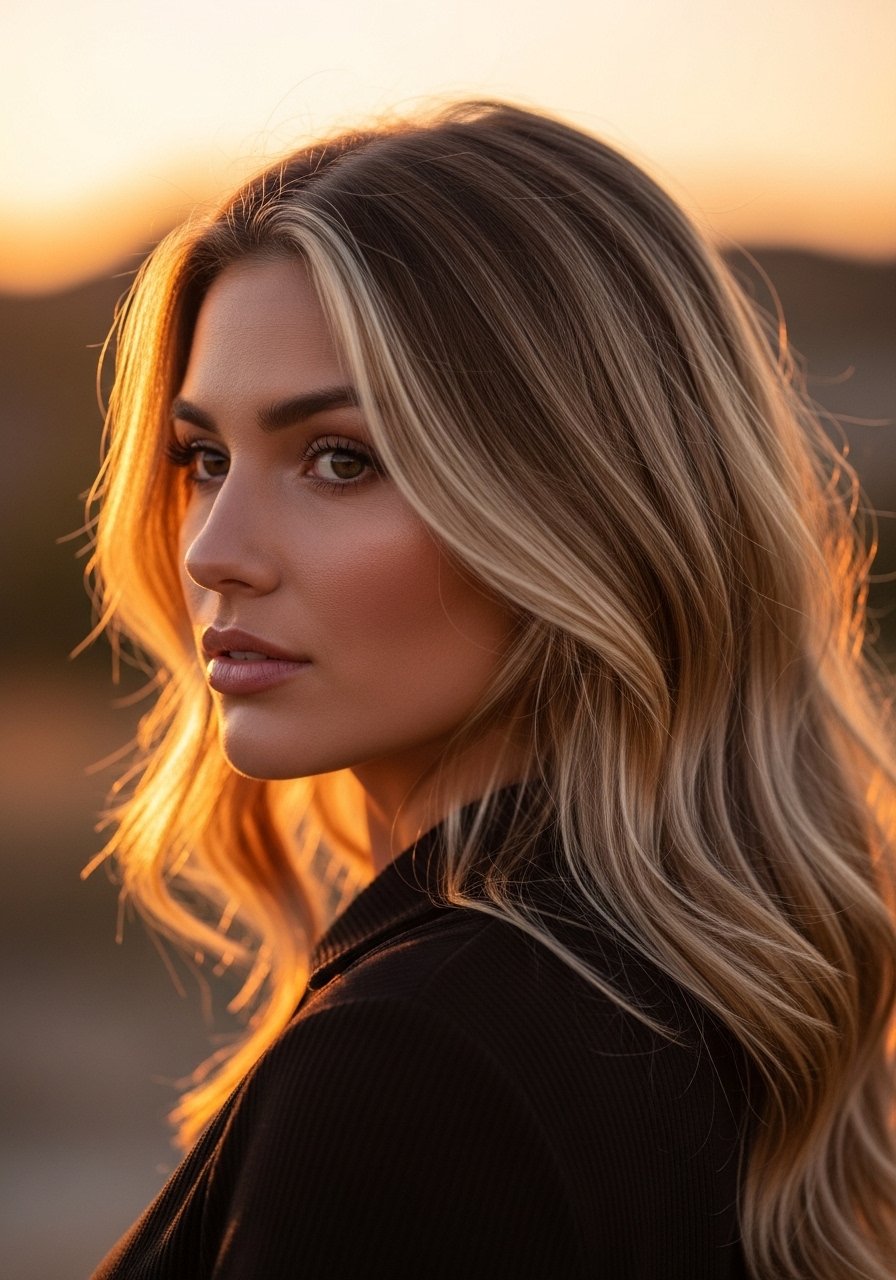
I asked for face-framing lights in a champagne beige that did not scream blonde. The stylist painted thin slices and used a low-lift formula, which kept the transition soft and lasted longer before brass set in. This is best on light brown to dark blonde hair and takes about 30 minutes in salon. Mistakes happen when people expect a full blonde from a single session. If your hair is low porosity, use gentle heat to help the product penetrate and rinse with cool water to seal. To maintain the soft tone, alternate purple shampoo use, and never exceed the recommended treatment frequency.
Shadow Root for Blending Highlights and Hiding Lines
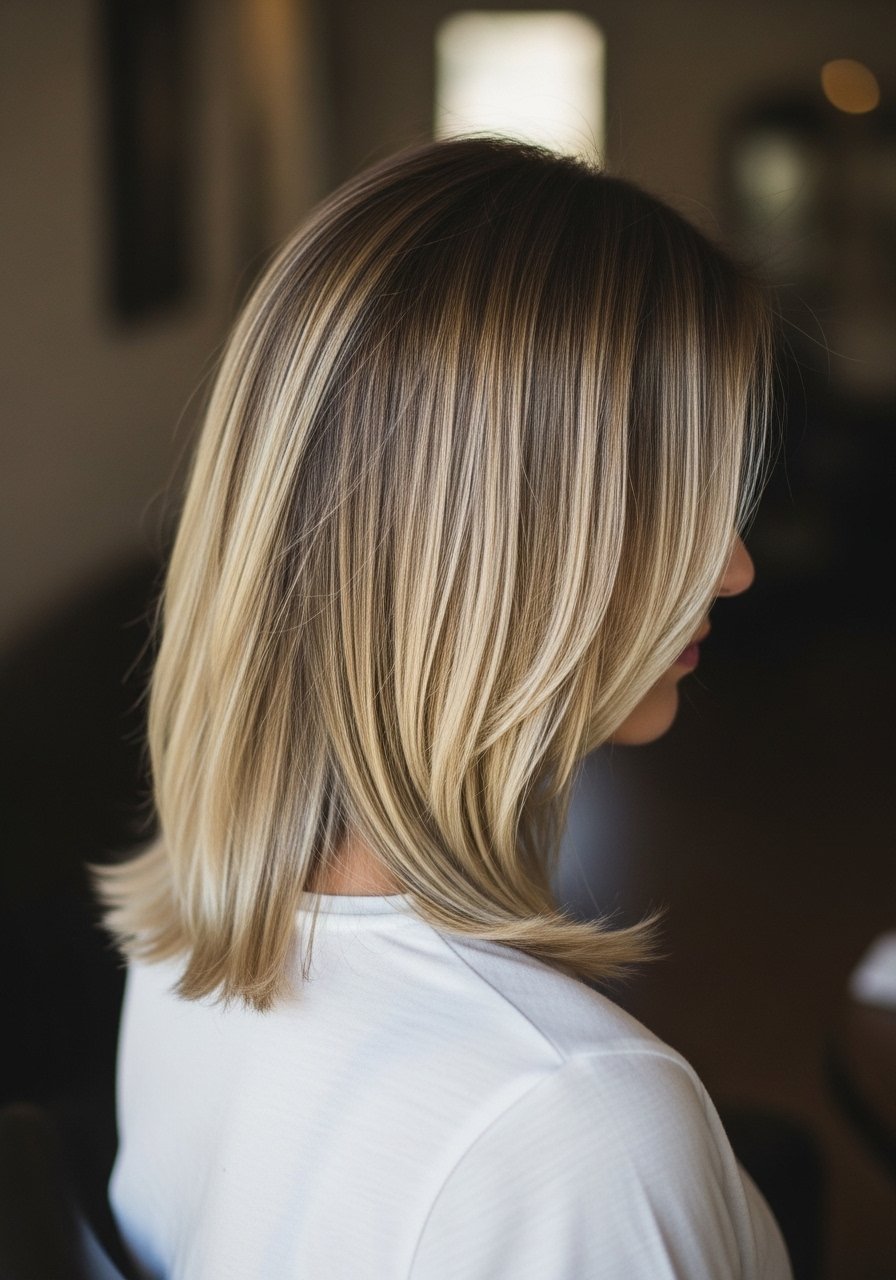
A shadow root is a masked root line that makes highlights look lived-in. It works across densities and textures, especially where foil highlights meet natural pigment. The technique paints a darker shade into the root zone and blends with a brush or your fingers. It adds two to four weeks of wear time, and that is the main appeal for people tired of obvious regrowth. The frequent error is over-darkening the entire scalp area, which kills dimension. If processing at home, keep the darker shade to a centimeter from the scalp and feather it down with a clean brush.
Rosewood Lowlights When You Want Cooler Red Without Full Dye
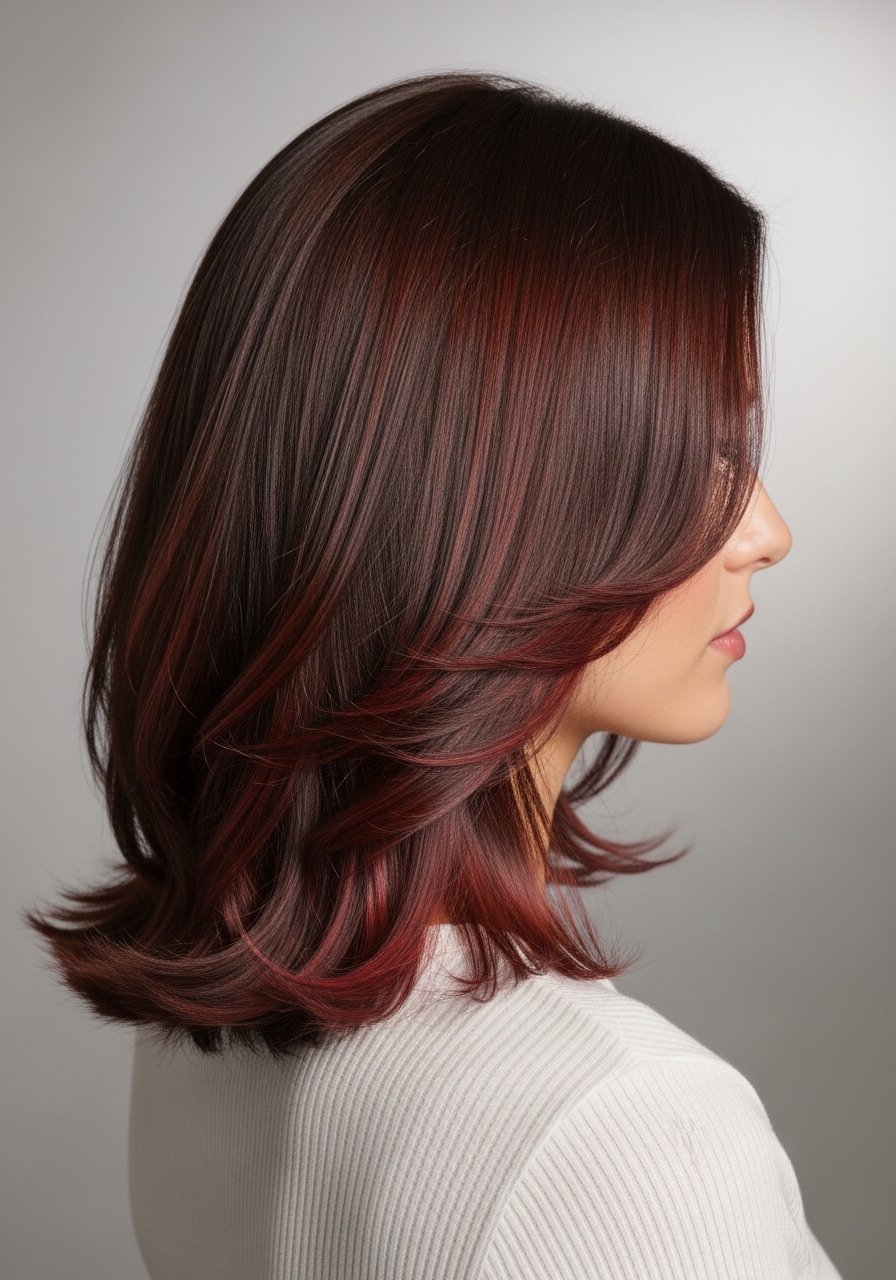
I wanted red without the commitment, so we wove rosewood lowlights sparingly through my brown. They peek out in movement and do not scream red heads. This is great for medium to thick straight and wavy hair. Leave them to a salon if you want longevity, because red fades faster and needs a pigment-rich gloss later. For at-home experiments, use a demi-red diluted with a neutral shade and rinse after 10 minutes to check intensity. Remember red loves to transfer onto towels and pillows for the first few washes, so use a dark towel.
Tinted Conditioner Boosts For Between Appointments
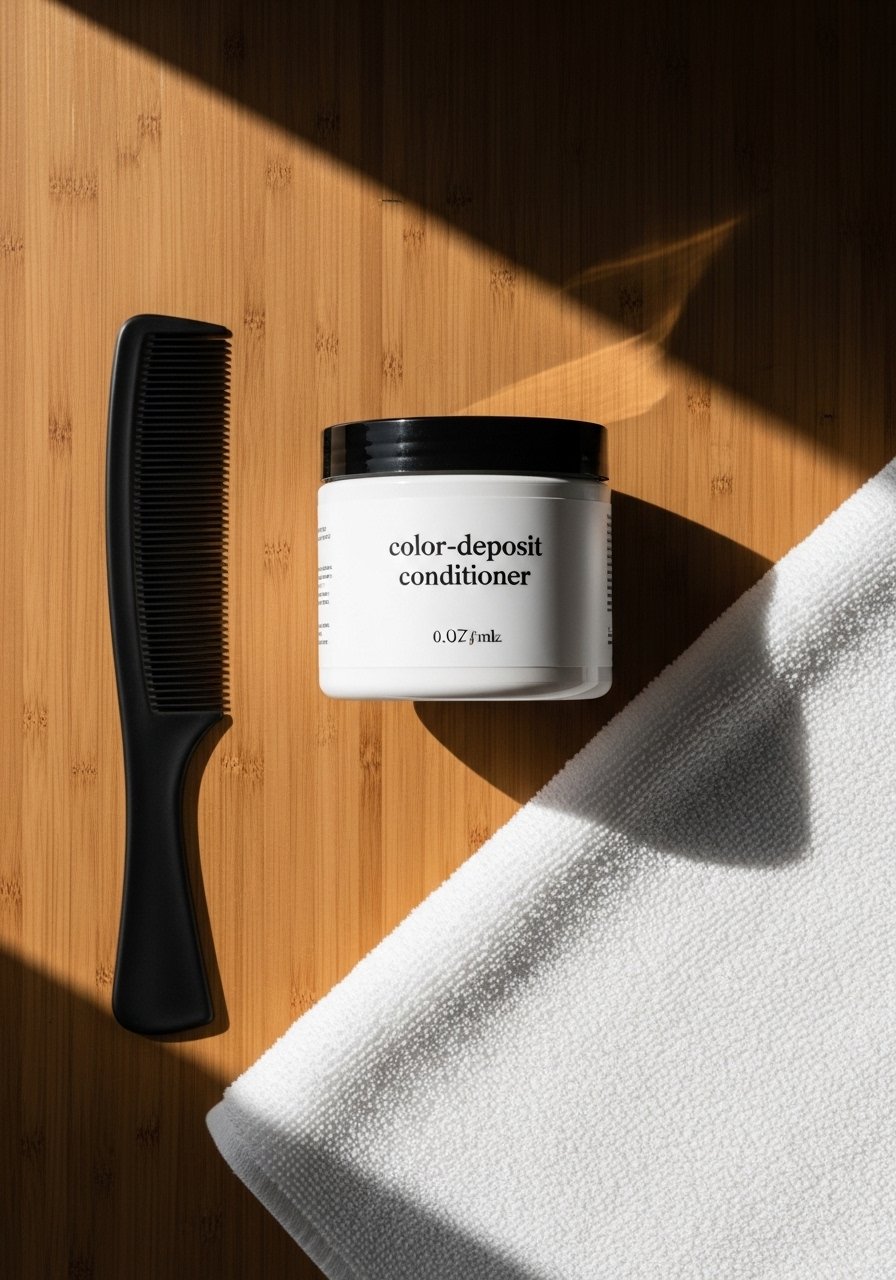
When I did not want a color appointment, I relied on color-depositing conditioners to refresh tone and mask brass. They are quick, five to ten minute treatments in the shower and work on all hair types, though porous hair absorbs more pigment. A common slip is leaving them on overnight, which can over-deposit and skew tone. Use once every one to two washes depending on fade, and choose a shade one to two levels lighter than your target. For a daily maintenance option, a tiny dab on wet mid-lengths keeps color between salon visits.
Banding Fix With Blending Techniques for Uneven Stripes
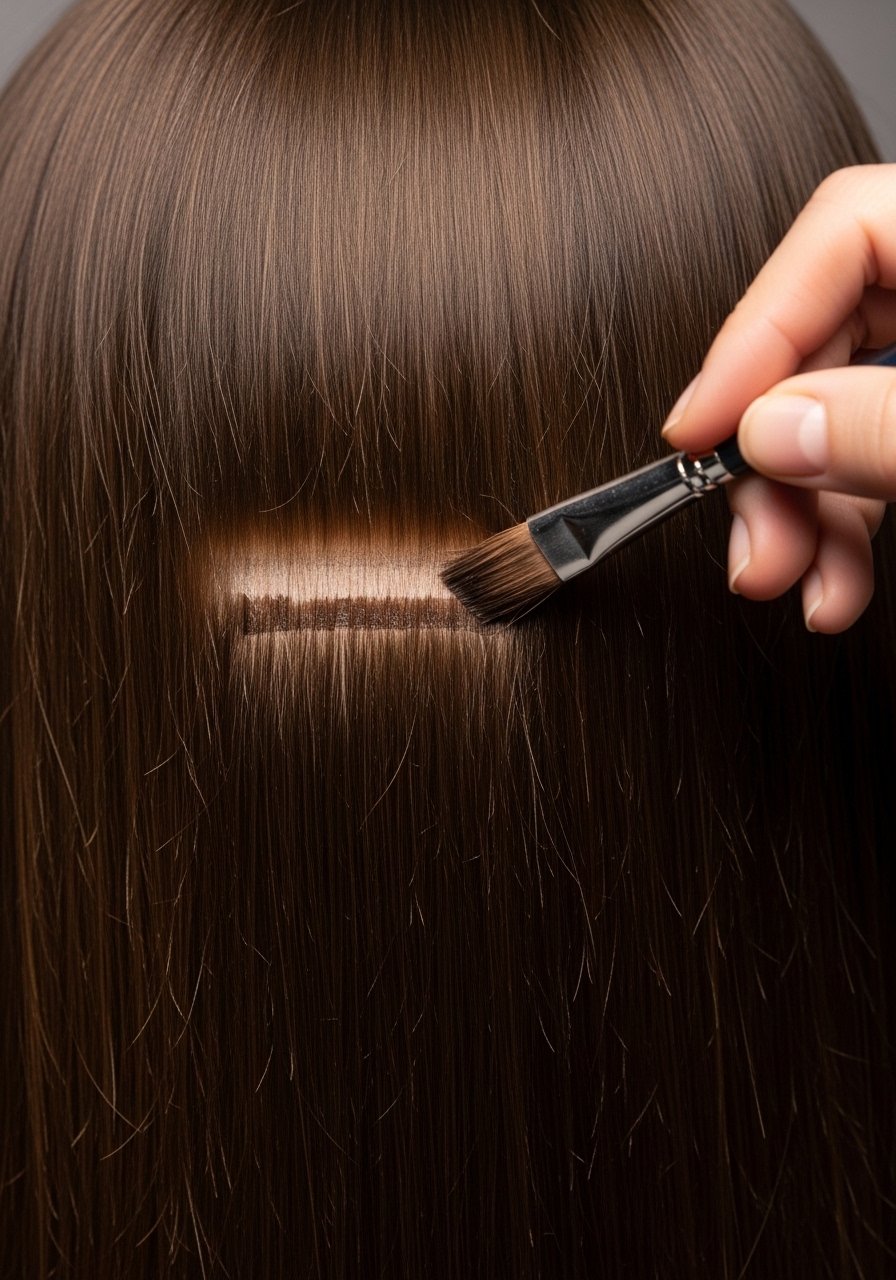
Banding is the visible stripe that appears when hair was previously lightened unevenly. I correct it with toning washes and a thin glaze painted over the offending band, then heat for two to three minutes to help penetration. It suits medium to thick straight or wavy hair and is a salon job if the banding is deep. The rookie mistake is adding more lift over the band which multiplies the problem. If you are trying to blend at home, use short processing times, small brush strokes, and a neutralizing toner rather than stronger bleach.
Peekaboo Color for Subtle Pops You Can Hide
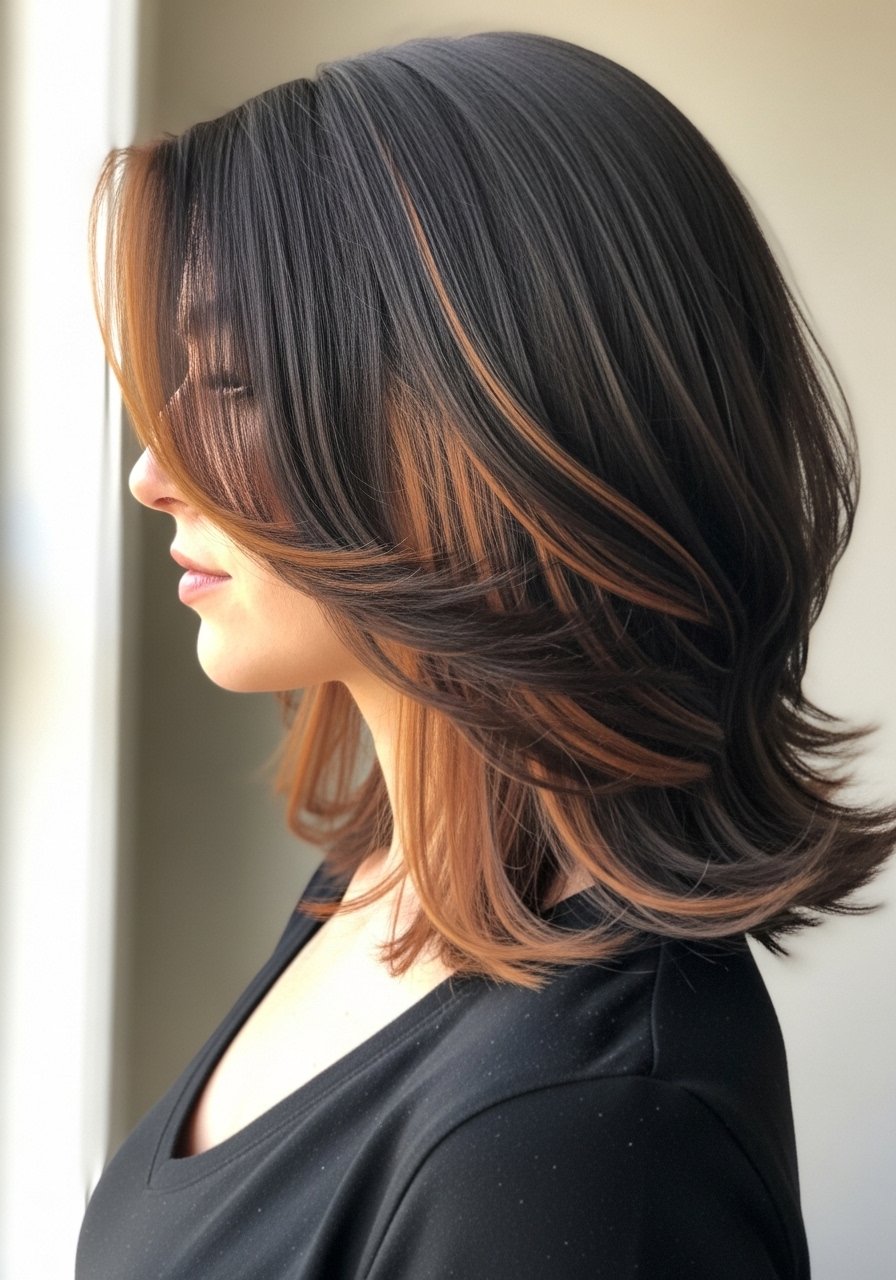
Peekaboo color lives under the surface so you can tuck it or reveal it on a whim. I put warm caramel under my natural brown and only showed it for braids or updos. It is best on medium to thick hair because you need density to hide the color. The at-home approach uses small foils and a lower-volume developer so the pop is gentle. The mistake is making the hidden color too close to the root, which peeks when hair is wet. For a temporary version, use clip-in colored pieces or a wash-out pigment.
What I Actually Keep On My Shelf For Trying These Colors
- Honestly this is the short kit I reach for when testing subtle shades at home. Olaplex No. 3 hair perfector 3.3 oz. Buy from the official seller on Amazon or grab it at Sephora to avoid fakes
- For toning and glossing, a demi-permanent color like demi-gloss-tone in 4oz tubes is handy
- A dedicated purple shampoo, 8oz, for weekend use only, not daily. Purple shampoo
- Microfiber hair towel under $15. Cuts drying time and stops color from rubbing
- A cheap mixing bowl and tint brush set, two brushes and one bowl, under $12 on Amazon
- Color-depositing conditioner 8oz for quick refreshes
- Heat protectant if you plan to style, especially before any iron over 300F. Heat protectant spray
- Small pack of aluminum foils, 100 count, for baby lights at home
- Wide-tooth comb for gentle product distribution on wet color-treated hair
How I Keep These Subtle Colors From Fading Fast
- Heat protectant goes on damp hair, not dry. The cuticle is more open and the product actually absorbs. A popular heat protectant applied before styling helps
- Grab a microfiber hair towel for $12. It cuts your blow dry time by a third and stops pigment fading from rough towel friction
- Hair grows about half an inch a month at most, regardless of supplements. The thing that helps color longevity is reducing breakage with a silk pillowcase and weekly bond treatments
- Drugstore clarifying shampoo is fine for occasional use. Where you actually need to spend is the conditioner and a bond builder. Olaplex No. 5 conditioner helps damaged color-treated hair retain pigment
- If you use at-home toners, follow processing times strictly. Over-processing creates muddy or unexpected tones that are hard to undo
Frequently Asked Questions
Q: How often should I use purple shampoo to avoid drying my hair?
A: Once a week is enough for most people. Using purple shampoo every wash for months made a friend of mine feel straw-like, so I switched to weekly and her tone improved without dryness. If your hair is super porous, reduce frequency and pair with a deep conditioner once a week.
Q: Can I add a money piece over previously dyed hair safely at home?
A: You can, but only if the previous dye is semi or demi-permanent and you do a strand test. Lifting bleach over permanent dark dye can cause breakage. If the hair was colored darker within the last two months, a salon visit is the safer option.
Q: Will a gloss glaze cover brassy roots?
A: A demi-permanent gloss evens tone and can mask mild brass for a few weeks. It will not lift heavy brass like a toner or bleach can. Glosses are great for quick refreshes between salon appointments.
Q: What is the difference between a shadow root and a root smudge?
A: A shadow root intentionally paints a darker band at the root to blend highlights, while a root smudge uses a demi color to soften stark regrowth lines. Both blur contrast but shadow roots tend to be slightly darker and broader.
Q: Can color-depositing conditioners stain my pillow or towels?
A: They can transfer on first few washes, especially deep reds and vibrant tones. Use dark towels for a week and avoid light pillowcases until you have rinsed two to three times.