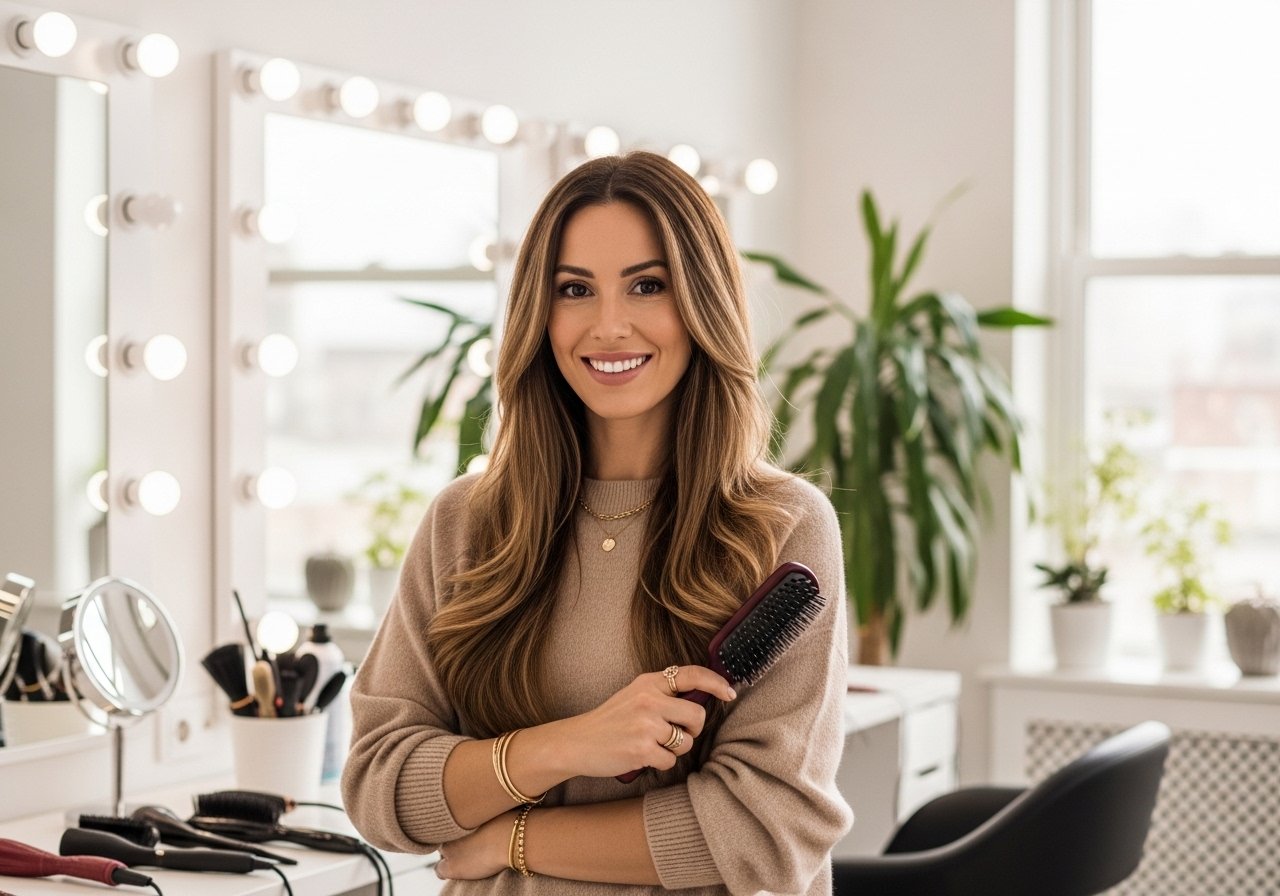
I bleached my own hair once thinking I could save money, ended up paying a colorist double to fix the banding. These balayage ideas are what I kept after that mess, the ones that read high-end in photos and still look real in person. Most work best on fine to medium textured hair and on curly textures with adapted placement. Expect five to 90 minutes per look at home, or a longer salon session for heavy lift. Budget ranges from under $30 to a salon gloss splurge.
Soft Face-Framing Money Piece For Immediate Lift
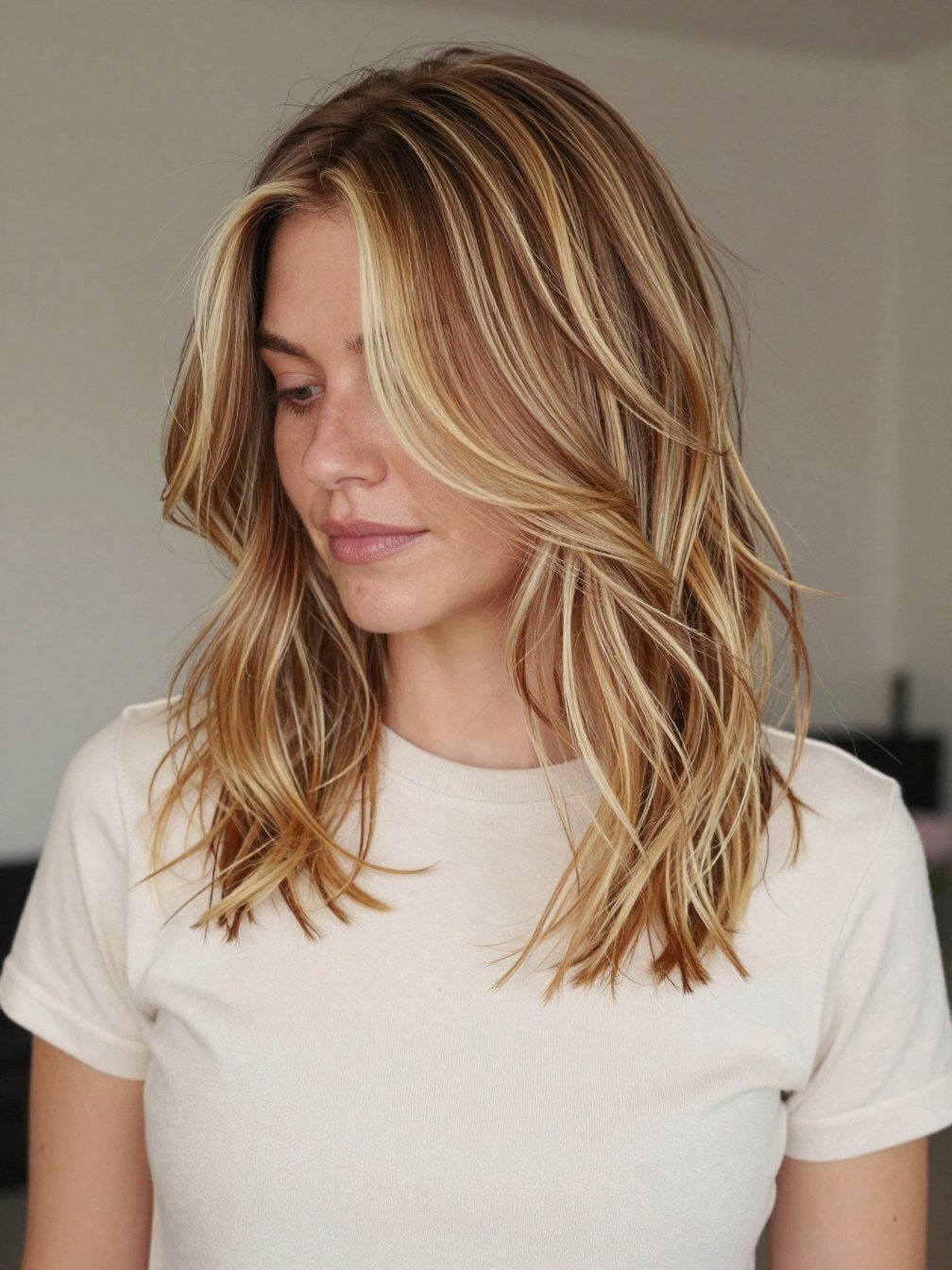
If you want brightness without full-bleach upkeep, dropping a money piece in front is the fastest trick. I ask stylists for a 1 to 1.5 inch front panel painted with a softer edge, so the regrowth line is invisible after six weeks. For fine hair, use a 20-volume developer and process in 10 minute checks to avoid overlift. I usually tone those panels with a 5 minute gloss and then style with two spritzes of Color Wow Dream Coat before blow drying to keep banding from showing. Don’t try lifting very dark brown hair at home, that is a salon job.
Honey-Beige Balayage With Root Melt For Low Upkeep

A root melt paired with honey-beige balayage gives the lived-in expensive look that hides regrowth. For curls, paint thinner slices and let the product sit under a plastic cap for five to ten extra minutes to lift evenly. I tell friends to expect a 90 minute session in salon or 45 minutes at home if you section into eight slices and foil the ends only. Use a purple shampoo every other wash, not every wash, to control brass without drying hair out. If your hair has previous color, avoid bleach-over-bleach without a professional consult.
Subtle Ash Beige Balayage For Cool Skin Tones

Ash beige works when brass is the enemy. I always recommend toning with a demi-gloss containing mauve or violet pigments for five to seven minutes after lifting, because leaving the yellow tones in will age the color fast. For fine hair lift, 20-volume developer is safer. A common mistake is overusing purple shampoo every wash. Use it once a week and alternate with a hydrating cleanser. For at-home toning try a five minute gloss and follow with Olaplex No.3 once weekly to keep the ends from snapping.
Dimensional Caramel Babylights For Subtle Warmth
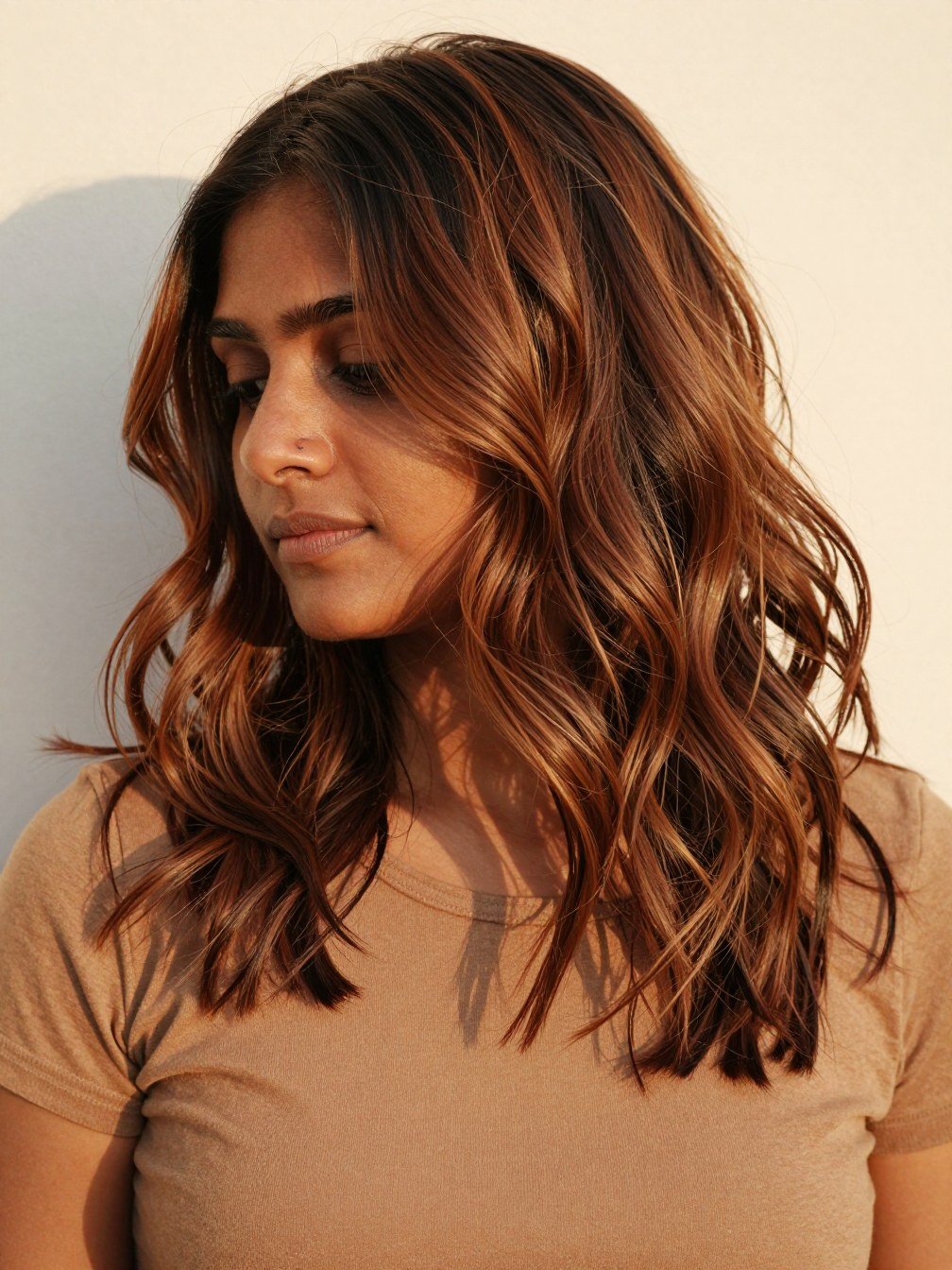
Babylights are great when you want multi-tonal depth without obvious streaks. My trick is painting ultra-fine slices, about the width of a pencil, and spacing them every half inch. For medium hair expect a 60 to 90 minute session. Use 10 to 20 volume depending on starting level. After rinsing, a 3 minute glaze with an ash-beige toner can pull any orange out. Styling with a curl cream layered under a light gel keeps the babylights visible without flattening your texture. If you grab a home kit, do a patch test for scalp sensitivity first.
Champagne Blonde With Face-Framing Babylights

Champagne blonde reads bright in photos without looking artificial in motion. For curly hair, ask for babylights placed higher up and not just at the ends so the light hits even when curls are bouncy. In practice I section curls into six larger panels, not tiny ones, which speeds up the process and keeps movement. Use a leave-in that follows LOC principles, a light oil last, and diffuse at low heat around 300F to avoid frizz. If you have a history of breakage, avoid aggressive processing and schedule two lighter sessions.
Bronde Balayage For Natural-Looking Dimension
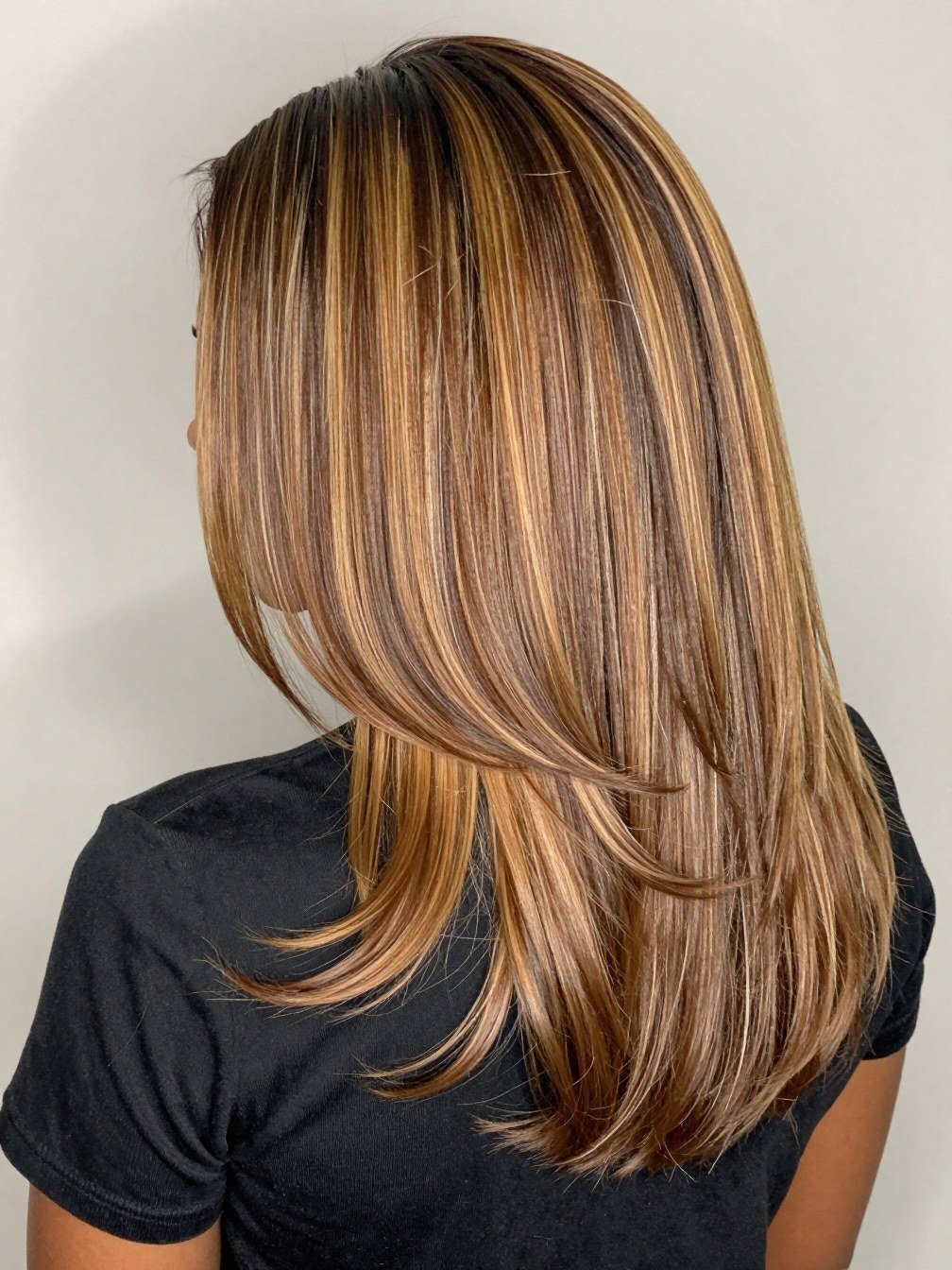
Bronde is the undercover blonde that still photographs expensive because it has depth. The plan here is vertical placement with chunkier mid-length slices and feathered ends. For fine hair, lighten the mid-lengths only and keep the root one to two shades darker. I often use a 10 to 20 volume developer and lift in 8 minute checks to avoid overprocessing. Finish with a gloss to neutralize brassy pigments. A mistake I see is painting full saturation to the root which gives harsh regrowth, not a bronde effect.
Heavy-Lift Platinum Face Panels For High Contrast
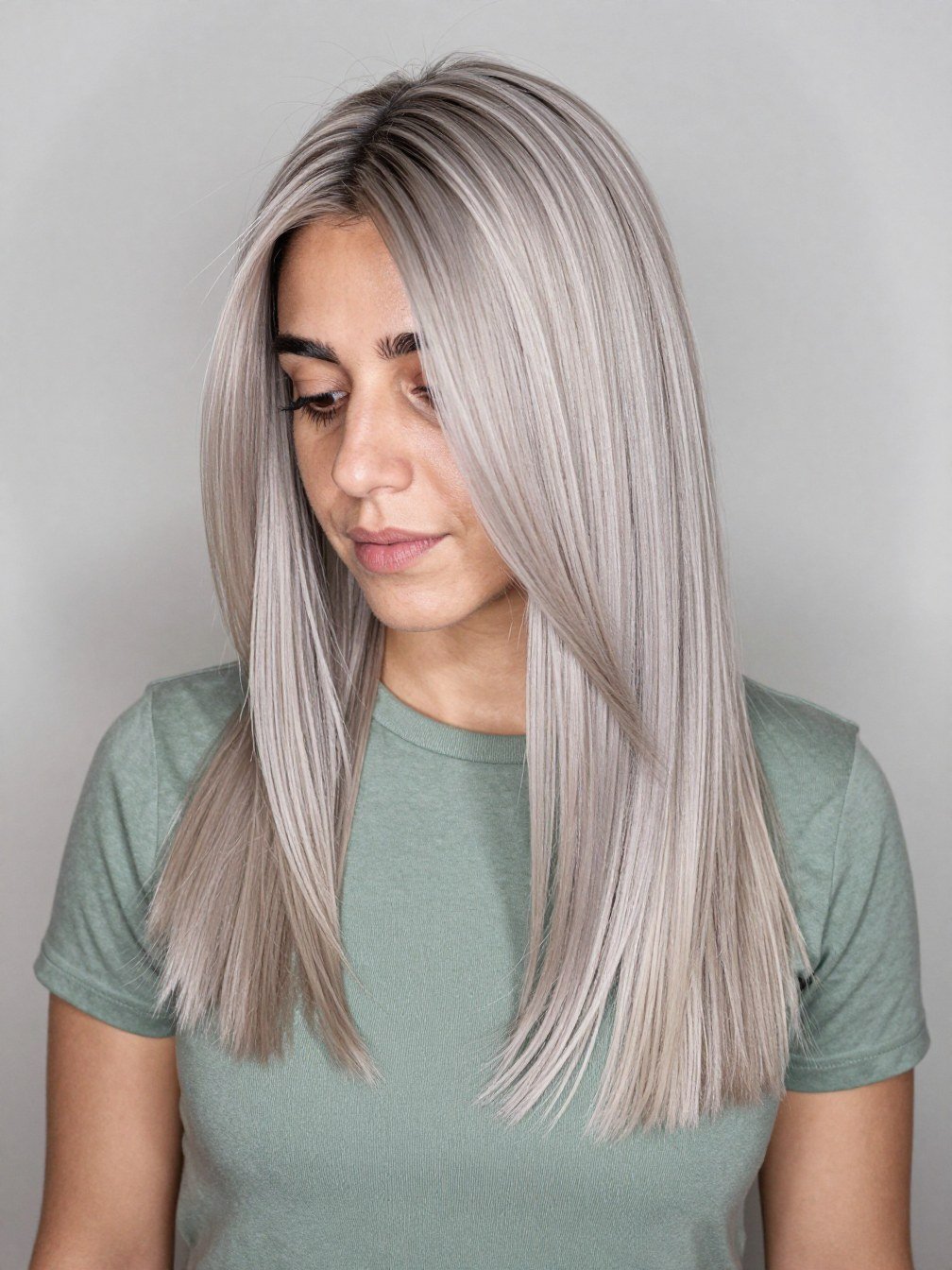
If you want a dramatic face frame, heavy-lift panels are the move but accept the upkeep cost. For panels that reach near-platinum on darker hair, expect a salon session with up to 30-volume developer in controlled bursts and multiple toning steps. I only do this in salon because over-bleaching at home caused the breakage I had to fix later with bond builders. Use a bond builder follow-up and a demi-gloss every four to six weeks. Heat protectant is essential before any iron over 300F.
What I Actually Buy For Blonde Balayage At Home
Olaplex saved my split ends after a botched bleach attempt. Here is what I keep in my kit and why, not a generic list.
- Honestly the best $30 I spend yearly, Olaplex No.3 Hair Perfector 3.3 oz, used once a week after toning helps strength and sheen. Buy from the official seller to avoid counterfeits or grab it at Sephora.
- For toning, Fanola No Yellow Shampoo 8.45 oz used weekly, not every wash, keeps brass away.
- A good gloss or demi like Wella Color Charm T18 toner kit for ash finishes, used carefully and sparingly.
- A boar bristle paddle brush helps distribute oil and reduces conditioner waste.
- Microfiber hair towel for frizz control and faster dry time.
- A ceramic 1 inch curling iron with adjustable temp for 300F to 375F styling.
- Heat protectant spray 6 oz because any iron over 300F needs protection.
- Purple toning mask 8 oz for a deeper weekly tone without drying.
Balayage For Thick Hair That Holds Dimension
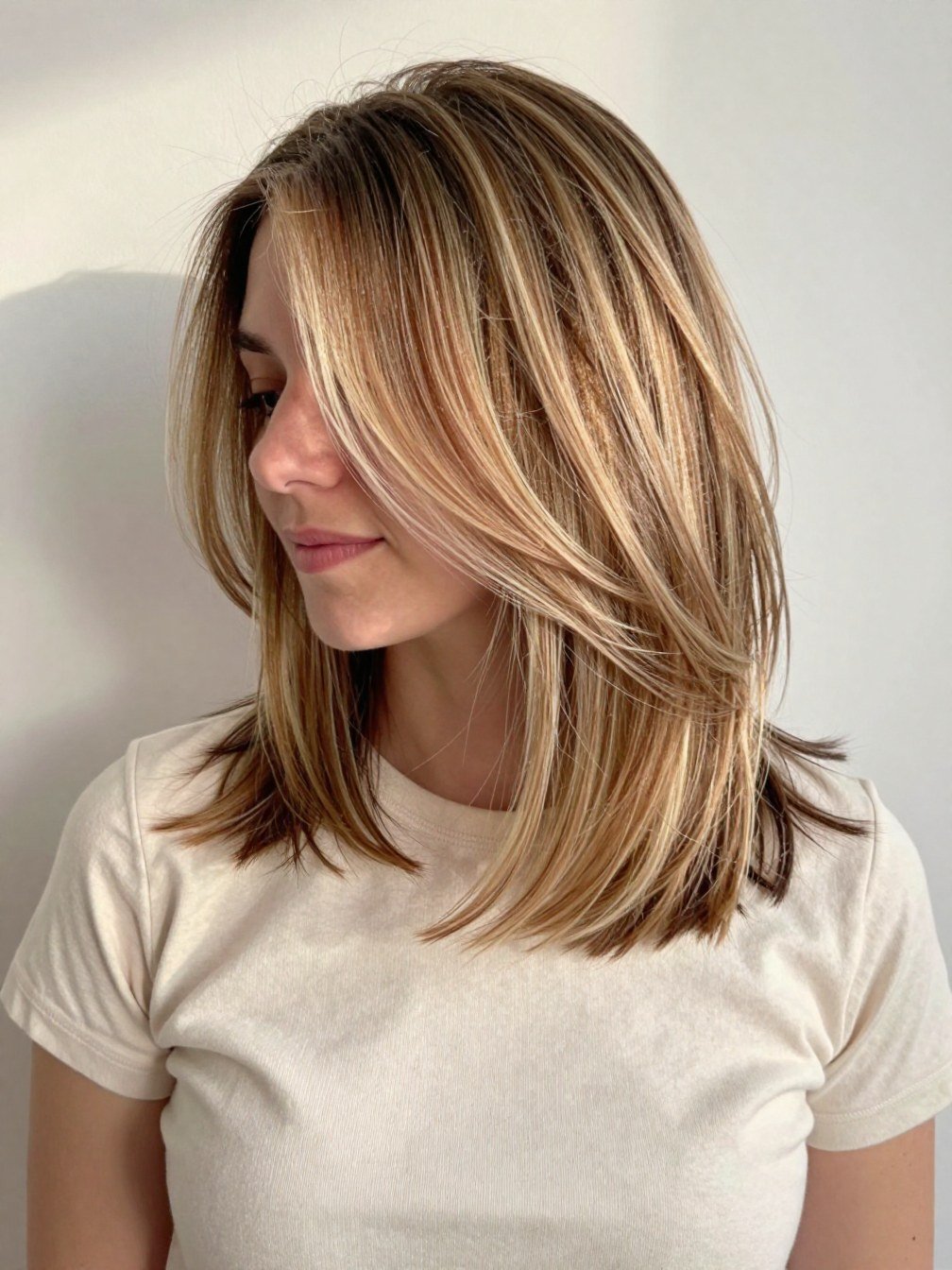
Thick hair takes color beautifully but can read flat if everything is the same shade. I paint broader sections, two to three fingers wide, and add thinner babylights in the top layer for sparkle. Processing time can be longer, so expect two to three hours in salon. For at-home partials, work in four large panels and do mid-lengths only. Use a heavier conditioner after toning to avoid dryness. A mistake is trying to milklessly cover everything with one formula. Instead alternate warm and cool lowlights to keep natural-looking depth.
Money Piece With Soft Blending For Curly Hair

Curly hair can show front highlights in a way straight hair does not, so placement matters. I place the lights slightly lower on curl types to account for shrinkage, paint the pieces thinner, and use a five minute toner to avoid stark contrast. After coloring, I follow an LOC order on damp hair, cream then oil, then a gel if I need hold. Avoid purple shampoo more than once per week on curls because it mattifies. If your curls have previous color, do a strand test for elasticity before aggressive lift.
Sun-Kissed Bronzed Ends For Summer

For a summer look that still photographs expensive, target the ends and keep roots soft. I paint the ends with a horizontal sweep and feather the paint into the mid-lengths. On fine hair, a 10-volume developer for short windows avoids overprocessing. A common mistake is over-brushing during application which creates harsh lines. Protect color from sun fade with an SPF hair spray and deep condition weekly. If you want to DIY, do a half-head session first to learn your timing.
Toned Champagne Balayage For Photogenic Shine

Champagne tones can read icy in photos, so I always add a pearl-toned gloss for five minutes to remove green or brass. For fine hair, low-volume developers and shorter processing keeps the ends from feeling straw-like. A mistake I made was rinsing with hot water which opens the cuticle and speeds fading. Rinse with lukewarm water and use a cool final rinse if you want the tone to last. If you buy a gloss at home, follow product timing strictly and use a glove to avoid staining hands.
Caramel Curtain Balayage For Face-Framing Movement

Curtain placement in balayage gives that lived-in face frame without harsh roots. Paint vertical slices that thin toward the hairline for natural feathering. In my experience, spacing pieces two inches apart gives enough contrast without a chunky look. For fine hair, avoid painting too close to the root to keep lift believable. If you want more bounce, finish with a 1 inch barrel at 330F for loose waves. Heat protectant must go on before any iron over 300F.
Shadow Root Balayage For Longer Time Between Touch-Ups

Shadow roots are a lifesaver for busy people who hate frequent salon trips. I blend the root about two to three inches deep, then paint the mid-lengths brighter. This masks regrowth for six to 12 weeks. At home, do touch-up glosses on the mid-lengths only to refresh tone. A mistake is creating a visible line by lifting too close to the root. Keep the root zone one to two shades darker and use a demi-permanent glaze every six weeks if you want extra shine.
Classic Balayage With Lived-In Warmth For Brunettes

If you started dark and want a believable blonde, aim for warm mid-length placement and softer ends. I lift in stages to avoid the fried ends I once had. For brunettes, the secret is layering warmer lowlights into the top layer so highlights do not read flat. Keep the first session conservative and plan a second session four to six weeks later if you want more lift. Use a weekly bond building product and deep conditioner to keep texture intact.
Ice Blonde Balayage With Root Shadow For Contrast

Ice blonde with a shadow root gives that expensive contrast without constant salon visits. For thin hair, lift only the outer sections and use a back-barrier protectant on the scalp. Processing should be monitored every five minutes past 20 minutes when using 30-volume developer. If you try this at home, start with a single panel to get timing right. Toning is essential and should be done immediately after lifting. If your scalp is sensitive, patch test first.
Face-Boosting Blonde Babylights For Short Hair

Short hair can still have dimension. Babylights painted close to the face and crown add brightness that moves with the cut. I section into six panels for a bob and keep highlights tiny, about pencil width. Time commitment is short, about 45 minutes, but the result is high because short hair reflects light more. Avoid over-toning which can make the short style look flat. If you dye at home, do gloves and small sections for precision.
Root Smudge And Soft Ends For Natural Blends

A root smudge after balayage changes the whole finish. Doing a soft smudge with a brush and a little developer tones down any harsh lines and extends the time between touch-ups. Most stylists I know use a 5 to 10 minute smudge with a demi-permanent shade. At home, practice on a small patch. If you over-smudge you can lose the brightness, so go light and check in the mirror under natural light.
Butter Blonde Balayage For Soft Warmth
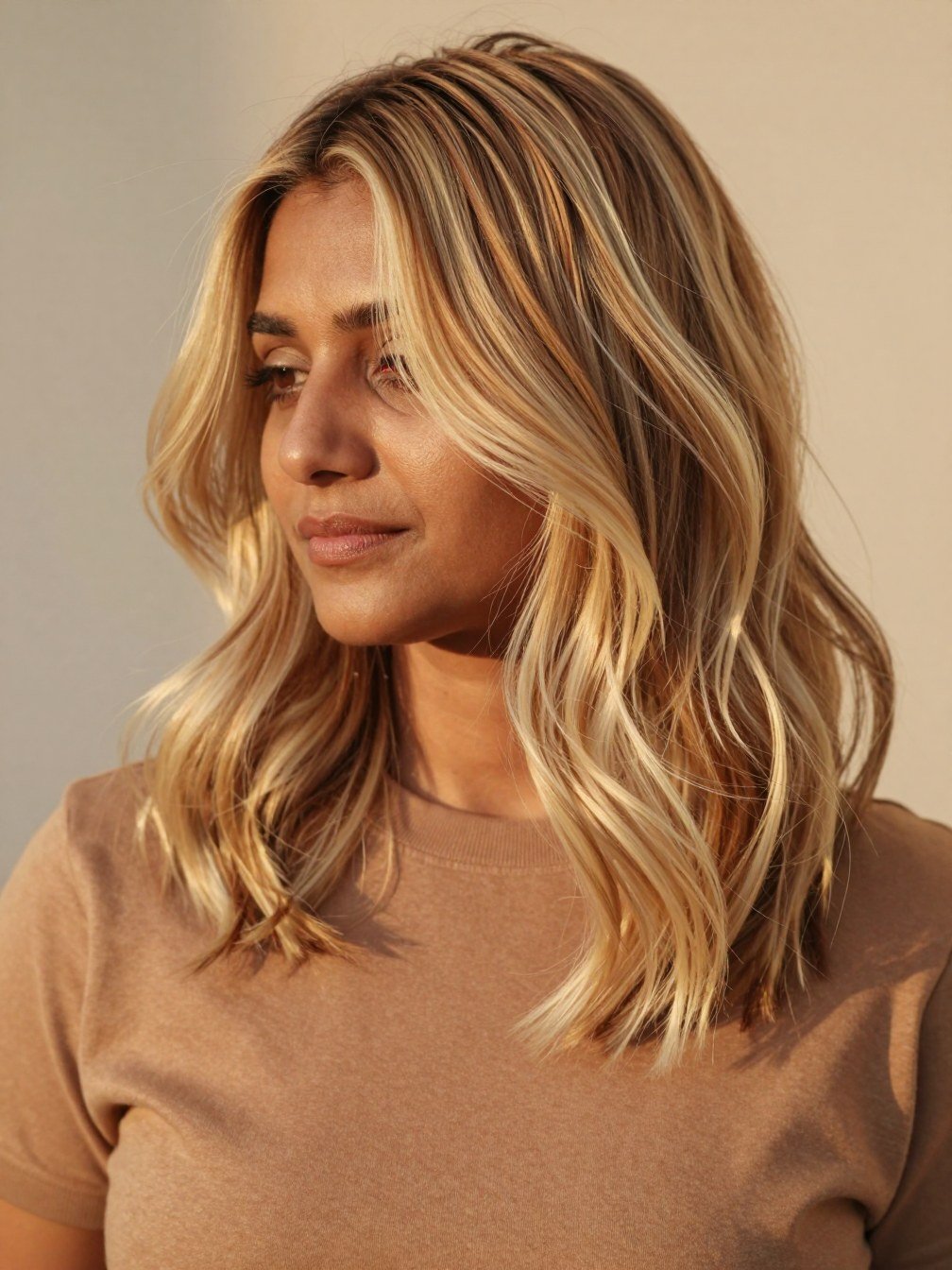
Butter blonde sits in that cozy warm zone that still looks polished. I mix warm highlights through the lower half and add a faint cool glaze to neutralize any orange. For hair with previous color, lift in shorter windows and use a weekly protein treatment if you see porosity. A common slip-up is overprocessing fine ends. Trim before lifting if you have split ends to avoid magnifying damage.
Ashy Beige Sunkissed Balayage For Minimal Brass

If brass is your main complaint, ashier beiges with a cool gloss help. I recommend alternating a violet toner once every five weeks with a hydrating mask the next week. For best results, use a toner for three to five minutes and rinse with lukewarm water. Too much purple product will make hair feel dry. If you have delicate scalp skin, skip aggressive toners or patch test.
Blonde Balayage For Curly Coils That Bounce

Curly coils need color placed where the curl shows, not just on stretched hair. I paint larger sections and avoid saturating the root crown to prevent frizz. Process under a plastic cap for consistent lift and rinse with cool water. Post-color, treat with a rich leave-in and a light oil sealed on the ends. A mistake is using too much purple product on coils which drains moisture. If your hair is fragile, consider baby steps across two sessions.
Reverse Balayage For Dark-To-Light Face Brightening
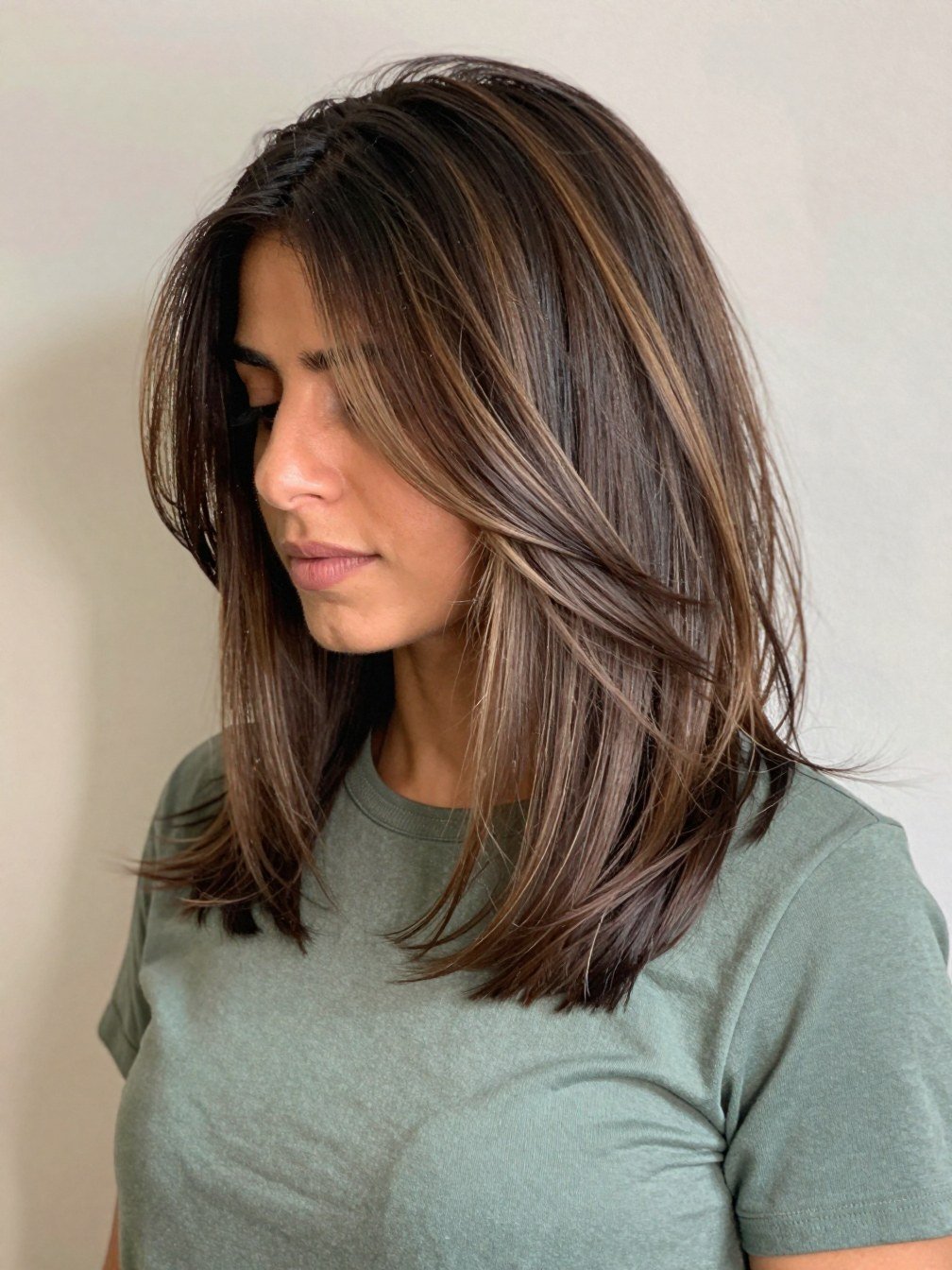
Reverse balayage places more light toward the top and face, which brightens without full head lift. I create contrast by doing thinner top slices and letting the ends remain darker for weight. For those with medium density hair, this takes about 90 minutes in salon. For DIY, do one side first so you can compare. If you have color history, be cautious about lifting through previous permanent dyes.
Bronze Gloss Balayage For Dimensional Shine

A glaze after balayage can unify tones and add depth. I use a five to ten minute bronze gloss to warm up any areas and boost shine. Glosses wear off in three to eight weeks depending on washing. If you use a silk pillowcase nightly, the gloss seems to stretch longer. Be careful with salon-only brands on Amazon and check seller authenticity for gloss kits.
Multi-Tone Blonde Balayage For Editorial Depth
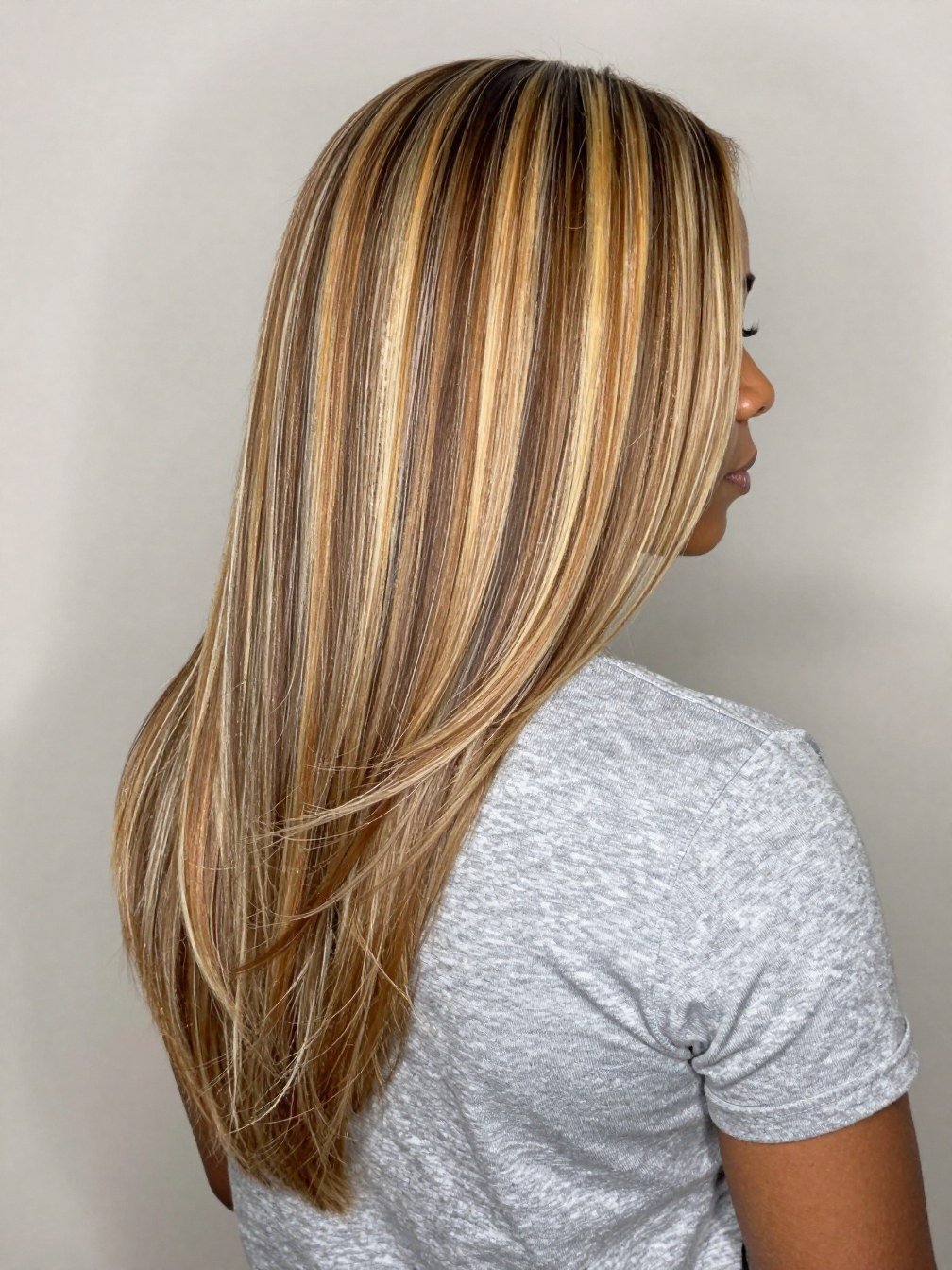
Mixing three tones prevents a flat look in photos. I alternate cool ash slices with warm caramel pieces and a neutral base. The trick is to keep spacing varied: some heavy, some thin. This takes time but the payoff is a multi-dimensional finish that moves. If you do this at home, split into small sections and label them so you do not accidentally mirror the same pattern on both sides.
Soft Platinum Balayage With Hidden Lowlights

Adding lowlights behind platinum sections keeps the look wearable. It avoids the shock of stark platinum and adds texture in movement. Lowlights should be one to two shades darker and applied sparingly. For at-home attempts, section into four panels and paint lowlights behind the top layer only. Overdoing lowlights will mute the blonde, so add them conservatively and reassess under natural light.
Honey Balayage For Warm, Youthful Contrast

Honey tones are an easy way to get a youthful glow. I usually paint thicker mid-length panels and thin them toward the ends for that sunkissed look. If your hair is naturally dark, plan two sessions or expect warmer results. Avoid leaving developer on too long near the ends if they are porose. After coloring, a weekly protein treatment for two weeks helps seal the cuticle.
Reverse Ombre Balayage For Subtle Face Framing

Reverse ombre reads softer than a traditional ombre and is great for those who want brightness without sacrificing depth at the ends. I paint the face and mid-lengths and blend down with a feathering stroke. This keeps regrowth low maintenance. If you have been using purple shampoo often, hold off for a week before getting this done to ensure toner behaves predictably.
Shadow Root With Platinum Tips For Edge Without Upkeep

Pairing a shadow root with very light tips gives an edgy vibe with less daily upkeep. The key is a smooth blend where the root sits two to three shades darker. Processing tips can be done in salon with controlled sectioning. Avoid bleaching fragile ends further; if you see fuzziness during a strand test, stop and schedule another session later.
Rose Gold Blonde Balayage For Soft Pink Tones

Rose gold blondes photograph warm and unique without being over the top. Use a diluted pastel toner for two to five minutes to get that hint of pink. For longevity, top with a color-depositing conditioner once a week. If you are hesitant about pink, start with a wash-out toner or demi-gloss. Avoid hot tools the first 48 hours after dyeing.
Copper Blonde Balayage For Warm Undertones
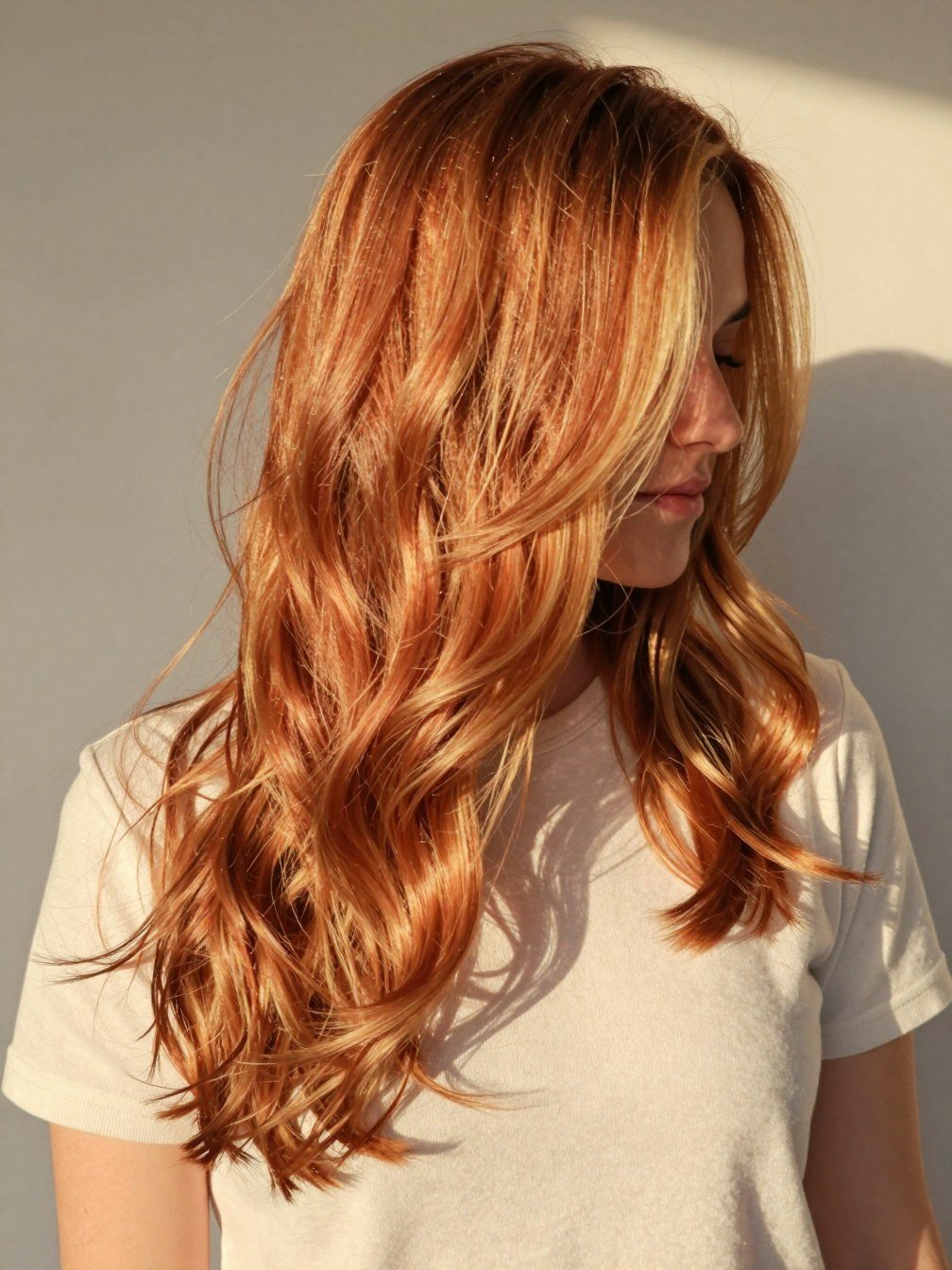
If you have warm skin undertones, copper-blonde offers a flattering option that still reads professional. Mix shorter slices of copper through the lower layers and counter with a neutral toner on the top. Too much copper at once can look clownish, so play with thin placements. After coloring, use a color-safe sulfate-free shampoo to prevent fade.
Teasing Out Tone With A Demi-Gloss For Finish

A short gloss session after balayage is the secret to that salon sheen. A five to ten minute demi-gloss evens out undertones and adds slip that makes styling easier. For at-home glosses, follow timing exactly and rinse with cool water. Most stylists perform a glaze post-lightening because it hides micro-banding that only shows in bright photographs.
What I Wish Someone Told Me About Blonde Balayage Care

- Heat protectant belongs on damp hair before any iron over 300F. This Color Wow heat protectant spray needs to absorb for two minutes before styling.
- Hair grows about half an inch a month at most, regardless of what biotin gummies promise you. That means planning touch-ups realistically.
- Use purple shampoo once a week for brass, not every wash. Overuse dries hair out.
- Bond builders are helpful. They do not reverse history but they do improve integrity when used weekly. Olaplex No.3 or K18 Repair Mask are the options I keep on shelf.
- If you have colored hair and sensitive scalp, always patch test new toners and avoid aggressive lift near the hairline.
Frequently Asked Questions
Q: How often should I use purple shampoo so brass does not build up?
A: Once a week for most blondes, less for finer or porous hair. I saw a friend use it every wash and her ends went dry and chalky. Start with a one to two minute application and increase only if brass persists.
Q: Can I go platinum at home if I already dyed my hair dark?
A: Lifting dark dyed hair to platinum is a multi-session salon job. Bleaching over previous dye is the most common cause of breakage. See a professional and expect two to four appointments spaced weeks apart.
Q: Will Olaplex make my hair permanently repaired after a bleach mishap?
A: Olaplex helps rebuild disulfide bonds and improves manageability, but it does not reverse past damage permanently. It smooths and strengthens so you can style without immediate breakage. Buy from the brand store on Amazon or Sephora to avoid counterfeits.
Q: How do I choose between warm and cool balayage tones?
A: Check your skin undertone and hair history. Warm tones suit warm undertones and often need less maintenance. Cool tones hide brass but can look flat on warmer complexions. Try a small face-framing test panel to see how it photographs.
Q: Is shadow root always necessary with blonde balayage?
A: No, but it lengthens the time between touch-ups and softens regrowth. If you prefer a seamless grow-out, a shadow root is an inexpensive addition.
Q: How much does at-home balayage versus salon work actually differ in time and cost?
A: At-home partials can be 30 to 90 minutes and cost under $50 for supplies. A full salon balayage is 90 to 240 minutes and costs a lot more, but stylists handle lift, toner, and bond treatments that you might miss at home.
Q: Can I use a demi-gloss at home safely?
A: Yes if you follow timing instructions and do a strand test. Demi-glosses tone for minutes not hours and rinse out gradually, which makes them forgiving. If you have very porous hair, reduce processing time.
Q: How do I protect balayage color from heat and sun fading?
A: Use a UV protecting spray and a heat protectant before any styling tool over 300F. Sleep on a silk pillowcase and limit washes with sulfate-free shampoos. A weekly color-depositing conditioner can refresh tone between glosses.