I chopped my own bangs once because I thought "how hard can it be?" It grew out into a heavy, helmet-like mess that took three salon visits to soften. After that I learned how to make curtain bangs on medium hair look airy, face-framing, and actually wearable day to day. These 11 ideas are for shoulder to collarbone lengths, cover fine through coarse textures with adjustments, and range from five-minute tweaks to a salon touch-up. Most are under $40 to try at home, a few recommend a pro visit.
These suggestions work best on medium density hair, 2A through 3C textures, and mid-length cuts. Skill level ranges from beginner to experienced at-home styler. Time per style is mostly under 20 minutes, except the salon trims and color pieces. Budget leans affordable with one tool splurge noted. Some choices are DIY-friendly, others I advise seeing a stylist for safer color or major shaping.
Piecey Curtain Bangs For Shoulder-Length Hair
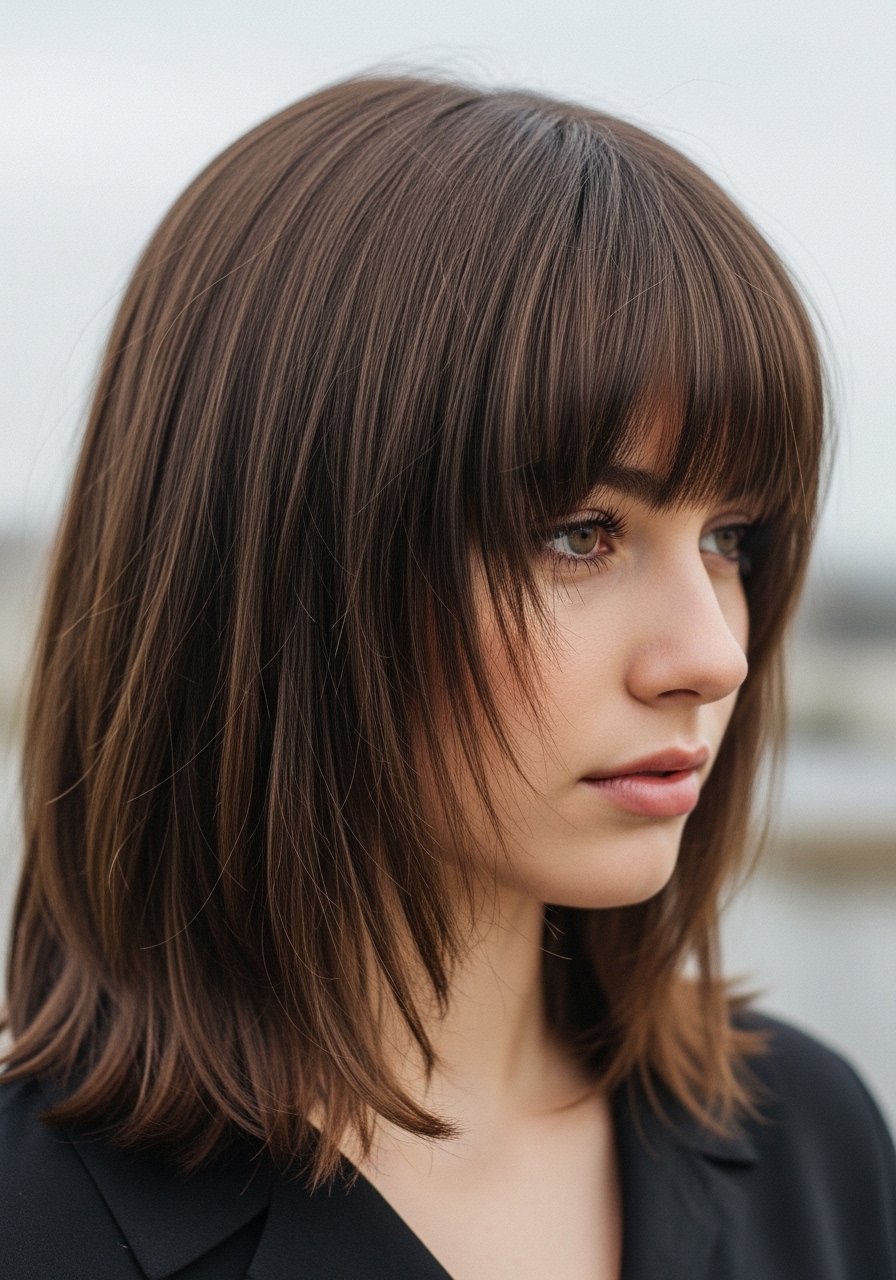
The easiest way to get piecey curtain bangs is to thin and point-cut the ends, not to shave an entire fringe across. For medium density shoulder-length hair, ask your stylist to leave the center slightly longer and razor the ends in 1/8 inch slices to create the chopped pieces that separate naturally. At home, I run a pea-sized dab of texturizing paste through the bangs, focusing on the ends, and pinch them between my fingers to define pieces. If your bangs go flat by noon, try two light sprays of Batiste dry shampoo at the root to add lift. Common mistake is overloading with product, which makes pieces clump. Safety note, avoid cutting into very thin hair without a pro, it can create gaps that take months to even out.
Soft Curtain Fringe For Fine Hair With a Round Brush
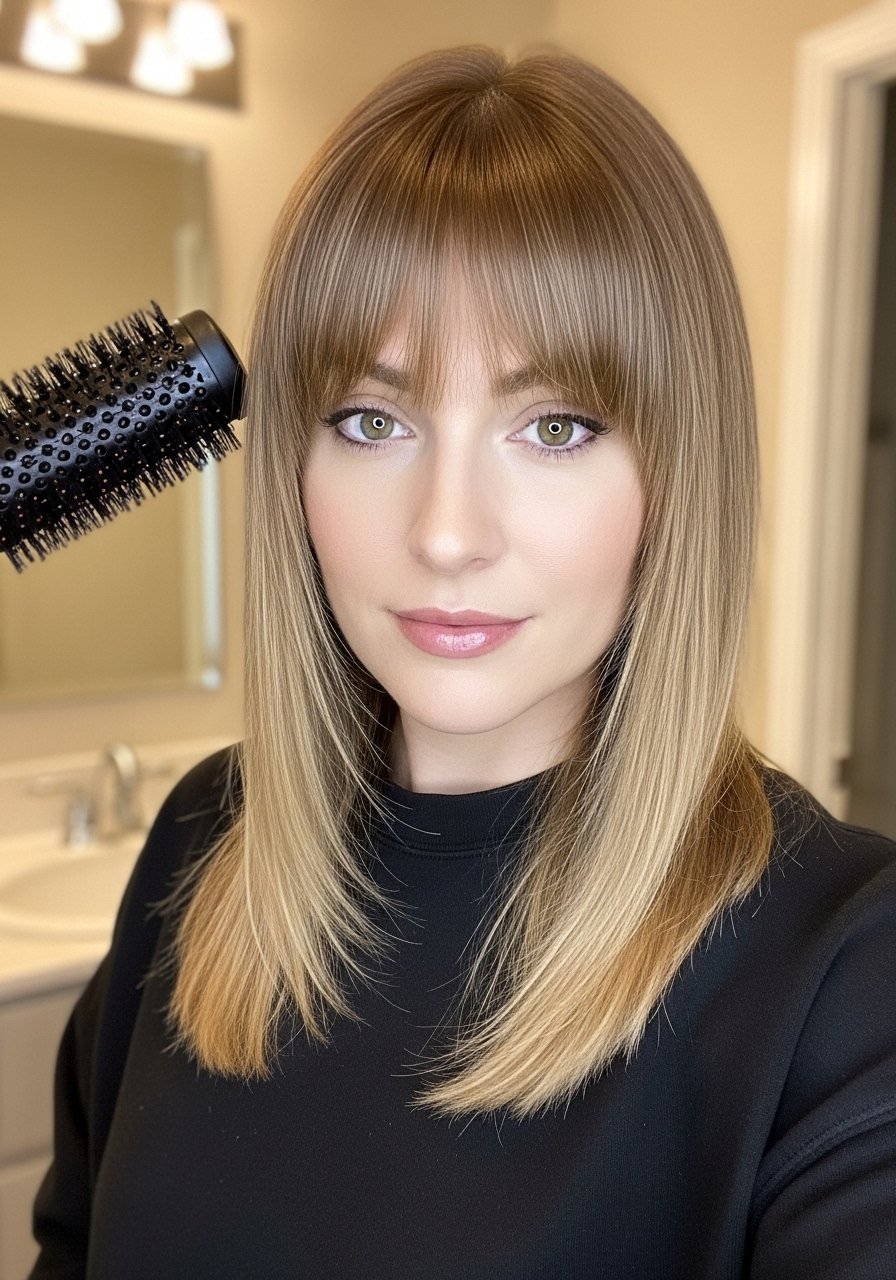
Fine hair needs shape without weight. I section the bangs into three pieces, clip the sides back, and work from the center out. Two sprays of a lightweight heat protectant on damp hair helps the brush glide. I set my blow dryer to medium heat and use a round brush about 1.25 inches across, rolling each section away from the face for 6 to 8 seconds while pointing the nozzle down to smooth the cuticle. A single finger swipe of a tiny amount of Ouai Matte Pomade on the ends keeps them separate without weighing them down. Mistake to avoid is overheating at 430 degrees with a cheap flat iron. Keep irons under 350 degrees for fine hair to reduce breakage.
Curtain Bangs With Money Pieces for Dimension
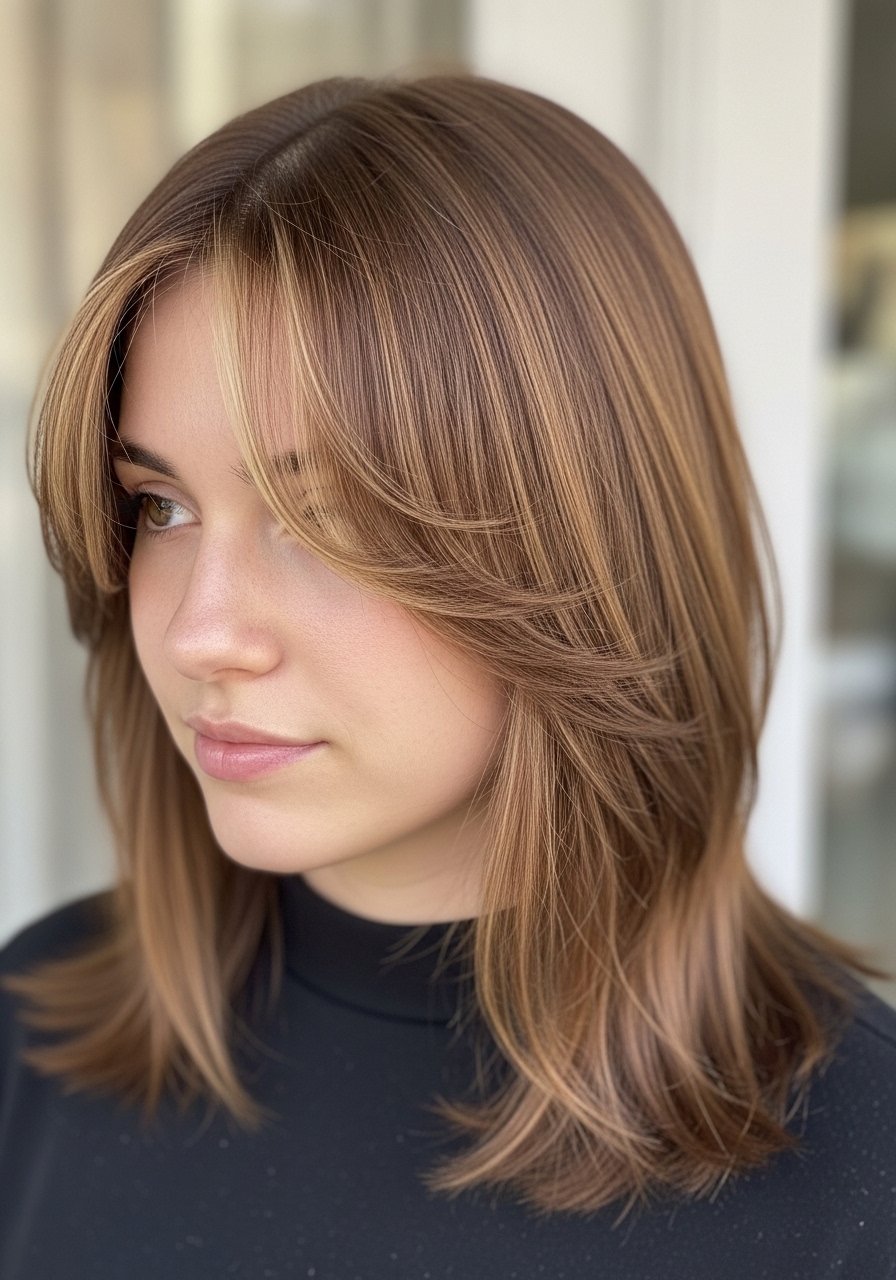
If bangs read heavy, brightening the front slices gives the illusion of separation and lift. Money pieces work well on medium hair that sits at collarbone length or longer. In the salon ask for foils painted only on the two slices that part around your face, roughly 1/4 inch to 1/2 inch wide, and request a toner that keeps the pieces one to two shades lighter. For DIY partial highlights, use a low-volume 10 to 20 developer and proceed cautiously, do a patch test first, and expect a root drag if you lift over previously colored hair. I balance color upkeep by using a color-safe shampoo twice weekly and Olaplex No. 3 once a week to keep the ends from feeling fried. Counterfeit caution: buy Olaplex from the official store on Amazon or Sephora.
Curtain Bangs For Curly Medium Hair That Shrink Less
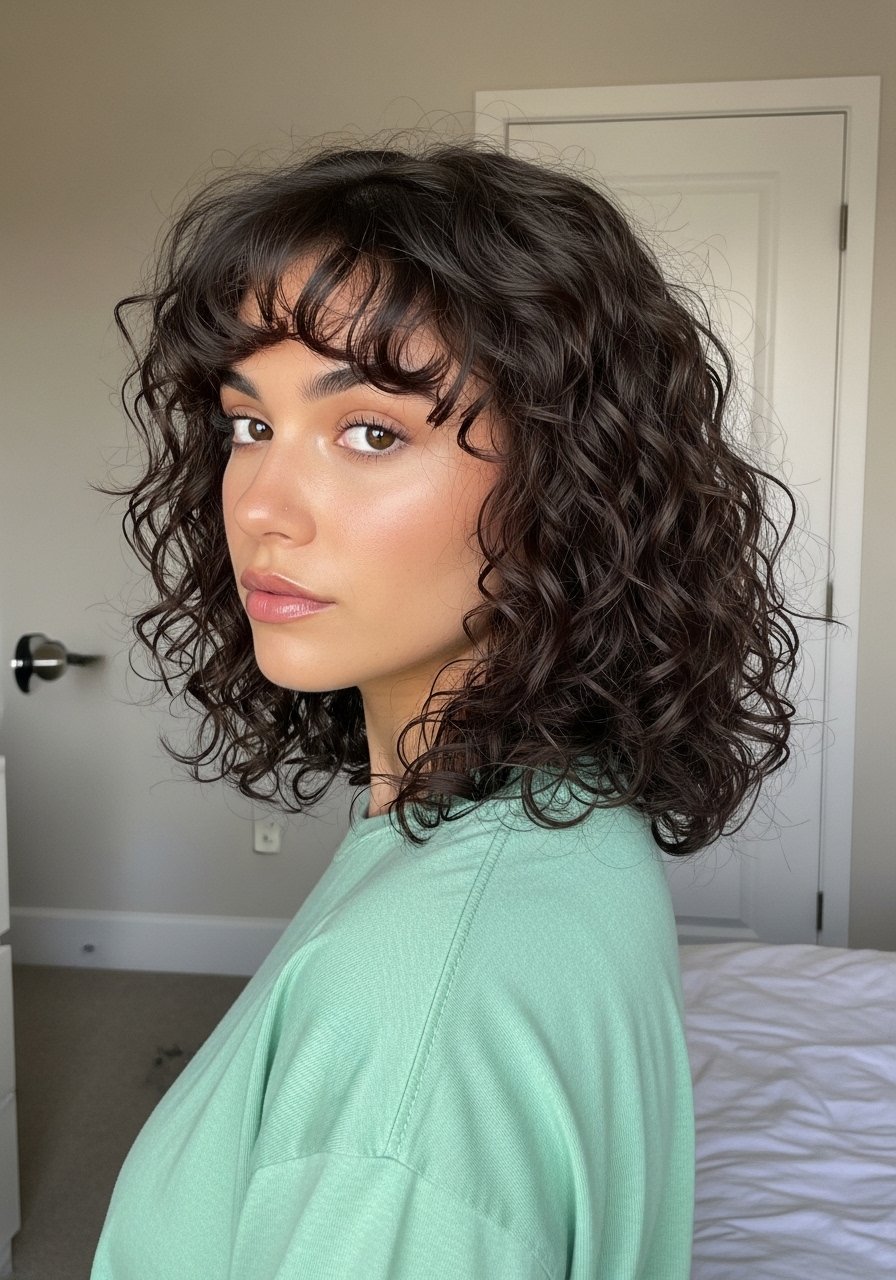
Curly curtain bangs need extra length on wet hair because they will shrink. I cut curls for bang shape when dry or slightly damp and aim for bangs that hit at least at the cheekbones when dry. My routine is LOC in mini form, two pumps of a leave-in, a nickel-sized amount of curl cream on the bangs only, then a light gel to hold without crunch. Plopping for 10 minutes prevents frizz and keeps the pieces separate. If the bangs tighten into a triangle, your cut is too short or too blunt. Salon note, most stylists prefer to shape curly bangs on curly hair to respect the natural spring. If you blow-dry or flat-iron any curl over 300F, use a proper heat protectant and keep sessions brief.
Grown-Out Curtain Bangs With Root Drag That Look Intentional

Growing out curtain bangs can be awkward. I avoid the full ponytail pitfall by sweeping grown pieces into soft side pieces and pinning behind the ear until they reach the cheekbones. A root drag technique, where a stylist paints a slightly darker root at the part, hides the unkempt stage and makes the grown-out length look intentional. At home, a dab of tinted dry shampoo at the root adds shadow and grip for 12 to 24 hours. People often over-comb their bangs when growing them out, which creates a gap at the center. Instead, finger-style and use a small round brush for quick shape. If you have scalp sensitivity, test any tinted product on a small area first.
Texturizing Paste For Piecey Curtain Bangs That Last
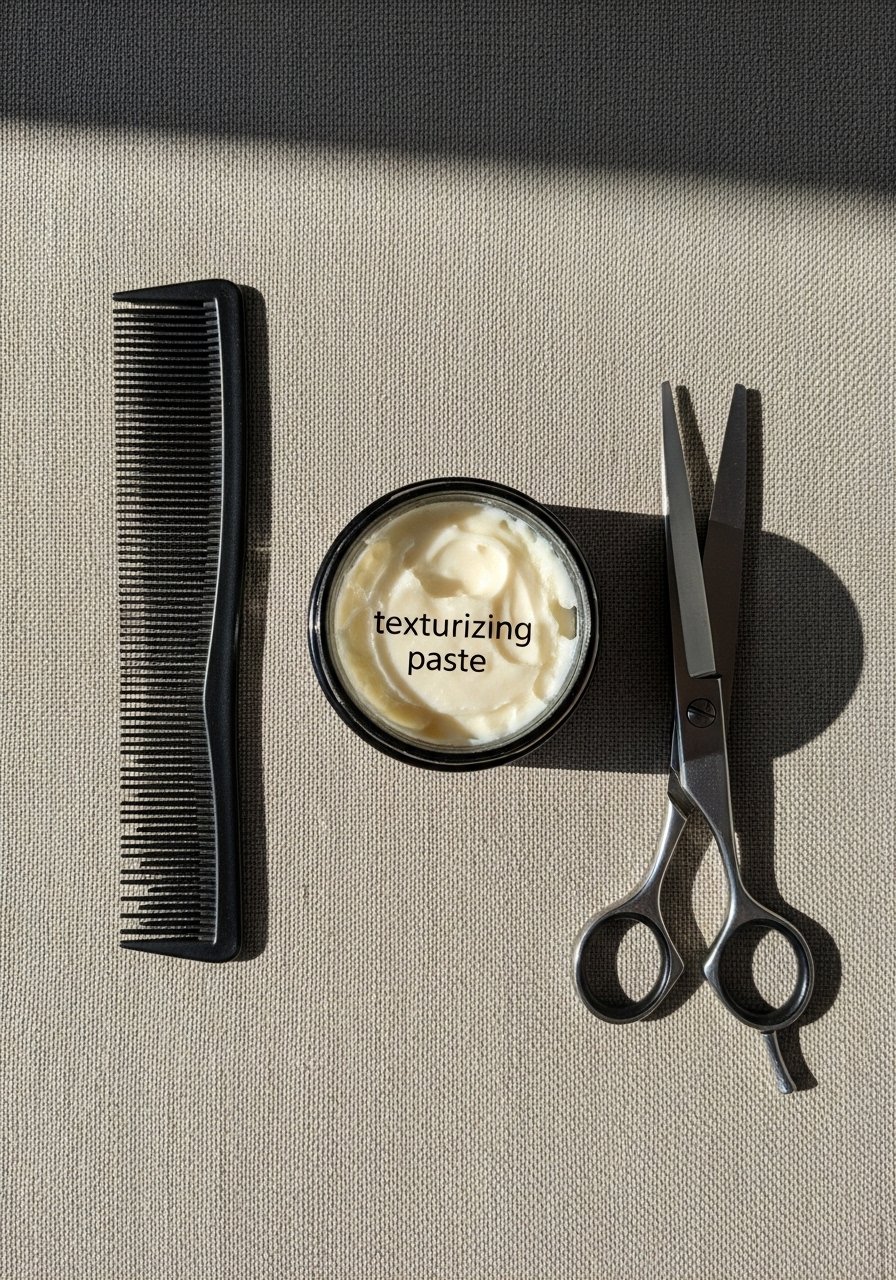
When your curtain bangs need separation mid-day, texturizing paste makes them piecey without stiffness. Pick a pea-sized amount, warm it between thumb and forefinger, and apply only to the ends and mid-lengths of the bangs. Overusing paste on the roots is a common mistake and will make bangs look oily. This technique works on straight and wavy medium hair, and on thicker hair use a little more product while layering with a light spray to hold. For control that lasts through humidity, follow with a micro-spray of anti-humidity mist. If you heat-style after applying paste, wipe the paste off first or use a heat-safe finishing wax in tiny amounts only.
Air-Dried Piecey Curtain Bangs Using Sea Salt Mist
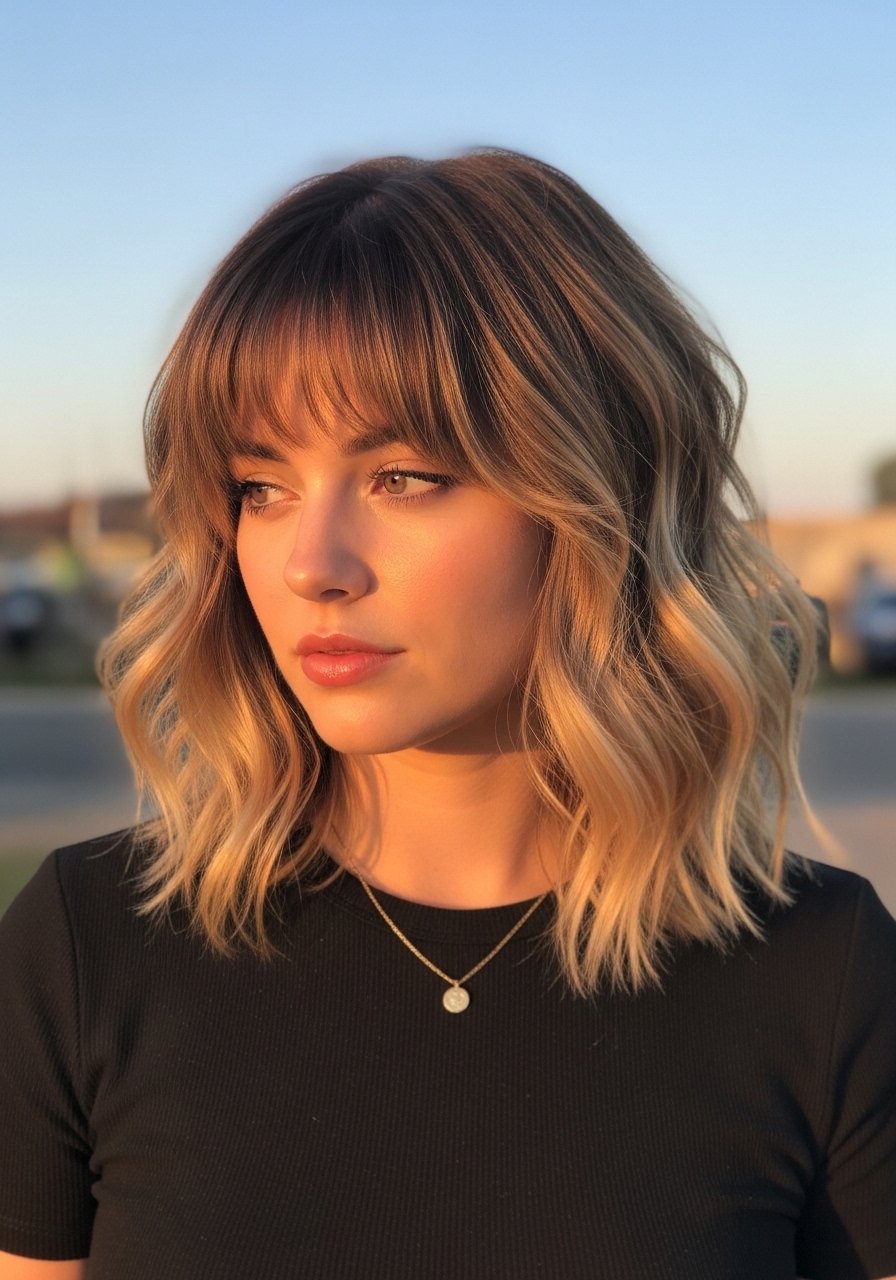
If you hate blow-drying, sea salt mist is your friend for natural piecey curtain bangs. On damp hair mist two light pumps across the bangs, scrunch the ends gently, then let air-dry. For medium-density waves I finger-separate the ends after 20 minutes to encourage pieces. The trick many people miss is to salt only the mid-lengths and ends, not the roots, to avoid dryness. If your hair tends to frizz, follow with one pump of a lightweight oil on the ends only. I rotate this with a once-weekly bond treatment to keep texture from wiry buildup. For cheap, effective salt spray try this blend of sea salt and glycerin from Amazon that costs under $15 and lasts months sea salt spray.
What I Keep in My Curtain Bangs Kit
Olaplex No. 3 Hair Perfector 3.3 oz. Weekly bond treatments saved my fried ends. Buy from the official store on Amazon or Sephora to avoid counterfeits.
A small ceramic round brush 1.25 inch for smoothing and creating the soft inward curve. Under $25 and worth every cent.
Batiste dry shampoo travel size to add lift at the root between washes, especially when bangs go greasy fast.
Lightweight heat protectant spray with a fast-absorbing formula, apply on damp hair before any hot tool.
Small texturizing paste jar for pieceing out ends, use pea-sized amounts.
Satin pillowcase blend queen size to cut morning frizz and keep bangs in place overnight.
Fine-tooth tail comb for precise parting and small section control when trimming at home.
Sea salt spray under $15, use on mid-lengths and ends only for beachy texture.
Small matte pomade tube to separate pieces without shine, apply to ends only.
Travel size anti-humidity spray for days when the weather betrays you.
Curtain Bangs For Round Faces Without the Forehead Gap
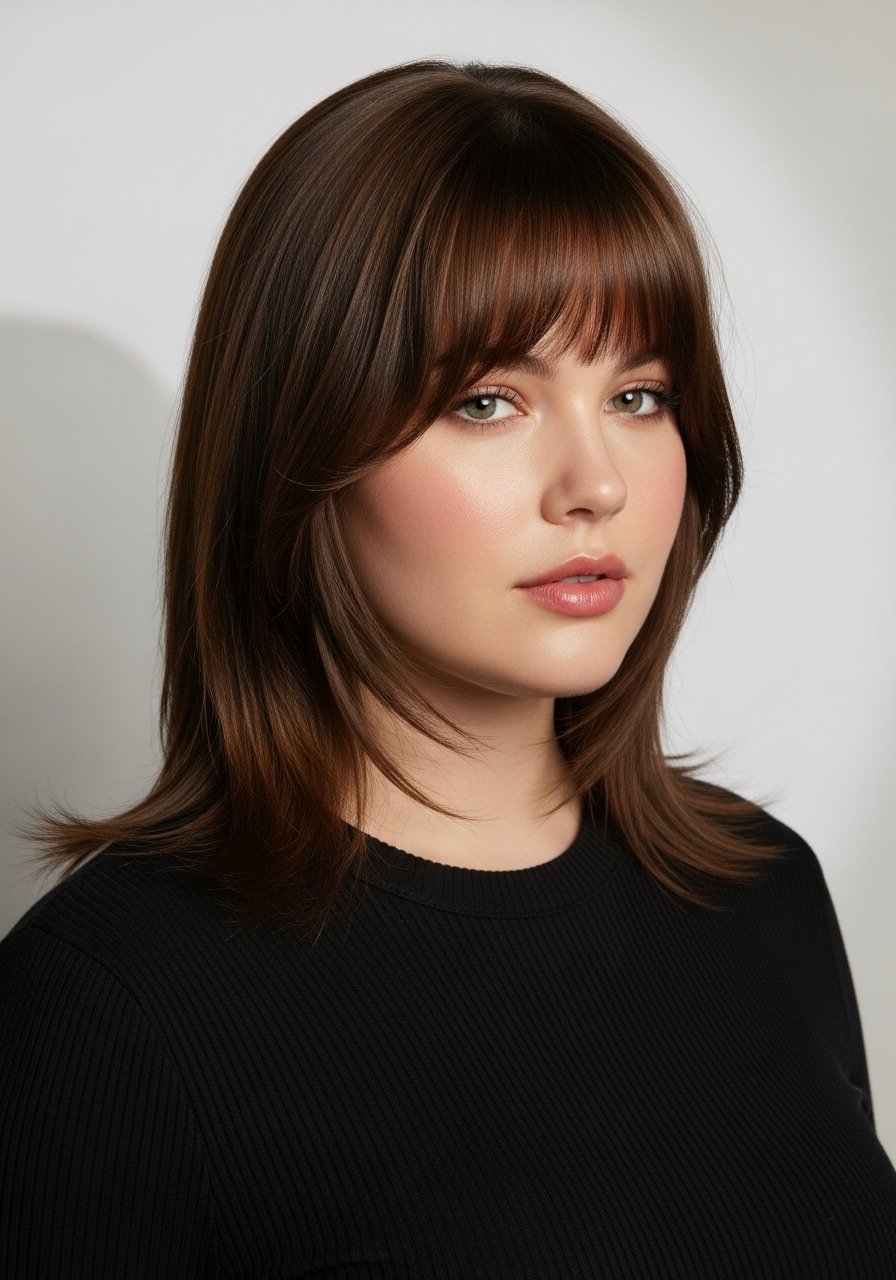
Round faces often end up with a forehead gap when bangs are cut too short in the center. My fix is to request longer center pieces that skim the brow, with slightly shorter outer slices to elongate the face. Use a diagonal part that starts slightly off center to add asymmetry and reduce the roundness. Styling trick, lift the roots with two fingers and a quick blast from a dryer on medium heat to add vertical space at the part. If you have fine hair, add a dollop of volumizing mousse at the roots when damp. Avoid a straight-across cut, it will accentuate fullness. Salon note, a stylist who understands face shapes is worth the price for this one.
Sleek Blowout Curtain Bangs Using a Round Brush and Dryer
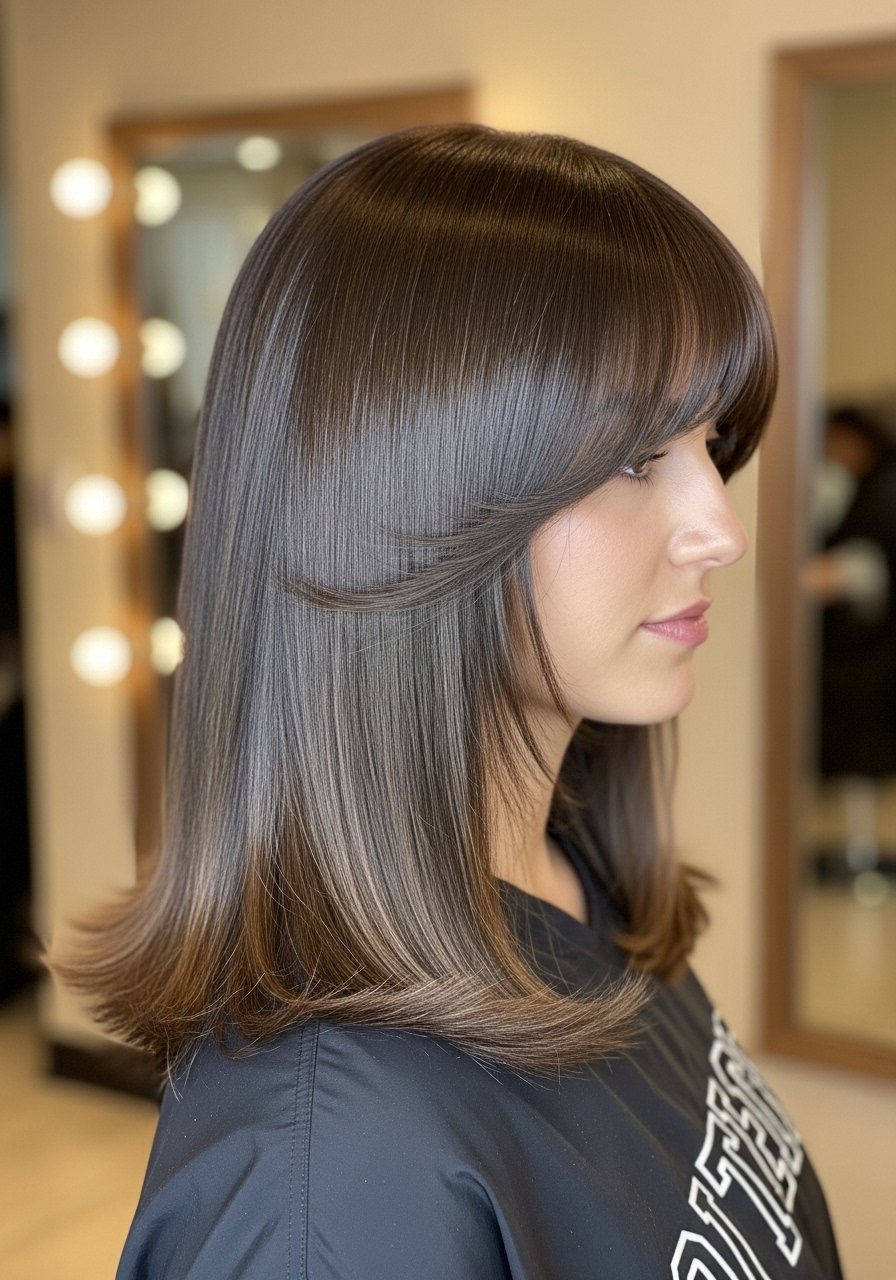
For a polished finish that lasts, wet the bangs and apply a lightweight leave-in. Heat protectant on damp hair is non-negotiable before any styling over 300F. I section the bangs into four panels and wrap each around a 1.5 inch ceramic brush, pulling taut and directing the dryer nozzle down the hair shaft for 8 to 10 seconds each. Finish with a light mist of a shine spray, avoiding the roots so you do not flatten the lift. Mistakes include starting from a single section and ignoring the outer slices, which creates an uneven curve. If you want a salon-level tool, the Dyson Airwrap is a splurge option, but a good ceramic dryer and round brush deliver 80 percent of the result at a fraction of the cost.
Curtain Bangs For Oily Hair Using Dry Shampoo and Strategics Parts
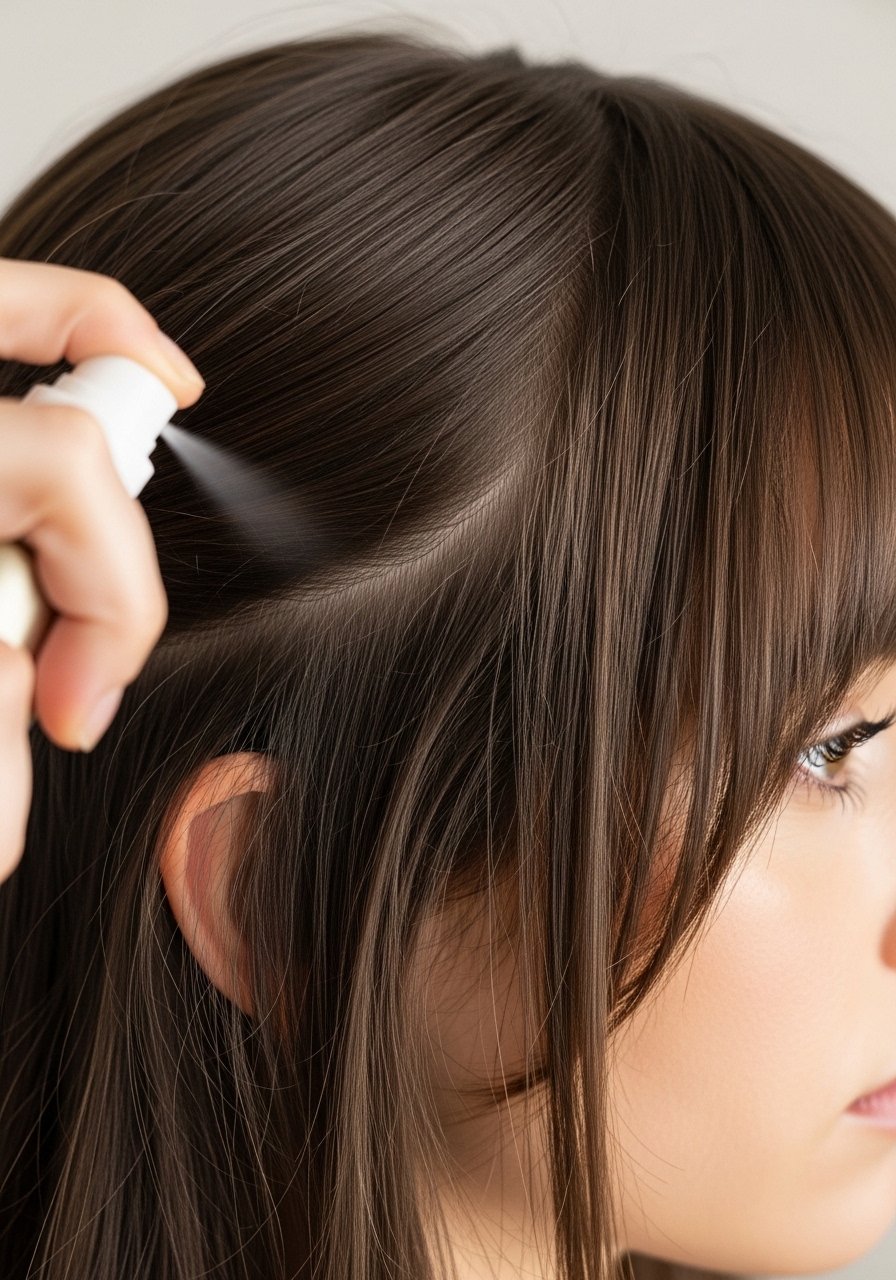
Bangs are the greasiest part of my hair, and the fastest fix is strategic dry shampoo use. Spray at the root, wait 30 seconds, then massage into the scalp with your fingertips to avoid white residue. A quick tip I learned is to alternate parts every other day to stop oil from creating a permanent flat line. If your bangs look dull after product build-up, a single-coat clarifying wash once every two weeks keeps them airy. People overdo powder dry shampoos which can cake. I prefer a spray formula for even distribution. If you have scalp sensitivity, test a small patch because some formulas can irritate.
DIY Trim Guide To Keep Curtain Bangs Piecey Between Salon Visits
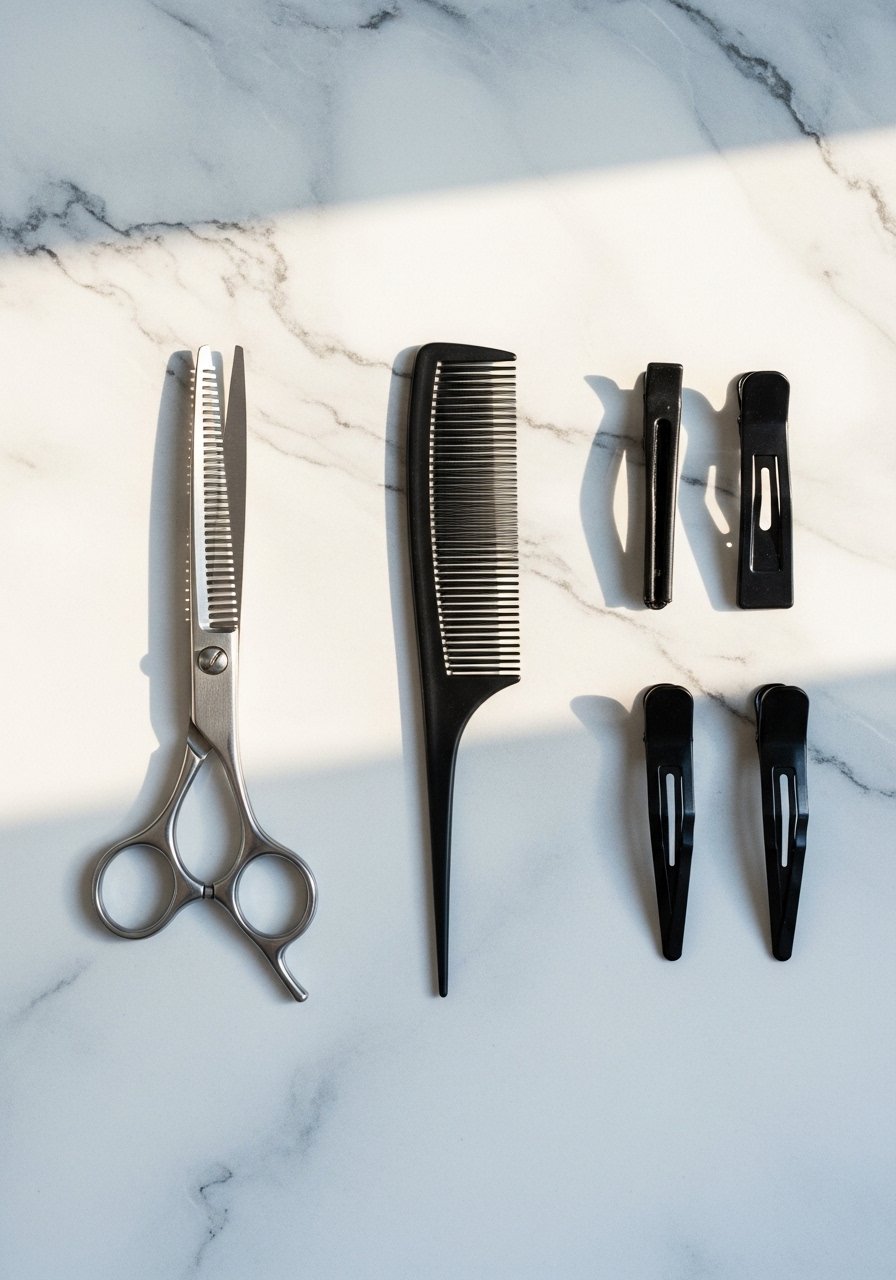
When you need a small trim, do it dry and take off less than you think. I comb the bangs into their natural part, twist a one-inch subsection once, and point-cut the ends with sharp hairdressing scissors to create soft pieces. Trim 1/8 to 1/4 inch at a time and step back to check; the most common mistake is rushing and cutting too much. For layering, tilt the scissors vertically and make tiny snips along the edge for texture. If your hair is color-treated or very fine, skip DIY and see a stylist because mistakes are harder to correct. Always disinfect tools and avoid household scissors that will blunt and tear hair.
How I Learned To Keep These Bangs From Falling Flat
- Put heat protectant on damp hair, not dry. A lightweight heat protectant spray absorbs better when the cuticle is still slightly open.
- Grab a microfiber towel to cut drying time. It saved me so many mornings where the bangs frizzed by commute time.
- Hair grows about half an inch a month at most. Focus on preventing breakage with a satin pillowcase and weekly bond treatments rather than chasing faster growth. Satin pillowcase queen size helps reduce friction.
- The 80/20 product placement rule matters for bangs. Use most product on mid-lengths and ends, not the roots, to avoid limp bangs. I follow this when layering leave-in then styling product.
- If you dye the front pieces, expect upkeep every 6 to 8 weeks. Buy professional color from authorized sellers on Amazon or go to your salon for the first application to avoid mismatched tones.
Frequently Asked Questions
Q: How often should I trim curtain bangs to keep them piecey?
A: Trim every 6 to 8 weeks to keep shape, and do tiny 1/8 inch touch-ups at home if you see a heavy section. Waiting longer risks a heavy middle that is hard to fix without professional thinning.
Q: Can I style curtain bangs with a flat iron without frying them?
A: Yes, if you use a heat protectant on damp or mostly dry hair, and keep your iron under 350 degrees for medium hair. Work in small sections and do quick passes rather than holding the iron in place.
Q: Will curtain bangs work on curly 4A textures?
A: They can, but cuts should be done dry by a stylist who knows how your curls spring. Expect to leave more length than you think because coils shrink. If you try DIY, shape minimally and avoid blunt cuts.
Q: My bangs get oily by noon, is there a quick fix?
A: Swap to a lightweight spray dry shampoo and massage it into the part. Also alternate your part each day to reduce oil imprinting. If oil is persistent, consider a gentle clarifying shampoo once every two weeks.
Q: Can texturizing paste make my bangs look greasy?
A: If you apply paste to roots it will. Warm a pea-sized amount between fingers and focus on ends only. For medium-thick hair you can use slightly more, for fine hair use less than you expect.
Q: Is it safe to bleach money pieces myself on medium hair?
A: Lifting over existing color risks breakage and uneven tones. If you have previously colored hair, book a salon appointment. If you attempt a small face-framing piece at home, use low-volume developer, do an allergy test for peroxide, and proceed slowly.