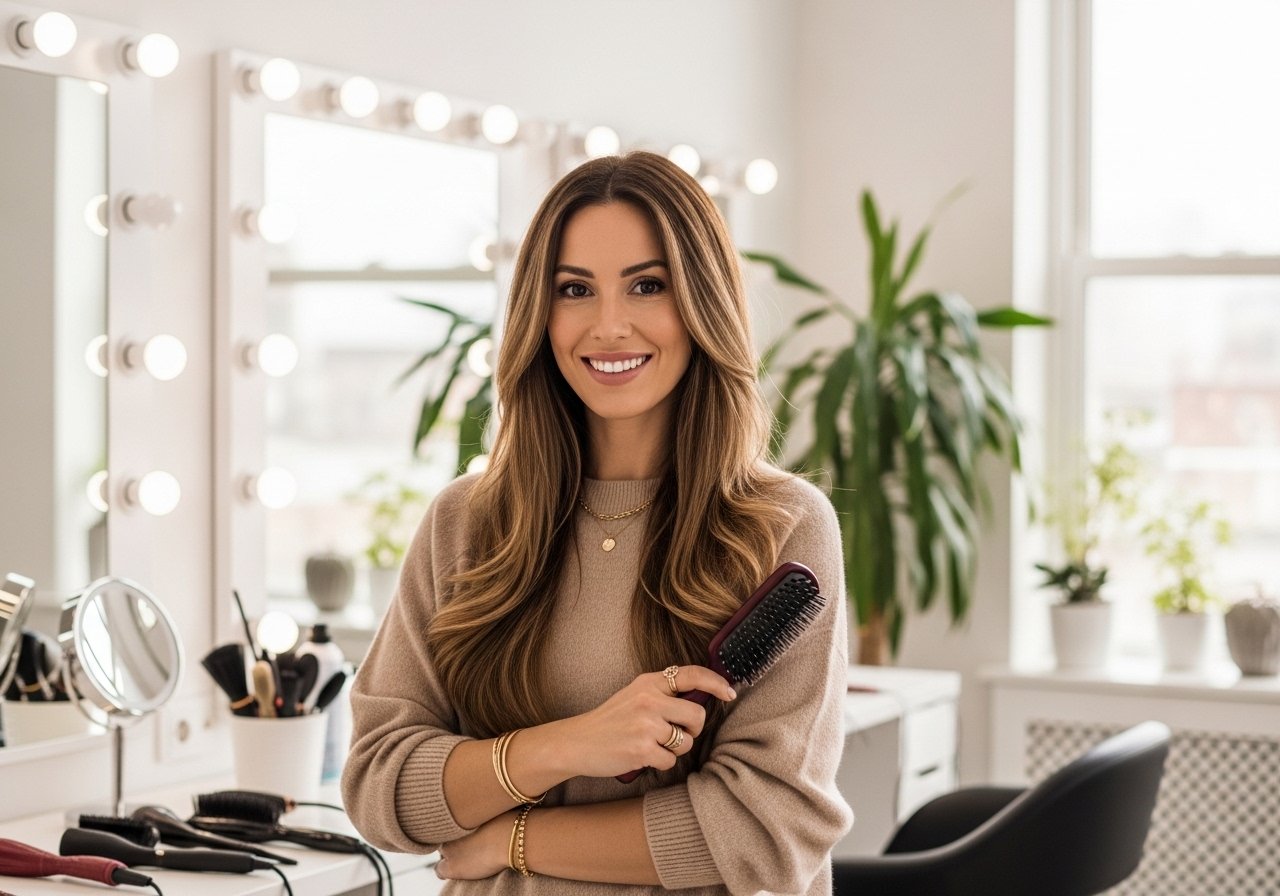
If your curls look defined right after styling and flatten by lunch, this is for you. I used to scrunch until my arms went numb, then wonder why humidity won. Over years of trial and error I learned that protective curly styles are not just for "bad hair days." They cut breakage, stretch wash day, and actually let you go multiple days between heavy styling without looking like a haystack.
These ideas mostly serve 2A through 4A curl patterns, varying by thickness and length in each section. Most styles are low to medium skill and take five to 30 minutes at home. Budget ranges from under $15 for silk scarves up to a tool splurge around $150. A few ideas note when a salon install is worth it.
Loose Pineapple for Sleep and Shape
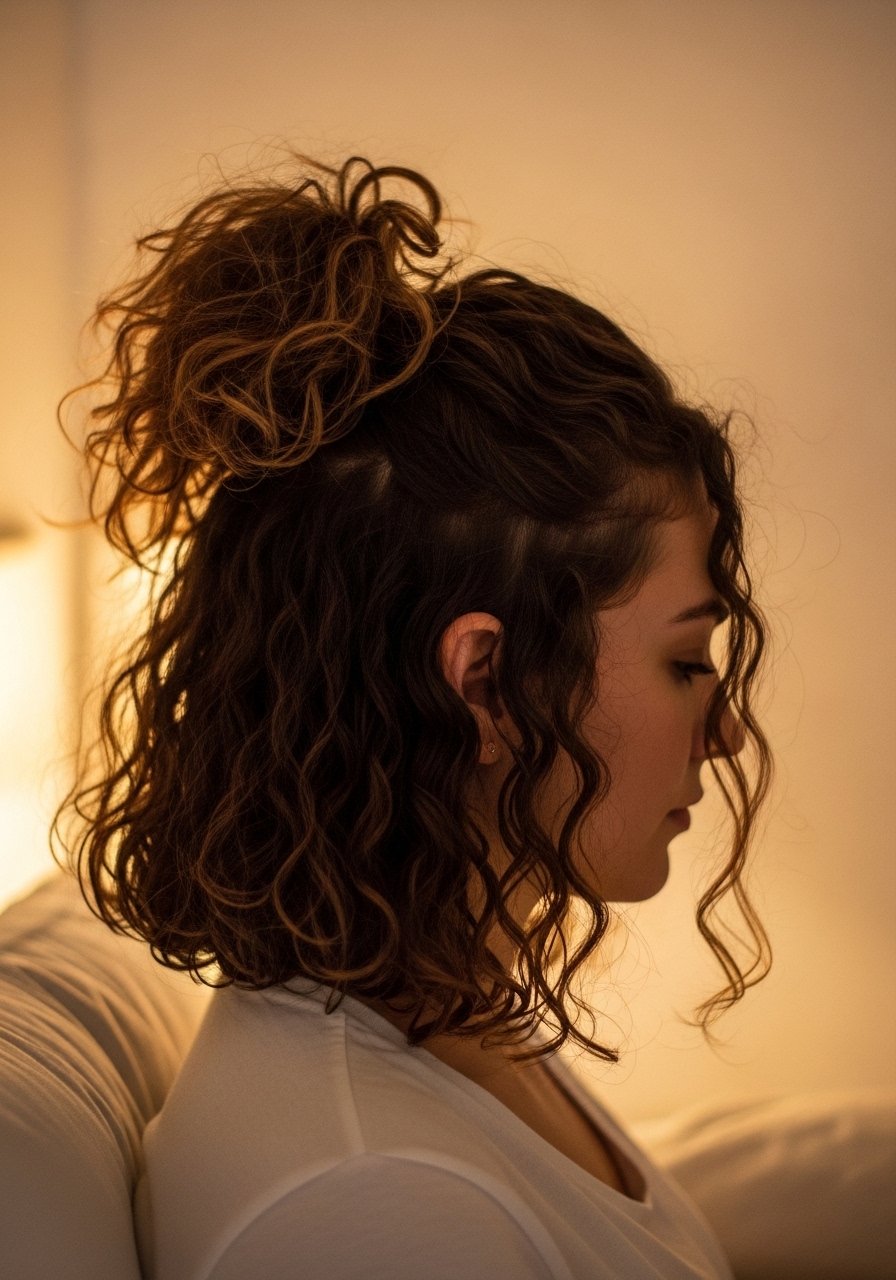
I sleep with my curls in a loose pineapple now, and it saved me mornings. The trick is two fingers of slack in the scrunchie, not a tight wrap. For 3A to 4A curls, use a satin scrunchie and flip the hair forward so the crown gets height. It takes 30 seconds and keeps second-day shape without crunch. If you wake with frizz, two spritzes of a lightweight leave-in and a gentle finger shake refreshes the pattern. Avoid tying directly against damp hair or the elastic will stretch wet strands. This is DIY friendly and cheap. If your curls are very long, tuck the ends into a satin scarf before sleeping.
Two-Strand Twists for Second-Day Definition
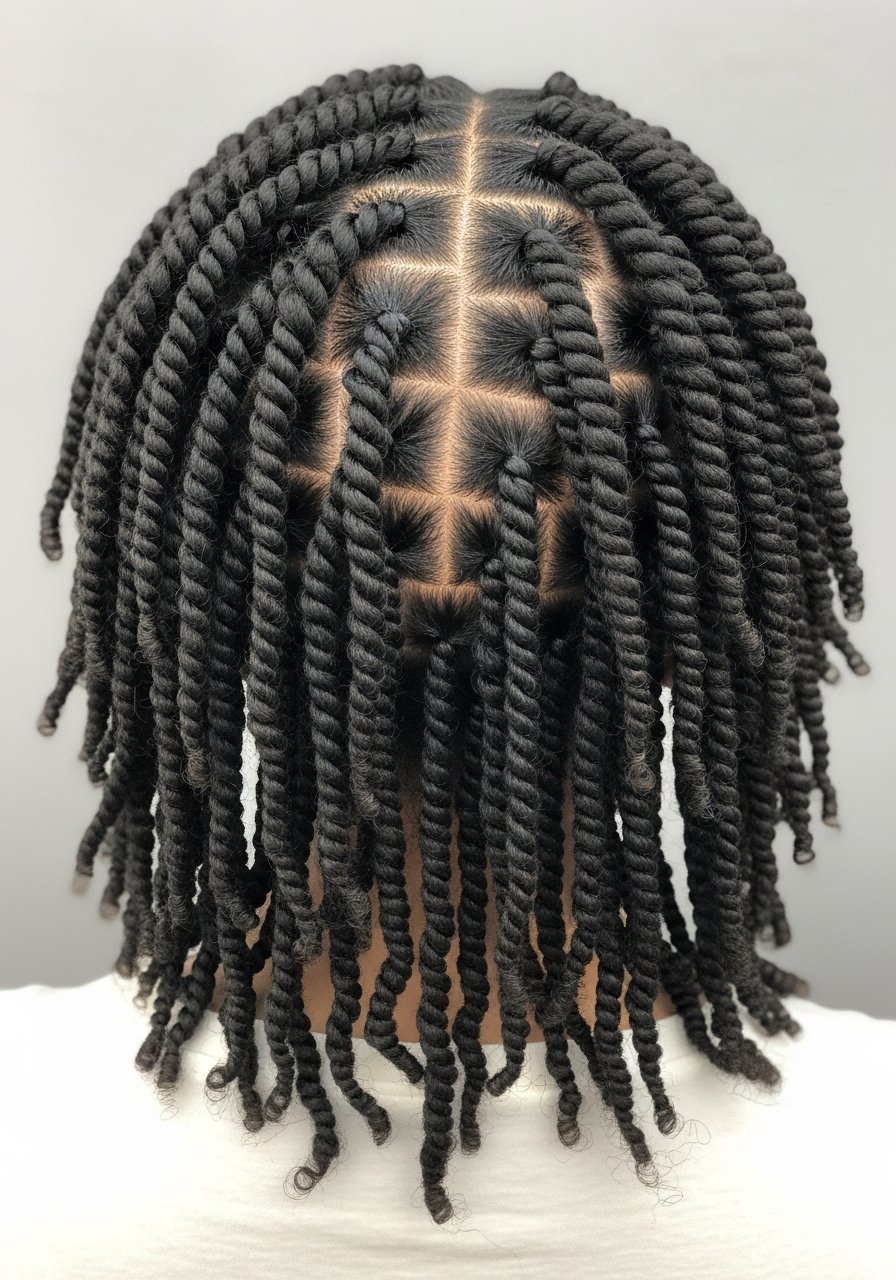
Two-strand twists are my go-to when I want a defined second-day look without heat. On 3B to 4A hair, I split into 10 to 14 sections for shoulder-length hair. Work with damp, not dripping, hair. I apply a nickel-sized amount of curl cream per section, then two passes of a medium-hold gel to each twist. Let them air dry for four to eight hours or sleep in them. The mistake I see is using too much product at the roots which makes the base stiff. This is salon simple and beginner friendly. To loosen the style, unravel the twists in the morning and separate gently with fingertips.
Low Coiled Bun With Scarf Wrap
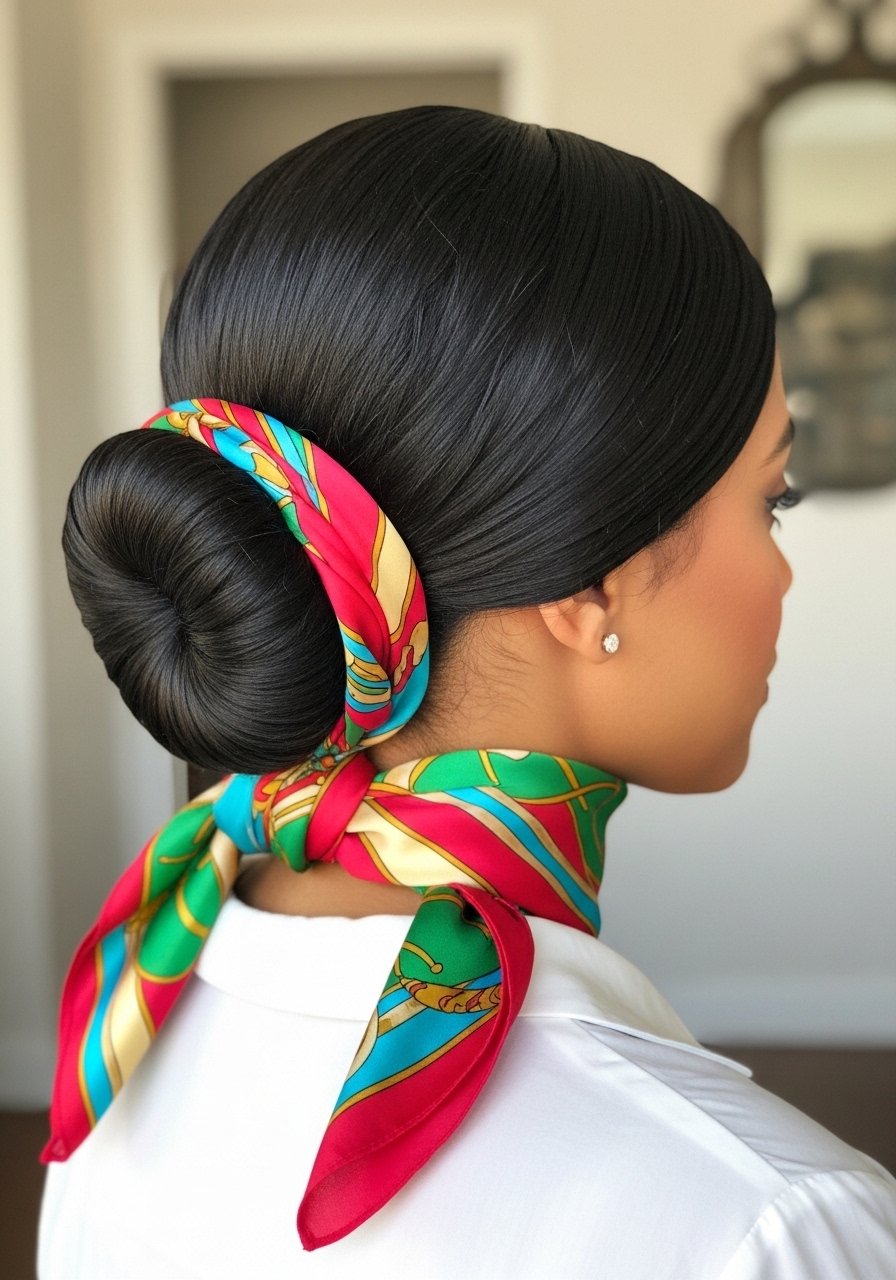
When I need polish plus protection I do a low coiled bun wrapped with a silk scarf. It protects ends and keeps weights out of the mid-lengths on 2A to 3C hair. I smooth damp hair with a light gel, coil clockwise into a flat donut, and tie a silk scarf twice around the coil. Budget is low and time is five to ten minutes. A common mistake is tying the scarf too tight which creases curls at the nape. If you have colored ends, tuck them so the ends stay out of friction. Salon owners will tell you silk liners matter. They do.
Flat Twist Updo That Holds All Week
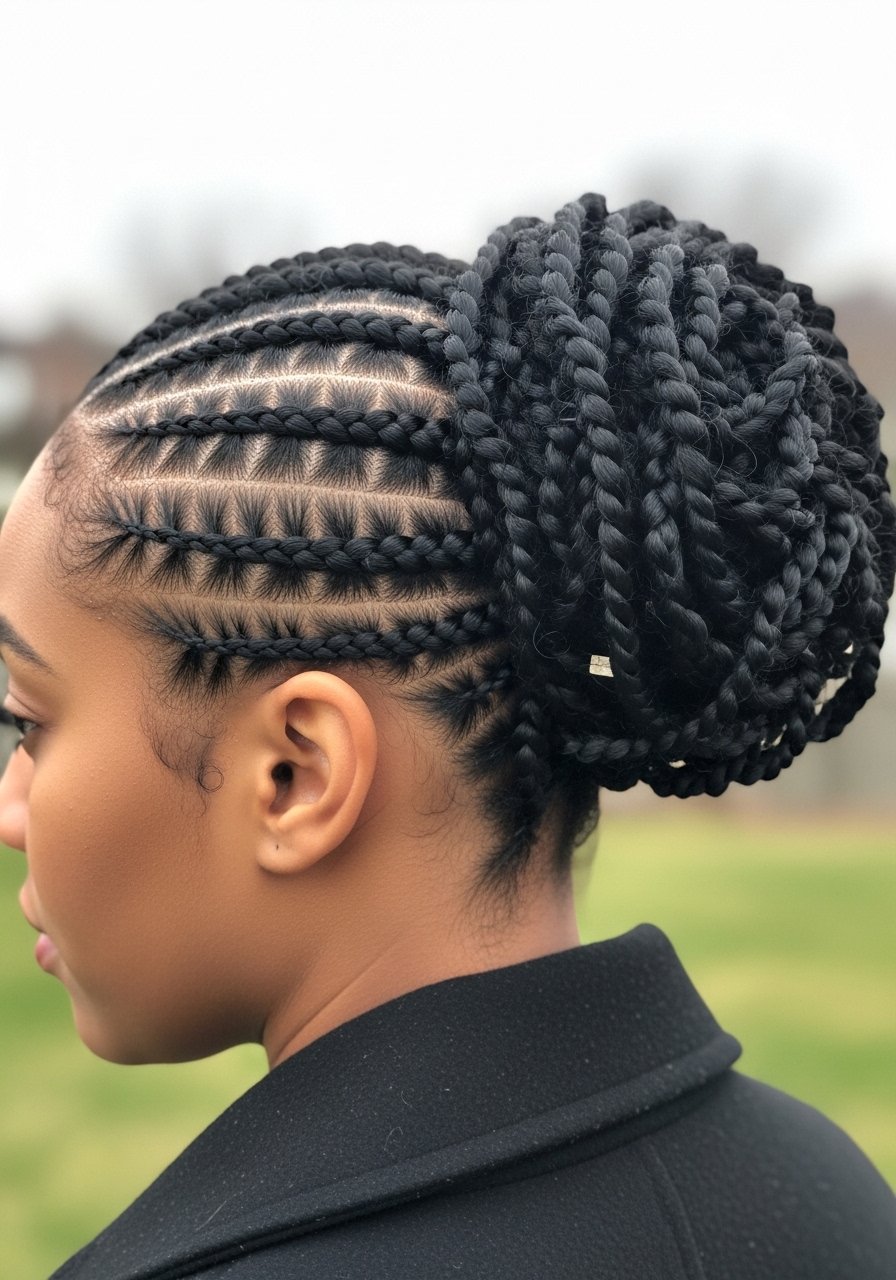
Flat twists reduce manipulation and keep hair seated for days. For 3C to 4A textures, I section into four to six big panels and flat twist toward the crown. Use a dime-sized amount of butter-based cream per panel so you do not weigh the hair down. Pin the ends into a low bun and you can sleep on it for up to five nights. Common error, overwinding small sections which causes breakage along the part. If your scalp is sensitive, do every other row rather than total coverage and check tension after 24 hours.
Crown Braid That Calms Edges
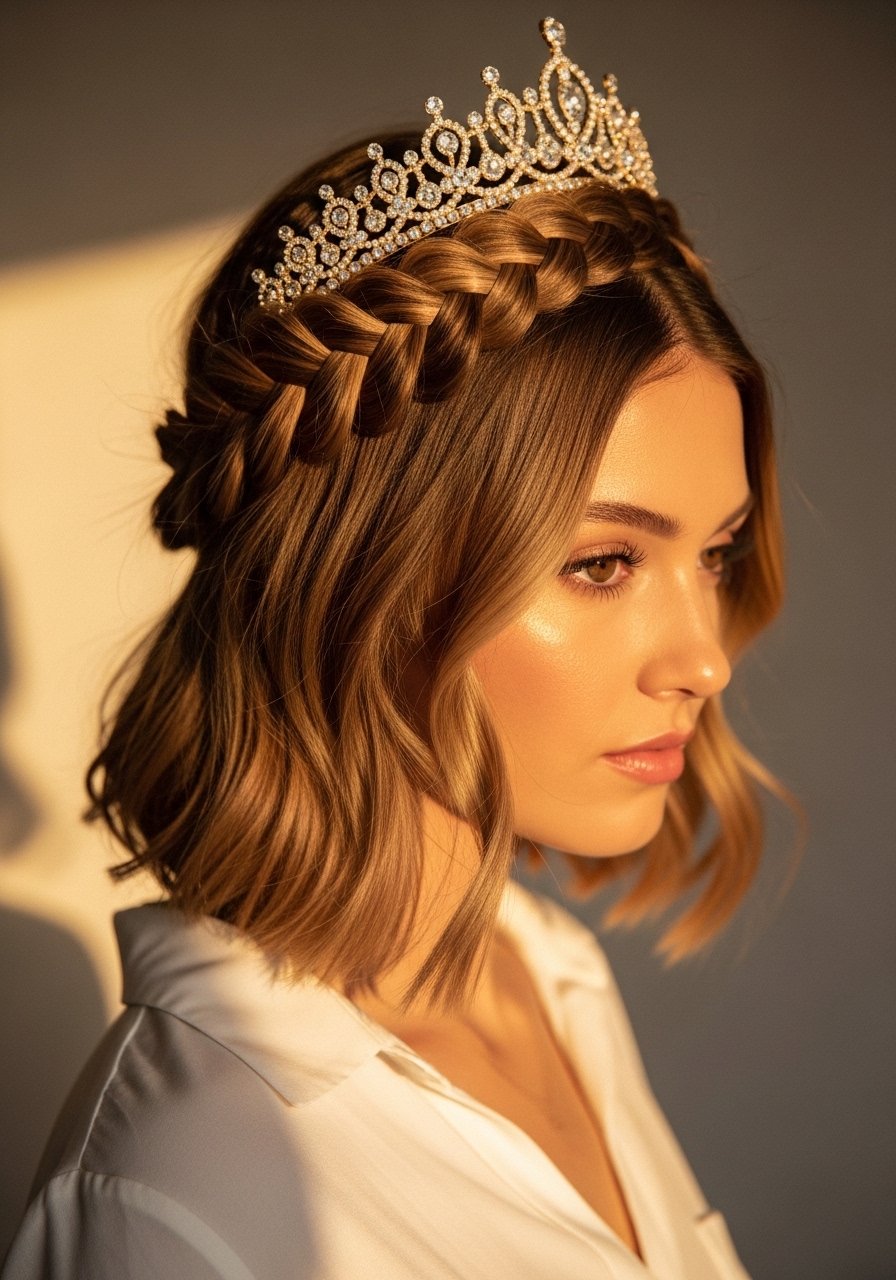
A crown braid keeps edges tucked and friction low. It works best on 2C to 3C hair that is at least shoulder length. Start with a deep side part, braid along the hairline in three large pieces, then pin the braid around the head. This takes 10 to 20 minutes for someone with basic braiding skills. I loosened my first attempts too much and lost hold. The detail to change is adding one hidden bobby pin per three inches to stabilize the braid. If your hair is color-treated, avoid pinning into fragile mid-lengths. This is a DIY style that looks salon neat.
Sock Bun for Tamed Ends
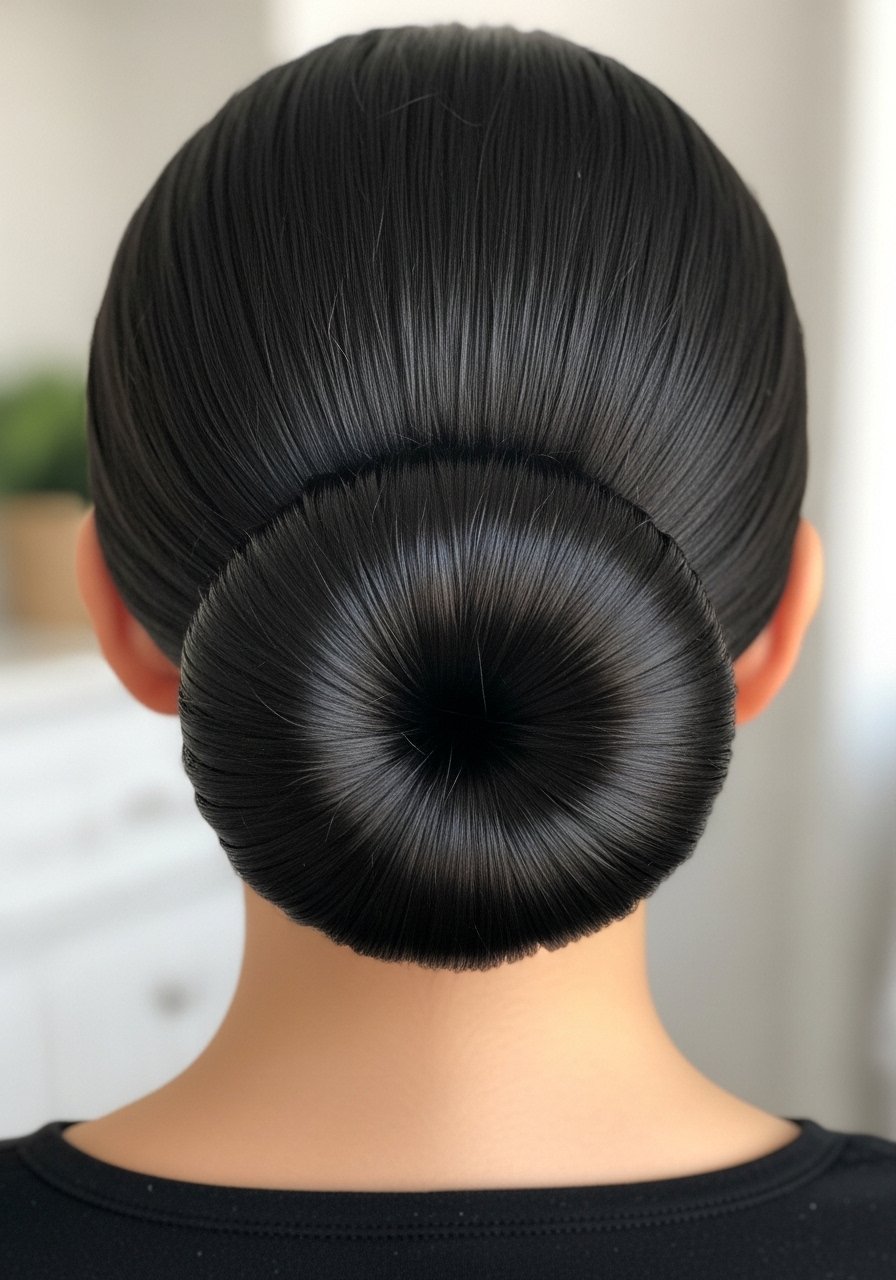
The sock bun keeps ends hidden and reduces nightly friction. On wavy and loose curly hair, I split hair into three sections before wrapping it around the sock tool for a cleaner shape. Use a bit of styling cream on the ends to prevent flyaways. This takes under ten minutes and keeps hair tucked for days, ideal for travel. Common mistake, using a cotton sock without full hair coverage which allows the sock to show and tug. If you have breakage near the nape, choose a loose wrap and swap to a satin scarf at night.
Claw Clip Half-Up With Satin Liner
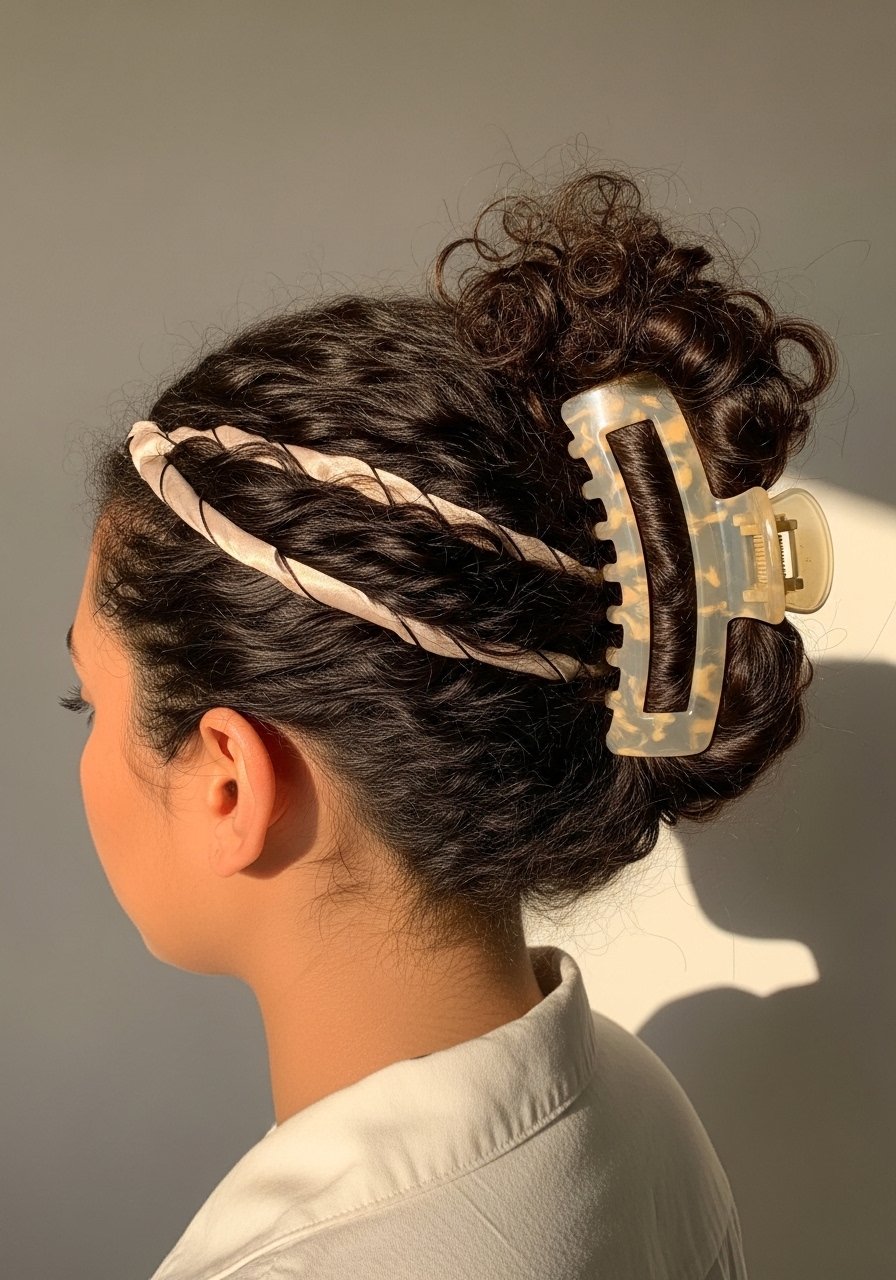
Claw clips are low stress and fast when used right. For medium to thick curls I gather the top third of hair, place a satin ribbon where the clip will rest, then secure with a large clip. It stays secure all day and keeps the crown protected. The typical error is clamping too far down on the mid-length which creates tension at the roots. This is a five second fix and costs under $15. If your clip slips, use two bobby pins to anchor the base. For finer hair, place the clip on slightly drier hair so it grips.
What I Actually Keep in My Curly Protection Kit
- Honestly the best $30 I spend each year. Olaplex No. 3 hair perfector used once a week smoothed my damaged ends. Buy from the official store on Amazon or grab it at Sephora to avoid counterfeits
- A set of silk scrunchies under $20, they do not dent or pull
- A satin bonnet with deep cap that actually stays on while I toss around in bed
- Flexi rods soft set pack for heatless sets, I keep three sizes for varied curls. CRITICAL: These are bendable hair rods, NOT rigid sticks
- A wide-tooth comb with rounded teeth for detangling in conditioner
- A microfiber hair towel for plopping without roughing the cuticle
- A mid-hold styling gel for twist and braid sets
- A 12-inch satin scarf for wrapping buns and edges
- A lightweight leave-in spray for quick refreshes
- A travel-size bond builder treatment if you are doing color or have heat history. Buy from authorized sellers to avoid fakes
Flexi Rod Set for No-Heat Volume
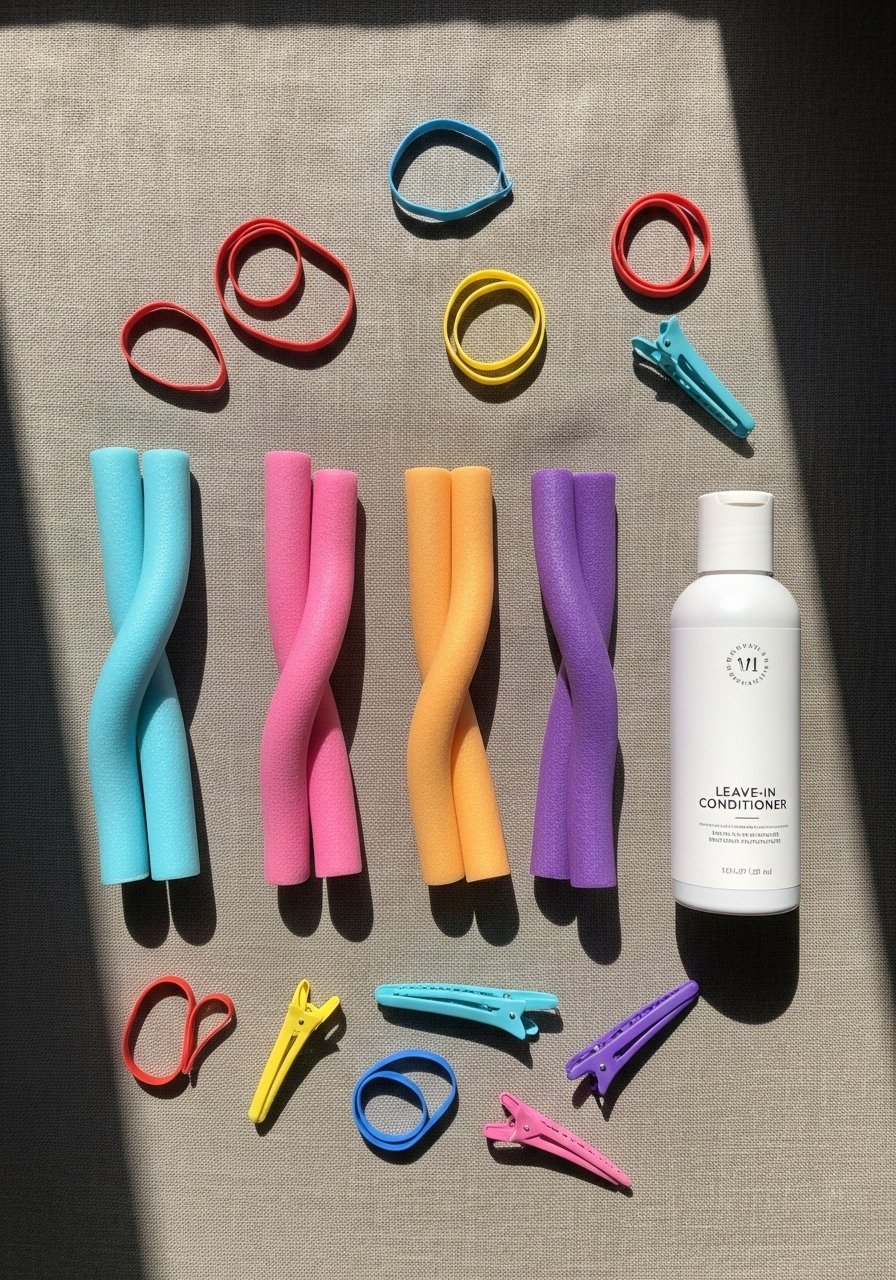
Flexi rods give me defined springy curls without an iron. On 2C to 4A textures I work on damp hair, use a quarter-sized amount of curl cream per section, and wrap 12 to 18 medium sections for shoulder-length hair. I sleep in them and take them down the next morning. The detail most people skip is leaving the rods on until completely dry, not "mostly dry." If you take them out too soon you get frizz. This method is a medium time commitment but low cost. Use a satin cap overnight for less friction.
Bantu Knot Set for Long-Lasting Shape
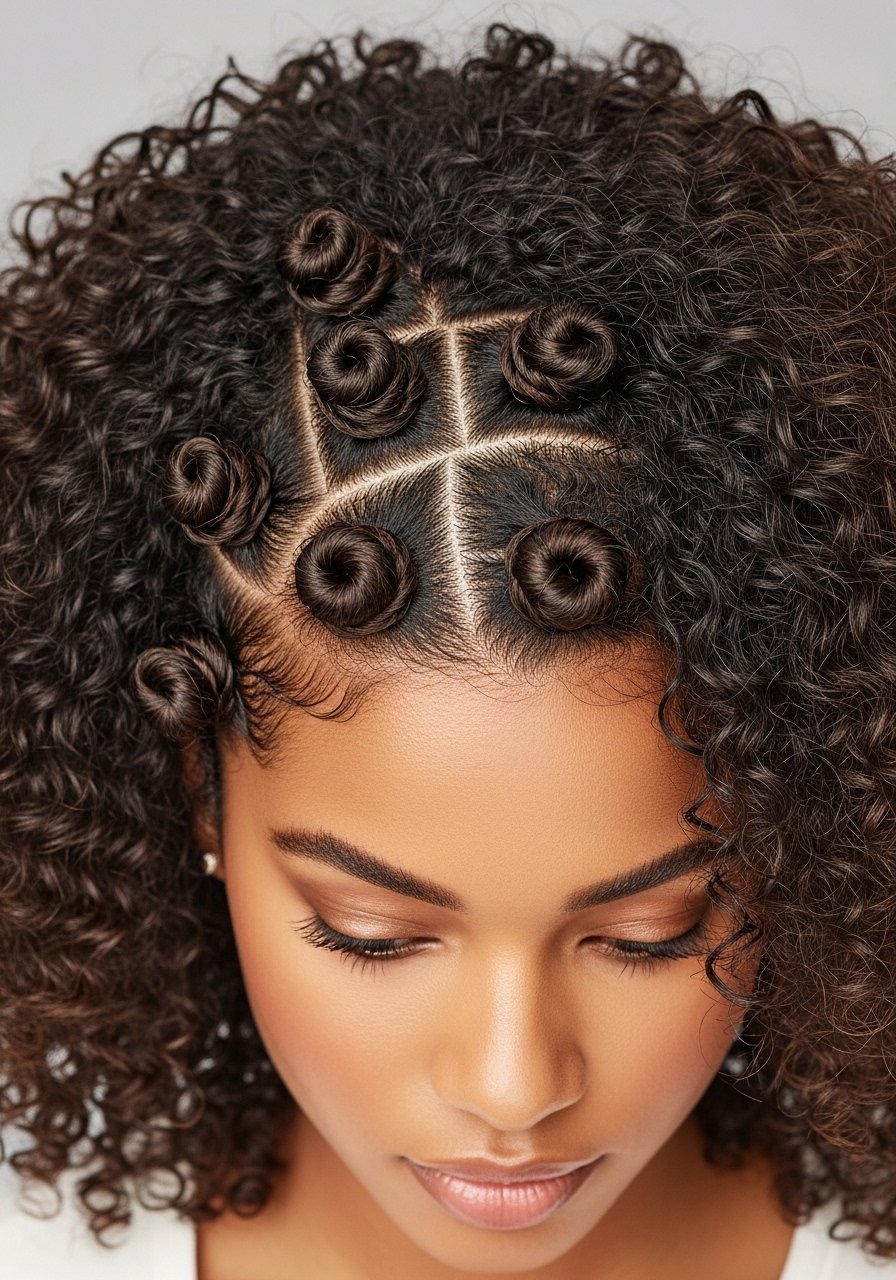
Bantu knots give durable definition and protect ends. For 3A to 4A hair I section hair into 12 even parts for shoulder length and twist each part around itself before coiling into a knot. Apply a light oil on the ends so they do not dry out. The usual mistake is making knots too tight near the scalp which causes tension. If you want softer results, open each knot slightly before sleep. This takes 30 to 45 minutes depending on section count. If you have color-treated hair, do a strand test before oiling to avoid staining.
Cornrows Into Low Pony That Reduce Breakage
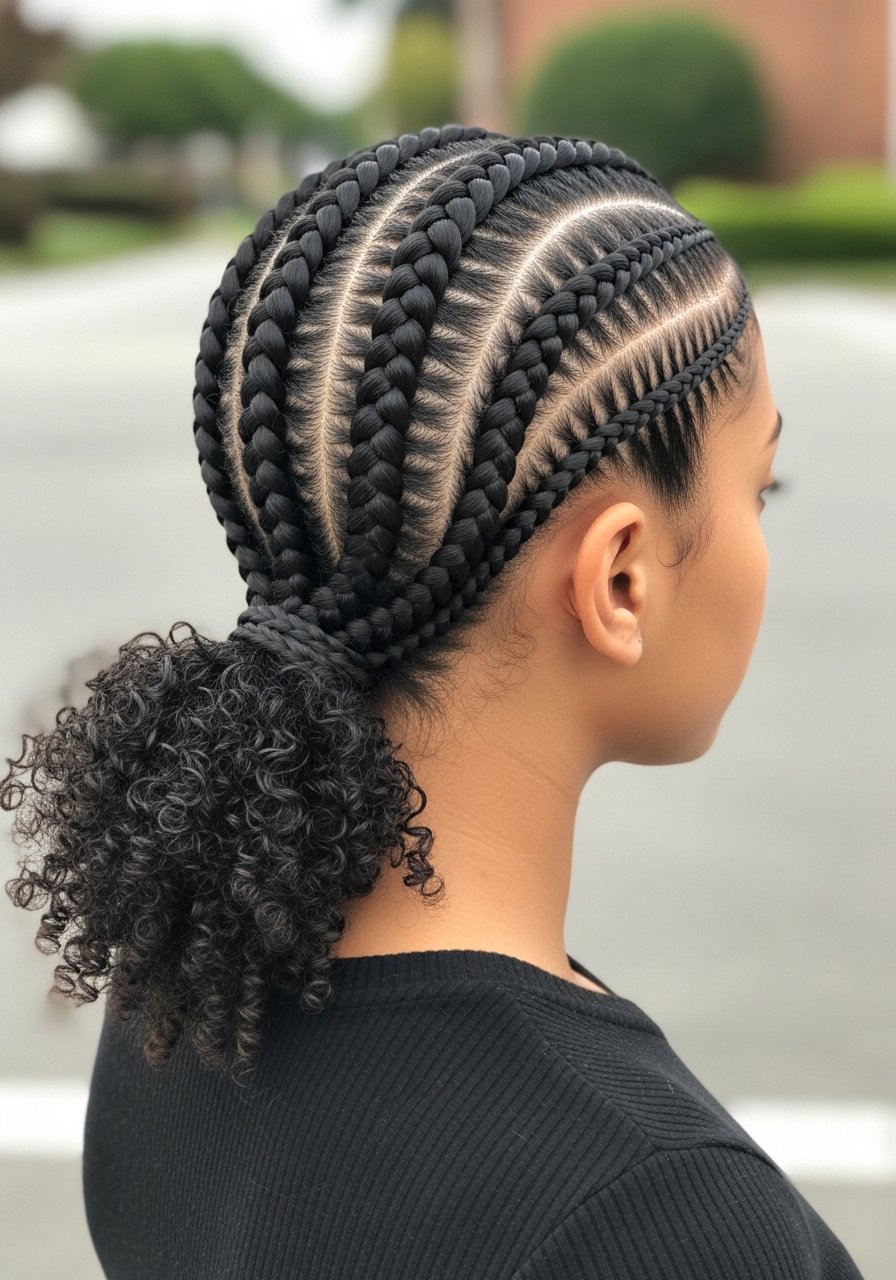
Cornrows shift tension across the scalp and stop daily combing. I do three to five large cornrows for fine to medium hair and more for thicker textures. Braid tight enough to hold, not tight enough to hurt. Mistake number one is using thin braids near the edges which can lead to breakage. Keep braids under two days for sensitive scalps. This style is great for gym days and airplane travel. If you want longer wear, a professional install is worth it.
Crochet Braids for Protective Length
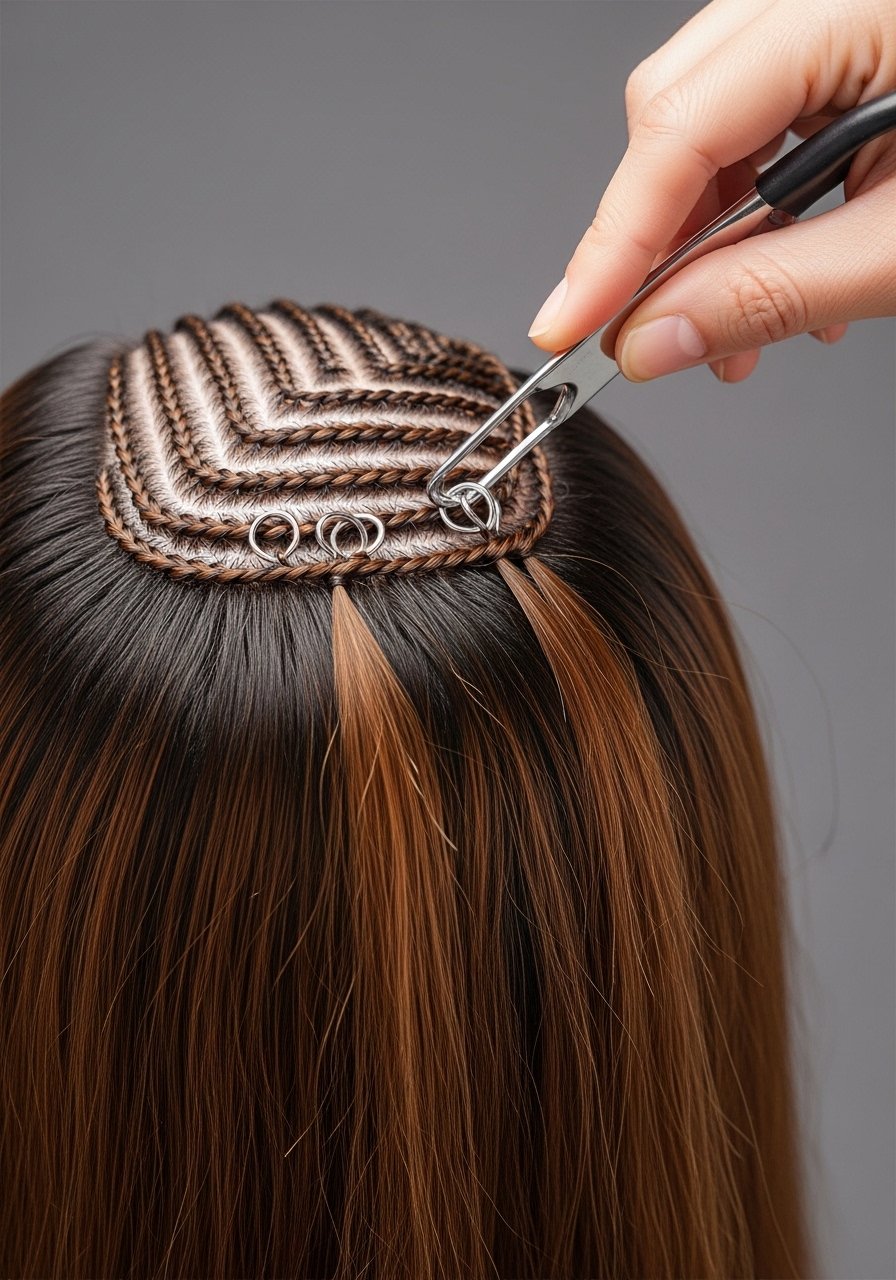
I tried crochet curls when I needed length without long-term commitment. It protects natural hair when installed with loose tension and avoids daily heat. Choose synthetic textures that match your curl pattern and keep the base cornrows flat. The DIY trap is installing too much hair which increases weight and causes stress. This is borderline salon work for a first timer. If you buy extensions on Amazon, check seller ratings. Take them down within eight weeks to avoid matting and inspect your natural hair for breakage.
Twist-Out That Mimics a Wash-and-Go
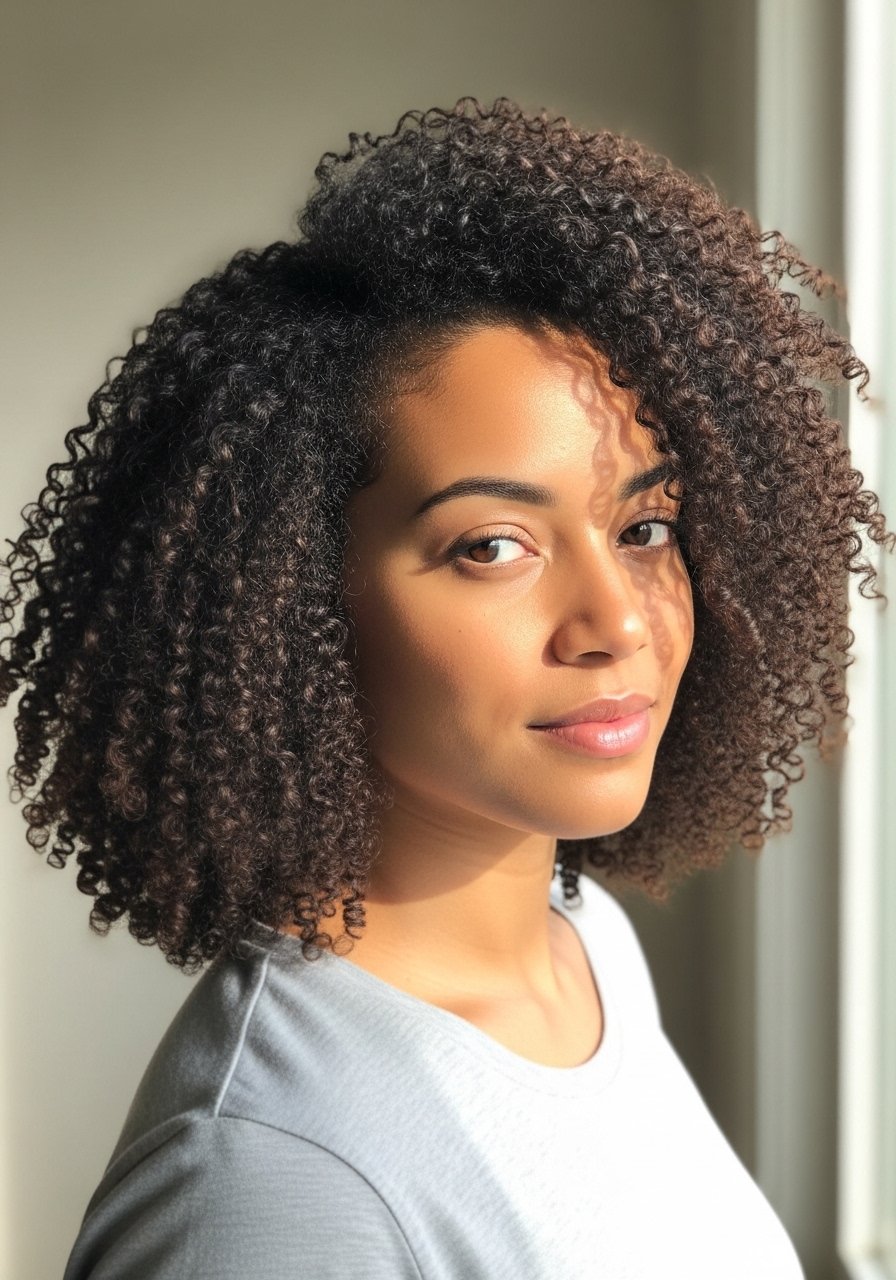
A twist-out can give the appearance of a fresh wash-and-go with far less daily fuss. I detangle in conditioner, use a medium leave-in, then do 12 to 20 medium twists for mid-back hair. Unravel when totally dry and separate with fingers only. The mistake is using oil at the root before unraveling which causes separation and greasy roots. This style holds best on 3A to 4A curls and lasts three to five days if protected at night with a satin bonnet.
Finger Coils Around the Face for Sleek Edging
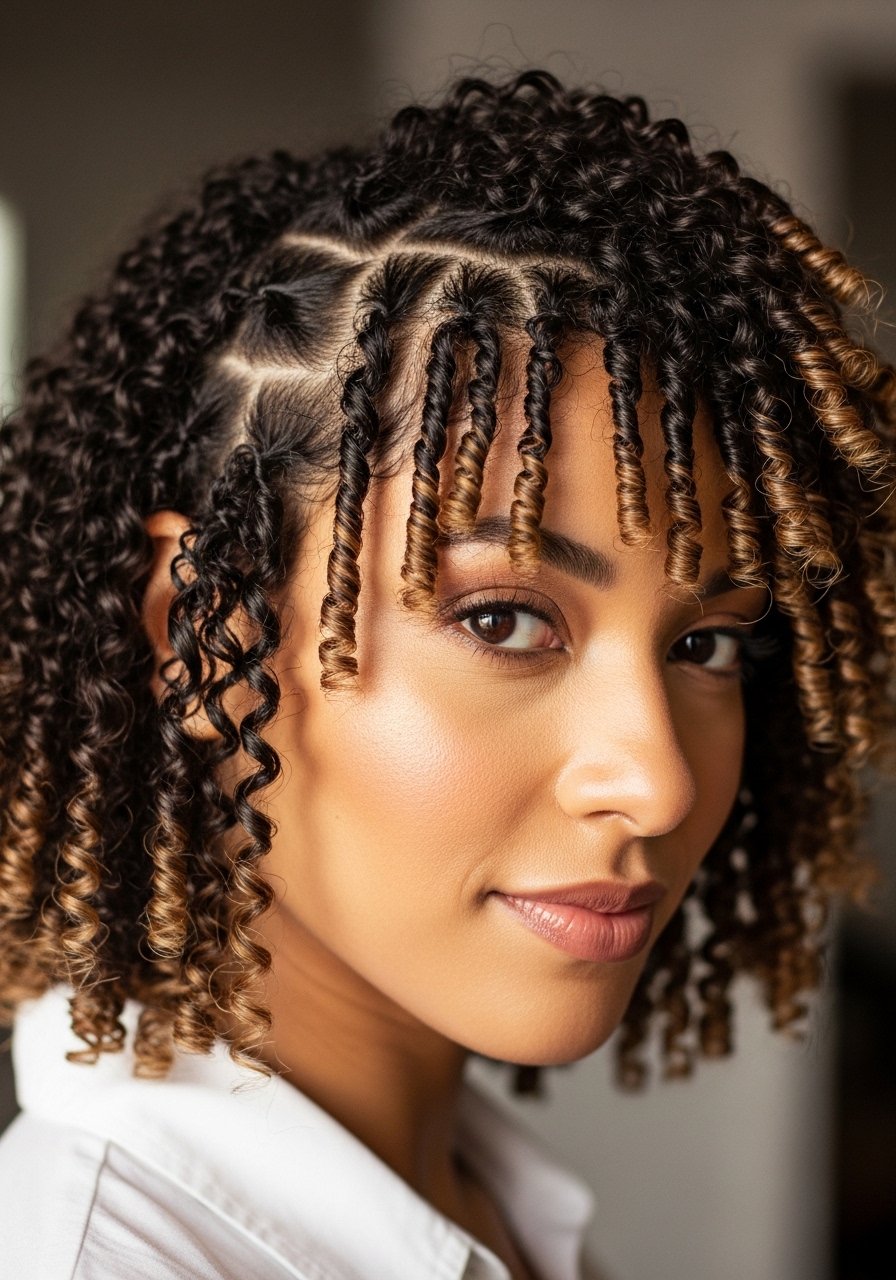
Small finger coils at the hairline protect fragile edges from brushing and styling. I use this on 3B to 4A hair when I want a neat frame without daily heat. Use a pea-sized amount of medium-hold gel, twist with a comb tooth, and let air dry for 20 to 40 minutes depending on thickness. A common error is over-layering product which makes coils crunchy. If your scalp is sensitive, test the product on a small patch first.
Banding Method for Stretch Without Heat
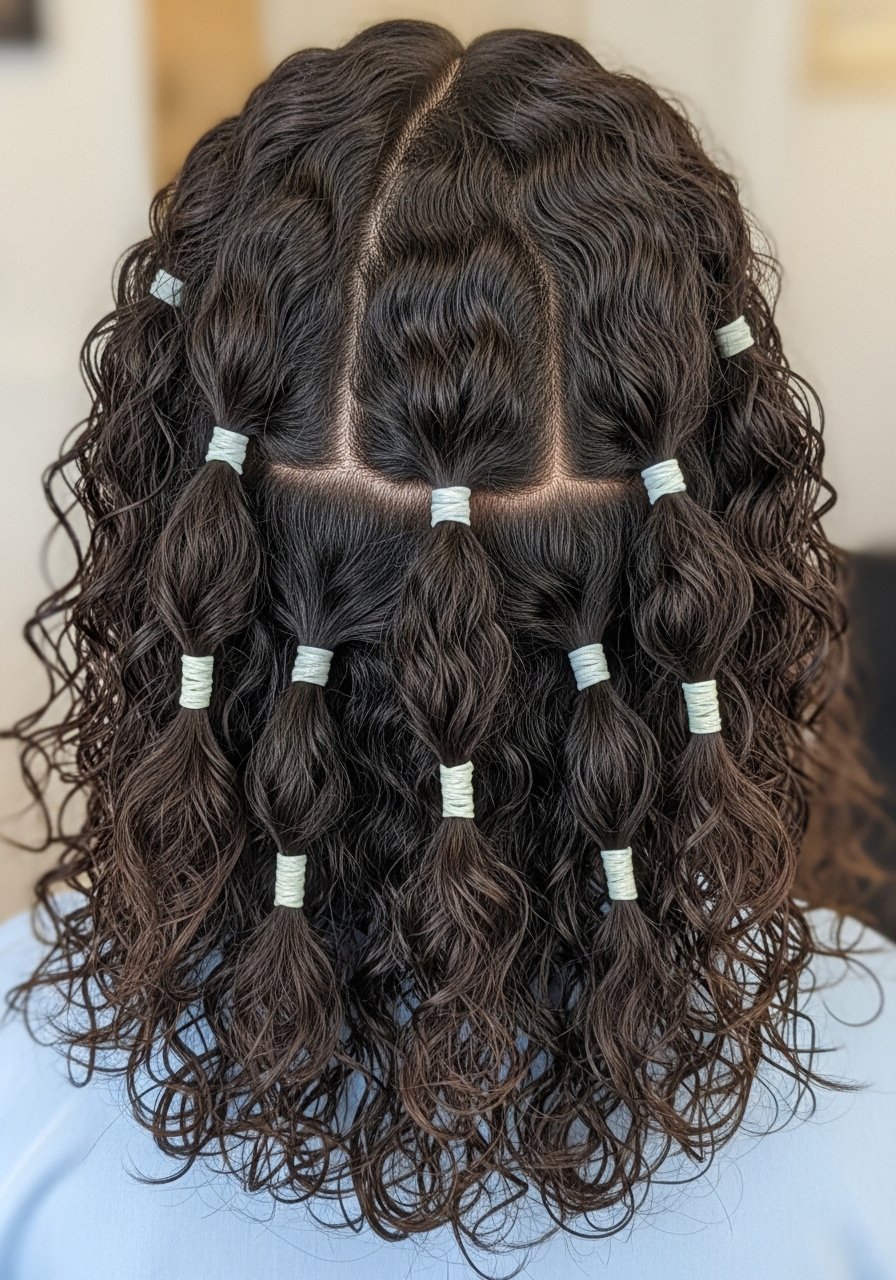
Banding is low effort and protects the curl pattern while stretching. On 2A to 3C hair I split into six to eight sections and place soft bands every two inches. Leave bands on overnight or for four to six hours if you need to style right away. Many people forget to use soft, snag-free bands and end up with dents. This is a quick at-home technique that reduces heat use and helps with detangling on wash day.
Low-Manipulation Wash-and-Go With Gel Layering
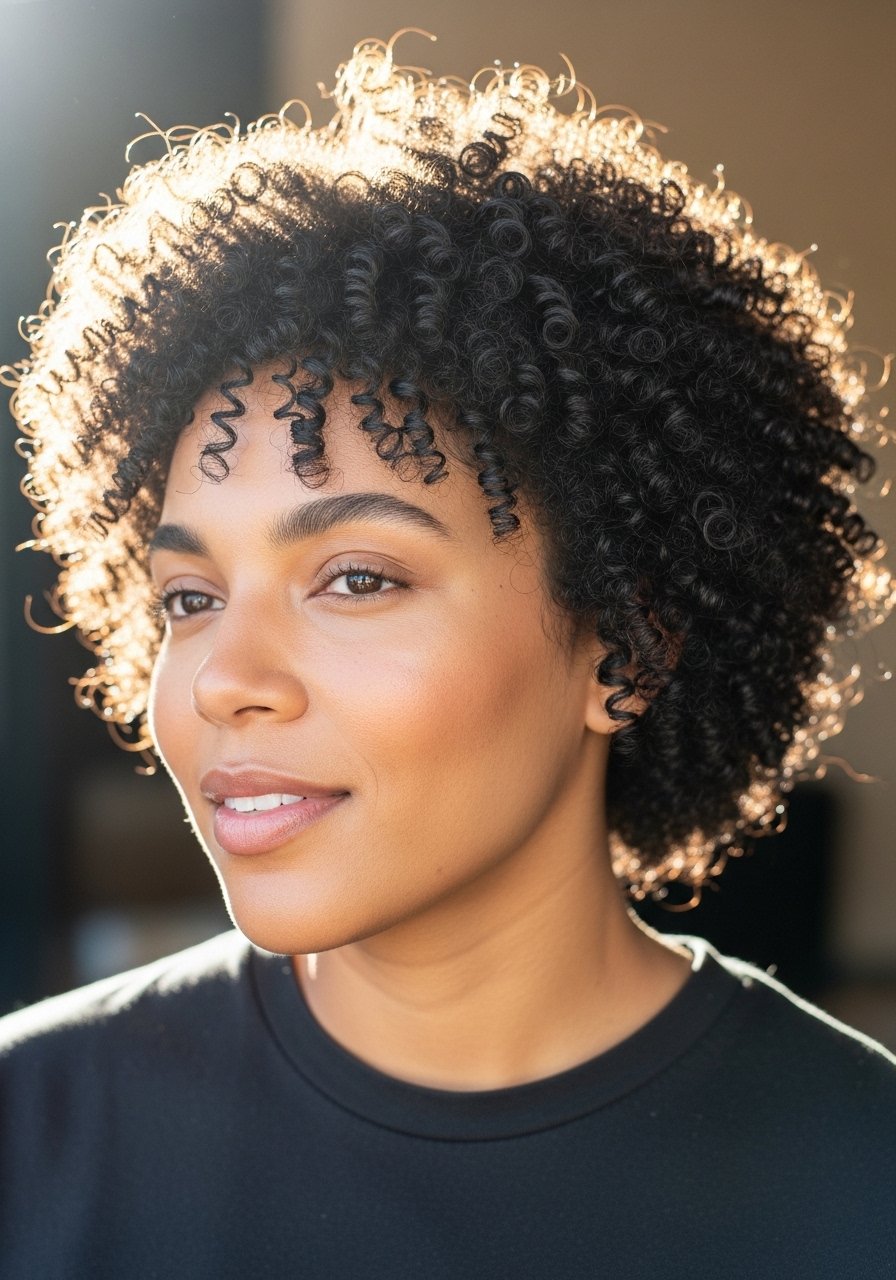
If you love a wash-and-go but hate the daily fuss, try low-manipulation gel layering. After cleansing I use a lightweight leave-in, then rake a cream through and finish with five to eight pumps of medium-hold gel in sections. Diffuse on low heat under 300F if needed. The detail most people miss is applying gel only from mid-length to ends for 80/20 product placement. This cuts crunchy roots and keeps volume at the crown. If your hair is over-processed, skip heat and air dry to avoid further damage.
What I Wish I Knew Before Trying All These Protective Styles
- Heat protectant works best when applied to damp hair and allowed to absorb. A reliable heat protectant spray matters if you diffuse at any point
- You cannot fix split ends with a mask. Trim to remove splits, then use weekly bond treatments like Olaplex No. 3 hair perfector to smooth the appearance
- Satin at night is not optional for curls. A deep satin bonnet and a silk scarf around a bun stretch your styles by a day or two
- Banding and flexi rods preserve curl clump. Do not remove rods when hair is damp. Wait until fully dry
- If you bleach over previous color, stop and see a salon. Lifting over another dye session can break hair and require multiple safe appointments to correct
Frequently Asked Questions
Q: How often should I redo a protective style like braids or twists?
A: For most curl patterns, redo every one to three weeks depending on tension and scalp health. Thin parts or very tight tension need attention sooner. Always remove styles if you notice soreness or significant shedding.
Q: Can I use Olaplex No. 3 if my hair is not badly damaged?
A: Yes, you can use it as a preventive weekly treatment. It will not make healthy hair worse. Buy from the official store on Amazon or at Sephora to avoid counterfeit products.
Q: How do I stop a silk scarf from slipping overnight?
A: Use a deep satin bonnet over the scarf and secure the bonnet with a wide satin scrunchie at the nape. The bonnet holds everything in place without tension.
Q: Are flexi rods safe for colored hair?
A: They are safe if you use clean, non-porous rods and do not leave hairs saturated in oil against the rod for long periods. If you have recently colored hair, watch for staining and choose lighter oils or creams.
Q: Can I pineapple curly hair if I have very short sides?
A: You can, but adjust placement so the crown gathers most of the length. For very short sides, a low loose bun or satin scarf wrap may be less visible and more comfortable.
Q: How long can I keep crochet or extension installs without damage?
A: Eight weeks is a common maximum to avoid matting and traction. Check your natural hair under the install every two to three weeks and keep the base clean. If you feel pulling, remove the install early.