
I cut my hair to collarbone length because my shoulder-length hair kept getting caught in jacket collars. Two months later I realized the cut was the perfect balance between styling options and actual upkeep. If you want hair that looks styled without a daily commitment, these nine ideas are what I reach for when I need real results, not just a pretty photo.
These ideas are written for people with straight to curly textures, roughly fine to thick density, and collarbone to just-below-collarbone lengths. Skill level ranges from quick DIY trims to salon appointments, with most looks possible at home in 10 to 30 minutes once you learn the routine. Budget runs from budget-friendly drugstore tools to one midrange tool splurge. A few items are best done in salon, and I call that out.
Blunt Collarbone Cut For Fine Straight Hair
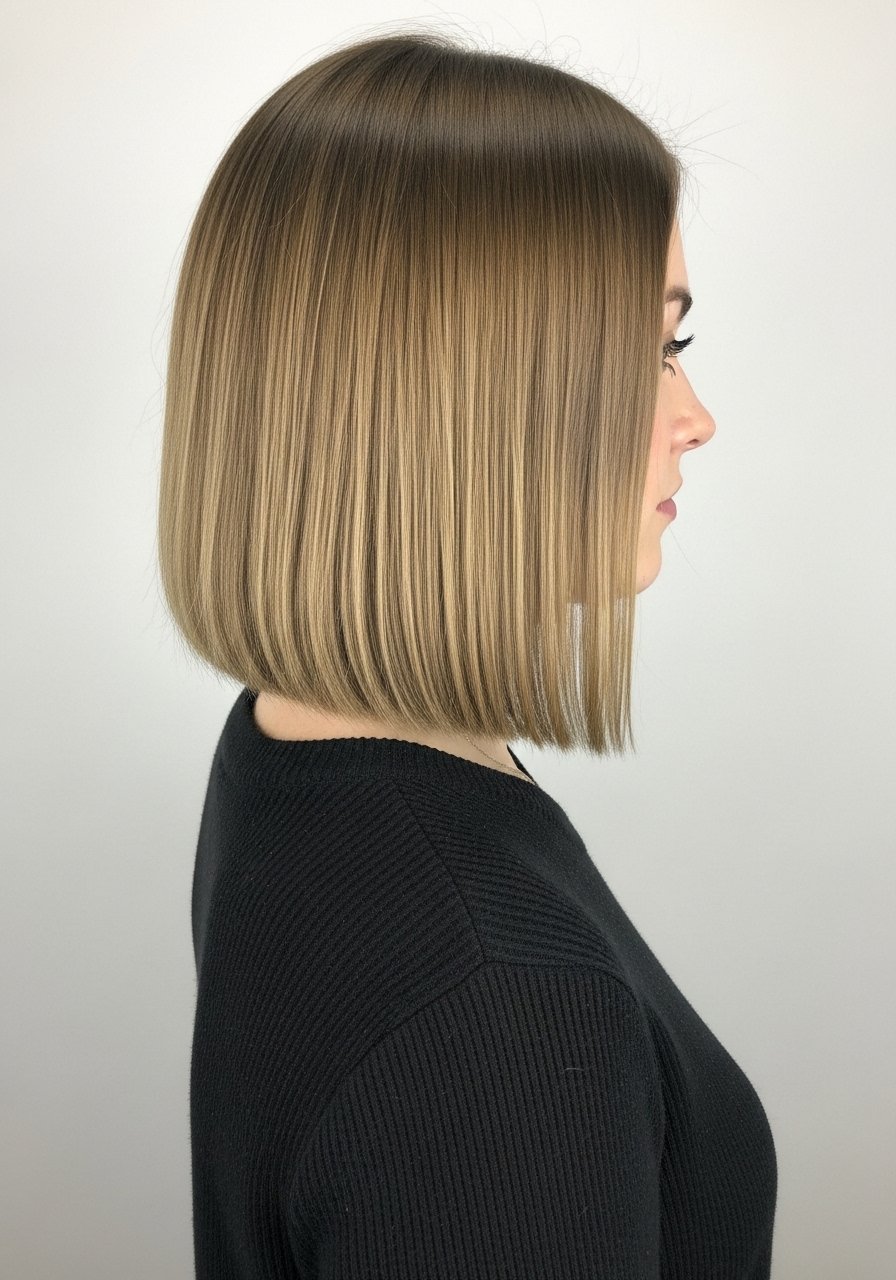
If your hair is fine and limp, a precise blunt cut at collarbone length gives the illusion of density by keeping weight on the ends. Ask for a razor-free finish so the ends sit clean, and expect a quick trim every 8 weeks to keep that heavy edge. I tell friends to bring a photo and request the cutter to remove no more than one inch on the first visit. At home, two spritzes of a lightweight root lifter and 80/20 product placement, meaning mostly mid-lengths and ends, will keep the shape without making roots greasy. A common mistake is asking for layers to "add movement" which just makes fine hair look thinner. This is best done in-salon for the initial cut, but maintenance trims can be handled with a sharp pair of professional hair shears if you are comfortable.
Soft Shag Collarbone Cut For Thick Textured Hair

Thick hair benefits from a soft shag at collarbone length because the layers remove bulk while keeping natural volume. Tell your stylist to use point cutting in 1/2 inch vertical sections to soften the edges, not to over-thin with razors which can make frizz worse. In styling, two quick pumps of a dry texturizing spray at the roots and scrunching through the mid-lengths gives lived-in texture without weight. The trade-off is more frequent trims, about every 6 to 10 weeks, since layers change silhouette faster. This cut suits 2B through 4A textures with density that needs shaping. If you are trying this at home, go slow and only take 1/2 inch at a time. A common mistake is cutting when hair is wet and stretched; thick hair often springs up when dry so dry checks are essential.
Textured Lob For Wavy Hair That Holds

If your waves collapse by midafternoon, try a textured lob with staggered long layers that keep movement but maintain weight at the ends. For styling, use a 1-inch curling iron at 320 degrees Fahrenheit on 1-inch sections, alternating directions and leaving the last inch out for an undone finish. Heat protectant goes on damp hair before any iron over 300 degrees Fahrenheit, and I let mine air dry 70 percent before touching a tool. Two sprays of Bumble and bumble Surf Spray through the mid-lengths breaks up clumps without weighing hair down. Most people over-apply heavy creams and then wonder why their waves turn into limp ropes; less is more. This style fits 2A to 3B waves best and is easy to maintain at home once you learn the sectioning pattern.
Face-Framing Money Piece For Round Faces Without Looking Harsh

A money piece at collarbone length lifts the face without changing your whole color. For round faces, keep the front sections thin, about four 1/4-inch slices on each side, and lift them no more than two levels for a soft look. If you touch this up at home, use a low-volume developer and leave bleach on for no more than 15 to 20 minutes on previously uncolored hair, and always do a patch test for allergies. Bleaching over previous dark color is a real breakage risk, so book a salon appointment if you need more than two levels of lift. I use a demi-permanent gloss to blend the new pieces after lightening, and a weekly protein or bond treatment reduces the dry, straw-like feel that comes from over-bleaching. This technique suits wavy to straight textures best.
Heatless Collarbone Waves With A Robe Tie
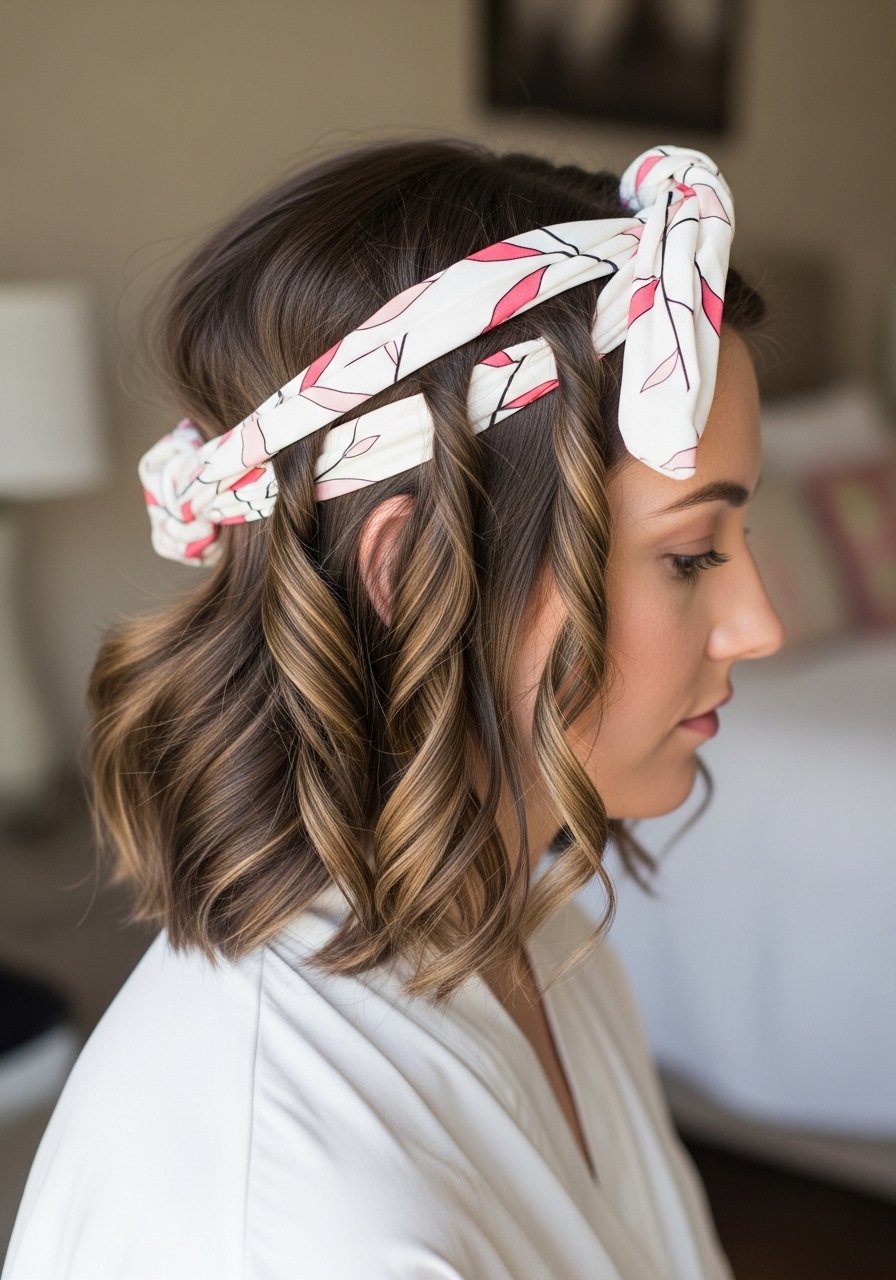
If you want waves without heat, the robe tie method is my go-to for collarbone hair. Divide damp hair into six 1-inch sections. Lay a fabric sash across the crown, then wrap each section around the sash clockwise or counterclockwise for consistent bends. Sleep eight hours, then release and finger-comb. Spritz with a light sea salt spray to set. This works best on 2A to 2C hair and takes five to ten minutes before bed. A common mistake is wrapping hair too tightly which creates a ringlet kink at the roots. If your hair is thick, use more sections, and if it is fine, fewer sections and less product. The finish holds better on second day if you pin the roots lightly the first night.
The Bond Builder Routine That Actually Helps Damaged Ends
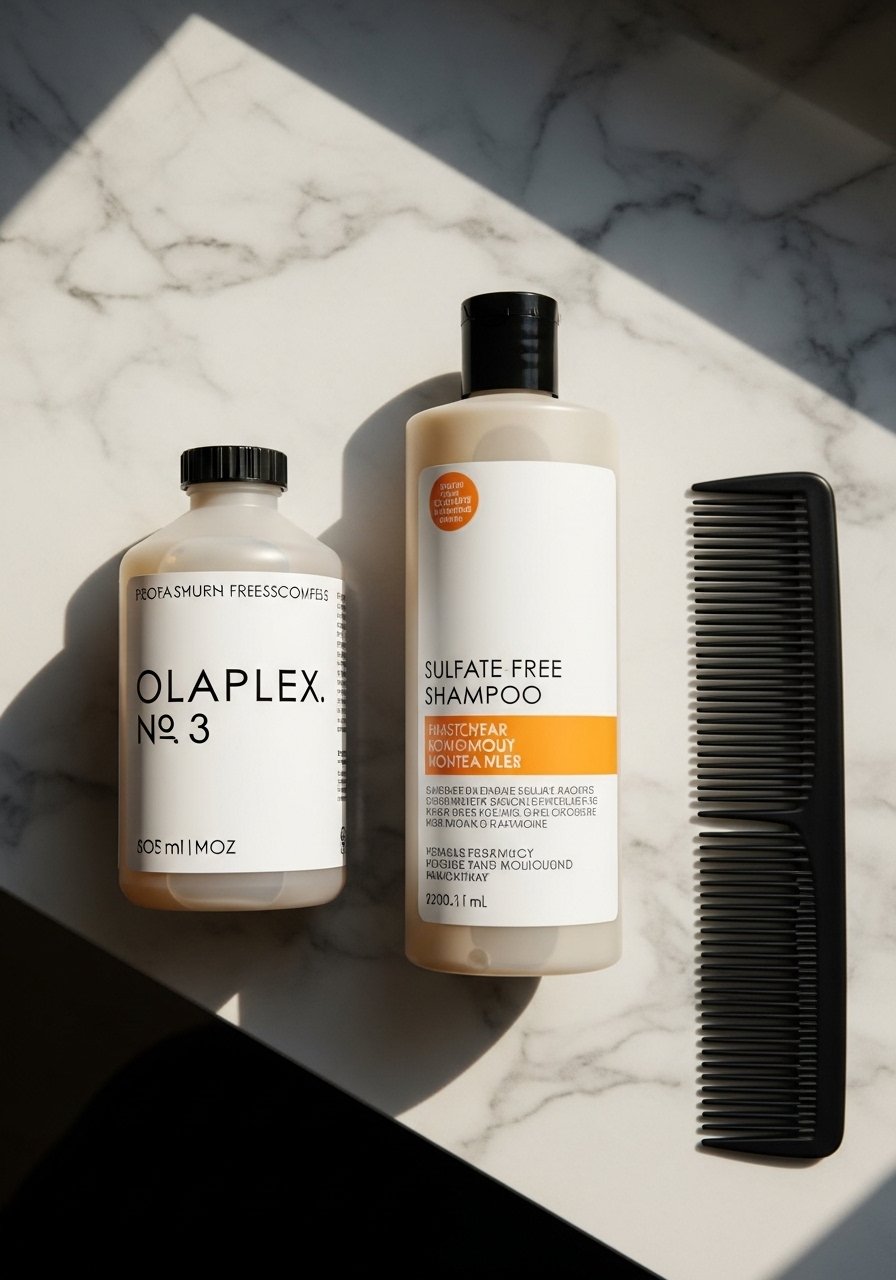
I bleached my own hair last winter and paid to fix it later. Weekly bond builder treatments changed the texture of my ends from crunchy to smooth in appearance, not by undoing damage but by strengthening bonds so breakage slowed. Use Olaplex No. 3 hair perfector once a week for at least 10 minutes, 30 minutes if your schedule allows, followed by a sulfate-free wash and a mid-length focused conditioner. Watch for counterfeits and buy from the official Olaplex store on Amazon or grab it at Sephora or Ulta. Do not apply heat tools right after heavy treatments without a heat protectant. The mistake I see often is treating daily and expecting instant reversal. Bond builders help retention and appearance over time, but trims are still the only true fix for split ends.
Curtain Bangs Tweaked For Collarbone Length Cuts

Curtain bangs frame the face without the upkeep of full bangs, and at collarbone length they balance long faces and soften square jaws. Ask your stylist to cut bangs dry and to take them longer initially, about eyebrow grazing, because hair will move and shrink. In styling, a quick blow-dry with a 1-inch round brush and a few passes with a straightener on 300 degrees Fahrenheit smooths them. Heat protectant goes on damp hair before any iron over 300 degrees Fahrenheit. The common error is trimming bangs too short or too blunt on day one. Curtain bangs suit 1A through 3B textures when kept slightly textured and are easy to trim yourself in small 1/4-inch snips if you know what you are doing.
What I Actually Buy For Collarbone Cuts
- Honestly the best $30 I spend each month, Olaplex No. 3 hair perfector used weekly. Buy from the official store on Amazon or from Sephora/Ulta to avoid counterfeits
- For frizz control and short styling sessions, Color Wow Dream Coat anti-humidity spray (~3.4 oz) gives a glassy finish when used sparingly
- A microfiber hair towel ($12) cuts drying time and stops the frizz-before-it-starts problem on morning two
- A silk pillowcase queen size helped my morning bedhead more than any oil did
- A 1-inch ceramic curling iron with a 320 degree Fahrenheit setting, useful for most collarbone styling needs
- A wide-tooth comb and a boar bristle brush set for detangling and distributing natural oils down the shaft
- Sea salt styling spray for heatless texture when you use the robe tie method
- Dry shampoo that does not leave white residue, because second-day collarbone hair often benefits from root refresh instead of washing
Glass Hair Finish Without Overdoing It
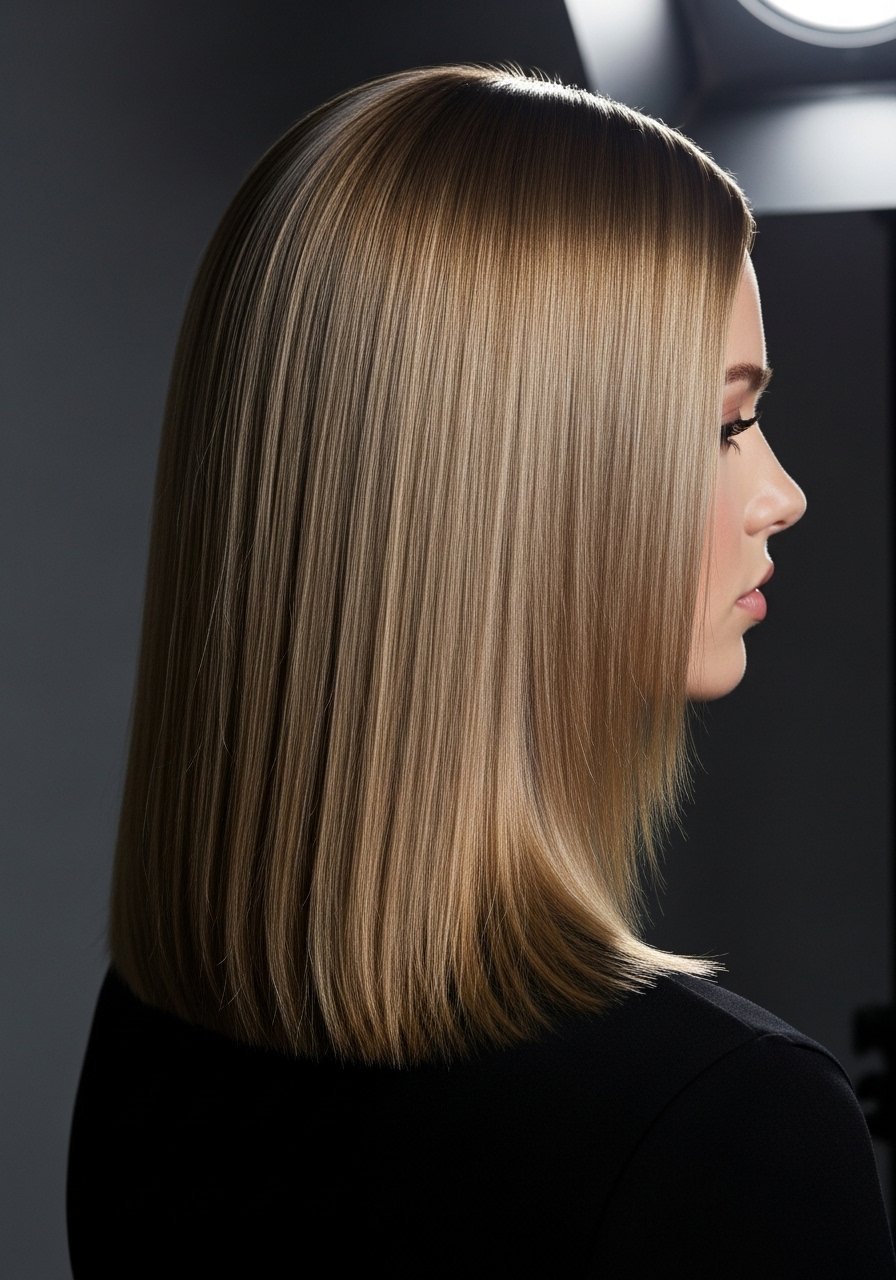
If you want a sleek, glass hair finish at collarbone length, start with low-frizz prep. After washing, towel-dry to damp, apply a nickel-sized amount of smoothing serum through mid-lengths and ends, and use Color Wow Dream Coat sparingly before blow-drying. Section hair into 1/4-inch slices and run a flat iron at around 320 to 350 degrees Fahrenheit for coarse hair, but always use a heat protectant applied to damp hair first. A common mistake is going for one pass with a too-high temperature which damages cuticles. Keep passes to one or two and let hair cool in the clamped position if you can, to lock in the shape. This finish is easiest on 1A to 2A textures but can be replicated on thicker hair with slightly higher heat and smaller subsections.
The Low-Maintenance Collarbone Cut For Busy Weeks

If you want a cut that survives rushed mornings, go for a long bob with soft internal layers and face-framing pieces that are cut so you can air dry and go. Use a dab of leave-in cream on damp hair focused on mid-lengths and ends and two quick blasts of a blow dryer on low if you must. I keep a good dry shampoo on hand to stretch washes to three days and a claw clip for instant upstyles. Trims every 10 to 12 weeks keep the silhouette fresh without frequent salon visits. This approach fits straight to loose-curly hair and is the one I recommend to friends who do not want daily styling. The biggest mistake is thinking lower maintenance means zero trims. It does not.
Small Rules That Make Collarbone Cuts Liveable
- Heat protectant belongs on damp hair, not dry. Most heat protectants you spray on dry hair before flat ironing barely work. A reliable heat protectant spray applied to damp strands actually absorbs and shields better
- Grab a silk pillowcase. Hair grows about half an inch a month at most, regardless of what biotin gummies promise you. The thing that helps length retention is reducing breakage with a silk pillowcase and weekly bond treatments
- Use the 80/20 product placement rule. Put heavier creams and oils on 20 percent of hair, the ends, and 80 percent of product on mid-lengths. A small pump serum goes a long way
- Sleep in a loose braid or use the robe tie method for heatless waves. A microfiber towel also helps if you are trying to cut blow-dry time. Microfiber hair towels are cheap and effective
- If you experiment with lightening, do not lift over previously colored hair at home. Book a salon for multi-level lifts to avoid breakage
Frequently Asked Questions
Q: How often should I trim a collarbone-length blunt cut?
A: Every eight weeks is the sweet spot to keep the blunt edge crisp. If you prefer a softer look, stretch to 10 to 12 weeks but expect more split ends to show.
Q: Can I add a money piece at home safely?
A: Touching up small, face-framing pieces with a demi-permanent color is doable at home but any lightening beyond one level requires caution. Always do a patch test for allergies and avoid lifting bleach over previously dark dye without a salon consult.
Q: Will curtain bangs work with a round face and collarbone-length hair?
A: Yes, curtain bangs that start longer and are textured at the ends soften round faces. Ask for dry cuts and keep the initial length longer than you think, then trim in small increments.
Q: How do I keep heatless robe tie waves from getting crunchy?
A: Wrap damp hair loosely and use a light leave-in or salt spray, not a gel. Too much product makes the waves stiff by morning. Pin the roots if you want fresher shape on day two.
Q: Is a bond builder worth it if I only heat style occasionally?
A: Bond builders are useful for anyone who heat styles or lightens hair because they strengthen fiber and reduce breakage over time. They do not undo splits, but they help hair retain integrity between salon visits.