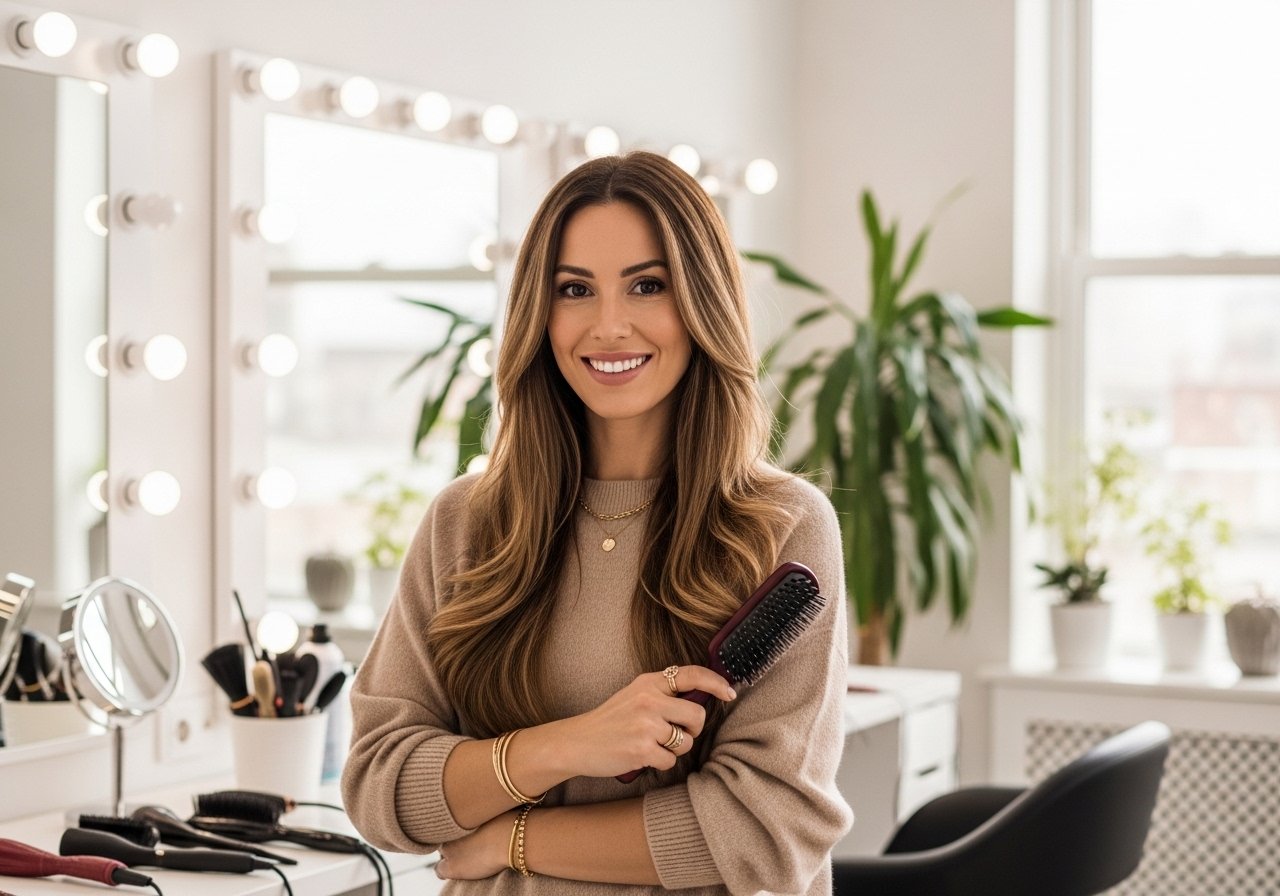
I bleached my own hair in my kitchen last January and watched a chunk break off in the shower three days later. I paid $400 to fix it and learned how to ask the right questions at the salon. These chestnut brown hair balayage ideas are the ones I actually keep recommending to friends, because they balance low upkeep with real-life texture and color.
These looks are mostly for fine to medium 2A through 3C textures, shoulder length to mid-back. Expect a mix of quick at-home tweaks and salon sessions, most budget friendly options under $50, with two splurges worth saving for. A few ideas require a professional if you are lifting more than one or two levels.
Soft Face-Framing Balayage For Shoulder-Length Waves

The reason this is my go-to for wavy hair is how the lighter pieces sit around the face, creating brightness without a full dye day. For shoulder-length 2A to 2C hair, ask your colorist for thinner 1/8-inch sections at the front and wider strokes toward the mid-lengths, about three to four strokes per section. The result is a lived-in highlight that grows out clean. If you try it at home, use a 10 to 12-volume developer and process in 15 to 25 minutes depending on your base. Common mistake, too much product at the root, makes the grow-out look chunky. For shine between visits I use a quick gloss and two spritzes of Color Wow Dream Coat after blow drying. Avoid overlapping bleach on previously lightened hair, and allergy patch test any developer.
Honey Chestnut Balayage For Warm, Caramel Depth
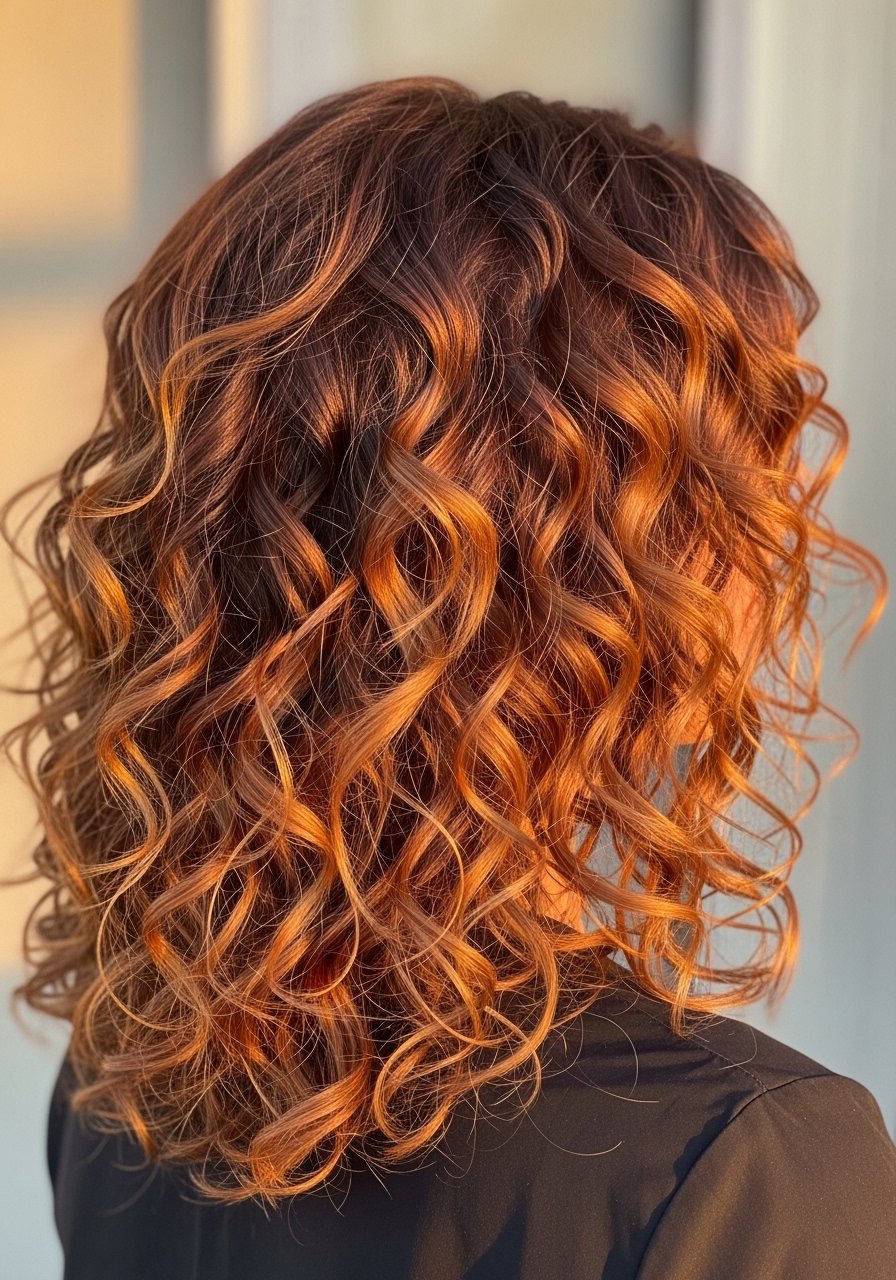
If your skin tone leans warm and you have curls in the 2B to 3B range, honey chestnut adds soft caramel without looking brassy. Stylists usually aim for a one to two level lift, followed by a warm gloss. For curls, keep the painted sections slightly higher on the strand so the curl pattern conceals the blend. I learned the hard way that applying too much toner makes curls go limp. Use a color-depositing gloss once every six to eight weeks to refresh the honey tones. For upkeep, a sulfate-free clarifying shampoo once every two weeks keeps buildup down without stripping, and a single weekly Olaplex No. 3 hair perfector application helps maintain integrity if you are lifting at all. Buy Olaplex from the official Amazon store or Sephora to avoid counterfeits.
Cool Ash Chestnut Balayage For Olive Or Neutral Skin Tones
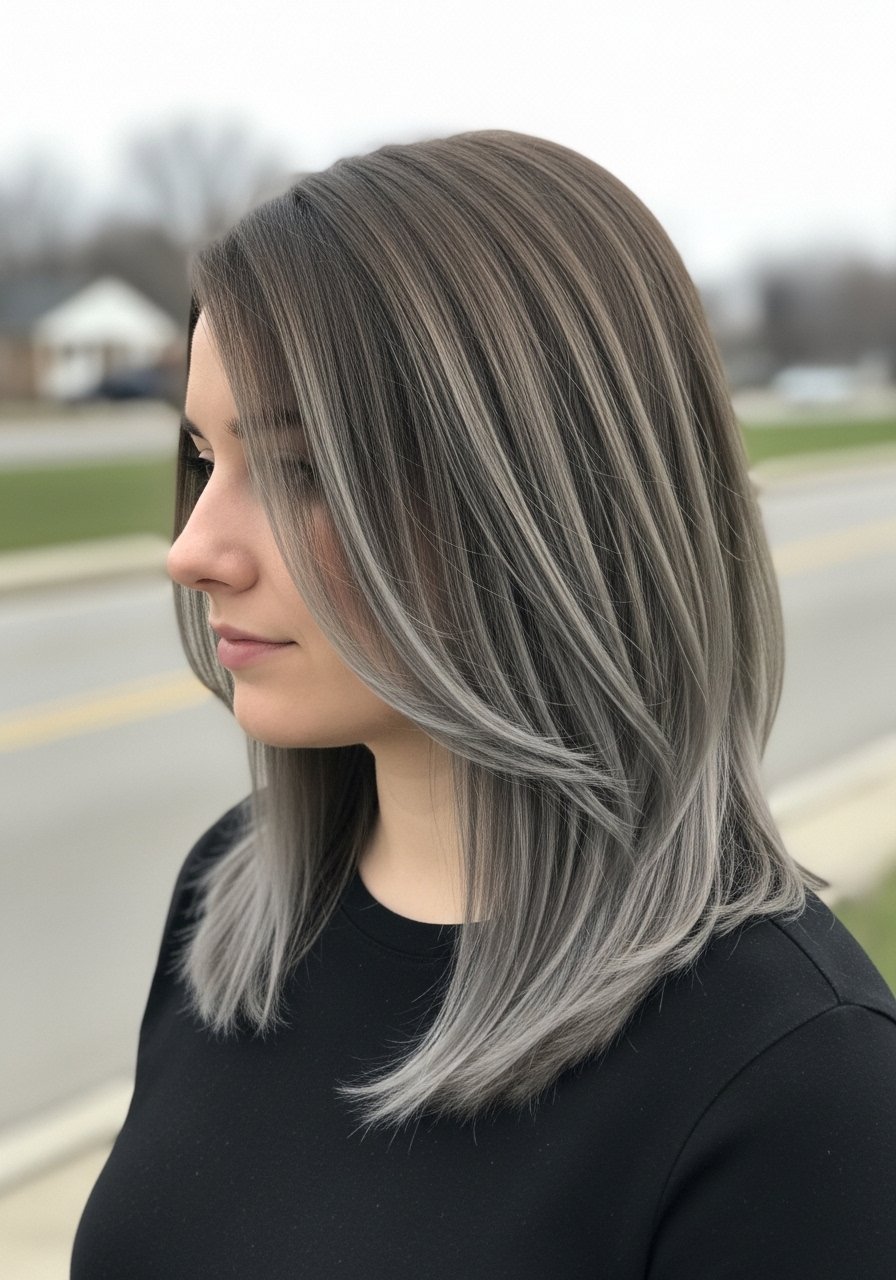
Cool ash chestnut gives neutral and olive skin a muted, modern look without going flat. Ask for ash-toned glazes, not full-on violet toners which can make brown feel muddy. For fine straight hair, limit the painted strands to every other section so the color reads as depth rather than striping. If you tone at home, start with 1:1 mixing ratio of gloss to developer and patch a small 1-inch section for five minutes to check results. Avoid purple shampoos daily, they dry hair out fast. A common mistake is leaving a toner on too long because the mirror looks different in salon lights. Keep your flat iron on 330F or lower, and always use a heat protectant before any iron over 300F.
Rooted Chestnut Brown Balayage That Grows Out Gracefully
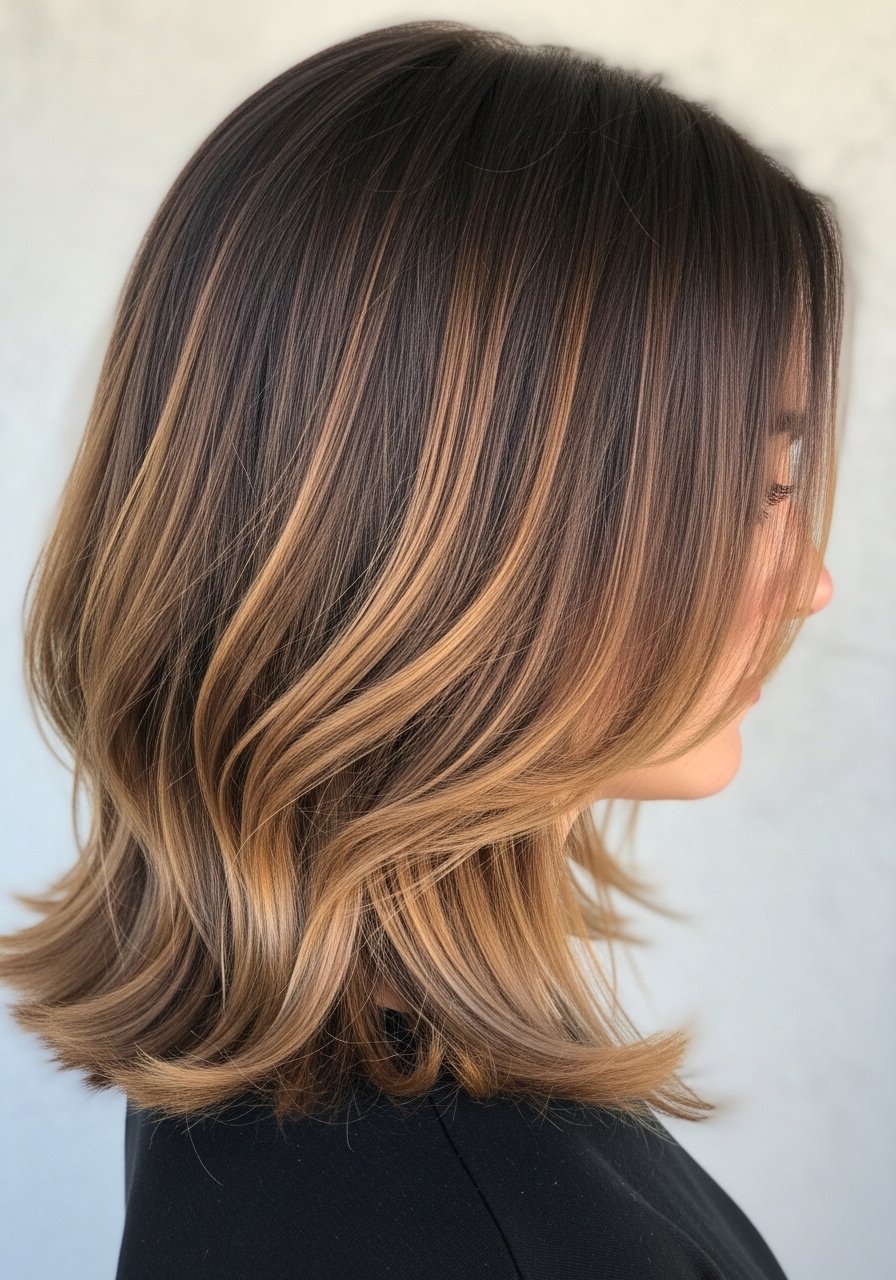
If you hate the two-week salon churn, this look is for you. Rooted balayage means the colorist leaves 1 to 1.5 inches of natural root and paints not past the mid-lengths. The technique reduces contrast as it grows, perfect for busy schedules and fine to medium density hair. Salon note, the stylist should use a feathering hand and paint at a 45-degree angle. DIY note, try a color-depositing rinse at home rather than an all-over touch-up to avoid banding. One thing people miss, shampoo frequency changes how fast the lighter pieces appear; wash every 3 to 4 days if you want slower apparent grow-out. For quick toning between appointments, a demi-gloss in a chestnut shade works in 5 to 10 minutes.
Bright Money Piece Balayage For Front Face Framing

Money pieces are that popped front highlight, great for round or square faces because they illuminate the eyes. For chestnut brown bases, pick a shade two to three levels lighter than base for contrast without neon. For thin hair, keep the money piece to a 1/2-inch section so it does not overwhelm the face. I recommend asking for a soft feather at the edges to avoid the drawn-on look. If you try this at home, paint the money piece on dry hair for precision, and process for 10 to 20 minutes depending on your lift. Mistake to avoid, using too strong a developer which creates brassiness that toner cannot always fix. Freshen the money piece with a quick gloss and one pea-sized pump of leave-in on the ends.
Sombre Chestnut Balayage For Subtle Dimension
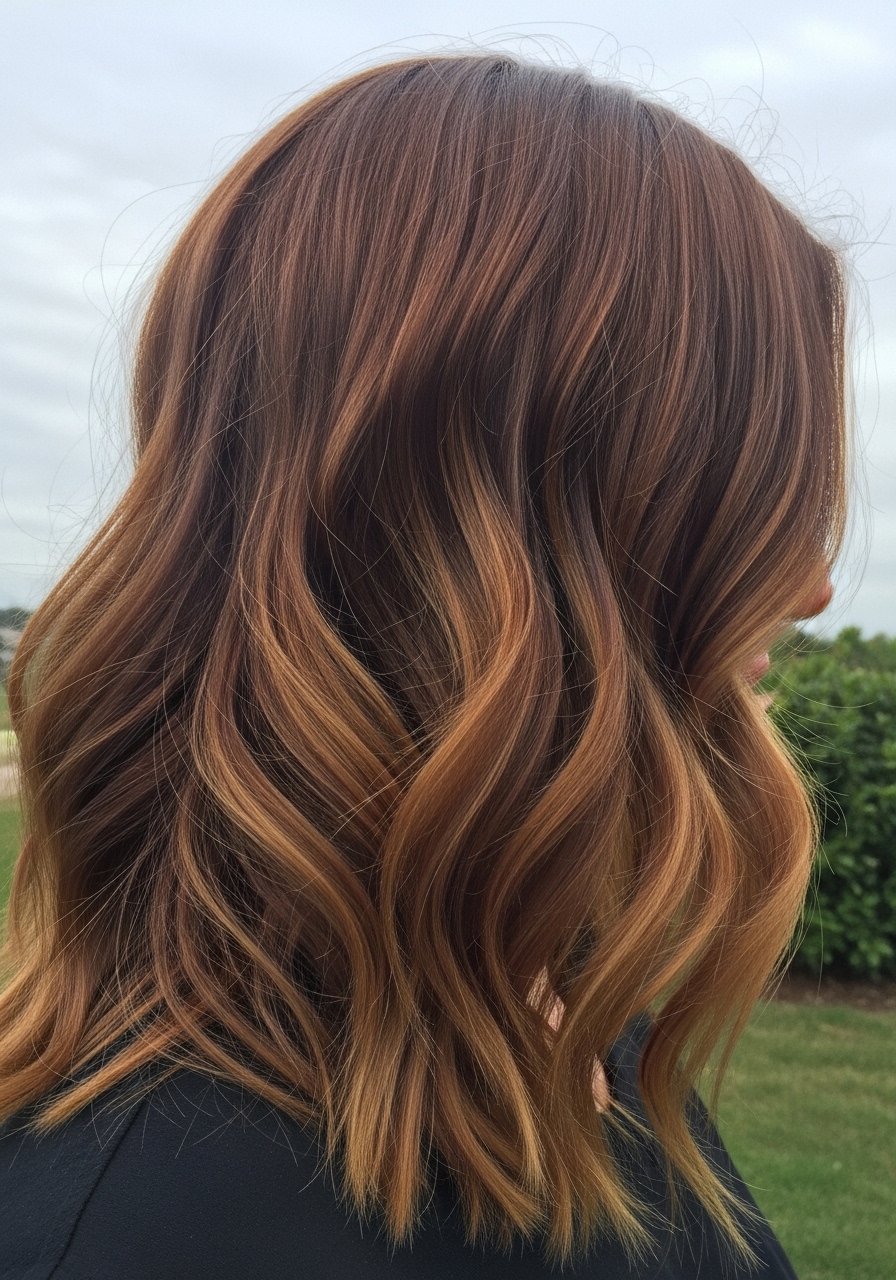
Sombre is slower, softer balayage, ideal if you want dimension but hate maintenance. For fine to medium hair, the technique uses wider, softer strokes and lots of blending with a feather brush. Stylists typically lift only one level and use a glaze to warm slightly. The benefit is hardly any grow-out line and fewer salon visits. I alternate a light gloss and a weekly deep-conditioning mask to keep hair from feeling dry after the chemical process. The mistake I see is people asking for sombre but showing photos of chunky highlights. Bring multiple photos and point to the softest example. If you have high-porosity hair, use a lower developer or book a two-step session with a bond builder.
Babylights With Chestnut Tones For Fine Hair Density
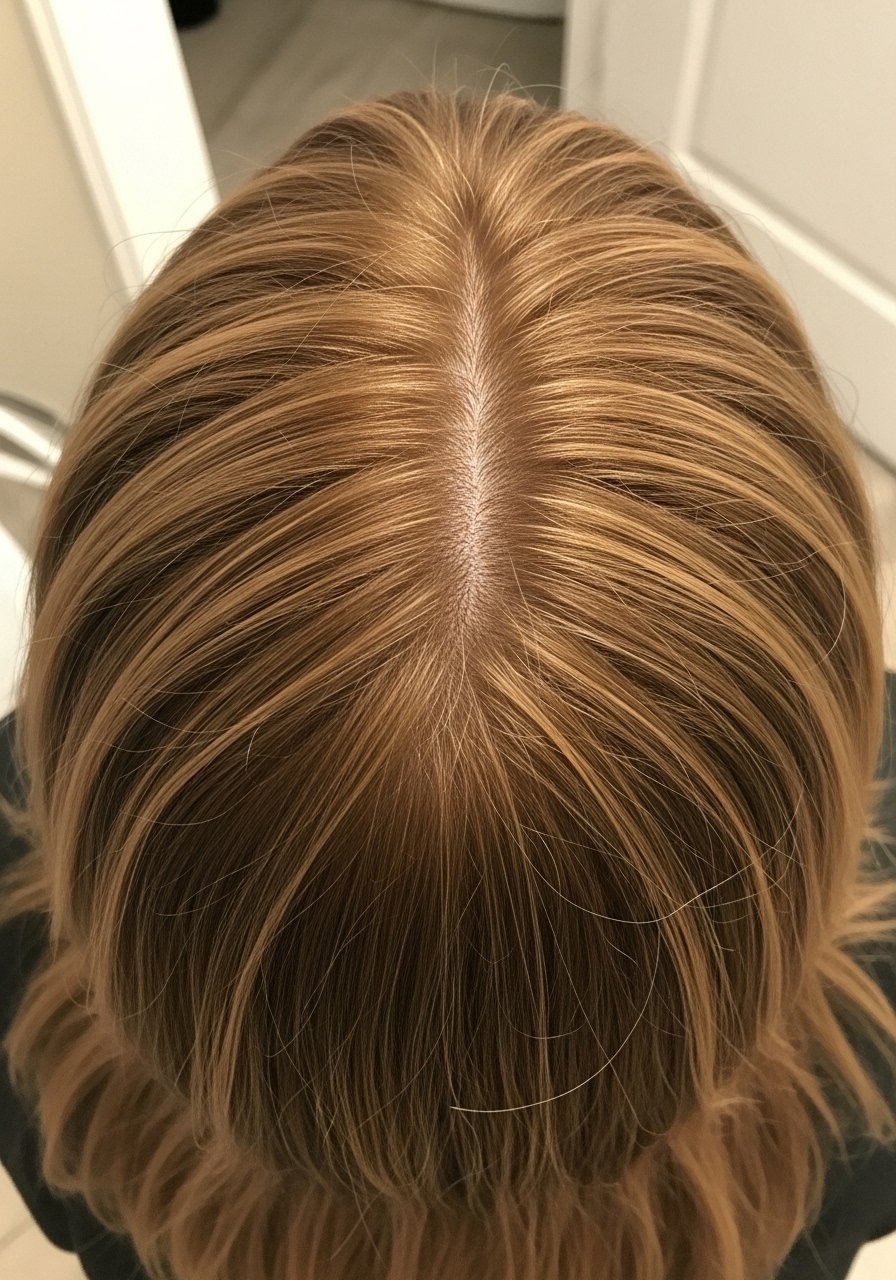
Babylights are tiny, thin highlights that create the illusion of density, which makes them a nice match for fine hair. The technique calls for 1/16 to 1/8-inch sections and long, soft strokes. Expect a longer salon chair time but a more blended result. For chestnut bases, ask for warm caramel accents that sit three to four inches down from the root to avoid immediate contrast. At-home mistake, trying to paint babylights over porous ends; you will get faster lift there and uneven color. If your hair is already fragile, combine the service with a bond builder in-salon. After the appointment, shampoo no more than twice the first week to let the glaze settle.
What I Keep In My Chestnut Balayage Kit

Honestly the short list that keeps these looks alive is small and practical, so I call it my chestnut kit. I keep a 3.3oz Olaplex No. 3 hair perfector for weekly bond maintenance, an 8oz sulfate-free clarifying shampoo for once-every-two-weeks reset, and a demi-gloss rinse for between appointments. A microfiber towel cuts drying time and frizz, and a 1-inch ceramic curling iron smooths face-framing highlights without turning them brassy. For daily styling I use a lightweight leave-in and two spritzes of Color Wow Dream Coat after drying. I recommend buying Olaplex from the official store on Amazon or Sephora to avoid counterfeits.
DIY Balayage Touch-Up Kit For Modest Grow-Out

If you are comfortable with the basics, a small DIY touch-up can stretch a salon visit by a month. Use a targeted placement method, painting only the mid-lengths with thin strokes, and never overlap on previously lightened strands. A 10-20 volume developer is usually enough for chestnut bases when you are just refreshing pieces, process in short 10 to 15 minute checks. A common error is slathering bleach over the whole mid-length and thinking toner will fix it. Safety note, lifting over previous color or lifting more than two levels needs a salon. Keep a bottle of neutralizing shampoo on hand and always do an allergy patch test first.
Quick Gloss Tones To Keep Chestnut Shine Between Appointments
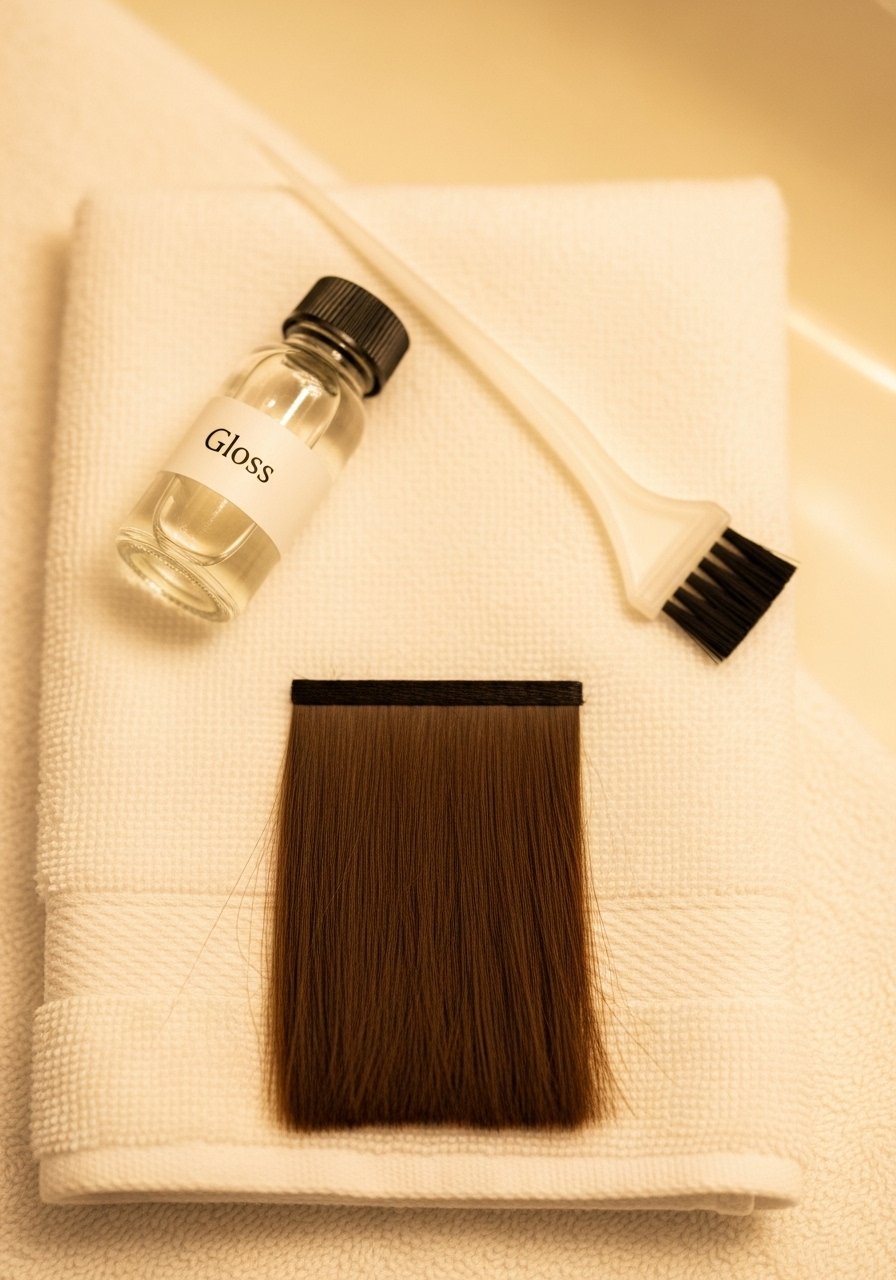
Glossing is the easiest way to refresh tone without lightening. Demi-permanent glosses sit on the hair surface and deposit color for four to six weeks depending on wash frequency. Use a 1:1 mix and leave on five to ten minutes for a subtle refresh. For chestnut brown, pick a neutral or warm glaze to avoid ashy casts unless you want that look. If your hair is porous, dilute the gloss slightly to avoid patchy absorption. I follow the LOC method on damp hair right after a gloss, a leave-in, then an oil on the ends, to lock in smoothness. Watch for scalp sensitivity and do a patch test.
Low-Maintenance Balayage For Busy Weekdays
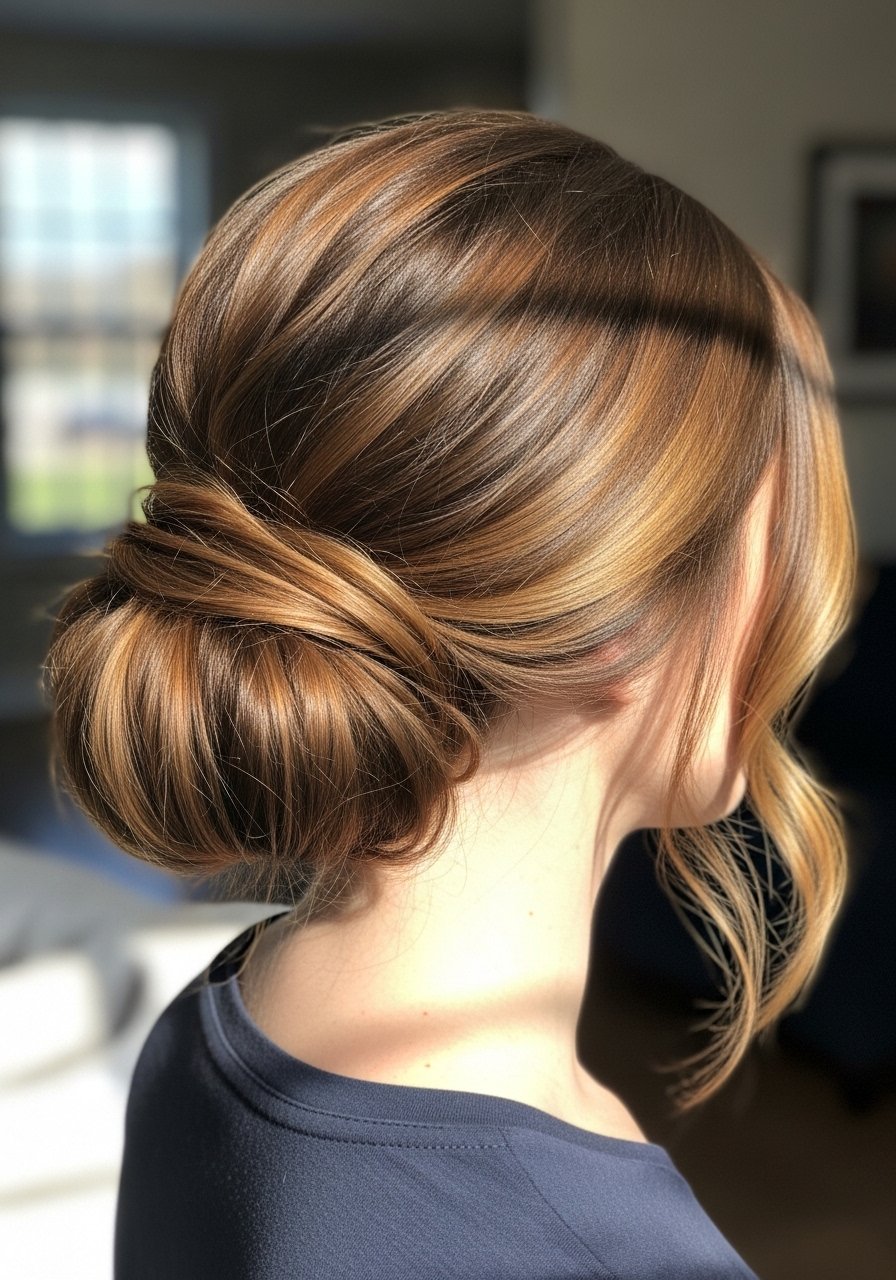
This one is about placement and styling, not brighter pieces. Keep the highlights mid-length and ends, and use a rooted look so the first month looks intentional. For styling, two quick techniques keep the color readable: a 30-second root lift with powder and a 60-second curl through the mid-lengths to show dimension. If your mornings are five minutes, sleep in loose plaits overnight and use a microfiber towel to prevent frizz. A common mistake is scrunching product into damp roots which flattens the style. For product, I add a pea-sized amount of cream to the ends and two spritzes of texture spray through the mid-lengths for separation.
Chestnut Balayage On Curly Hair, Diffuse And Dry

Curly hair takes color differently because of porosity and pattern. When getting balayage on 3A to 4A curls, ask the colorist to paint on stretched hair so the placement reads when the curls spring up. For at-home drying, use a diffuser on low heat and low speed, aiming for 250F to 300F on most dryers. Heat protectant before any iron over 300F is essential if you touch up with a wand. I used to do gel-only routines and got flat curls by 11am, so I added a leave-in cream first to keep definition while avoiding crunch. If your strands are porous, you will need more frequent conditioning and a bond builder in the service.
The Bond Builder Step I Add Before Lightening
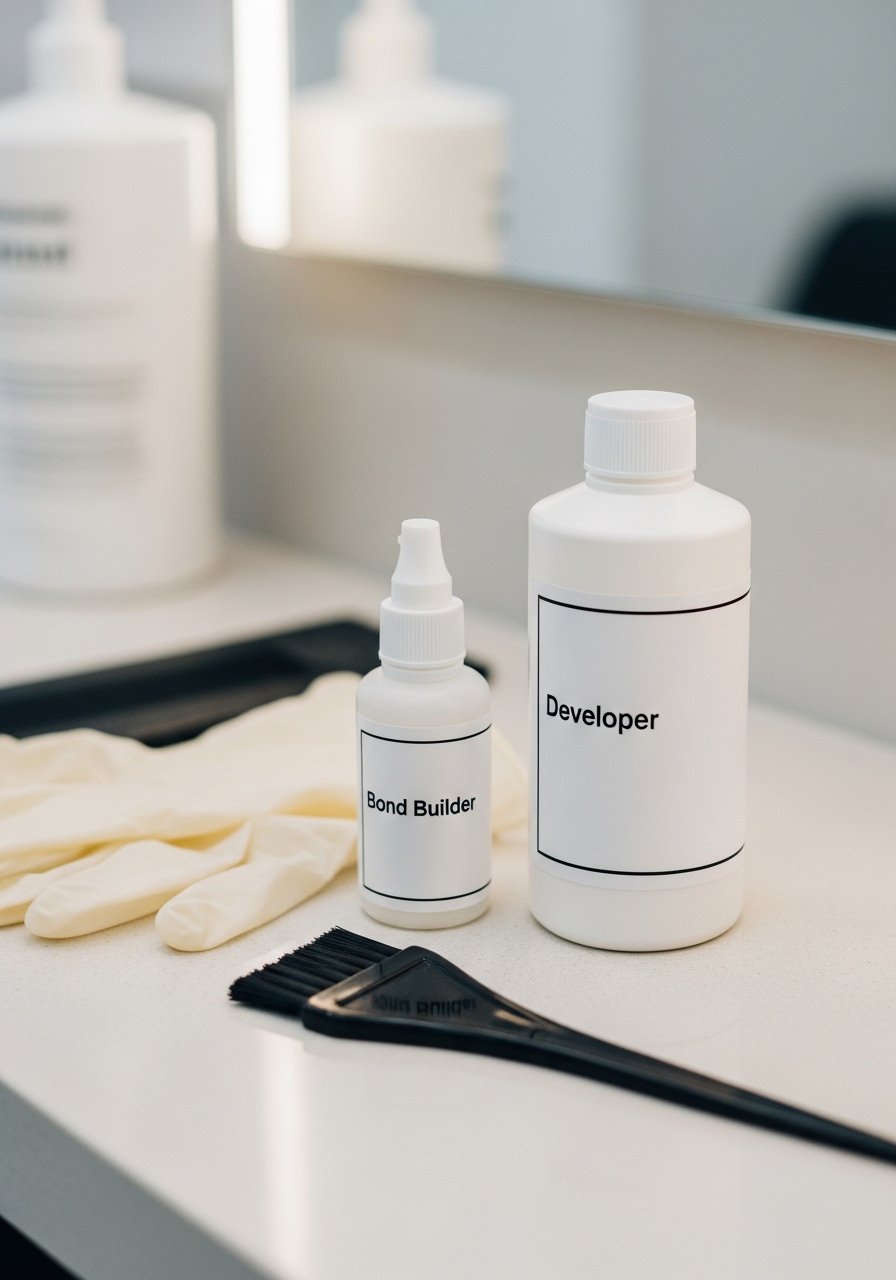
Bond builders are not magic, but they change whether hair makes it to the next appointment. I add an in-salon bond builder step before any lift over one level and repeat a take-home treatment weekly for three weeks. Use the product per instructions, usually five to ten minutes in-salon, and a 3.3oz weekly at-home application if mentioned on the label. What they do is temporarily strengthen internal bonds and reduce breakage during lift. They will not regrow hair or undo past mechanical damage. If your stylist does not offer a bond builder, ask for reduced processing times or split sessions. Always avoid overlapping bleach on previously lightened ends.
Summer-Proof Chestnut Balayage: Pool, Sun, And Salt
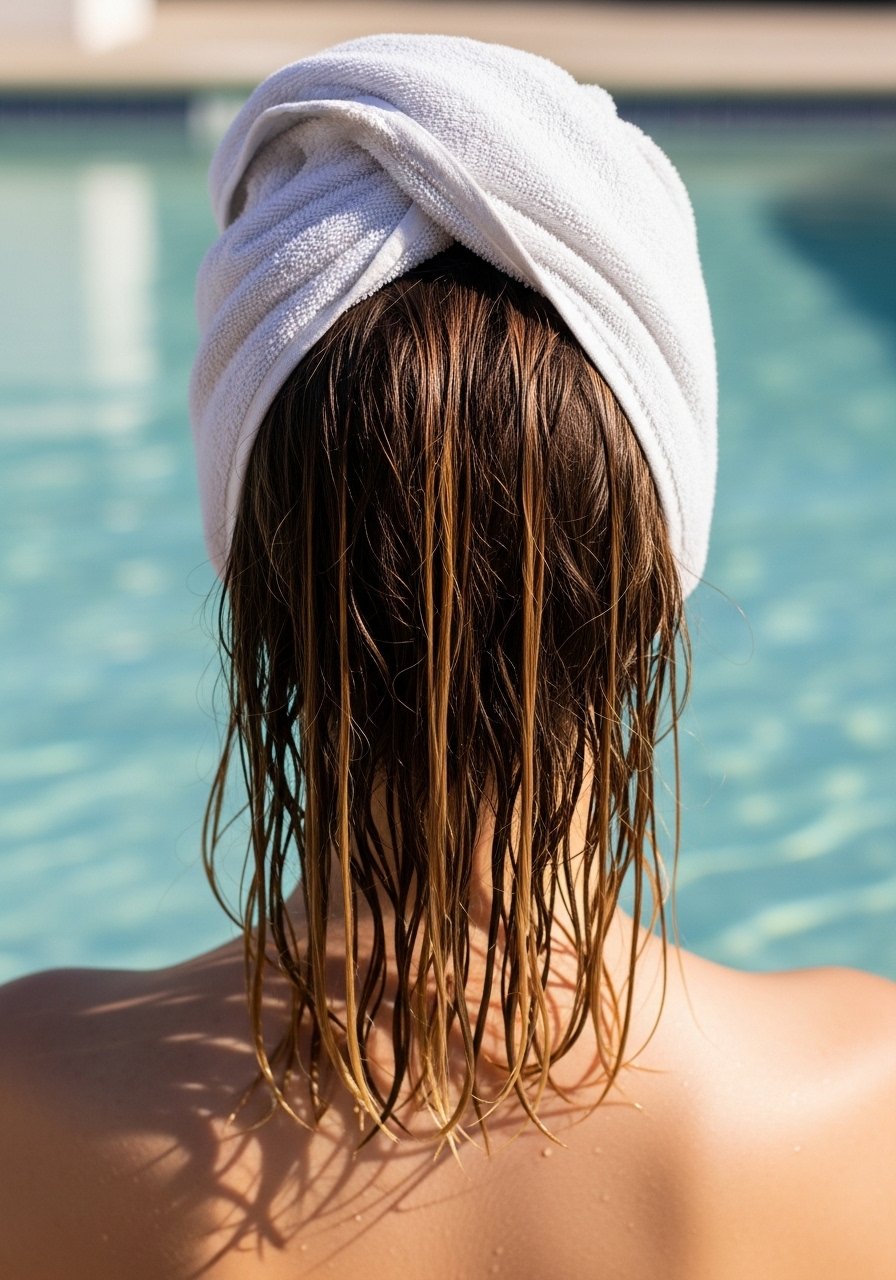
Sun, chlorine, and salt make chestnut brown go brassy or flat. Before swimming, wet hair and squeeze in a leave-in barrier, then clip it up to minimize exposure. After swimming, rinse with fresh water immediately and use a clarifying shampoo within 24 hours if you were in chlorinated pools. For UV, a leave-in with UV filters helps protect color, and a weekly gloss helps restore depth after summer weekends. I always tell friends, hair grows about half an inch a month at most, so preventing breakage keeps your color investments worth it. For pool days, a cheap swim cap and a quick rinse beat a salon refresh.
What I Wish Someone Had Told Me About Chestnut Balayage Maintenance
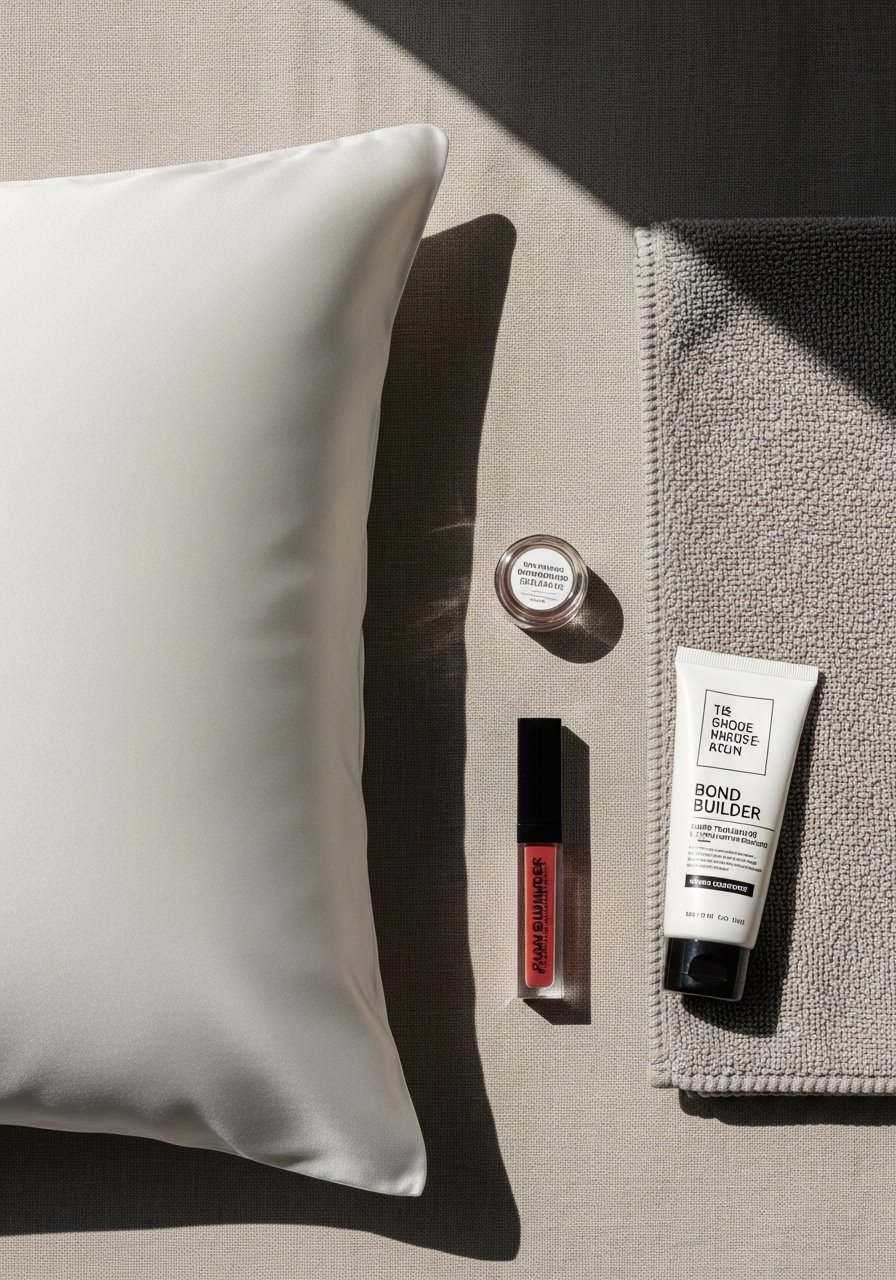
My honest note, the cost of color is the upkeep not the appointment. You do not need a huge product wardrobe. The 80/20 product placement rule applies here, spend on a glaze and a bond builder, save on styling sprays. If you sleep on a silk pillowcase you will extend gloss life and reduce split ends. When you see brassy tones after vacation, do not panic and shred your ends; try a quick gloss and two clarifying washes first. My curls looked great on TikTok and like wet noodles by 11am until I layered a leave-in cream under my gel. Little changes like that keep chestnut balayage actually wearable between appointments.
Frequently Asked Questions
Q: Can I do a balayage over previously dyed brown hair at home?
A: Lifting over previously dyed hair is the most common reason for breakage. If the prior dye was a permanent color, you risk uneven lift and breakage. For a modest touch-up of surface pieces, a demi-gloss is safer. If you want a big change, book a salon correction so they can assess porosity and use a staged plan.
Q: How often should I use Olaplex No. 3 after a balayage session?
A: Once a week is the usual schedule I follow, and I space salon bond treatments three to four weeks apart. Overdoing at-home bond products more than twice a week can make hair feel heavy. Buy genuine Olaplex from the official Amazon store or Sephora to avoid counterfeits.
Q: Will balayage make my fine hair look thinner or thicker?
A: Proper placement makes fine hair look denser. Techniques like babylights or very thin face-framing pieces add depth without reducing perceived volume. Avoid heavy, chunkier highlights which can create visible gaps.
Q: How often should I tone chestnut balayage to avoid brass?
A: Every six to eight weeks is typical for a demi-gloss refresh, but it depends on how often you shampoo. If you swim or use heat tools a lot, tone every four to six weeks. A weekly gloss rinse at home can stretch salon appointments without permanent toning.
Q: Is it safe to bleach at home if I want to go two levels lighter?
A: Lifting two or more levels increases risk, especially over previous color or damaged hair. The safest route is a salon where they can test porosity and use bond builders. If you attempt minor lift at home, keep developer low, process in short checks, and stop if hair feels gummy or overly dry.