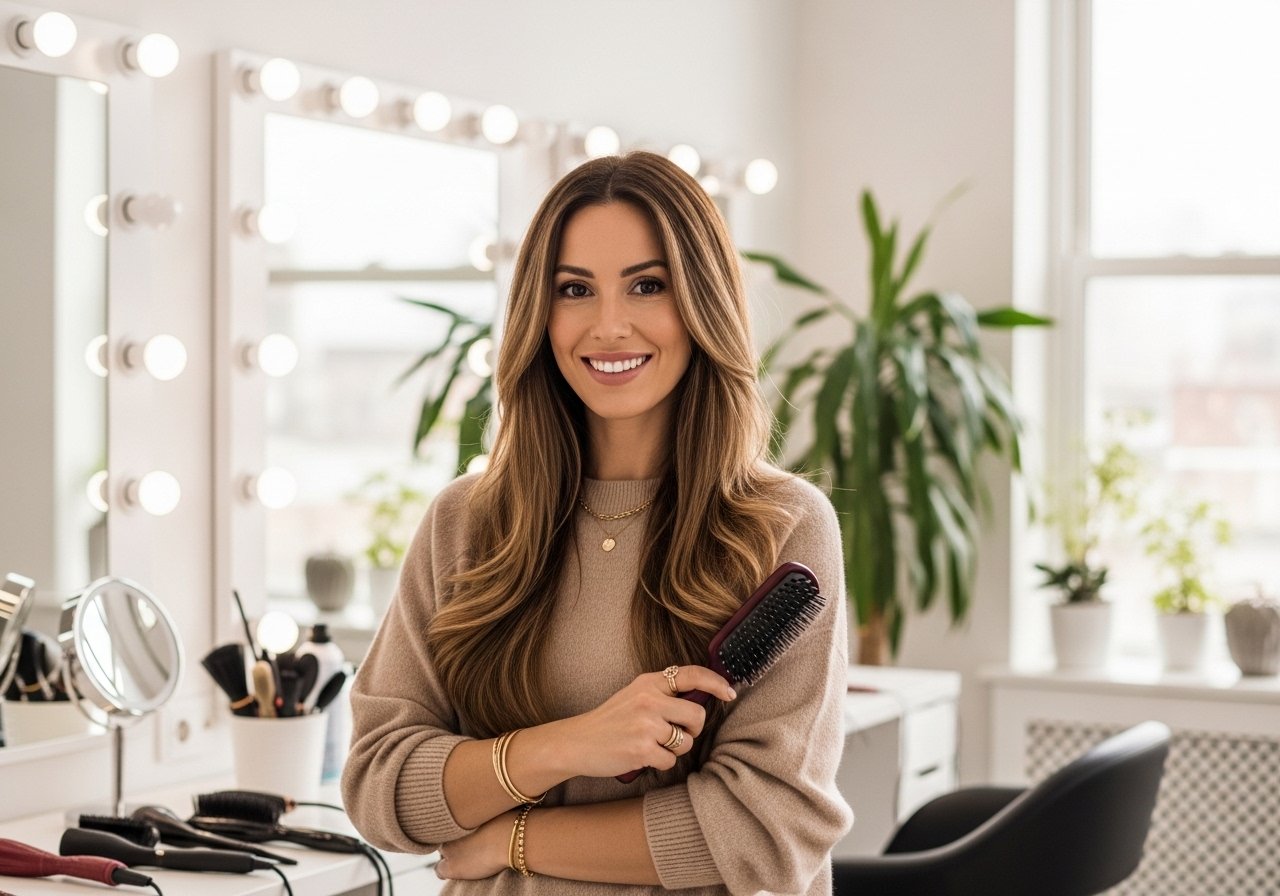
I spent a summer paying a stylist to warm up my dark brown hair, then tried to stretch those appointments with at-home glosses and sunless highlights. Half the time it looked muddy on my warm skin and my roots threw the color off. After a year of trial and error I narrowed what actually reads as caramel on olive and warm peach skin, without needing a full lift every month.
These looks are aimed at medium-fine to medium-thick hair, straight through curly, and especially those with warm undertones in their skin like olive or peach. Skill level runs from easy at-home touch-ups to one-salon visit options. Budget ranges from drugstore refreshes to one splurge gloss appointment every six to eight weeks. Most techniques can be done at home if you follow the timing and developer notes I include, otherwise book the first color with a professional.
Face-Framing Caramel Balayage For Olive Skin

If your skin leans olive, a painted face frame in a golden caramel warms the complexion without going copper. I ask for a 1.5 to 2 level lift at the front, painted in 1/4 to 1/2-inch slices to keep it natural. It works best on 1B to 3A hair. Expect a 90 to 120 minute salon appointment for the initial placement. Most people over-bleach the front sections and end with brassy streaks. Ask for a low-volume developer, 10 or 20 volume at most near the face, and plan a gloss afterward to melt the line. A weekly purple-shampoo check keeps brass at bay, but do it no more than once a week if your hair is dry.
Honey Money Piece On Medium Curls
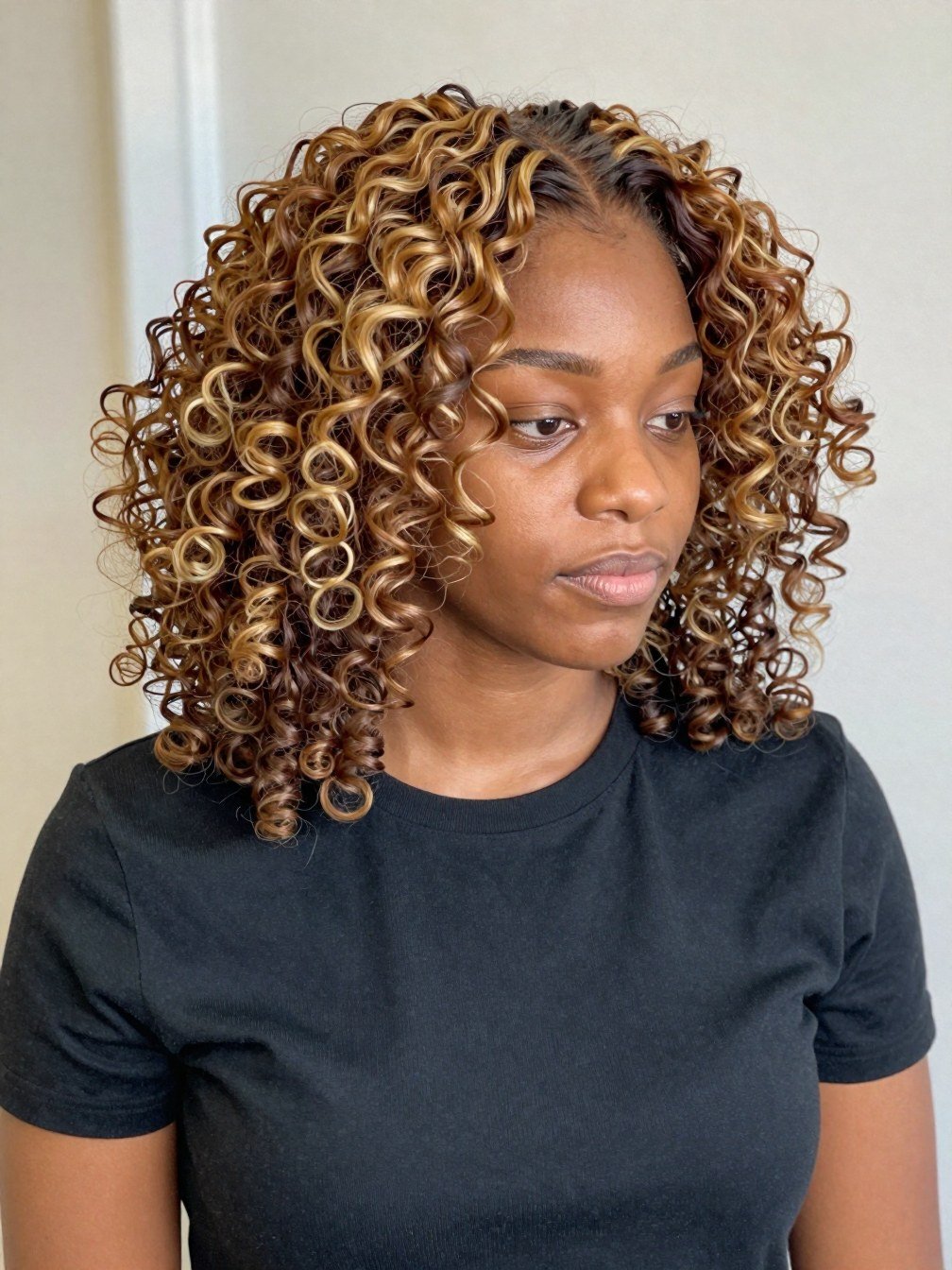
Curly hair reads color differently, so one lighter front slice in a honey caramel shade can brighten the face without all-over lightening. I work with 1/8 to 1/4-inch sectioning at the face and a soft feathered paint to avoid a harsh line. For 3A to 4A textures, apply gloss while damp so the cuticle seals and you do not lose curl spring. The common mistake is lifting too much at once, which ruins curl pattern. Plan a salon touch every 8 weeks for the money piece and a mid-cycle at-home gloss if it starts looking flat.
Root Shadow And Caramel Melt For Low Upkeep
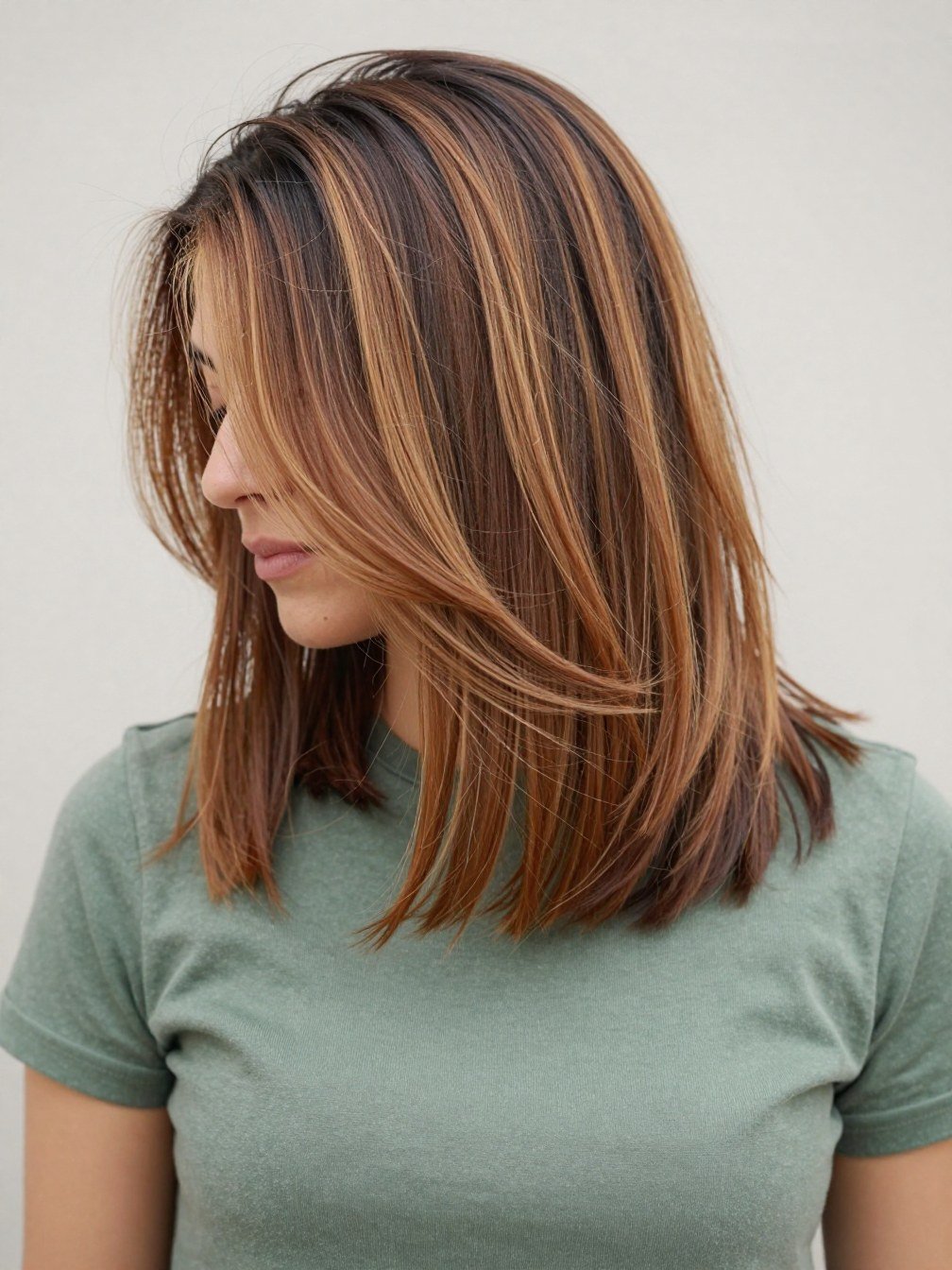
If you want warm skin-friendly color without monthly trips, a root shadow into a caramel melt is the way. The stylist paints the root darker and blends it down with a 50/50 mix of glaze and demi-permanent color for softer regrowth. It suits shoulder-length to long hair and works on 1A to 2C textures. My mistake early on was asking for a harsh grow-out line. Ask for a soft diffusion and a gloss after color. Salon is recommended for the first pass, then you can refresh with a clear gloss at home every three to four weeks.
At-Home Gloss Refresh For Warm Brown Shine

If your caramel feels dull by week three, a clear or warm-toned gloss is a cheap fix that avoids extra lift. I use a demi-permanent gloss for 10 to 20 minutes depending on porosity. For medium porosity hair, 10 minutes is usually enough. The trick is to apply on freshly washed, towel-dried hair and process under a plastic cap. A common mistake is leaving gloss on too long which can go muddy. If you buy on Amazon, get a salon-grade gloss and watch for counterfeits, or pick it up at your local salon.
Caramel On Coily Hair Without Losing Definition
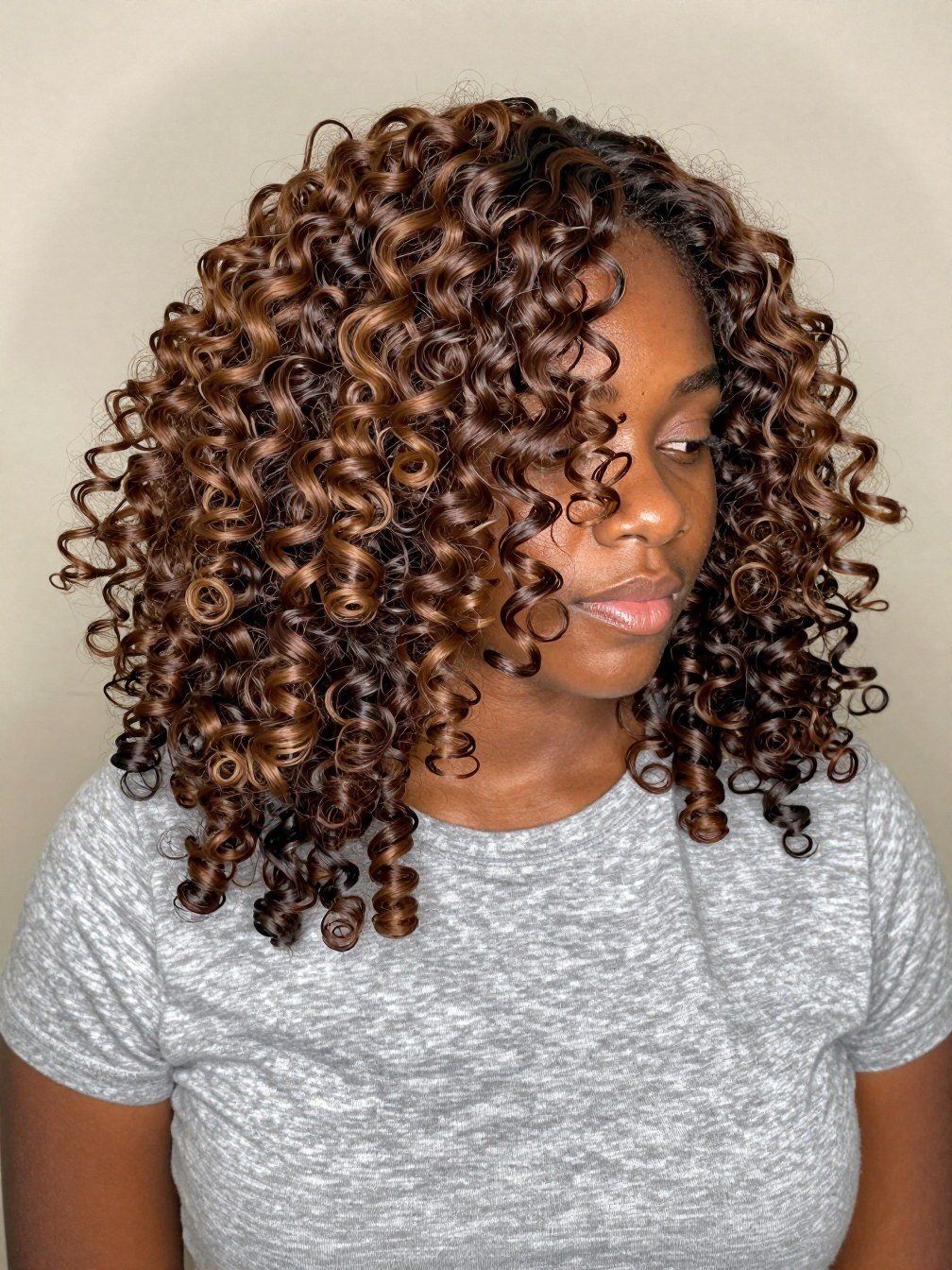
Coily hair needs color placed differently so the coils do not lose definition. I section into 8 to 12 small parts for mid-back length and paint the color on the mid-shaft, not the scalp. Use a 10 volume developer and a glaze to protect curl shape. The budget is salon-priced because this is technique-heavy. A mistake I made was spreading color like on straight hair and ending with uneven lift. Also patch-test any high-acid developer and avoid overlapping bleach on previously lightened areas to prevent breakage.
Sun-Kissed Caramel Babylights For Fine Hair

Fine hair takes color quickly so babylights are safer than heavy foil work. Keep slices no wider than 1/8 inch and alternate placement for airbrushed brightness. I ask for a low-volume 10 developer and a short 6 to 8 minute lift for a subtle effect. The result reads like natural sunshine on warm skin. The common mistake is too many lights in one placement, which makes the color look stripy. You can maintain this at home with a clear gloss and a color-depositing conditioner when needed.
Creamy Caramel For Oily Scalp And Warm Undertones

If your scalp tends to get oily, super-brassy warm colors can look flat fast. A creamy caramel with slightly ash-neutral base helps the face while keeping warmth in the lengths. I request a demi base that is one level darker at the roots, and a warm gloss on the ends. Use a clarifying shampoo once every two weeks, not every wash, to avoid stripping the gloss. Hair grows about half an inch a month at most, regardless of what biotin gummies promise you. Schedule a gloss every six to eight weeks to keep the tone even.
What I Actually Keep For Caramel Brown Warm-Tone Looks
Silk pillowcase for warmth-friendly color sleeping under $25. I swapped to silk and my color looked fresher in the morning.
Olaplex No. 3 hair perfector 3.3oz. Use once a week, buy from the brand store on Amazon to avoid counterfeits.
Color Wow Dream Coat anti-humidity spray for frizz control before blow-drying.
Microfiber hair towel to cut blow-dry time and prevent rubbing the gloss off.
Boar bristle paddle brush to distribute oil and smooth the mid-lengths.
Wide tooth comb for detangling wet hair without breakage.
K18 peptide treatment 50ml for a quick bond builder between color sessions, also buy from authorized sellers.
Purple-shampoo 8oz use once a week only, more dries hair.
Denman brush for curls if you twist or finger-coil your caramel curls.
Heat protectant spray always before any iron over 300F. Put it on damp hair.
Babylights Melted Into Caramel For A Subtle Glow

Babylights give skin-friendly sparkle without heavy maintenance. I have stylists place thin lights around the face and crown only, using 20 foils maximum to keep the appointment under two hours. For a warm result, tone with a caramel demi glaze for five to ten minutes. The typical mistake is asking for "all-over highlights" which reads too bright on warm skin. If you try at home, avoid more than three to four slices at the face and use 10 to 20 volume developer only.
Caramel Melt For Thick Hair With Tonal Layers
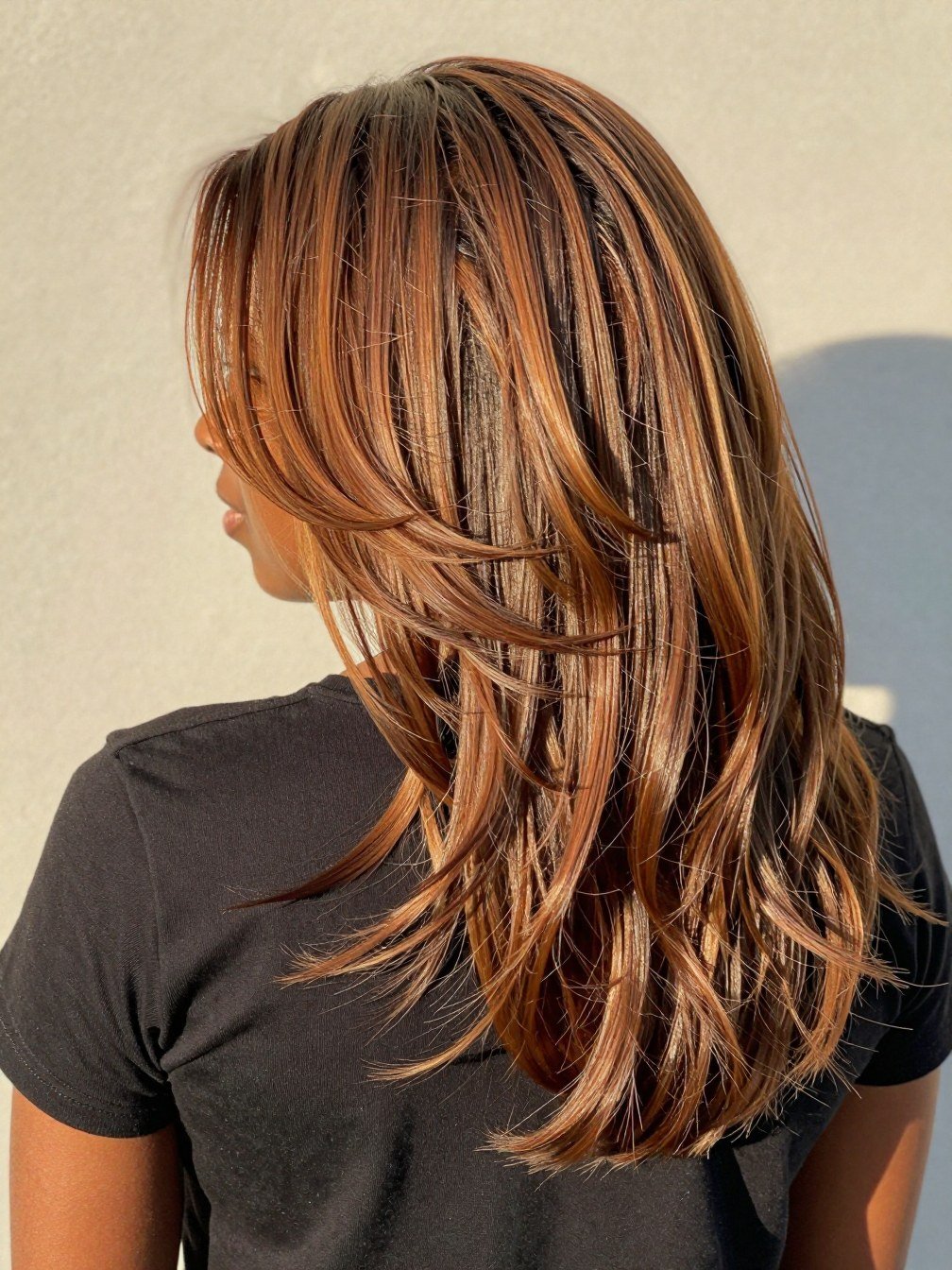
Thick hair needs depth so the caramel does not disappear. I ask for a root base with two levels darker than the ends, and a balayage melt using 1/4 inch slices. For dense hair I recommend foils at least eight sections across the crown to get even saturation. The real-life detail I learned is to request processing checks at 10, 20, and 30 minutes instead of one final check. That avoids over-lifted streaks and keeps the tone warm without brass.
Heatless Caramel Waves For Color That Lasts Longer

Heatless styling protects the caramel tone because you are not repeatedly frying the cuticle. I wrap sections around a robe tie sash in eight even pieces overnight and unfurl in the morning. For shoulder-length hair, 8 sections is the sweet spot. A frequent mistake is damp hair that is too wet which leads to mildew and limp waves. The payoff is color that reads richer since you are not stripping oils with heat. Use a light curl cream with a little amp of gel if you want hold.
Creamy Caramel Toner Ratios For Fine Hair
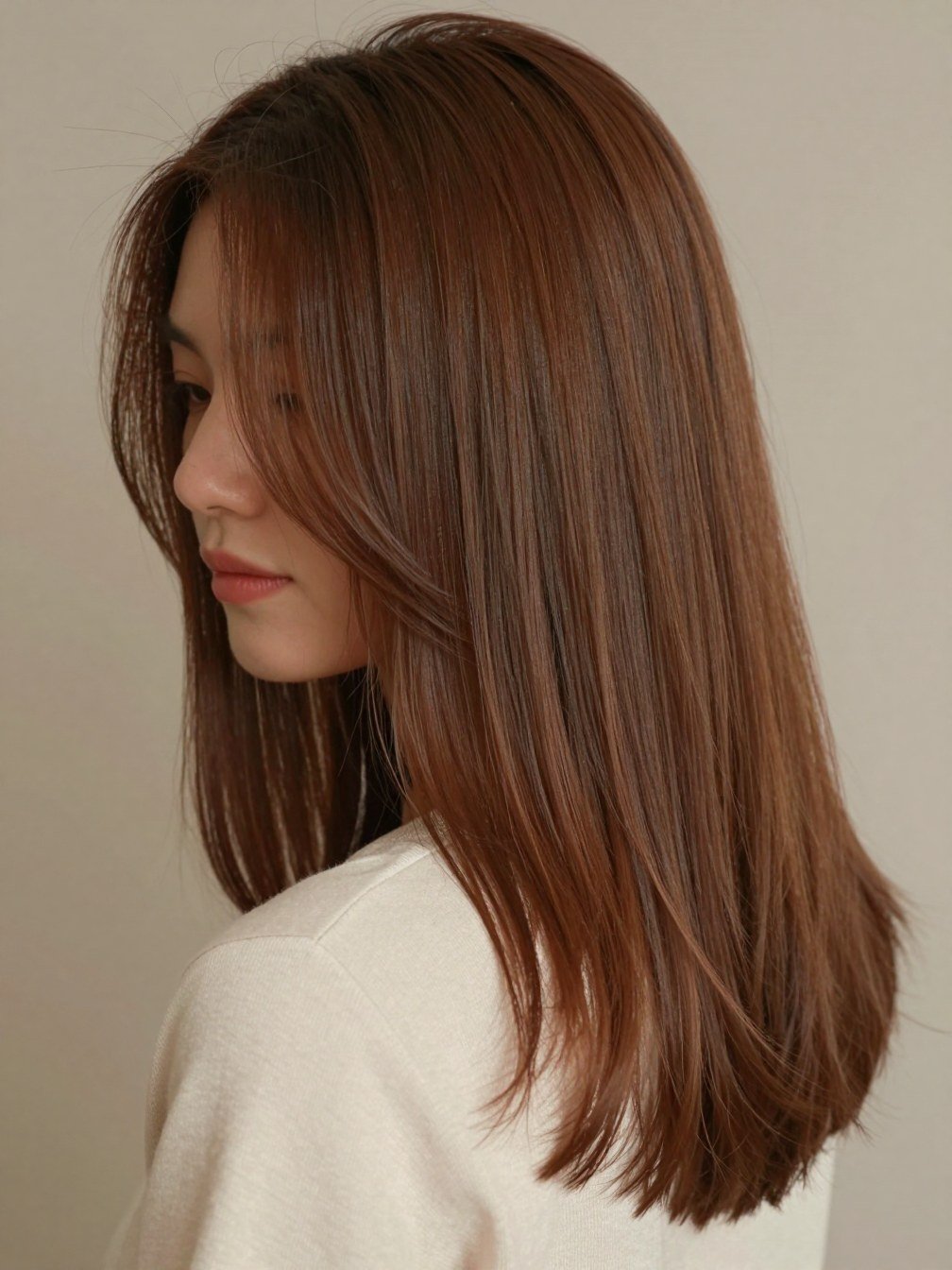
Fine hair can go brassy quickly. I mix demi-toner at a 1:1 ratio with 10 volume to avoid over-toning. Apply on towel-dried hair and process for 5 to 10 minutes depending on porosity. If your hair is porous, start checking at the five-minute mark. The mistake people make is leaving toner on like a permanent, which makes color muddy. This approach keeps the caramel creamy and readable on warm skin without flattening the hair.
Matte Caramel For Oily-Length Control
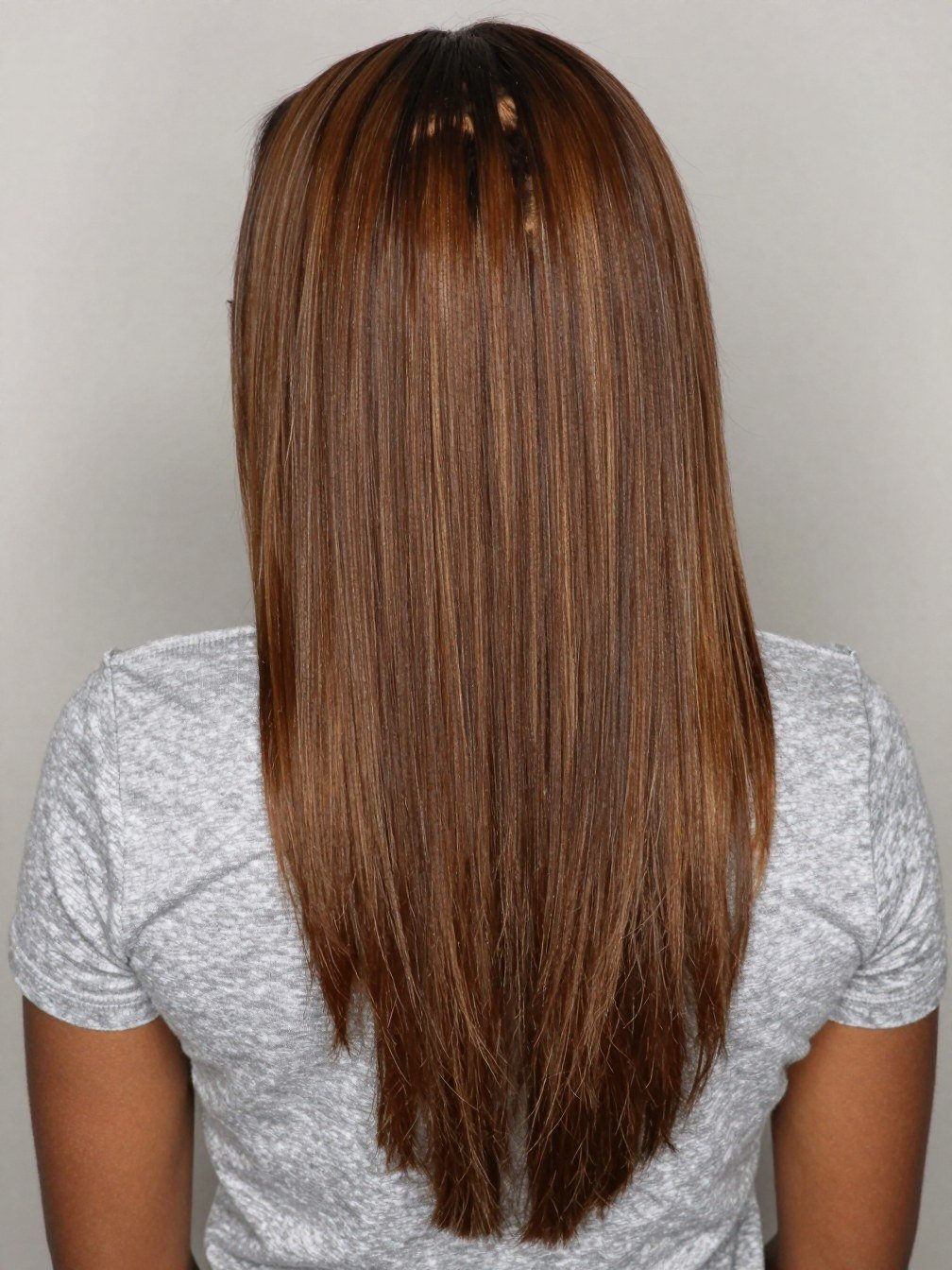
If your mid-lengths look greasy with glossy warm colors, a matte caramel glaze reduces surface shine while keeping warmth. Use a demi-gloss mixed with a soft matte diluter and apply for seven to ten minutes. It works well on 1A to 2B textures that show oil quickly. The common error is assuming matte equals dull. Done correctly this keeps the color believable and flattering on warm skin. Use a clarifying shampoo sparingly and follow with a lightweight conditioner.
The Weekly Bond Builder and Gloss Routine That Helps
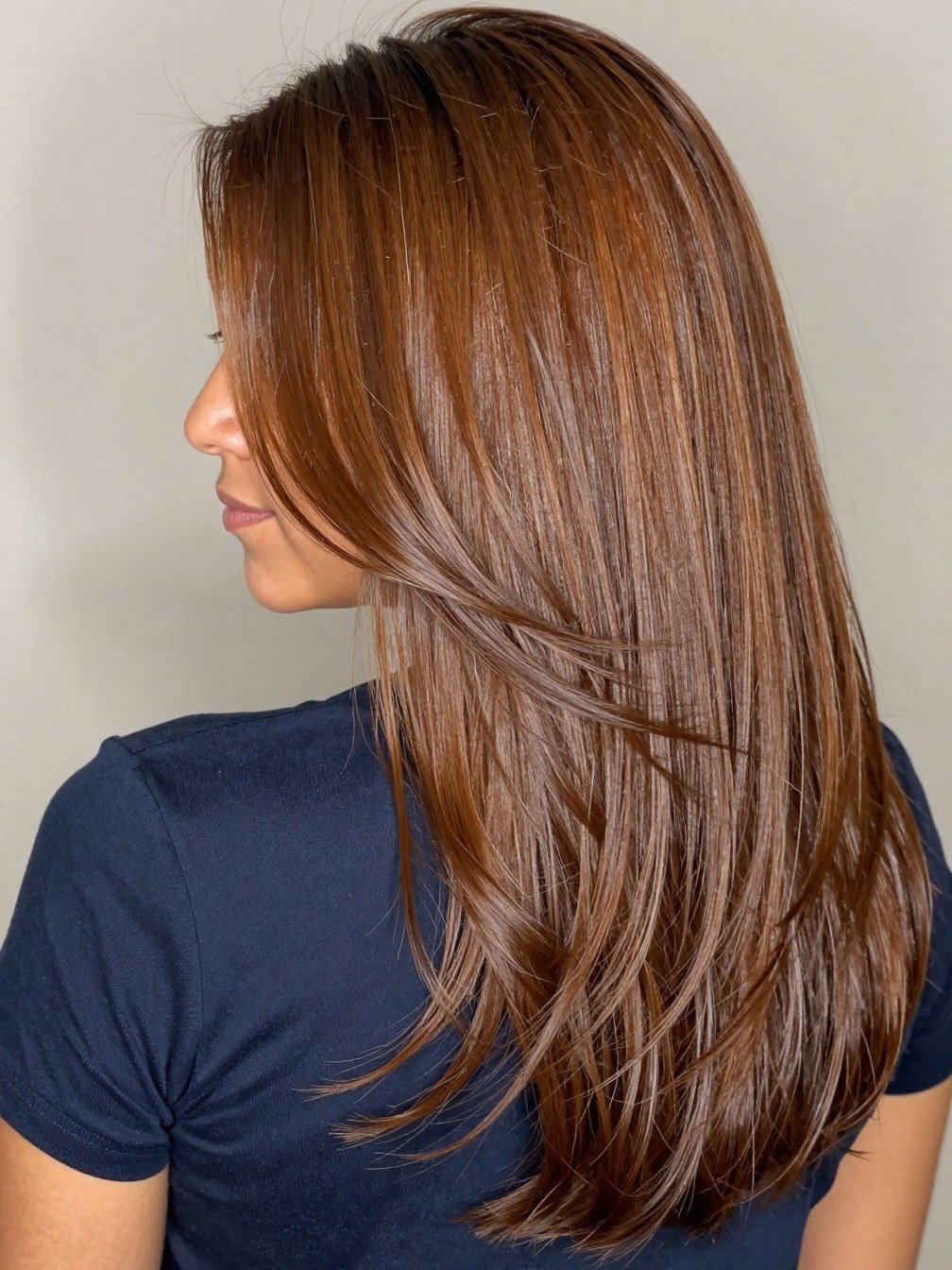
For me the two-step routine that made caramel stick was a weekly bond builder and a gloss every three to four weeks. Use Olaplex No. 3 once a week for 10 minutes on damp hair to reduce breakage, and alternate K18 peptide treatment when you need deeper bounce. If you buy Olaplex or K18 on Amazon, buy from the official store to avoid counterfeits. The mistake is overusing both in the same wash which can make hair gummy. Pick one treatment per week and time your gloss between them.
Deep Caramel Brunette With Warm Copper Undertones

If you want depth that still reads warm, layer a deep caramel base with fine copper slices through the ends only. I recommend 1/8 inch sections at the tips and a quick 5 to 8 minute toner to warm them up. This works well on 1B to 3A hair. A common problem is too much copper which reads orange on warm skin. Keep copper in the ends and check in natural light during processing. Use a gloss to marry the tones after rinsing.
At-Home Color Corrections You Should Never DIY

If you have previously dyed hair this is where most people break it. Lifting bleach over an existing permanent color can make hair snap. If you are trying to go lighter from dark brown, book a correction rather than a kitchen experiment. If you still attempt a refresh at home, do a strand test, use 10 to 20 volume developer, and avoid overlapping lightener on previously lightened parts. When in doubt, a salon consult is worth the cost. This is the single most common reason hair breaks off in the shower.
How To Stretch Caramel Color Between Appointments

To make the color last, I rotate between a color-depositing conditioner and a gloss. Use a tinted conditioner once every two shampoos to refresh warmth. Most stylists agree that daily color-depositing products are overkill. The common mistake is over-shampooing which strips the gloss fast. Hair grows about half an inch a month at most, regardless of what biotin gummies promise you. Plan trims for color health and use a silk pillowcase to reduce friction.
What I Wish I Knew Before Booking A Caramel Appointment
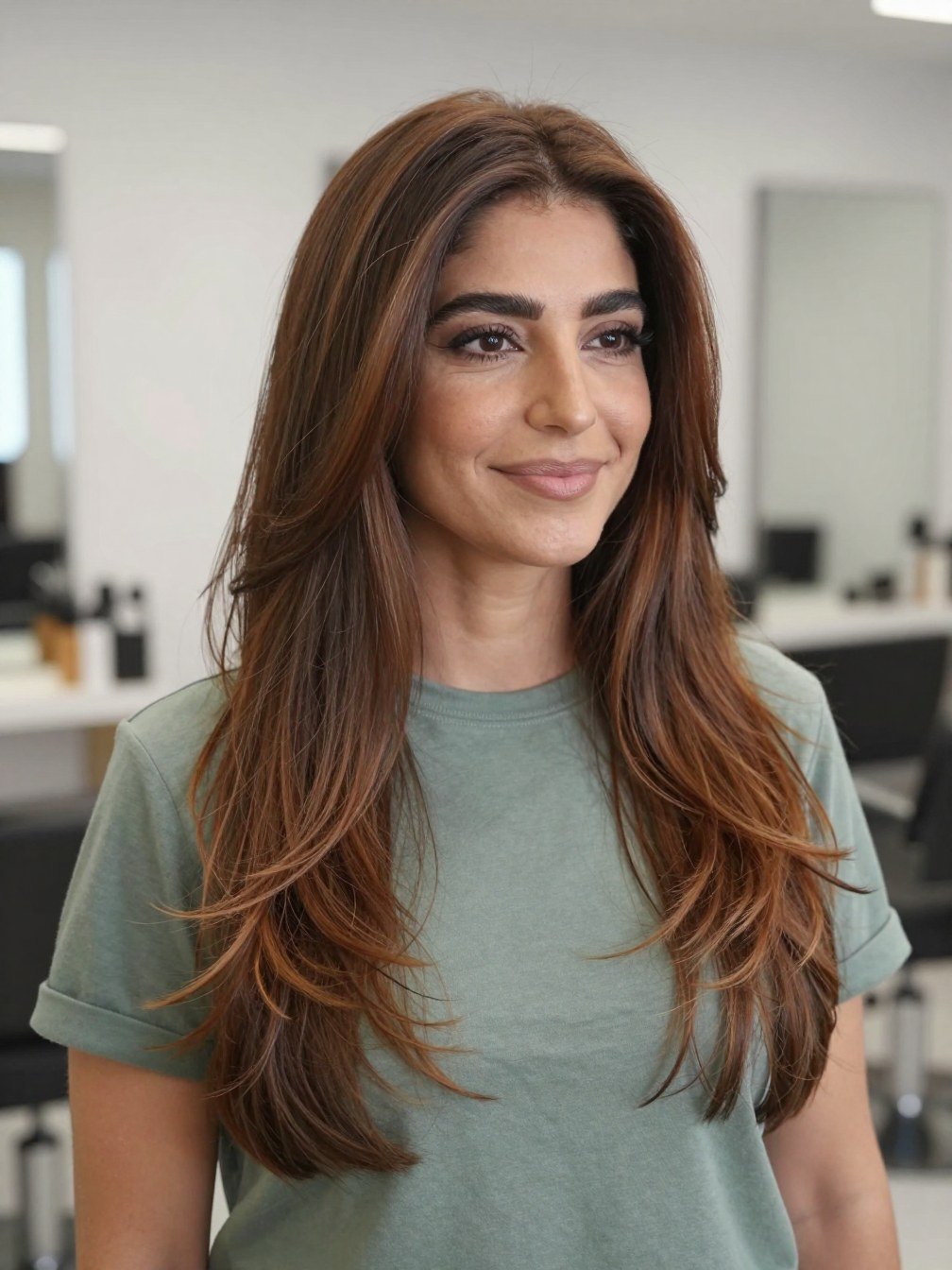
Book a consultation and bring photos in natural light. Tell the stylist your skin undertone and how often you want to touch up. If you want low upkeep say it out loud. Expect more than one session if you are lifting from very dark brown. A frequent oversight is assuming one visit will equal a lived-in caramel effect. Be prepared to pay for the shaping and glossing that keep warm tones flattering on skin.
Little Tricks That Kept My Caramel From Fading Fast

Heat protectant goes on damp hair, not dry. The cuticle is more open and the product actually absorbs. Tresemme thermal heat protectant spray is a budget option that works under a blow-dryer. Most heat protectants you spray on dry hair before flat ironing barely work. They need to absorb into damp or just-dried hair to actually shield the cuticle. Also, avoid daily hot tools and keep irons at or below 330F when you do style.
What Actually Works For Keeping Caramel Warm Without Brass

Purple shampoo is a tool not a ritual. Use it at most once a week if your hair is color-treated and you see brassiness. Overuse dries hair and can add unwanted tone. If your hair is dry or porous use a purple conditioner instead and limit usage to one minute. A common error is leaving purple products on too long. If you are unsure, alternate with a color-safe clarifying once every two weeks.
Frequently Asked Questions
Q: Can I get a caramel color if my skin is cool toned, or is it only for warm skin?
A: You can absolutely wear caramel with cool skin, but the shade needs tweaking. Cooler skin benefits from a caramel with a slightly ashier base and less gold. Ask for one level less warmth than the examples here so the color does not pull too yellow.
Q: How often should I use purple shampoo without drying my caramel color?
A: Once a week is the usual maximum for color-treated hair. If your hair feels dry, switch to a purple conditioner and use it for one minute at most. Overuse adds unwanted tone and can mattify your ends.
Q: Is it safe to put bleach over previous permanent dye at home?
A: Lifting bleach over previous color can break hair. This is the single most common reason hair breaks off in the shower. Book a color correction with a pro if you want to go significantly lighter from a dark permanent base.
Q: Can I use Olaplex No. 3 and K18 in the same week?
A: Yes but not in the same wash. Use one treatment per week and alternate. Olaplex No. 3 hair perfector is great for weekly bond maintenance. If you want deeper repair alternate with K18 peptide treatment.
Q: What heat setting should I use on my flat iron to style caramel brown without damage?
A: Keep the iron at or below 330F for color-treated hair. Heat protectant goes on damp hair, not dry, so apply it and let hair dry first for best protection. Lower heat with thinner sections gives a smoother finish and less fading.
Q: My caramel looks muddy after a store-bought gloss. What did I do wrong?
A: Leaving the gloss on too long or using the wrong toner can make color muddy. Make sure you follow the processing time for your hair porosity and check under natural light. Shorter processing on porous hair and a clear or warm glaze usually fixes this.
Q: How do I know if a product on Amazon is legit for premium brands like Olaplex?
A: Buy from the brand store on Amazon or pick up from Sephora or Ulta. There have been counterfeits for some premium brands. If the price is too low or the seller is not the official store, pass and buy elsewhere.