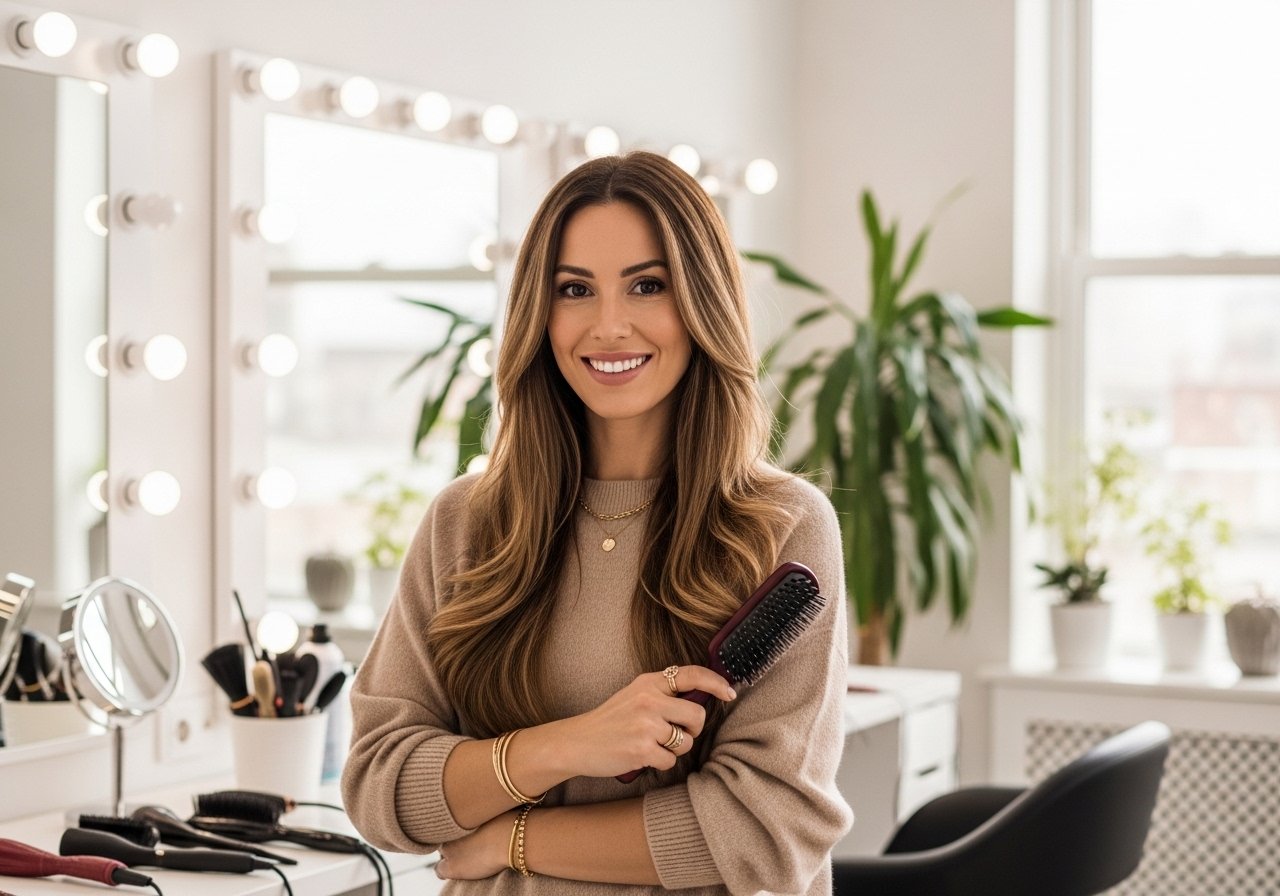
I tried a DIY caramel brown balayage once because I wanted low upkeep and a soft sun-kissed look. I learned fast that painting too-high or using the wrong developer leaves sharp banding. I bleached my own hair last winter trying to save $200. Three months later I paid $400 to fix it. Olaplex No. 3 saved what was left.
These looks are aimed at medium to thick 2A through 3C waves and curls, with notes for 4A coils where needed. Most take 45 to 90 minutes in the chair, a few are true at-home tweaks under 30 minutes. Budget ranges from under $30 for a touch-up product to about $200 for a salon gloss.
Front-Face Caramel Money Piece For Soft Framing

If you want the face to warm up without full-head lightening, the money piece is the answer. On shoulder-length hair, ask your colorist to keep the painted sections no wider than a thumb, and feather the paint down 2 to 3 inches so the line never reads harsh. For finer hair use low-density slices, for thick hair do broader sections to avoid looking stripy. A quick salon root smudge with a 10-minute demi-gloss afterwards tones any brass for about six weeks. If you try this at home, use 10 volume for lift under two levels and always allergy patch test the dye. Avoid overlapping bleach on previously lightened hair to prevent breakage.
Soft Melted Balayage For Thick Coarse Hair
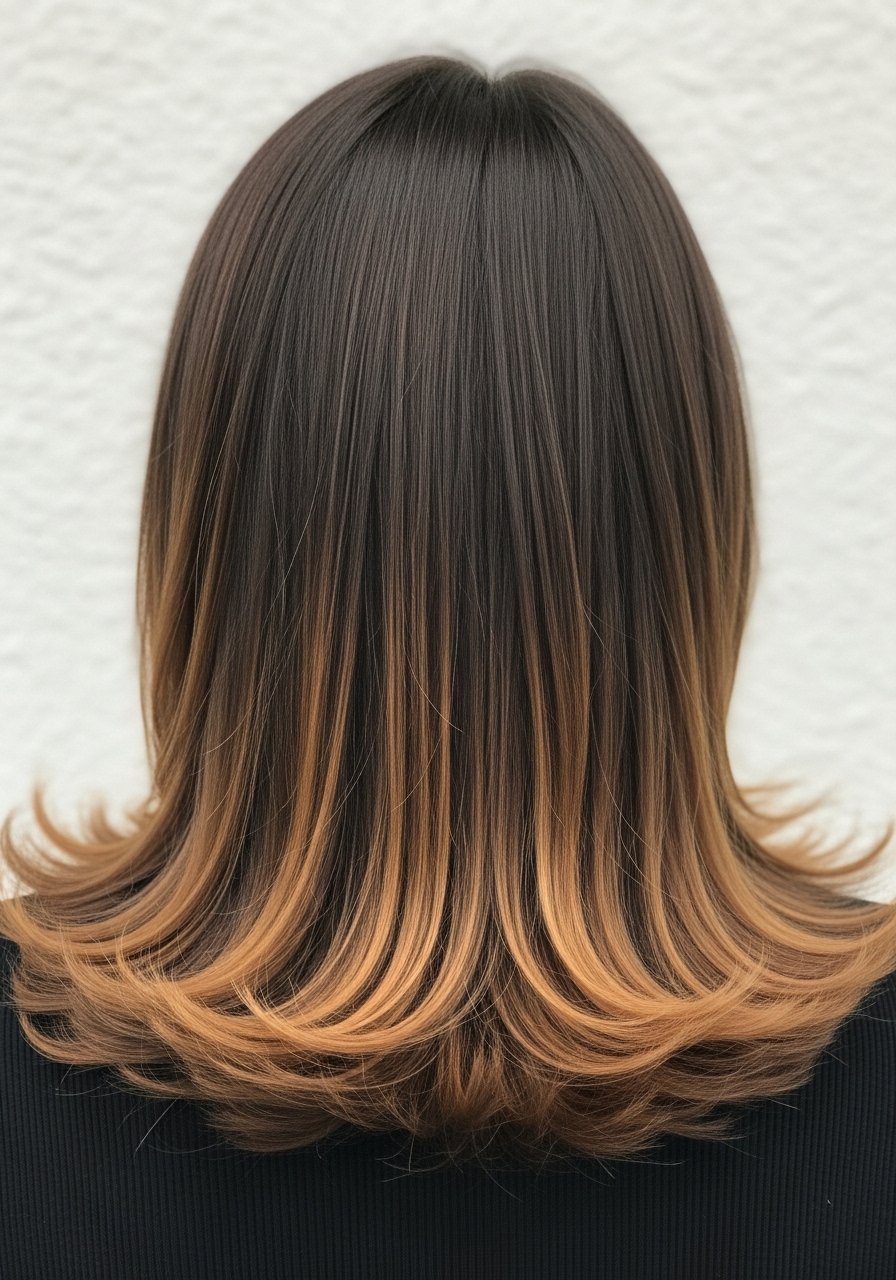
Thick, coarse hair needs bigger, blended panels so the highlights read soft not stripy. Tell your colorist you want panels painted with a light hand and a blur brush stroke of 1.5 inches at the ends. If you DIY, section hair into 8 parts, paint from the mid-shaft with a 1:1 cream bleach to developer mix and check lift every 7 minutes. Use a bond builder once the lift hits the level you want. Salon pros will use lower developer around the root to avoid banding. Damage note, never lift over previously bleached sections in one session.
Curly Caramel Balayage That Keeps Definition

Curly hair hides poorly placed highlights, but it also shows brass fast. Paint shorter pieces, about 1 to 2 inch strands, and avoid saturating the roots so the curl pattern keeps its density. I suggest using a demi-gloss in the bowl after color to seal cuticles and add slip for styling. A common mistake is painting long foils that weigh curls down. For styling, follow the LOC method for leave-in, oil, and cream to keep definition without adding crunch. If you color at home, use a lightweight cream developer and monitor every five minutes rather than eyeballing a single 20-minute time.
Root Smudge For Busy Schedules

If you hate frequent appointments, root smudging extends your next color by several weeks. The technique uses a low-volume demi color at the root, blended into the painted lighter mid-lengths. In practice expect a 30 to 45 minute salon mini-service. At home, an ammonia-free color glaze works for touch-ups but do a strand test. People often over-light roots when trying to DIY, which creates a floating highlight. Safety note, avoid heat styling immediately after a smudge service for 24 hours so the color sets.
Caramel Balayage With a Gloss For Long-Lasting Warmth

A salon gloss or at-home glaze is what actually preserves those warm caramel tones between lifts. I use a gloss after any lift to seal and add reflective tone, which keeps the color from looking faded by week two. Color fades faster with frequent hot washes and chlorine exposure. For at-home touch you can mix a 1:1 gloss to developer ratio and leave on 10 minutes. Avoid glossy products with high pH on freshly bleached hair. If your gloss brand is premium, buy from the official store on Amazon or grab it at Ulta to avoid counterfeits.
Brassy Fix With Purple Shampoo, But Not Every Wash

Purple shampoo will neutralize brassy tones, but overuse turns warm caramel into a muddy cast. A common mistake is using it every wash. Try once a week for lightened ends, twice a month for subtle tone correction. If your ends feel dry after use, follow with a protein-free conditioner. For stronger correction on stubborn brass try a 2 to 5 minute rinse time, not a full 10 minutes, and step up to a salon toner if that does nothing. Avoid purple products on freshly lightened hair for 48 hours.
DIY Painted Face-Framing At-Home Without Bleach Overload

If you want a few caramel pieces at home without a full bleach, paint them with a 20-volume developer and limit painting to the length you want lighter. Work in 10 to 12 fine slices on each side, wipe excess off the brush to avoid harsh lines, and check lift every 5 minutes. Use a bond builder mixed into the bleach at the recommended ratio to reduce breakage. Salon pros will always caution against lifting over old color on the same day. Safety note, do an allergy patch test and never leave bleach unattended.
What I Keep in My Caramel Balayage Kit
- Honestly the best makeup-for-hair trick: Olaplex No. 3 Hair Perfector used once a week brought my ends back from being brittle. Buy from the official store on Amazon or grab it at Sephora to avoid counterfeits
- A 8 oz sulfate-free clarifying shampoo for first-wash buildup, cheap but effective
- A demi-permanent gloss for at-home toning, I use it for 10 minutes after dark
- Color Wow Dream Coat anti-humidity spray (~$28), one light spray before blow drying keeps frizz at bay for days
- A 3.4 oz bottle of 20-volume developer for controlled lift at home
- A microfiber hair towel to cut dry time and reduce frizz
- A wide-tooth comb for detangling wet colored hair gently
- A silk pillowcase queen size to reduce friction and color fade overnight
- Purple shampoo for color-treated hair to use once a week only
- A 5 oz bottle of lightweight leave-in conditioner for mid-length hydration without weighing down waves
Balayage For Short Hair And Bobs

Short hair reads highlights more quickly, so use thinner, painted strokes and a lot more blending. For a chin-length bob, paint only the outer one inch of surface area and feather inward with a dry brush stroke. A frequent mistake is using the same placement as long hair. Expect your stylist to spend extra time blending at the perimeter, which is why short hair jobs can be more exacting and often priced similarly. If you want to DIY, work with three main panels and two face-framing slices. Heat styling on short hair requires a lower iron setting to avoid frying ends.
Low-Commitment Caramel Balayage For Fine Hair

Fine hair benefits from soft, narrow pieces painted with low-density sections. Instead of full bleach, use a demi-gloss to add warmth and dimension without weakening the shaft. A common error is over-saturation which makes fine hair look greasy. Budget-wise this is one of the cheaper options because it avoids heavy lift and repeated sessions. Time-wise expect 45 minutes at the salon if you want natural blending. For at-home, do one small test panel at the nape before committing.
Caramel Money Piece For Curly Face Shapes
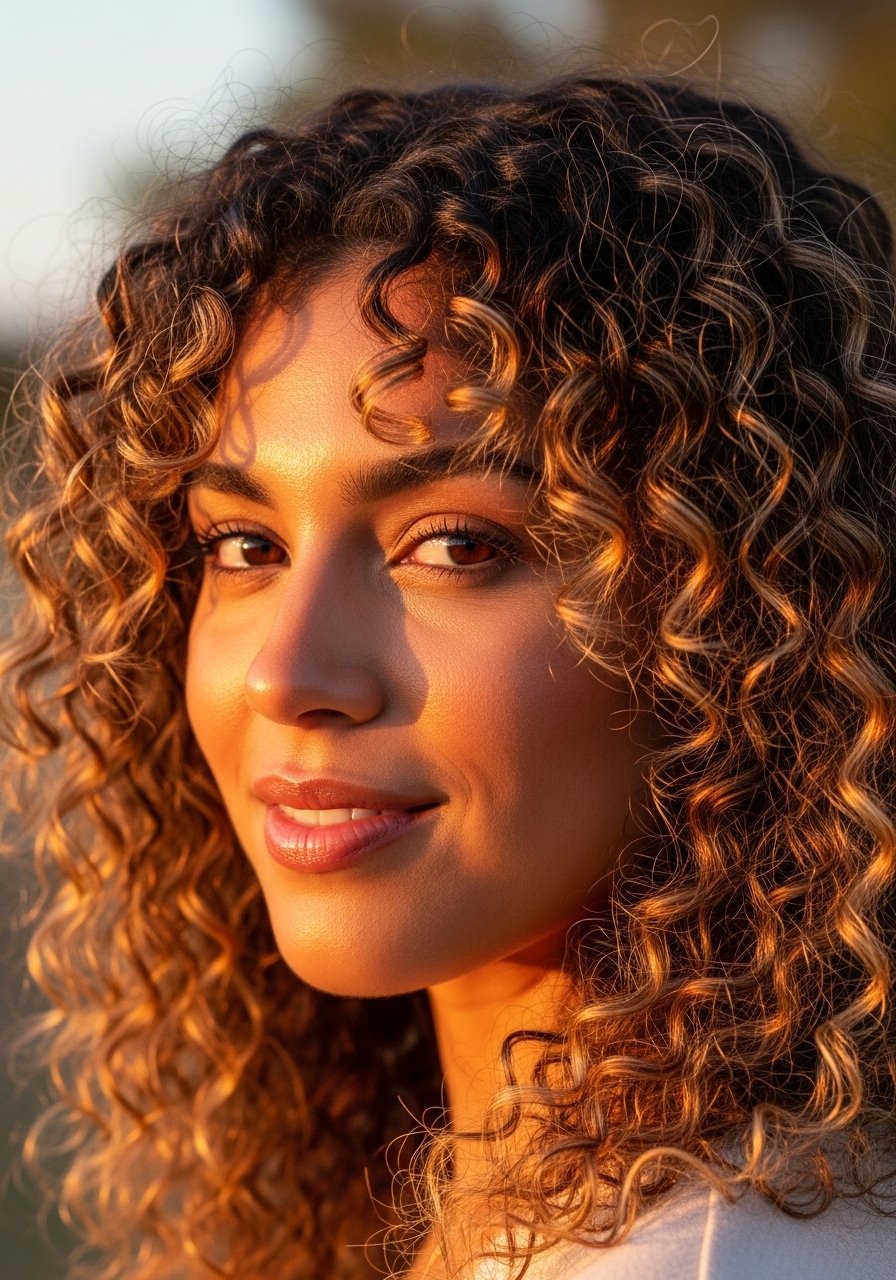
If you have a round or square face, front-framing caramel pieces can visually lengthen the face. Keep the panels long enough to graze the collarbone when stretched, which prevents a chopped look. For tighter curls, paint slightly shorter so the highlight sits where the curl opens. Common mistake, clients ask for a high-contrast slice that fights their texture. For longevity, use a color-safe sulfate-free shampoo and avoid daily hot water rinses which speed fading.
Patch Test And Scalp Sensitivity Reminder Before Any Color

Allergy patch tests are real, not optional. If you have sensitive skin or a history of reactions, do a 48-hour patch test with the dye and developer mix. Also avoid overlapping bleach on sections recently colored. If your scalp burns during a session, speak up right away. For safety, I always suggest saying no to salon upsells of extreme lift if you have fragile ends. And remember, heat protectant before any iron over 300F to protect the cuticle when you style.
Mini Touch-Up: Use Temporary Caramel Gloss Sprays

Temporary color sprays are great between appointments for a quick warm tone. They wash out with one shampoo and are useful for testing whether a shade flatters your skin tone. Mist lightly from 8 to 10 inches away, rub in with fingers, and set with a cool blast of air. People overuse these on roots which leads to build-up and unusual matting. If your hair is porous, a light primer or leave-in helps the spray sit evenly.
Caramel Balayage For Coily Hair That Keeps Density

Coily hair needs highlights placed where the hair opens so you do not lose perceived density. Paint shorter sections and avoid painting the entire circumference of a coil. Many stylists will use hand-tied foils on coils so the bleach does not flatten the curl. You will need deeper conditioning afterward because curly coils can dull faster. If you do this at home, do smaller sections, use lower developer, and apply a weekly bond treatment. Expect slightly faster color fade in high-porosity coils and plan touch-ups accordingly.
How I Keep My Caramel Balayage From Looking Washed Out
- Heat protectant goes on damp hair, not dry. The cuticle is more open and the product actually absorbs. A lightweight heat protectant spray saves color and prevents heat damage
- Grab a microfiber hair towel for $12. It cuts your blow dry time by a third and stops the frizz before it starts
- Hair grows about half an inch a month at most, regardless of what biotin gummies promise you. So schedule color strategically to stretch the payoff and avoid constant fixes
- Use Olaplex No. 5 Bond Maintenance Conditioner once a week if your ends feel rough. Buy from the official seller on Amazon or Ulta to avoid counterfeits
- Swap heavy oils for a tiny pump of lightweight serum at the ends after drying so the mid-lengths do not look flat
Frequently Asked Questions
Q: How often should I actually use purple shampoo to fix brassy tones without making my hair dry?
A: Once a week is a good starting point for most caramel brown balayage, twice a week max if you have very brassy orange tones. Keep rinse time to 2 to 5 minutes, and follow with a hydrating conditioner. If your hair feels brittle after purple shampoo, cut back and use a toner or gloss at the salon.
Q: Can I tone at home after a DIY balayage lift?
A: Yes, a demi-permanent toner or gloss can be used at home if you matched the developer and the lift level, and you do a strand test first. If you lifted more than two levels, consider a salon toner to avoid unexpected muddy results.
Q: Will balayage damage my hair more than all-over color?
A: Balayage can be less damaging because the roots are often left untouched, but it depends on how much lift you request. Overlapping bleach between sessions is the single biggest cause of breakage. Use bond builders and space out lift sessions to reduce cumulative damage.
Q: Is a root smudge worth booking if I want low maintenance?
A: Yes. Root smudges take less time and money than full refreshes and blend the regrowth so you can go longer between visits. Expect a 30 to 45 minute appointment and bring pictures of the exact look you want.
Q: Can I do caramel balayage on very dark hair at home?
A: You can lift small face-framing pieces at home, but full-head lift on very dark hair often needs higher developer and multiple sessions. Attempting heavy lift in one go risks banding and breakage. If you want a big change, budget for a salon correction.
Q: How do I know if my hair needs a bond builder or just more conditioner?
A: If your hair stretches and snaps when wet, or feels gummy after deep conditioning, that suggests structural damage and a bond builder is helpful. If your hair just feels dry and brittle but bounces back with moisture, prioritize conditioning. For many of us both are useful on different weeks.