If your curls look defined right after you finish styling them and then puff into a triangle by mid-morning, this is for you. I used to have that exact problem, then learned it was less about one miracle product and more about placement, toning, and how I layered my styling products. Below are 27 caramel balayage ideas I’ve tried or helped friends request, with the real-life notes most inspiration posts skip.
These ideas mostly serve 2C through 3C curls and some looser waves, shoulder length to mid-back. Expect most color work to be a salon job, with styling and upkeep doable at home. Budget ranges from a small product spend to a $$ salon service. Hair color maintenance often needs a gloss or refresh every six to eight weeks so plan accordingly. Hair color like caramel balayage only holds up if the upkeep products are actually part of the routine, not an afterthought.
Soft Caramel Balayage on 2C to 3A Curls

This is the baseline I ask for at the salon when I want dimension without harsh streaks. Ask your stylist to paint chunky weaves in four quarters, focus on mid-lengths and ends, and lift only two to three shades brighter than your base. The technique reads well on 2C to 3A hair because the ribbons follow the curl pattern and catch the light when you diffuse. Expect 20 to 45 minutes processing depending on starting color and check every 10 minutes. If your ends are dry skip aggressive lift and request a bond-building add-on. For styling, two pumps of a lightweight leave-in and a golf-ball size of mousse before diffusing works. Olaplex No. 3 hair perfector is my weekly fix when color is involved.
Lived-In Caramel Balayage for Low-Maintenance Grow-Out

If you want color that does not scream regrowth, ask for a root shadow plus painted mid-lengths. I tell stylists to section hair into 4 to 6 parts and paint less at the crown where curl volume hides placement. The result looks intentional at week four and not patchy by week eight. This suits 2B to 3C curls, medium density. Between salon visits, a demi gloss every six weeks keeps warmth accurate. A common mistake is asking for too-bright ribbons on very dark hair in one session. That often needs multiple sessions and bond repair. Use a sulfate-free shampoo and a color-depositing conditioner occasionally to refresh tone.
Honey-Caramel Balayage on Loose Waves

Loose waves read brighter with narrower ribbons, so go for honey tones only if your hair is 2A to 2B and not very porous. Tell the colorist to lift in 20 to 35 minute windows and check frequently because wavy strands can lift unevenly. For styling, work a dime-sized amount of leave-in, two spritzes of sea salt spray, then diffuse on low heat until about 90 percent dry. A mistake I made was over-toning fine waves, which left them flat. If your hair is fine, skip heavy oils and use a lightweight shine spray instead. microfiber-hair-towel helps preserve texture on wash day.
Caramel Beige Balayage With a Gloss Finish

Beige caramel tones cut orange and keep warmth subtle, which is helpful on 3A to 3C curls. After lightening, request a demi-gloss to tone down unwanted brass and add slip back into the curls. Salon processing with a gloss takes 10 to 20 minutes after lift. At home, finish with a teaspoon of lightweight oil on the ends after styling to keep reflectivity. Avoid slathering oil at the roots or your curls will flatten. If your hair is porous, ask for a lower volume developer and a bond builder in the service.
Chunky Caramel Weaves for Higher Contrast Curls

For thick 3B to 3C hair that needs bold contrast, chunky weaves read from across the room. Stylists should section into 4 quarters and paint larger weaves in 50-minute lightener processing windows, then tone. This is a salon-only approach if you want clean lift without banding. The downside is more maintenance and potential dryness at the lifted strands, so budget for bond repair treatments and weekly masks. My hair looked stripey when a stylist put highlights too close to the root, so insist the paint starts at mid-lengths. Between visits, a hydrating curl cream and a weekly Olaplex-like treatment help.
Caramel Balayage Bob That Holds Shape

Short cuts hide misplaced color, so placement matters more on bobs. For a curly bob in the 2B to 3B range, request face-framing ribbons and subtle ends lightening so the color reads when you turn your head. Expect a 30 to 40 minute processing time for small sections. Styling with a pea-sized leave-in and a little curl cream before diffuse keeps the cut alive. Too much product will collapse the shape, which I learned the hard way. This is mostly a stylist job, but you can maintain the gloss at home every four to six weeks with a color-depositing conditioner.
Caramel Melt on Dark Brunettes

A caramel melt keeps the overall hair dark while letting caramel ribbons peek through. Stylists use a root smudge technique and paint lighter pieces into the mid-lengths. Two to three shades of lift is enough for a soft effect. This is great for 2C to 3C curls and people who want low commitment. If your hair was previously colored darker, do not attempt heavy lift at home. The salon will recommend bond builders if they are lifting over old color. At home, a weekly gloss or at-home color-depositing mask keeps the melt intact.
What I Keep in My Caramel Balayage Kit
Olaplex No. 3 hair perfector for weekly bond upkeep, buy from the official store on Amazon or Sephora to avoid counterfeits
Microfiber-hair-towel for plopping and less friction
Hair-diffuser-attachment, fits most blow dryers, I use low heat and low airflow settings
Color-depositing-conditioner, one in warm caramel tones to refresh between glosses
Lightweight-leave-in-conditioner in a pump bottle for even spread
Hydrating-hair-mask-8oz used weekly when hair is color-treated
Wide-tooth-comb for detangling in the shower, always start at ends
Diffusing-mousse, a curl mousse that dries with flexible hold
Silk-pillowcase-queen to reduce morning frizz and breakage
Clarifying-shampoo-8oz for one wash before coloring if you use lots of product
Boar-bristle-paddle-brush for smoothing when styling bobs and short cuts
Bond-builder-travel-size to add to salon services or at-home treatments
Note on splurges. If you want a tool splurge, a high-quality diffuser buys time on definition but most of my clients use the small, inexpensive diffuser just fine.
Sun-Kissed Caramel Highlights for Wavy-Curly Hair

If your hair is 2A to 3A and you want brightness without heavy processing, sun-kissed highlights painted on surface waves are the ticket. Stylists usually work in 4 to 6 sections, painting thinner ribbons and lifting in short 20 minute checks. The risk is over-lightening fine hair which can look frizzy, so ask for less lift and more gloss. On wash day, plop for 15 to 20 minutes, then diffuse on low. I often use a texture spray after drying rather than heavy oil to keep the pieces separated. A color-depositing conditioner in warm tones helps maintain the highlights between salon visits.
Caramel and Mocha Contrast for Tighter Coils

Tighter coils need deeper contrast without going blonde. Ask for mocha lowlights with warmer caramel accents, painted lower on the strand so you do not lift at the root. This suits 3B to 4A hair, medium to thick density. Processing time should be conservative, check every 10 minutes because coils can lift faster. A common mistake is pushing for full blonde on tight coils in one session. That causes breakage. Request a bond builder and a deep mask treatment after coloring. At home, a rich leave-in followed by a creamy styler keeps coils defined and shows the color.
Caramel Balayage With Root Shadow for Easy Grow-Out

Root shadows are the best trick for people who do not want frequent salon visits. The stylist smudges a slightly darker tone at the root and paints caramel through the mid-lengths. For curls, this means the shape hides regrowth and your color looks intentional for longer. Works across curl patterns but especially on medium to thick hair. The only real cost is a gloss every six to eight weeks. If your hair is porous, the root shadow can grab too dark, so ask for a demi formula and a strand test. Use a color-safe shampoo and a moisturizing weekly mask.
Moisture-First Caramel Balayage for Dry Curls

If your ends are dry, the stylist should avoid heavy lift at the tips. Tell them to focus lift two to three shades on healthier mid-lengths and consider a gloss on the ends instead of bleach. Tight 3A to 4A curls often need a bond builder in the service and a post-color deep conditioning mask. At home, use a leave-in, a creamy curl styler, and a weekly hydrating mask. One mistake I see is people using purple toners too often which dries out the hair. Save toners for real brass and use a color-depositing conditioner for light tone refreshes between salon visits.
Gloss-Only Caramel Refresh for Subtle Warmth

Not everyone needs lift. A gloss-only service is perfect for refreshing warmth and sealing porosity without bleach. For curly hair, a 10 to 20 minute demi gloss does the trick and keeps curls soft. This is the easiest maintenance route and works for 2B to 3C patterns. At home, a color-refreshing conditioner once a week stretches the gloss. The common error is treating a gloss like a permanent fix. It fades, and if you want visible ribbons you will eventually need painted lift. Glosses are safe for previously colored hair and a good first step if you are nervous about bleach.
Diffused Caramel Waves With Texture Spray

The trick that made my second-day waves look better was swapping gel-only for leave-in plus mousse, then finishing with a texture spray. For fine to medium 2A to 3A hair, I use a nickel-sized leave-in, palm-smooth a quarter-sized mousse, then diffuse on low until 90 percent dry. Finish with two quick spritzes of texture spray to open the ribbons. Over-spraying will dry out bleached ends, so be careful. This method helps the color reads in photos and real life because you get separation and movement.
Caramel Balayage for Thick Long Curls

Long, dense curls can swallow thin highlights, so paint larger ribbons and focus on outer layers. For 3B to 4A thick hair, stylists often section into 6 pieces and work in chunky weaves with 50-minute lightener checks. This is a salon-heavy approach that needs more product and time. After service, a weekly bond treatment and a heavy hydrating mask help keep lifted strands from feeling like straw. I budgeted longer styling sessions for this look because detangling and sectioning add time. At home, be generous with a leave-in cream and wide-tooth comb through conditioner only.
Face-Framing Caramel Money Piece
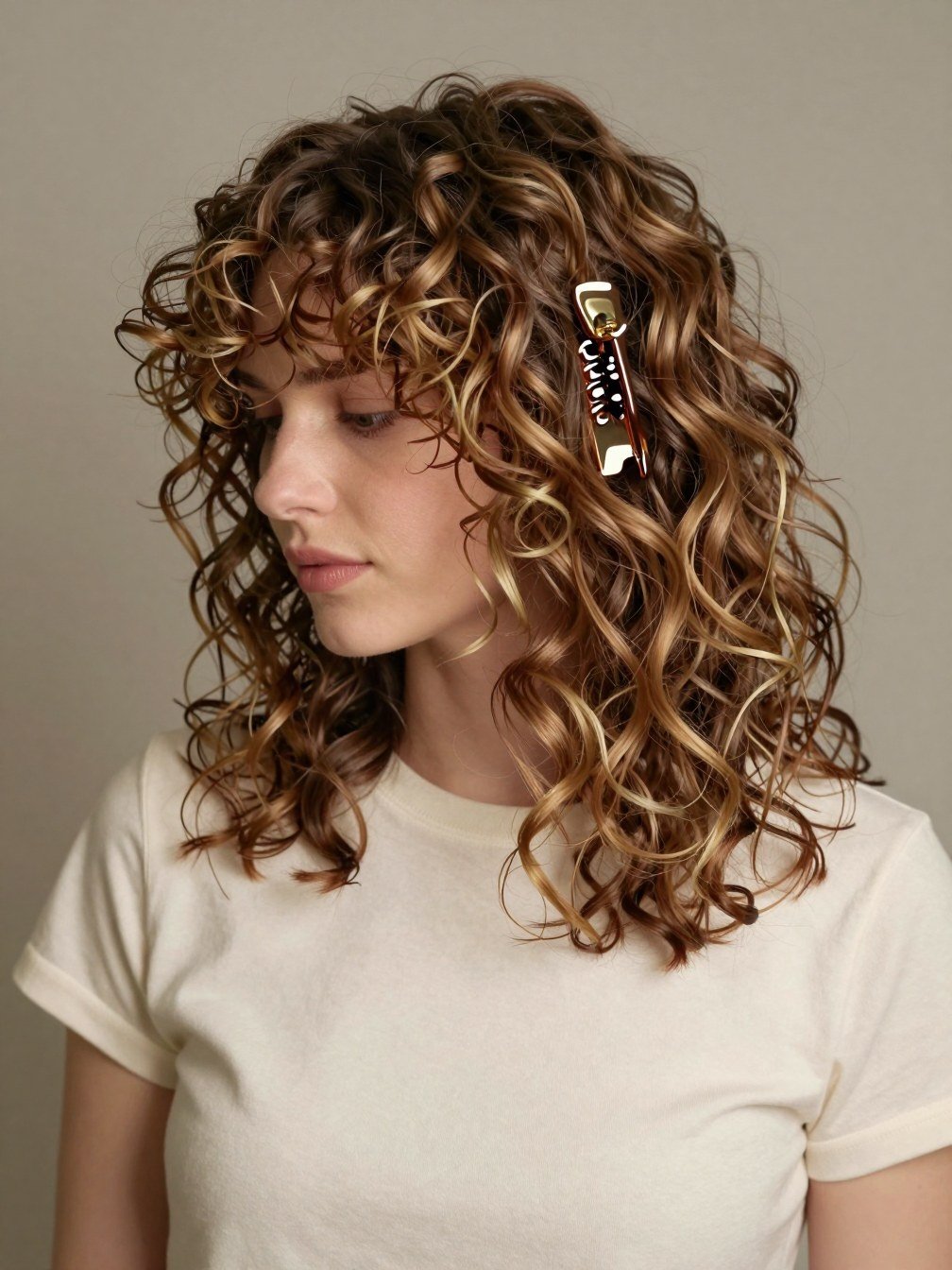
If you want immediate brightness around your face, ask for front money pieces that are two to three shades lighter than your base. This works well on 2B to 3A textures and is salon work if you want clean, even lift. A common mistake is lightening the face pieces too far in one session which can look disconnected from the rest of the hair. Tell your stylist to blend the pieces into the mid-lengths. For styling, a tiny amount of curl cream keeps the pieces from frizzing. This approach makes the face pop without committing to full highlights.
Caramel Balayage Bob With Curtain Bangs

Curtain bangs on curly bobs look modern when matched with warm ribbons at the front. For 2B to 3B textures, the stylist should paint lighter hair into the bangs and blend into the outer layers so the bangs do not look isolated. Processing times for the front sections are often shorter, 15 to 25 minute checks. Avoid heavy styling products on the bangs or they will lose their shape. This combo is a salon request for color, with simple at-home styling using a tiny amount of leave-in and a low-heat diffuser touch-up.
Caramel Balayage With Subtle Babylights
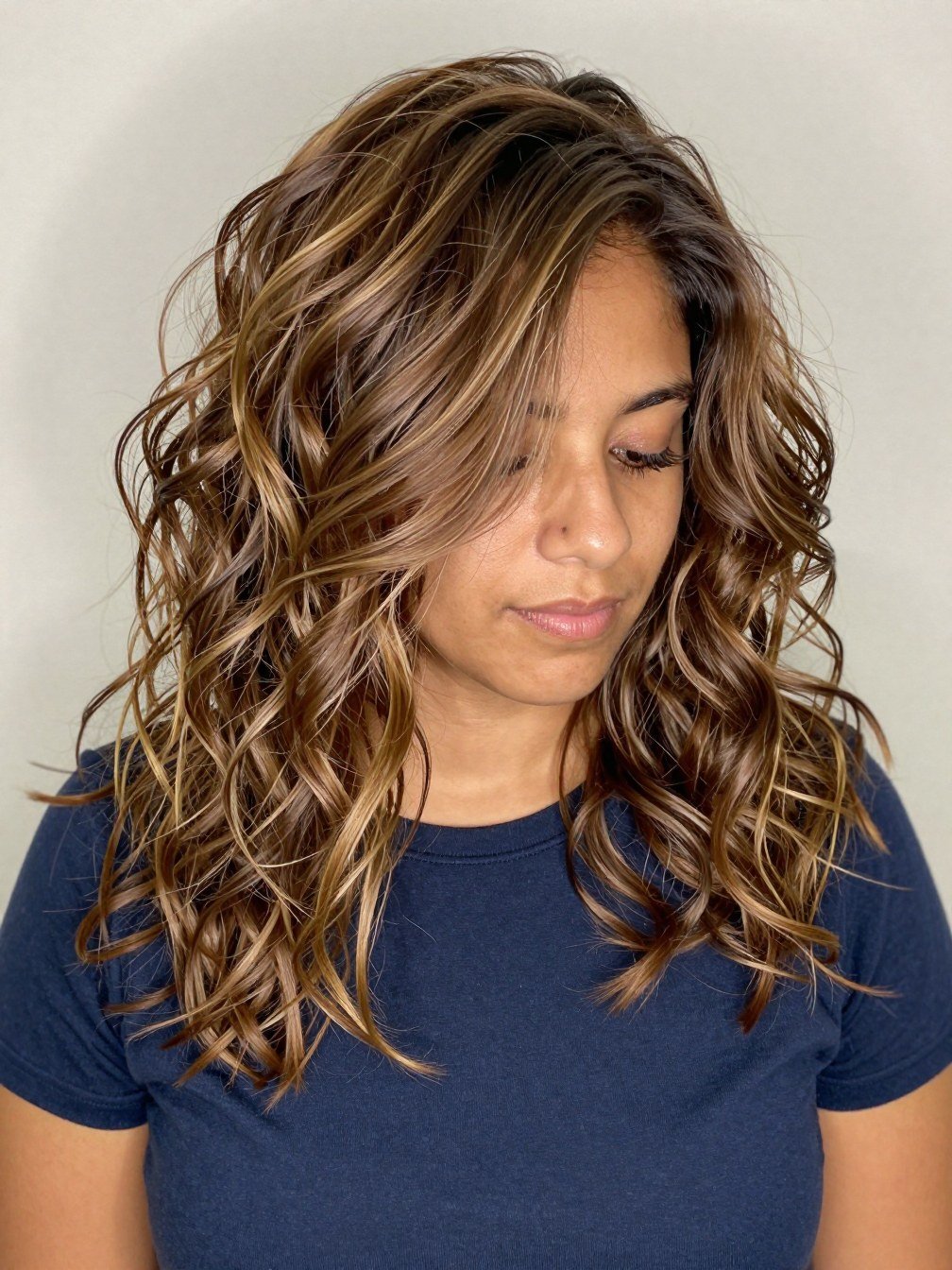
For a very soft, natural look, ask for babylights painted thinly through the top layers. This plays well on 2C to 3A curls and reads as sun-kissed rather than highlighted. Stylists will work in many small sections and process in short increments, checking every 8 to 10 minutes. The trade-off is longer chair time and higher cost. The mistake is expecting dramatic change from babylights. They are subtle and meant to brighten, not to be the main event. Finish with a gloss if you want a toned, unified sheen.
Caramel Ombre on Mid-Length Curls

An ombre-style fade works if you want darker roots and brighter ends with less maintenance. For curls, avoid harsh banding by requesting a soft painted blend starting lower on the strand. This suits 2C to 3C hair that is medium density. The procedure usually involves painting the lower half and processing until desired lift, often 30 to 45 minutes depending on base color. Damage warning. If your ends are already fragile, skip heavy lightening at the tips and ask for a gloss instead. At home, treat with weekly masks and a careful detangling routine.
Caramel Peekaboo Highlights for Volume

Peekaboo highlights painted under top layers add surprise dimension when you move. This is great for medium to thick 2C to 3B hair. Stylists place ribbons beneath the crown so they show when you part or toss your head. Processing times vary but expect 20 to 35 minute lifts. I used to regret full-head highlights because they made my roots look heavy, while peekaboo is low commitment. Home maintenance is simple: gloss every eight weeks and a color-safe wash routine.
Caramel Babylights on a Curly Lob

A lob with babylights is a soft shift for waves and loose curls. The stylist will paint tiny face-braming pieces and scattered mid-lengths, checking frequently. This works best on 2A to 3A textures because tighter curls can hide the fine lights. Budget wise this is mid-range, since babylights take time. The common misstep is asking for too much brightness which flattens the lob. Keep styling light. Two pumps of leave-in and a small amount of mousse before diffusing keeps the lob airy.
Caramel Gloss Melt on Previously Dyed Hair
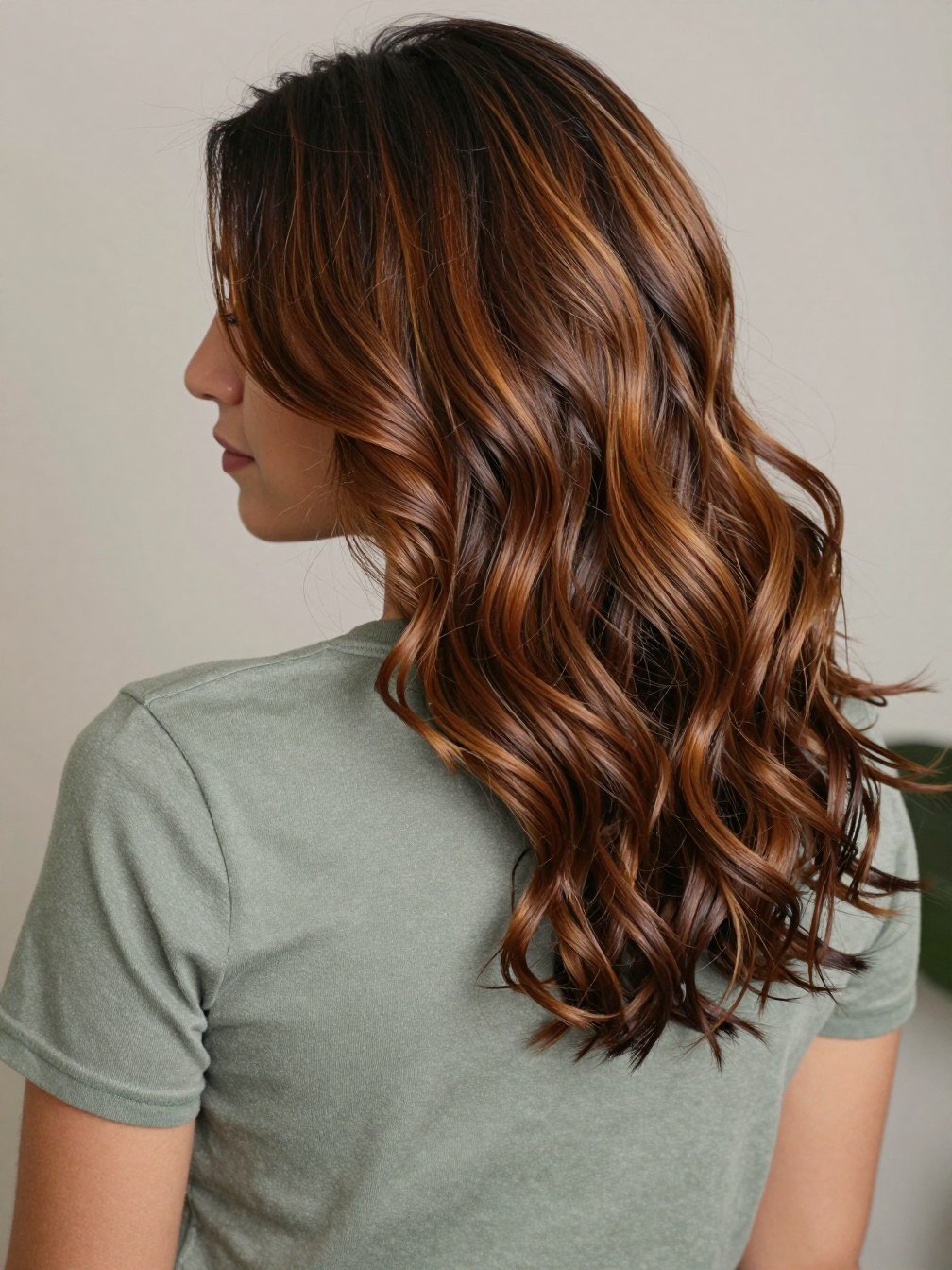
If you already tint your hair darker and want warmth without lift, a gloss melt blends caramel tones into the existing color. This is a salon service that takes 10 to 20 minutes and works for 2C to 3C patterns. It is the safest option if your hair has prior dye since it avoids bleach. A frequent mistake is trying to lift at home over dark dye. That often leads to uneven results. At home, use a protein-balanced conditioner and a weekly mask to keep gloss results looking fresh.
Caramel Money Piece for Short Curly Cuts

Short cuts get an instant update with a bright front piece. On 3A textures, request the lighter piece to be two shades brighter than the base and blended into mid-lengths. The danger is over-bleaching the front sections which are more visible when they fade. Ask for a demi gloss and plan touch-ups sooner than larger highlights. A styling trick is to clip the front piece dry for one minute with a small curling wand on 300 F if you want extra definition, but always use a heat protectant sprayed on damp hair first.
Caramel Balayage on Tightly Coiled Short Hair

Working with 4A coils requires extreme caution. Colorists should lift only small sections and use lower volume developers, checking every 5 to 10 minutes. Two to three shades of warmth usually reads best without excessive damage. This is a salon-only job if lift is desired. A frequent problem is requesting too much lightening in a single session which causes breakage. If you must color, focus on glosses and subtle warmth, and add a bond builder. At home, heavy conditioning and limited heat styling are non-negotiable.
Caramel Ribbon Highlights for Mid-Length Waves

Ribbon highlights are thin painted pieces that create a lot of shimmer on waves. This suits 2A to 2C hair and looks especially good on shoulder-length styles. Stylists usually work in 4 sections and paint thin slices, checking at 20 minute intervals. The mistake is overdoing the ribbons which can make hair look stripy when it relaxes. For styling, plop for 20 minutes, diffuse until 95 percent dry, then scrunch a few drops of lightweight oil into the ends. A gentle clarifying wash before color helps the lightener perform evenly.
Caramel Shadow Root With Face-Framing Warmth
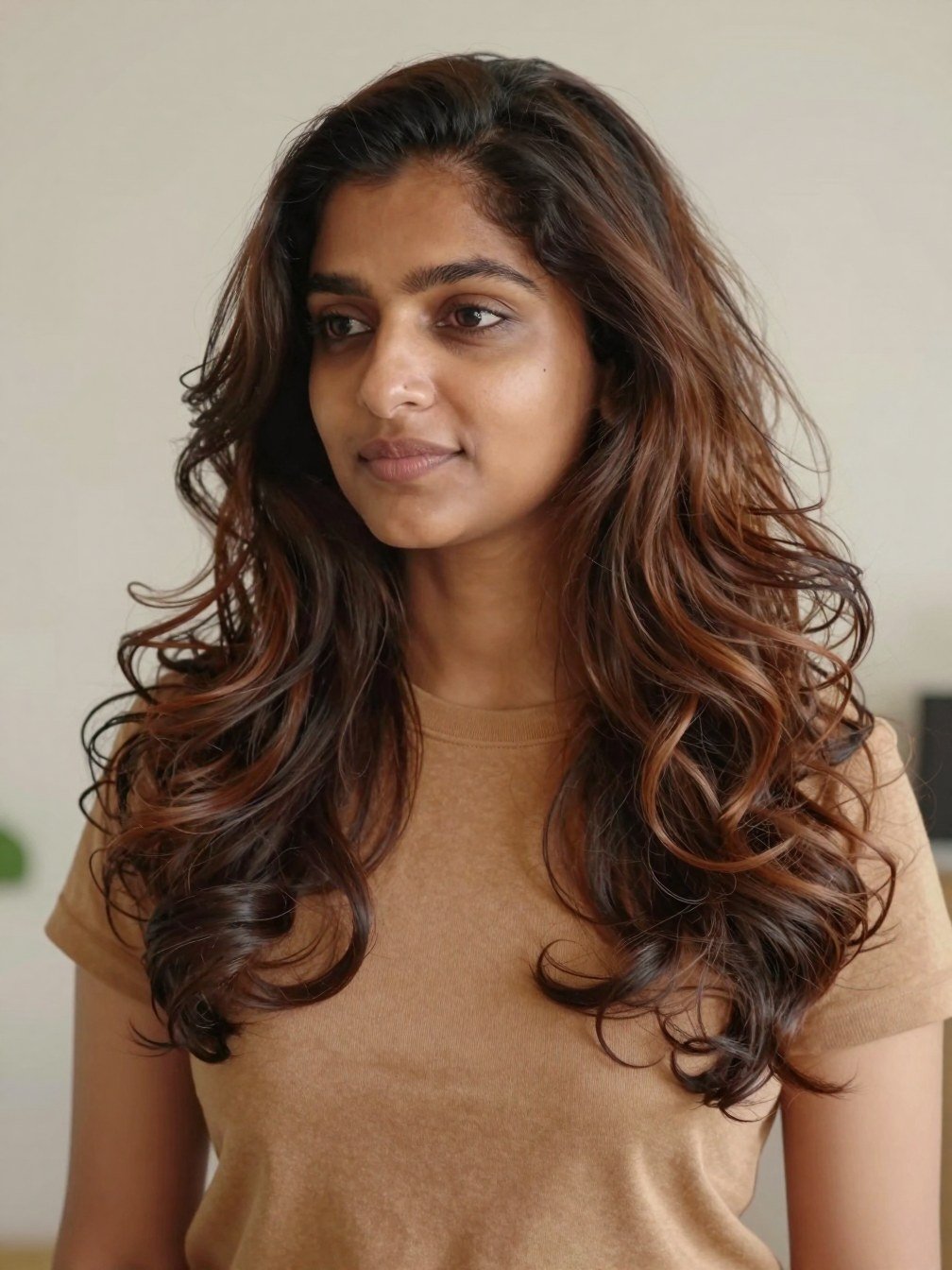
Combining a shadowed root with face warmth is my favorite compromise. The root shadow reduces grow-out visibility and the caramel pieces brighten the face. For 2C to 3C textures, stylists will smudge the root and paint the outer layers, processing in staged checks. The risk is the root smudge grabbing too dark on porous hair, so request a demi formula and a strand test. At home, a color-depositing conditioner applied monthly keeps the face-framing warmth correct without extra salon trips.
Caramel Balayage on a Layered Shag

Shags with layers show color movement, so paint highlights on the longest layers and face pieces. This works for 2C to 3A hair and gives the cut more dimension. Stylists typically section into 4 and paint slices where the hair falls, processing for 20 to 35 minutes. Too much contrast on a shag can read dated, so keep the ribbons two shades lighter. I like finishing with a gloss to keep the ends from looking dry. At home, a light mousse and diffuse on low will make the layers sing.
Caramel Tones for Short Tight Coils With a Root Smudge

Short tight coils can carry a lot of visual interest with minimal color. Ask for a root smudge and very subtle tip warmth. This is a conservative salon job since tight coils are vulnerable. Stylists should use low-volume developers and check often. If your hair is already processed avoid lifting again. At home, hydrating leave-ins and no heat styling keep the color and curl intact. If you suspect scalp sensitivity, ask for a patch test before any color service.
Caramel Balayage for Shoulder-Length Curls With a Diffuse Finish

A diffuse finish after the correct product layering makes the caramel show up better. Start with a leave-in, follow with curl cream, then apply mousse from roots to ends and plop for 10 minutes before diffusing on low. This routine works across 2C to 3B curls. The mistake is diffusing too hot when hair is still wet which roughs the cuticle. If you use heat, keep the dryer under 300 F equivalent and use a heat protectant sprayed on damp hair.
Caramel Balayage on a Curly Pixie for Subtle Warmth

Even pixies can show color when painted strategically. For short 3A textures, request small surface ribbons on the crown and front, painted to blend immediately. This is a low-maintenance salon job with short processing. The danger is over-processing such a small area which becomes visible when it fades, so plan for a gloss every six to eight weeks. At home, minimal styling with a pea-sized curl cream is enough. This is an easy way to add warmth without a major commitment.
What I Wish I Knew Before Booking Caramel Balayage

- Do a strand test if you have previous color or fragile ends.
- Hair grows about half an inch a month at most, regardless of supplements. The thing that helps length retention is reducing breakage with a silk-pillowcase-queen and weekly bond treatments.
- Ask for painted placement that follows your curl pattern, not straight vertical streaks.
- If you plan to heat-style use a heat protectant on damp hair, not dry hair. Color-wow-pop-lock-heat-protectant is a commonly recommended option.
Frequently Asked Questions
Q: Can I use Olaplex No. 3 if my hair is not damaged, or will it make it worse?
A: You can use Olaplex No. 3 on hair that is not visibly damaged. It will not harm healthy hair. Many people use it weekly as a preventive measure. Buy from the official store on Amazon or Sephora to avoid counterfeits.
Q: How often should I deep condition color-treated curls?
A: Once a week if your hair is healthy, twice a week if it is damaged or heavily color-treated. More than that and hair can feel weighed down. A rich mask after color helps restore slip.
Q: How often will I need a gloss after a caramel balayage?
A: If you want bright, accurate warmth, plan for a gloss or demi refresh every six to eight weeks. If you prefer lived-in, you can stretch to ten weeks but the tone will soften. If upkeep is not your thing ask for a root shadow.
Q: What is the two to three shade rule and why does it matter?
A: Caramel often reads best when highlights are only two to three shades lighter than the base. That keeps contrast soft and prevents orange brassiness on brunettes while still showing dimension in curls.
Q: Can I bleach my curls at home if I have previous dye?
A: Lifting over previous dye is risky and a common reason for breakage. This is a salon job when major lift is required. If you try at home accept it may take multiple sessions and book bond treatments.
Q: How often should I use purple shampoo to avoid brass without drying hair?
A: Use purple shampoo once a week if you notice brass. Overuse dries the hair. Swap to a purple conditioner if your curls feel dry after a purple shampoo wash.
Q: Will a root shadow make my curls look flat?
A: A properly blended root shadow should not flatten curls. It creates a soft transition from root to highlight and hides regrowth. Ask your stylist for a demi formula and to paint the shadow into the roots with soft feathering.
Q: What is the best product order for wash day to show caramel ribboning?
A: Apply a leave-in on damp hair, follow with a curl cream, then distribute mousse from roots to ends before air-drying or diffusing. Finish with a small amount of lightweight oil on ends if needed. This order keeps curls defined and the color visible.
Q: Is a high-end diffuser worth it for colored curls?
A: A quality diffuser helps defined drying and reduces frizz. It is not mandatory. A $20 diffuser and the right technique will get you most of the benefit. Use low heat and low airflow.
Q: What should I tell my stylist to prevent my highlights from disappearing into my curls?
A: Ask them to paint highlights along the ridges of your curl pattern and to section into at least 4 parts for even placement. That way the ribbons sit on surfaces that move and catch light, not buried deep in the mass of hair.