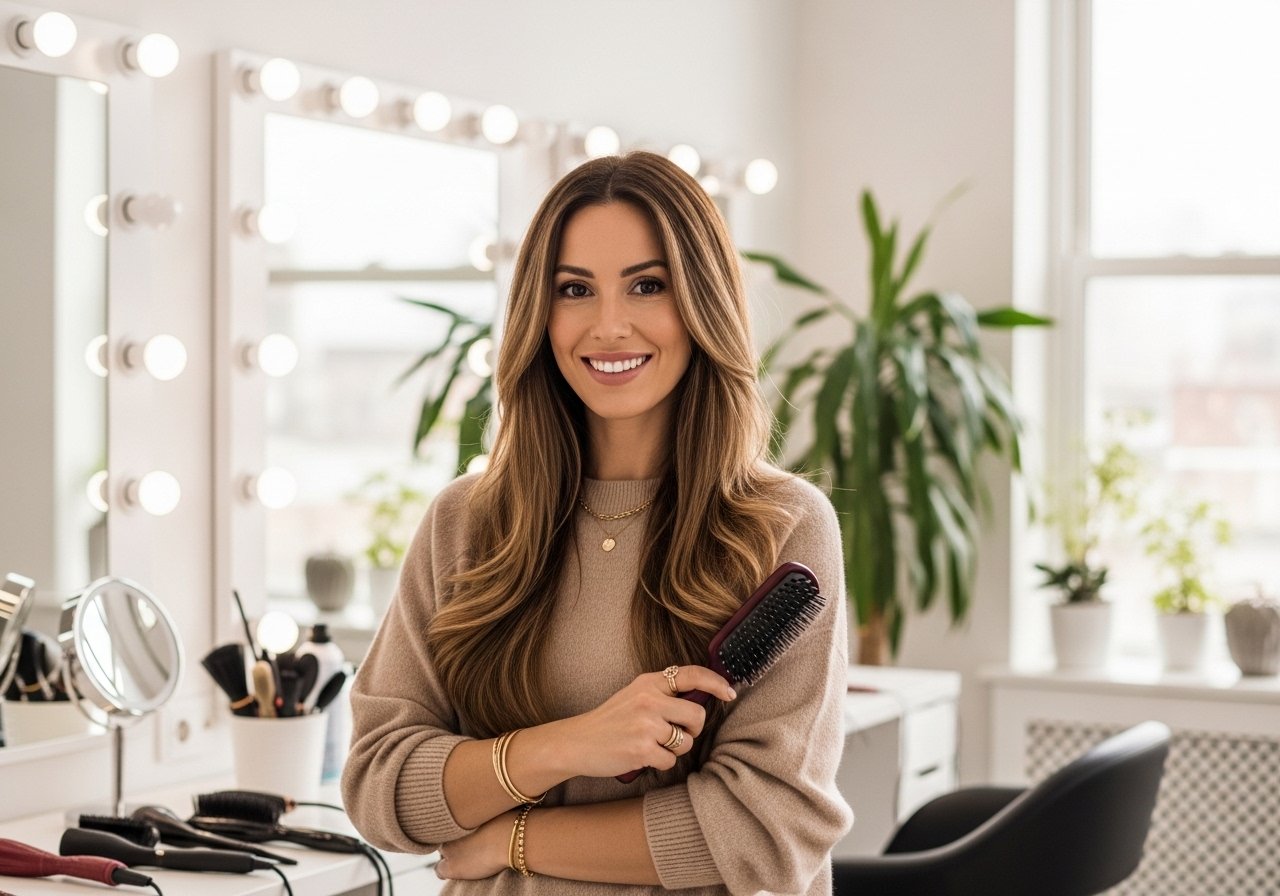
I tried full-head highlights first and it looked stripey and flat by week three. The fix was not more lift, it was smarter placement and regular toning. After a few attempts I landed on a routine that keeps bronde looking lived-in on shoulder-length hair without constant salon trips. Here is the approach I use, step by step, including what to expect by week six and simple styling that actually shows the color.
Medium-length, collarbone-to-shoulder hair is the best canvas for bronde, especially if your hair is straight to wavy and fine to medium density. I learned this after styling across four hair textures I have styled, and after washing and restyling about fifteen times to land on the right gloss schedule and styling tools. Expect one salon visit for placement, then routine at-home care and small refreshes.
What You'll Need
Styling Products:
- Lightweight finishing oil (~$30-40)
- Color-depositing gloss (~$15-30)
Tools:
- 1.25-inch curling iron (~$25-60)
- Large round brush (~$12-25)
Treatments & Prep:
- Heat protectant spray (~$8-20)
- Blue-toning or purple-blue shampoo (~$10-25)
Step 1: Start with a deeper root and a soft shadow at the top
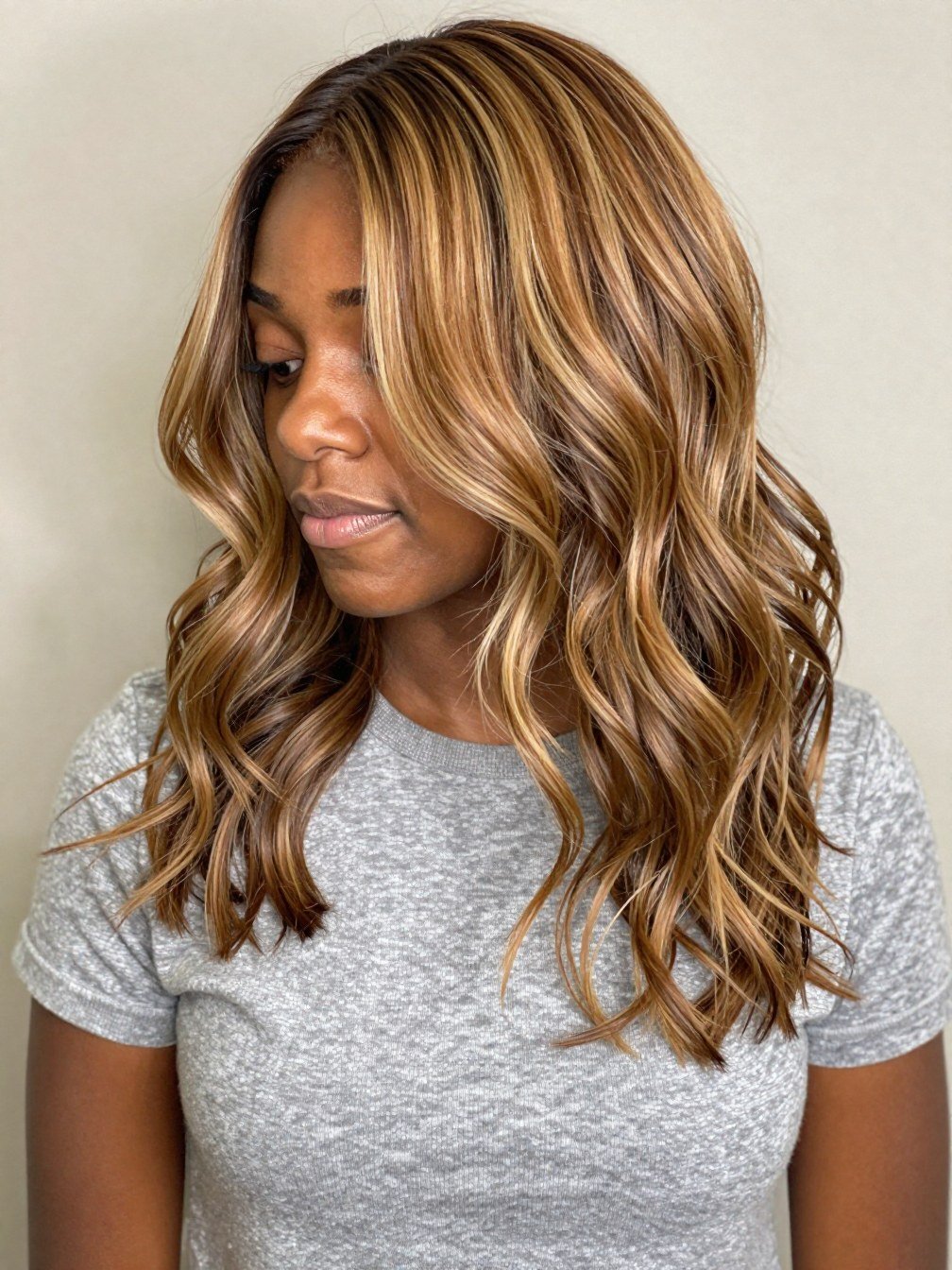
Pull the natural brunette into the plan, do not try to lift it all. The technique that saved my grow-out was a root shadow or smudge that sits about 1 to 2 inches from the scalp. That keeps the top deeper while lighter pieces begin lower. Tell your colorist to keep brightness out of the root zone and to start painted brightness below the mid-shaft so the color melts as the hair moves. Medium-length hair is basically the sweet spot for bronde because you get enough movement to show the color without losing the shape.
Mistake to Avoid: Do not ask for root-to-tip highlights that begin at the scalp, it makes regrowth obvious.
Step 2: Pick the bronde family that fits your skin and maintenance tolerance
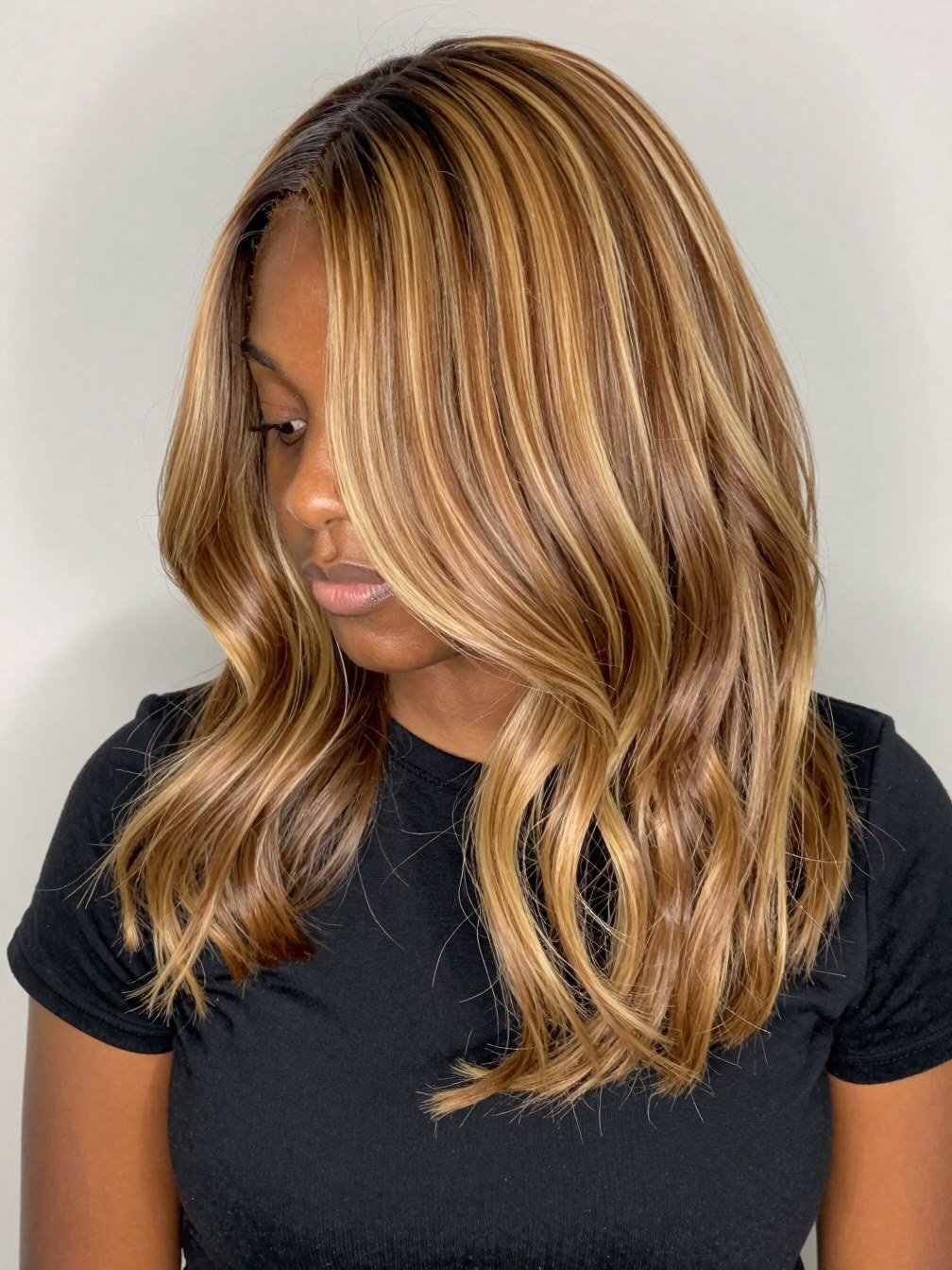
I test three directions in my head: honey bronde for warmth, beige bronde for neutral creaminess, and mushroom bronde for cooler, smoky tones. Honey needs a bit more upkeep because warm ribbons can get brassy. Beige is a safe middle ground. Mushroom reads cooler but can fade faster in hard water. Bring photos and say which you like about the face frame, not the whole head. A money piece will brighten the face but expect it to need toning more often.
Mistake to Avoid: Don’t pick a tone from a tiny thumbnail, ask to see how it sits near your natural base first.
Step 3: Ask for hand-painted balayage with mid-length emphasis
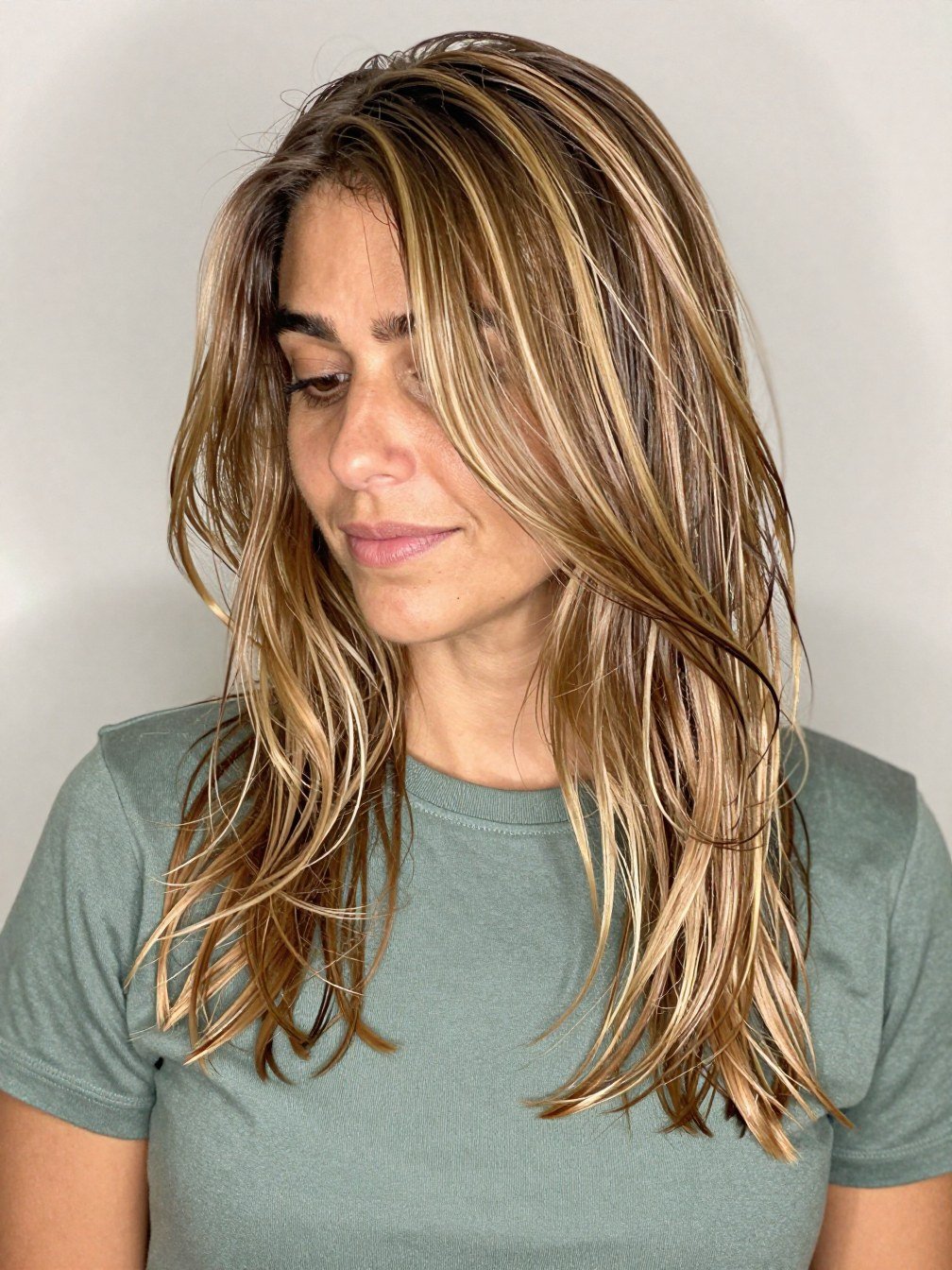
This is where the painterly work happens. Ask for vertical sweeping strokes with lighter paint starting below the mid-shaft and getting denser toward the ends. The rule I use is brightness through mid-lengths and ends, not the roots, so the result reads lived-in rather than striped. If your hair is fine, avoid too many fine highlights near the crown or it will look thin. For layered cuts, the color will pop in movement. If your colorist is doing foils, keep sections larger and softer, not foil-thin.
Mistake to Avoid: Avoid asking for maximum lift everywhere, that flattens the dimension on medium lengths.
Step 4: Gloss now, and again — plan the timeline
A gloss immediately after color blurs tone and adds shine. A gloss every 6 to 8 weeks is the kind of upkeep that keeps bronde looking expensive instead of dull. Expect a color refresh or stronger toner every 8 to 12 weeks for root blending and lift touch-ups. At week six if you notice warmth or flatness, use a blue-toning wash once weekly and a color-depositing gloss at home for a light refresh. I do this on a Tuesday night when I do not want to think, and it usually evens the tone without another salon visit.
Mistake to Avoid: Skipping the gloss thinking it is cosmetic, you'll lose richness quickly.
Step 5: Style to reveal the melt, not hide it
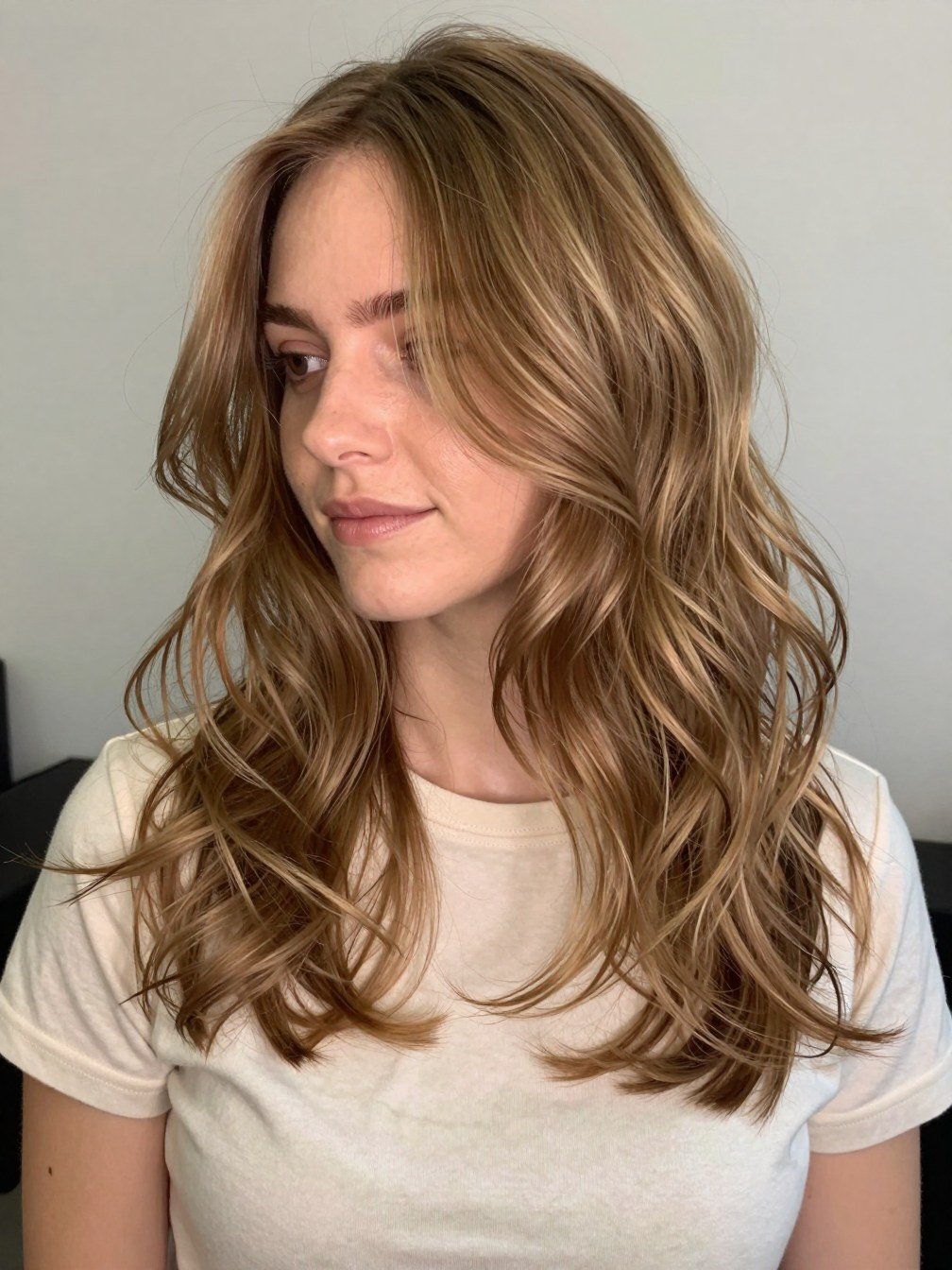
Bronde looks best when the hair has movement, so loose waves or a smooth bend are your default finish. I use a 1.25-inch curling iron, wrap sections away from the face, leave the last 1.5 to 2 inches out for a lived-in bend, and cool each curl before brushing out. Always spray heat protectant first and keep the iron at a medium setting around 300 degrees Fahrenheit for fine to medium hair. A round-brush blowout gives a different vibe; use the large round brush for a soft, satin finish.
Mistake to Avoid: Cranking the heat to force curl. Too hot fries lightened pieces and kills shine.
Step 6: Realistic upkeep, cost, and when to call the salon
Plan for regular maintenance: glosses every 6 to 8 weeks and a refresh every 8 to 12 weeks depending on how much root you want hidden. Most people are not keeping bronde perfect every week. It usually gets a refresh every couple of months, not every time the roots blink at you. Be honest about your budget. Salon glosses are cheaper than full color, but do add up. If you travel a lot or swim, factor in portable treatments and a blue-toning shampoo for brass control. I still bring mine to the salon at least twice a year for a professional refresh.
Mistake to Avoid: Pretending low-maintenance means zero maintenance. It does not.
Keeping Bronde Fresh Between Visits
Tip 1: Use a heat protectant before every styling session. It is the single best thing for keeping lightened pieces shiny. Try the product linked in the tools list for daily use.
Tip 2: Do a color boost at home with a gloss or color-depositing mask every 4 to 6 washes. It will bridge the look until your salon visit. Use the color-depositing gloss from the list.
Tip 3: If brass appears around week six, use a blue-toning wash once a week and a regular shampoo the rest of the week.
Tip 4: For flat fine hair, add one short layer around chin level to let the mid-length ribbons read with movement.
Tip 5: If you want face-framing brightness, accept that front pieces need more frequent toning and budget for it.
Tip 6: Swap chunky foils for hand-painted balayage if you want softer grow-out and fewer root appointments.
Tip 7: Carry a travel-size finishing oil to smooth flyaways and add a cool, satin sheen after styling.
Wear It Your Way
Bronde on medium-length hair is a practice, not a one-off. Follow the root shadow, start brightness below the mid-shaft, and commit to a gloss every 6 to 8 weeks and a refresh every 8 to 12 weeks so the color stays clean. With a 1.25-inch barrel or a round-brush blowout and consistent protection, you will get the soft, lived-in look without constant salon panic. Try one change at a time and see which tweak gives you the most lift.