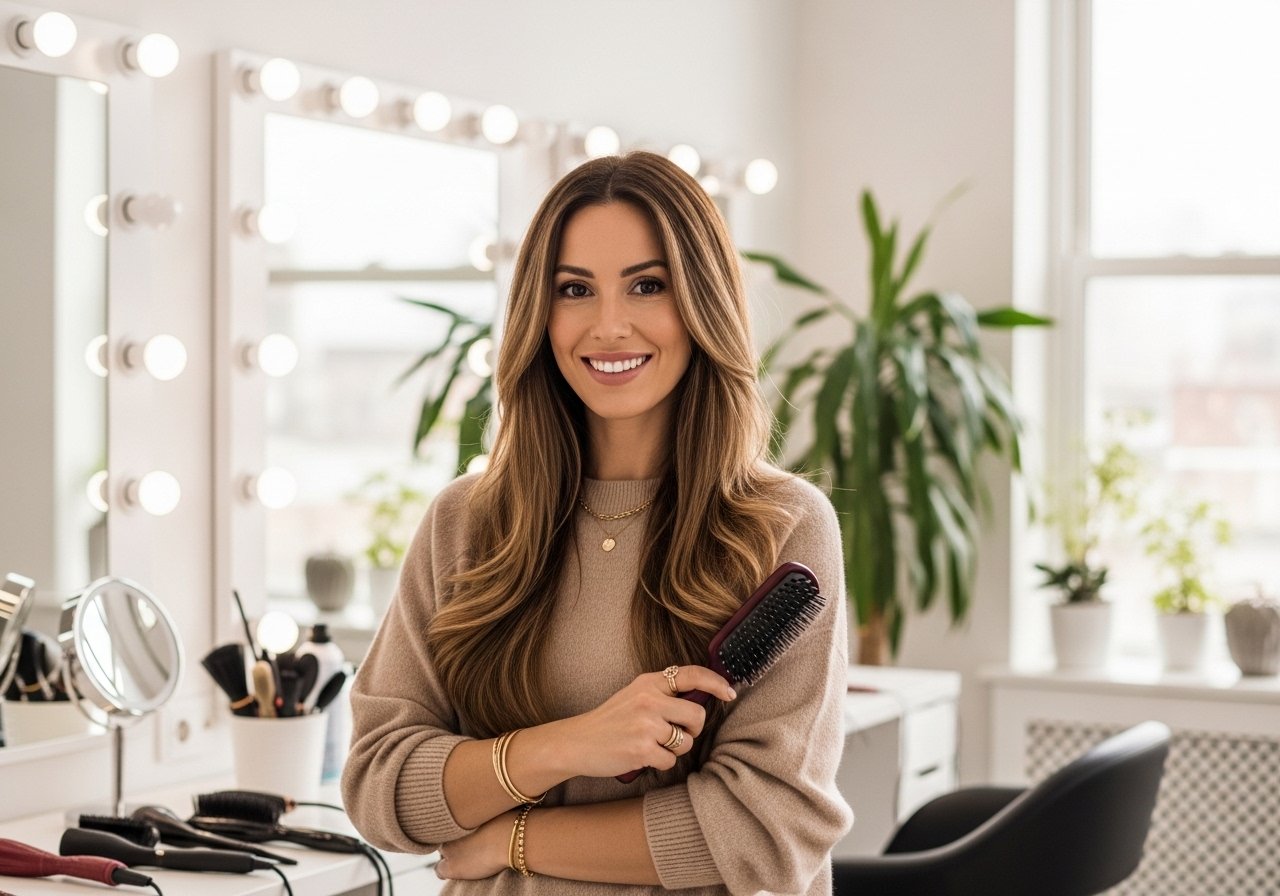
If your bob looks good for five minutes and then goes flat by lunch, the fix is probably your sectioning and the order you dry the roots, not another product. These 19 blow-dry ideas are written from the chair to the mirror, with exact small details I actually use: rough-dry to about 80 percent, keep each section no wider than your brush, point the nozzle down the shaft, and finish with cool air. A lot of people are just trying to get hair out of the way most days, which is why short styles that dry fast make so much sense. People will spend on the dryer or brush that actually works, then try to save on the shampoo.
Root-Lift Blowout For Fine Pixie And Short Bobs

If your short hair goes flat five minutes after you finish, start with the roots. I rough-dry to about 80 percent on low heat, then split top and bottom and use a small round brush at the roots, rolling the brush under the hair and following with medium heat for 6 to 8 seconds per pass. Use one to two spritzes of a root-lift spray on damp roots before drying, not at the ends. The result is controlled volume without puffy ends. For fine 1A to 2B hair this takes 12 to 20 minutes. Common mistake, especially with fine hair, is using too much product at the roots which collapses lift. Keep heat moving and finish with a cool shot to set the shape.
Straight Short Hair With Nozzle And Round Brush
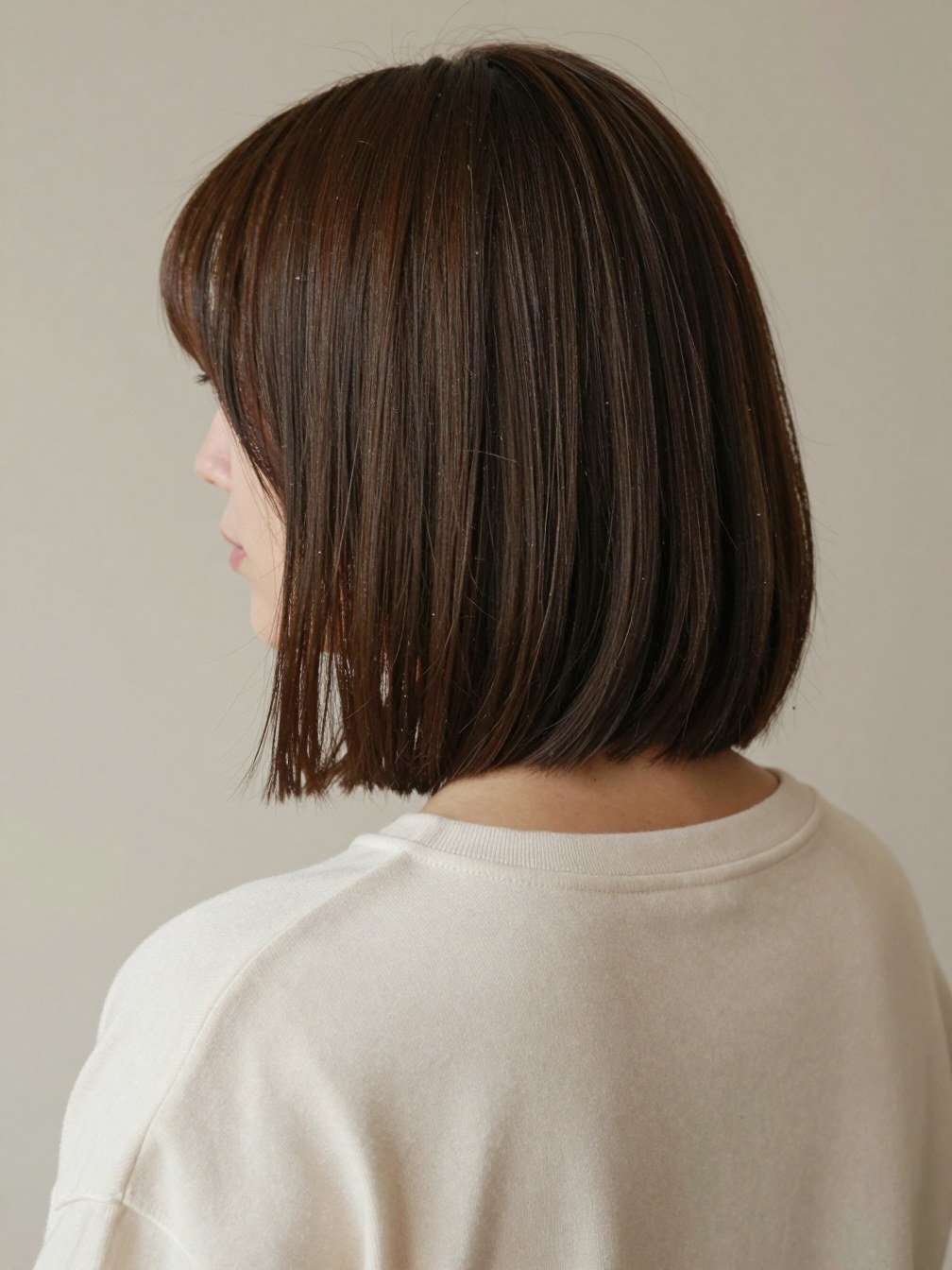
For a clean straight finish start with towel blotting, then a heat protectant mist applied lightly from root to mid-length. Rough-dry on low until about 80 percent dry. Work in four small sections, each no wider than your brush. Hold the round brush close to the scalp with the wrist slightly turned, tension enough to guide but not yank. Aim the concentrator nozzle down the hair shaft and move the dryer steadily for a medium-heat shaping pass. I like a small ceramic round brush for short sections because it controls ends without flipping them too wildly. Typical time is 20 to 30 minutes. Don’t overheat any one spot or short hair will get crunchy.
Forward-Drying Bob For Natural Movement
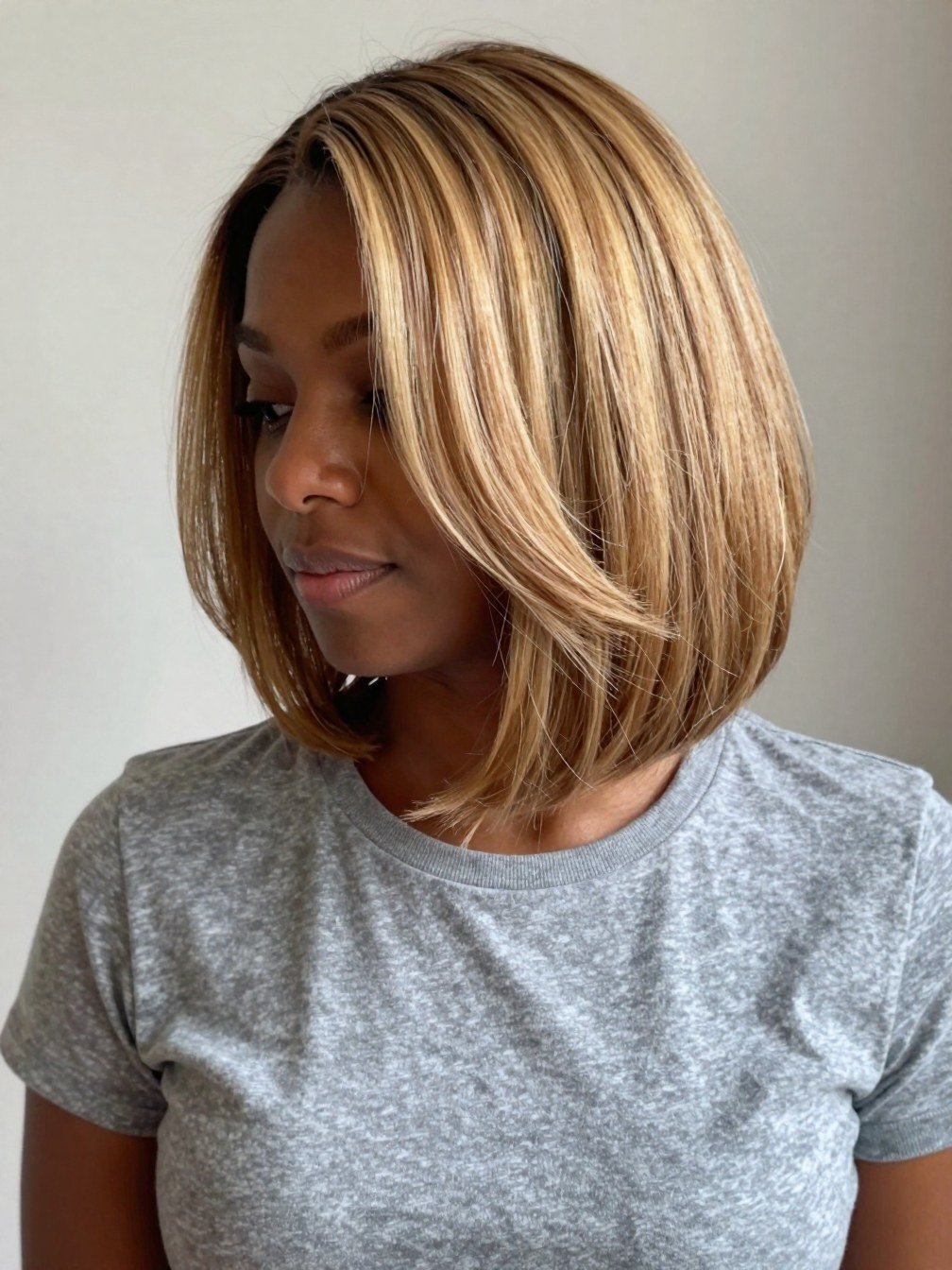
If your bob sticks out at the sides or looks boxy, drying the back forward can fix it. After rough-drying, clip the top section forward and dry the nape and sides pointing the nozzle toward the face so the hair sets with forward motion. Use a paddle brush or flat brush for this technique rather than a large round brush so the ends stay sleek. This works best on straight to wavy medium-density bobs, takes about 15 to 20 minutes, and keeps the silhouette softer than drying everything backward. Common mistake is forgetting to finish with cool air which lets the shape fall flat; finish with a few seconds of cool shot to lock the motion.
Light Mousse For Shape Not Crunch On Short Layers
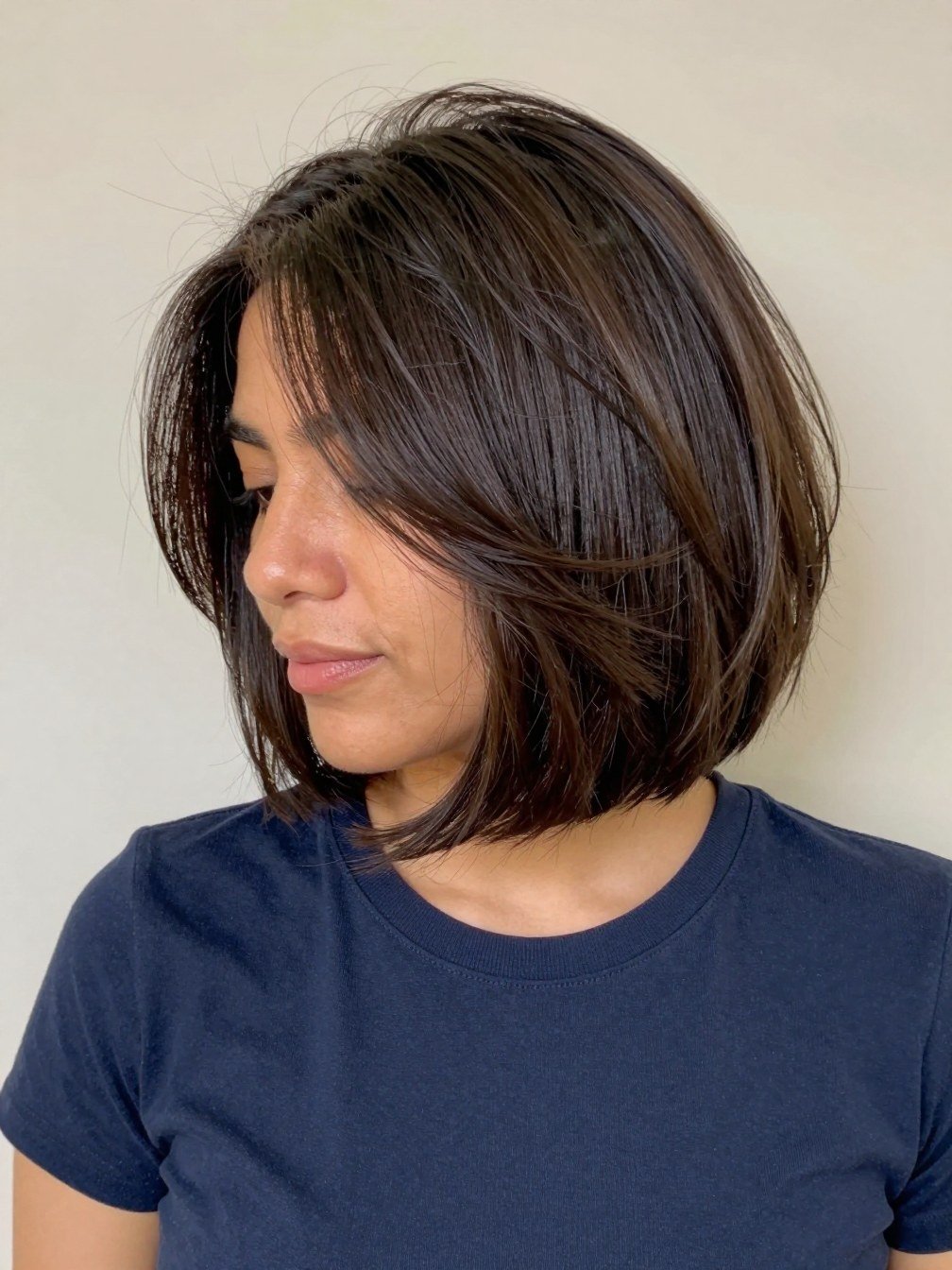
Mousse gets a bad rap when people glob it on, but used sparingly it gives short layered cuts memory and hold without stiffness. For fine to medium short layered hair, two walnut-sized dollops worked into damp hair from mid-lengths to ends plus one light pump at the roots is enough. Rough-dry on low then shape with a round brush on medium heat. The result is touchable volume and definition that lasts longer than a spray alone. Budget friendly and fast, expect 10 to 20 minutes. A common mistake is using the same amount you would for long hair, which makes short hair look dusty and heavy.
Diffused Curly Short Hair In Sections

If your curls deflate or go frizzy, diffuse them in sections instead of blasting everything at once. Apply a leave-in and one to two pumps of gel to damp curls, then rough-dry to about 70 percent on low heat. Clip the hair into four sections and cup each section into the diffuser, holding for 6 to 10 seconds before moving on. This prevents the shrinkage and frizz that happen when wet hair is twisted by the dryer. Works for 2C to 3C short cuts and takes 20 to 30 minutes. Avoid towel rubbing which creates a frizz halo. For second-day refresh, scrunch in a little water and a light cream then re-diffuse.
Piecey Finish With A Tiny Bit Of Pomade

Short layered hair sometimes needs separation more than volume. After drying, warm a pea-sized amount of light pomade between fingertips and tap it onto the ends and face-framing pieces. This defines layers without greasing the roots when you avoid the scalp entirely. For medium to thick short cuts this creates that downtown piecey effect and takes under five minutes. Common mistake is using too much which weighs short hair down. A soft mist of flexible hairspray over the finished pieces keeps them in place. If your hair is color-treated, do an allergy patch test before trying new styling waxes.
Four-Section Method For Thick Short Hair

Thick short hair behaves differently, it dries slower and hides damp patches. Sectioning into four clean parts and working from the nape up helps control time and results. Rough-dry each bottom section fully before moving up, then do a shaping pass on medium heat. Keep each section no wider than your brush and use vented clips to hold. This routine takes 25 to 35 minutes on thick hair but gives a far more even finish. A common error is trying to dry everything at once which leaves the underside damp. If you have damage, use lower heat and a bond-building weekly treatment instead of higher temperatures.
The Short Blow-Dry Kit I Actually Use
- Honestly the small round brush I grab most weeks is worth the money. Small ceramic round brush controls short sections without flipping the ends
- For drying, a dryer with a concentrator nozzle changed everything. Hair dryer with nozzle attachment (~$40) is fine for most people, Dyson if you want to splurge
- For fine hair, a lightweight root lift spray works wonders. Root lift spray, one to two spritzes at damp roots
- For curls, a diffuser is essential. Universal diffuser attachment keeps curls defined and cuts frizz
- For heat protection, use a mist on damp hair. Heat protectant spray 4oz two to three spritzes
- For damaged color-treated hair, buy Olaplex from the official store or Sephora to avoid fakes. Olaplex No. 3 Hair Perfector 3.3oz
- A microfiber towel saves time and reduces frizz. Microfiber hair towel cuts dry time by a third
- For finishing, a soft-hold hairspray that moves with the hair is best. Soft-hold hairspray light mist only
- Small sectioning clips are a necessity for control. Sectioning clips pack affordable and reusable
- A vent brush is great for quick nape shaping on pixies. Vented styling brush fast and light
Tiny Bangs Pass First For Short Fringes

Bangs ruin an otherwise nice blow-dry if you leave them for last. I dry bangs first on medium heat with a small round brush, pulling them down and away from the face with gentle tension for 6 to 8 seconds, then hit with a cool shot to set. This prevents the split-in-middle look that happens when you dry blunt bangs too fast while the rest is wet. Works on fine to medium short hair and only adds five to ten minutes. Mistake to avoid is over-tension which gives a weird concave curve. If your bangs are color-treated, keep heat lower to avoid extra fading.
Nape And Sides Volume For Pixie Cuts
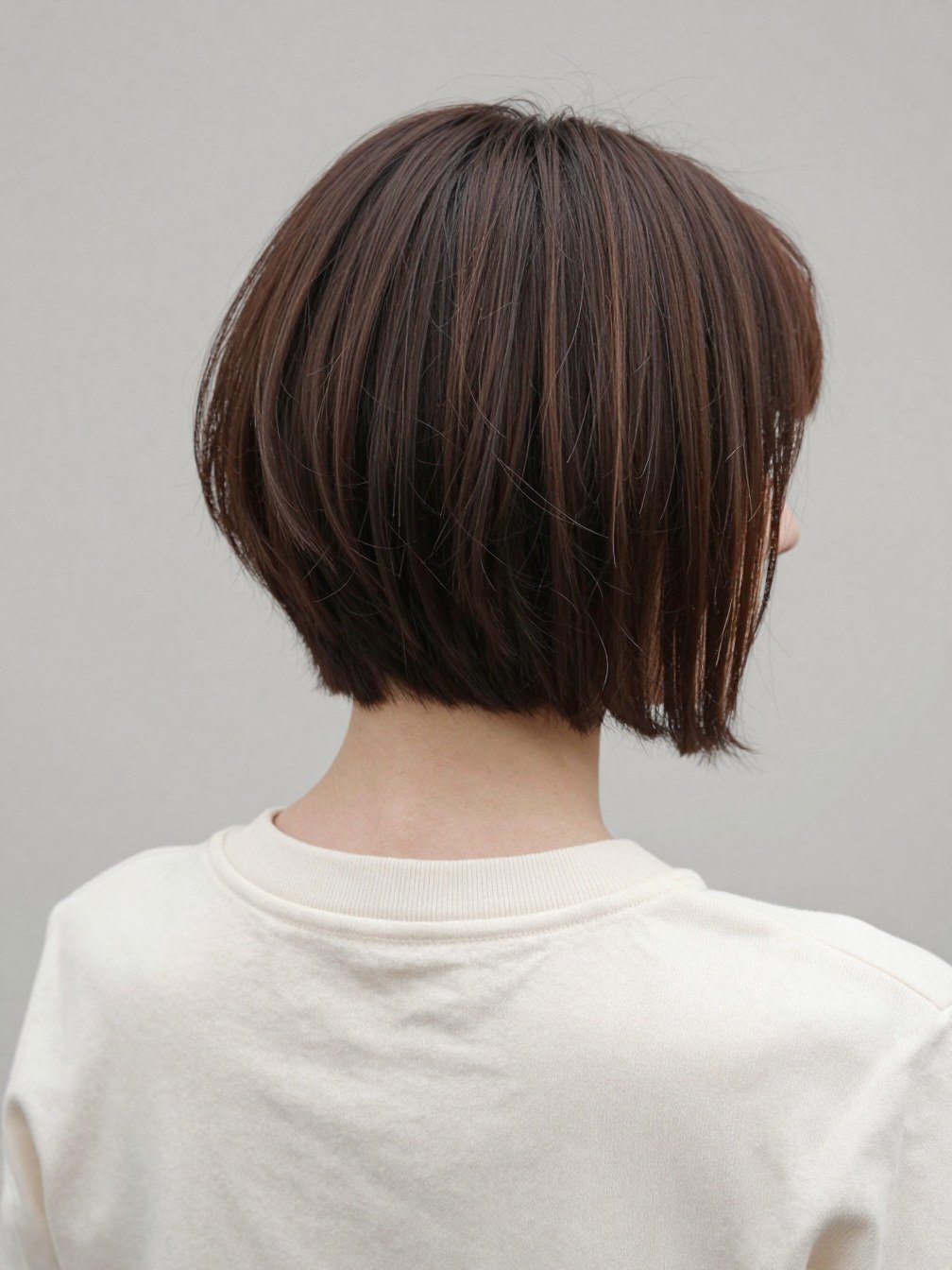
Pixies live by the way the nape and temple areas sit. After rough-drying, use a vent brush at the nape and a small concentrator on medium heat, lifting hair straight up at the root for 4 to 6 second bursts then setting with cool air. It gives the illusion of density without adding bulk to the crown. This is a good fail-safe for straight to wavy pixies and takes 10 to 20 minutes. Common error is focusing only on the crown and ignoring the nape which makes the cut look unbalanced. Avoid direct high heat on skin if you have sensitivity.
Soft Polished Ends With Inward Or Outward Bend

The final bend at the ends makes a short cut look finished instead of just dry. Decide whether inward or outward ends suit your face shape, then work one-inch sections around the perimeter with a small round brush and medium heat, holding each pass until the section is completely dry. For bobs and short lobs this takes about 20 minutes total. If the ends flip the wrong way, reheat them briefly and guide the brush with a little tension. Overdoing product at the tips flattens the bend quickly so use a light mist of hairspray at arm's length to set only.
Low-Heat Rough Dry For Damaged Short Hair
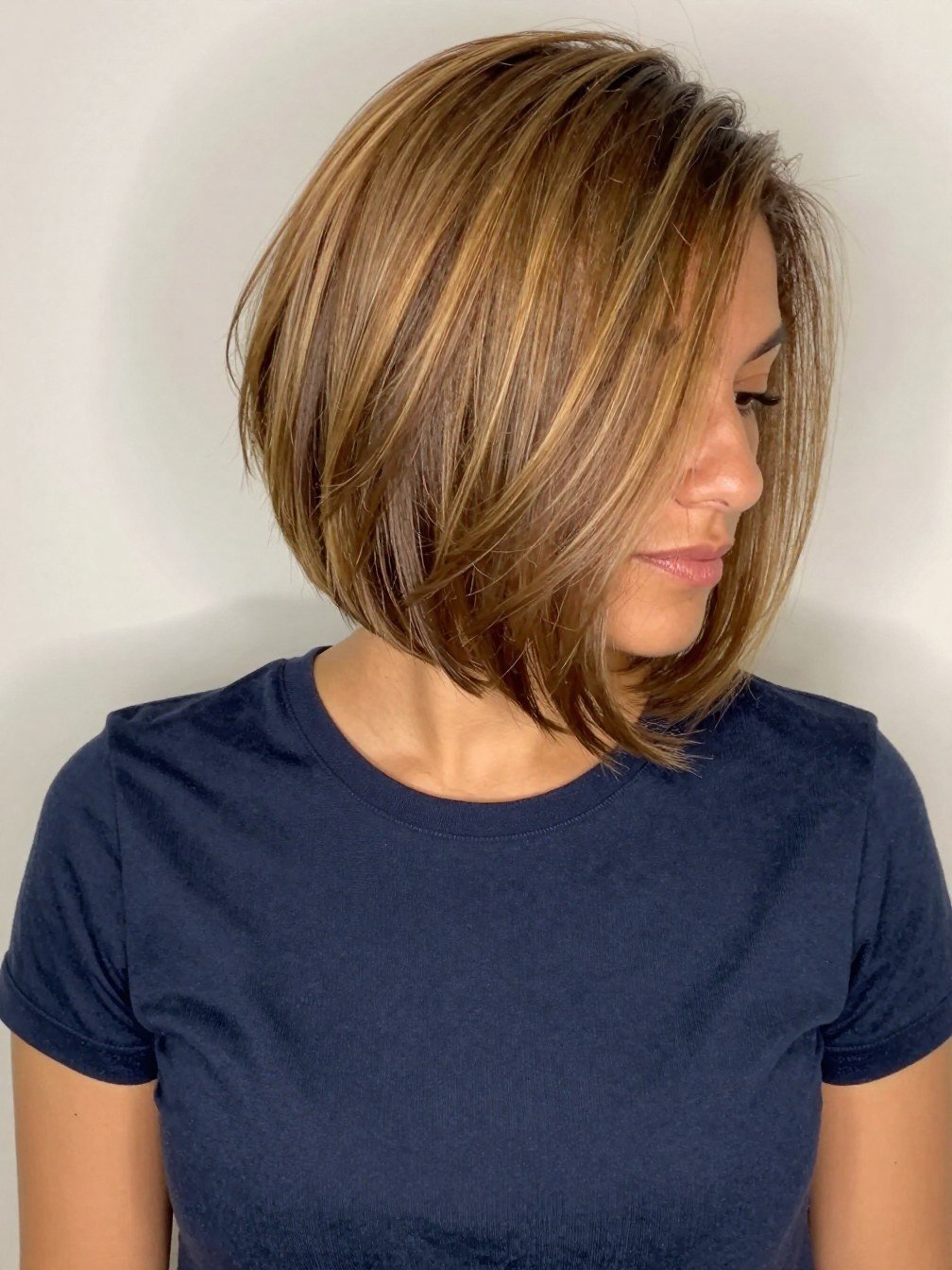
If your hair has been through bleach or heavy color correction, skip high-heat shaping and do a low-heat rough dry to about 80 percent before any styling. Use a bond-building treatment once a week and a lightweight heat-protectant spray every time you blow-dry. Keep drying passes brief and use cool air to finish. For damaged 1B to 2C short hair this conserves moisture and reduces breakage. Common mistake is blasting wet damage with high heat to "fix" the look; that only makes the problem worse. If hair is fragile, consider longer air-dry segments between low-heat passes.
How To Hold The Brush For Short Layers
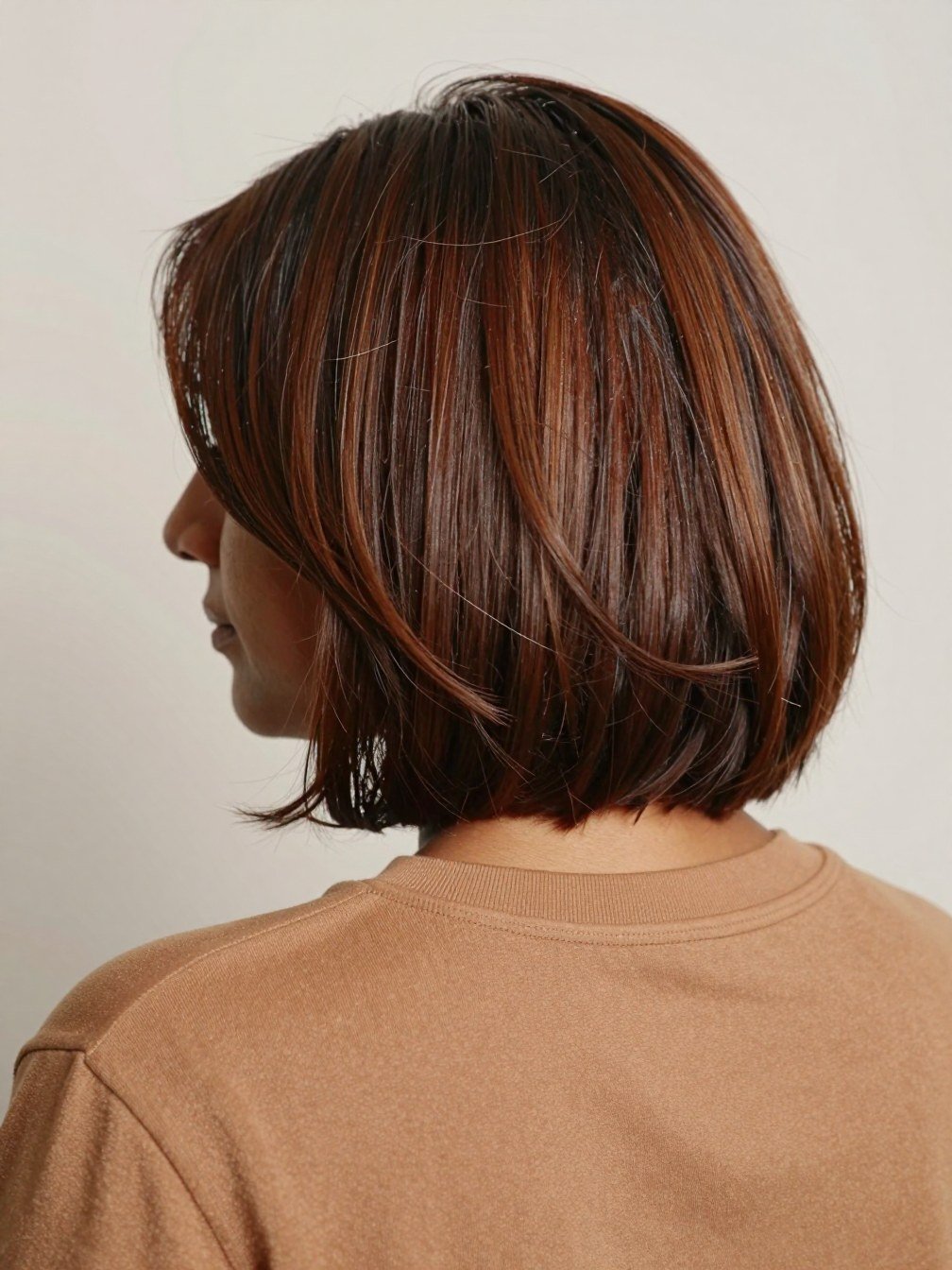
One of the biggest gaps in tutorials is hand position. For short layers hold the brush close to the scalp with your thumb on top and fingers under, wrist relaxed, and apply gentle tension as you roll the brush through the hair. This gives control without pulling. When you reach the ends, rotate the wrist slightly to create inward or outward movement. Sections should be no wider than the brush, otherwise the hair slips out and you get uneven bends. Practice on one side for two or three passes before moving to the other side, so both sides match.
Quick Dry Refresh For Day Two Short Hair
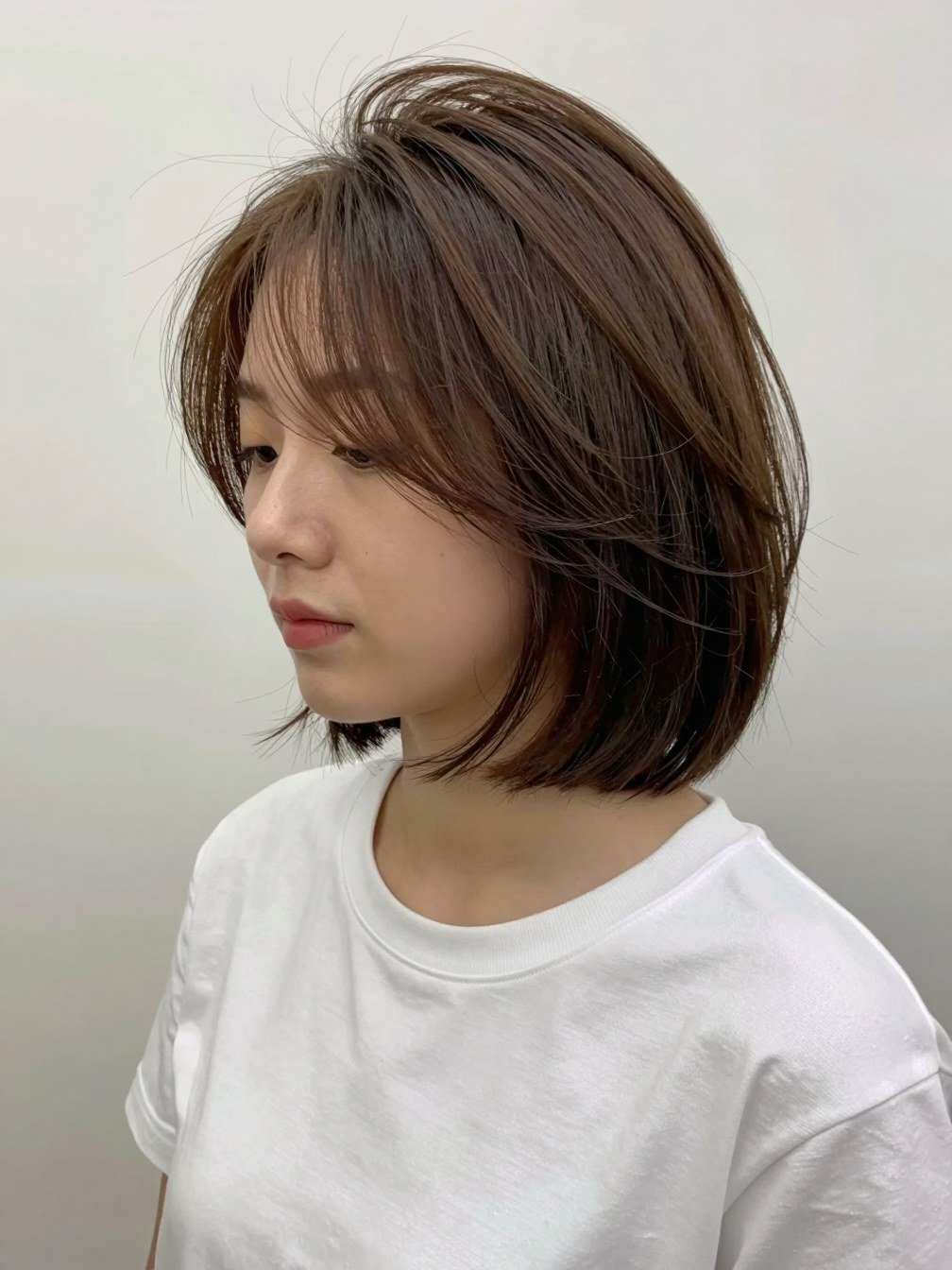
Day-two short hair often just needs targeted attention. Mist the roots and crown with water or a spray-in leave-in, rough-dry on low and then use a one-inch section at the crown with a round brush to rebuild lift. For quick fixes under 10 minutes, a couple spritzes of dry shampoo at the roots, then a short warm pass with a vent brush can revive shape without restyling the whole head. Common mistake is redoing the full blow-dry each morning which stresses hair with repeated heat. Save full styling for wash days.
Short Hair With A Bit Of Texture Spray For Separation

If you want separation without heaviness, two to three pumps of a sea-salt or texture spray on damp hair before rough-drying gives grip and shape. Use a small round brush to smooth the top while letting the ends keep the texture. This is great for 1A to 2B hair that needs grit to hold a piecey finish. The result is touchable, not stiff. A common error is spraying into the roots which can matt fine hair. Instead, mist mid-lengths to ends and finish with low-medium heat.
Blowout For Thick Short Hair With Smaller Sections
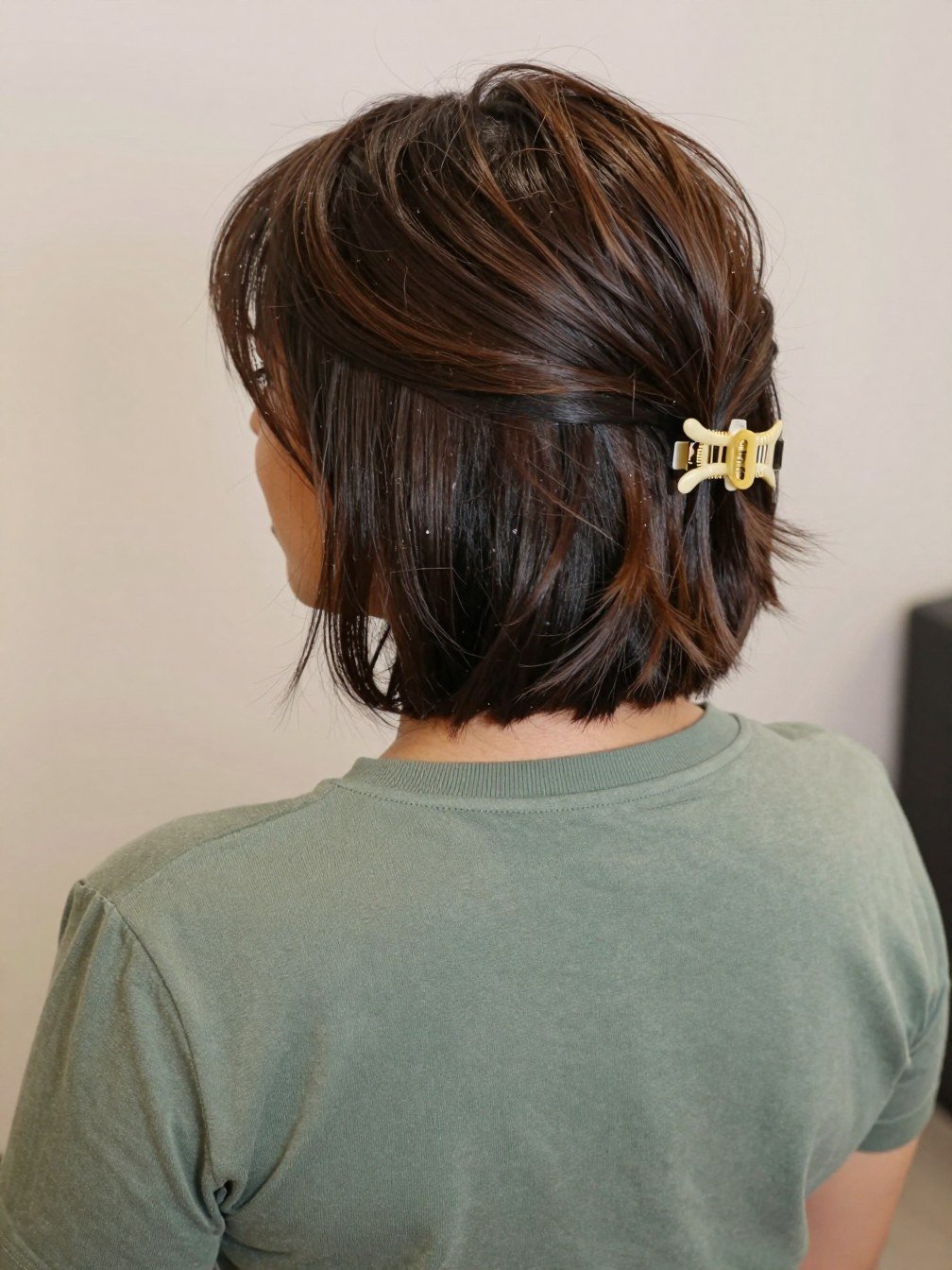
When hair is thick, think smaller sections, not more heat. Section into four or six depending on density and work each mini-section until fully dry before shaping. A vented brush helps speed the process. This routine manages the dryness issue that comes from prolonging heat in one area, so you avoid overprocessing ends. Time is 25 to 35 minutes but it gives a consistently even finish. Mistake to avoid is blasting thick hair at high heat and then leaving the underside damp. If you color-treated thick hair, consider doing a bond treatment weekly.
Crown Lift With A Round Brush For Short Bobs
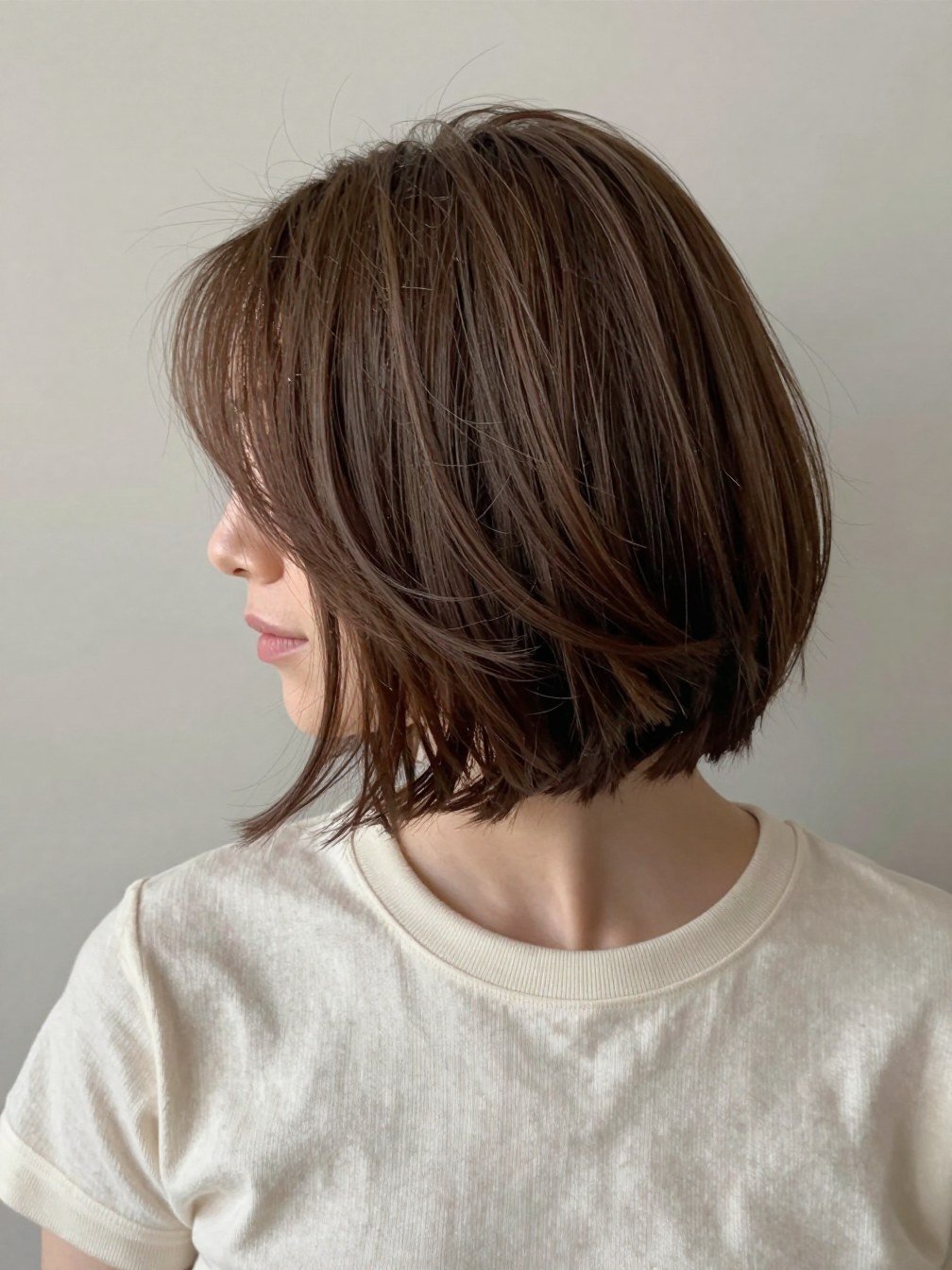
If your crown goes flat by noon, dry the crown first after rough-drying the rest to 80 percent. Work small subsections, lift hair straight up with a rounded brush, and follow with medium heat for about 6 to 8 seconds per pass. Finish each subsection with a cool shot to set the lift. For fine to medium crowns this delivers the most noticeable difference for the least effort. The common mistake is trying to get lift from the ends alone. Root-first gives structure the whole day.
Soft-Hold Finish Instead Of Heavy Spray
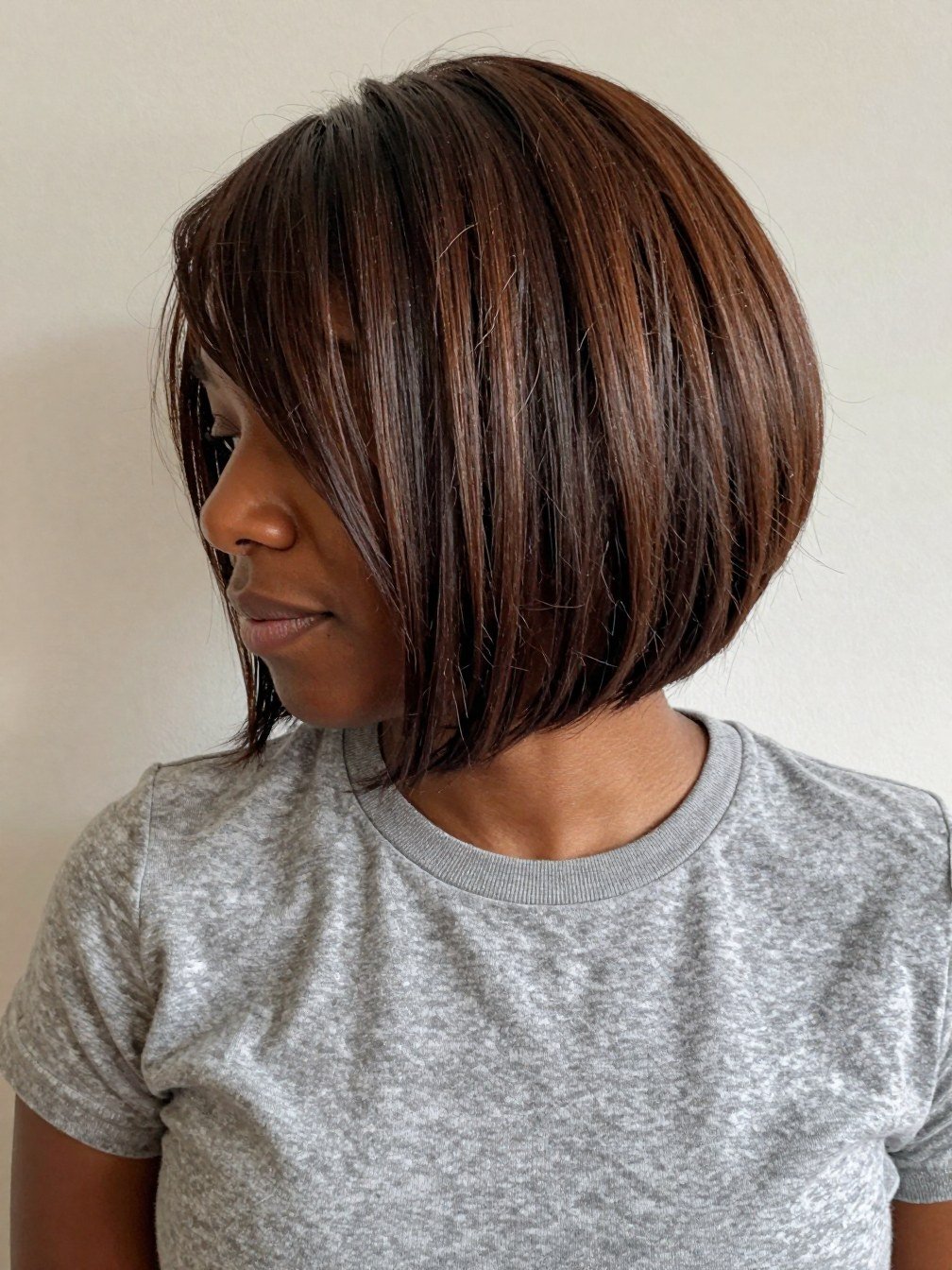
Heavy hairspray flattens short hair and kills movement. After styling, mist a soft-hold hairspray from 10 to 12 inches away, focusing on the mid-lengths and ends only. For short hair this keeps movement but adds enough hold to survive a commute. A common error is spraying right at the crown which makes the shape rigid. If wind or humidity are problems, layer a tiny amount of anti-humidity spray under the soft-hold hairspray rather than replacing it.
Quick Split-End Tuck For Short Ends

Split ends are not reversible, but you can hide them for a day. After drying, take tiny subsections and twist the ends inward with a round brush, then press with cool air to set. This smooths the appearance until your next trim. Works best on short bobs and layered crops. Avoid heavy gloss or oils at the roots, which weigh short hair down. If you have significant damage, a professional trim is the actual fix rather than prolonged hiding.
Travel-Friendly Fast Blow-Dry For Short Cuts

When I travel I keep the routine simple: microfiber towel, travel dryer on medium, and a small round brush. Rough-dry to 80 percent then shape in two passes. Short hair responds well to less fuss, so a quick 10 to 15 minute routine gets you out the door. A common mistake is expecting a tiny dryer to match your home machine; accept slightly longer time and lower heat. If you have sensitive scalp, avoid hot air directly at the root and use a heat protectant spray on damp hair.
What I Wish Someone Had Told Me About Product Quantities

Quantity matters more than brand names with short hair. For example, two pumps of leave-in on damp hair, a walnut-sized mousse at mid-lengths, and a pea-sized amount of pomade for ends usually does the job. Too much mousse or wax flattens short cuts fast. For most styling products less is better because short hair has less surface to distribute products across. I started measuring amounts instead of guessing and my styles lasted longer. If you are trying a new active ingredient for color or scalp, do an allergy patch test first and follow product directions.
What I Use To Fix A Blowout That Went Wrong

If one side flips or the shape is off after you finish, don’t redo the whole head. Mist that side lightly, resection a small panel, and work the area with a round brush and medium heat. Finish with cool air and a touch of soft-hold spray. This targeted reset takes under five minutes and wastes less heat overall. People often respray the whole head and overheat everything which damages ends. For color-treated hair, avoid repeated hot passes in the same spot.
What I Wish You Knew About Clippers And Short Hair Texture
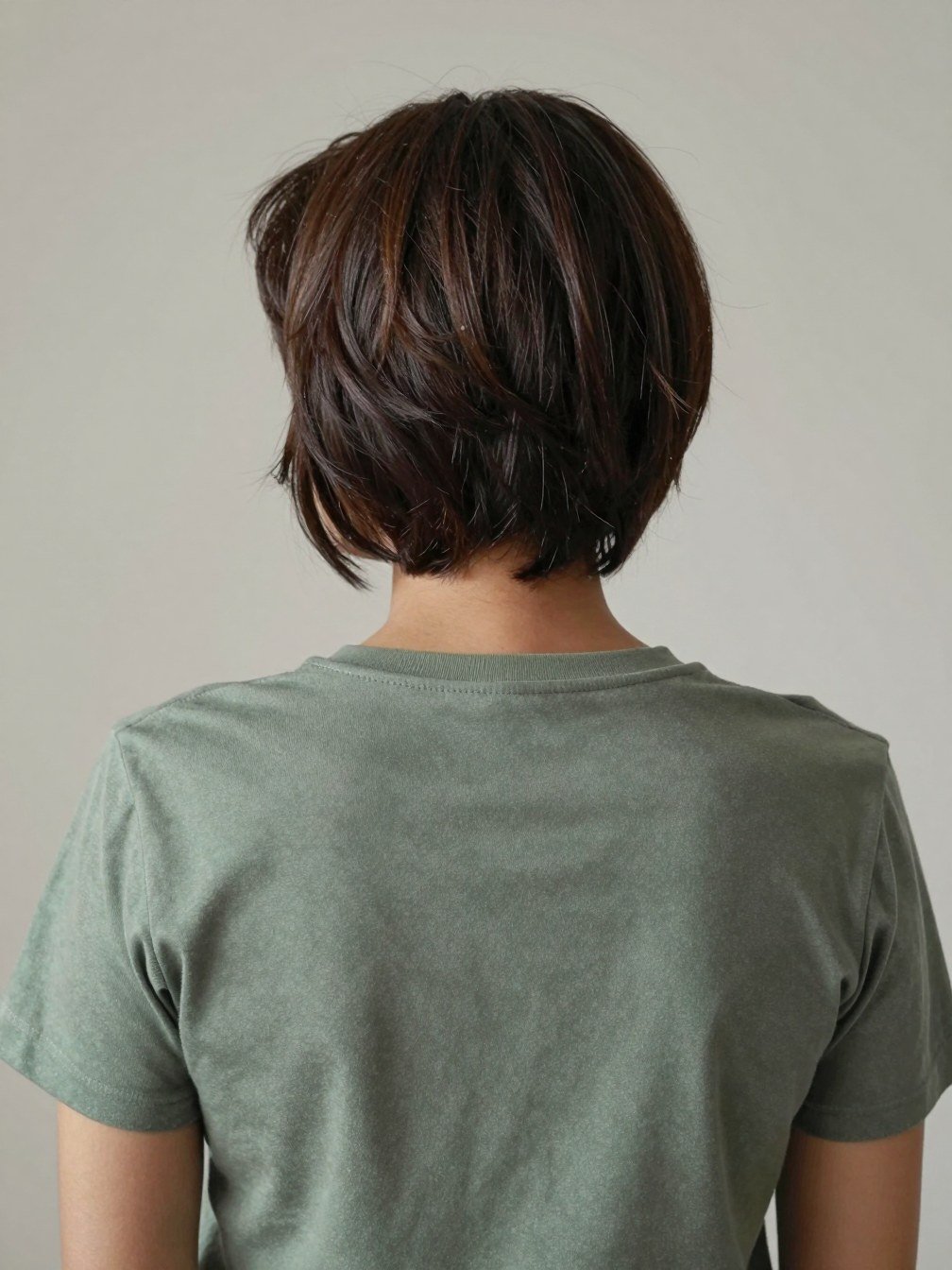
If you use clippers or get a close cut, texture shows differently when you blow-dry. For clipper-cut crops, a vent brush and a quick burst of cool air across the direction of growth adds control and reveals the cut’s shape. Don’t try to push long brush passes on clipper hair, smaller motions are better. Also, if you accept a closer cut, plan trims every 4 to 6 weeks to maintain the look. A common mistake after a big chop is waiting months to adjust to styling; short cuts need little maintenance but consistent shaping.
What Changed For Me After I Stopped Over-Drying

After years of blasting hair on high heat I switched to rough drying on low then shaping on medium heat. My short hair stopped feeling straw-like and held styles better between washes. The secret was timing and cool finishes, not hotter settings. If your hair is color-treated or fragile, keep shaping passes brief and use a bond treatment weekly. People often assume hotter equals faster but short hair is close to the scalp and overheats quickly, which causes breakage and frizz.
What I Keep In My Bag For Emergency Touch-Ups

For rushed mornings I carry a travel dry shampoo, a small vent brush, and a sample-size soft-hold spray. Three quick sprays of dry shampoo at the roots, a two-minute brush-through, and a light mist sets things enough to get me through a meeting. If humidity hits, a tiny dab of pomade at the ends tames frizz. This routine is a commuter lifesaver and costs under $20 to assemble. Common mistake is over-spraying dry shampoo and leaving residue; a light touch goes a long way.
What I Actually Keep In My Short Hair Repair Kit

My repair kit is small and precise: bond builder for weekly use, a microfiber towel, and a dedicated heat protectant spray for daily styling. I buy Olaplex from the official store on Amazon or Sephora to avoid counterfeits. Using bond builder weekly and heat protectant before any high-heat pass has been the biggest real-life change I noticed after a salon correction cost me more than I wanted to admit. If your hair is severely damaged, a professional trim is still required; products smooth the look but do not replace a cut.
What I Learned When I Tried The Dyson And Then Stopped
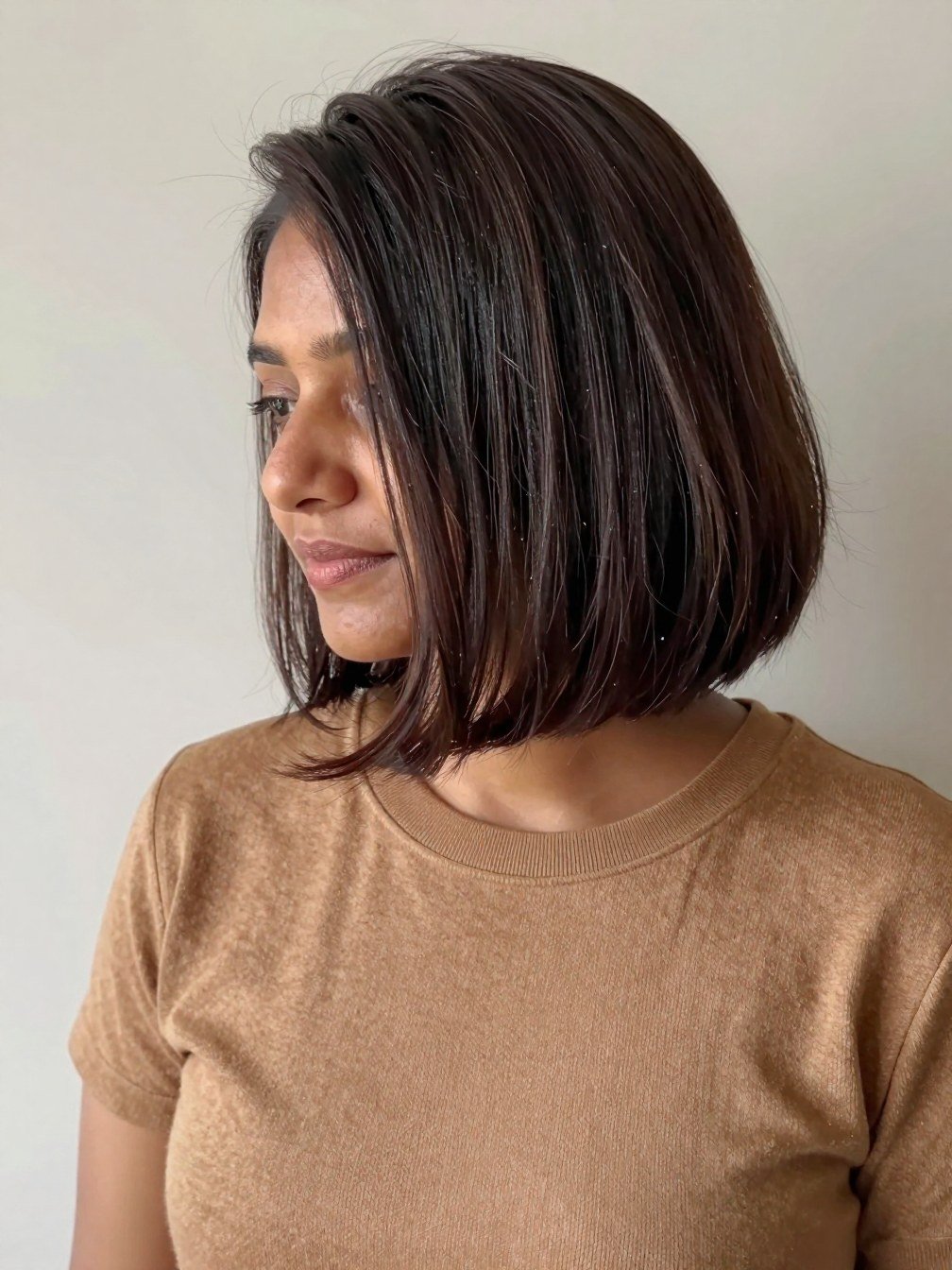
I bought a high-end dryer and loved the speed, but in practice my $30 dryer and a solid small round brush did 90 percent of what I needed for short hair. The splurge is nice if you style daily and have thick hair. If you style twice a week, a budget dryer and technique matter more than the gadget. People spend on tools and then forget brush control, which is what actually shapes short hair. If you buy premium, get it from the authorized seller to avoid counterfeit problems.
What Works For Short Curly Pixies
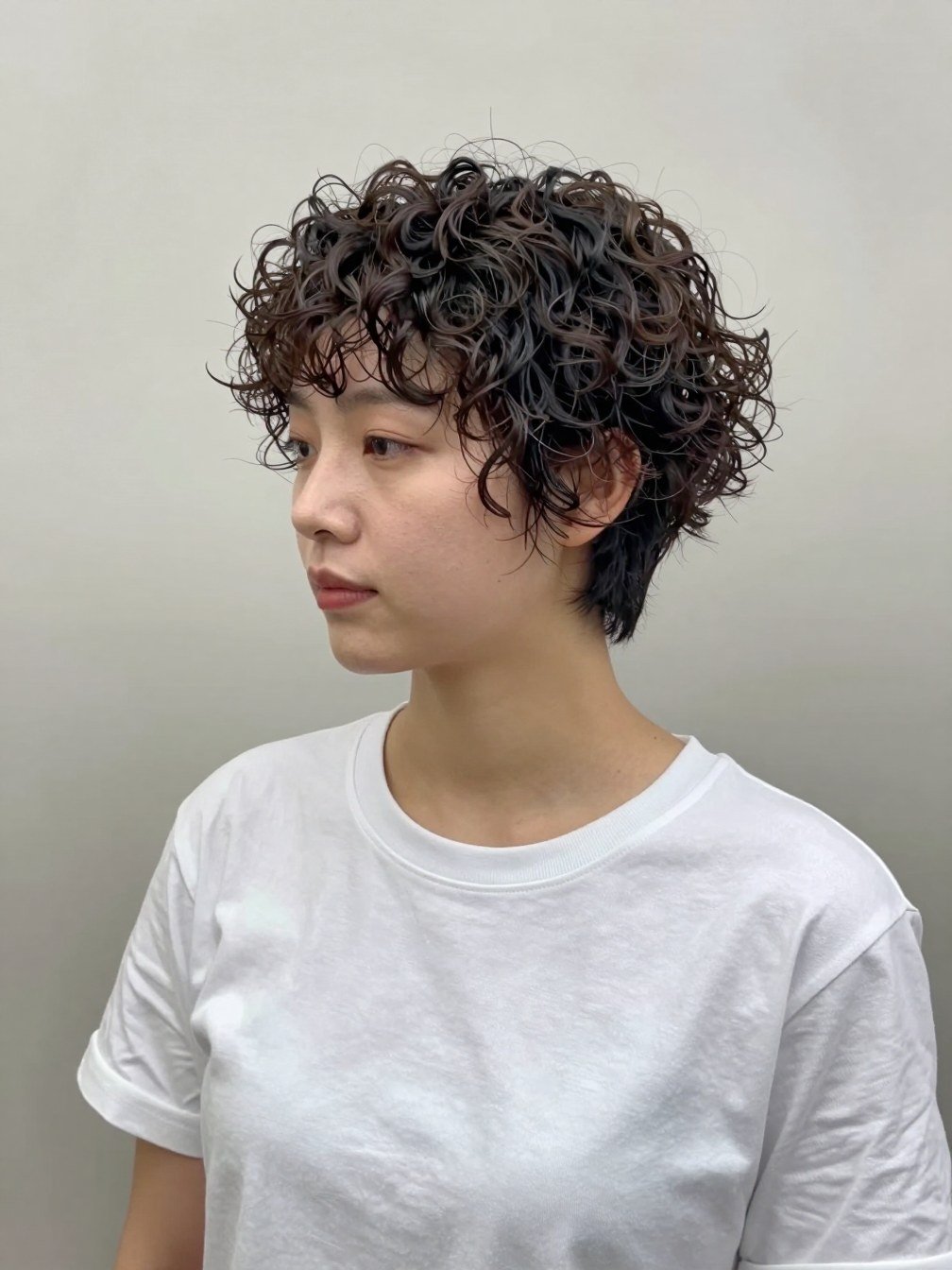
Curly pixies need a different approach: leave-in cream, light gel for hold, and a diffuser for shaping. Apply products to soaking-wet hair, rough-dry to 70 percent on low heat, then diffuse in small sections, cupping curls without twisting. Keep section size no wider than the diffuser head. This keeps curl shape intact and avoids frizz. Common mistake is skipping leave-in and using gel alone which flattens curls by midday. Refresh on day two with a water mist and a tiny cream re-twist.
What I Actually Recommend For A Quick Salon Prep Screenshot

If you screenshot a look for your stylist, include detail shots of the crown, nape, and fringe so they can see how you want the shape to sit. For short hair, show the parting, the bend at the ends, and the length behind the ear. Saying "build root lift at the crown and inward-bend at the ends" is more useful than vague adjectives. Also note your hair type and any damage history so the stylist can plan thinning or texturizing. A good screenshot and a short note saves time and prevents a redo.
How To Stop The Ends From Puffing When You Use Mousse

If mousse makes your ends puffy, you are probably applying too much or starting at the roots. For short hair use mousse from the mid-lengths to the ends only, and use about a walnut-sized amount for bob-length hair. Rough-dry to 80 percent and then shape with a small brush using medium heat. The mid-length application gives memory without the dusty look. People often glob mousse on like long hair; short hair needs restraint. Finish with cool air to seal the cuticle and control frizz.
What I Pack For A Quick Color-Safe Blowout

If your short hair is color-treated, keep travel-size sulfate-free shampoo and a lightweight conditioner in your kit, plus a bond-builder sample. Wash with cool to lukewarm water, towel blot, then apply a small amount of leave-in before drying. If you must heat-style, use a heat protectant mist and limit medium-heat shaping passes. Frequent boiling hot water and repeated high-heat sessions fade color and stress the cuticle. If you buy Olaplex on Amazon, get it from the official store to avoid counterfeits.
What To Do When Your Short Hair Keeps Flipping Weird

When a section flips the wrong way, re-wet just that area, clip neighboring hair away, and work the section with a round brush using medium heat while keeping the nozzle pointed down the shaft. Let it cool before releasing the brush. This targeted fix is quicker and safer than redoing the whole head. A common mistake is assuming the whole style needs a redo when a two-minute touch-up will fix it.
What To Ask Your Stylist About Short Blowout Shape
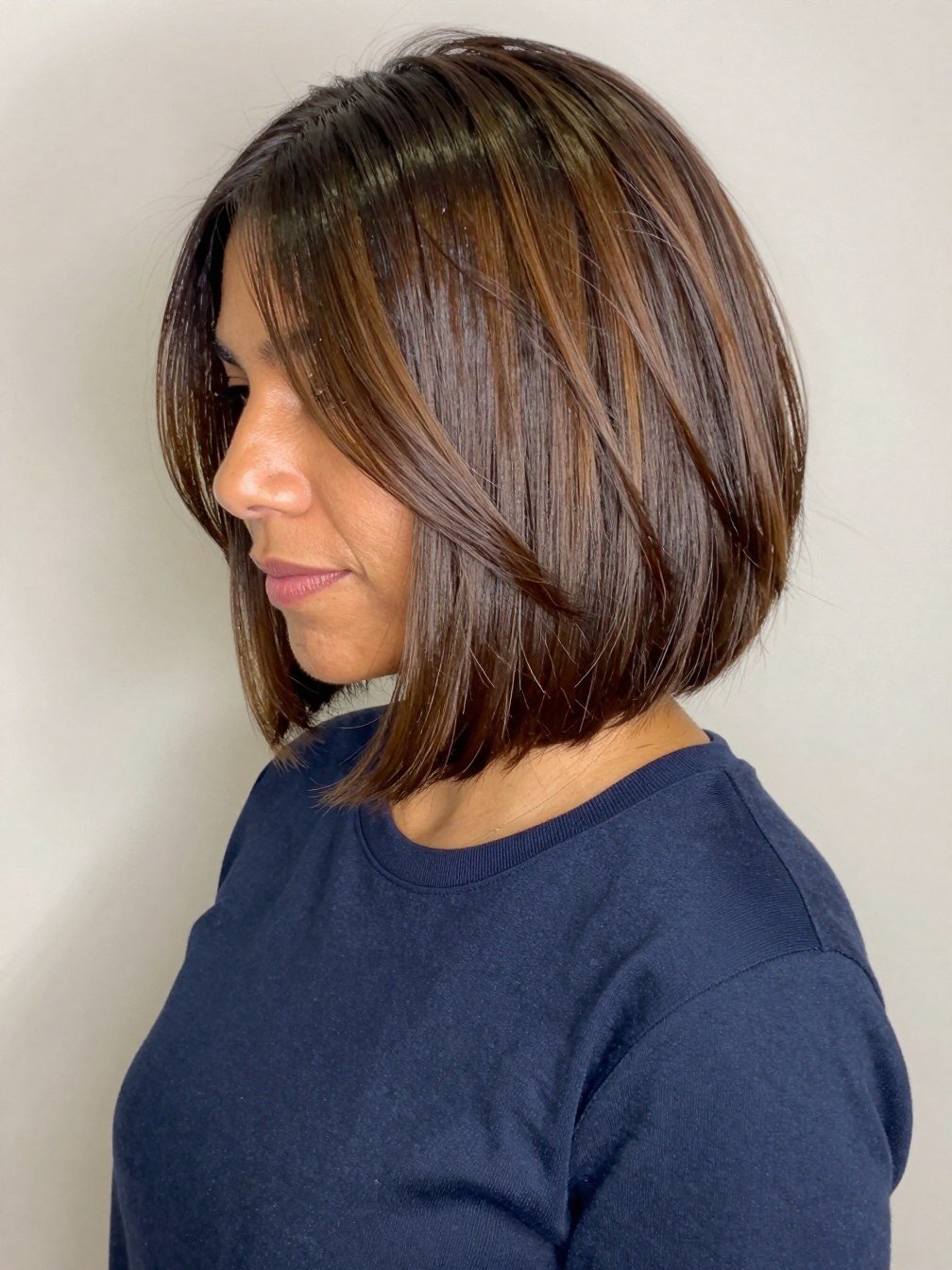
Ask your stylist how much weight to remove and whether the cut needs graduation for crown lift. For short hair, small scissor moves at the perimeter change how the hair behaves when blow-dried. Tell them you like root-first drying and inward-bent ends so they can tailor the layering. Also ask about trimming frequency; many short cuts need trimming every four to six weeks to stay true to the shape.
How To Keep Short Hair From Feeling Like Straw After Heat
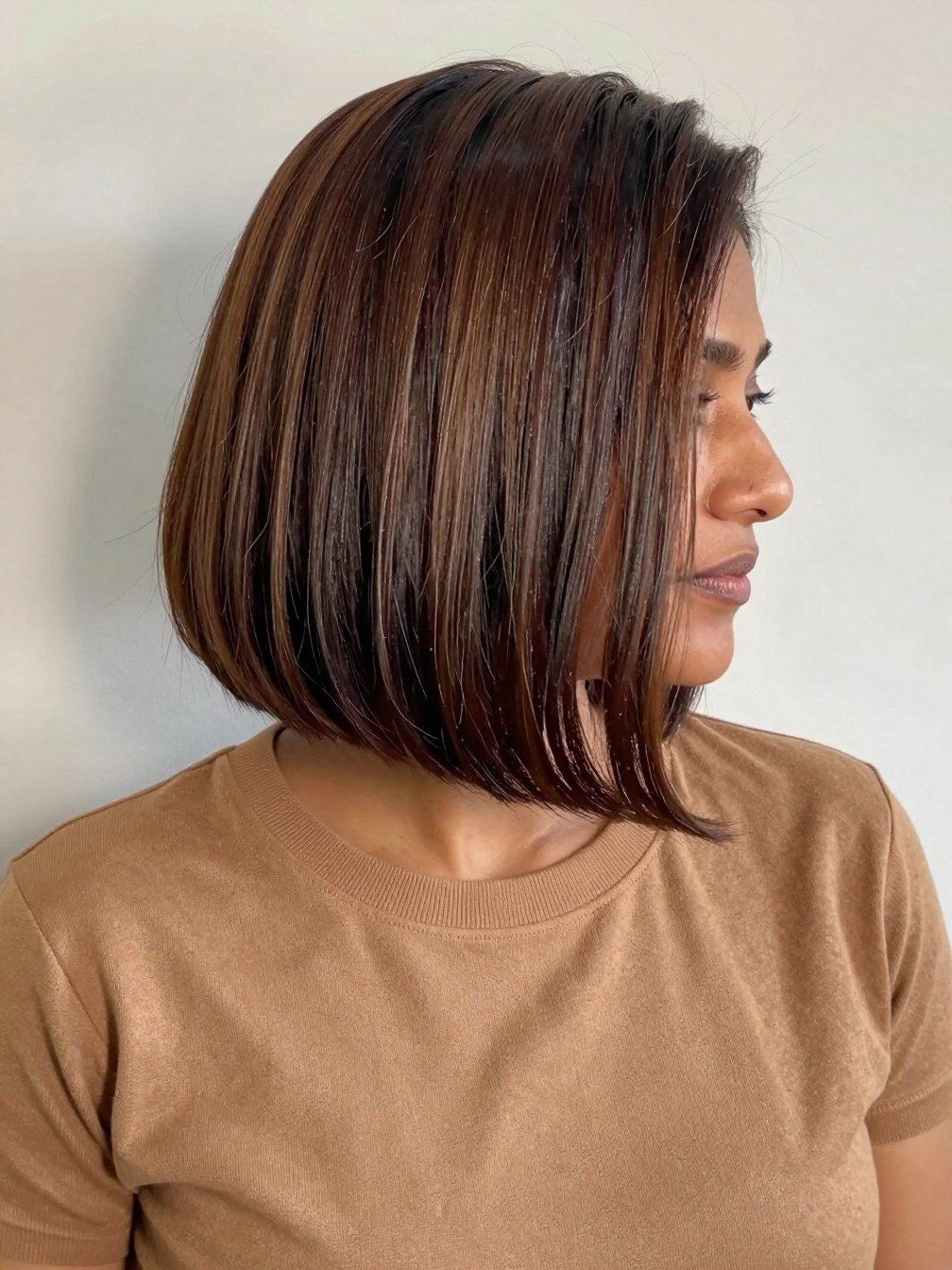
Finish any blow-dry with a small mist of heat protectant on damp hair, not just on dry hair. The product absorbs better when the cuticle is slightly open, which gives more protection during shaping passes. Use a bond-building treatment weekly for hair with chemical history. If your hair feels rough after styling, you probably used too high a temperature too long or missed the protectant step. Reducing heat and using these two steps will make a noticeable difference.
What I Carry For Nighttime Short Hair Care

I sleep on a silk pillowcase or use a loose silk scarf for very short cuts to reduce friction and preserve shape. For short curls, pineapple loosely at the crown with a soft scrunch. These small habits cut morning frizz and stretch the life of a blowout. If you want to protect color and reduce breakage, combine this with once-weekly bond treatments and avoid sleeping on wet hair.
What Works For Short Hair With Heavy Cowlicks

Cowlicks respond best to patience and root-first shaping. Dry the cowlick area while brushing against its growth direction to train it, then set with cool air. If you have thick cowlick-prone hair, use smaller sections and repeat the pass until the area is fully dry. A lightweight pomade dabbed at the ends can help keep the area controlled. A common error is trying to fight a cowlick with product alone; the drying order matters more.
What To Do If You Have Scalp Sensitivity And Short Hair
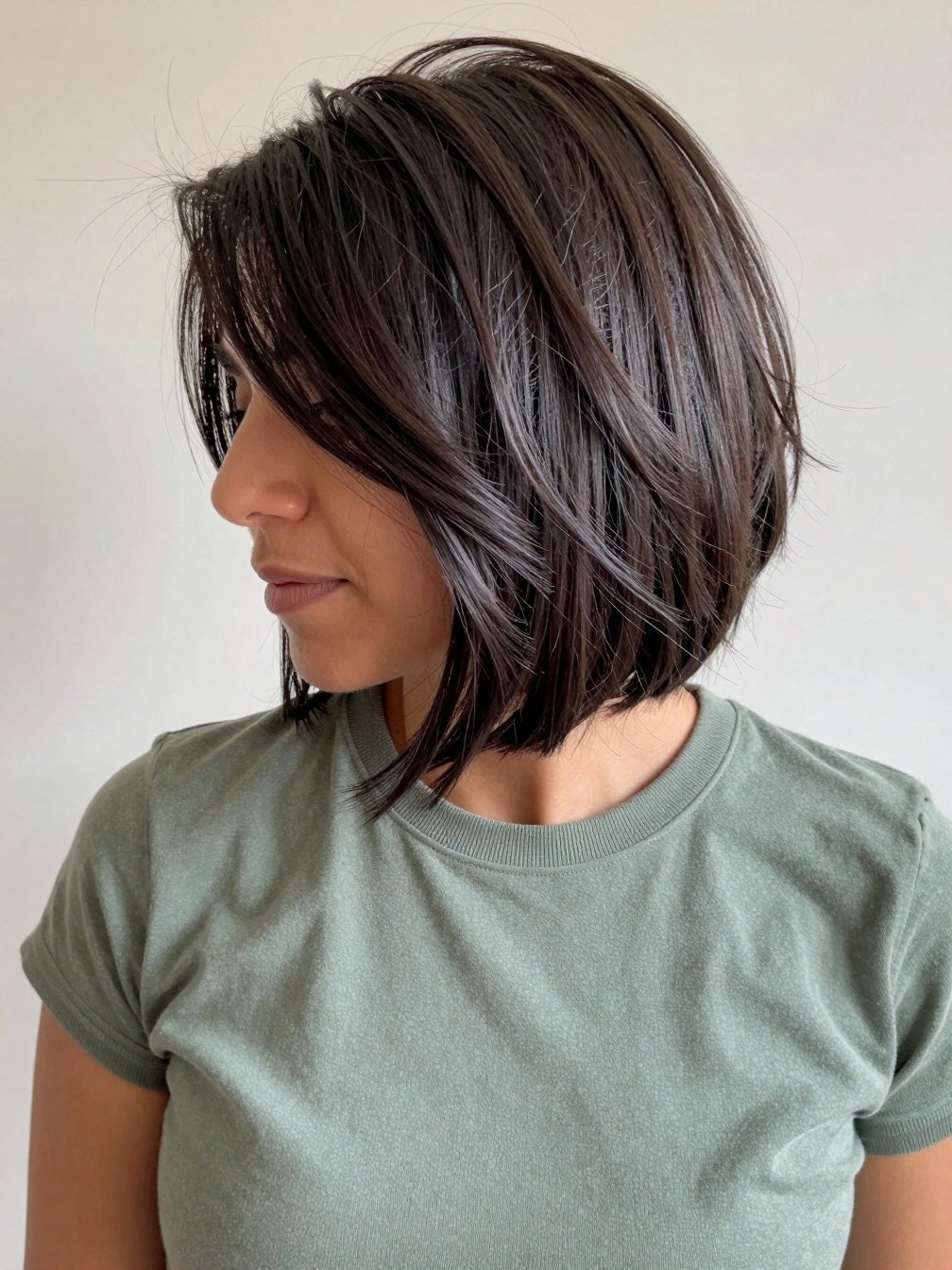
If your scalp reacts to strong products, avoid heavy styling balms at the roots and choose mild, sulfate-free formulas for cleansing. When blow-drying, keep the nozzle moving and avoid blasting air directly onto irritated skin. Use lower heat and a gentle leave-in that soothes rather than primes. If irritation persists, see a dermatologist before changing styling routines.
Frequently Asked Questions
Q: How often should I rough-dry to 80 percent before shaping?
A: Rough-drying to about 80 percent usually takes two to five minutes depending on thickness. The idea is to remove excess moisture so shaping is faster and frizz is lower. For thick hair rough-dry longer, for fine hair stop earlier so you do not overprocess.
Q: Can I use Olaplex No. 3 on short hair if it is not severely damaged?
A: Yes, using Olaplex No. 3 once a week on short color-treated hair smooths the appearance and strengthens bonds. Buy from the official store on Amazon or Sephora to avoid counterfeits and follow directions. It will not magically repair decades of damage but it helps between salon visits.
Q: My bangs separate in the middle by midday, what gives?
A: Dry bangs first on a small round brush and use cool air to set them. If they keep separating, try applying a tiny drop of lightweight leave-in at the roots before drying and avoid over-trimming which can encourage split behavior.
Q: Is a high-end dryer worth it for short hair?
A: If you style daily and have thick hair you might notice the difference in speed and weight. If you style a few times a week, a mid-range dryer with a concentrator and a good brush will get you most of the way there. People will spend on the dryer or brush that actually works, then try to save on the shampoo.
Q: How do I prevent ends from flipping the wrong way?
A: Work in small sections no wider than your brush and hold the brush with gentle tension through the ends, then finish with cool air. If an end flips wrong, re-wet that one section and restyle it rather than redoing the whole head.
Q: Can mousse make fine short hair look better or worse?
A: Mousse helps when you use the right amount. For short fine hair try a walnut-sized amount applied mid-length to ends and a light pump at the roots. Too much makes short hair look dusty and heavy.
Q: How often should I trim a short bob to keep the blow-dry shape?
A: Most short bobs need a trim every four to six weeks to keep the perimeter and crown behavior predictable. If you want more forgiving maintenance, ask your stylist for slightly softer ends which stretch a bit longer between trims.