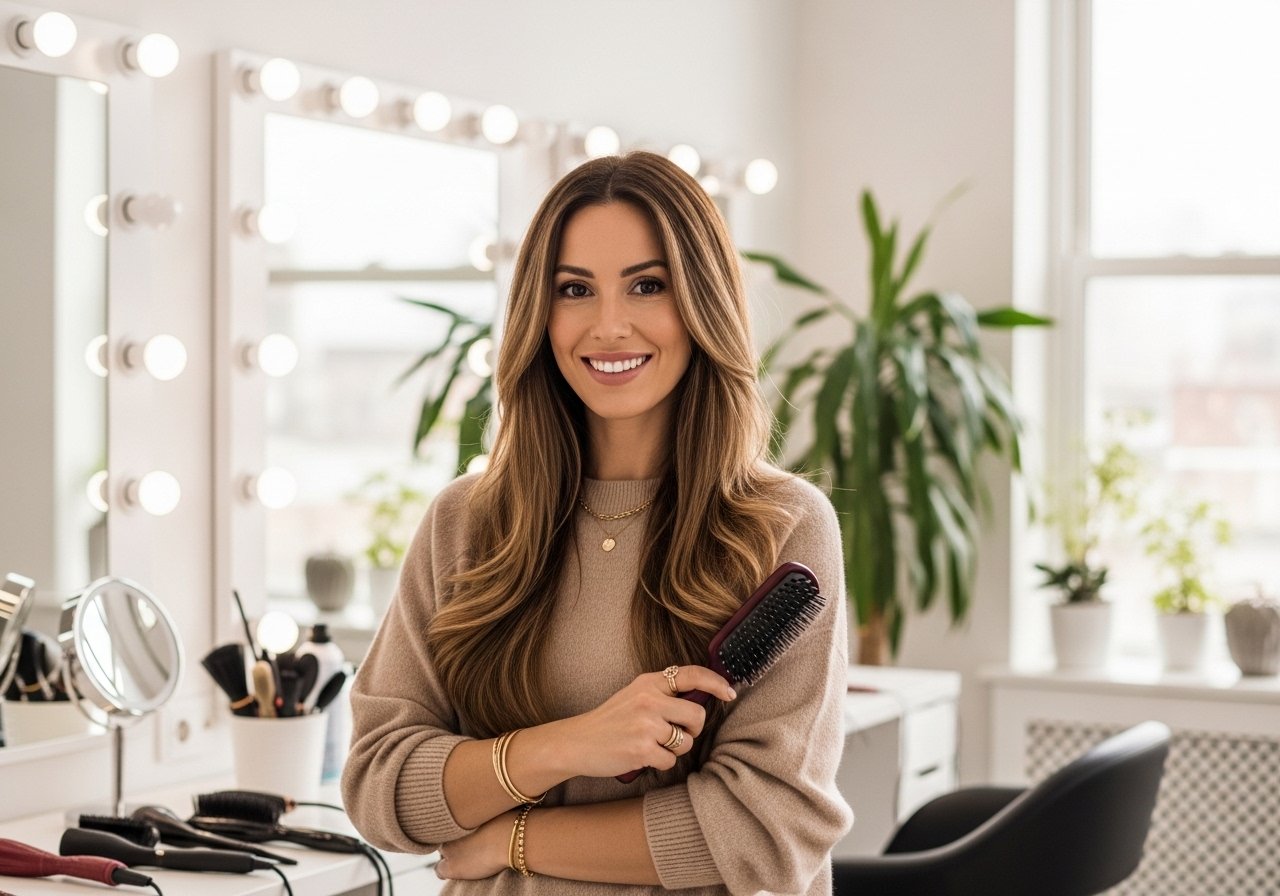
If your hair is dark brunette, past your shoulders, and you want blonde that does not look stripey by week two, this is for you. I asked for platinum once and ended up paying to fix fried ends, so I learned to chase blend over brightness. These ideas show what to ask your stylist, what to avoid, and which small technical notes actually keep long dark hair looking intentional as it grows out.
These looks work best on long hair, especially straight to loose-wave textures with medium to thick density. Most ideas assume some salon lift at first, with maintenance you can handle at home. Time ranges from a single gloss refresh in 10 minutes to a full foilayage session that takes three hours. Budget is mostly mid-range with a few tool or treatment splurges noted.
Creamy Beige Balayage For Long Dark Hair
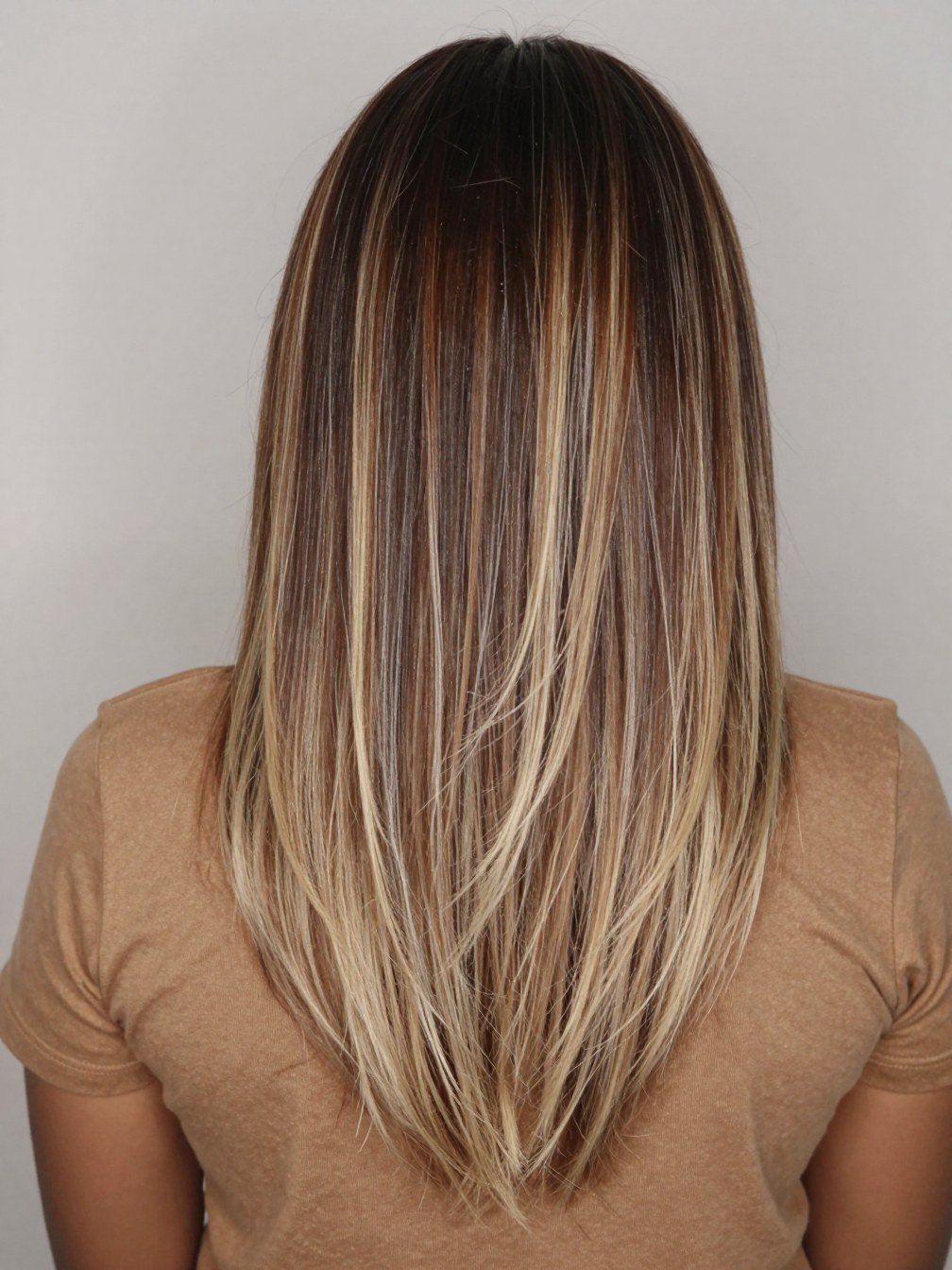
Creamy beige is the one I ask for when I want blonde that reads soft next to a dark root. On medium to thick long hair the look reads dimensional without looking stripy, because the colorist keeps some depth at the root and uses thin slices painted with a feathering motion. For salon tech ask for 20 volume developer for controlled lift and a quick 5 to 10 minute gloss at the end to take the edge off. If you try to force platinum in one session you risk breakage. Between visits a weekly Olaplex No. 3 hair perfector helps strengthen processed ends, buy from the official store on Amazon or Sephora to avoid counterfeits.
Caramel Balayage That Grows Out Smooth
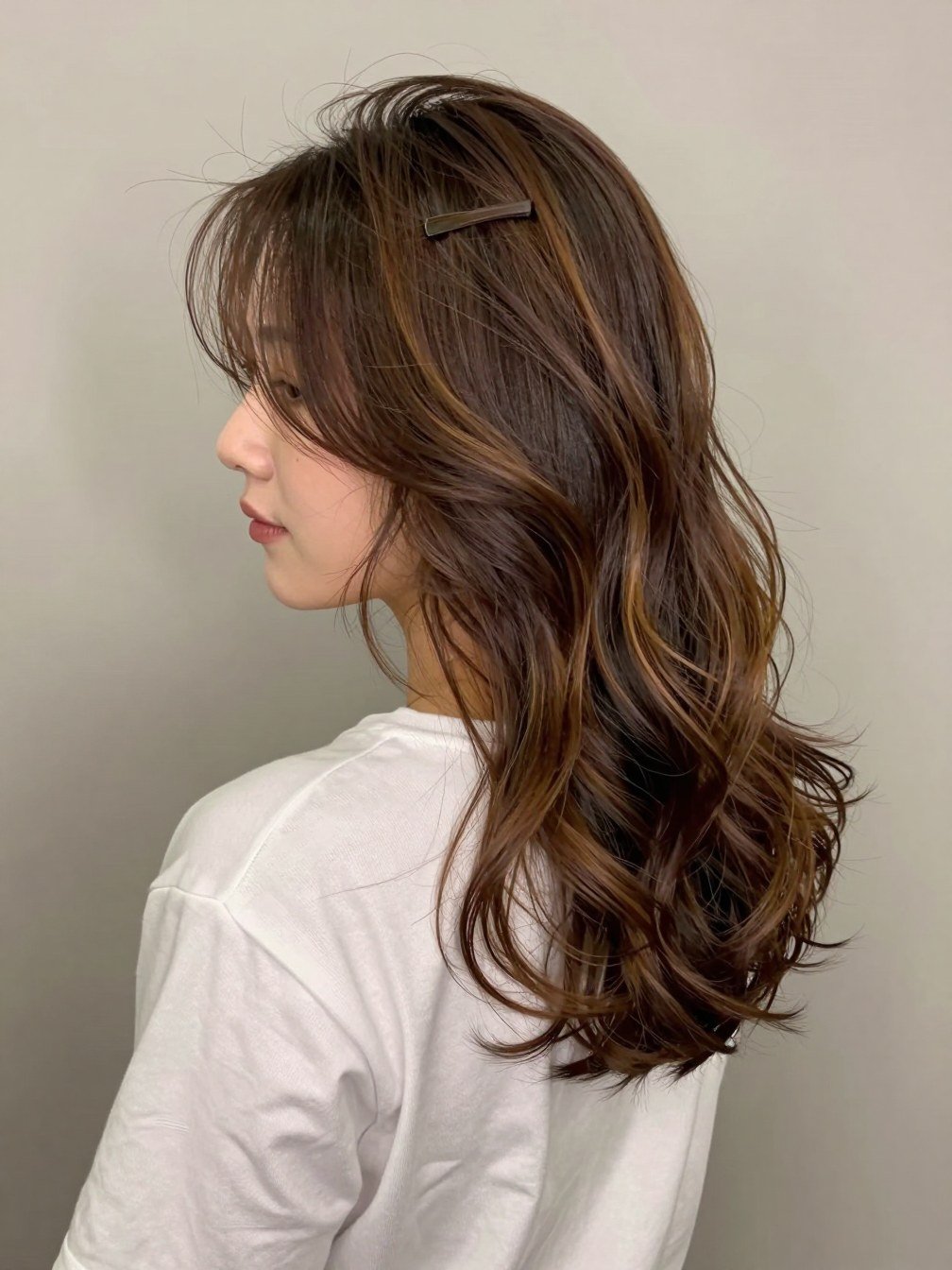
Caramel sits in that sweet spot for darker bases because it gives brightness without shocking contrast. It is ideal for long, wavy or straight hair with medium density. Ask your stylist to feather the lightener and blend with a root melt so the grow out reads intentional. Maintenance note, use purple or toning shampoo only once a week to avoid drying the hair. I usually ask my colorist to leave the mid-shaft a touch warmer so the ends can be glossed down to a sandy finish in 5 to 10 minutes. For upkeep, a color-depositing conditioner keeps warmth balanced between salon visits.
Money Piece With Feathered Mid-Lengths
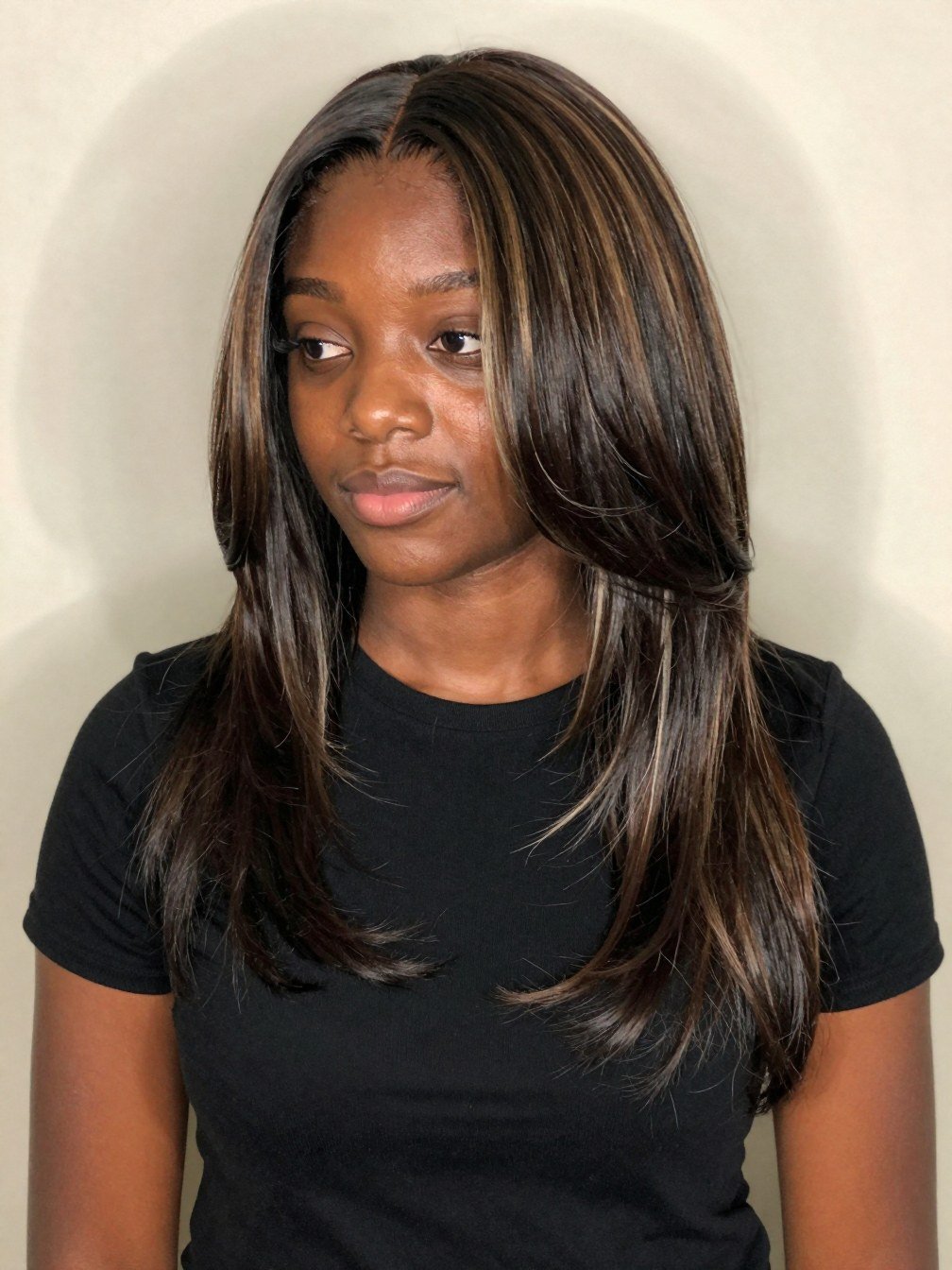
A money piece brightens the face without lightening the entire head, which is great for long dark hair that would otherwise need heavy lift. On straight or wavy textures, isolate the face-framing slices with a separate section and feather the paint so the pieces melt into the rest. Common mistake, asking for chunky front stripes. Ask for thin slices and a short toner pass so the front pieces stay warm and flattering. If you touch up at home, use a gentle color-depositing gloss rather than bleach. A salon placement is recommended for first time, then you can maintain with at-home glosses.
Lived-In Blonde Balayage For Low Maintenance
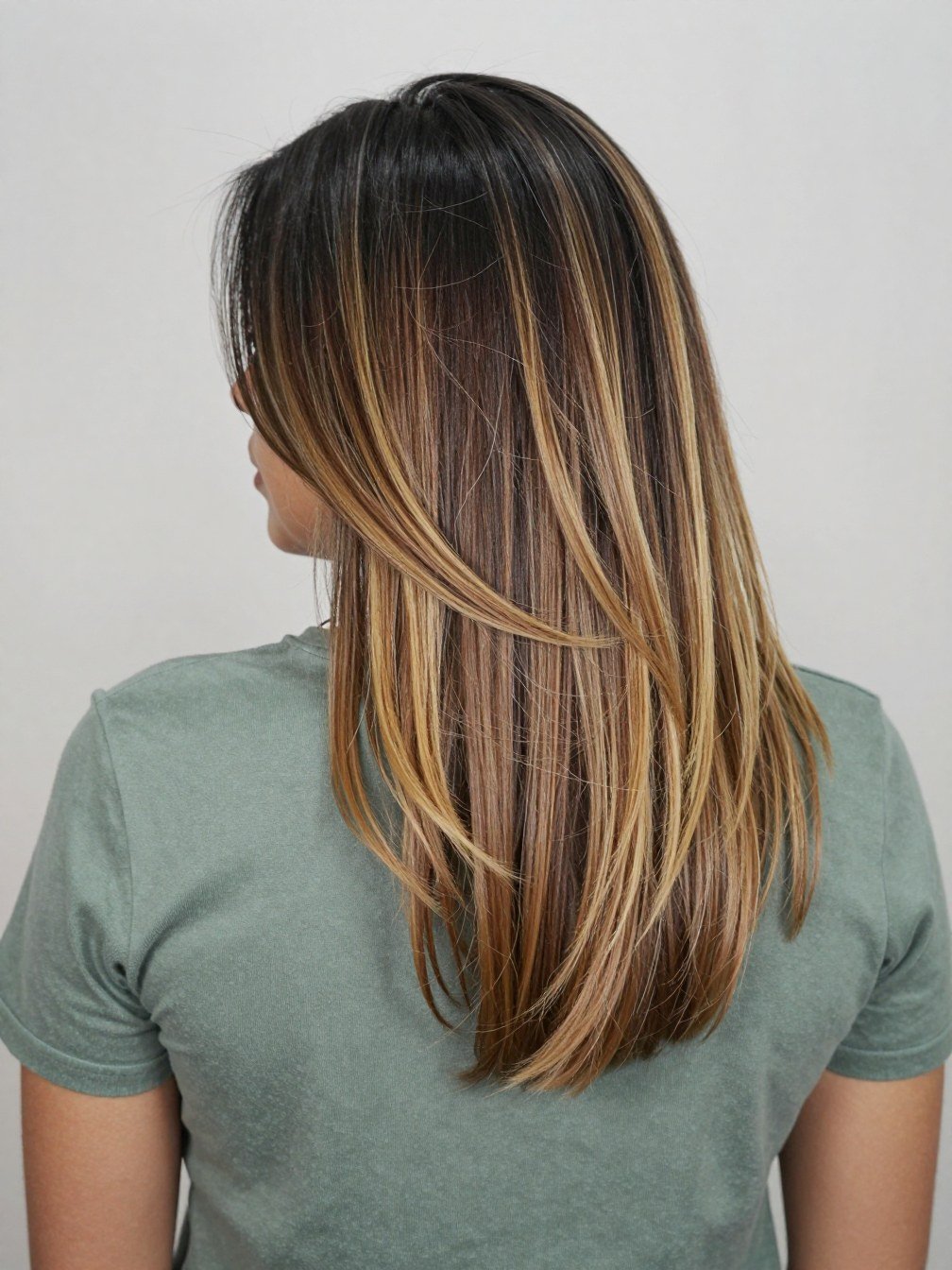
If you do not want monthly salon trips, ask for a lived-in balayage that leaves the root depth intact. This is the low-upkeep lane for long brunettes with medium density. The idea is to let the root show, so any banding looks intentional. Balayage is described as a grow-out-friendly look that can stretch from dark brown through caramel into lighter blonde ends. A root smudge or melt at the time of color helps the transition. At home, I skip frequent purple shampoos and instead use a gloss every 6 to 8 weeks to refresh tone.
Honey Blonde Balayage With Soft Ends
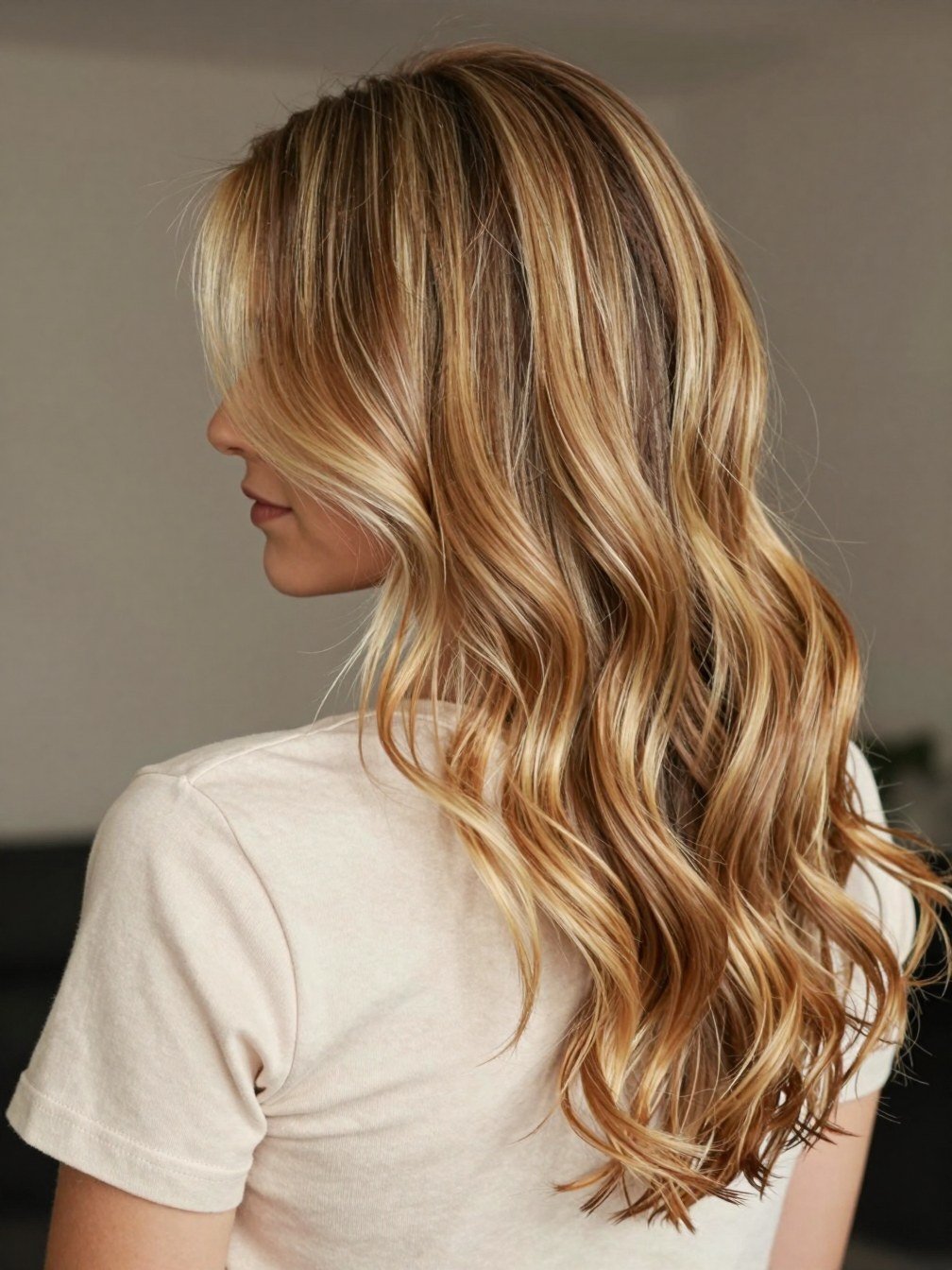
Honey blonde gives warmth that reads natural on darker skin tones and bases. It works best on long, thick, wavy hair where the warmth can live in the mid-lengths and ends without making the top too bright. A colorist will usually aim for toffee-to-honey blending rather than blasting the entire shaft. If you overuse purple shampoo you can end up with flat, dry color. My trick is to alternate a hydrating color-safe conditioner with a deposit mask once every two weeks. For damaged hair, do not attempt heavy lift at home, book a salon service and add a bond builder.
Ash Blonde Balayage With Short Toner Time
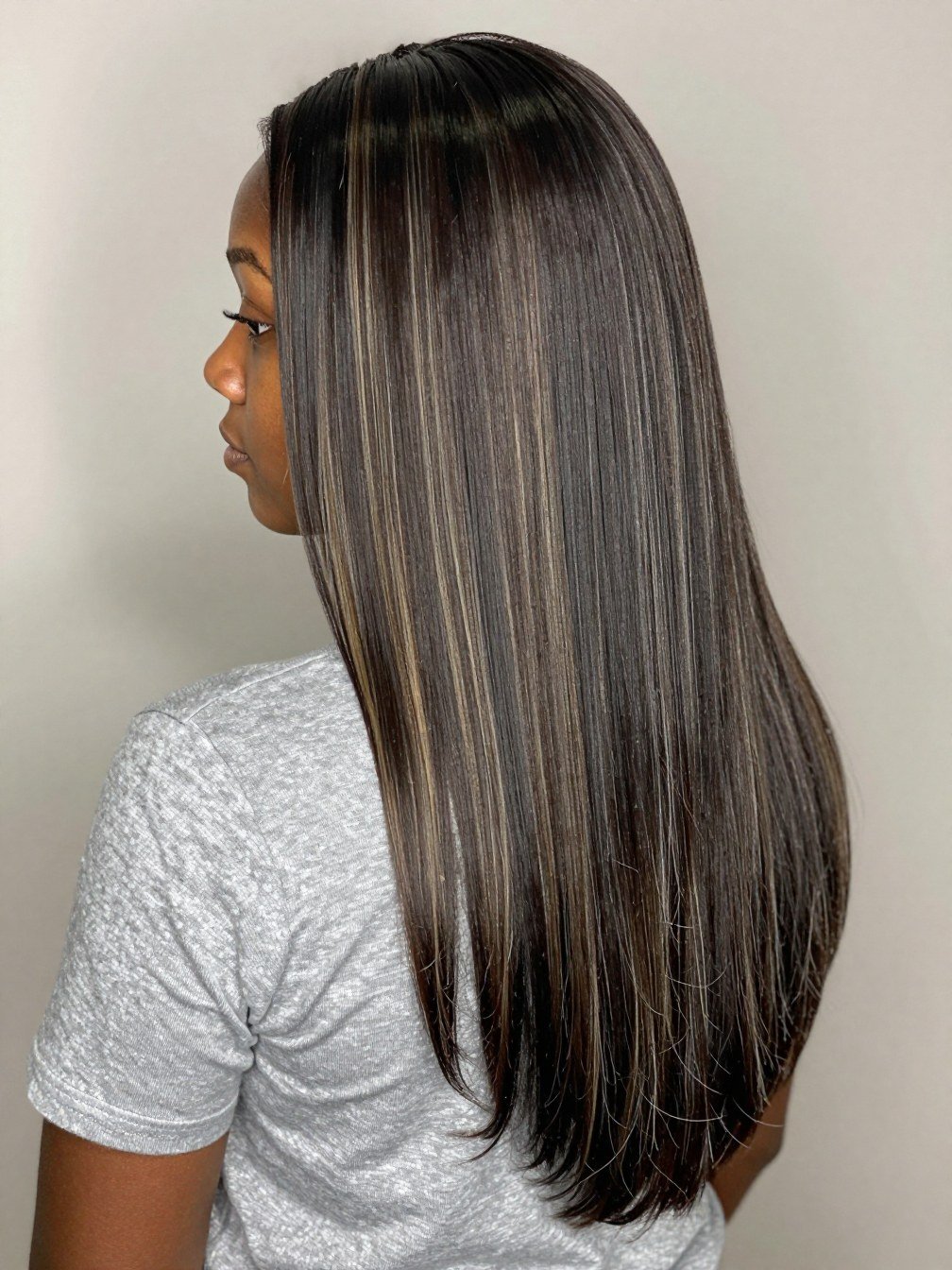
Ash tones need more lift on dark bases and they can go muddy fast if a toner is left too long. Ask your stylist to keep toner processing to around 5 to 10 minutes and to test mid-process. This look fits long, straight to slightly wavy hair with medium porosity. If you want cooler blonde, be prepared for more toner visits and more intense bond treatment. Use blue or purple toning products sparingly between salon trips to avoid flattening the hair. If your hair feels fragile, push the appointment into multiple sessions rather than heavy single-session lift.
Soft Beach Wave Finish That Shows Dimension
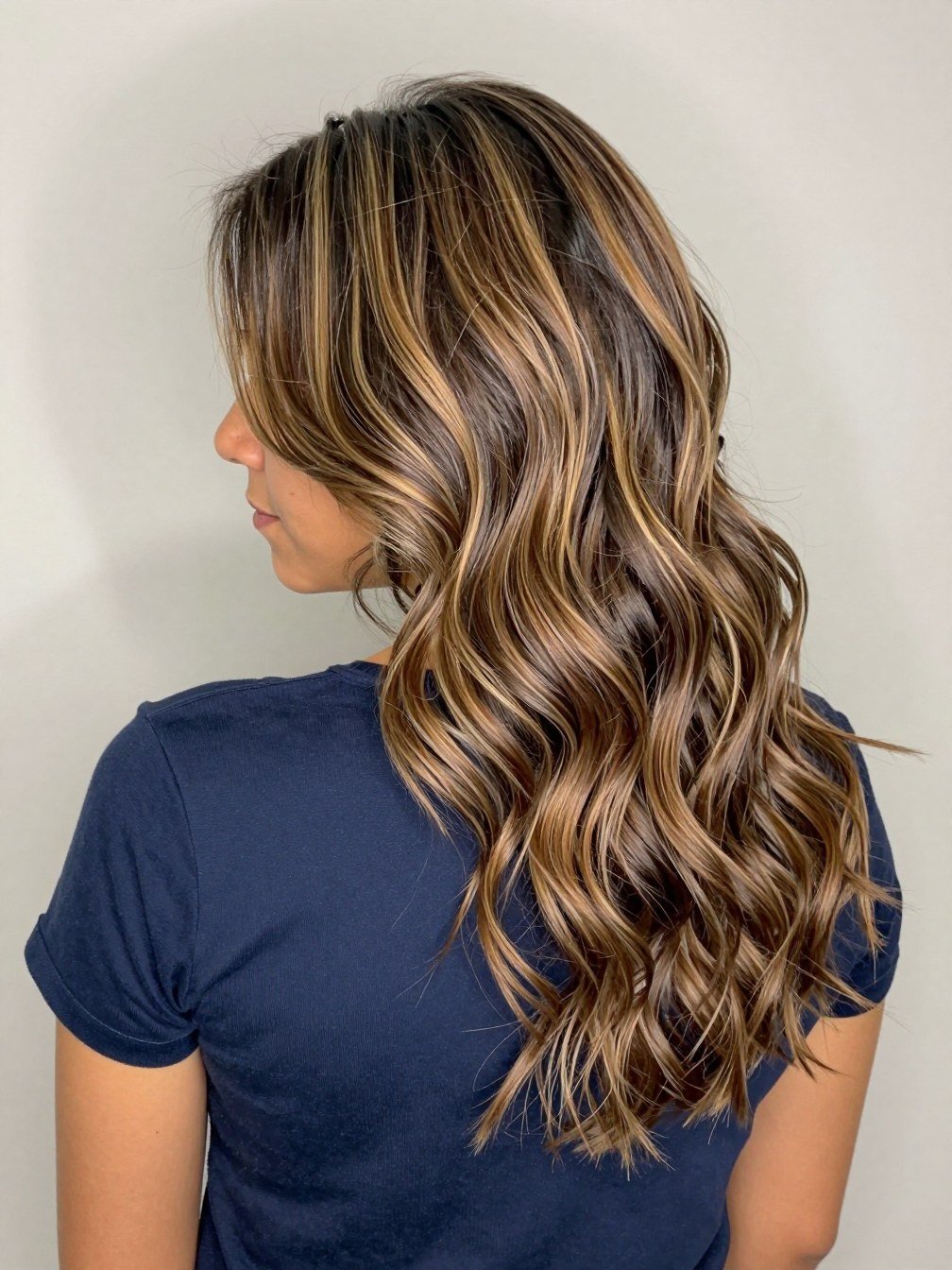
Finishing balayage with soft beach waves makes the lighter ribbons read instantly. This styling trick is perfect for long 1A to 2C textures that want movement. Use a 1-inch barrel on medium heat, around 300 to 350 degrees Fahrenheit for most medium-thick hair, and leave the ends alone on the last bend so they look lived-in. Spray a lightweight salt spray into damp hair and diffuse until about 80 percent dry before curling. Common mistake, curling damp hair which flattens the wave. A flexible hairspray is enough to hold the shape for photos and events.
What I Pack For Balayage Maintenance On Long Dark Hair
Olaplex No. 3 hair perfector, 3.3 oz. I use this once a week after salon color. Buy from the brand store on Amazon or Sephora to avoid counterfeits
Olaplex No. 5 Bond Maintenance Conditioner, 8.5 oz. More impact than an expensive shampoo for processed hair
Color-depositing conditioner for warm tones, one tub for monthly tone boosts
Microfiber hair towel. Cuts blow dry time and frizz
Boar bristle paddle brush. Helps distribute natural oils on long hair
Heat protectant spray for 400F tools. Apply to damp hair before blow drying
Purple shampoo, 8oz, use once a week at most to avoid over-drying
Lightweight argan oil. A drop on damp ends tames frizz
1-inch curling iron. Medium barrel for waves that show balayage
Wide tooth comb. For wet detangling without breakage
Salon gloss or demi-permanent color. For between-visit tone refreshes, ask your stylist what brand they use
Bond builder treatment sample pack. Handy when your hair goes through a corrective session
Sandy Blonde With A Root Melt
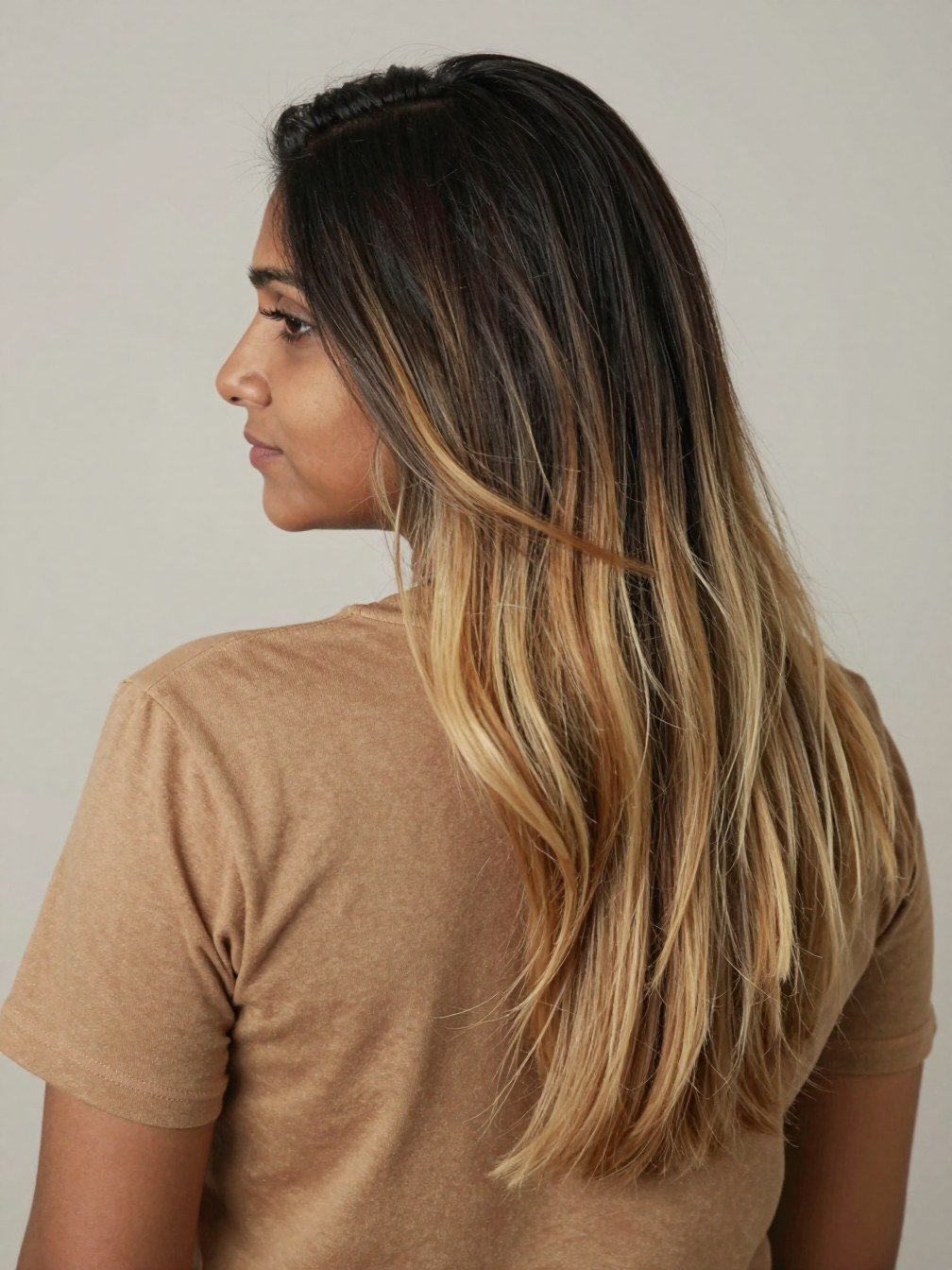
A root melt is the magic trick that makes a lighter end feel natural on long, dark hair. Ask the colorist to do a warm-to-sandy gradient and to melt the root color into the painted mid-lengths. This works best on thick or medium hair where the blend has room to breathe. Salon-only for the initial melt, then keep it looking smooth with a salon gloss every 6 to 8 weeks. A mistake I see is asking for a root that matches exactly the scalp color, which can create a harsh line when the mid-lengths are lighter.
Champagne Blonde Ends On Long Hair
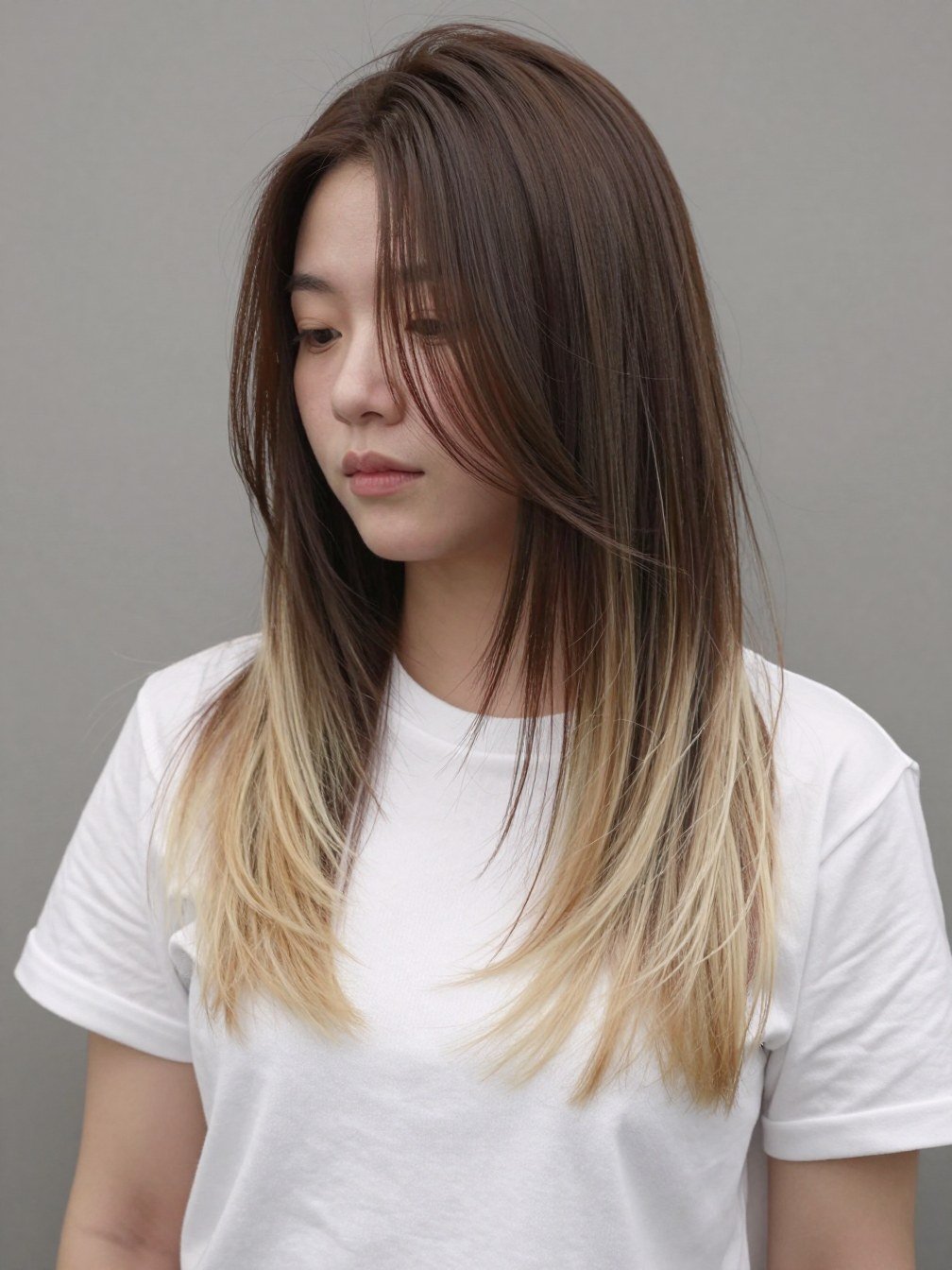
Champagne blonde on the ends gives a cool, luminous finish without full-head lightening. It is high-maintenance if you want cool tones, because dark bases require more lift and more toner visits. On straight to wavy long hair I tell clients to budget for a toner touch every 6 weeks if they want that clean cool look. For the salon session expect at least 20 volume in sections that need lift and a quick toner processed for 5 to 10 minutes only. Bond treatments before and after the service reduce breakage risk.
Toffee Blonde Ribbons For Depth
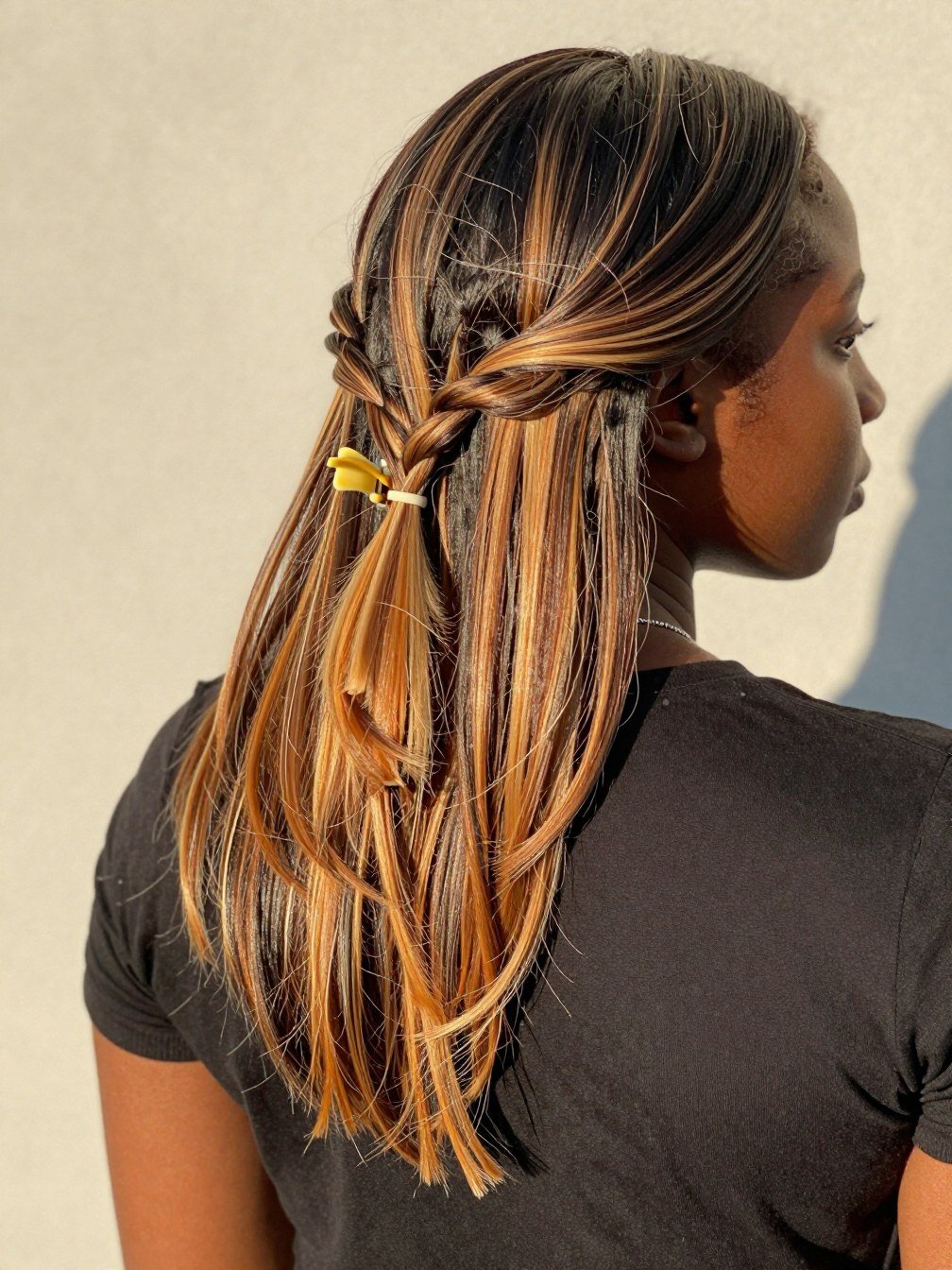
Toffee lives between brown and blonde and is forgiving on darker bases. For long, medium-density hair request small slices and backcombing at the crown to soften the start of lift. The result is warmth that never reads flat. A real detail to ask for is a mixture of foil and freehand painting so the lightener gets enough heat to lift while remaining blurred. At home, a color-safe conditioner and once-a-month gloss keep the toffee ribbons rich without brass. Do not overuse clarifying shampoo.
Backcombed Diffused Balayage For Blur
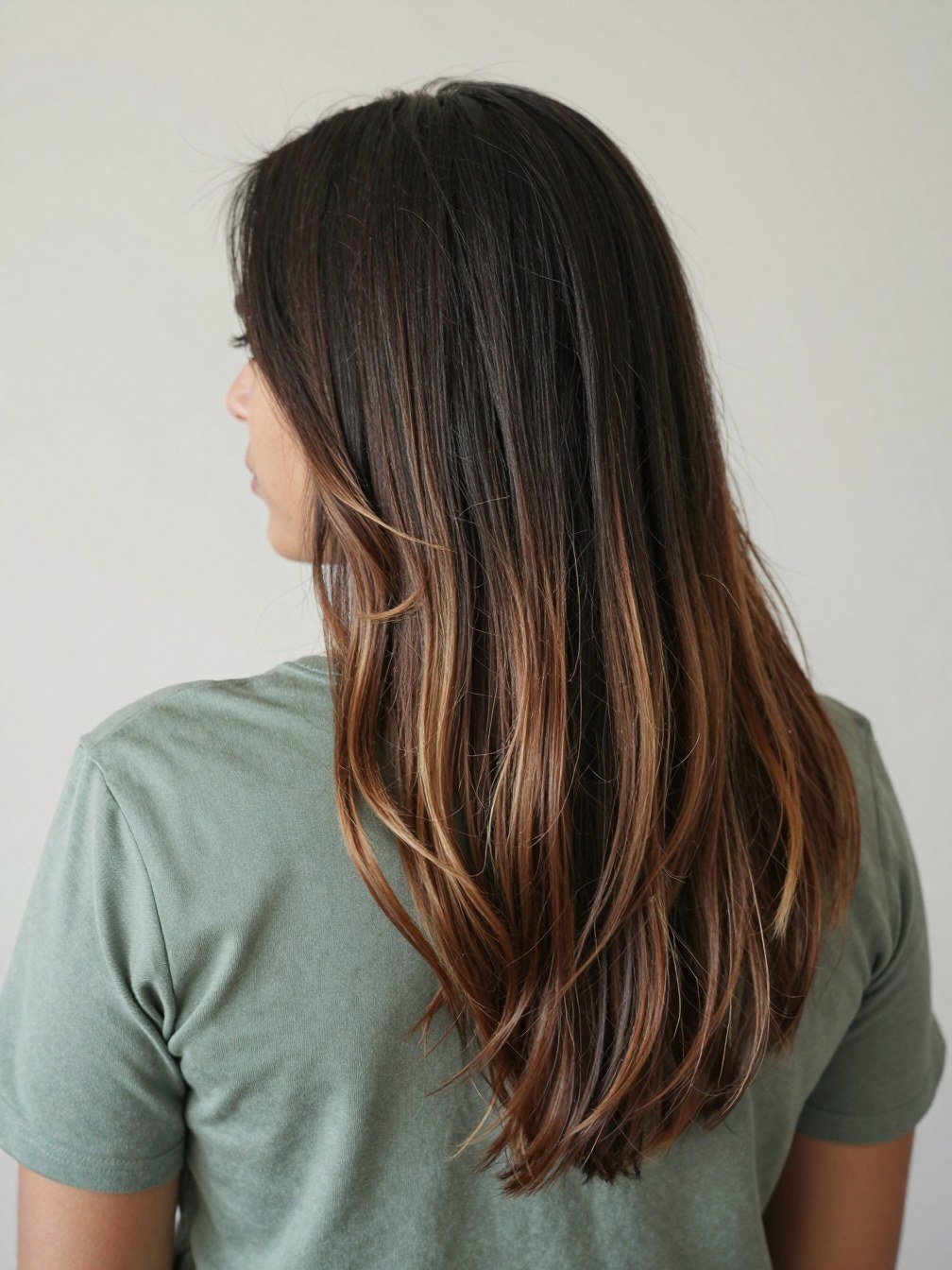
Backcombing before you paint gives that soft diffused line people want on dark hair. It is technique-driven, not product-driven. Tell your stylist you want feathery starts and ask them to backcomb each section lightly, then paint small slices. For long, thick hair this avoids a stark band. A mistake is trying this at home without proper sectioning, which yields uneven bands. Bond builder in the bowl and 20 volume developer for targeted slices usually does the job. Post-color, schedule a gloss rather than chasing another bleach session.
Foilayage Hybrid For Stubborn Brunettes
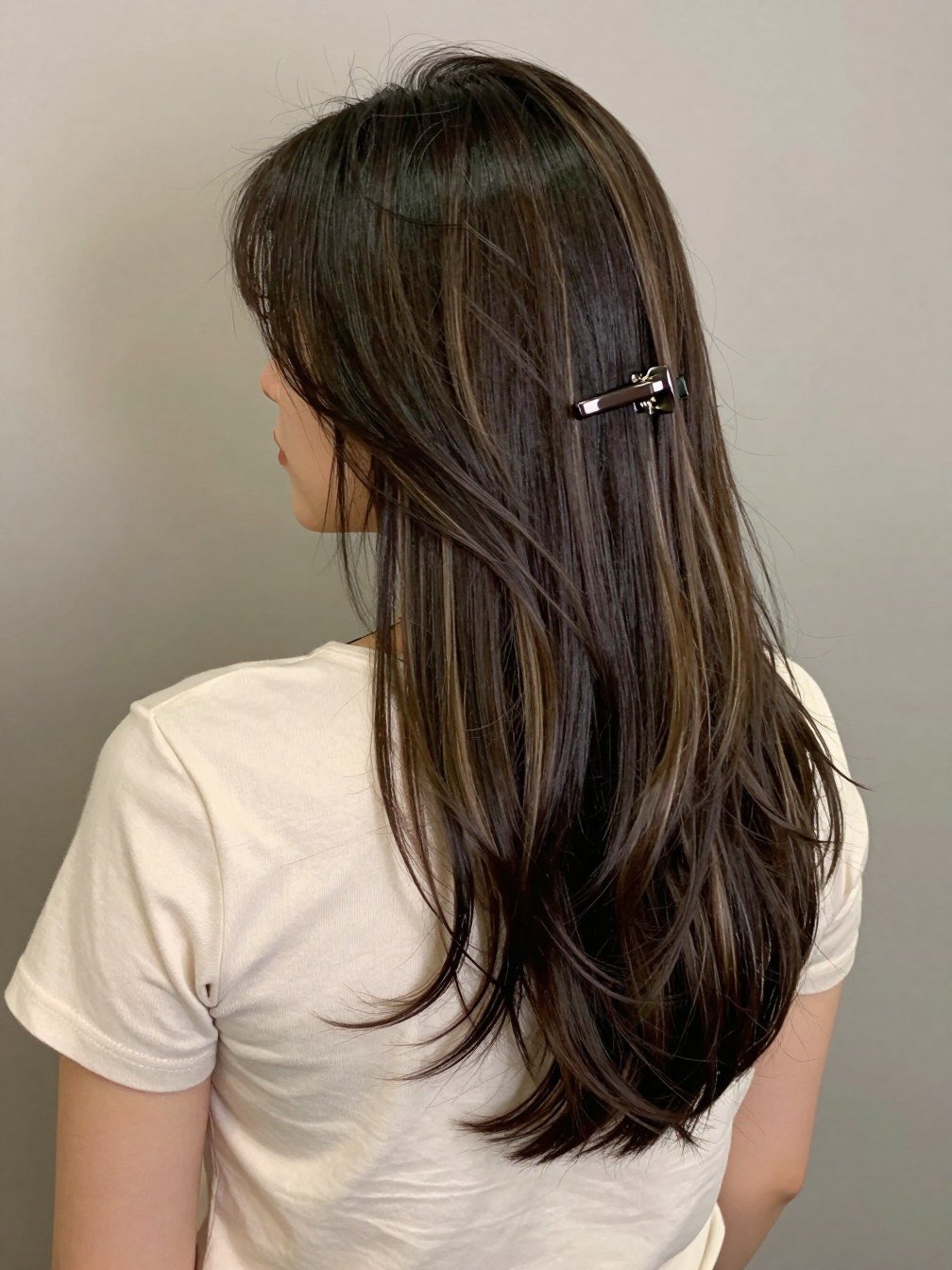
When brunettes are resistant, foils give extra lift while balayage keeps the grow-out soft. This hybrid is great on long, coarse hair that needs more heat to open. Ask for a mix of foils in the lower half and freehand painting on the top. Typical developer choice is 20 volume with careful timing. Bring up bond treatment if you plan heavy lift. DIY foiling over dark color is one of the fastest ways to run into uneven results, so book a pro.
Dark Root With Blonde Ends Gradient
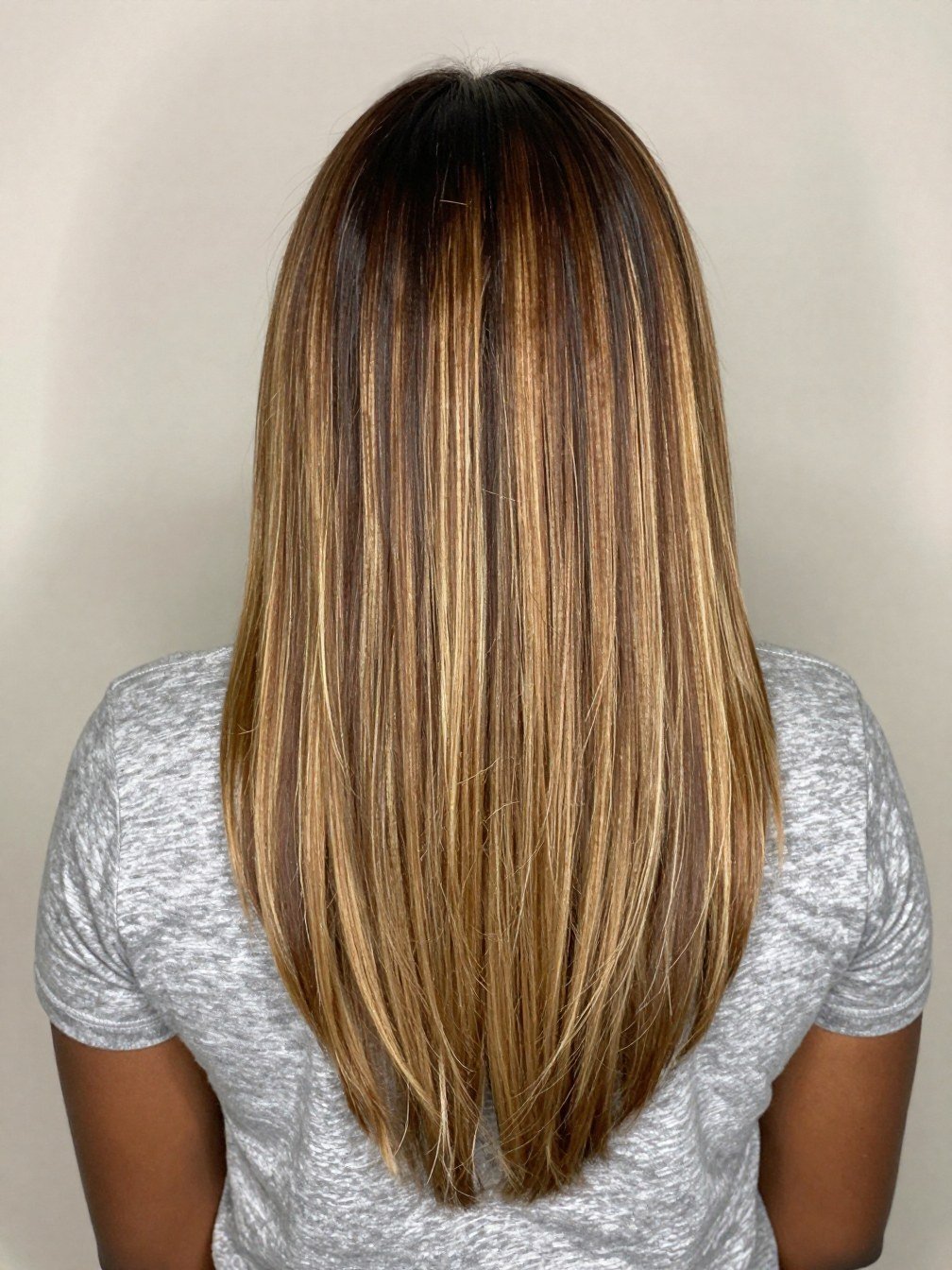
Keeping a darker root is the easiest trick to make blonde on dark hair wearable. The contrast feels intentional and the grow out looks chic. This is ideal for clients who want blonde payoff but not salon commitment. The technique is to leave the root untouched and hand-paint the mid-lengths to ends with a soft feathering motion. Mistake to avoid, lifting right to the scalp which ruins the blended effect. If you want to stretch appointments, request a root smudge at your gloss appointment.
Balayage Waves For Events And Photos
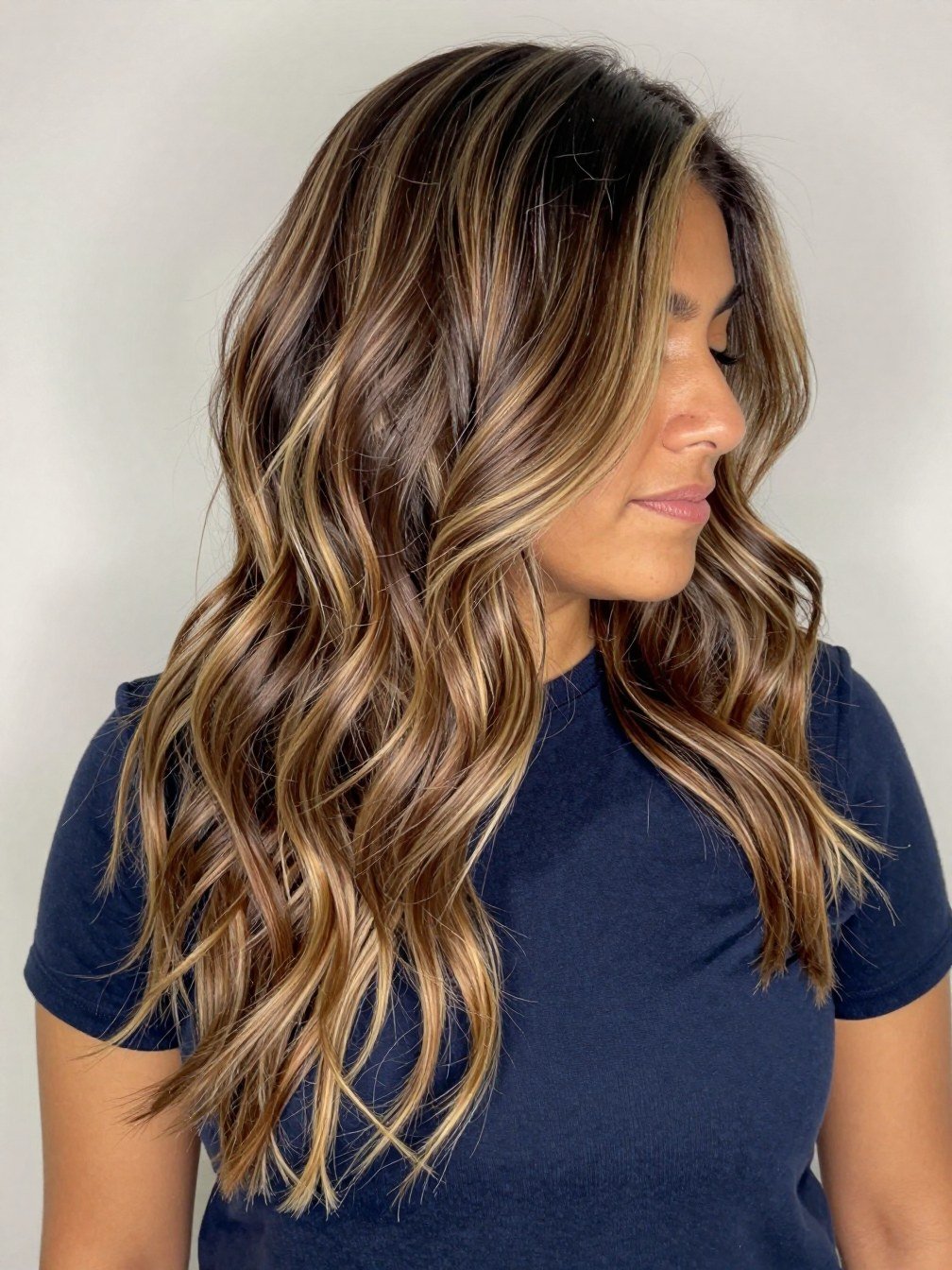
For events the way you style balance is everything. Waves amplify the dimension of balayage, especially on long medium to thick hair. Use a 1-inch iron on medium heat and alternate directions, leaving the last 1.5 inches untouched for that lived-in end. Apply heat protectant to damp hair and finish with a flexible spray. Photos flatten color sometimes, so add a quick gloss before big shoots to boost reflectivity. The common mistake is over-spraying so the hair looks stiff on camera.
Melted Blonde For Stretching Appointments
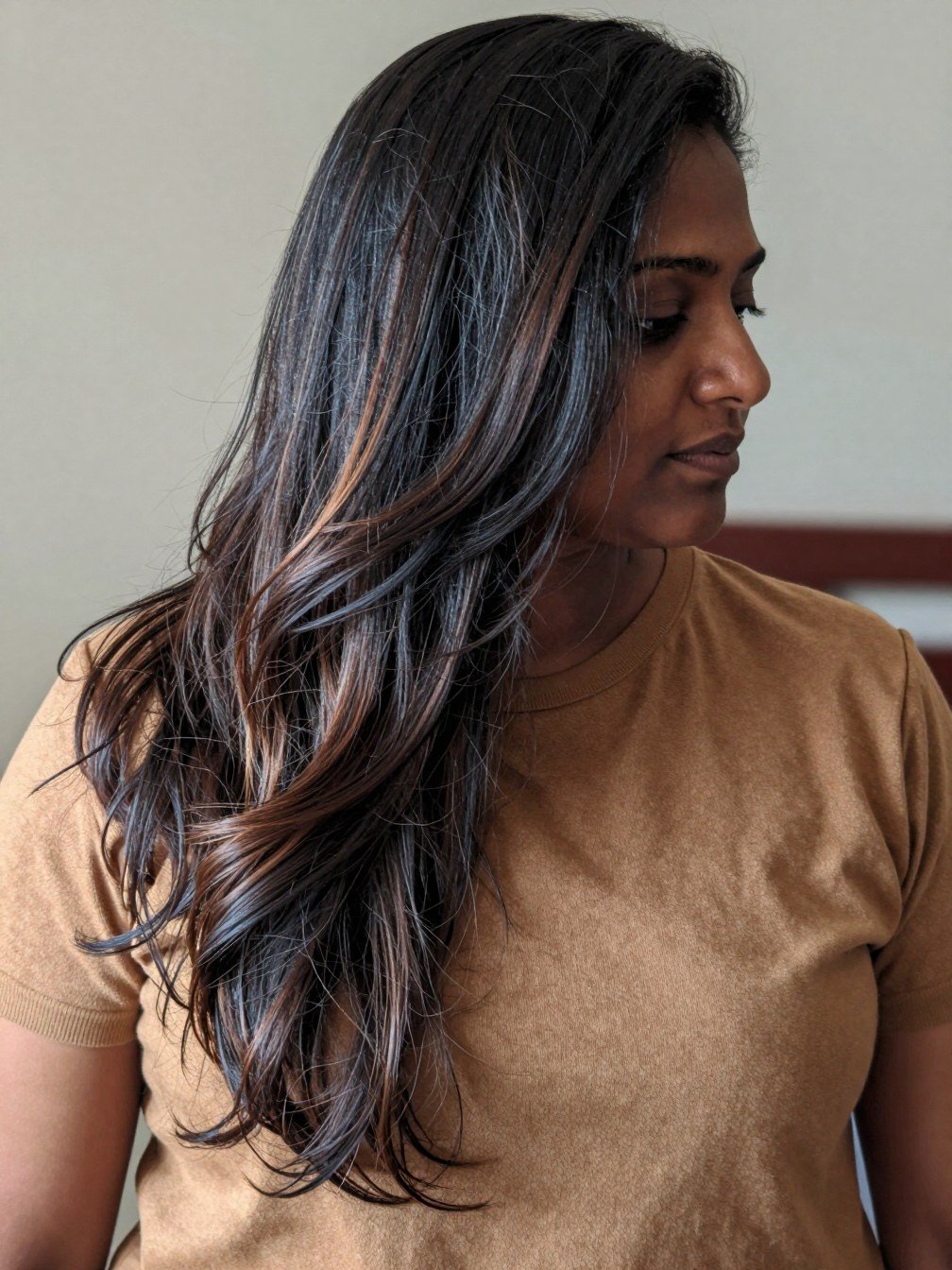
A melted blonde is how you make appointments last longer. The idea is to purposely leave depth at the root and blend the mid-lengths with a smudged technique. This works best on long hair where the fade reads naturally. Ask for a root-smudge plus a demi-permanent gloss at the end. Between visits I do a quick gloss at home every 6 to 8 weeks with a color-depositing conditioner rather than toning shampoos weekly. Hair grows about half an inch a month at most, regardless of what biotin gummies promise you, so plan your color around realistic grow-out.
Face-Framing Brightness You Can Maintain
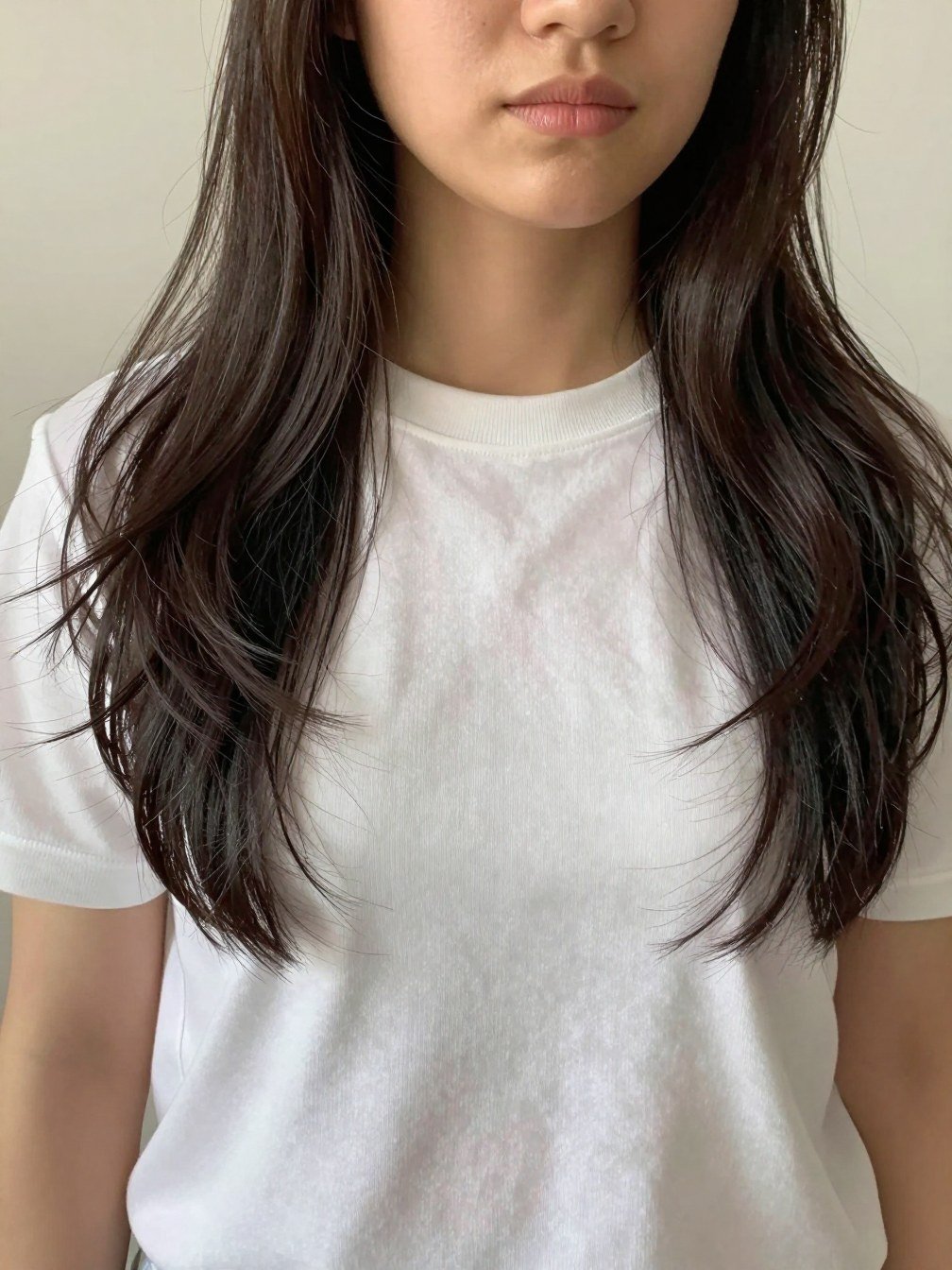
Face-framing pieces give immediate payoff and are easier to touch up. If you have fine to medium density hair, ask for thinner slices at the front so they still blend. A common at-home mistake is re-bleaching those fronts when they look dull. Instead, use a demi gloss or a small cap highlight touch-up performed by a colorist. Protect the front pieces from heat because frequent styling can make them porous and brassy faster than the rest of your hair.
Champagne And Caramel Lowlights Mix
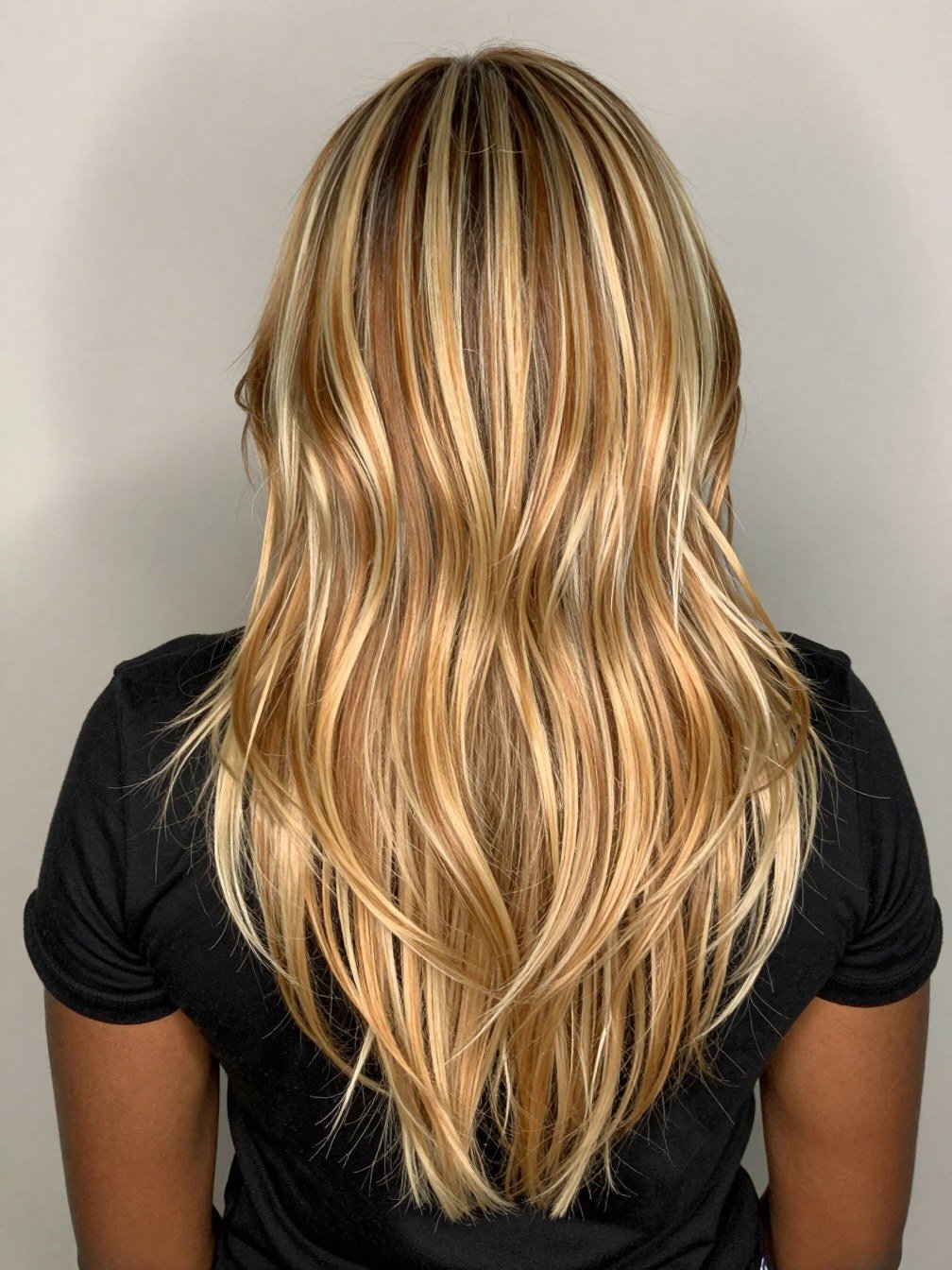
Mixing cool champagne ends with warm caramel lowlights keeps the overall effect dimensional rather than one-note. This suits long, wavy hair where the lowlights can sit under brighter ribbons. The salon will often do a two-tone gloss to marry them in one sitting. Mistake to avoid, over-toning everything into the same shade which flattens movement. If you have previously colored hair, split the session and use a bond builder to reduce stress on the hair.
The Bond Builder Routine That Actually Helps
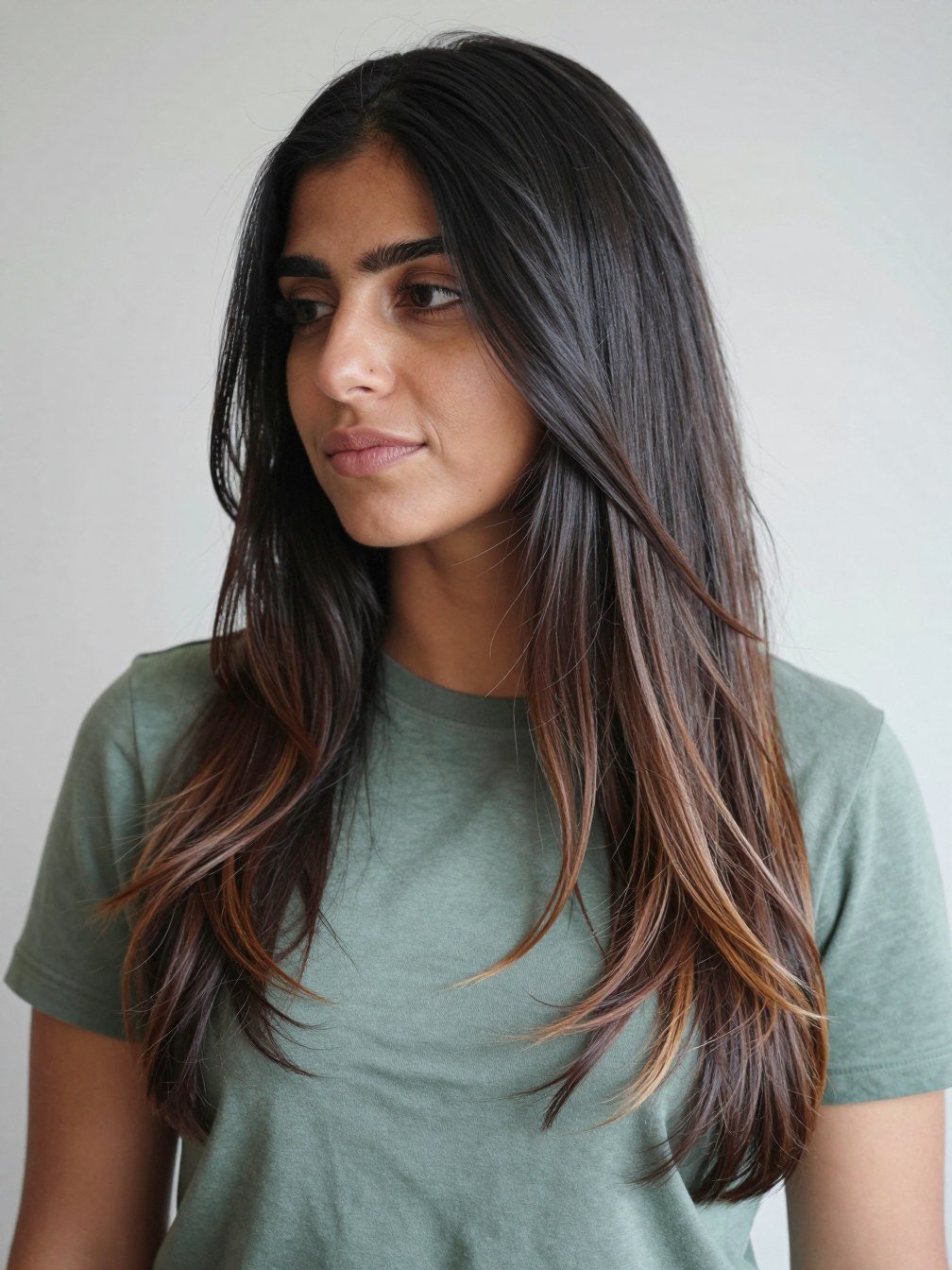
Bond builders are not magic but they make heavy lift safer when used the right way. I add a bond builder to the bowl for suspect mid-lengths and the stylist applies a leave-in bond treatment post-rinse. For long hair that has been colored before, that two-step approach reduces breakage. Do not expect split ends to disappear, trims still matter. If you plan multiple sessions, request this and see smoother ends in three to four weeks. Buy bond builders from reputable sellers on Amazon or salon stores to avoid fakes.
Root Smudge Touch-Up Trick Between Visits
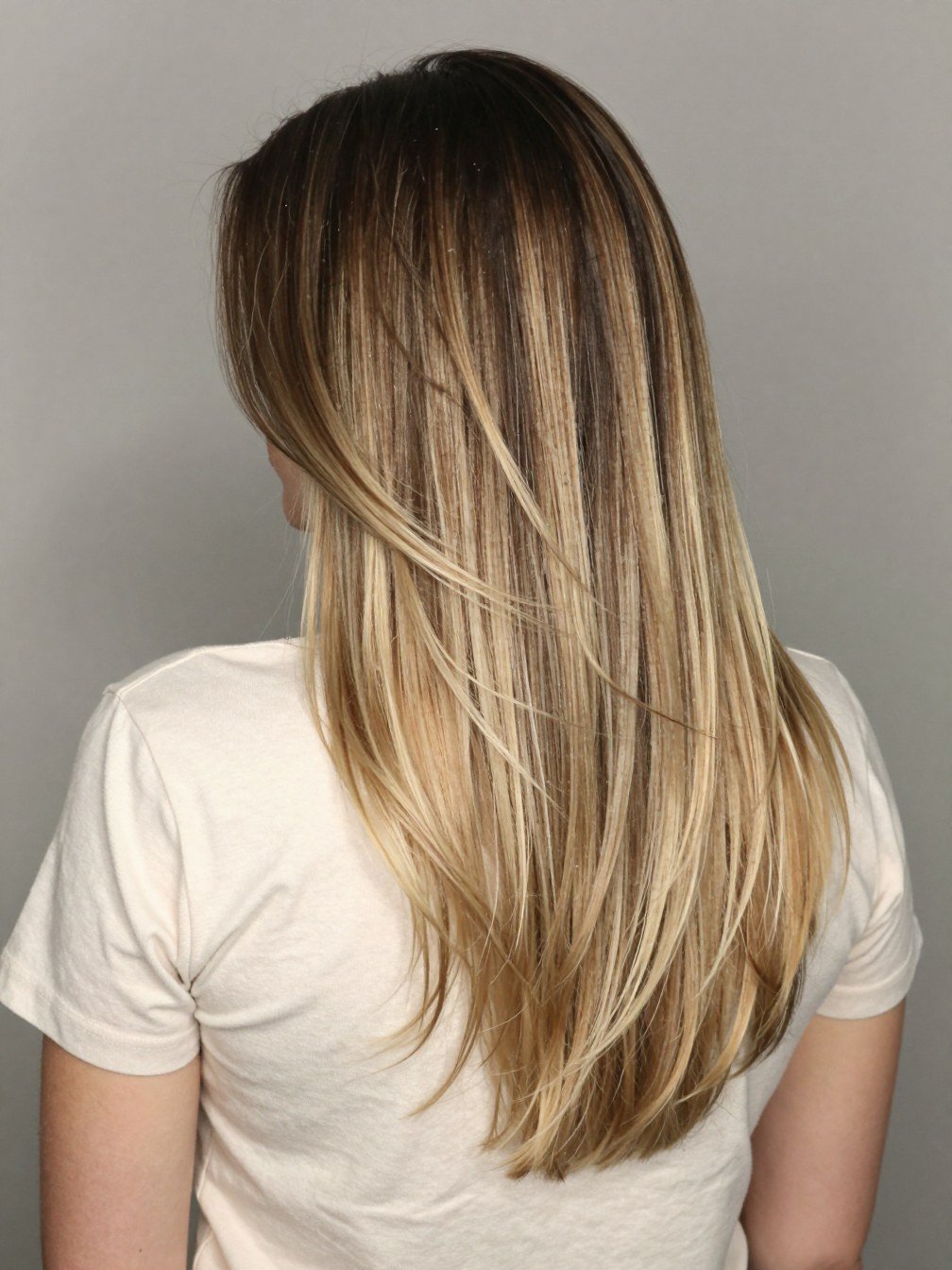
A root smudge is a quick fix to blur the line between your natural root and lighter mid-lengths. It is salon-friendly but some demi kits are safe for at-home use if you follow timing exactly. For long hair with deep natural pigment, ask the stylist to show the exact shade used so you can match it later. The risky move is using permanent color at home without a strand test. If you have scalp sensitivity, always do a patch test and consult a pro.
The 20-Volume Lift With Feathery Slicing Technique
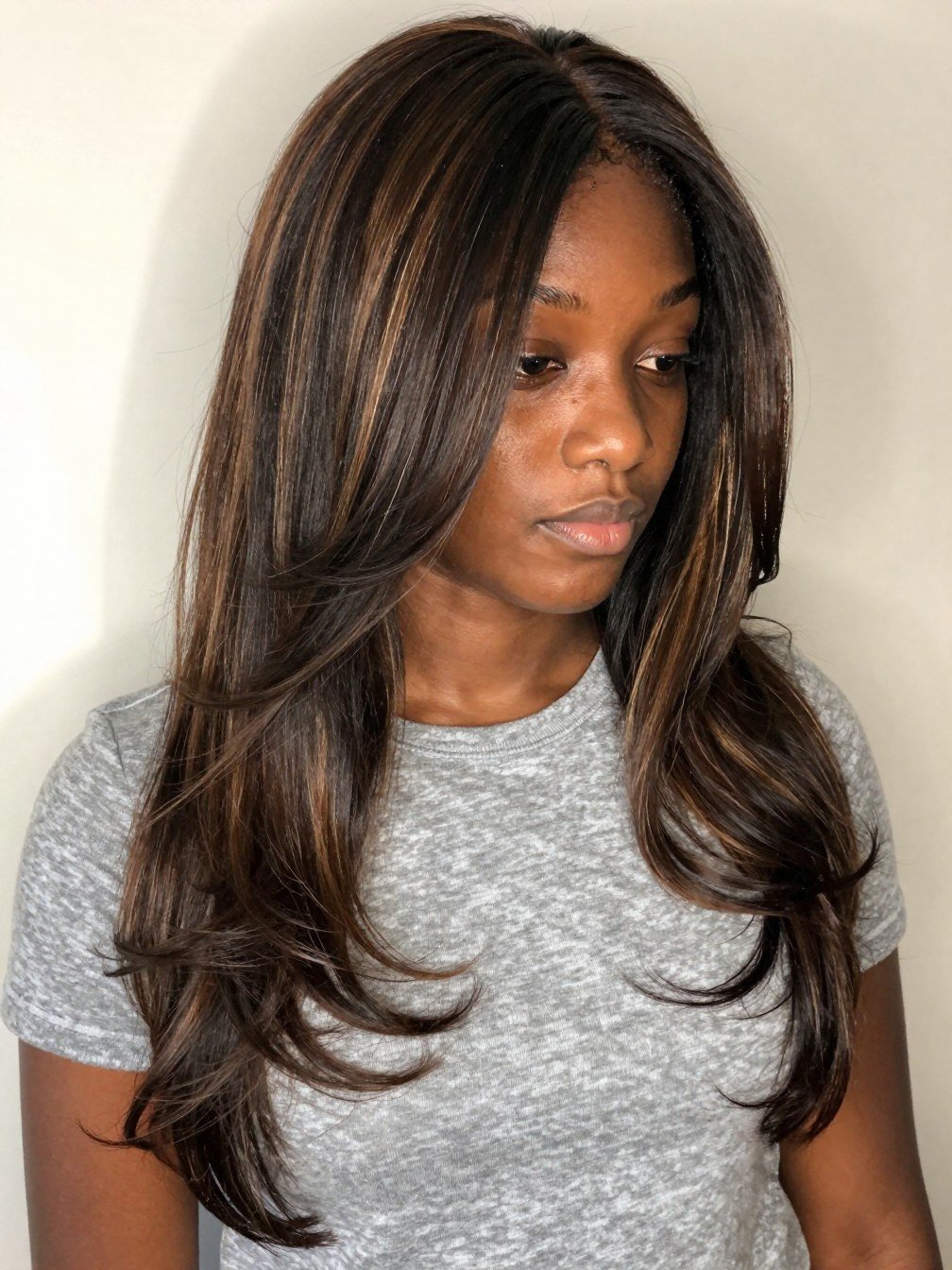
20 volume developer is the middle ground for controlled lift on dark hair. Use it for targeted slices and feathering rather than full-head lift. For resistant brunette hair, small sections painted with 20 volume and left to process in foils or with heat can give consistent results without going harsh. A detail to ask for is painting 1/8-inch slices at the crown to avoid striping. Beware of backcombing plus bleach at home, that is how bands happen.
Purple Shampoo Timing Without Drying Out The Hair
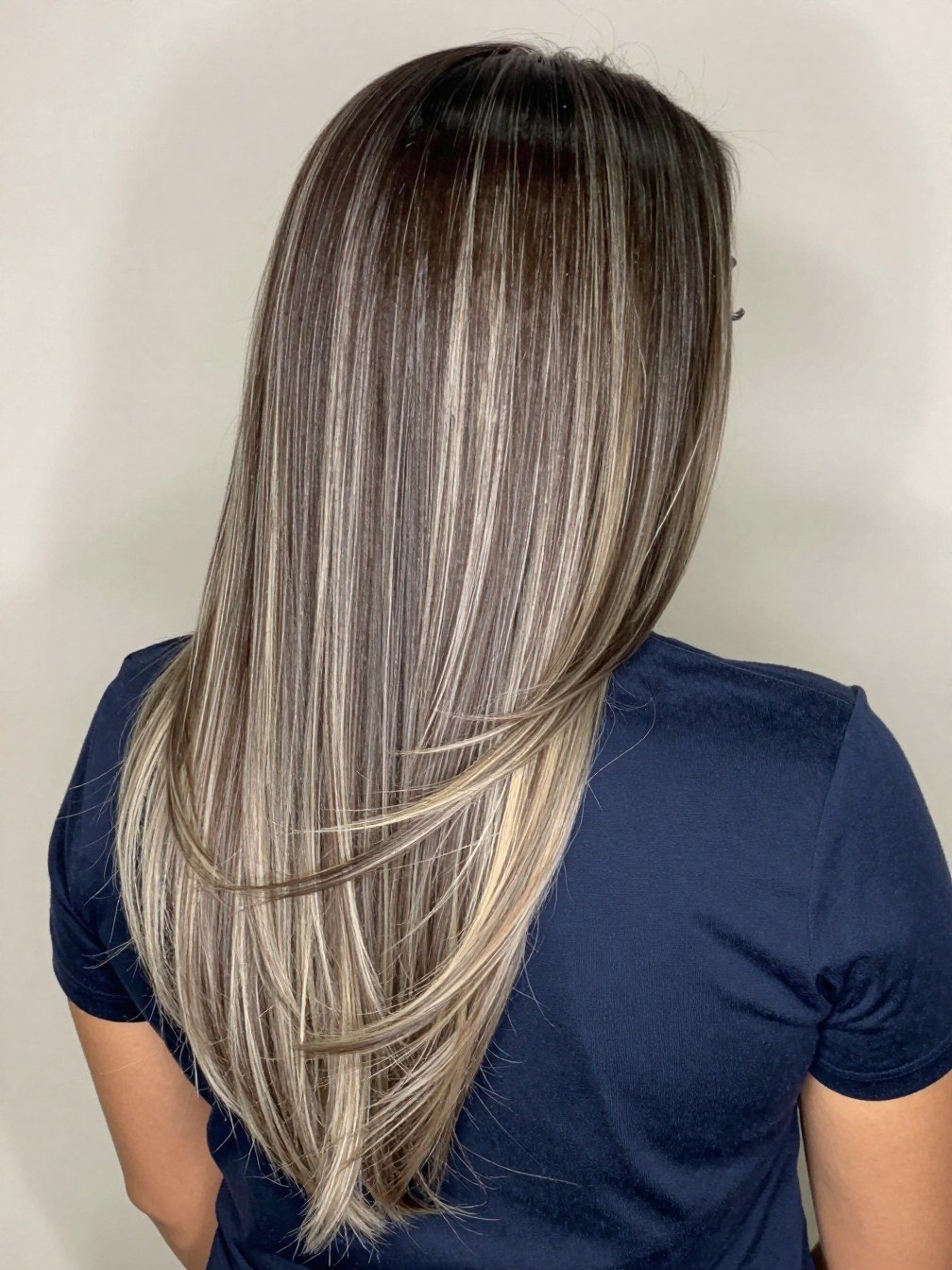
Purple shampoo is an easy tool but easy to overuse. For blonde balayage on dark hair use it once a week, or every 10 to 14 days if your hair is porous. Leave it on for 2 to 5 minutes depending on how brassy the hair is and your porosity. The mistake is daily use which dries hair and flattens tone. Follow with a rich conditioner or a leave-in oil on the ends. Rotate with a color-depositing conditioner to maintain warmth when you need it.
Gloss Refresh In Five To Ten Minutes
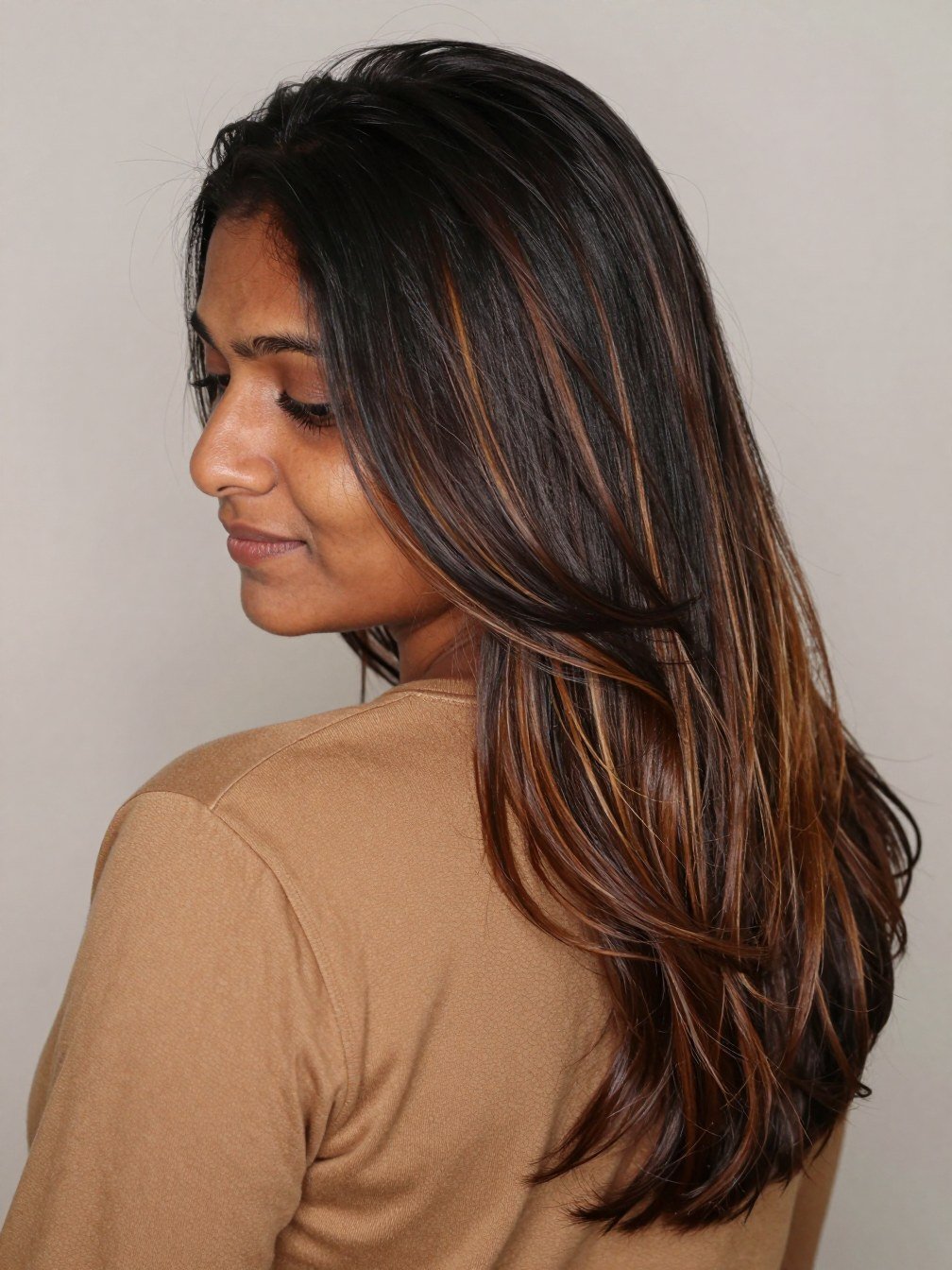
A glaze or gloss is the easiest way to refresh tone in under ten minutes. It sits on the cuticle and adds shine and a subtle tone shift until the next wash. For long hair I get glosses every 6 to 8 weeks to keep brass from building. If your stylist leaves a gloss on longer than 10 minutes the color can go muddy, so ask them to check mid-process. At-home glosses are fine for slight adjustments but use the same brand your colorist uses to match results.
Honey-To-Beige Ombre Ends For Length
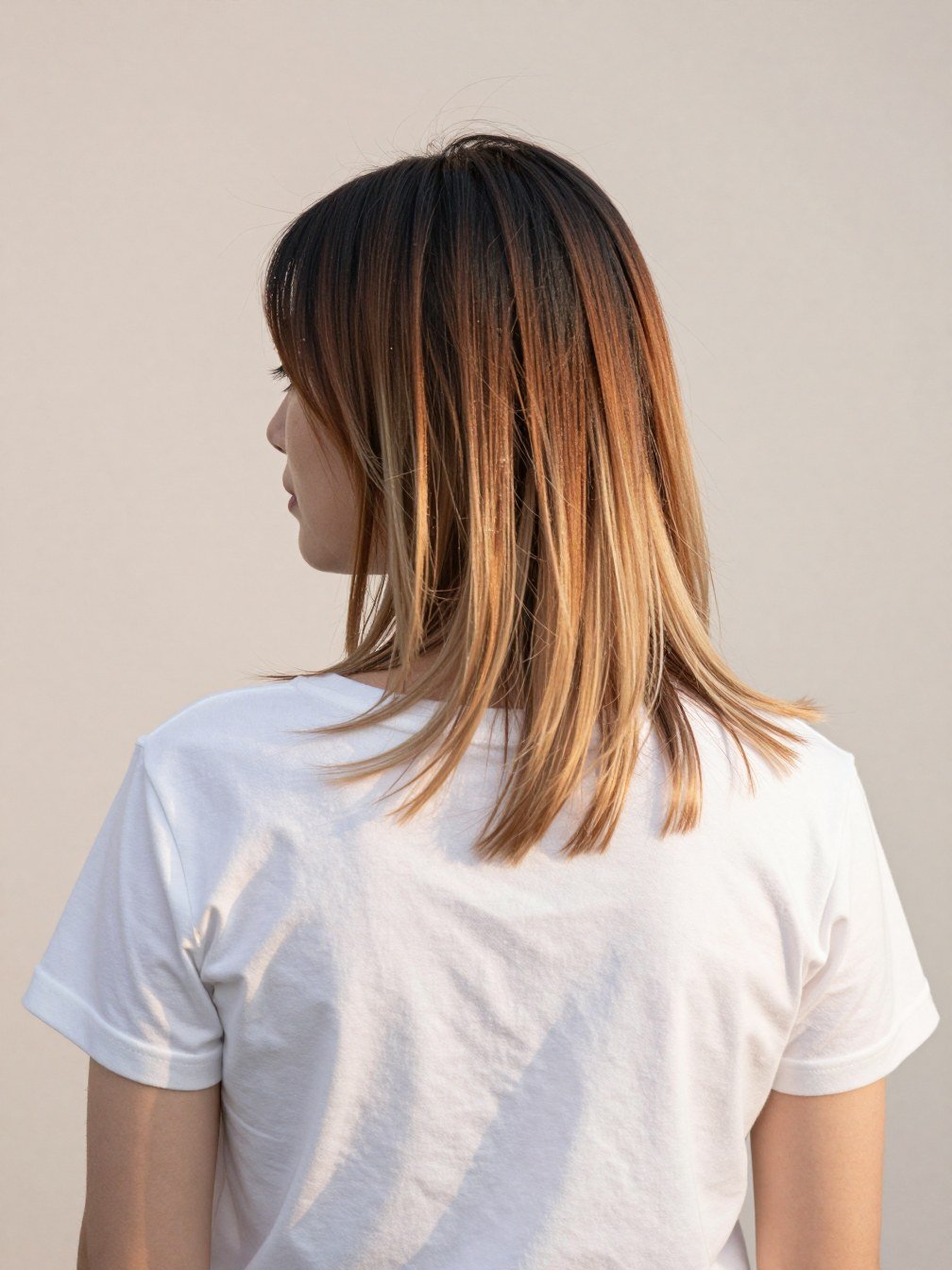
If you have long hair and want the ends to read lighter without high maintenance, a honey-to-beige ombre is a good compromise. The technique leaves warmth in the mid-lengths and cools the very ends. It works well on thick hair because the length shows the fade naturally. Keep in mind that lighter ends still require heat protection. Apply a lightweight oil to damp ends before heat styling to prevent dryness.
Heat Protection And Styling For Long Blonde Ends
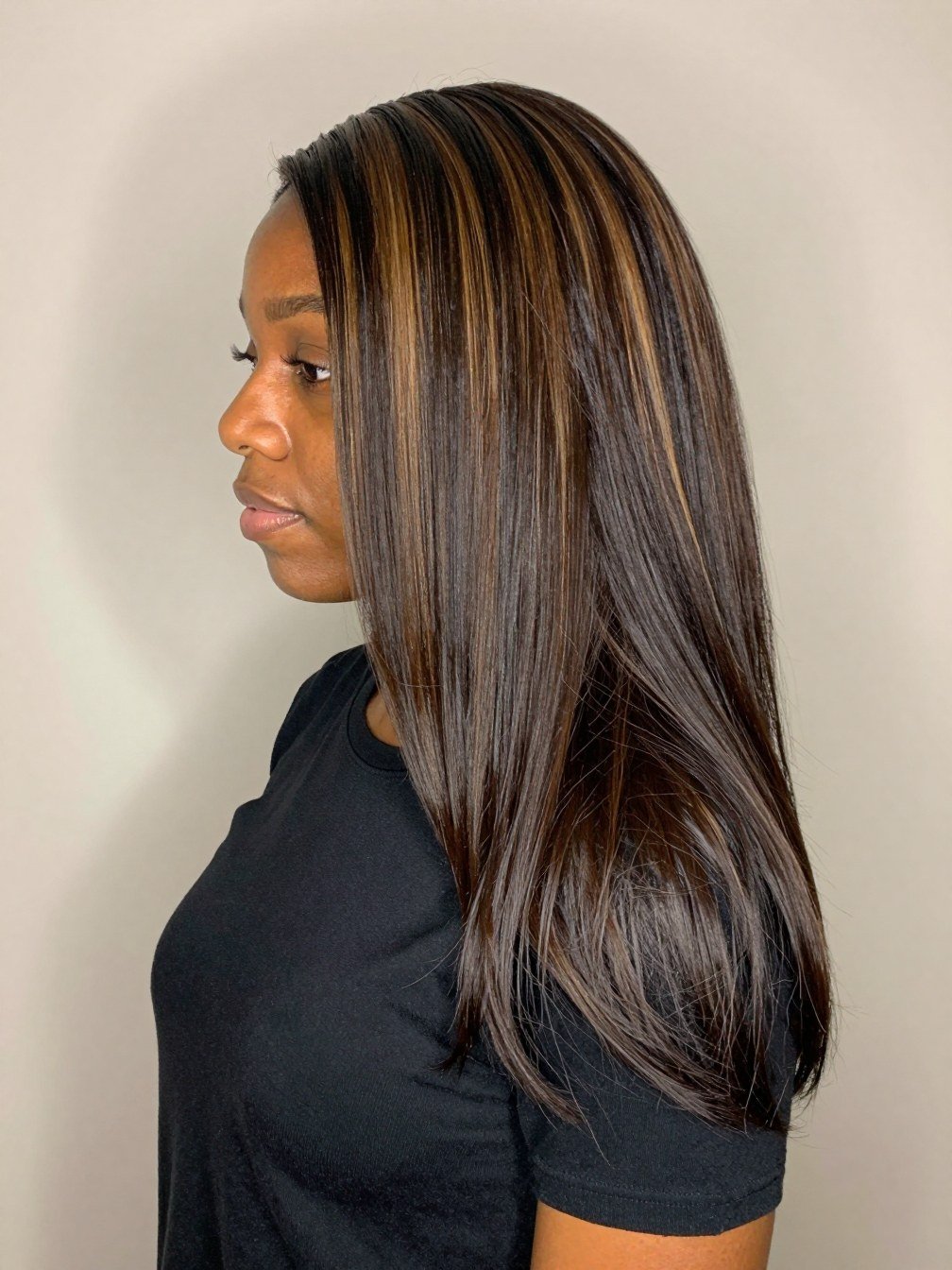
Heat protection is non-negotiable when your ends are lightened. A spritz on damp hair absorbs and actually performs better than a quick spray on dry hair. For irons over 300 degrees use a thermal protectant rated for high heat. I find that leaving the protectant on for 30 seconds before styling helps it penetrate. A common mistake is using too much oil which makes the ends limp, so a pea-sized amount is plenty on long hair.
Brassy Fix For Dark-Base Blondes
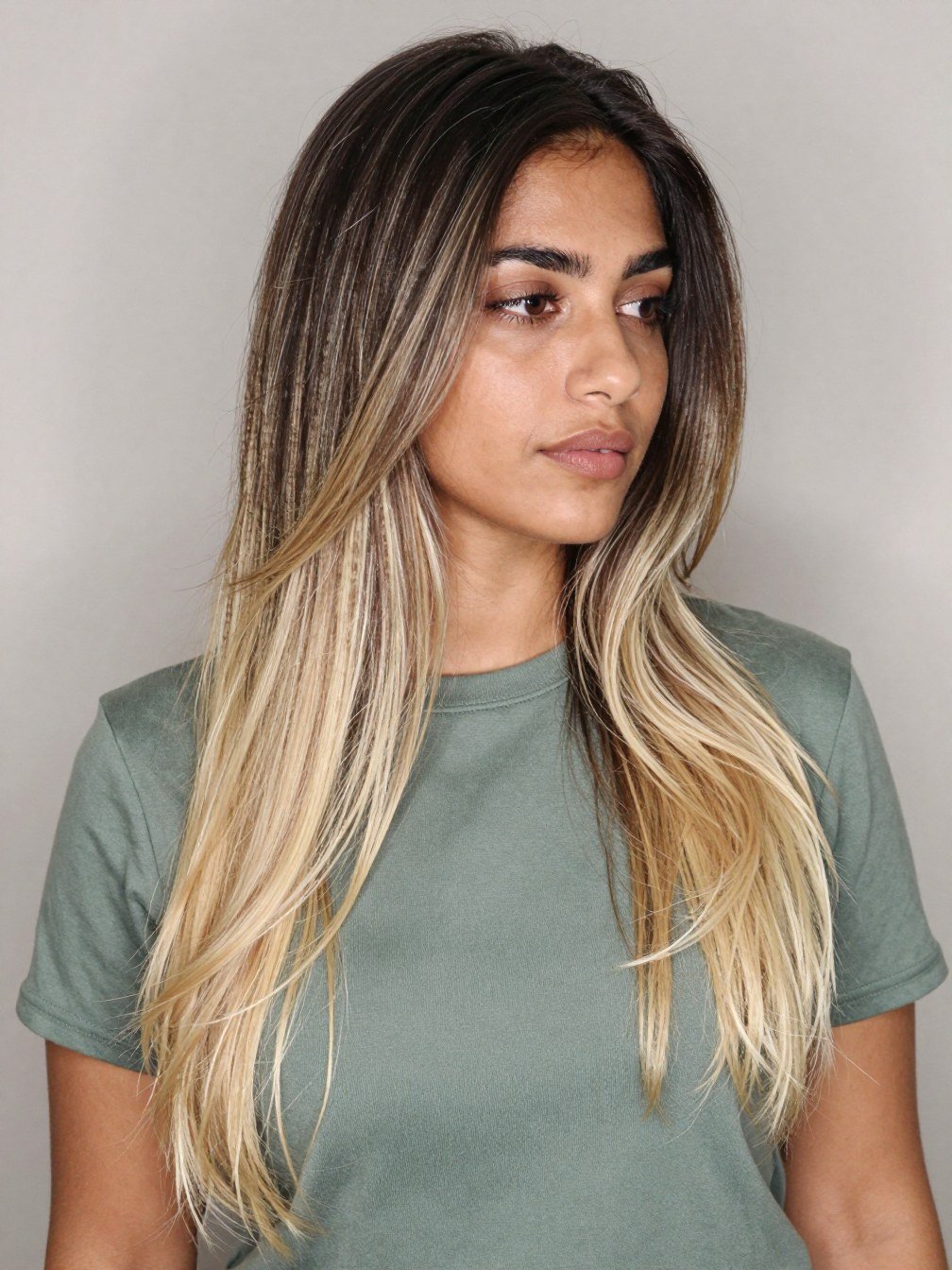
Brass happens faster on dark bases that have been lightened. The fastest fix is a short toner in salon and a weekly blue or purple mask at home. If your hair is porous, reduce how long you leave toning products on and follow with a deep conditioner. Mistake to avoid is thinking purple shampoo will fix a poorly processed lift. If the lift was uneven, book a corrective gloss rather than scrubbing with toners.
What I Wish Someone Told Me Before My First Blonde Balayage Attempts
- Heat protectant goes on damp hair, not dry. The product actually absorbs and protects better that way. Try a popular heat protectant spray and let it sit 30 seconds before blow drying
- Hair grows about half an inch a month at most, regardless of what biotin gummies promise you. Plan color around realistic grow-out
- If your dark base is very resistant, ask for a foilayage hybrid and a bond builder. It prevents repeat heavy lifts and reduces breakage. Bond builders should be bought from authorized sellers like the brand store on Amazon
- Use a silk pillowcase and a weekly bond treatment to reduce breakage. I saw more visible improvement in my ends after two months than from any single product
Frequently Asked Questions
Q: How often should I book a gloss after getting balayage on dark hair?
A: Every 6 to 8 weeks is a common schedule for lived-in balayage, less if you are after cooler tones. Glosses keep tone fresh and hide minor brass between full color appointments.
Q: Can I balayage my dark hair at home in one session?
A: Lifting dark hair to a true blonde in one session is risky and often damages ends. For soft caramel or toffee tones you can sometimes do a controlled session, but for high lift book a salon and accept multiple appointments. If you try at home, do a strand test first and use 20 volume developer only on small slices.
Q: How often should I actually use purple shampoo to fix brassy tones without making my hair dry?
A: Once a week is a good rule for most balayage on dark hair. If your hair is porous reduce frequency and time the rinsedown to 2 to 5 minutes. Follow immediately with a hydrating conditioner.
Q: Will Olaplex No. 3 prevent my hair from breaking during lightening?
A: Olaplex No. 3 helps strengthen hair between salon visits, but it does not undo split ends. Use it weekly and pair it with in-salon bond treatments during the service. Buy from the official brand store on Amazon or from Sephora to avoid counterfeits.
Q: What is the difference between balayage and foilayage, and which is better for long dark hair?
A: Balayage is freehand painting for soft grow-out. Foilayage adds foils to help lift darker or coarser hair. For long, resistant brunettes foilayage often gives more predictable lift. The choice depends on how much lift you need and how blended you want the grow-out.
Q: Can I get ash blonde on dark hair in one session safely?
A: Not usually. Ash tones need more lift and the toner window is short. Most stylists will split this into two sessions to protect the hair and use bond builders. If your hair is already lightened, a shorter toner session might do it, but expect salon visits.
Q: How long before a wedding should I schedule balayage?
A: Book your full color about six to eight weeks before the wedding and a gloss two weeks prior to perfect tone and add shine. This gives time for minor adjustments and avoids last-minute fixes that can go wrong.