If your dark brown hair always turns orange before it ever turns blonde, this is the balayage road map I actually use. These ideas are aimed at medium to thick 1B through 3B hair, shoulder length and longer, with notes for fine hair where needed. Expect salon sessions for major lift and realistic at-home upkeep between visits. Budget ranges from drugstore maintenance to a couple of salon splurges depending on how bright you want to go.
True Bronde Balayage for Dark Brown Bases
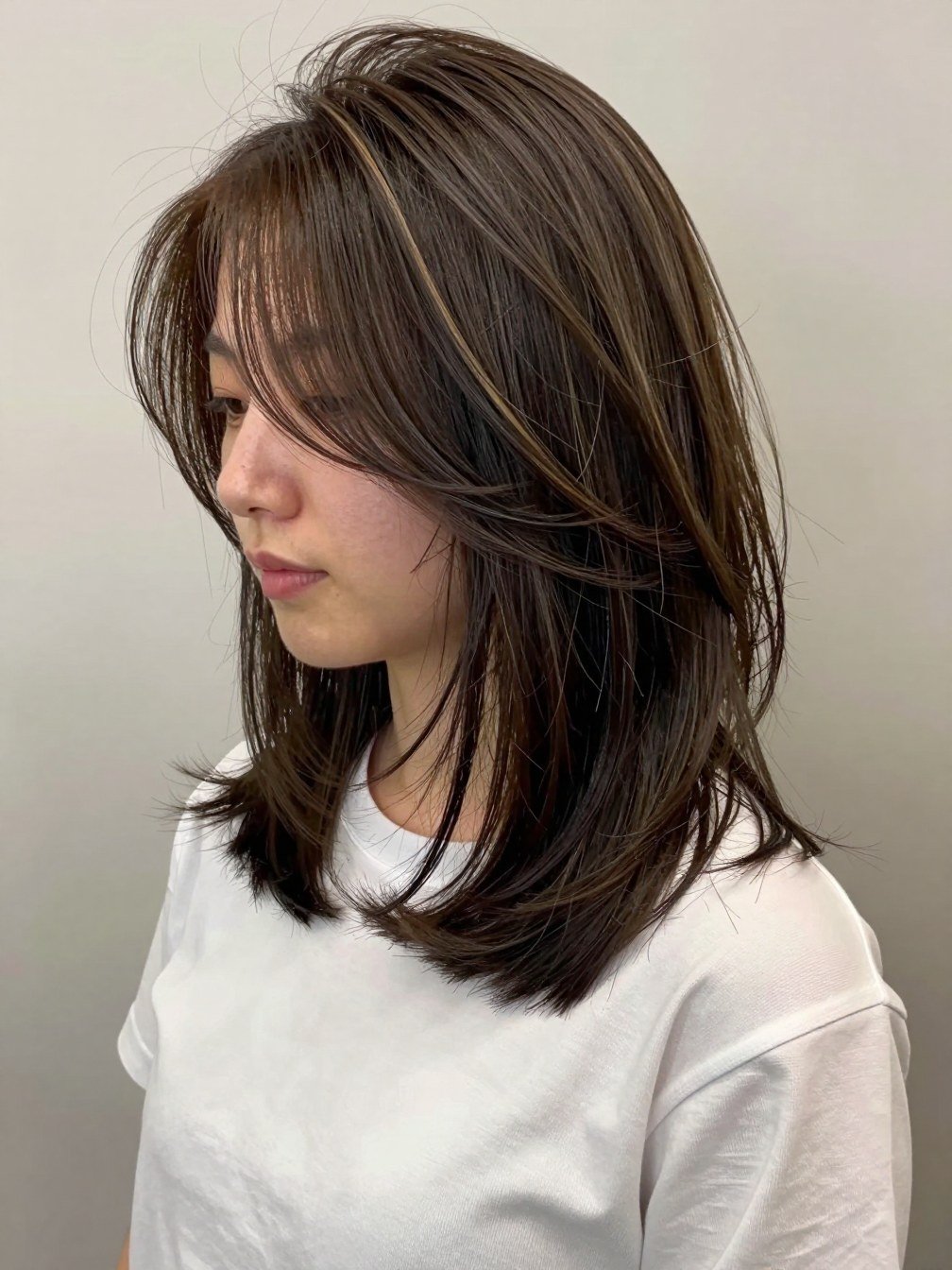
The safest step toward a believable blonde on dark brown is bronde, lightening into the same tone family so nothing fights. Dark brown hair usually needs 2 or more sessions to reach a true blonde safely. In practice that means asking your stylist to aim for a dark blonde target rather than a full lift in one go, use freehand Wella Blondor slices for soft placement, and finish with a root melt so the line is blurred. Fine hair should get thinner slices, not bigger chunks. A common mistake is asking for too much in one visit, which leads to breakage. For at-home tone upkeep, purple shampoo once or twice a week plus a toning gloss every couple of months keeps the blonde from going brassy, and a weekly Olaplex No.3 treatment helps the ends hold up between appointments Olaplex No.3 hair perfector.
Ashy Dark Blonde Balayage With Cool Finish

If your base has ash or cool tones, stay cool through the mids and ends so pieces don’t look patchy. Ask for an ash glaze at the end of the appointment and use a purple shampoo once or twice a week, not every wash, to keep warm undertones at bay. A common salon formula is a low-volume developer on the ends with a slightly stronger mix at the midshaft, plus a gloss to remove green or yellow notes. Fine hair benefits from micro-slices rather than chunky foils. Overtoning is a real mistake, so keep the first gloss softer and reassess in two months. For easy at-home cooling, use a purple shampoo from Amazon on wash day purple shampoo for brass.
Money Piece Face Frame That Stays Soft

A bold face frame gives instant payoff and does not require full-head lightening. The trick is back-to-back fine slices and teasing the root area before painting the lightener to keep each piece feathered. This works on fine to medium hair but avoid chunky money pieces on thin hair since they can read like gaps. A mistake I see is leaving the front pieces too blocky, which ages the look. Ask for a soft gloss and possibly a root smudge to keep grow-out wearable. For styling, two spritzes of a sea salt spray on damp hair before diffusing keeps the piece textured without needing heavy heat sea salt texturizing spray.
Soft Caramel Balayage for Warm Brunettes

If you want a lighter look without brittle ends, soft caramel is forgiving on dark brown bases. It works especially well on thicker, wavy, or curly textures where warmth reads richly. Ask for face-framing warmth and subtle pieces through the mids so grow-out blends. A common mistake is chasing too-cool tones on naturally warm hair, which fights the base and looks patchy as it grows. For maintenance, use a color-safe conditioner and a gloss refresh every eight to twelve weeks. I use a midweight leave-in to lock moisture into bleached sections, applied sparingly from below the ears down leave-in conditioner spritz.
Cool-Toned Blonde Balayage for Level 2 to Dark Brown
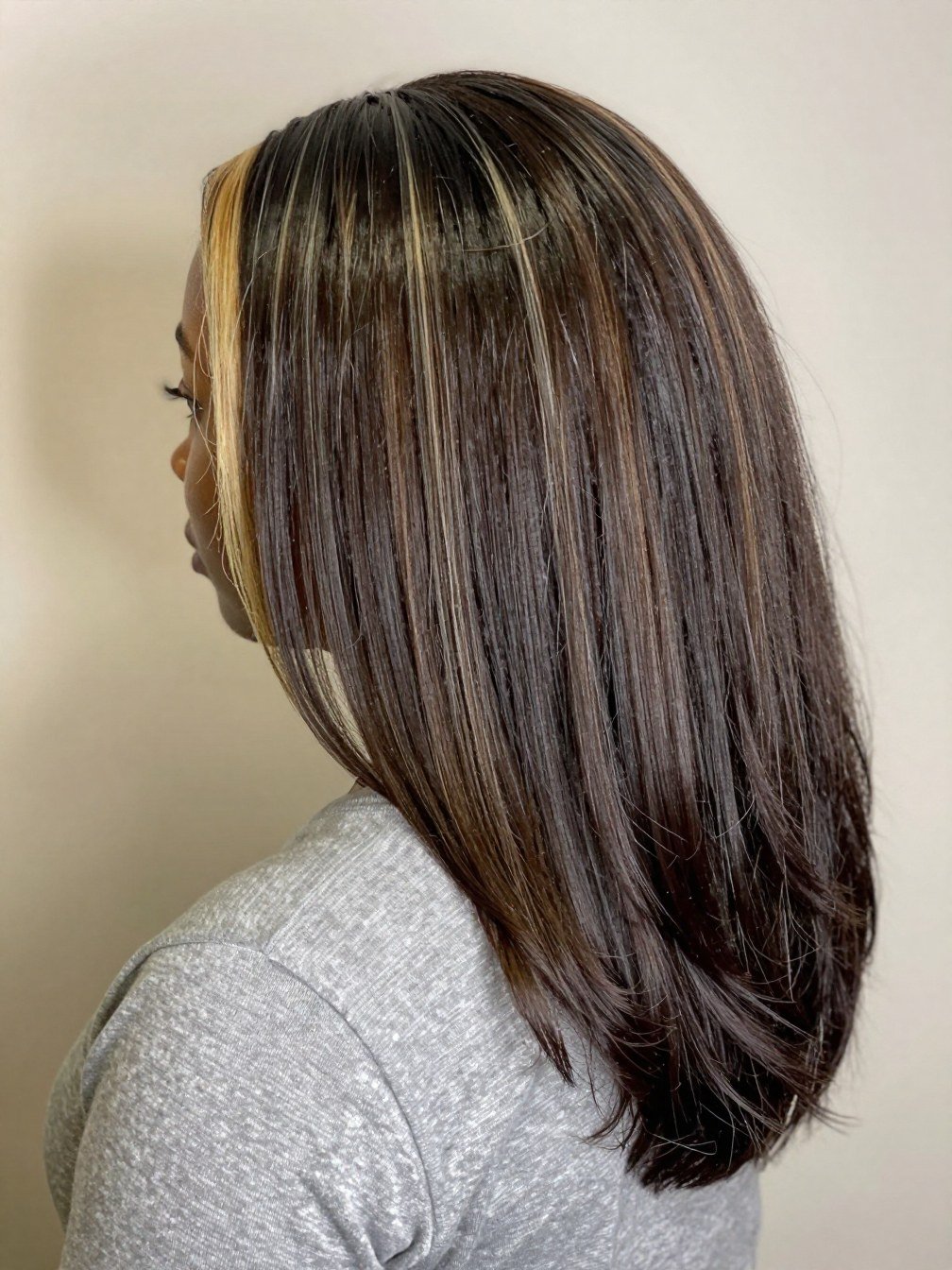
On very dark hair, cool-toned blondes can neutralize orange undertones that pop during lifting. This is a high-risk move for deep brunettes so expect salon-only processing. Stylists sometimes use 20 volume on roots and 10 volume on ends with Olaplex added, then a root melt and glaze. One risky salon technique uses 40 volume plus 30 volume mixed to about 35 volume for stronger lift, which should never be done at home. If your hair is fragile, do a strand test and space sessions out. At home, use a sulfate-free clarifying wash once before your appointment to remove buildup; it helps the lightener process more consistently sulfate-free clarifying shampoo 8oz.
Lived-In Balayage With Root Smudge and Gloss

If you hate frequent touch-ups, a lived-in placement plus a root smudge is how to buy time. The root melt softens contrast and a clear or glazed toner adds shine without stripping. This suits most textures, from straight to curly, and is perfect if you want lower-visible regrowth. A mistake is skipping the glaze, which makes the grow-out look chalky. Salon pros recommend gloss refreshes every 8 to 12 weeks. At home, I refresh with a demi-permanent gloss product or a professional color maintainer between appointments demi-permanent gloss.
Honey Blonde Balayage That Ages Well
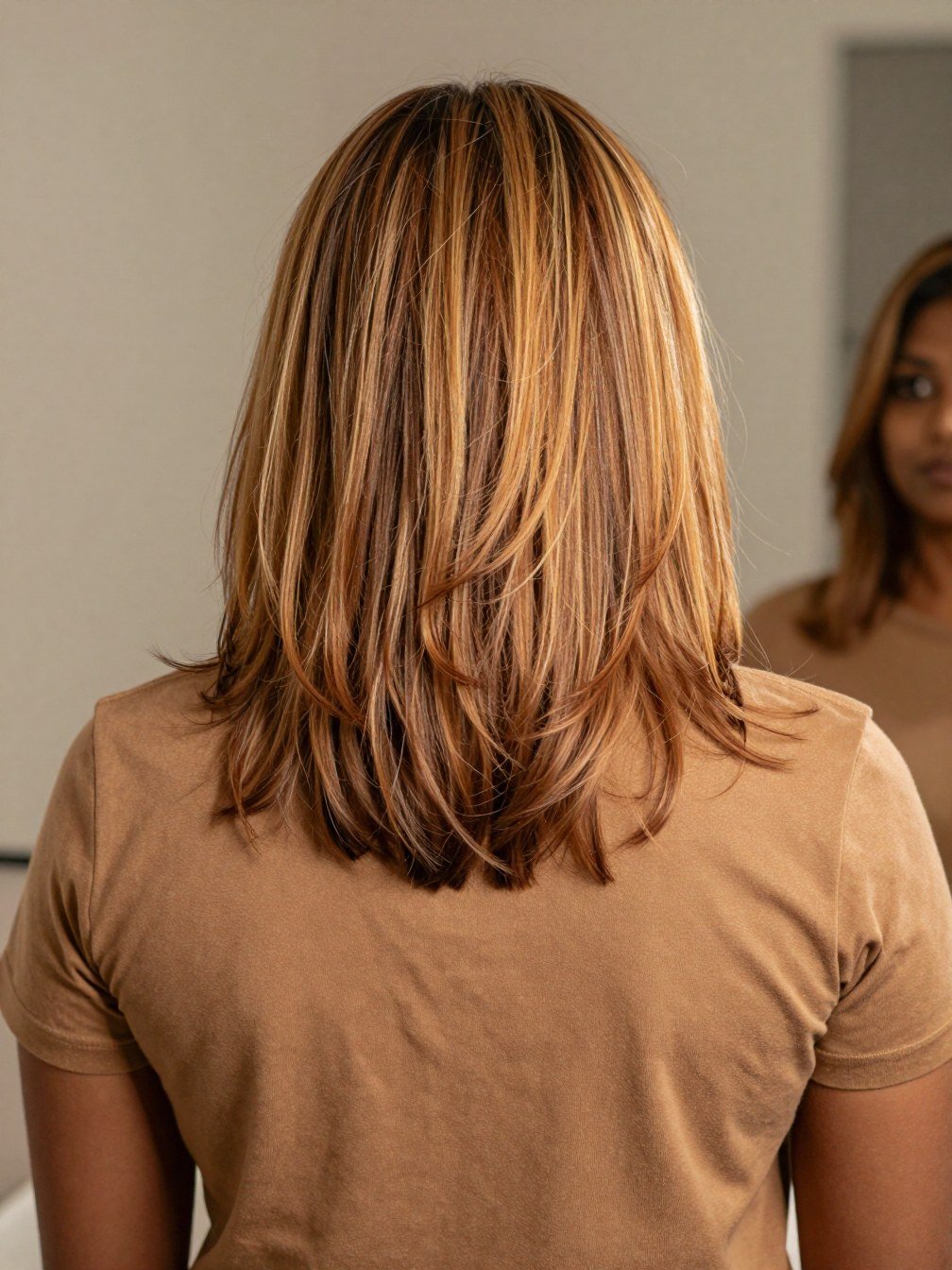
Honey blonde is the friendliest blonde for brunettes who want warmth without constant color fixes. It suits medium to thick hair best because the warm pieces read dimensional. The mistake here is overtinting toward orange, which happens when the underlying red shows through. My stylist uses a warm balayage formula and finishes with a glaze that contains slight violet to cancel excess brass. Purple shampoo once or twice a week plus a toning gloss every couple of months keeps the blonde from going brassy. For daily styling, a light oil on the ends prevents the bleached bits from looking dry light weight hair oil 1oz.
Bold Yet Blended Money Piece With Soft Edges
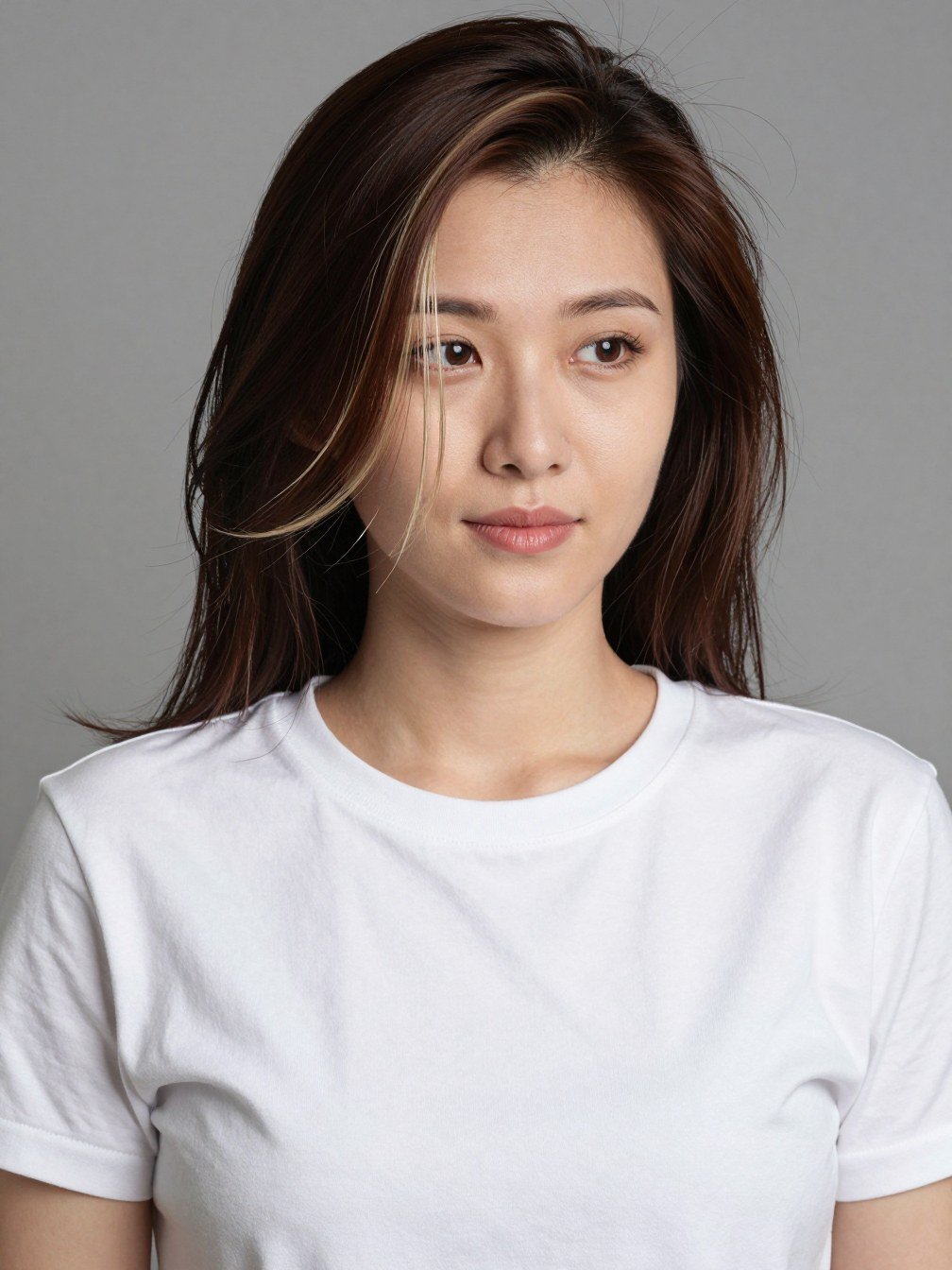
A more visible money piece still needs soft edges to look lived-in. For medium or long hair, ask for narrower slices that are feathered into the rest of the color. Hair that is already color-treated should avoid overlapping bleach on those front pieces to prevent breakage. A common mistake is using only a toner on the money piece and leaving underlying warmth untouched. Styling tip, use a 1-inch curling iron at 350F on low porosity hair to set the frame without overcooking the ends. Finish with a clarifying shampoo on the third wash if product buildup flattens the piece 1-inch curling iron heat control.
Dark Blonde Balayage for Lower Upkeep
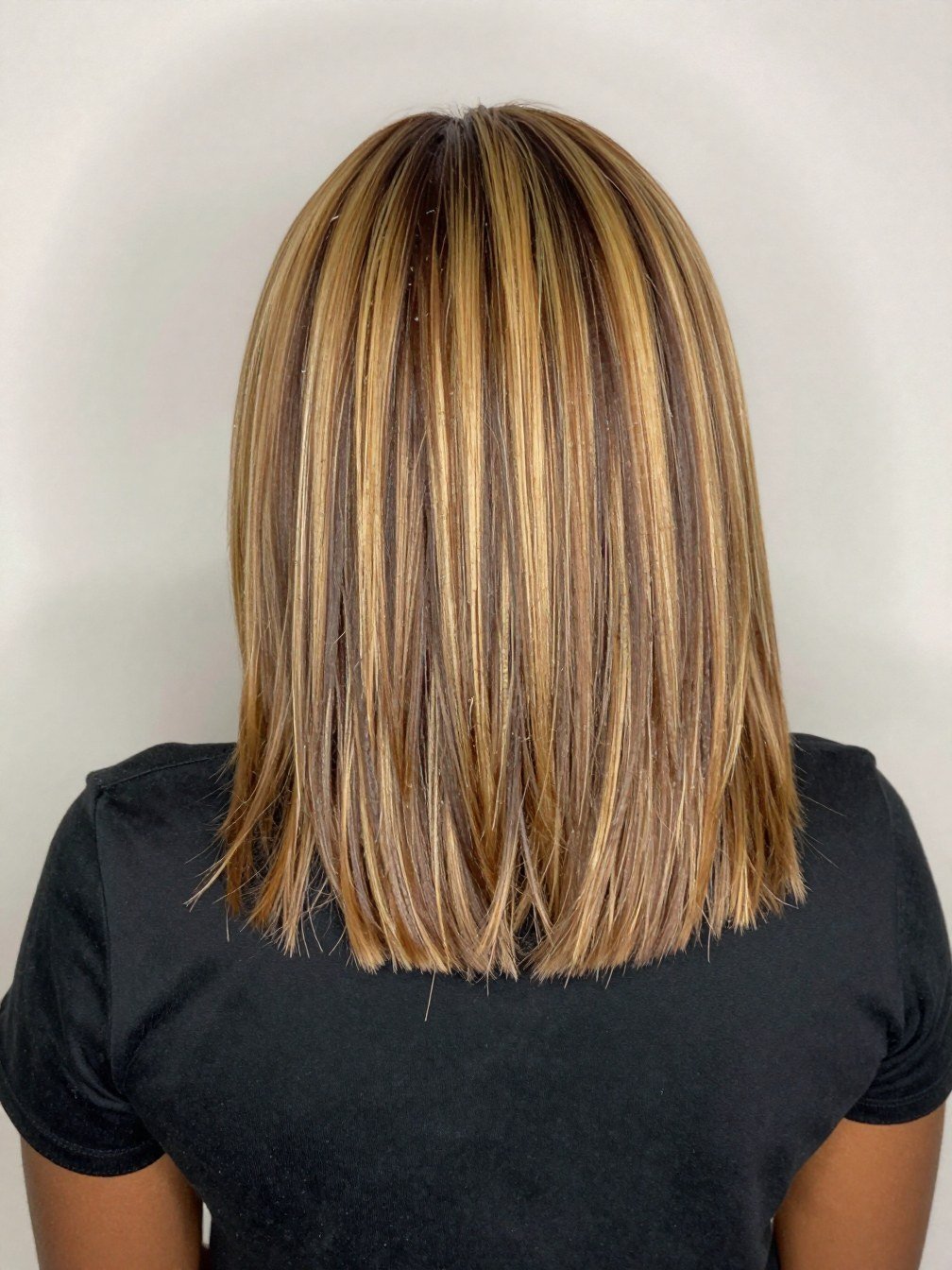
If you want a blonde vibe without monthly salon runs, go for dark blonde pieces that stay closer to your base. This approach suits fine to medium hair and reduces the visibility of roots. The typical upkeep is a gloss every three months and purple shampoo once or twice a week, not every wash. People mistakenly treat dark blonde as a one-time color; push back on that and schedule a gentle refresh rather than a full re-lighten. Use a nourishing conditioner focused on the mid-lengths and ends to avoid brittleness deep conditioner 8oz.
Teased Balayage for Softer Dimension
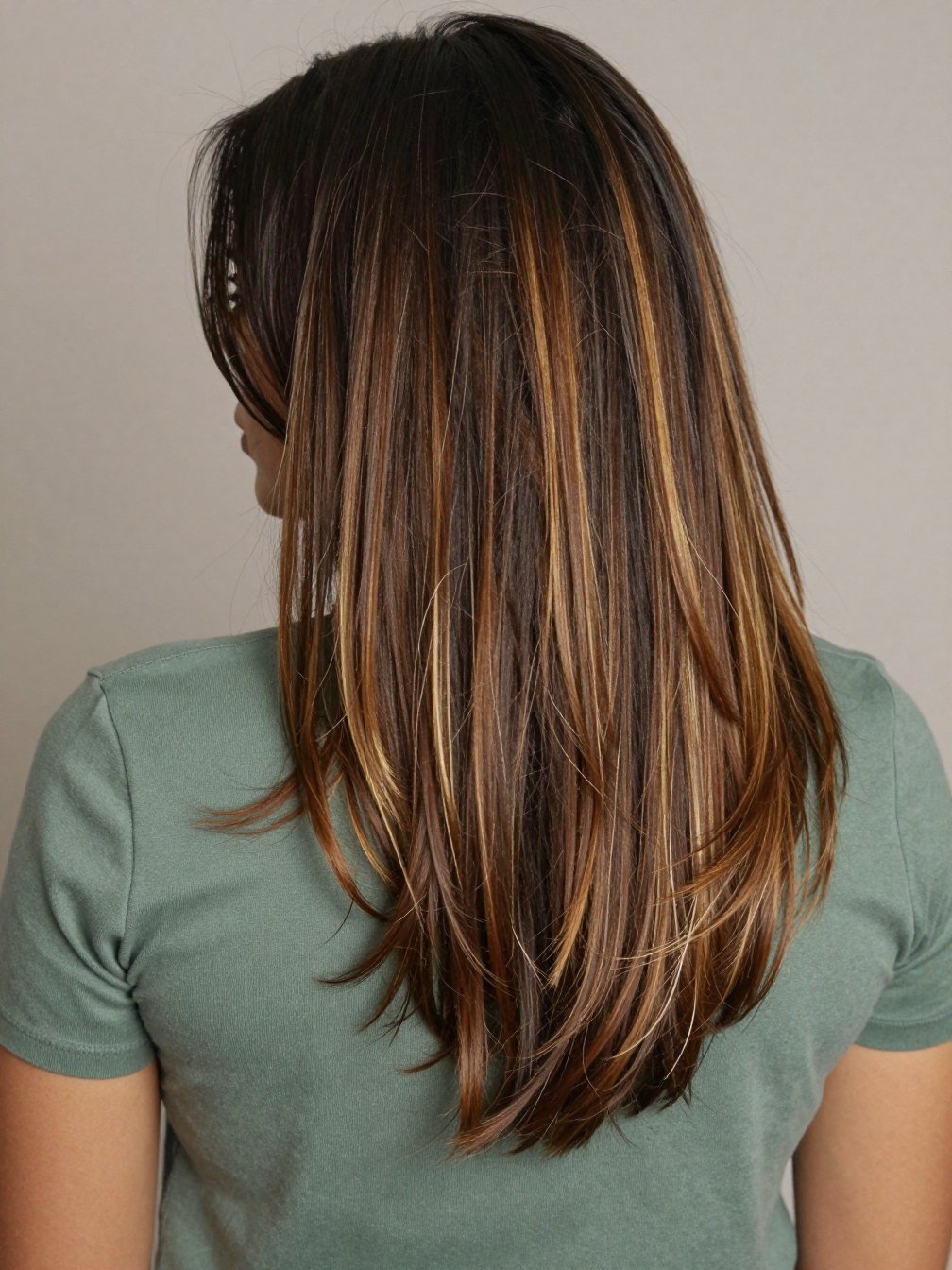
Teasing tiny sections before painting keeps the lightener from sitting in a stripe and creates a lived-in, airbrushed finish. This works best on medium to thick hair. A mistake I made once was over-teasing, which roughened the cuticle and made the bleach process eat through. Tell your stylist you want feathered placement, not heavy saturation, and that they should avoid overlapping existing lightener. For at-home hold, a light hairspray with humidity resistance at 6 to 8 inches from the hair keeps the texture without doing crunch flexible hold hairspray 8oz.
Warm Sun-Kissed Balayage Instead of Icy Blonde
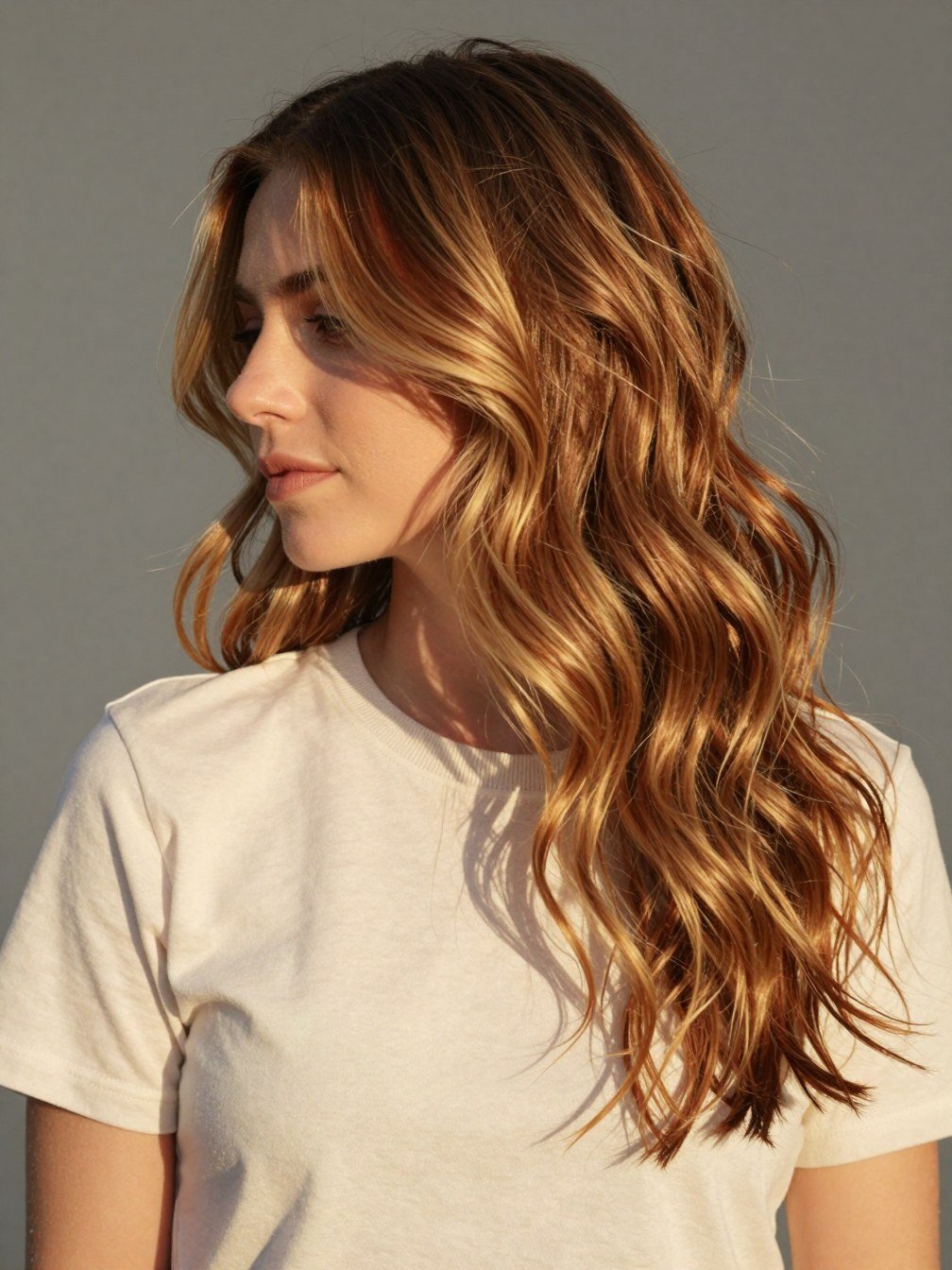
If your hair tends to lift orange, aim warm instead of icy. Warm sun-kissed tones look more believable and require less toning. Thick and wavy hair takes warm balayage beautifully, but for fine hair avoid chunky placement which can read flat. A common error is trying to neutralize orange with ash toner too often, which dries the hair. Instead, embrace a honey or caramel target and use glosses to control shine. Purple shampoo once or twice a week plus a toning gloss every couple of months keeps the blonde from going brassy. Keep styling heat under 380F and use a heat protectant heat protectant spray 4oz.
Foil-Supported Blonde in the Top Sections

Sometimes freehand alone won’t lift stubborn dark hair at the crown. Using foils in the top sections gives the lightener extra heat and control. This is a salon-only technique for darker brunettes who want more contrast. The risky move is overlapping lightener from previous sessions. If your scalp is sensitive, request a lower-volume developer there. Stylists sometimes use a root-to-tip method with 20 volume at the root and 10 at the ends then add a bond builder. After the appointment, wait 48 hours before washing to let the glaze settle bond builder add-in 1oz.
Gloss-First Maintenance for Balayage Brunettes

A gloss refresh is the safest way to tweak tone without another lift. I schedule a demi gloss every 8 to 12 weeks and use a purple shampoo once or twice a week between visits. Glosses hide slightly brassy midshafts and keep root-to-tip depth readable. The mistake is skipping gloss until the hair looks bad, which makes correction heavier. If you are buying at-home gloss, follow the timing your stylist prescribes because over-processing even glosses can dull the hair. For Olaplex-style bond protection at home, stick to weekly treatments rather than daily use gloss treatment 4oz.
Slow-Lift Plan for Dark Brown to Blonde
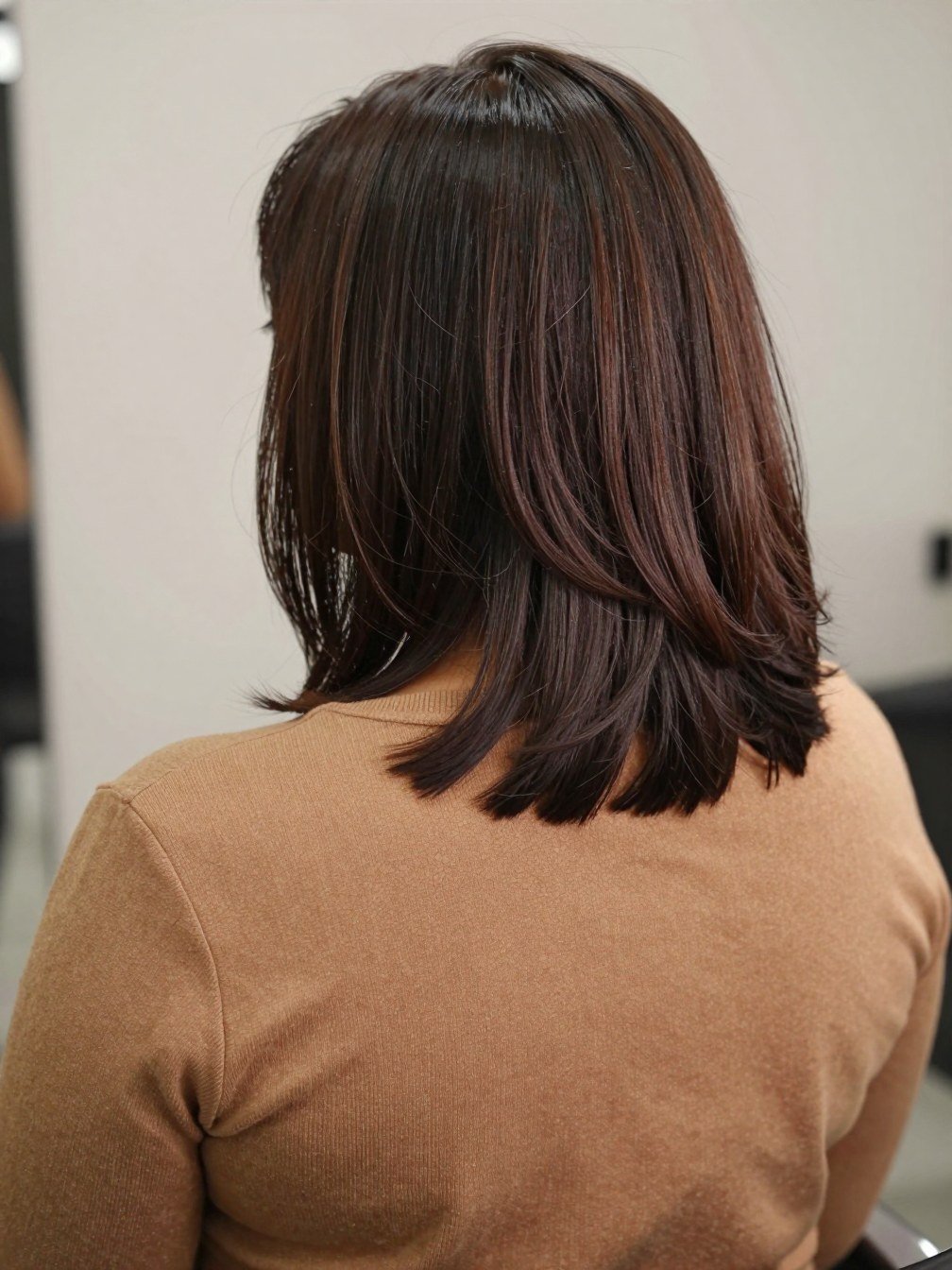
If you want real blonde from a deep brunette, accept a multi-session plan. Dark brown hair usually needs 2 or more sessions to reach a true blonde safely. Spread the lift across two or three appointments and use bond-building additives so each session weakens hair less. The common mistake is asking a stylist to hurry through and then needing a repair appointment. If you have damaged ends, have them trimmed before any lift. After each session, use a protein-plus-moisture conditioner once weekly to keep elasticity intact protein-moisture mask 6oz.
Bronde With Soft Balayage for Fine Hair

Fine hair needs fewer, thinner slices so highlights create the illusion of thickness. Bronde placement near the face and mid-lengths delivers brightness without exposing scalp. The mistake is painting heavy lightener near the roots, which can make hair look sparse. For styling, a root-lifting mousse applied lightly at the root and a boar-bristle brush to smooth mid-lengths gives volume without product buildup. If you DIY, avoid more than 10 to 15 percent of the strand being lightened at once and do a strand test first root lift mousse 6oz.
Chunk-Free Face Frame for Curly Hair
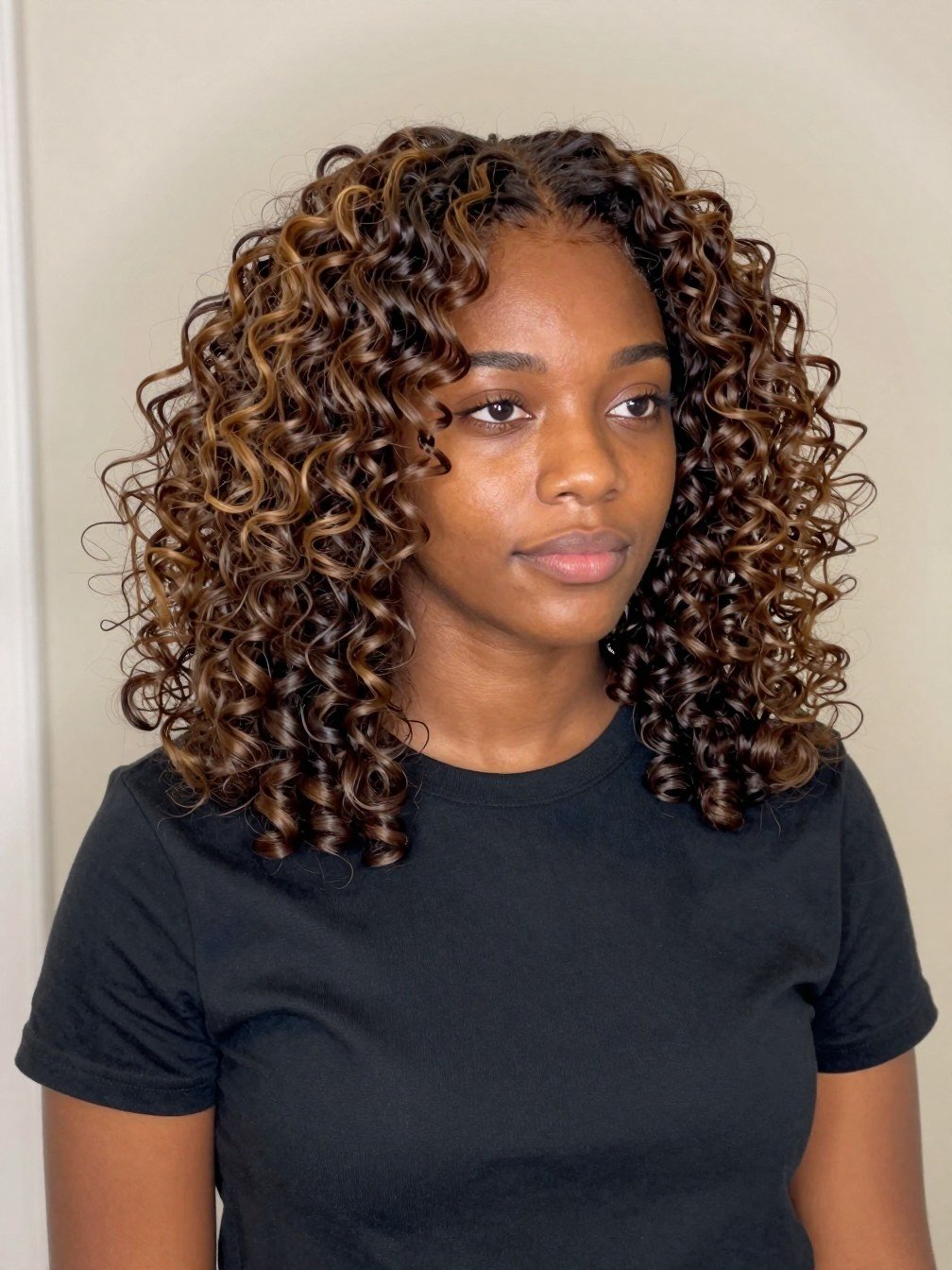
Curly hair needs face framing that respects curl clumps. Use fine slices and minimal brushing after coloring so curls stay defined. A common error is over-smoothing the curl after lightening, which destroys shape. Ask your stylist to paint around curl clumps and finish with a mild glaze. For home care, refresh curl definition with a cream leave-in and a gel tucked under, not layered on top. Also, sleep on a silk pillowcase to avoid frizz and breakage silk-pillowcase-queen.
Root Smudge for Longer Gaps Between Visits

Root smudges make balayage truly lived-in, which is the whole point if you want stretch. A root melt is applied at the end and feathered in, then sealed with a glaze. This suits any texture but is particularly effective on someone who hates visible regrowth. A frequent mistake is doing a hard root color after a balayage, which ruins the soft grow-out. If you are DIYing, use a semi-permanent root color a shade darker than the ends and blend with your fingers immediately after application for 20 to 25 minutes semi-permanent-root-color.
Subtle Contrast Brunette Balayage for Office Life

If your job restricts dramatic hair, aim for low-contrast pieces that read professional but fresh. Dark blonde or warm caramel pieces close to the base are easy to maintain. The mistake is asking for too much face frame brightness; keep it soft and ask for a glaze that tones any edge. Upkeep is a salon gloss every three months or so and a dry shampoo to stretch washes. For quick touch-ups, a color-depositing conditioner used monthly keeps mid-lengths even color-depositing-conditioner-10oz.
Honey Balayage on Curly Hair That Holds Shape
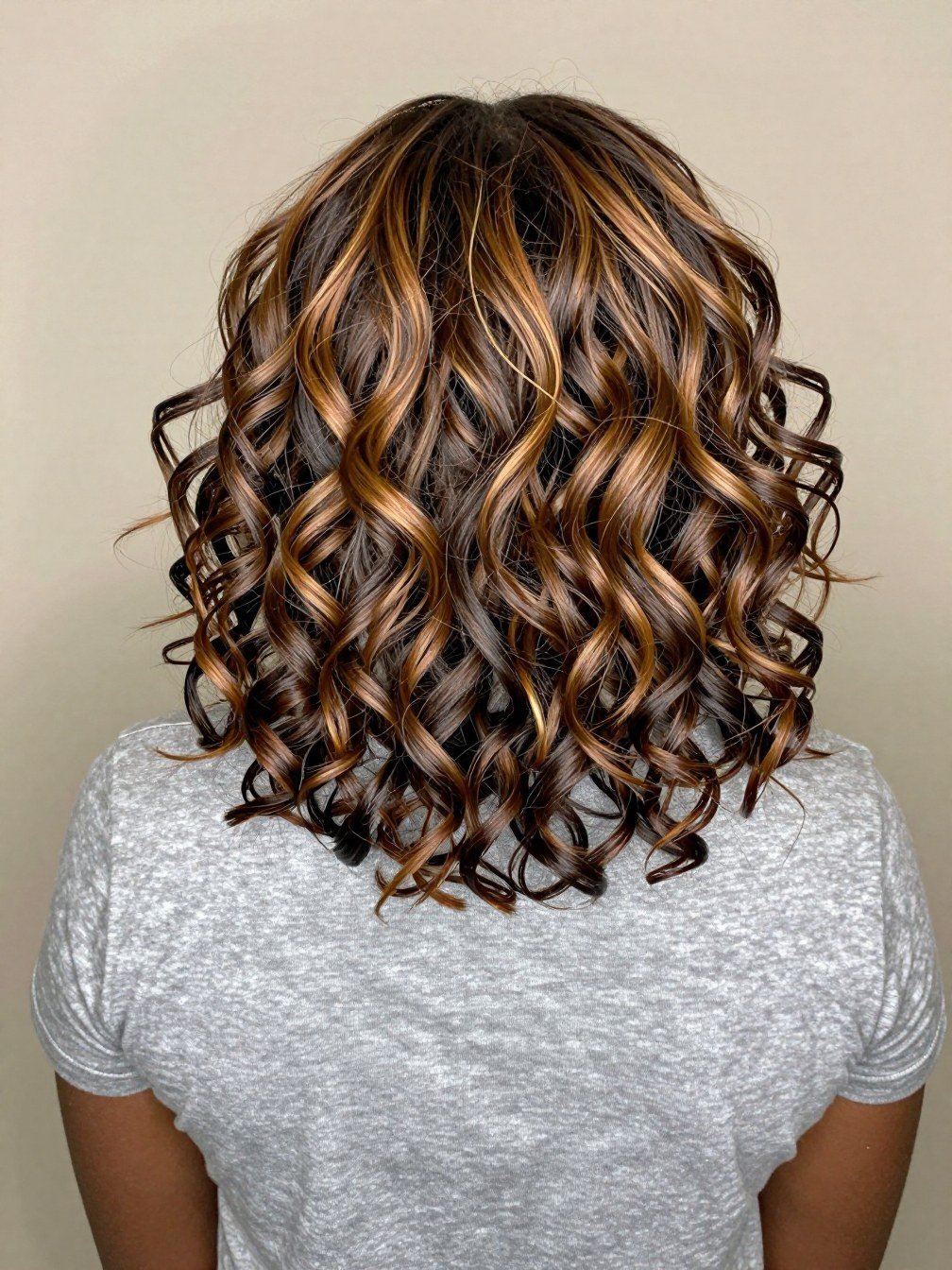
Curly textures carry honey tones beautifully since warm highlights pick up the light inside the curl. Keep slices short to avoid over-drying the curl pattern and use a bond builder in the color mix if curls have been previously processed. A common mistake is smoothing out curls after lightening; instead, use a leave-in plus gel layering method. Purple shampoo once or twice a week plus a toning gloss every couple of months keeps the blonde from going brassy. For drying, use a diffuser at medium heat and low airflow to avoid frizz diffuser-attachment-universal.
Caramel Babylights for Dimension Without Damage
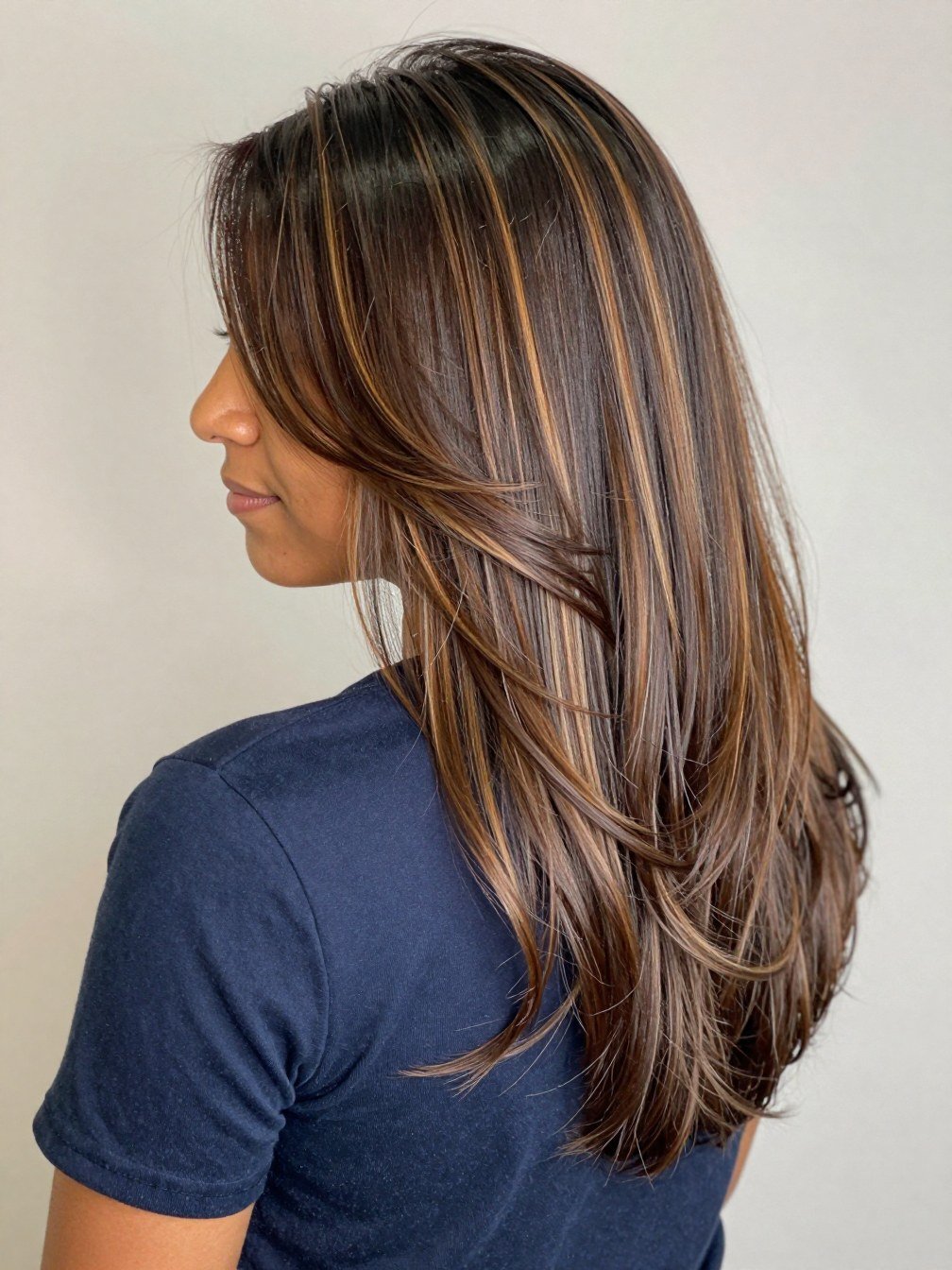
Babylights are tiny slices painted close together to add sheen and dimension without heavy lift. They work on medium to thick hair and give the illusion of multiple low-maintenance tones. Avoid putting babylights over already fragile ends and never overlap new lightener on top of old. The real win is that babylights can be built up slowly across visits. For at-home maintenance, use a conditioning mask with protein once every two weeks to prevent over-porosity conditioning-mask-8oz.
Icy Accent Pieces for High-Contrast Glam

If you want contrast, place thin icy pieces around the face and crown and leave the rest warmer. This is higher maintenance and best for thicker hair that can handle stronger lift. The mistake is overdoing the coolness, which can read patchy on dark bases as it grows. Ask for a glaze with slight warmth to neutralize any harsh edges. Aftercare includes purple shampoo once or twice a week plus a conditioning gloss every couple of months. Heat protectant is non-negotiable when flat ironing pale pieces color-protect-heat-spray.
Face-Framing Caramel Money Piece for Shorter Cuts

Shorter cuts can still have a money piece; scale the slice thinner and keep the piece close to the face. The mistake is making the piece too wide, which short hair can’t carry. If your hair is fine, keep the piece a shade darker than you would on longer hair to avoid stark contrast. A quick styling trick is to twist the money piece away from the face while blow-drying at 320F to create soft lift. Keep glosses handy for monthly tone refreshes small-gloss-treatment.
Bronde Balayage for Greying Brunettes
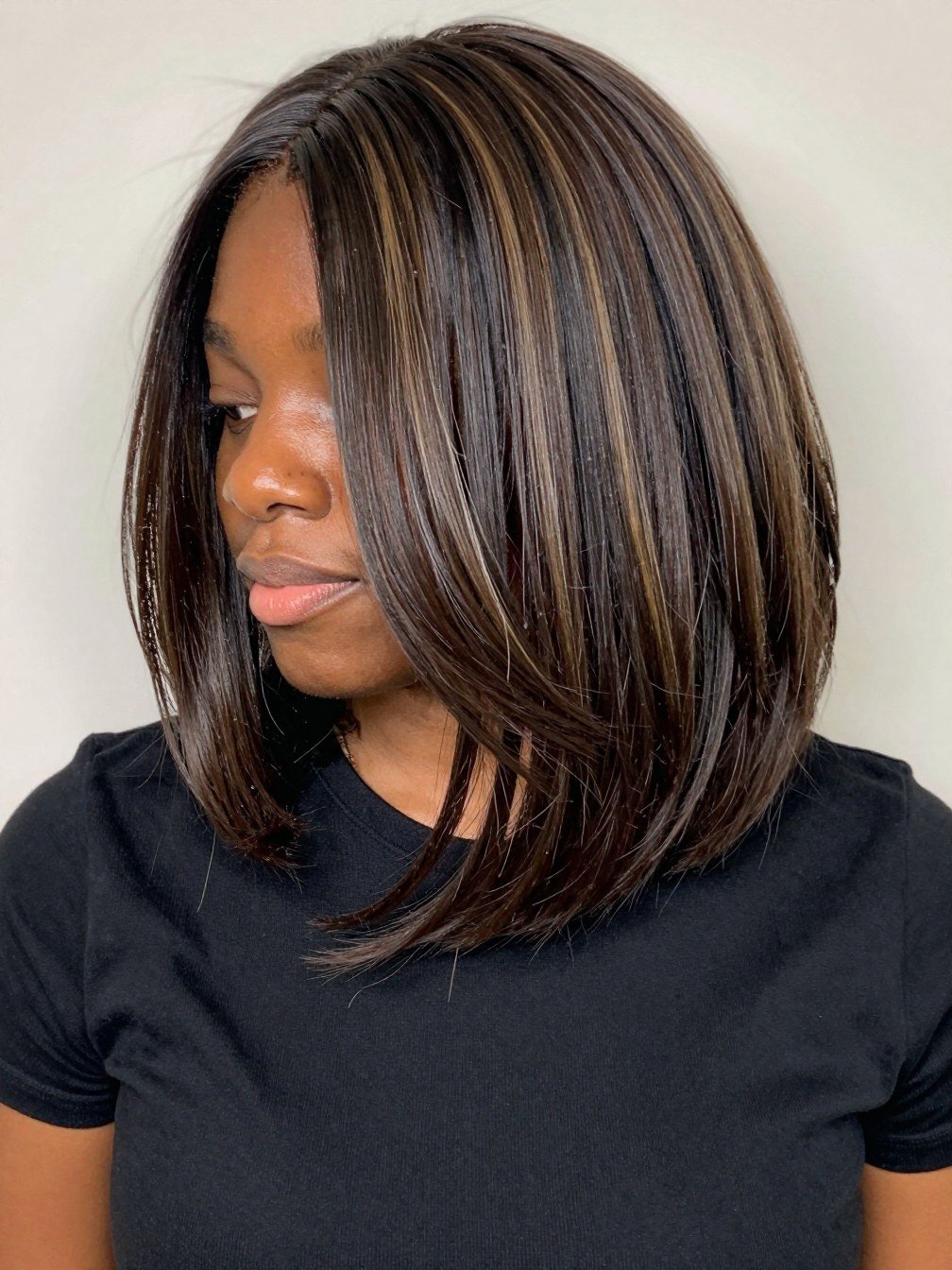
If greys are coming through, a bronde placement blends them rather than covering. Aim for warmer midshaft pieces that make grey look intentional. A common mistake is using full coverage permanent color, which grows out harshly. Instead, choose painting that integrates grey and schedule glosses every 8 weeks to maintain depth. For at-home maintenance, use a purple shampoo once or twice a week to keep any yellowing at bay and a protein-rich conditioner to strengthen the hair protein-conditioner-12oz.
High-Contrast Balayage With Foil Support at the Crown
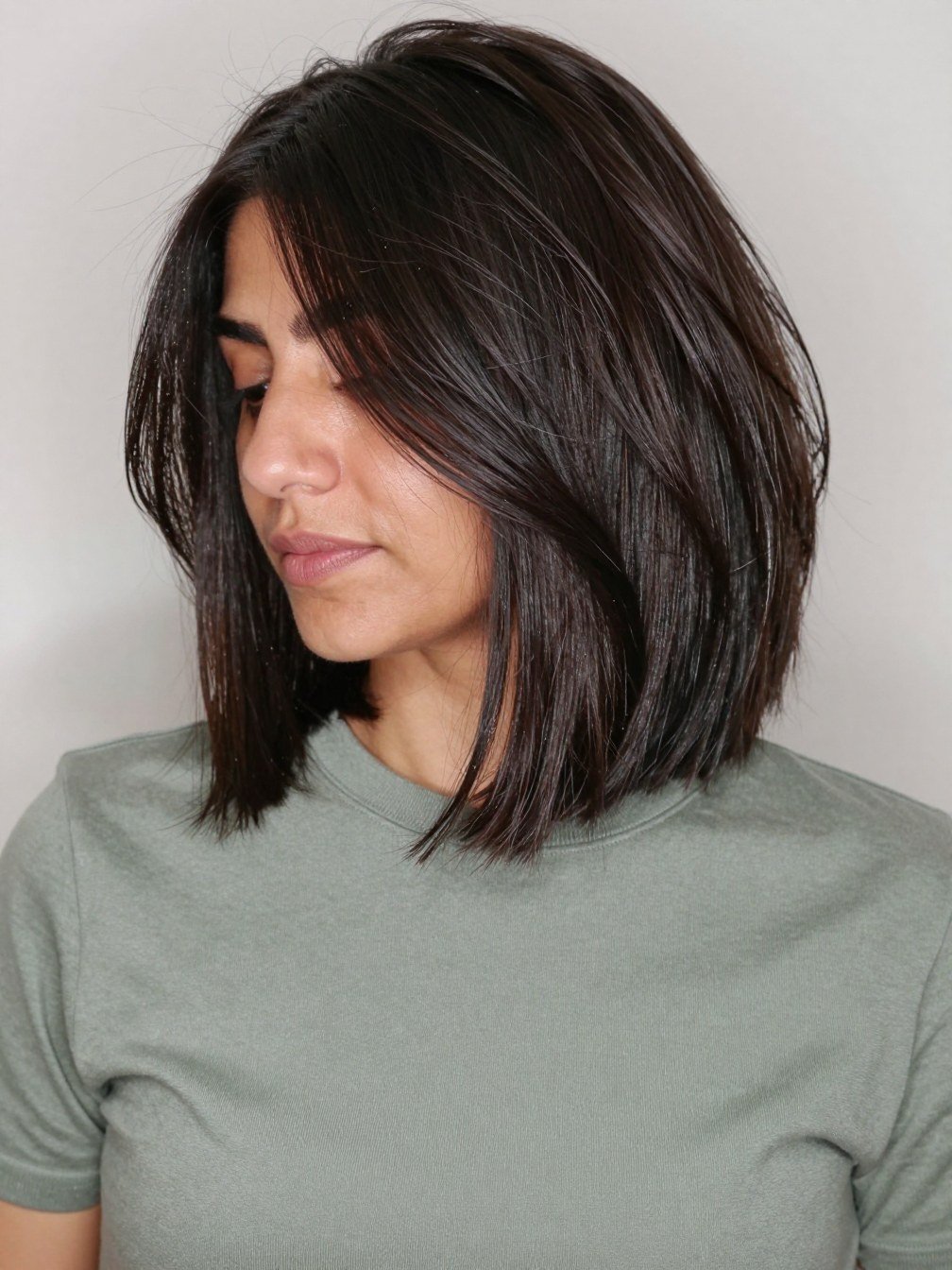
For statement contrast, add foil support at the crown and keep freehand lower down. This technique needs precise timing and a pro who monitors heat. The mistake is picking high volume lift for the whole head, which leads to brittle mids. If you have previously lightened hair, avoid overlapping foils on those sections. After the appointment, wait 48 hours before washing and use a sulfate-free shampoo to protect the newly lifted strands sulfate-free-shampoo-12oz.
Dimensional Balayage for Thick Hair With Layers

Layers and balayage are best friends on thick hair since layers show off depth. Ask for lifted pieces through the top layers and subtler ones under to avoid visible stripes. A frequent error is doing identical placement through the whole length, which robs movement. For styling, blow-dry with a round brush at medium heat and finish with a serum on the ends only. If your hair is heat-styled often, use a bond builder monthly to keep tensile strength bond-builder-treatment-50ml.
Rooty Blonde Balayage for Busy Schedules

If you want the look but zero fuss, embrace a rooty balayage where the roots stay deliberately darker. This buys time and is lower cost long term. The mistake is aiming for zero contrast; you still need mid-length brightness to read as blonde. Schedule a glaze every three to six months and use dry shampoo to stretch time between washes. For at-home stretch, a color-depositing dry shampoo can hide faded pieces without a full wash color-deposit-dry-shampoo.
Caramel Ribbon Balayage for Natural Movement

Ribbon placement creates thin, shiny streaks that catch light when hair moves. It is ideal for long, thick hair. The mistake is painting ribbons too close to the scalp, which looks stripy. Instead, place them starting at ear level and taper through the ends. A gloss seals the ribbons and reduces brass. Use a leave-in cream on damp hair before styling and avoid heat over 380F on the ribbons. If you notice dryness, back off sulfate cleansers for a month leave-in-cream-150ml.
Icy Balayage Accents for Statement Looks
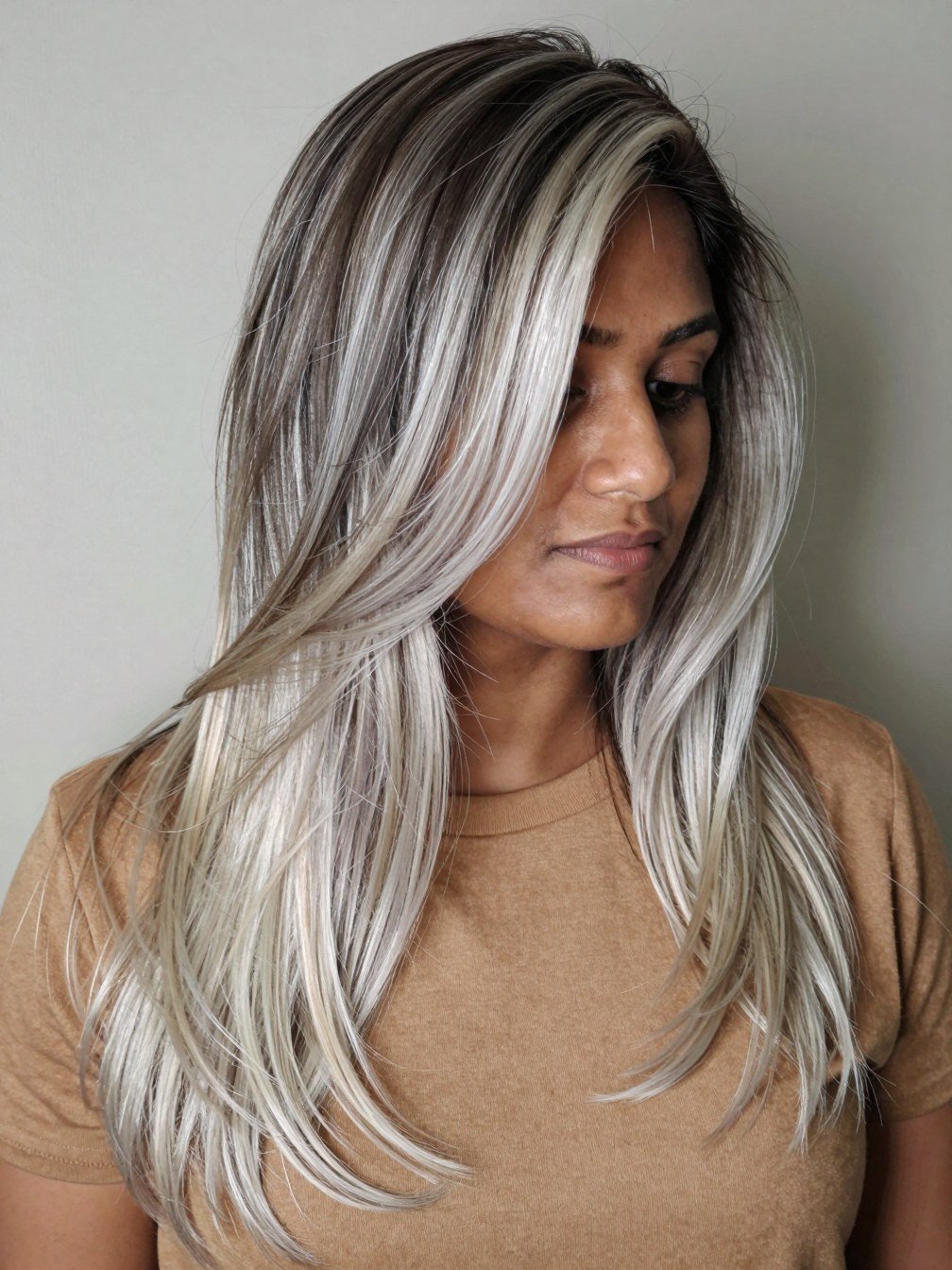
Icy accents are striking but high maintenance. They work best on thicker hair that can take a stronger lift. The real mistake is trying icy tones on hair that is already compromised. If you go icy, plan on a slow-lift approach and regular glosses. Use a purple shampoo once or twice a week plus a gloss every couple of months keeps the blonde from going brassy. For daily styling, apply a color-protecting heat spray before any iron at 320F to 350F color-protect-heat-spray-4oz.
Face-Framing Bronde for Subtle Brightness

If you want brightness without loud blonde, bronde face-framing pieces warm the face while staying natural. This suits fine to medium hair and is a lower-upkeep option. A common mistake is going several shades lighter at the face, which then needs monthly toning. Keep the pieces within one to two levels of your base and schedule a demi gloss every ten to twelve weeks. For quick styling, a paddle brush blowout at low heat keeps the frame smooth paddle-brush-boar-bristle.
Beachy Balayage With Textured Ends

Textured ends and diffuse placement read very natural and are easy to maintain. This look suits wavy to loose curly hair best. The mistake is over-bleaching the tips to white, which can snap. Protect ends with a leave-in oil after washing and use a cool rinse when possible to lock tone. For styling, scrunch a salt spray into damp hair and diffuse at low heat to preserve movement. If brass shows up, use a purple shampoo once or twice a week plus a glaze every couple of months keeps the blonde from going brassy salt-spray-4oz.
The Short Balayage Bob: Tiny Pieces, Big Impact
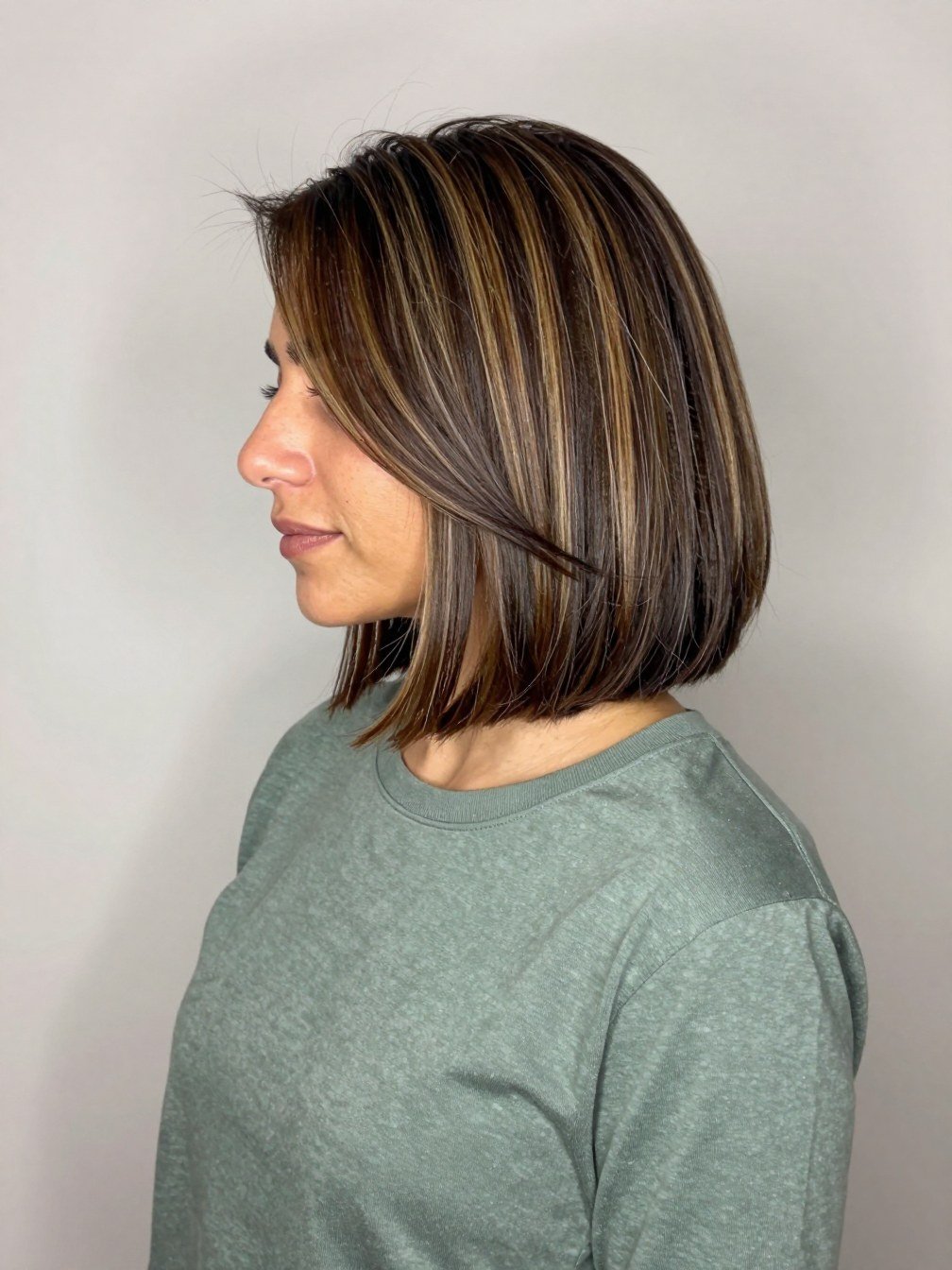
Short hair can read dramatic with tiny, well-placed balayage slices. The key is fine sections, not heavy blocks. The mistake people make is over-contrasting the root, which ages the style. Ask for a soft root smudge and a gloss to finish. Styling at 300F with a flat iron pressed briefly gives shine without stress. For moisture, use a protein-light conditioner and skip heavy oils at the root light-conditioner-8oz.
What I Pack in My Blonde Balayage Repair Kit
- Honestly the small things save the most stress. Olaplex No.3 hair perfector used once a week keeps fragile ends together, buy from the official store on Amazon to avoid fakes
- For purple care, purple shampoo 10oz for once or twice a week use, not every wash
- Sulfate-free clarifying shampoo 8oz to remove product build-up before salon visits
- Silk-pillowcase-queen to cut morning frizz and protect color
- Heat-protectant-spray-4oz always before any iron over 300F
- Diffuser-attachment-universal saves curl shape during drying
- Color-depositing-conditioner-10oz for monthly at-home tone boosts
- Bond-builder-treatment-50ml for salon or at-home added protection, also available at Ulta
What I Wish I Knew Before Picking a Blonde Balayage
- Heat protectant goes on damp hair, not dry. The cuticle is more open and the product actually absorbs. Color-wow-pop-lock-heat-protectant is a favorite among stylists I follow
- Hair grows about half an inch a month at most, regardless of what biotin gummies promise you. The thing that helps length retention is reducing breakage with a silk-pillowcase-queen and weekly bond treatments
- Do not bleach over previous permanent color at home. This is a salon job because lift and previous dyes react unpredictably and breakage follows
- Purple shampoo once or twice a week plus a toning gloss every couple of months keeps the blonde from going brassy. Overusing purple shampoo dries lightened ends
- Buy Olaplex, K18, and other premium brands from authorized sellers on Amazon or at Sephora to avoid counterfeit products
Frequently Asked Questions
Q: Can I go from dark brown to platinum in one salon visit?
A: No. Dark brown hair usually needs 2 or more sessions to reach a true blonde safely. Trying to rush it often results in severe damage and longer overall fix time.
Q: How often should I actually use purple shampoo without drying my ends?
A: Purple shampoo once or twice a week plus a toning gloss every couple of months keeps the blonde from going brassy. If your ends are dry, reduce purple shampoo to once a week and add a rich conditioner to ends.
Q: Is Olaplex No.3 worth it if my hair is not visibly damaged?
A: Yes. Used weekly it strengthens bonds and helps hair hold through future lightening. Buy from the official store on Amazon or from Ulta to avoid counterfeits Olaplex No.3 hair perfector.
Q: What developer strength is realistic for lifting dark brown hair a few levels safely?
A: A salon may use 12 percent developer for 4 to 5 levels of lift, and 9 percent for about 3 levels. For very dark hair, stylists sometimes mix 40 volume plus 30 volume to about 35 volume for stronger lift, but that is salon-only territory.
Q: Can I DIY a money piece at home without it looking chunky?
A: You can, but the danger is making the slice too thick. Use fine slices and feather the product outward. If you are unsure, let your stylist do the first placement and copy the width and feathering next time.
Q: How do I know if my hair is too damaged for more lightening?
A: If hair stretches a lot when wet and does not bounce back, or if it breaks easily on a comb, it is fragile. Ask a stylist for a strand test. If you have high porosity from previous bleach, space sessions and add bond-building products.
Q: Which product actually helps keep color from fading between glosses?
A: A color-depositing conditioner used monthly gives a subtle boost. For daily protection, a heat protectant sprayed before styling and a sulfate-free shampoo on wash day preserves tone color-depositing-conditioner-10oz.
Q: Can I use a gloss at home safely?
A: Yes if you follow timing and shades like your stylist prescribed. Over-processing with at-home permanent dyes is the bigger risk. Demi-permanent glosses are safer and rinse out over weeks, not months.
Q: How should I change my routine if I have fine hair and want balayage?
A: Ask for thinner slices and less brightness at the root. Use lightweight conditioners, avoid heavy oils at the crown, and rely on a boar-bristle paddle brush to distribute natural oils without flattening the shape paddle-brush-boar-bristle.
Q: My balayage went brassy after two washes. What happened and what should I do?
A: Likely product buildup or bad toner choice. Use a clarifying wash once, then a purple shampoo once or twice a week and book a gloss refresh. If the brass is severe, do not try a stronger bleach at home; consult your stylist.