If your bangs puff up into a halo while the rest of your curls settle, this is for you. I have bangs that frizz at the hairline by midmorning and a crown that wants to stay bouncy, and I learned the hard way that bangs need a different routine than the rest of your hair. These 15 looks and techniques keep black curly hair with bangs readable, wearable, and actually manageable in real life.
These ideas are aimed at Type 3A through 4A curls, medium to high density, and lengths from pixie-bang to mid-back. Most techniques take five to 30 minutes once you learn them. Budget ranges from under $20 for a microfiber towel to $60 for bond-building treatments. Almost everything is DIY friendly, but color work and major cuts are worth a salon visit.
Curtain Bangs Cut To Avoid The Triangle
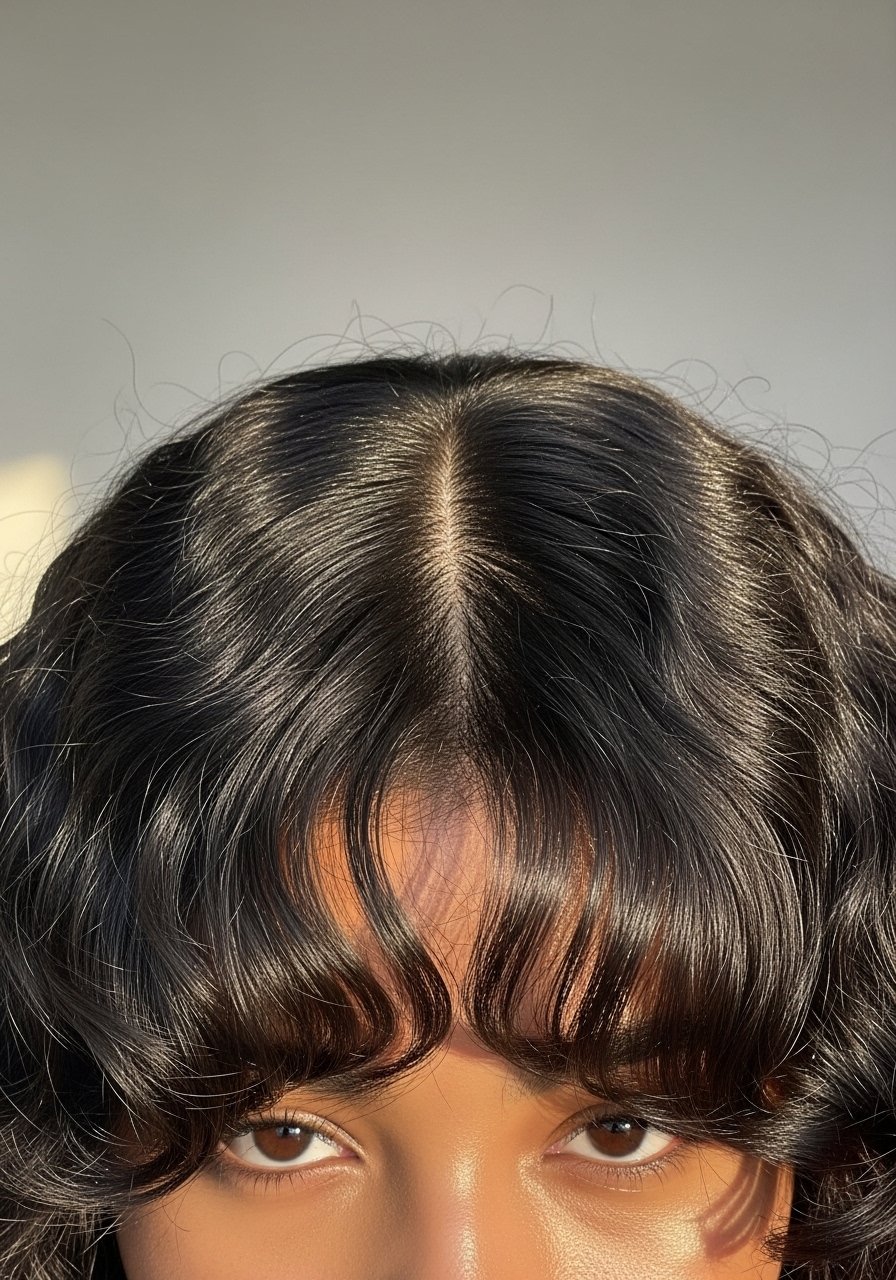
What works here is the cut, not magic styling. Ask for a center-parted curtain bang with two or three graduated layers so your bangs shrink and sit into your curl pattern instead of pulling into a blunt strip. For home trims, work dry, take off a quarter inch at a time, and use thinning shears sparingly. This suits 3A to 4A hair at shoulder length or longer and costs nothing if you let a trusted stylist shape them. A common mistake is cutting bangs too blunt while wet, which leaves them short after drying. Pairing a light leave-in like SheaMoisture Curl Enhancing Smoothie with a dime-size of oil smooths the fringe without weighing it down.
Air-Dry Bangs With A Microplop For Fast Hold
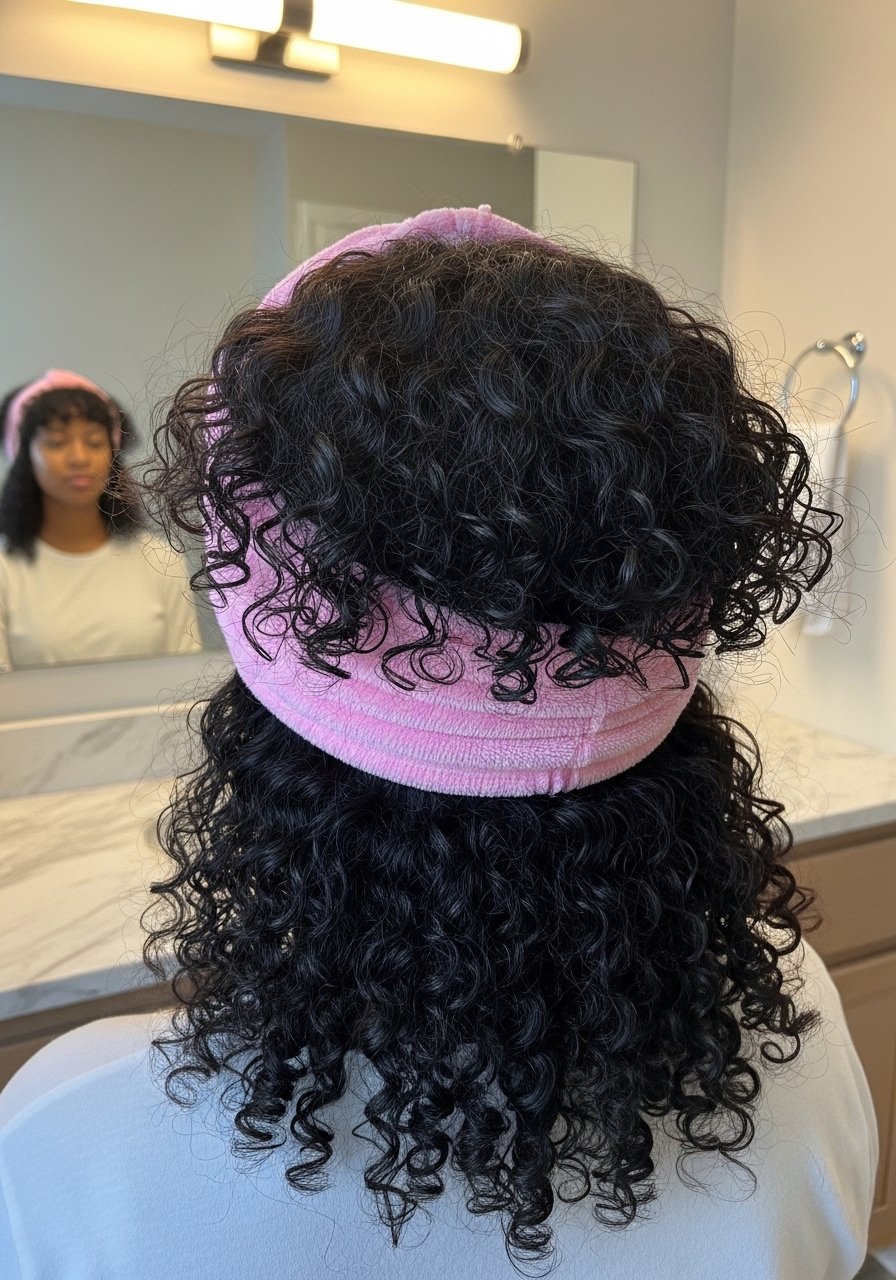
I cut my blow-dry time by half the day I started microplopping bangs and roots for 20 minutes. Use a microfiber towel or t-shirt to gently gather your fringe and crown into a loose wrap right after applying leave-in. For product, two pumps of a lightweight leave-in plus a nickel-size gel at the roots is enough for 3A to 3C hair. The mistake people make is twisting bangs tightly, which creates a dent. Keep them loose and let them breathe. This is a cheap at-home method that takes about 20 minutes and avoids heat entirely.
Morning Bang Refresh Spray That Actually Works
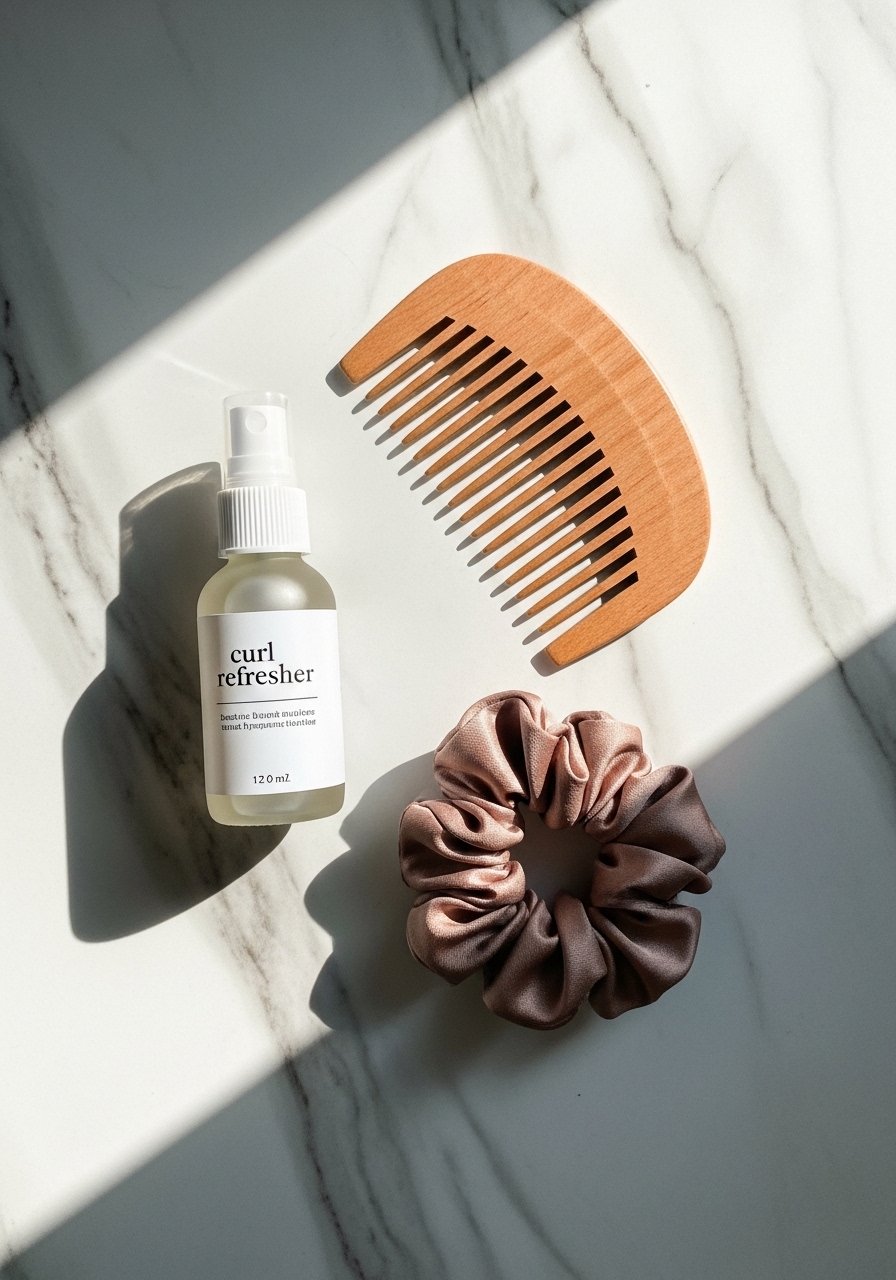
For me, bangs lose shape faster than the rest of my curl pattern. My refresh routine is three spritzes of a lightweight curl refresher targeted just at the bangs, followed by gentle scrunching with your fingertips. I keep a travel-size Cantu Curl Refresher in my bag and it brightens 3B and 3C bangs without leaving residue. The usual mistake is over-saturating, which makes the fringe limp. If your bangs frizz, add one swipe of a silicone-free serum on the line where hair meets skin to block humidity.
Clip-and-Lift Trick For Bang Volume
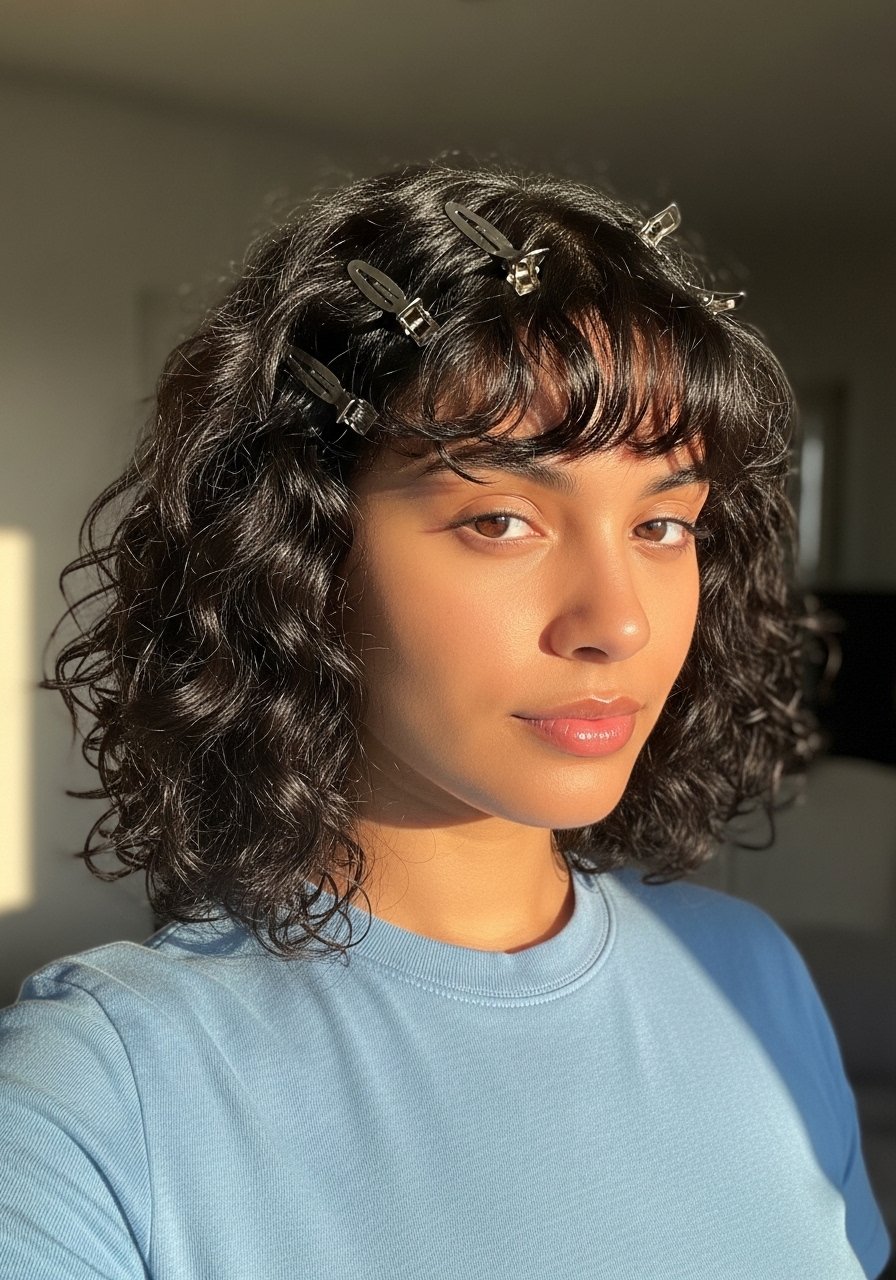
When bangs flatten against the forehead, I clip them up at the roots for 10 minutes after styling. Use small clamp clips at the root, spray lightly with a salt spray or light mousse, then remove. It gives a natural lift that lasts until you touch it. This works best on 3A to 3C hair and is perfect if you have thin bangs. People forget to let the cliped root cool before taking clips out, which loses the lift. A pocket-sized salt spray like Not Your Mother’s Beach Babe can be used sparingly at the root for texture.
Flat Iron Bangs Safely On Curly Hair
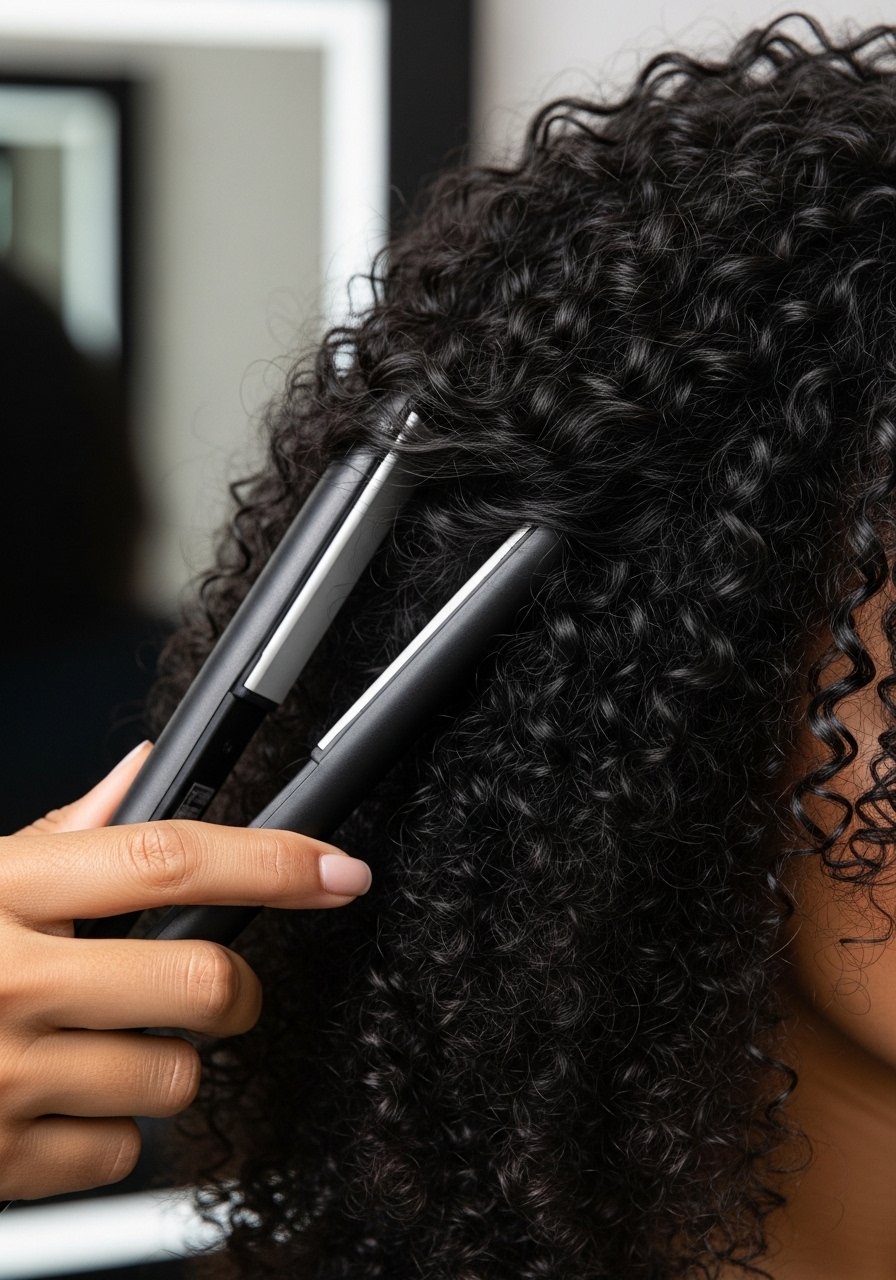
Sometimes my bangs need one-minute smoothing, and heat can do that without wrecking curl memory if done right. Always apply a heat protectant to damp or just-dried hair before any iron over 300F. Set your small flat iron to 300F or lower and work in one-eighth inch sections, keeping passes to one or two. Use a light touch and finish with a few drops of oil on the ends only. The mistake is blasting bangs on high heat and expecting them to bounce back the next wash. If you use a premium protectant, buy from trusted sellers to avoid counterfeits like this Color Wow heat spray.
LOC Layering For Bang Definition That Lasts
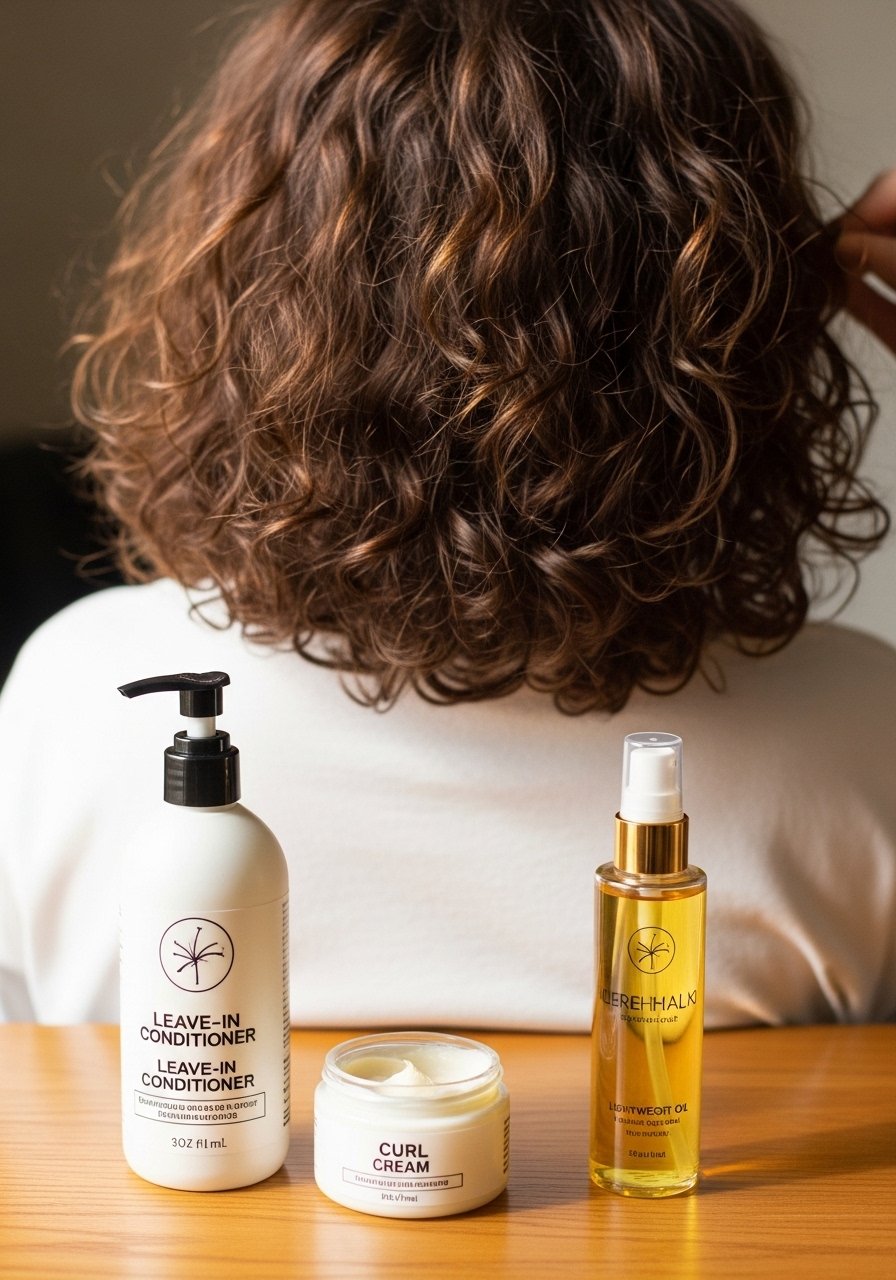
Switching from gel-only to the LOC method changed my second-day bangs. Apply a leave-in, then a light oil at the roots and a curl cream through the ends. For 3B to 4A curls, two pumps of leave-in, a pea-size of oil across the root line, and a dime of curl cream is my go-to. One mistake is putting oil on the top of the head and making the fringe sticky. This routine costs about $15 to $40 for starting products and cuts down midday fluff. It pairs well with the microplop method above for shape memory.
Weekly Bond Treatment For Fragile Bangs
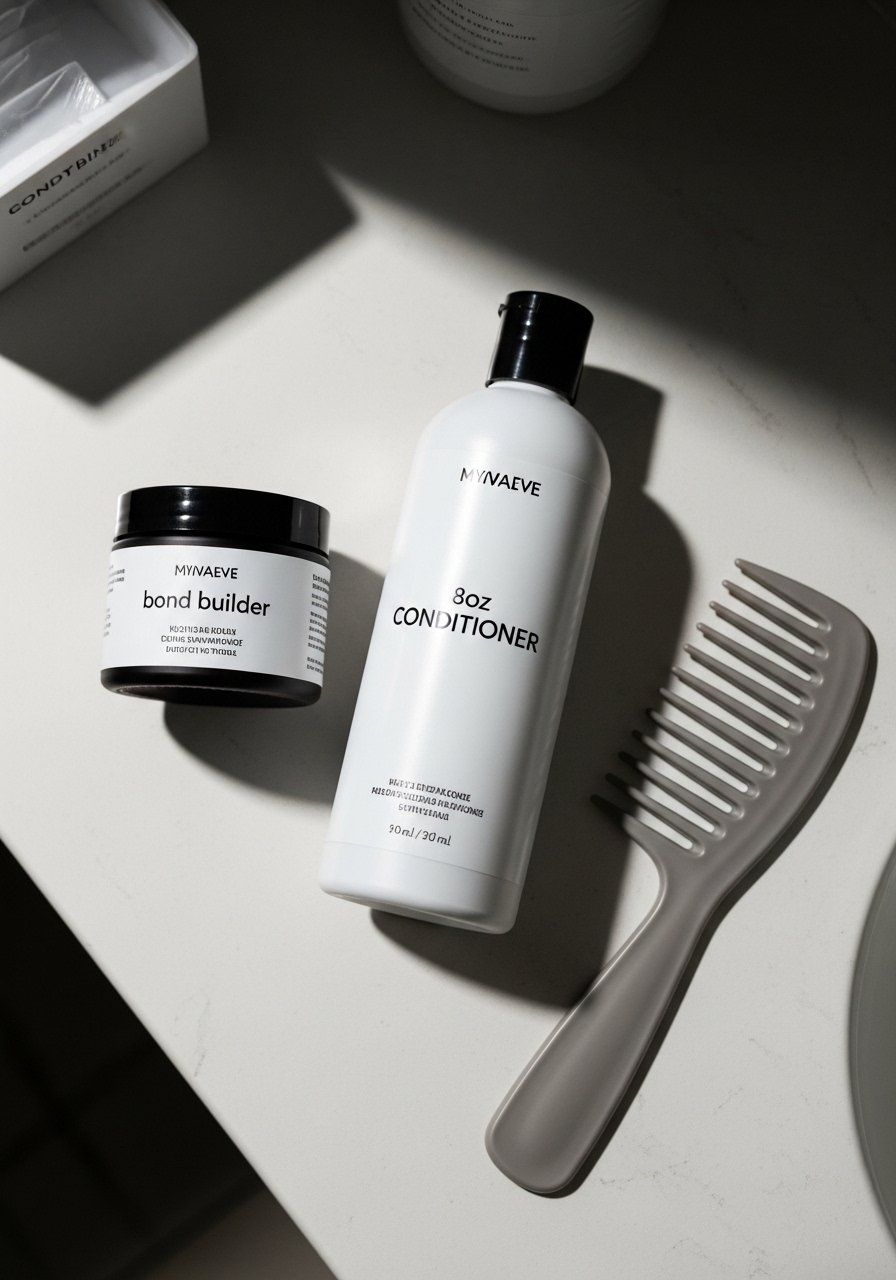
If your bangs have been over-processed or you see split ends, weekly bond building helps the feel and reduces breakage. I use a bond treatment once a week for 10 to 20 minutes in place of conditioner on the mid-lengths and ends. For color-treated hair try Olaplex No.3 Hair Perfector once weekly and follow with a sulfate-free conditioner. Watch for counterfeits, buy from the official store on Amazon or Sephora. This is salon-grade upkeep but cheap compared with repair sessions. Do not expect it to undo years of damage overnight, it takes repeat applications.
Short Bangs Cut For Tight Coils
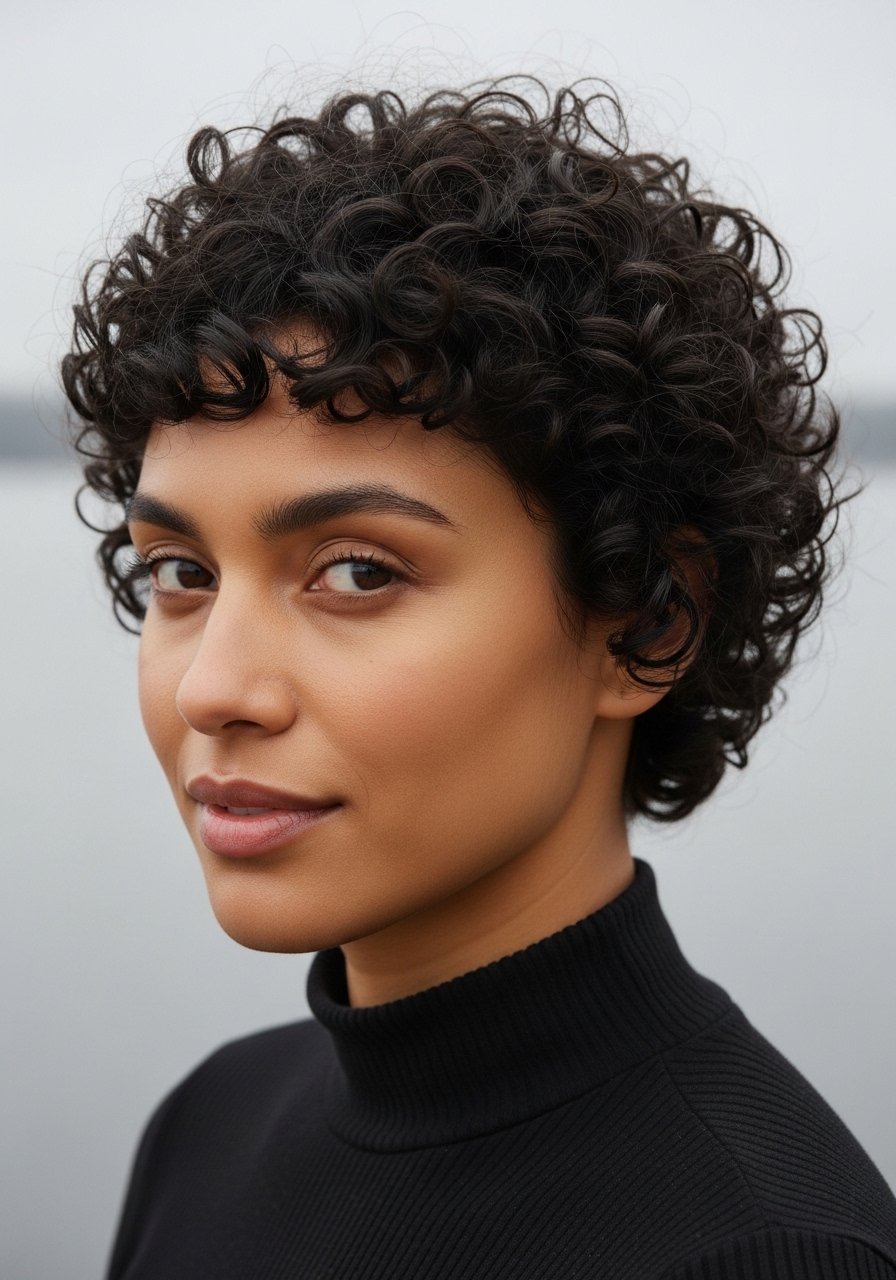
Cropped bangs on 4A textures need tiny graduation so they do not balloon. Cut dry with very small vertical snips into the curl, never blunt. Keep the bangs about 1/2 inch longer than you think, because shrinkage is real. This is a higher-skill DIY task and I recommend a stylist for dramatic changes. The common mistake is trimming bangs too wet or too straight, which leads to short, choppy pieces. A small amount of curl cream helps define the tiny coils, try Cantu Curl Activator Cream for hold without crunch.
Wispy Baby Bangs Styled Softly
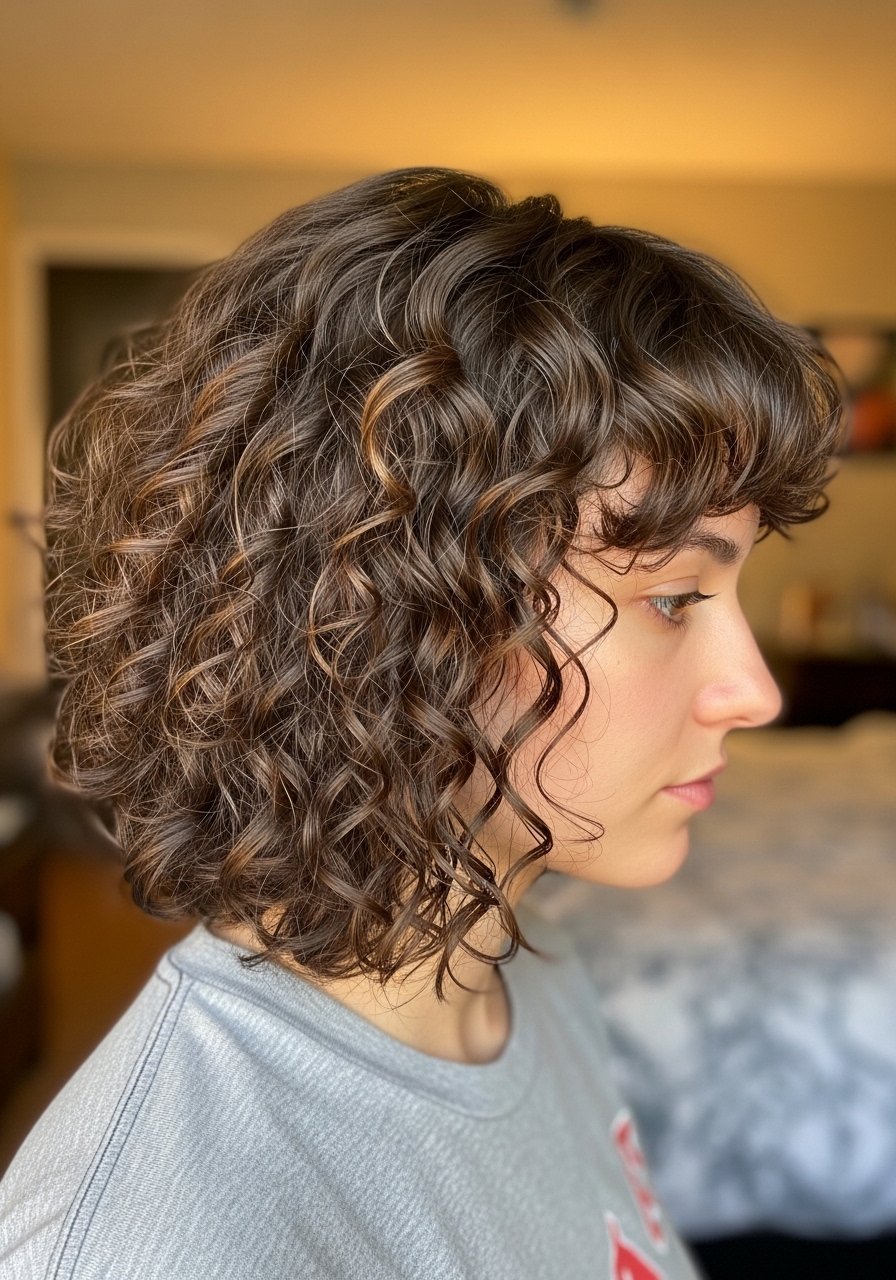
If you want wispy baby bangs, use a tiny round brush and a blow-dryer on low with a heat protectant applied first. Work in 3 to 4 small sections, wrap each on the brush and give 3 to 5 seconds of warm air, then cool shot. The trick is to brush in the curl's natural direction and avoid flattening the crown. Short bangs need maintenance trims every 3 to 6 weeks. A micro flat iron sized for bangs helps with edges, use light passes only and keep the iron at 300F or lower.
Two-Strand Twist Outs To Blend Bangs Seamlessly
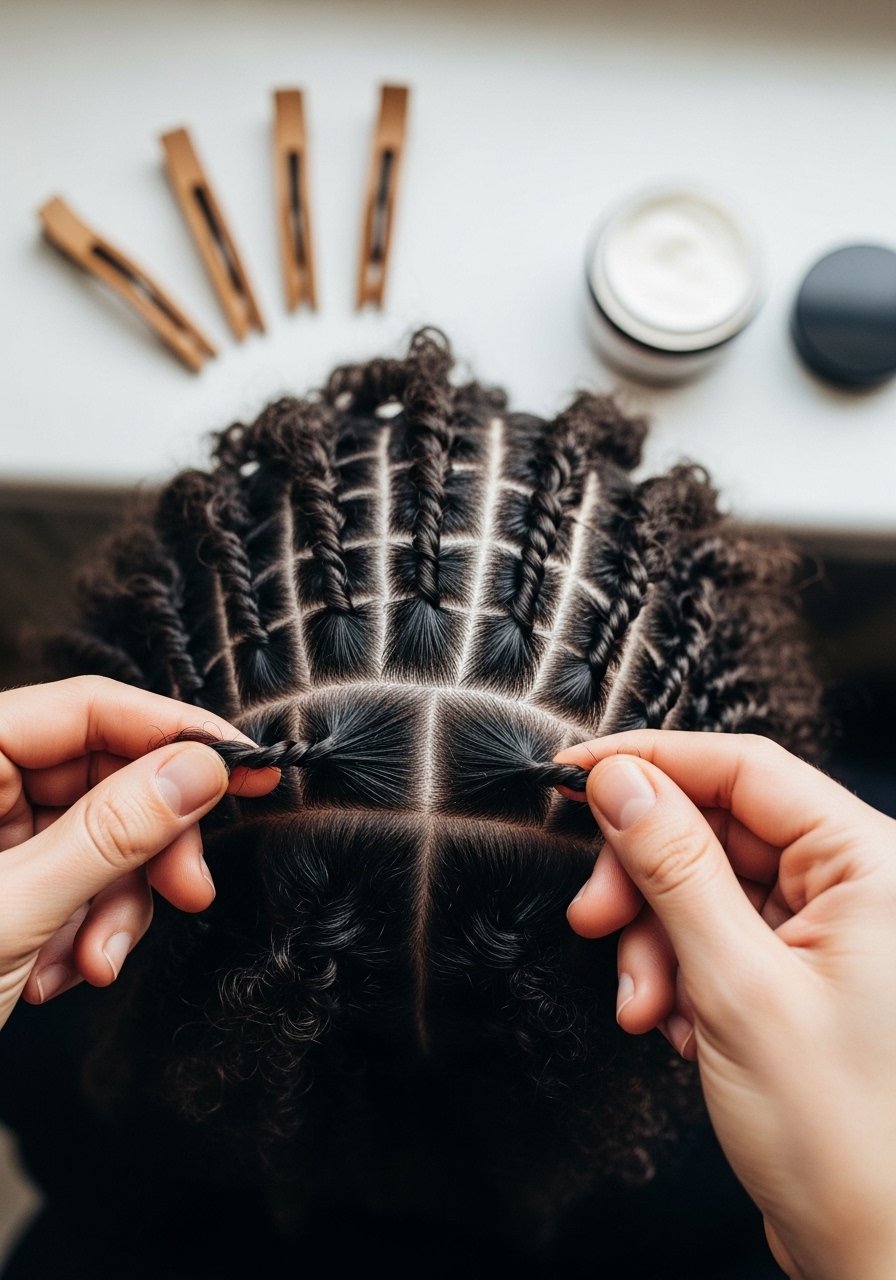
If your bangs refuse to sit with the rest of your curl pattern, two-strand twists at the front create a consistent texture. For bangs, do 8 to 12 small twists across the fringe, leave overnight, unravel and separate gently in the morning. This works on 3B to 4A patterns and takes about 15 minutes to set. People often use too much product for twists and end up with crunchy bangs. Use a light cream like SheaMoisture Curl Smoothie and a tiny bit of oil for shine.
Glass Bangs Finish For Curly Fringe
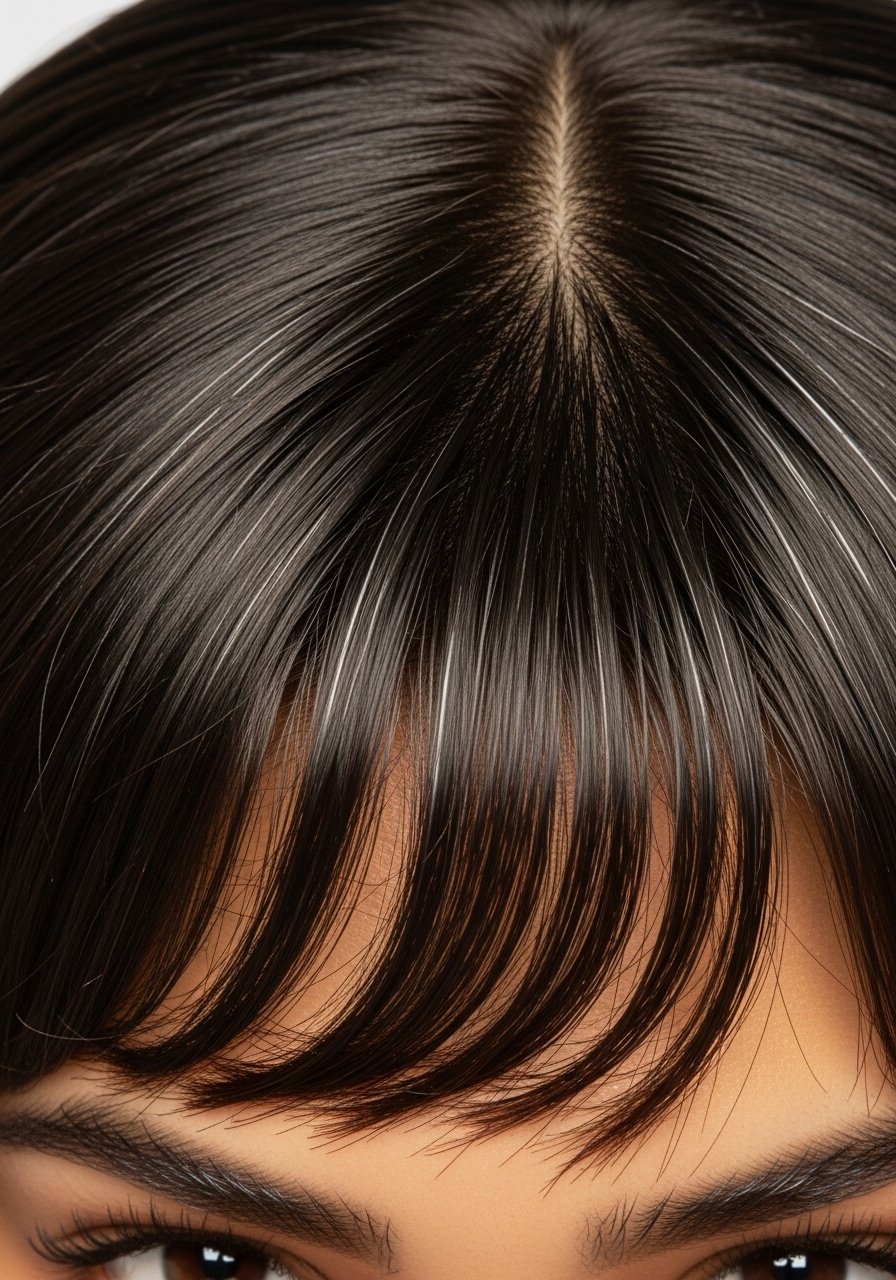
Yes curly hair can have a glass hair finish on the fringe without straightening the whole head. After a light blow-dry using a small round brush at low heat, seal the surface with a tiny drop of silicone-free serum on the hairline, not the roots. Keep the flat iron off the main curl pattern. This is best for 3A to 3C textures that want a sleek bang and bouncy curls elsewhere. The mistake is applying too much serum, which makes bangs look greasy. A travel-size anti-frizz spray works well to lock shape.
Braided Bangs For Recovery And Style
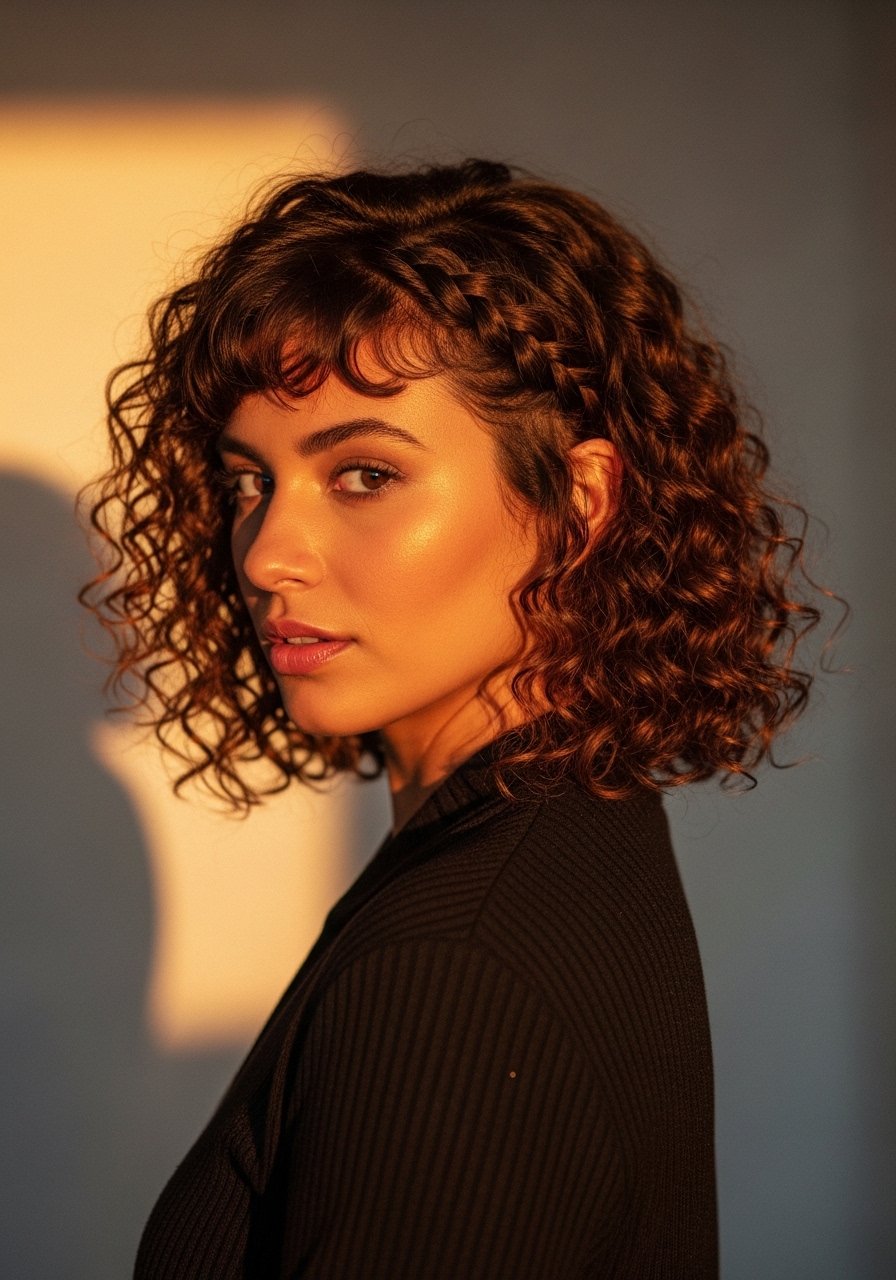
If your bangs are damaged or you want to give them a break, braid them into a soft cornrow or rope braid and pin to the side for a day or two. This protects the fragile lengths and looks intentional. Rebraid every night or leave for up to three days if your scalp tolerates it. A mistake is making the braid too tight which causes breakage at the hairline. This is a low-cost protective style and great for 3B to 4A hair during growth phases.
Face-Framing Color Tips For Black Curly Bangs
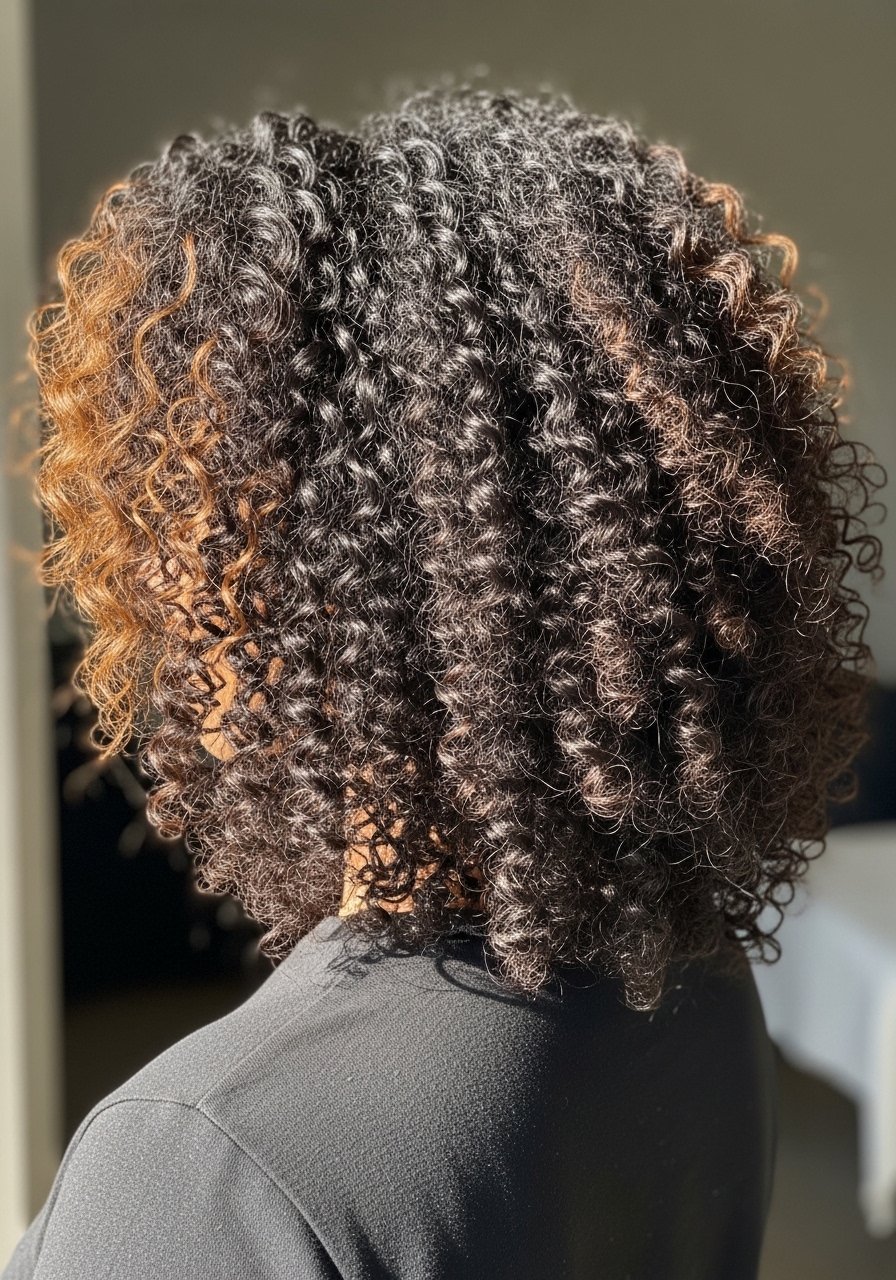
A subtle money-piece or face-frame lightening can add definition so bangs read against dark curls. Always do a patch test for allergy before color, and avoid lifting over previously bleached hair at home. I recommend booking a salon for any lightening at the hairline, because lifting close to the face is risky. For maintenance, use a color-safe 8oz sulfate-free shampoo and a purple product only once per week if brassiness appears. The common mistake is overdoing front highlights, which can look heavy. Keep them thin and soft for a natural frame.
Sleep Methods That Preserve Bang Shape

How you sleep matters more than you think. For bangs I wrap them loosely with a silk scarf or use a bonnet that keeps the hairline flat but not compressed. A silk pillowcase reduces friction and keeps the fringe from forming a crease. This is inexpensive and saves morning touch-ups. The mistake is tying the scarf so tight the forehead dents. Keep it loose enough that the scalp breathes and the curls can spring back.
Trim Hack For Growing Out Bangs Without The Awkward Stage
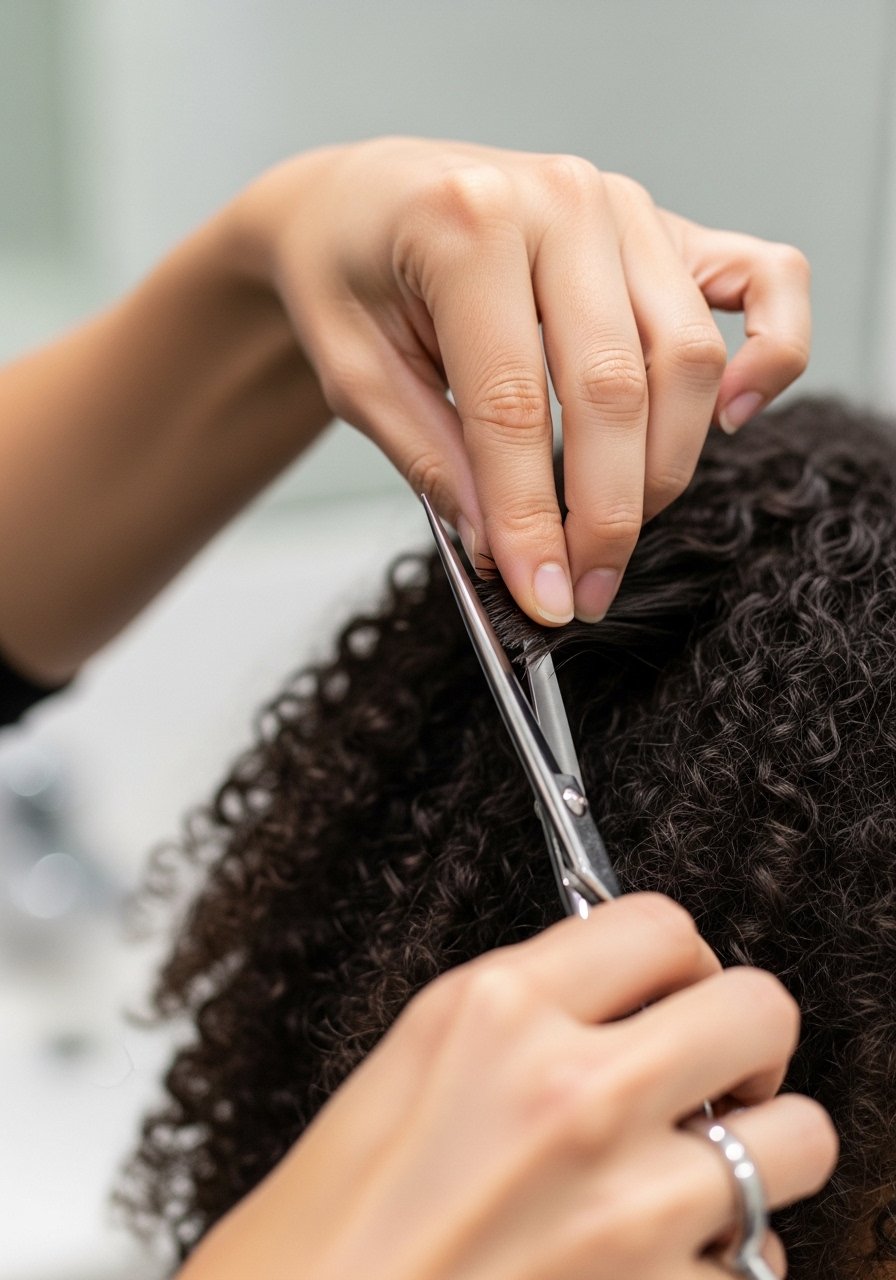
Growing bangs out is slow, but small dry trims every 6 to 8 weeks remove the scraggly tips and keep your hairline presentable. Work in tiny vertical snips and only remove a quarter inch at most. For 3B to 4A patterns this prevents a heavy, uneven fringe while the rest of the hair catches up. DIY heavy cuts fail because people try to remove too much at once. If you see split ends, add a weekly bond builder rather than chopping large amounts.
What I Actually Keep For Black Curly Hair With Bangs
- Honestly my top spend is the bond builder, Olaplex No.3 Hair Perfector 3.3oz, once a week. Buy from the official seller on Amazon or Sephora to avoid counterfeits.
- For nightly protection I use a silk pillowcase standard under $25. It cut my morning frizz.
- For quick refreshes a travel curl refresher spray is worth it.
- A microfiber hair towel under $15 speeds drying without disrupting bangs. Microfiber hair towel
- Small 1/2-inch flat iron for bangs and touch-ups, look for ceramic plates. Mini flat iron
- A reliable leave-in conditioner in an 8oz bottle, for example SheaMoisture leave-in or grab at Ulta.
- Lightweight gel for wash-and-go at 8oz, try Eco Styler Olive Oil Gel for hold without crunch.
- Wide-tooth comb and duckbill clips for sectioning, affordable under $20. Wide-tooth comb set
- Travel-sized silicone-free serum for the hairline, under $15. Silicone-free serum
- A lightweight anti-humidity finishing spray, such as Color Wow Dream Coat travel, also sold at Sephora.
The Mistakes I Made So You Do Not Have To
- Use a heat protectant on damp or just-dried hair before any iron over 300F, not on completely dry strands only. Color Wow heat protectant works for bangs and small irons.
- Hair grows about half an inch a month at most, so trims matter more than miracle serums. A silk pillowcase and weekly bond builder help preserve length.
- If your bangs are brittle do not lift with bleach at home. Lifting over previous color causes breakage, book a salon.
- Buy bond-building products like Olaplex from authorized sellers on Amazon or from Sephora to avoid fakes. Olaplex No.3 Hair Perfector
Frequently Asked Questions
Q: Can I use Olaplex No.3 if my bangs are not damaged, will it make them heavy?
A: No, using Olaplex No.3 weekly on the mid-lengths and ends will not make freshly healthy bangs heavy if you rinse and follow with a light conditioner. Use a pea-size on the fringe area only if you are monitoring buildup.
Q: How often should I actually use purple shampoo to fix brassy tones in face-framing highlights?
A: Once a week is enough for maintenance. Overusing purple shampoo causes dryness and dullness. Pair it with a hydrating conditioner the same wash and limit purple products to the front pieces if your highlights are only in the face-frame.
Q: My bangs frizz at the hairline within hours, what am I doing wrong?
A: The most common culprit is product placement and humidity. Heavy product at the root plus a humid commute equals frizz. Apply leave-in a little behind the hairline, not on the hairline, and use a tiny bit of serum on the hairline right before leaving the house.
Q: Is a mini flat iron or a small blow-dryer better for styling bangs?
A: Mini flat irons give precise smoothing for bangs but can be too hot if misused. A small blow-dryer with a round brush plus a cool shot is safer for shape. Always use a heat protectant on damp or just-dried hair before applying heat.
Q: Can I bleach my own face-framing pieces at home if I have dark black hair?
A: Lifting black hair at the hairline is risky, especially over previous color. It is safer to book a salon for lightening near the face. If you try at home accept multiple sessions spaced months apart and do a strict patch test for scalp sensitivity.
Q: How do I keep bangs from getting oily faster than the rest of my hair?
A: Bangs touch your forehead and take oil and sweat. Try dry shampoo at the roots between washes, and avoid heavy creams on the fringe. A quick spray and a root massage is faster than a full wash.
Q: What is the difference between a leave-in and a curl cream, do I need both for bangs?
A: Leave-ins are for detangling and light moisture, curl creams add definition and hold. For bangs use a light leave-in at the roots and a tiny bit of curl cream on the ends. Overlapping both can weigh down fine bangs.
Q: How often should I trim my bangs while growing them out?
A: Trim every 6 to 8 weeks with tiny dry snips, removing no more than a quarter inch each time. That keeps the line tidy without losing the length you want to keep.