My kitchen sink became a color lab last winter when I tried to lift to ash blonde myself, and three months later I paid a salon $400 to fix the brassy hot mess. What I learned still helps when I want low-maintenance highlights without frying my hair. Below are looks, fixes, and routines that actually hold up in real life, not just in a single Instagram photo.
These ideas lean toward fine to medium 1B through 3B hair and shoulder length to mid-back. A few notes cover thicker or curlier textures. Most ideas are doable at home under $100, a couple recommend a salon touch for safety. Time ranges from 10 minutes to a full appointment.
Ashy Money Piece with a Soft Face Frame

A cool money piece brightens your face without committing to full-head platinum. It works best on straight to loose wave hair, shoulder length or longer, because the lighter strands catch light without needing constant touch-ups. Salon route: ask for a single 1/2 inch slice per side, painted with 10 volume developer for 10 to 12 minutes on mid-lengths, then 5 minutes on the ends to avoid overprocessing. DIY route: use a kit and foil for precision, but patch test first and expect more blending at the next trim. Common mistake: making the slice too thick, which looks harsh in person. If your mid-lengths feel brittle, stop and schedule a salon toner rather than processing longer.
Balayage With Ash Lowlights For Natural Depth
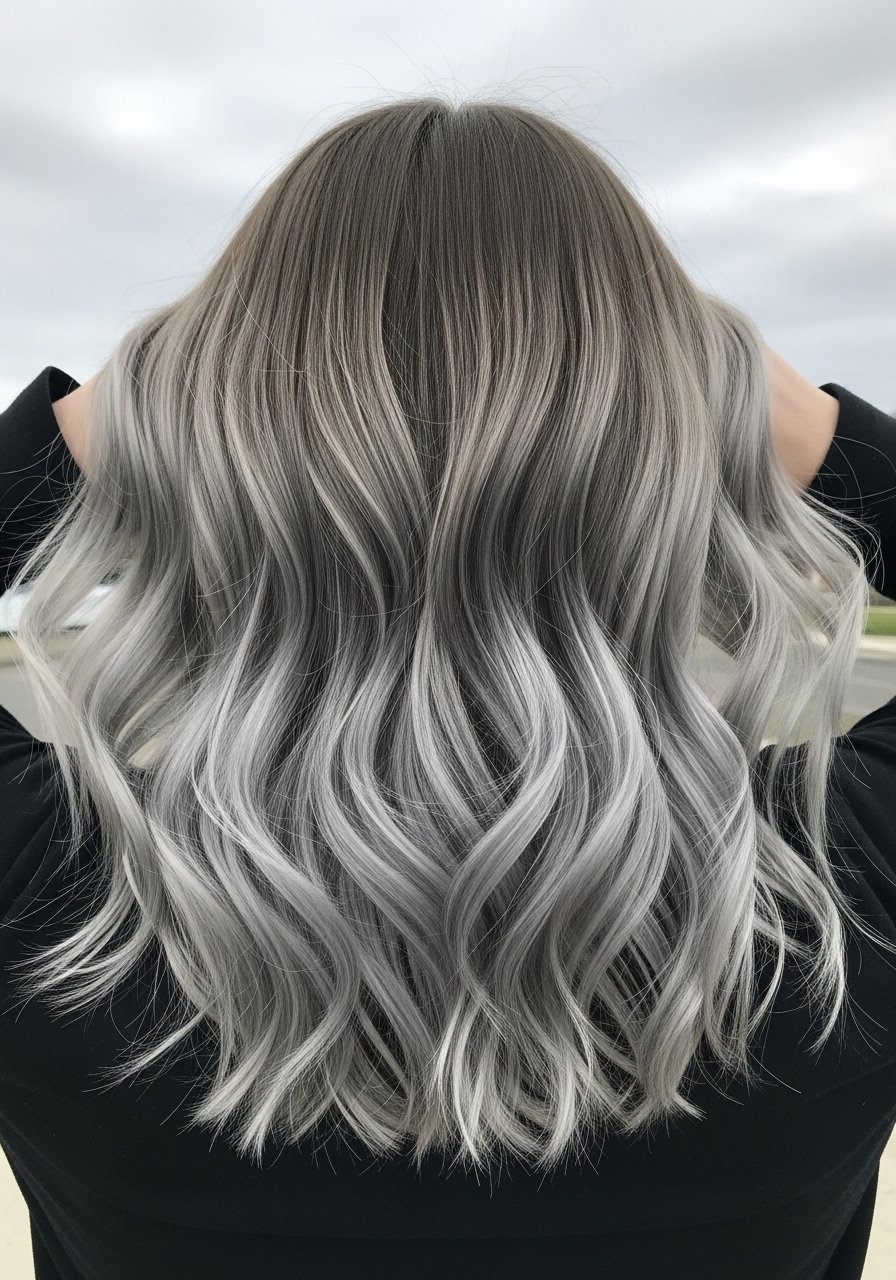
If your highlights keep going brassy, adding ash lowlights prevents the floaty yellow that shows up as it grows out. I ask my stylist for a two-tonal approach, lighter pieces around the face and ash lowlights underneath. Works for medium to thick hair, especially 2A to 3B waves that need depth. Salon costing is higher because you are paying for placement, expect 90 to 150 minutes. DIY is doable with a thin-tooth balayage brush and a clear plan for sectioning, but lowlights need color knowledge. A specific detail I use: place lowlights on 4-6 under-sections, not the top crown, to keep lift on the surface. This keeps regrowth forgiving and reduces the need for frequent full toners.
Ash Gloss Toner To Kill Brass Without Cutting Shine
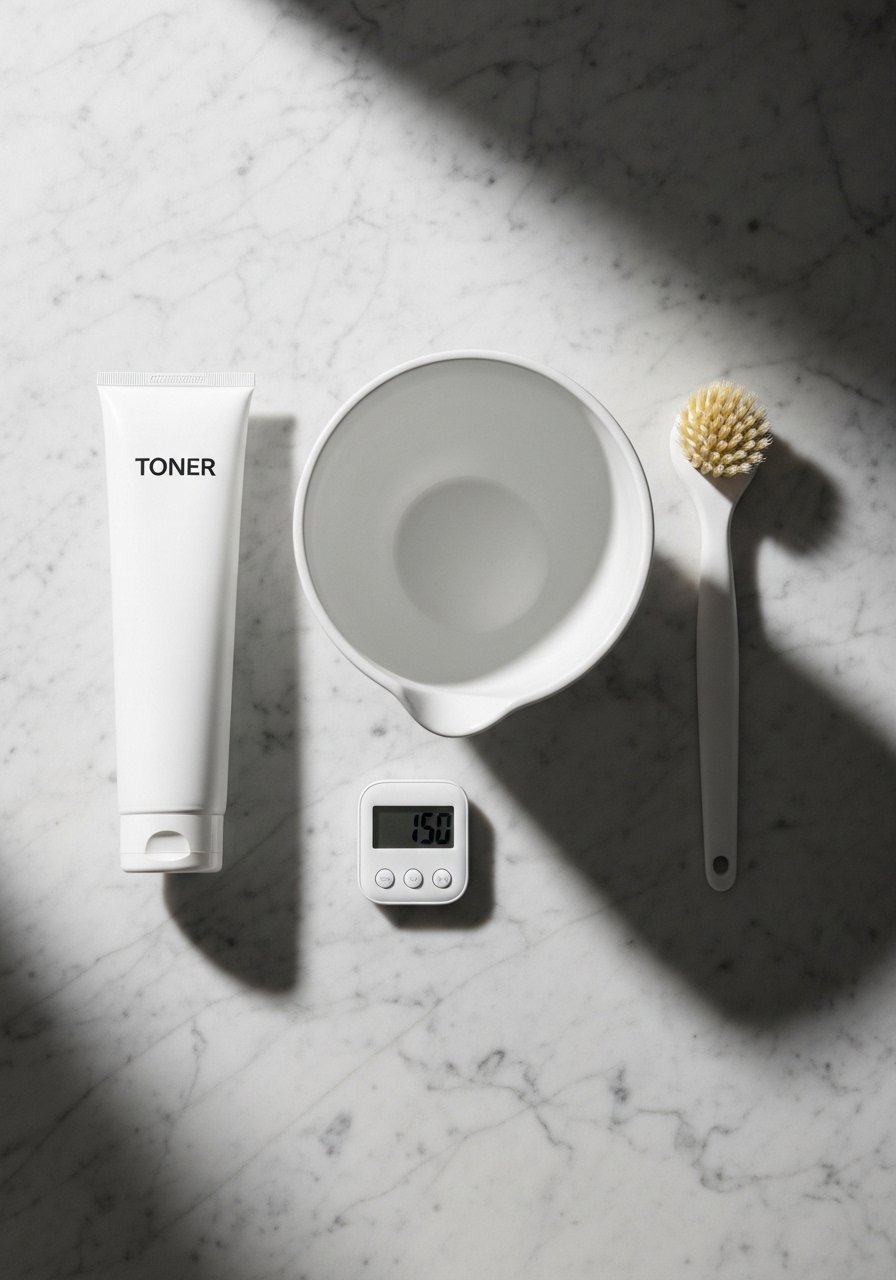
When mid-lengths go brassy between appointments, a gloss toner can neutralize warmth in 10 to 20 minutes and add reflective shine. For ashy results, a 9- to 10-volume developer mixed with a violet-based gloss is the usual salon mix, processed for 5 to 10 minutes off the scalp. Hair grows about half an inch a month at most, regardless of what biotin gummies promise you, so keep touch-ups measured. Don’t overuse at-home toners every wash, it dries porous ends. If your hair is fragile, do a strand test and consider a bond builder before any alkaline process.
Purple Shampoo Rules That Actually Save Blonde
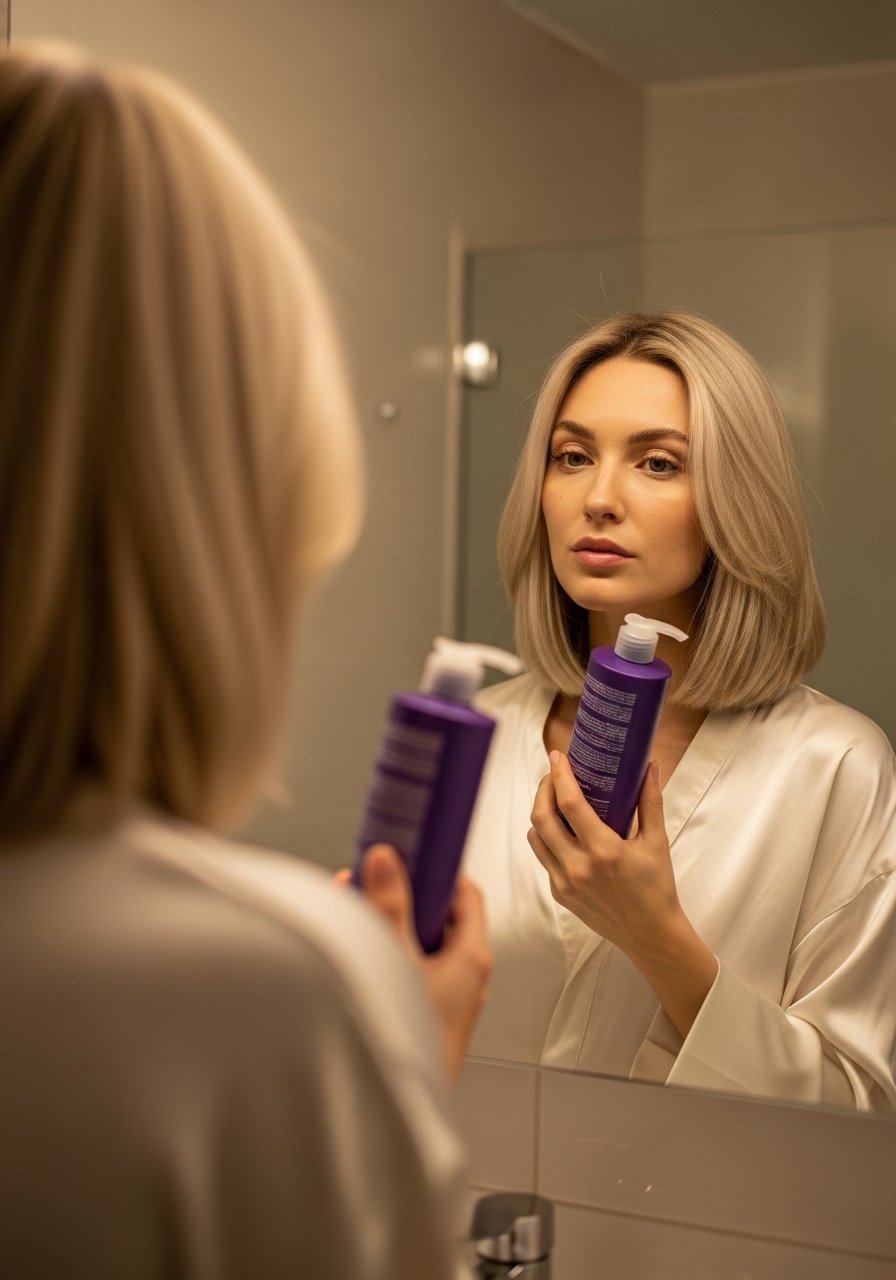
Purple shampoo is a tool, not a ritual. A friend used it every wash for six months and her hair felt like straw. Swap that for once a week or every other wash depending on how warm your tones get. For subtle ashy highlights, two minutes of purple shampoo on wet hair, then rinse with cool water, is usually enough. If you have porous, highlighted ends, avoid leave-on application longer than five minutes. Common mistake: using purple shampoo as a daily cleanser. If dryness appears, alternate with a hydrating sulfate-free shampoo and use a weekly protein-lite mask.
The Bond Builder Routine I Use Before and After Lightening
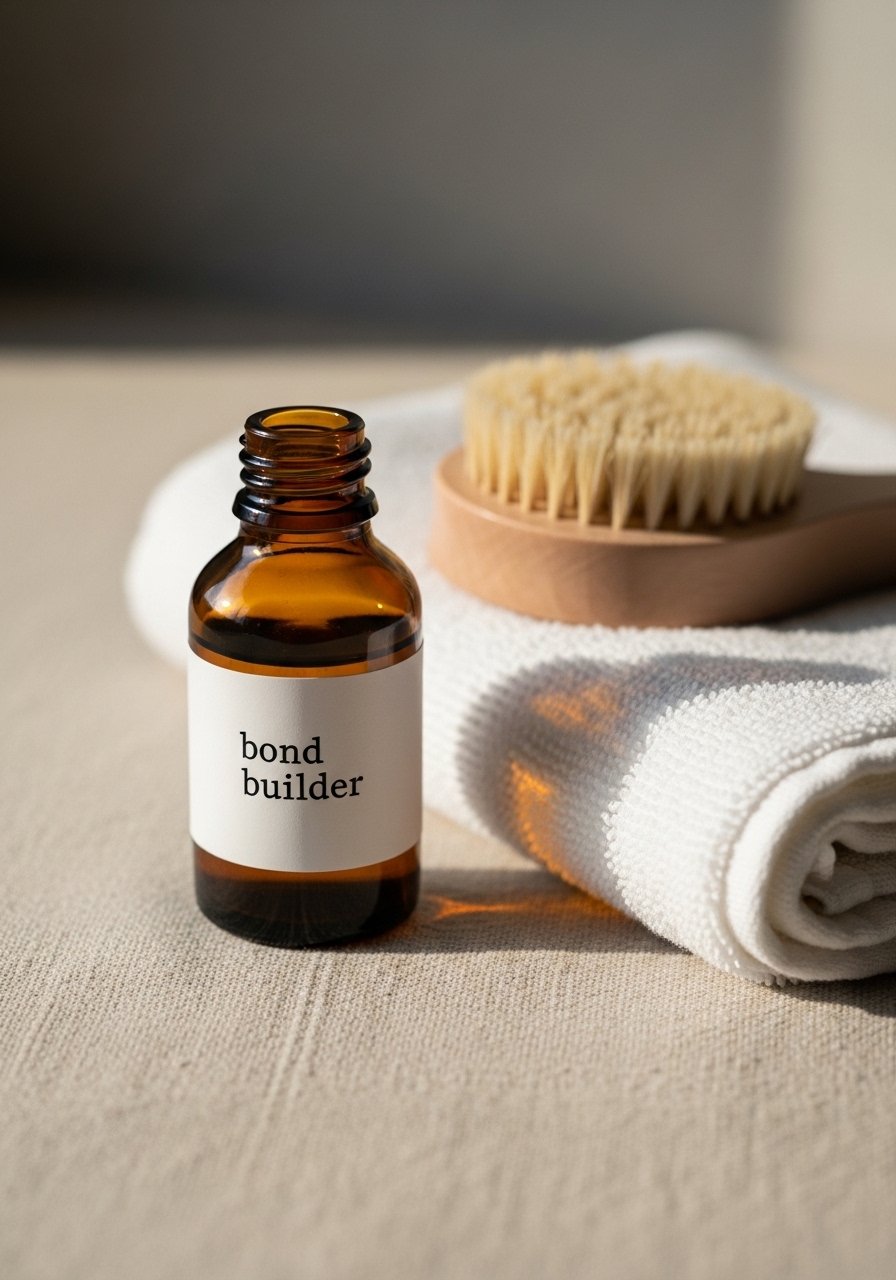
After scarring my ends with a DIY bleach, Olaplex No. 3 saved what was left. For anyone lifting to ash, do one in-salon bond treatment, then follow up with at-home maintenance once a week. Apply about a quarter-sized amount to damp hair, leave 10 minutes, then shampoo and condition. If your hair is heavily processed, repeat weekly for four weeks. Bond builders strengthen the hair matrix but do not undo split ends, trimming remains necessary. Buy from the official store on Amazon or a salon to avoid counterfeits. Pair this with Olaplex No. 5 conditioner once a week for best results.
At-Home Toner Touch-Up Kit That Won’t Turn You Purple

If scheduling a salon is impossible, a light at-home toner can extend your appointment by a few weeks. Use a 1:2 mix of toner to 10-volume developer, apply only to mid-lengths and ends, and process for 5 to 7 minutes. Overprocessing is the number one at-home mistake, especially when people leave it on until they feel the cool tone. That will fry porous hair. This kit works best on fine to medium hair that has lift already. If your natural base is darker than level 7, expect mixed results and consider a salon touch instead.
Heat Settings That Keep Ashy Blonde From Frying Out

Most irons go to 450 degrees, but ash blonde highlights do not need that heat. Heat protectant before any iron over 300F is essential. I style on 300 to 320 degrees for straightening and 330 for soft waves, always applying two light spritzes of a silicone-free heat protectant on damp to just-dry hair. Most heat protectants you spray on dry hair before flat ironing barely work. They need to absorb into damp or just-dried hair to actually shield the cuticle. Overheating porous highlights causes uneven frizz and tiny breakage spots that show as breakage-kinks later.
What I Keep On Hand For Ashy Blonde Highlights
Olaplex No. 3 hair perfector for weekly maintenance. Buy from the official Olaplex store on Amazon or Sephora to avoid counterfeits.
Fanola No Yellow shampoo 1000ml for stubborn brass, used once weekly.
Color-safe sulfate-free shampoo 8oz for regular washes.
Wella Color Charm toner T18 for salon-style ash toning, salon-only ingredient note applies.
Olaplex No. 5 conditioner 8.5oz used after bond building treatments.
Microfiber hair towel to reduce friction and preserve highlights while drying.
Color Wow Dream Coat anti-humidity spray 4oz for shiny, smoothed finish after styling.
Heat protectant spray with penetration ability for damp application.
Boar bristle paddle brush to distribute scalp oil without stripping color.
Wide-tooth comb for detangling wet highlighted hair gently.
Root Smudge For Seamless Regrowth Between Appointments

Root smudging blends a darker root into light highlights so grow-out reads softer and requires fewer touch-ups. It is especially useful for fine to medium hair where obvious regrowth shows in two to three weeks. Salon step: a colorist paints a low-volume glaze along the rootline for 10 to 15 minutes. DIY option: use a demi-permanent color two shades darker applied in a 1/4 inch band. The mistake I see is leaving the smudge too cool for warm skin tones, creating a muddy look. If you are unsure, have your stylist mix a slightly warmer undertone and use less processing time.
Baby Lights At The Hairline For a Natural Ashed Edge

Baby lights at the hairline are a subtle way to add ash without going full-on cool. They are tiny slices painted close to the root, perfect for straight to slightly wavy hair that wants a soft halo. This technique takes time in the salon but the payoff is a lifelike, low-maintenance frame. If doing at home, use thin sections and monitor processing closely. Overdoing the number of slices is the common error and it reads fake in photos. For natural result, limit to eight to twelve thin slices around the face.
Short Hair Ash Blonde With a Silver Gloss Finish
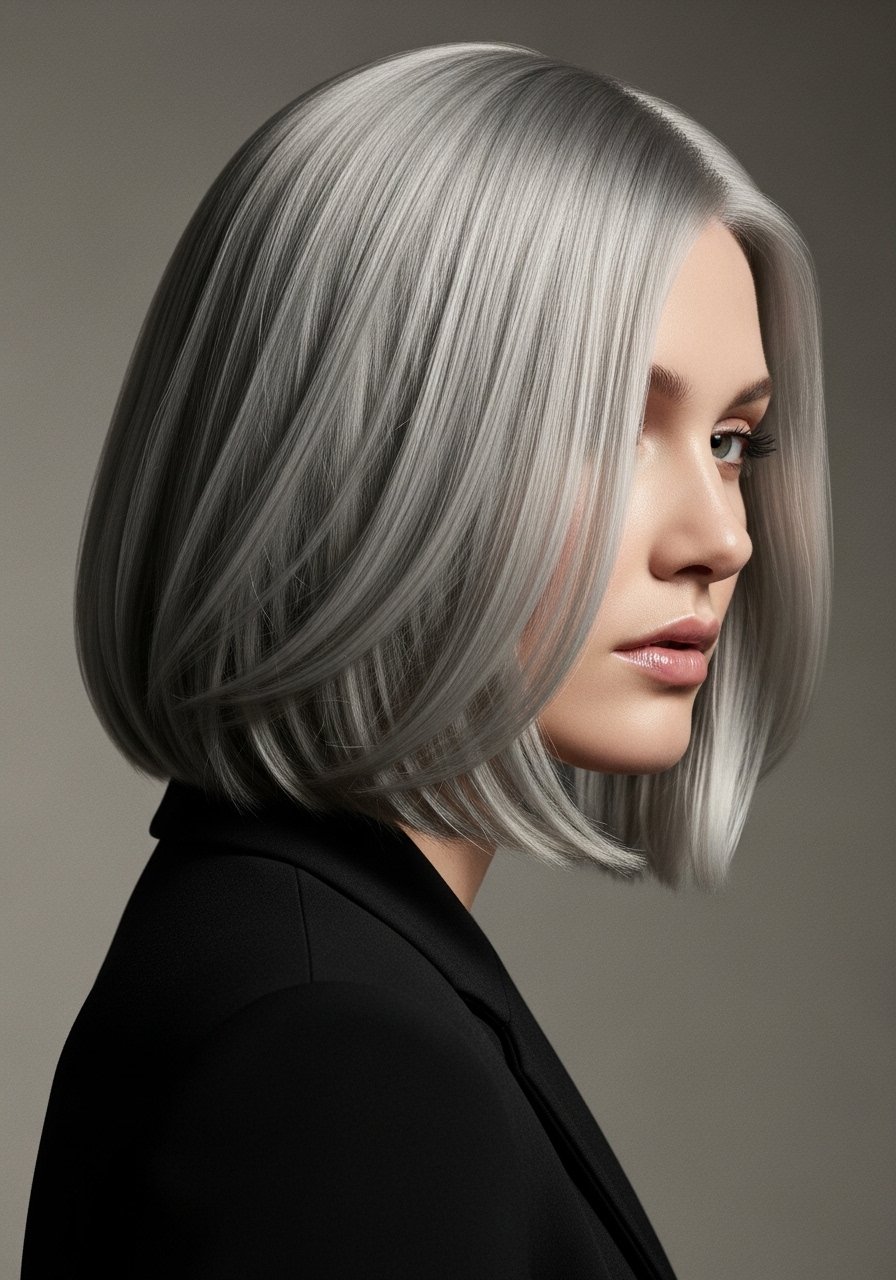
Short cuts take toner beautifully because there is less porous length to absorb product. A silver gloss applied for five minutes can neutralize lingering yellow and add a soft sheen. This is ideal for 1A to 2B hair that can be flat-ironed at lower temps. Warning: silver pigments can shift purple on porous ends, so do a strand test. If your hair was recently lightened, wait a week before a gloss. Small trims every six to eight weeks keep the cut crisp so the color looks fresh.
Curly Hair Highlights With Porosity-Smart Placement
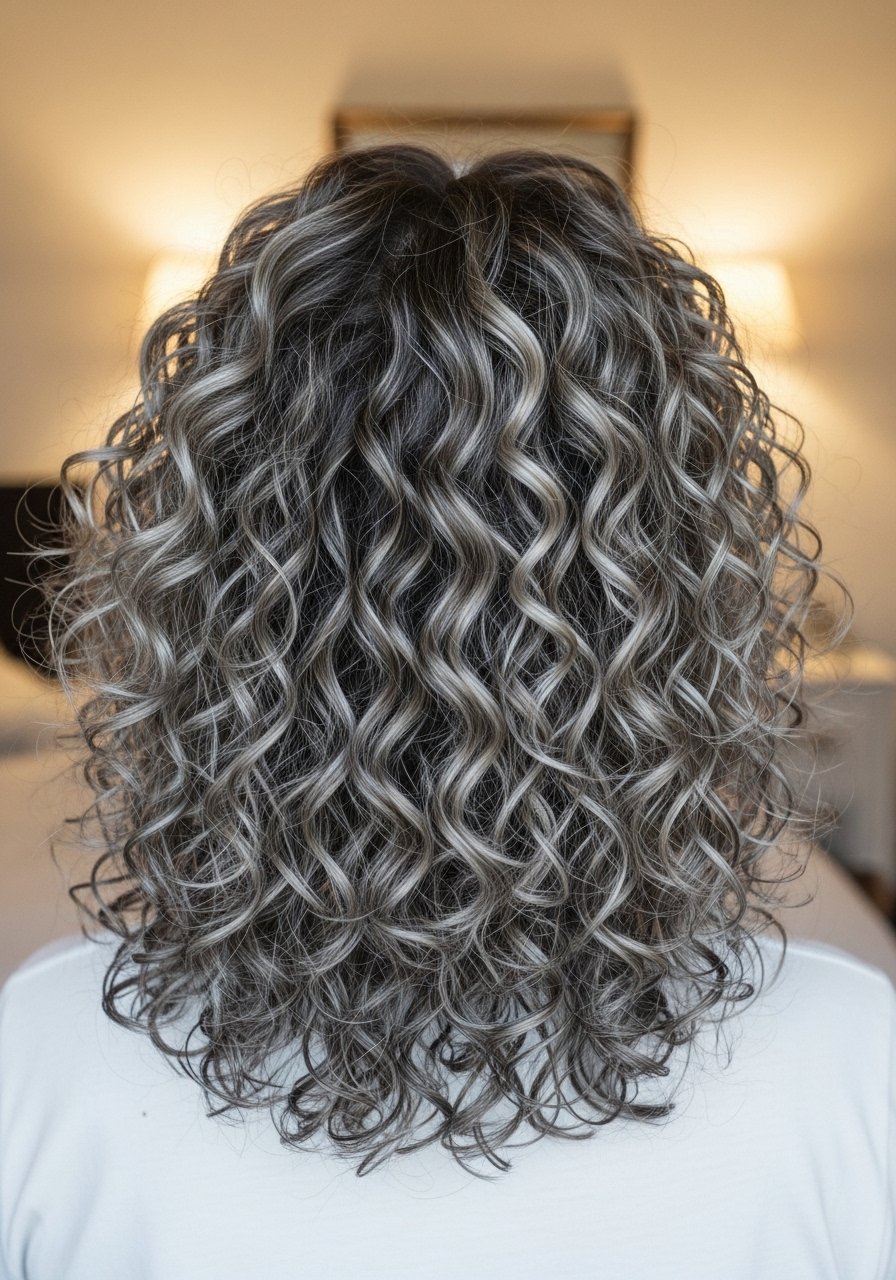
Curly hair needs highlights placed on the surface curls not deep in the core where they break curl pattern. For 3A to 4A hair, lighter pieces on the outer curls create dimension without losing shape. Use a lower volume developer, 6 to 10 volume, and shorter processing times, 5 to 15 minutes depending on lift, to protect curl integrity. I layer products using the LOC method, with leave-in, oil, then cream to keep highlighted curls hydrated. Avoid purple masks that sit overnight on porous curls, they can overtonalize and dry the hair.
The Round Brush Blowout That Keeps Ash Cool
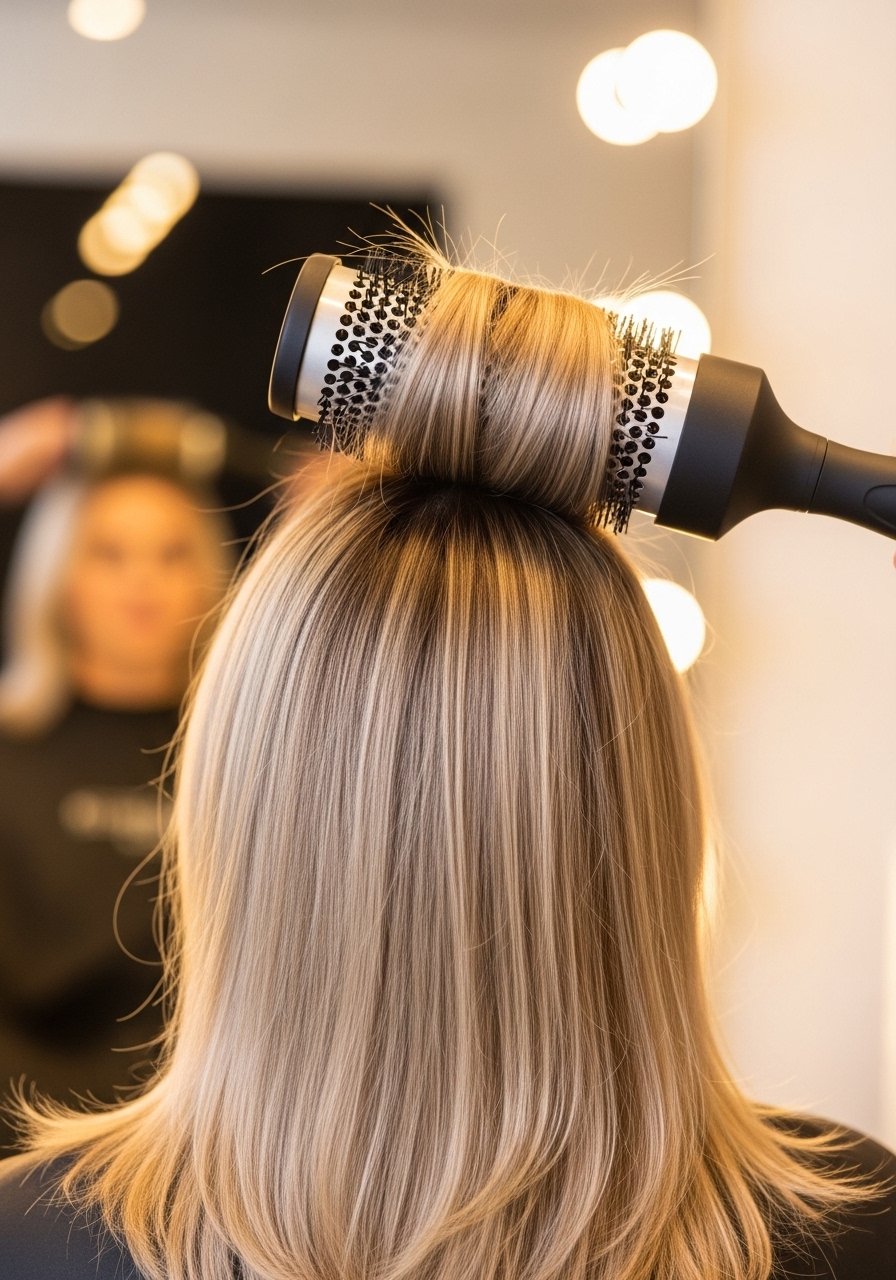
A smooth blowout keeps highlights reflective and prevents brass. Use an ionic dryer on medium heat and finish with a cool shot. Brush technique detail: section hair into 6 to 8 panels, wrap only 2 inches around a medium round brush and pull down slowly while directing the nozzle along the hair shaft. For fragile highlighted hair keep dryer at a medium setting around 300 to 350 degrees equivalent airflow, and always apply a damp-applied heat protectant first. Over-brushing or forcing tension will ripple the highlight pattern and risk breakage.
Overnight Care That Preserves Ashy Highlights

How you sleep matters for highlighted hair. I sleep on a silk pillowcase or with a loose high ponytail for wavy hair to avoid friction that dulls highlights. For fine highlighted hair, a soft satin scrunchie reduces breakage. If you use a sleeping oil, apply a pea-sized amount to ends only, never the root. The common mistake is sleeping with wet hair and a tight elastic, which causes color frizz and tiny knots. A quick detangle with a wide-tooth comb before bed and a silk pillowcase cut morning frizz significantly.
What I Wish I Had Known Before Going Ashy Blonde
Grab Olaplex No. 3 hair perfector for weekly at-home bond maintenance. It is worth skipping one salon toner to keep ends intact.
Buy a reliable violet shampoo like Fanola No Yellow and use it once a week instead of every wash.
Heat protectant goes on damp hair, not dry. The cuticle is more open and the product actually absorbs. This color-safe heat protectant spray is small and affordable.
If you are doing heavy lifting over previous dark color, book multiple sessions. Lifting bleach over color in one sitting is the fastest way to a salon repair.
Schedule trims every 8 to 12 weeks to avoid the damaged ends showing as chalky highlights. It keeps color looking intentional.
Frequently Asked Questions
Q: How often should I use a purple shampoo on ashy blonde highlights?
A: Usually once a week or every other wash, depending on how warm your tones get. If your hair is porous from lightening, limit use and follow with a hydrating mask. Overdoing purple shampoo causes dryness and can leave a purple cast on porous ends.
Q: Can I bleach over previously dyed dark hair at home to reach ash blonde?
A: Lifting bleach over previous color is risky. It is the single most common reason hair breaks off in the shower. This is a salon job for most cases, or you must accept multiple sessions spaced months apart to avoid catastrophic damage.
Q: Will using a bond builder mean I never have to trim split ends?
A: Bond builders strengthen internal bonds and reduce breakage, but trimming is still the only way to remove split ends. Bond treatments help length retention by preventing new splits, they do not reverse existing splits.
Q: My ashy highlights fade to yellow after two weeks. What am I doing wrong?
A: Over-washing, hot tools without proper protectant, and sun exposure are the top culprits. Try washing less, using a cool rinse, and applying an SPF scalp spray for two minutes of sun protection. Also add a toner or violet shampoo weekly.
Q: Is a salon gloss different from at-home glosses?
A: Yes, salon glosses are often demi-permanent with better customization and can be mixed to neutralize specific undertones. At-home glosses are fine for small refreshes but expect less precision and shorter longevity.
Q: Can I tone my highlights if my hair feels porous and dry?
A: You can, but do a strand test and consider a bond builder before toning. Porous hair soaks up pigment quickly, which can over-tone. If in doubt, book a salon gloss and ask for a shorter processing time.
Q: What heat setting should I use on a ceramic iron for highlighted hair?
A: Aim for 300 to 330 degrees for most highlighted heads. Heat protectant before any iron over 300F is essential. Use the lowest effective temperature and one pass per section to avoid repeated heat exposure.