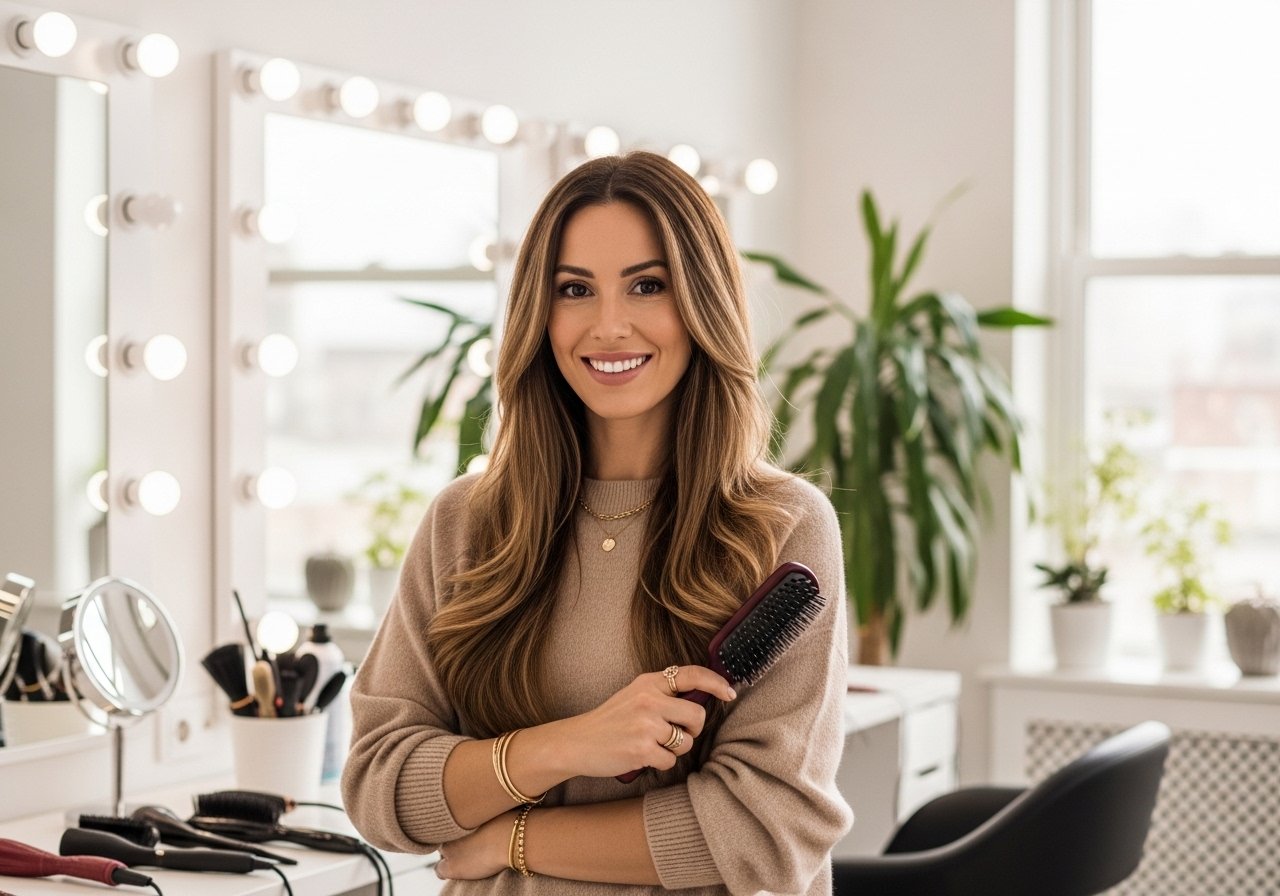
I tried asking for "caramel highlights" and ended up with chunky stripes that looked like snack wrappers. After three corrective trims and a bond-building routine, I learned the exact photos and phrasing that get a true caramel balayage on straight hair. Below are looks I actually wore or helped friends request, with the wording, small technique details, and product calls that avoid the salon horror stories.
These ideas focus on straight hair textures, from fine 1A to thicker 1C densities, shoulder length to mid-back. Skill level ranges from quick at-home styling to booking a color appointment. Most ideas fit a moderate budget, with a few tool splurges noted. Some color moves should be left to salon pros, others you can tweak yourself.
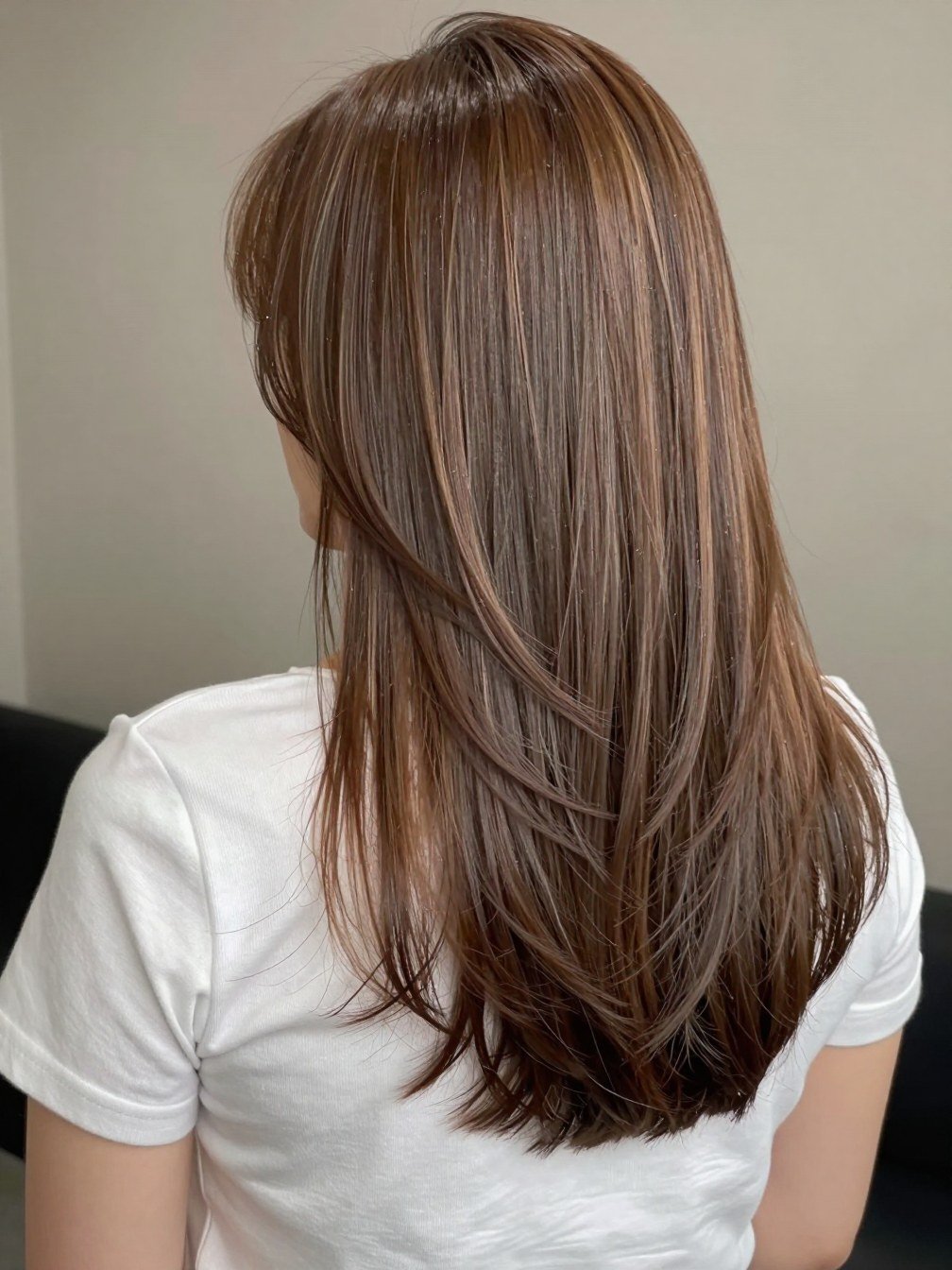
Soft Caramel Face Framing For Pin Straight Hair

Ask your stylist for finely woven, money-piece panels rather than thick chunky slices. On pin-straight 1A hair this technique is what creates movement without visible lines. It takes about 20 to 35 minutes extra in a typical balayage session and slightly more if you want root shadowing. If you try this at home, use a 10 volume developer for subtle lift, test a tiny section first, and always do an allergy patch test. Two quick spritzes of a bond builder in the bowl helps if you’ve had color before, and avoid overlapping bleach onto previously lightened ends.
Warm Caramel Balayage With Root Smudge For Low Maintenance

A root smudge keeps grow-out soft, so you only need touch-ups every 10 to 14 weeks. My friend with medium density hair asked for a warm caramel with a root three shades darker than the ends and it cut salon visits in half. For the colorist, ask for a 2:1 ratio of balayage to glaze, so the ends stay warm but not orange. At home skip daily sulfate shampoos and use a color-safe formula every third wash. If you DIY, use 20 volume developer and patch test for scalp sensitivity.
Caramel Babylights To Add Subtle Depth On Fine Straight Hair
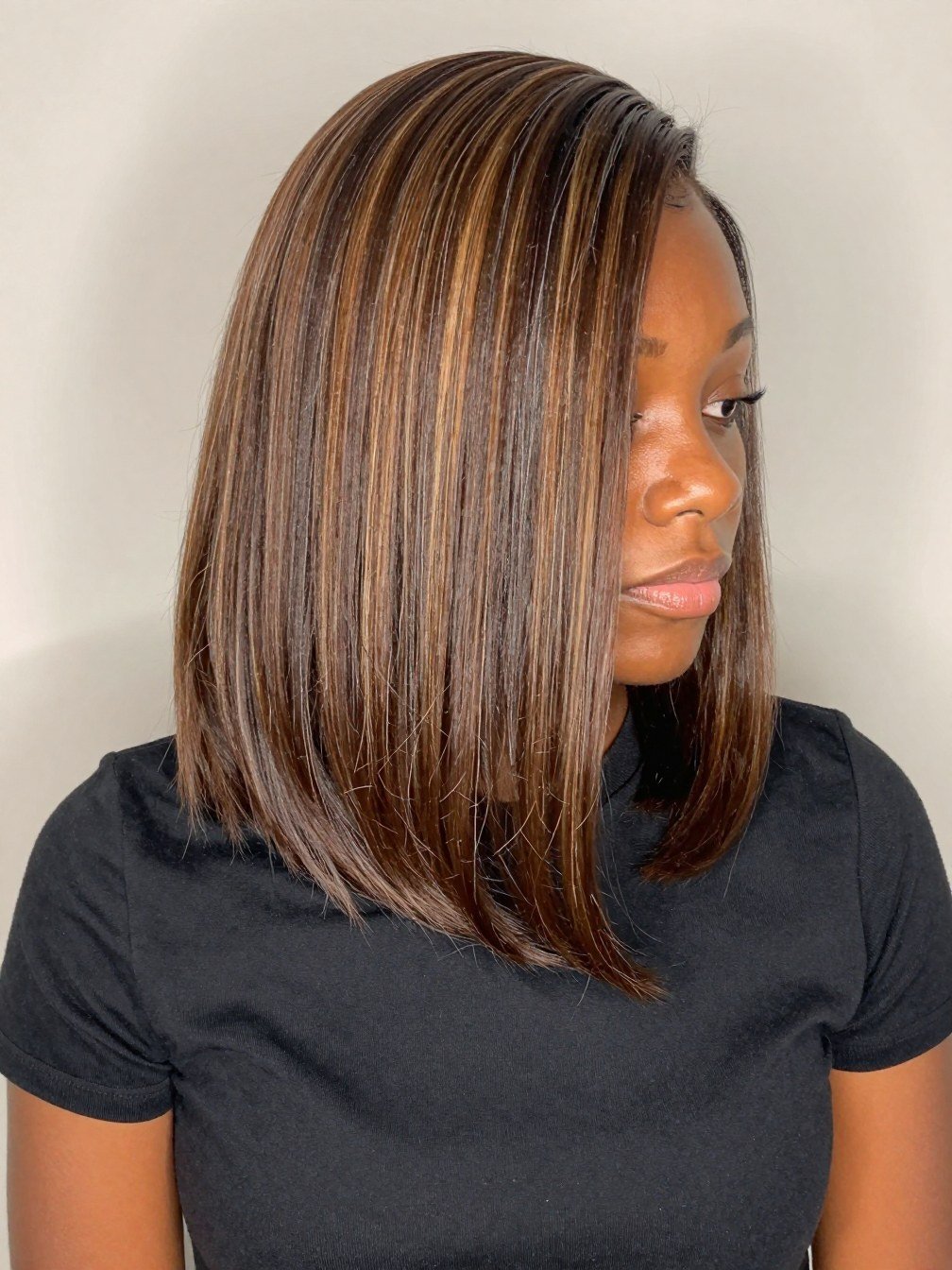
Babylights are tiny, repeated highlights that mimic sun exposure. On fine straight hair they prevent the banded look that chunkier highlights create. Expect a longer appointment because the stylist paints many thin slices, but the payoff is dimension without obvious grow-out lines. Keep weekly Olaplex No.3 treatments on rotation to prevent breakage from repeated fine lifts. If you try heat styling, use a flat iron at 340 to 360 F, not higher, and apply heat protectant to damp hair first.
Gloss Over Caramel Balayage For A Smooth Reflective Finish

A gloss appointment after balayage lays down cuticle-coating pigment and removes any brassiness. Most stylists recommend a 20 to 30 minute gloss that lasts 4 to 6 weeks on straight hair. It is a salon move if you want precise tone control, but you can replicate a demi-permanent glaze at home with a 10 volume developer and a careful patch test. Glosses slightly darken the hair so mention that if you want the lightness preserved. Avoid using high-acid clarifying shampoos right after a gloss or it will fade faster.
Face-Framing Caramel Balayage For Round And Heart Faces

Placement changes everything for face shapes. For round faces ask for long, drawn-out caramel pieces starting just below the cheekbone to create length. Heart-shaped faces get a softer triangle around the jaw to balance the forehead. This is a color placement discussion you should have in the chair, not an Instagram screenshot alone. If your hair is fine, request thinner slices and a root shadow to avoid looking washed out. Stylist note, avoid heavy foiling close to the scalp on sensitive scalps.
Sweeping Caramel Money Piece For Side Parts

The money piece is all about framing, not being the brightest thing in the room. For straight hair with a side part ask for a softer blend where the highlight fades into the mid-lengths over 2 to 3 inches. On thicker hair you may need two panels per side. If you attempt a DIY touch-up, use a thin tail comb to isolate 1/8 inch sections and avoid heavy saturation. Remember that lighter front pieces show brass faster, so plan a purple or blue-toned shampoo session every 8 to 10 washes if you see any unwanted warmth.
What I Actually Keep In My Caramel Balayage Kit
- Honestly the one splurge that stuck with me is the bond-building trio. Olaplex No. 3 hair perfector used once a week kept my ends from fraying after two salon sessions, buy from the official store on Amazon or grab it at Sephora to avoid counterfeits
- For color-safe cleansing, an 8oz sulfate-free shampoo is the baseline. Redken color extend shampoo 8oz is balanced and easy to find
- A lightweight leave-in spray that shields and detangles. It’s a 10 Miracle Leave-In 4oz helps on second-day styles
- Anti-frizz finish for straight hair. Color Wow Dream Coat travel size keeps humidity at bay for days
- Heat protectant to use on damp hair. Tresemme thermal heat protectant 5oz is budget friendly and effective
- A paddle brush with mixed boar bristles for smoothing. Boar bristle paddle brush distributes oils and reduces static
- Silk pillowcase under $25. Silk pillowcase queen cut my morning frizz in half
- A lightweight clarifying shampoo to use once every three to five washes if you use a lot of styling product. Suave clarifying shampoo 12oz
- A demi-permanent glaze for at-home tone refreshes. Clairol Natural Instincts hair color is gentle for root-to-tip blends
- Wide-tooth comb for wet detangling. Wide-tooth comb detangling avoids breakage
- A microfibre towel to reduce friction on wet hair. Microfiber hair towel speeds drying and cuts frizz
- A lightweight oil to smooth ends post-styling. Moroccanoil treatment travel size use one drop for shoulder length hair
- If you want a styling tool splurge, compare prices and sellers before buying the Airwrap. Dyson Airwrap search is available but check the brand site for guaranteed authenticity
Sun-Kissed Caramel Balayage For Mid-Length Hair

This is the classic go-to that reads natural in photos and IRL. On shoulder-length hair ask the colorist to focus the lightening on the center sections, leaving a small halo of shadow at the roots. It keeps the look soft and low maintenance. For at-home toning, a mix of a violet-based gloss and a lightweight conditioner for 10 minutes takes the edge off brass. If your hair is chemically treated already, tell your stylist so they can plan smaller lifts and longer bonding time.
Bold Caramel Contrast On Dark Brown Natural Straight Hair

If you have naturally dark brown hair and want visible contrast, the stylist will need to lift more aggressively, often in two sessions to protect the integrity. Ask for a staged approach, and plan for weekly at-home conditioning for the first month. A common mistake is asking for the warmest caramel without understanding the required lift, which can cause orange tones. Bring a few reference photos showing the amount of warmth and ask them to show a test strand before continuing.
Caramel Balayage On Thick Straight Hair That Avoids Weighty Bands
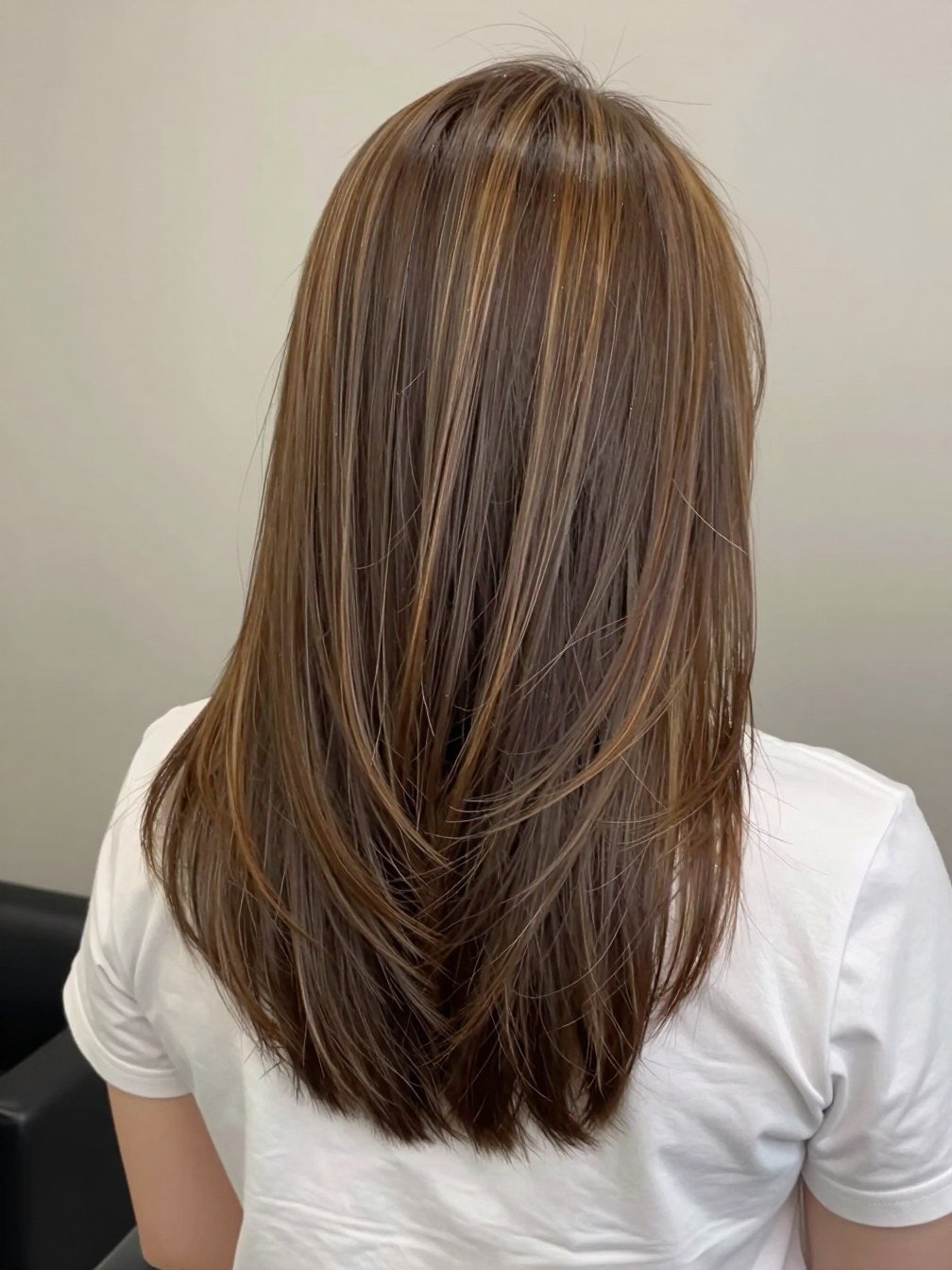
Thick hair can hide balayage if the slices are too thick. Request thinner sections spaced more broadly, so the light actually reads through the density. A stylist may paint 40 to 60 sections for a full head, which is why thick hair appointments take longer and cost more. If you see a harsh band after the first wash, a quick salon glaze can soften it. DIY warnings, do not overlap bleach onto pre-lightened areas or you will get breakage.
Caramel Melt With Subtle Ash Overtones For Cooler Skin Tones

Caramel does not mean everyone needs warm gold. Adding a faint ash glaze neutralizes brass and suits cooler complexions. Ask your stylist for a warm base with an ash demi-gloss on top. A common mistake is over-ashing, which makes straight hair look flat. If you try at-home toners, dilute with conditioner to avoid sudden green or ashy results. Keep note that ash pigments fade faster, so schedule a refresh glaze at six weeks if you want to maintain the tone.
Soft Ombre Caramel For Long Straight Hair

An ombre feel brings lighter ends without heavy face framing. It is lower maintenance because the roots stay natural and you only need to touch the ends every 12 to 16 weeks. If your hair is fine, ask the stylist to feather the paint higher to avoid a mid-length break in tone. Avoid using high lift box dyes at home on long lengths, because uneven saturation is common. Keep a weekly deep conditioning treatment on rotation to counter drying at the ends.
Caramel Balayage With Sleek Flat Iron Finish

Straight hair shows color transitions more than curled hair, so a sleek finish highlights clean blends. Flat ironing at 340 to 360 F smooths cuticles and shows off the color melt. Apply heat protectant to damp hair and let it mostly dry first. A frequent mistake is blasting wet hair with a high-temp iron. If you love the flat look, finish with a lightweight shine serum sparingly along the ends to avoid grease at the roots.
Brassy Fix For Caramel Balayage Between Appointments
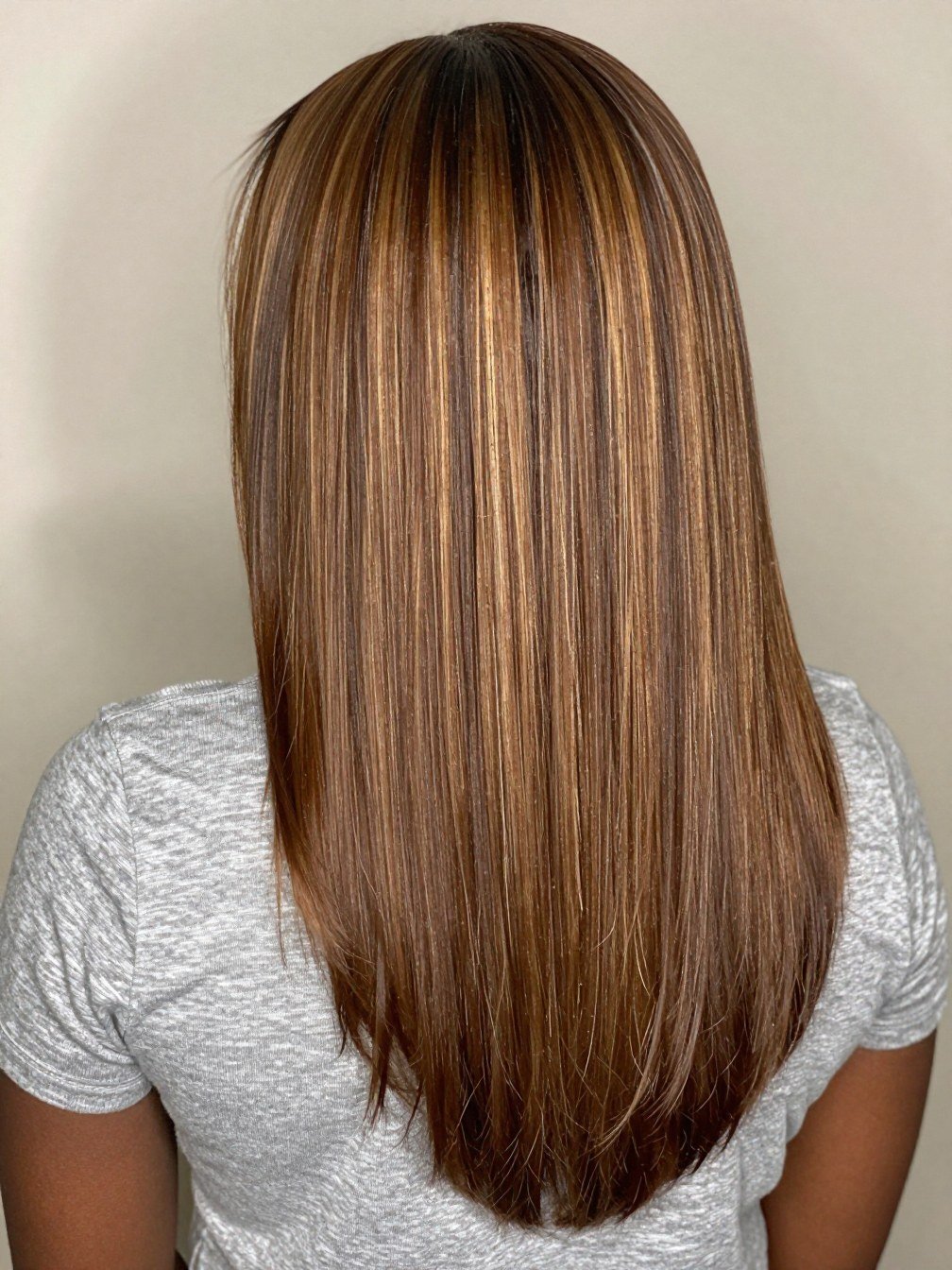
Brass happens, even to careful people. Use a purple shampoo once a week and a color-safe shampoo the rest of the time. For straight caramel balayage, keep the purple wash to three minutes maximum on lightened areas, and follow with a rich conditioner. Overusing purple shampoo dries the hair and creates a muddy tone. If you need a quick in-between salon fix, a demi-gloss service or at-home gloss applied for 10 minutes will take down warm edges without further lifting.
Subtle Caramel Babylights Around The Hairline For Brows And Skin Tone

Tiny babylights by the hairline brighten the face without committing to heavy front pieces. They work especially well if you wear a lot of face-framing layers. Expect a 15 to 25 minute add-on in the salon and a mild sensitivity when foils lie close to the scalp, so mention any topical allergies. For a DIY tint, use a demi-permanent formula and a paintbrush for small, precise sections. Keep in mind that the hairline processes faster due to body heat.
Caramel Balayage For Short Straight Bobs
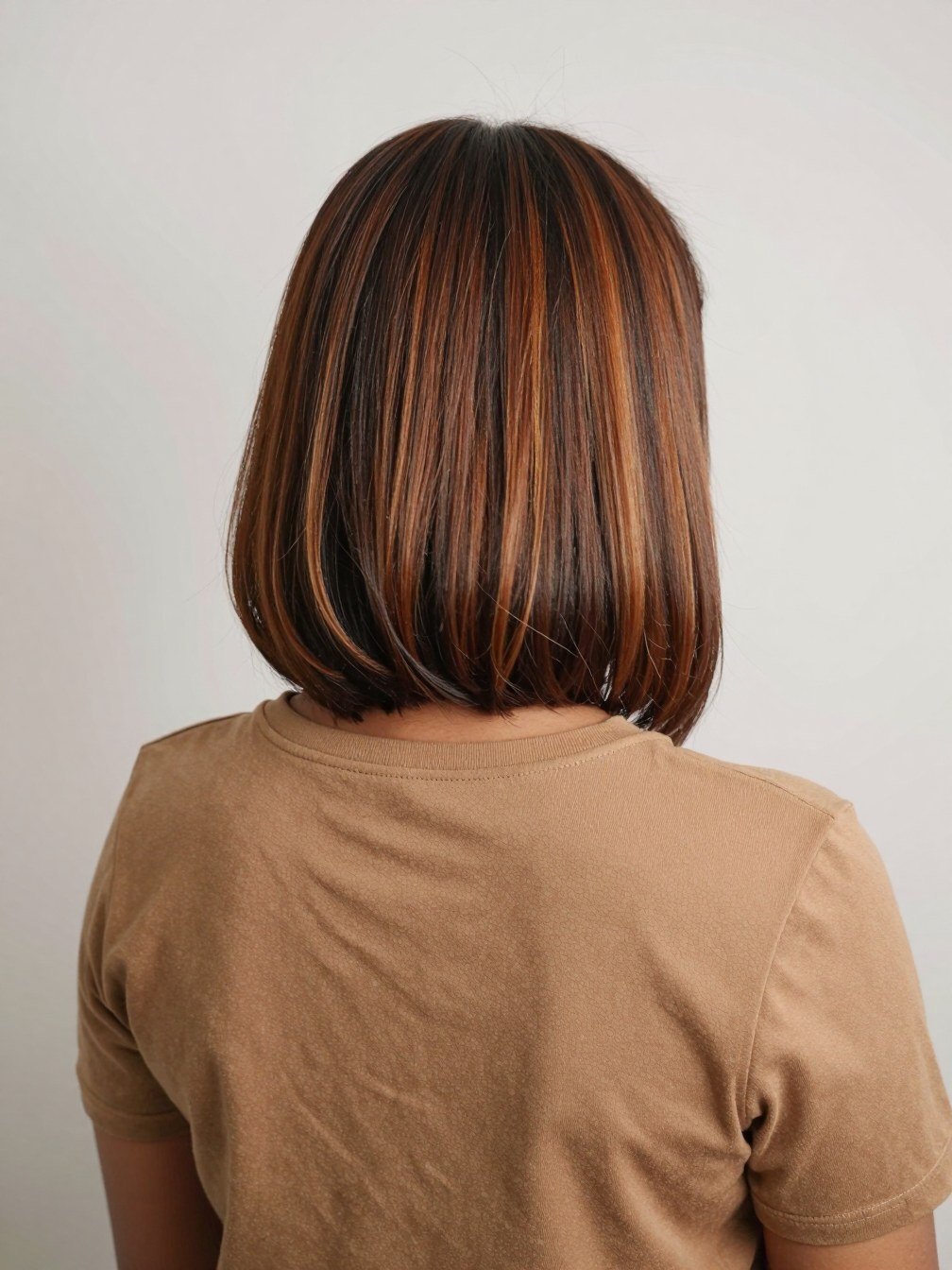
Short cuts read color differently. With a bob, shorter painted pieces create the illusion of thicker hair and more movement. Ask for low contrast between root and ends for a wearable daytime look. If your bob is blunt, ask the colorist to feather the tips to avoid harsh edges. At-home tip, use one finger to smooth a tiny dab of oil through ends after styling to keep the color looking glossy without weighing the cut down.
Caramel Balayage With Face-Framing Curtain Pieces

Curtain-like front pieces are flattering and modern on straight hair. They soften the forehead and add intentional framing without committing to bangs. On straight hair request the pieces start just below the cheekbone and taper into the mid-lengths. If you do your own refresh, section the front into four thin panels and blend the color downwards to avoid a hard line. Watch scalp sensitivity when painting close to the face, and do a patch test for any new product.
High Shine Caramel Toner For Photo-Ready Straight Hair

If you have photos coming up, a salon-applied toner or gloss will give a reflective surface that looks great in pictures and real life. Toners usually sit for 10 to 20 minutes and can be matched to the undertone you prefer. A common error is letting a toner sit too long which can over-neutralize warmth. Keep heat styling minimal the day after a gloss and avoid clarifying shampoos for a week to preserve the effect.
Deep Caramel Melt For Brunettes Wanting A Bolder Shift

If you want a noticeable shift but not platinum, a deep caramel melt is the way to go. The stylist lifts the mid-lengths only and paints warm tones into the ends. On darker bases this often uses 20 volume and a warm glaze. If you are used to low-maintenance color, plan for one glaze refresh at 6 to 8 weeks. Avoid using silicone-heavy serums that can build up and mask the color's natural depth between appointments.
Caramel Balayage With Lived-In Shadow Root For Busy Schedules

Shadow roots are the most forgiving choice for people who want less salon time. By keeping the root two to three shades darker and blending it, you extend between-color appointments. If you have fine hair, the root shadow doubles as a volume trick by keeping the scalp area slightly darker. Salon pros often use a glaze to marry the root and ends, so mention you want a lived-in finish, not a stark grow-out look.
Caramel Balayage With Sleek Blowout For Weekend Wear

A professional blowout highlights the tonal differences of balayage and makes straight hair look polished. Blowouts with a medium round brush at low heat create body while keeping the color glossy. If you recreate this at home, section hair into four vertical panels and use a medium round brush, directing air down the shaft for shine. Never skip a thermal protectant on damp hair because flat irons and high heat will fade color faster.
Money Piece With Soft Caramel Melt Around The Face

A softer take on the money piece blends it into adjacent panels so it reads natural from every angle. On straight hair ask the stylist to feather the edges with a balayage brush to avoid stripy contrast. If your hair is chemically relaxed, mention it because that affects processing speed. For at-home touch-ups, use a demi-permanent glaze mixed with conditioner to refresh the face frame without lifting more hair.
Caramel Balayage Maintenance Routine For Straight Hair
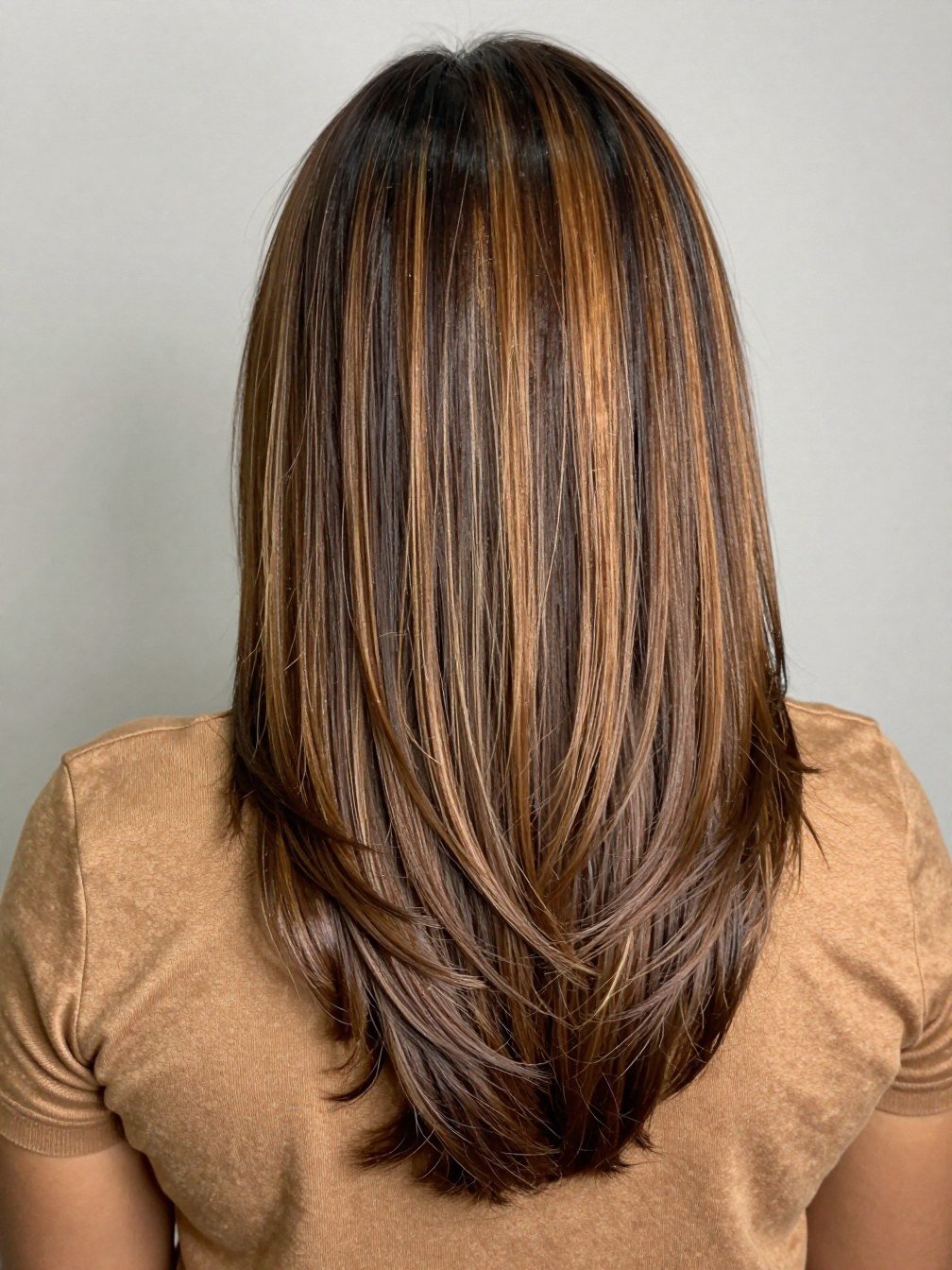
Maintenance makes or breaks a balayage. I wash every three days and use a bond builder weekly for the first month after coloring. Hair grows about half an inch a month at most, regardless of what biotin gummies promise you. If you heat style often, apply a heat protectant to damp hair and keep tools at 340 to 360 F. Schedule a toner or gloss every 6 to 10 weeks depending on how quickly your tone drifts.
Caramel Balayage Touch-Up Tips For DIY Savers

If you are refreshing at home, pick a demi-permanent glaze or a color deposit rinse one shade warmer than you want, because straight hair often reads darker once dry. Section hair into four panels and apply sparingly to mid-lengths and ends, avoiding the root. A common DIY mistake is overdosing the front pieces, making the face too bright. Do an allergy patch test and keep baking soda or a clarifying shampoo on hand in case you need to tone down an unexpected warmth.
Caramel Balayage For Fine Straight Hair To Add The Illusion Of Density

On fine hair the goal is dimension that reads like fullness. Combine subtle lowlights with baby highlights so the eye sees depth instead of flatness. Ask the stylist for a lower density of highlights that are slightly darker at the tips to fake thicker ends. If your ends feel fragile after lightening, do weekly bond builder treatments and avoid harsh clarifying products more than once every three washes.
The Honest Version Of What Bond Builders Do For Balayage

Bond builders help strengthen hair by reconnecting broken linkages, they do not undo past damage. Use a bond builder once a week for three weeks after any lift and then as needed. If your hair was previously colored, tell your stylist because overlapping bleach on processed hair increases breakage risk. If you buy Olaplex, buy from the official seller on Amazon or from Sephora to avoid counterfeits. Doing bond work in the salon paired with strategic trims gives the healthiest-looking ends.
What I Wish Someone Had Told Me Before My First Balayage Appointment

Bring three photos, one close-up of the face-frame, one of the back in natural light, and one of the exact amount of warmth you want. Photographs taken in different lighting help avoid miscommunication. Ask the stylist to show a test strand so you understand processing time and possible warmth. If you have broken or processed ends, expect a staged lightening plan over two sessions rather than a single appointment.
How To Ask For A Natural Caramel Melt Without Looking Brassy
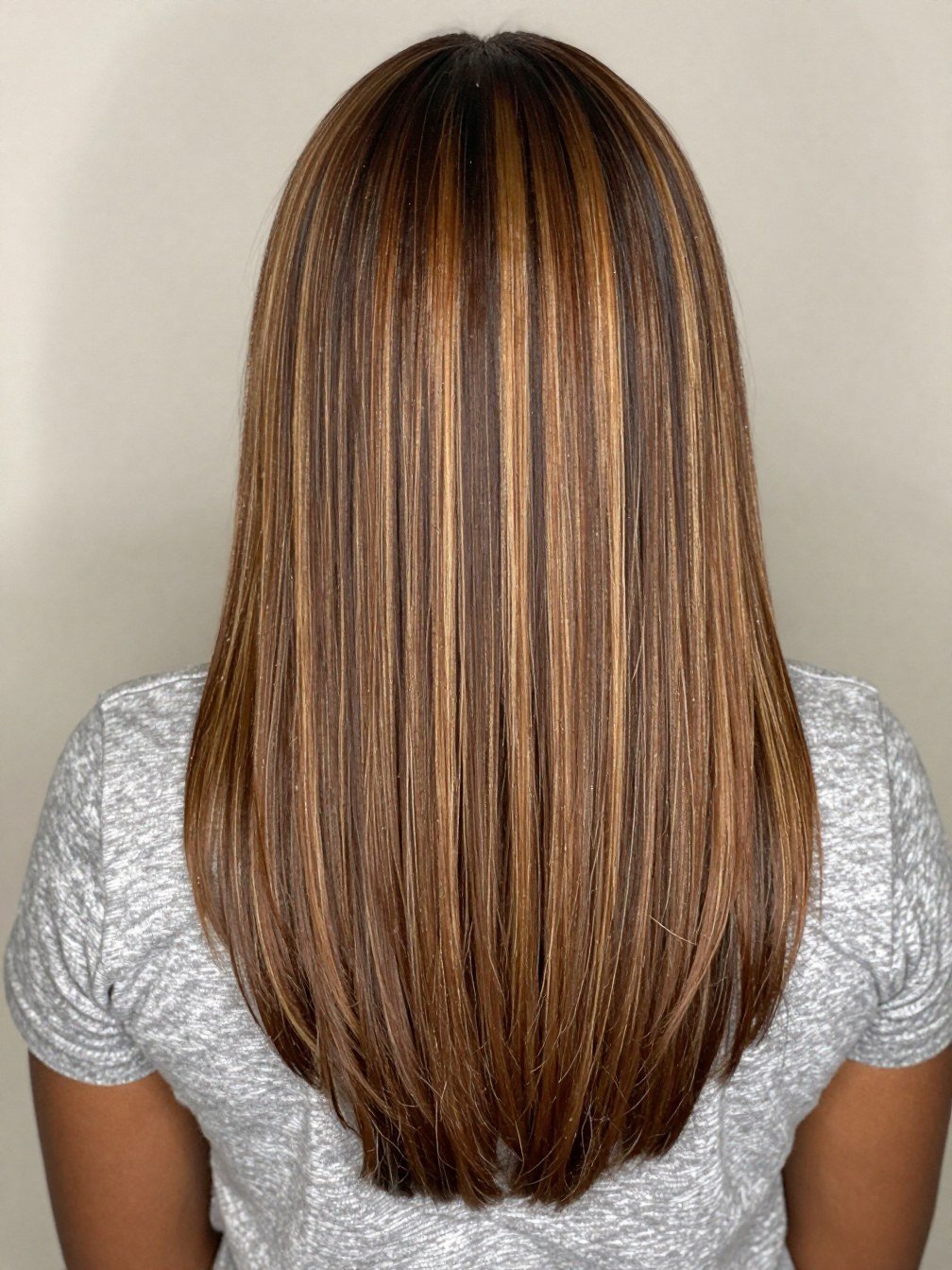
The trick is controlled lift and a final ash or neutral glaze that neutralizes unwanted orange. Ask for a staged lift and to use toner tailored to your undertone. On very dark hair be realistic about how warm the first session might look, and plan a second appointment to refine. If you see brassy tones at home, a 5 to 10 minute purple mask can calm the warmth quickly without stripping the hair.
What I Wish I Had Known About Bleach Over Color

Lifting bleach over previously dyed hair is the most common cause of breakage I have seen. Do not try a full-head lift at home if you have darker dye history. Book a salon correction, or accept staged sessions months apart. If you are at the sink and attempting a small lightening, always test a strand, use a bond additive, and never leave bleach on longer than the product instructions. If your scalp is sensitive, ask for a protective barrier cream.
How To Keep Caramel Balayage From Looking Flat On Camera

Straight hair can photograph flat if the tone lacks contrast. Dimensional color, with both warmer and slightly cooler lowlights, creates the depth cameras love. When styling, add a soft bend at the ends to catch light. Avoid silicon-heavy finishing oils before photos because they can create glare. If you have a shoot, ask your stylist for a light gloss an hour before to maximize reflection without oiliness.
What I Wish Someone Had Told Me About Weekly Maintenance

Consistency beats a single miracle product. I do a bond-builder once a week and a moisturizing mask every other week for the first month after a lift, then switch to a monthly deep treatment. Hair grows about half an inch a month at most, regardless of what biotin gummies promise you. Keep a silk pillowcase, avoid sleeping with damp hair, and use a spray leave-in on second-day hair to reduce breakage at the roots.
The Straight Hair Caramel Color Kit I Recommend For First Timers

If you want to try a subtle refresh at home, a demi-permanent gloss kit lets you deposit tone without lift. Use it on the lengths only and time it for 5 to 10 minutes to avoid sudden darkening. Section hair into four panels for even application. Do an allergy patch test, and if you have any prior heavy lifting, skip at-home lifts and see a professional instead.
What I Wish My Stylist Told Me About Pricing And Time

Balayage pricing reflects time and skill, not just product cost. Full head balayage with toning and a gloss can take two to three hours. If a salon offers a very low price for a full balayage, ask what is and is not included. Sometimes glosses, root shadows, or bond treatments are add-ons. Budget accordingly and remember that staged sessions protect hair better than trying to do too much at once.
What Changed When I Stopped Treating Color Like A One-Time Purchase

Color lasts when you treat it like upkeep. I used to expect a perfect salon finish to stay exactly as-is. After adding small weekly and monthly steps, my color looked better three weeks in than it did right after a bad DIY. Small investments like a glaze every six weeks and careful heat use make the difference between faded stripes and a lived-in melon that still reads intentional.
How To Talk To Your Stylist So You Get Caramel, Not Candy Corn

Bring three photos: one face crop, one back view in natural light, and one of the overall warmth you want. Say where you are willing to compromise, for example more warmth or longer processing time. If your stylist suggests a staged plan, ask why and trust the process. If they rush you, reschedule or choose another artist.
What I Wish Someone Had Told Me About Touch-Ups

A demi-permanent glaze is the safest in-between salon tool. It deposits tone without additional lift and can extend the life of a balayage by several weeks. Apply to dry, clean hair and leave for the recommended time only. If you have healthy natural roots and only touch the lengths, you reduce the risk of unwanted darkening at the scalp.
What I Wish I Had Done Before My First Balayage

Trim damaged ends and build a bond-building routine for three weeks before lightening. Prepping your hair reduces the risk of visible frizz and breakage after processing. If your hair has been recently relaxed or heavily colored, book a consultation first. A tiny test strand shows how your hair reacts and prevents surprises.
How To Keep Roots Looking Natural Between Color Appointments

A soft root shadow and a glaze are your best friends between appointments. Use a touch-up powder or colored dry shampoo at the part to mask new growth for a day or two. If you plan to DIY roots, pick a shade one level darker than your ends and use a narrow brush to avoid hard lines. For sensitive scalps, avoid leave-in dyes at the root.
The Honest Cost Of A Salon-Grade Caramel Balayage

Expect to invest for skill and time, not just pigment. Prices vary by city and stylist level, but a full balayage with toning and a gloss often sits in the mid to high range. Cheap appointments can lead to visible redo work later. Remember that staged sessions and bond building can make the end result healthier and last longer, which saves money on corrective services down the road.
What I Wish I Knew About Post-Color Haircuts

A trim right after coloring removes the most damaged ends and allows the color to sit on healthier hair, which looks smoother and reflects light better. If you skip the cut, color settles into split ends and fades faster. Schedule a light trim or dusting within two to four weeks of a major color change to keep the finish crisp.
What I Wish I Had Done To Protect My Scalp During Processing

Ask for a protective barrier cream if you have sensitive skin, and always do a patch test for new products. If you feel a sting during processing, speak up immediately and ask the stylist to rinse. Scalp sensitivity is common, and a small adjustment to developer strength often helps. Never leave strong lifts on longer than instructed.
What I Wish I Had Known About At-Home Lightening Kits

Kits can be fine for small pieces, but lifting a whole head is tricky. If you are attempting face frames or ends at home, do one thin test strip first and watch the processing every five minutes. Do not overlap on previously lightened areas. If your hair has been colored dark in the past, skip full lifts and see a pro.
What I Wish I Had Known About Refreshing Caramel Balayage For Photos

For photos, a quick gloss and light blowout the day before does more than heavy oils. Keep a light-reflecting serum in your kit and apply a rice-grain amount along the ends right before shooting. Avoid re-applying product often during the shoot because it builds up and flattens the hair.
What I Wish My Stylist Had Told Me About Hair Health After Lightening

Lightening strips lipids and moisture, so plan a recovery routine. Weekly deep conditioning for four weeks after a session, followed by biweekly masks, keeps the hair feeling better faster. Bond builders help, but trims are still the only way to remove what is truly damaged.
What I Wish I Had Known About Color Removers

Color removers pull out artificial pigments but do not fix structural damage. They are sometimes necessary before a correct color. Expect a dry feeling after use and schedule bond repair and a gloss. If you have little experience, have a salon pro handle it to avoid uneven results.
What I Wish I Had Done For A Lasting Finish

Finish salons do a final gloss and a controlled blowout to lock in tone and shine. If you recreate at home, section into four panels, use a medium round brush, and direct air down the hair shaft. Heat protectant on damp hair is non-negotiable for preserve color and texture.
What I Wish I Had Been Told About Balayage And Chemical Relaxers

If you have chemical relaxers or keratin treatments, tell your colorist. Processing times and developer strengths change, and overlapping can increase breakage risk. A staged plan over multiple visits reduces the chance of a salon disaster. Always do a strand test.
What I Wish I Knew About Color Correction Costs

Correction is more time and labor than a regular refresh. Budget for multiple sessions when funds allow, and prioritize bond building. A realistic timeline beats rushed corrections that damage the hair.
What I Wish I Had Done Before A Major Lightening

A small trim before a big lift removes the most fragile ends and helps the color look cleaner and fresher. It is a small cost that improves the long-term result.
What I Wish Someone Had Told Me About Weekly Styling Frequency

Less washing stretches color life. Use a dry shampoo at day two or three and a light leave-in to refresh without extra water. Overwashing fades color sooner.
What I Wish I Had Done About Root Softening
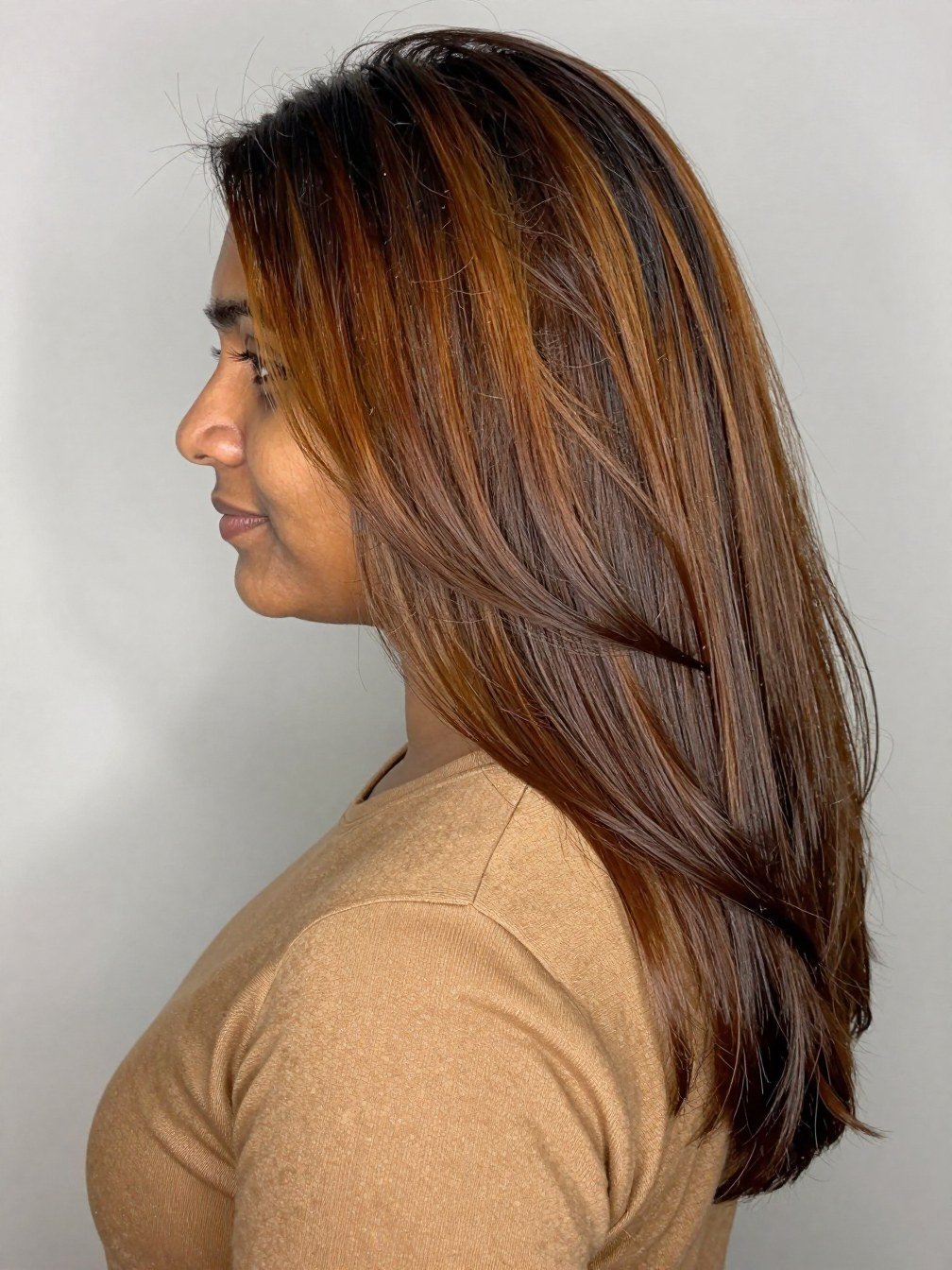
A subtle root shadow masks regrowth and makes appointments feel farther apart. It is a smart maintenance move for busy people.
What I Wish I Had Brought To My First Color Consultation
Bring photos and list any recent treatments. Mention home routines and heat use so the stylist can plan realistically.
What I Wish I Had Done To Protect Hair During Summer

Sun fades color. Wear a hat, use an SPF hair spray on hot days, and rinse after swimming. Chlorine and salt water strip tone faster.
What I Wish I Knew About Transitioning From Box Dye To Balayage

Box dyes often need a color correction approach. Expect staged lifts and a glaze to blend out artificial pigments. A consultation avoids surprises.
What I Wish I Knew About Repairing Over-Processed Ends

Trim the worst of the damage, then follow a strict bond-building and moisturizing routine. Products smooth the look but trims remove the problem.
The Honest Version Of How Often You Should Tone Caramel Balayage

Tone every 6 to 10 weeks depending on how warm your hair drifts. Cooler tones need refreshes sooner. Use gentle demi-glosses between one and two months to keep color true.
Frequently Asked Questions
Q: Can I get caramel balayage on chemically relaxed straight hair?
A: Yes, but be upfront with your stylist. Processing times and developer strengths need adjustment. A strand test and staged lifts over multiple sessions reduce breakage risk.
Q: How often should I use Olaplex No.3 after a balayage?
A: Once a week for the first month after major lightening, then as needed. It helps maintain strand strength, but trims are still necessary to remove split ends.
Q: Will a gloss make my caramel balayage darker?
A: A gloss can deposit tone and show slightly deeper, especially on wet hair. Ask for a subtle demi-gloss and a short processing time if you want shine without noticeable darkening.
Q: Can I bleach my hair at home if I have box dye from before?
A: Lifting over box dye is risky and the most common reason hair breaks during DIY attempts. Book a salon correction or accept staged sessions spaced over months.
Q: How often should I use purple shampoo on caramel tones?
A: Use purple shampoo once a week on lightened areas for up to three minutes. Overuse dries hair and can create a muddy tone. Follow with a moisturizing conditioner.
Q: Is the Dyson Airwrap worth it for styling balayage straight hair?
A: The Airwrap styles quickly and is gentle, but it is a splurge. If you style daily and have the budget, it pays off. Compare sellers and buy from authorized retailers to avoid counterfeit units.
Q: Can bond builders permanently repair damage from bleaching?
A: Bond builders strengthen and reduce breakage risk, they do not reverse past structural damage. Regular trims paired with bond treatments give the best outcome.
Q: How do I keep my caramel balayage from fading in summer?
A: Wear a hat, rinse after swimming, and use a UV-protecting spray before sun exposure. Chlorine and salt water accelerate fading, so a clarifying shampoo after heavy exposure helps remove residues.