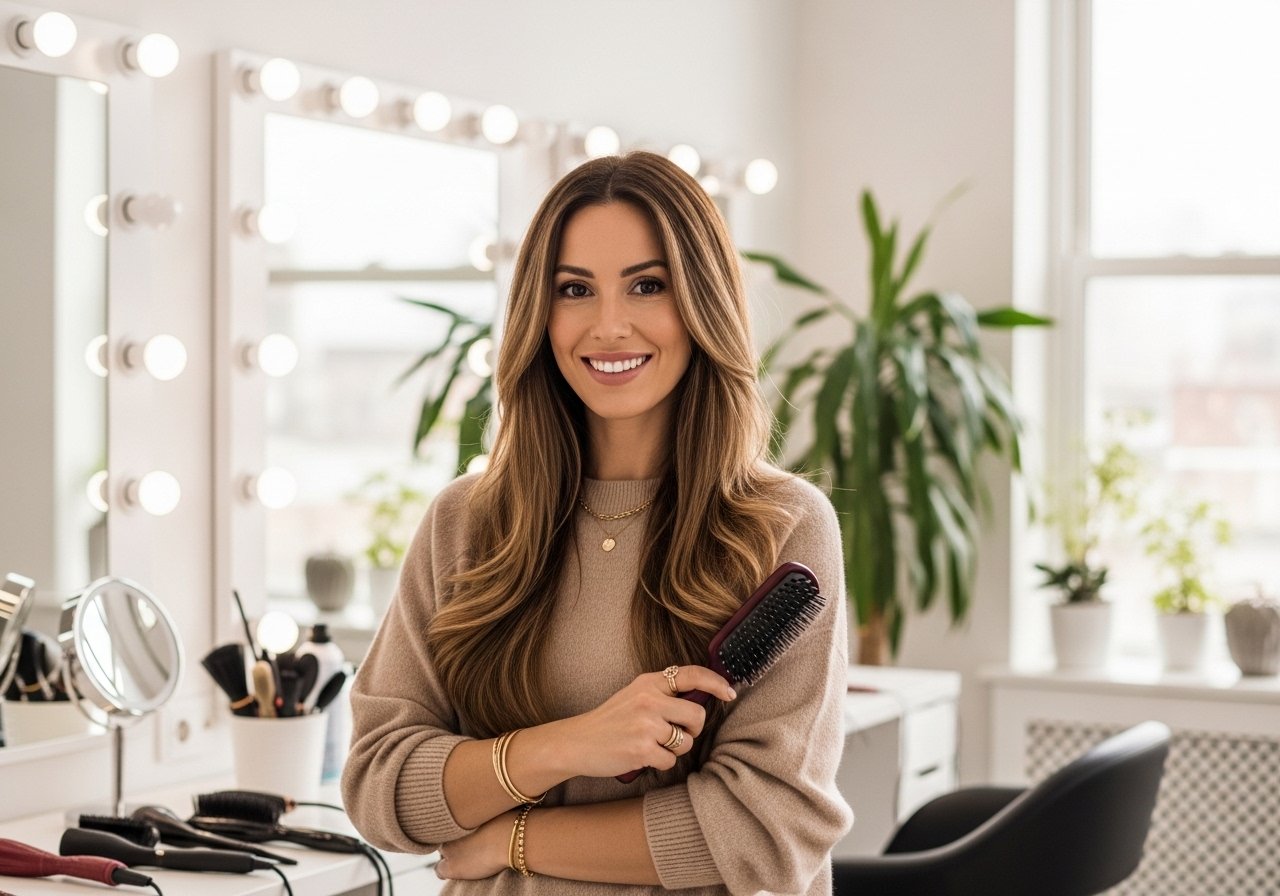
Most of the best caramel balayage looks you notice a second later, not the minute you walk into a room. I learned that after asking for full blonde and getting zebra stripes. The trick I stick to now is two to three shades lighter than my base, softer placement at midlengths and ends, and keeping the root darker so grow-out isn’t obvious.
These ideas work best on medium to dark brunettes, straight to wavy around 1B to 2C, and fine to medium density. Expect salon time for placement, then low-effort upkeep. Budget ranges from a few affordable products to one tool splurge if you want a curling iron that actually holds a bend.
Soft Rooted Caramel Balayage
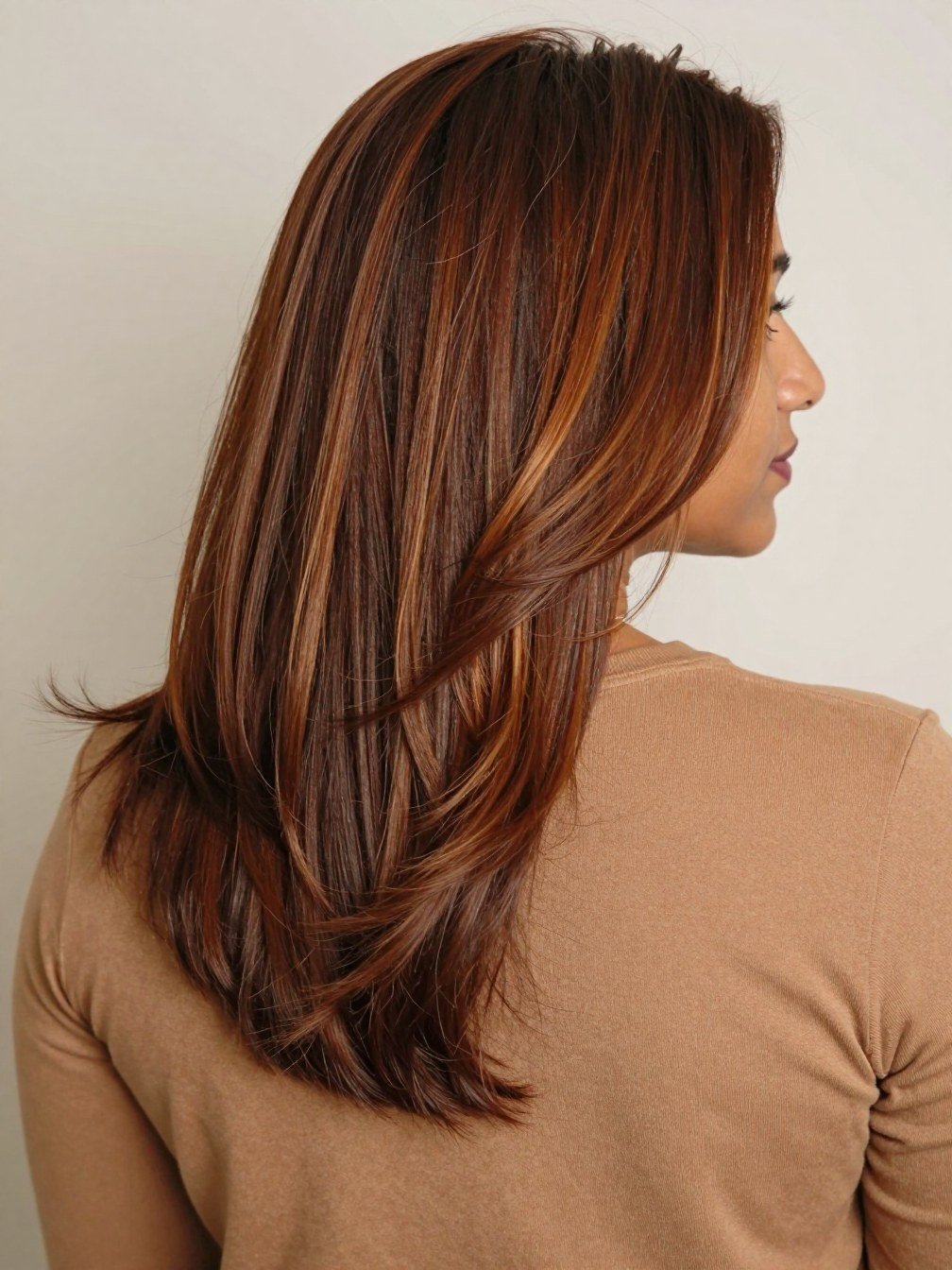
The easiest way to get subtle depth is to keep the root darker and paint brightness lower down. It reads natural because the contrast is only two to three shades, which is what I now ask my colorist for. This suits 1B to 2C straight or wavy hair and takes two to three hours at the salon depending on how many ribbons they paint. Afterward, a demi-permanent glaze for about 20 minutes keeps the tone soft. If you want to refresh between visits try a color-depositing conditioner once or twice a week like a caramel color-depositing conditioner. Warning, dark roots hide placement mistakes but trying to lift a very dark base at home can go orange fast so book a pro if you need extra lift.
Subtle Face-Framing Money Pieces
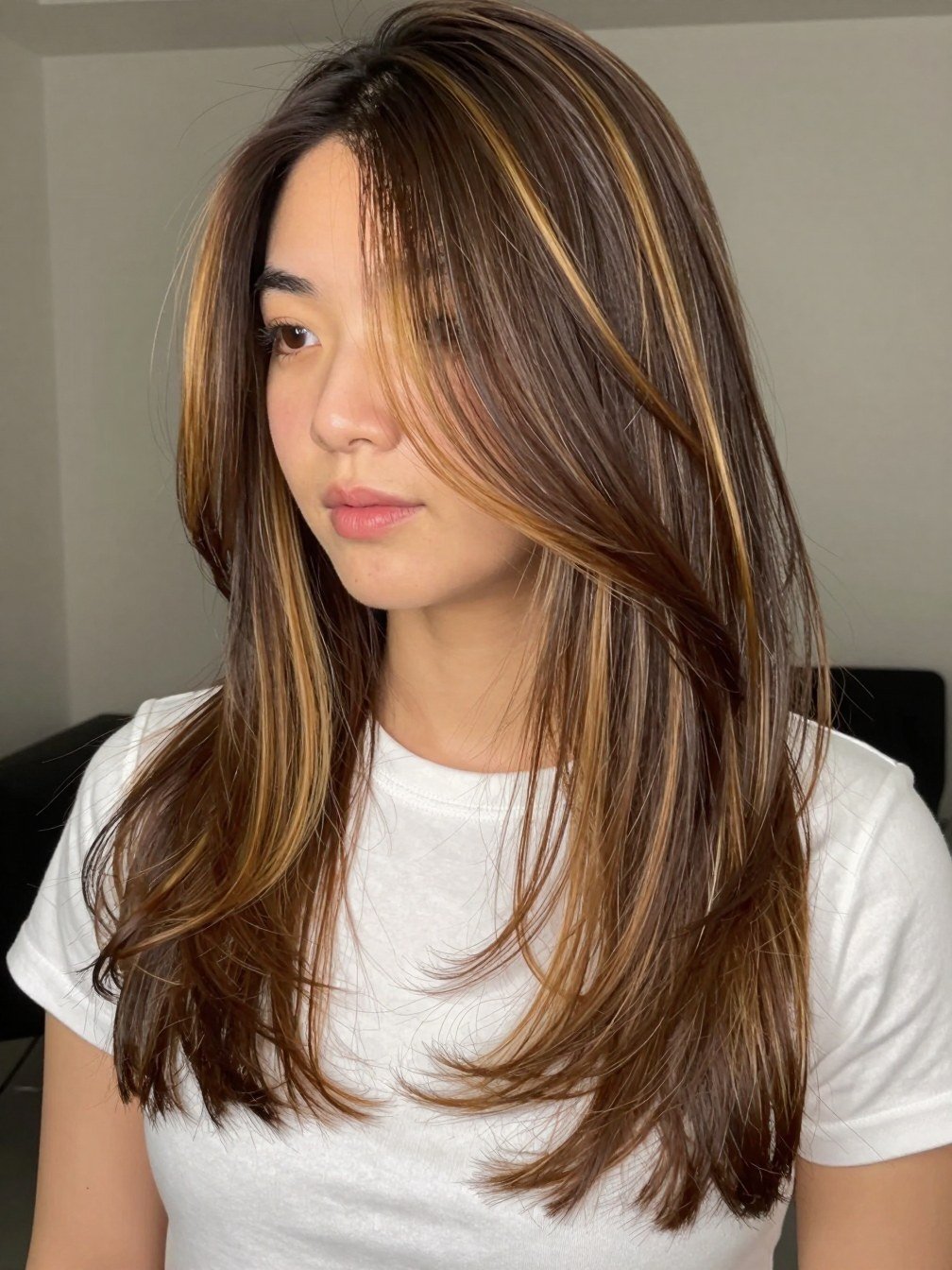
If you want a brighter frame without making the whole head lighter, money pieces are the move. Ask for narrow, barely-there ribbons that stop at the cheekbones rather than chunky streaks. This style suits 1C to 2B hair and takes less lightener so it is gentler on previously colored hair. Mistake to avoid is over-processing the face frame to match ends that were lifted more aggressively. A single-process glaze after lightening, or a 10 to 20 minute demi gloss at the salon, keeps the pieces from looking flat. Use two spritzes of a lightweight shine spray on dry pieces to catch light without flattening them.
Babylight Caramel Blend
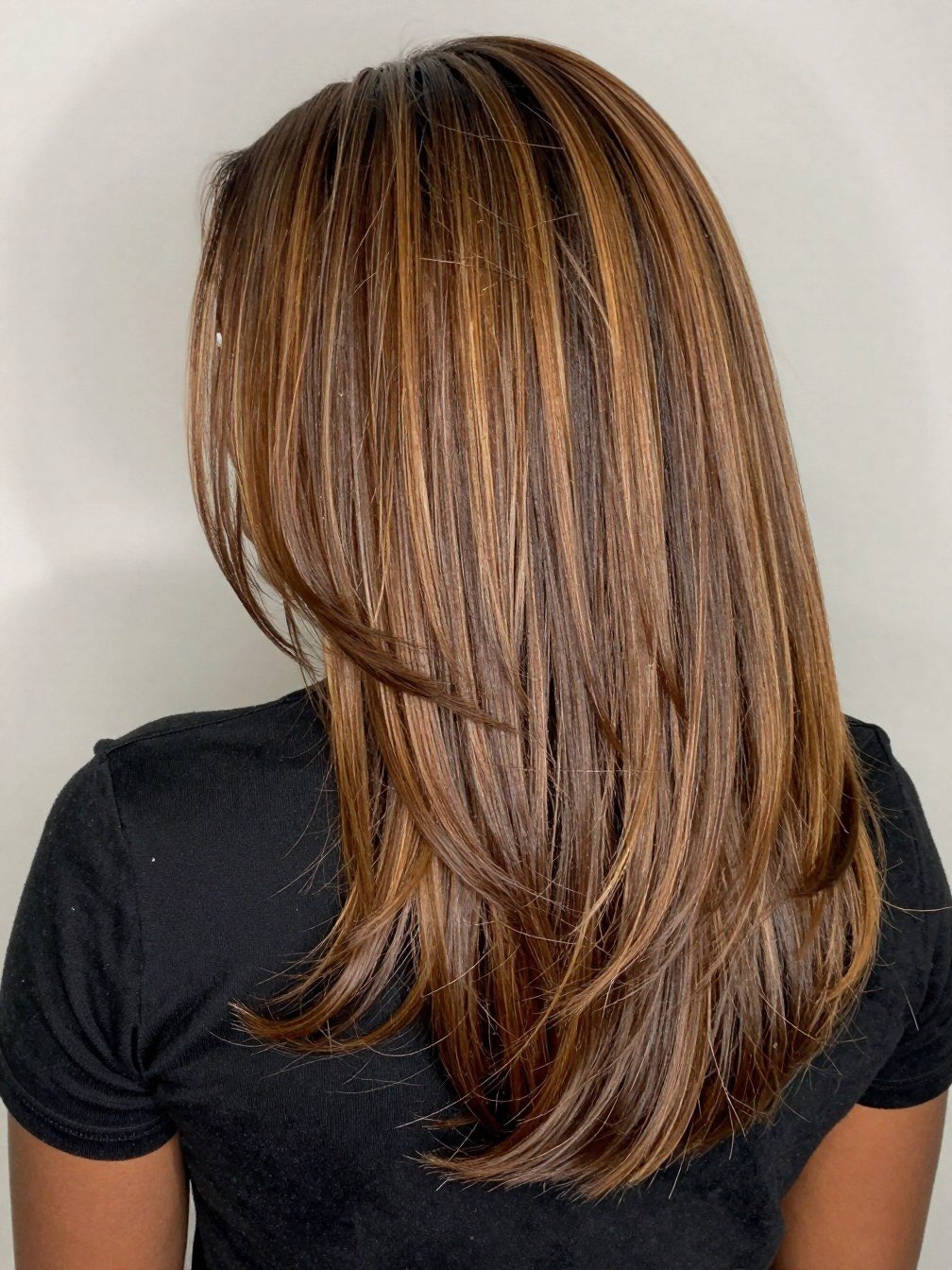
Babylights are tiny painted ribbons that give an airbrushed effect. I had babylights once and it was the most low-key highlight service I ever had, because the pieces are two to three shades lighter and placed in small sections. This is perfect for fine to medium density hair and anyone who hates obvious highlights. Expect a longer salon appointment, usually three to five hours. Keep the tone muted with a beige or ash-brown toner, and bring a sulfate-free color-safe shampoo for home. Overuse of purple shampoo is how I turned my beige toner muddy once, so stick to once a week only if you need it.
Ash Brown Caramel Toning
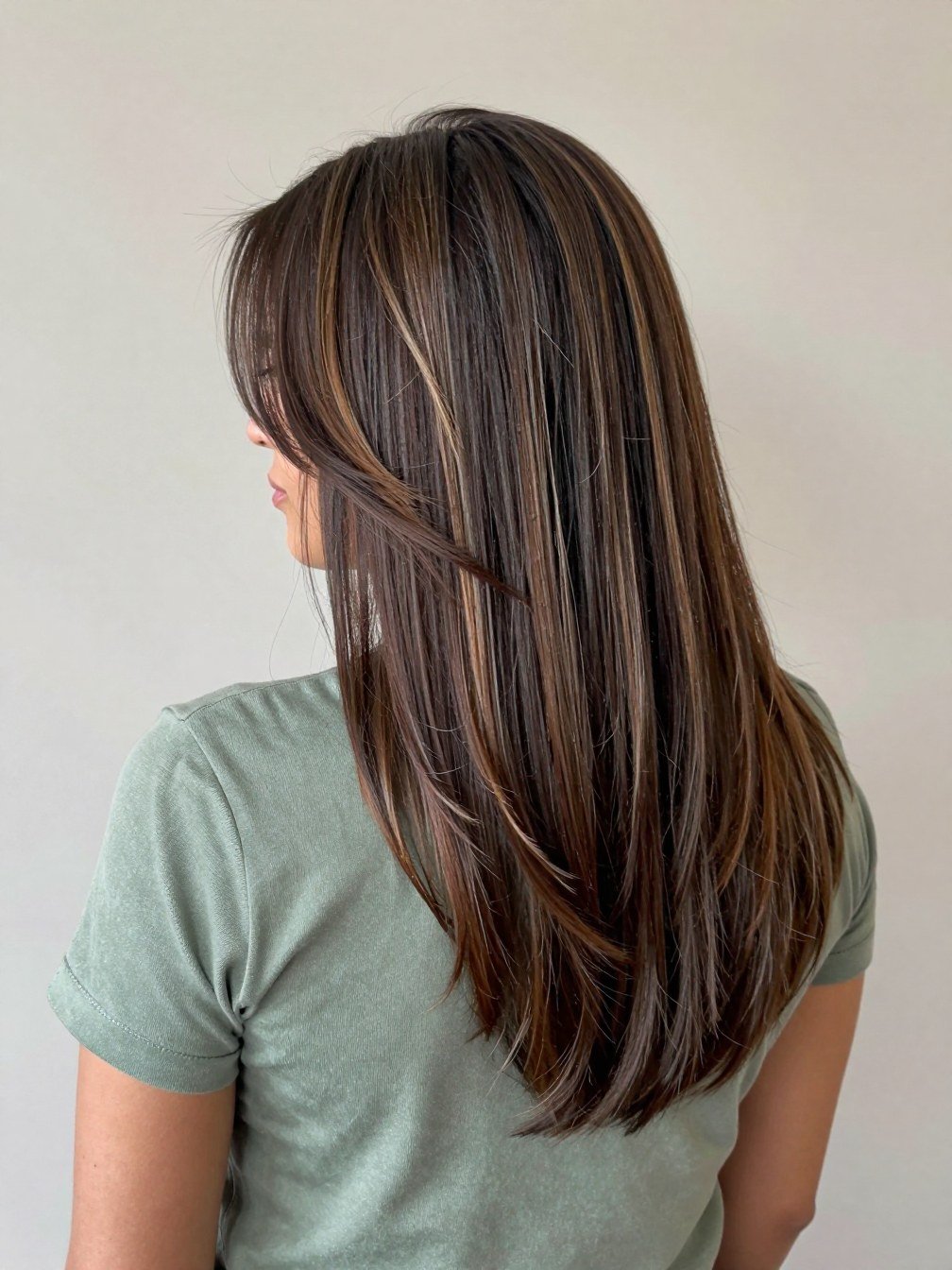
If your brunette pulls orange fast, go cooler with ash or beige caramel tones. I switched to an ash-brown toner once the warmth kept turning brassy after washes. The result is a softer caramel that still reads warm but never brass. This works well on 1A to 2C hair and is salon-applied, though you can maintain with an at-home demi gloss. A rule to remember is keep the lightness small, two to three shades, so the ash doesn’t look flat. For maintenance try a purple or beige-toned product once a week and use a gloss every four to eight weeks if your color dulls.
Golden Caramel on Dark Brunette

Golden caramel adds movement without turning you blonde. On very dark bases you may need a high-lift color step at the salon so the caramel actually registers. That step is where most mistakes happen from at-home bleaching. If a pro performs the lift, the caramel can sit two to three shades above the base and look like natural warmth. Use a lightweight shine spray for reflection and book a gloss about every eight weeks. If your hair is fragile from past work, ask your stylist to space lifts out and add bond-builder treatments in between.
One-Inch Barrel Waves to Show Dimension
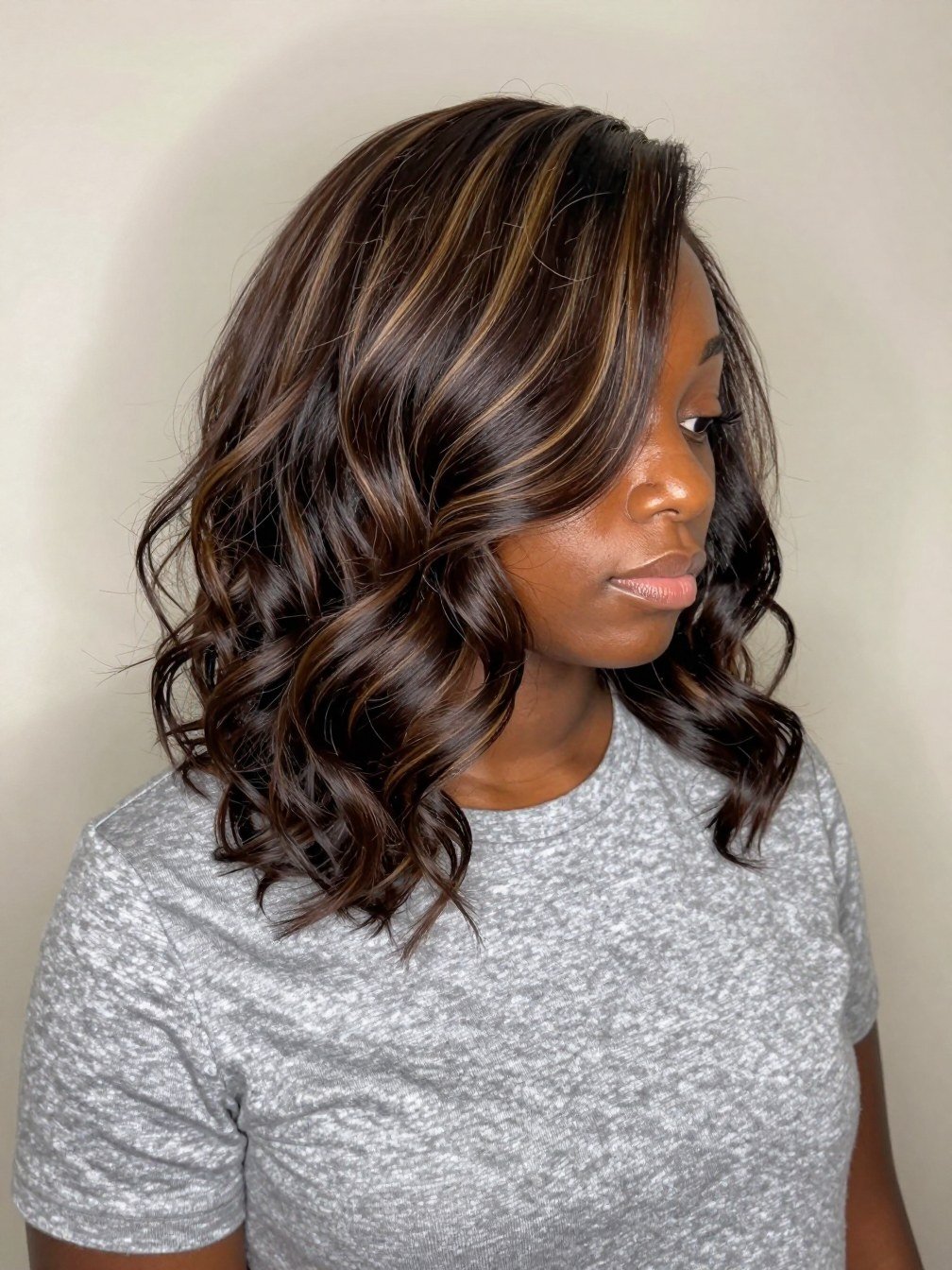
Subtle balayage looks more visible with a one-inch barrel. I use alternating bends and pin each curl while it cools so the highlights settle into the bend and look natural. For 1C to 2B hair this styling takes 15 to 30 minutes. Set your tool around 300 to 350 degrees Fahrenheit for medium texture and always spray a heat protector on damp hair first. If you only style occasionally a single good curling iron is the better buy than a multimillion-dollar tool, so consider a reliable option like a one-inch curling iron. A common mistake is over-brushing after curling which blends all the ribbons into one flat tone.
Texture Spray and Piecey Ends
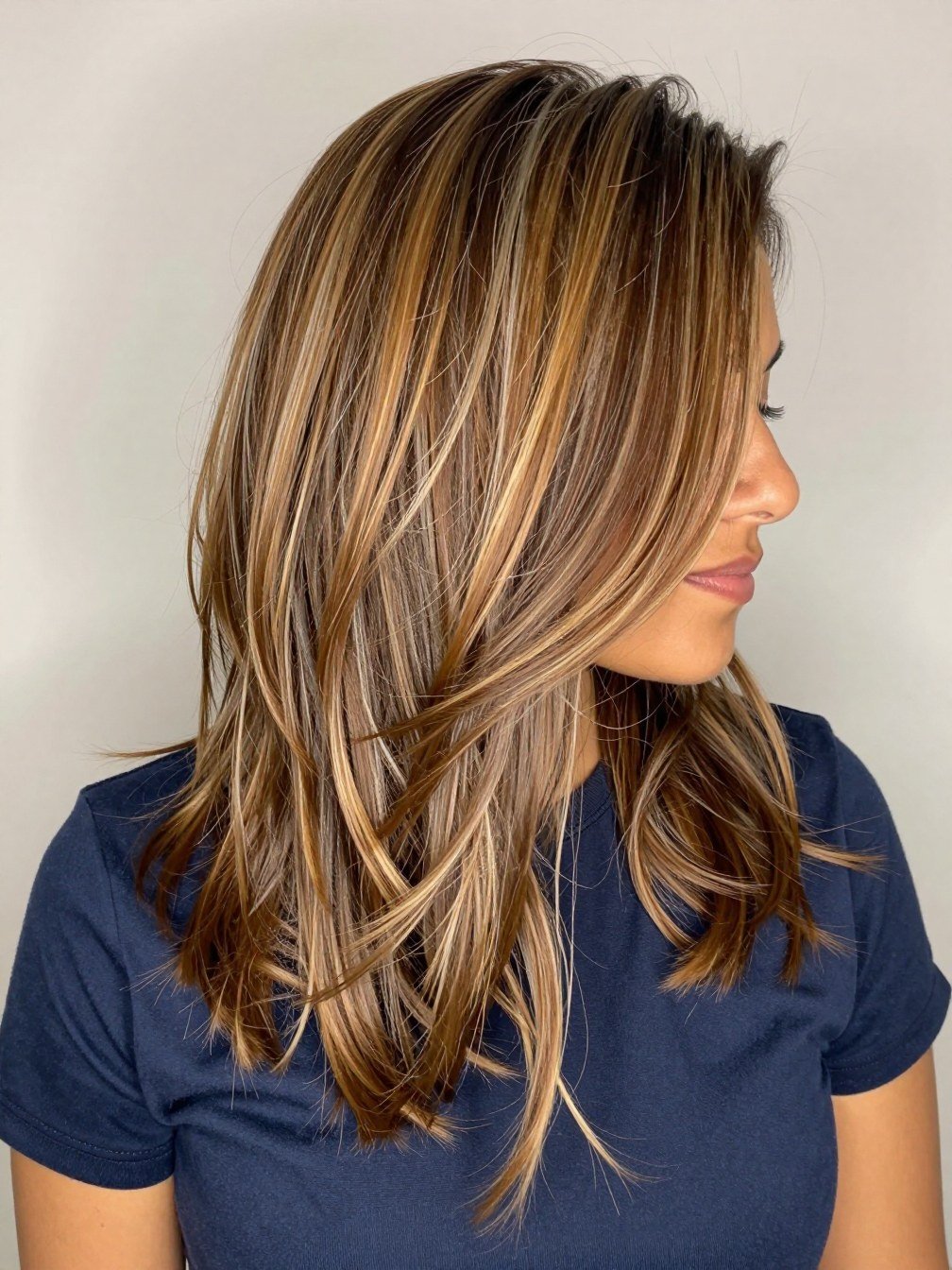
Piecey styling keeps subtle caramel from disappearing into the base. A texturizing spray through the midlengths adds definition and keeps narrow ribbons visible. This works best on fine to medium hair and short lobs through long layers. I spray three or four pumps of texturizer into damp hair and scrunch while diffusing. For hold without weight try a texturizing spray and avoid over-spraying which makes fine hair look greasy after a day or two. Pair this styling with the glaze idea below for shine and tone control.
What I Pack for Caramel Balayage Touch-Ups
These are the things I actually buy when I want to keep caramel from drifting warm or fading. I keep a color-depositing conditioner for one to two weekly touch-ups, a demi gloss for a salon-style refresh, a light texturizer, a one-inch curling iron, and a gentle sulfate-free shampoo in the rotation. I link the exact items I trust in the list below and warn you, buy Olaplex from the official store on Amazon or get it at Sephora to avoid counterfeits.
Color-Melt Caramel Glaze
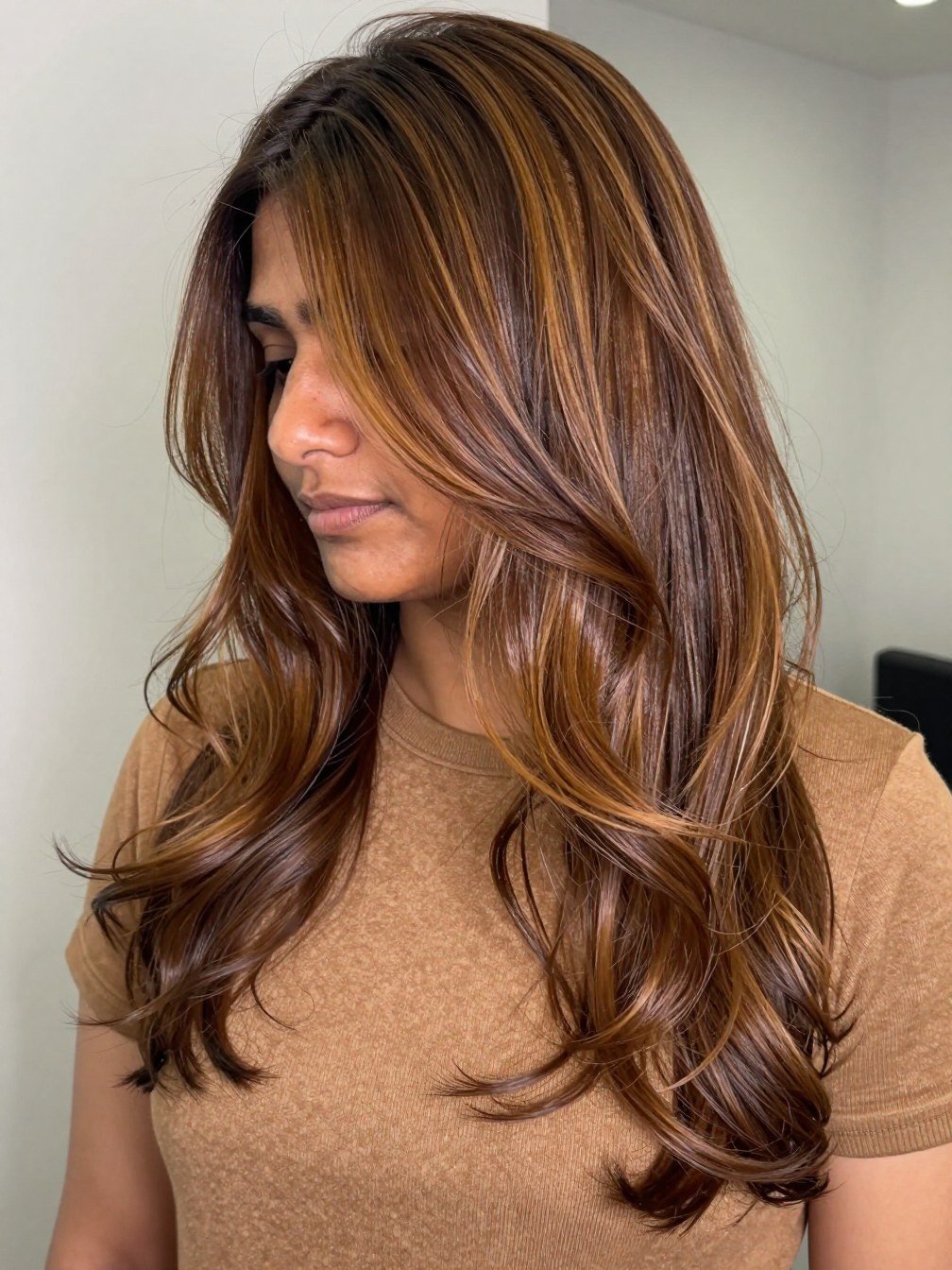
A color-melt glaze softens the line between root and caramel. Demi-permanent glosses processed for about 20 minutes smooth tone and add shine on medium to long color-treated hair. Salon application gives the most predictable result, but you can do gentle at-home glosses if your hair is not porous. A common detail competitors skip is the timing. Too long and the glaze can pull dark on porous ends. If your midlengths go dull at week two, a quick 10 to 20 minute glaze will bring them back. Try a salon gloss first so you know the base tone you should refresh at home.
Subtle Caramel on a Lob

Shorter hair shows balayage placement more quickly than long layers. A lob gets visible movement with minimal lightening because the ends and midshafts are close together. I asked my stylist for narrow ribbons that stay two shades lighter so the lob reads dimensional rather than streaky. This requires a salon visit for precise painting. Styling is low-effort after color, just a quick flat iron pass or a one-inch wave to show the slices of caramel.
Caramel Ribbon Balayage for Long Layers

If chunky highlights scared you before, try ribbon placement. Narrow ribbons painted freehand across top layers give visible dimension without heavy contrast. Best for medium to thick hair and long layers. It takes an experienced colorist to avoid symmetry mistakes. If you try a ribbon look at home, break the hair into six to eight panels and paint small slices starting at the midshaft. A common slip is using a toner meant for full-head highlights which can overcool the ribbons. Keep the gloss timing regular to preserve the warm beige tone.
Shadow Root With Warm Caramel Ends
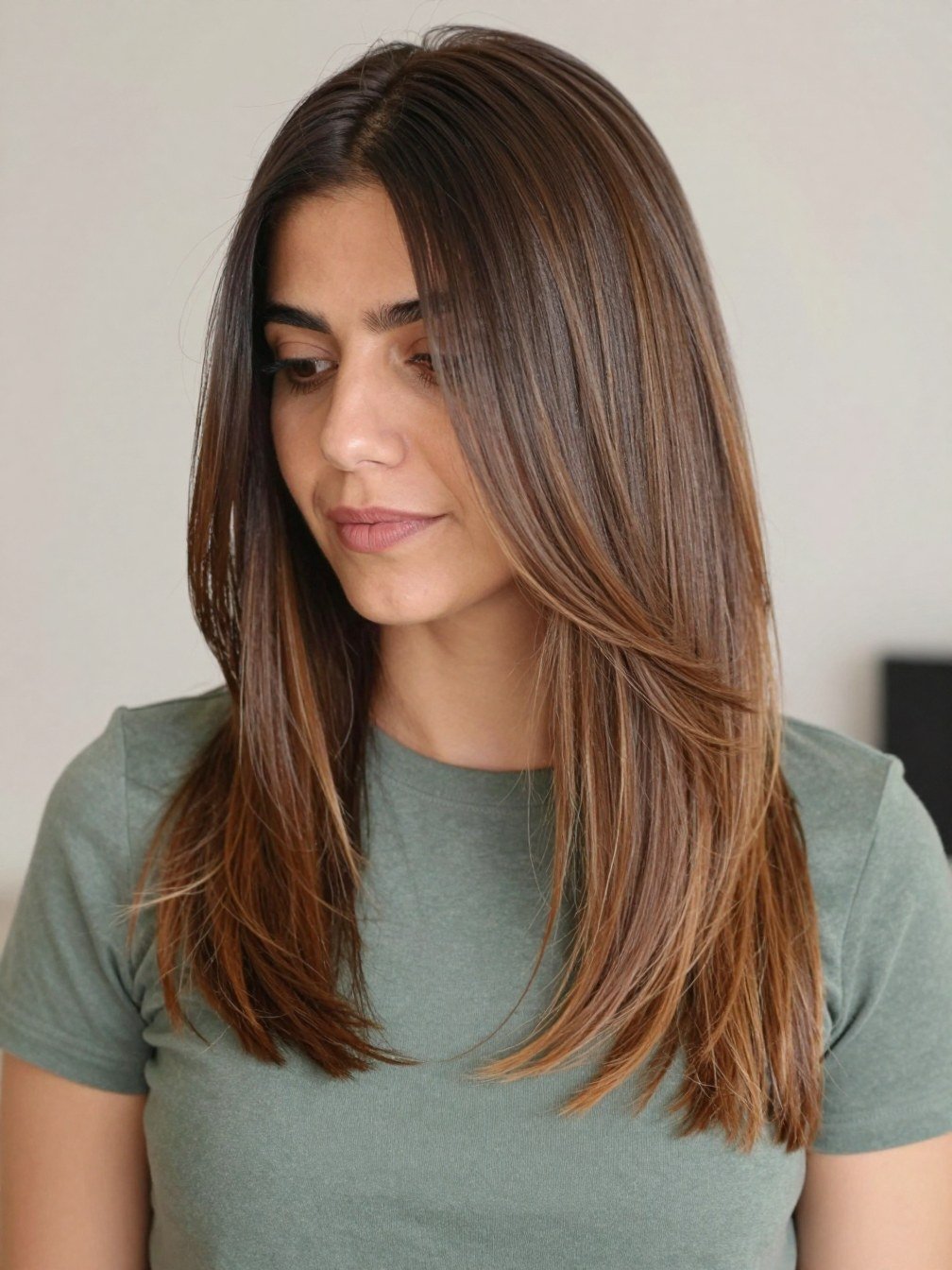
A shadow root makes caramel much lower maintenance. The darker root intentionally stays at natural level while caramel lives in the midlengths and ends. For medium to thick brunettes this is a real money-saver because regrowth blends. Ask for a root smudge rather than a hard line and plan on a glaze every six to ten weeks depending on how fast your color dulls. If your hair was previously lightened, warning, do not try to re-lift the root at home. Lifting over processed hair is a salon-only task.
Caramel Balayage With Light Mousse Finish

Mousse is underrated for curls and waves because it gives shape without weight. For fine to medium hair I use a golf-ball sized amount of mousse through damp lengths, then diffuse or air-dry. It keeps the caramel ribbons sitting in the bends so they read in photos and real life. Too much mousse at the roots flattens the hair, so concentrate on midlengths and ends. Finish with a light mist of shine spray for reflection.
Salon Caramel With At-Home Color Refresh
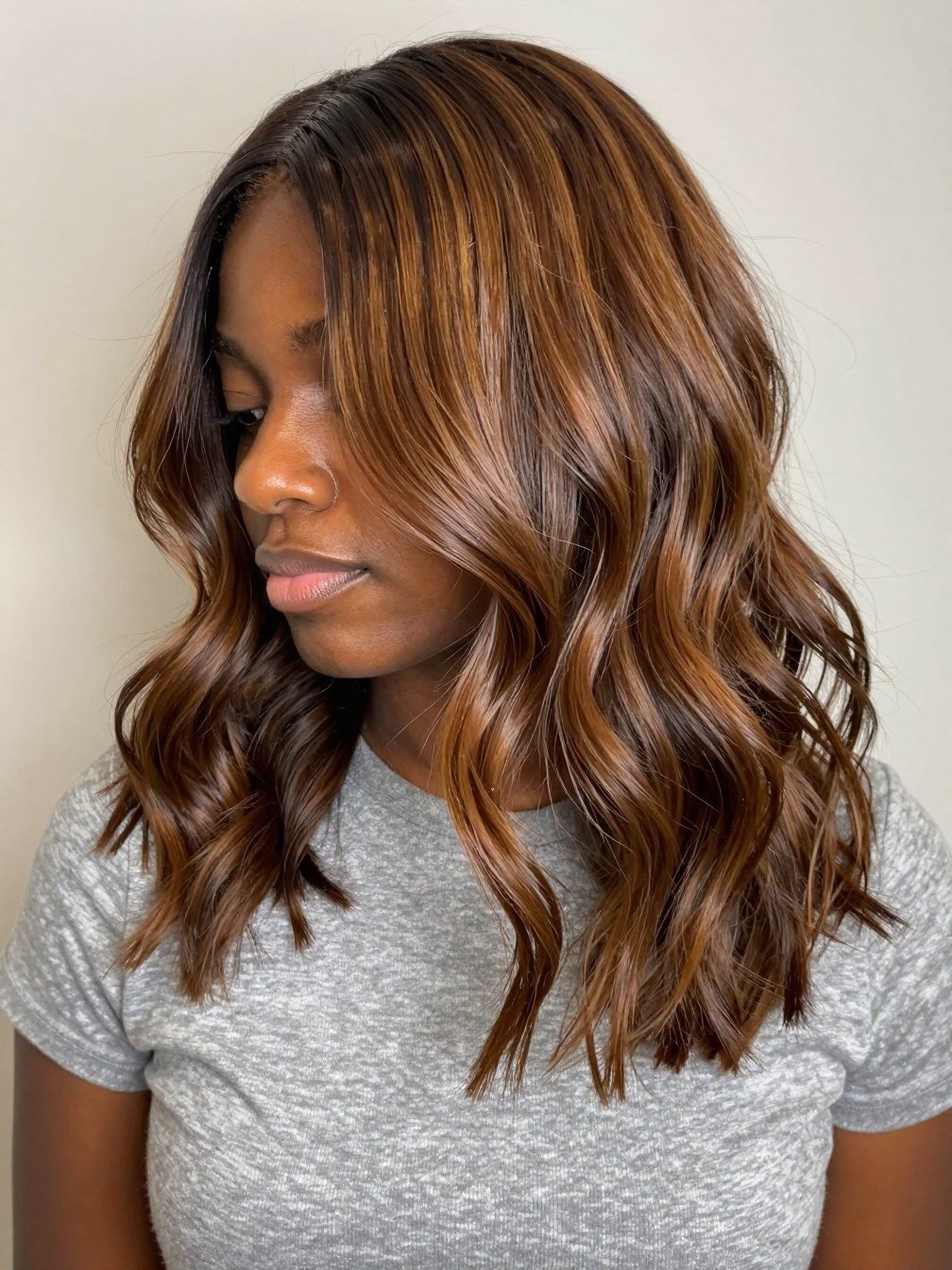
I book a salon balayage every six to nine months and stretch the look with two at-home moves. First, use a color-depositing conditioner one to two times weekly to refresh warmth without a full gloss. Second, do a demi glaze at home or salon every four to eight weeks depending on fading. A common mistake is overcleansing with clarifying shampoo which strips the glaze; stick to a gentle, sulfate-free wash. If you have scalp sensitivity, patch test new color-depositing products before full use.
Muted Salted Caramel for Cooler Bases

Salted caramel mixes beige and taupe to neutralize overt warmth. If your hair tends to go copper, this is the safer choice. It is best for 1B to 2C brunettes who want a gentle shift without visible orange. Ask for a beige or taupe toner after lightening and keep purple or beige-toned maintenance products in rotation. Competitors often lump warm and cool caramel together but the difference matters if you hate brass. If your ends are dry, a bond treatment before toner helps the gloss sit evenly.
Freehand Painted Caramel Ends

Painting lighter ends freehand is the most natural-looking approach for long hair. The colorist usually focuses on midshaft and tip sections, leaving interior layers darker to preserve depth. I had this done when I wanted movement without monthly touch-ups. It costs less than full highlights in the long run and looks lived-in. If your ends are already porous, warn your stylist so they can use a filler or a lower-processing formula. Overprocessing layered ends is the biggest mistake here.
What I Keep On My Shelf For Caramel Balayage
These are the specific items I reach for when I want the tones to stay right and the hair to stay intact. Every link goes to Amazon and uses the tag so you can find the size I prefer or alternative sellers. Buy Olaplex and K18 from their official Amazon stores or grab them at Sephora to avoid counterfeits.
- Honestly the best $30 I spend yearly, Olaplex No. 3 Hair Perfector used once a week helps repair texture after lightening
- For midweek tone upkeep, a caramel color-depositing conditioner used 1 to 2 times weekly keeps warmth fresh
- For shine and humidity control, Color Wow Dream Coat applied before blow dry
- Heat tool I actually own, one-inch curling iron for the bends that show color
- Lightweight texture, texturizing spray for piecey ends
- Gentle cleansing, 8oz sulfate-free color-safe shampoo
- For weekly deep care, a 6.7oz repair mask, used if the ends feel dry
- A silk pillowcase under $20, silk-pillowcase-queen, which cut my morning frizz early on
- Small boar bristle paddle brush, boar-bristle-paddle-brush, for distributing oil without over-conditioning
What I Wish I Knew Before My First Caramel Balayage
- Heat protectant goes on damp hair, not dry. The product absorbs better and actually shields the cuticle. This heat protectant spray is lightweight enough for wavy hair
- Grab a microfiber hair towel for about $12. It cuts blow-dry time and stops early frizz
- Hair grows about half an inch a month at most, regardless of supplements. Length retention comes from reducing breakage with a silk pillowcase and weekly bond treatments
- Drugstore shampoo is fine. Spend on conditioner and bond builder. Olaplex No.5 Bond Maintenance Conditioner helps more than an expensive shampoo
- If you plan to lift darker hair, accept it may take multiple sessions spaced weeks apart so you avoid breakage
Frequently Asked Questions
Q: How often should I use a color-depositing conditioner on caramel balayage?
A: One to two times a week is usually enough to refresh warm tones without building product. If your hair is porous, use less often and rinse longer because these conditioners can grab quickly. Always patch test the product on a hidden strand if you have a sensitive scalp.
Q: Can I do caramel balayage at home on very dark brown hair?
A: Lifting very dark hair enough for visible caramel is risky at home. High-lift color or staged bleaching is often needed, which is a salon job for safety. If you only want tiny face-framing money pieces, those can be done by a pro in one session with less risk.
Q: Will a glaze make my caramel highlights brassy?
A: No, a demi-permanent glaze is meant to smooth tone and can neutralize brass when the right shade is chosen. Keep the processing time to about 10 to 20 minutes depending on porosity. If your ends are porous, a glaze can pull darker, so consult your stylist first.
Q: How do I keep subtle caramel from looking flat when my hair is straight?
A: Add bends or one-inch barrel waves to show dimension. Pinning curls while they cool helps the ribbons set into the bend. If you prefer straight hair, use a texture spray lightly through midlengths so the ribbons catch light.
Q: Can I use Olaplex No.3 if my hair is not damaged, or will it make my hair worse?
A: You can use Olaplex No.3 once a week on healthy hair to keep bonds strong after lightening. It will not harm undamaged hair. Buy Olaplex from the official store on Amazon or at Sephora to avoid counterfeits.
Q: How often should I get a salon gloss after caramel balayage?
A: Many people book a gloss every four to eight weeks depending on fading and how fast their hair dulls. If you notice color looks flat by week two, a mid-cycle demi gloss or a color-depositing conditioner once a week will stretch the salon appointment.