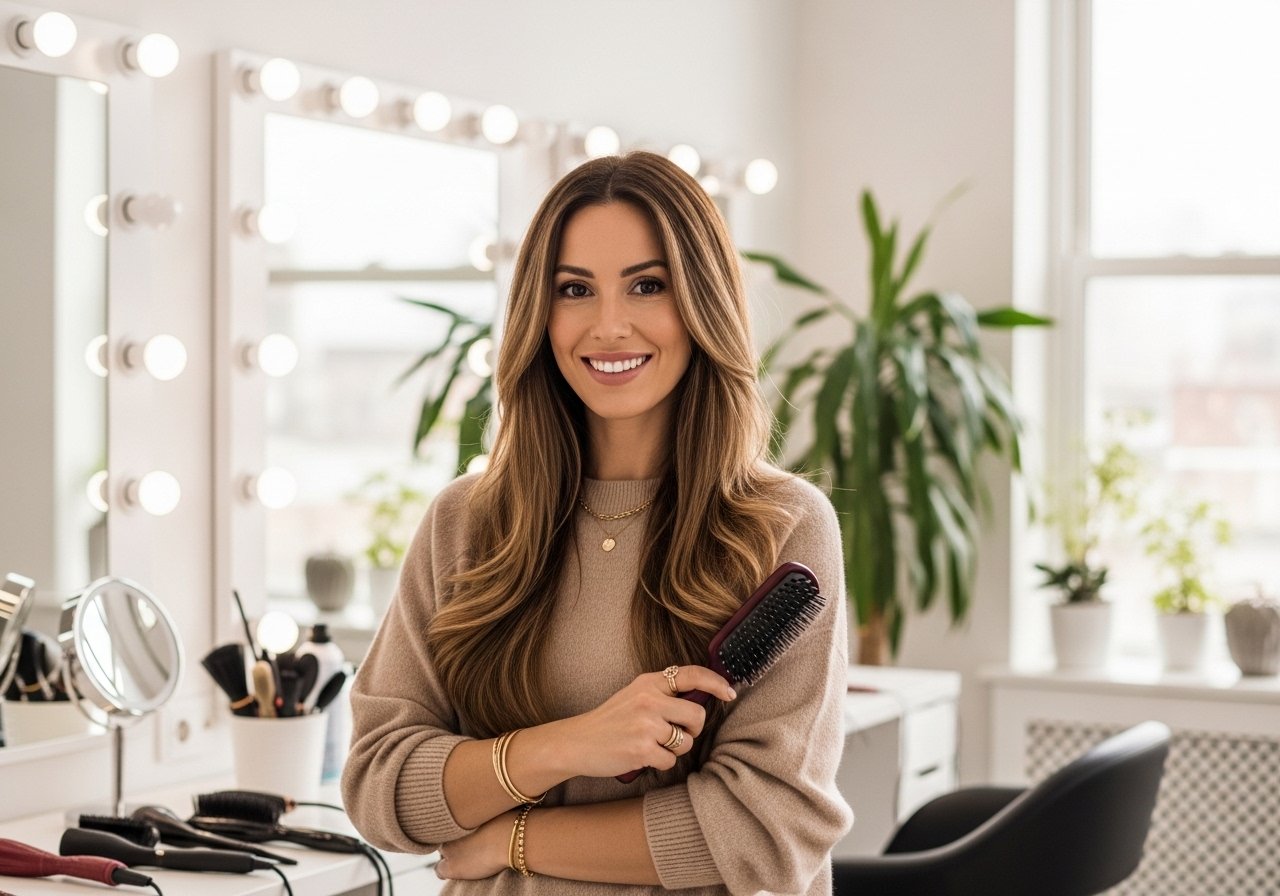
I tried a near-icy ash on a whim, and it went yellow by the third wash. I kept redoing it until I learned the sequence: lift, tone, add dimension, then a maintenance plan that actually fits long hair. I am still not sure this is the best way, but after a few messy attempts it has worked every time I needed a cool blonde that lives in real life, not just in photos.
Long ashy blonde long works best on medium to thick density, straight to wavy hair, and color-treated strands. Time and budget vary: some looks demand multiple salon visits, others are maintenance-friendly. Across four hair textures I have styled, the same rules held: you must lift into the blonde range first, add dimension, and then protect the length. No strong 2024 to 2026 consumer stat surfaced in the available results for this keyword. No clean stat to drop in here without separate verified research.
What You'll Need
Styling Products:
- Purple shampoo (~$12-30)
- Leave-in conditioner (~$8-25)
- Light-hold texture spray (~$8-20)
Tools:
- Heat protectant spray (~$10-22)
- 1 to 1.25 inch curling wand (~$25-60)
- Wide-tooth comb (~$6-15)
Treatments & Prep:
- Bond builder treatment (~$10-40)
- Cool toner/gloss (~$12-35)
Step 1: Plan the lift and tone like a pro
You want the base lifted into the blonde range first, then toned cool. Think level 6 to 10 as your target range depending on how icy you want to go. For long, uneven bases I use a split-developer approach: 20 volume on the warmer mid-lengths and ends, 30 volume where the hair is darker at the root. That keeps the mid-lengths from overprocessing and gives a more even pale canvas for the toner. Toning is the step that makes ash read ash, not just dull.
Mistake to Avoid: Overlifting the ends to match new growth in one session, which causes breakage and patchy porosity.
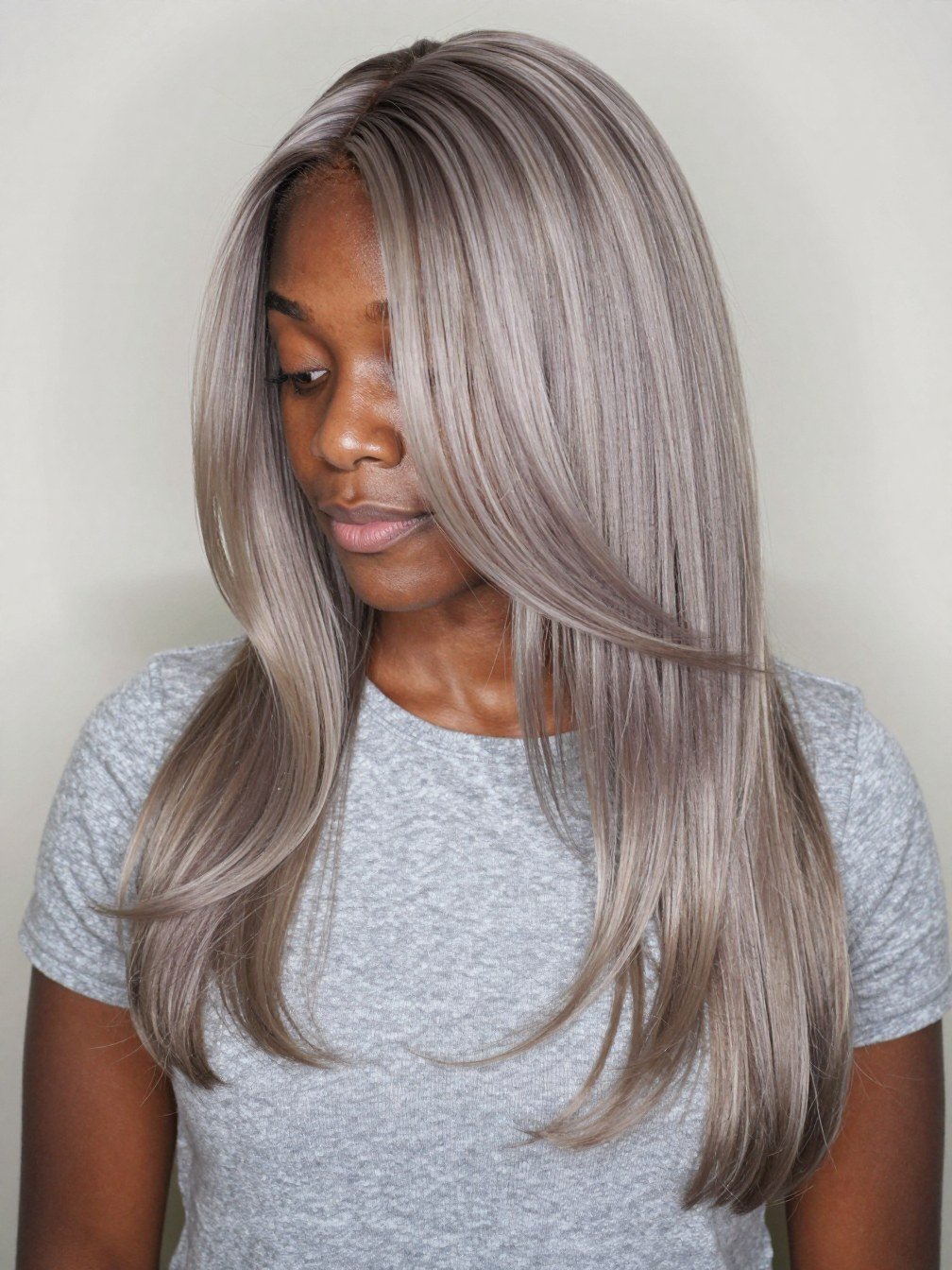
Step 2: Build dimension, do not paint flat
Most people try one flat color and then complain it looks muddy. I switched to babylights or balayage for long hair and the difference was instant. Babylights give fine, even brightness through the length for finer hair. Balayage places broader, lived-in brightness on medium to thick hair. Add smoky lowlights if your hair is very fine and the ash flattens. Dimension keeps the color from reading lifeless when the toner fades.
Mistake to Avoid: Asking for “all-over ash” without specifying babylights or balayage, then wondering why it looks flat at home.
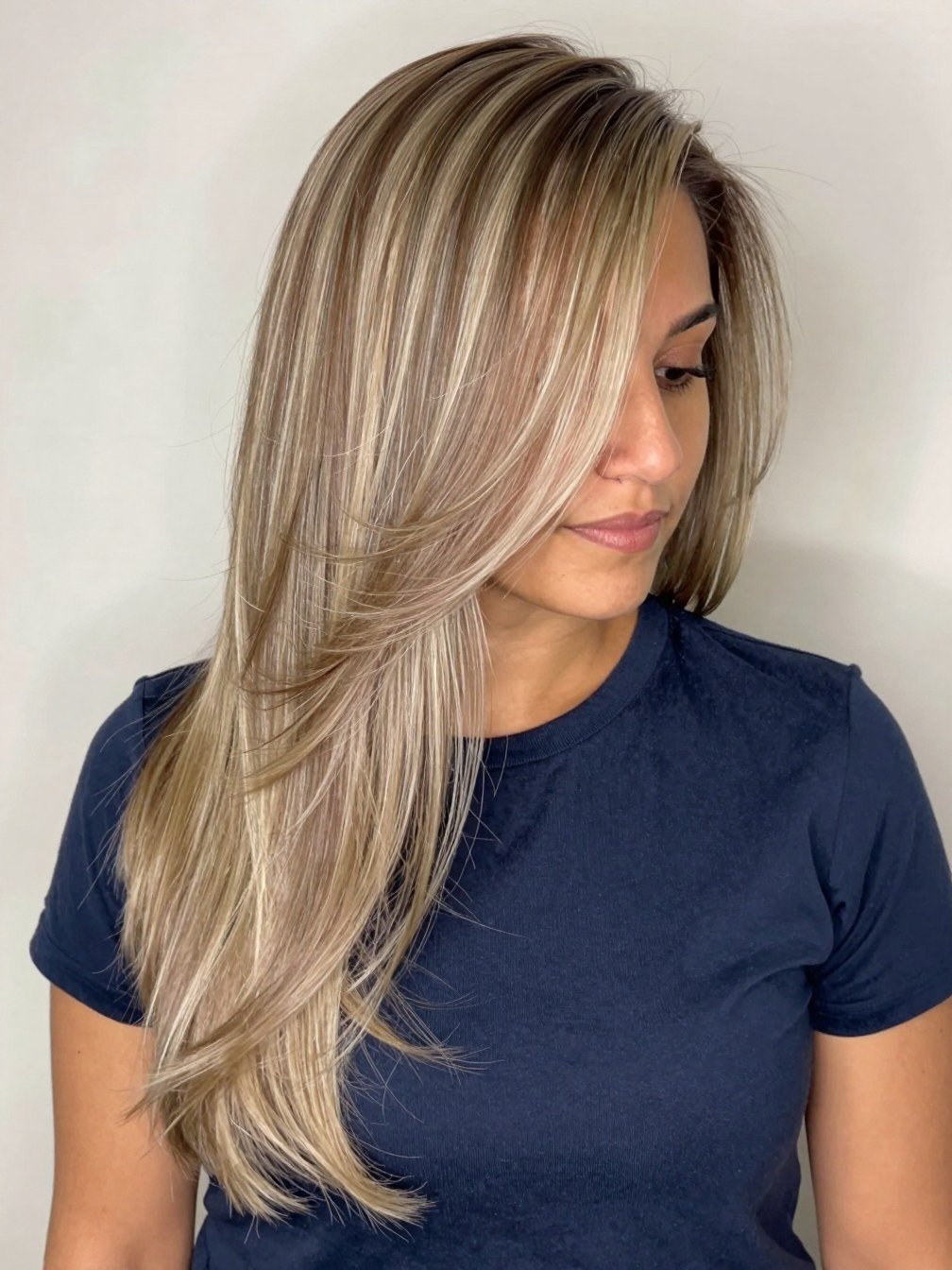
Step 3: Split sessions and salon timing that save length
This is where people get impatient. Long hair often needs multiple sessions so you do not blast every strand at once. Book two appointments if your natural is dark, or plan a bond treatment between sessions. I once tried to do it all in one visit and the ends felt like straw by the end. A realistic timeline: session one, lift mid-lengths and add babylights; two to four weeks later, tone and refine. That staged plan reduces damage and gives the toner something even to sit on.
Mistake to Avoid: Trying to force a full-head lightening in one appointment to save time, which risks severe damage.

Step 4: Home maintenance, week 1, 2, and 3 mapped out
This is the part competitors skip. Week 1: keep washes minimal, use a bond-builder treatment in the shower. Week 2: introduce purple shampoo once or twice to control yellow, not every wash. Week 3: add a cool gloss if the tone drifts. Glosses usually sit for 10 to 20 minutes in the salon depending on the formula. Purple shampoo is maintenance, not a daily habit, or it can make the blonde look muddy. A leave-in conditioner at the ends keeps the length soft and easy to style.
Mistake to Avoid: Reaching for purple shampoo at every wash and then blaming the toner.
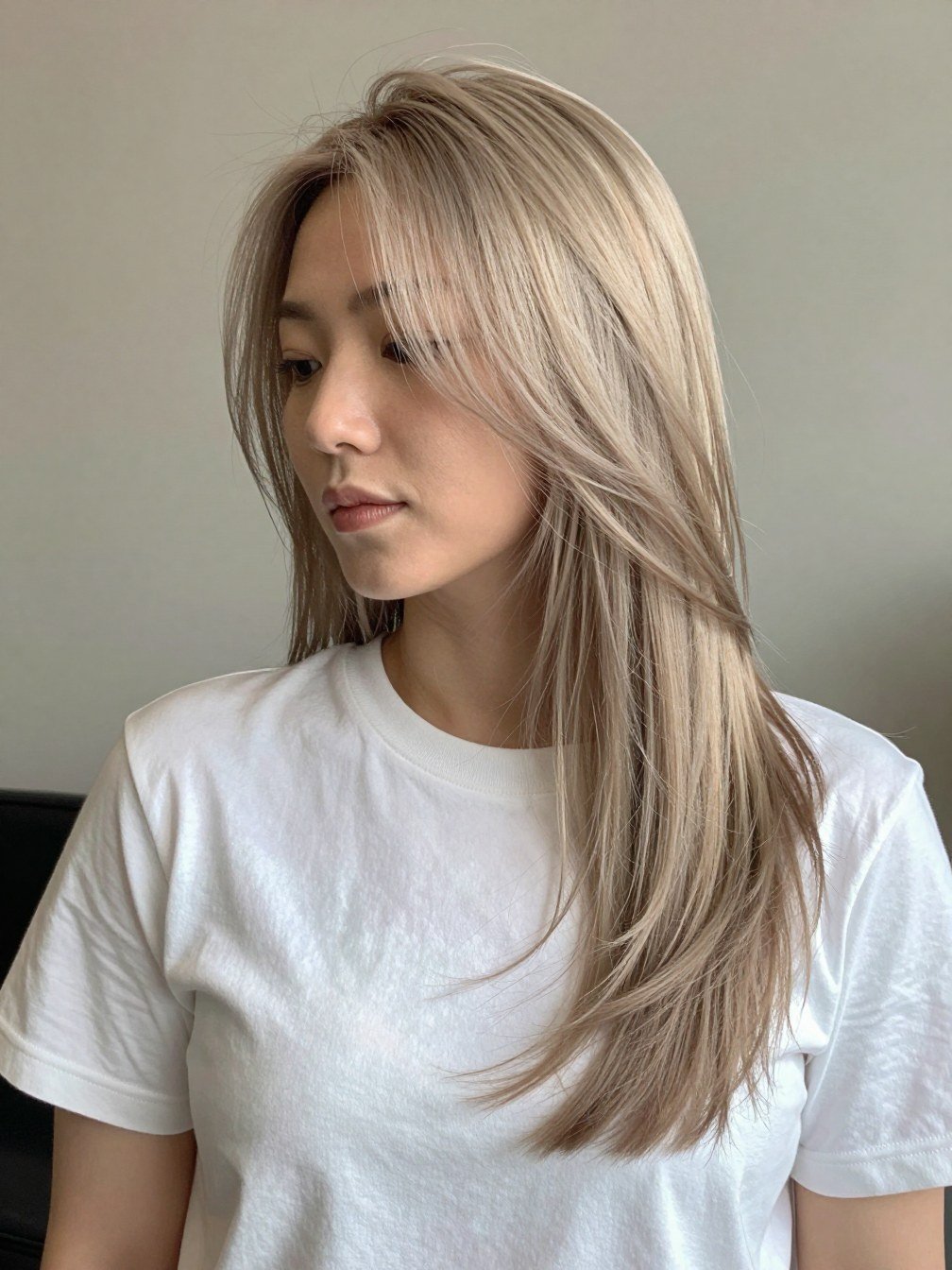
Step 5: Style with low heat and texture that shows tone
This part feels wrong while you are doing it, trust it. Lower tool temps keep ash from looking dry and dusty. Use your heat protectant and keep straighteners around 300 to 350 degrees for lightened hair. For waves, use a 1 to 1.25 inch wand and wrap hair loosely so the dimension breathes. The goal is satin-smooth surface and soft movement that lets the ash tone flash without glare. Finish with a light texture spray for lived-in movement.
Mistake to Avoid: Cranking tools to maximum for faster styling, which roughs the cuticle and dulls the ash.

Step 6: Trim, quantity, and long-hair logistics
Long hair burns through product and trims. Buy larger bottles for shampoo and conditioner; liter sizes are a smart move for long lengths. Trim the ends every 8 to 12 weeks to avoid see-through tips. If your hair is porous after lightening, schedule a salon gloss every 6 to 8 weeks and use a bond treatment once a week at home. After washing and restyling about fifteen times I could see which products the ends actually needed, and that pattern guided my kit.
Mistake to Avoid: Treating long color-treated hair like short hair by skimping on conditioner and skipping trims.

Keeping Ash Tone Longer
Use purple shampoo only when brass appears, not as a daily wash, and pair it with a once-weekly leave-in for slip and softness, like leave-in conditioner.
Add a salon gloss every 6 to 8 weeks to refresh tone without rebleaching, and ask for a cool gloss if your hair reads muddy.
If roots are becoming obvious, request a root smudge or shadow root instead of an all-over retouch, it stretches time between visits.
On long hair, buy larger bottles for shampoo and conditioner to avoid running out mid-treatment.
When you heat-style, use heat protectant spray and keep temps lower to maintain shine.
If your ends feel porous, add a weekly bond-builder treatment in place of a regular mask.
Wear It Longer
You will mess up a few times, and that is okay. Follow the lift-then-tone rule, build dimension instead of painting everything the same, and keep a clear week-by-week maintenance plan. Small habits, like a weekly bond treatment and a measured purple-shampoo routine, make the ash last longer on long hair. Try one change at a time, and enjoy the slow improvement.