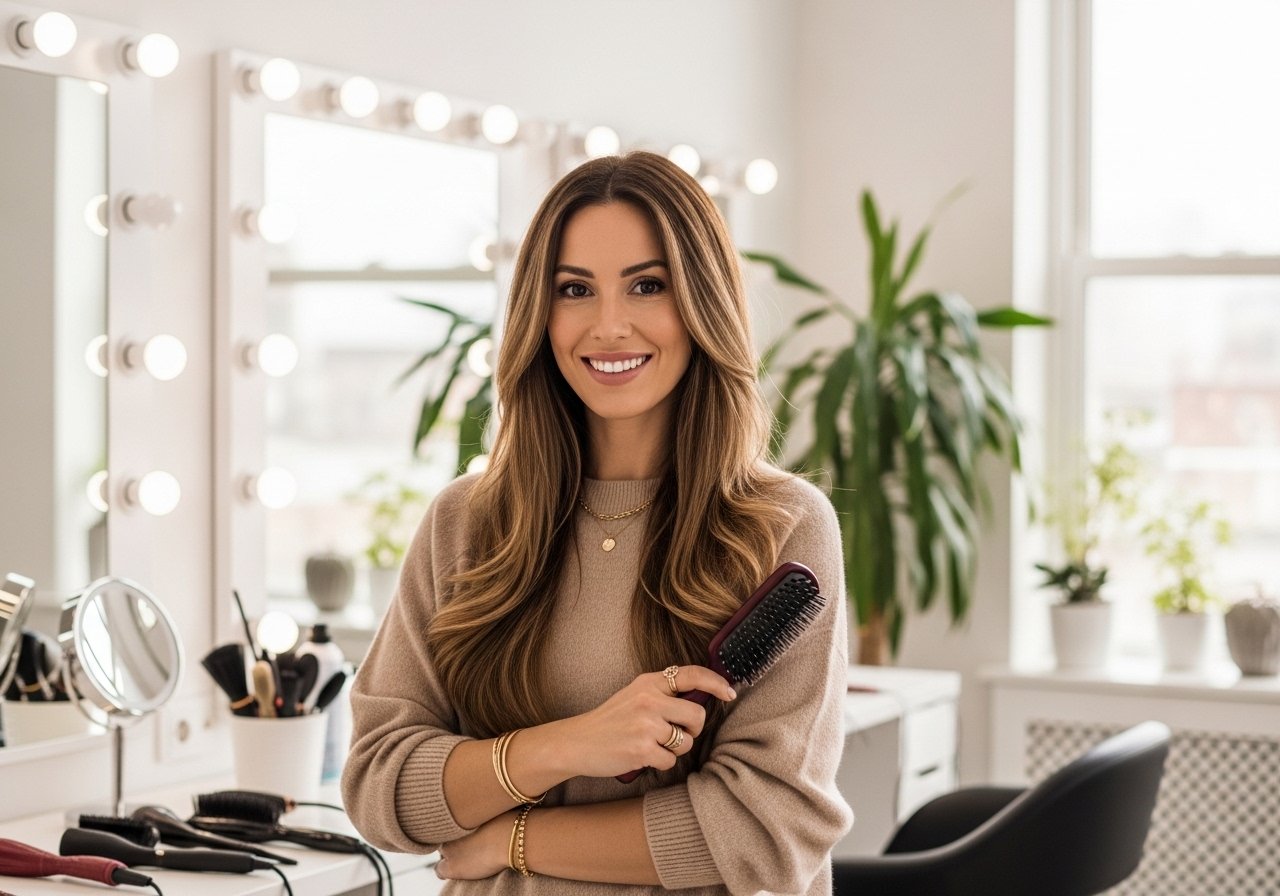
I bleached my roots in my bathroom to save on salon time and ended up with a two-tone stripe that looked like a map of regret. After a few fixes and a lot of reading I learned how lowlights rescue butter blonde by adding depth without making the whole thing look muddy. Below are real fixes, styling notes, and the handful of products that actually helped me live with my color between appointments.
These ideas mostly serve fine to medium 2A through 3B hair, and many work for thicker textures with small adjustments noted. Expect most looks and maintenance tricks to take 5 to 20 minutes, with a couple of salon services worth booking. Budget ranges from under $15 for a purple shampoo swap to a $150 tool splurge if you want it.
Soft Root Shadow To Stretch Appointments
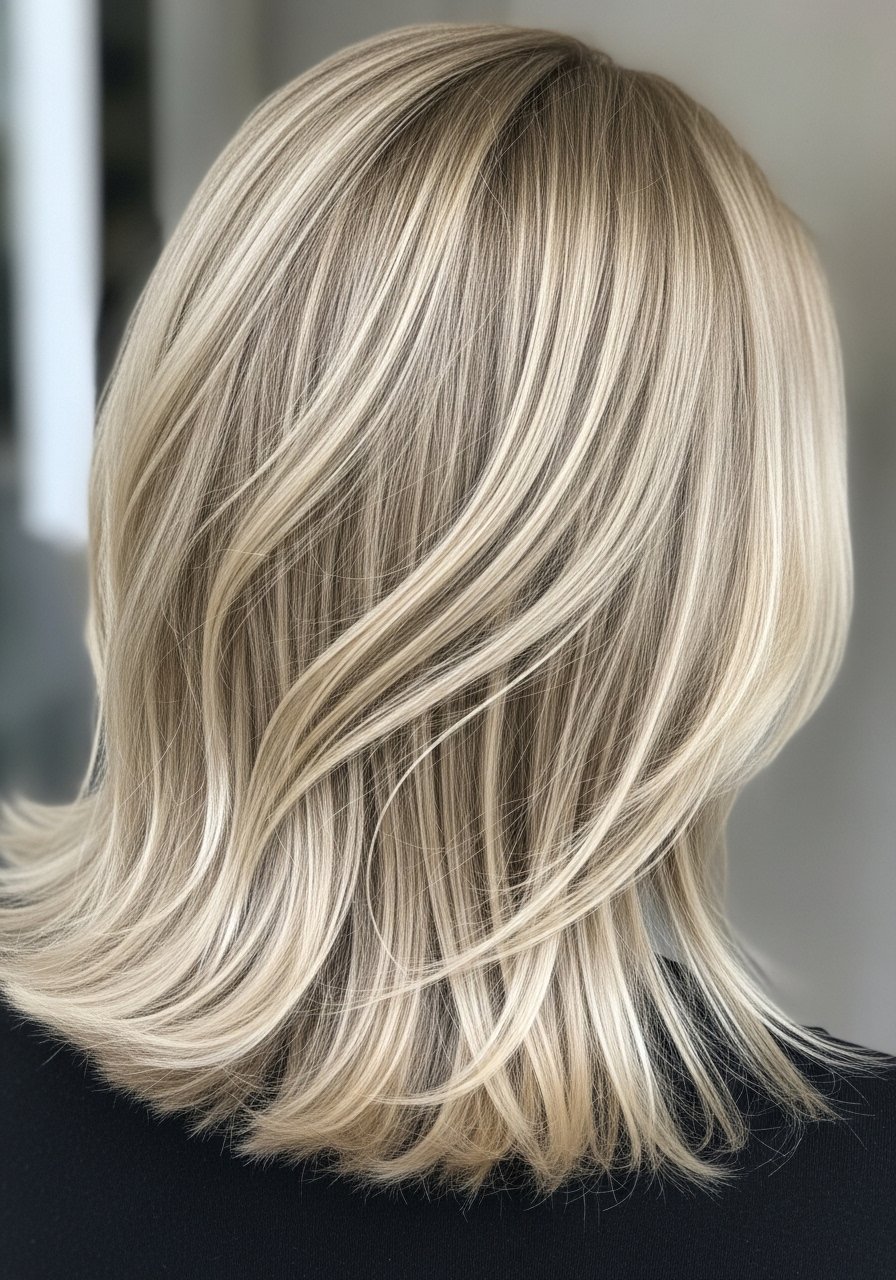
If your regrowth pops and makes your blonde look stripy, a soft root shadow buys you six to eight weeks. Use a demi-permanent color one level darker than your lowlights, applied in thin 1-inch sections at the root, feathering it down 1 to 2 inches with a tail comb. This works well on fine to medium hair, and on thicker hair add more sections to blend. A common mistake is slapping on a dark formula and stopping halfway down the strand. Keep the paint strokes light and process for the brand-recommended time. Salon pros do this fast, but a DIY tint kit like Wella Color Charm demi-permanent gloss can work if you dilute 1 part color to 2 parts conditioner and do a strand test first. Always patch test for allergies.
DIY Bath Toner For Brassy Butter Blonde
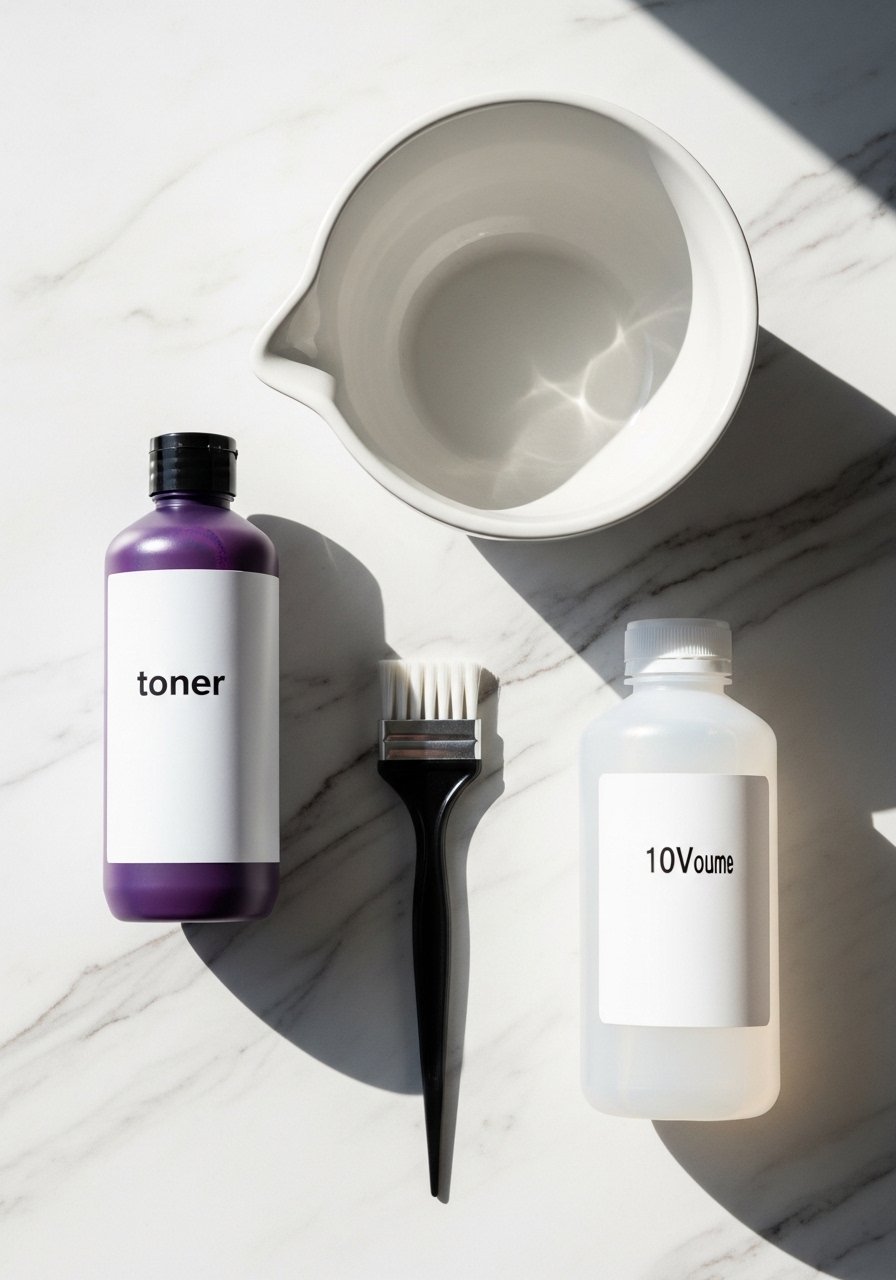
When butter blonde leans yellow, a quick custom toner in the shower fixes it. Mix one pump of a purple demi-permanent toner into 2 tablespoons of your conditioner for a gentle refresh, or use a 1:4 ratio of toner to conditioner for first-timers. Apply to towel-dried hair only, leave for 3 to 10 minutes depending on how brassy it is, then rinse. Fine hair, shorter times. Thick or porous hair, the longer end. Overdoing it makes the hair feel dry, so limit this to once every two to three washes. If your brass is intense, try a salon gloss instead to avoid patchy DIY results. A violet option to search is Fanola No Yellow shampoo for weekly use.
Mini Lowlights To Add Depth Without Heavy Lines
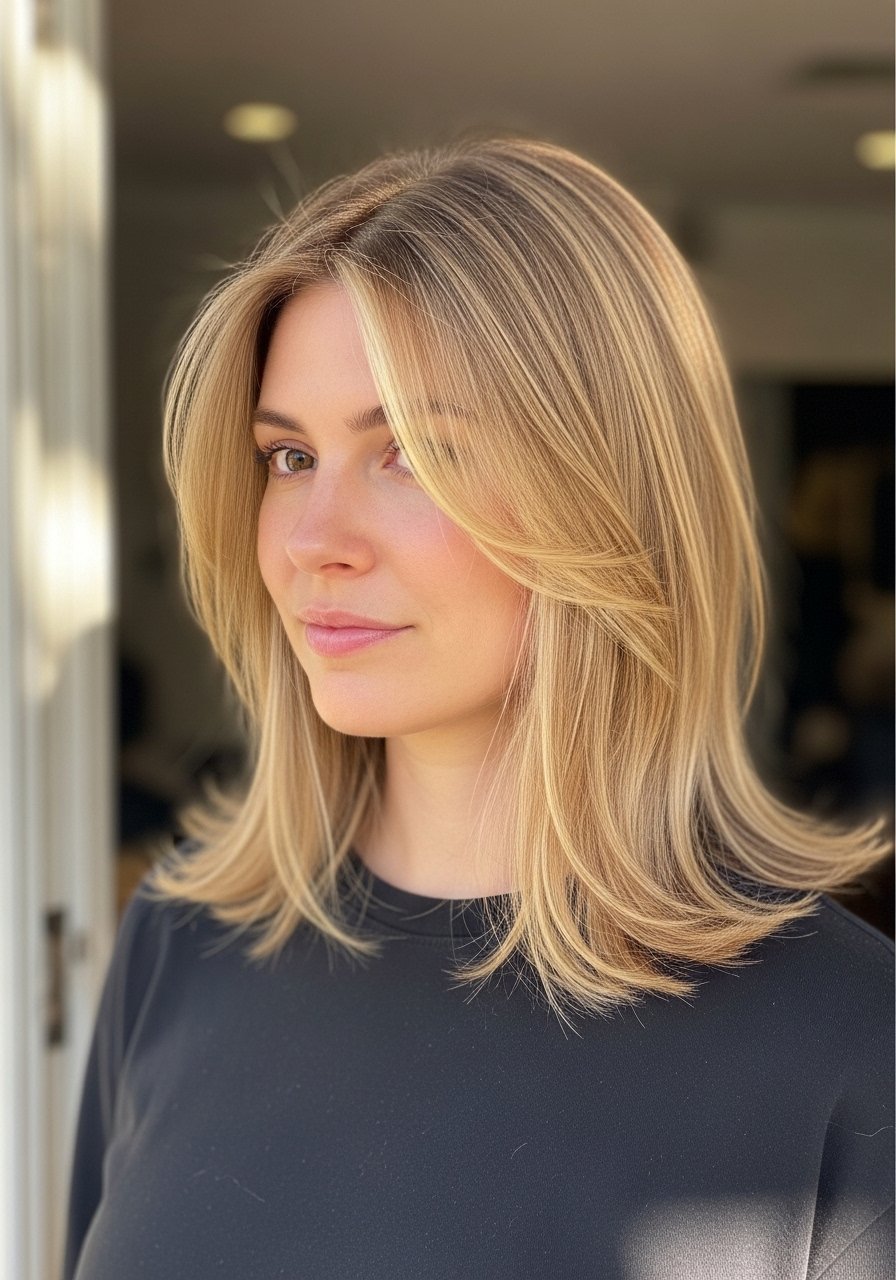
Tiny lowlights are how I stopped looking flat on photos. Ask for thin, scattered lowlights instead of solid panels if you go to a salon. For DIY touchups, select a shade one to two levels darker than your butter blonde and paint very thin slices, no more than 1/8 inch, around the face and crown. This suits straight, wavy, and loose-curly hair. The common mistake is overloading the mid-lengths with dark foil, which creates harsh bands. If you try it at home, use a single-foil method with a fine tail comb and 10 to 12 small foils around the face, processing only five to seven minutes for demi color. For mid-term blending, a demi gloss like Wella Color Fresh keeps the lowlights glossy without making them permanent.
Gloss Refresh To Keep Lowlights Rich
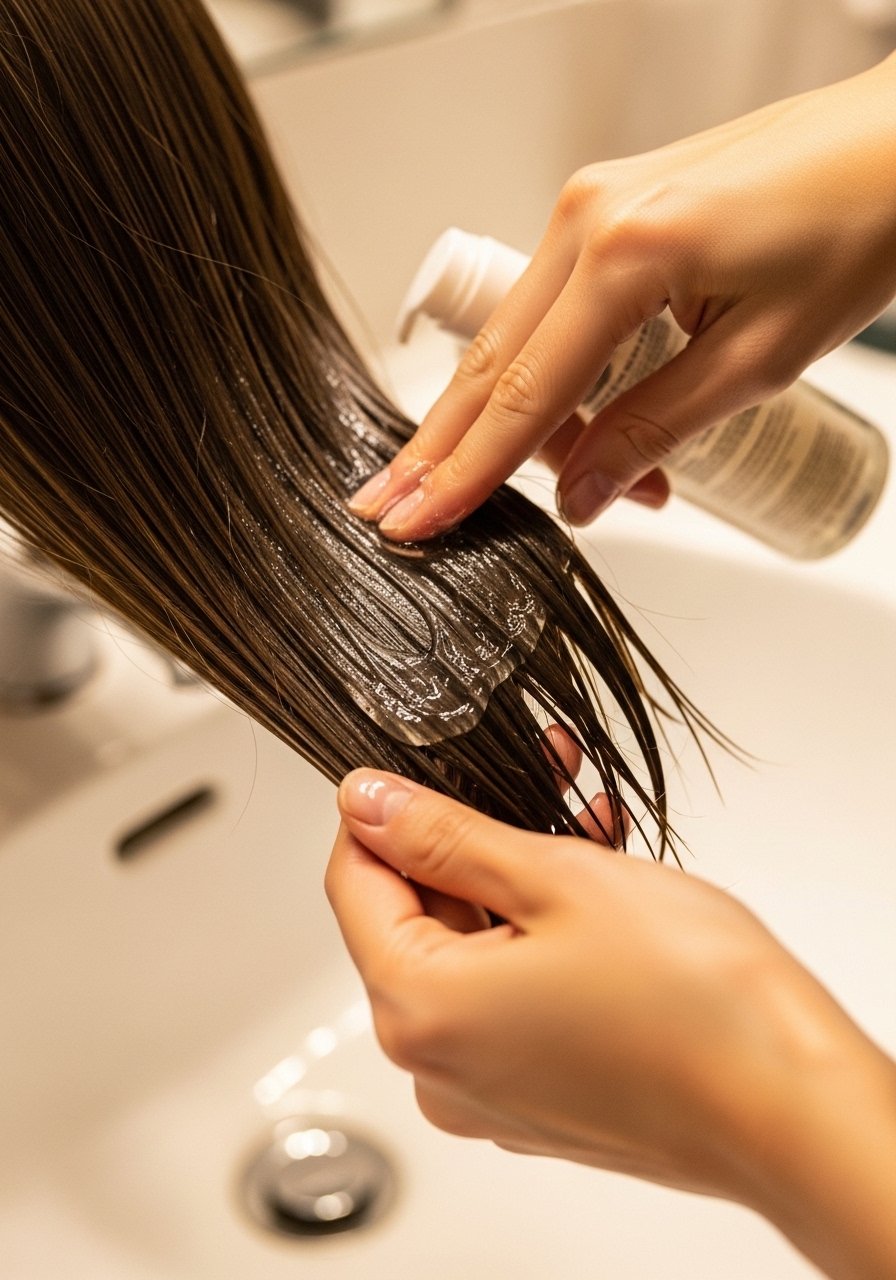
A salon gloss is the secret that makes lowlights read expensive. Glosses sit on the cuticle and add tone and slip for four to six weeks. I book a gloss between lift sessions to avoid the muddy look that can happen when lowlights sit too long. If you want to DIY, a clear or slightly toned gloss applied to damp hair for 10 minutes once a month gives shine and seals tone. Avoid using a high-lift developer with gloss. Glosses are not a repair treatment, they are a color refresher, so pair them with a bond builder if your hair is porous. If buying on Amazon, find an 8.5 to 10.1 ounce gloss and consider professional pricing at salons for authenticity.
Heat Styling Settings For Blonde With Lowlights
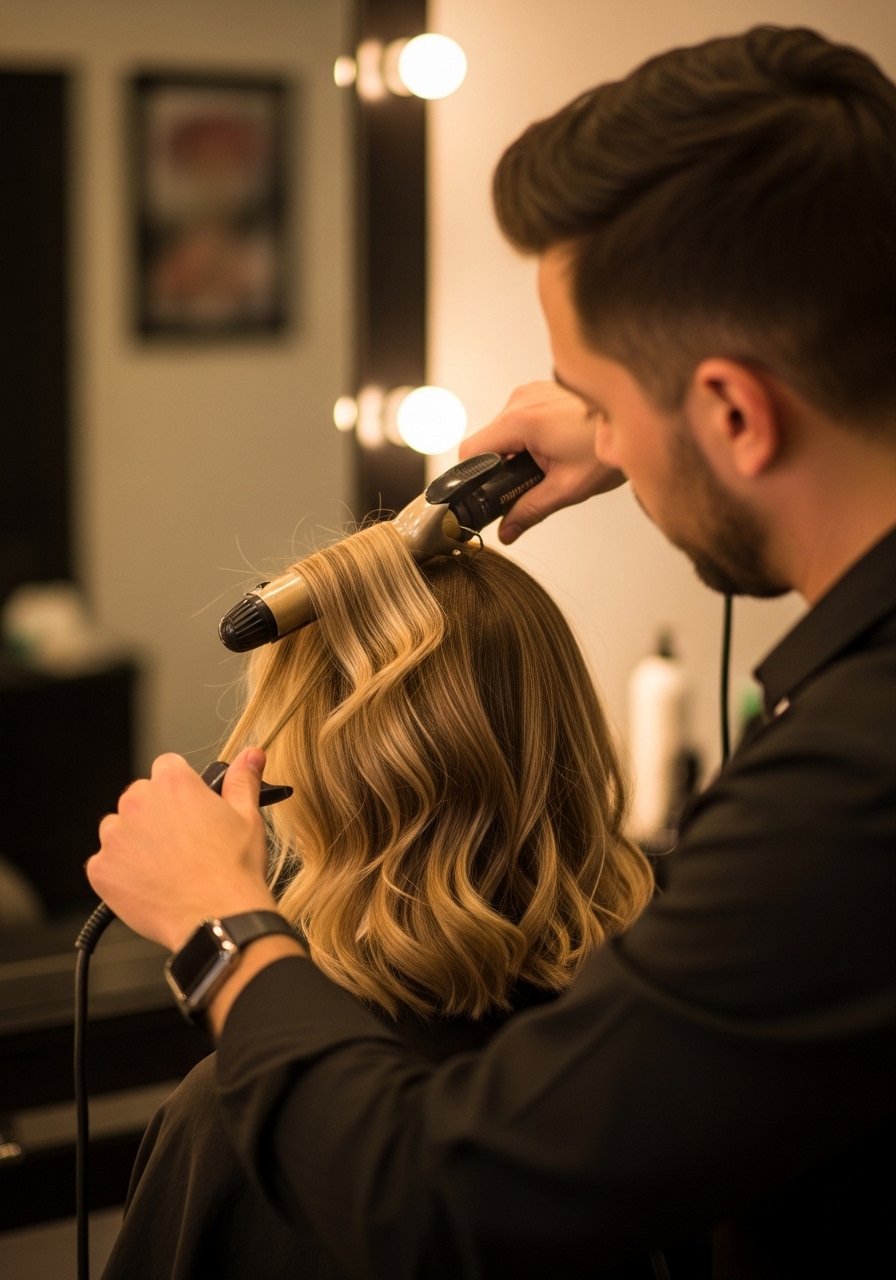
Heat shows brass and stress quickly on lightened hair, so dial in the right tool settings. For fine or fragile lightened hair, stay at 300 to 330 degrees Fahrenheit. For medium density, 340 to 370 degrees is usually enough. For very thick hair, 370 to 400 degrees may be necessary but use a heat protectant first. Most heat protectants you spray on dry hair before flat ironing barely work. They need to absorb into damp or just-dried hair to actually shield the cuticle. I mist a product on damp hair, brush through with a boar-bristle paddle, and then blow-dry on medium before using an iron. For frizz control, try Color Wow Dream Coat supernatural spray before blow-drying.
Blonde-to-Lowlights Seamless Balayage Touchups
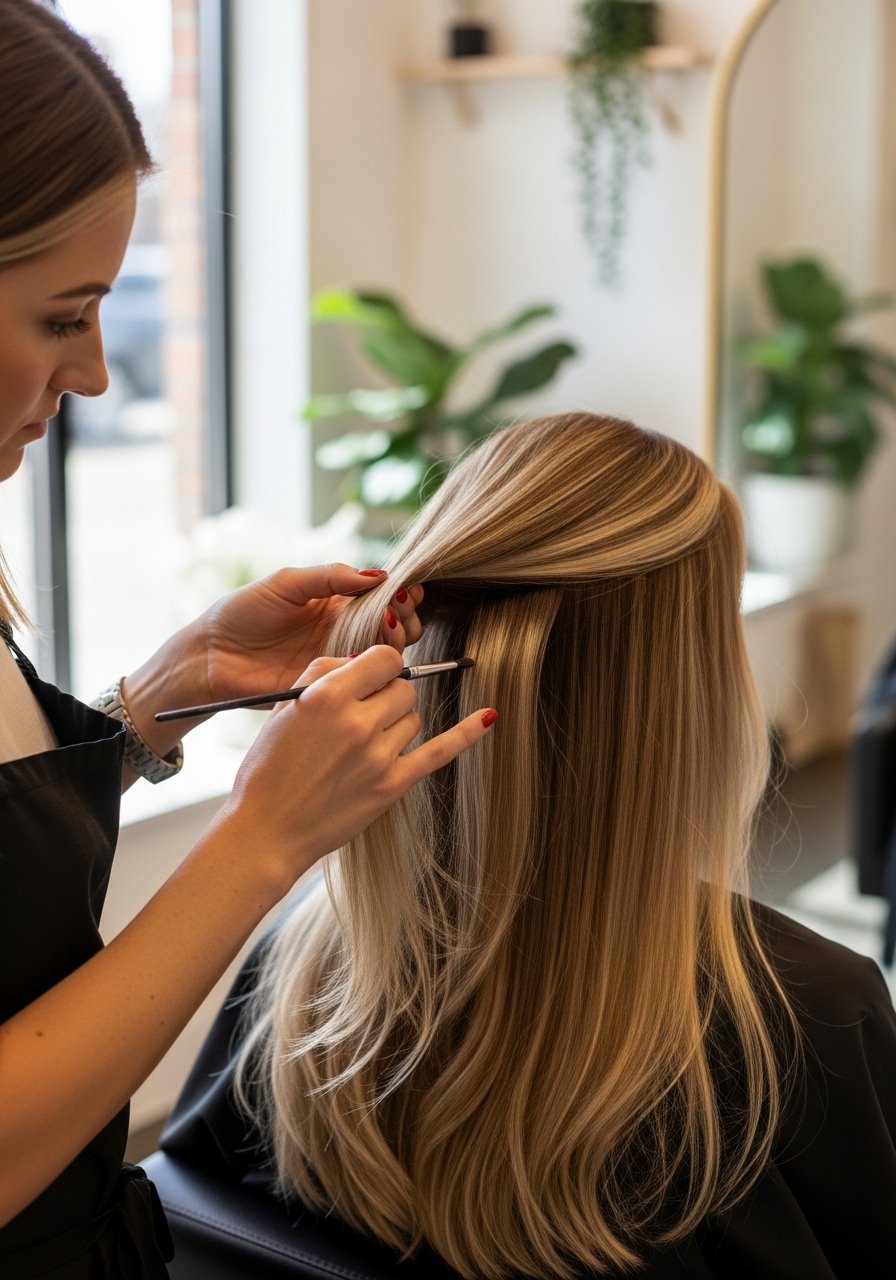
If your butter blonde was a full bleach, ask for balayage-style lowlights that follow the natural fall of hair. Stylists paint the lowlights into the midshaft and ends with soft feathering to avoid hard lines. This is the best route for thick or curly hair, where foils can look stripy. DIY balayage is risky, because an uneven application makes banding worse. If you are trying small fixes at home, section hair into four large quadrants and paint thin, diagonal slices no more than 1/4 inch. Book a salon touch if you want uniformity. Processing time depends on the color but keep sessions short and gradual to protect the hair.
Low-Maintenance Beach Waves For Faded Blonde
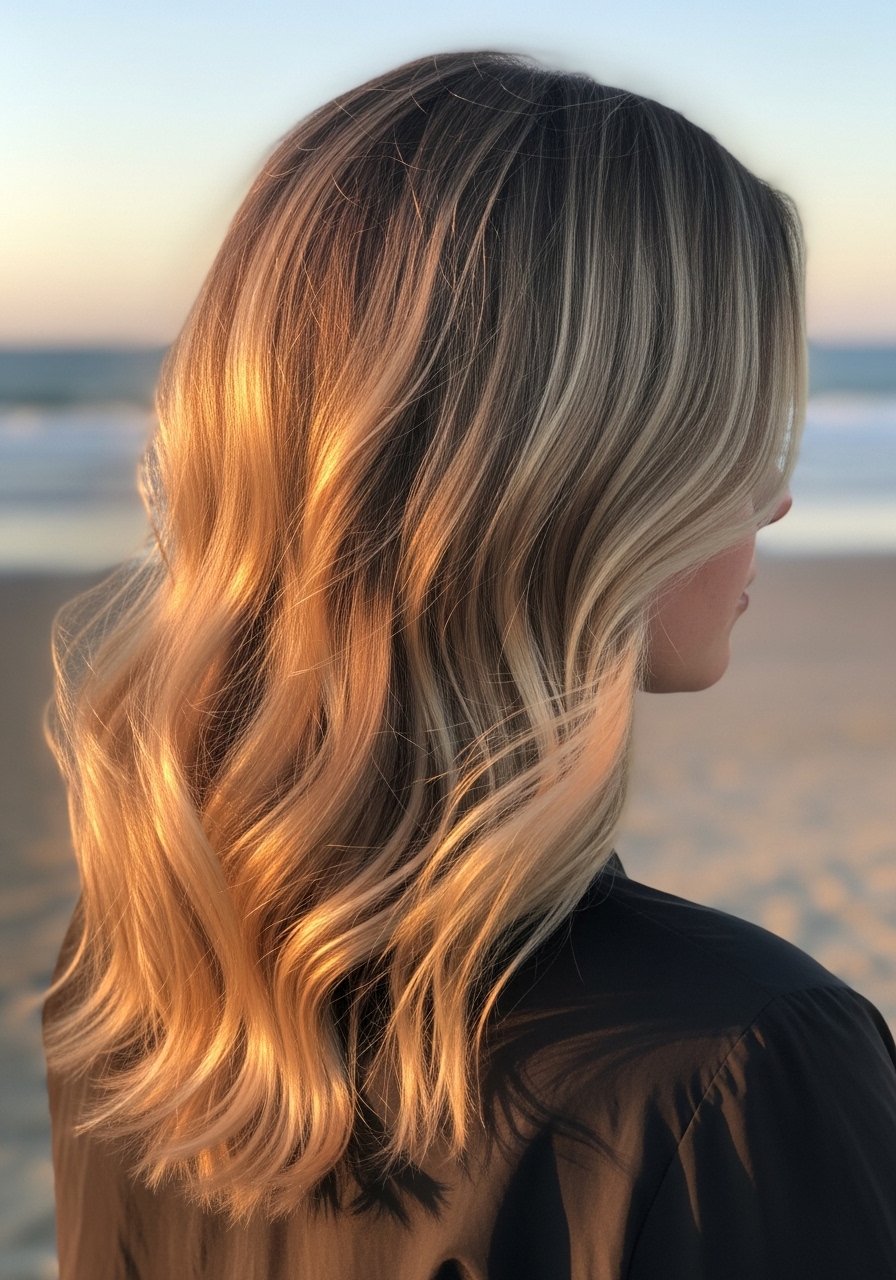
When your blonde fades, texture hides it beautifully. Loose salt-spray waves break up uniform color and make lowlights pop. Spray a surf-style mist into damp hair, scrunch in sections and let air-dry for 30 to 45 minutes, or diffuse on low for 8 to 12 minutes to speed it up. For fine hair, two spritzes is enough, for thicker hair use more and twist sections to form waves. Avoid using heavy oils before texturizing, they weigh hair down. Try Bumble and bumble Surf Spray sparingly and finish with a light mist of anti-humidity spray.
The Bond Builder Routine That Actually Repairs Damage
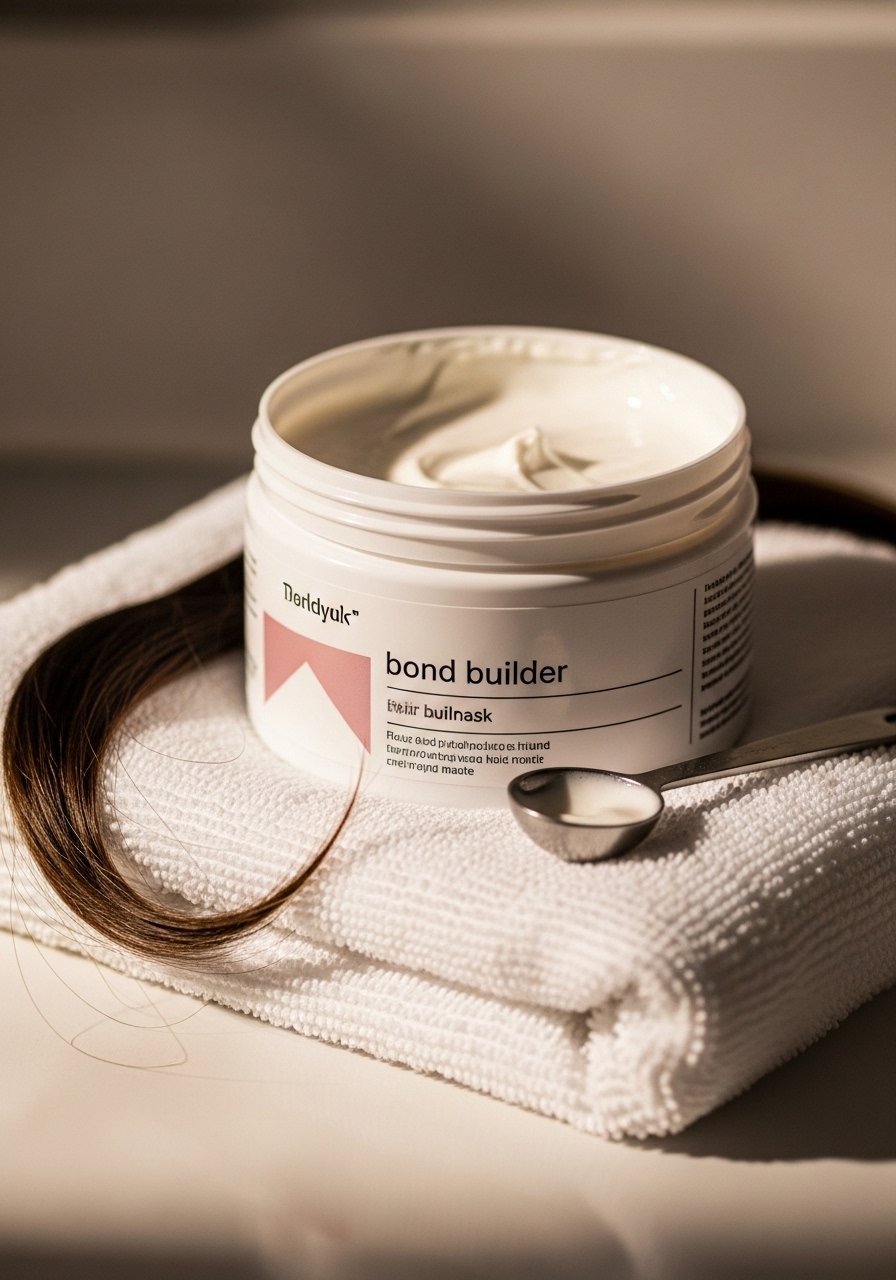
Bleaching strips bonds. Bond builders do not erase past damage, but they reduce breakage and make styling manageable. For lightened hair with lowlights, I do an at-home bond treatment once a week. Apply to damp, towel-dried hair, leave for the brand-recommended 5 to 10 minutes, then rinse. Overusing bond builders makes hair feel gummy, so follow directions. If you use Olaplex No. 3, one tablespoon for shoulder-length hair is enough. Buy from the official seller on Amazon or pick it up at Sephora to avoid counterfeits, like Olaplex No. 3 Hair Perfector. Pair this with a gentle sulfate-free shampoo and a rich conditioner on the ends.
What I Actually Keep In My Butter Blonde Low-Light Kit
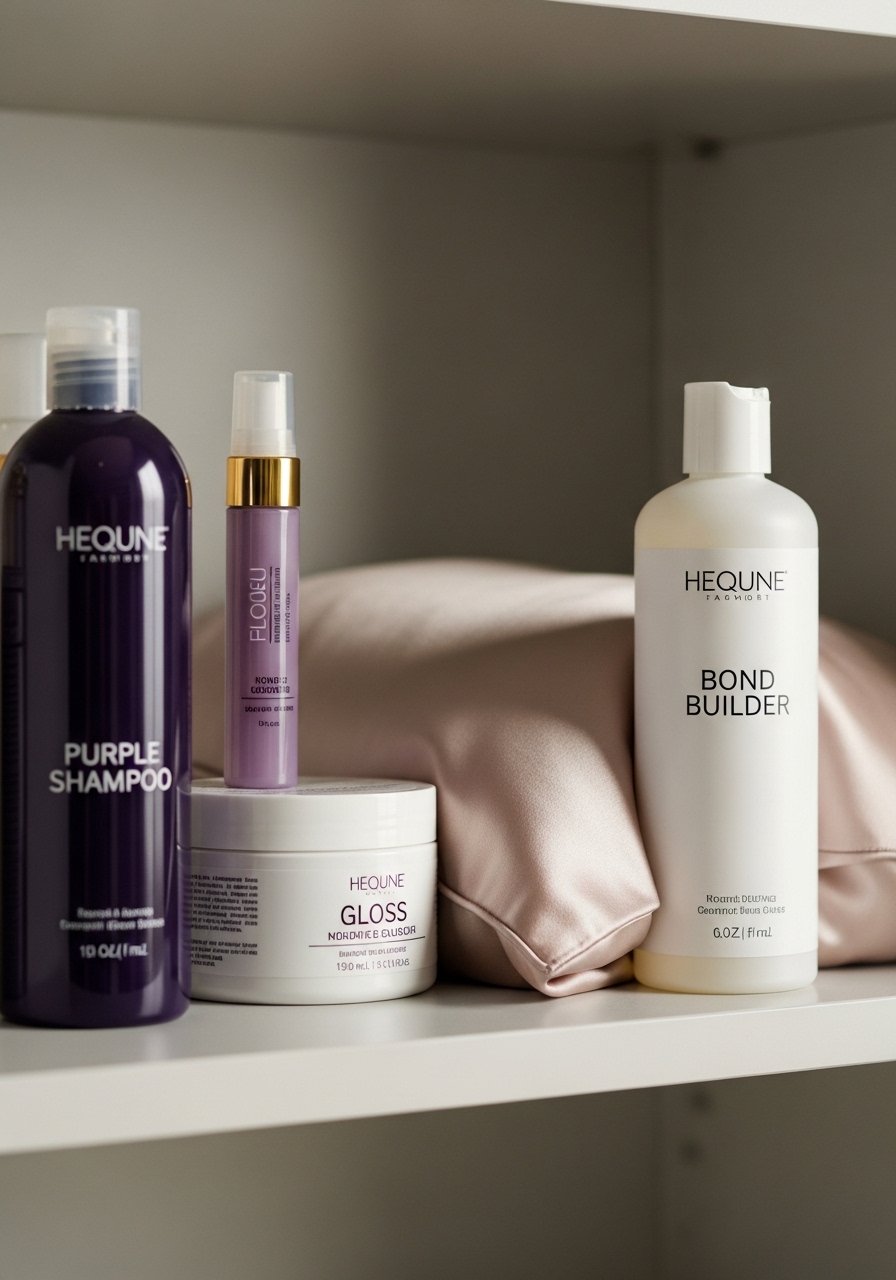
Olaplex No. 3 Hair Perfector 3.3 oz. I use this once a week, one tablespoon for shoulder-length hair, more for thick hair.
Fanola No Yellow Shampoo 1000 ml. Weekly purple shampoo for stubborn brass.
Wella Color Fresh Demi Gloss 100 ml. Monthly gloss refresh at home if you are confident.
Color Wow Dream Coat Supernatural Spray 4 oz. Use before blow-dry for frizz control.
A silk pillowcase queen size under $30. Cuts morning frizz and reduces breakage.
A boar bristle paddle brush for distributing oils and smoothing mid-lengths.
Microfiber hair towel wrap cheap and cuts dry time, less rough on color-treated hair.
10-volume developer bottle for gentle lowlight applications, use caution and follow instructions.
A wide-tooth comb set for detangling wet blonde without ripping.
Purple Shampoo Frequency That Actually Works
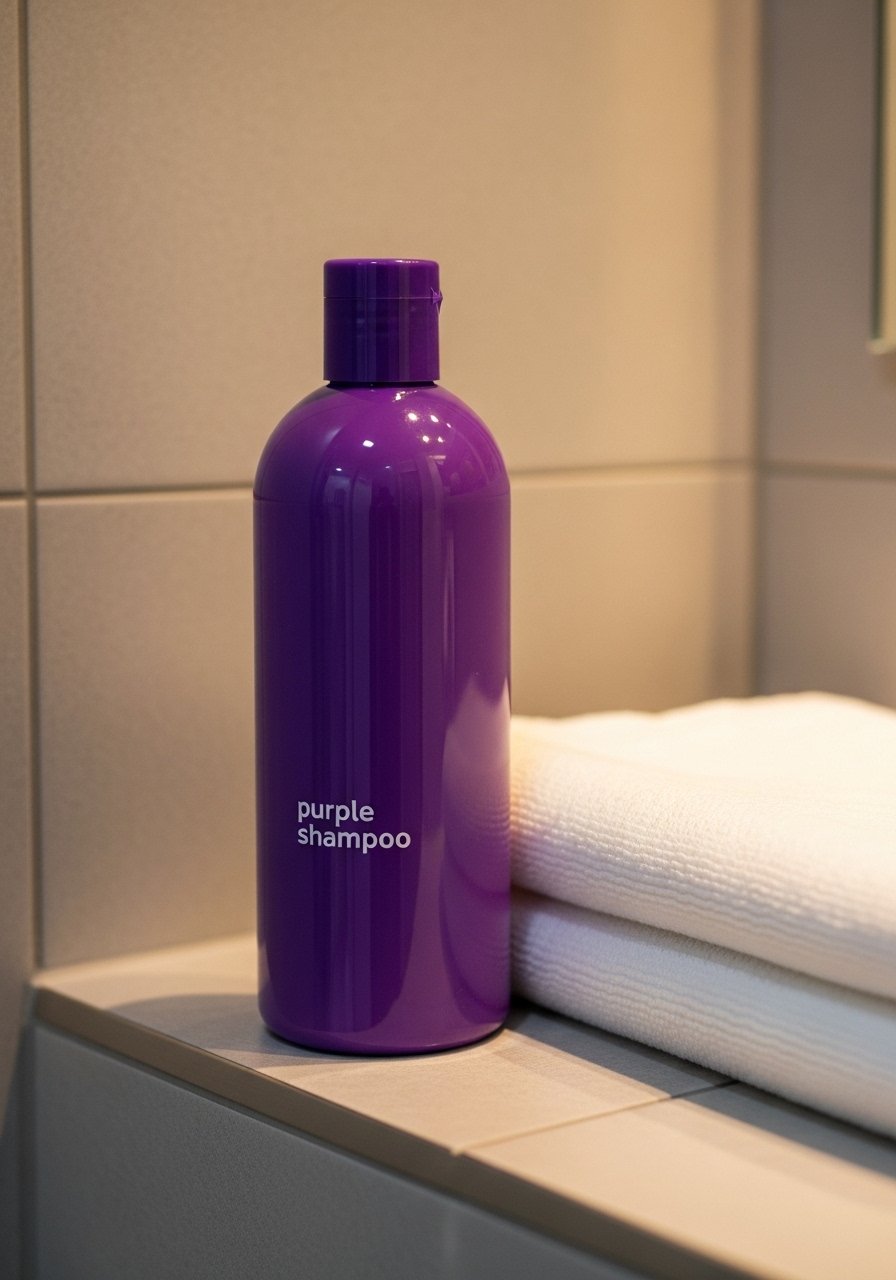
Purple shampoo is a tool, not a weapon. I use it once every seven to ten days for butter blonde with lowlights. If you have porous hair or do frequent balayage touchups, cut it to once every two weeks. Apply to damp hair for two to five minutes, rinse, and condition immediately. The mistake is leaving it on too long every wash, which dries out hair and makes lowlights look muddy. For stubborn yellow, a five-minute mask with a concentrated purple product once a month works better than daily use. Try Fanola No Yellow shampoo and always follow with a hydrating conditioner.
Face Frame Lowlights For Round Faces Without Losing Lightness
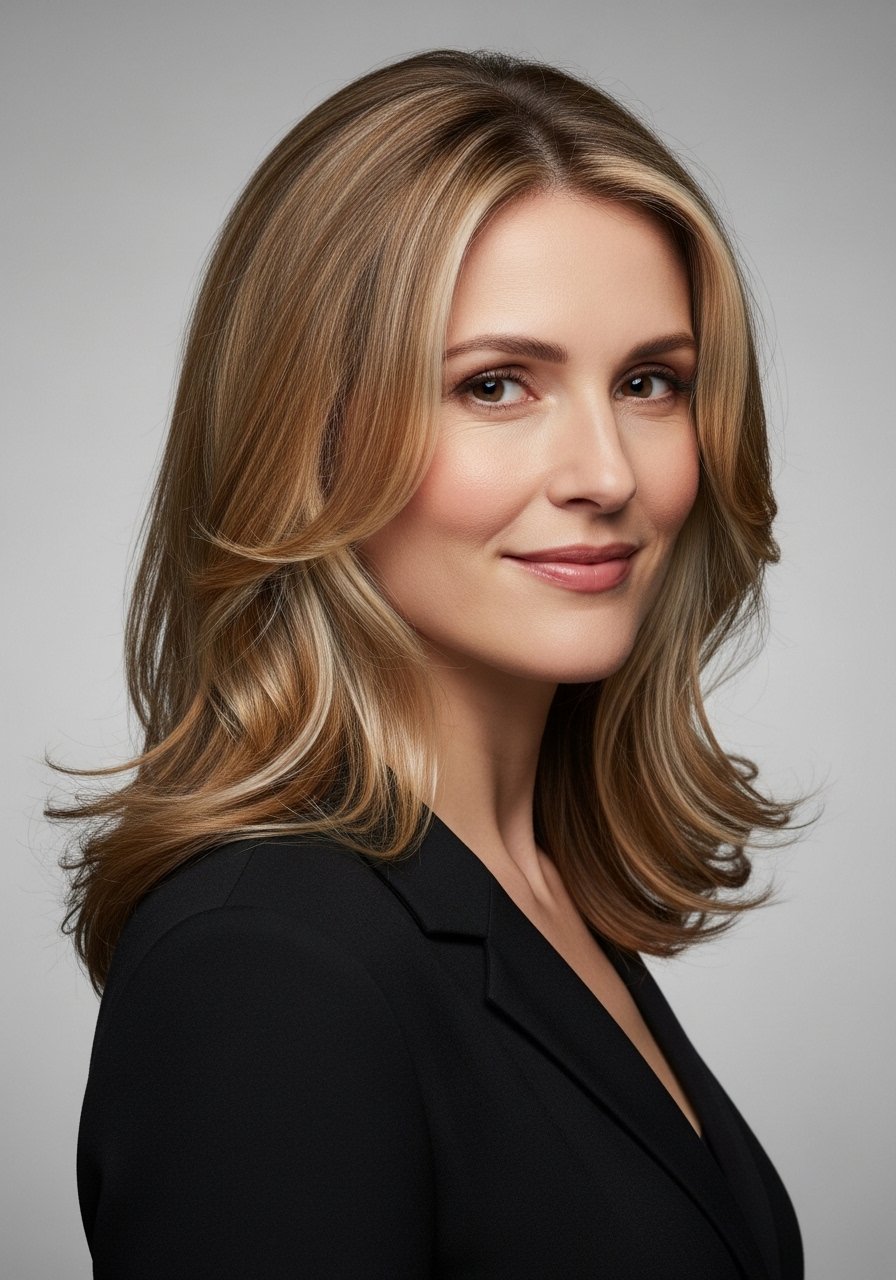
If your face looks wider with blunt blonde, ask for thin lowlights around the temples and jawline that create visual narrowing. Keep the lowlights warmer than your lowlight base for a natural shadow that still reads light in photos. This suits shoulder-length to long hair and works for straight and wavy textures. A common salon mistake is making the face frames too heavy, which ages the look. Ask for pieces no wider than a pinky finger and show photos. DIY face framing is risky because one mistake is obvious, so book a corrective session if unsure.
Overnight Heatless Braids To Prevent Banding
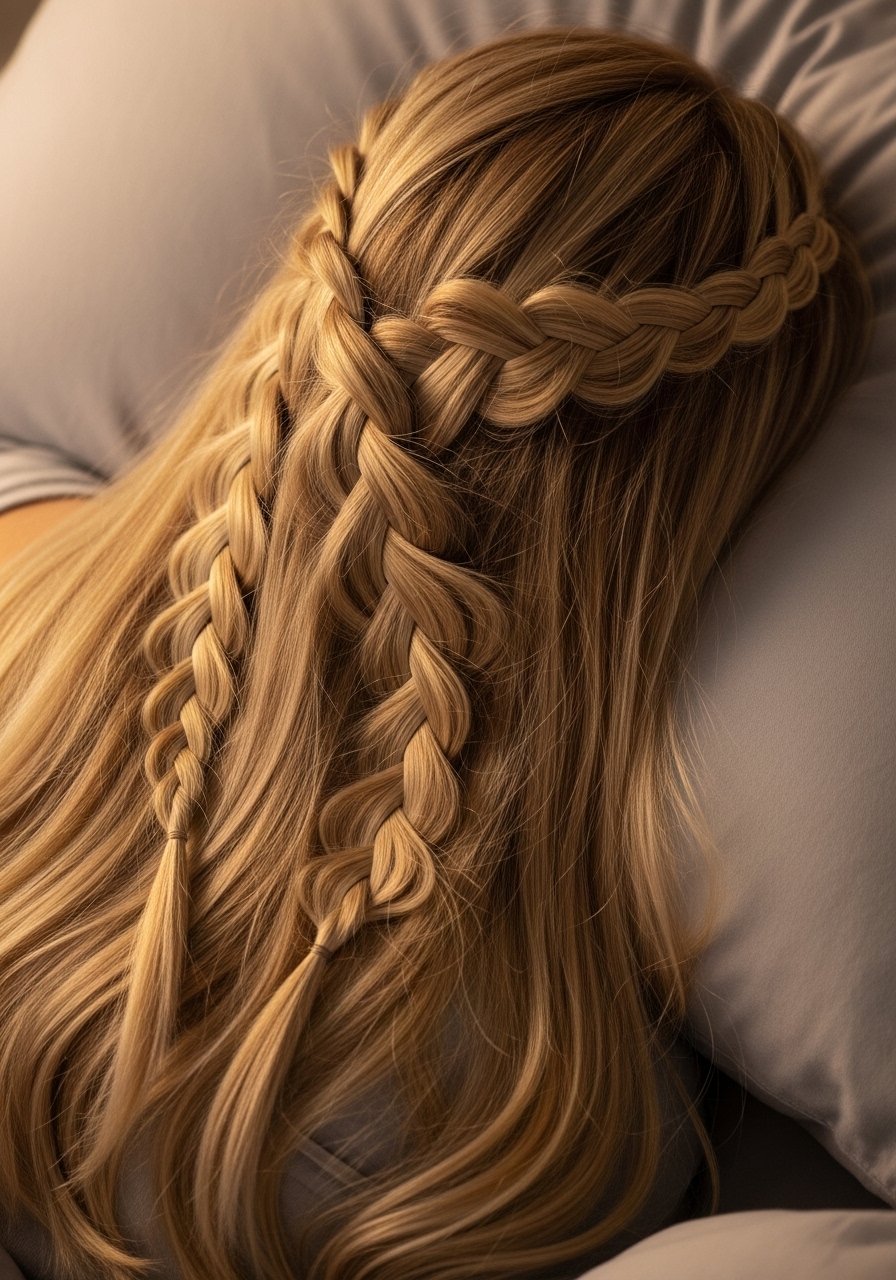
Braids are the easiest way to create blended waves and avoid heat damage. For long color-treated hair, do three loose braids before bed, spray lightly with salt spray, and sleep on a silk pillowcase. In the morning, undo the braids and finger-comb. The pattern disguises uneven color and makes lowlights sit naturally. For fine hair, two braids are enough. A common mistake is braiding too tight, which creates creases and banding. Keep them loose and fasten with soft ties. If you want looser waves, undo the braids after two hours instead of overnight.
Dry Cut To Remove Banding And Uneven Grow Out
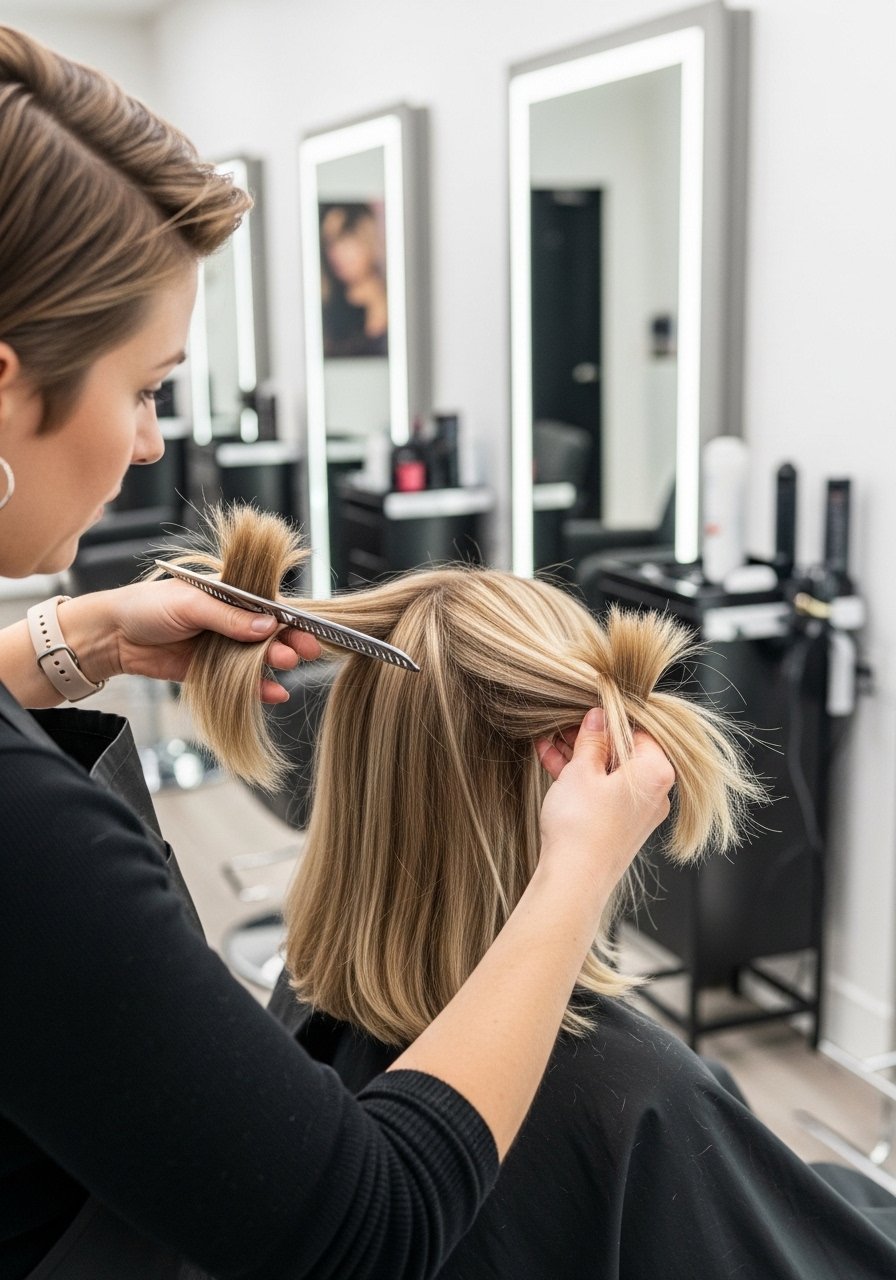
Dry cutting removes visible banding without sacrificing length. When my grow out looked stripy, a dry cut with point cuts and soft texturizing took away the bands and made lowlights sit more naturally. This works best on straight to wavy hair. Tell your stylist you want texture removed, not layers that shorten the length. DIY trimming will usually make the banding worse, so book a pro for this one. Bring photos and point to the exact spots to correct. Expect 20 to 40 minutes in the chair depending on density.
Quick Root Touch Techniques For Between Visits
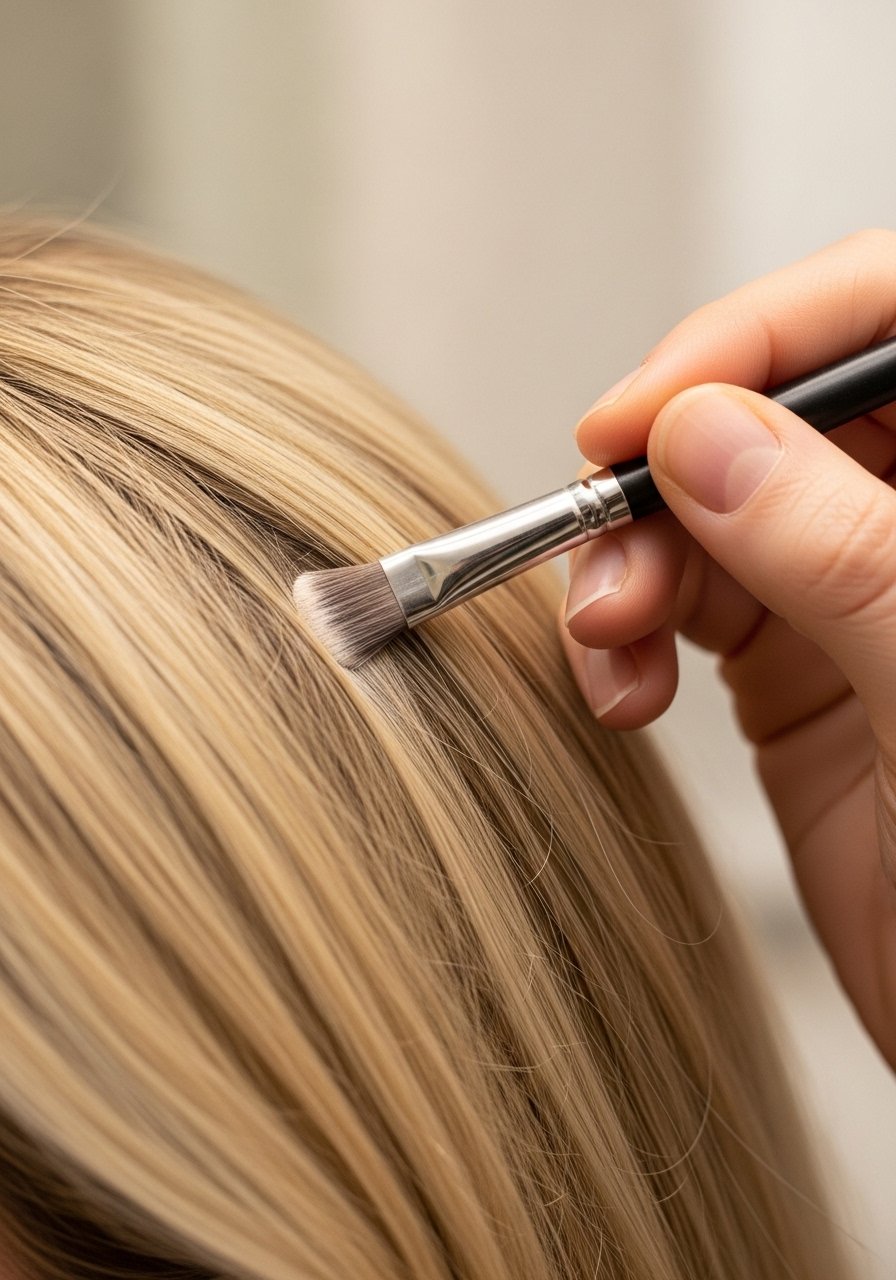
For fast fixes, use powder or mascara-touch roots at the part. Pick a shade one to two levels darker than your blonde and apply with a small brush, blending with a toothbrush or clean sponge. This is great for fine hair and for people who need an event fix. Mistakes include using a product that flakes or shows on photos. Choose a buildable, transfer-resistant product and set lightly. If you need longer coverage, root touch-up kits that come with a small 10-volume developer can be used, but lifting over previously lightened hair has risks. If you plan to lighten or darken the root permanently, book a salon session.
What I Wish Someone Had Told Me About Butter Blonde With Lowlights
Hair grows about half an inch a month at most, regardless of what biotin gummies promise you. That means maintenance is steady work, not a miracle. Match your appointments to your growth rate and your lifestyle, not to a trend. Also, if you plan to use irons, heat protectant goes on damp or just-dried hair, not on bone-dry strands, so it can absorb and protect. For brand picks, I watch for counterfeits on big-ticket items and prefer official sellers for Olaplex and K18 on Amazon or grab them at Sephora.
Frequently Asked Questions
Q: Can I add lowlights at home without damaging my butter blonde?
A: You can add thin lowlights at home with a demi-permanent shade and small foils, but lifting over lightened hair, especially with higher developers, risks banding and breakage. Keep sections tiny, use 10-volume developer for subtle depth, do strand tests, and patch test for allergies. If you see uneven results, book a salon fix.
Q: How often should I actually use purple shampoo to fix brassy tones without making my hair dry?
A: Once every seven to ten days is a safe starter for butter blonde with lowlights. Fine or low-porosity hair may need it less often, every two weeks. If you try purple masks, limit them to once a month. Always follow with a hydrating conditioner to avoid dryness.
Q: Can Olaplex No. 3 be used if my hair is not severely damaged, or will it make hair feel heavy?
A: Olaplex No. 3 will not make healthy hair worse, but overuse can leave hair feeling slightly gummy. For shoulder-length normal hair, one tablespoon weekly is fine. Buy from the official seller on Amazon or Sephora to avoid counterfeits, like Olaplex No. 3 Hair Perfector.
Q: What is the difference between a gloss and a toner, and which keeps lowlights looking richer?
A: A gloss adds shine and mild tone correction, lasting four to six weeks, and is gentle on hair. A toner is often used to neutralize specific tones after bleaching and can be stronger. For keeping lowlights rich without altering lift, a gloss is usually the better maintenance step.
Q: How do I avoid harsh banding when growing out butter blonde with lowlights?
A: Ask for soft feathered transitions at the salon, consider a root shadow to blend regrowth, and avoid DIY bleach overs. Also try dry cuts to remove visible bands and texture the hair, and use styling that adds movement, like loose braids or beach waves.
Q: What heat settings should I use on my flat iron for lightened hair, and do I need a special protectant?
A: For fine or fragile lightened hair use 300 to 330 degrees Fahrenheit. For medium density use 340 to 370 degrees. For thick hair you may go up to 400 degrees but this increases risk. Put heat protectant on damp or just-dried hair so it can absorb, and choose a protectant that contains film-forming ingredients. One example to try is Color Wow heat protectant options.