If your second-day hair looks better than fresh styling, this list is for you. I have paid for bad color fixes, ruined my ends with one too many at-home bleaches, and learned to pair techniques with products that actually hold. These 15 looks are ones I wear, tweak for friends, and return to when a style needs to be reliable, not just photo-ready.
These ideas skew toward wavy to curly 2A through 3C hair, with a few cuts and color tricks for finer or coarser textures. Skill level ranges from beginner hair hacks to one-tool techniques that take 10 to 25 minutes. Most options sit under $50, with two splurges worth comparing to salon prices. Everything marked salon-only gets that note.
Heatless Overnight Curls With a Robe Tie
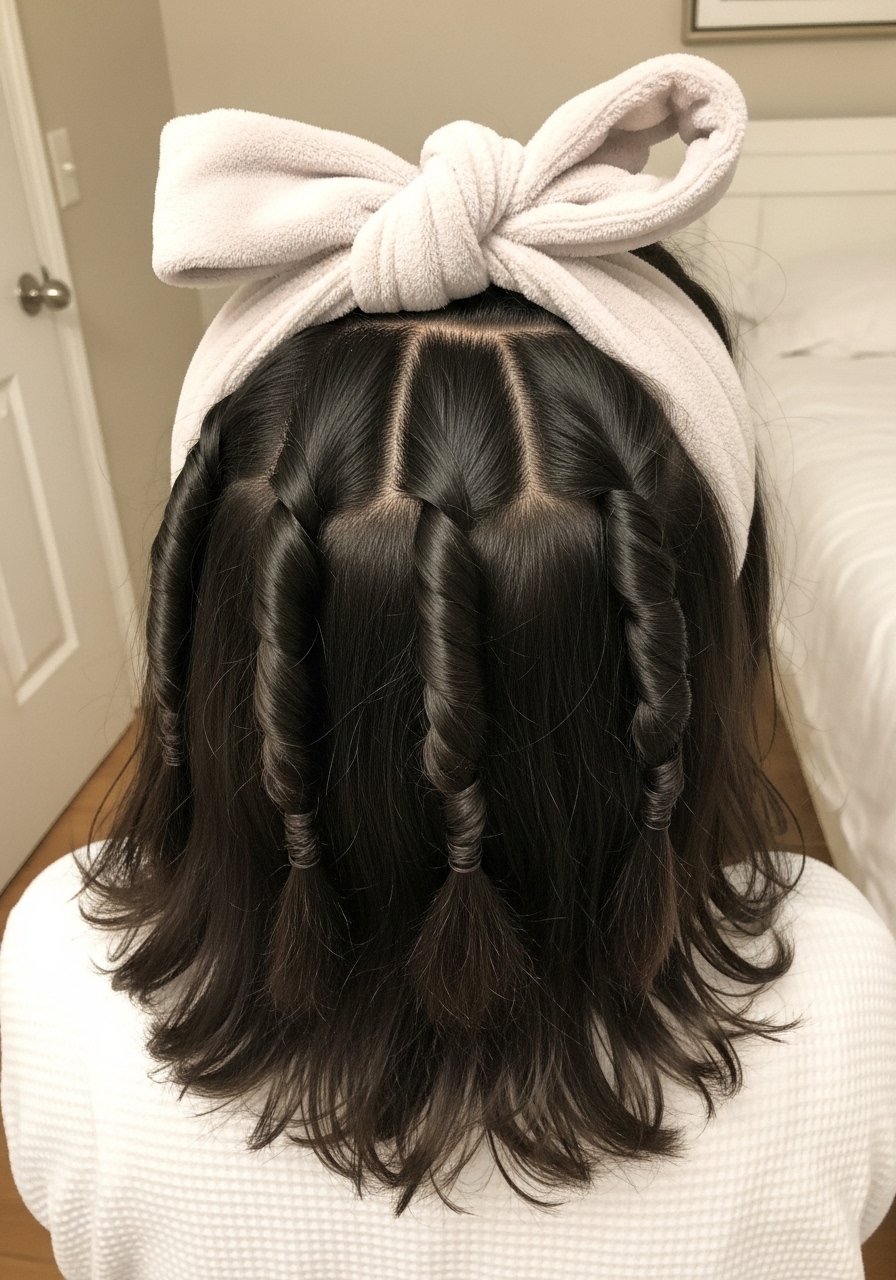
Start by detangling with a wide-tooth comb, then split dry damp hair into six even sections and wrap each around a robe sash across the crown. I leave mine in 8 to 10 hours. For hair that frizzes, two spritzes of Color Wow Dream Coat on damp sections before wrapping locks in slip so the coils slide without pulling. The result is soft S-waves with less heat damage and zero hot tool timing. Common mistake, wrapping too tight. That creates pressure kinks at the roots. This is completely DIY and great for shoulder-length to mid-back waves.
Weekly Bond Builder Routine That Actually Helps
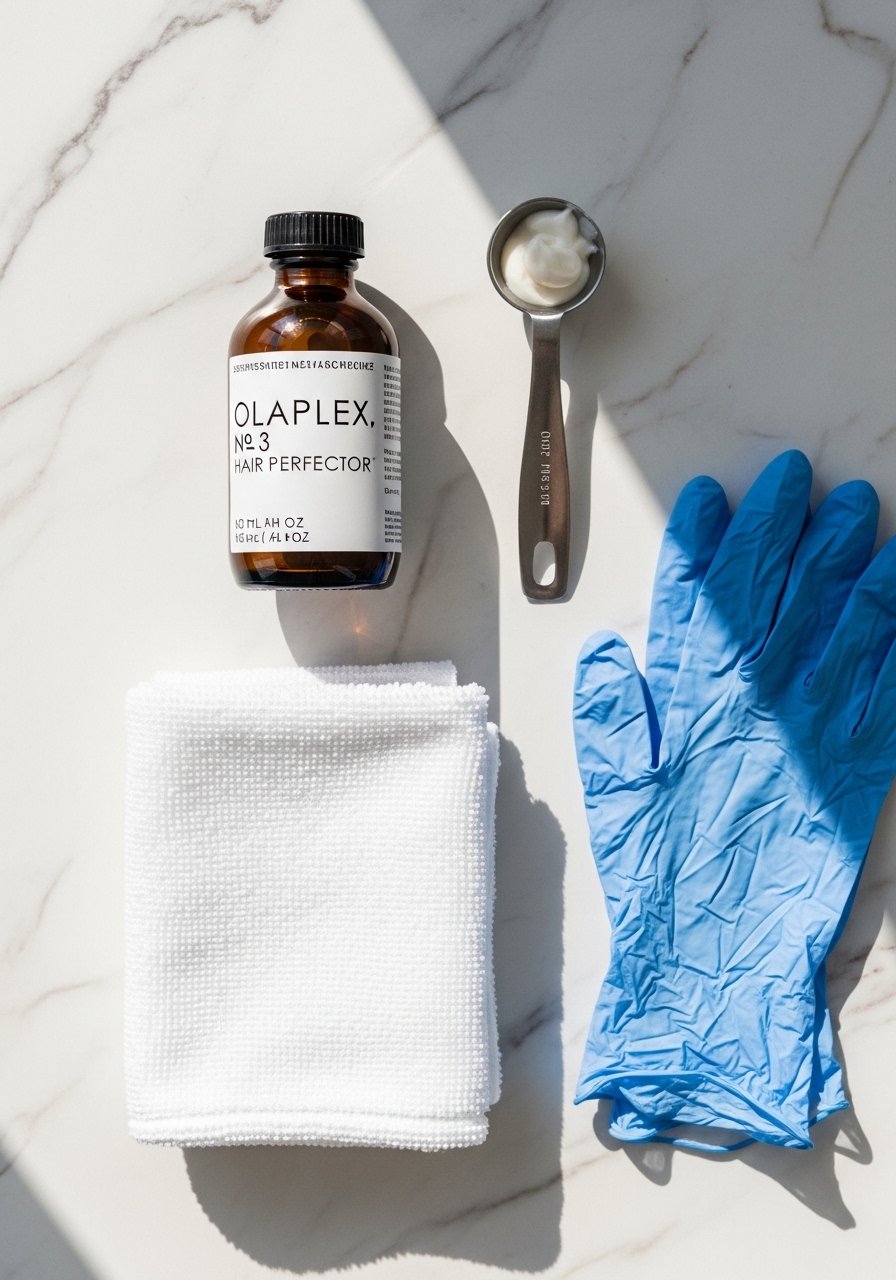
If you have dry fragile ends from past bleach or frequent heat, I do a weekly routine. Apply two to three generous pumps of Olaplex No. 3 hair perfector from mid-shaft to ends on towel-dried hair, leave 10 to 20 minutes, then shampoo and condition. It smooths the appearance of damage and cuts breakage. Hair grows about half an inch a month at most, regardless of what biotin gummies promise you. Watch for counterfeits, buy from the brand store on Amazon or pick it up at Sephora. Salon fixes beat at-home bleach-over-color attempts, so use this to maintain between salon visits.
Curtain Bangs Without the Forehead Gap

Curtain bangs are forgiving for round or oval faces when cut to graze the cheekbones and feathered at the ends. Ask for a low-density center and thicker sides to avoid a forehead gap. Blow-dry bangs with a small round brush at 300 to 320 degrees Fahrenheit on the blow dryer nozzle, aiming the airflow downward to seal the cuticle. Start with quarter-inch sections for control. Most people over-trim after a week. Let them grow for three to four weeks before a tidy snip. Salon cut recommended first time, then DIY trims for micro-adjustments.
Money Piece Highlights You Can Maintain at Home
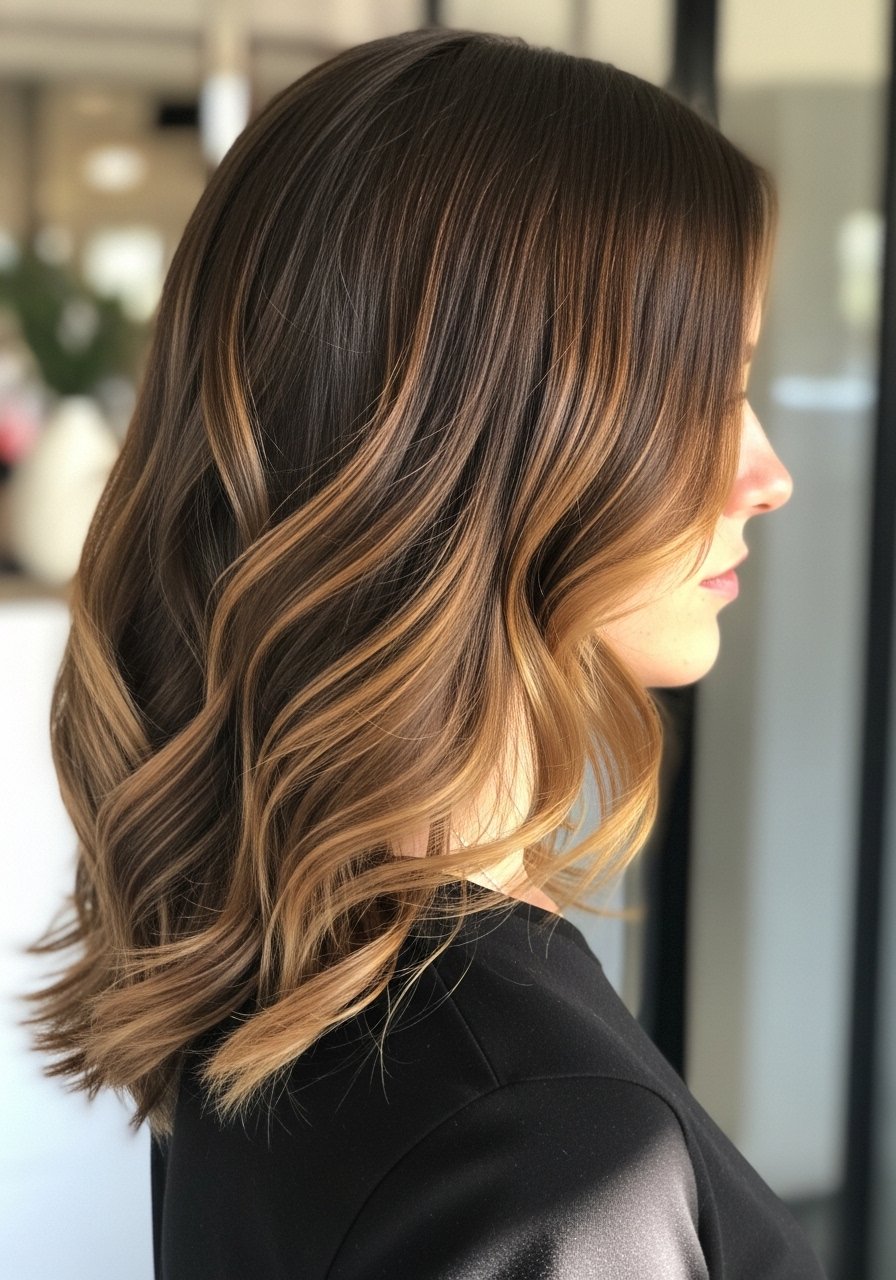
Brightening the face with a few lighter front sections makes hair feel fresher without a full color redo. Ask your colorist for a painted money piece, or for touch-ups use a gentle at-home lightener in tiny sections, 10 to 15 grams per section, and monitor every five minutes. If you maintain at home, mix the lightener with 10 volume for subtle lift and rinse at the first sign of the desired tone. Common mistake, letting lightener sit like a salon would for a full head. That causes banding. Use a gloss with an ammonia-free formula afterward to seal tone for four to six weeks, and buy glosses from reputable sellers on Amazon to avoid knockoffs.
The 4-Step Wash Day for Type 4C That Cuts Time in Half
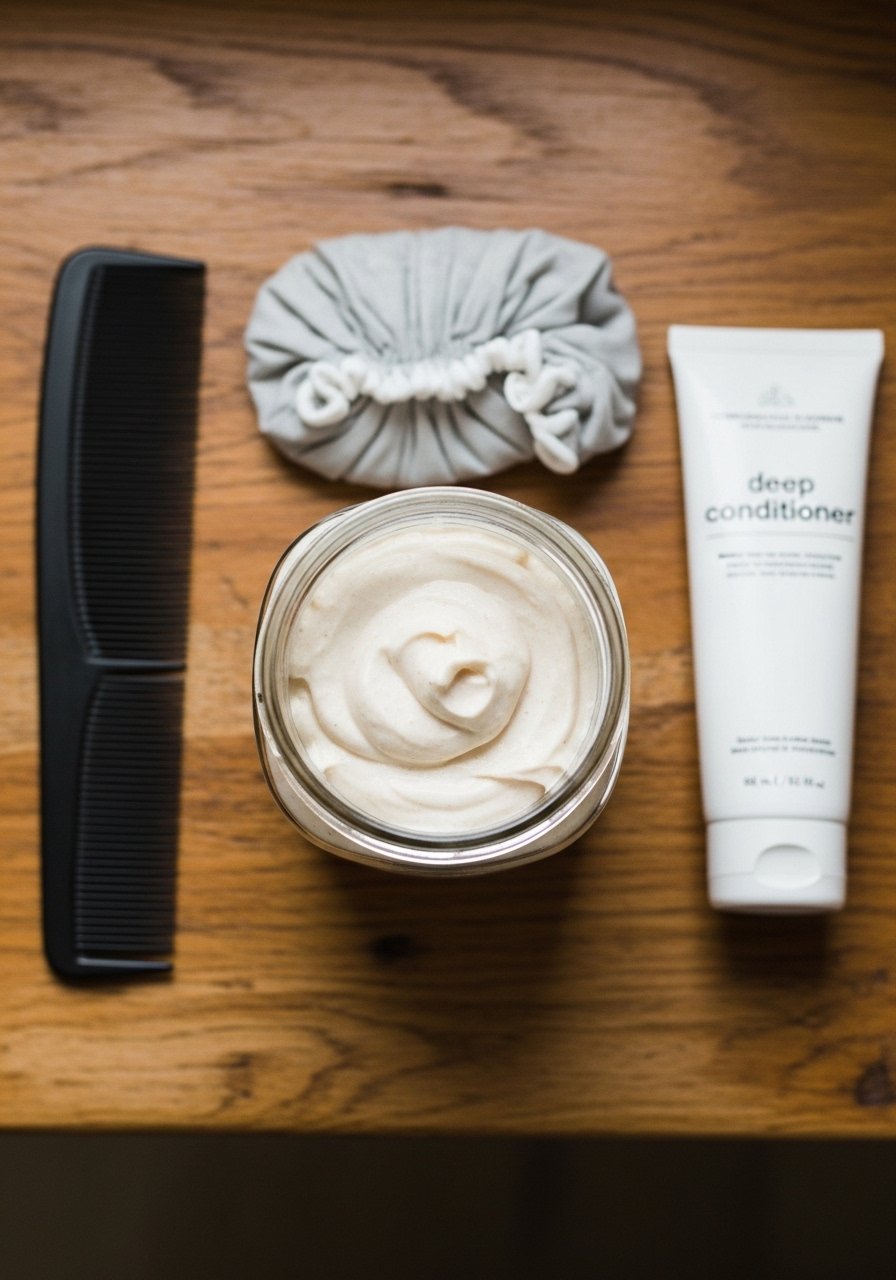
For tightly coiled hair, I use a four-step wash to save time and protect curl integrity. Co-wash or dilute a sulfate-free shampoo in a squeeze bottle for a quick scalp cleanse, follow with a protein-light deep conditioner for 15 minutes under a warm towel, rinse with cool water, and detangle in the shower in four big sections with a wide-tooth comb. Finish with two pumps of a creamy leave-in and finger-rake to style. The whole process takes 30 to 40 minutes but yields easier detangling and less post-wash shrinkage. If your scalp is flaky, swap the co-wash for a clarifying shampoo once every two weeks.
Glass Hair Finish Without a Salon Gloss
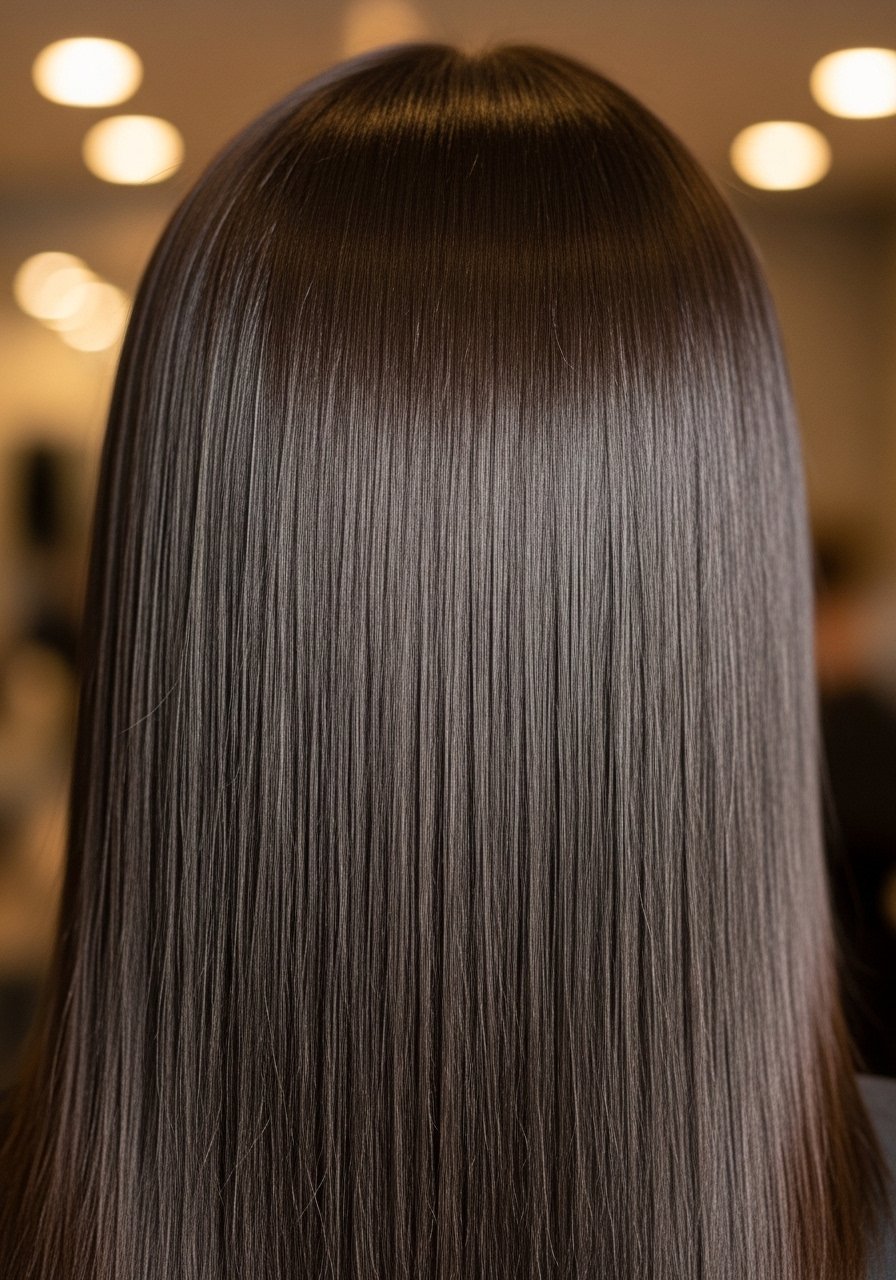
For fine or straight hair, a silicone-based shine mist before a low-temperature blowout delivers a glass finish. Work one light pump of a smoothing oil into ends only, then spritz an anti-humidity spray like Color Wow Dream Coat on the mid-lengths and blow dry with a round boar-bristle brush. Heat protectant goes on damp hair, not dry. The cuticle is more open and the product actually absorbs. Use a flat iron on 300 to 320 degrees Fahrenheit only if necessary and always apply a protectant first. Salon gloss gives longer-lasting tone, but this method holds for three to five days.
Plopping for Defined Curls and Shorter Dry Time
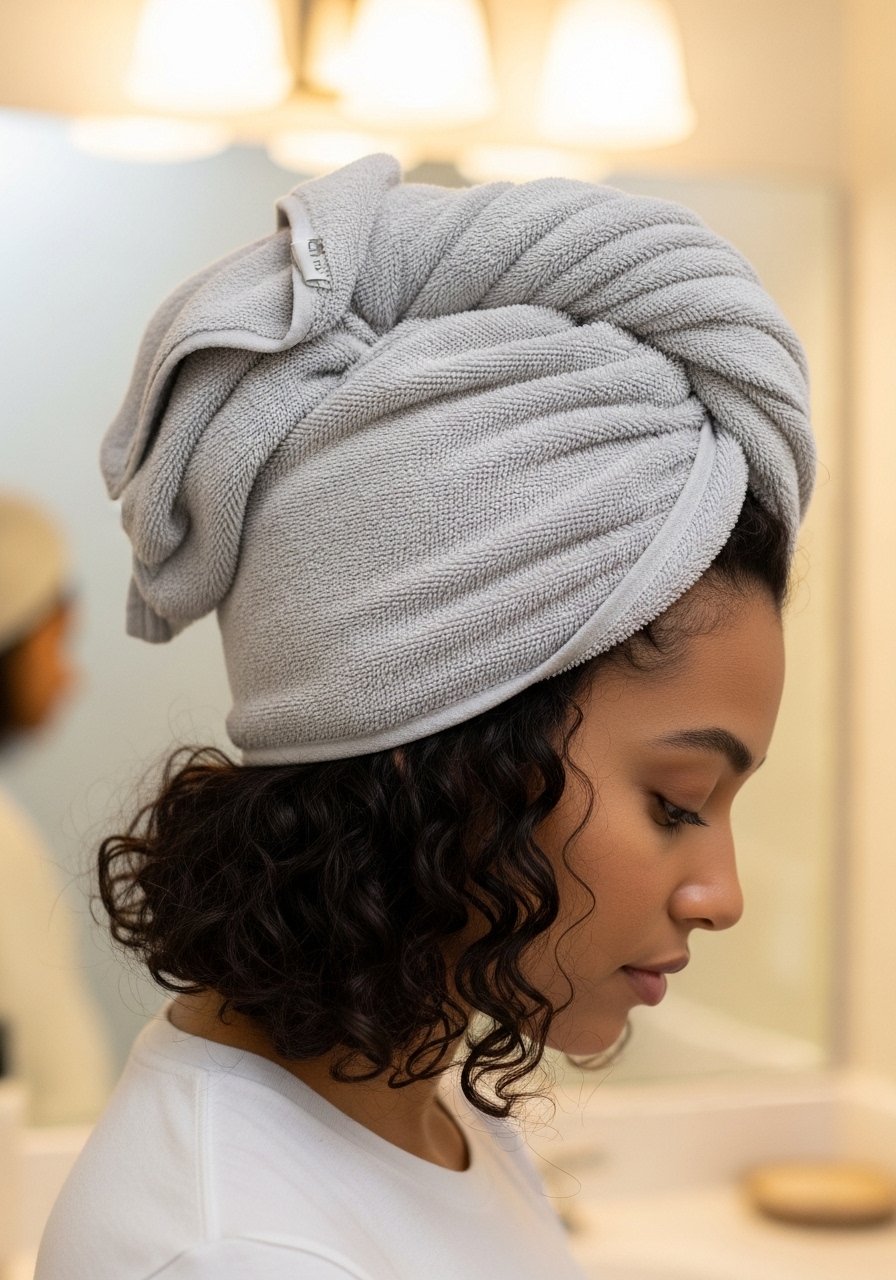
Plopping cuts down drying time and locks in shape for tight curls. After applying products in sections, lay a microfiber towel flat, flip forward, lower your head so curls pile on the towel, and tie the ends for 20 to 30 minutes. For cream-gel layering, try a nickel-sized amount of leave-in per section and a pea-sized amount of gel on top. My curls looked great on TikTok and like wet noodles by 11am. Finally figured out it was the gel-only routine. Added a leave-in cream underneath and it changed everything. Don't keep the towel on all day, it flattens the crown.
Low-Maintenance Lob That Grows Out Gracefully
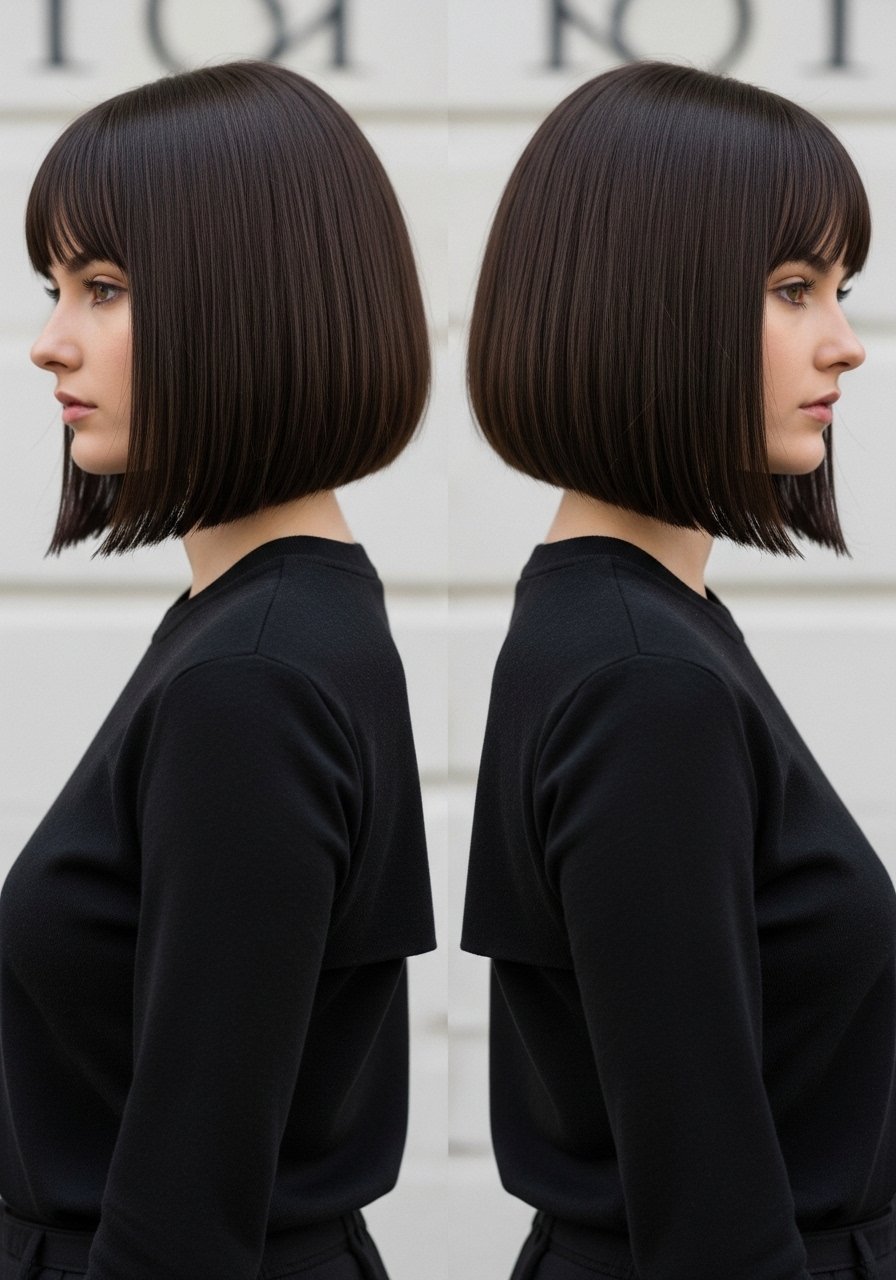
A blunt lob is forgiving for fine hair and gives instant polish without daily styling. Ask for a slight interior graduation so the ends push inward as it grows. At home, a quick round-brush blowout or 12 to 15 quick passes with a clampless straightener on low heat smooths the surface. Expect salon trims every 10 to 12 weeks to keep the line clean, which is less frequent than layered cuts. If you love volume, use a small spritz of root-lift spray at the crown before blow drying.
Beachy Waves From One Flat Iron Move
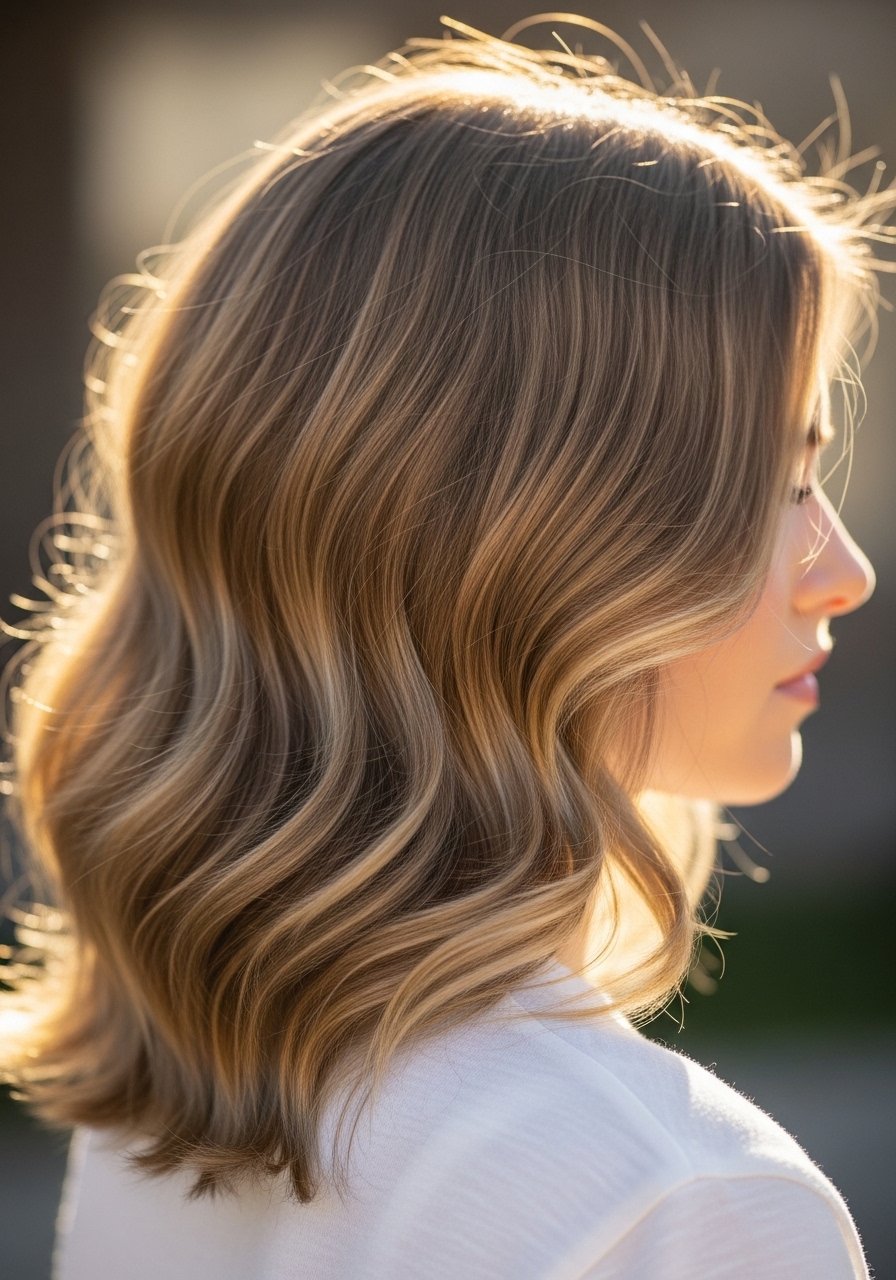
You can make lived-in waves with a 1-inch flat iron by clamping, twisting 180 degrees away from the face, and pulling down slowly in 1.5 to 2-second sections. For finer hair, use 300 degrees Fahrenheit. For thicker hair, 350 degrees Fahrenheit gives a cleaner bend but always apply a protectant first. Finish with one light spritz of sea salt spray for texture. The mistake people make is over-twisting. That yields tight corkscrews. Aim for relaxed tension and alternate directions for a more natural look.
Silk Scarf Headband for Second-Day Style
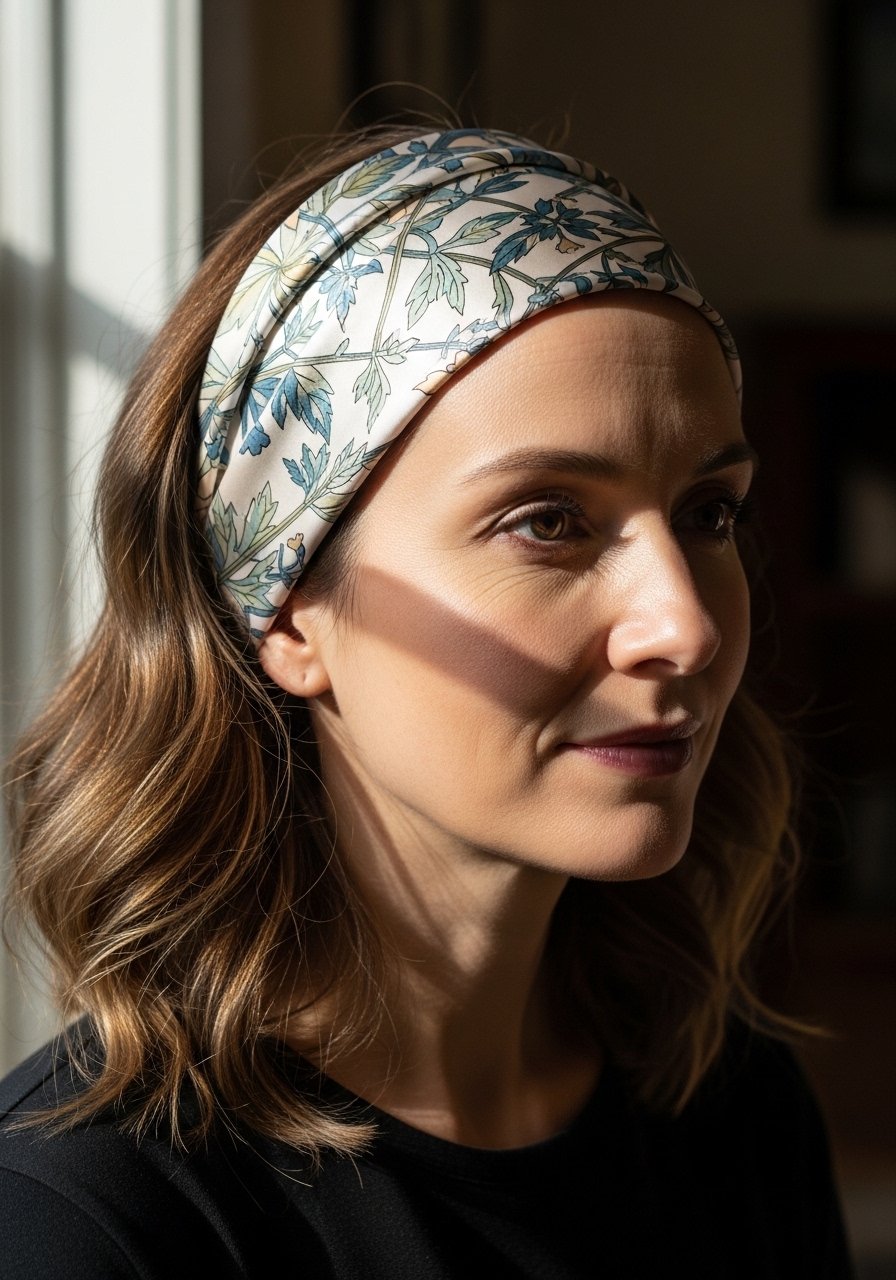
Fold a silk scarf into a 2-inch band and place it just behind the hairline, tucking ends under at the nape. It hides oil, preserves curls overnight, and adds instant polish. For textured hair, use a satin-lined headband to reduce friction. This is a two-minute fix that makes second-day styling look intentional. If your hair is fragile at the corners, avoid tying too tight. Slip the scarf on and off rather than pulling it across the hair.
Braided Crown That Adds Volume to Thin Hair
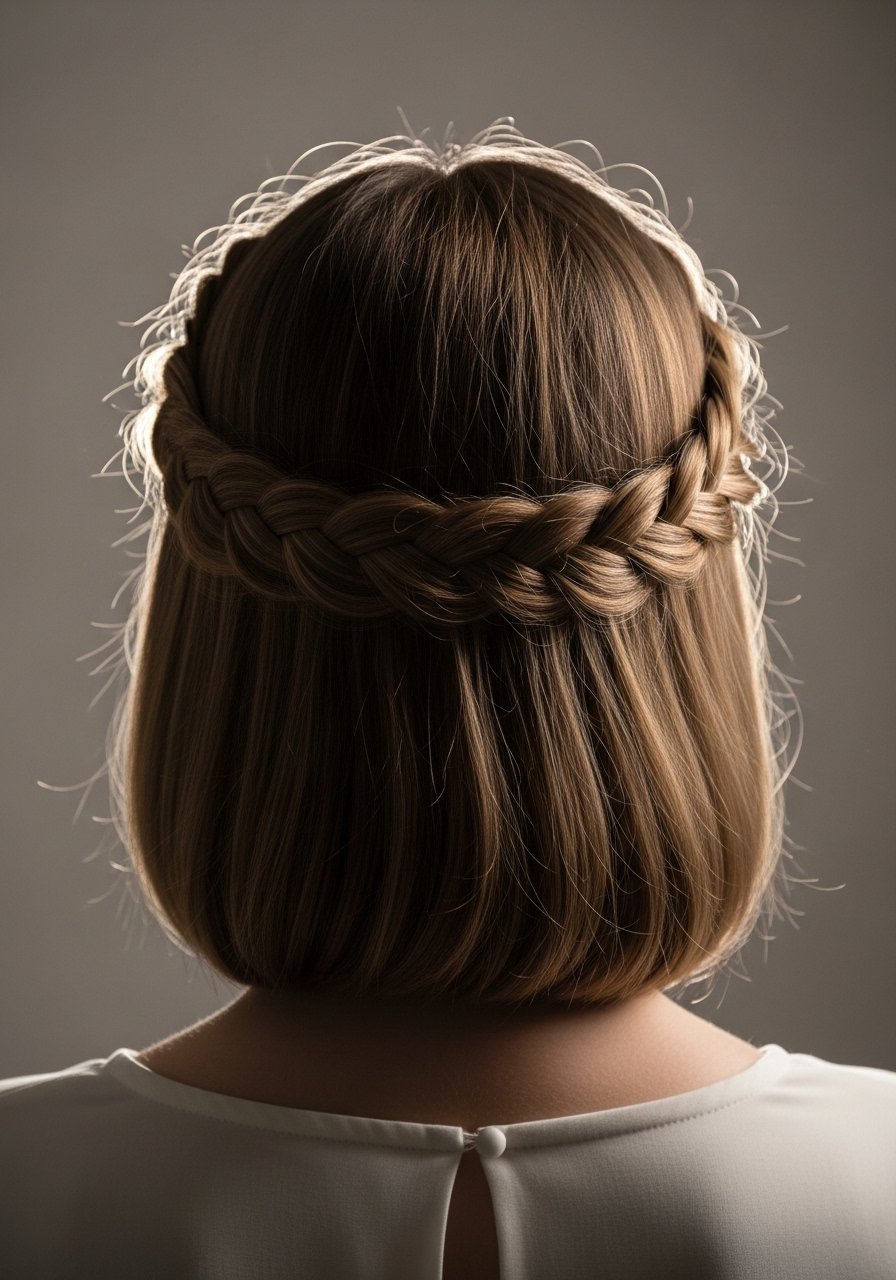
A loose Dutch braid along each hairline pinned at the back creates the illusion of thicker hair and protects shorter face-framing pieces. Start braiding with 1.5-inch sections and pull the braid slightly apart after pinning to pancake it. Use two bobby pins per side and a light-hold spray. This takes about 10 minutes once you practice. For extra lift at the roots, tease lightly in the middle of the crown before braiding. Salon styling not required, but a consult helps if your parting is super off-center.
Sleek High Pony With Zero Bulky Elastic
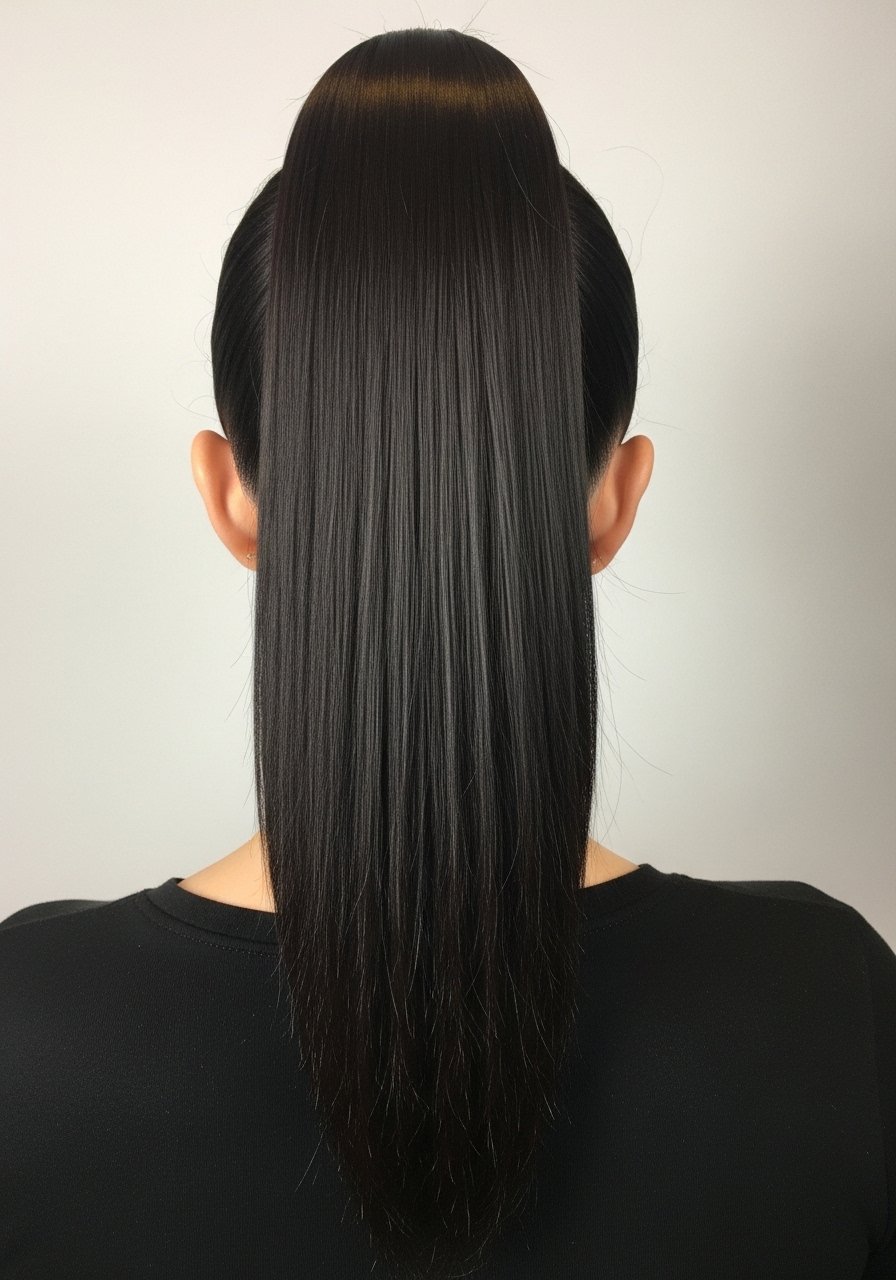
For a sleek high pony without the obvious hair tie, smooth the crown with a dime-sized amount of smoothing oil and gather hair into a high pony with a soft no-damage elastic, then wrap a small section of hair around the base and pin it. If brassy flyaways bug you, apply a light spritz of anti-humidity spray and press with a paddle brush at 300 degrees on a quick pass. This takes five minutes and stays clean when set with one finger-width tension, not a tight yank.
Wolf Cut for the Shaggy Layered Look
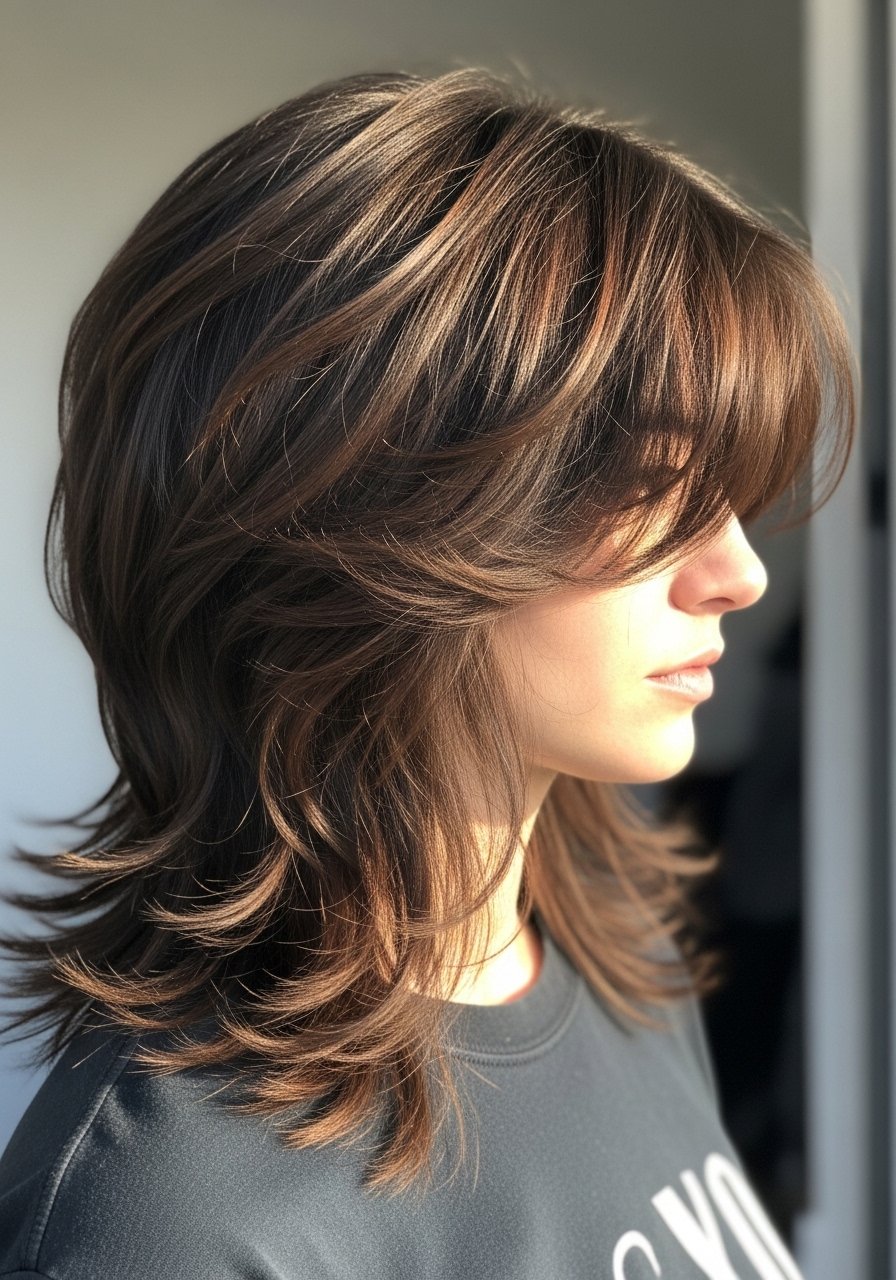
The wolf cut blends a shag and mullet with choppy layers that add movement. For finer hair, ask for short face-framing layers and soft razoring at the ends rather than heavy thinning. For thicker hair, request longer layers that remove weight without creating a triangular shape. At-home texturizing is a no no unless you are confident with thinning shears. This is best started at the salon, then kept with small long-point snips every eight weeks. If you want the lived-in look, salt spray and finger-teasing are enough.
At-Home Root Smudge for Greys or Rapid Regrowth
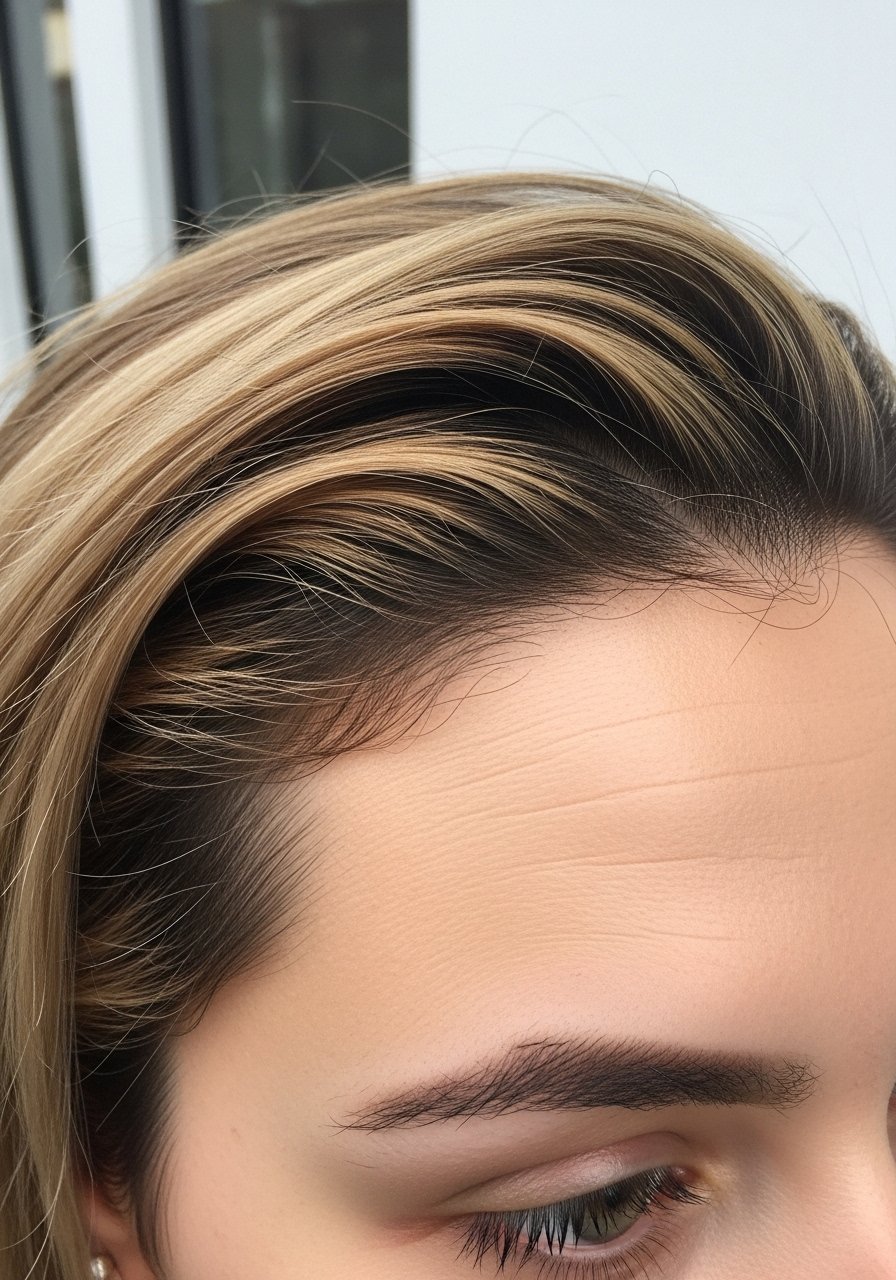
Root smudging blurs regrowth without a full retouch. Use a demi-permanent color one shade darker than mid-lengths and apply with a small brush along the root line only, feathering downward 1/4 to 1/2 inch. Process 10 to 15 minutes for a soft edge, then rinse. DIY is possible if you are careful about sectioning and timing. The common mistake is leaving color too long and creating a harsh band. If you are unsure, book the first session at a salon then maintain with touch-ups at home.
Glossing Spray to Keep Color From Fading
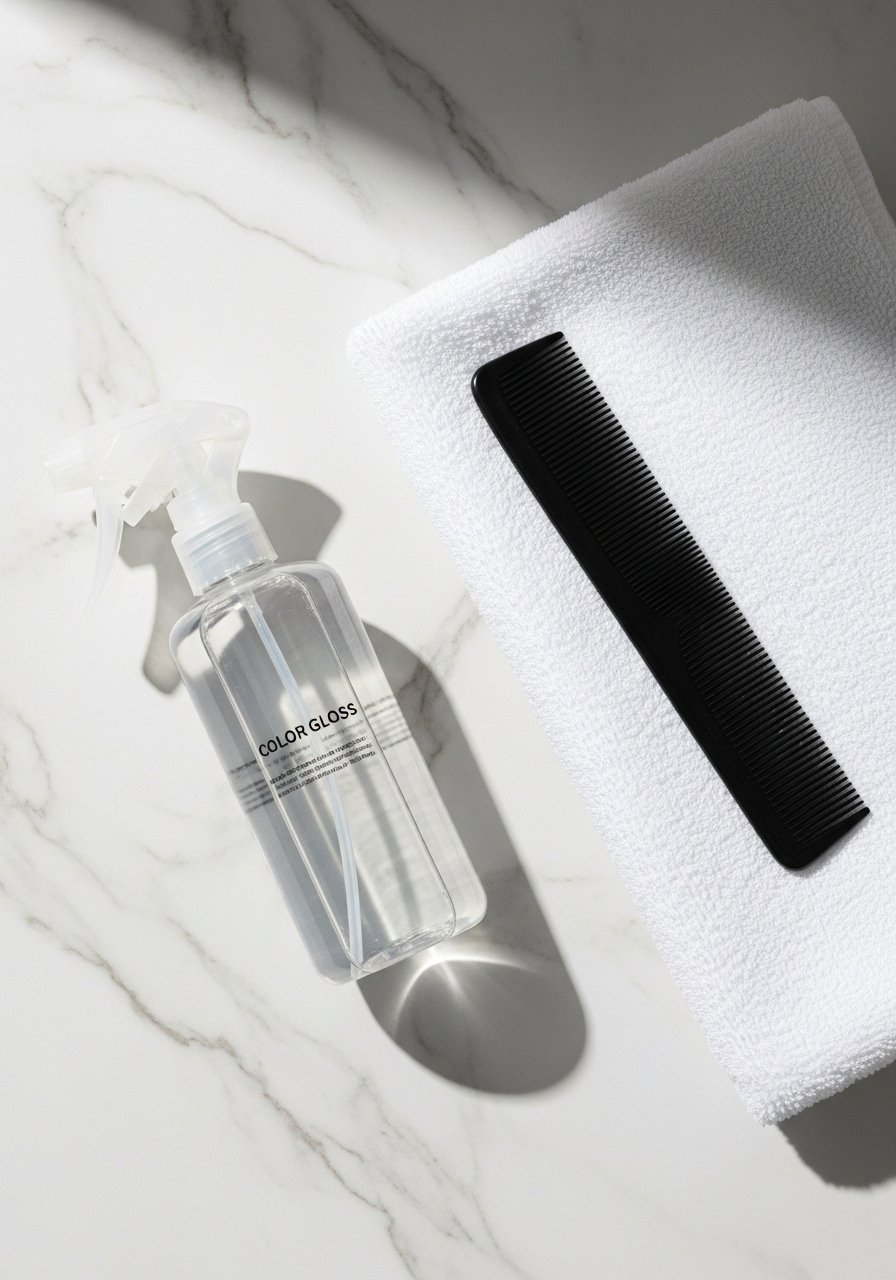
A weekly clear gloss spray revives tone and adds slip so color sits smoothly. Spray on damp hair after washing, comb through, and air-dry or low-dry for three to five minutes. For warm reds or burgundies, skip daily shampoos and use a color-safe dry shampoo between washes. The one mistake I see often is over-using purple shampoo. A friend asked why her hair felt like straw. She had been using purple shampoo every wash for six months. Swapped to once a week and it came back. Glosses extend vibrancy for two to three weeks when used properly.
Short-Term Blonde Fix With a Toner Wash
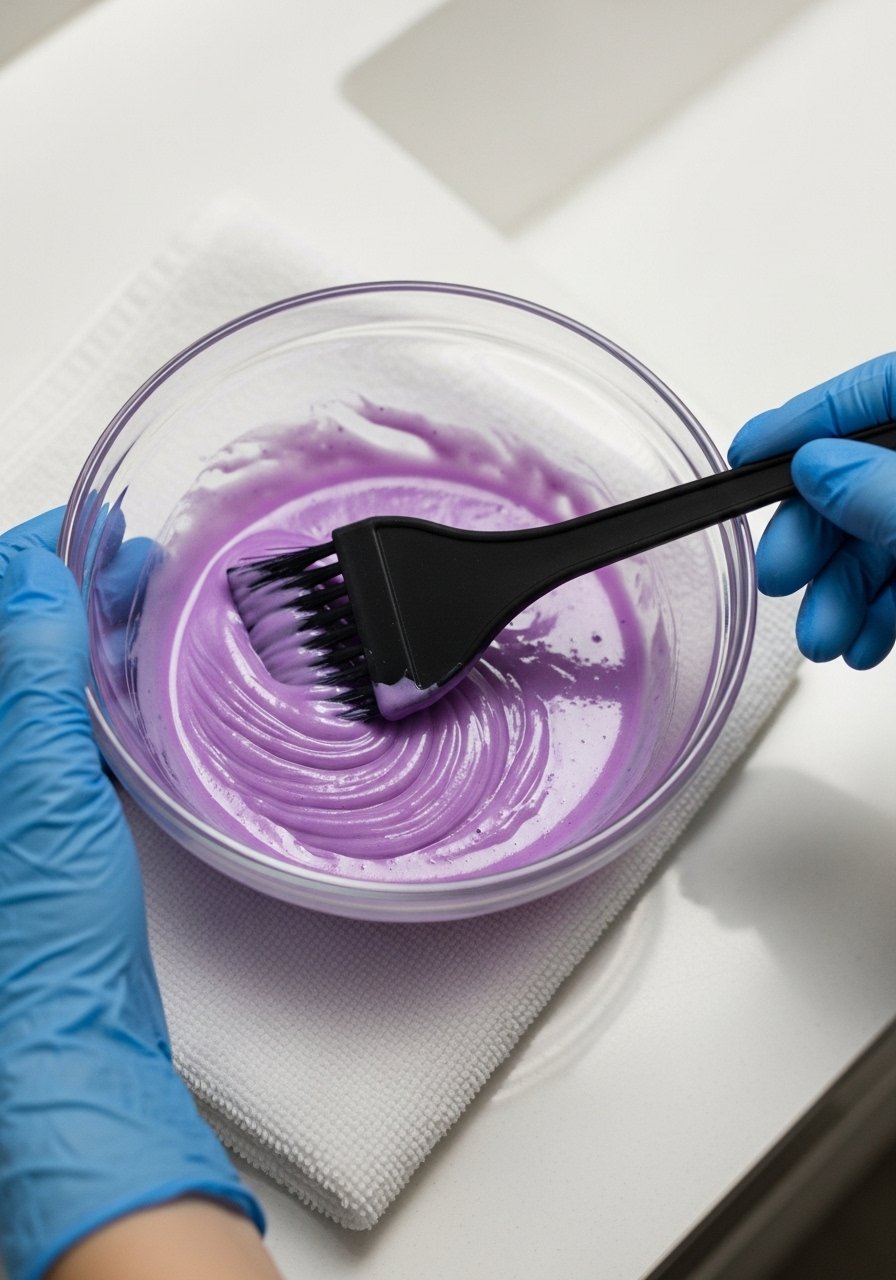
If brass shows early, a quick at-home toner wash can neutralize warmth for one to two weeks. Mix one capful of purple toner with conditioner and leave on 5 to 10 minutes, checking every two minutes. This is not a permanent solution and will fade with each wash. Do an allergy patch test for any color product. If you lifted hair heavily at home, do not attempt another bleach session over it. Book a color correction instead.
What I Actually Keep in My Hot Hair Styles Kit
- Honestly the best $30 I spend in any year, Olaplex No. 3 hair perfector used once a week keeps split ends from multiplying. Buy from an authorized seller on Amazon or Sephora to avoid fakes
- For reducing dry time and frizz, a microfiber hair towel ($12) and a silk pillowcase under $20 cuts morning frizz in half
- Color Wow Dream Coat anti-humidity spray (~$28) for glass finishes before blow drying
- A boar bristle paddle brush distributes oils and smooths ends
- A 1-inch clampless flat iron for beachy waves, set between 300 and 350 degrees depending on density
- A diffuser attachment for your dryer for curl definition and faster dry time
- A silk scarf headband for five-minute second-day style
- K18 peptide treatment for a quick smoothing boost. Watch for counterfeits and buy from the official store
The Mistakes I Made So You Don't Have To
- Heat protectant goes on damp hair, not dry. The cuticle is more open and the product actually absorbs. Color Wow heat protectant is light enough for fine hair
- Grab a microfiber hair towel for $12. It cuts your blow dry time by a third and stops frizz before it starts
- Hair grows about half an inch a month at most, regardless of what biotin gummies promise you. The thing that helps length retention is reducing breakage with a silk pillowcase queen size and weekly bond treatments
- Drugstore shampoo is fine. Where you actually need to spend is the conditioner and bond builder. Olaplex No. 5 conditioner does more for damaged hair than a pricier shampoo
- If you have scalp sensitivity, test any high-acid clarifier on a small patch. And bleaching over previous dye is a salon job
Frequently Asked Questions
Q: Can I use Olaplex No. 3 if my hair is not damaged, or will it make it worse?
A: You can use Olaplex No. 3 on hair that is not visibly damaged. It will not harm the hair, but the changes are subtle if your hair is already in good condition. Once-weekly use is common. Buy from the official seller on Amazon or pick it up at Sephora to avoid counterfeits.
Q: How often should I actually use purple shampoo to fix brassy tones without drying my hair?
A: Once a week for most people. If your hair is porous and soaks up pigment, start with every other week. Overuse leads to dryness and a slightly silvery cast. Pair with a moisturizing conditioner the same wash.
Q: Is the Dyson Airwrap worth the price or is a round brush better?
A: The Airwrap is faster and lighter for many users. I spent $300 on a Dyson Airwrap and used my $30 round brush more for the next year. Tools are wild that way. If you style daily and want convenience, consider the Dyson. If you mostly touch up or prefer a classic finish, a good round brush and dryer are perfectly fine.
Q: Can I bleach my hair at home if I have already had it dyed darker?
A: Lifting bleach over previous color is riskier and often causes breakage. This is the single most common reason hair breaks off in the shower. Lifting bleach over previous color is a salon job, not a kitchen experiment. If you are committed to going lighter, book a color correction.
Q: How do I know if my hair is low porosity, and what does that change in routine?
A: Drop a clean strand into room temperature water. If it floats for four-plus minutes, low porosity. If it sinks under a minute, high porosity. Low porosity hair benefits from warm towel heat or steam to help products absorb, and lighter leave-ins that do not sit on the surface.
Q: My curls fall flat by midday. What am I doing wrong?
A: Common mistakes are over-manipulation, gel-only routines, or heavy oils at the roots. My curls looked great on TikTok and like wet noodles by 11am. Finally figured out it was the gel-only routine. Added a leave-in cream underneath and it changed everything. Try layering a lightweight cream, then a gel, and use a diffuse on low heat to set without crushing volume.