I dyed the ends of my bob navy blue in my kitchen once, then had to book a fixer three weeks later when it washed out patchy. After messing with formulas, toner timing, and sulfate-free shampoos, I finally have a handful of navy looks that actually stay true past week two. Below are real-life tries, the mistakes I made, and how much time and money each one actually needs.
These ideas are aimed at shoulder-length to mid-back hair, mostly fine to medium density, with notes for curlier and coarser textures. Most styles are doable at home with a box dye for the brave or a salon gloss for longer-lasting depth. Expect anywhere from a 15-minute refresh to a three-hour salon session and budgets ranging from under $20 to about $200.
Deep Navy Shadow Root With Blended Ends
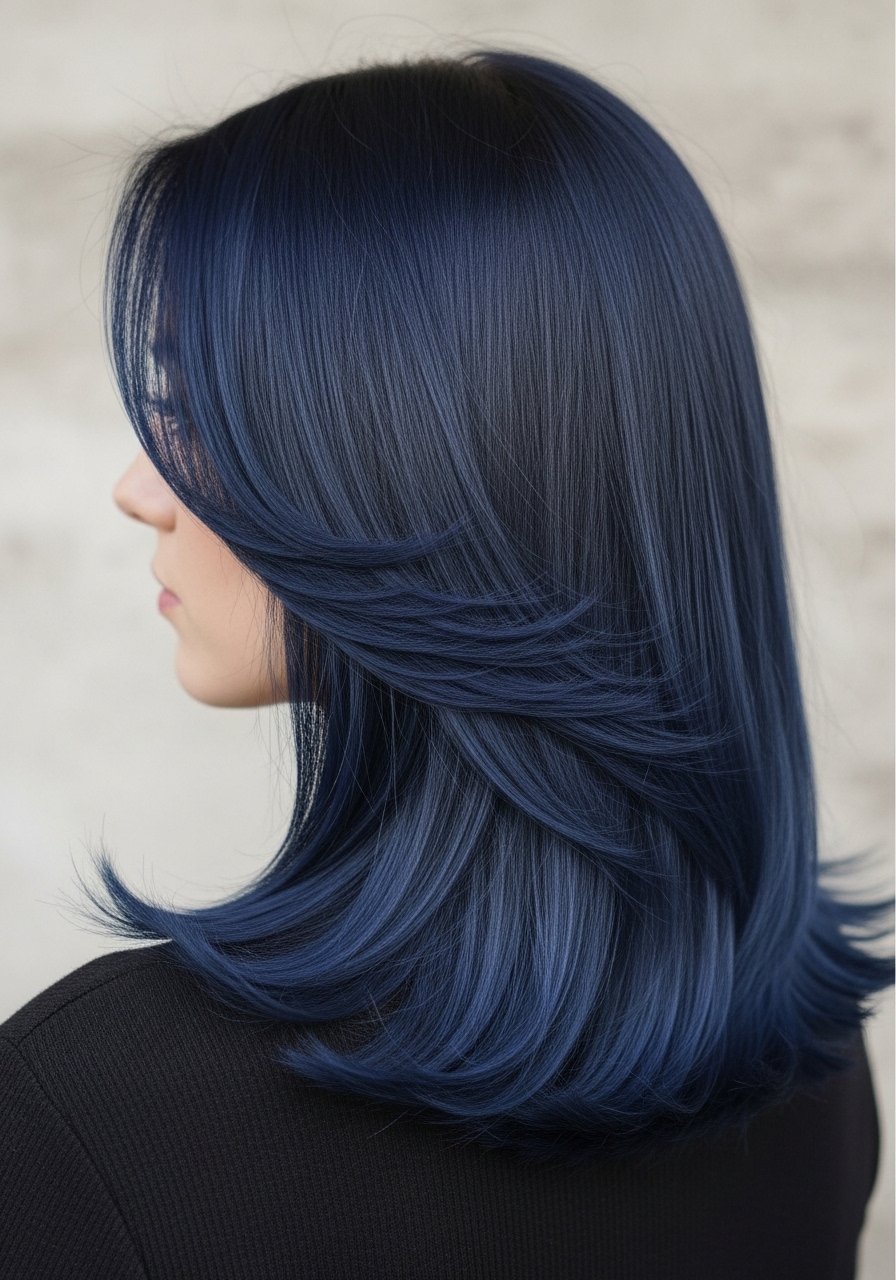
Shadow roots are the lazy person, low-maintenance navy. I had this done after my natural regrowth kept showing and the tech melted navy at the root using a 3:1 navy to diluter ratio, applied in 1-inch sections and feathered with a color brush for 45 seconds per section before processing 20 minutes under low heat. It suits straight to wavy 1A through 2C hair because the softer regrowth line looks intentional. The DIY risk is muddy roots if you overprocess. If you go darker over previously lightened hair, do not bleach over bleach at home. Most stylists suggest booking if you have existing lifts. Rinse with cold water and follow with a navy color-depositing conditioner like oVertone Blue For Brown Hair once a week to keep the shadow rich.
Navy Blue Money Piece Face-Framing Streaks
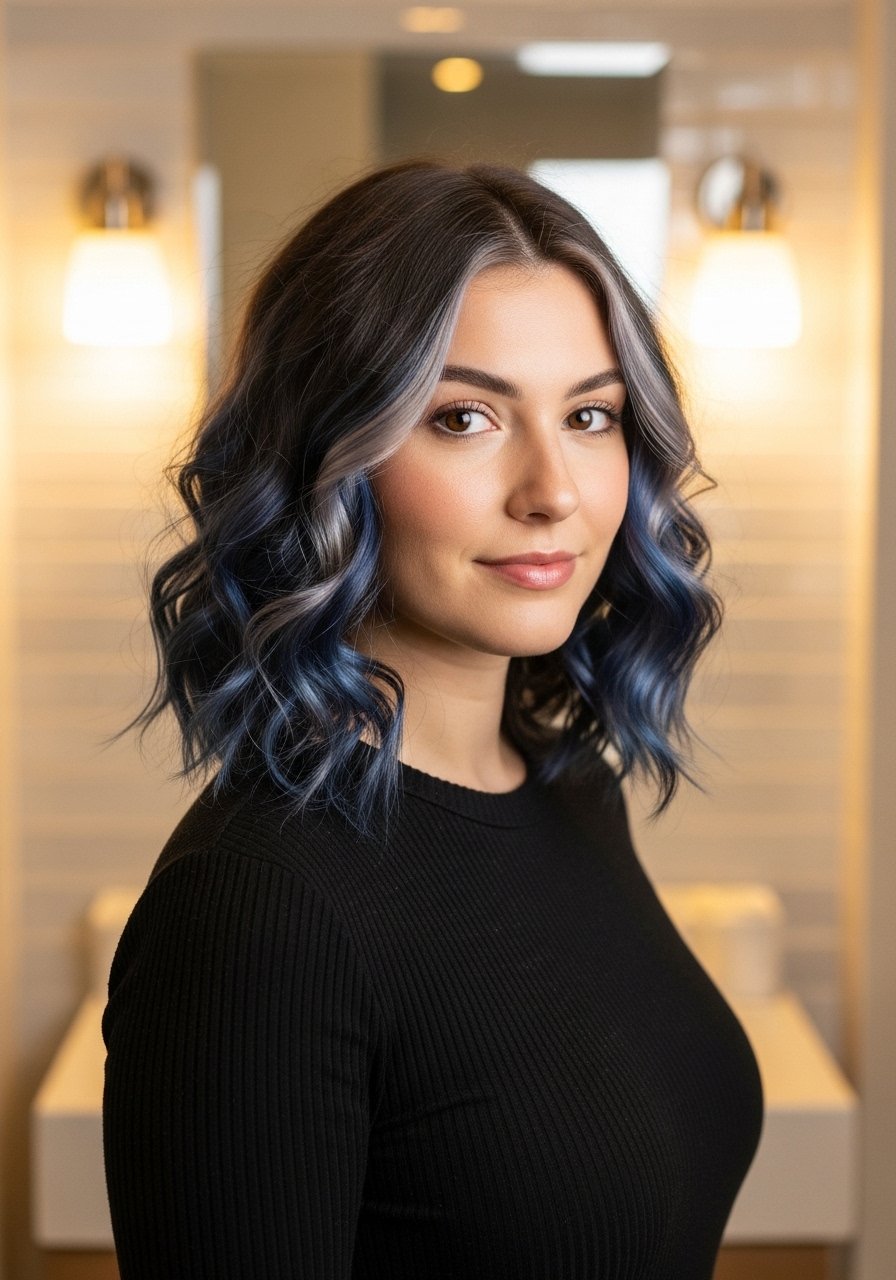
The money piece works for anyone who wants navy but worries about looking washed out. I had mine placed two fingers away from the face on both sides, each section about 1 to 1.5 inches wide. On 3A curls, it brightens the complexion while still blending when the hair is pulled back. If you bleach only those slices, expect 20 to 40 minutes of lifting depending on starting color. Allergy patch test first for any dye. A common mistake is going too thin with the slice and ending up with a skittery line. For touch-ups, mix one pump of Adore Semi-Permanent Navy Blue into your conditioner twice a month to refresh without full processing.
Navy Balayage With Teal Subtlety for Dimensional Color
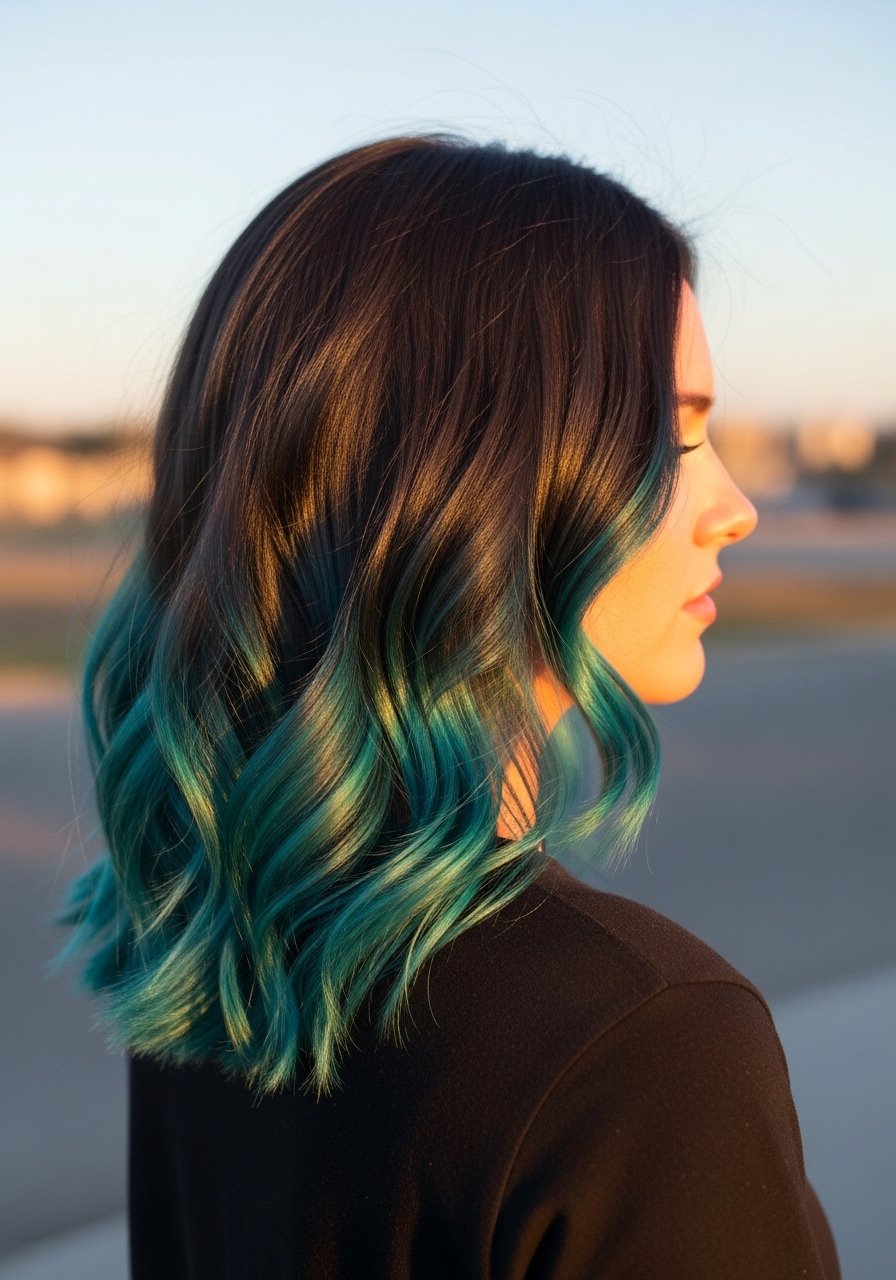
Balayage avoids the stark line that makes blue look flat. I asked for painterly strokes, five to seven 1-inch panels per side, and a cooler toner for the midshaft to avoid green tints. This suits 2A through 3B waves especially well because the waves catch different shades. The salon session is three hours and not cheap, but it spaces out visits. The error I made once was skipping a purple/blue toner and getting muddy aqua. For at-home maintenance, a 6oz color-depositing mask like Celeb Luxury Viral Colorwash Blue used weekly keeps the teal from overtaking the navy.
Navy Underlights for Subtle Pop
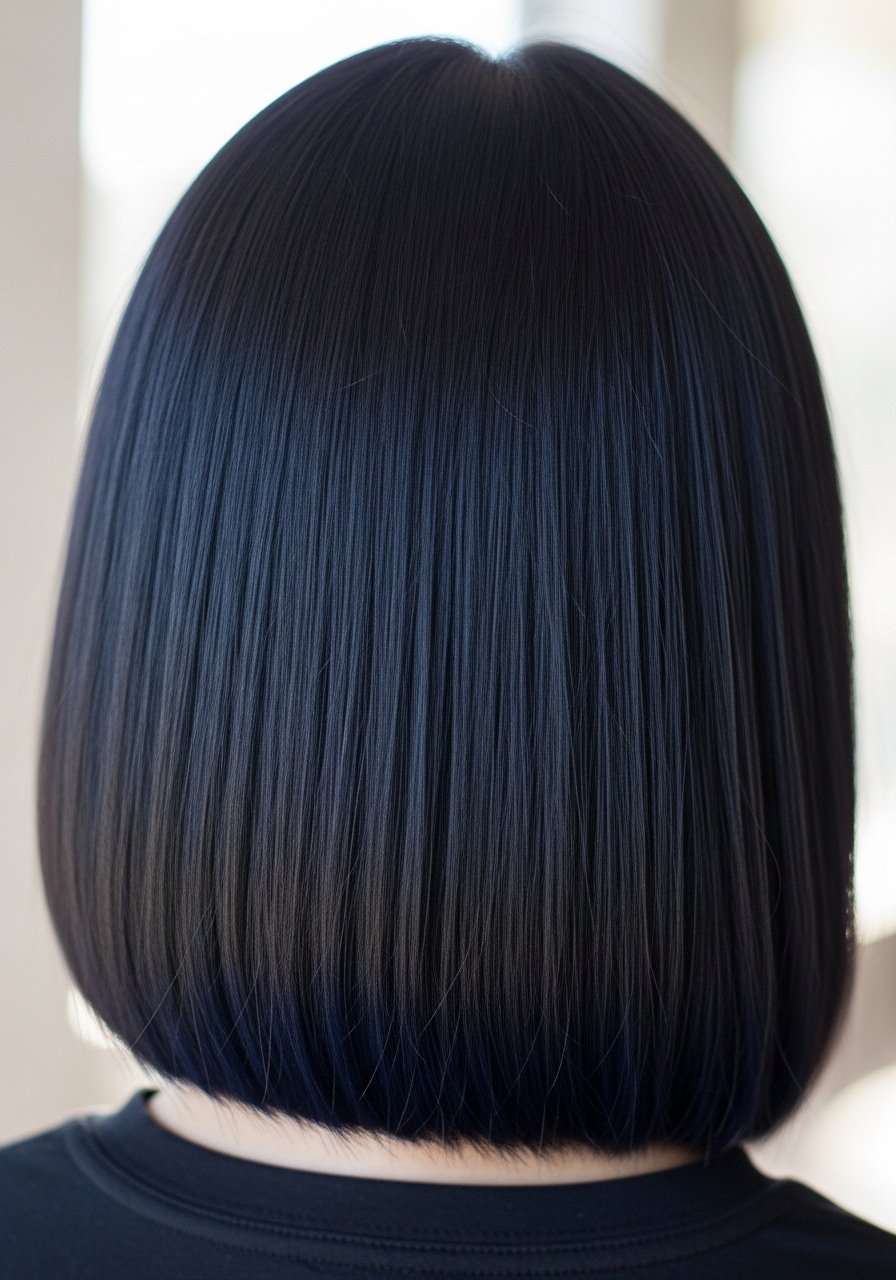
Underlights are my favorite when I wanted navy without commitment. The color sits on the underside, so when hair is up it reads bold, when down it is discreet. Works for any texture from straight 1B to curly 3C as long as the top layer covers enough. I sectioned the hair into four horizontal layers and painted the under quarter with navy, processing 25 minutes. Common mistake, lifting too much on the underside and getting brassy undertones that peek through. If you are sensitive at the scalp, keep dye away from the scalp and do a patch test. For quick refresh, massage a dime-size of Keracolor Clenditioner Blue through the underlayer.
Navy Root Melt on Short Pixie or Bob
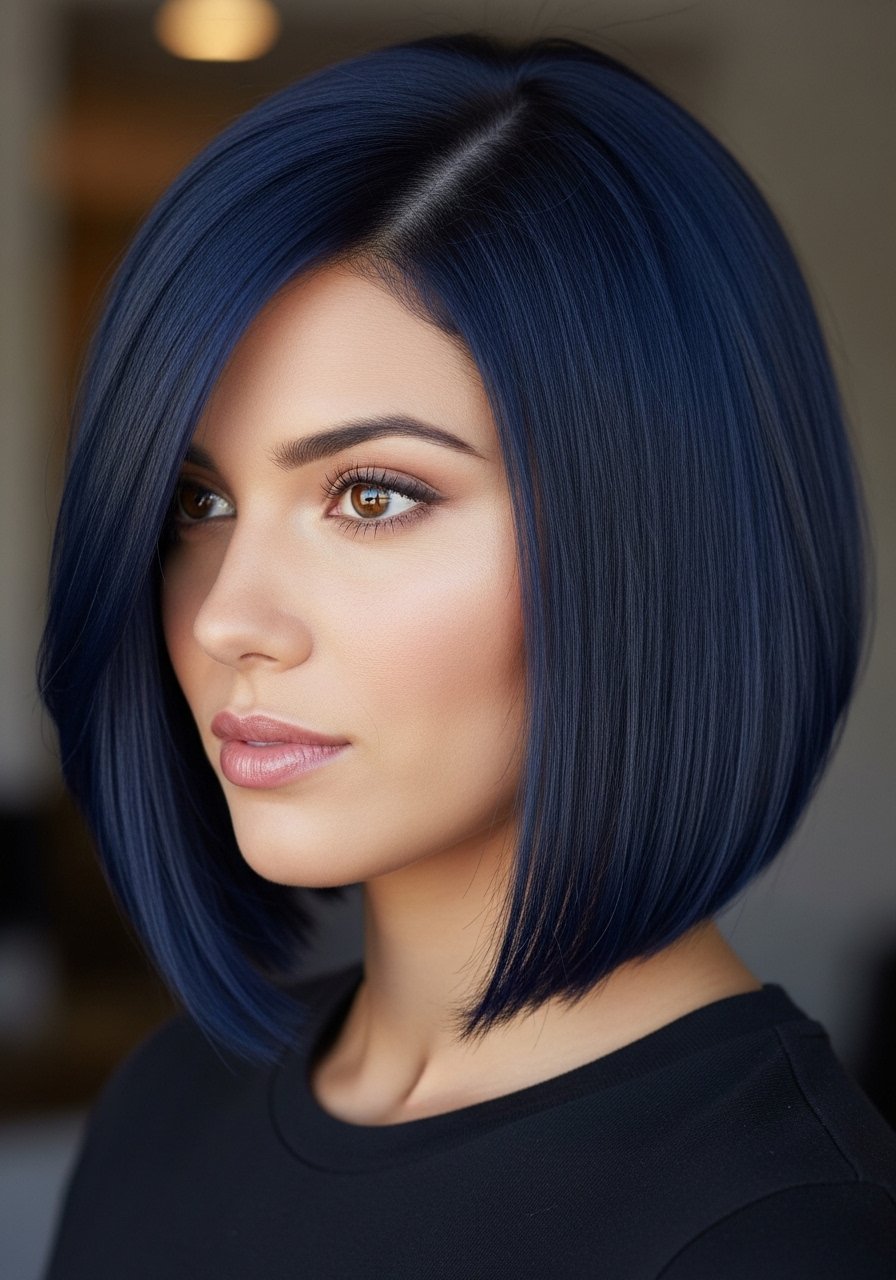
Short hair can read intense if navy is all over. The root melt I had blended a natural dark base into navy rather than a hard line. The tech used a tiny tail comb to feather 1/4-inch sections and processed with a low-heat infrared lamp for 12 minutes to help the dye settle without overprocessing. This is ideal for bobs and pixies where regrowth shows fast. DIY box dye on short hair tends to look patchy because it processes unevenly around ears. If you try at home, do smaller sections and monitor color every five minutes. A quick protectant before heat styling matters, because any iron over 300F needs protectant to avoid color fade and cuticle damage.
Pastel Navy Fade for Low-Maintenance Wear
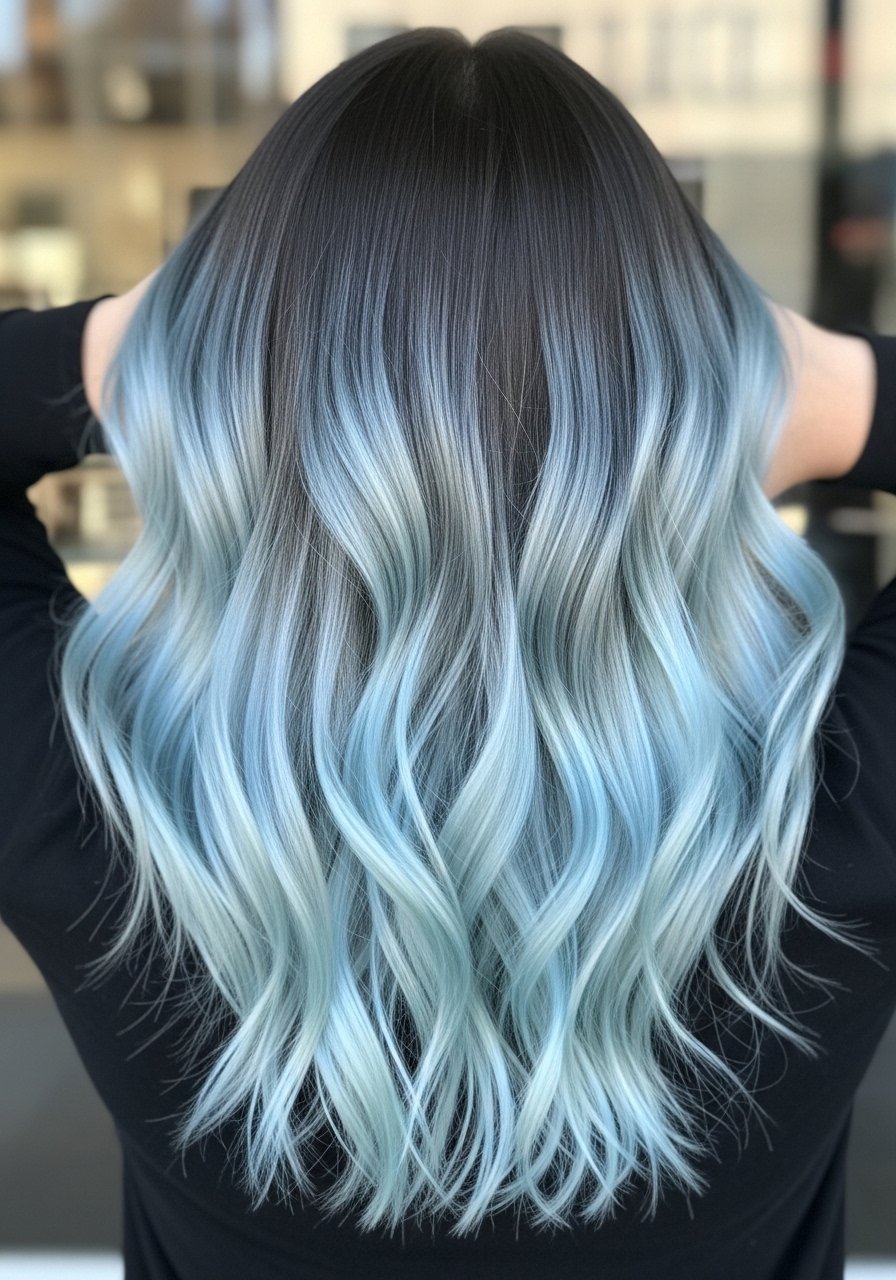
Pastel navy is a trick. I pre-lightened to a pale base and diluted navy with a 1:2 ratio of conditioner for a soft, dusty blue. It lasted two weeks before washing to a dusty slate. This suits fine to medium density 2A through 3B hair because heavier hair hides pastel. The main issue is porosity; uneven lift makes streaks. Use a bond builder during lifting, like a 5ml add-in of a bond repair product every 10 minutes. If you have previous color or sensitive scalp, schedule with a professional. To keep pastel from fading to green, alternate a purple-blue shampoo once a week and a color mask like oVertone Pastel Blue Conditioner for the midweek touch-up.
Navy Gloss Over Brunette for Depth Without Lift
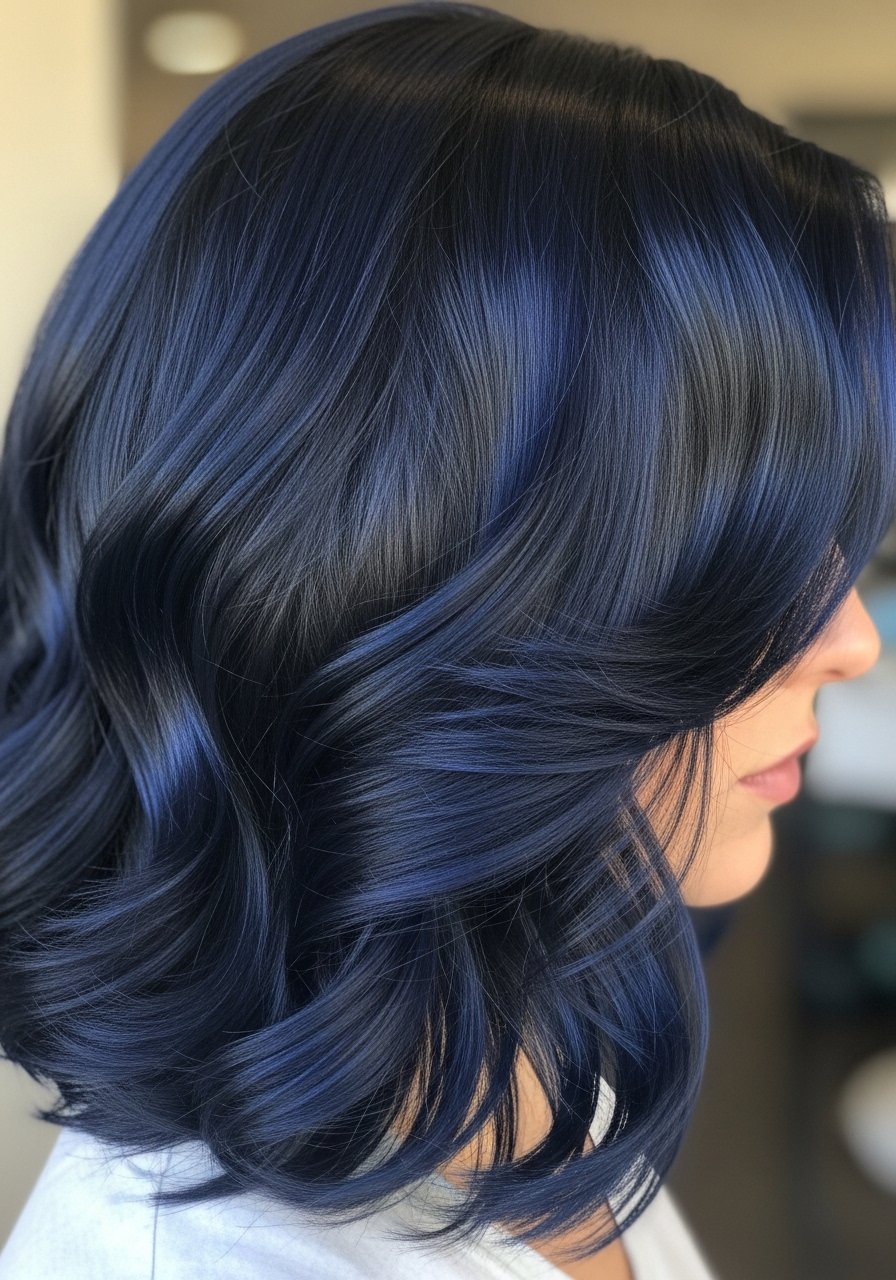
A gloss saved my hair when I wanted navy but did not want bleach. A color glaze deposits tone and adds shine without lifting. I had a 20-minute gloss applied after a clarifying wash, and it darkened the brunette with a blue sheen that lasted four to six weeks. Best for 1B to 2B hair that wants depth rather than vividness. People try permanent dye and regret the darkness. Gloss is salon-friendly and an easy DIY if you pick a demi-permanent that does not claim to lift. Use sulfate-free shampoo and a 6oz gloss top-up like Wella Color Fresh Create Blue for between-salon refreshes.
What I Keep in My Navy Blue Color Kit
oVertone Blue For Brown Hair 8oz, for weekly color deposits that avoid full processing
Olaplex No. 3 hair perfector 3.3oz, use once weekly when lifting to protect bonds. Buy from the official seller to avoid counterfeits or grab it at Sephora
Keracolor Clenditioner Blue 10oz, for quick midweek color refreshes
A microfiber hair towel inexpensive, cuts drying time and frizz when you are rinsing out color
Boar bristle brush paddle around $18, spreads scalp oils so color sits smoother on lengths
Heat protectant spray 4oz, I recommend one you mist onto damp hair before any iron over 300F
Color-safe sulfate-free clarifying shampoo 8oz use monthly to remove build-up without stripping navy entirely
Wide-tooth comb set to detangle wet color-treated curls gently
Disposable gloves and a tint brush set for any DIY sections and underlights, saves the mess
Navy On Dark Hair With No Bleach Tricks
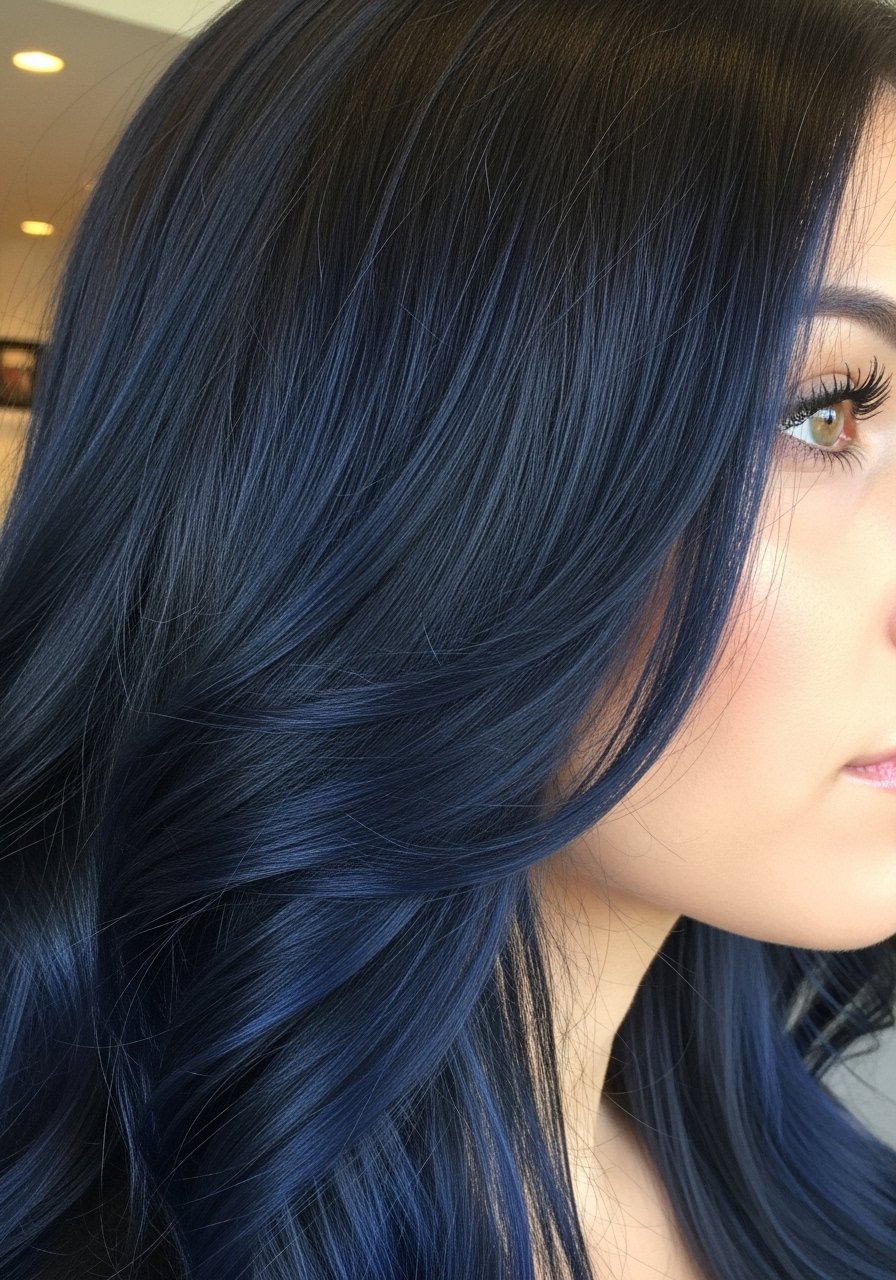
If your hair is dark and you want navy without bleach, deposition shades are your friend. I used a demi-permanent navy glaze that sat on brown and gave a visible blue sheen in sunlight. It is lower maintenance and reduces breakage risk. Expect the color to show more when hair is wet or in sunlight. The common error is expecting vivid blue; on dark hair it will be deep jewel-toned. Use a color-depositing conditioner postwash twice a month. If you want brighter navy, plan a lift in salon sessions spaced four to six weeks apart to protect the hair and avoid overprocessing.
Navy Tips on Curly Hair That Do Not Sacrifice Pattern
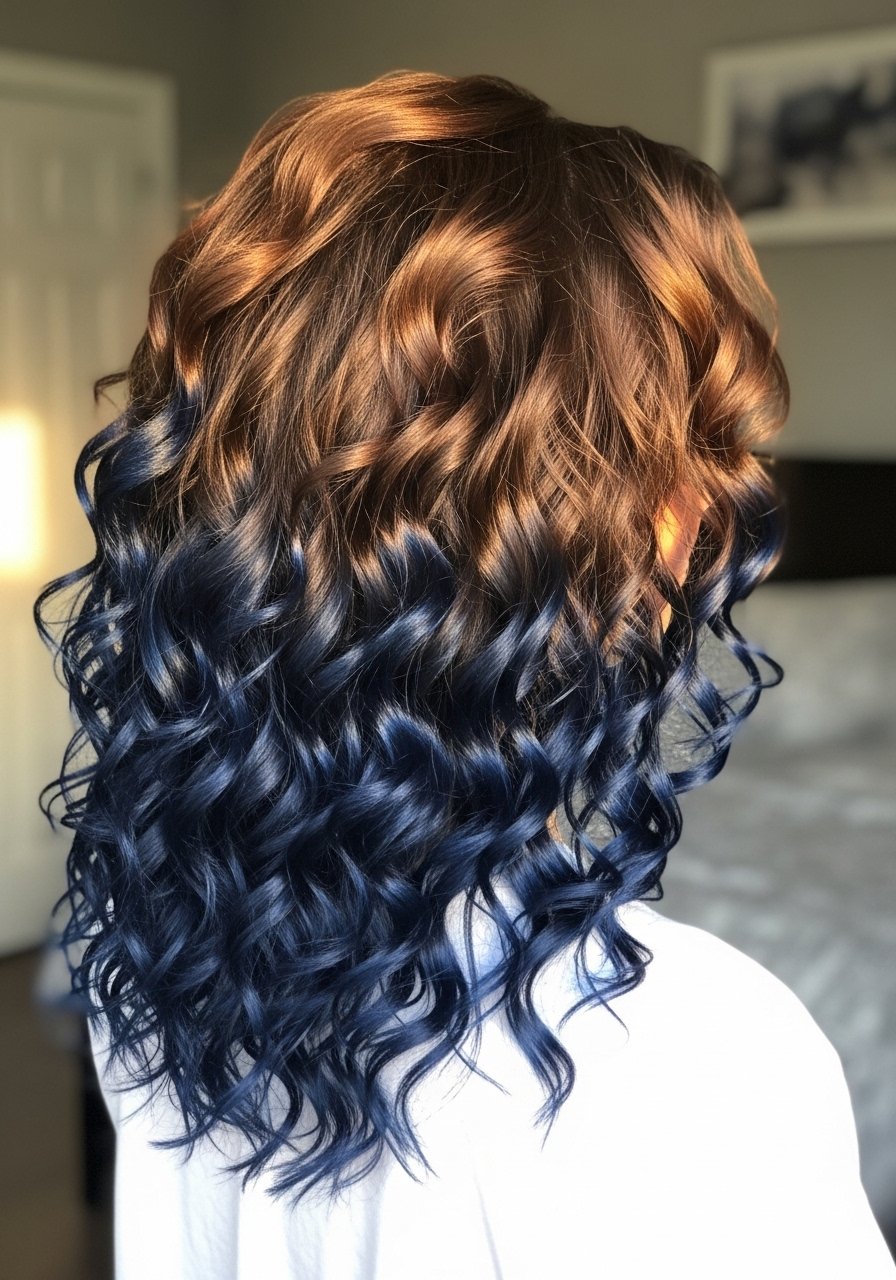
Curly hair swallows color differently. I added navy only to the ends in thin 1/2-inch sections to avoid weighing down curls and to preserve spring. For 3B to 4A textures, use the LOC method after coloring to lock in moisture without disrupting pattern. Layer a lightweight leave-in, then a cream, then gel. I made the mistake of heavy oil right after dye and my curls looked limp. Also towel-plop with a microfiber towel and air-dry or diffuse on low. If you need to lift, do it in salon with bond builders to reduce breakage risk.
Navy Rooted Ombre for Low-Fuss Grow-Out
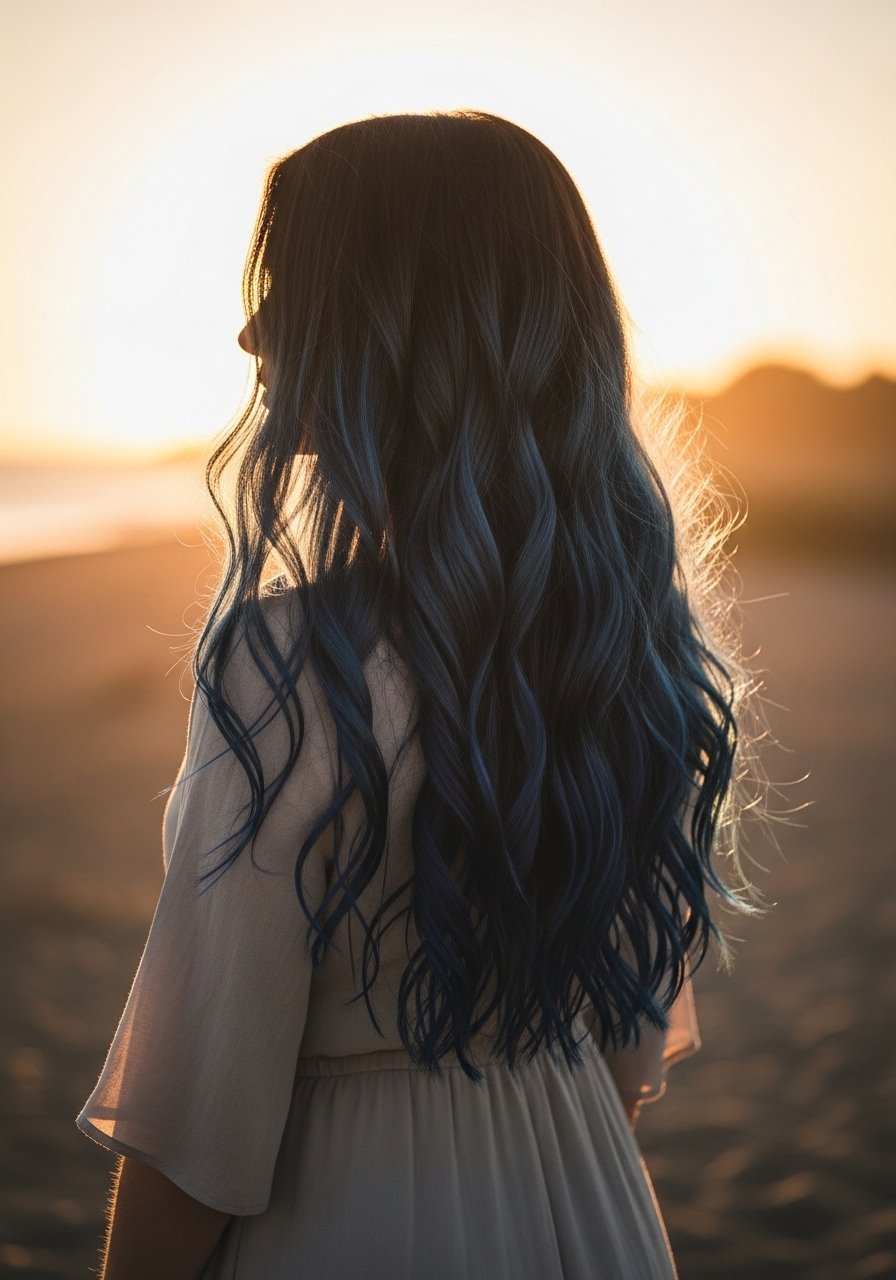
Rooted ombre gives you navy ends without fretting about a regrowth line. My stylist painted navy from midshaft to ends in 2-inch panels, then feathered the midshaft with a 1:1 navy-to-diluter mix to soften. It keeps the roots invisible for eight to ten weeks. People try to DIY midshaft feathering and end up with a hard line. If you are coloring at home, use smaller sections and a soft brush stroke when blending. Conditioning masks every one to two weeks help with color retention and keep the ends looking smooth.
Navy Blue Gloss Over a Brassy Fix
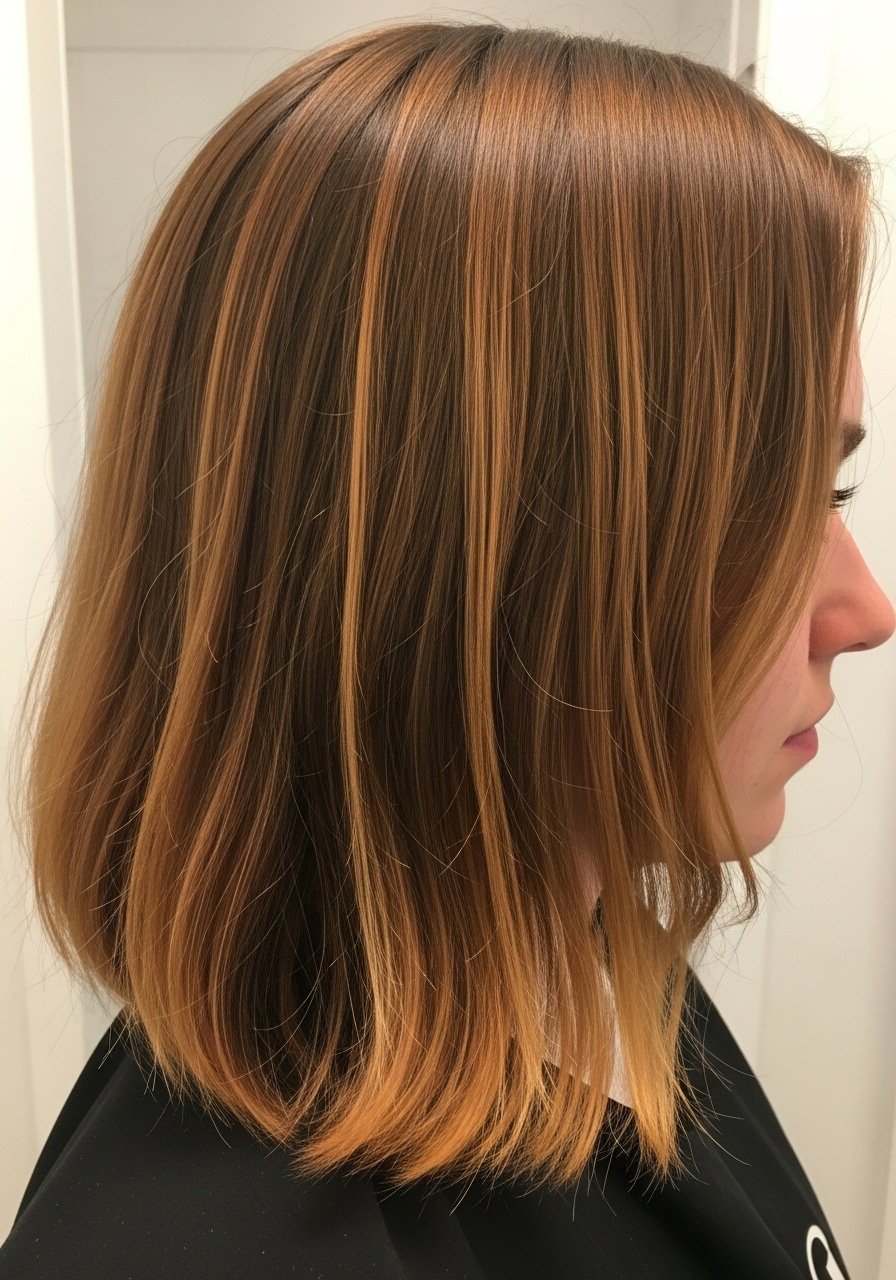
If your navy went brassy, a quick gloss can neutralize. I mixed a navy blue dilute toner at a 1:3 ratio with conditioner and applied it to the midlengths after a clarifying wash for five minutes. The result was less orange and more slate navy. Do a strand test first. The mistake I made before learning this was rebleaching to remove brass, which shredded my ends. For stubborn brass, a professional toner is safer. Rinse with cool water to lock the tone and use a clarifying wash no more than once a month.
Navy For Short Curly Cuts That Still Read Natural
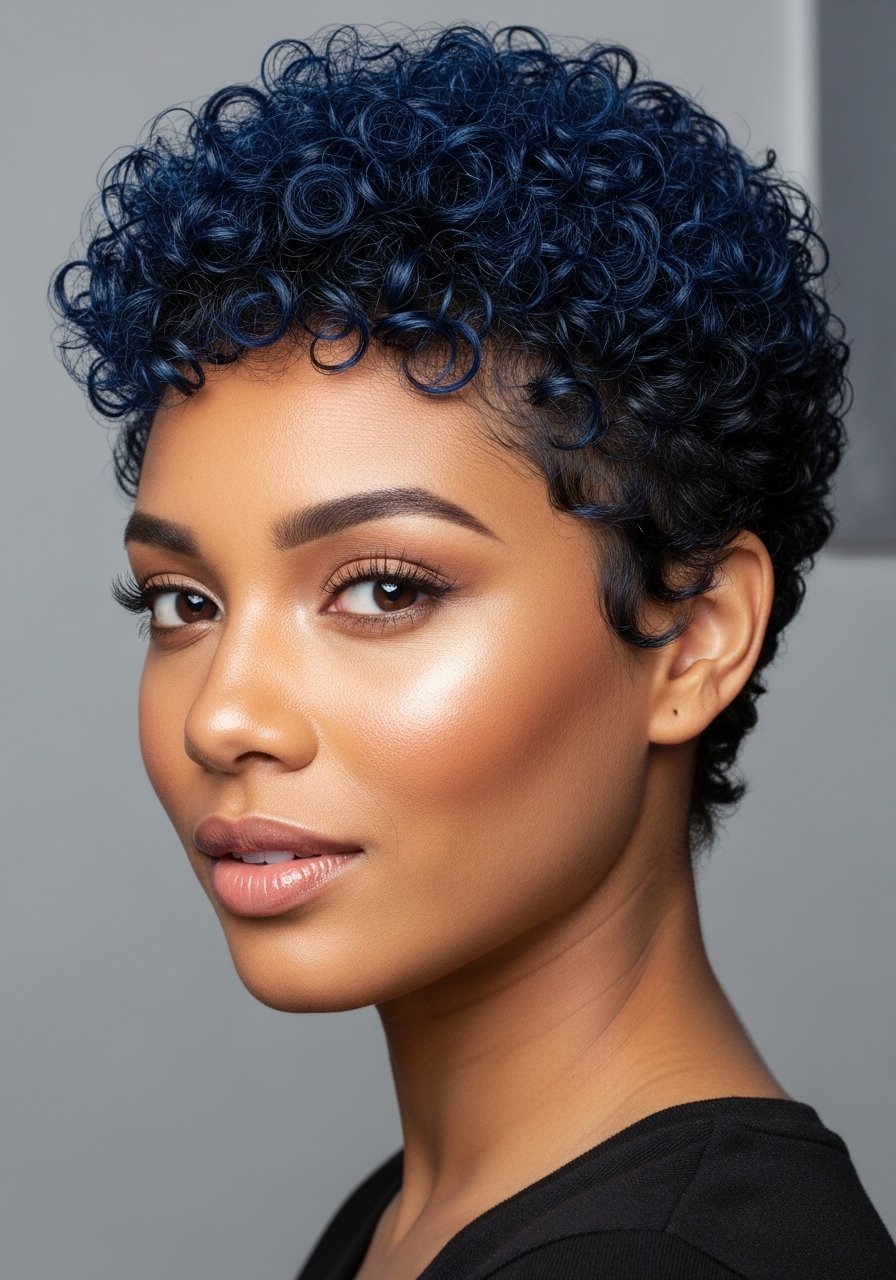
Short curly cuts can look fierce in navy without being costume. I asked for color only on the crown to bring dimension and kept the sides natural. For Type 3C to 4A, coloring the whole head often needs more upkeep and risks dryness. Use a gentle protein-moisture balance pre- and post-dye, and avoid daily shampoos. One common mistake is over-layering heavy oils after dye that mask the color and flatten the cut. If you are unsure, most stylists will do a patch color to show how the navy reads on your texture before committing.
Navy Teal Peekaboo Highlights for Movement
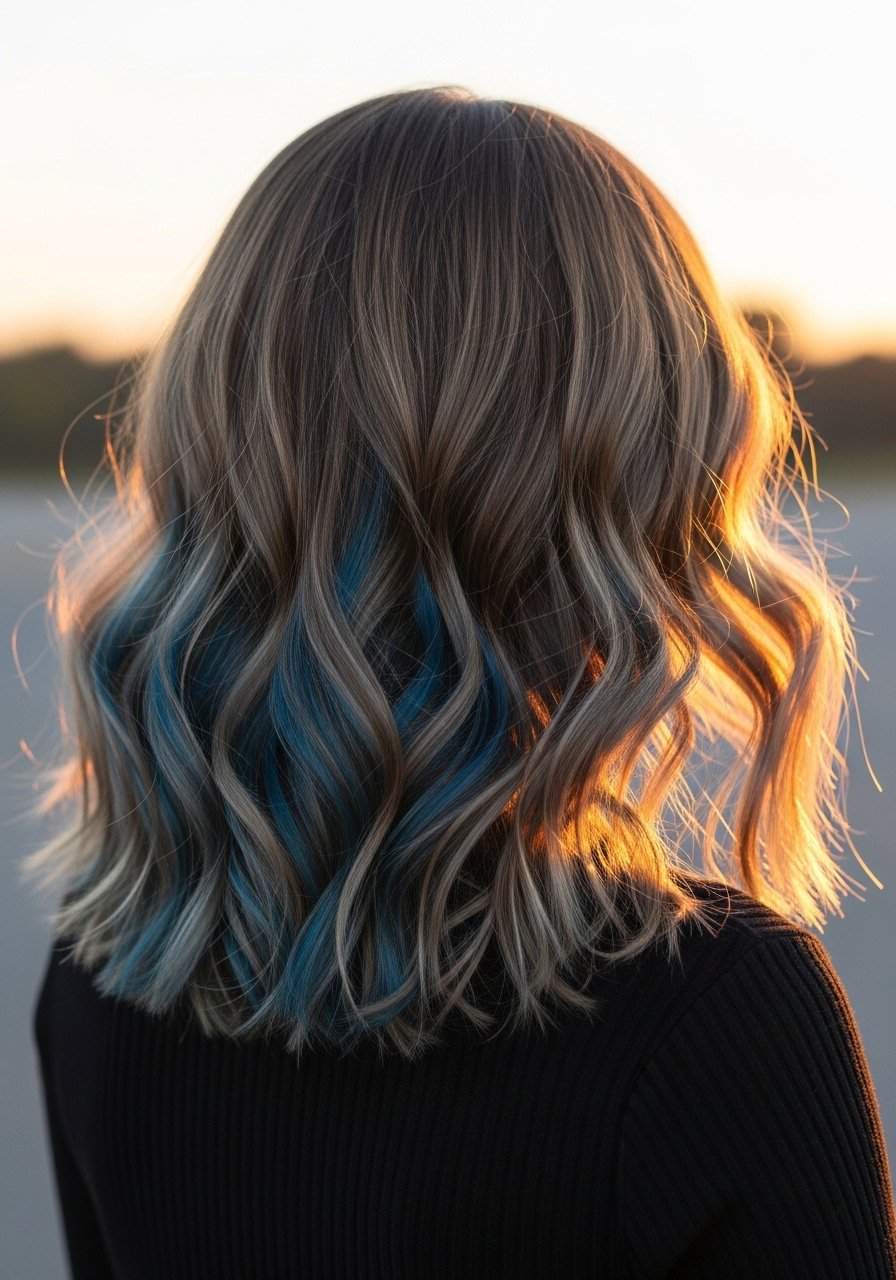
Peekaboo highlights are narrow painted strands placed under and through layers for movement. I had eight to twelve 1/2-inch sections painted randomly for a lived-in peek of navy and teal. It adds depth to 2A through 3B waves and looks great when hair is in motion. People often overdo the number of highlights and end with a striped look. Keep strands thin and varied. Use a color-safe spray on wash days and refresh with a diluted color mask. For maintenance, avoid daily high heat and apply heat protectant before any iron over 300F.
Navy Dip-Dye That Fades Evenly
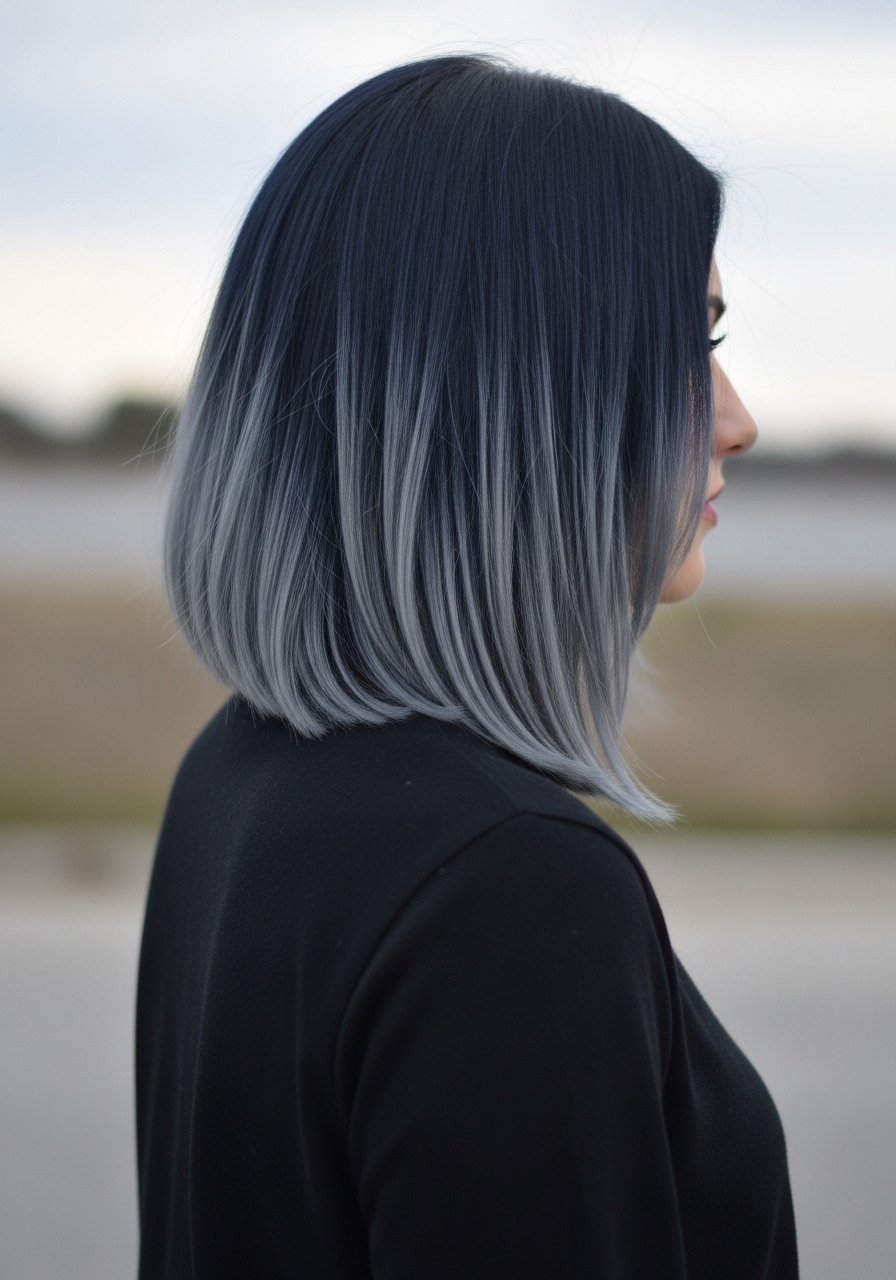
Dip-dye is the easiest navy to live with because you only color the ends. I sectioned hair into four and applied navy to the bottom two inches, letting gravity create a soft line. It fades from intense to dusty over four to six washes with regular shampoo. If you want even fading, use lukewarm water and a sulfate-free clarifying wash only when needed. The biggest mistake is slapping on color to wet hair and getting uneven saturation. Also, if you have previously bleached ends, watch for porosity differences that take color faster.
Navy Gloss Treatment At Home That Lasts
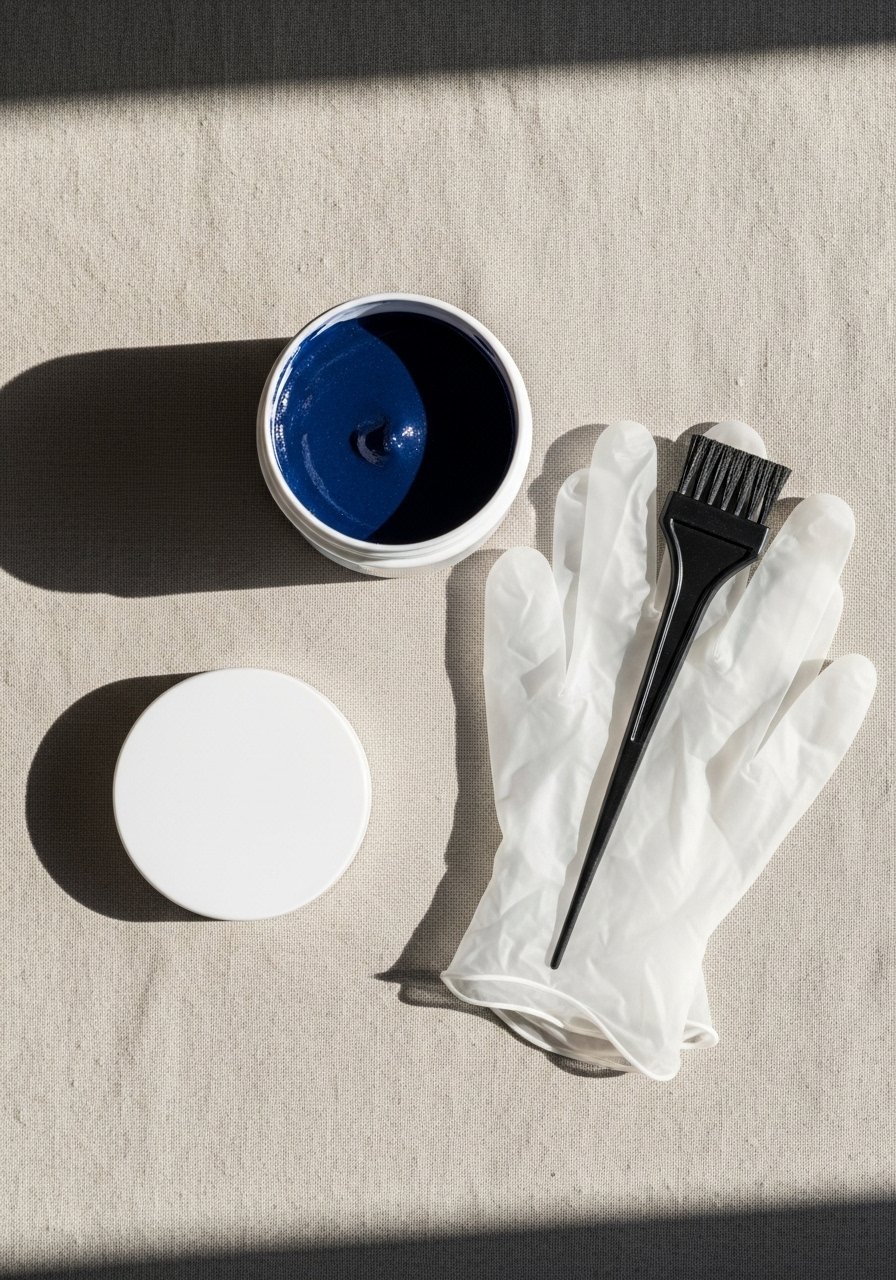
I started doing a monthly at-home navy gloss between salon visits. Mix a pea-sized amount of demi-permanent navy into 4 tablespoons of conditioner and apply to damp clean hair for 10 minutes. Rinse with cool water. This refreshes tone without a full dye session and costs under $20 per application. A frequent error is leaving the mix too long and over-saturating the ends. If your scalp is sensitive, avoid applying gloss to the roots. For brand picks, choose one made for color-treated hair and follow instructions. If you are chasing a vivid navy and you are darker, accept you may need one to two salon lifts first.
What I Wish Someone Had Told Me About Navy Color
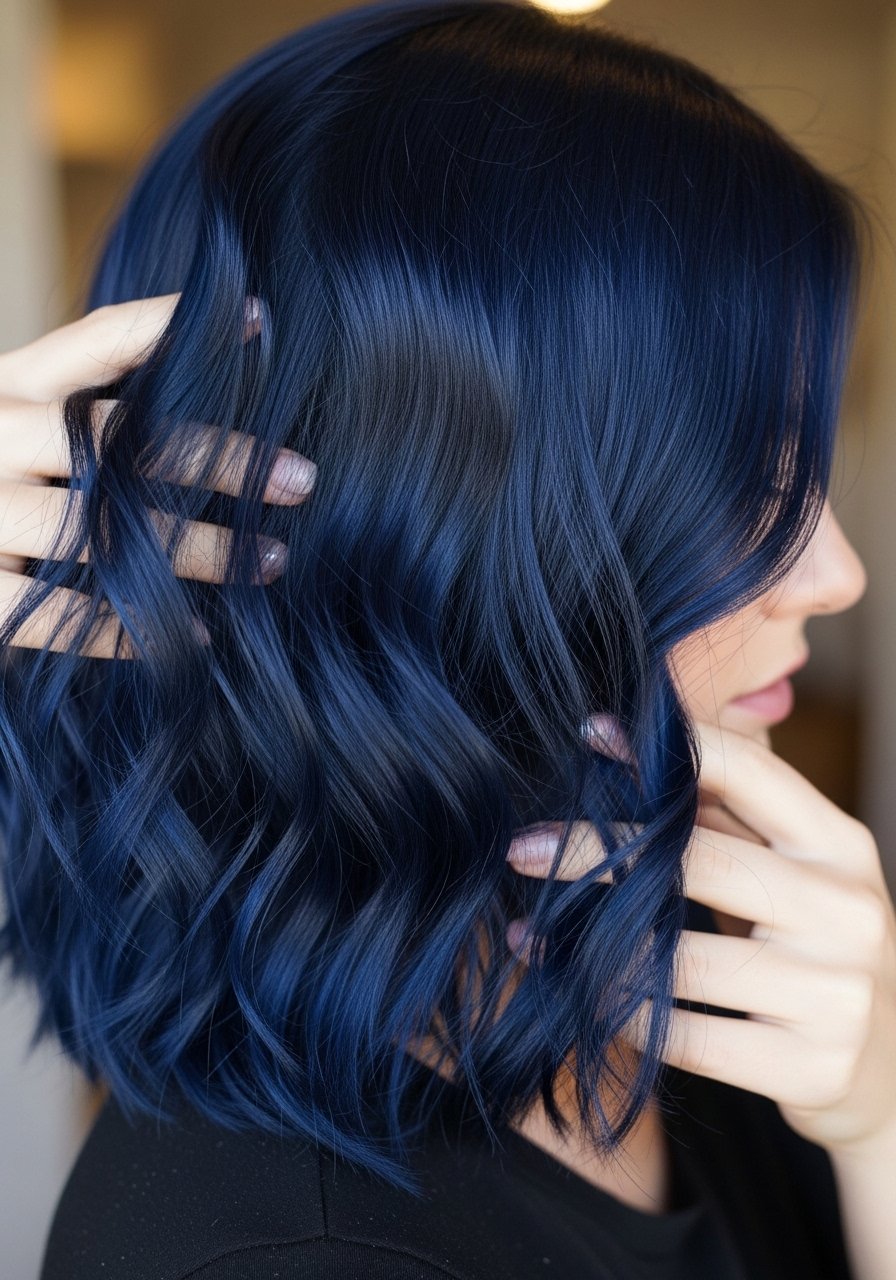
Not every navy looks good on every skin tone. Cooler navy reads evening jewel on olive skin and can look flat on some warm tones. A quick trick is to place a single navy money piece near the face to test. Hair grows about half an inch a month at most, regardless of what biotin gummies promise you. The thing that helps length retention is reducing breakage with a silk pillowcase and weekly bond treatments. If you are planning heavy lifting to get bright navy, plan multiple sessions and expect a cost and time commitment.
How I Keep Navy From Washing Out Too Fast
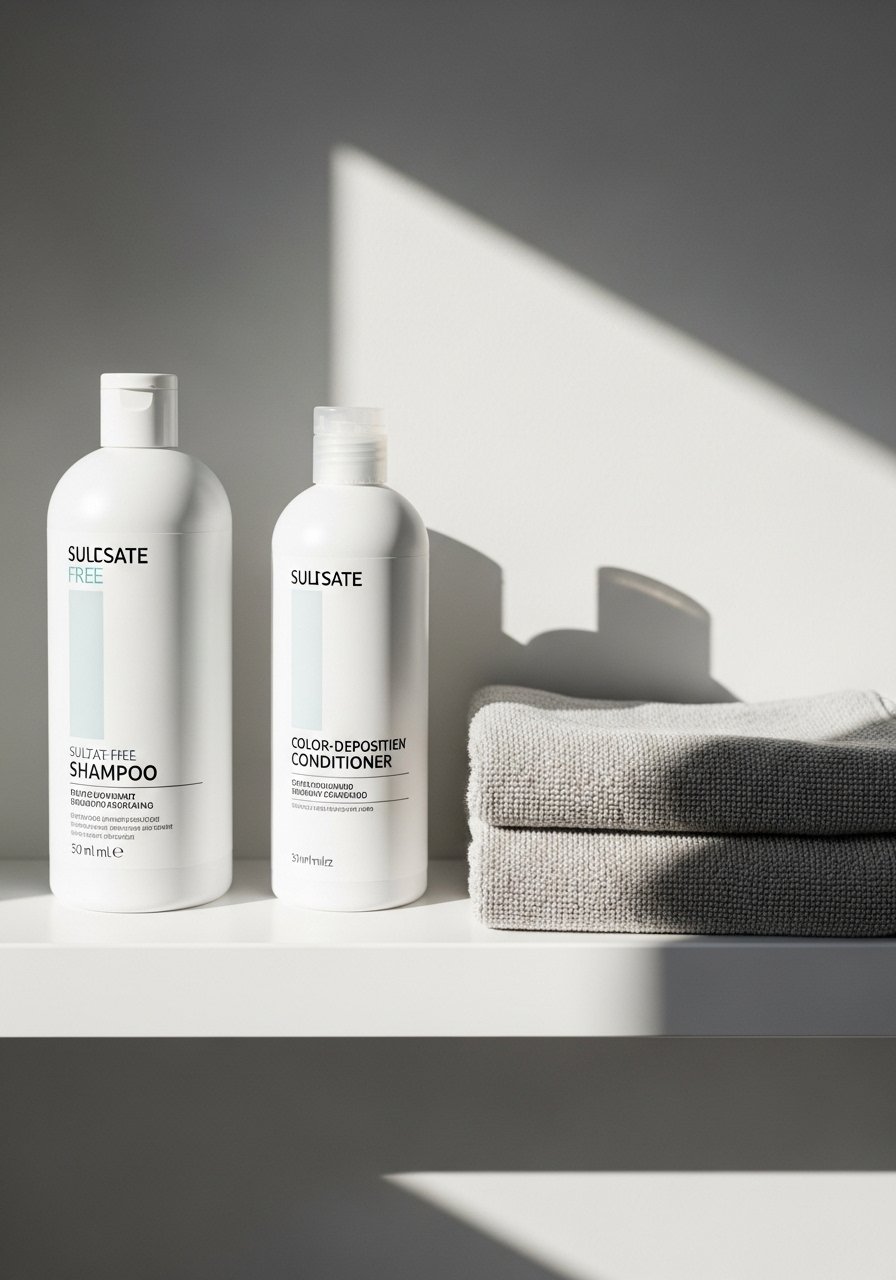
Heat protectant goes on damp hair, not dry. The cuticle is more open and the product actually absorbs. This heat protectant spray has worked for me before blow drying. Also, grab a microfiber hair towel to reduce friction when you towel off. Drugstore shampoos are fine, but spend on a bond builder and a color-depositing mask. Olaplex No. 3 hair perfector once a week during lifts helps protect integrity. And if you are lifting multiple times, see a professional rather than layering bleach at home.
Frequently Asked Questions
Q: Can I get navy blue hair without bleaching first?
A: Yes, if you want a deep jewel navy or blue sheen on dark hair, a demi-permanent gloss can work. It will not be vivid. For brighter or pastel navy, you need lift, which should be done carefully or in salon sessions spaced out to protect hair.
Q: How often should I use a color-depositing conditioner to keep navy true?
A: Once a week for vivid navy, every two weeks for maintenance on darker bases. If your hair is porous and absorbs product faster, start with every wash for two washes then scale back.
Q: Will navy dye stain my pillow or towels?
A: Freshly dyed hair can transfer for 24 to 48 hours. Use a silk pillowcase and old towels for the first night or two. Also rinse until water runs clear after dyeing to reduce transfer.
Q: Can I bleach over previous color at home to go navy lighter?
A: Lifting over previous color is the single most common reason hair breaks in the shower. Do not do major lifts at home. Book a color correction or accept multiple salon sessions.
Q: How do I avoid green tones when fading navy?
A: Use purple-blue masks and avoid yellow-toned shampoos. If you see green, a clarifying wash followed by a blue toner can help, but test a strand first.
Q: Is it okay to mix a navy dye with conditioner to make it pastel?
A: Yes, diluting navy with conditioner at a 1:2 or 1:3 ratio creates pastel shades. The more conditioner the longer it will fade. Strand test first because porosity makes a big difference.
Q: Which products help preserve navy without fading fast?
A: A sulfate-free color-safe shampoo, a weekly bond builder during lifts, and a color-depositing conditioner or mask for touch-ups are the core trio. Keracolor Clenditioner Blue and Olaplex No. 3 hair perfector are two staples I keep on hand.