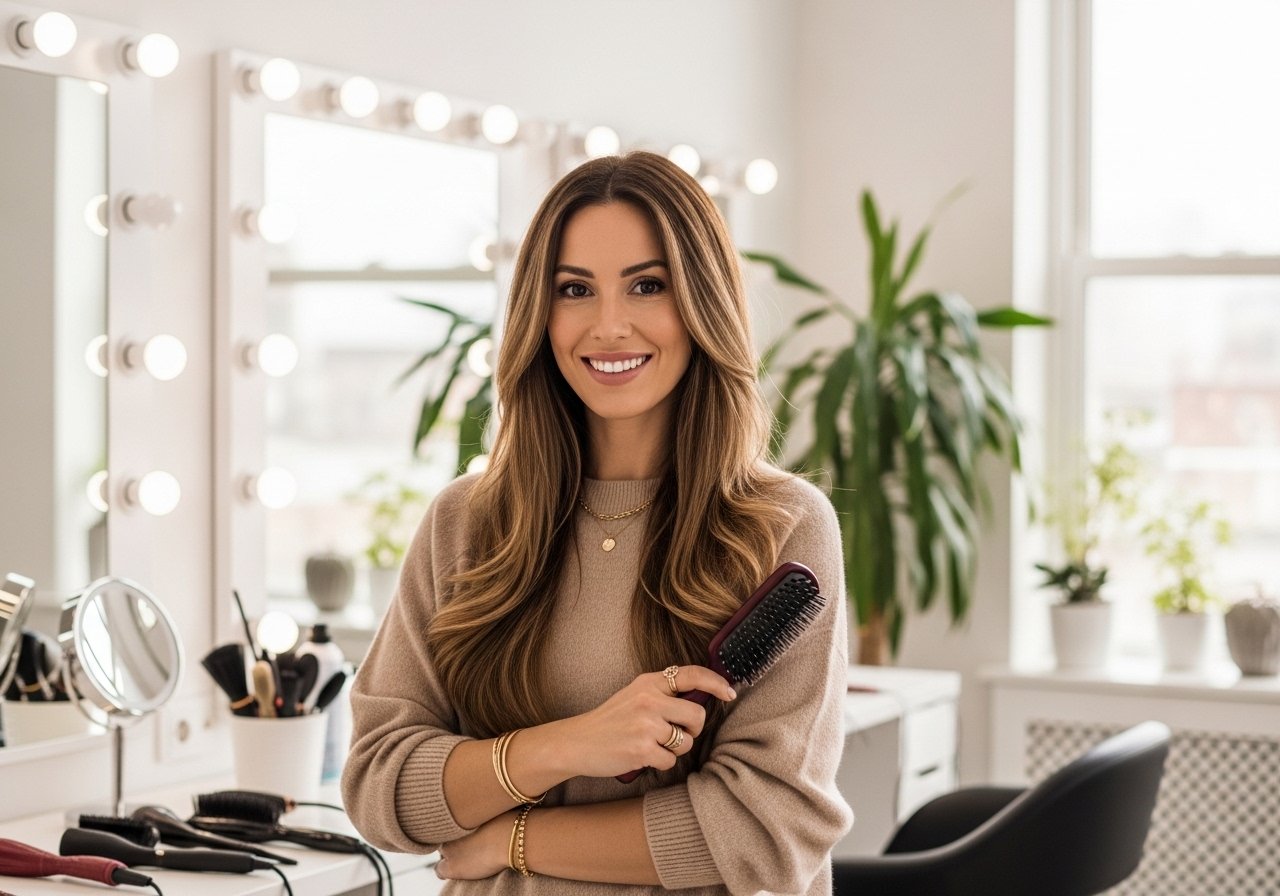
Most heat protectants you spray on dry hair before flat ironing barely work. They need to absorb into damp or just-dried hair to actually shield the cuticle. I learned that the hard way after frying a chunk of my ends in one straightening session. These 15 looks show realistic highlight placements on black hair, with how to style them, what to expect in real life, and the exact product or timing that saved the look.
These ideas suit a range of textures, from loose 2A waves to tight 4C coils, and lengths from pixie to mid-back. Skill level ranges from simple at-home touch-ups to salon-only lifts. Budget runs from under $20 for toner wipes to a few salon appointments if you want seamless multi-step lightening. Expect most looks to be doable at home with care, but bleaching over previous color is a salon job.
Money Piece Face Frame For Curly 3B To 4A
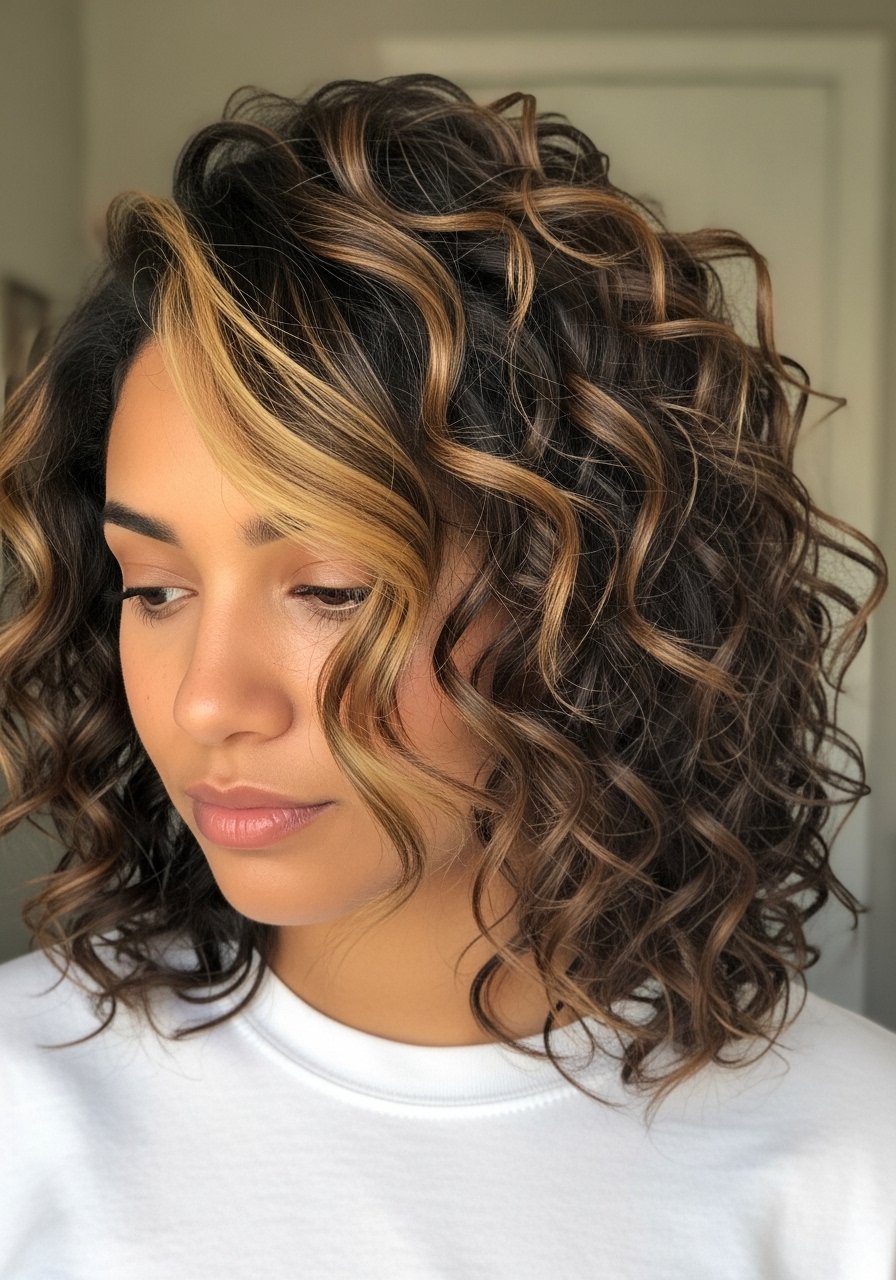
If you want the face to pop without full-lightening, a money piece is the move. On 3B to 4A hair, I ask my colorist for thin slices, two to three sections per side, lifted just enough to warm the face, and left a soft root-to-lighten melt. It takes 45 to 60 minutes in the chair for a single session, and upkeep is a comb-through root smudge every eight to ten weeks unless you like the contrast. Use a low-foil or balayage technique in the salon to avoid banding. If you try this at home, never bleach over darker permanent dye in one go. Patch test for scalp sensitivity first, and plan for a 10 to 20 minute Olaplex No. 3 treatment at home weekly to help maintain elasticity. Olaplex No. 3 hair perfector is worth buying from the official seller to avoid counterfeits.
Soft Caramel Balayage On Type 4C That Lets Shrinkage Work
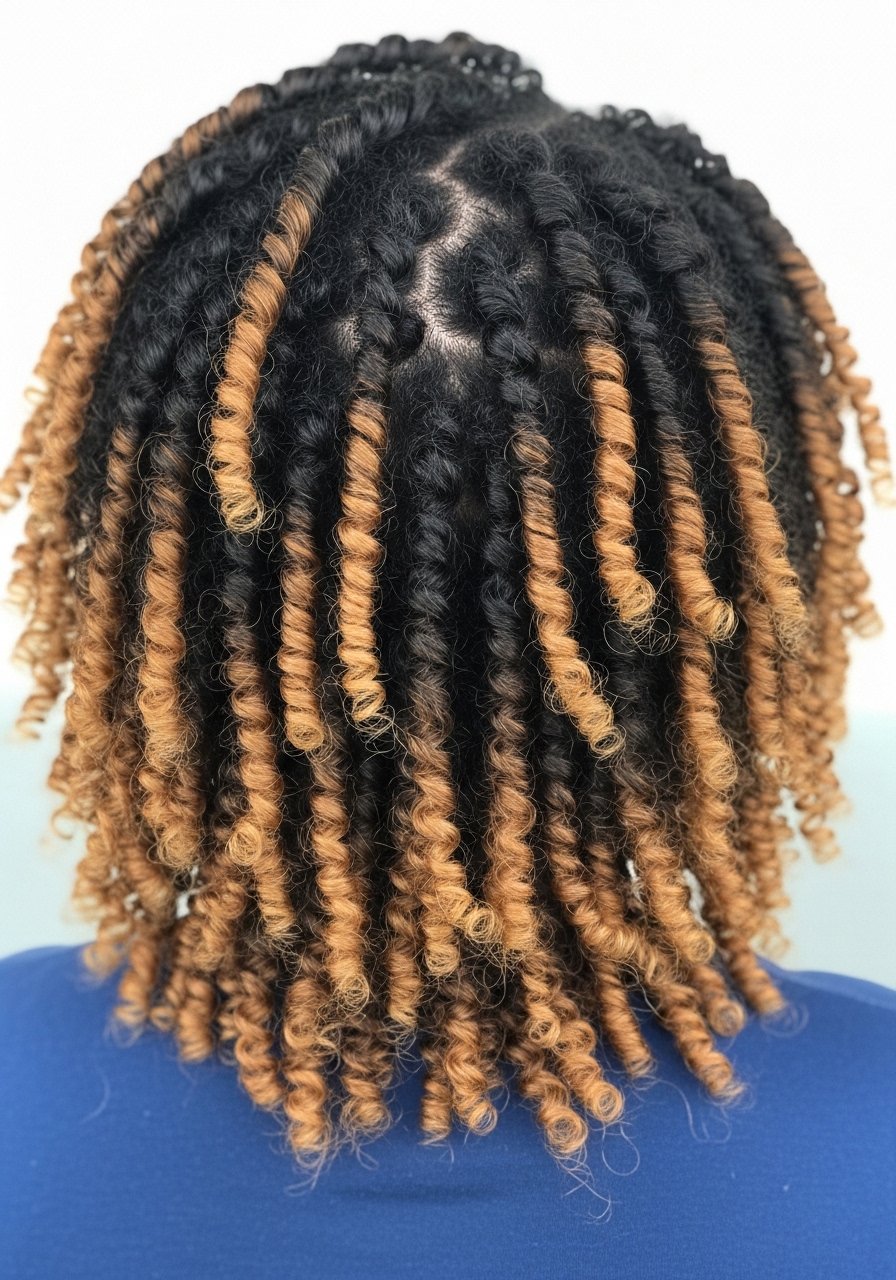
Caramel balayage on 4C hair looks best when you account for shrinkage. Ask for color that starts lower on the strand, leaving 1.5 to 2 inches of untouched root, so the contrast isn't at the scalp when your coils spring up. Salon sessions usually require lightener applied in small sections with a processing time of 20 to 35 minutes depending on desired lift. The payoff is less frequent touch-ups and a more natural grow-out. At home, seal the ends after any lightening with a protein-moisture balanced mask, about a quarter-sized amount massaged into mid-lengths for five to ten minutes. A common mistake is over-washing highlighted coils. Try once to twice weekly washes and refresh with water and leave-in between to avoid dryness.
Subtle Bronze Babylights For Fine 2A To 3A Waves
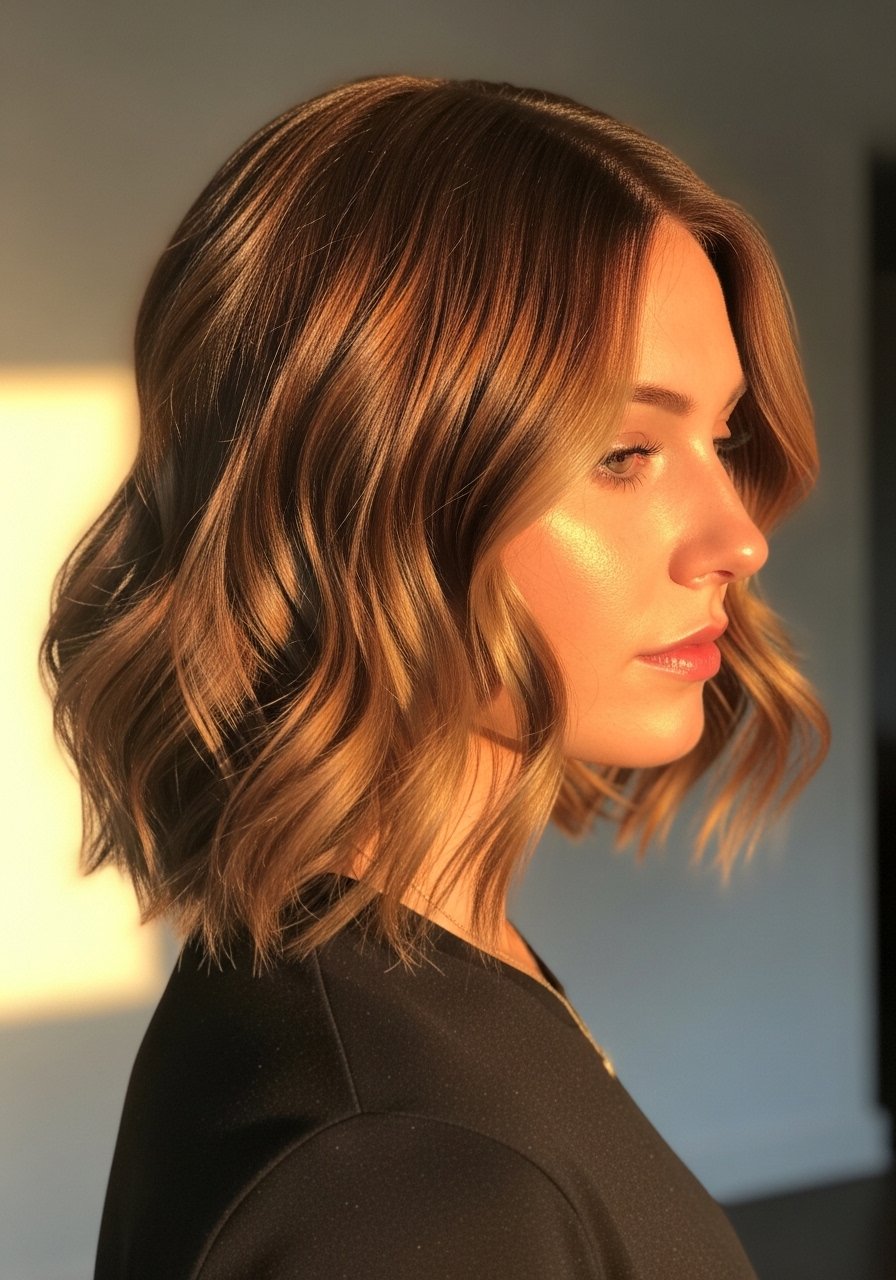
Babylights are tiny, delicate highlights that give movement without defined streaks, which is great for fine wavy hair where heavy color can look stripy. Ask for thin, spaced foils and a toner to keep warmth in check. In my experience, 10 to 12 foils across the hairline and crown give a believable sun-kissed look for shoulder-length hair. At-home touch ups are risky because foils and timing matter. For low-maintenance days, spritz two to three pumps of a salt spray on damp hair and diffuse on low heat to keep separation. Avoid piling products at the roots, follow the 80/20 product placement rule, putting heavier products at ends and lighter ones at roots.
Peekaboo Highlights For Box Braids And Cornrows
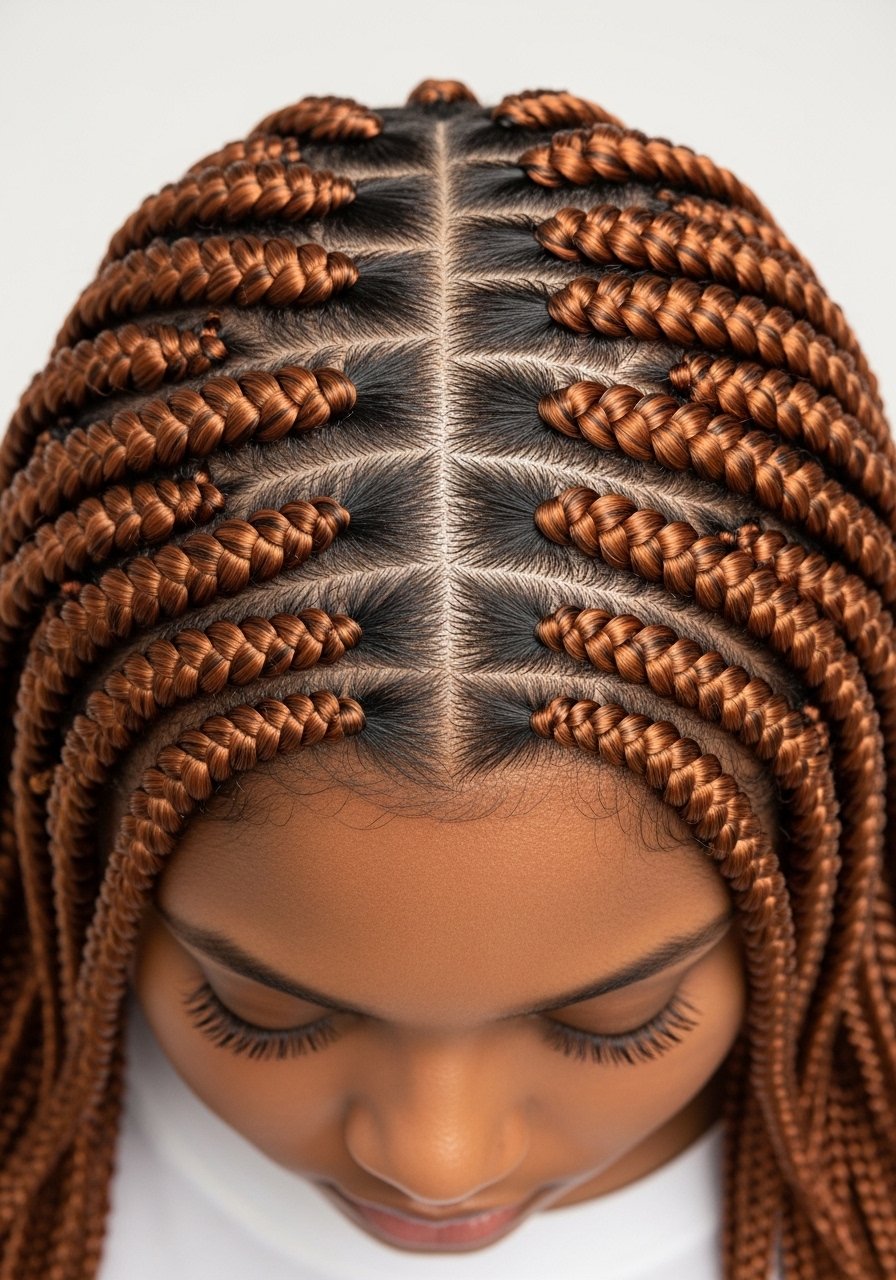
Peekaboo highlights are brilliant for protective styles. I had copper peekaboo under my box braids once and the movement when I turned my head was worth the cost. Use pre-colored or heat-resistant synthetic add-ins if you want instant color without lightening your hair. If you prefer your natural hair highlighted, have the colorist lift just the underlayers, so you can hide or show color depending on the style. Keep in mind that lifting under braids still requires touch-ups at least every three months to avoid visible regrowth lines. A small bottle of clear oil applied to your scalp twice a week prevents the dryness that makes braids look rough.
Cherry Cola Tips On Mid-Back 3C Curls
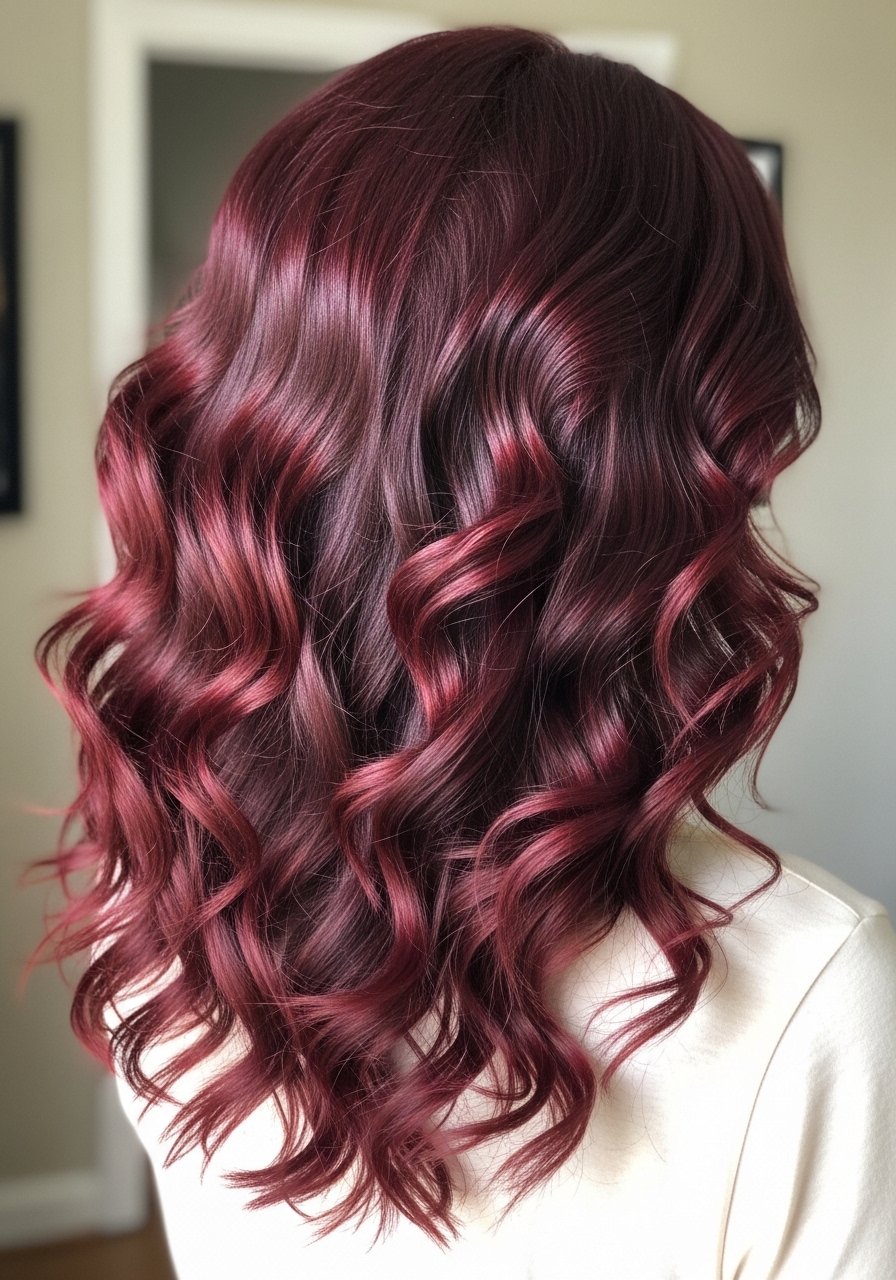
Cherry cola tips give deep burgundy shine without a whole-head commitment. For 3C curls, concentrate color on the last 3 to 4 inches so the weight of the curl keeps the shade visible. A salon should use a demi-permanent or gloss if you want it to fade gracefully. At-home toners can skew red quickly, so use a micro-dose and rinse early. I let mine sit for eight minutes on the ends, checking every two minutes, and it cut the brassiness without over-saturating. If your hair was relaxed or previously colored, do not lift aggressively. Instead, consider blending with a toner or a color-depositing conditioner that washes out over weeks.
Root Smudge With Warm Highlights For Low Maintenance
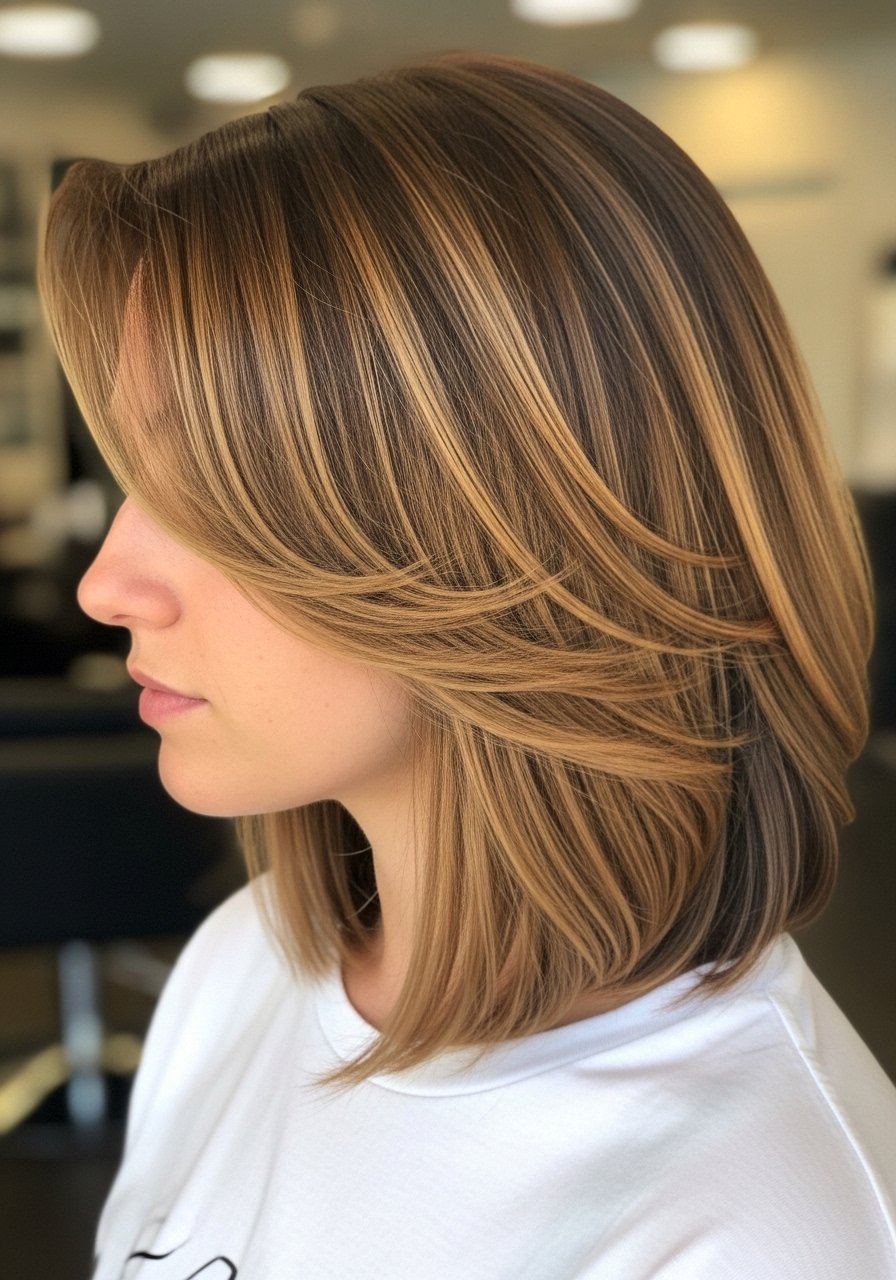
A root smudge is a friendly option if you want highlights but hate monthly touch-ups. The colorist paints a darker glaze over the roots after lightening so regrowth reads softer. On dense hair, this saves time and money because the grow-out looks intentional for eight to twelve weeks. Ask for a glaze that is semi-permanent so you can refresh at home every four to six weeks with a deposit-only conditioner. Common mistake is assuming a smudge negates all maintenance. Glosses fade with sulfates and sun, so protect highlighted hair from long, hot sun exposure and chlorinated pools.
Bold Blonde Chunk With Protective Styling For Type 3C
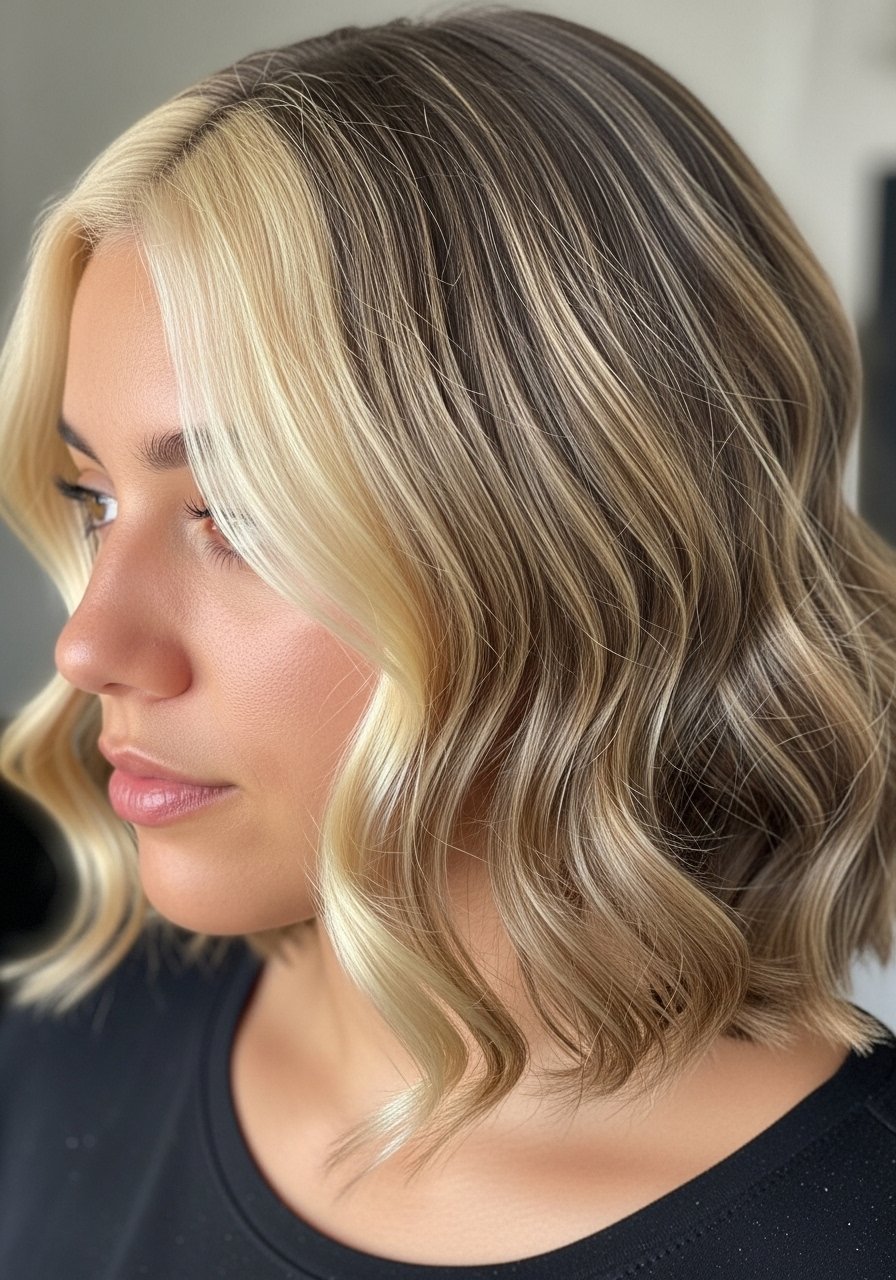
A chunky blonde section is a statement that reads clean on darker complexions when done with controlled lifting. On 3C hair, I recommend a single face-framing chunk, lightened in stages if you are starting from black. Expect two sessions spaced six to eight weeks apart to avoid over-processing. After lifting, swap to a bond-builder maintenance routine: a weekly five to ten minute in-shower treatment and a leave-in protein balance every other wash. If you heat-style that chunk, remember the styling principle, heat protectant before any iron over 300F, and use a medium plate iron no higher than 350F to prevent blowouts.
What I Keep In My Highlight Survival Kit
- Olaplex No. 3 hair perfector 3.3oz, official seller recommended. Weekly bond treatments saved my brittle ends.
- Color-depositing conditioner for red tones 8oz, great for cherry cola refreshes between glosses.
- A microfiber hair towel. Cuts drying time and keeps highlights from frizzing overnight.
- A nylon bristle detangling brush for wet sectioning when coloring at home.
- Heat protectant spray for damp hair. Apply before blow drying and before any iron over 300F.
- Toner wipes for brass control for quick at-home touch-ups.
- Silk pillowcase queen size under $30. Cutting morning frizz mattered more than I expected.
- Wide-tooth clips and foil packets if you plan DIY sections. Use small foil pieces for babylights.
- A sulfate-free clarifying shampoo 8oz for pre-color clarity.
- A glossing glaze treatment salon strength, ask your colorist for brand recommendations or buy from Ulta if unavailable on Amazon.
Sliced Copper On Short Bobs For Texture Emphasis
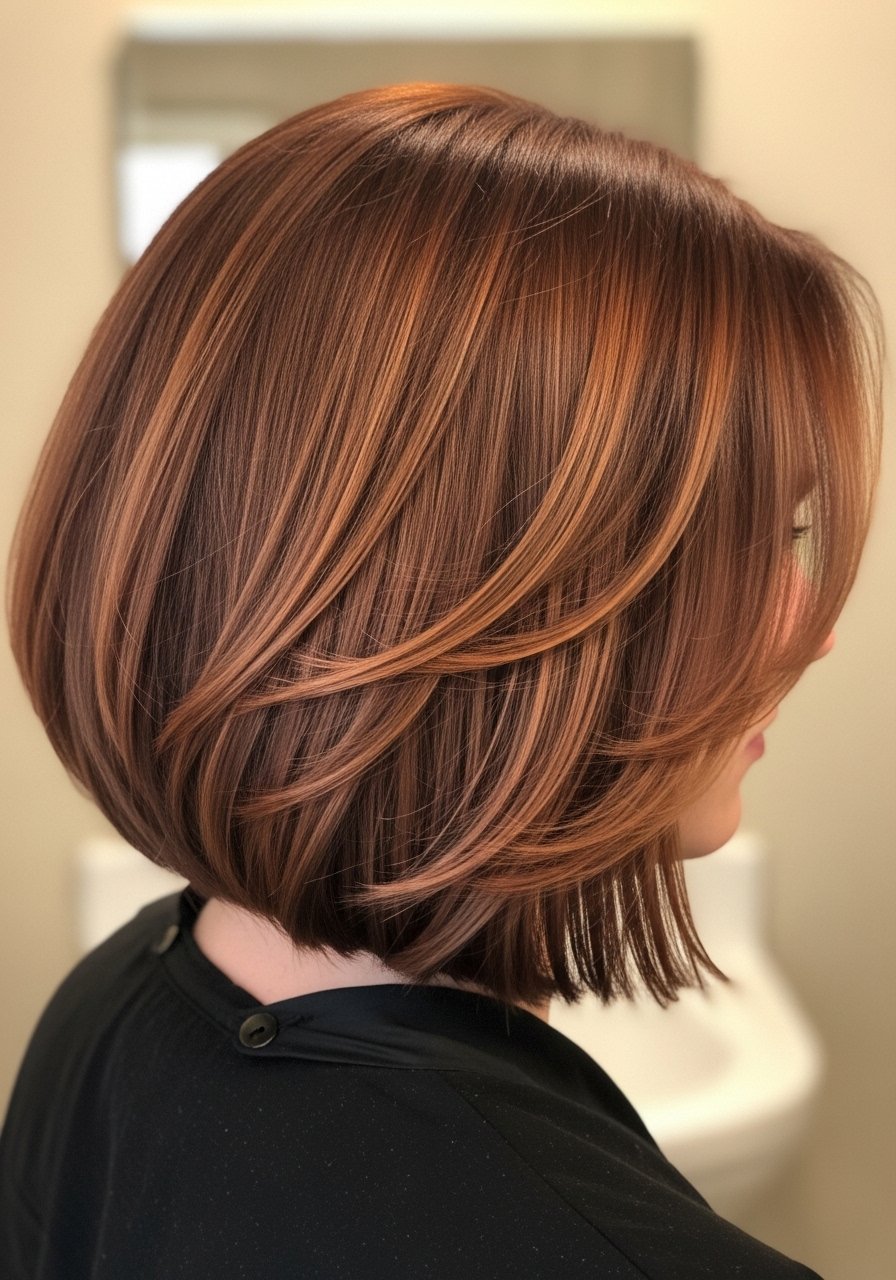
Thin sliced highlights at the ends emphasize texture on short bobs. On razor-cut or choppy bobs, highlight only the tips and a few face-framing slices to avoid a stripy look. I ask for maximum 20 minutes processing on fine hair and 25 to 30 on thicker strands. After coloring, a quick gloss session calms porosity and gives depth. A common mistake is getting lampshade highlights that catch light too uniformly. Tell the colorist you want dimension, not an all-over lightness. If you DIY, do small sections and use a processing cap as a guard to avoid over-lifting.
Peek Highlights For Tapered Pixies
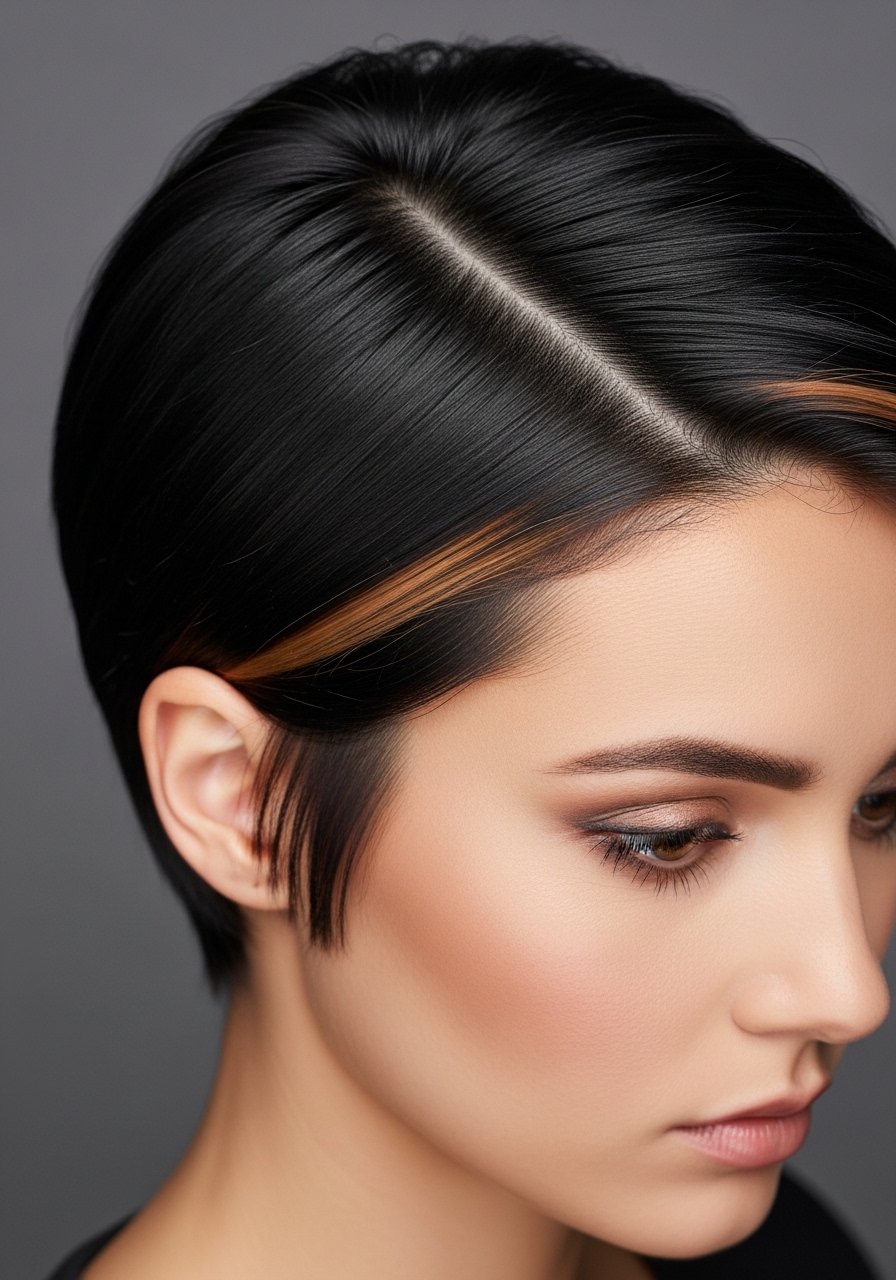
Tiny peek highlights work on tapered pixies to add depth without losing edge. Stylists usually do baby-lighting with a tint brush in 6 to 10 tiny strokes across the crown. Keep the lift low, and consider a demi glaze to control tone. Maintenance is minimal, two to three salon visits per year if you keep the contrast subtle. If you use a color-depositing spray or pencil at home, only apply it to dry hair and blend immediately to avoid colored patches.
Ash Brown Face Frame For Cooler Skin Tones
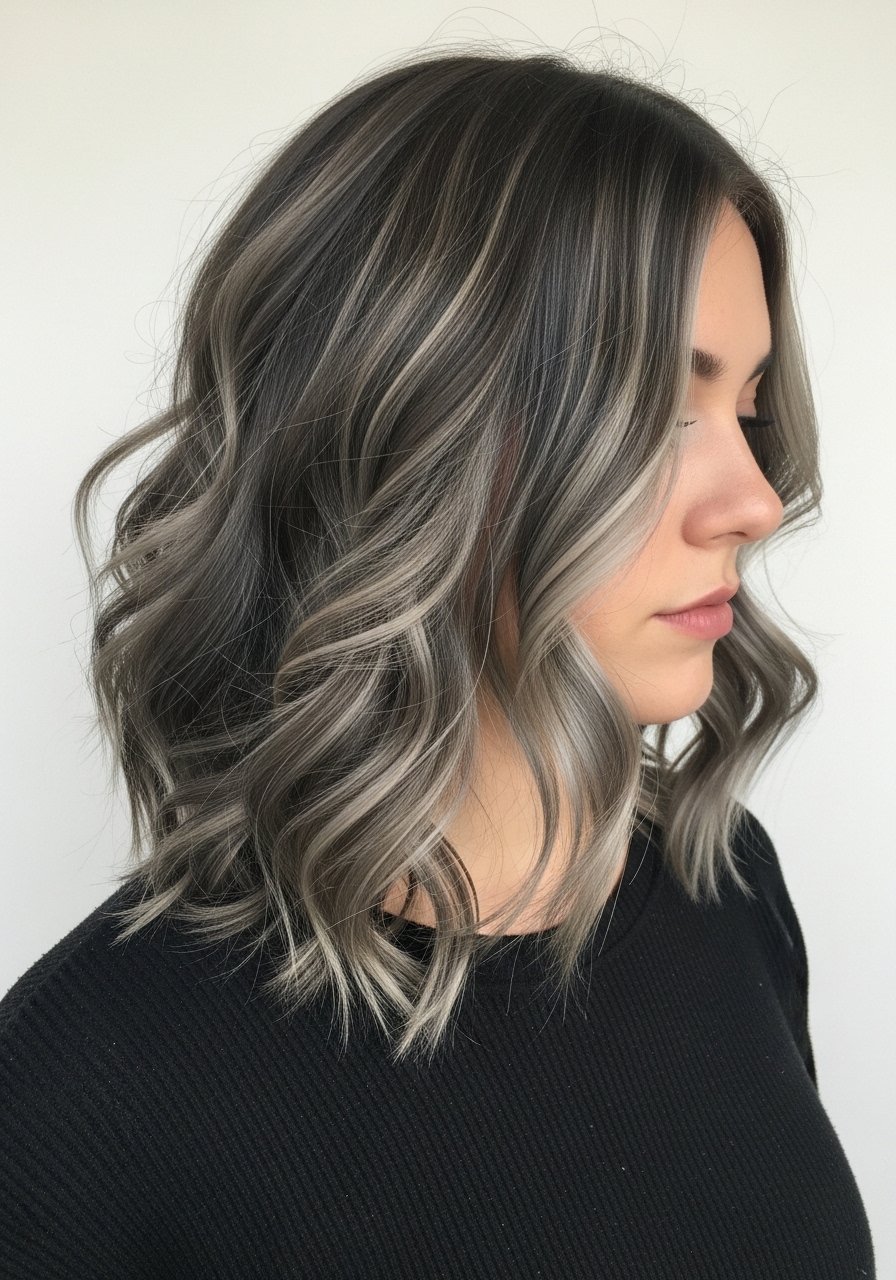
Ash brown highlights on a dark base can look pulled back instead of warmed if the toner is too cool. I advise asking for an ash that still has slight warmth, especially on darker complexions, otherwise the contrast looks ashy rather than dimensional. For colored curls, I use a rich moisturizing leave-in and avoid purple shampoos unless brass is an issue. A frequent mistake is over-toning, which makes highlights fade flat. If you want to DIY the tone, start with a quarter of the recommended toner time and check every two minutes.
Glass-Like Gloss For Highlighted Black Hair
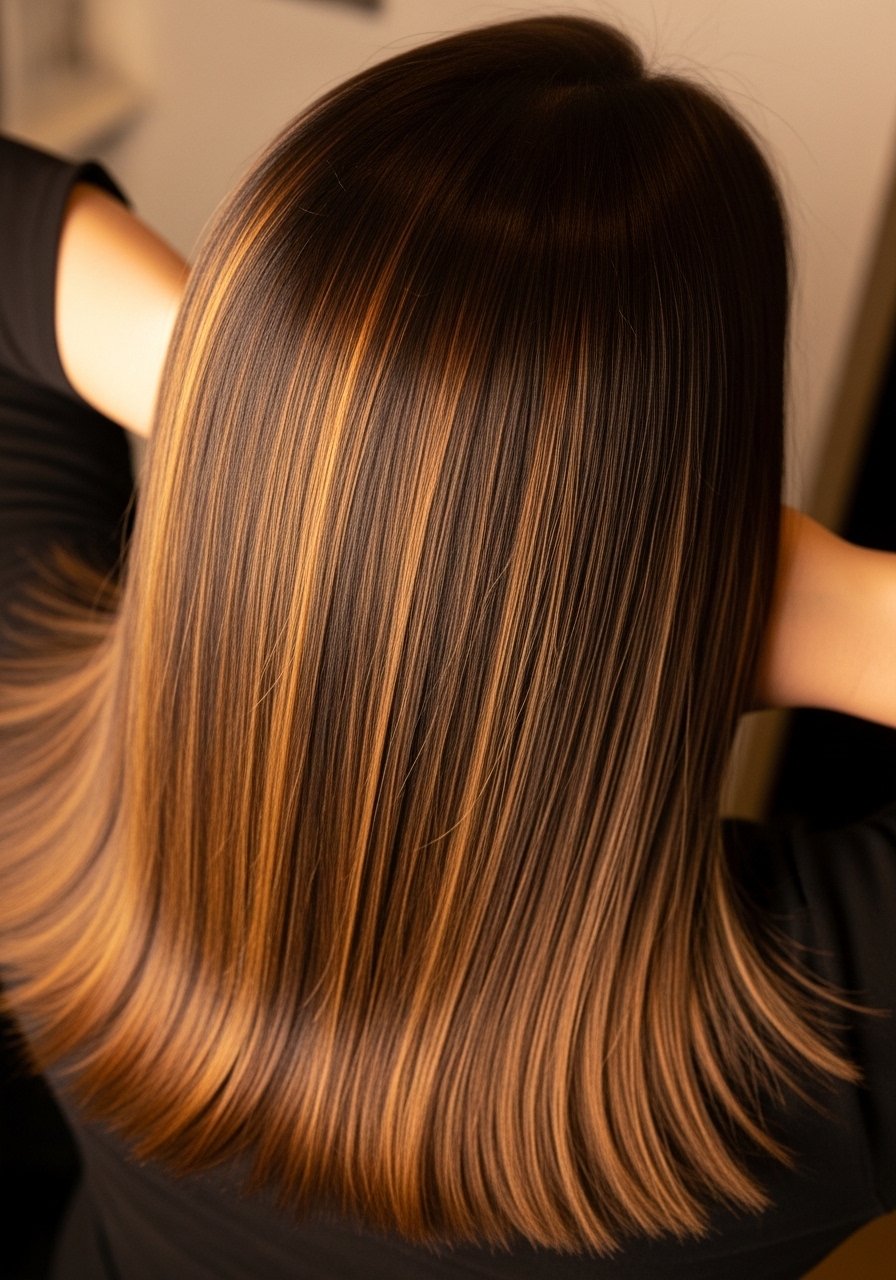
A salon gloss keeps highlights from going brassy and gives that reflective finish without extra lift. I get a gloss every six to eight weeks if I wear highlights and want them to read fresh. At home, a clear gloss rinse after color can extend the salon result by two to three weeks. Important safety note, if you recently bleached to pale blonde, wait the full recommended recovery period before applying strong processing toners. Also watch for scalp sensitivity with high-acid toners, and patch test before application.
Heatless Highlight Display With Twist Outs
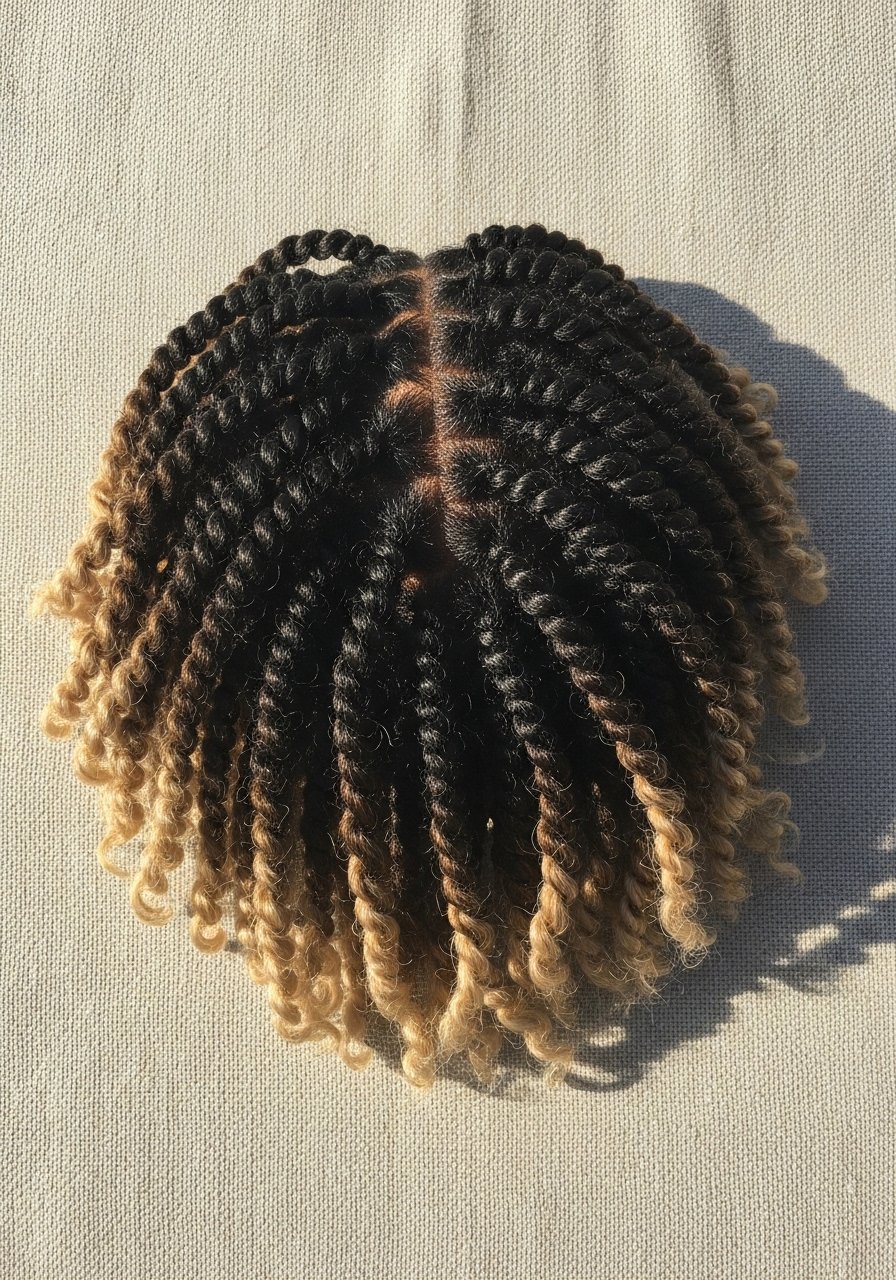
If you avoid heat, you can still show off highlights with twist outs and defined curl clumps. Twist the sections that include highlighted ends, leave to dry overnight, then untwist for soft definition that shows color depth. I usually do eight to twelve twists across mid-back length hair for consistent clumping. A mistake is over-manipulating the twists when dry, which breaks the highlighted tips. Keep a satin bonnet on to preserve the pattern and color sheen overnight.
Quick At-Home Toner Wipe Touch-Ups
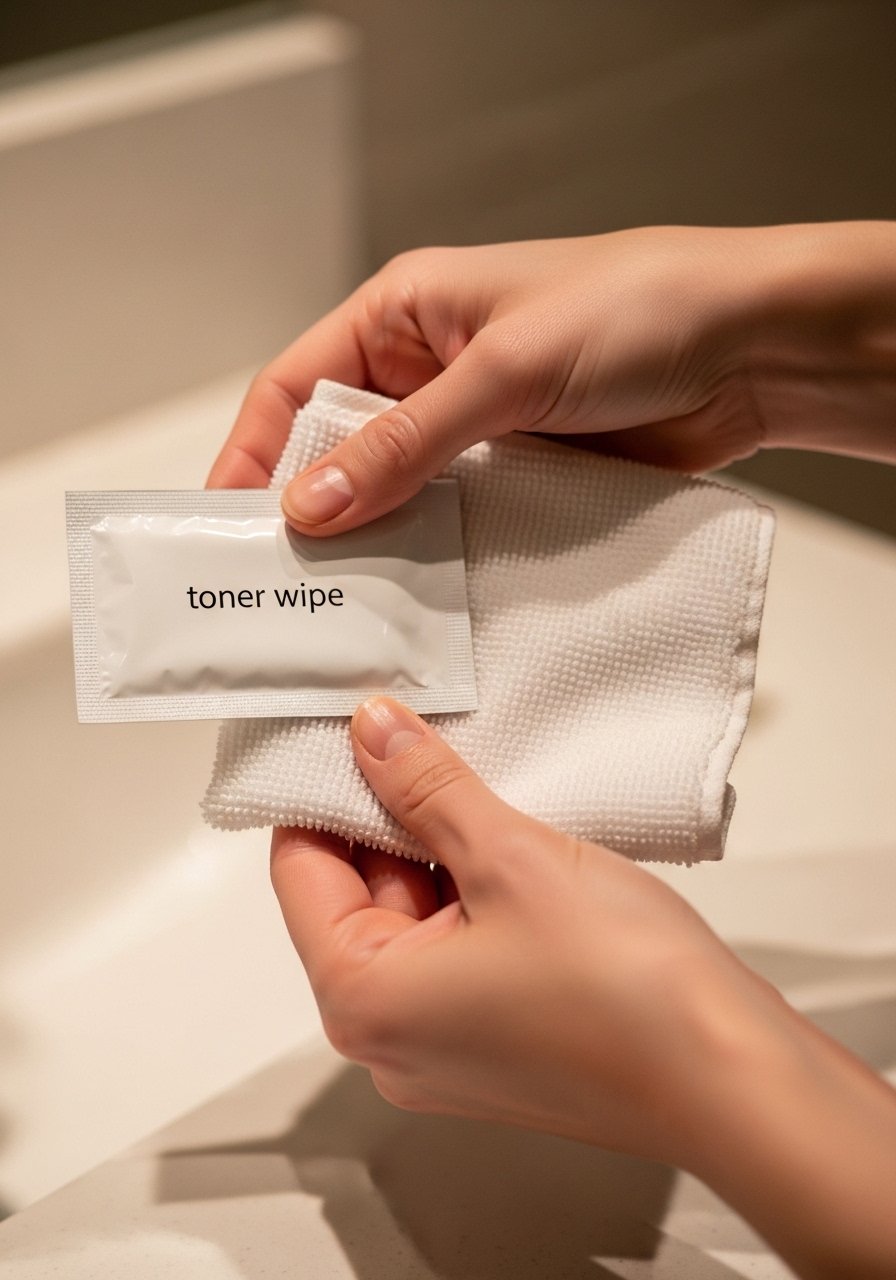
Toner wipes are a practical in-between option when you do not want a salon visit. Use one on dry hair to take down brass on the ends or front face pieces. I only recommend wipes for small areas because overusing them can dry the hair. Follow the packet timing exactly, and rinse if the instructions say. Keep a clarifying shampoo and a deep conditioner on hand after a toner wipe session to rebalance moisture.
Micro-Highlights For Fine Strands That Avoid Banding
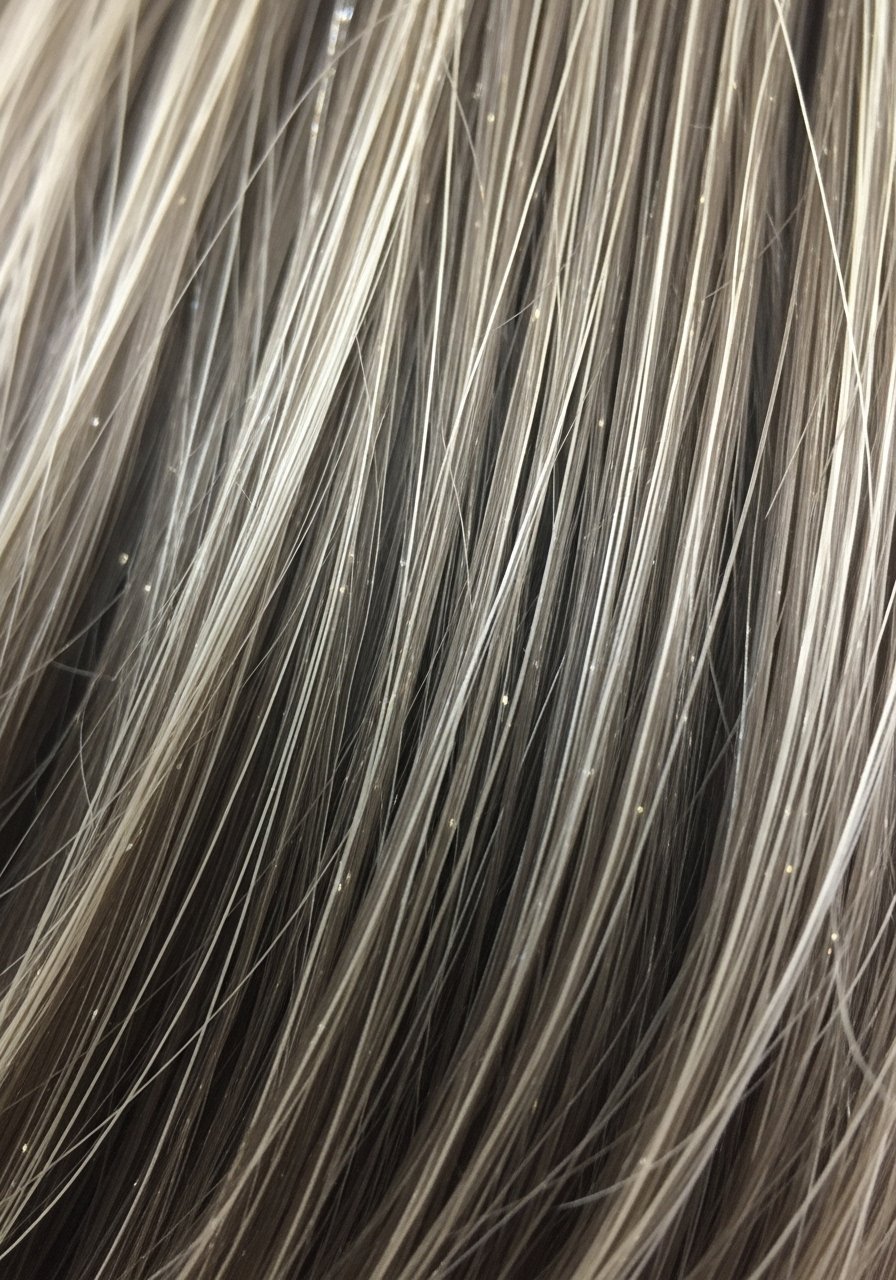
Micro-highlights are a fine option for women with thin strands who still want dimension. Ask for 30 to 50 tiny foils placed in the top layer and crown to avoid any banding. Processing time is critical here, so request the colorist check lift every two to five minutes on fine hair. If you over-process, fine hair goes brassy fast. Home kits are risky for this look because sectioning and foil placement are precise. For upkeep, use a leave-in protein mist and avoid heavy oils at the root.
What I Wish I Knew About Highlights And Black Hair
- Heat protectant goes on damp hair, not dry. The cuticle is more open and the product actually absorbs. A lightweight heat protectant spray that works on damp hair makes irons safer.
- Hair grows about half an inch a month at most, regardless of what biotin gummies promise you. The only way to keep length is reducing breakage with weekly bond treatments.
- My curls looked great on TikTok and like wet noodles by 11am. The fix was not more gel, it was layering a leave-in cream under the gel and sleeping on a silk pillowcase. A silk pillowcase queen size helped more than any new gel.
- Watch bleaching over previous color. Lifting bleach over previous dye is a salon job and trying it at home is a fast route to breakage.
- Swap weekly purple shampoo for once a week use only when needed. Overuse dries hair out and makes highlights look chalky.
Frequently Asked Questions
Q: Can I do face-framing money pieces at home?
A: You can, but it is high risk. The money piece needs thin, precise slices and controlled processing time, which is easy to overdo at home. If you try it, work in small sections, check lift every five minutes, and have a bond treatment on hand. Otherwise book a consult.
Q: How often should I gloss highlighted black hair to keep it from going brassy?
A: Every six to eight weeks is a good rhythm for most people. If you swim or spend a lot of time in the sun, consider a mini gloss every four weeks. Use a color-depositing conditioner in between to stretch appointments.
Q: Will Olaplex No. 3 make my highlights last longer or is it only for damage?
A: Olaplex No. 3 helps restore internal bonds which makes hair handle styling and color better, so highlights often look healthier and less frizzy between appointments. Buy from the official seller on Amazon or pick it up at Sephora to avoid counterfeits. It does not permanently undo damage, but it improves manageability.
Q: How often should I use purple shampoo on highlighted dark hair?
A: Once a week if your highlights are warming up too fast. Some people only need it once every two weeks. Overdoing purple shampoo dries the hair and can pull a grey cast, especially on coarser textures.
Q: Is bleaching under braids safe?
A: Bleaching the underlayers before braiding is safer because you are not exposing the scalp as directly, but it still needs a professional eye to control processing. If a colorist suggests lifting under braids, ask about protective bonding treatments and a follow-up moisturizing plan.
Q: How do I keep a bold blonde chunk from breaking off?
A: Go slow with lift, schedule staged sessions, and use weekly protein-moisture balance treatments. Use a heat protectant before any iron over 300F and keep iron temps no higher than 350F on lightened sections.
Q: Can highlights be blended into a tapered pixie without looking stripy?
A: Yes, when the colorist uses micro-strokes and deposits tone rather than heavy lift near the scalp. That soft approach keeps dimension without bold strips of light.