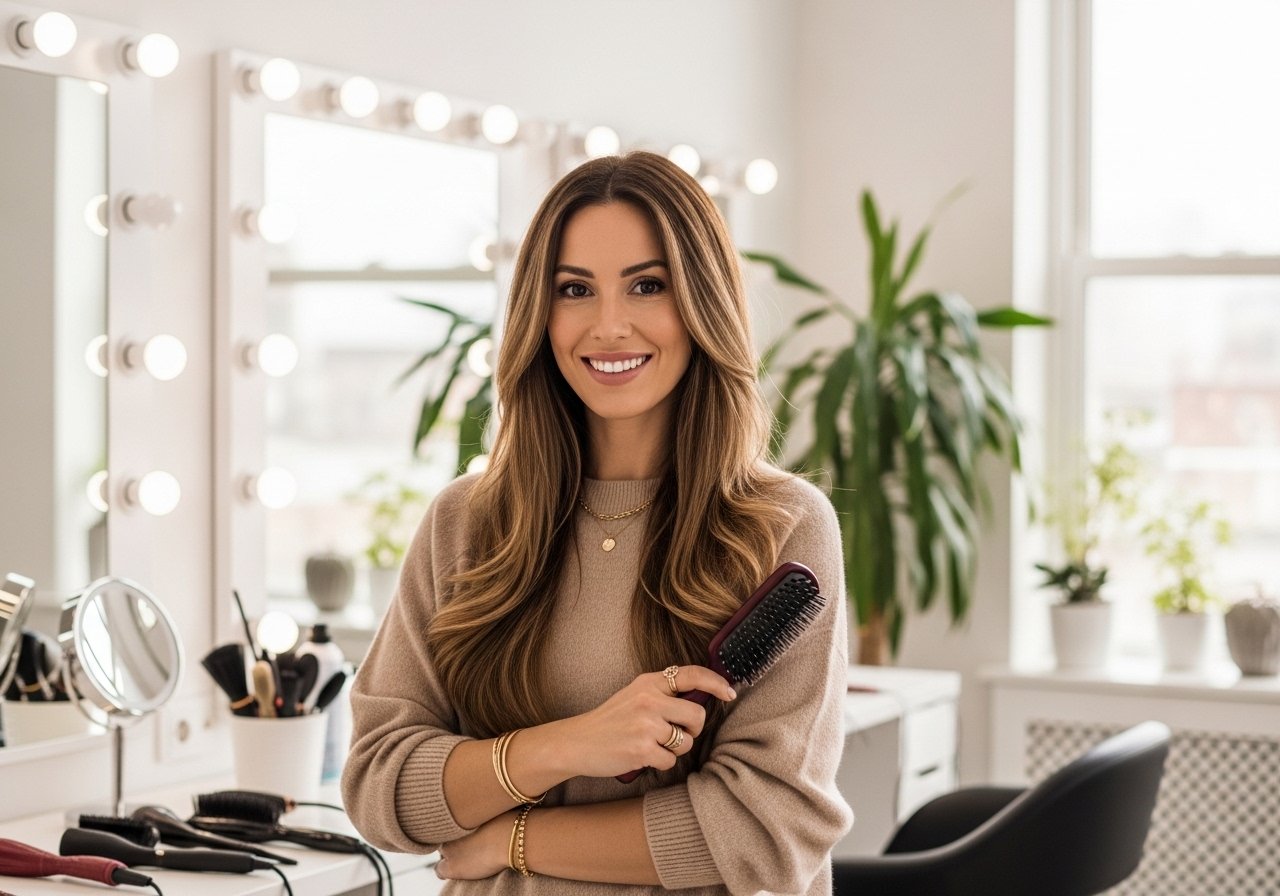
If your long hair layers start out airy and end up looking like a heavy cape by day two, this is for you. I cut my own face-framing layer once and paid a stylist $200 to fix the choppy line. These nine long-layer ideas keep the length you love while adding motion and less maintenance. They are subtle by design, so you still get that long-hair feel with better shape.
These ideas work best for fine to medium straight and wavy hair, and a few adapt for thicker textures with extra thinning. Most take under 30 minutes to style at home and cost under $50, though I mention one salon service worth budgeting for. Some are DIY safe, others are worth a pro visit.
Soft Face-Framing Layers That Grow Out Nicely
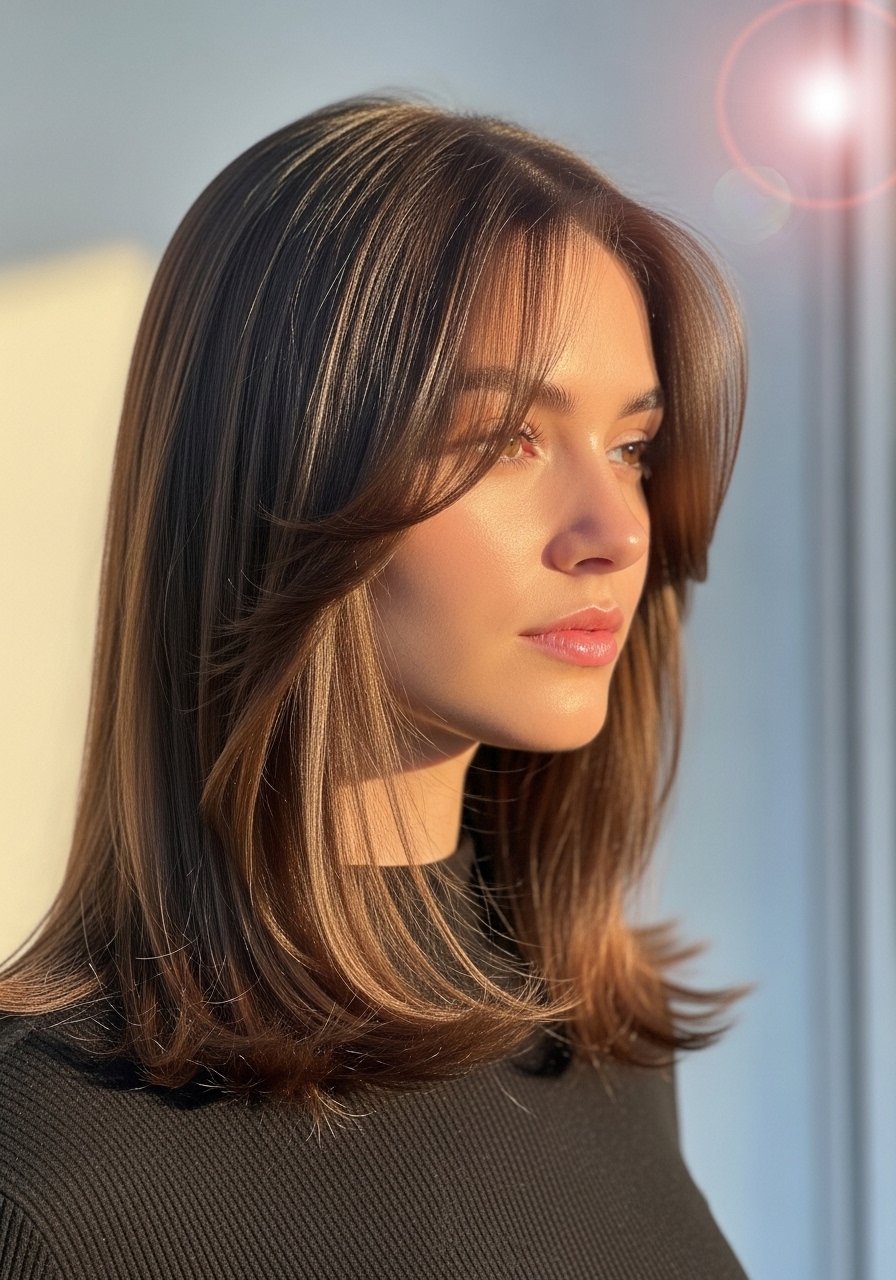
Cutting a soft face frame keeps long length while removing the weight that makes hair lie flat. Ask your stylist for long, graduated pieces that start around cheekbone level and are cut with small 1/4-inch vertical snips to avoid a blunt line. This suits straight to slightly wavy hair, especially fine-to-medium density. At home, style with two sprays of a lightweight sea salt spray, then blast with a round brush at 300F for body. One mistake is asking for "layers" without clarifying length, which produces the choppy look. Salon vs DIY note, do not razor the front unless your stylist shows you on damp hair first. If you color the face pieces, patch test first for allergy.
Subtle Feathered Ends for Movement Without Shortening
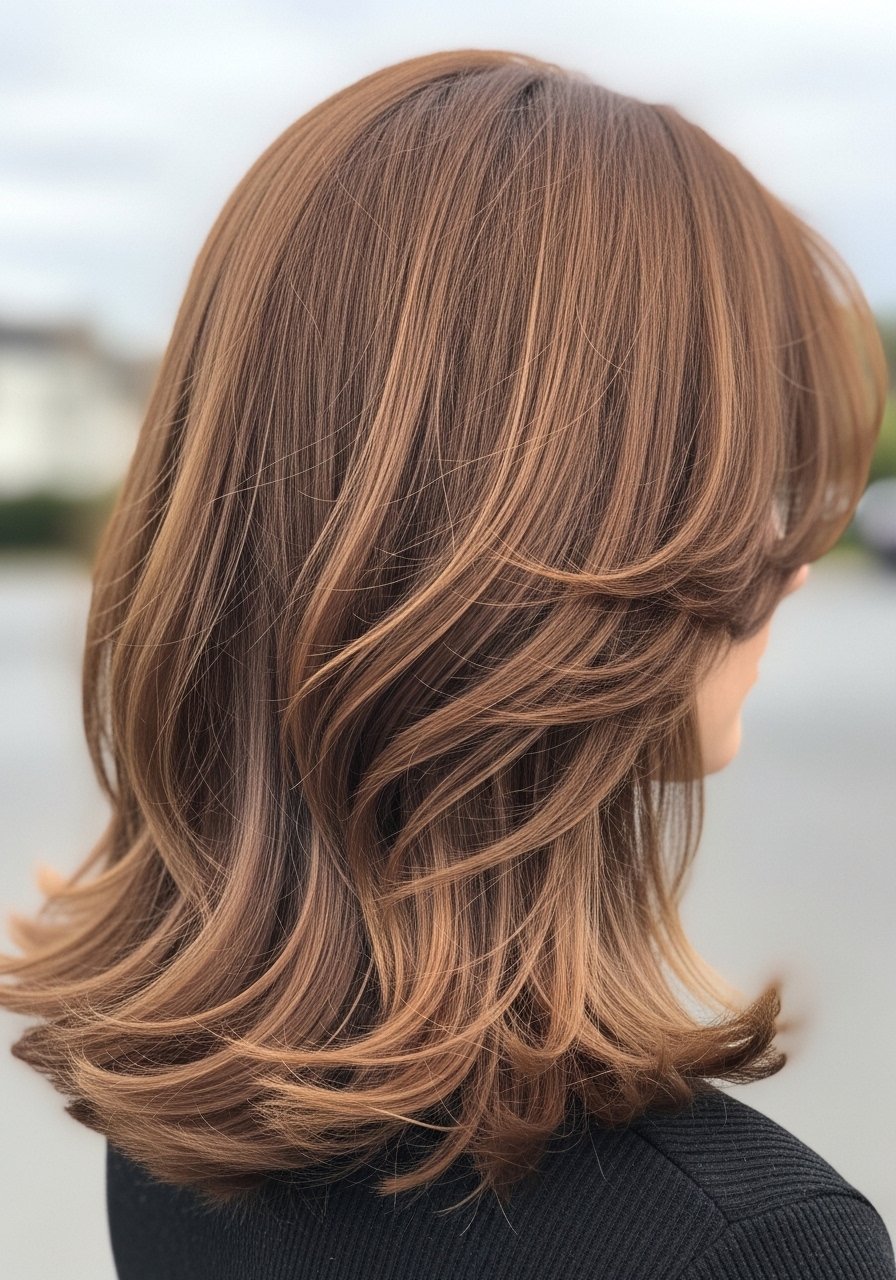
Feathered ends lighten the silhouette and stop the blunt heaviness at the bottom, but they must be done with scissors, not a razor, for subtlety. My stylist takes 1-inch horizontal sections, slides the blade gently on the last inch of hair and then point-cuts tiny vertical slices through the tips. This is a great move for thick, heavy hair that wants shape without losing length. Styling is low effort, two pumps of a leave-in on damp mid-lengths and ends using the 80/20 product placement rule, then air-dry or diffuse. A common mistake is over-layering near the crown, which creates unwanted volume. If you have color, avoid feathering over heavily processed ends without a bond builder like Olaplex No. 3 hair perfector to cut breakage risk.
Long Shag Layers for Natural Movement and Texture

The long shag is not the 80s mullet, it is modern if the layers are long and blended. I ask for disconnected lengths starting around the jaw and longer choppy pieces through the mid-lengths, cut with point cutting every 1 to 1.5 inches for texture. It works well on 2A through 3A waves because the layers encourage natural fall and avoid that helmet shape. For styling, I use the LOC method on damp hair, leaving-in a cream, then oil on ends, then a light gel if I want hold. A mistake people make is piling product at the roots. Keep the majority on mid-lengths and ends. This style is salon recommended the first time to get the layering map right.
Blended Long Layers for Fine Hair That Add Motion
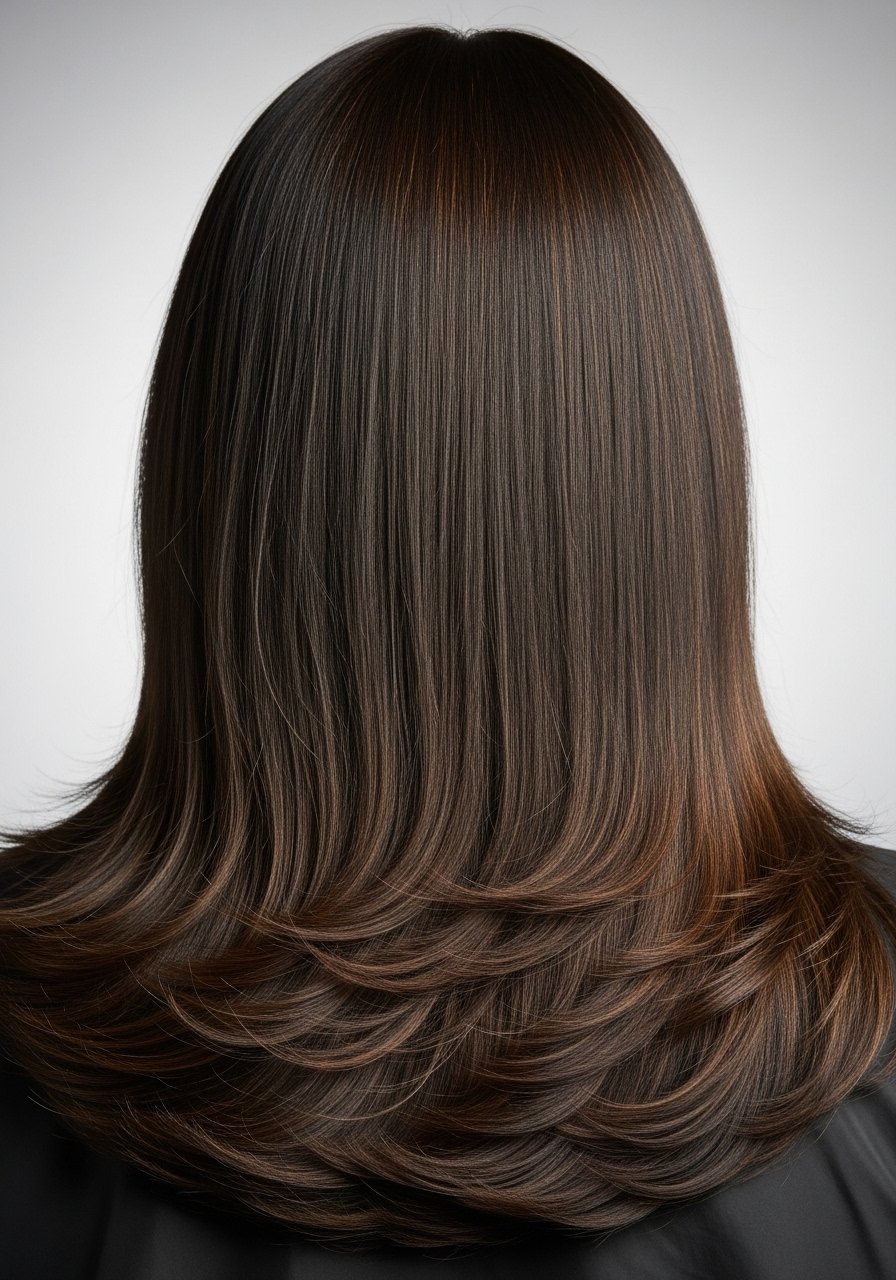
Fine hair needs layers that add movement without making things see-through. The trick is long interior layers, cut in 3 to 4 long vertical panels, each one trimmed only 1 to 2 inches shorter toward the face. The result looks like body not thinness. At home, a boar bristle paddle brush works wonders for distributing natural oils from scalp to ends and gives the illusion of density. One product habit to avoid is heavy conditioners at the roots. Instead, put 80 percent of your leave-in and conditioner on the mid-lengths down. I usually apply one pea-size amount of a lightweight styling cream and then diffuse at low heat. If you use any hot iron over 300F always pre-spray with a heat protectant.
Curtain Front Layers Without the Forehead Gap

Curtain layers can create a flattering frame, but the common problem is the forehead gap that shows too much skin. Ask for longer curtain pieces that start at nose level and use long point cuts so the bangs sweep rather than part harshly. This works on wavy and straight long hair, and it is a quick at-home style: blow-dry with a medium round brush sweeping outwards, then soften with one light spritz of anti-humidity spray. A mistake I made once was cutting curtain bangs too short, which forced constant trims. If you want a softer look, let them grow for four to six weeks before reshaping. If you color your curtain pieces, wait two weeks after a fresh color before heat-styling aggressively.
Hidden Layers to Reduce Bulk in Thick Hair
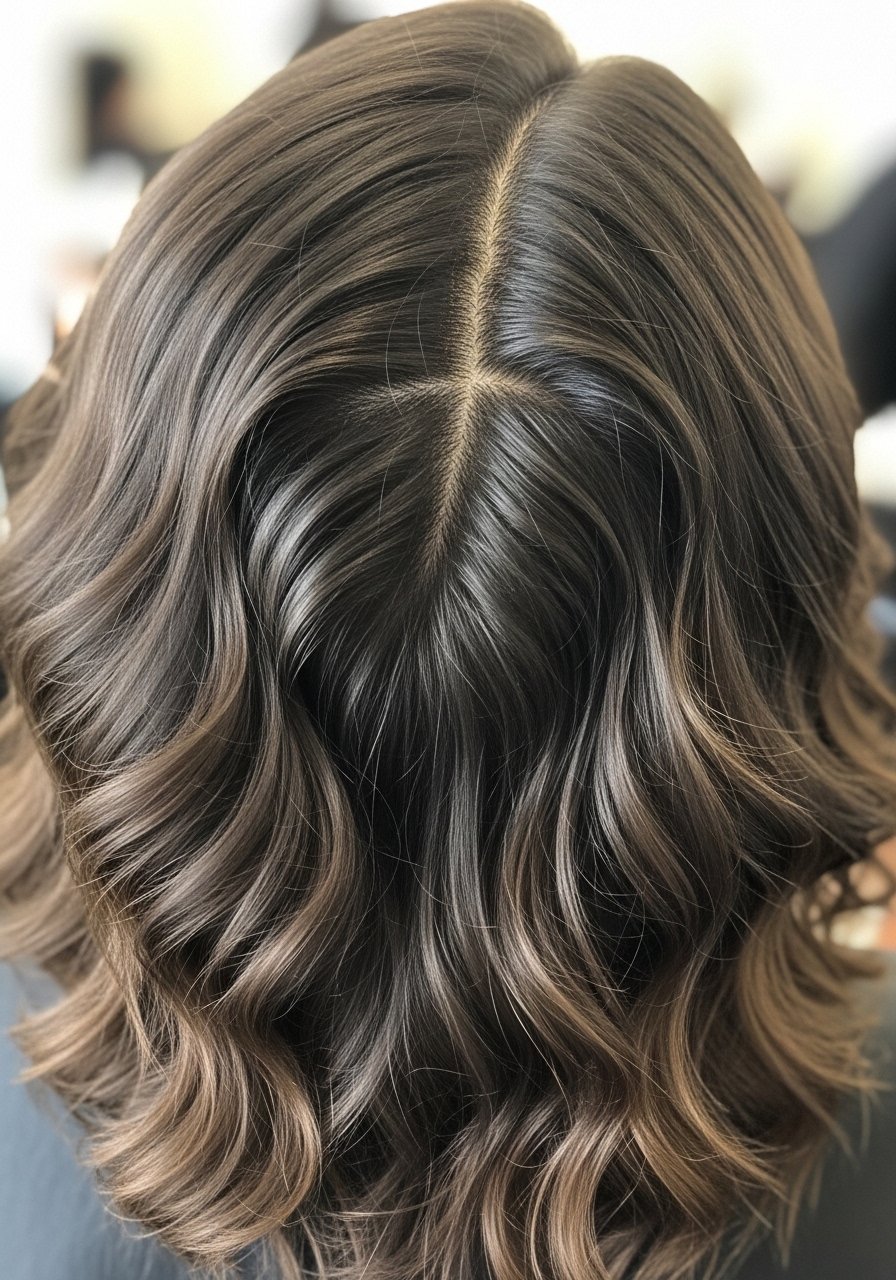
Thick hair benefits from internal, hidden layers that remove weight without changing the outer length. I ask for long interior slicing, where the stylist cuts sections off the underside in 1.5- to 3-inch panels, leaving the top weight intact. The result combs through easier and stays thicker on top. At home, detangle with a wide-tooth comb in the shower and use a 10- to 12-oz hydrating conditioner. A frequent mistake is using thinning shears across the whole head. That can create uneven bulk and frizziness. This one is definitely salon work. If you have chemically processed hair, tell your stylist so they avoid slicing into over-processed areas.
Layered Waves That Hold Past Day One
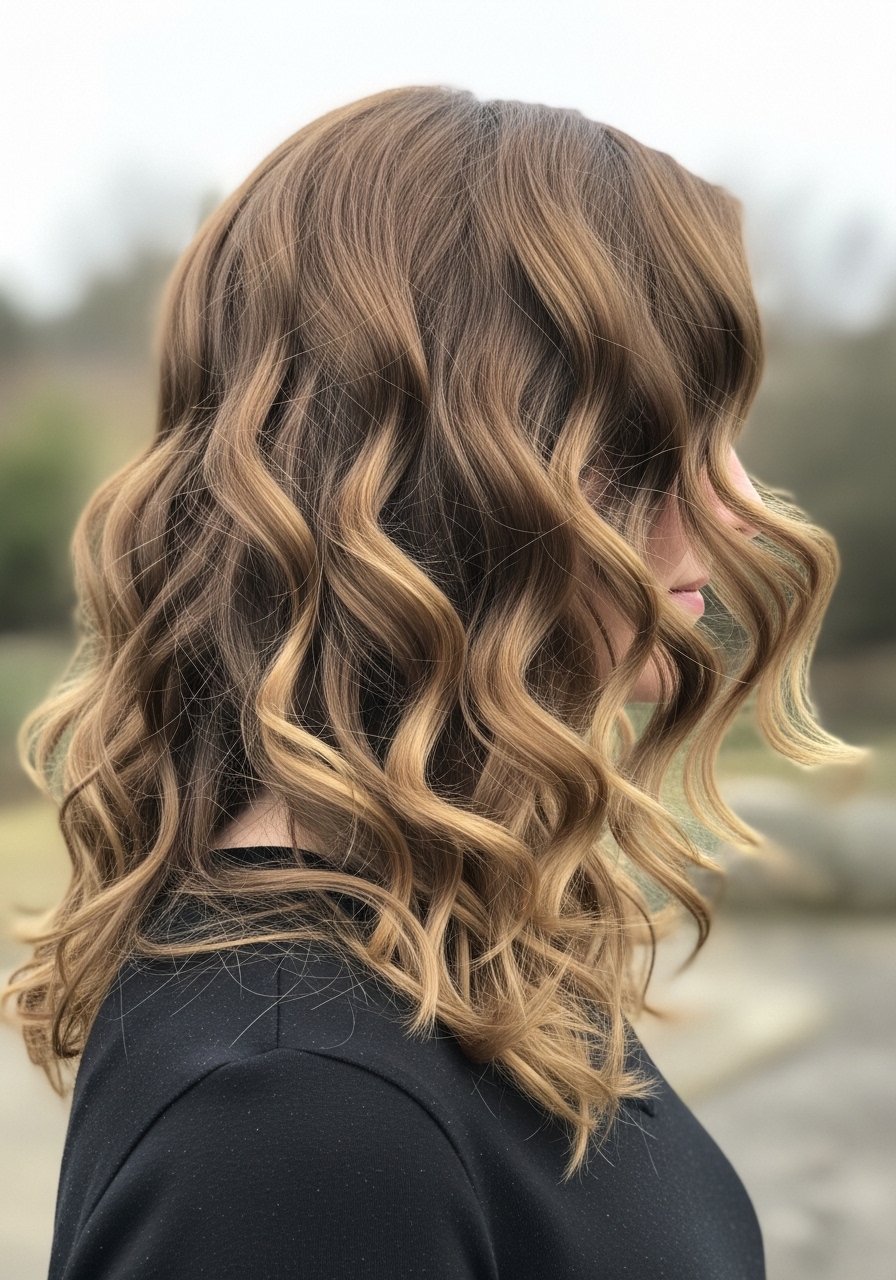
Wavy and curly hair shows layers differently. For 2B through 3A textures, long layers that start below the shoulders prevent the curl pattern from collapsing. Cut in vertical sections and dry-shape the hair to see how the waves sit, then remove only what the natural pattern allows. Styling-wise, I stopped doing gel-only routines because my curls went flat by late morning. My curls looked great on TikTok and like wet noodles by 11am. Finally figured out it was the gel-only routine. Layering a leave-in cream under a light gel changes second-day hold dramatically. Try a microfiber towel to plop for 20 minutes, then diffuse at low heat. Avoid brushing when dry to prevent frizz.
The Minimal Kit That Keeps Long Layers Soft
Honestly I keep this short so I actually use everything. Olaplex No. 3 hair perfector, one 3.3oz tube, used once a week was the single product that saved my ends after a careless DIY lightening. Buy from the official Olaplex store on Amazon or grab it at Sephora to avoid counterfeits.
For daily use, Olaplex No. 5 Bond Maintenance Conditioner 8oz balances moisture without weighing layers down. Color Wow Dream Coat anti-humidity spray is the one-step frizz blocker I rely on during humid months. For heat protection grab Color Wow Pop And Lock heat protectant and always spray before any iron over 300F.
Tools I use: a 1-inch curling iron for soft bends, a boar bristle paddle brush to smooth mid-lengths, and a microfiber hair towel to reduce frizz when drying.
Glassy Straight Layers That Stay Sleek
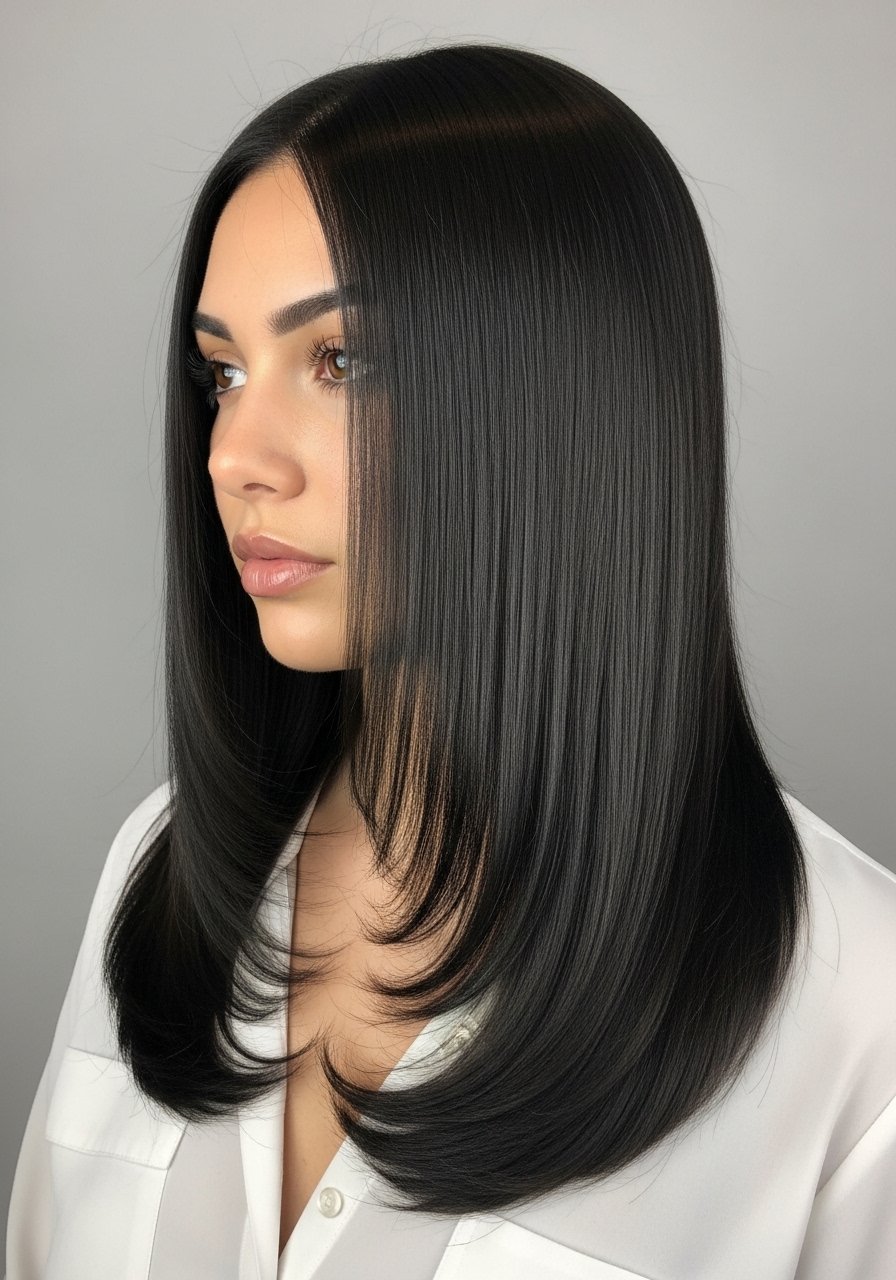
If you like long, straight hair but want subtle shape, ask for long layers that only remove 1 to 2 inches internally while keeping the exterior mostly blunt. The visual is a clean fall with a soft frame around the face. For styling, a small amount of smoothing serum on damp ends plus a flat iron run at 350F in 1-inch sections gives a glassy finish. Heat protectant before any iron over 300F is mandatory. A mistake is over-polishing with heavy oils that make hair look limp. Instead, use a lightweight spray like Color Wow Dream Coat before blow-drying for longer-lasting sleekness. If you have previous color, buy from authorized sellers to avoid counterfeit products.
Heat-Friendly Layer Shapes That Work With Hot Tools
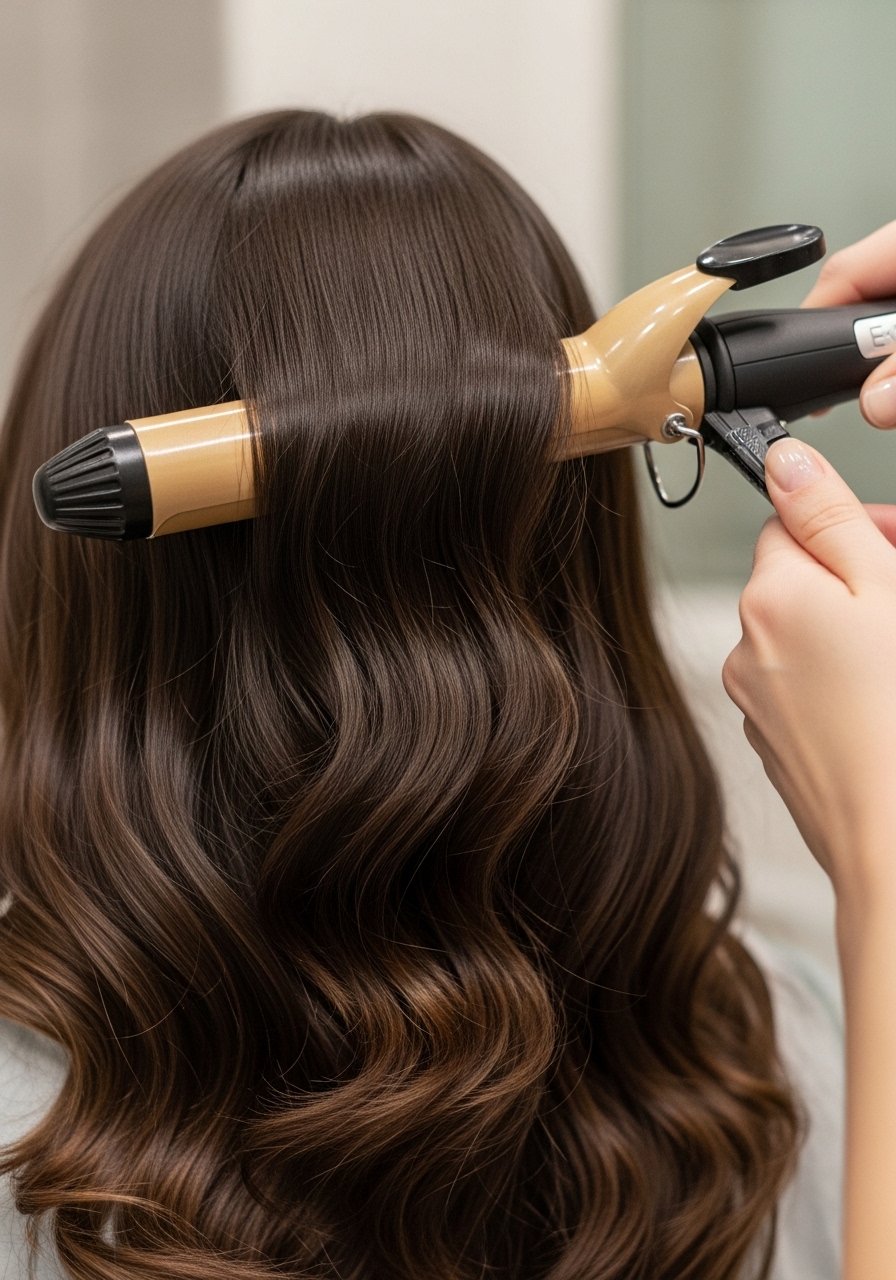
Some long layers are designed specifically to match how you heat-style. I tell stylists I want long pieces that bend and not flick. They cut face pieces in 2-inch increments and leave the very ends blunt so a curling iron creates a soft curve instead of a flick. For tools, use a 1-inch barrel on 320 to 350F for most hair, lower for fine and higher for dense hair. Always spray a heat protectant first. One habit to drop is using the iron on damp hair. That causes steam damage and frizz. If you style daily, invest in a higher-quality iron; if you style twice a week, a mid-range tool is fine. Pair this with a bond builder after any aggressive color work.
What I Wish Someone Had Told Me Before I Cut Long Layers
Grab a microfiber hair towel for $12. It cuts your blow dry time by a third and stops the frizz before you even reach for tools.
Hair grows about half an inch a month at most, regardless of what biotin gummies promise you. The only way to keep long layers clean is to limit breakage and trim the ends every 10 to 12 weeks. A silk pillowcase and weekly bond treatments go further than extra conditioner.
Heat protectant goes on damp hair, not dry. The cuticle is more open and the product actually absorbs. Color Wow Pop And Lock heat protectant is the one most stylists I follow mention.
Drugstore shampoo is fine. Where you actually need to spend is conditioner and bond builders. Olaplex No. 5 Bond Maintenance Conditioner does more for damaged ends than a pricier shampoo.
Frequently Asked Questions
Q: How often should I trim my long layers to avoid choppy regrowth?
A: Trim every 10 to 12 weeks for most people. That keeps the layer lines soft and prevents the visible stepped regrowth that looks choppy. If you like a very blunt outer line, you can stretch to 14 weeks, but expect more shaping work at the next cut.
Q: Can I ask my stylist to make layers subtle if I have thick hair without them removing too much volume?
A: Yes. Request internal or hidden layers that remove weight from the underside, not the top. A good stylist will slice interior panels in 1.5- to 3-inch sections and keep the top weight intact. This reduces bulk while preserving the look of long hair.
Q: Is it safe to cut my own long layers at home?
A: DIY is doable for slight face-framing trims but not recommended for large layered maps or heavy texturizing. One wrong cut makes the entire line look choppy. If you try at home, work on dry hair and cut tiny amounts, then check in natural light. For internal weight removal, see a professional.
Q: Will layers make my curls frizz more?
A: Layers can increase movement, which sometimes increases apparent frizz if you avoid the right products. Switching from a gel-only routine to layering a leave-in cream under a light gel can fix the problem. Also, dry-shaping and avoiding brushing when dry are key.
Q: Can I use Olaplex No. 3 if my hair is not damaged, or will it make it worse?
A: Using Olaplex No. 3 on healthy hair will not make it worse. It strengthens bonds and is safe for preventive use. Buy from the official Olaplex store on Amazon or pick it up at Sephora or Ulta to avoid counterfeit products. Use once weekly and follow with a conditioner.