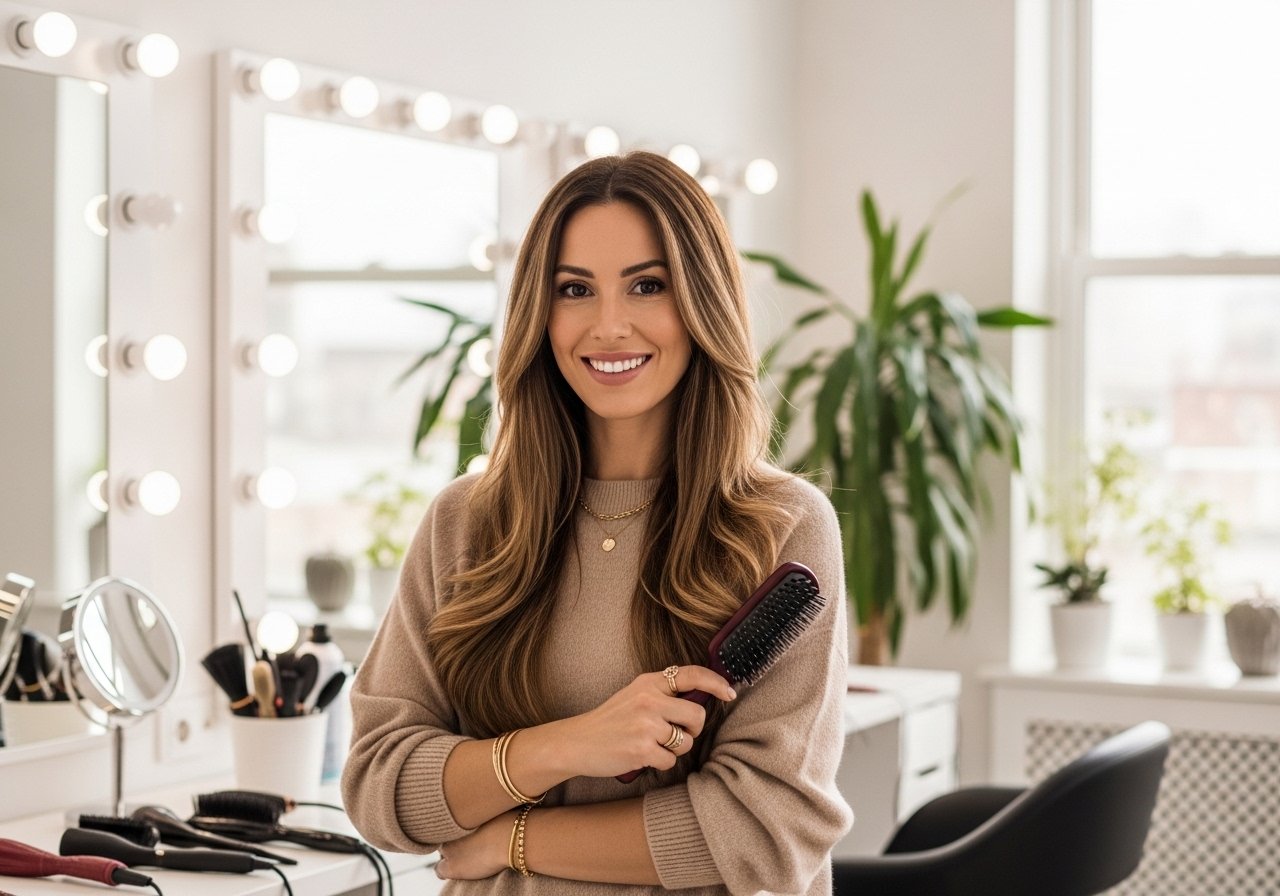
I kept my bangs for years and learned the hard way that short hair with bangs subtle styling is a different skill set than long hair. These looks mostly serve fine to medium straight and wavy hair, with a few ideas for looser curls. Skill level ranges from beginner trims to a few techniques that take 10 to 20 minutes. Most options cost under $40, with one tool splurge noted. Get a stylist for your first cut, then many of these are easy to maintain at home.
Wispy Micro Bangs For Fine Hair That Soften The Face
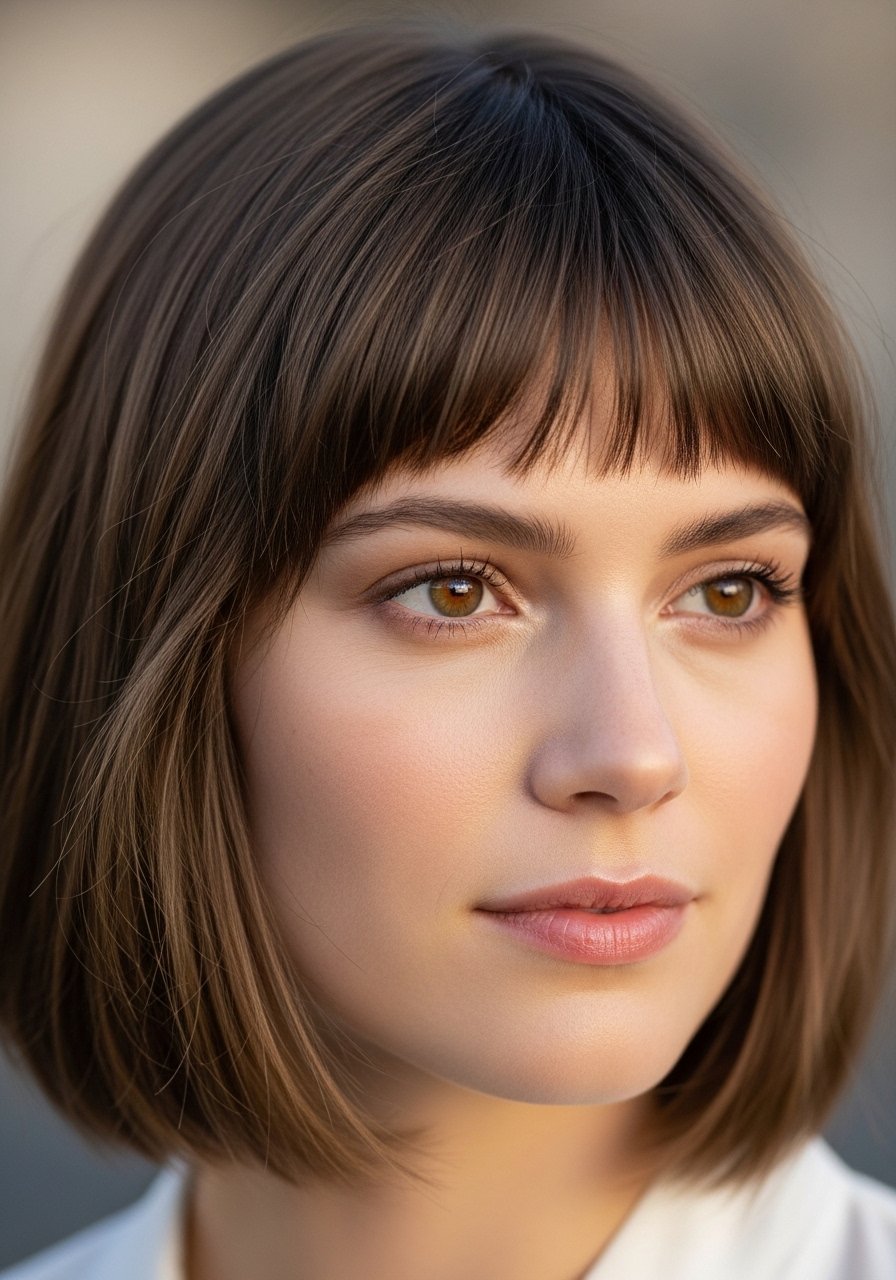
If you have fine hair, micro bangs can add shape without weighing you down. The trick is cutting tiny vertical snips into the fringe while it is dry so you do not end up too short after it settles. For styling I press with a one-inch flat iron set to 300F for fine hair, always after a light spritz of a heat protectant because heat protectant before any iron over 300F matters. Mist, bend the ends under with a small round brush for two to three passes, and you are done in six minutes. Common mistake, cutting bangs too blunt when hair is wet. Salon cut for the first time, then DIY trims every four to six weeks.
Side-Swept Bangs That Hide A High Forehead
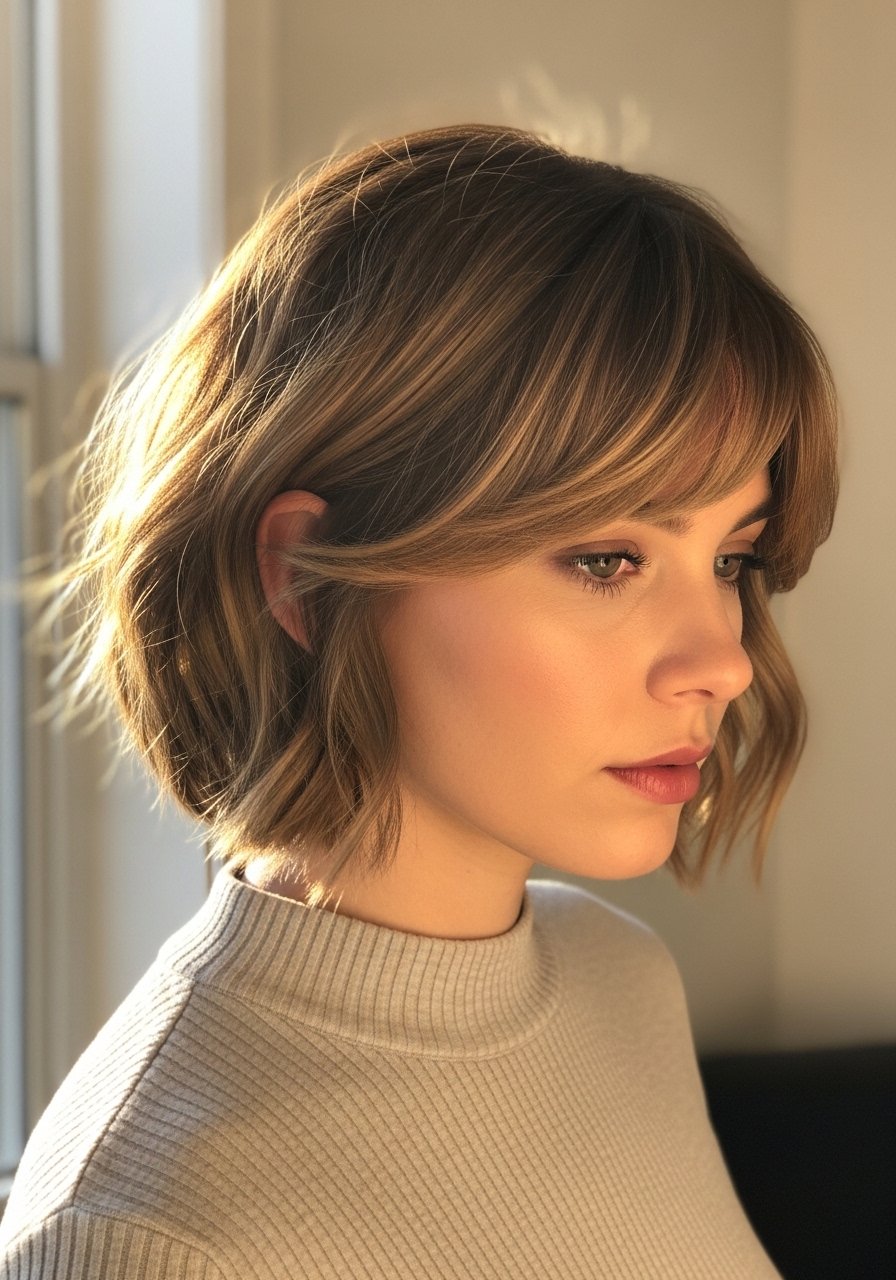
Side-swept bangs are forgiving if you have a cowlick or a high forehead. Section the fringe into a diagonal triangle, blow dry with a medium round brush away from the part, then lock the shape with one or two spritzes of texturizing spray near the ends. Works best on 1B to 2B hair, and on days you do not want structure it hides greasy roots better than blunt bangs. I find most people over-apply product to the roots. Use the 80/20 product placement rule here, 20 percent at the roots, 80 percent through the mid-lengths and ends, and your hair will look lighter and move more.
Blunt Chin-Length Bob With Subtle Baby Bangs
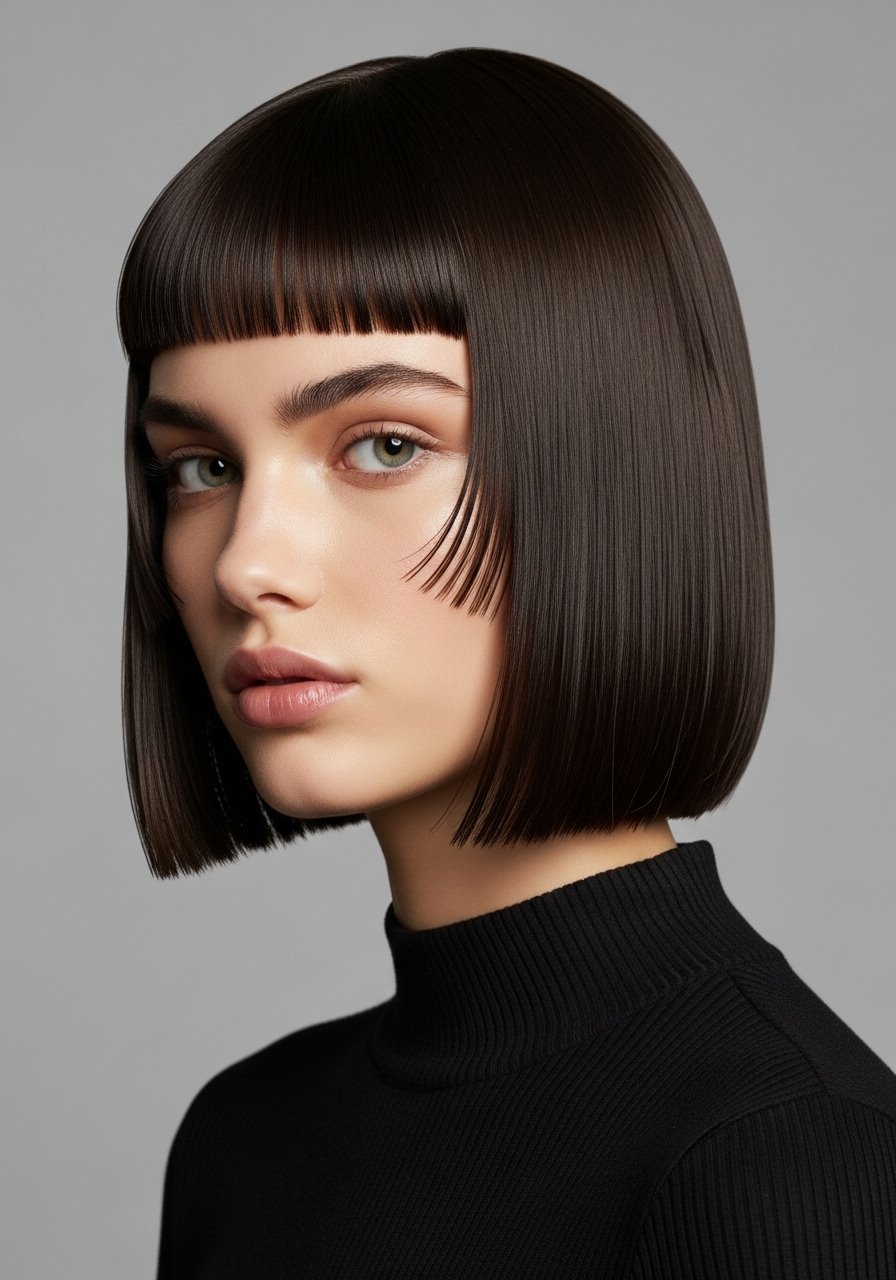
A blunt bob with baby bangs reads editorial without trying too hard when the bangs are subtle. Ask your stylist for slightly rounded corners and a 1/8-inch point cut at the center so the fringe breathes. For daily styling, two strokes with a ceramic one-inch flat iron on 320F smooths the fringe, and finishing with a dab of lightweight serum on the ends keeps the fringe from frizzing. Watch out for too much product at the root which makes fine hair look flat. Budget wise, maintain trims every four to six weeks. If you color the fringe, patch test first for scalp sensitivity.
Textured Curtain Fringe For Wavy Short Hair

Curtain fringe gives a subtle bang feel without the upkeep of a full fringe, perfect for 2A to 2B wavy short hair. Work on damp hair, apply a small coin-sized amount of leave-in cream, then use the LOC method for hold and moisture. L is leave-in, O is oil applied sparingly to ends, C is a light cream or mousse on the pieces you want to define. Diffuse on low heat for five to seven minutes if you are pressed for time. A common mistake is blow-drying the fringe flat. Instead, blow-dry with tension, fingers lifting at the roots for three short passes. Salon cut recommended first time to set the part.
Piecey Bangs For Thick Hair That Don’t Flatten
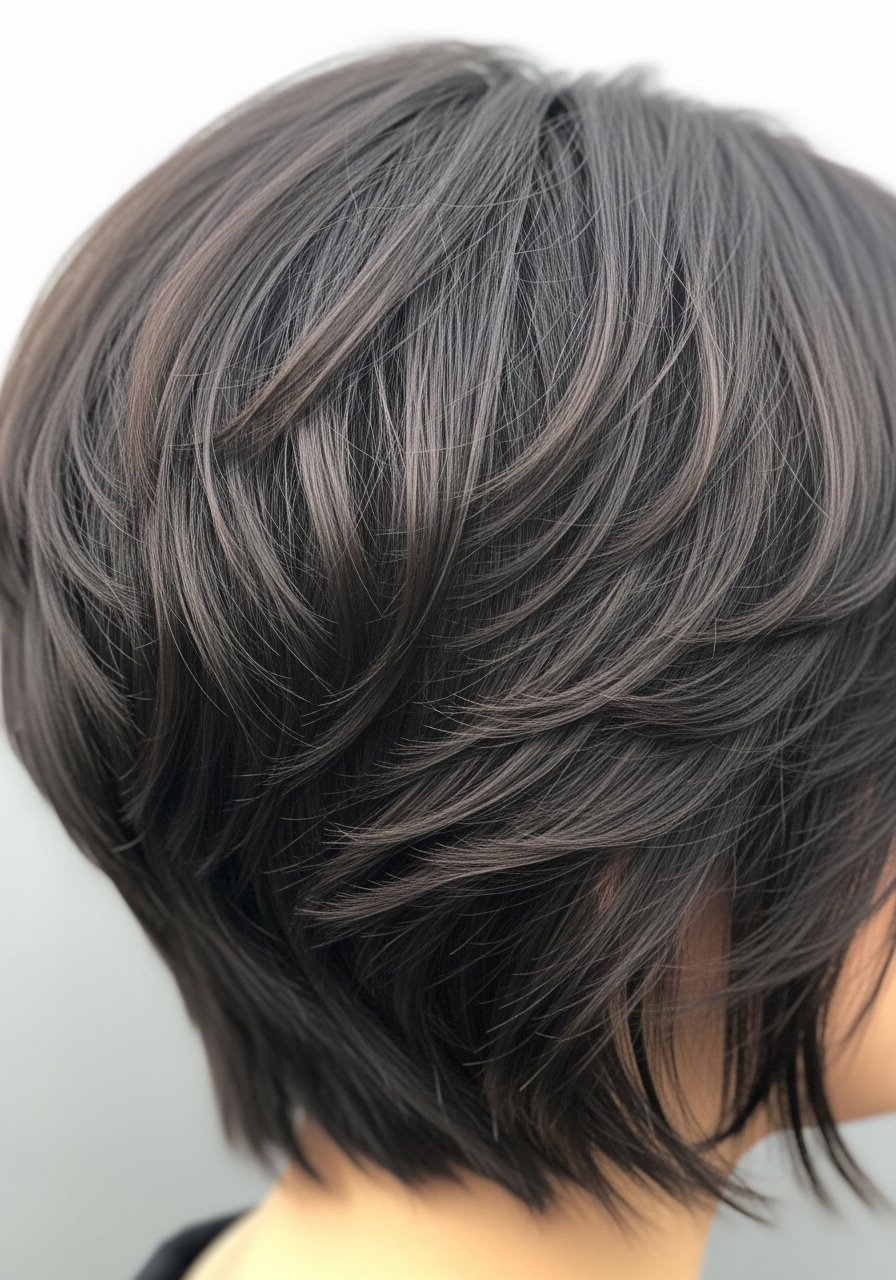
Thick hair needs piecey bangs to avoid a heavy curtain across the face. Your stylist should remove bulk from the interior of the fringe, not just thin the ends. At home, use a wide-tooth comb to separate the bangs into five to seven sections and twist each section briefly while striking with a flat iron at 350F to give separation. Finish with a pea-sized amount of lightweight styling paste worked between fingertips to keep strands defined. The error most people make is over-brushing which blends the pieces back into a block. If you need to lighten front pieces, remember allergy patch tests and that lift over color is a salon job.
Grown-Out Bangs Trick With Root Touch-Up Spray
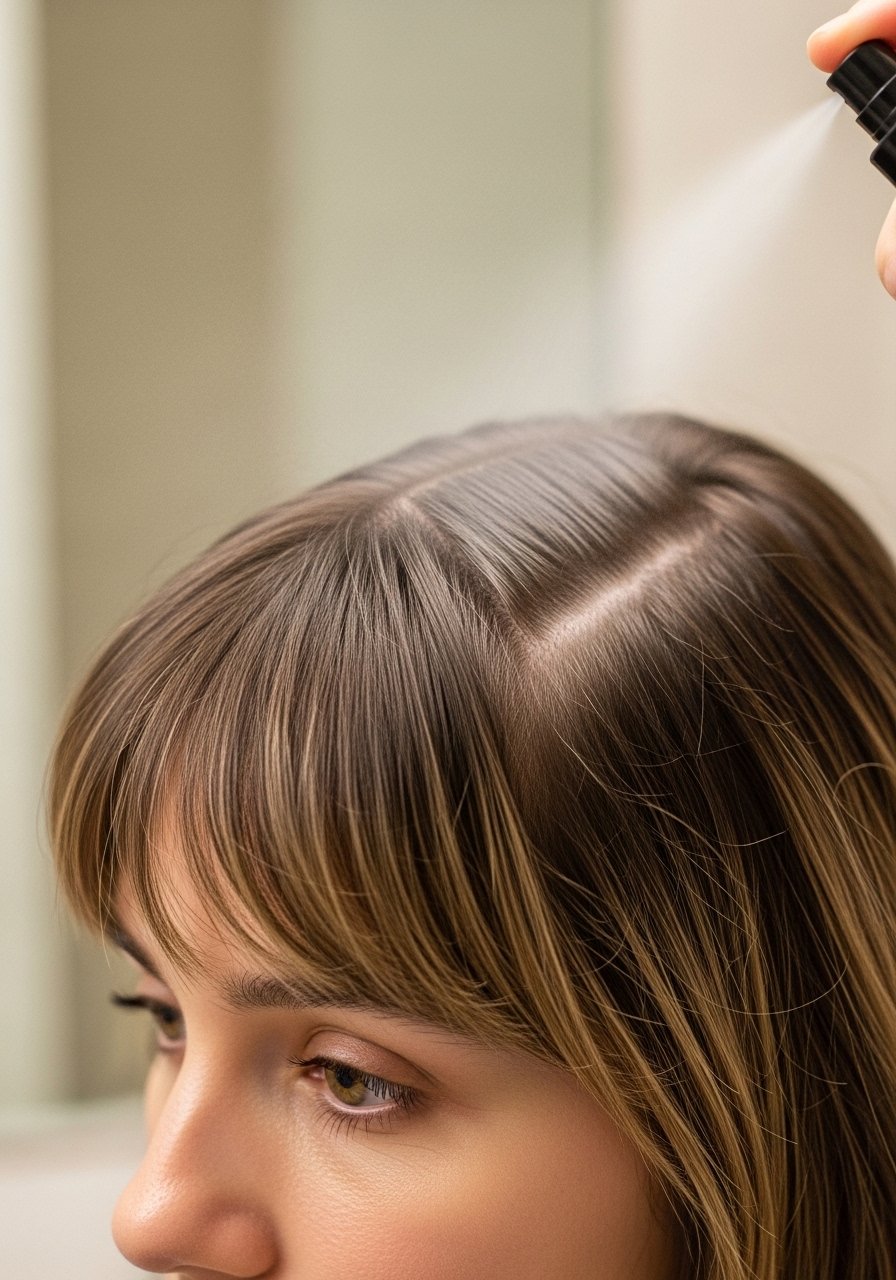
When bangs grow out into an awkward stage, a quick root touch-up spray at the part buys you time between trims. Spray the midline at the part and blend with fingers to mimic a softer fringe line. This is a two-minute fix for any short hair with bangs subtle grown-out phase. Works best on 1B to 2B hair. Overuse makes hair look painted, so target just the edges. For longer-term blending, ask a stylist for a face-framing point cut and a slight razor texturize. If you use color sprays, shake well and test on a small section to avoid staining fabrics.
Heat-Set Bangs For Smoothness That Lasts All Day
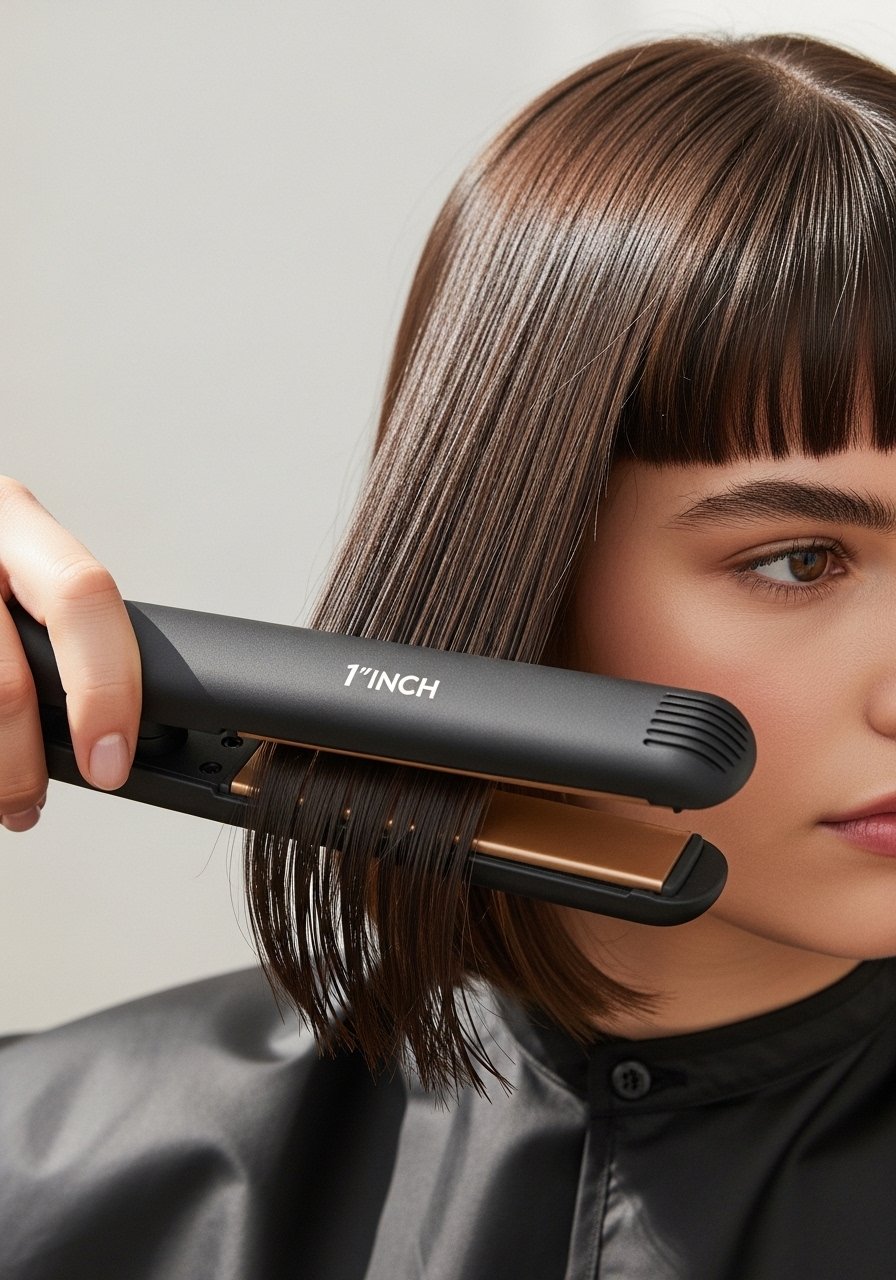
If your bangs frizz or bend midday, heat-setting them after a damp blow-dry keeps the shape longer. Work in 1/4-inch sections, clamp and glide a ceramic plate flat iron at 320F for fine hair and 360F for thicker hair, always after applying a spray heat protectant. Remember heat protectant before any iron over 300F. Finish by misting very lightly with an anti-humidity spray so the shape holds two to three days. Big mistake is pressing hot tools to damp hair. Hair must be dry or you risk steam damage.
The Short Bang Kit I Actually Reach For
- Olaplex No. 3 hair perfector, 3.3 oz, used weekly for damage control. Buy from the official Olaplex store on Amazon or pick it up at Sephora to avoid counterfeits. Olaplex No. 3 hair perfector
- A one-inch ceramic flat iron that hits 300F to 380F depending on density. Flat iron 1-inch ceramic
- Color-safe sulfate-free shampoo, 8oz, for the color-framed bangs. Sulfate-free-shampoo-8oz
- Lightweight leave-in cream, travel size for touch-ups. Leave-in-conditioning-cream
- Small 1-inch round brush for quick blow-dry styling. Small-round-brush
- A microfiber hair towel that cuts dry time and tamps frizz. Microfiber-hair-towel
- Root touch-up spray for the grown-out stage. Root-touch-up-spray
- Dry shampoo for second-day bangs that get oily fast. Dry-shampoo
- A silk pillowcase to reduce morning frizz and breakage. Silk-pillowcase
- Hair-cutting scissors for small trims at home, practice on a test piece first. Hair-cutting-scissors
Shaggy Pixie With Side Bangs For Curly Hair
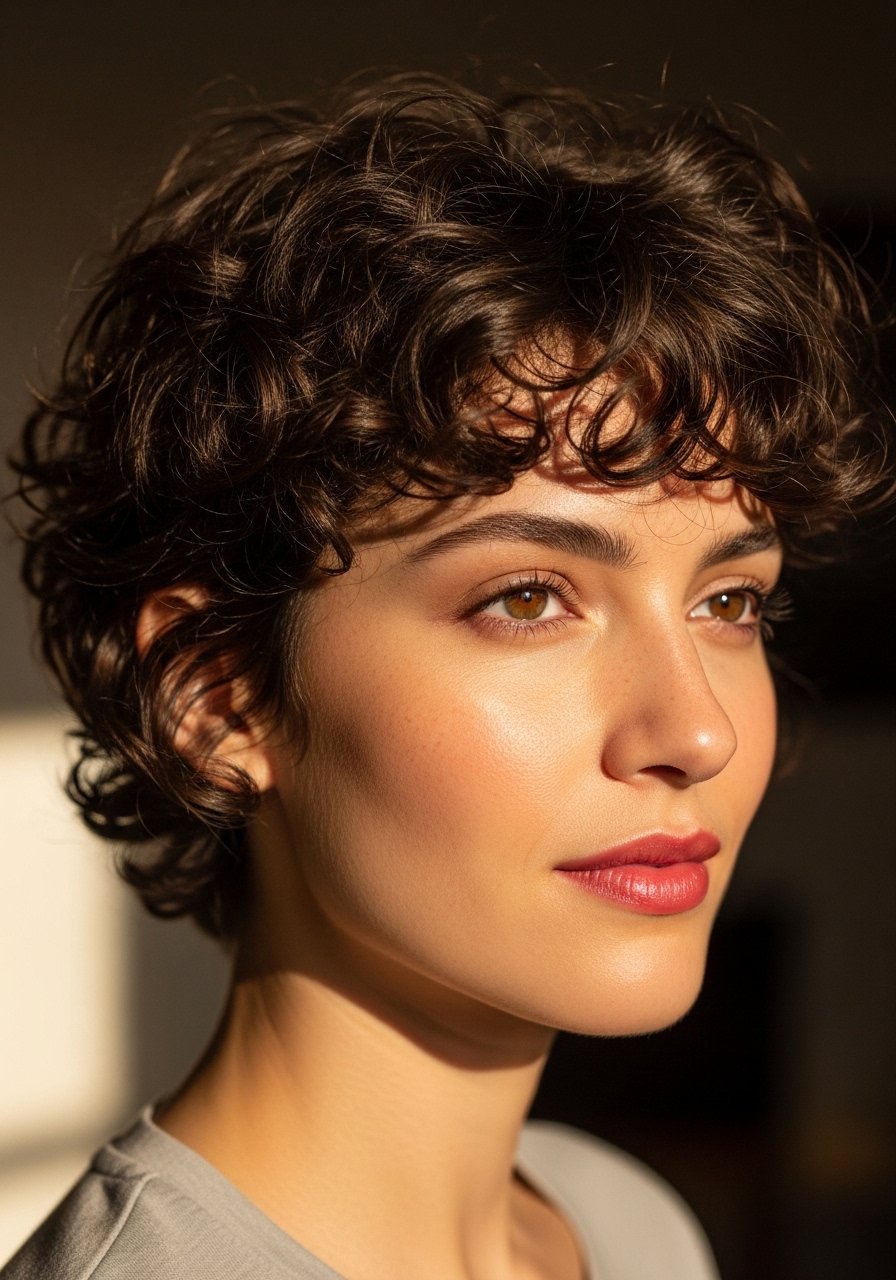
Curly hair needs different bang rules. For 3A to 3C kinks, keep the bangs slightly longer than you think because shrinkage will bite. Cut bangs dry in twist-tested sections, shape around the curl pattern, and use the LOC method to maintain them. I use a pea-sized amount of leave-in, one drop of oil on ends, and a light cream to define the face-framing pieces. A common mistake is gel-only routines that flatten the fringe by midday. Swap in a cream under your gel and you will see the difference. Salon cuts are safer for the first shaping, then small trims at home.
Slicked Bangs For Sleek Short Hair Using Gel Method

For a polished look, slicked bangs are quick and photo-ready. Apply a pea-sized drop of water-soluble gel to the fringe, comb through with a fine-tooth comb, then smooth with a light-hold hairspray. If you want that wet look without stiffness, blend a dime-sized amount of lightweight oil into the mid-lengths to balance shine. On short fine hair, lower the gel amount to avoid weight. The mistake here is starting with dry product on dry hair which flakes. Start with slightly damp hair for a shiny, flexible finish.
Braided Accent Bangs To Keep Hair Out Of Eyes
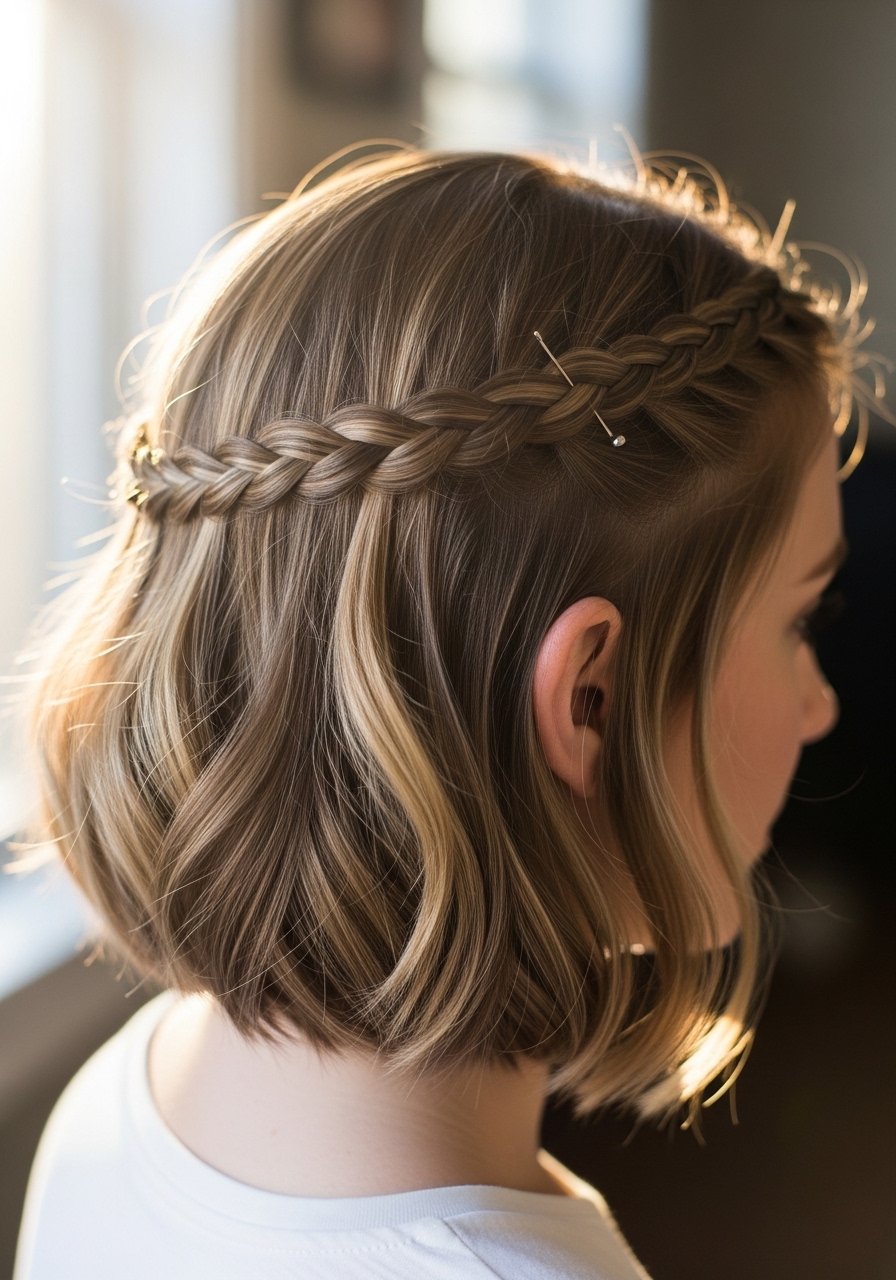
If you hate trimming, a tiny braid across the front tucks bangs back while still showing shape. Divide the fringe into three small sections and braid two inches, pin with a bobby pin behind the ear. This works for 1B straight to 2B wavy hair and takes under five minutes. Mist the braid with a dab of texturizing spray first so it holds. Mistake to avoid is pinning too close to the part which throws the balance of your cut. Great DIY trick for busy mornings or windy commutes.
Wet-Look Bangs For Straight Hair With Sea Salt Mist
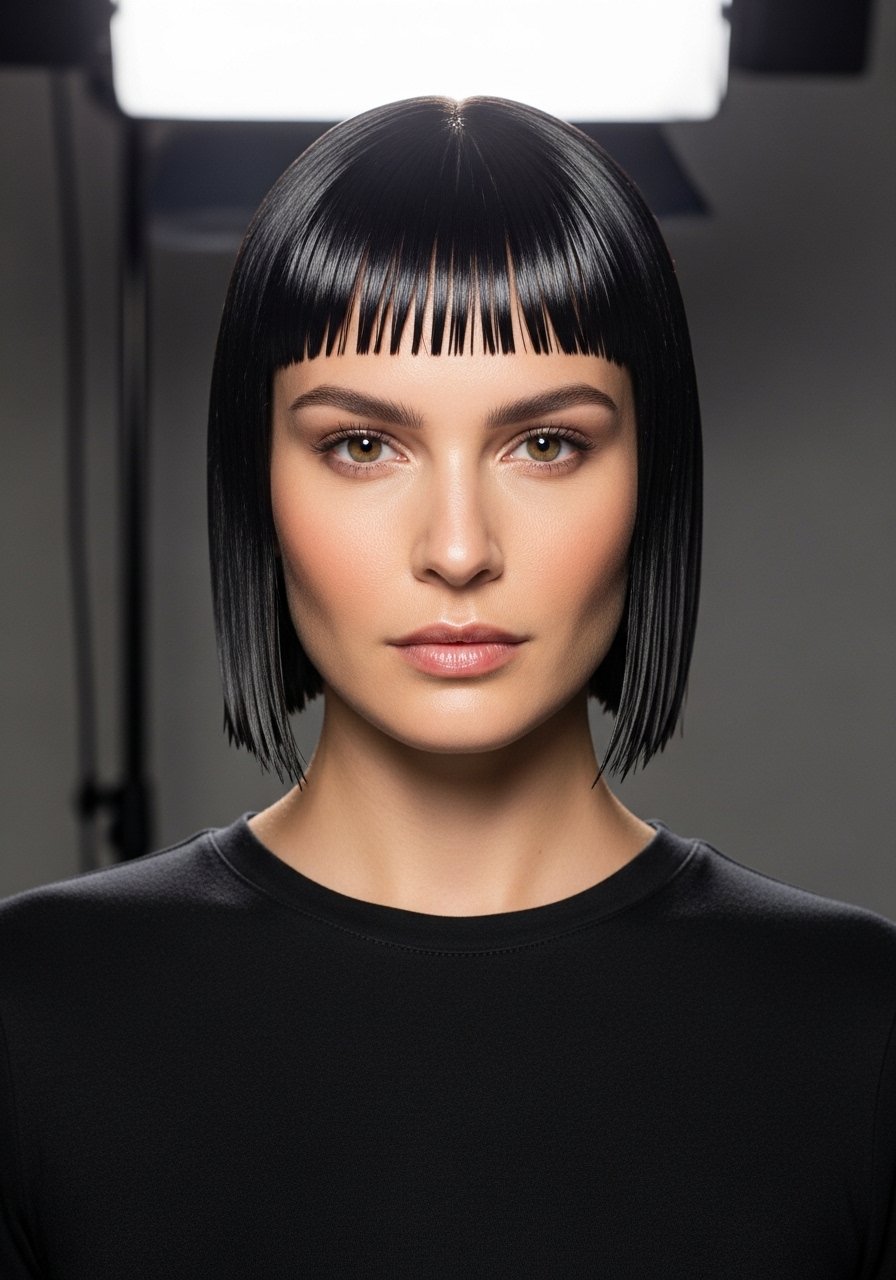
To get a controlled wet look, start with damp bangs, apply two sprays of sea salt spray along the fringe, then smooth with a small amount of styling cream. Blow-dry briefly on cool to set the shape. Sea salt gives separation without crunch. The error is using too much salt spray which makes hair feel dry, so keep it to two or three spritzes. If you have sensitive scalp, test the product near the hairline first.
Bangs With Subtle Money Piece Highlights
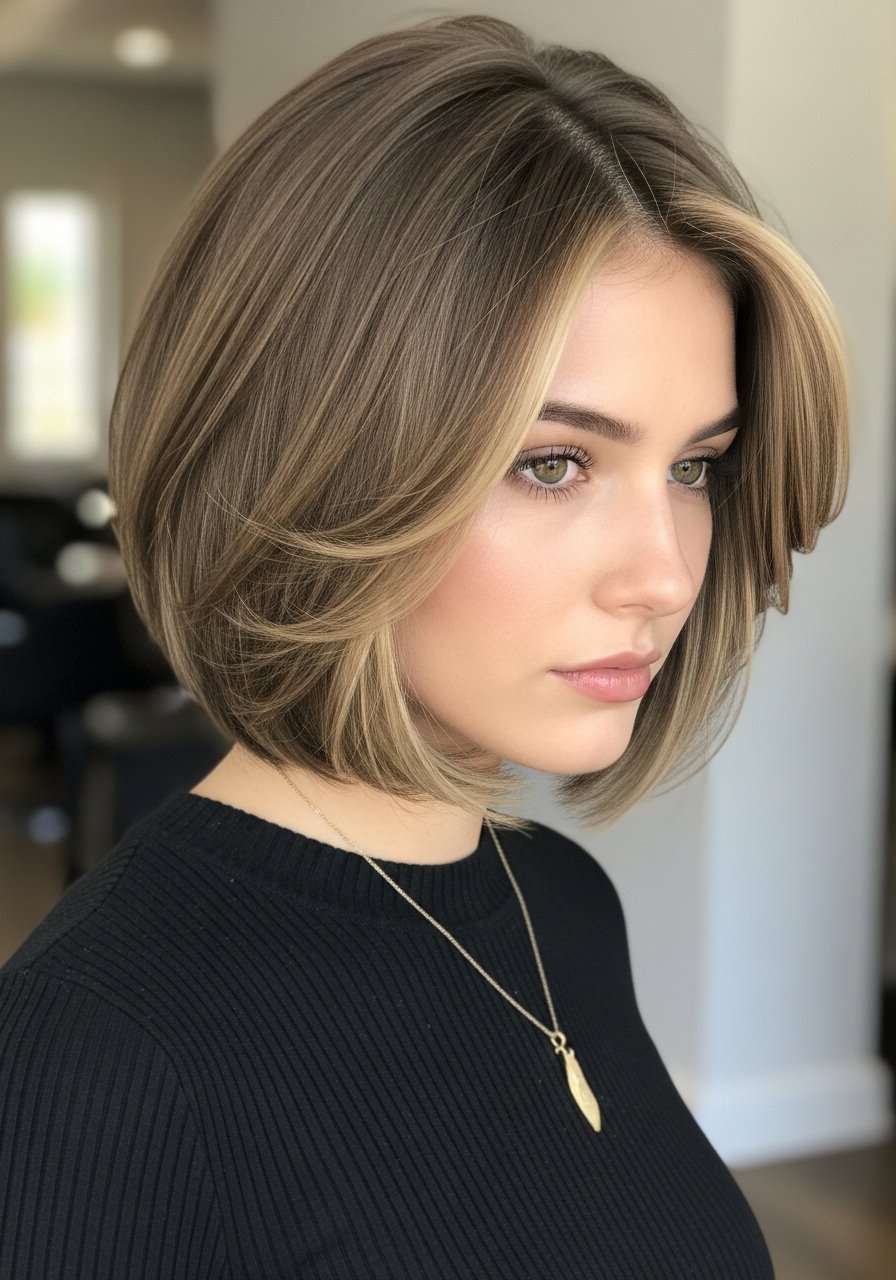
A very soft money piece brightens the face without heavy upkeep if you stick to subtle tones one to two shades lighter. For short hair the highlights should be thin and blended into the fringe so they grow out gracefully. If you are lightening, remember lifting over previous color can be risky. Lifting bleach over dyed hair is a salon job, not a kitchen experiment. Use a salon service for the first lightening and then maintain with a color-safe shampoo. A common mistake is asking for too much contrast which looks harsh on short silhouettes.
Low-Maintenance Bang Trim Routine You Can Do At Home
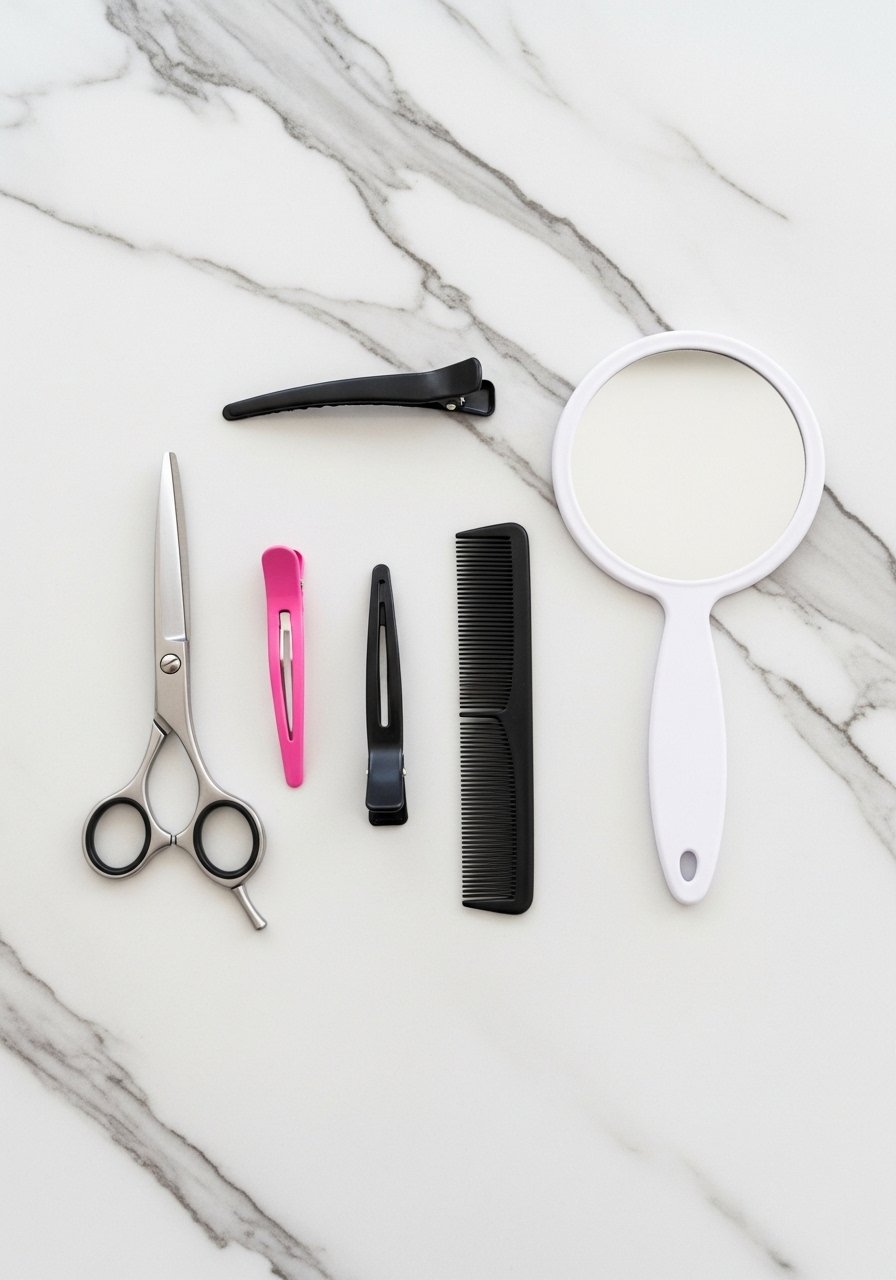
Once you know your fringe shape, small trims every two to four weeks stop the grown-out awkwardness. Work with dry hair in natural fall, clip the head forward, and trim tiny vertical snips into the fringe rather than cutting a straight line. Use dedicated hair-cutting scissors and practice on a hidden piece first. The mistake people make is cutting too much at once. Trim an eighth of an inch and recheck. If you are nervous about unevenness, book a professional tidy-up instead of a major reshape.
What I Tell Friends About Bangs Before They Cut Them
- Heat protectant goes on damp hair, not dry. The cuticle is more open and the product actually absorbs. This Color Wow heat protectant is one I keep reaching for
- Grab a microfiber hair towel for $12. It cuts your blow dry time by a third and stops the frizz before it starts
- Hair grows about half an inch a month at most, regardless of what biotin gummies promise you. Plan trims on that timeline
- Spent $300 on a Dyson Airwrap and used my $30 round brush more for the next year. If you style daily with heat, a splurge tool pays off. If not, a small round brush and decent flat iron do most of the work
- Low-porosity hair needs warmth to accept products. Use a warm towel or sit in a steamy shower for two minutes before applying thicker leave-ins so they actually penetrate
Frequently Asked Questions
Q: How often should I trim short bangs to keep them looking intentional?
A: Every four to six weeks for blunt styles, and every six to eight weeks for softer, curtain or piecey bangs. If you prefer a lived-in look, trim only the middle and let the sides soften. For DIY trims, cut dry and go slow.
Q: Can I bleach the front pieces myself for a subtle money piece?
A: Lifting bleach over previous color risks breakage and uneven tone. This is best done in a salon. If you insist on DIY, do a patch test for scalp sensitivity and lift in stages rather than one heavy session.
Q: Why do my bangs get oily so quickly and what helps?
A: Bangs are near the forehead so natural oils and sweat hit them first. Use a light dry shampoo on the roots between washes and rinse with water plus a tiny dollop of shampoo once or twice a week to avoid over-stripping. Also reduce product at the root by following the 80/20 product placement rule.
Q: Is there a safe way to trim bangs at home without messing them up?
A: Yes. Work on dry hair, take small vertical snips rather than a straight cut, and trim less than you think. Use proper hair-cutting scissors and test on a small section. If you have an asymmetrical or complex cut, see a pro.
Q: My bangs puff up in humid weather, what can I do?
A: Finish styling with a light anti-humidity spray and avoid heavy creams at the root. A tiny amount of oil on the tips helps weight them down without greasing. If humidity is extreme, plan for a slicked-back look or a pinned braid for the day.
Q: Can I wear bangs with a cowlick or strong part?
A: Yes, but you should tell your stylist. They can cut the fringe to work with the cowlick by angling the part or using longer side pieces that tuck. If you try cutting yourself, start longer and adjust.