If your curtain bangs separate into sad little triangles by midafternoon or your forehead gets oily two days after a wash, this is for you. I have cut, trained, and helped friends grow out curtain bangs that refused to sit right. Below are practical styling methods, realistic product notes, and the small mistakes that ruin a good cut.
These looks work best on fine to medium 2A through 3B hair at shoulder length to collarbone. A few ideas include steps for thicker 3C hair and for soft curls. Time commitment ranges from five minutes a day up to a salon visit. Most ideas are under $40, with a couple of tool splurges worth it.
Soft Center Part Curtain Bangs For Shoulder-Length Straight Hair
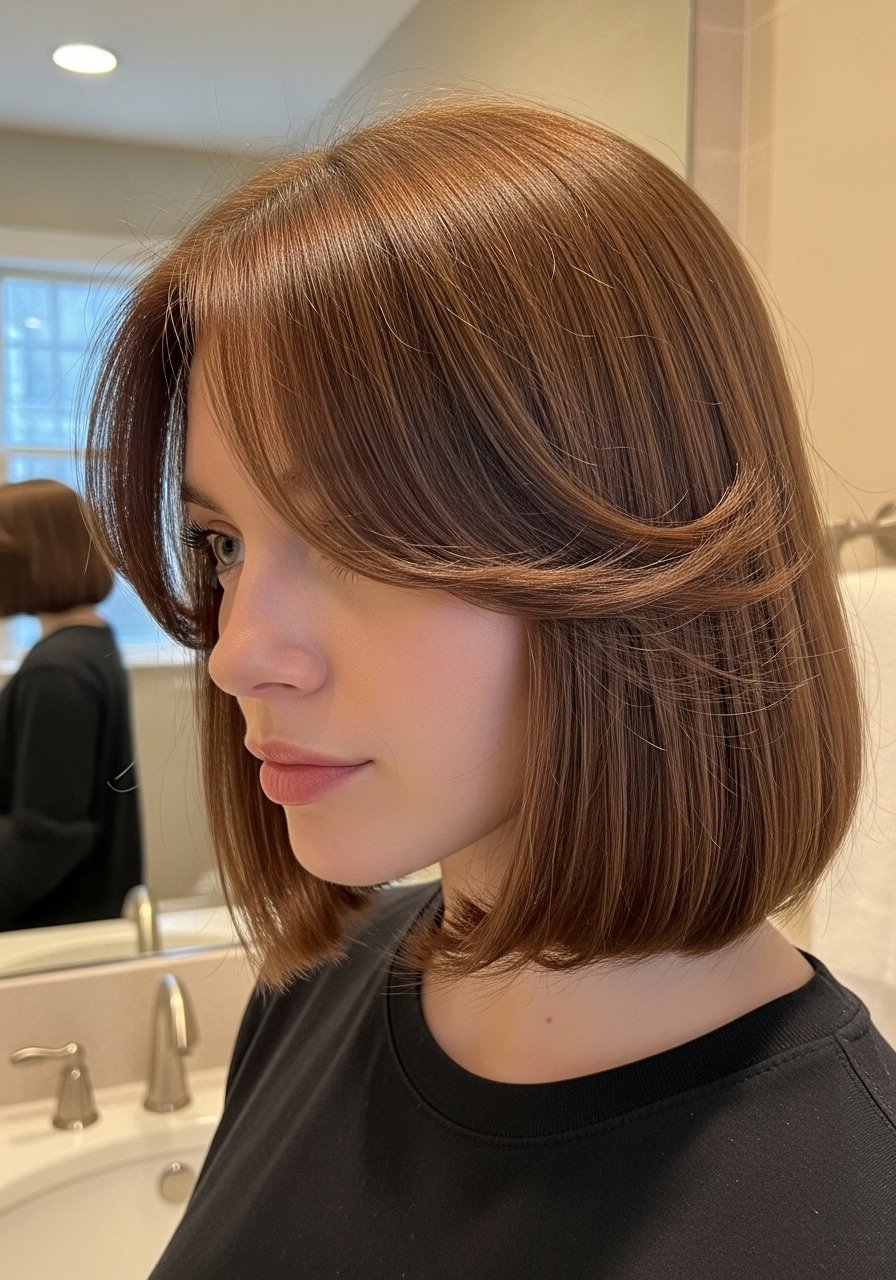
If your hair is straight and fine, cutting a slight long-to-short gradient works better than blunt bangs. Ask for one to two long face-framing layers, and keep the length grazing the cheekbones so the weight helps the part sit. When styling, I run a 1-inch round brush with medium heat, about 320 to 340 degrees Fahrenheit on the dryer, sweeping each half outwards in three sections per side for consistent curve. A dab of lightweight pomade along the ends keeps separation from happening, and two spritzes of a lightweight heat protectant on damp hair is mandatory when using heat over 300F. Common mistake, cutting too short too fast. Salon cut recommended for major shape changes.
Feathered Curtain Bangs For Round Faces

Want to slim a round face without losing volume? Ask for feathered curtain bangs that have lighter weight at the ends. I ask my stylist for shorter internal layers, leaving the outer pieces long so they frame the cheekbones. For home styling, blow dry with a vented brush using the LOC method for hold: leave-in, oil, cream. The oil I reach for is a pea-sized drop of argan oil applied to mid-lengths and ends only. The mistake people make is over-layering the fringe and losing face-framing pieces, which creates too much volume at the cheeks. This is an easy salon fix, but a 10-minute daily blowout will keep the shape.
Curtain Bangs With Subtle Money Piece Highlights
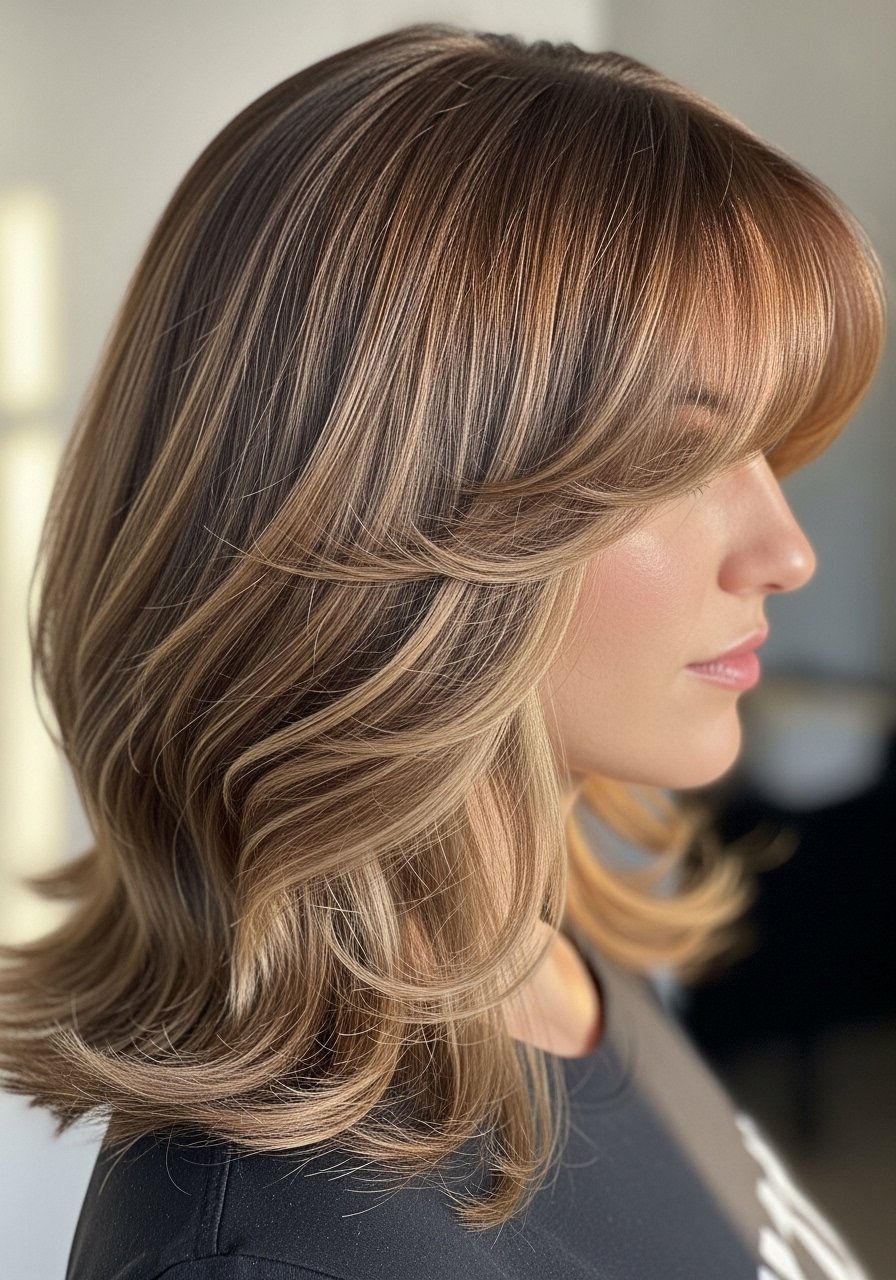
Brightening the money piece near curtain bangs lifts the face without a full-color commitment. I ask for a thin slice, two to three foils per side, painted with a balayage touch so it blends as the bangs grow. If you color at home, do a patch test for allergies and expect touchups every eight to ten weeks. For color care between appointments, one pump of a color-safe conditioner and a purple or blue shampoo used no more than once a week prevents brassiness while avoiding dryness. Watch for DIY over-bleaching, this is a salon job for most people.
Blunt Curtain Bangs For Fine Medium Hair
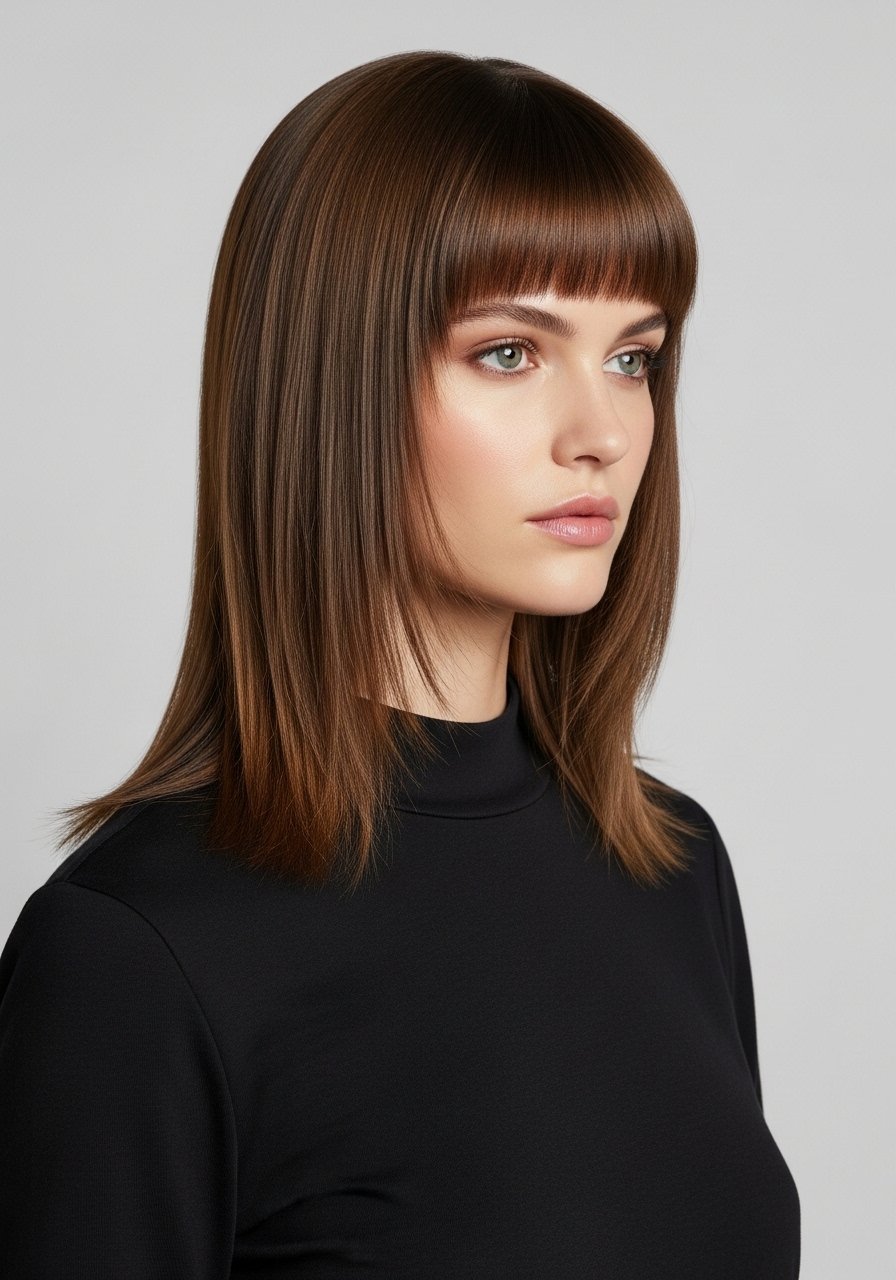
Blunt curtain bangs read modern when your hair is fine because the weight gives clean movement. Have your stylist remove internal density rather than slicing across with thinning shears. For styling, I flat iron the bangs at 320 degrees Fahrenheit in small 1-inch sections, then flip the iron at the ends so they bend away from the face. Apply a rice-grain size of a lightweight styling cream through damp hair for hold. The common mistake is to overuse hairspray which makes fine hair look stiff and separates the curtain. DIY trimming is risky here, a salon appointment every six to eight weeks keeps the edge crisp.
Wispy Curtain Bangs For Thick Wavy Hair
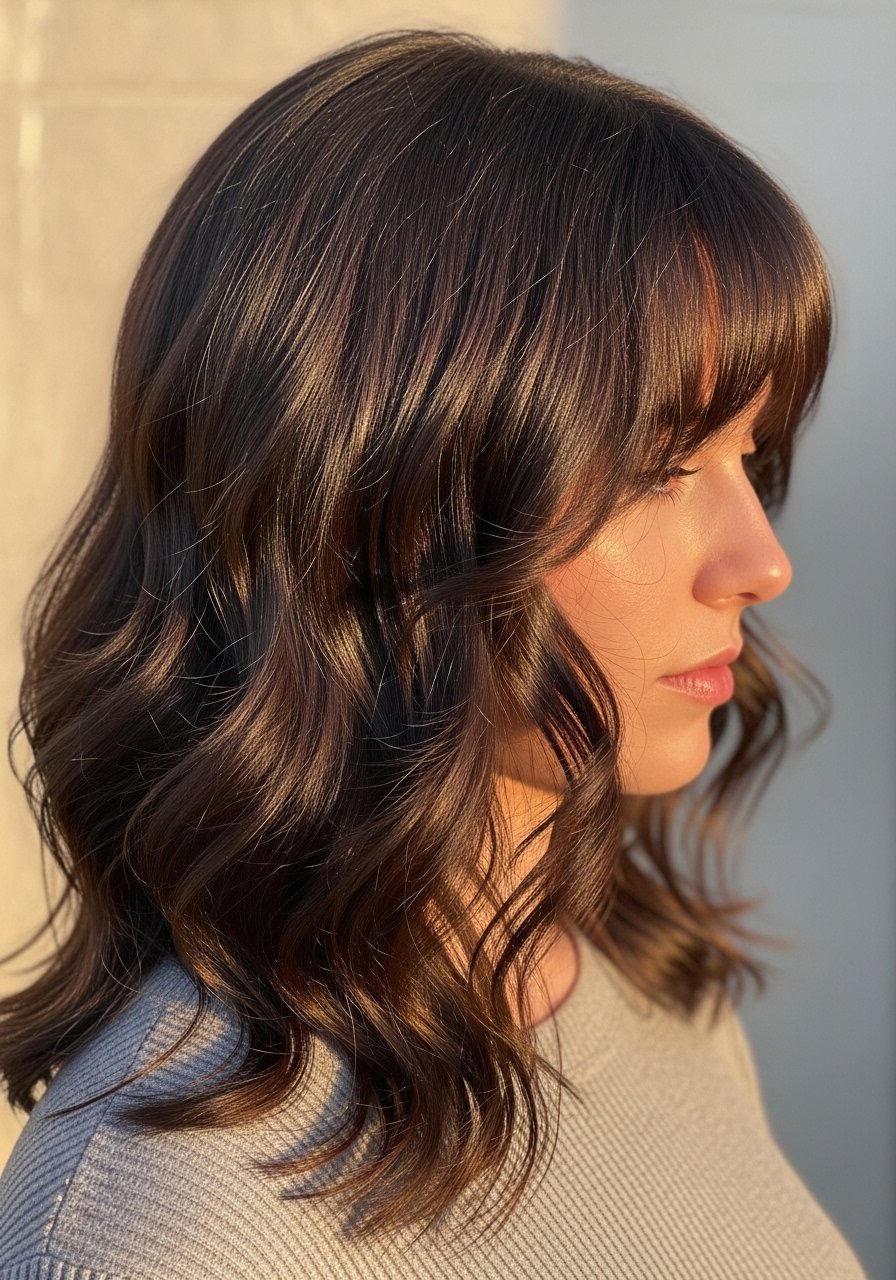
Thicker hair can look heavy if the bangs are left one length. I ask for soft razoring at the ends and thinner internal layers so the bangs sit light and breathe with my waves. When styling, I scrunch in a dime to nickel-sized amount of curl cream, then two spritzes of sea salt spray for texture. Most people use too much product and the bangs stick together. If the bangs frizz, a quick pass with a 1/2-inch flat iron on the cool setting smooths without removing wave. Salon cutting is worth it for correct layering. Safety note, use heat protectant on damp hair before any iron over 300F.
Curtain Bangs Grown Out With Face-Framing Layers
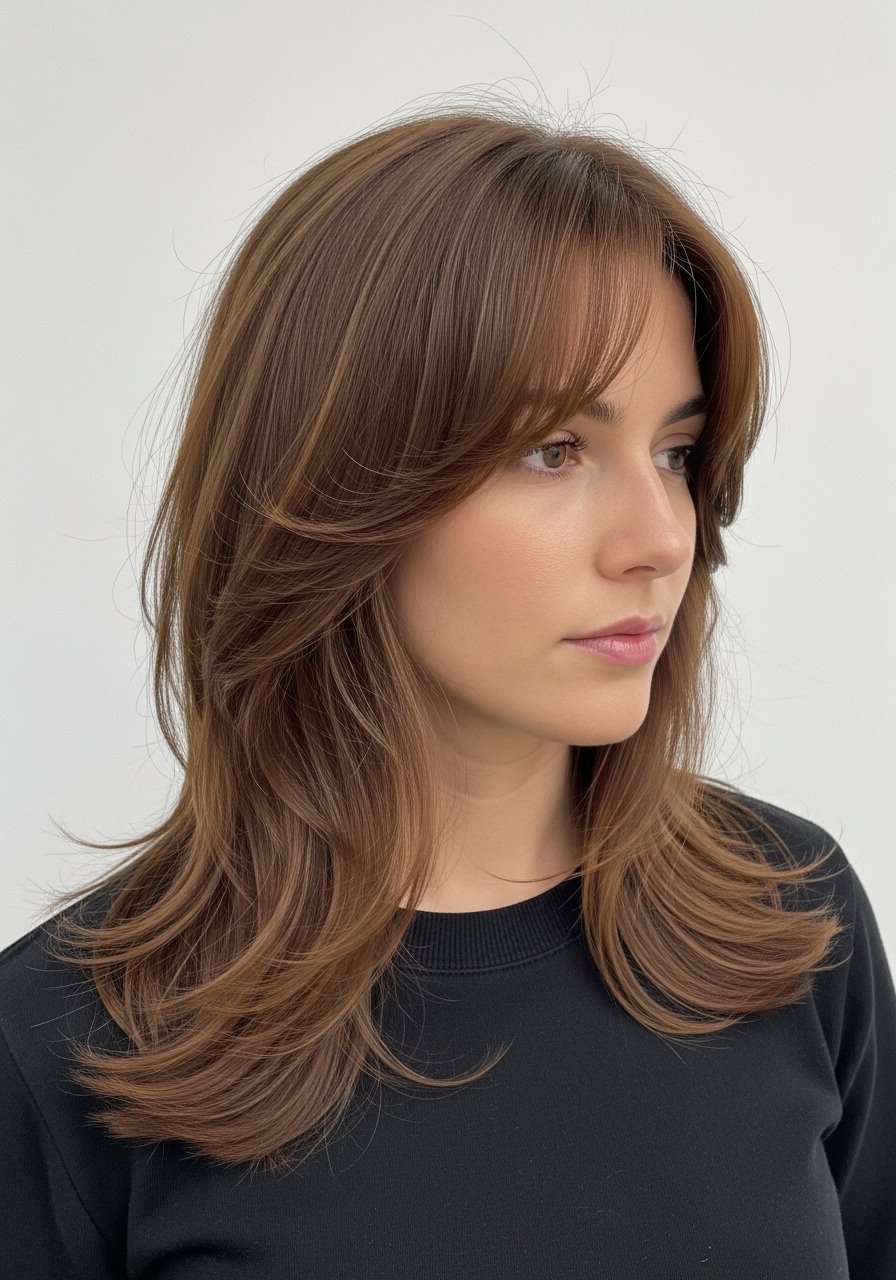
If you want to grow your curtain bangs without the awkward curtain gap, add face-framing layers that start at the cheek. I slide-cut small sections into the fringe every four to six weeks, keeping the length controlled. In daily styling I pin the bangs back with a small claw clip for a half hour while blow-drying the roots on medium heat to reset the part. A common frustration is greasy roots while ends stay dry. Try washing your face and hairline with a clarifying shampoo every two to three washes and use dry shampoo on day two, applying at the roots not the bangs themselves. Growing out works best with patience and minor trims.
Heatless Roll Method To Boost Bang Volume Overnight
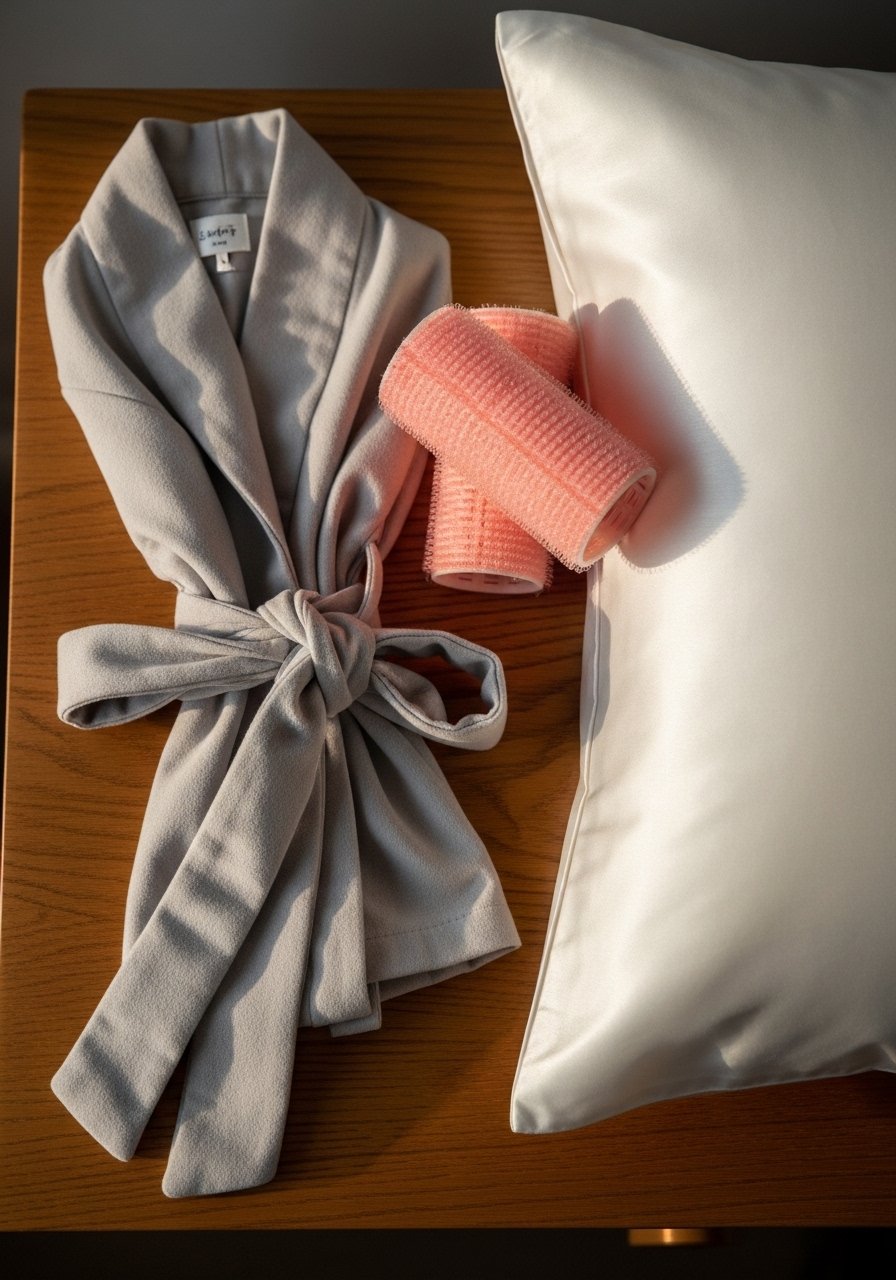
I hate blow-drying every day for bang volume. Wrap small sections of slightly damp curtain bangs around a robe tie across the crown and sleep on a silk pillowcase. In the morning unroll, finger comb, and set with a light mist of flexible hold spray. The rule I follow is three sections per side for consistent shape. Most heat protectants you spray on dry hair before flat ironing barely work. The benefit here is no heat damage and roughly five extra days between full styling sessions. If your hair is thick, use two robe ties to avoid compression at the roots.
The Small Curtain Bangs Kit I Actually Use
- For weekly strengthening treatments, Olaplex No. 3 Hair Perfector 3.3 oz. Buy from the official seller on Amazon or at Sephora to avoid counterfeits
- For daily hold and heat protection, a lightweight heat protectant spray under $20
- For smoothing and second-day shape, a dry shampoo designed for dark hair that blends without white residue
- For styling, a 1.25 inch curling wand around $35 to create that soft bend
- For sleeping and heatless methods, a silk pillowcase queen under $25
- For brushing and setting, a small round ceramic brush around $15
- For color-safe maintenance if you have highlights, an 8oz sulfate-free clarifying shampoo used selectively
- For texture, a medium hold sea salt spray that does not dry out ends
- For trimming at home, a sharp hair cutting shear and a small comb, but only trim tiny amounts and follow a tutorial
- For deep conditioning, a 6.7oz bond-building mask used once a week
Curtain Bangs And A Lob Blend For 2C Waves
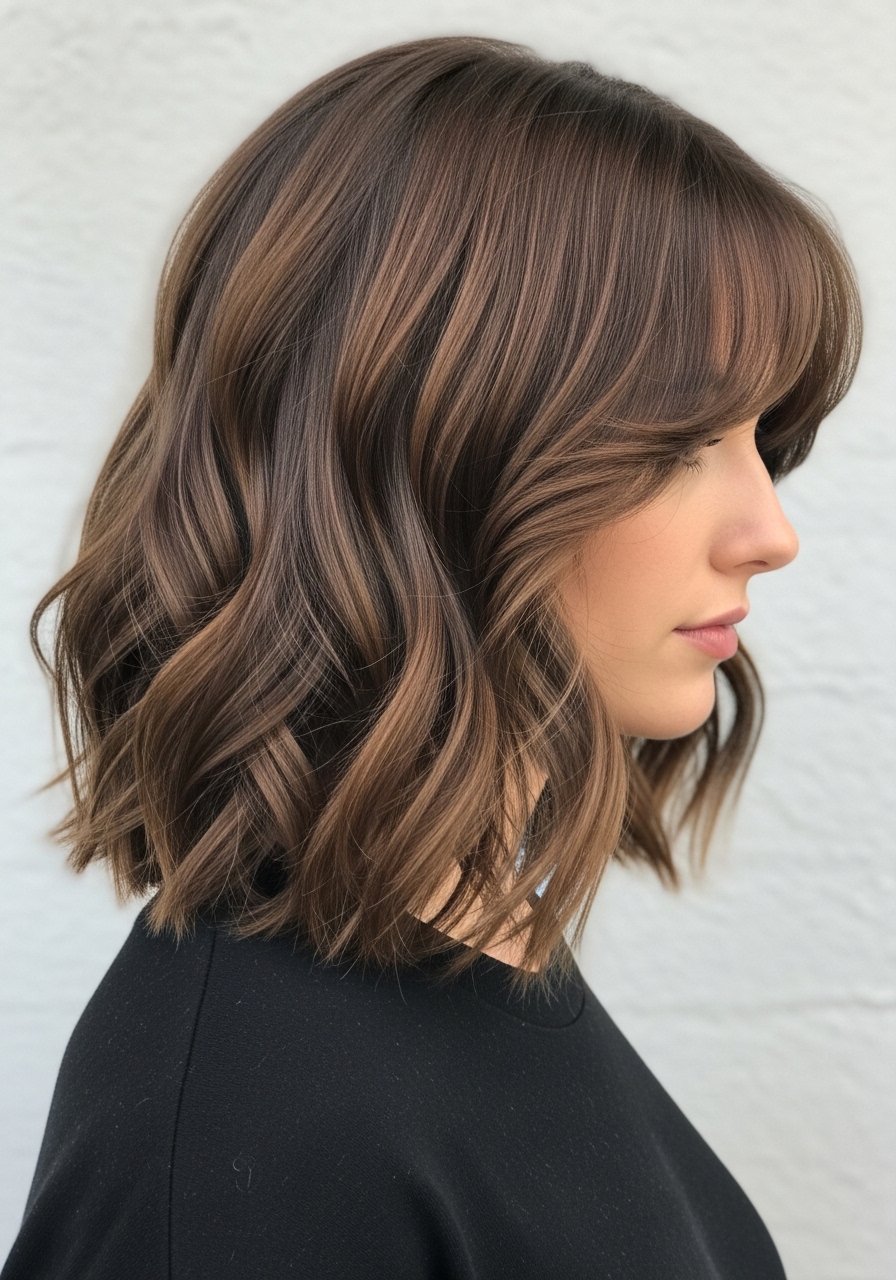
The lob with curtain bangs is a lazy-girl combo that looks finished even on air-dry days. I cut the bangs slightly longer than usual so they tuck into the lob layers. Work in curl cream to damp hair, then diffuse on low heat in 30-second bursts, flipping the head every 20 seconds to avoid a flat root. If your waves collapse by afternoon, add a dime-sized amount of lightweight paste at the ends to refresh separation. Common mistake, over-diffusing the bangs so they go too straight. This style is salon-friendly but doable at home with a 10-minute diffuse.
Curtain Bangs Styled With A 1.25-Inch Wand For That Bend
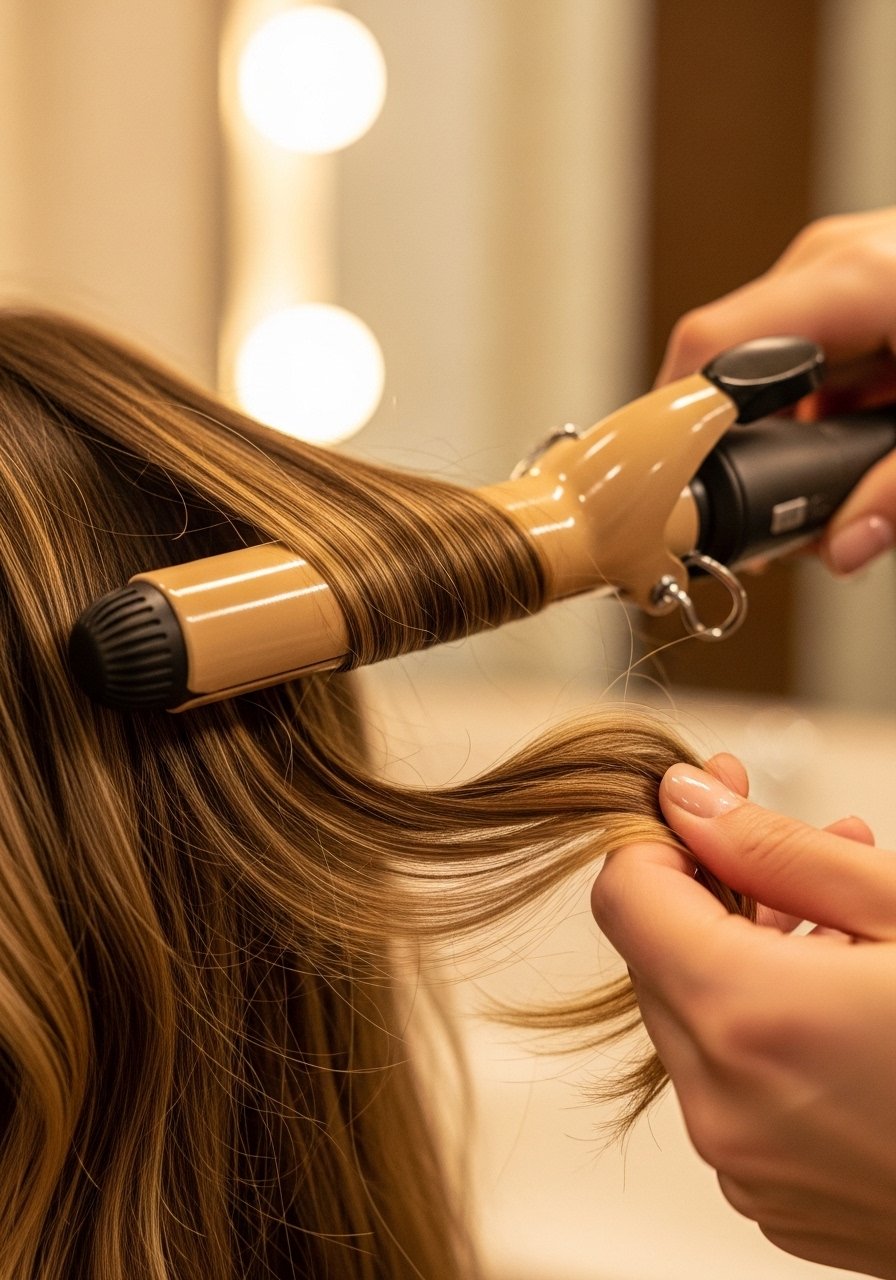
When my bangs refuse to part, a quick 1.25-inch wand pass fixes it. Take 1/2-inch sections, wrap away from the face for three to four seconds at 300 to 320 degrees Fahrenheit, then cool with a clip for 10 seconds so the bend sets. Finish by brushing the bend lightly with your fingers, not a brush, and seal with a flexible mist. The mistake is holding the wand on too long which flattens and leaves a kink. Heat protectant first, always.
Textured Curtain Bangs For Frizz-Prone Hair
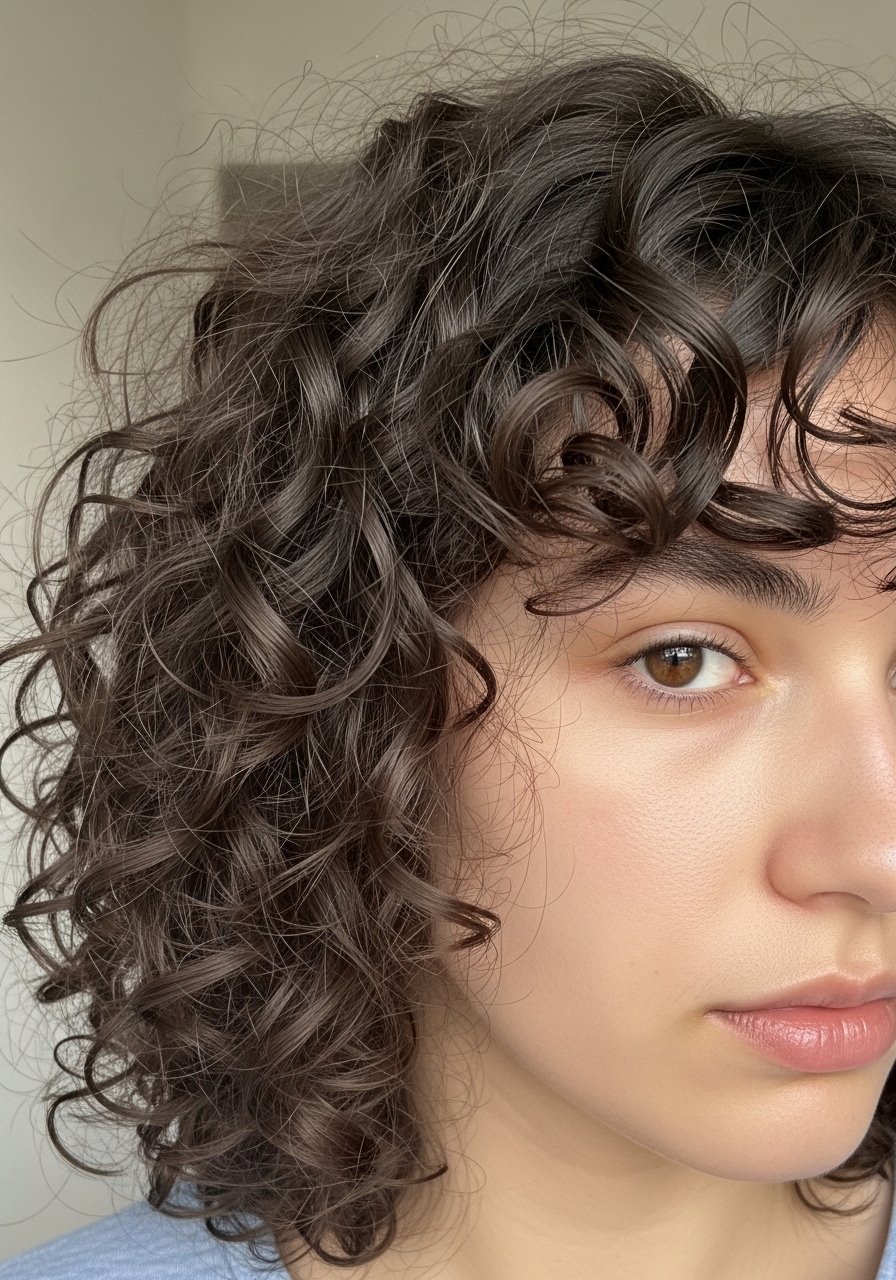
For frizz-prone hair, texture is your friend. I l-layer the bangs slightly and use the LOC method on them: leave-in, oil, cream. Use a small amount of curl gel for hold in the center pieces only, about a pea-sized dot spread between fingertips. The common frustration is crunchy bangs that separate. Avoid gel-only routines. I added a leave-in cream underneath and it changed everything. If you color treat your hair, do a patch test for any new product and use bond-building masks weekly.
Curtain Bangs For Curly Hair Type 3A
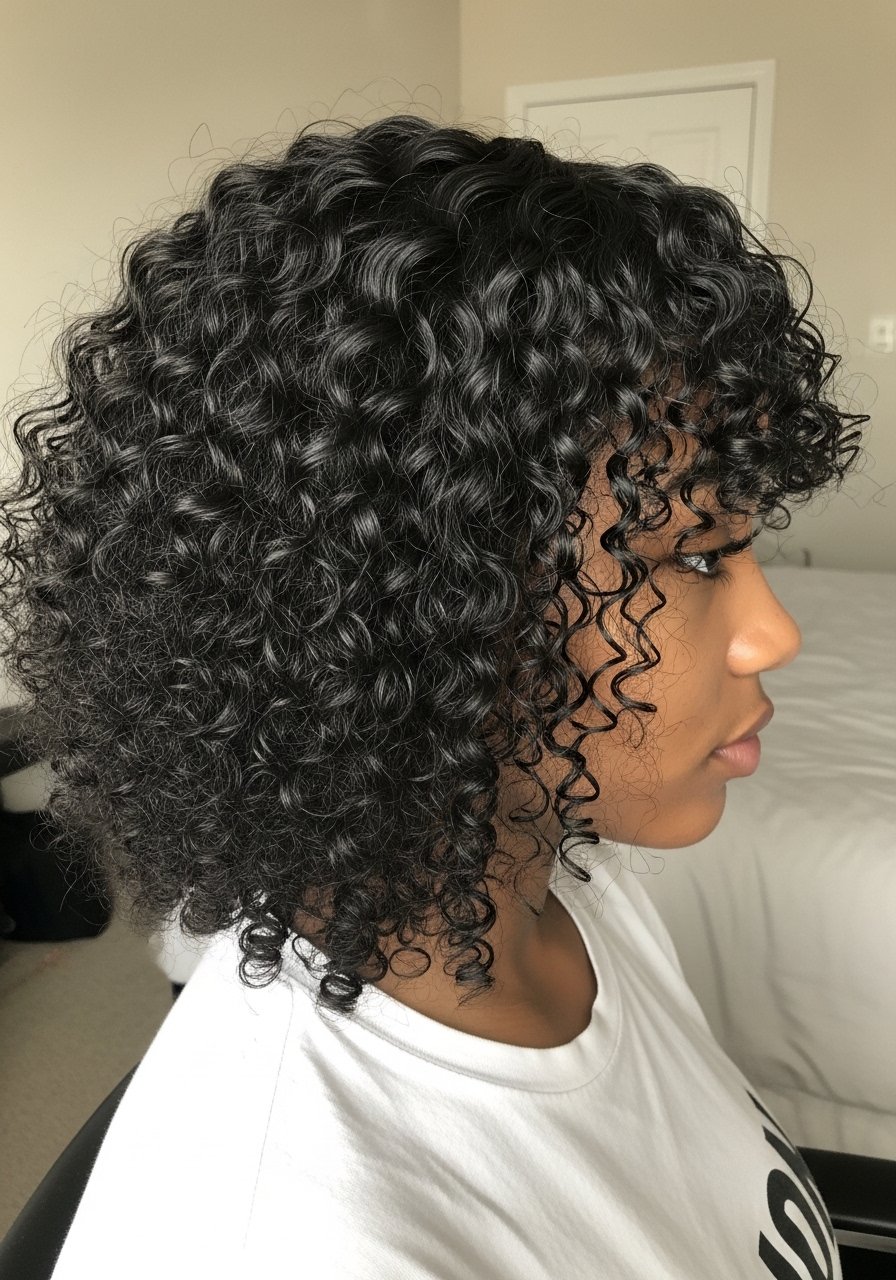
Curly curtain bangs need to be cut dry with the curl pattern visible. I cut a curl by curl shape so it falls where it should after shrinkage. For styling, keep bangs moisturized with a fingertip of curl custard applied while fully wet then plop for 20 minutes. A mistake is trimming while wet which shortens curls unpredictably. If you are unsure, book a stylist who specializes in curly cuts.
Root Touch-Ups For Curtain Bangs Without Overprocessing
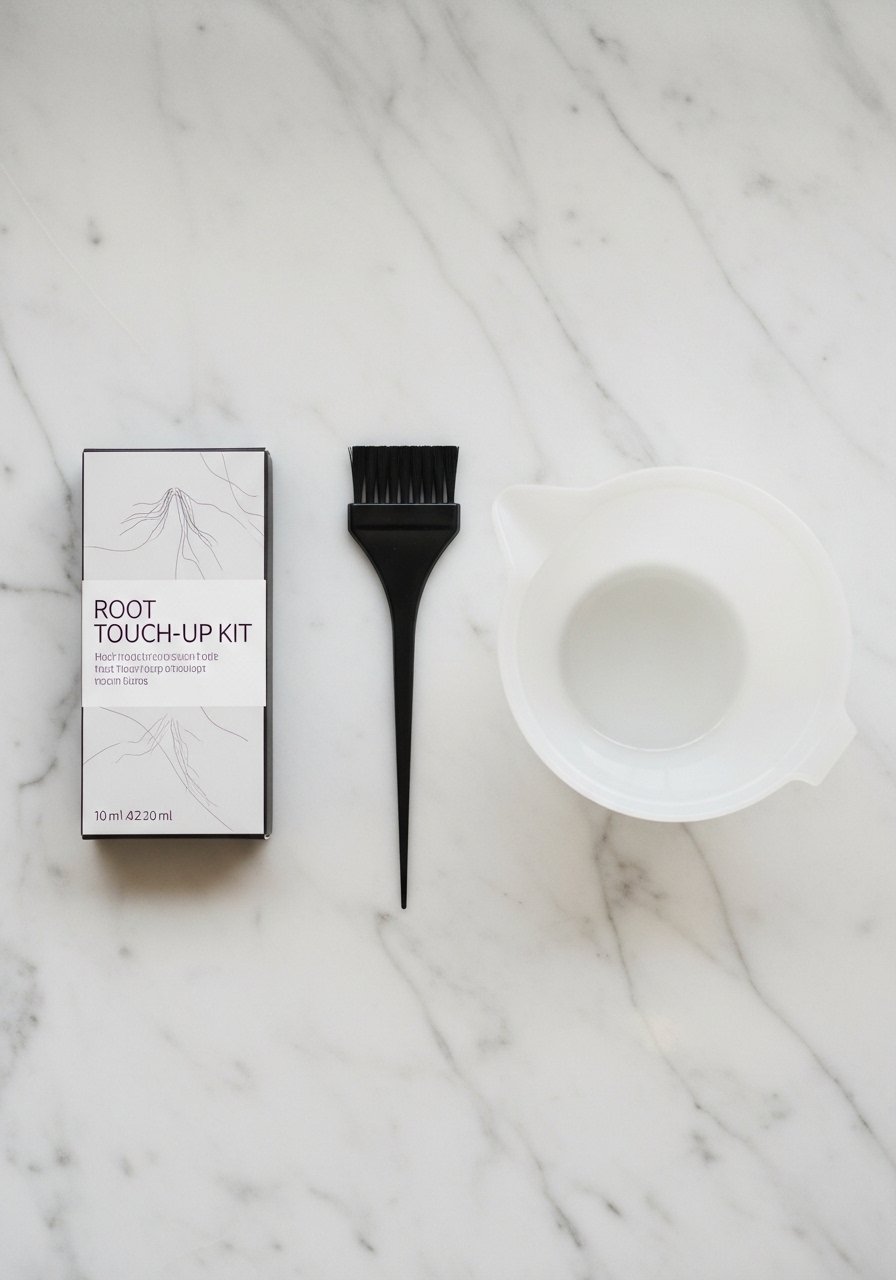
If your curtain bangs have highlights or a money piece, touching up roots without overprocessing surrounding hair matters. Use a small applicator brush and a demi-permanent formula for the first one to two touchups. Allergy patch test before any color. If you need to lift previously colored hair, do not attempt bleach-over-color at home. That warning is real. Book a salon color correction. For maintenance between appointments, a color-depositing conditioner once every two to three washes keeps tones even without daily processing.
Piecey Curtain Bangs From Controlled DIY Thinning
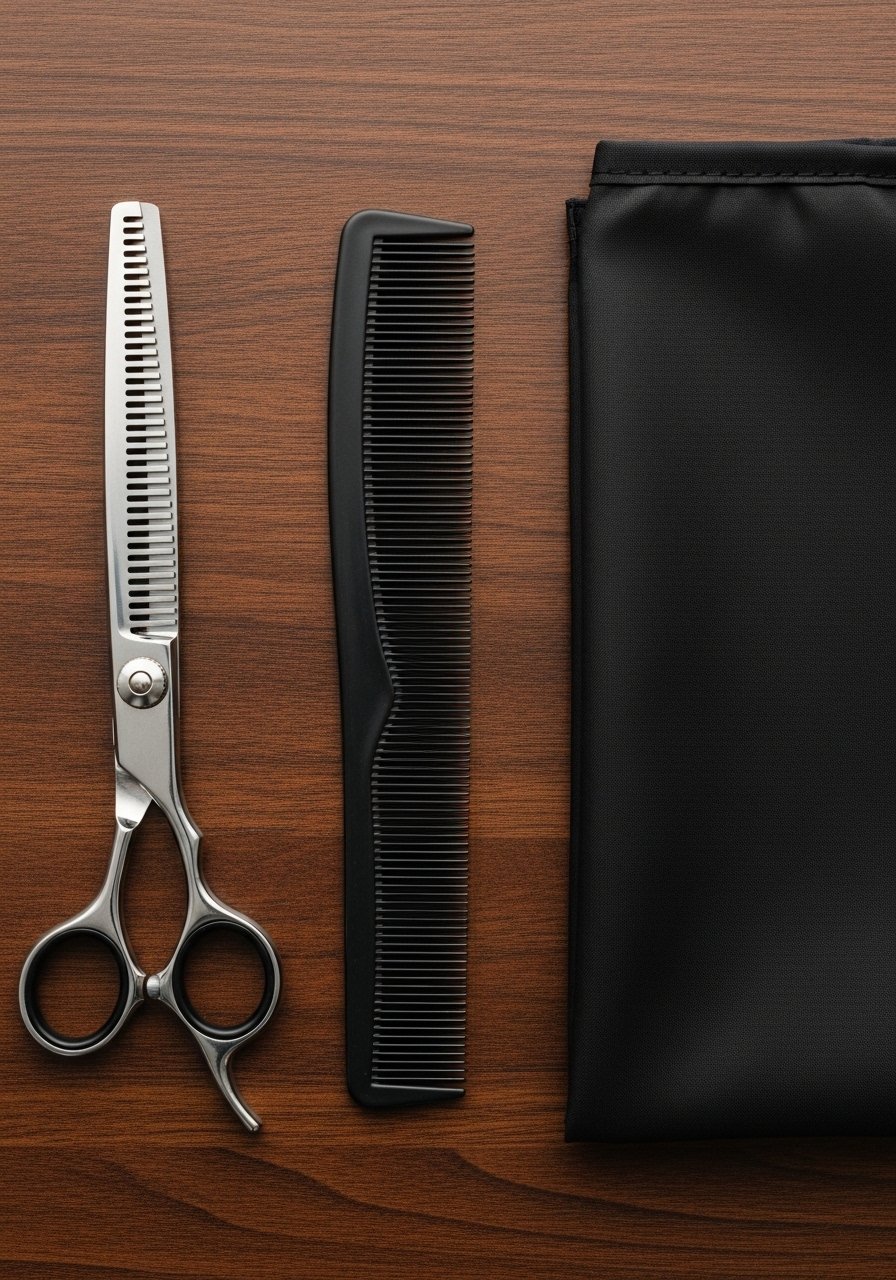
Tried to thin your bangs and ended up with too many little pieces? Controlled thinning with a razor or thinning shears works if you remove tiny amounts and check the fall often. I slice off no more than 1/4 inch per pass and comb through to recheck shape. The typical mistake is aggressive thinning at once which creates gaps. If you mess it up, add weight by growing into face-framing layers or use a small dab of styling cream to glue pieces together temporarily. For big fixes, a salon stylist can rebuild the weight.
Air-Dried Curtain Bangs With Sea Salt Mist
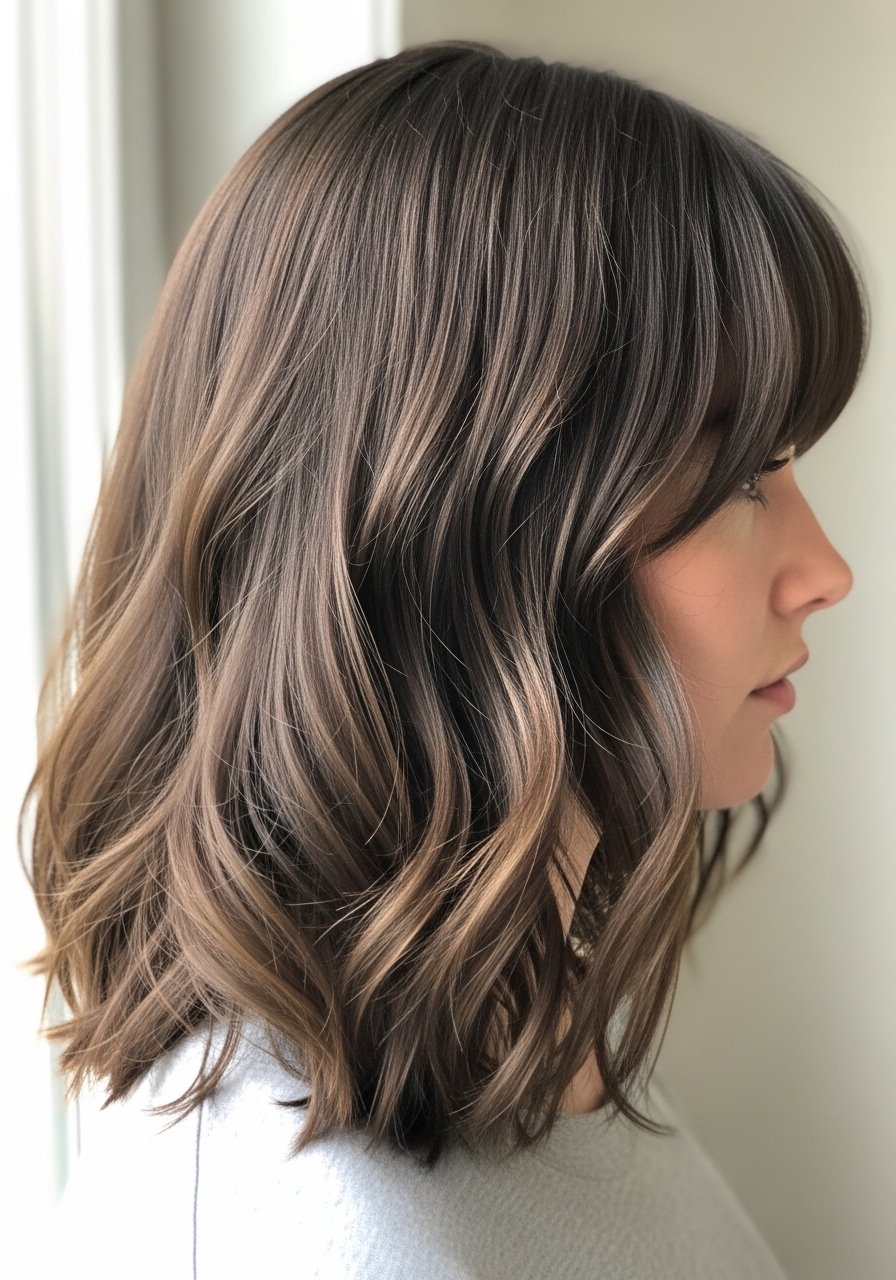
If you prefer low-effort styling, apply a quarter-sized amount of leave-in and two spritzes of sea salt spray to damp curtain bangs, then let air-dry while periodically flipping the part. I found this cuts my styling time by half and gives a lived-in bend without heat. A mistake is over-spraying which makes the bangs straw-like. If that happens, add a tiny drop of oil to the ends only. This method is great for low-maintenance mornings and it plays well with the heatless roll method earlier.
Curtain Bangs Recovery Plan After A Bad Cut

I once left a salon with bangs three inches too short. The recovery plan has three steps. First, pin them back in small diagonal sections for a week while using a bond-building mask once a week. Second, ask your stylist to add long face-framing layers to blend the short pieces. Third, use a small clip and grow-out trims every four to six weeks. Hair grows about half an inch a month at most, so patience plus small trims beats drastic fixes. If the damage came from over-bleaching, see a professional before trying at-home fixes.
What I Wish Someone Had Told Me About Curtain Bangs
- Cut curtain bangs dry for curls. If you have 3A curls, dry cutting tells you exactly where they will land
- Heat protectant belongs on damp or just-dried hair. A reliable heat protectant spray absorbs better that way
- Use a 1.25-inch wand at 300 to 320 degrees Fahrenheit, three to four seconds per small section for that soft bend
- Save money on splurges. Spend on a decent brush and a bond builder like Olaplex No. 3 rather than every trendy serum
- If you must color your bangs, do a patch test and avoid lifting bleach over previous color at home, booking a salon for multi-level lifts instead
Frequently Asked Questions
Q: Can I cut curtain bangs at home if I have medium hair?
A: You can, but only in very small steps. Trim dry if you have any wave or curl and take off 1/8 to 1/4 inch at a time. The biggest mistake is cutting too short on the first pass. If you want a big reshaping, book a stylist.
Q: How often should I trim curtain bangs to keep the shape?
A: Every six to eight weeks for a maintained edge. If you prefer a softer grown-out look, every ten to twelve weeks works. Frequent tiny trims beat one big chop.
Q: My curtain bangs get oily fast. What helps without overwashing?
A: Use dry shampoo at the roots applied with a short burst, then massage with fingers to distribute. Washing the face and hairline twice a week with a clarifying shampoo every two to three washes helps without stripping ends.
Q: Are curtain bangs okay for curly hair?
A: Yes, but they should be cut dry and shaped curl by curl. Low-humidity days and leave-in creams keep the bangs defined. If a stylist wants to cut curly bangs wet, ask them to show the fall first.
Q: Can I use Olaplex No. 3 on uncolored but damaged curtain bangs?
A: Yes, Olaplex No. 3 is safe on all hair types as a weekly treatment. Buy from the official seller on Amazon or at Sephora to avoid counterfeits.
Q: What heat setting should I use when styling curtain bangs with a flat iron?
A: For most medium hair, 320 to 340 degrees Fahrenheit gives a smooth bend without frying the hair. Always apply heat protectant to damp or just-dried hair before any iron over 300F.