
I once trimmed my own side bangs in a hotel bathroom mirror and spent the next six weeks hiding under hats. It taught me which cuts actually grow out well and which need a salon fix. These nine short hair looks with side bangs are the ones I keep coming back to, the ones friends ask about mid-coffee, and the ones that photograph like a mood and still look lived-in in real life.
These styles are for short lengths, from pixies to chin-length bobs, and suit straight, wavy, and curly textures with a little tailoring. Most are doable at home with one or two tools and regular trims every six to ten weeks. A couple are salon-first ideas, and I note cost and upkeep along the way.
Choppy Pixie With Long Side Bangs for Fine Hair
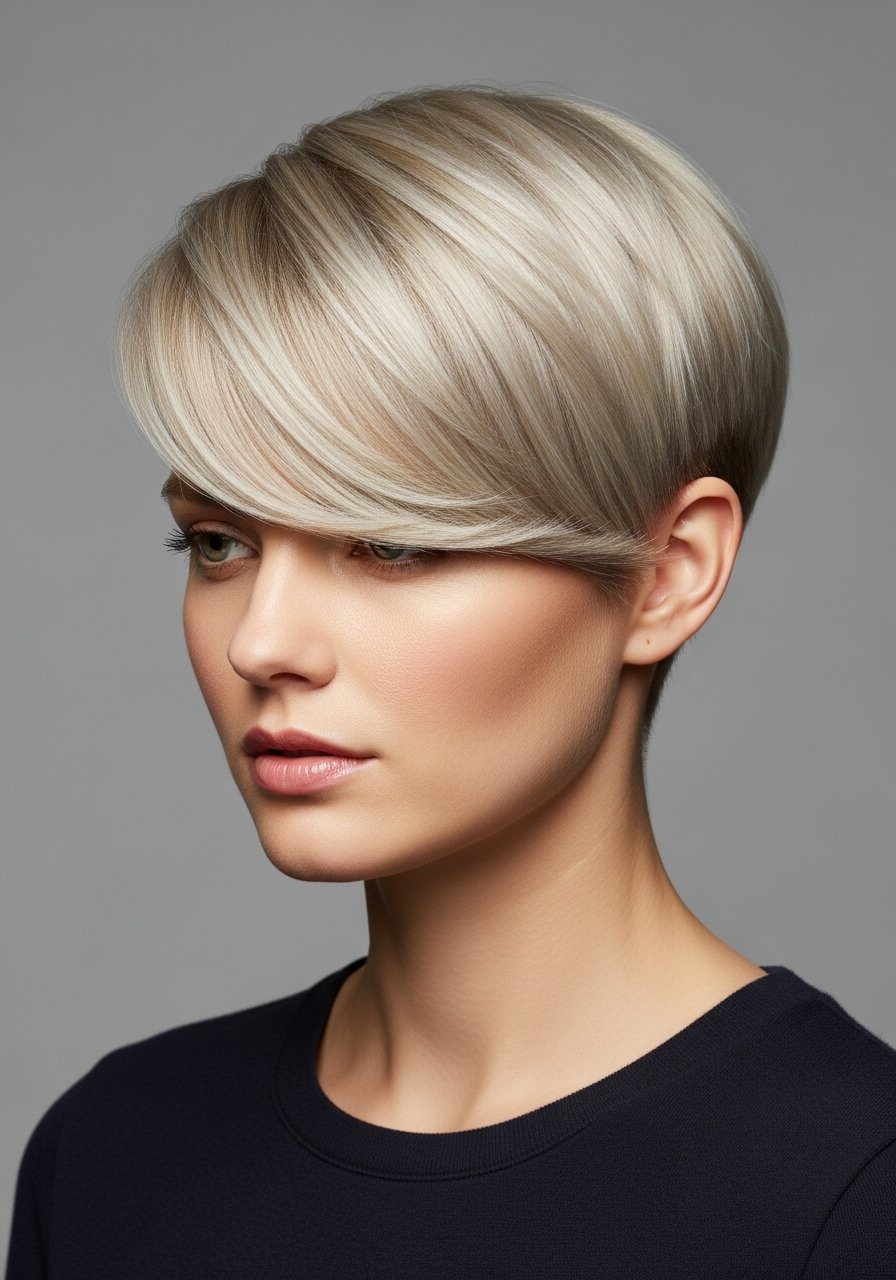
If your hair is thin, a choppy pixie with long side bangs is magic for visual density. The point-cut texture at the crown creates lift without weight, and the long bangs sweep to the side so you can tuck them behind one ear if they get oily. I ask my stylist for seven to nine short layers at the crown and one longer face-framing section about 2.5 inches. At home, two passes with a mini straightener set to 300F smooths the bangs without frying the rest. Use a pea sized amount of a lightweight styling cream like Bumble and bumble Styling Creme to add texture. Common mistake is overloading with wax which flattens instead of lifting. Salon note, let a pro do the first cut, then you can maintain every six to eight weeks.
Textured Bob and Sweeping Side Bangs for Round Faces

A textured bob with sweeping side bangs lengthens a round face by creating the illusion of an oblong silhouette. I dry this with a diffuser on low heat, flip the head upside down for 60 seconds, then finish with the dryer upright at medium heat for 45 seconds to set the roots. Two fingers of a sea salt spray like Not Your Mother’s Beach Babe through damp hair before drying gives separation. Mistakes I see often are scrunching in too much product while hair is still dripping, which mashes the wave. If bangs frizz, a light dab of smoothing serum on the outer 1 inch of the bang is enough. This one is easy to DIY after the first salon cut.
Blunt Crop With Asymmetrical Side Fringe for Straight Hair
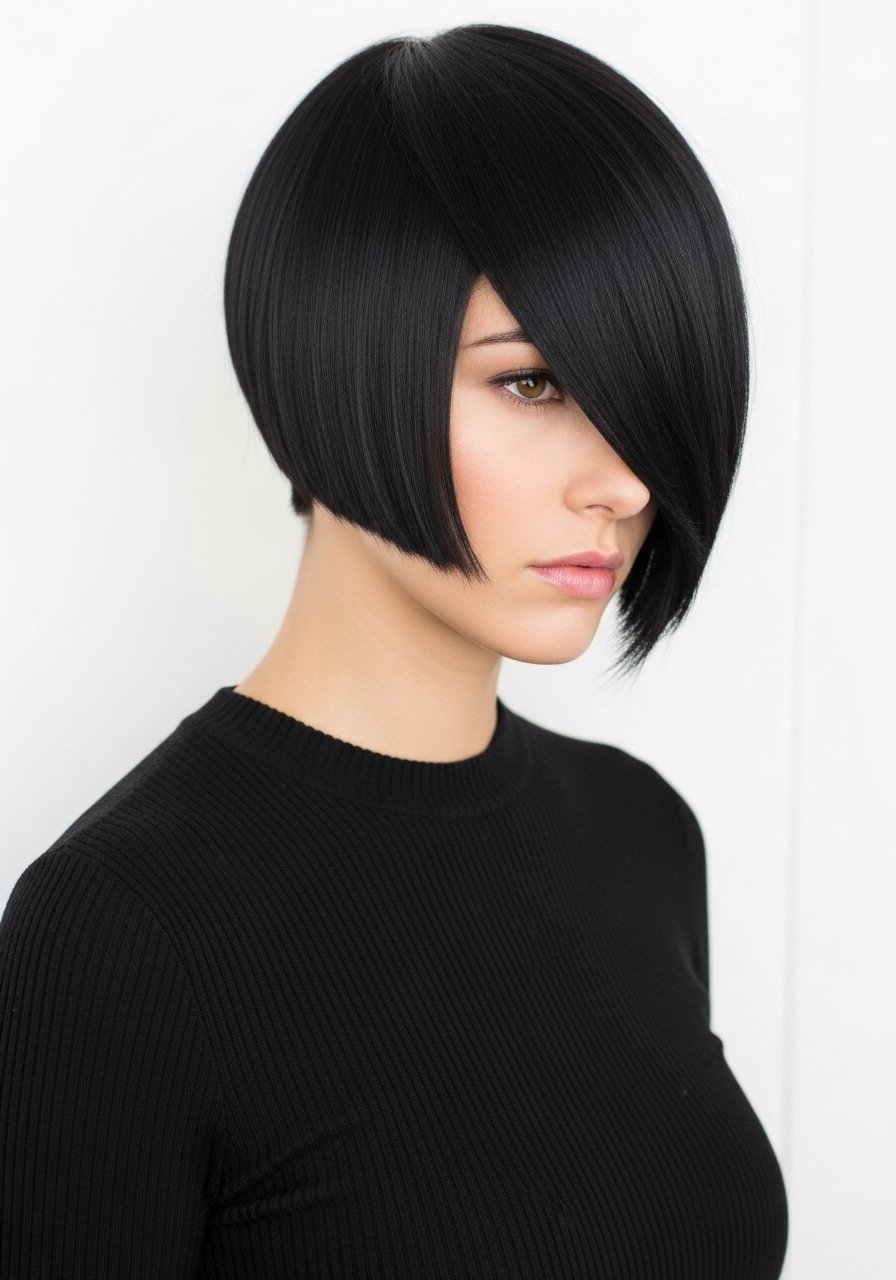
For pin-straight hair, a blunt crop with an asymmetrical side fringe reads modern and low fuss. Ask for a single, slightly angled fringe of about 1.5 to 2 inches depending on forehead height. I keep mine trimmed every five to seven weeks to avoid that awkward middle regrowth. Heat tip, always mist a heat protectant on hair when using a flat iron, and never use an iron over 300F without protection. A single 0.5 inch pass at 310F on the fringe will seal the cuticle, then I run a wide-tooth comb to keep the line crisp. The common error is trimming bangs too short in the salon because they will grow out into an awkward shape. This cut looks salon-clean, so plan for regular appointments.
Soft Layered Lob With Side Bangs for Thick Hair

Thick hair wants movement, not a helmet. Soft layers in a short lob paired with side bangs remove bulk while keeping weight where you want it. My stylist took out about 20 percent of the density with slide cutting, then carved bangs in at a 30-degree angle so they sit naturally across the forehead. At home, I use the LOC method on wash day, layering a small coin sized leave-in, then a dime sized curl cream, then two spritzes of gel. For me SheaMoisture Coconut Curl Cream under Eco Styler Gel gives hold without crunch. Biggest mistake is removing too much length at once, which can leave the bangs puffing out. This one is doable at home if you know how to texturize the ends lightly.
Curly Short Cut With Side Bangs That Stay Defined
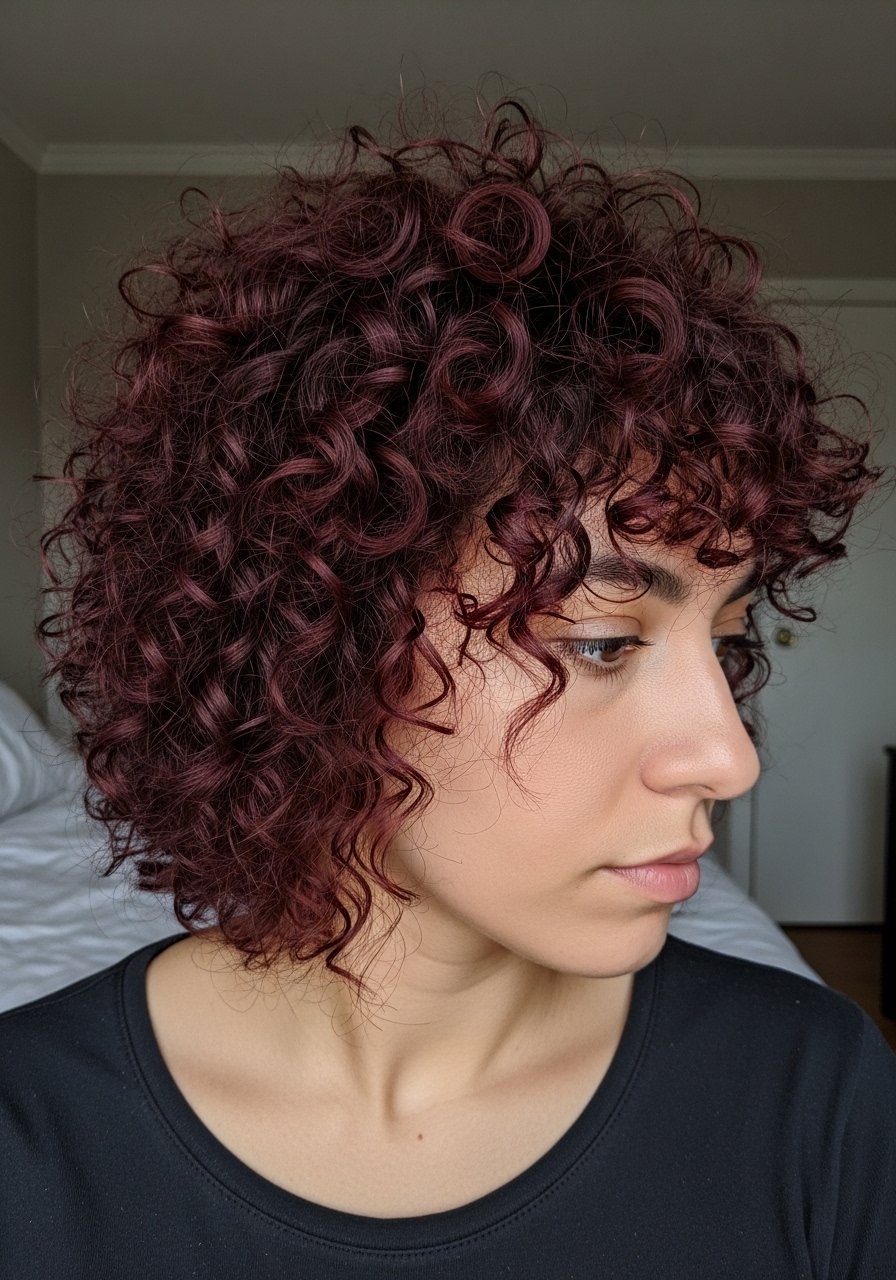
Curly hair plus bangs feels risky, but when cut correctly it frames the face beautifully. The trick is to cut bangs on dry hair, curl by curl, so they fall where they naturally want to. I section the bangs into about eight small pieces, trim half an inch at a time, and check the fall after each pass. For styling I apply a nickel sized amount of a defining cream, then scrunch in a pea sized gel just at the bangs for extra hold. If your curls dry crunchy, scrunch out the cast after they set. A mistake I made early on was cutting bangs wet, which shrunk way more than expected. If your scalp is sensitive, do an allergy patch for new gels first.
Sleek Short Hair With Side Bangs for Office Wear

If you want a professional look, keep lines clean and product minimal. I blow dry bangs with a small round brush, pulling across for ten seconds at medium heat, then smooth with a flat iron set to 320F for one quick pass. Before any iron use, I spray a heat protectant, and I recommend using a product that absorbs on damp hair for actual protection. A light mist of anti-frizz spray like Color Wow Dream Coat before you finish gives two to three days of smoothness for many people. The common mistake is piling on oils which makes the bang look heavy and limp. This style is highly maintainable with trims every six to eight weeks.
Stacked Bob With Side Bangs to Add Volume at the Crown
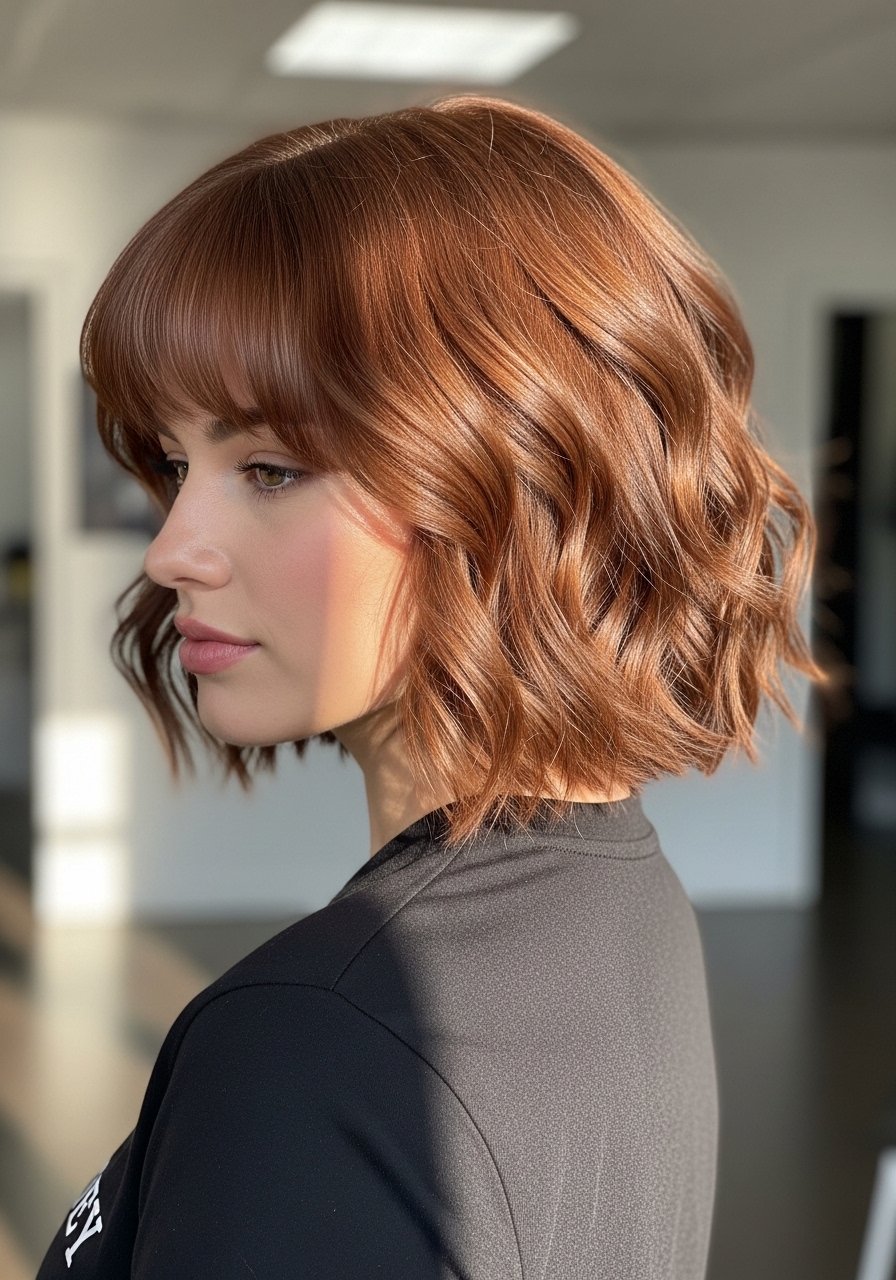
A stacked back creates instant lift, and short side bangs balance the profile. My stylist builds a graduated stack with three to four weight-reducing horizontal sections in the back, and adds bangs that blend into the side layers. At home, I clip the top section into two vertical halves, blast the roots with a vent brush for thirty seconds, then use a cool shot to lock the lift. Dry shampoo at the root on day two revives the shape. People often over-thin the perimeter which kills the stacked effect, so ask for internal thinning only. This cut needs a pro to set the angles right, but you can maintain it with easy root lifts at home.
What I Keep in My Short Side Bangs Kit
- Honestly the one splurge I keep buying is Olaplex No. 3 Hair Perfector 3.3oz. I use it once a week after a color fix. Buy from the official Olaplex store on Amazon or Sephora to avoid counterfeits.
- For daily texture, a small bottle of sea salt spray under $12 is enough for months. Two spritzes through damp hair is usually all I need.
- A travel-size flat iron that reaches 320F is my tool for bangs. I prefer a 1-inch plate like this mini straightener for precision.
- Wide-tooth comb for detangling wet hair without breakage, less than $10.
- Silk pillowcase queen under $25. I found this cut my morning frizz in half before I touched a single product.
- A small can of flexible hold hairspray like L’Oréal Elnett 75ml to set bangs without crunch.
- Dry shampoo travel size for day-two life. Two quick sprays at the roots and a 10 second massage refreshes the style.
Undercut Pixie With Side Bangs for an Edgier Look
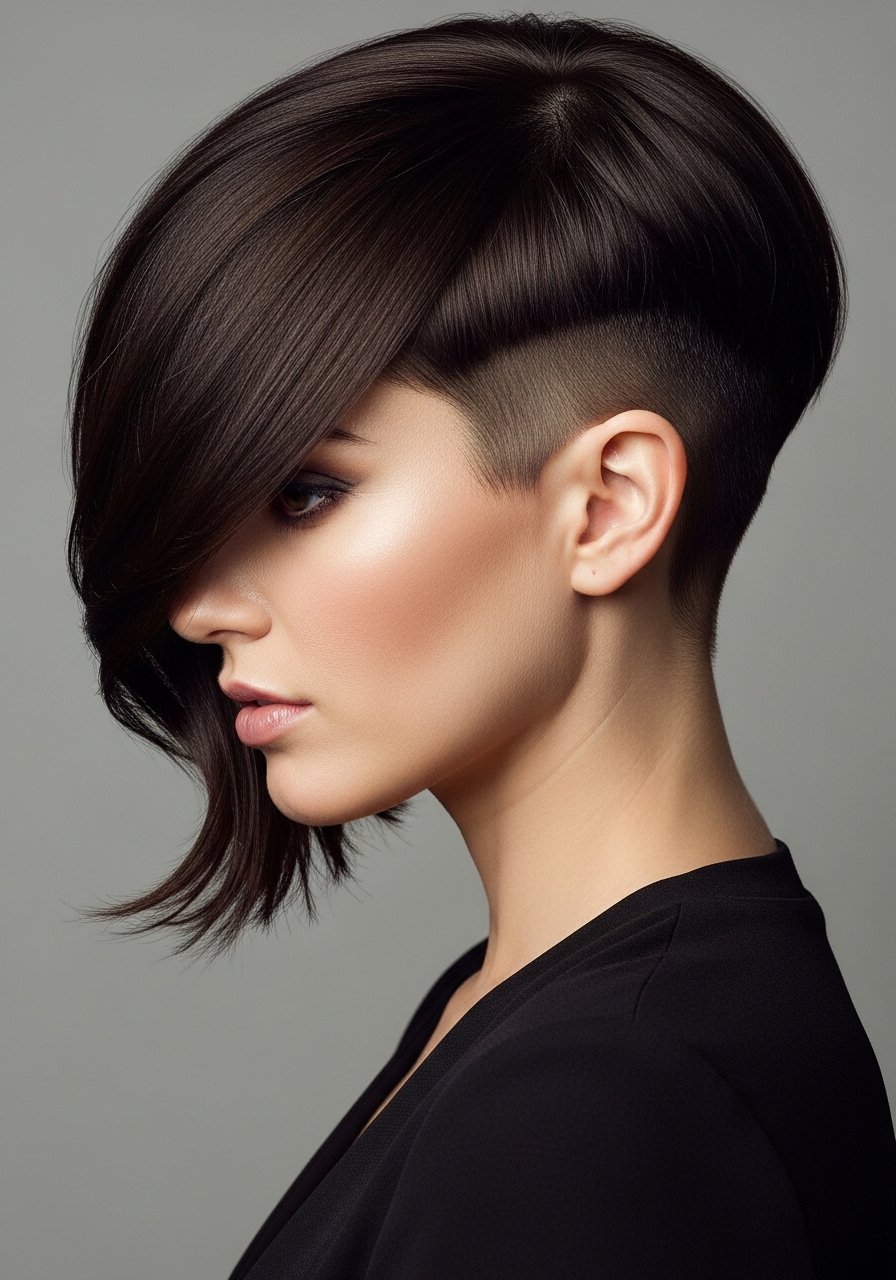
If you want low upkeep daily but a strong aesthetic, an undercut pixie with side bangs is perfect. The undercut removes weight and heat build-up, while the longer bangs provide versatility. My undercut is clipped to a 1.5 guard and the bangs kept at about 3 inches so they can be styled swept or pinned. Use a pea size of a matte paste to push the bangs into place, and avoid products that add gluey shine. A caution, shaving too close repeatedly can irritate the scalp, so talk to your stylist about tapering rather than full shave. Salon-first required for the undercut lines, but you can maintain the bangs yourself between trims.
Subtle Money Piece Highlights Framing Short Side Bangs
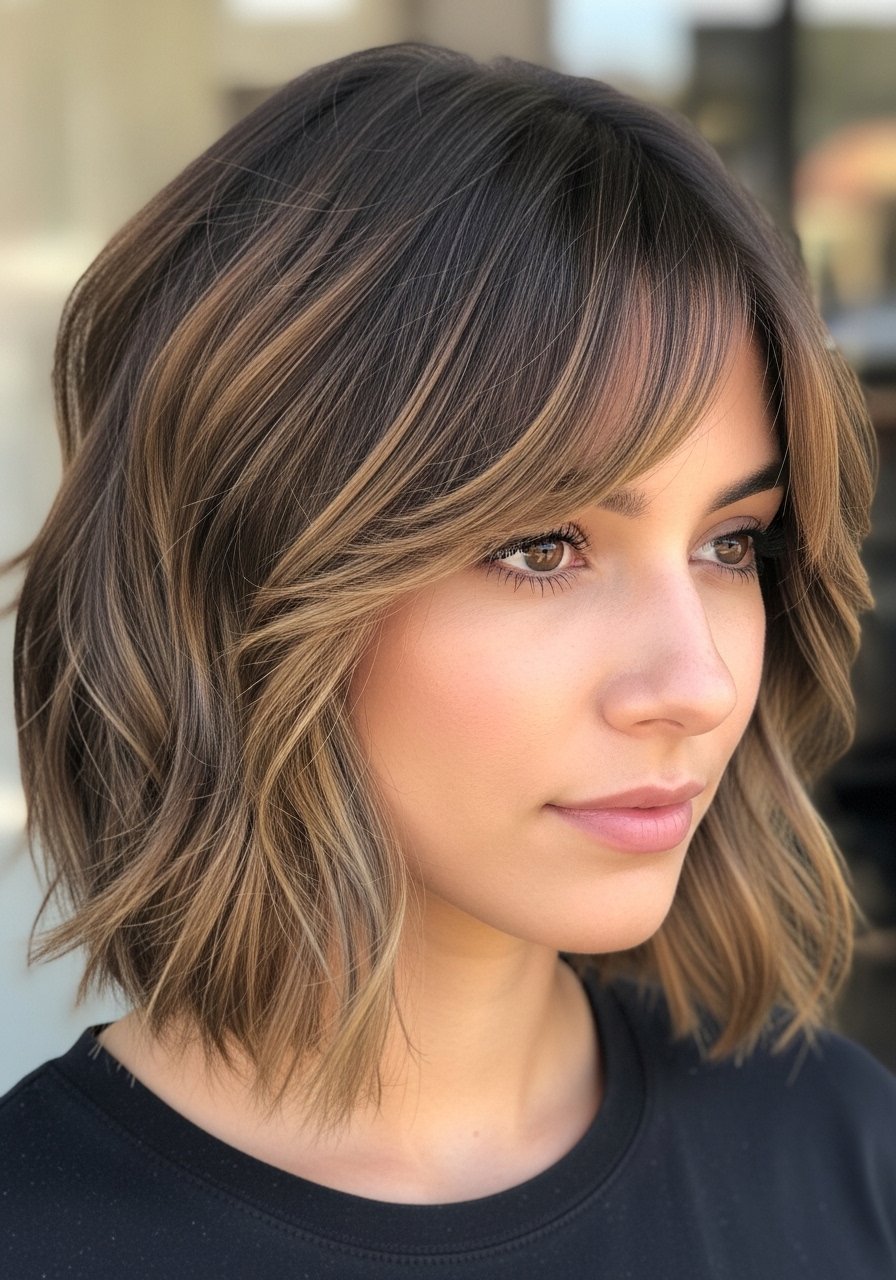
Brightening the front pieces, known as money pieces, makes short side bangs pop without a full color commitment. I ask for two to three thin slices at the face that are one to two levels lighter, low lift foil only, not a full bleach. If you color at home, never lift over existing dark dye without a salon consult, it can snap the hair. For upkeep I touch the front every eight to ten weeks and use a purple shampoo no more than once a week if you are fighting brass. A small gloss in the salon can refresh tone and adds shine for about four to six weeks. This is one of the easiest color updates to live with.
Small Tricks That Keep Side Bangs Behaving All Day
- A short pass of a straightener at 300F on the bangs after a quick blow dry stops the flyaways without flattening the root. Use a heat protectant on damp hair first.
- Sleep on a silk pillowcase to reduce morning frizz. It saved me multiple rushed styling sessions. Silk pillowcase queen is a repeat buy.
- If bangs go greasy too fast try a dab of dry shampoo directly on roots, wait 30 seconds, then brush through. One of the easiest fixes I learned.
- Trim bangs dry every four to six weeks. Wet hair shrinks, so a dry trim keeps the shape accurate and avoids that surprise too-short moment. A pair of salon shears works, but get a professional for the first few visits.
- When layering products for curly short bangs use the LOC method, leave-in then oil then cream, but cut the quantities in half compared to longer hair so curls do not weigh down.
Frequently Asked Questions
Q: Can I train side bangs to part the way I want them?
A: Yes, but it takes consistent styling for about two to three weeks. Train them by setting the part each morning with a round brush and a quick blast of cool air. If they keep flipping oddly, a tiny tuck with a bobby pin until they settle helps.
Q: How often should I wash bangs to avoid oil but not over-dry the rest of my hair?
A: Washing bangs every two to three days usually balances oil and dryness. If your bangs are very short or straight and contact the forehead a lot, you might need to rinse or shampoo them on day two but skip conditioner on the fringe to avoid limpness.
Q: Can I cut my own side bangs at home without ruining them?
A: You can do small trims at home, but avoid big shape changes. Cut dry, work in small increments of a quarter inch, and check the fall as you go. Major reshaping is worth a salon visit.
Q: Will highlights damage short hair with side bangs more than longer hair?
A: Highlights affect hair the same by strand, not by length. The risk is cumulative processing, so avoid lifting over recent color and give hair a bond builder like Olaplex No. 3 once a week if you are doing repeated color sessions. If you have lots of previous dye, consult a colorist.
Q: What is the cheapest tweak that makes side bangs look salon-cut?
A: A single precise trim every six to eight weeks and a mini straightener for a one-pass finish do more than a pile of products. Two minutes with the right tool and a tiny bit of product keeps the line clean and real.